
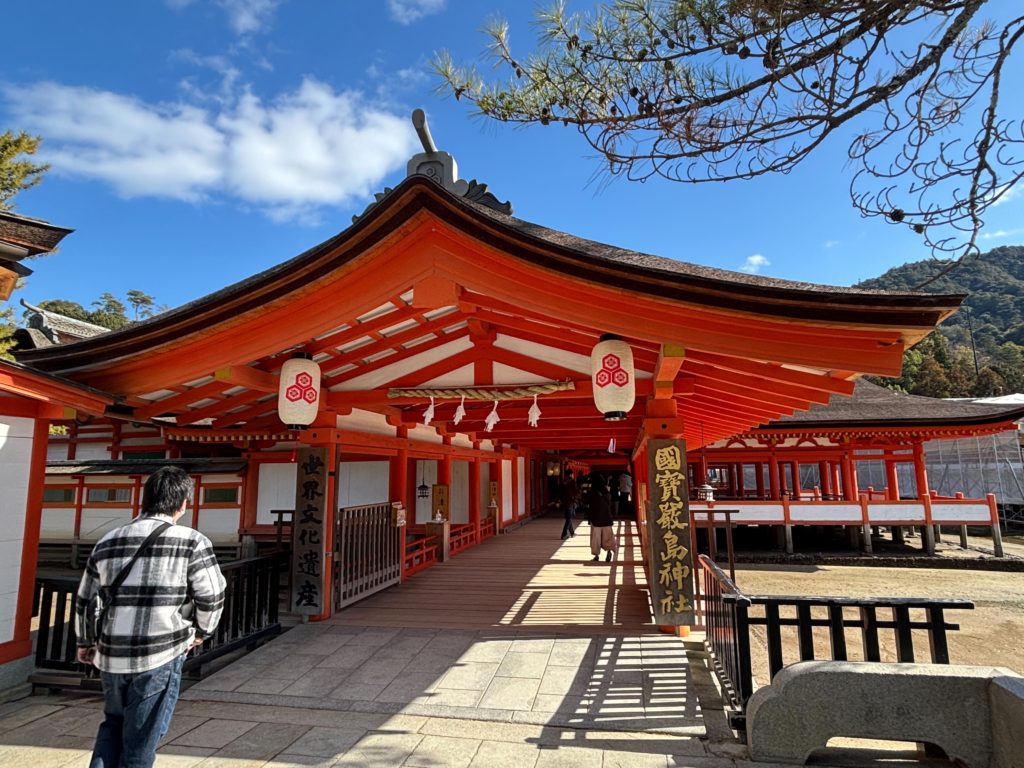
When you visit Miyajima, you’re immediately drawn to something magical: a brilliant vermilion shrine seemingly floating on the Seto Inland Sea. But what makes this stunning landscape worthy of being named a Miyajima World Heritage site? The answer lies in a unique blend of architectural genius, spiritual significance, and centuries of dedicated preservation.
In December 1996, Itsukushima Shrine earned its place on UNESCO’s World Cultural Heritage list. The designation covers an impressive 431.2 hectares—roughly 14% of the entire island—including the shrine’s main buildings, the sea stretching out in front, and the ancient primeval forest blanketing Mount Misen behind. This recognition elevated Miyajima from a beloved Japanese landmark to a treasure belonging to all of humanity. In this guide, we’ll walk you through the fascinating journey to World Heritage status, explore the unique values that earned this recognition, and share how ongoing conservation efforts keep this cultural landscape protected for future generations.
The Road to World Heritage Recognition
How Japan Joined the World Heritage Movement
The World Heritage Convention traces its roots back to 1972, when UNESCO member nations came together to create an international framework for protecting our planet’s most precious cultural and natural treasures. The treaty’s core mission is simple yet powerful: identify sites with Outstanding Universal Value, recognize them as humanity’s shared heritage, and foster international cooperation to protect them from damage or loss.
Japan didn’t ratify this convention until 1992—two decades after its creation. But once Japan joined, Itsukushima Shrine was immediately placed on the country’s Tentative List of potential World Heritage Sites that same year. This quick nomination made perfect sense: the shrine had already been protected for generations as a National Treasure and Important Cultural Property, and its status as one of Japan’s Three Scenic Views had long established its cultural importance in the Japanese imagination.
Four Years from Nomination to Official Recognition
After three years on the Tentative List, the Japanese government took the next big step in September 1995, formally nominating Itsukushima Shrine for World Heritage status. The nomination package was comprehensive, presenting detailed research that highlighted the shrine’s groundbreaking design as a structure built directly over the sea, its exceptional preservation of Heian-period architectural styles, and the breathtaking aesthetic harmony between human creativity and the natural landscape.
The UNESCO World Heritage Committee doesn’t take these decisions lightly. Every nominated site undergoes careful scrutiny, with experts evaluating whether it truly possesses “Outstanding Universal Value” worthy of being called humanity’s shared treasure. For Itsukushima Shrine, that moment of recognition came in December 1996 at the 20th World Heritage Committee session, where it was officially inscribed as a cultural heritage site meeting four specific evaluation criteria.
Understanding this background helps us appreciate the depth of Miyajima’s historical significance.
If you're planning a trip to Hiroshima and Miyajima, you've probably s...
Miyajima history begins over 1,400 years ago, when this sacred island ...
Four Criteria That Earned World Heritage Status
Criterion (i): A Masterpiece of Human Creative Genius
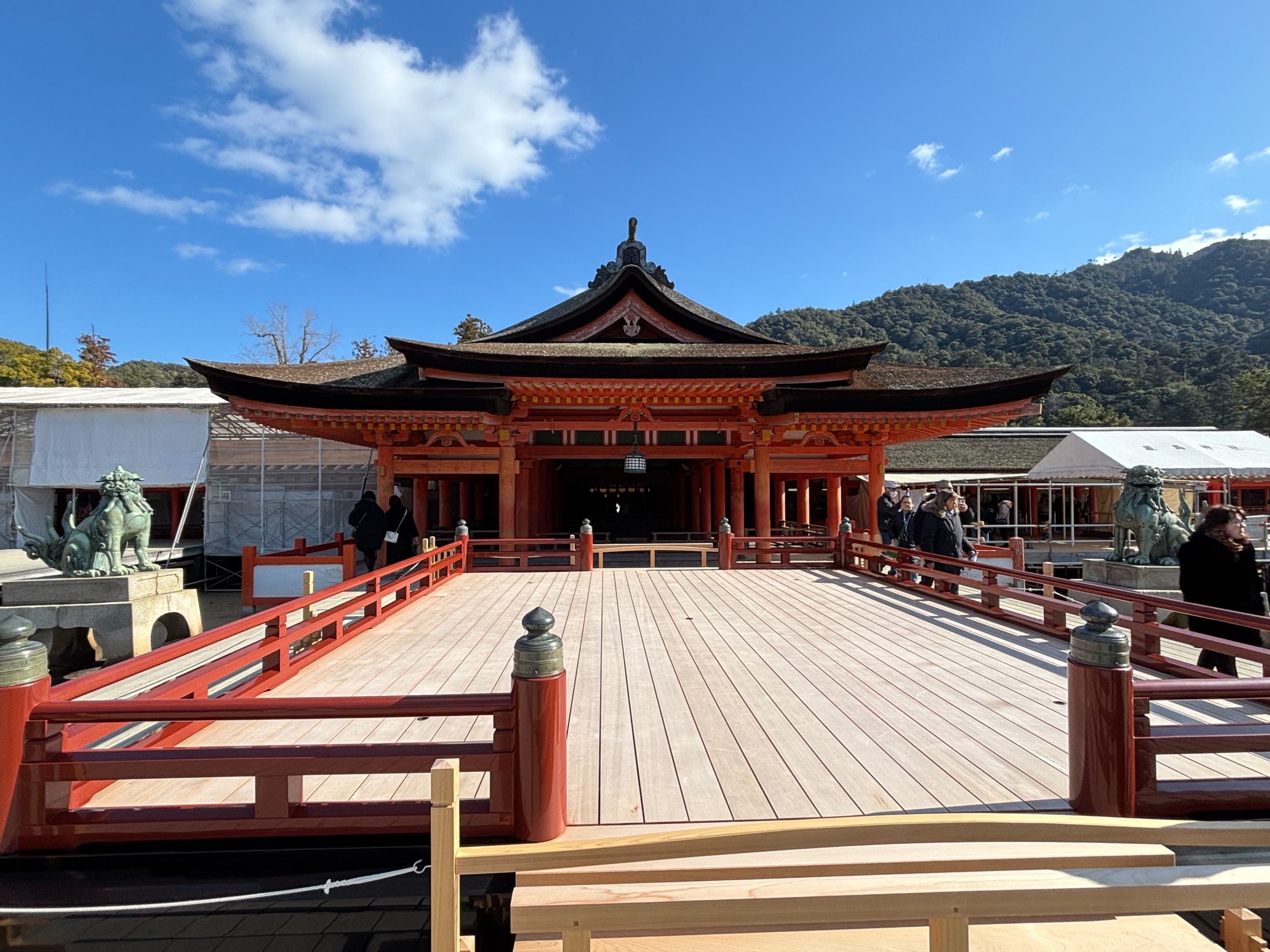
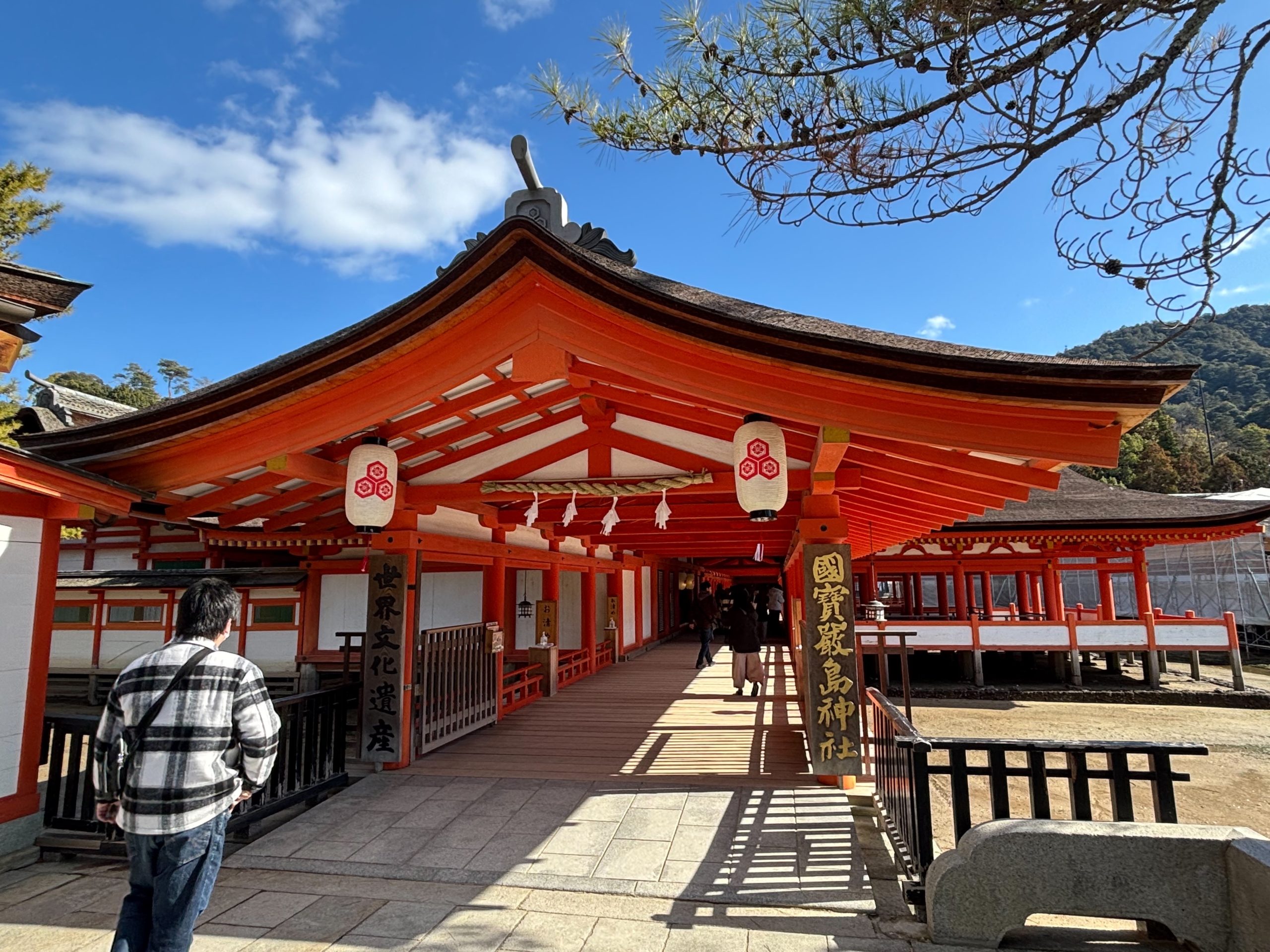
Itsukushima Shrine represents something truly unique in world architecture. During the Heian period (794-1185), Japan’s aristocracy lived in elegant residences built in a style called shinden-zukuri, characterized by connected halls arranged around a central courtyard. What makes Itsukushima Shrine remarkable is that it took this residential architectural style and boldly applied it to sacred space—then built the entire complex over the sea.
We have Taira no Kiyomori, a powerful 12th-century military leader, to thank for this vision. He orchestrated the creation of an extraordinary landscape: clusters of vermilion-lacquered buildings stretching across the water, backed by Mount Misen’s deep green forest. This wasn’t just architecture—it was environmental art on a massive scale.
The design philosophy is what sets it apart. The shrine’s builders didn’t fight against nature; they embraced it as part of the design. At high tide, the shrine appears to float mysteriously on the waves. At low tide, when the water recedes and a sandbar emerges, you can walk right up to the great torii gate. This intentional dance with the tides, this seamless integration of natural landscape and human construction, is why UNESCO recognized it as a masterpiece demonstrating human creative genius.
Criterion (ii): Shaping Japan’s Architectural Heritage
The influence of Itsukushima Shrine’s design rippled through Japanese architecture for centuries. By fusing Heian-period court culture with Shinto spiritual beliefs, it created a new architectural language for sacred spaces throughout Japan. Taking a residential style and transforming it into a shrine wasn’t just innovative—it fundamentally reshaped how the Japanese thought about the relationship between divine spaces and human habitation.
During Taira no Kiyomori’s era, when he controlled the vital maritime trade routes through the Seto Inland Sea, Miyajima became much more than a local shrine. Nobles would journey from Kyoto to make pilgrimages here, bringing with them refined courtly arts—elegant dances, sophisticated music, and cultural practices that transformed the shrine into a hub of artistic exchange. This role as a cultural crossroads contributed significantly to its evaluation under Criterion (ii).
Criterion (iv): An 800-Year Window Into Medieval Japan
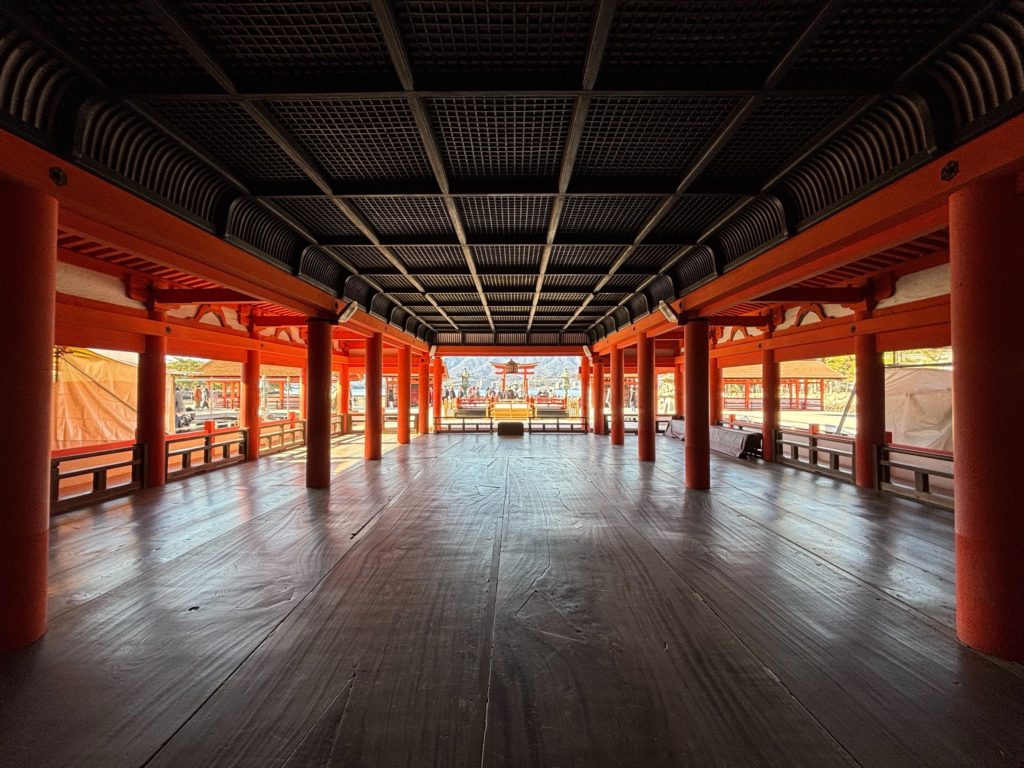
Here’s something that surprises many visitors: most of what you see at Itsukushima Shrine today isn’t the original structure built by Taira no Kiyomori. The original buildings from 1168 were destroyed in devastating fires in 1207 and 1223. However—and this is crucial—when the shrine was rebuilt in 1241, the reconstruction faithfully replicated the original design down to the smallest detail.
What this means is that when you walk through Itsukushima Shrine today, you’re experiencing authentic late 12th to early 13th-century architecture. It’s an incredibly rare example of Heian-period shinden-zukuri style and Kamakura-period construction techniques that has survived to the present day. Consider the odds: this wooden structure has endured over 800 years in one of the harshest environments imaginable—constantly exposed to seawater, salt spray, tidal forces, and typhoons. Globally, there are very few comparable examples of such ancient coastal architecture remaining intact.
Criterion (vi): A Window Into Japanese Spirituality
To truly understand Miyajima, you need to know this: in ancient Japan, the entire island was considered sacred ground, with Mount Misen (rising 535 meters above the sea) serving as its spiritual heart. The shrine wasn’t built on the island’s soil—it was intentionally constructed over the water to avoid disturbing sacred earth. The island itself was venerated as a place “for purifying and enshrining the gods.”
Miyajima also beautifully illustrates something unique to Japanese religious history: the harmonious blending of Shinto and Buddhism. Until the Meiji government forcibly separated the two religions in the 1860s, Buddhist temples like Daisho-in worked hand-in-hand with Itsukushima Shrine, creating an integrated spiritual practice. As a living example of Japan’s traditional approach to venerating diverse deities and spiritual forces, Miyajima fulfills the requirements of Criterion (vi).
What’s Actually Protected: The Scope of World Heritage Status
431.2 Hectares of Sacred Landscape
When people think “World Heritage site,” they often picture just the main shrine buildings. But Miyajima’s World Heritage designation is far more comprehensive. The protected area radiates out from the shrine structures to include the surrounding waters where the torii gate stands and extends all the way back through the forested slopes to encompass Mount Misen’s primeval forest. All told, this adds up to 431.2 hectares—approximately 14% of the entire island.
Within this protected zone, you’ll find six structures designated as National Treasures, including the main shrine complex with its Main Hall, Heiden Hall, and Haiden Hall. Eleven additional structures and three monuments carry Important Cultural Property status—among them the iconic Great Torii Gate, the Five-storied Pagoda, and the Tahoto Pagoda. The primeval forest on Mount Misen alone covers about 160 hectares (5.3% of the total island area) and is designated as a National Natural Monument, protecting it as an untouched wilderness area.
The Buffer Zone: A Second Layer of Protection
World Heritage protection doesn’t stop at the registered area’s boundaries. UNESCO requires what’s called a “buffer zone”—essentially a protective ring around the core site. For Miyajima, this buffer zone is massive: it includes the entire rest of Itsukushima Island (everything outside the registered core), the sea area within view of the Great Torii Gate, and designated maritime zones surrounding the island.
This buffer zone covers 2,634.3 hectares. In practical terms, this means the entire island of Miyajima functions as a protection zone, with strict development limitations and landscape change regulations. You won’t see high-rise hotels or modern construction that would clash with the historical character. This comprehensive approach prevents any construction that might diminish the World Heritage value and ensures the surrounding natural scenery remains as pristine as possible.
How Miyajima Stays Protected Today
Rigorous Management Under National Law
Even before UNESCO came calling, Itsukushima Shrine and Miyajima were already receiving heavyweight protection under Japan’s Cultural Properties Protection Law. When this law was enacted in 1950, the shrine’s main structures were immediately designated as National Treasures or Important Cultural Properties. The surrounding waters and viewscapes received equally serious protection as a National Special Historic Site and National Special Place of Scenic Beauty.
Under this framework, any alteration or repair—no matter how minor—requires permission from the Commissioner of the Agency for Cultural Affairs. All preservation and restoration work must follow traditional techniques and use historically appropriate materials. After World Heritage designation in 1996, this already-strict domestic protection was reinforced by international monitoring through UNESCO, creating a powerful dual-layer protection system.
Community-Led Conservation
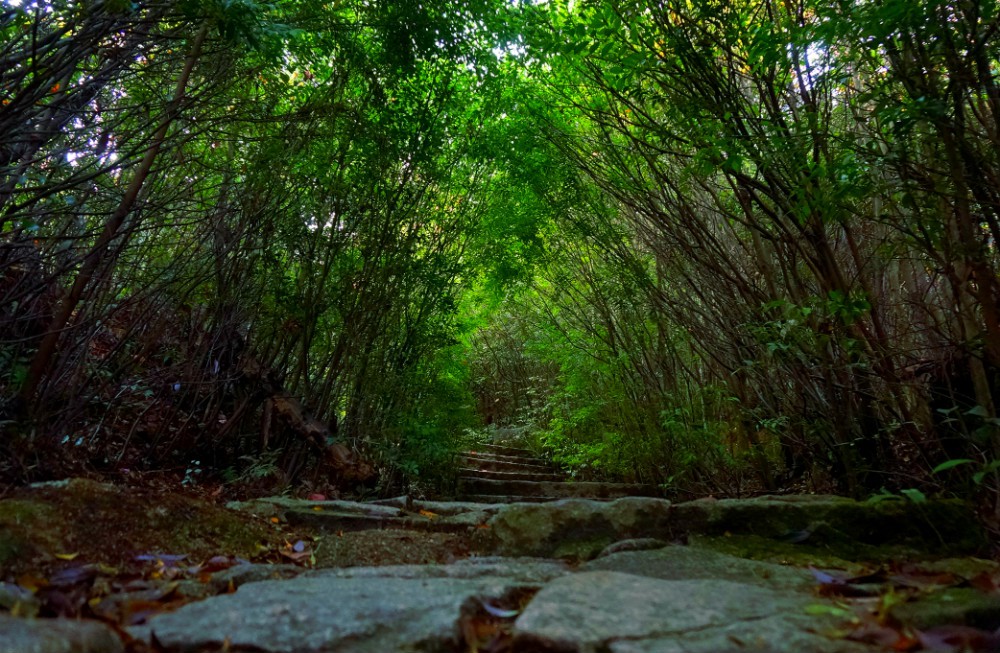
Here’s something that often gets overlooked: government regulations alone can’t protect a World Heritage site. The real secret to Miyajima’s preservation is the deep commitment of local residents who have, for generations, viewed themselves as stewards of sacred ground. Since the Kamakura period (1185-1333), the island has been treated as shrine grounds, with a long tradition of resisting unnecessary development.
Today’s protection effort is a true collaboration. Hiroshima Prefecture, Hatsukaichi City, Itsukushima Shrine administrators, the Miyajima Tourism Association, and island residents all work together with a shared goal: passing this treasure to future generations. Their work includes everything from regular community cleanup activities and careful design guidelines for landscape preservation to educational programs that help visitors understand and respect the site’s significance.
Traditional Craftsmanship and Ongoing Restoration
Maintaining a wooden structure built over seawater is no small feat. Itsukushima Shrine’s buildings face constant assault from salt spray, tidal forces, and moisture, making regular inspections and repairs absolutely essential.
The wooden piles supporting the shrine underwater face especially tough conditions. They’re inspected on a regular schedule, and when corrosion is detected, craftsmen replace them using traditional root-joining techniques passed down through generations. Every repair follows historical methods—no modern shortcuts are allowed.
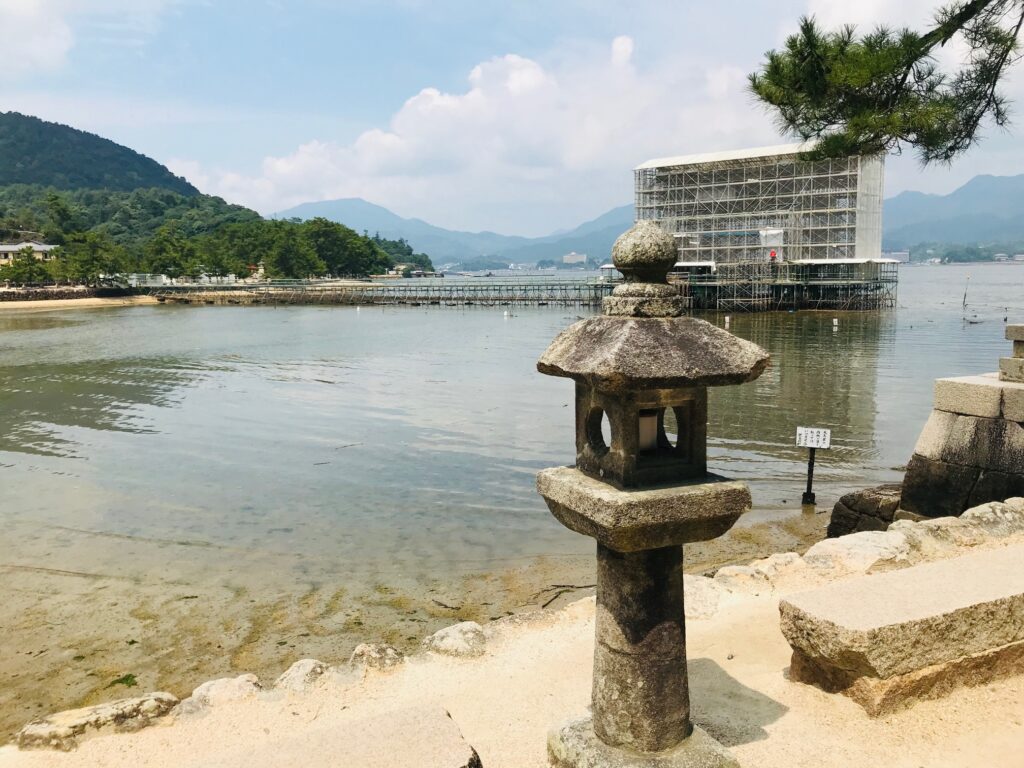
The most visible example of this commitment came between 2019 and 2022, when the Great Torii Gate underwent comprehensive preservation and repair work. This massive project prioritized keeping as many original materials as possible and faithfully following traditional construction methods. The work required extensive preliminary research and proceeded carefully over several years. Supporting this effort, the Miyajima National Forest has been officially designated as a “Forest Contributing to World Cultural Heritage,” ensuring a reliable supply of cypress bark (hiwada) and timber essential for cultural property restoration work.
Living Heritage: Miyajima Today
Nearly three decades after earning World Heritage status, Itsukushima Shrine and Miyajima have become must-see destinations for anyone visiting Hiroshima. In peak years before the COVID-19 pandemic, the island welcomed over 4 million visitors annually. Global recognition through UNESCO has brought a surge in international travelers eager to see the floating shrine and that iconic torii gate rising from the sea, providing a significant boost to the local economy.
But this tourism success story comes with challenges. Increased visitor numbers put stress on historic structures and the natural environment. There’s constant pressure for development that could compromise the landscape. World Heritage designation isn’t a finish line—it’s an ongoing responsibility. The real challenge is preserving Miyajima’s cultural essence and traditions while remaining welcoming to visitors from around the world.
To address these concerns, the Miyajima Town Development Plan was established in 2014 with a clear focus on preserving the World Heritage landscape. The plan sets specific rules: building height limits, regulations on colors and materials for construction, and controls on outdoor advertising. Local residents, government officials, and tourism businesses continue working together to strike the right balance—protecting what makes Miyajima special while keeping the community vibrant and economically healthy.
Frequently Asked Questions
When was Itsukushima Shrine registered as a World Heritage Site?
Itsukushima Shrine received official World Cultural Heritage status at the 20th UNESCO World Heritage Committee meeting in December 1996. It became Japan’s eighth World Heritage site, registered in the same year as another Hiroshima landmark—the Hiroshima Peace Memorial (Atomic Bomb Dome).
Is only the main shrine building registered as a World Heritage site?
No, the protection extends far beyond just the shrine buildings. The registered area covers 431.2 hectares, including the shrine complex, the sea area in front where the torii gate stands, and the Misen Primeval Forest behind. This protected zone represents approximately 14% of the entire island of Itsukushima.
What values were recognized for its World Heritage designation?
UNESCO recognized Miyajima under four specific criteria: (i) The floating shrine design demonstrates exceptional human creative genius; (ii) Its architectural innovations influenced shrine construction throughout Japan; (iv) It preserves authentic 12th-century architectural styles to the present day; and (vi) It expresses traditional Japanese spiritual worldviews and the relationship between humanity and nature.
What is a buffer zone?
A buffer zone is a protective area surrounding the core World Heritage site, designed to shield it from harmful development. For Miyajima, the entire island of Itsukushima (except the registered core area) and the surrounding waters function as the buffer zone. This means strict limitations on development and landscape changes apply to the whole island, protecting the site’s integrity.
How has Miyajima changed since its World Heritage registration?
The most dramatic change has been increased international recognition, bringing a significant rise in overseas visitors. Before the COVID-19 pandemic, annual visitor numbers exceeded 4 million, providing an economic boost to the local community. The ongoing challenge is managing this tourism growth while maintaining the landscape qualities that earned World Heritage status in the first place.
What activities are being carried out to protect the World Heritage site?
Protection involves multiple layers: strict management under Japan’s Cultural Properties Protection Law, collaborative conservation efforts involving local residents and government authorities, and regular restoration work using traditional techniques and materials. The Miyajima Town Development Plan adds another layer by setting specific rules on building height, color schemes, and outdoor advertising to maintain a landscape worthy of World Heritage status.
As a tourist, is there anything I can do to help protect this World Heritage site?
Absolutely! Simple actions make a real difference: don’t touch shrine buildings or cultural properties, take all your trash with you, stay within designated pathways and areas, and resist the urge to feed the deer (it disrupts their natural behaviors). Taking time to learn about the site’s history and significance—which you’re doing right now by reading this article—is another valuable way to support its protection. Understanding breeds respect.
Summary
Miyajima’s World Heritage designation recognizes something truly special: unique shrine architecture built over the sea, exceptional preservation of Heian-period architectural styles, and a distinctly Japanese spiritual worldview rooted in nature worship. From its inclusion on Japan’s Tentative List in 1992 to official inscription in 1996, this recognition was the result of extensive research and the dedicated efforts of many individuals and organizations.
Nearly 30 years later, that value continues to be protected through a sophisticated, multi-layered system: rigorous management under the Cultural Properties Protection Law, genuine collaboration between residents and authorities, and restoration work that faithfully employs traditional techniques. The 431.2-hectare core area, surrounded by a buffer zone encompassing the entire island of Miyajima, ensures that what’s being protected isn’t just individual buildings but an integrated cultural landscape—structures, natural environment, and all.
World Heritage registration wasn’t an endpoint; it marked the beginning of an ongoing commitment. Miyajima continues fulfilling its role as humanity’s shared treasure, carefully balancing cultural tradition preservation with its identity as a vibrant travel destination in Hiroshima. Understanding this value—and participating in its protection, even in small ways—is how we ensure this precious heritage survives for future generations to experience and cherish.
References & Sources
- Cultural Heritage Online: Itsukushima Shrine
- Miyajima Tourism Association: World Cultural Heritage Registration
- Japan’s World Heritage Sites: Itsukushima Shrine
- okeikoJapan Inc.: What Kind of World Heritage Site is Miyajima?
- World Heritage Navi: Itsukushima Shrine
- History of Miyajima Town: General History Volume, Miyajima Town History Compilation Committee, 1992
- UNESCO World Heritage Centre: Itsukushima Shinto Shrine