
If you’re planning a trip to one of Japan’s most iconic destinations, you’ve probably noticed something confusing: sometimes it’s called “Miyajima,” and other times “Itsukushima.” Tourist brochures say “Miyajima,” official maps mark the island as “Itsukushima,” and the famous shrine is “Itsukushima Shrine.” So what’s the deal with Miyajima vs Itsukushima—are they different places?
Here’s the simple answer: both names refer to the exact same island, but they come from different historical backgrounds and are used in distinct contexts. The formal name “Itsukushima” dates back over 1,400 years to ancient Japan, while “Miyajima” became the popular, everyday name during the Edo period (1603-1868). This dual naming reflects the island’s sacred status and how people have related to it over the centuries—it’s not just a quirk of translation, but a window into Japan’s living history.
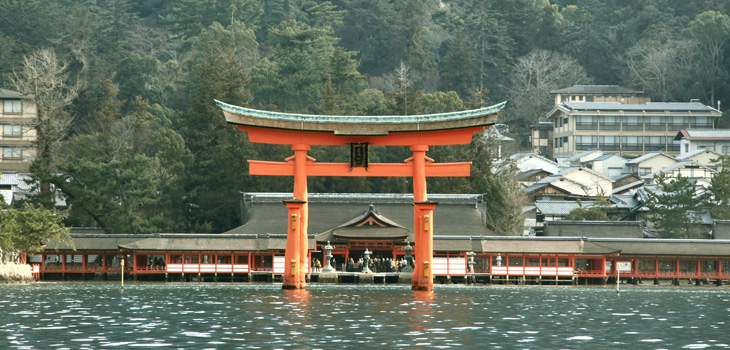
Tracing the History Behind “Miyajima” and “Itsukushima”
The Ancient Name “Itsukushima” Has Been Used for Over 1,400 Years
“Itsukushima” is the original name, used continuously since the Asuka period. Historical records from the founding of Itsukushima Shrine in 593 AD—during the first year of Empress Suiko’s reign—already reference “Itsukushima.” To put this in perspective, this was the era of Prince Shotoku, one of the most pivotal moments in early Japanese history, when Buddhism was first being introduced to Japan and the nation was establishing its cultural identity.
The origin of the name “Itsukushima” itself carries deep meaning. The most widely accepted theory traces it to the ancient Japanese word “itsuku,” which means “to purify oneself and serve the gods.” This etymology perfectly captures the belief that the entire island is sacred ground. In fact, for much of its early history, the island was considered so holy that ordinary people were forbidden from setting foot on it—women especially were not allowed to give birth there, and the dead could not be buried on the island. Worshippers would approach by boat and pray from the water.
Another compelling theory links “Itsukushima” directly to “Ichikishima,” the name of the principal deity enshrined here—Princess Ichikishima-hime, one of three Munakata goddesses. Whether derived from purification rituals or the goddess herself, the name “Itsukushima” has always signified divine presence and spiritual reverence.
The Friendly Name “Miyajima” Became Popular During the Edo Period
The name “Miyajima” has a much more recent—though still centuries-old—origin story. While it appears as early as the late Heian period in the travelogue “Takakura-in Itsukushima Gokoki” by Minamoto no Michichika (written in 1180), it really took off after the famous Battle of Itsukushima in 1555 and especially during the early Edo period, when the powerful Hiroshima domain placed the island under direct governmental control.
“Miyajima” literally means “shrine island” (宮島)—a straightforward reference to Itsukushima Shrine. During the Edo period, mass pilgrimages became a huge cultural phenomenon across Japan. Just as people made the famous journey to Ise Shrine, growing numbers of travelers began visiting this sacred island in the Seto Inland Sea. These pilgrims affectionately started calling it “Miyajima,” and the nickname stuck. It was easier to say, warmer, and more accessible than the formal “Itsukushima.”
Because several other places in Japan were also called “Miyajima” (literally, any island with a shrine could technically be a “miyajima”), people began specifying this one as “Aki no Miyajima”—using “Aki,” the old provincial name for what is now western Hiroshima Prefecture. This helped distinguish it and cement its identity as one of Japan’s “Three Most Scenic Views,” alongside Matsushima in Miyagi and Amanohashidate in Kyoto.
How Are the Official Name and Common Name Distinguished Today?
“Itsukushima” Is the Official Name on Government Maps
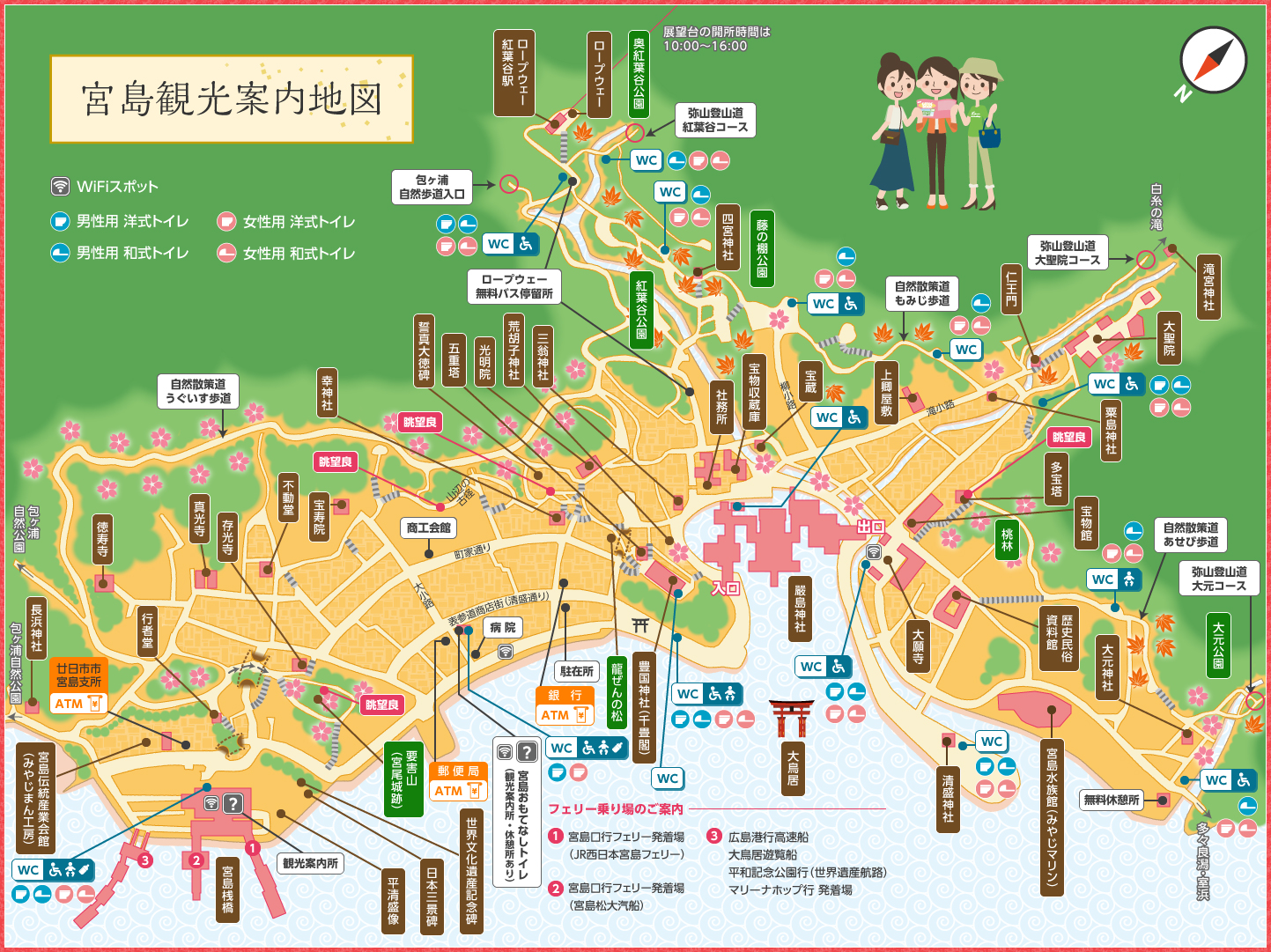
When you look at official maps issued by Japan’s Geospatial Information Authority (GSI)—the national mapping agency responsible for accurately recording place names and topography across the country—you’ll see the island labeled as “Itsukushima.” This is the island’s official geographic and administrative designation, used in all formal governmental contexts.
Academic works and official documents follow this convention as well. Archaeological reports, historical studies, cultural property documentation, and scholarly publications typically use “Itsukushima” for the sake of precision and consistency. If you’re reading serious historical or architectural analysis of the shrine and island, you’ll almost always see “Itsukushima.”
The Split Between Administrative and Tourism Usage
The administrative history tells an interesting story of this duality. When Japan’s modern town system was established in 1889 (Meiji 22), the municipality was officially named “Itsukushima Town.” But after World War II, in 1950 (Showa 25), the name was changed to the more familiar “Miyajima Town.” This shift reflected the island’s identity as a welcoming tourist destination rather than just a solemn sacred site. Today, following municipal mergers, the island is part of Hatsukaichi City, and residential addresses read “Hatsukaichi City, Miyajima-cho.”
In the tourism industry, “Miyajima” dominates overwhelmingly because it’s friendlier, more memorable, and easier for both Japanese and international visitors to say. You’ll see it on hotel signs, restaurant names, ferry tickets, brochures, and tour listings everywhere. That said, when organizations want to emphasize the historical gravitas, cultural significance, or sacred nature of the site, they’ll often choose “Itsukushima” instead—it carries more weight and formality.
The Shrine Itself Is Always “Itsukushima Shrine”
Here’s where it gets interesting: the shrine’s formal name is written with traditional characters as “嚴島神社” (Itsukushima Jinja). This classical spelling with the complex character 嚴 underscores the shrine’s elevated status and ancient lineage, and it appears in all official and ceremonial contexts. The simplified modern form “厳島神社” is also widely used in everyday writing, and both are considered correct—but the traditional form carries particular dignity.
Given that Itsukushima Shrine holds the highest rank among Shinto shrines and has over 1,400 years of continuous history since its founding in 593, the use of “Itsukushima” (never “Miyajima Shrine”) reflects that sacred continuity and spiritual authority. You’ll never hear locals or officials refer to it as “Miyajima Shrine”—that would sound incorrect and disrespectful.
What the Two Names Mean in Modern Context
Which Name Do Local Residents Actually Use?
If you spend time talking with locals, you’ll notice they switch between both names naturally depending on the situation. “Miyajima” is far more common in everyday conversation, especially when chatting with visitors, conducting business, or discussing the island casually. “Itsukushima” tends to come up during religious ceremonies, traditional cultural events, formal occasions, and when discussing history or heritage.
Many shops, inns, and restaurants incorporate “Miyajima” into their business names—you’ll see signs for “Miyajima Grand Hotel,” “Miyajima Brewery,” and countless “Miyajima-style” product descriptions. This creates an approachable, welcoming image for visitors. By contrast, historic temples, traditional cultural institutions, and organizations connected to the shrine often prefer “Itsukushima” in their official names, emphasizing continuity with tradition and spiritual dignity.
International Recognition and the UNESCO Designation
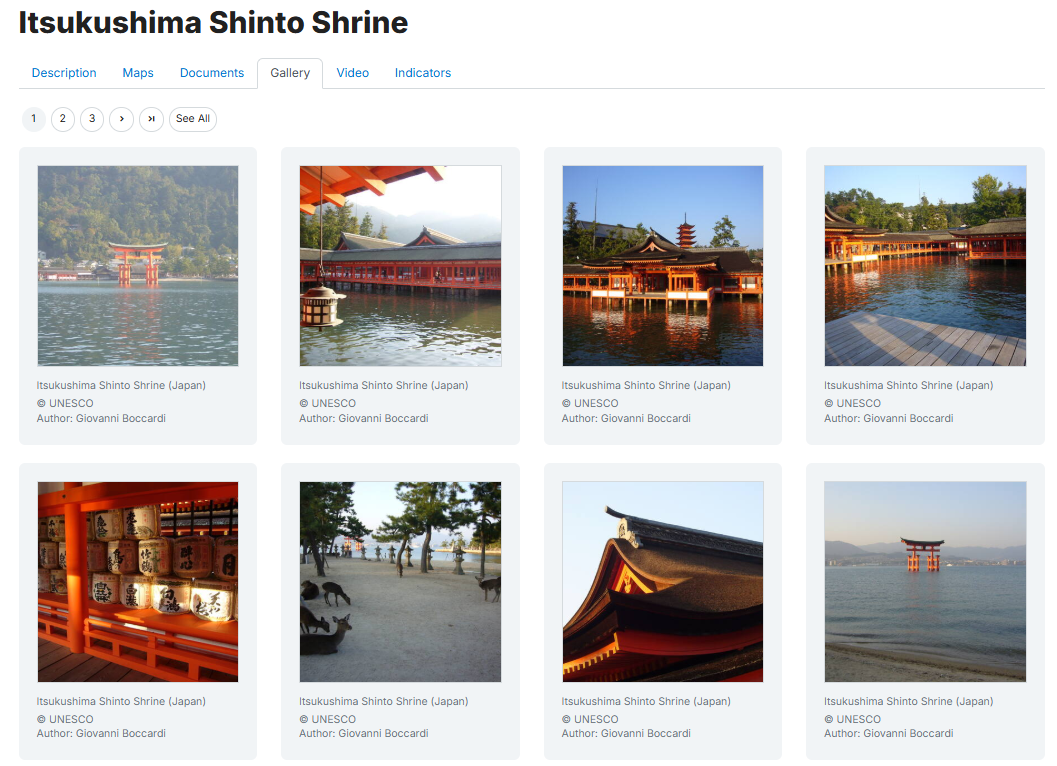
In international contexts, the formal name takes precedence. When the site was inscribed as a UNESCO World Heritage Site in 1996, it was officially registered as “Itsukushima Shinto Shrine.” This makes “Itsukushima” the name that appears in all global heritage documentation, academic conferences, and international cultural discussions.
However, in practical tourism marketing aimed at international travelers, “Miyajima” appears prominently alongside it because the name is simply more memorable and user-friendly. English-language guidebooks, travel websites, and tour operators often present both names together—”Miyajima (Itsukushima)”—to balance official accuracy with accessibility and help visitors avoid confusion when they see both names used in different contexts during their visit.
Why Having Two Names Actually Enriches the Island’s Story
The coexistence of “Itsukushima” and “Miyajima” isn’t just a linguistic curiosity—it’s genuinely meaningful. These aren’t simply alternative spellings; they represent two different relationships that people have had with this place across more than a millennium of Japanese history.
The formal name “Itsukushima” carries the weight of sacred history and spiritual traditions rooted in ancient Japan. It embodies the concept of the entire island as holy ground, a place where the boundary between the human and divine worlds grows thin. When you use “Itsukushima,” you’re connecting with that sense of reverence and continuity stretching back to Empress Suiko’s reign and beyond.
The everyday name “Miyajima,” on the other hand, represents something equally important: the warm, human connection that pilgrims, travelers, and residents have built with this place over centuries. It’s a nickname born of affection and familiarity, reflecting the island’s role not just as an untouchable sacred site but as a living community and welcoming destination. It speaks to the generations of people who’ve made the journey here, who’ve walked these streets, eaten in these restaurants, and carried home memories and souvenirs.
Together, these two names capture the island’s unique dual character: it remains a solemn place of worship while also being an accessible cultural destination. Today, this rich duality continues to shape the experience for both devoted worshippers visiting Itsukushima Shrine and curious travelers exploring Miyajima’s natural beauty, traditional crafts, and famous oysters and momiji manju sweets.
Summary: Understanding Miyajima vs Itsukushima
We’ve explored the fascinating difference between “Miyajima” and “Itsukushima,” from their ancient origins to their modern usage. The key takeaway is this: neither name is wrong—each holds its own significance and value, and understanding both gives you deeper insight into what makes this island so special.
While “Itsukushima” is the official geographic name and carries centuries of sacred tradition, calling it “Miyajima” with affection is completely appropriate and natural. In fact, the two names working together reflect the island’s layered history and cultural richness far better than either could alone. The next time you plan your visit to Miyajima—or Itsukushima, if you prefer—you’ll appreciate not just what you’re seeing, but the deep historical currents flowing beneath the surface of even something as simple as a place name.
References and Sources
- Dive! Hiroshima: Discover Miyajima in Greater Depth
- Miyajima Tourism Association: History of Miyajima
- Wikipedia: Itsukushima (Japanese)
- Wikipedia: Itsukushima Shrine (Japanese)
- Miyajima Town History Compilation Committee, “Miyajima Town History: General History Edition,” Miyajima Town, 1992