
When you visit Miyajima, one sweet treat stands out above all others: momiji manju. This delicate maple-leaf-shaped confection has become synonymous with Hiroshima itself, but the momiji manju history is far richer than most travelers realize. Behind its elegant shape and gentle sweetness lies a fascinating story spanning nearly 120 years—a tale involving talented craftsmen, aristocratic patrons, and even Japan’s first Prime Minister.
Momiji manju was born in 1906 (Meiji 39) when Miyajima confectioner Tsunekichi Takatsu created the original “Maple Leaf-Shaped Baked Manju.” Commissioned by the proprietress of Iwaso, one of Miyajima’s most prestigious historic inns, Takatsu perfected a sweet that would capture the essence of the island’s famous autumn foliage. What began as an exclusive treat for distinguished guests has evolved into one of Japan’s most recognizable regional specialties. This article explores the complete momiji manju history from its creation to present day, revealing how innovation, cultural heritage, and a touch of serendipity transformed a local confection into a national treasure.
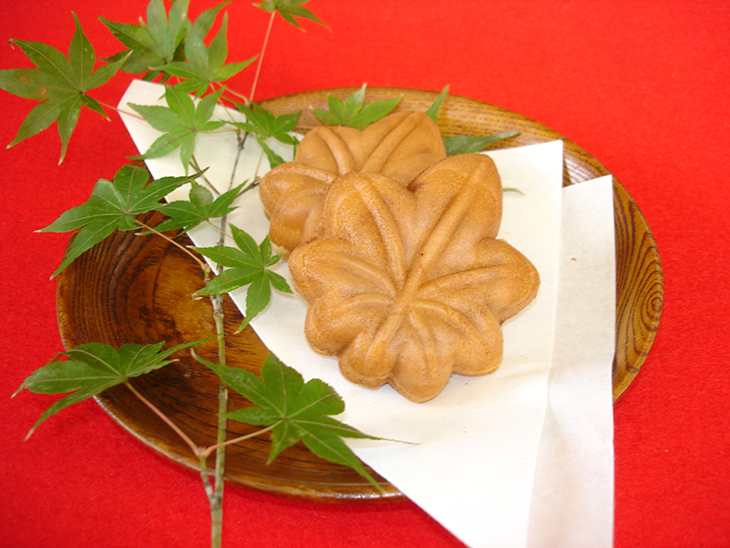
The Historical Background of Momiji Manju’s Birth
Miyajima and the Development of Tourism in the Meiji Era
By the late Meiji period, when momiji manju first emerged, Miyajima had already established itself as one of Japan’s premier tourist destinations. Visitors flocked to the island year-round to experience Itsukushima Shrine’s spiritual majesty and witness the spectacular autumn foliage that gave Momijidani (Maple Valley) its name. As tourism flourished, the demand grew not only for quality lodging but also for distinctive souvenirs that would help travelers remember their journey.
At the heart of Miyajima’s hospitality scene stood Iwaso, a historic inn founded in 1854 (Ansei 1). Nestled at the entrance to Momijidani Park, Iwaso had cultivated a prestigious reputation, attracting royalty, government leaders, and celebrated literary figures. The guest book read like a who’s who of Meiji-era Japan: novelist Natsume Soseki, statesman Hirobumi Ito, and even the Crown Prince of the Korean Empire all chose Iwaso as their retreat when visiting the sacred island.
Eiko, the inn’s fourth-generation proprietress, possessed both refined taste and ambitious vision. She dreamed of offering her distinguished guests something extraordinary—a tea sweet they could experience nowhere else but at Iwaso. During this era, the finest inns took great pride in serving distinctive seasonal wagashi (traditional Japanese confections) as an essential element of hospitality. Eiko’s vision reflected the sophisticated expectations of her time and clientele.
The Request to Wagashi Craftsman Tsunekichi Takatsu
The person Eiko turned to for this special commission was Tsunekichi Takatsu, a skilled wagashi craftsman working in Miyajima. By the late Meiji era, Takatsu had already earned respect for his technical mastery and creative problem-solving abilities. He was the ideal artisan to take on such an important—and challenging—project.
Around 1906 (Meiji 39), proprietress Eiko approached Takatsu with her vision: “Could you create a confection worthy of the name Momijidani to serve to our most important guests?” She wanted something that captured the essence of the location, a sweet that felt authentically tied to Miyajima’s natural beauty—something visitors could only experience here, in this special place.
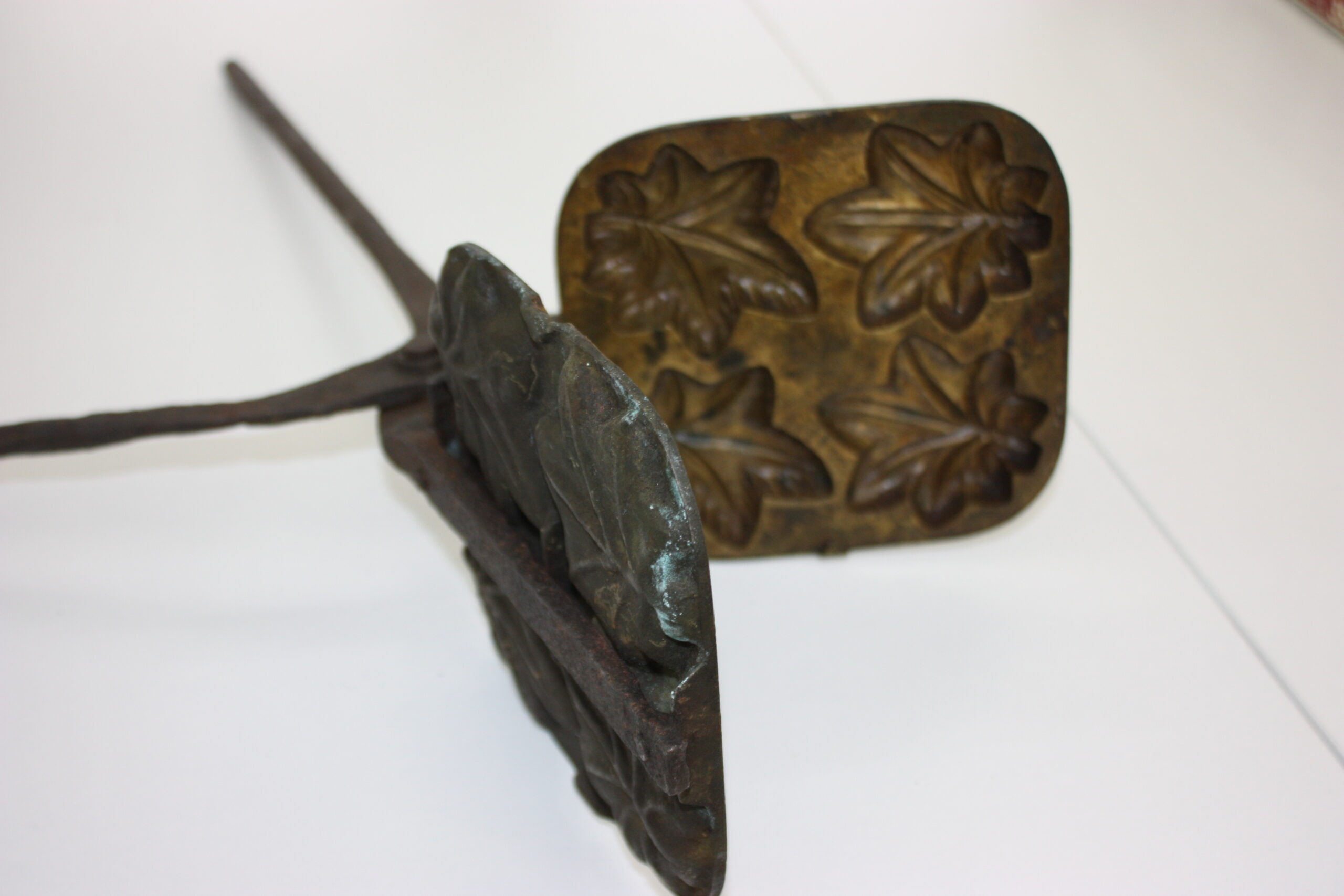
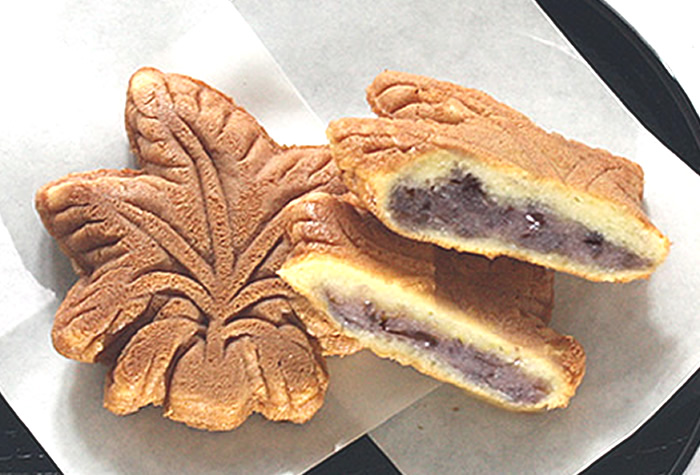
Rising to the challenge, Takatsu embarked on a period of meticulous experimentation. He developed a new type of confection by combining a castella-style sponge—made with fashionable Nagasaki honey, fresh domestic eggs, and rich milk—with high-quality smooth red bean paste. The technical achievement, however, went beyond the recipe. Takatsu’s true innovation was crafting a beautiful baking mold that faithfully reproduced every detail of a maple leaf, from its distinctive shape to the delicate veins running through each lobe. This attention to botanical accuracy would become a hallmark of momiji manju’s appeal.
The Completion and Trademark Registration of the “Maple Leaf-Shaped Baked Manju”
After considerable trial and refinement, Takatsu unveiled his creation: the “Maple Leaf-Shaped Baked Manju,” which would become the direct prototype of today’s momiji manju. Guests at Iwaso were immediately captivated. The confection’s elegant leaf design—complete with realistic veining—combined beautifully with the harmonious pairing of light, castella-like sponge and smooth, gently sweet bean paste filling.
Recognizing the significance of his achievement, Takatsu took the important step of officially registering the trademark “Momiji Manju” on July 18, 1910 (Meiji 43). The original trademark certificate remains carefully preserved by his grandson to this day. Together with the early baking molds, these artifacts serve as invaluable historical evidence documenting the birth of this iconic sweet.
Interestingly, the earliest molds differed somewhat from those used in modern production. One particularly elaborate early design was described as “a leaf with seven notches and a short petiole, depicting two deer”—an artistic touch that connected the confection not only to Miyajima’s famous autumn foliage but also to the island’s beloved free-roaming deer population, another symbol of the island’s natural beauty.
Connection to Hirobumi Ito and Cultural Background
The First Prime Minister, Hirobumi Ito’s Love for Miyajima
One of the most colorful threads in the momiji manju history involves Japan’s first Prime Minister, Hirobumi Ito. A devoted admirer of Miyajima’s natural beauty, Ito particularly treasured the panoramic view from the summit of Mount Misen. He famously declared, “The true value of one of Japan’s Three Great Views lies in the vista from its peak”—a quote that tourism promoters still cite today.
Ito frequented Iwaso during his visits to the island. According to one beloved anecdote, while resting at a teahouse in Momijidani, he observed the graceful hands of a young girl serving tea. With characteristic wit, he remarked, “How lovely—hands like maple leaves. They’d surely be delicious if roasted and eaten.” While intended as a playful compliment, the comment would take on unexpected significance.
The story goes that a waiter overheard Ito’s quip and relayed it to the proprietress of Iwaso, who found the image of “roasted maple leaves” intriguing enough to inspire her commission to Takatsu. While this represents just one of several origin theories, it aligns well with Ito’s known personality and the cultural atmosphere of the time, which helps explain why it remains the most widely circulated version of the momiji manju creation story.
Meiji-Era Tourism Culture and the Role of Souvenir Sweets
To fully appreciate the significance of momiji manju’s creation, it’s important to understand the dramatic transformation of Japanese tourism during the Meiji era. As Japan modernized and opened to the world, expanding railway networks made long-distance domestic travel accessible to a broader population. With this mobility came a growing cultural emphasis on omiyage (souvenirs)—distinctive local products became both treasured mementos for travelers and vital economic drivers for destination communities.
Within this evolving landscape, momiji manju emerged as a pioneering example of destination-specific confectionery marketing. By drawing inspiration from Miyajima’s most iconic natural feature—its spectacular autumn foliage—and creating a taste experience available only in this location, Takatsu had essentially invented what we might today call “place-based branding.” The concept resonates remarkably well with modern destination marketing principles that emphasize authentic, location-specific experiences.
The confection also represented a perfect fusion of influences characteristic of the Meiji period’s spirit of enlightenment and innovation. The castella-style sponge reflected Western culinary influence (originally introduced by Portuguese traders centuries earlier but perfected in Nagasaki), while the sweet red bean paste filling remained quintessentially Japanese. This East-meets-West approach in confectionery mirrored the broader cultural synthesis happening across Meiji-era Japan.
The Evolution into a Local Specialty and Technological Innovation
Spread and Establishment of the Recipe in the Taisho and Early Showa Periods
Following its successful debut, momiji manju quickly established itself as the definitive Miyajima specialty, becoming the souvenir of choice for visitors returning from the island. What’s particularly notable about this early period is that Tsunekichi Takatsu chose not to maintain exclusive control over production. This generous approach allowed other confectioners to begin crafting their own versions, leading to healthy competition that ultimately elevated quality across the board as each maker developed unique techniques and refinements.
From the Taisho era through the early Showa period, production methods became increasingly sophisticated. Different shops developed signature approaches to every aspect of the process: ingredient selection, batter formulation, filling preparation, and heat management during baking. These variations, while subtle, created distinguishable differences in flavor profiles and textures that connoisseurs could appreciate.
During this era, production remained entirely manual and artisanal. Skilled craftsmen pressed each mold by hand, carefully monitored baking temperatures, and personally ensured quality control for every piece. Some traditional shops on Miyajima continue to honor this hands-on approach today, offering visitors a taste of authentically handcrafted momiji manju made using time-honored techniques passed down through generations.
Postwar Recovery and the Introduction of Mechanization
The post-World War II period brought a pivotal transformation to momiji manju production. During the 1960s, a Hiroshima-based manufacturer developed the “Momiji Manju Baking Machine”—a innovation that would forever change the scale and accessibility of this beloved sweet. The machine used a rotating carousel system that moved multiple molds through precisely controlled baking stations, enabling efficient mass production while maintaining consistent quality standards.
Modern automated production systems are typically gas-heated, with high-capacity machines capable of producing up to 2,500 pieces per hour—a dramatic leap from the artisanal output possible through traditional hand-pressing methods. This mechanization had profound effects: it dramatically increased supply, stabilized pricing, and made momiji manju widely accessible beyond Miyajima itself. The sweet that had once been exclusively associated with the island gradually became representative of Hiroshima Prefecture as a whole.
The Nationwide Boom and Diversification in the Late Showa Era
The late Showa period witnessed momiji manju’s transformation from regional specialty to national icon, thanks in large part to an unexpected pop culture moment. The comedy duo B&B, particularly member Yoshichi Shimada, popularized the enthusiastic catchphrase “Momiji manju!” on television variety shows, creating a sensation that propelled the sweet into the national consciousness. Suddenly, people across Japan—not just those who had visited Hiroshima—knew and loved momiji manju.
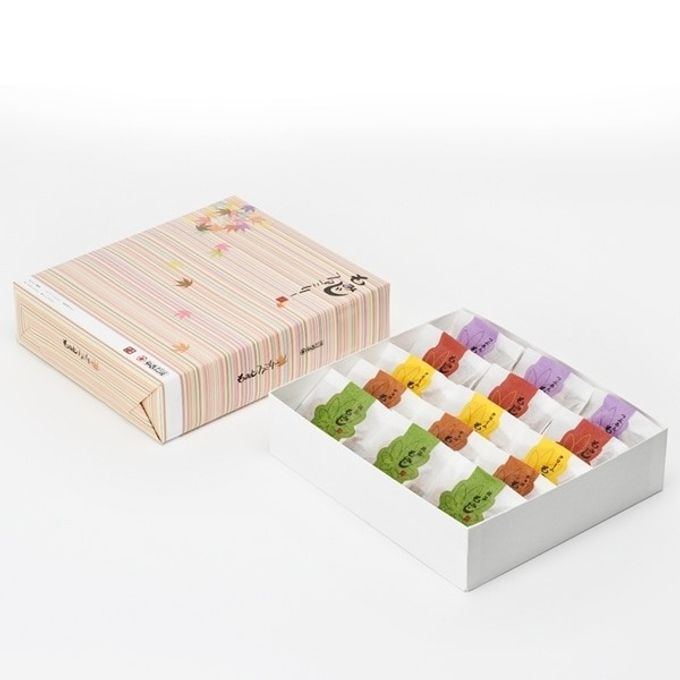
This period also saw explosive diversification in flavors and styles. While the classic smooth red bean paste (koshian) filling remained the foundation, innovative makers began experimenting with coarse red bean (tsubuan), matcha green tea, cheese, chocolate, custard cream, and countless other variations. Entering the Heisei era, even the fundamental dough structure evolved, giving birth to popular variations like “Nama Momiji” (featuring a softer, moister cake texture) and “Age Momiji” (deep-fried for a crispy exterior).
For today’s travelers, this incredible diversity makes momiji manju tasting one of Miyajima’s most enjoyable culinary adventures. Whether you prefer traditional flavors or adventurous modern interpretations, there’s a version perfectly suited to your taste—and discovering your favorite is half the fun.
The Value of Momiji Manju Culture Passed Down to the Present Day
Today, momiji manju transcends its origins as merely a tourist souvenir—it has become an integral part of Hiroshima’s cultural identity and a source of genuine local pride. In a 2009 Asahi Shimbun national survey asking “What is Japan’s best manju?”, momiji manju claimed the number one position nationwide. It continues to rank at the top of souvenir popularity lists year after year, beloved by both domestic Japanese travelers and international visitors alike.
Numerous makers and retail shops now operate throughout Miyajima and across Hiroshima Prefecture, each bringing their own character and specialties to this shared tradition. Among them, the original shop—Takatsudo—holds special historical significance. In 2009, Hiroaki Kato, the grandson of creator Tsunekichi Takatsu, revived the family business, returning to the traditional hand-baking methods using the original Meiji-era molds. At Takatsudo, visitors can taste the “Original Momiji Manju” prepared according to the historic recipe, experiencing the sweet much as Iwaso’s distinguished guests would have over a century ago.
For travelers who want to go beyond simply purchasing momiji manju, several shops on Miyajima offer hands-on baking experiences. These workshops let you create your own momiji manju from scratch, transforming the confection from something you passively “buy” into something you actively “make and taste” while it’s still warm from the mold. It’s a memorable activity that connects you directly to the craft traditions that have sustained this sweet for nearly 120 years.
The enduring success of momiji manju demonstrates how cultural traditions can honor their roots while continuously evolving with changing times and tastes. It remains a beloved confection that resonates across generations—cherished by elderly locals who remember their first taste decades ago, appreciated by contemporary Japanese families as a reliable omiyage choice, and discovered with delight by international visitors seeking authentic regional flavors.
Frequently Asked Questions
When were Momiji Manju first created?
Momiji manju were first created in 1906 (Meiji 39) by confectioner Tsunekichi Takatsu, who called them “Momiji-gata Yaki Manju” (Maple Leaf-Shaped Baked Manju). The trademark was officially registered in 1910 (Meiji 43), giving this iconic sweet a history spanning nearly 120 years.
Who first created Momiji Manju?
Tsunekichi Takatsu, a skilled confectioner working in Miyajima, created the original momiji manju at the request of the proprietress of Iwaso Ryokan. He developed it specifically as a sweet worthy of Momijidani (Maple Valley) and perfected it as the distinctive “maple leaf-shaped baked manju” that would become famous throughout Japan.
Was Hirobumi Ito involved in the creation of Momiji Manju?
While Japan’s first Prime Minister wasn’t directly involved in creating momiji manju, a charming anecdote about Ito is said to have inspired the concept. According to one popular origin story, Ito remarked that a teahouse girl’s “lovely hands like maple leaves” would be delicious if “roasted and eaten” while visiting Momijidani. This playful comment allegedly sparked the idea for a maple-leaf-shaped confection, though this remains one of several origin theories.
Can you still eat the original Momiji Manju today?
Yes! The original shop was revived as Takatsudo in 2009 by Hiroaki Kato, the grandson of founder Tsunekichi Takatsu. Located near Miyajimaguchi, Takatsudo continues to hand-bake momiji manju using the original Meiji-era molds, allowing visitors to taste the “Original Momiji Manju” prepared according to the historic recipe.
Why can multiple manufacturers sell under the same name?
Because Tsunekichi Takatsu chose not to pursue an exclusive monopoly on production. His generous approach allowed other confectioners to make their own versions of momiji manju, leading to the diverse landscape of makers that exists today. Each producer now competes by offering unique flavors, techniques, and quality standards, which has ultimately enriched the momiji manju tradition for everyone.
Is there a difference between handmade and machine-made?
Yes, there are noticeable differences. Handmade versions typically feature a distinctly moist, delicate texture and subtle flavor nuances that result from the artisan’s personal touch and careful attention throughout the process. While mechanization became widespread in the 1960s and produces consistent, high-quality results, traditional shops like Takatsudo continue to hand-bake today, offering a flavor profile and mouthfeel that differs appreciably from machine-made versions. Many visitors enjoy trying both styles to appreciate the differences.
What made Momiji Manju famous nationwide?
Several factors contributed to nationwide recognition. A major catalyst was the television catchphrase “Momiji manju!” popularized by comedian Yoshichi Shimada of the duo B&B during the late Showa period, which created a pop culture sensation. Additionally, the opening of the Sanyo Shinkansen bullet train line dramatically increased tourism access to Hiroshima, making it easier for visitors from across Japan to discover and bring home this beloved regional sweet.
Summary
The momiji manju history begins in 1906 (Meiji 39), when talented confectioner Tsunekichi Takatsu created the original “maple leaf-shaped baked manju” at the request of Iwaso Ryokan’s proprietress Eiko. What started as an exclusive sweet for distinguished inn guests—possibly inspired by a memorable quip from Prime Minister Hirobumi Ito—became a pioneering example of destination-specific souvenir confectionery, drawing inspiration from Miyajima’s spectacular autumn foliage.
Through the Taisho and Showa eras, momiji manju firmly established itself as Miyajima’s signature specialty. Postwar mechanization in the 1960s enabled mass production, transforming it into a renowned sweet representing all of Hiroshima Prefecture. A late Showa pop culture boom propelled it to national fame, where it remains today as one of Japan’s most recognizable regional confections.
Because Takatsu generously chose not to monopolize production, numerous makers continue to produce momiji manju, each bringing their own character and innovations to this shared tradition. From classic smooth red bean paste to adventurous modern flavors, from traditional hand-pressing to efficient mechanization, momiji manju has successfully preserved its cultural heritage while continuously adapting to changing times and tastes. For travelers exploring Miyajima today, this iconic sweet offers not just a delicious taste of the island, but a tangible connection to nearly 120 years of craft tradition, cultural pride, and Japanese hospitality.
References & Sources
- Miyajima Tourism Association: Momiji Manju
- Wikipedia: Momiji Manju
- Original Momiji Manju Shop Takatsudo: Origin of Momiji Manju
- Wikipedia: Iwaso
- Miyajima Tourism Association: Miyajima and Its Connection to Hirobumi Ito
- Original Momiji Manju Hakata-ya
- Cake.jp Magazine: Top 5 Popular Momiji Manju Specialty Shops
- Trivia Notebook: Hiroshima’s Momiji Manju Was Born Thanks to Ito Hirobumi