
Discovering Mishinaya: Miyajima’s Premier Tempura Destination
When you’re planning what to eat in Miyajima and craving the satisfying crunch of freshly fried tempura, Mishinaya should be at the top of your list. This charming Miyajima tempura restaurant sits just a two-minute walk from Itsukushima Shrine’s exit, tucked behind the historic Daiganji Temple—making it one of the most convenient lunch stops you’ll find during your island sightseeing. Though it only opened its doors in mid-April 2024, Mishinaya has quickly earned a reputation for exceptional tempura set meals and tender conger eel (anago) dishes, becoming one of the hottest dining topics among both locals and visitors to Miyajima’s food scene.
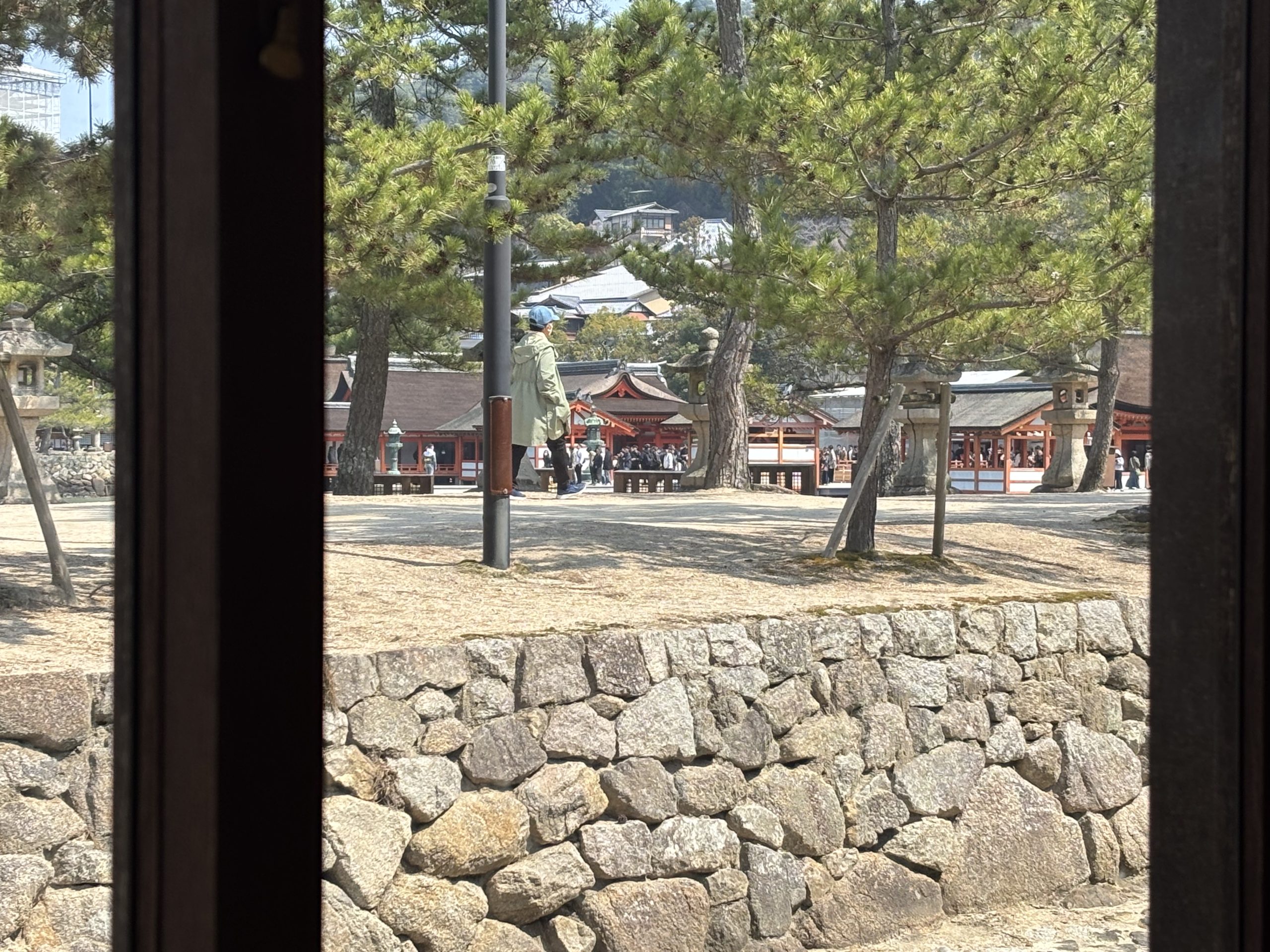
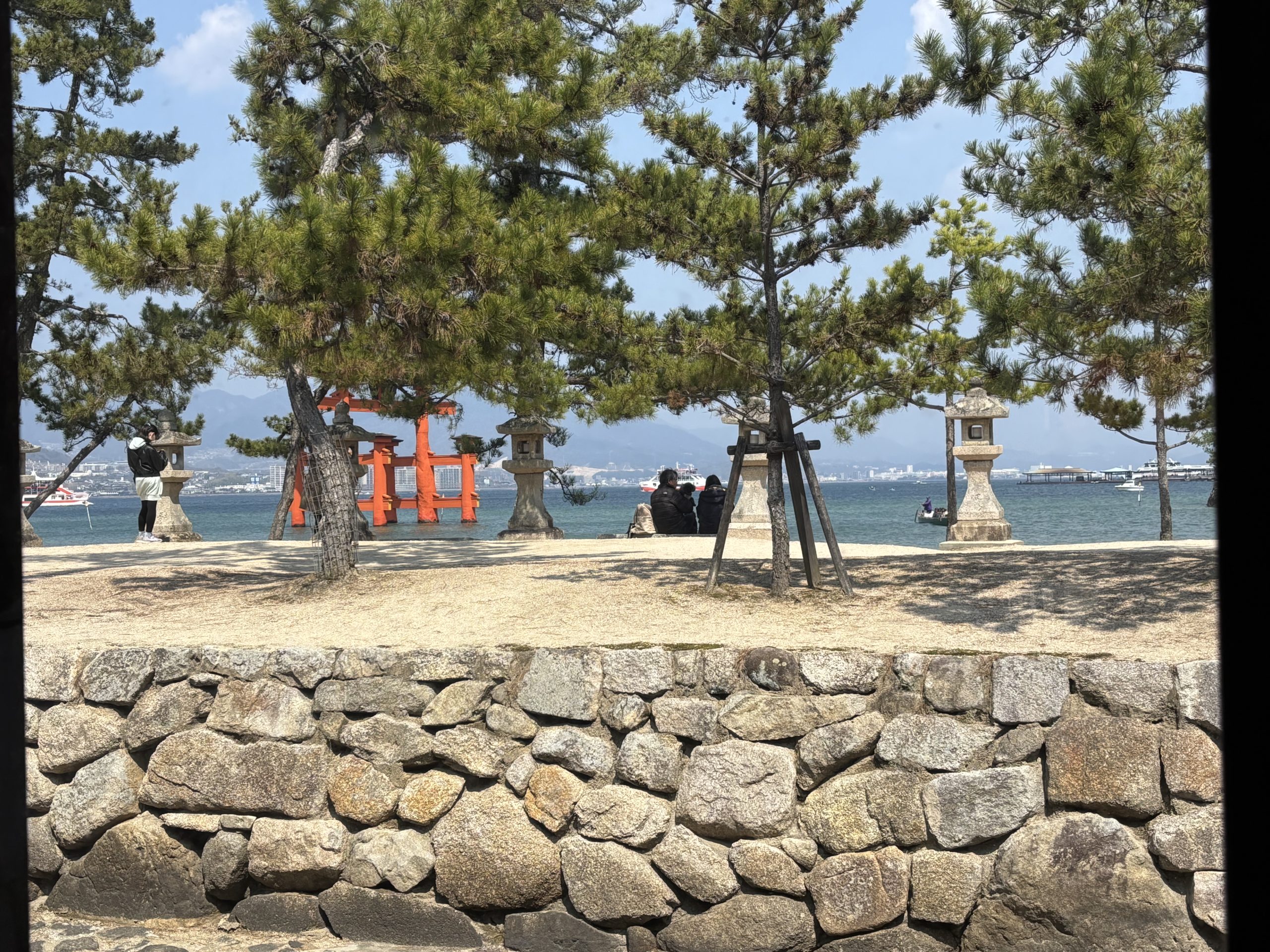
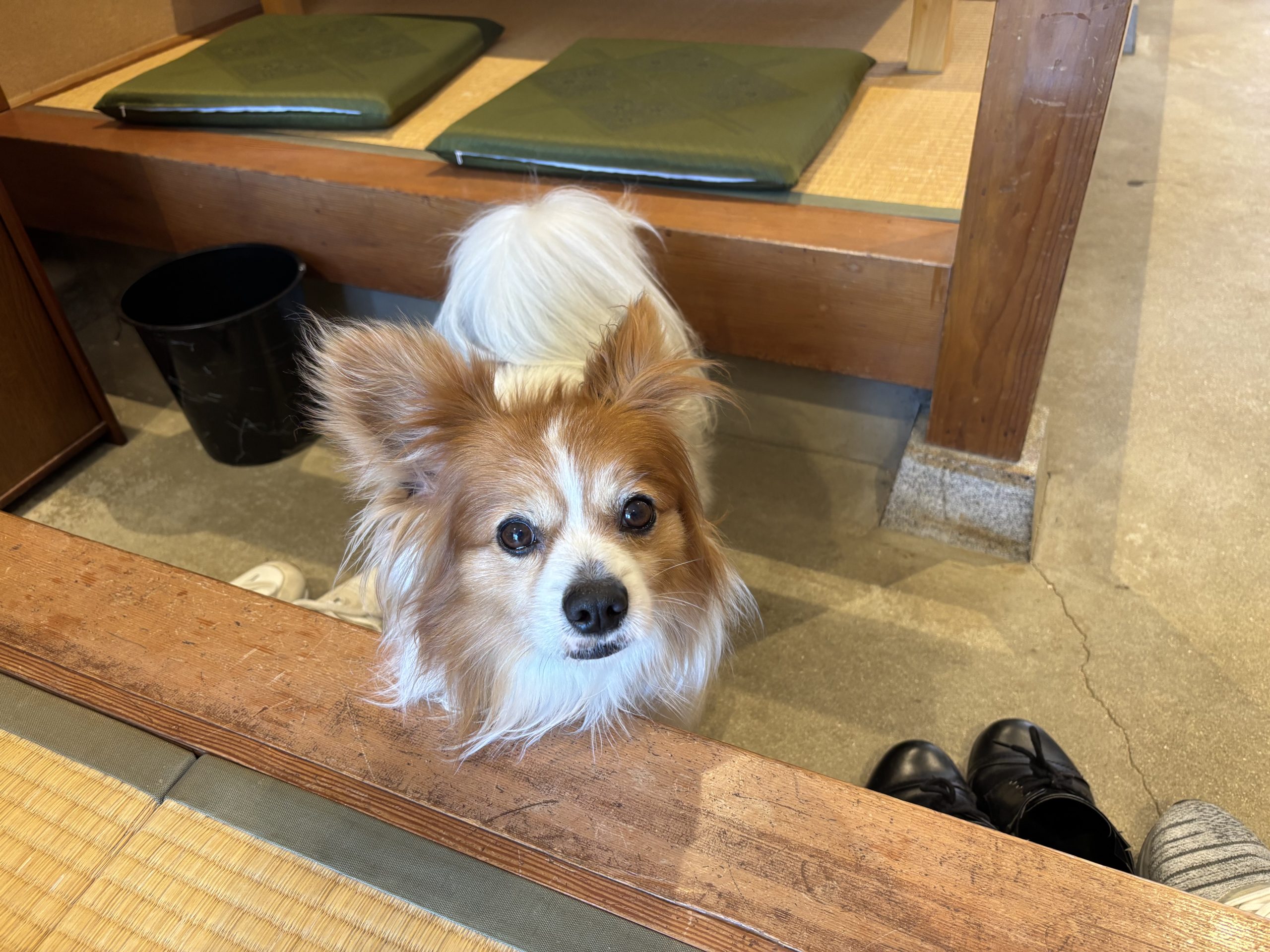
What makes Mishinaya particularly special is the warm welcome you receive from the restaurant’s cheerful mascot dogs, led by the beloved “Lucky,” who greet guests with gentle enthusiasm and add an unmistakably local, family-friendly atmosphere. If you’re fortunate enough to snag a seat in one of the back tatami rooms, you’ll discover an unexpected treat: a window view of the iconic Great Torii Gate, allowing you to enjoy Miyajima’s most famous scenery while savoring your meal between shrine visits. Whether you’ve been searching for “Mishinaya Miyajima” specifically or simply want to know where to find the best tempura on the island, this comprehensive guide will walk you through everything you need to know—from our detailed tasting report to seating options, business hours, and practical tips for making the most of your visit.
The Only Dedicated Tempura Specialist on Miyajima Island
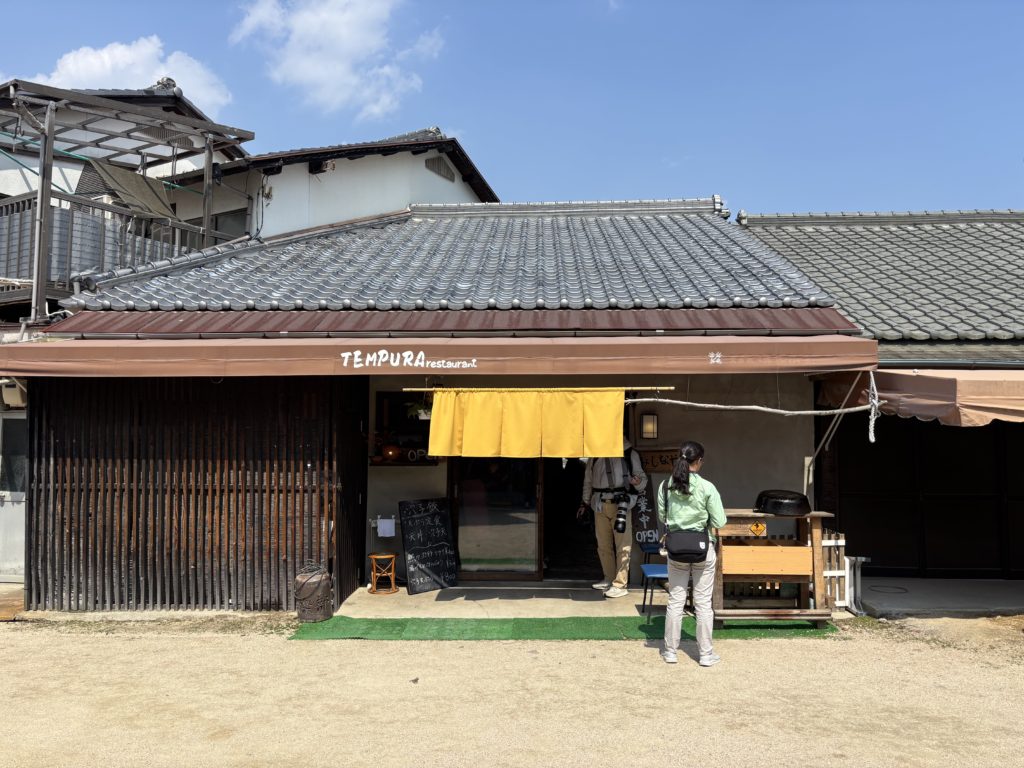
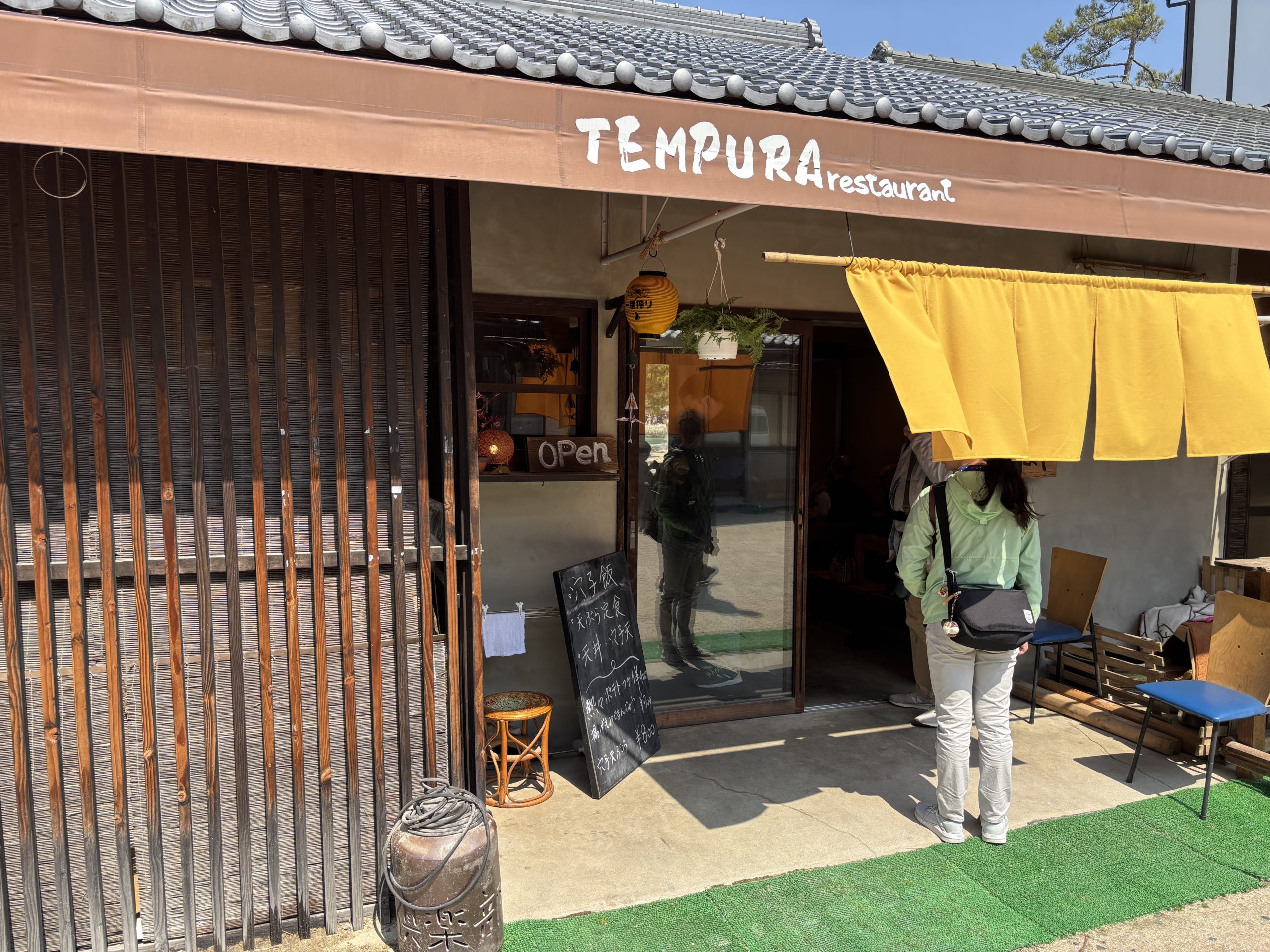
Mishinaya holds the unique distinction of being Miyajima’s only restaurant dedicated exclusively to tempura. You’ll recognize it by its welcoming yellow noren curtain hanging behind Daiganji Temple, positioned conveniently close to Itsukushima Shrine. The location has an interesting culinary history—it previously housed a tempura shop called “Tsukunejima,” so this particular spot has long been associated with exceptional frying traditions, making Mishinaya a natural continuation of that legacy.
When my family and I first discovered this restaurant during our visit last summer, I was immediately impressed by Mishinaya’s unwavering commitment to made-to-order tempura. Every piece is fried fresh to your order, ensuring that crispy, hot-from-the-oil experience that makes tempura truly special. The menu features well-balanced sets that are perfect for travelers, combining classics like mixed tempura set meals with their specialty anago tempura. The restaurant operates on a lunch and late afternoon schedule, typically from around 11:00 AM to 4:00 PM, with no dinner service currently available. Keep in mind that regular closing days are still being finalized, so it’s always wise to plan your visit as a lunch or afternoon break during your sightseeing day rather than counting on it for an evening meal.
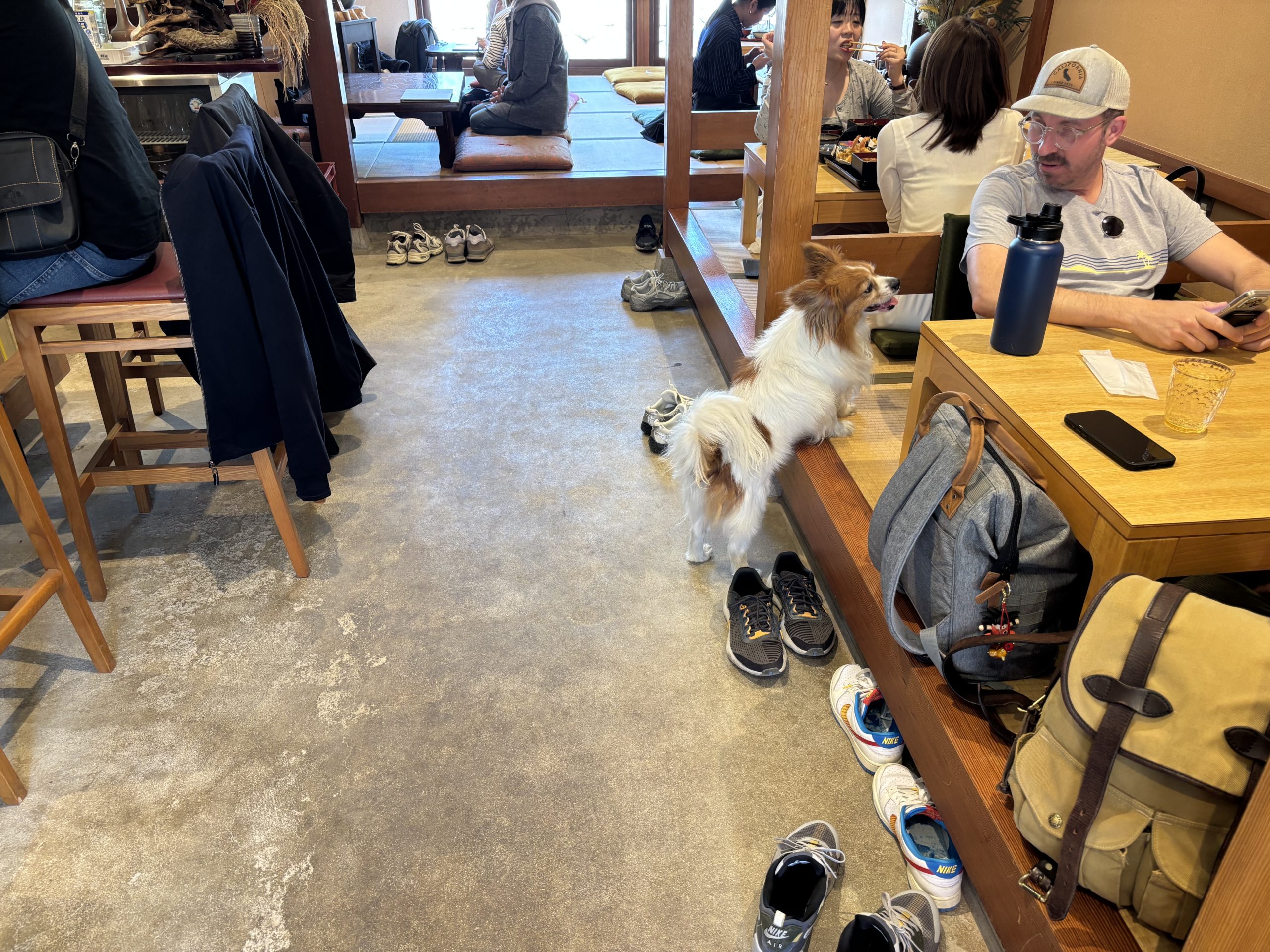
Inside, the restaurant offers a cozy and traditional setup with five four-person tatami rooms, one intimate two-person tatami room, and a six-seat counter where you can watch the cooking action up close. The back tatami seats are particularly sought after for their view of the Great Torii Gate through the window—a vantage point that lets you savor crisp, piping-hot tempura while taking in one of Japan’s most iconic scenes. Among the many restaurants scattered across Miyajima, Mishinaya stands out not just for its generous portions and smooth accessibility, but also for its approachable menu that’s especially helpful for first-time visitors who might be curious about local Japanese cuisine but unsure where to start.
The natural flow of a perfect Miyajima day often goes something like this: explore the magnificent Itsukushima Shrine in the morning, then settle in for a satisfying lunch at Mishinaya before continuing your afternoon adventures. It’s the ideal combination!
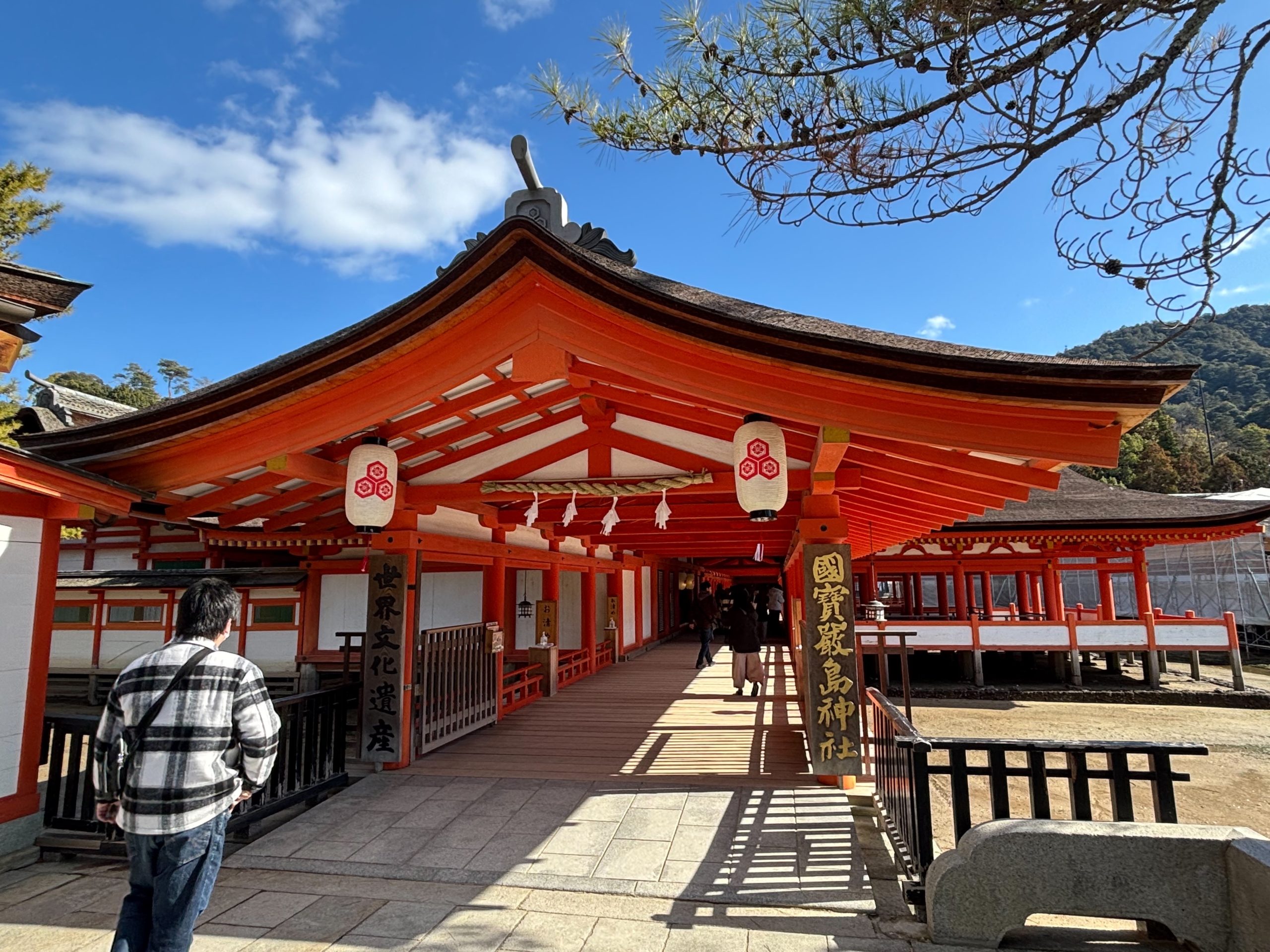
When you think of Miyajima, the first image that comes to mind is Itsu...
Step Inside: A Welcoming Atmosphere with Four-Legged Greeters
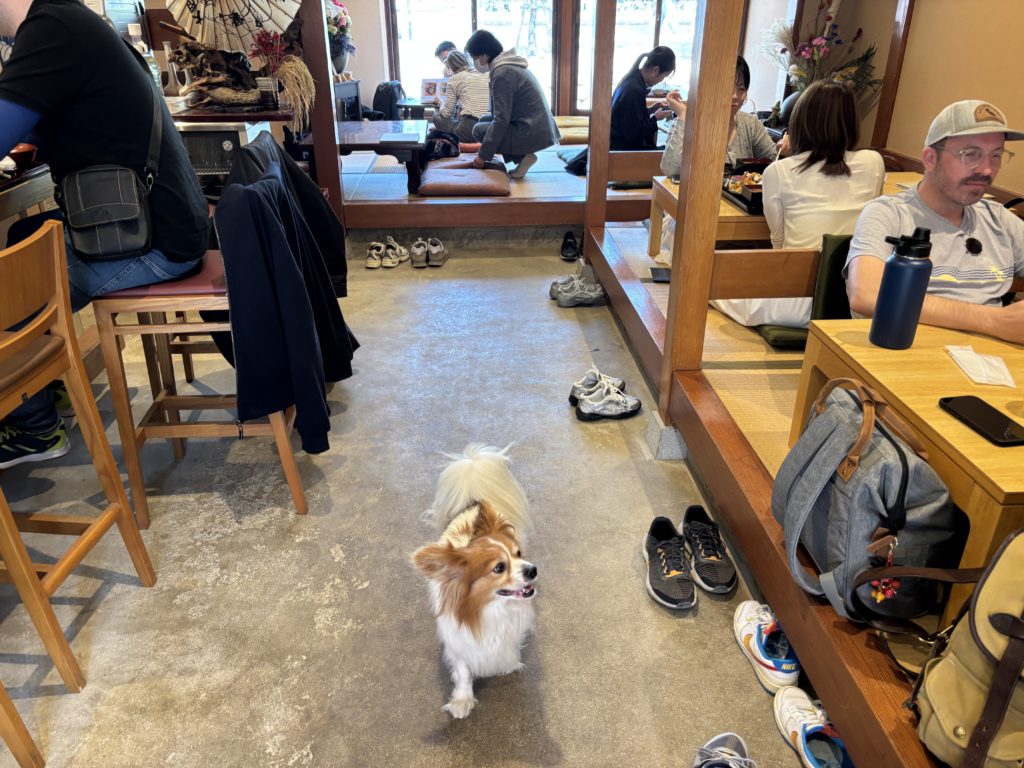
One of the most delightful surprises at Mishinaya is meeting Lucky, the restaurant’s friendly mascot dog who makes gentle patrols around the dining room to greet guests. He’s remarkably calm and clever, and we noticed that other tourists simply couldn’t resist giving him a little attention and affection. The dining room layout includes those five tatami seating areas plus the six counter seats I mentioned, and even on a weekday afternoon when we visited, the place was nearly full—a testament to how quickly word has spread about this newcomer. Lucky’s presence keeps the mood relaxed and pleasant while you wait for your freshly prepared meal to arrive.
My older daughter, who absolutely adores dogs, got incredibly excited the moment she spotted Lucky-kun, exclaiming “How cute!” with genuine enthusiasm. Meanwhile, my younger daughter was equally delighted, pointing and saying “There’s a doggy!” with that special wonder that only young children can express. These little moments made our lunch feel less like just another tourist meal and more like visiting a local friend’s establishment.
Lucky actually has two companions—there are three mascot dogs in total who call Mishinaya home. Their mellow, well-behaved personalities make the waiting time genuinely pleasant rather than something you’re just enduring. The tatami rooms follow traditional Japanese custom where you remove your shoes before sitting, creating a relaxed, at-home feeling with five tables accommodating four people each and one smaller table for two. The six counter seats work perfectly for solo travelers or couples who prefer a different seating style. From that coveted inner tatami room, you can actually spot the Great Torii Gate rising from the water, turning your lunch into a multi-sensory experience unique to this particular restaurant in this particular location. The gentle sizzle of batter hitting hot oil, the mouthwatering aroma wafting from the fryers, and that stunning island view combine to engage all five senses in a way that transforms a simple meal into something memorable.
If you choose to sit at the counter, you’ll have the additional pleasure of watching the chef’s precise frying technique in action—including the preparation of those freshly fried, maple leaf-shaped momiji-age that Mishinaya is becoming famous for. This live-cooking atmosphere adds an entertaining, educational element to your dining experience. The peak lunch rush typically hits around noon, so arriving closer to 11:00 AM when they open or waiting until after 2:00 PM generally means a smoother, less crowded experience with shorter wait times.
A helpful local tip I picked up: weekdays from 2:00 PM to 4:00 PM are actually the quietest hours at Mishinaya, so if you’re flexible with your schedule and want to avoid any waiting, targeting that afternoon window is your best bet. It’s also a nice way to take a relaxed break during the quieter part of the day.
One wonderful approach is combining casual food walking along Omotesando Shopping Street—sampling street snacks and treats—with a proper, sit-down lunch at Mishinaya. This gives you the best of both worlds: the fun of trying various small bites while exploring, followed by a substantial, satisfying meal to fuel the rest of your adventures.
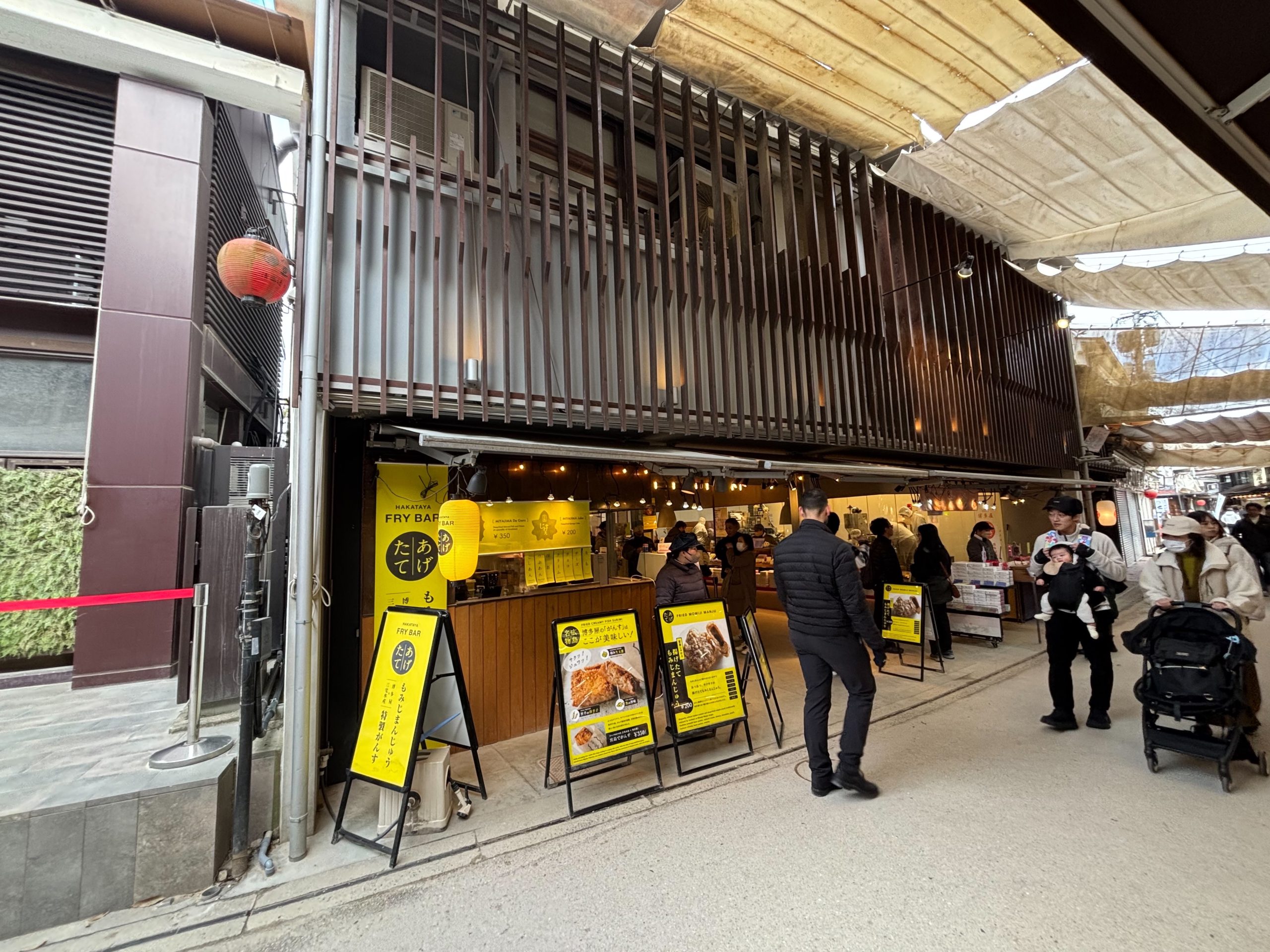
Wondering what to eat in Miyajima? The answer lies along Omotesando Sh...
The Star of the Show: Tempura Set Meal with Conger Eel
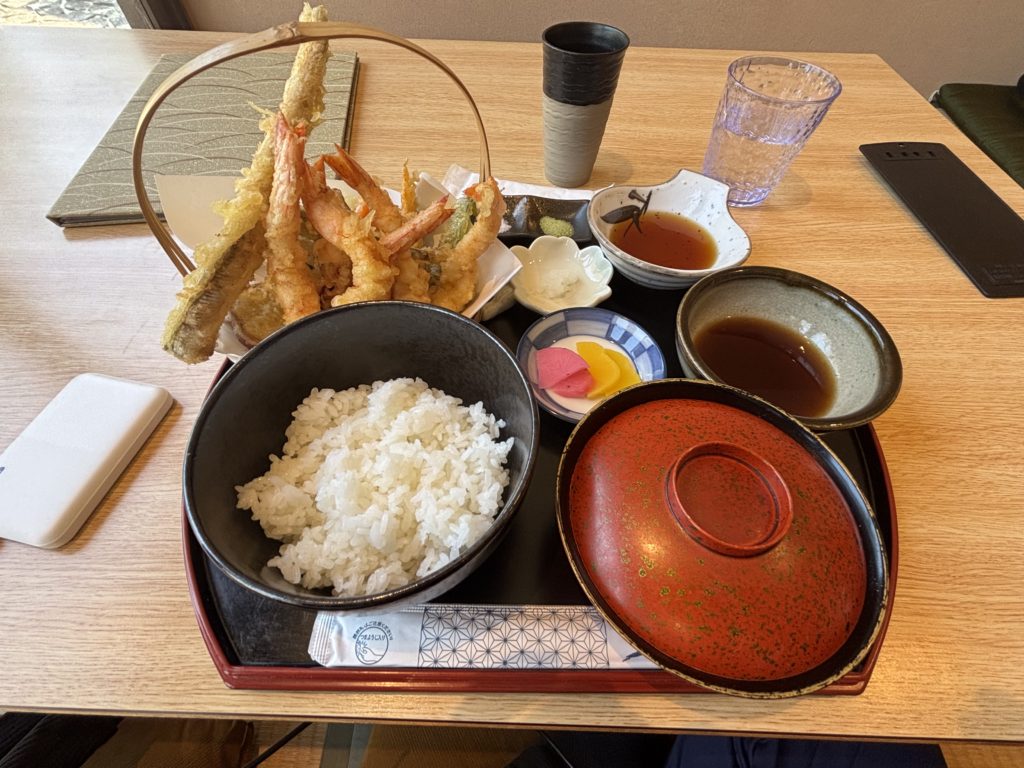
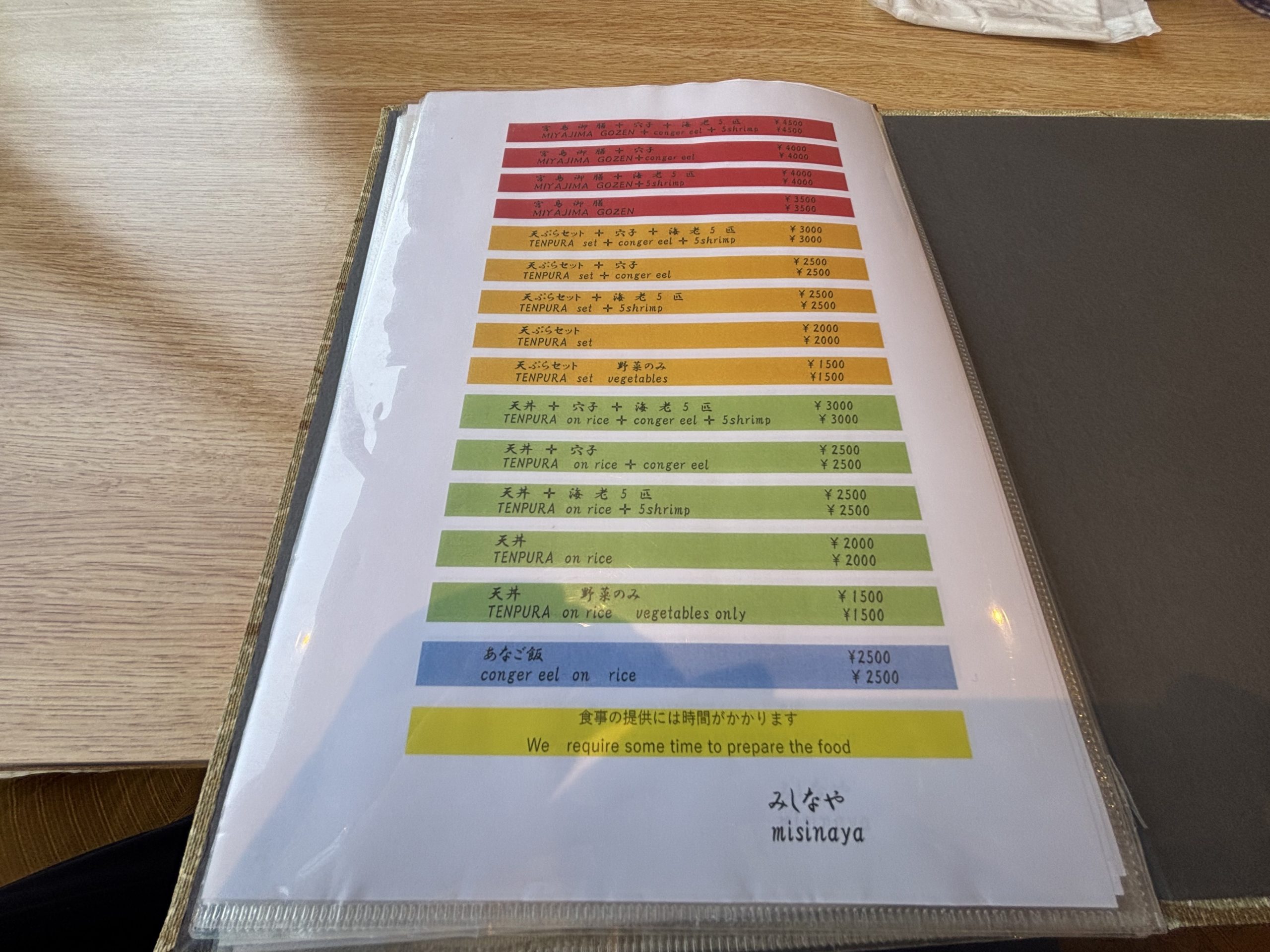
For my lunch, I ordered their signature tempura set meal that includes conger eel tempura, priced at 3,000 yen including tax. The set menu offers several variations, and you have the option to include or exclude the anago depending on your preferences and appetite. After about twenty minutes—which passed quickly thanks to Lucky’s entertainment and the pleasant atmosphere—a generous tray arrived at our table that honestly exceeded my expectations. The value was immediately apparent: five beautifully fried pieces of shrimp and vegetable tempura (including sweet potato, carrot, shishito pepper, lotus root, and pumpkin), one substantial piece of anago tempura that was easily the size of my hand, plus perfectly cooked white rice, a bowl of warming miso soup, and traditional Japanese pickles to cleanse your palate.
My husband took one look at the spread and remarked with surprise, “This volume for 3,000 yen is actually cheap!” And he wasn’t wrong—when you consider typical tourist area pricing, especially at a restaurant this close to a major shrine, the portion size and quality represent considerable value for your money. It’s not often you find that combination in popular sightseeing destinations.
The set comes with two distinctly different types of sauce, each serving its own delicious purpose. One is a classic, lighter dipping sauce perfect for enjoying the tempura on its own and really tasting the quality of the ingredients and the excellence of the frying technique. The other is a richer, slightly sweeter sauce that lets you transform your meal into a mini “tendon” (tempura rice bowl) by drizzling it over the rice and tempura together. This clever two-sauce system means you can experience two completely different flavor profiles in a single meal, preventing any hint of monotony even with the generous portion size.
The batter coating each piece was remarkably thin and achieved that elusive super-crisp texture that truly skilled tempura chefs are known for—never greasy, never heavy, just shatteringly light and crunchy. This speaks volumes about the owner’s technical skill and attention to proper oil temperature. The conger eel itself was a revelation: fluffy, tender, and almost meltingly soft inside that perfect crispy exterior. Despite the hearty, substantial volume of food on that tray, the meal felt surprisingly light and never sat heavy in my stomach, which meant I happily cleaned my plate without any uncomfortable fullness afterward.
The children were equally enthusiastic, declaring “It’s crispy and delicious!” as they eagerly worked their way through the vegetable tempura. The sweet potato tempura became an instant favorite thanks to its natural sweetness that kids especially love—though I have to admit, I found myself competing with them for those golden pieces.
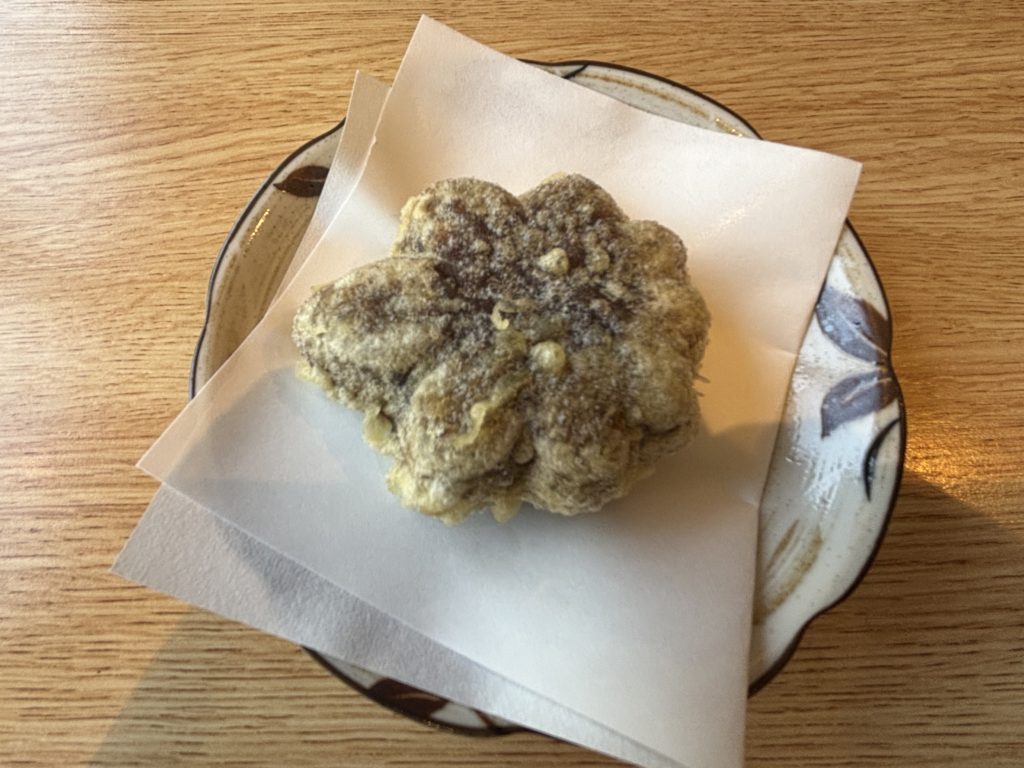
Just when I thought the meal was complete, a wonderful surprise arrived: tea and dessert were included in the set, and a freshly fried momiji-age appeared at our table right as we were finishing our savory courses. The matcha-flavored momiji-age (fried maple leaf manjuu) was beautifully fragrant with that distinctive green tea aroma, not overly sweet, and provided the absolutely perfect finale after the rich tempura meal. Enjoying this uniquely Miyajima treat while sitting in that back tatami room with the Great Torii Gate visible through the window elevated the entire experience to something truly special. It was one of those blissful travel moments—excellent food, beautiful scenery, and that deep satisfaction of discovering a wonderful local restaurant—that creates lasting memories long after your trip ends.
My younger daughter made an adorable observation, saying “The momiji-chan became tempura too!”—referring to how the maple leaf cakes she’d seen elsewhere on the island were now deep-fried. She was absolutely right; this tempura version of momiji manju really is a unique Miyajima specialty that you won’t find elsewhere, making it a memorable way to end your meal.
One practical note: during busy times, dishes may take a while since everything is made fresh to order, so I recommend allowing plenty of time to fully enjoy the experience of watching and waiting for that perfectly fried tempura. If you’re traveling with children especially, building in a relaxed schedule without rushing to your next activity will make the experience much more pleasant for everyone. The wait is genuinely worth it.
As with any travel information, details like hours and menu items can change over time. I always recommend checking the restaurant’s official website or calling ahead before your visit to confirm the latest details and avoid any disappointment.
Menu Highlights: From Tempura Sets to the Signature Anago Rice
Mishinaya’s menu philosophy centers on tempura sets that skillfully combine vegetable tempura, shrimp tempura, and their specialty conger eel (anago) tempura. What sets their tempura apart from average restaurants is the careful attention to detail—each ingredient is fried separately at its ideal temperature and timing, which is why everything arrives at your table with that perfect light, crisp finish rather than the heavy, greasy coating you sometimes encounter at lesser establishments.
Beyond the tempura sets, their signature anago rice dish (priced at 2,500 yen) showcases another approach to this beloved Hiroshima regional specialty. The tender conger eel is first simmered until it becomes melt-in-your-mouth soft, then lightly seared to develop that irresistible charred aroma before being carefully arranged over perfectly cooked white rice. A gently sweet sauce—neither too heavy nor too cloying—ties everything together in that classic comfort-food style that fans of conger eel dishes throughout the Hiroshima region have come to love. The meal comes complete with miso soup and a small side dish, creating a well-balanced, satisfying lunch that gives you the energy you need for a full day of island exploration.
One of the most memorable elements of any Mishinaya meal is the post-meal treat: that freshly fried “maple leaf manju tempura” (the matcha momiji-age I mentioned earlier). Beyond being photogenic and Instagram-worthy, it represents a delightful way to experience both the chef’s expert frying technique and Miyajima’s sweet culinary culture in a single bite. The two-sauce system for the tempura sets deserves another mention as well—it lets you enjoy the tempura either as it is with the lighter dipping sauce, or transform it into a makeshift “tempura rice bowl” experience with the richer sauce, giving you the chance to explore different flavor combinations in one visit without ordering multiple dishes.
If you’ve been researching grilled anago rice or simply wondering what to eat in Miyajima beyond the famous oysters, Mishinaya’s anago-focused dishes provide a delicious introduction to this regional specialty. The restaurant’s approach highlights why conger eel has been treasured in this area for generations.
My family is already planning to try the anago rice on our next Miyajima visit. At 2,500 yen with miso soup and a small side dish included, it seems like exceptional value—especially considering the quality and the prime location. I’ll be curious to compare the simmered preparation to the fried tempura version we enjoyed.
For another excellent Miyajima dining experience, especially if you’re craving fresh oysters, “Miyatoyo” has earned an enthusiastic following among both locals and visitors. Exploring multiple Miyajima gourmet spots like Mishinaya and Miyatoyo during your stay gives you a fuller picture of the island’s culinary landscape.

Miyatoyo Main Store is the only shop in Miyajima specializing in hand-baked momiji manju. Since 1984, this long-standing confectioner has delighted visitors with Cheese Momiji Manju, Belgian Chocolate, Belgian White, and classic Koshian. Discover the shop’s atmosphere, flavor tips, and how to buy for souvenirs.
Getting There: Access and Essential Practical Information
Mishinaya’s location couldn’t be more convenient for Miyajima visitors. The restaurant sits directly behind Daiganji Temple, approximately a two-minute walk from the exit of Itsukushima Shrine. If you’re following the natural walking route from the Miyajima Pier area through the main sightseeing district, you’ll find it easy to spot and reach, making it an ideal choice for your first lunch on the island without requiring any complicated navigation or backtracking.
The seating arrangement I described earlier—five tatami rooms accommodating four people, one smaller tatami room for two, and six counter seats—can handle a reasonable number of guests, though the restaurant’s growing popularity means it does fill up during peak hours. Current business hours run from approximately 11:00 AM to 4:00 PM, covering lunch and late afternoon but not extending into evening dinner service, so plan accordingly when mapping out your day’s itinerary.
Since regular closing days are still being finalized and haven’t been firmly established yet, I strongly recommend checking the restaurant’s official information sources before making a special trip. This is particularly important if you’re building your entire Miyajima day plan around eating here—you’d hate to arrive and find it unexpectedly closed. As I mentioned earlier, Mishinaya opened its doors in mid-April 2024 on the former site of the tempura restaurant “Tsukunejima,” so it carries on a meaningful local “lineage of frying” while simultaneously creating buzz as an exciting new addition to Miyajima’s dining scene.
If you’re traveling with pets, policies may vary or change, so it’s worth confirming in advance whether they can accommodate your furry family members. To avoid the inevitable crowds that gather during peak lunch hours, your best strategy is aiming for right after the 11:00 AM opening or holding off until later in the afternoon—that 2:00 to 4:00 PM window I mentioned tends to be significantly quieter.
Here’s a valuable local insider tip that many visitors don’t know: if you’re driving to Miyajima, parking at the Miyajima-guchi terminal before 8:00 AM in the lot behind “Momiji Honpo” (a well-known confectionery shop) typically means you’ll find available spaces. Getting an early start to the island not only helps with parking but also times perfectly with a relaxed lunch at Mishinaya after your morning shrine visits, letting you avoid both the ferry crowds and the restaurant rush.
While you’re in the area, don’t miss Daisho-in Temple—a remarkable power spot that actually predates Itsukushima Shrine in age and historical significance. Combining a visit to Daisho-in with your Mishinaya lunch creates a wonderful afternoon itinerary that goes beyond the typical tourist route.
Your complete guide to Daishō-in Temple on Miyajima: history, what to do, spiritual experiences (sand stepping, fire walking, Kaidan Meguri), annual events, access, barrier-free info, and how to get a goshuin (temple stamp).
Frequently Asked Questions About Visiting Mishinaya
Q. Where exactly is Miyajima’s “Mishinaya” located? Is it really near Itsukushima Shrine?
A. Yes, Mishinaya is extremely convenient to reach—it’s located approximately a two-minute walk from the Itsukushima Shrine exit, positioned directly behind Daiganji Temple. Look for their distinctive yellow noren curtain, which serves as a helpful landmark. Because it sits right on a main sightseeing route that most visitors naturally follow, you’ll find it easy to locate even if this is your first time visiting Miyajima and you’re unfamiliar with the island’s layout.
Q. Is the Tempura Set Meal really substantial, or will I need to order additional items?
A. The tempura set meal is genuinely substantial and filling. It includes a large, impressive piece of anago tempura alongside multiple pieces of shrimp and vegetable tempura, plus rice, miso soup, and pickles—creating a complete meal rather than something that leaves you hungry an hour later. The restaurant has earned a reputation for being particularly generous with portions. Additionally, those two types of sauce let you switch up the flavor profile midway through your meal, which helps you enjoy every bite to the end without experiencing flavor fatigue. Considering the pricing typical of tourist areas near major attractions, Mishinaya offers considerable value for the quality and quantity you receive.
Q. What about the seating arrangements and views? Can you actually see the Great Torii Gate from inside?
A. The restaurant layout includes five tatami rooms that accommodate four people each, one smaller tatami room for two guests, and six counter seats for those who prefer that style or are dining solo. The real treasure is the back tatami rooms, where you can indeed see the Great Torii Gate rising from the water through the window—a view that lets you enjoy Miyajima’s most iconic scenery alongside your freshly fried tempura. It’s one of those special touches that elevates a meal from simply good to genuinely memorable, combining excellent food with that classic Miyajima atmosphere.
Q. What are the specific features and price of the conger eel rice dish?
A. The anago rice is priced at 2,500 yen and represents a different preparation style from the tempura version. The tender conger eel is first simmered until it becomes wonderfully soft, then lightly seared to develop an appealing charred aroma before being arranged over white rice and finished with a gently sweet sauce that complements without overpowering. The set comes as a complete meal including miso soup and a small side dish, so you’re not just getting a bowl of rice and eel—it’s a well-rounded dining experience.
Q. Can you always meet the mascot dogs when you visit?
A. Mishinaya has three mascot dogs in total, with “Lucky” being the most well-known among them. While they’re generally present during business hours, whether you’ll see them making their rounds depends somewhat on timing and what’s happening in the restaurant at that moment. The staff manages their presence carefully to ensure they enhance rather than disrupt the dining service. One thing’s certain: if you’re traveling with children, these gentle, friendly dogs are guaranteed to delight them and make the waiting time much more enjoyable for young ones who might otherwise get restless.
Q. What are the business hours and regular holidays? Do you serve dinner or operate at night?
A. Current business hours run from 11:00 AM to around 4:00 PM, covering lunch and late afternoon but with no evening dinner service at this time. Regular closing days haven’t been firmly established yet, so they’re subject to change and should be confirmed before your visit. I strongly recommend checking their latest information through official channels—either their website if they have one, or by calling ahead—to avoid making a special trip only to find them unexpectedly closed. This is especially important if you’re planning your entire Miyajima itinerary around eating here.
Q. Do you really offer tempura-fried sweets like momiji manju?
A. Yes, absolutely! One of Mishinaya’s signature offerings is serving freshly fried “momiji manju tempura”—specifically their matcha momiji-age version—as a post-meal treat. It arrives hot and crispy right after you finish your main course, providing a popular and photogenic way to end your tempura meal on a sweet note. This is truly a unique Miyajima experience that you won’t find in many other places, combining the island’s famous maple leaf cakes with the restaurant’s expert tempura technique. It’s become one of the things Mishinaya is most known for among visitors.
Q. Is Mishinaya family-friendly for traveling with children?
A. The restaurant is definitely well-suited for families with children. The abundance of tatami seating means families can use the space comfortably, with plenty of room for kids to sit and move around more freely than they would at a tight table. The presence of the mascot dogs provides natural entertainment that helps children enjoy their waiting time rather than getting bored or restless. If you’re looking to avoid crowds and have the most relaxed experience with children, weekdays from 2:00 PM to 4:00 PM represent the quietest hours when the restaurant is less likely to be packed and service tends to be quicker.
Final Thoughts: Why Mishinaya Deserves a Spot on Your Miyajima Itinerary
Mishinaya stands alone as Miyajima’s only restaurant dedicated exclusively to the art of tempura, where you can experience made-to-order tempura set meals, specialty anago tempura, and that signature post-meal momiji-age all in a single visit. The restaurant’s excellent location near Itsukushima Shrine transforms what could be just another tourist lunch into something more special—a relaxed meal with views of the Great Torii Gate that can genuinely become one of the highlights you remember from your Miyajima trip.
If you’re seeking memorable local cuisine in Japan—particularly trying to figure out what to eat in Miyajima beyond just walking around with street snacks—and you want to experience regional specialties like anago rice alongside perfectly fried tempura in a welcoming, authentic atmosphere, don’t miss this buzzed-about newcomer. The adorable mascot dog welcome is just the cherry on top of an already excellent dining experience. “Mishinaya” represents both a continuation of the island’s culinary traditions and an exciting new chapter in Miyajima’s restaurant scene.
My family visits Miyajima three to four times a year thanks to living relatively close by, and Mishinaya has already earned a permanent spot on our list of favorite restaurants from our recent discoveries. The children enthusiastically declare “We want to go again!” every time we discuss planning another island trip, which I think speaks volumes about how much the experience resonated with them. I’m confident it will create wonderful memories for your family too. As a relatively new Miyajima specialty that’s already building a devoted following, I genuinely encourage you to give it a try during your visit!
Related Articles to Enhance Your Miyajima Experience
Miyajima offers so much more than just Itsukushima Shrine, though that’s where most visitors naturally focus their attention. Understanding the full scope of the UNESCO World Heritage designation—which actually includes the primeval forest covering Mount Misen, not just the shrine buildings—will significantly enrich your appreciation of what makes this island so special and will help you make more informed decisions about how to spend your sightseeing time.
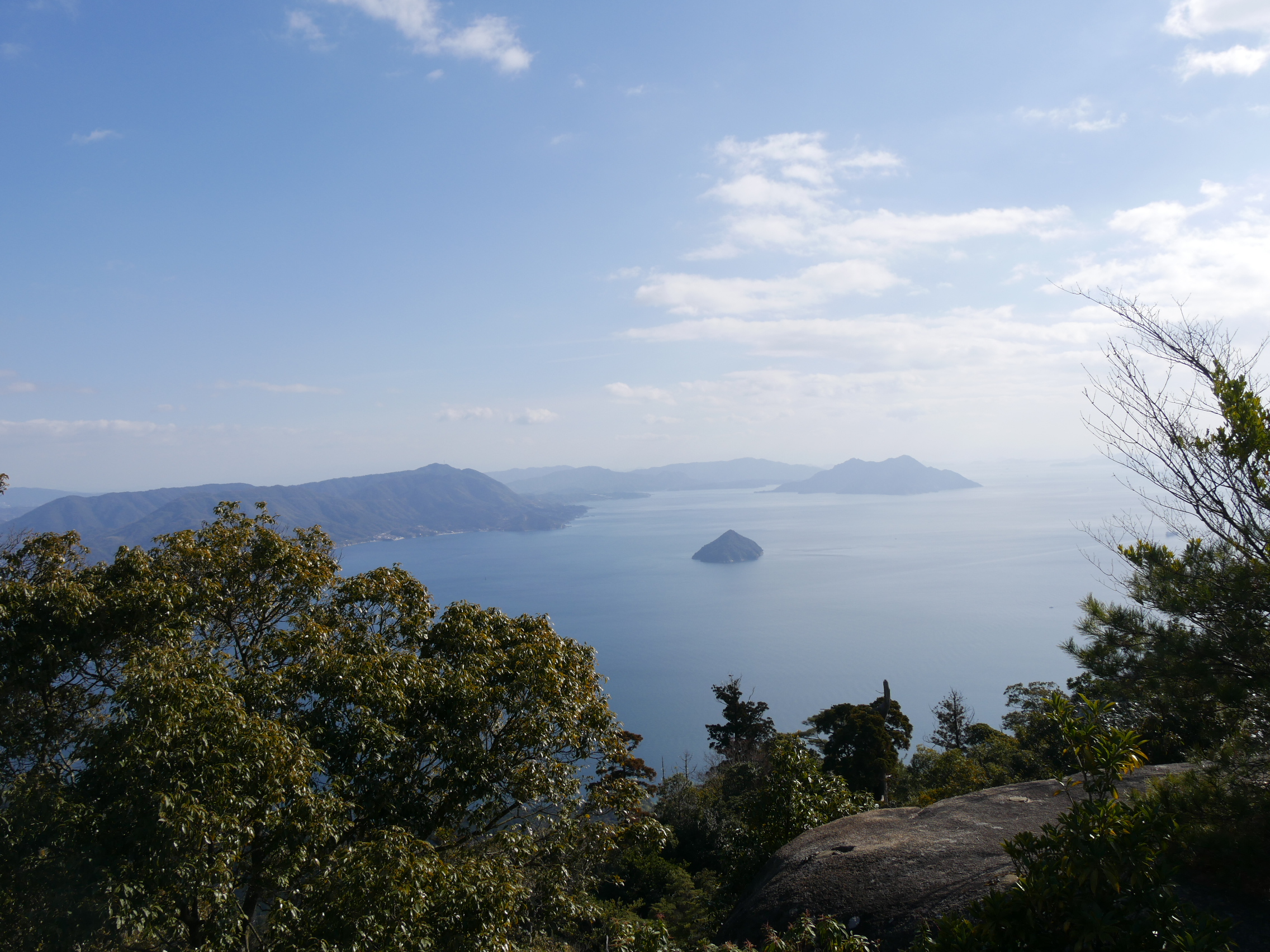
Miyajima is one of those rare places where Japan's ancient history and...
Speaking of new Miyajima specialties, the island has developed another fried treat beyond Mishinaya’s momiji-age! Comparing the different styles and preparations of fried momiji manju available around the island makes for a fun culinary adventure, giving you multiple opportunities to try this unique local creation.
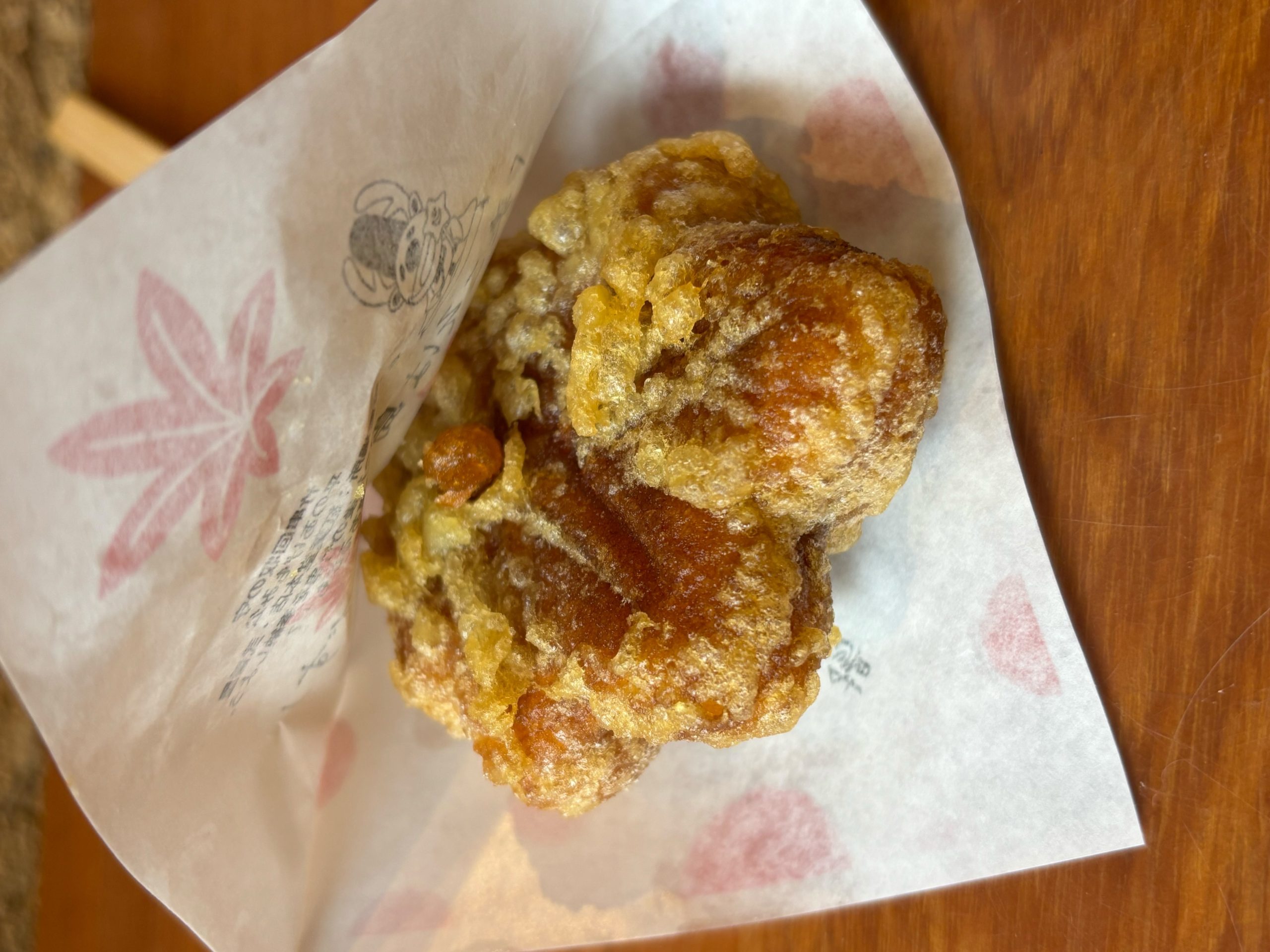
Planning your Miyajima food adventure and wondering what unique treats...
If you’re an early riser looking for breakfast options on Miyajima, Shimauma Pan at Miyajima Besso has become another popular choice among visitors. This bakery on Omotesando Shopping Street serves fresh-baked goods that make for a perfect start to your island day before the crowds arrive.
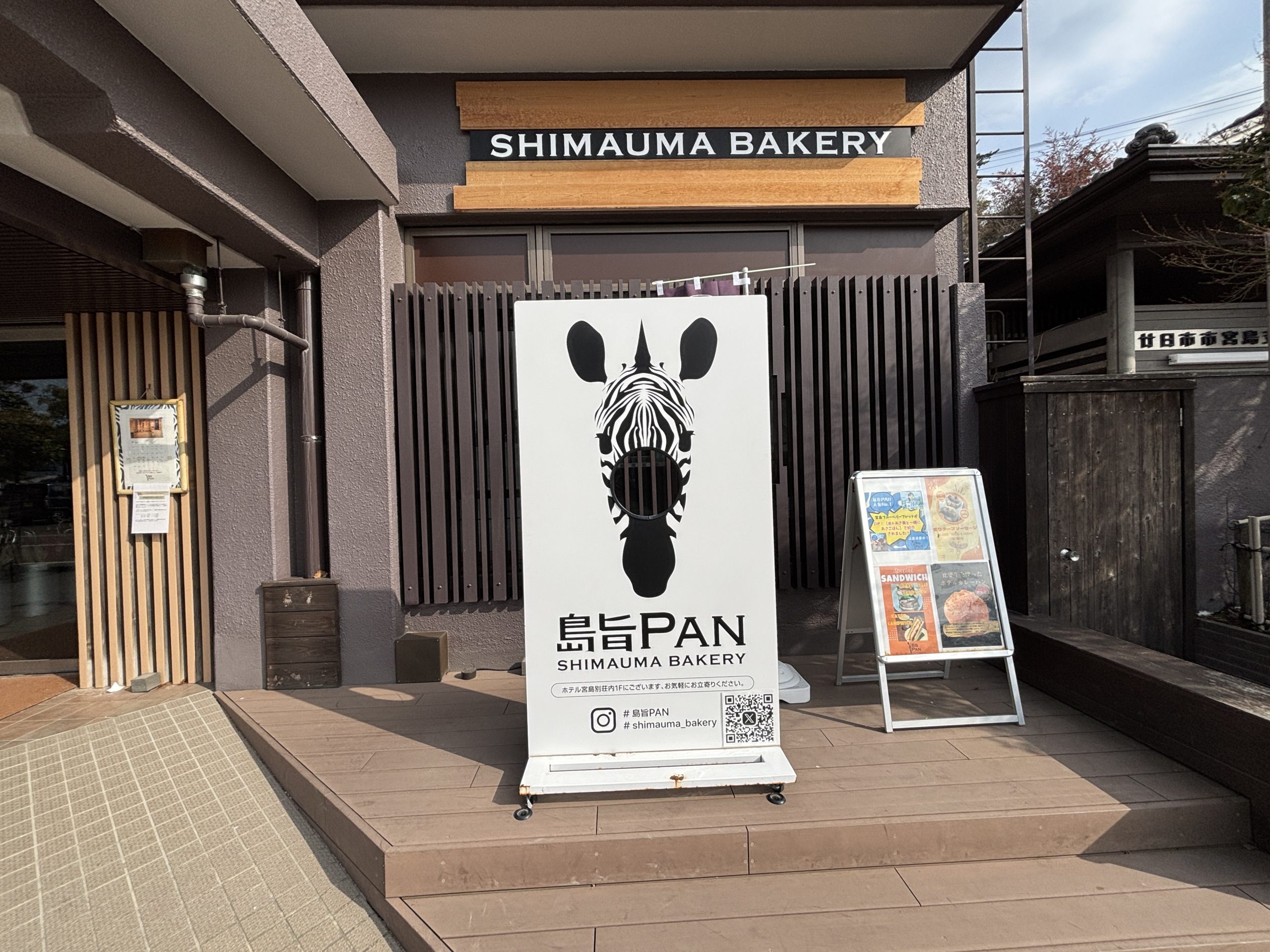
Just a 1-minute walk from Miyajima Pier, "Shimauma Pan" is an authenti...