
Miyajima’s main shopping street — known locally as Omotesando — is a lively 350-meter stretch that runs from the ferry pier straight toward the iconic Itsukushima Shrine. Lined with shops selling fresh oysters, fried momiji manju, handmade crafts, and local snacks, it’s the beating heart of the island’s food and souvenir scene. Whether you have a few hours or a full day on Miyajima, this street is where most visitors begin — and where many find themselves happily doubling back for one more bite.
If you’re planning your trip from Hiroshima, you can reach Miyajima by JR train to Miyajima-guchi Station (about 30 minutes), or by Hiroshima streetcar (about 70 minutes), followed by a roughly 10-minute ferry crossing. For family-friendly ferry options and full access details, our ferry guide covers everything you need to know.
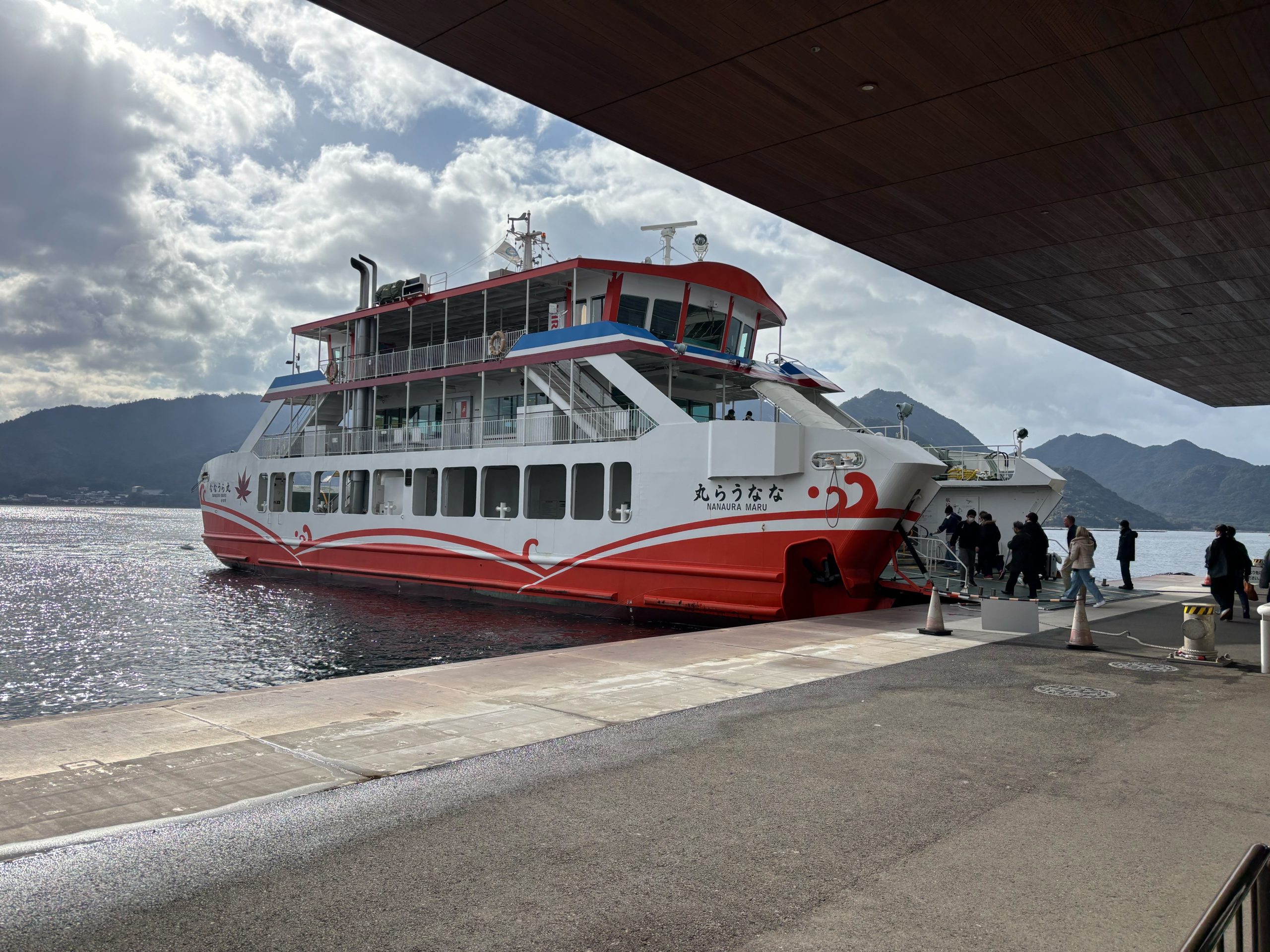
The Miyajima ferry isn't just a way to get to the island — it's the be...
Miyajima’s Main Street: What to Expect
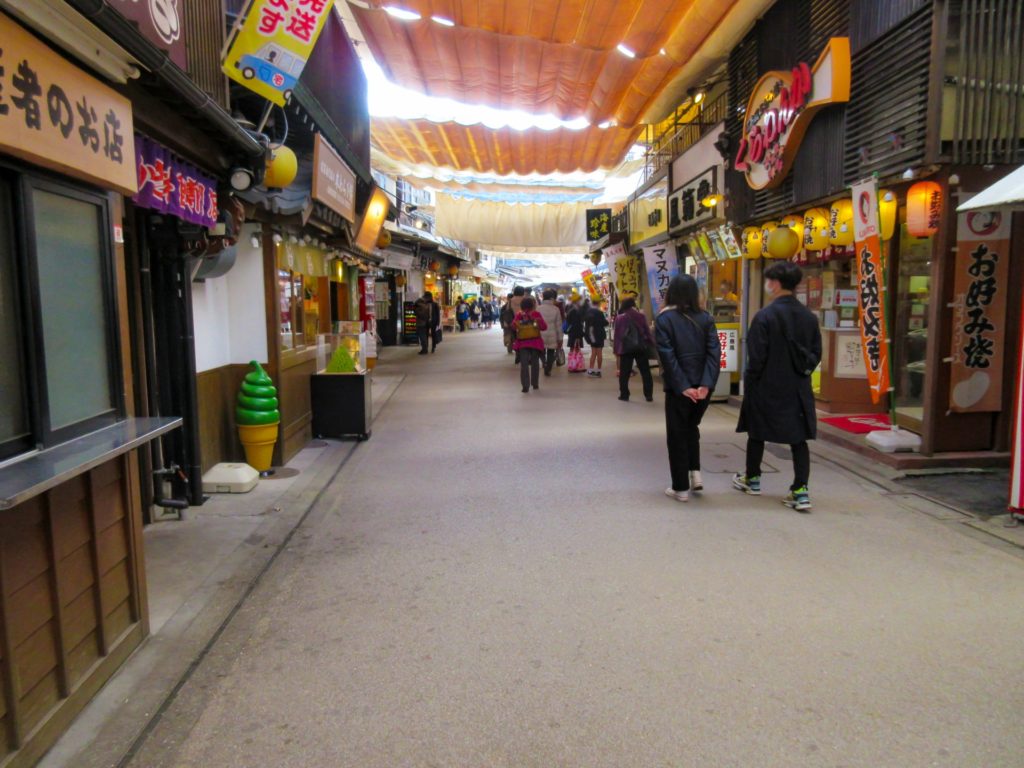
The Miyajima shopping street typically opens around 10:00 AM, with most shops closing around 5:00 PM. Popular items — especially fried snacks and freshly baked sweets — can sell out before closing time, so arriving in the morning gives you the best selection.
A free rest area is located roughly midway along the street, next to a public restroom (TOTO Miyajima Omotenashi Toilet). It has benches, trash cans, and space to eat — a welcome stop on a busy day. Diaper-changing stations are available at most public restrooms along the street, so families with young children can explore comfortably.
One important note on eating etiquette: walking while eating is generally discouraged on the street. The local custom is to enjoy your food at the shop entrance, inside the shop, or at a designated rest area. Most vendors make this easy by providing small standing counters or nearby benches.
Deer roam freely around the island, including along the shopping street, and they are quite bold around food. Keep snacks tucked away in your bag and resist the urge to feed them — it’s prohibited, and they will absolutely try to grab anything you’re holding. (One of our daughters confidently identified a deer as “a horse,” which became a family joke for years.)
If you want to beat the crowds, the quietest window on the shopping street tends to be weekday afternoons between 2:00 and 4:00 PM. The busiest period is typically around midday, roughly 12:00 to 2:00 PM.
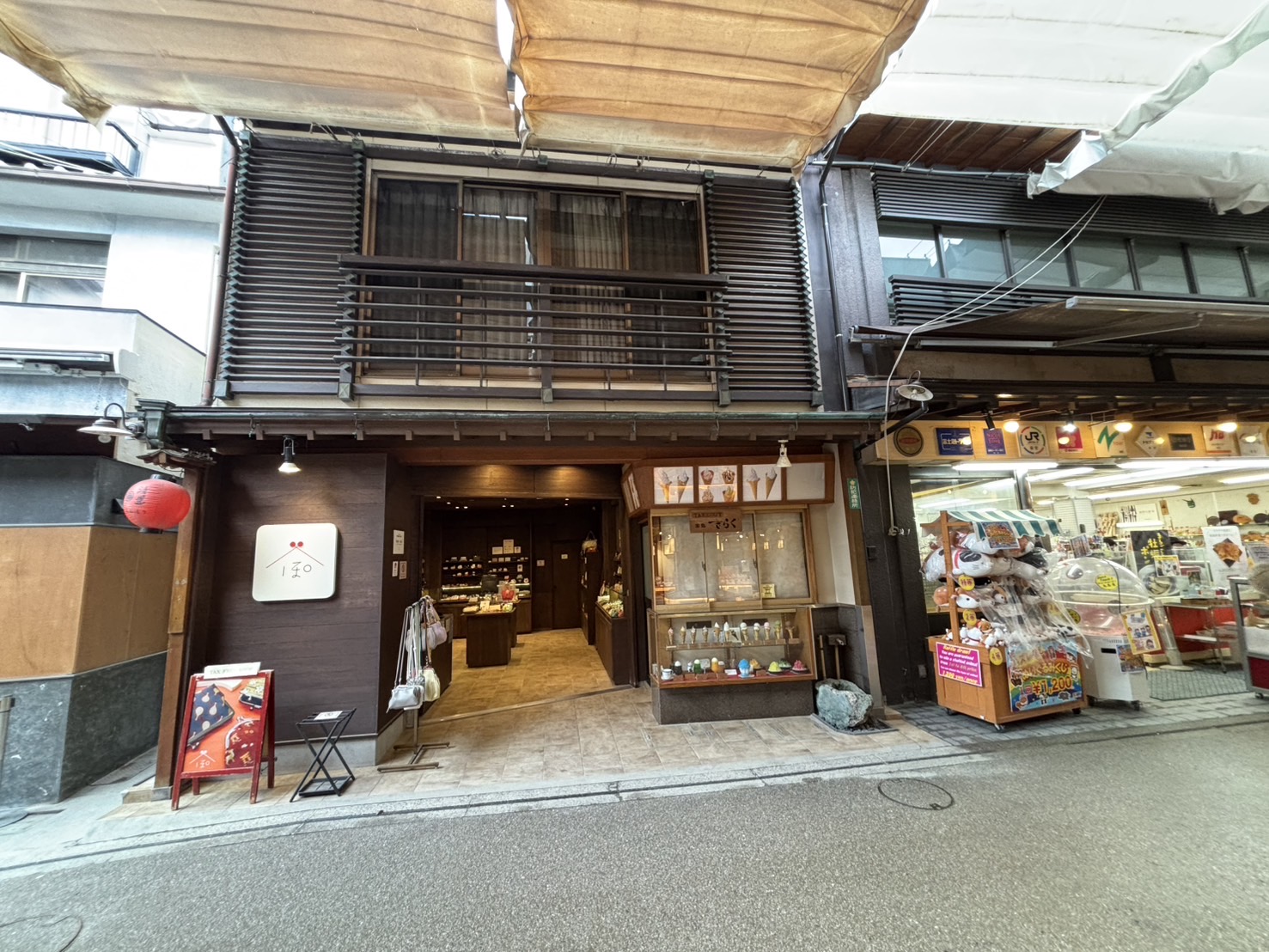
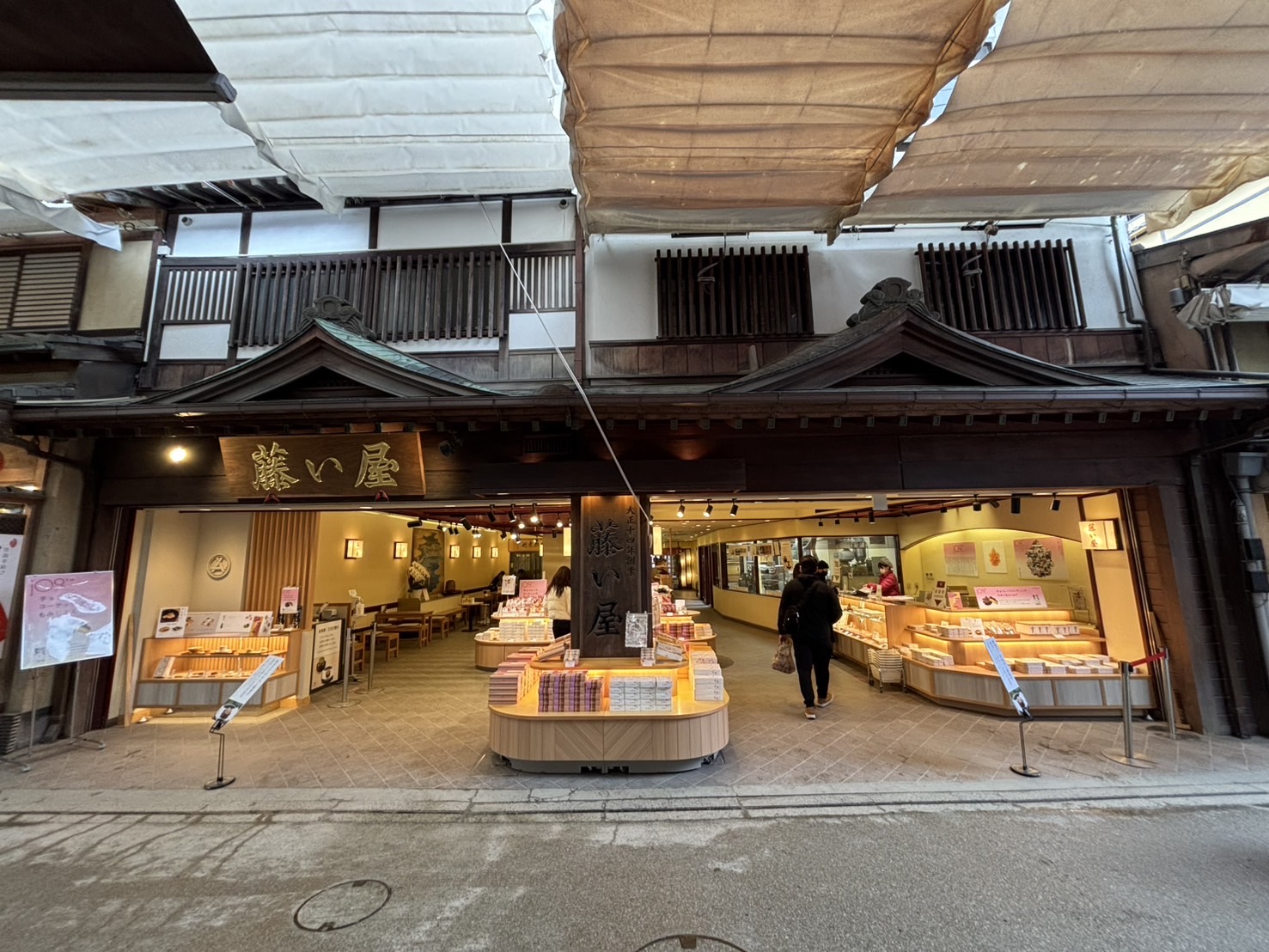
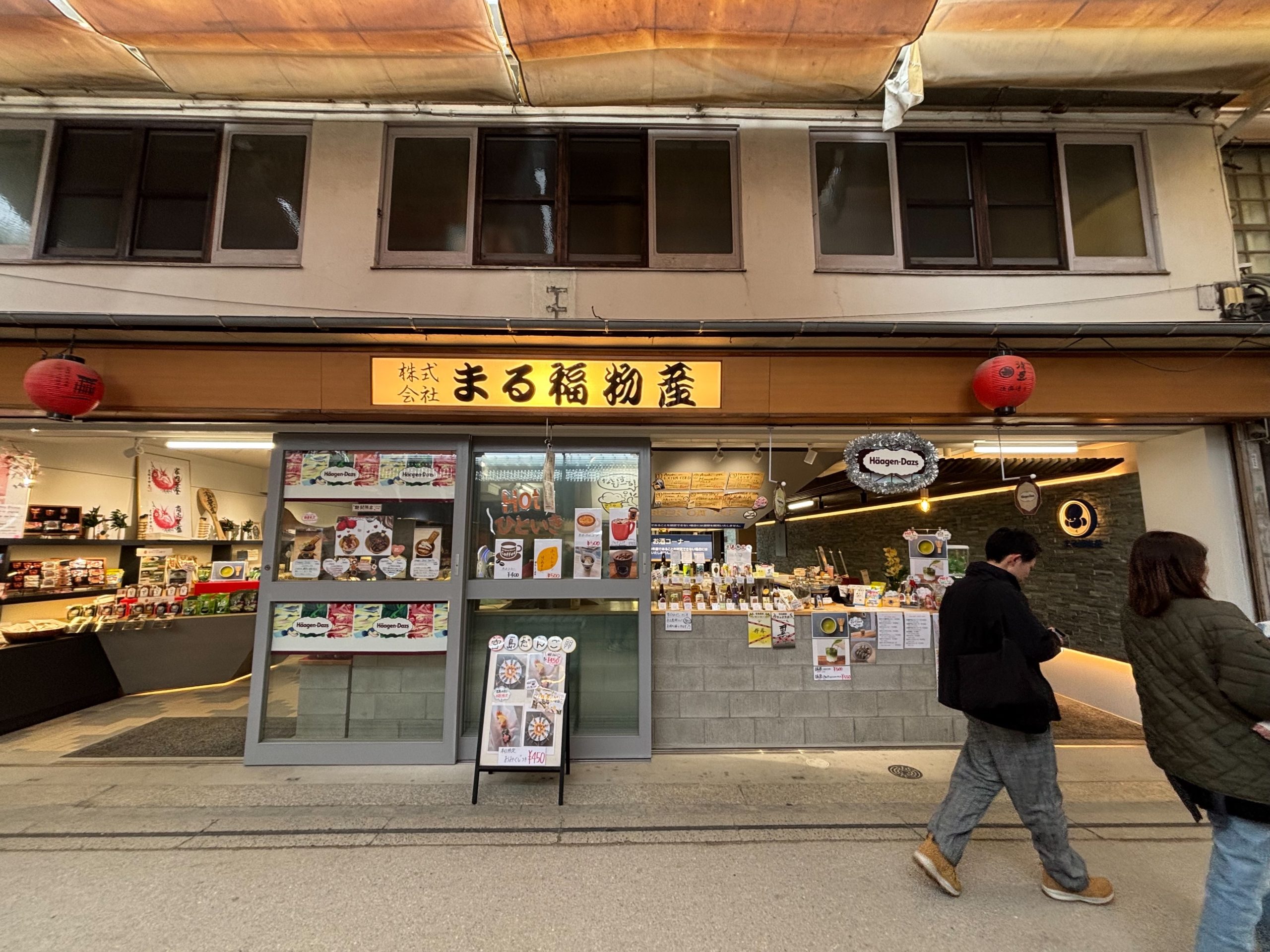
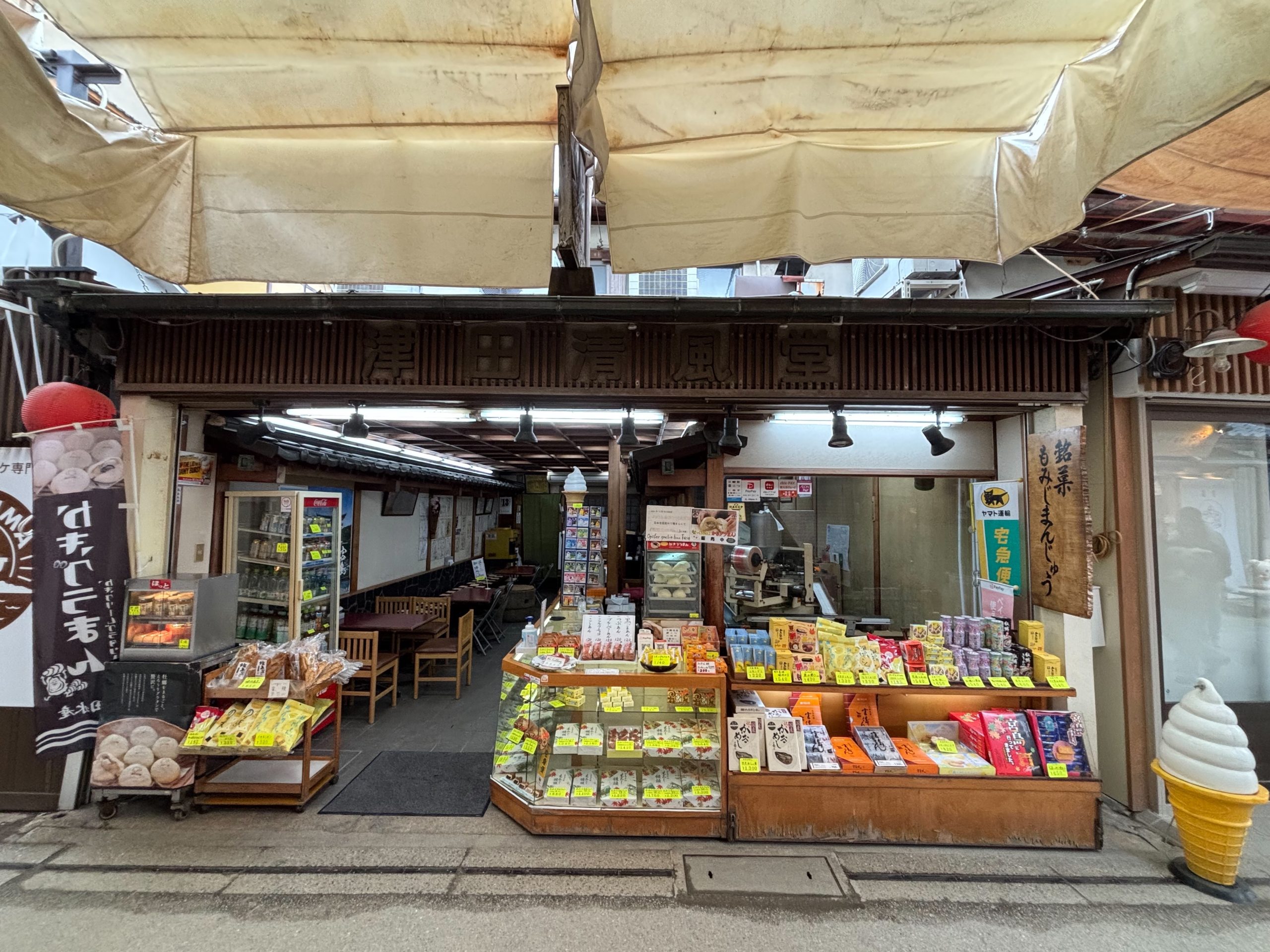
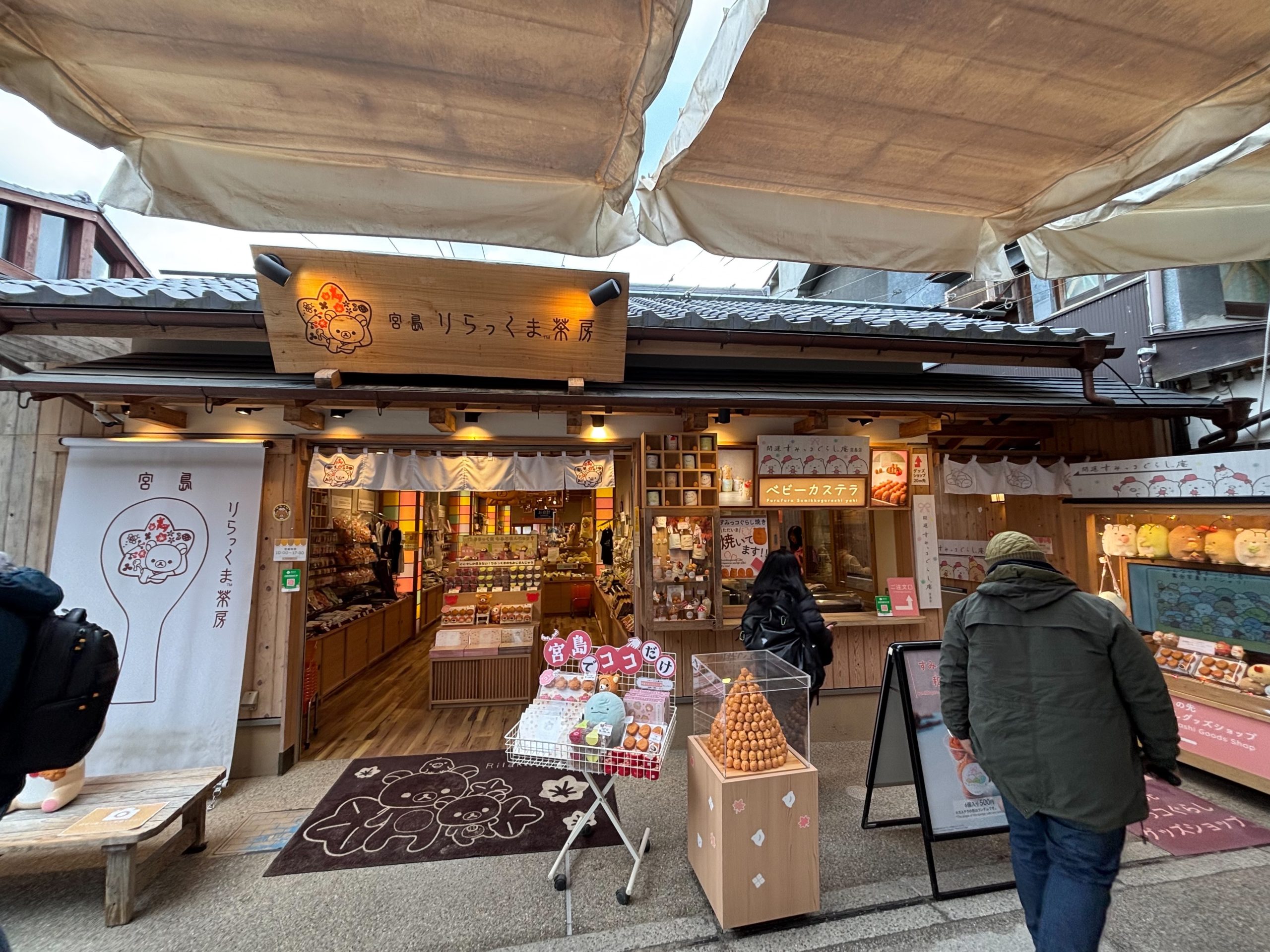
The street stretches from the Miyajima ferry pier all the way to the approach of Itsukushima Shrine, and every part of it rewards a slow, curious walk. Shops selling traditional crafts like wooden rice paddles (shamoji), Miyajima clay dolls (miyajima hariko), and woodwork stand alongside momiji manju bakeries, oyster grill counters, and modern gelato stands. The older storefronts carry a warm retro character that makes the whole street feel like a living museum of island life.
After exploring the shopping street, the path leads naturally to the World Heritage Itsukushima Shrine itself. Our guide to the shrine can help you make the most of your visit.
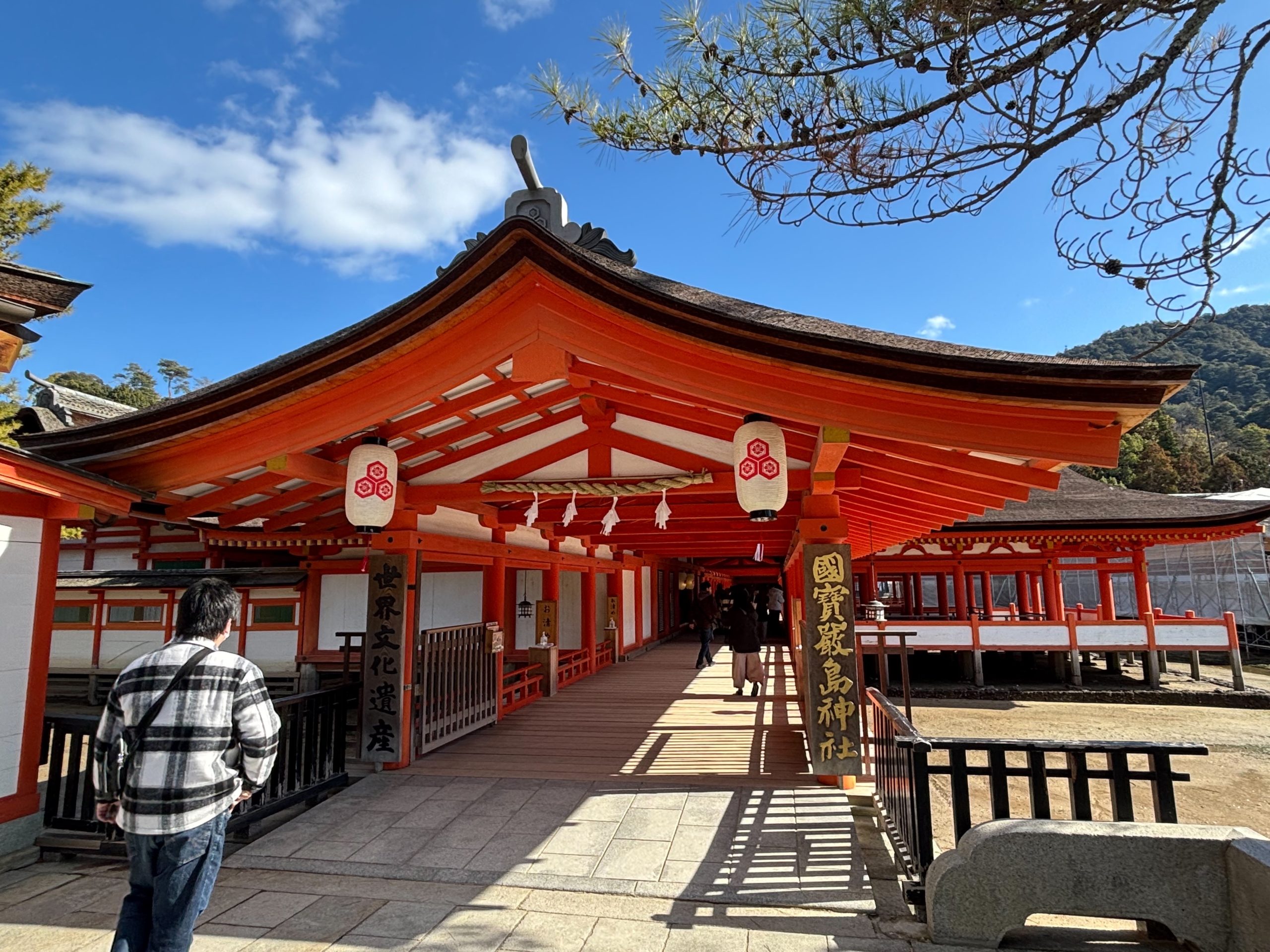
Itsukushima Shrine sits at the edge of the sea on Miyajima Island, jus...
A Brief History of the Street
The street’s origins trace back to land reclamation projects in the late Edo period (early 19th century). Road improvements in the early Shōwa era (1920s–30s) helped shape the shopping district into a coherent tourist route, and the street adopted its current name — Omotesando — in the early 1980s. Today it blends generations of tradition with newer, more inventive offerings. The appearance of items like “fried momiji manju” and hand-held okonomiyaki shows how the street keeps evolving while staying rooted in what makes Miyajima food special.
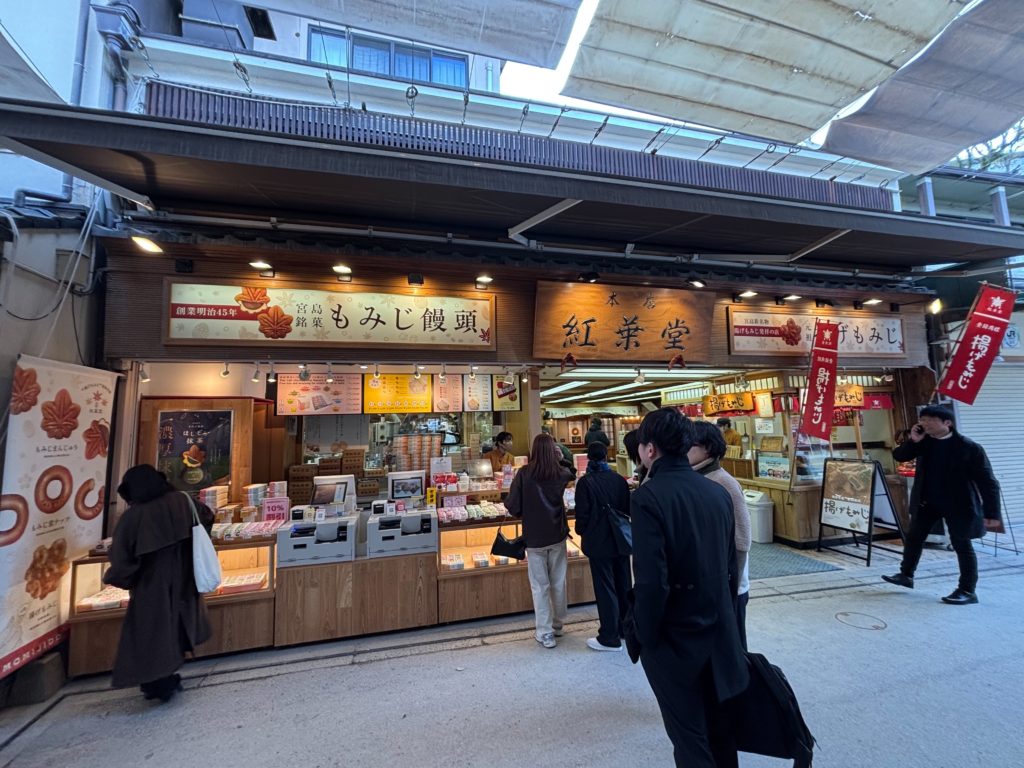
The street is covered by a strong sun-shading canopy, which makes it a comfortable walk even in the heat of summer — a practical detail worth knowing if you’re visiting during July or August.
Savory Bites: The Best Street Food on the Miyajima Shopping Street
The savory side of the Miyajima shopping street is all about freshness and portability. Vendors have perfected the art of the one-handed snack — and the combination of bold flavors, satisfying textures, and that smell of grilling oysters and sauce in the open air makes it genuinely hard to stop at just one stop. Popular savory items can sell out or build long queues by midday, so targeting them in the late morning gives you the best experience.
Yakigaki no Hayashi — Grilled and Raw Oysters
This is probably the most iconic stop on the street. Miyajima and the surrounding Hiroshima Bay are among Japan’s top oyster-producing regions, and Hayashi serves them grilled to perfection — slow-cooked until the shells just open, trapping the briny, sweet juices inside. A squeeze of lemon over the top is the classic finishing touch. Lines can form during the busiest hours, but the wait moves steadily. The menu changes with the season and the day’s catch, so check the chalkboard at the entrance for what’s freshest.
Pettara Pottara Honpo — Pettara Pottara Rice Cake Skewer
This Miyajima original is a grilled sticky rice cake skewer glazed with a sweet-salty sauce and topped with oyster. The outside caramelizes beautifully over the charcoal grill, giving you a slightly crisp shell around a soft, chewy interior — and the flavor builds as you eat, with the oyster’s umami deepening the sauce’s richness. It’s a handheld food, but the sauce does drip, so grabbing extra napkins and finding a bench is well worth it.
Mugishu to Anagomeshi — Anago Rice Skewer and Oyster Fry Skewer
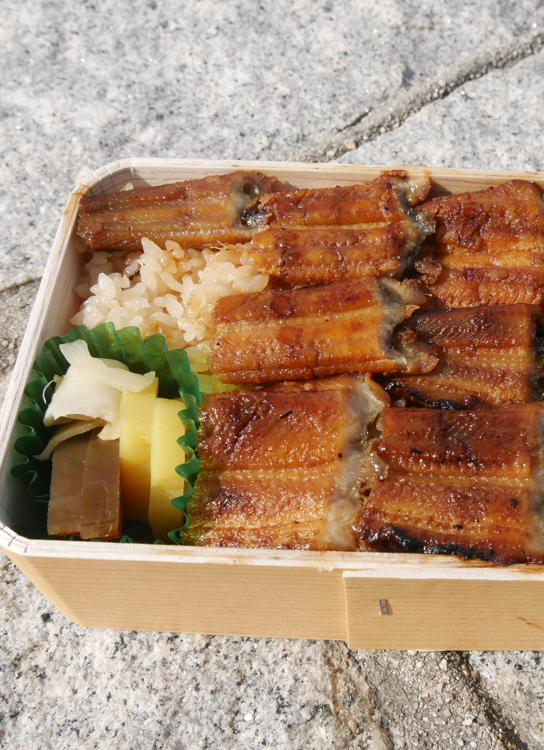
The “anago meshi skewer” here is a clever street-food take on one of Miyajima’s most beloved traditional dishes: seasoned conger eel rice, shaped into a compact log, coated in light batter, and double-fried so the outside is shatteringly crisp while the inside stays tender and fragrant. A pinch of sansho pepper lifts the whole thing. The oyster fry skewer pairs beautifully with craft beer, and both items together make a satisfying savory mid-morning snack. If you fall in love with anago meshi in this form, we also have a guide to the best sit-down anago meshi restaurants on the island.
Miyajima Island is famous for its floating torii gate and ancient shri...
Miyajima Curry Pan Kenkyujo — Oyster Curry Bread
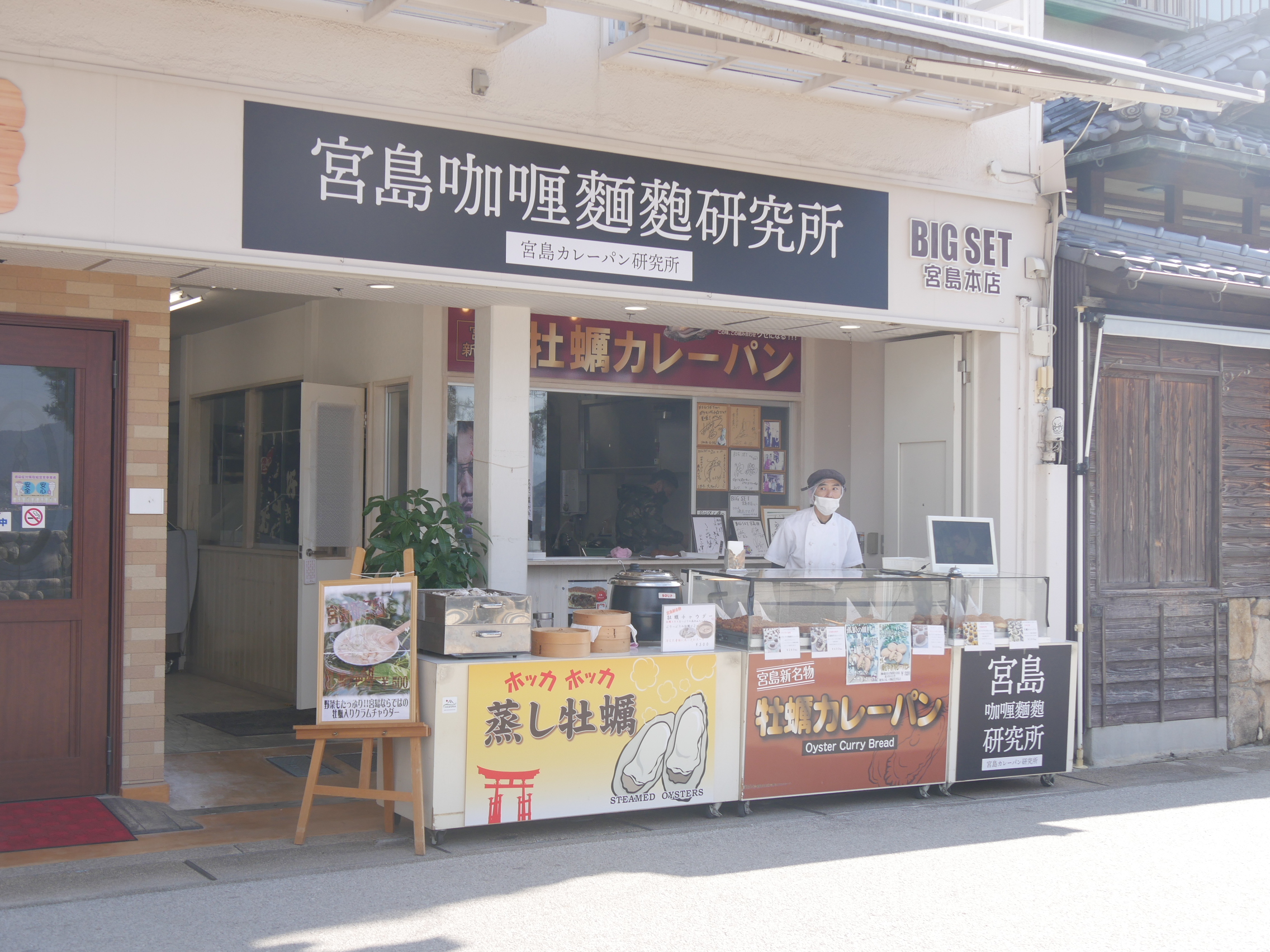
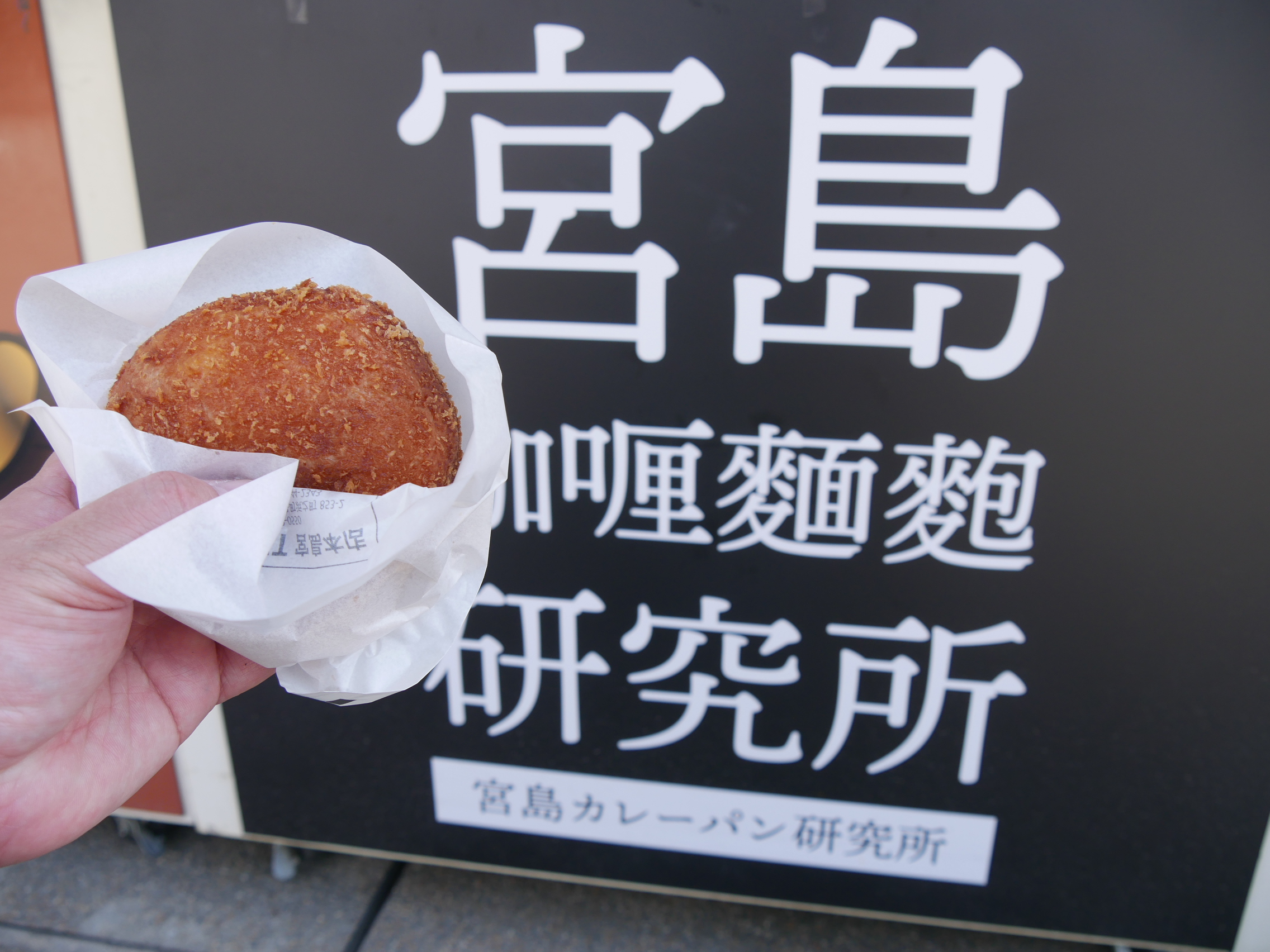
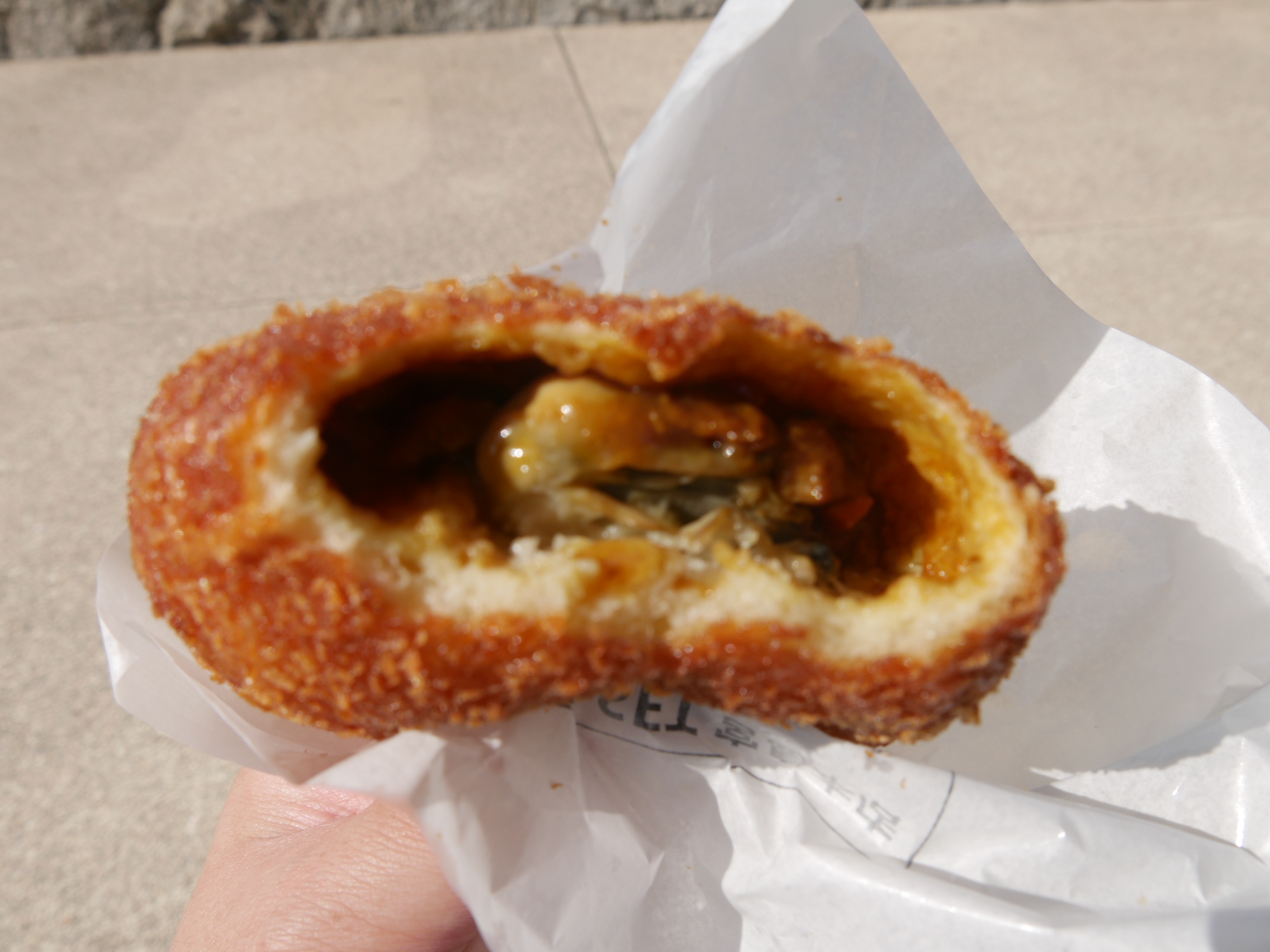
This shop’s oyster curry bread is a serious crowd-pleaser. The panko coating uses two different grades of breadcrumbs for a layered crunch, and inside you’ll find two whole steamed oysters nestled in a rich curry blended from beef and seafood stock — a combination that stays flavorful even as it cools. On busy days, the shop can move over 2,500 pieces, so if this is on your list, aim to arrive before noon. It sells out, regularly.

Miyajima Yokocho — Oyster Okonomiyaki (Kaki Oko)
This is one of the street’s most inventive one-handed snacks: a U-shaped crispy dough base layered with yakisoba noodles, grilled oysters, sliced green onion, pickled ginger, and a quail egg sunny-side up. It’s bold, messy in the best way, and ideally sized for eating on the move — though following the eat-at-the-stand etiquette still applies. For the best experience, wait for a freshly made batch so everything is hot when it reaches you.
Sweet Treats: Desserts and Baked Goods on the Miyajima Shopping Street
The sweet side of the shopping street is just as inventive as the savory side. Traditional momiji manju (maple-leaf-shaped cakes filled with sweet bean paste) remain the island’s most famous souvenir, but the street has pushed the concept in delicious new directions — fried, rolled, shaped into croissants, or served alongside specialty coffee. Limited-edition flavors tend to sell out in the afternoon, so morning visits reward the most adventurous eaters.
Momijido — Fried Momiji Manju (Age Momiji)
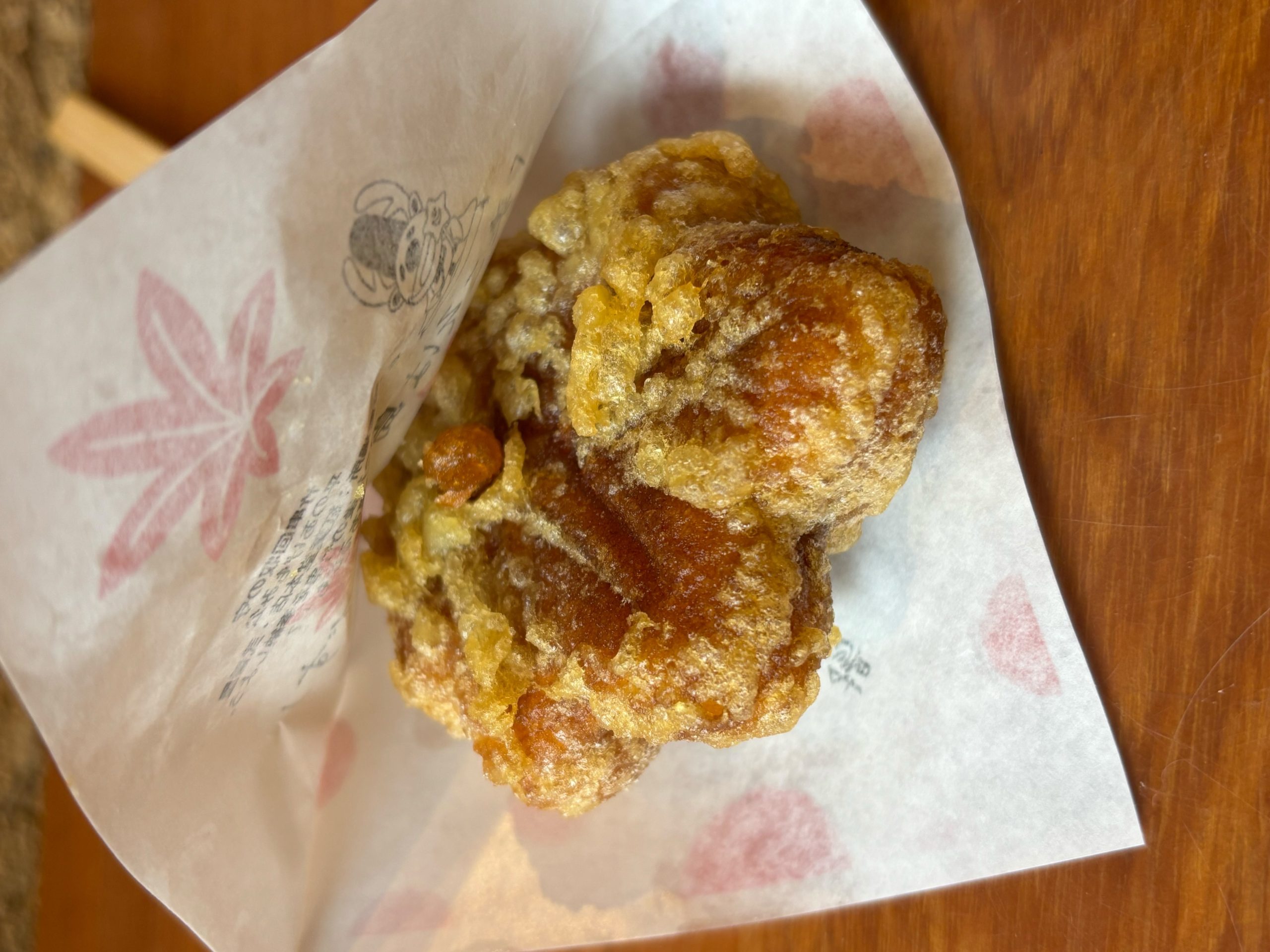
One of the most-photographed bites in all of Miyajima. The fried momiji manju was born out of a clever idea to repurpose imperfect cakes — lightly battered and deep-fried until the outside turns golden and crispy, while the filling (choose from five options including classic red bean, custard, cheese, chocolate, and others) stays soft and warm inside. The contrast in textures is genuinely addictive. Local tip: the first batches of the morning are reportedly the crispiest, so morning visitors get the best version. Let it cool for a few seconds before biting in — the filling holds heat longer than you expect.
We’ve put together a full comparison of the best fried momiji shops on the island if you want to do your own taste test. It’s a popular activity for families and repeat visitors alike.
If you're looking for the ultimate Miyajima street food experience, ag...
Yamadaya — Korokoro Momiji
This is a flagship-store exclusive: bite-sized momiji manju served with dipping sauces for fun flavor combinations. The shop also offers a hands-on momiji manju baking experience (paid) where you can press your own design into the cake using a traditional iron mold. It’s a wonderful activity for families — and kids who bake their own tend to declare them “the best momiji manju in the world,” which is honestly a fair assessment.
Toriya — Momiji Croissant
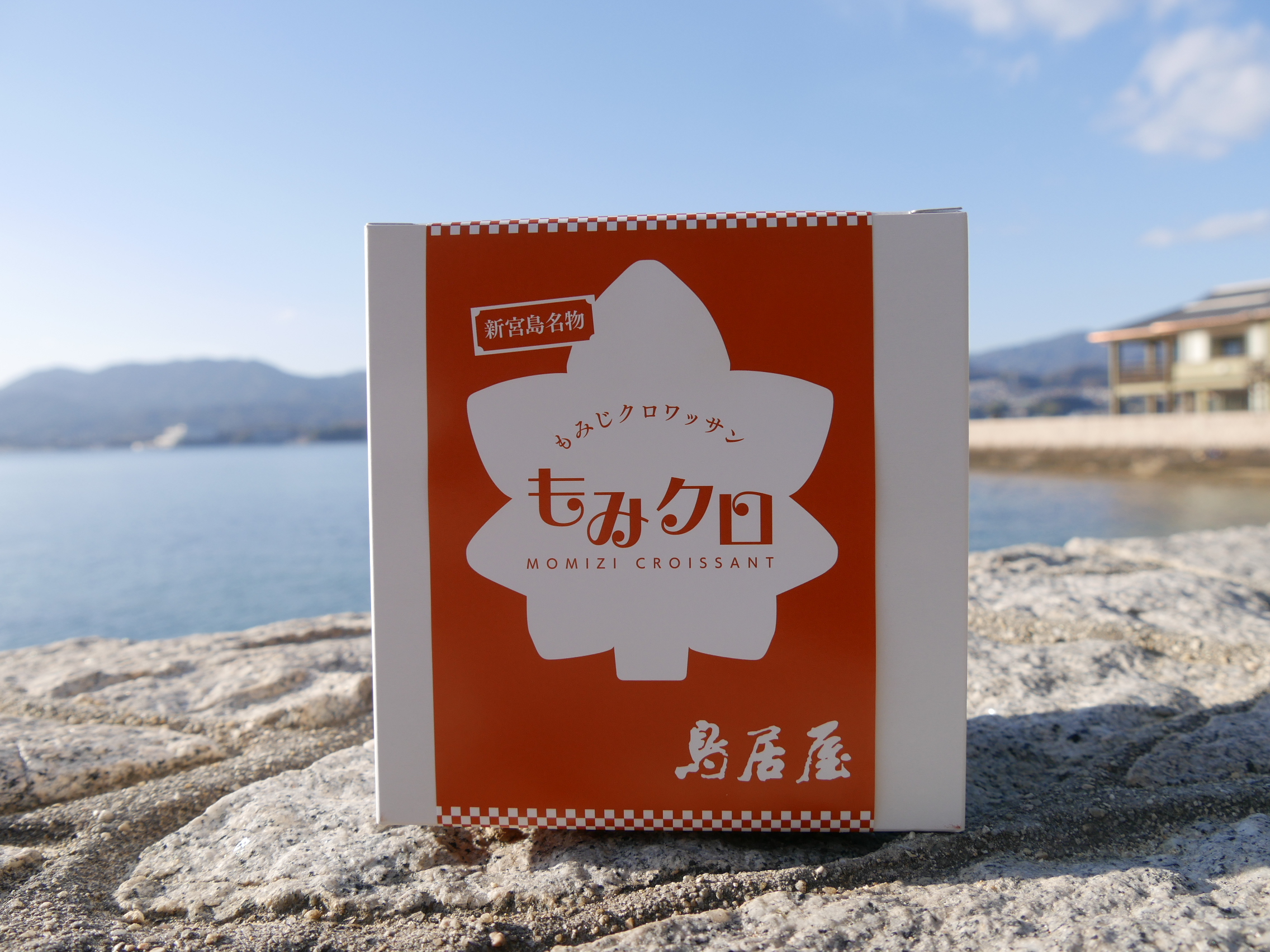
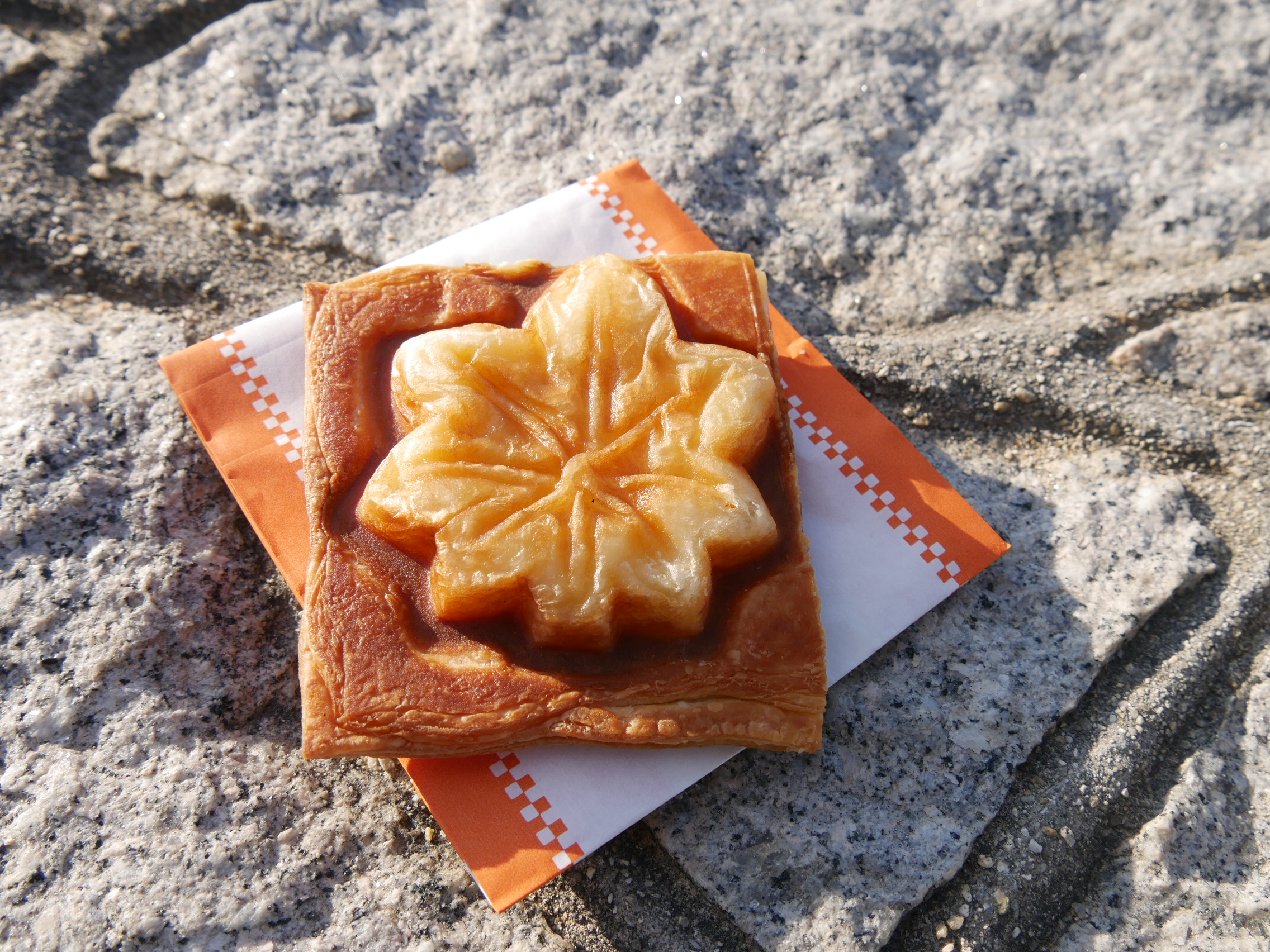
The croissant approach to momiji is lighter and butterier than the traditional cake version. The laminated dough shatters pleasingly, releasing the warm scent of butter, while the filling — red bean, chocolate, and other seasonal options — provides the sweet contrast. The chocolate version is particularly good, with a hint of salt that balances the richness. Full variety is available right when the shop opens (around 9:00 AM); popular flavors often sell out before afternoon. Arrive early if you want first pick.

Katsuya Kashipanji — Koppe Pan (Filled Rolls)
This bakery offers around 30 varieties of koppe pan — soft, pillowy rolls stuffed with creative fillings. The standout is “Umai de Gansu,” which incorporates gansu, a Hiroshima specialty made from processed fish cake, alongside cabbage, mayonnaise, and yuzu pepper for a gentle kick. It’s an unexpectedly compelling combination and a great way to taste a local Hiroshima ingredient in a portable, casual format.
Gelateria BACCANO — Artisan Gelato
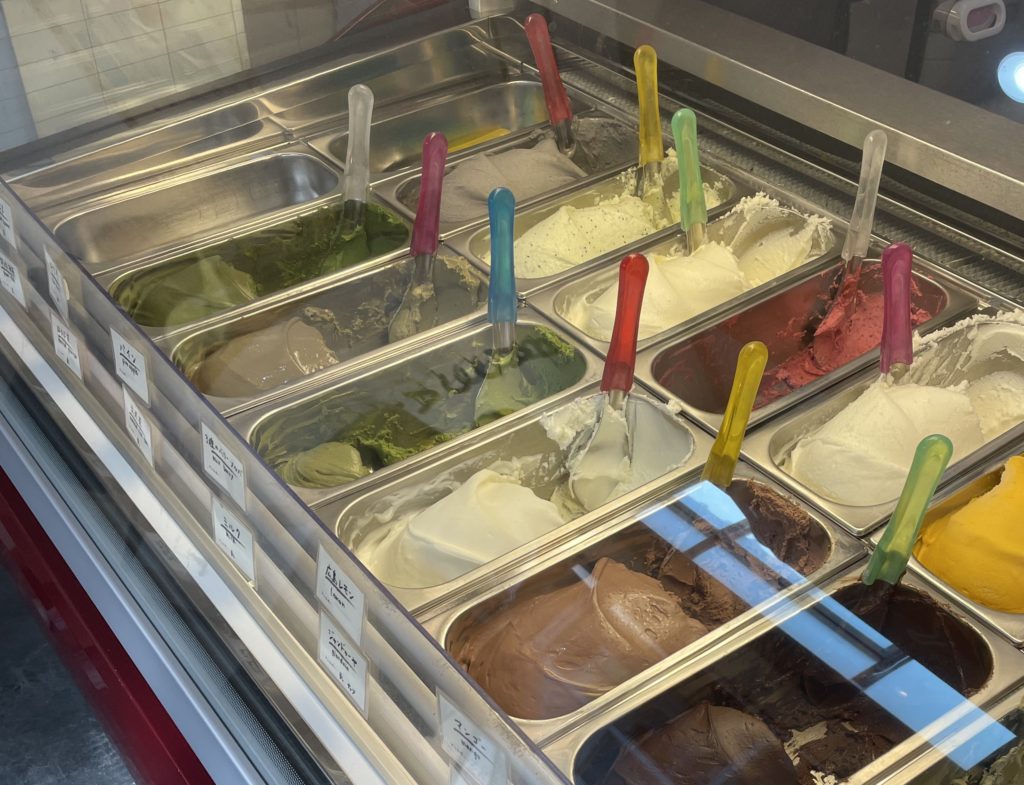
Made without artificial additives or flavorings, BACCANO’s gelato showcases clean, vivid flavors. The Setoda lemon — grown on a nearby island in the Seto Inland Sea — is refreshingly bright and slightly tart, an ideal antidote to a warm afternoon on the island. The texture is silky and smooth; eat it immediately after receiving it for the best experience.
Miyajima Umaimono-kan — Decorated Soft Serve
The soft serve here comes topped with artfully decorated icing cookies shaped like Miyajima icons: the torii gate, deer, and the traditional rice paddle (shamoji). It’s as photogenic as it is tasty, and the toppings vary depending on availability — part of the fun is seeing which design you get on the day.
Itsuki Coffee — Specialty Coffee Soft Serve
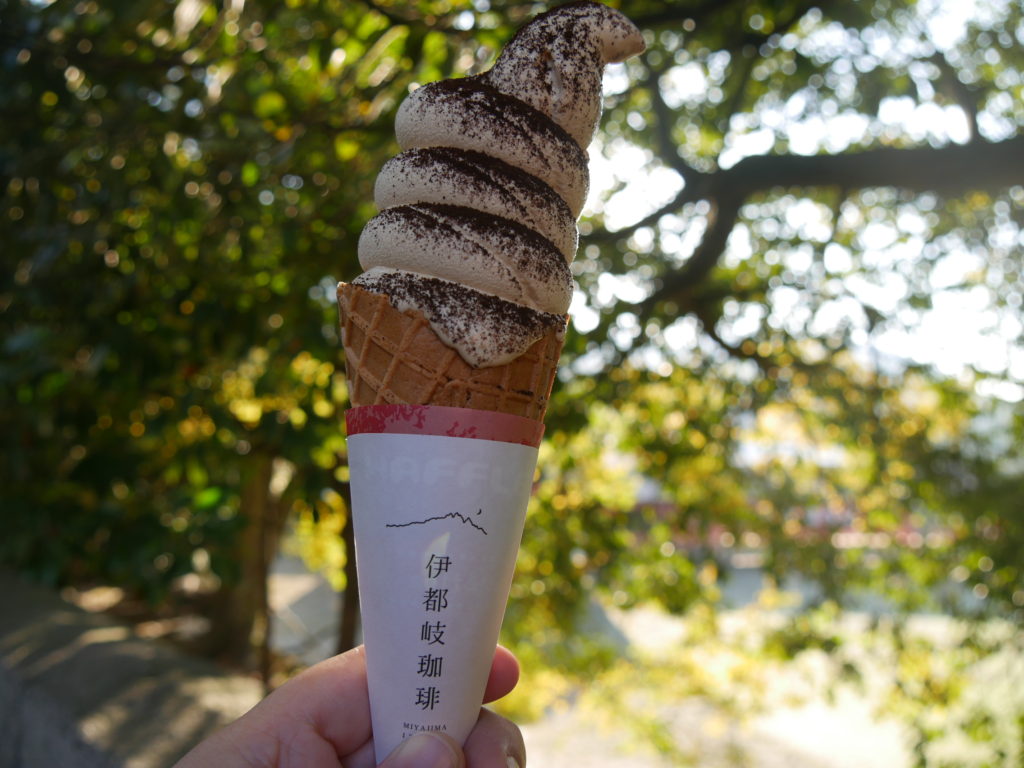
A vanilla and espresso blend soft serve dusted with coffee powder — the bitterness is subtle but noticeable, making this a satisfying closer to a long stretch of sweet and savory snacking. It’s the kind of thing you’ll want near the end of your food walk rather than the beginning.
Local Drinks: What to Sip on the Miyajima Shopping Street
From island-brewed craft beer to no-additive lemon soda made with whole Seto Inland Sea lemons, the Miyajima shopping street has a surprisingly strong drinks lineup. In hot weather, planning your route around shaded spots and cool drinks makes the walk much more pleasant.
Miyajima Shokudo — Tapioca Drinks
Thick, chewy tapioca pearls in a range of flavors — classic milk tea, almond, and more. The cups feature deer illustrations that are, frankly, very cute. A reliable cooling option that’s popular with younger visitors.
Neko mo Shakushi mo — Lemon Squash
Seto Inland Sea lemon juice with a pleasant bitter note from the citrus peel — low in added sugar and sharply refreshing. This is the drink to reach for on a hot summer afternoon when you want something clean and cooling rather than sweet.
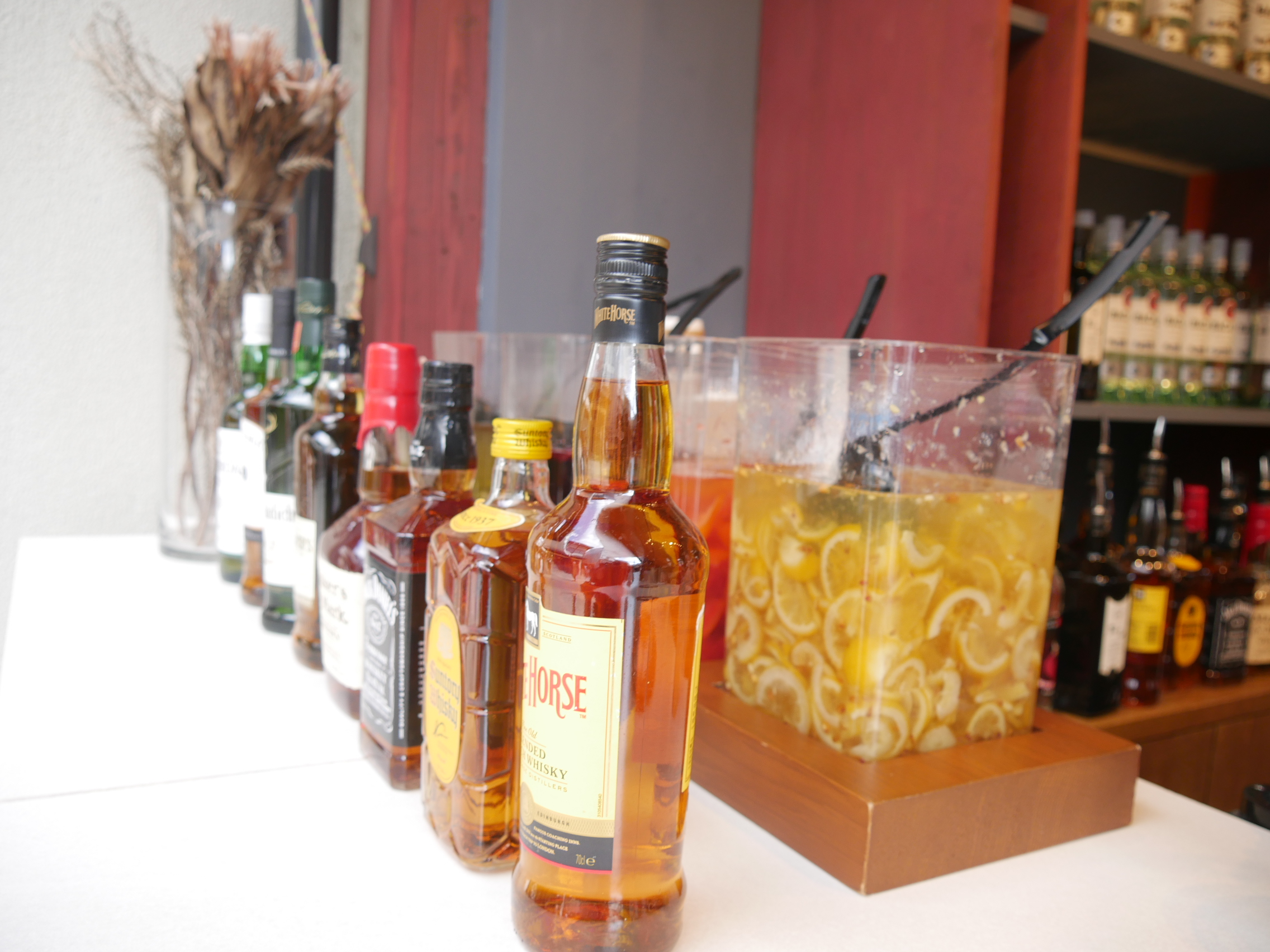
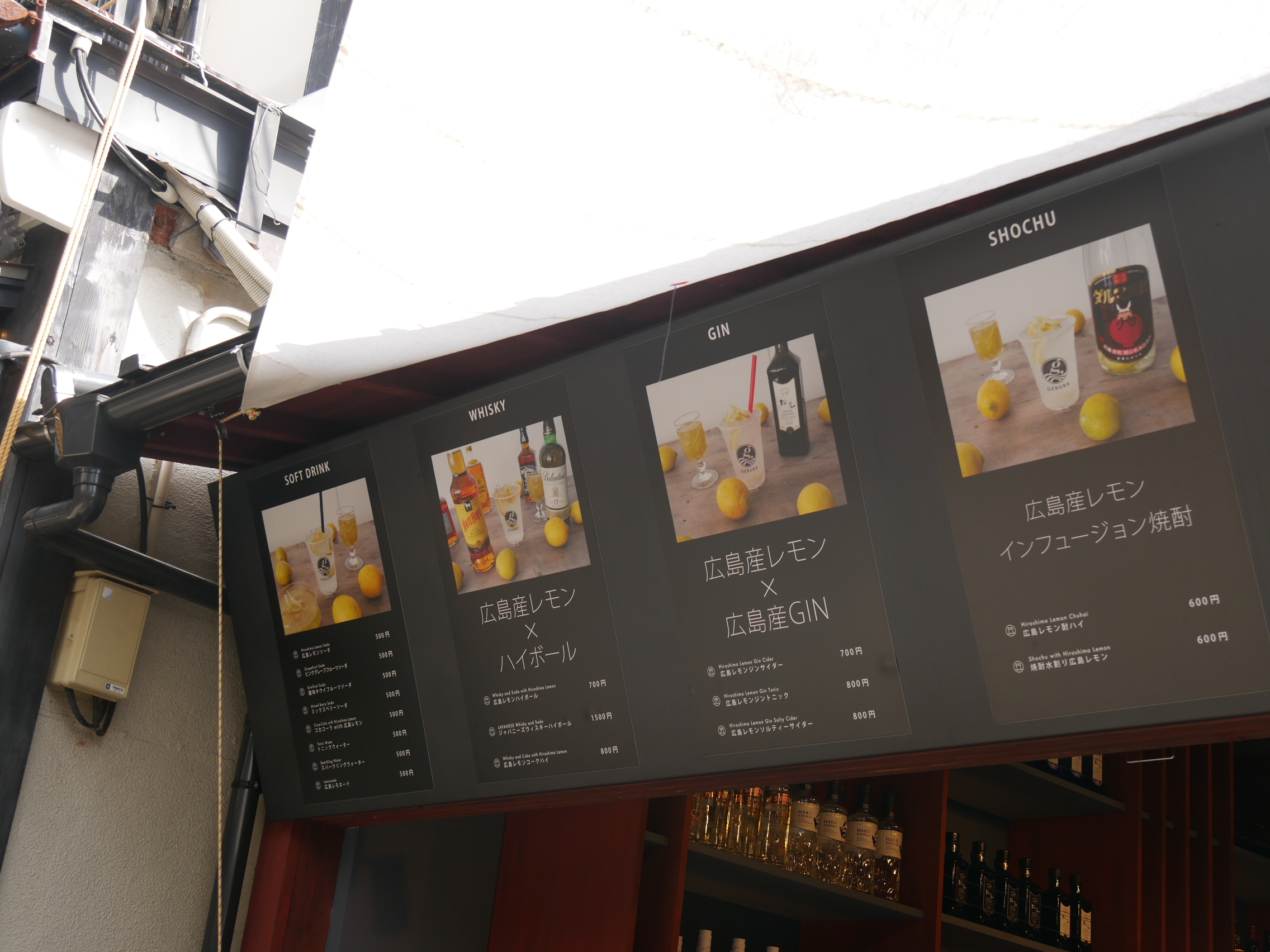
GEBURA — Hiroshima Lemon Soda
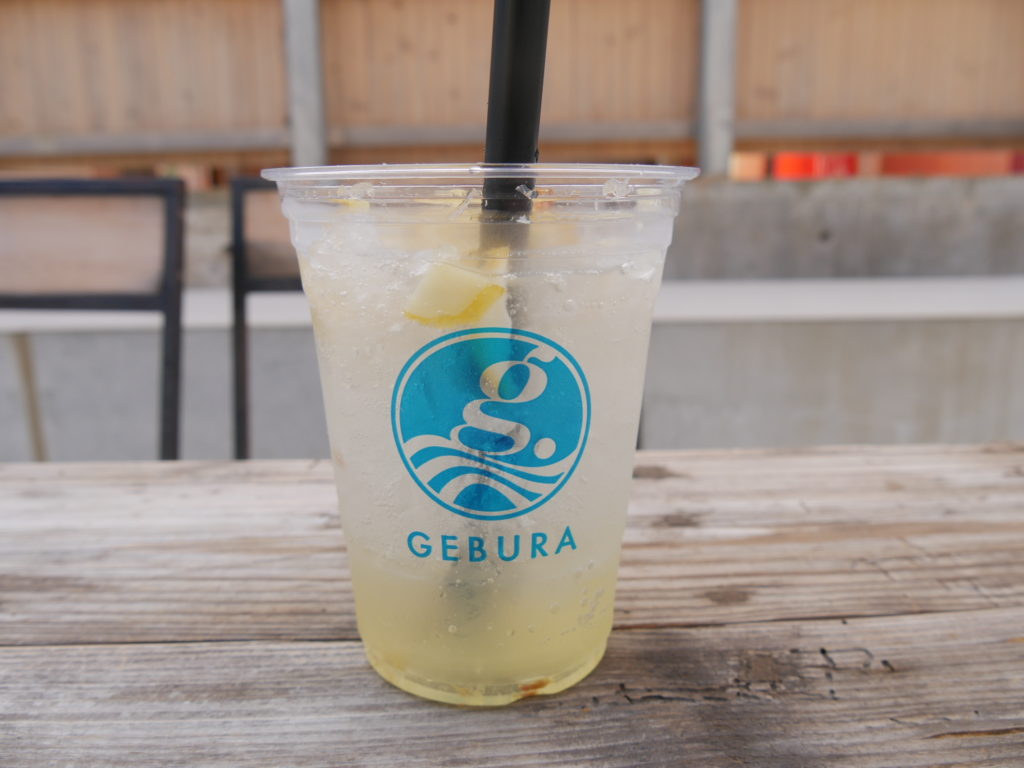
GEBURA uses pesticide-free lemons — peel, seeds, and all — steeped into syrup for a rounded, full-citrus flavor that goes well beyond standard lemonade. The drink is bright and effervescent with a clean, lingering finish. A bonus: if you bring your empty cup back the same day, refills are available for ¥200. A smart way to stay hydrated on a long visit.
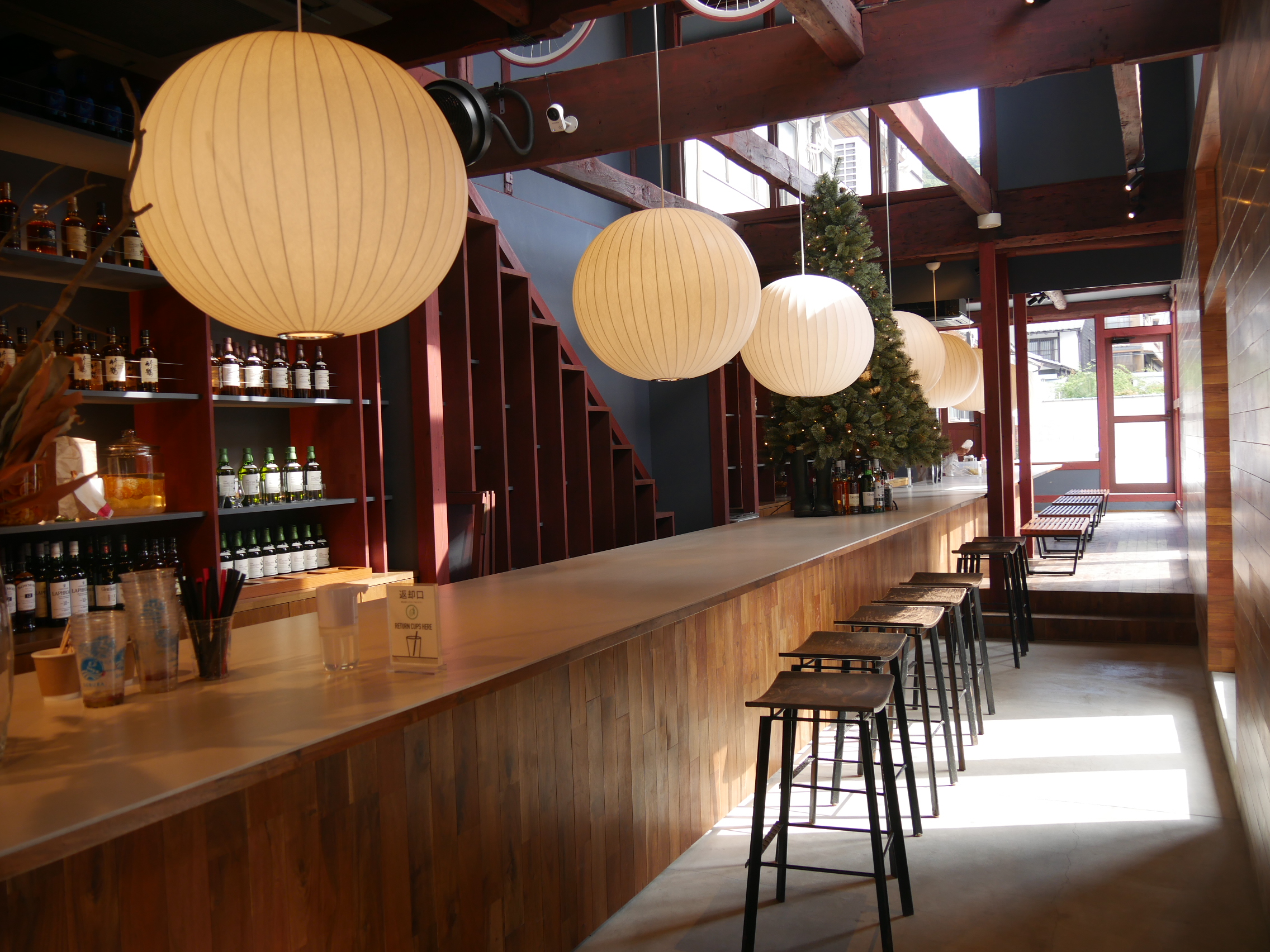
Miyajima Brewery — Local Craft Beer
Miyajima’s only craft brewery uses spring water from the ancient primeval forest of Mount Misen as its brewing water — a nice story that connects the drink to the island’s sacred landscape. The regular lineup includes a hefeweizen, pale ale, and IPA, plus a darker oyster-inspired stout that leans into the island’s seafood identity. Glasses are available at the beer stand on the street; bottles are sold for takeaway. As with all food and drink on the street, enjoy your beer at the designated area rather than while walking.
If you’d like to combine your food walk with a trip up to the summit of Mount Misen, the ropeway makes the ascent straightforward and the views are spectacular. Our guide to Mount Misen includes details on the 1,200-year-old sacred flame that has never been extinguished.
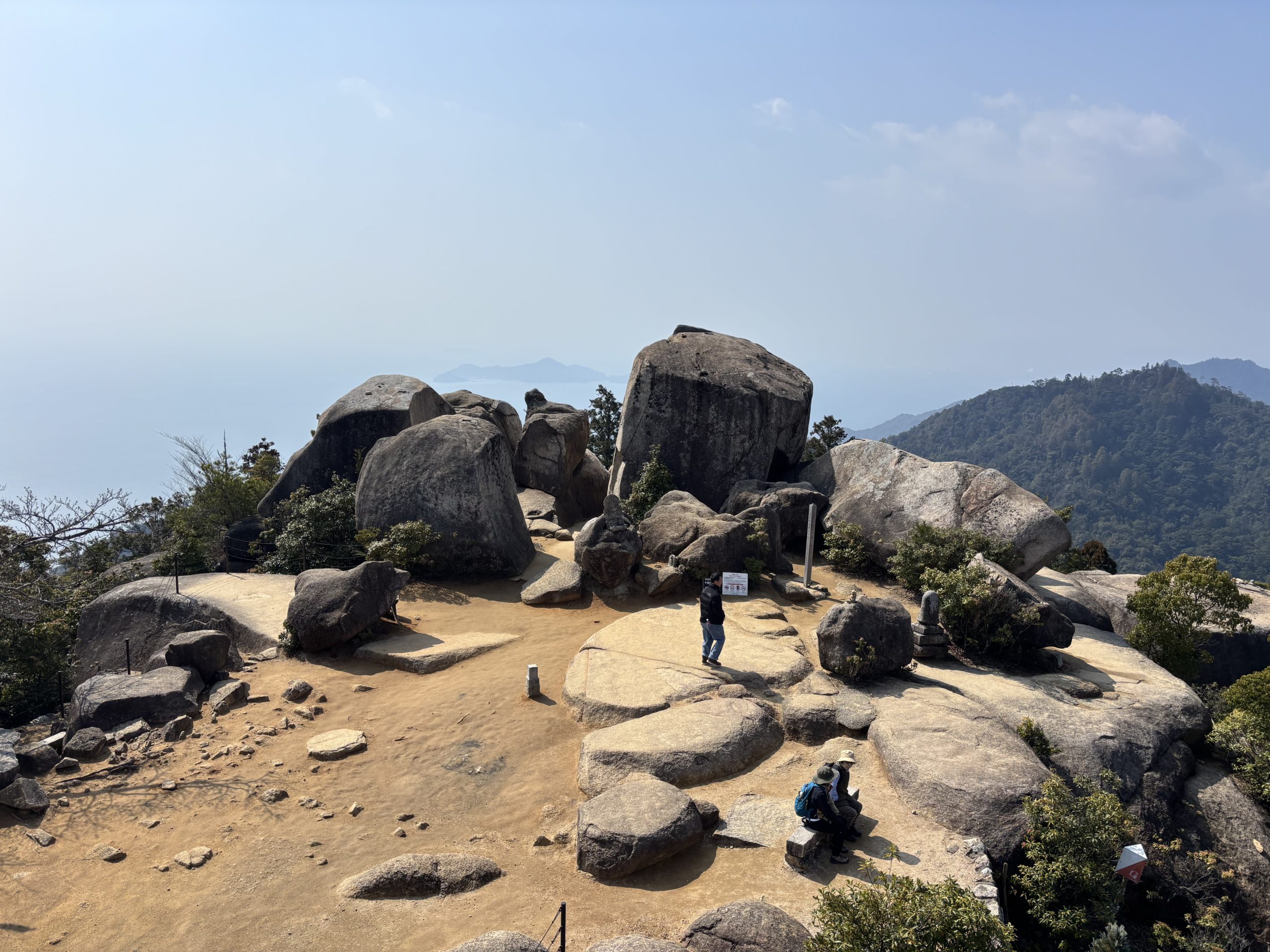
Rising 535 meters above Miyajima Island, Mount Misen is the sacred pea...
How to Plan Your Food Walk on the Miyajima Shopping Street
The shopping street is compact — just 350 meters — but there’s enough to eat and see that a strategic approach helps you get more out of it. A useful rhythm: start with sweets and baked goods in the morning when selection is freshest, move into oysters and savory snacks around late morning, and finish the afternoon with coffee, craft beer, or gelato.
Strollers are manageable on the street, though midday crowds (roughly noon to 2:00 PM) can make navigation trickier with a pram. Families with young children tend to have the smoothest experience before 11:00 AM or after 3:00 PM. Most shops operate between 10:00 AM and 5:00 PM, so if you’re planning a longer visit, be aware that some vendors begin winding down earlier than expected.
If you need a rest mid-walk, the free rest area in the middle of the street is the obvious option. A lesser-known alternative: the Momijidani Park rest facility, which is air-conditioned and not widely known to tourists — a genuine insider tip for hot-weather visits.
Etiquette on the Miyajima Shopping Street
The key rules are simple and important. Eat at shop fronts, indoor seating, or rest areas — not while walking. Dispose of trash in designated bins (the rest area midway down the street is the main one). Do not feed the deer, and keep any food items secured in bags when deer are nearby. These guidelines help keep the street clean and enjoyable for everyone, and most shops will gently remind you if needed.
If the weather turns rainy, the nearby Miyajima Aquarium (Miyajimarine) is a great nearby option for families. It also offers free stroller rental, which comes in handy after a morning of walking the shopping street.
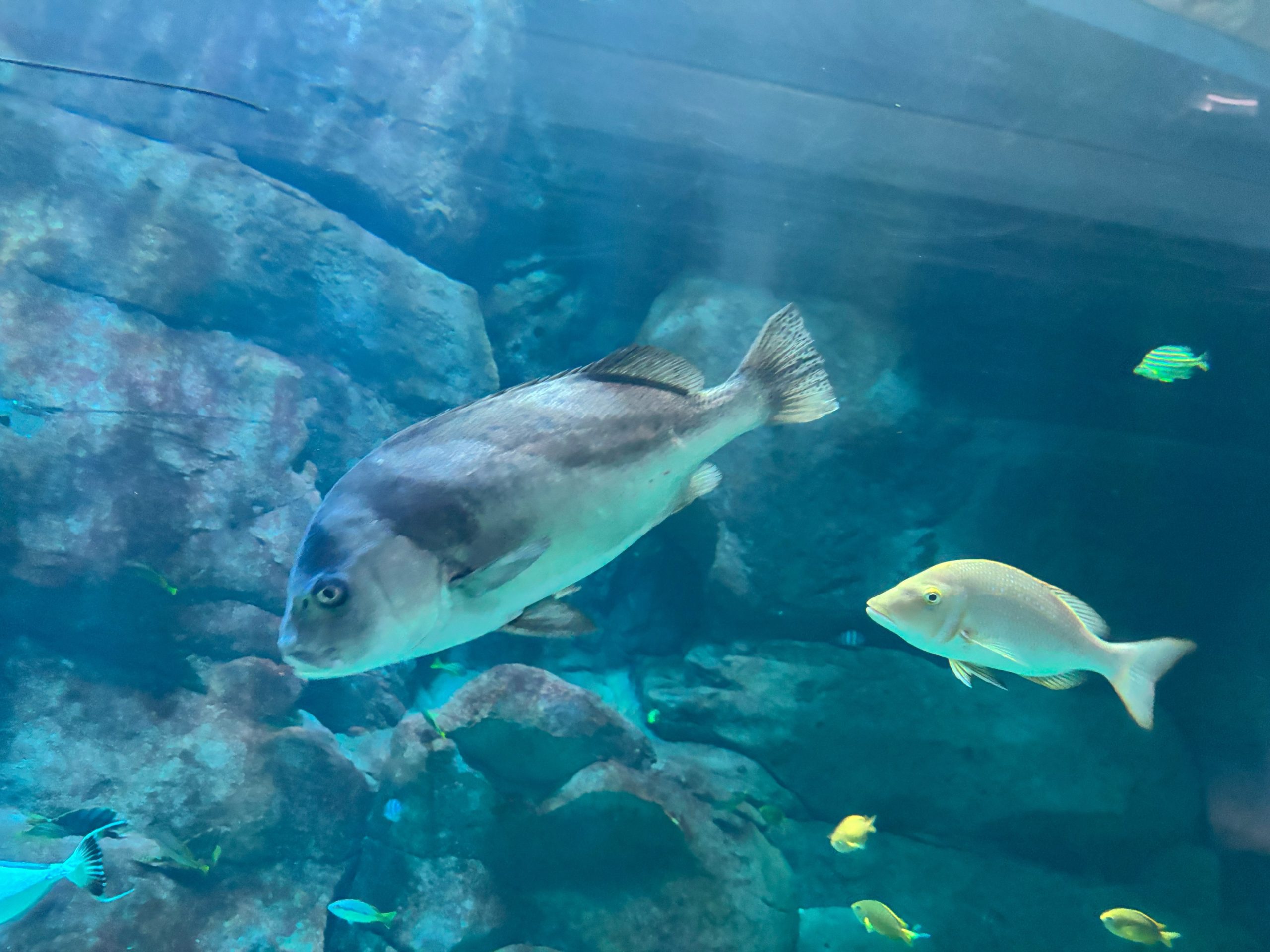
Miyajima Aquarium — officially known as Miyajima Marine, or Miyaji Mar...
Souvenir Shopping: Funatuki
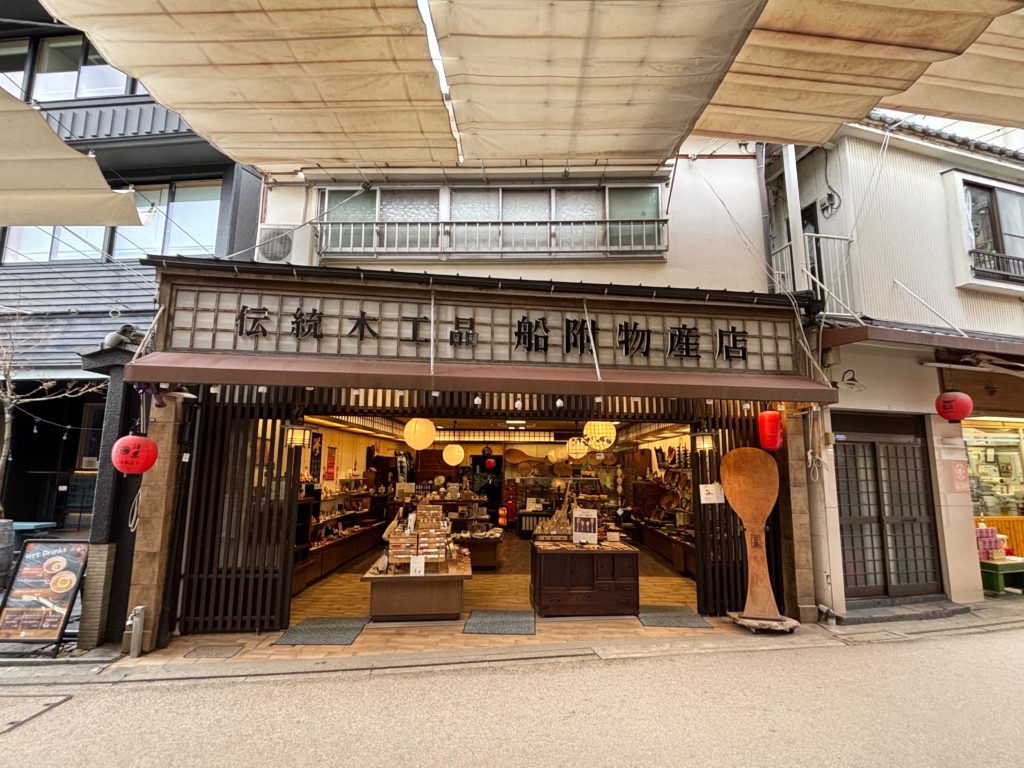
For traditional Miyajima crafts, Funatuki is one of the most trusted shops on the island — and at over 100 years old, it’s one of its most historic. The shop specializes in authentic, made-in-Miyajima items: hand-carved shamoji (wooden rice paddles), miyajima hariko (traditional painted papier-mâché figures), and wooden craft items designated as official Japanese traditional crafts by the national government. Everything here is chosen with care, and the selection works equally well as a meaningful gift or a personal keepsake.
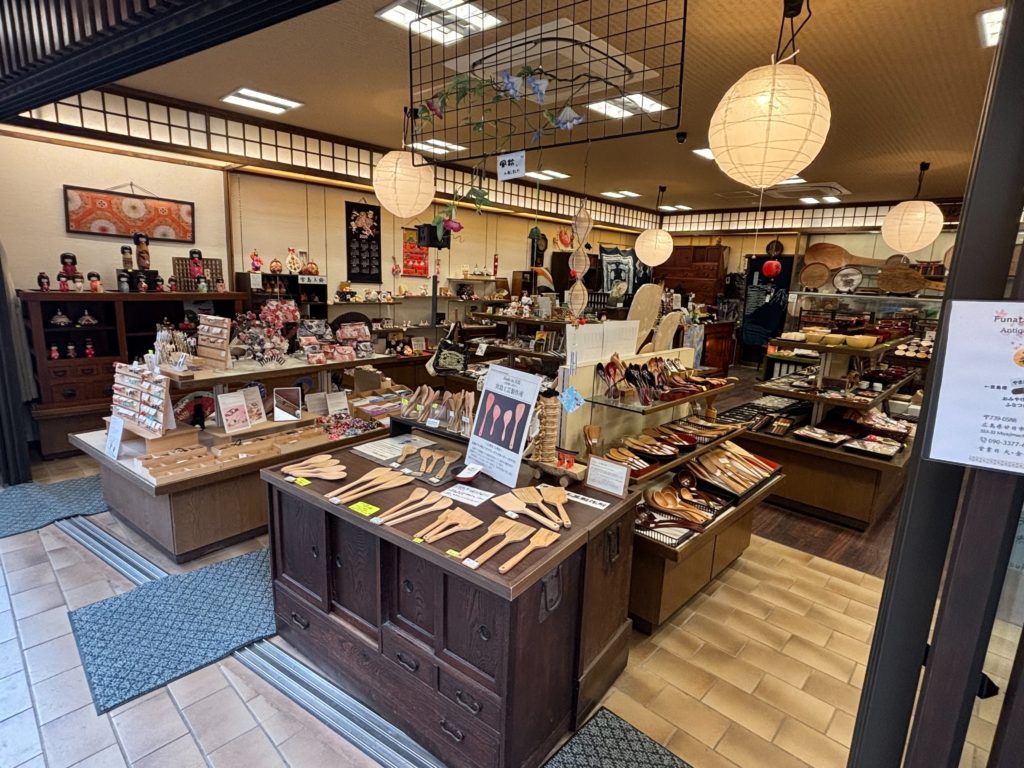
The interior is packed floor to ceiling with traditional items in a style that’s increasingly rare to find. Even if you’re not planning to buy anything, it’s worth stepping inside — the atmosphere alone, with the smell of wood and the quiet care of the displays, adds something to the visit that’s hard to describe.
Funatuki’s sister shop, Funatsuya, also offers traditional tea ceremony experiences (starting from ¥1,600, approximately one hour) using authentic tea utensils. Reservations can be made through Funatsuya’s website, and it’s a particularly memorable activity if you want to slow down and connect with Japanese culture beyond the food walk.
What We Bought: A Miyajima Clay Bell (Dosuzumi)
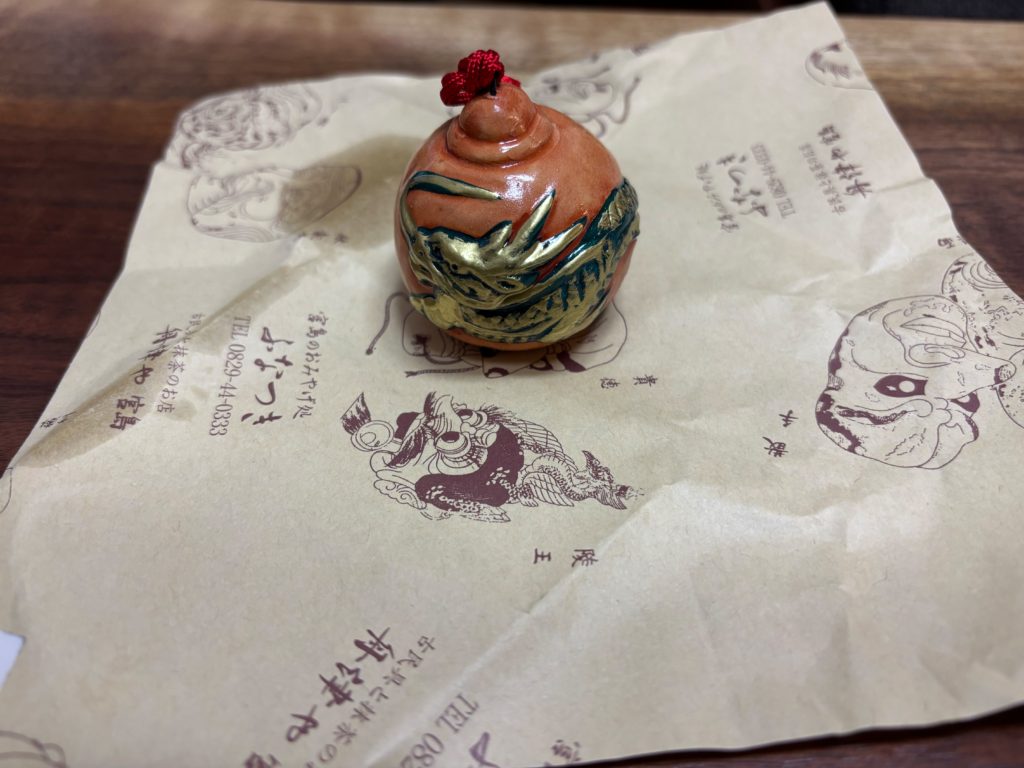
Among the shop’s many options, a small clay bell (dosuzumi) featuring a dragon motif caught our attention — and at ¥650, it was an easy decision. The backstory adds to its charm: Miyajima’s clay bells have roots in the Edo period, when craftspeople began using sand from beneath the main hall of Itsukushima Shrine — considered sacred and protective — as a material for ritual objects and eventually for these little bells. The sound of a dosuzumi is quiet and earthy, the kind of tone that sounds ancient without trying to. It now lives on our entryway shelf, and our youngest daughter talks to the dragon in it every morning.

After shopping, the temple of Daishoin is well worth visiting — it predates Itsukushima Shrine itself and is one of the most important sacred sites on the island. It’s also considered a powerful spiritual spot by locals.

Discover Daishoin Temple, Miyajima's oldest and most sacred Buddhist site. History, highlights, seasonal events, and practical visitor tips.
Also within easy walking distance is Senjokaku, a vast and atmospheric open pavilion connected to the warlord Toyotomi Hideyoshi. It’s spacious enough for children to run around in, and largely off the main tourist radar.
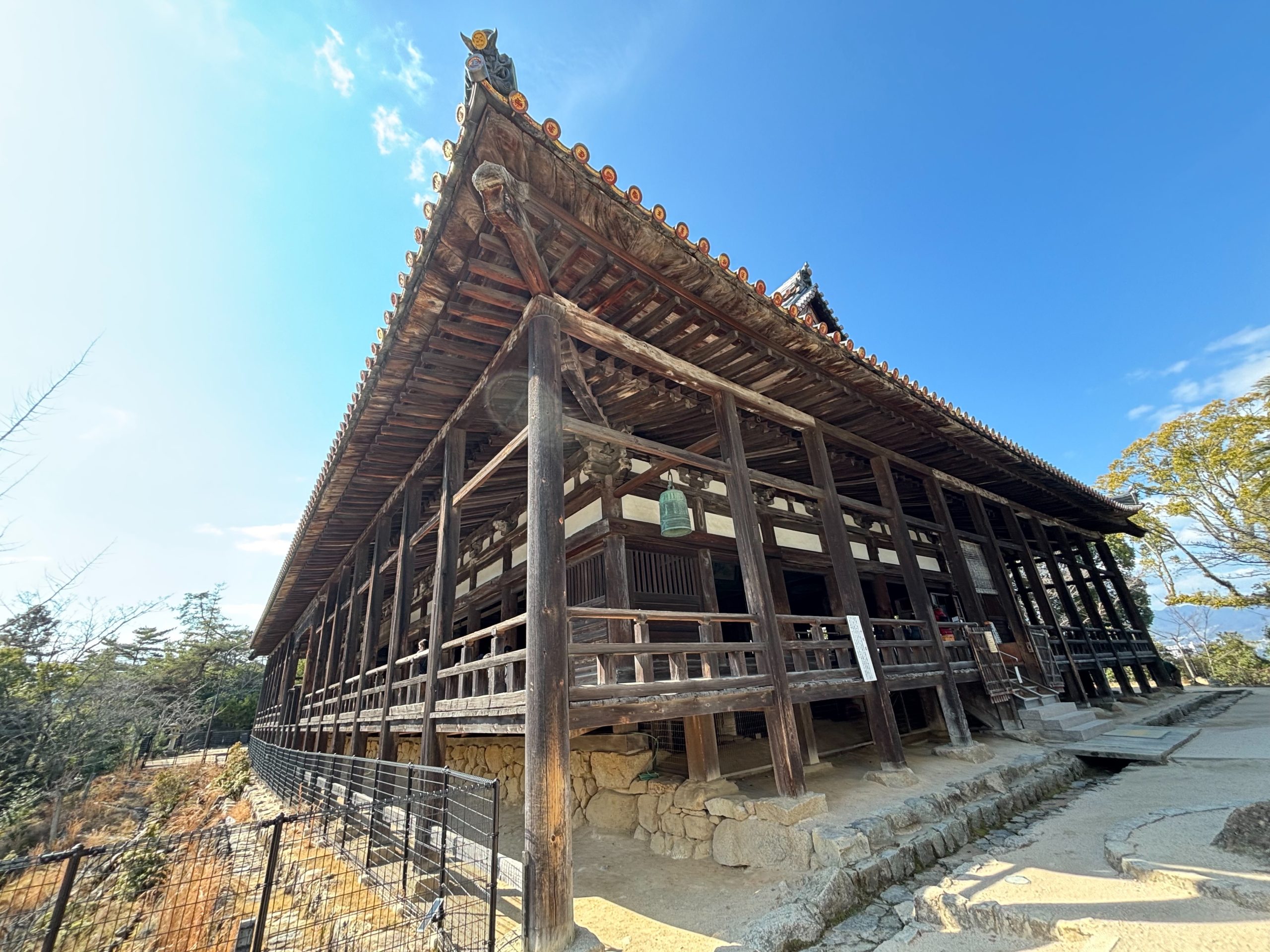
Senjokaku: Miyajima's Hauntingly Beautiful Unfinished Hall Perched on...
FAQ
What are the opening hours of the Miyajima shopping street?
Most shops open around 10:00 AM and close around 5:00 PM. Popular items — especially fried snacks, baked goods, and oyster dishes — can sell out before closing time, so morning visits offer the widest selection. A few shops may open slightly earlier or close later depending on the season.
Is eating while walking allowed on the Miyajima shopping street?
Walking while eating is generally discouraged and considered bad manners on the street. Most vendors provide small counters or standing space near the shop where you’re expected to enjoy your food. A free rest area with benches and trash cans is located about midway down the street and is a convenient spot for eating and resting.
What should I do about the deer on Miyajima?
Deer roam freely all over the island, including the shopping street. Feeding them is prohibited, and they will actively try to snatch food from your hands if they spot it. Keep snacks inside your bag when you’re not actively eating, and never hold food out toward a deer. They’re photogenic but persistent.
How do I get to the Miyajima shopping street from Hiroshima?
From JR Hiroshima Station, take the JR Sanyo Line to Miyajima-guchi Station (approximately 30 minutes), then board the JR ferry for the roughly 10-minute crossing to the island. Alternatively, Hiroshima’s streetcar (tram) takes about 70 minutes to Miyajima-guchi. Note that a ¥100 island visitor tax is collected on arrival (introduced in October 2023), so keep some small change handy.
When is the best time to visit to avoid crowds?
Weekday afternoons between 2:00 PM and 4:00 PM are typically the least crowded window. The busiest period is midday on weekends and holidays, roughly 11:00 AM to 2:00 PM. If you’re traveling with a stroller or young children, arriving before 11:00 AM or after 3:00 PM makes for a much smoother experience.
What’s the best order to eat your way down the Miyajima shopping street?
A good rhythm is: start with sweets and baked goods in the morning (freshest selection, shortest lines), move to savory oysters and skewers around late morning, and finish in the afternoon with coffee, gelato, or a craft beer. This pacing lets you hit the most popular items before they sell out while avoiding the worst of the midday crowds.
Is the Miyajima shopping street suitable for families with children?
Yes — it’s very family-friendly. The street is stroller-accessible, diaper-changing stations are available in public restrooms along the route, and there’s plenty of food that children enjoy. The deer are a big hit with kids too, though adults need to supervise carefully around food. Families with infants may also want to know that the nearby Miyajima Aquarium offers free stroller rentals, which is convenient if your little ones need a ride after a full morning of exploring.
Wrapping Up
The Miyajima shopping street packs a remarkable amount of flavor, craft, and character into a single walkable stretch. From the smoky scent of grilling oysters in the morning to the quiet satisfaction of a specialty coffee soft serve as the afternoon cools, it offers a layered experience that rewards both first-time visitors and those returning for a second or third look. Follow the local etiquette, plan your timing around the most popular items, and leave room in your bag (and your appetite) for something you didn’t expect to love. That’s usually the best souvenir of all.