Miyajima Island — home to the UNESCO World Heritage Itsukushima Shrine and its iconic floating torii gate — transforms into one of Japan’s most breathtaking spring destinations when roughly 1,900 cherry trees burst into bloom each year. The combination of ancient vermilion shrine buildings, mountain backdrops, and drifting sakura petals is something you simply cannot find anywhere else in the world. As a Hiroshima local who visits Miyajima once or twice a month, I want to share everything you need to know to make the most of Miyajima cherry blossoms in 2025 — from the best viewing spots and bloom timing to crowd avoidance strategies, night illumination details, and tips for families traveling with young children.
2025 Cherry Blossom Forecast and Bloom Calendar for Miyajima
In a typical year, the cherry blossoms on Miyajima reach their peak between late March and early April. For 2025 specifically, blooming is forecast to begin around March 26, with full bloom expected around April 7. The good news for visitors is that the season does not end all at once — different varieties of cherry trees, from the classic Somei Yoshino to weeping cherry (shidarezakura), bloom in sequence over roughly two to three weeks, so even if you miss the single peak day, there is still plenty of beauty to enjoy in the days before and after.
One insider tip I picked up from a local Miyajima resident last November: the Miyajima Tourism Association’s social media accounts are actually the most accurate source for up-to-date bloom forecasts. They post photos of the buds every day, which gives you a much better read on current conditions than the official meteorological agency announcements. Checking their posts the evening before your visit is the best way to make sure you arrive at the right moment.
Most visitors naturally combine cherry blossom viewing with a visit to Itsukushima Shrine, and that is absolutely the right call — there is nothing quite like the sight of sakura petals floating over the ocean-facing shrine corridors at high tide. If you can time your shrine visit for early morning when the tide is high, the effect is magical. My younger daughter once squealed that the torii gate surrounded by blossoms looked “just like a princess!”
Cherry blossoms make the beauty of Miyajima’s UNESCO World Heritage sites even more spectacular.
Rising dramatically from the sea off the coast of Hiroshima, Itsukushi...
How to Avoid the Crowds During Cherry Blossom Season
Make no mistake — Miyajima during peak bloom is genuinely crowded. The Omotesando Shopping Street and the area around Itsukushima Shrine can have wait times of an hour or more during the middle of the day. If you are visiting during cherry blossom season, especially on weekends in late March through early April, planning your timing carefully will make a real difference to your experience.
The single most effective strategy is what locals call “morning blossom viewing” — catching the first ferry over and covering the main spots before 10 a.m. You will be able to photograph the shrine and the cherry trees without the crowds, and the soft morning light is perfect for photos. I once made the mistake of arriving on a Saturday afternoon in mid-spring break at around 2 p.m. and found the island completely packed, with my younger daughter getting overwhelmed by the noise and heat. Lesson learned.
Among the least crowded times are weekday afternoons between 2 p.m. and 4 p.m. If your schedule allows a weekday visit, that window is your best bet. Rainy days are another surprisingly good option — the crowds thin out dramatically, and the misty atmosphere around the shrine and torii gate has its own quiet beauty.
If you are driving, note that parking lots near Miyajimaguchi station fill up by around 9 a.m. during peak season. One approach that locals rely on is using the online parking reservation service akippa to book a spot in advance, which saves you from driving around looking for space when you should already be on the ferry.
Taking the JR ferry means you get to sail close to the Great Torii Gate on the way over — a beautiful experience when the cherry trees are in bloom on the hillsides behind it. Many locals take the JR ferry in one direction and the Matsudai ferry in the other to see both routes.
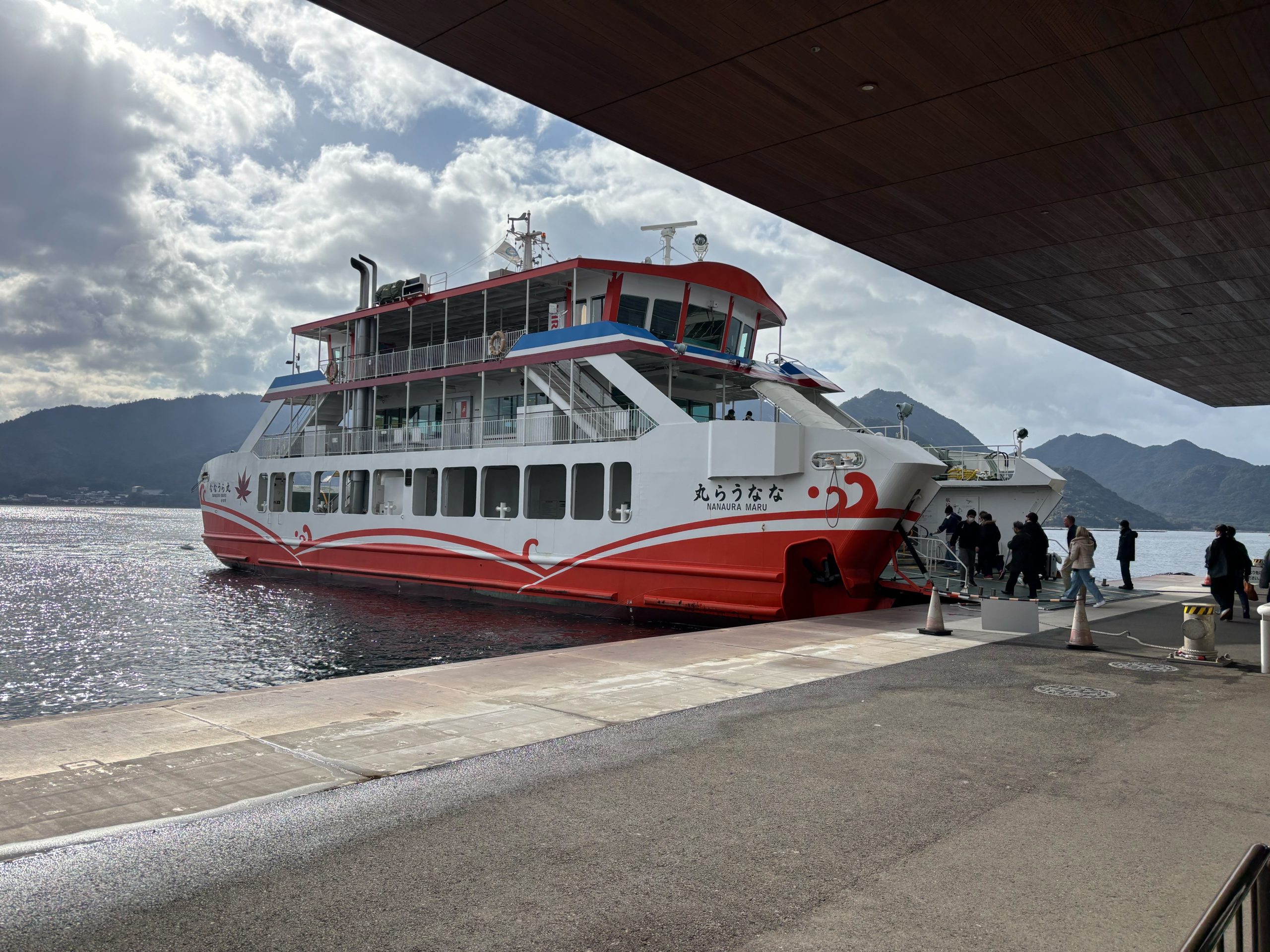
The Miyajima ferry isn't just a way to get to the island — it's the be...
Visiting with Children: Stroller Tips and Family-Friendly Routes
Miyajima is a wonderful destination for families, but it does require some route planning, especially if you are traveling with a stroller or young children. Accessibility on the island has improved in recent years, but there are still areas with stone steps and narrow paths that can be difficult to navigate with a pram.
Omoto Park, in particular, is one of the most stroller-friendly cherry blossom spots on the island — it is relatively flat, has benches and basic toilet facilities, and even the TOTO Miyajima Omotenashi Restroom facility nearby features a baby changing station. For more rugged spots like the Momibayashi grove and the Seishin Daitoku monument area, a baby carrier is a much better choice than a stroller, as the paths involve steep steps and narrow stone lanes. If you need a stroller once you arrive, the Miyajima Aquarium offers free stroller rentals, making it a useful first stop on your route before heading toward Omoto Park.
One more important tip for families: wild deer roam freely across Miyajima, and they are bold enough to snatch food right out of your hands. Eat snacks quickly at a bench rather than walking and eating. Our family’s solution for keeping deer away from the kids is bringing a simple pinwheel from the 100-yen store — my older daughter discovered that spinning it near approaching deer sends them wandering off in another direction.
On rainy spring days, the Miyajima Aquarium makes a perfect backup plan. The beluga whale and sea lion shows are a big hit with young children.
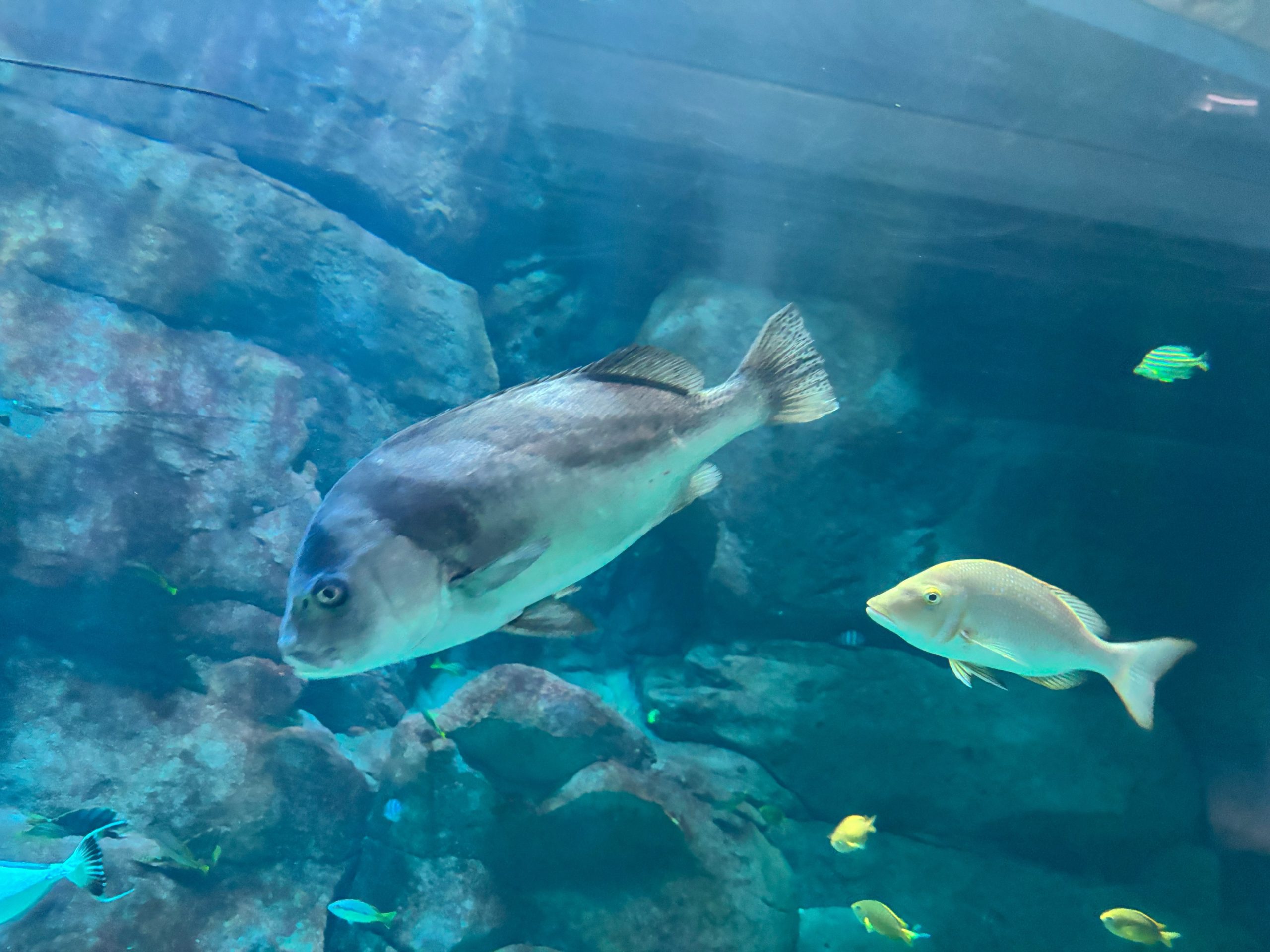
Miyajima Aquarium — officially known as Miyajima Marine, or Miyaji Mar...
Night Illumination and Cherry Blossoms: What to Expect After Dark
The experience of Miyajima cherry blossoms does not end at sunset. Around the Momibayashi grove and near the stone lanterns along the old paths, traditional paper lanterns (bonbori) are lit after dark during the bloom season, casting a warm glow over the vermilion shrine structures and the pale pink blossoms. The combination is genuinely romantic and completely different in atmosphere from the daytime experience.
One of the best ways to enjoy the night illumination is to stay overnight on the island. After the last ferry stops running, the island becomes extraordinarily peaceful — it is just you, the lanterns, the sound of the sea, and the cherry trees. Illumination typically wraps up around 10 p.m., so plan to spend an hour in the evening, ideally after dinner, exploring the lit areas.
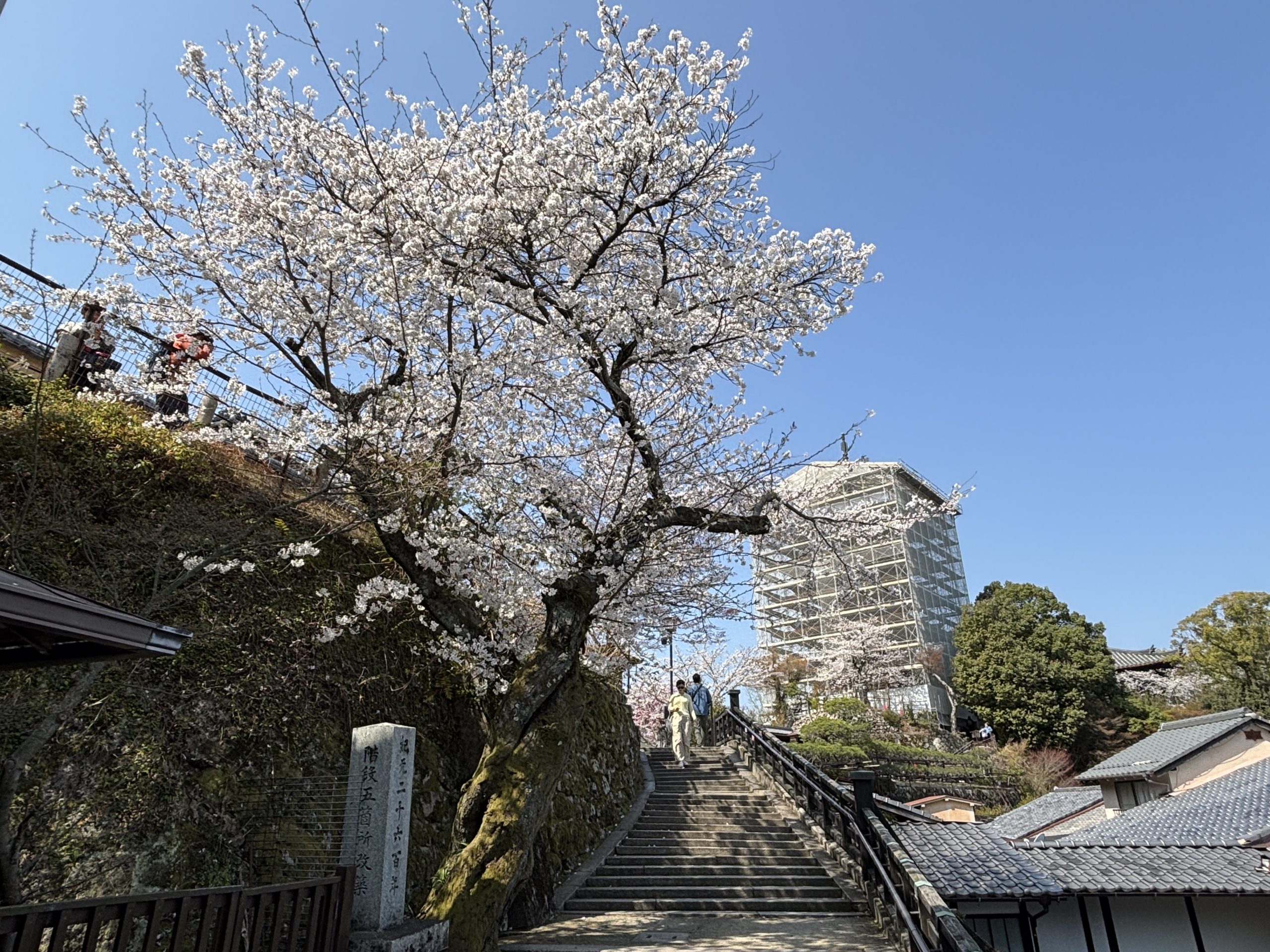
One note for 2025 visitors: the Tahoto Pagoda area, which is normally one of the most beautiful spots for night blossom photography, is currently undergoing restoration work with scaffolding in place until September 2025. For night photography this year, the Seishin Daitoku monument combined with Fujinotana Park (Wisteria Garden Park) is the recommended alternative — both offer beautiful illuminated blossoms with fewer obstructions.
The Best Cherry Blossom Viewing Spots on Miyajima
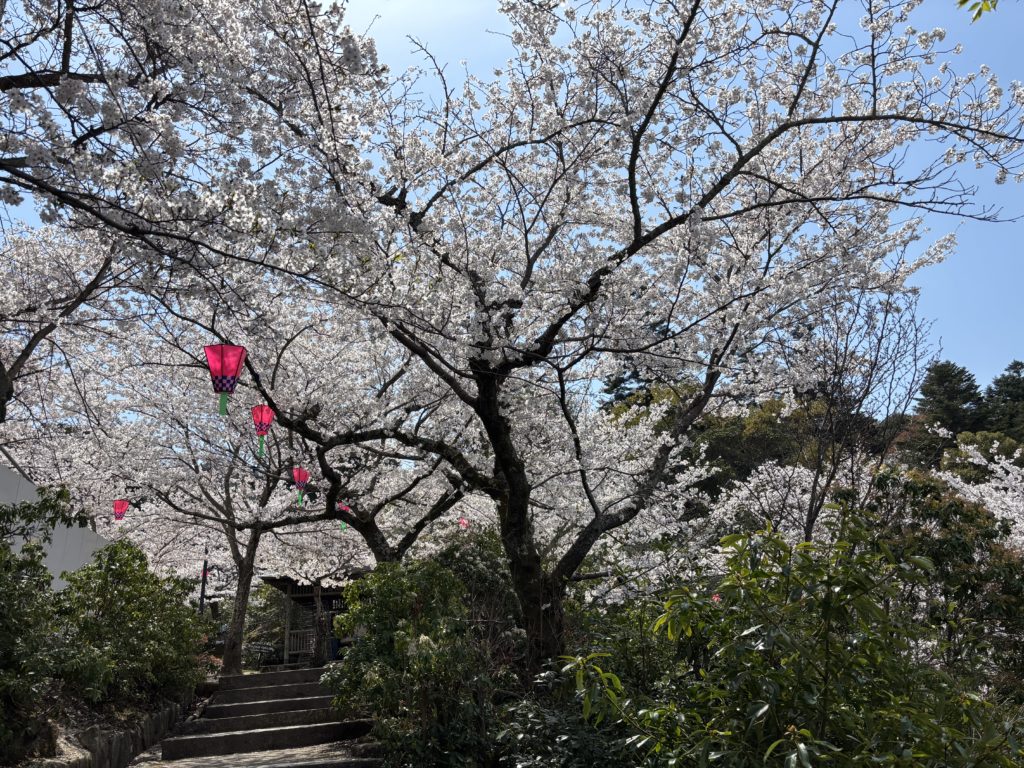
Peak bloom on Miyajima typically falls in early April
The spots below range from well-known favorites to genuine local secrets. Whether you are chasing the perfect photograph or simply want to sit quietly beneath the blossoms, Miyajima offers a variety of settings that suit every type of spring traveler.
Omoto Park

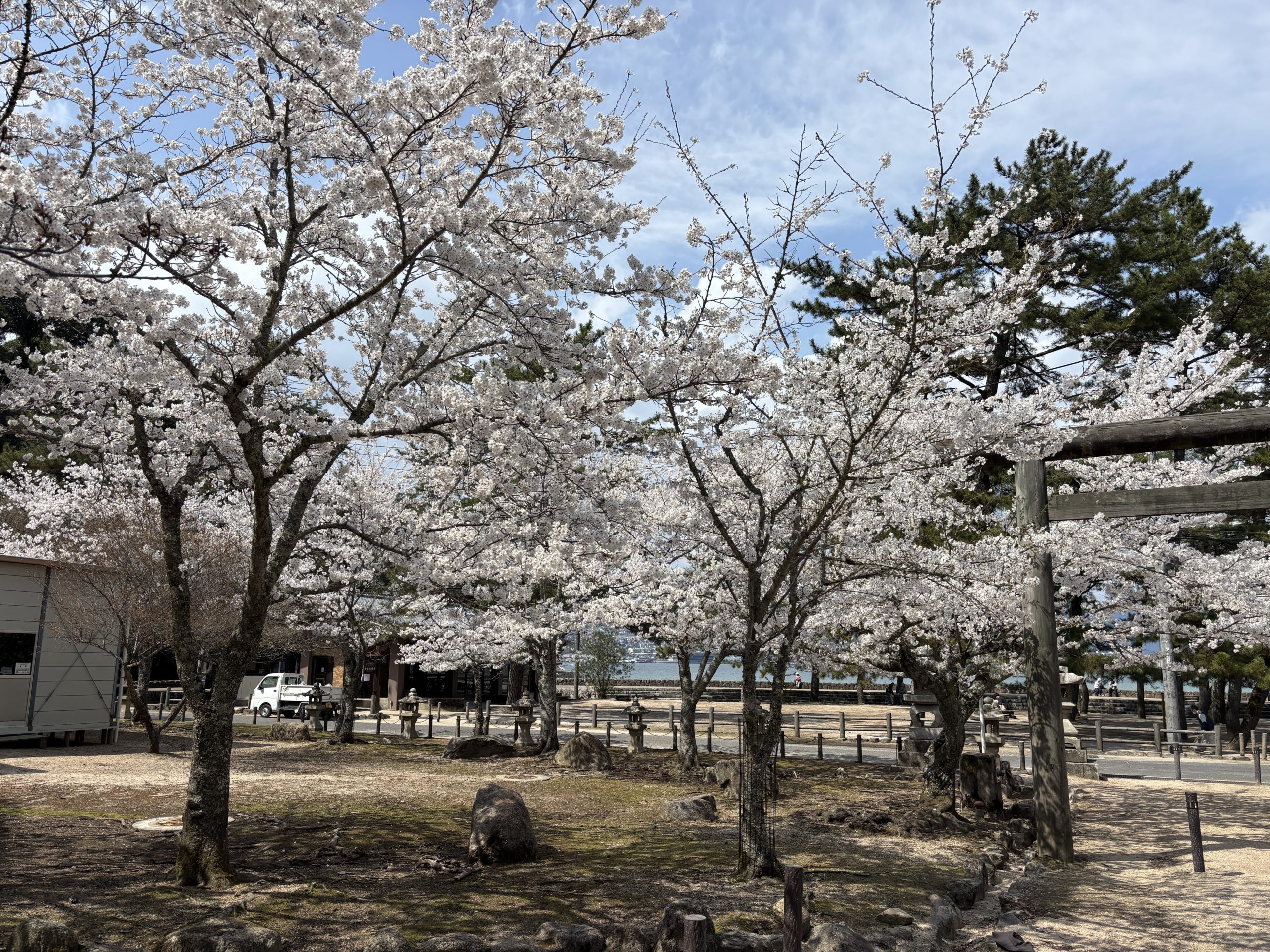
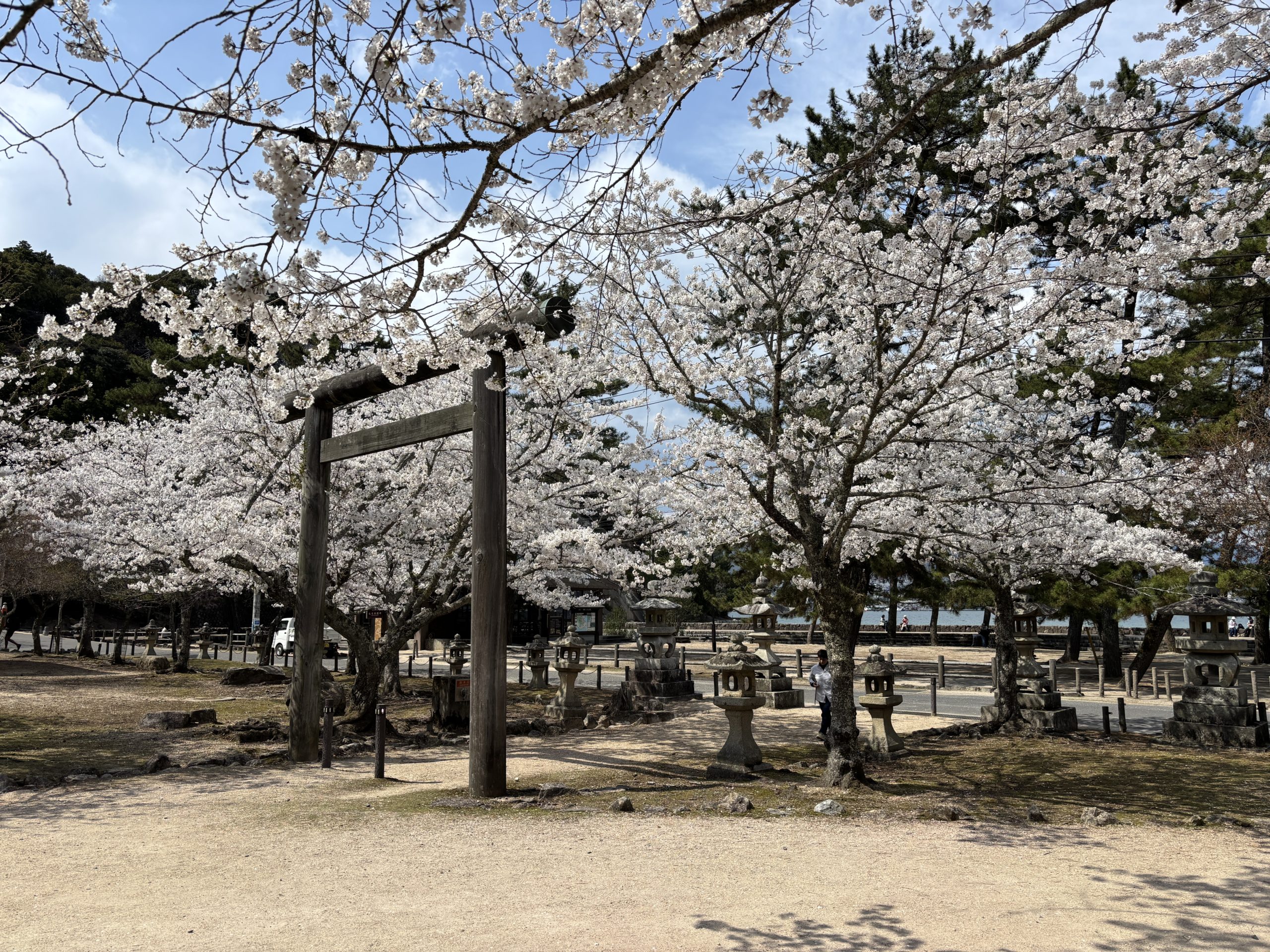
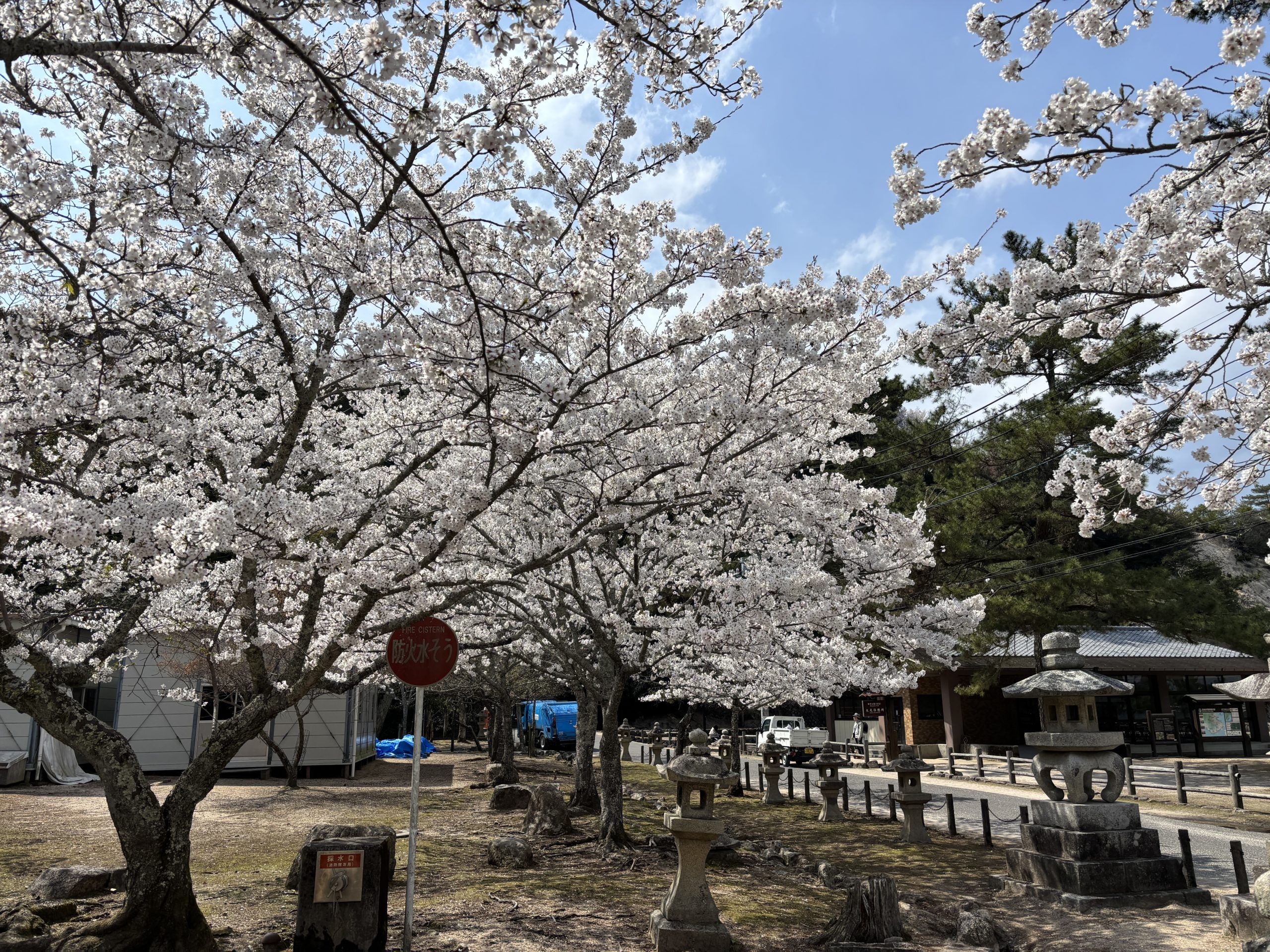
Located just beyond the Miyajima Aquarium at the quieter western end of the island, Omoto Park is one of Miyajima’s most beloved cherry blossom destinations — even included among the historic “Eight Views of Itsukushima.” The park is home to a large number of cherry trees and benefits from a relatively uncrowded atmosphere compared to the shrine area. There is also a small Omoto Shrine at the park entrance, which adds a lovely traditional backdrop to the blossoms.
In 2025, with the Tahoto Pagoda area closed for construction, Omoto Park has become the top local recommendation for blossom viewing. Deer frequently wander through the park, and on clear days you can frame the cherry trees against the sea — a combination that works beautifully for photos. This is one of the best spots on the island for families, too, given its flat terrain and available facilities.
Cherry blossom quality: ★★★☆☆
Ease of access: ★★☆☆☆
Hidden gem factor: ★★★☆☆
Number of cherry trees: ★★★★★
Momibayashi Grove
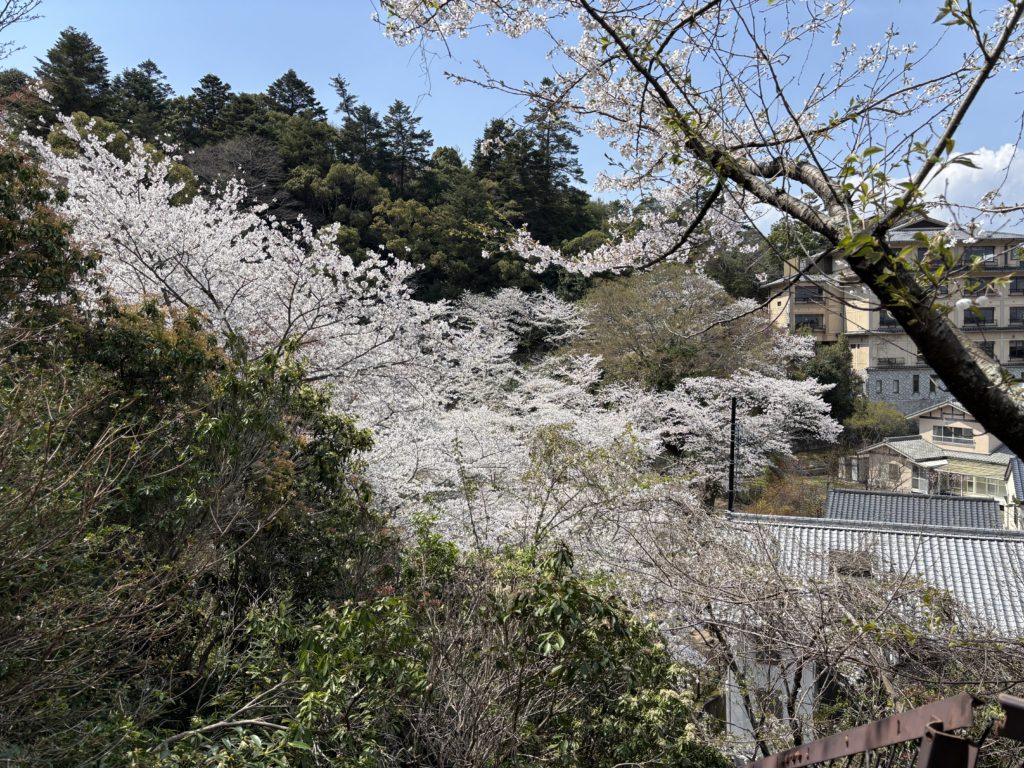
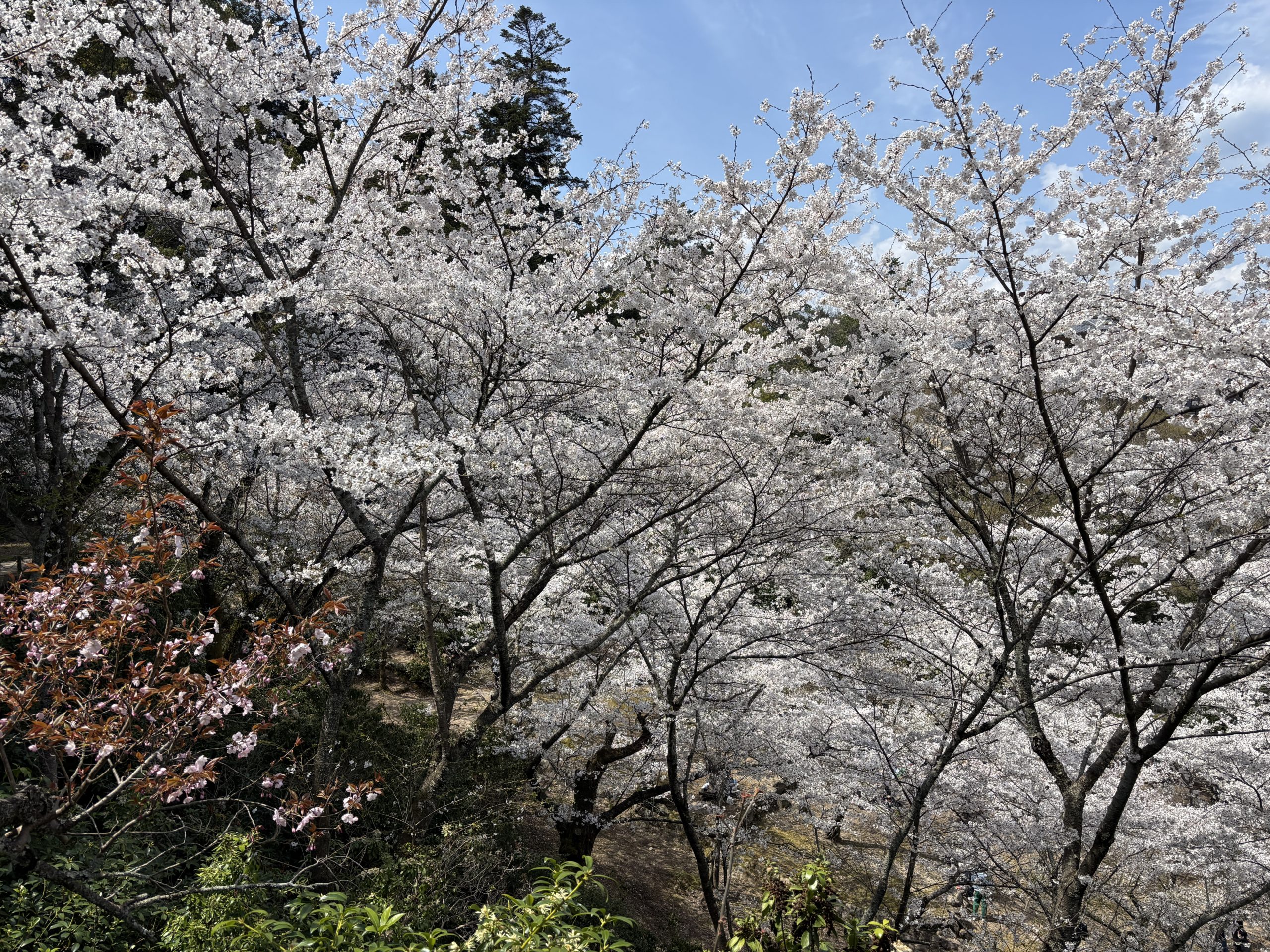
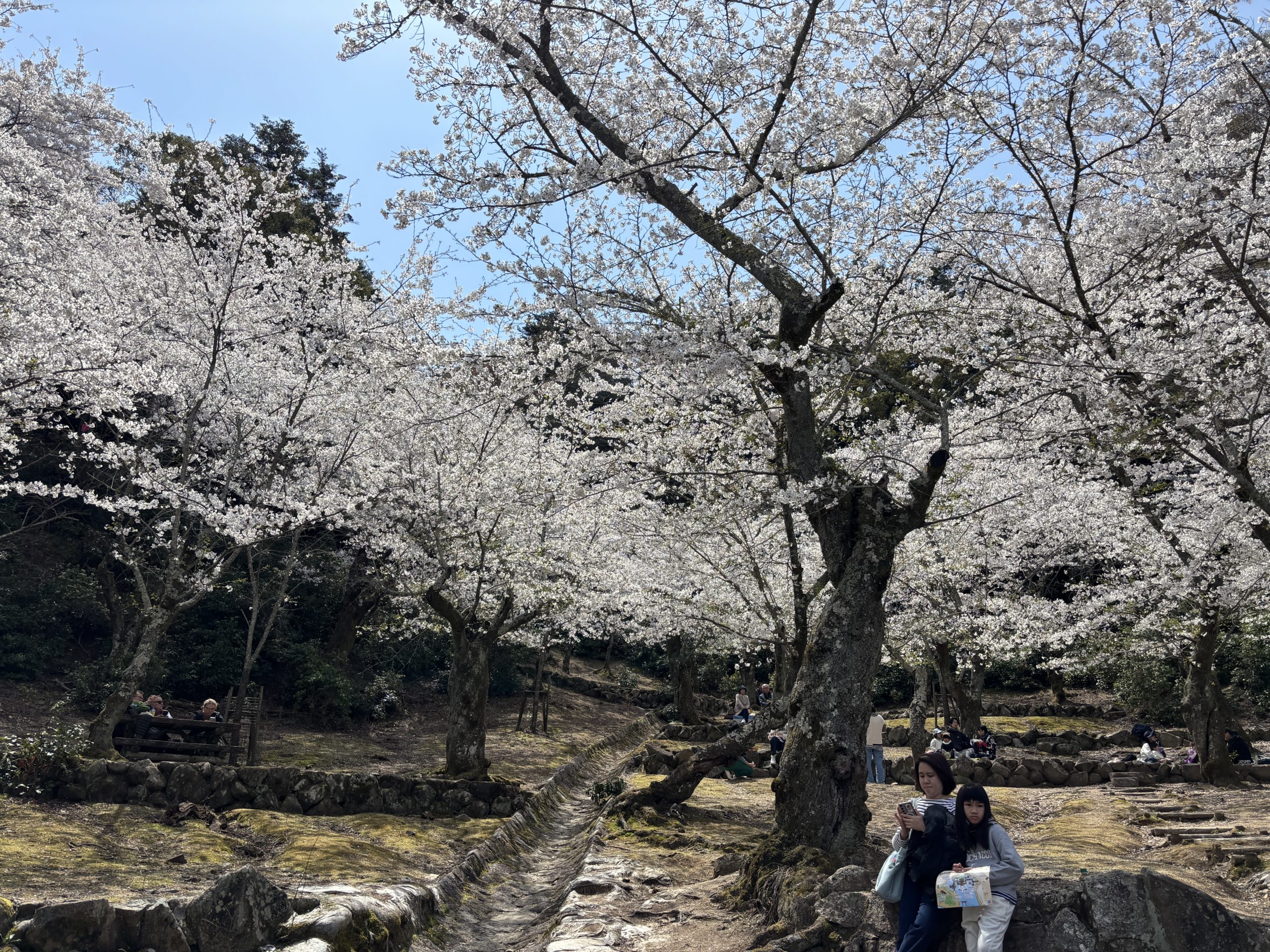
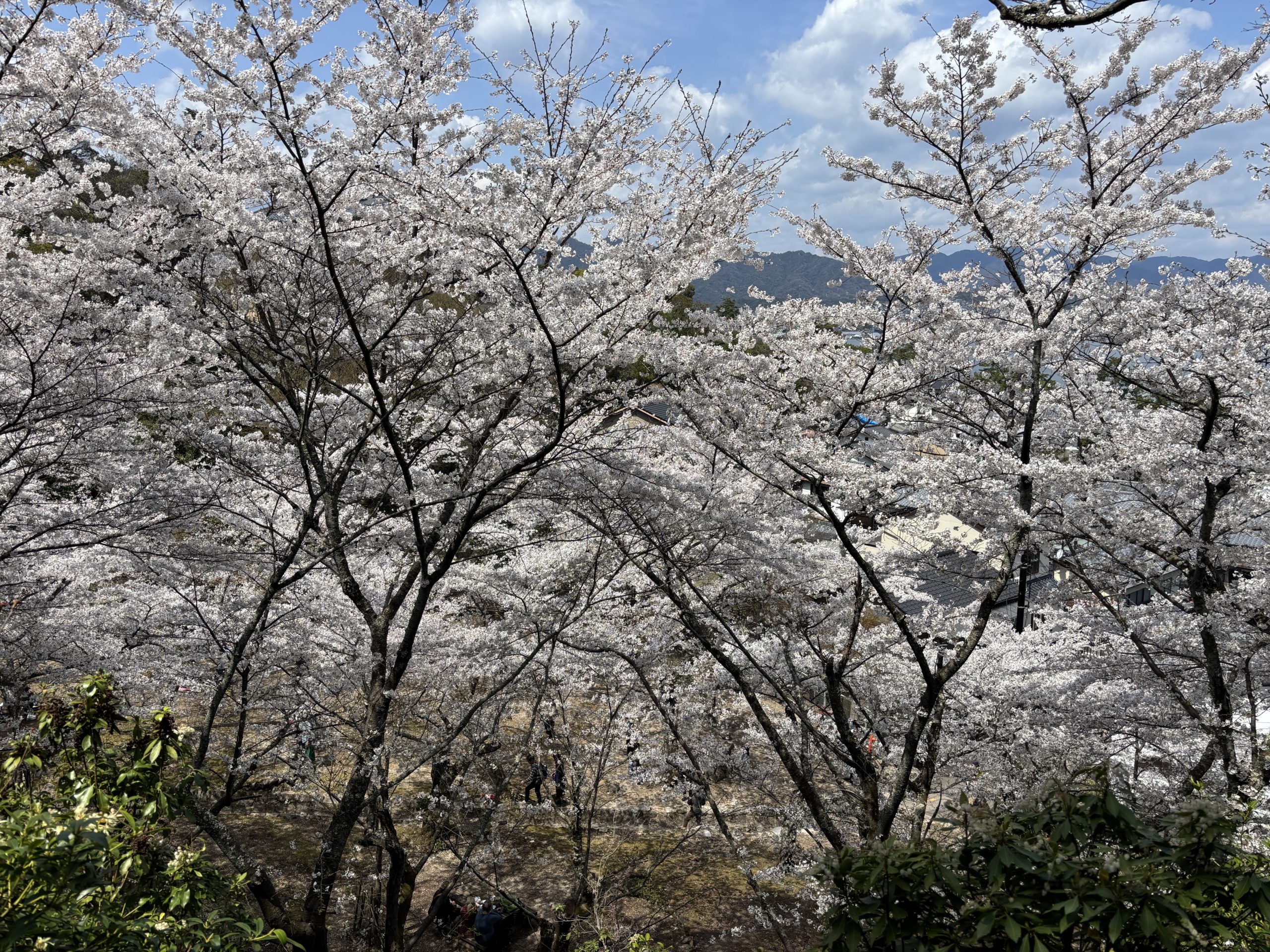
Tucked away along a narrow lane that begins in front of the History and Folklore Museum, Momibayashi is one of the most stunning cherry blossom spots on the entire island. The grove is a little tricky to find — bring a Miyajima tourist map to navigate the path — but the payoff is absolutely worth it. Dozens of cherry trees bloom together here, creating what my older daughter described as a “cherry blossom tunnel.” The atmosphere is lush and immersive in a way that the more open spots on the island cannot match.
The night illumination at Momibayashi is particularly beautiful, and for guests staying overnight on the island it becomes a truly private experience after the last ferry departs. Keep in mind that the path involves some steps and is better suited to walking than stroller use.
Cherry blossom quality: ★★★★★
Ease of access: ★★★☆☆
Hidden gem factor: ★★★☆☆
Number of cherry trees: ★★★★★
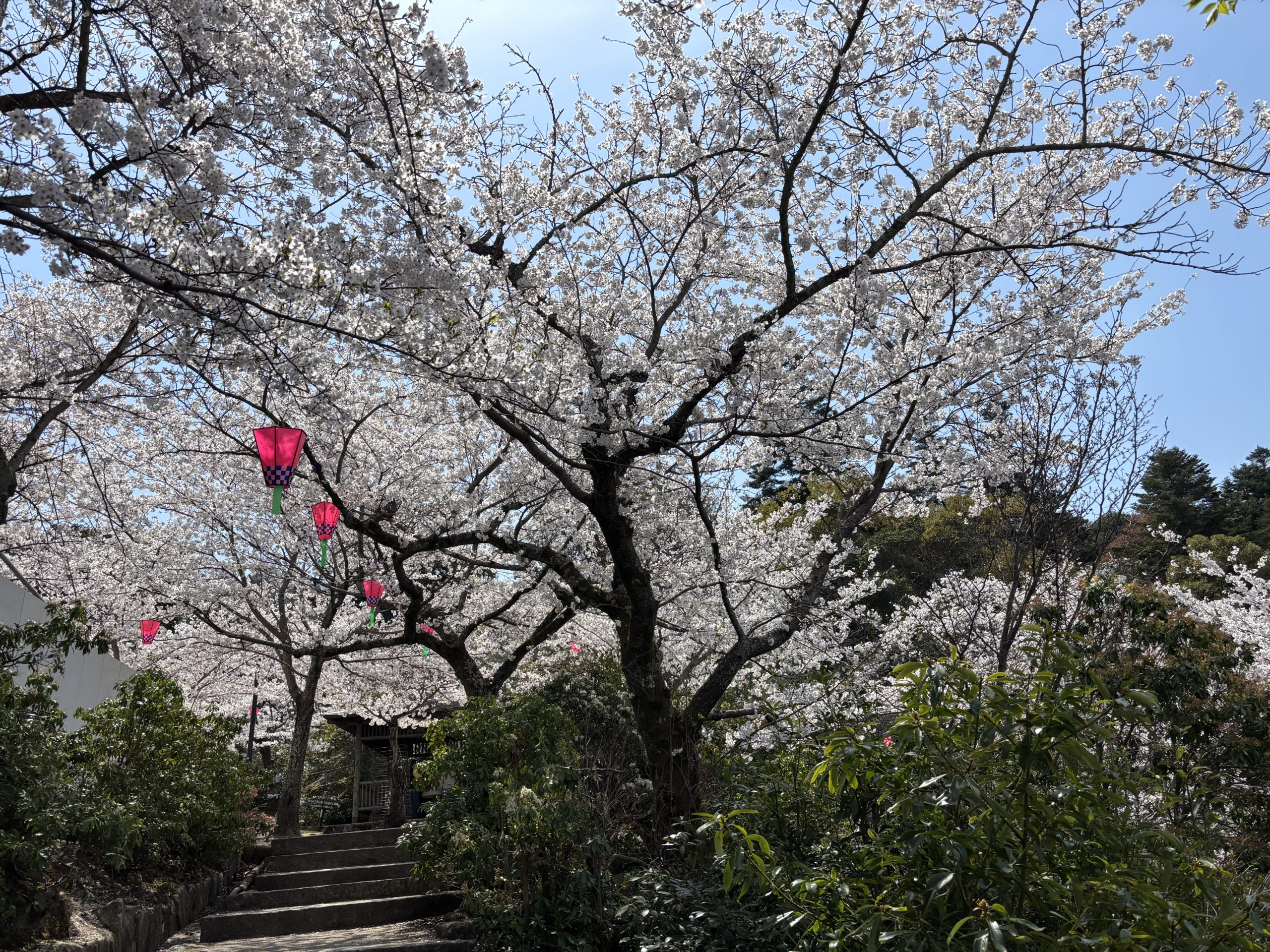
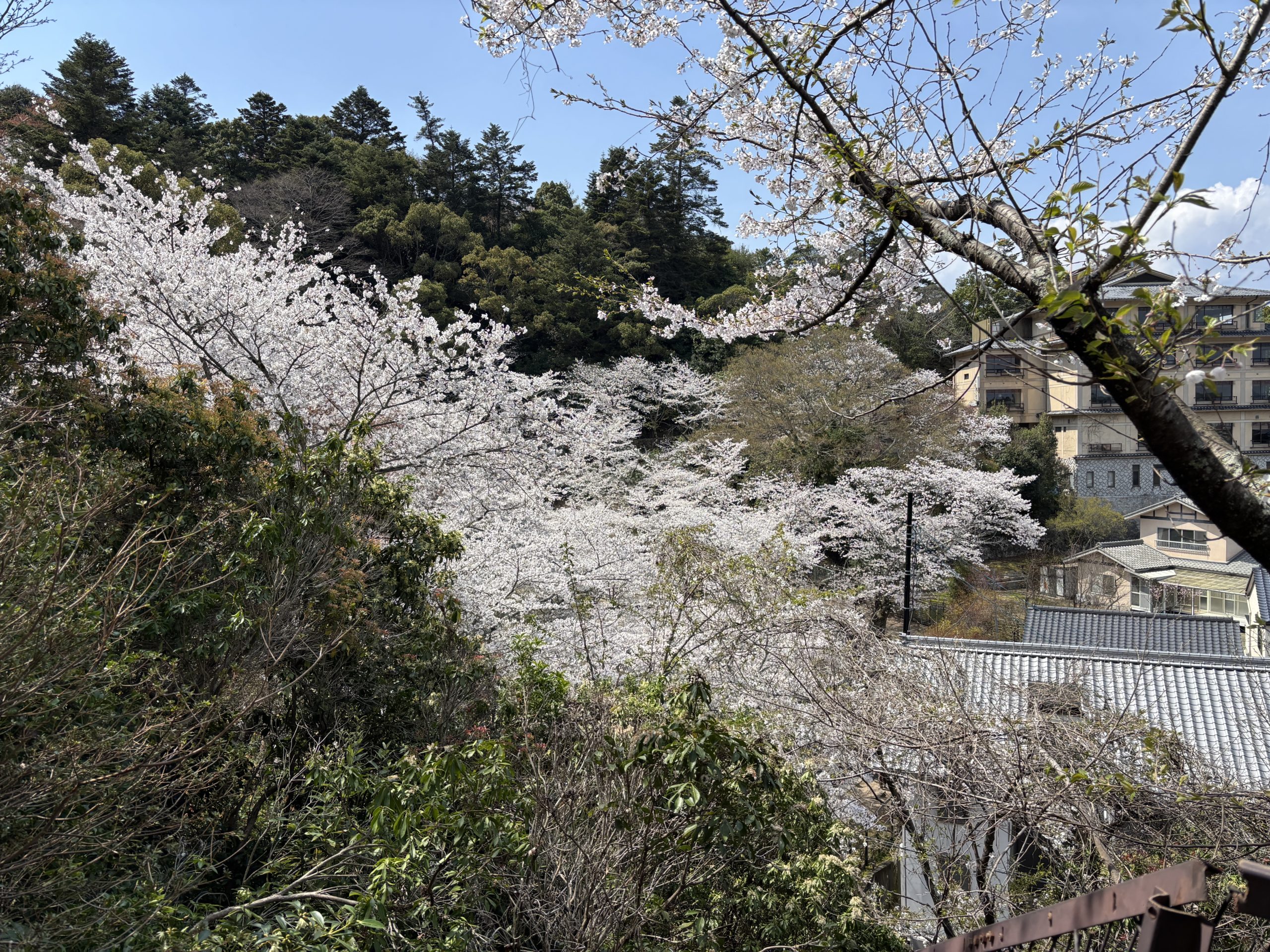
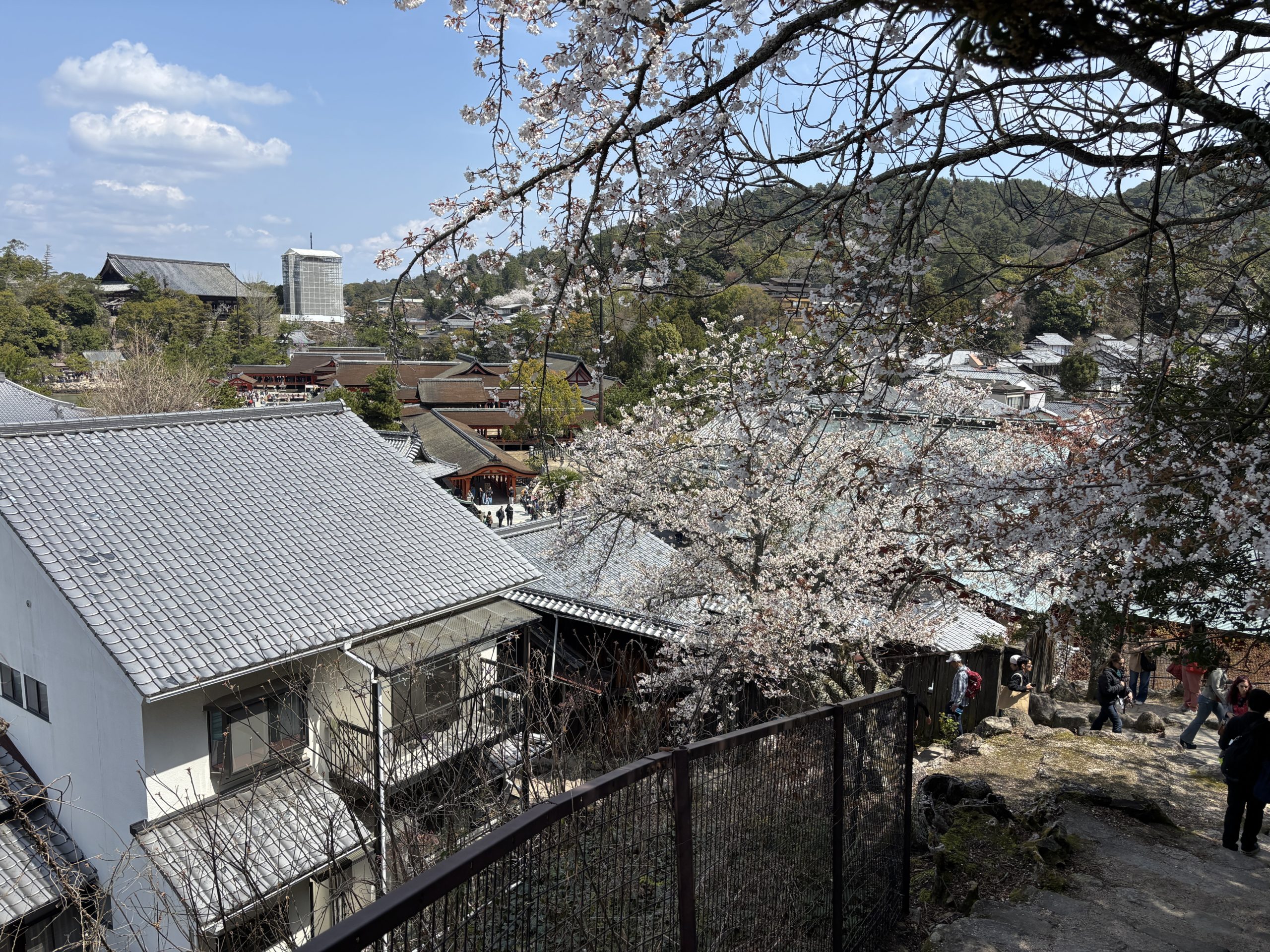
Before heading to Momibayashi, consider stopping at the History and Folklore Museum to pick up a map and learn more about the island’s heritage.
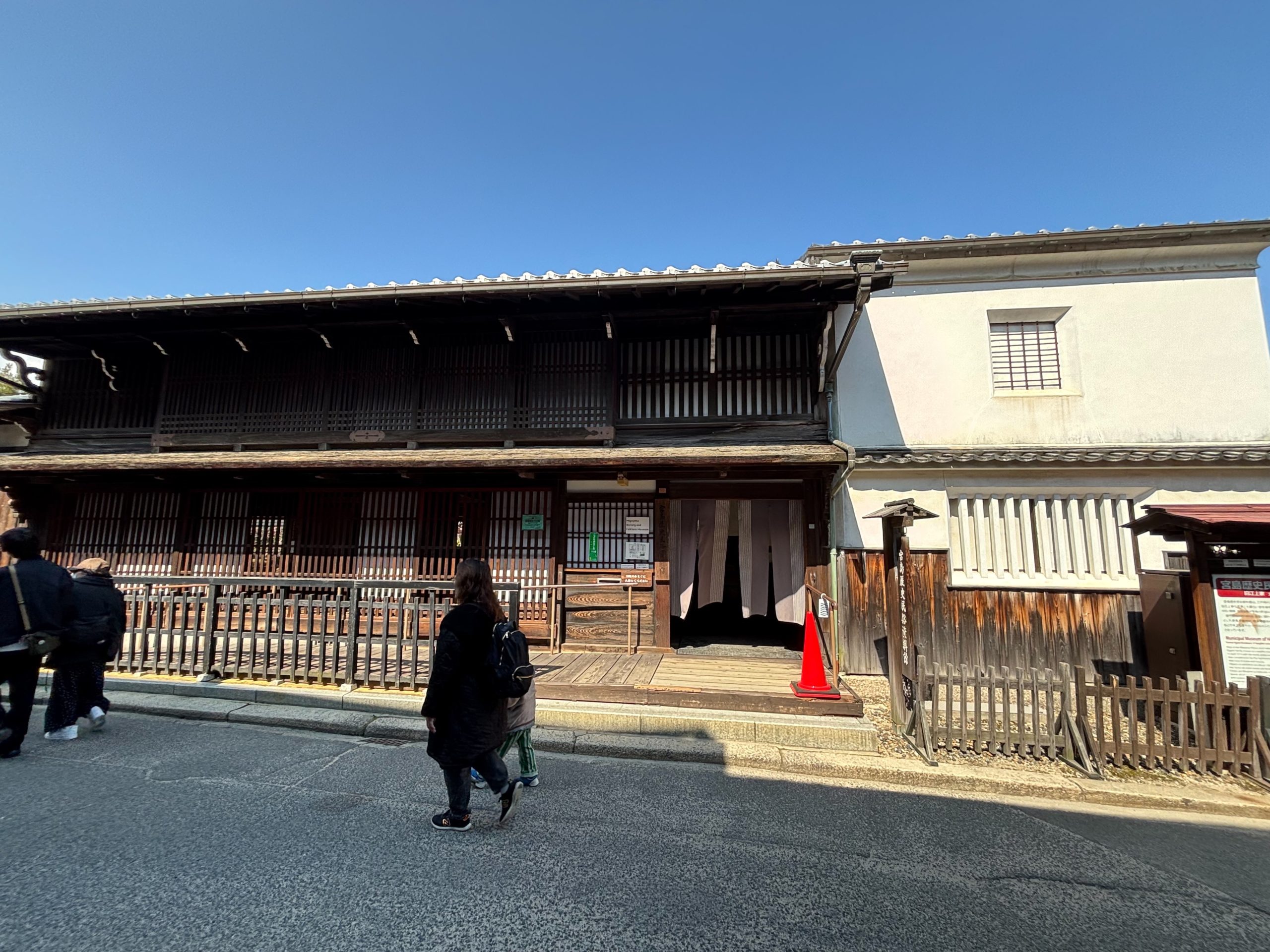
Miyajima History and Folklore Museum: Where the Island's Past Comes Al...
Seishin Daitoku Monument
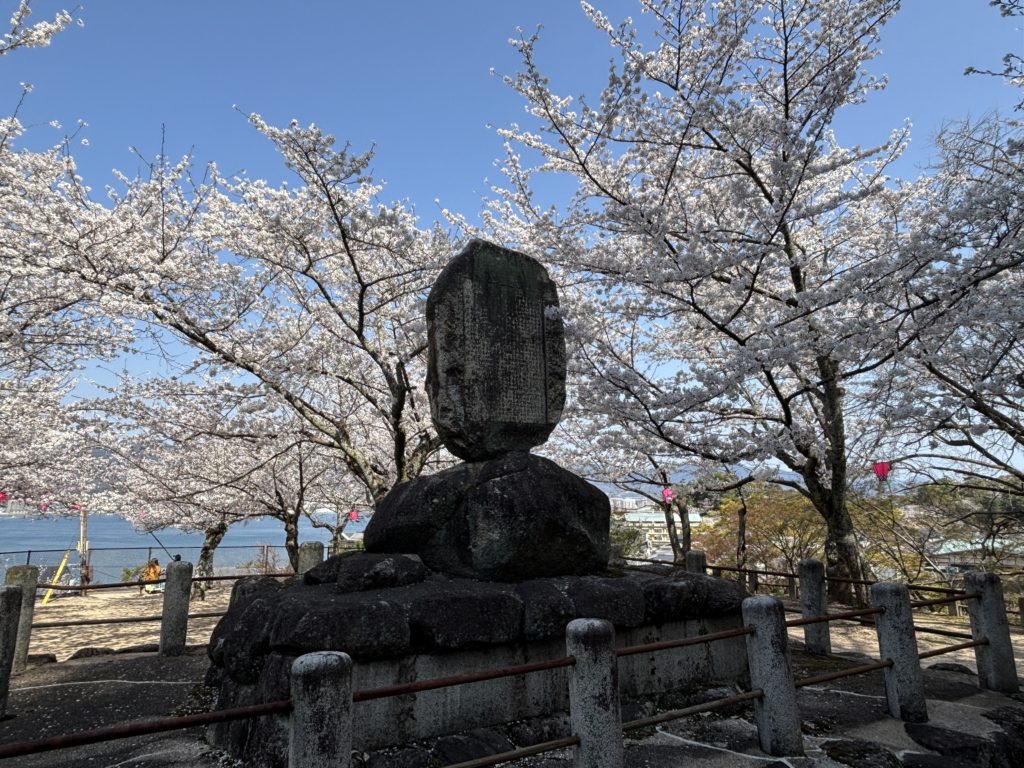
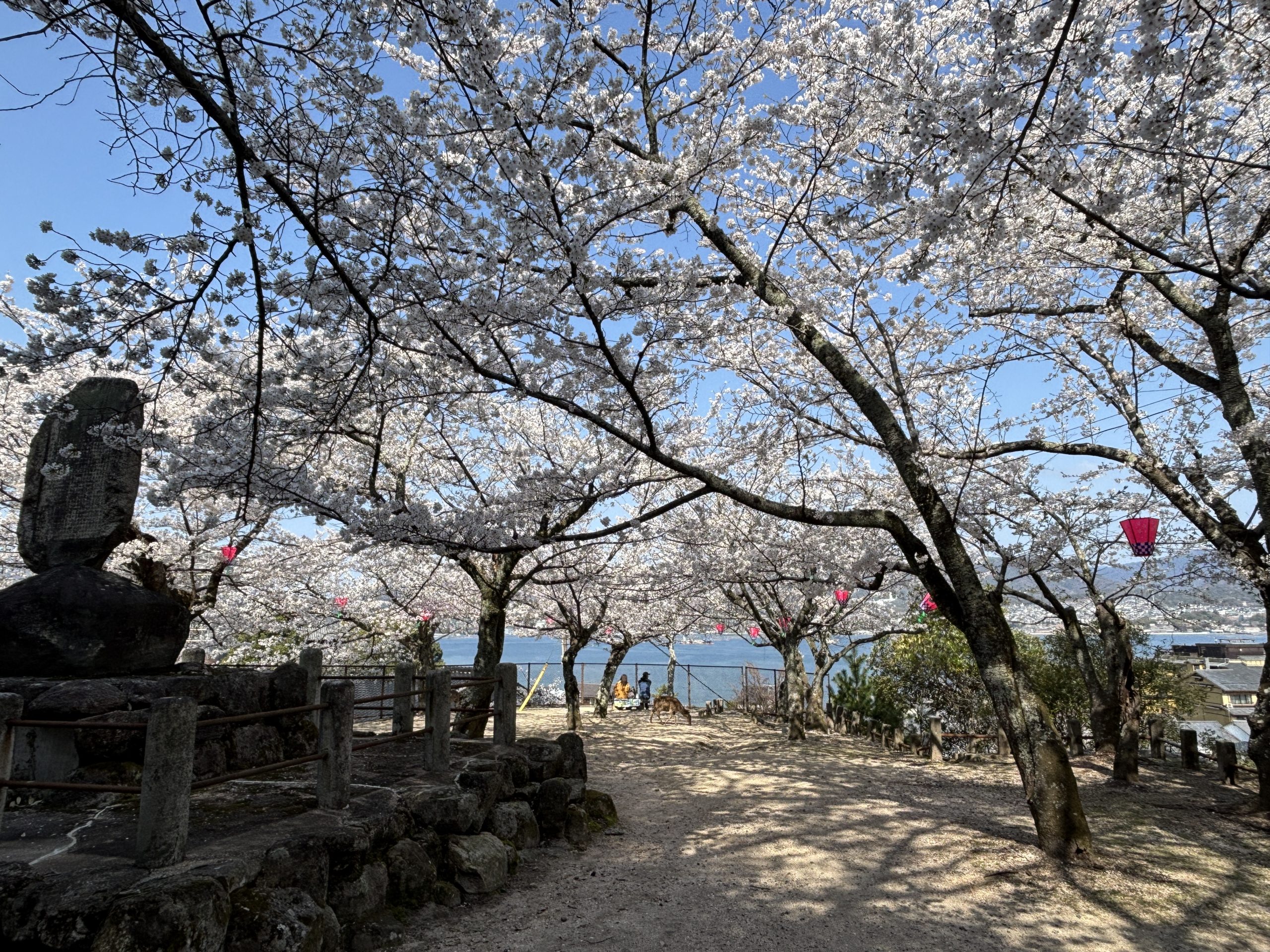
The Seishin Daitoku monument sits on a small hill above the main island paths, honoring a Buddhist monk named Seishin who lived during the Edo period and is credited with popularizing the wooden rice paddle (shamoji) as a craft specialty of Miyajima. Getting there requires a bit of effort — climb the steps near Saiwai Shrine, follow the small lane past the anago rice restaurant Wada, turn right at the Five-Story Pagoda, continue up the path, and walk along the lane past Komyoin Temple. There are few signs, and it takes a little persistence to find.
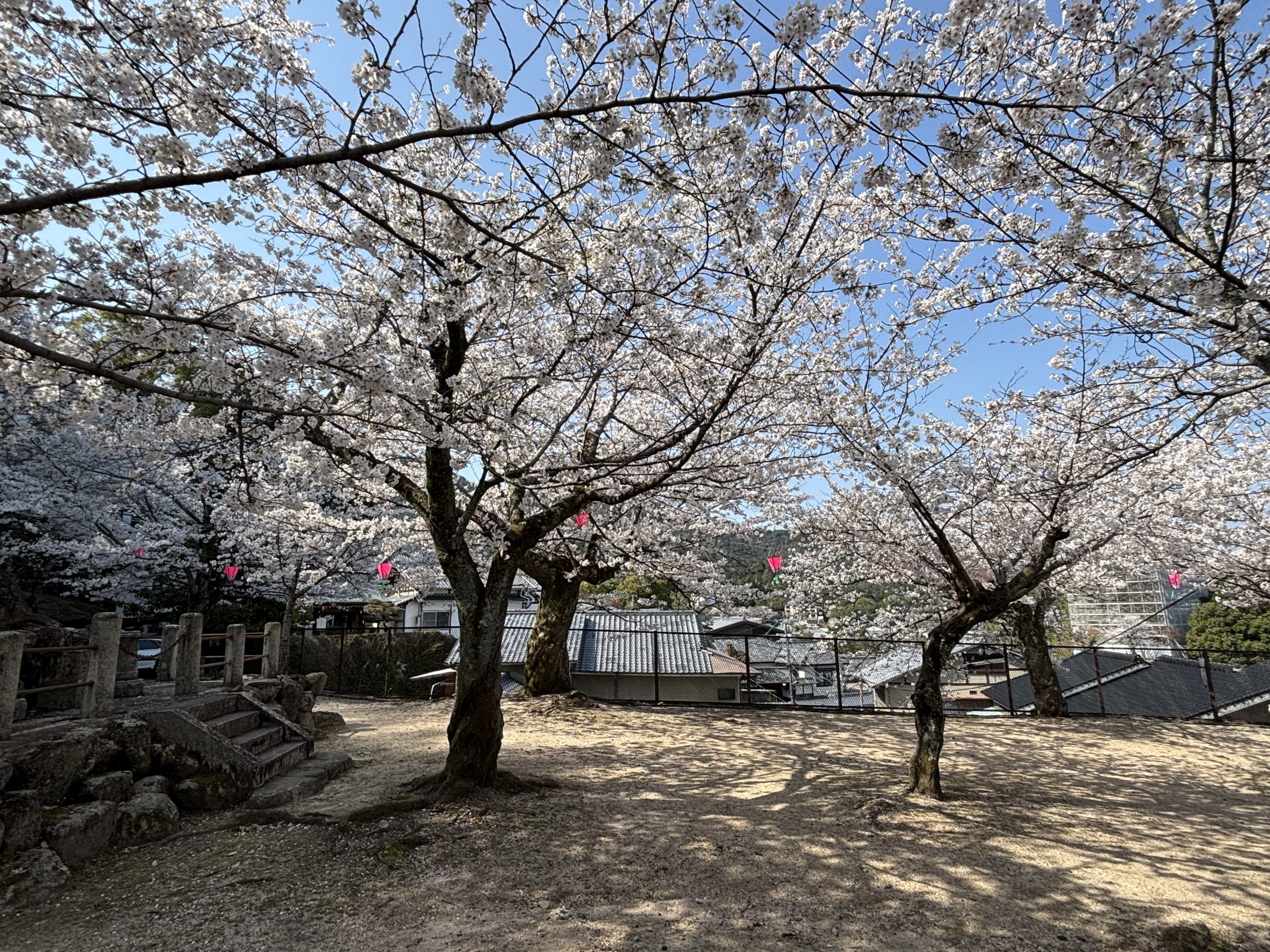
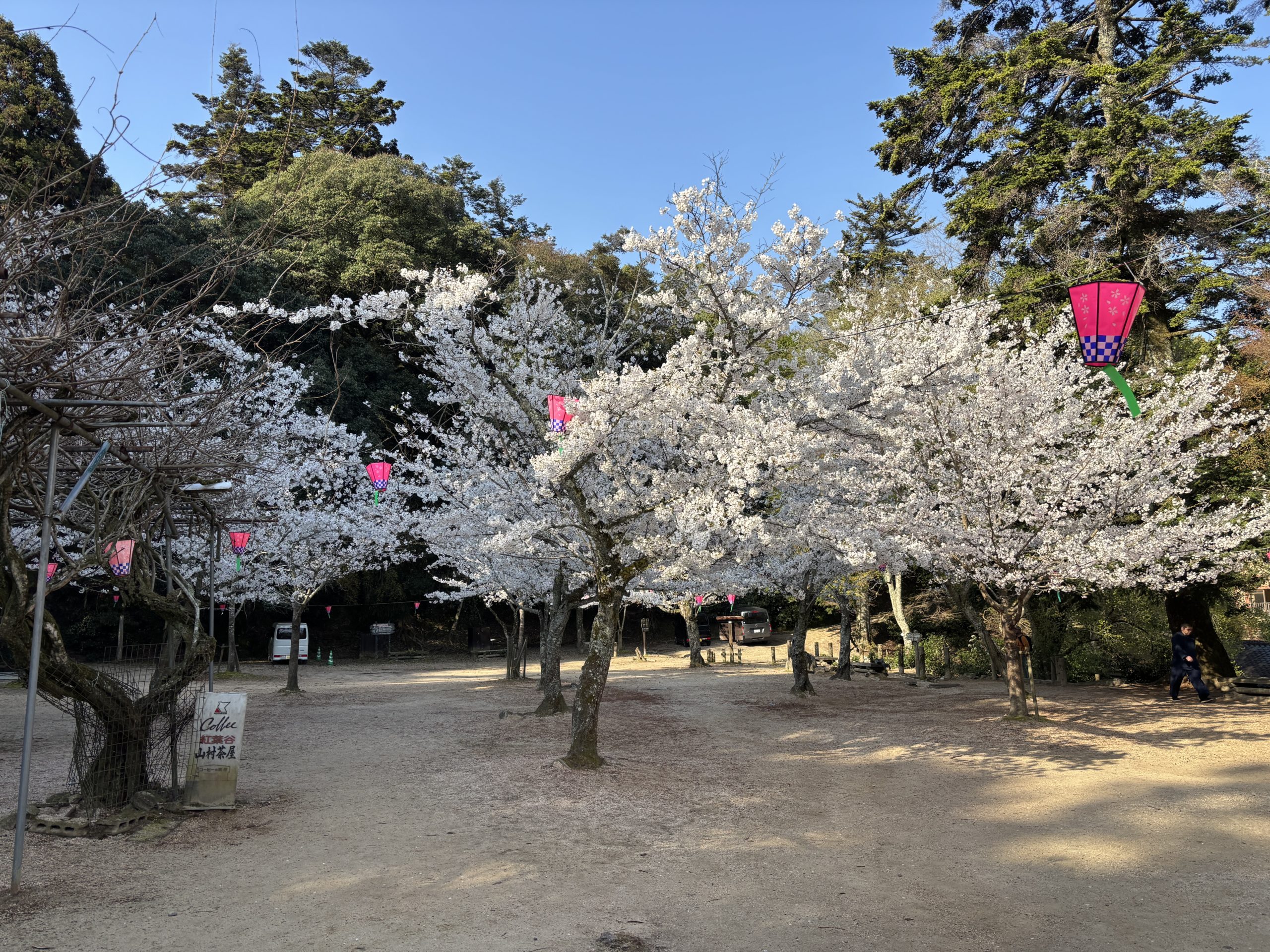
But the reward at the top is genuinely special: panoramic views of the sea and sky framed by an abundance of cherry blossoms, with decorative pink lanterns strung among the trees. My younger daughter said it looked like a castle surrounded by flowers. This is one of the best hidden-gem spots on Miyajima for blossom photography, and in 2025 it is also one of the top recommendations for night viewing in place of the Tahoto Pagoda area. Note that the steep slope makes this a baby-carrier rather than stroller destination.
Cherry blossom quality: ★★★★★
Ease of access: ★★☆☆☆
Hidden gem factor: ★★★★★
Number of cherry trees: ★★★★★
Fujinotana Park (Wisteria Garden Park)
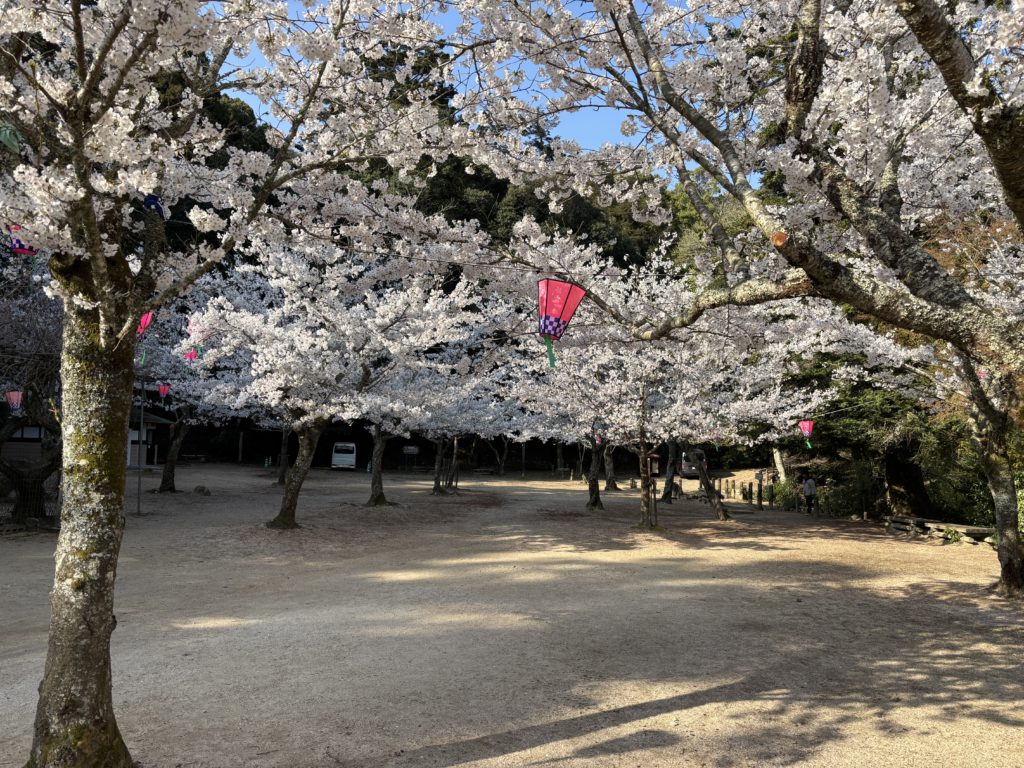
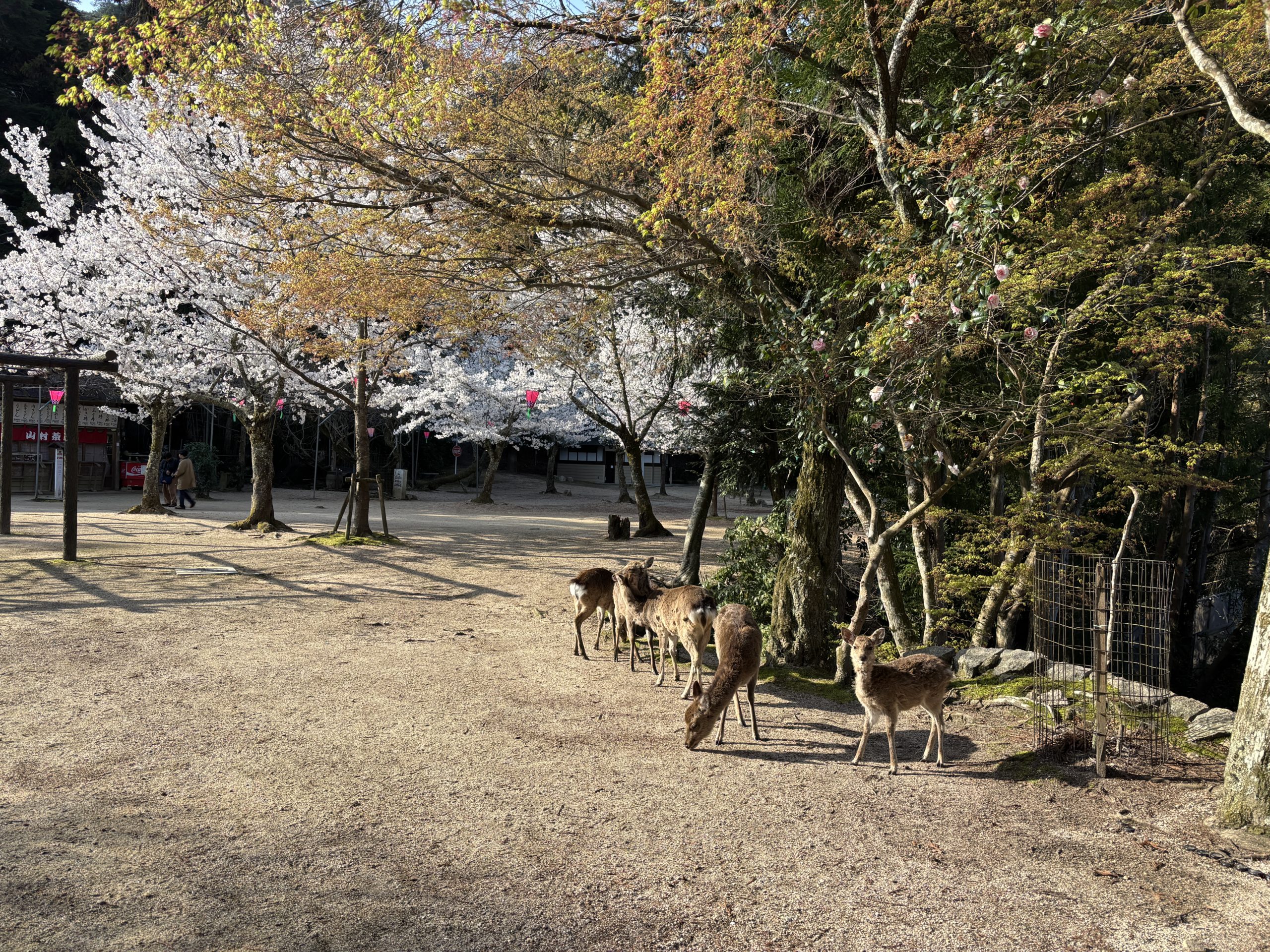
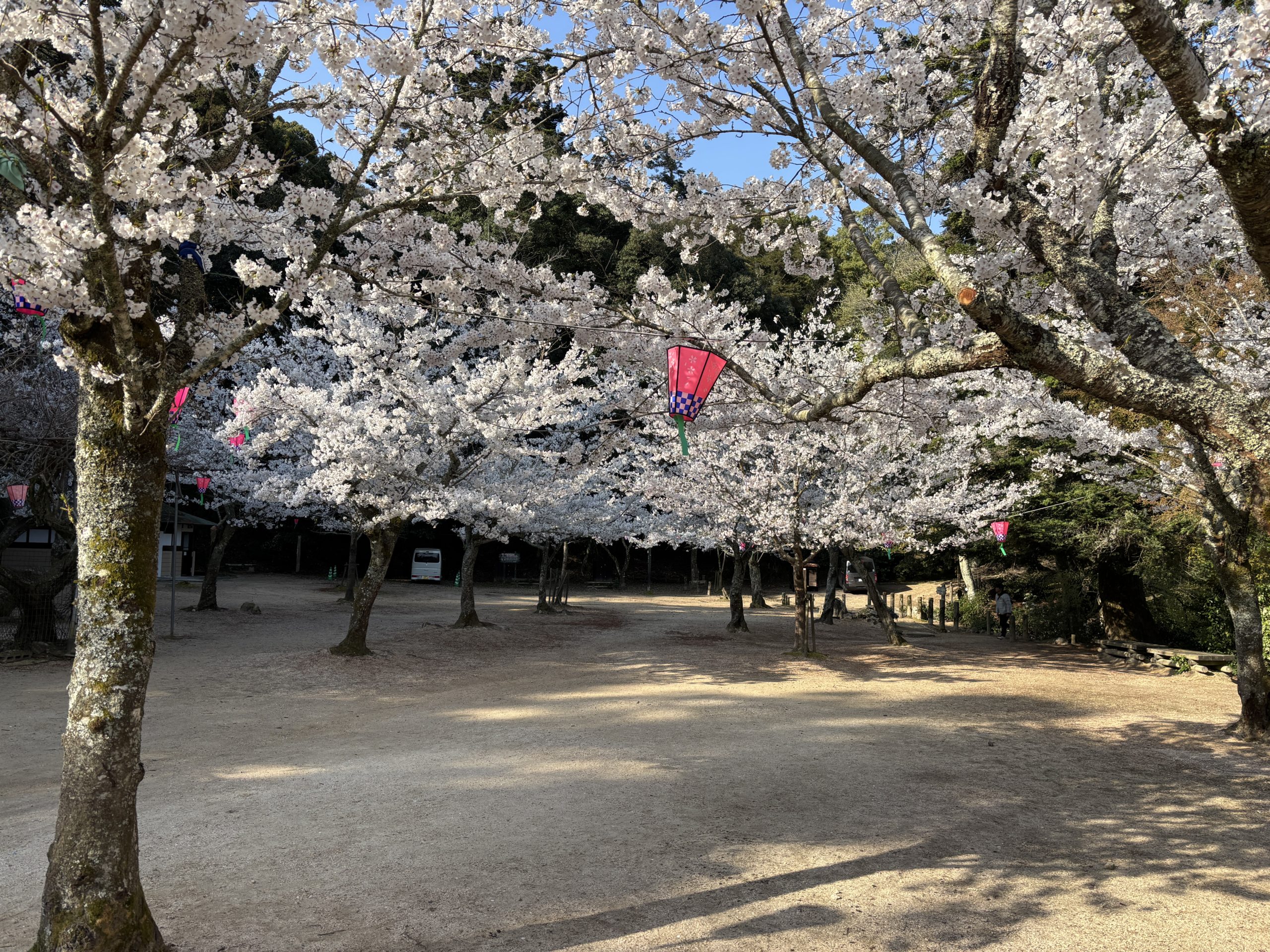
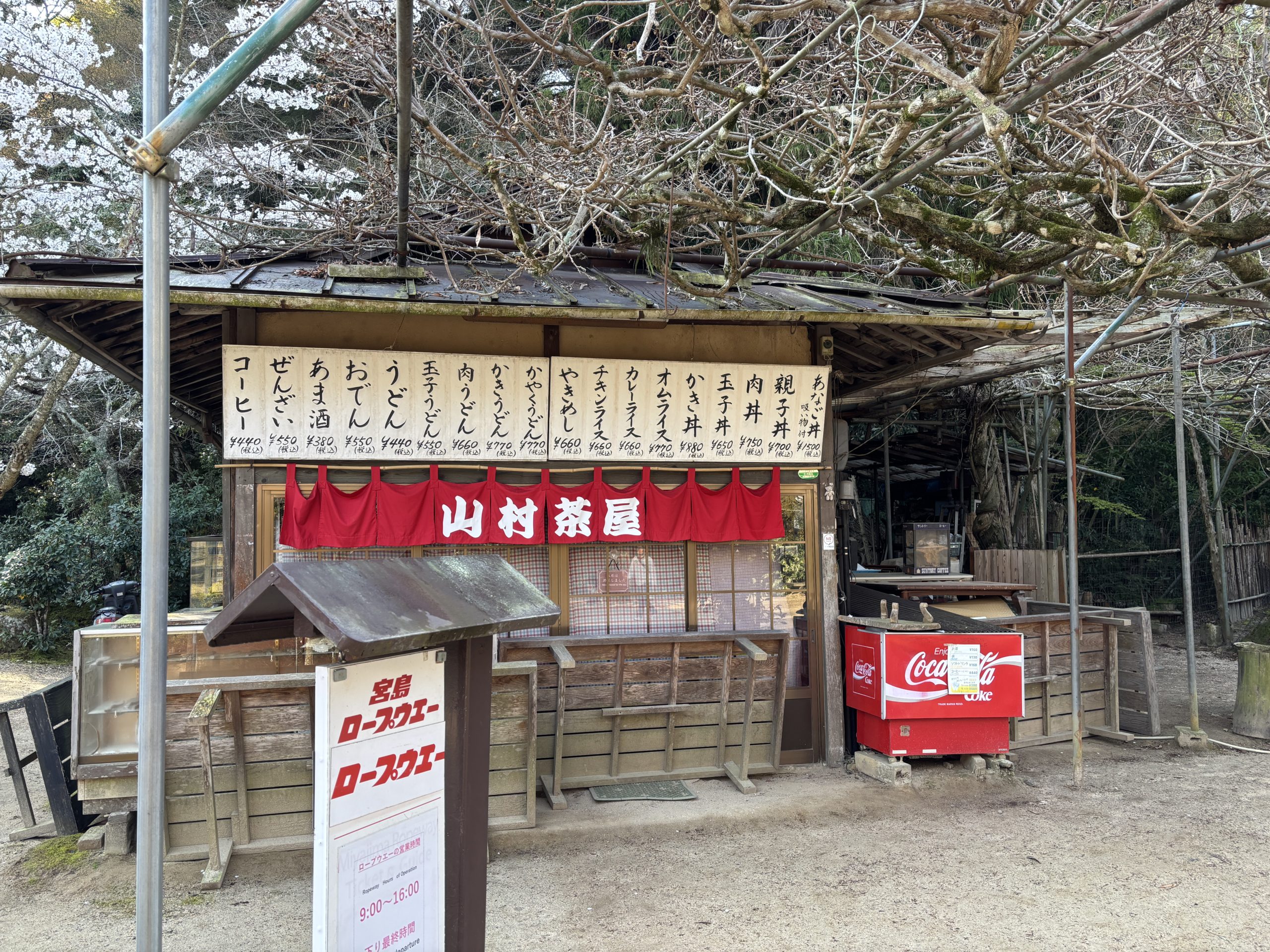
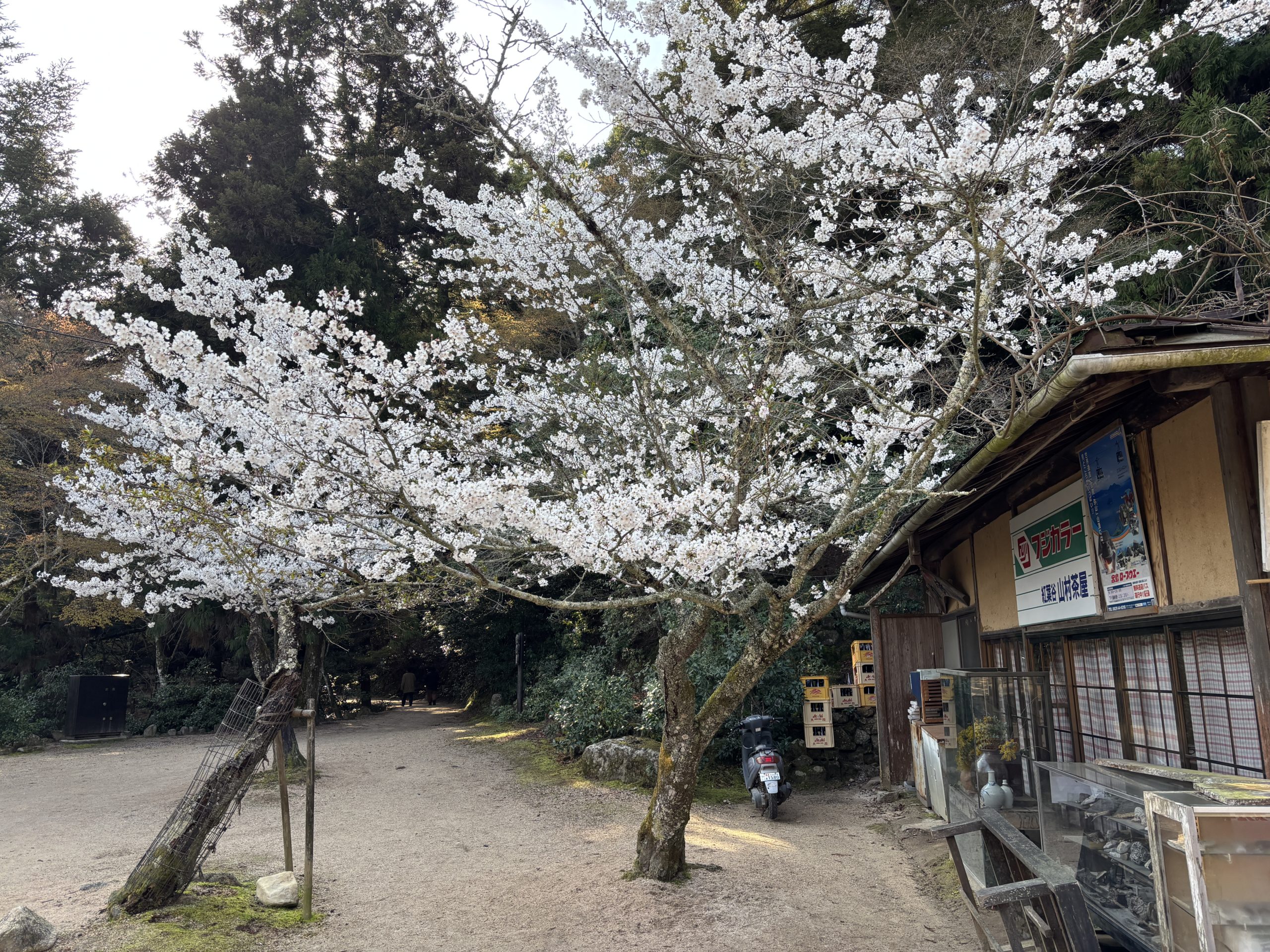
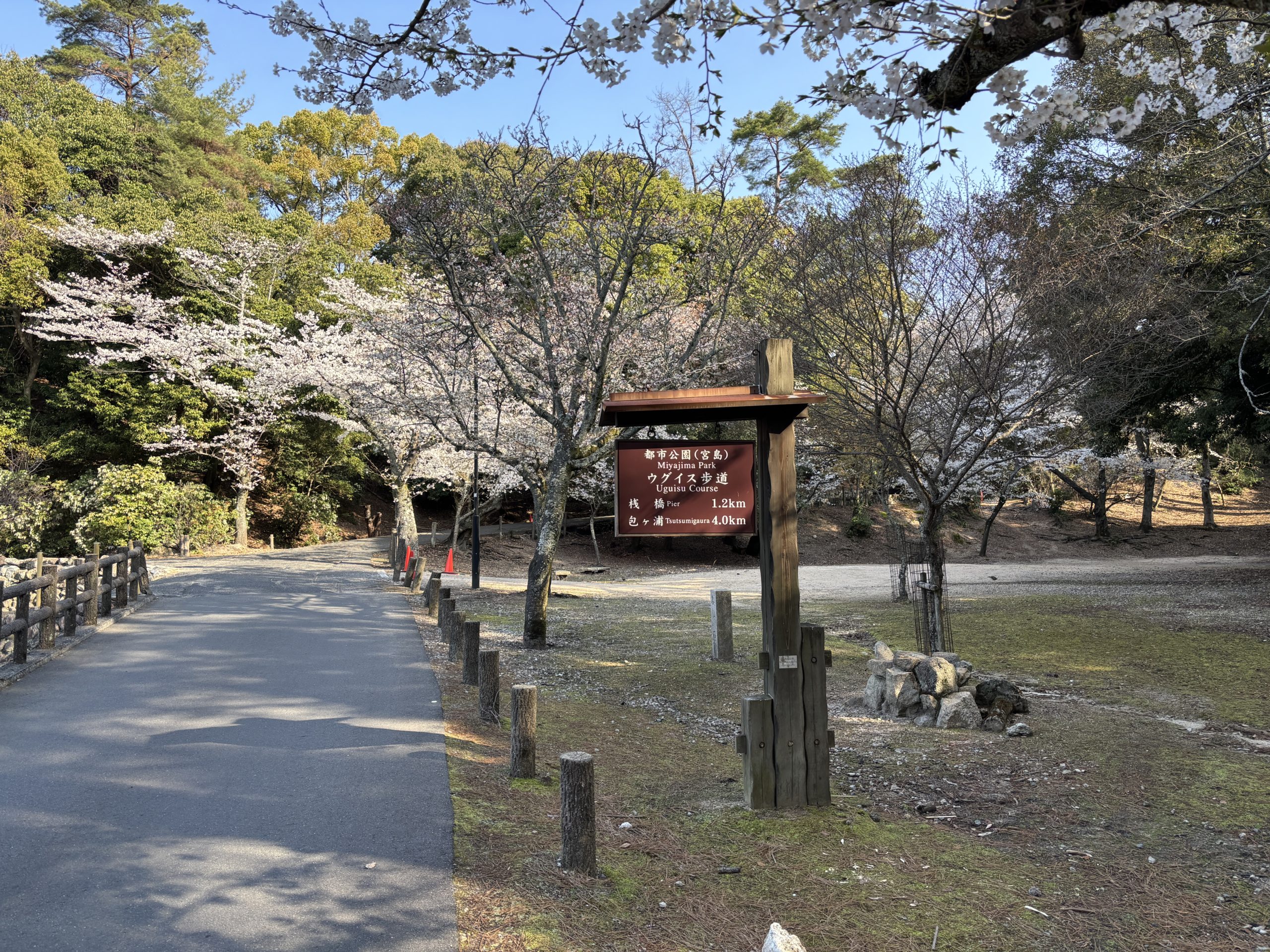
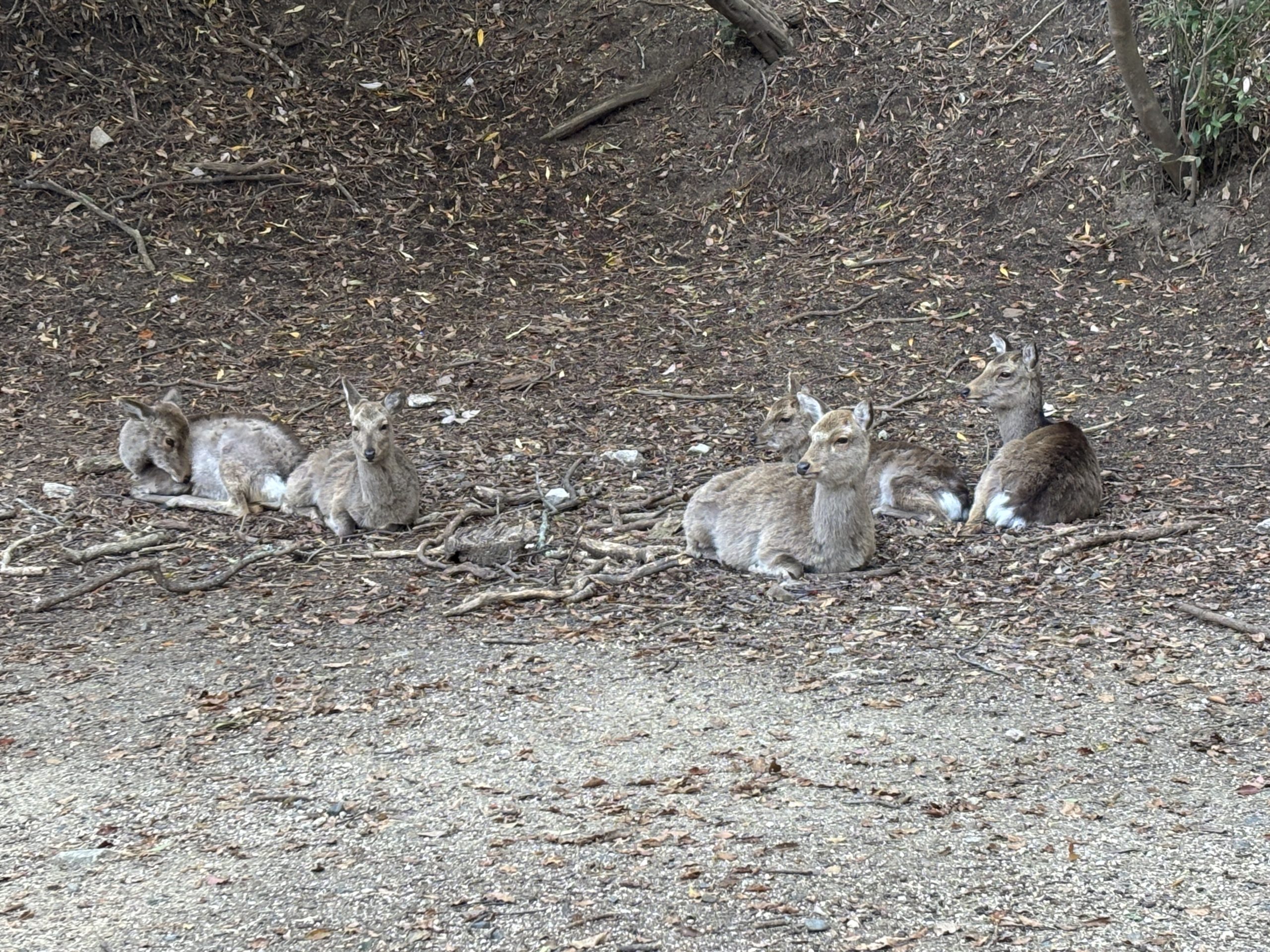
Located along the path toward the ropeway, Fujinotana Park (Wisteria Garden Park) sits near a charming rest stop called Yamason Chaya. This spot has a wonderfully unhurried atmosphere — deer often rest quietly beneath the trees here, and because it requires a bit of a walk to reach, the crowds are thin. On a good day you can genuinely feel like you have the cherry blossoms almost entirely to yourself.
A local tip worth knowing: the same area is also considered the best spot on the island for hydrangea in mid-June, with Daisho-in Temple nearby offering further blooms. If you love returning to Miyajima through the seasons, this corner of the island rewards every visit.
Cherry blossom quality: ★★★★★
Ease of access: ★★☆☆☆
Hidden gem factor: ★★★★★
Number of cherry trees: ★★★★☆
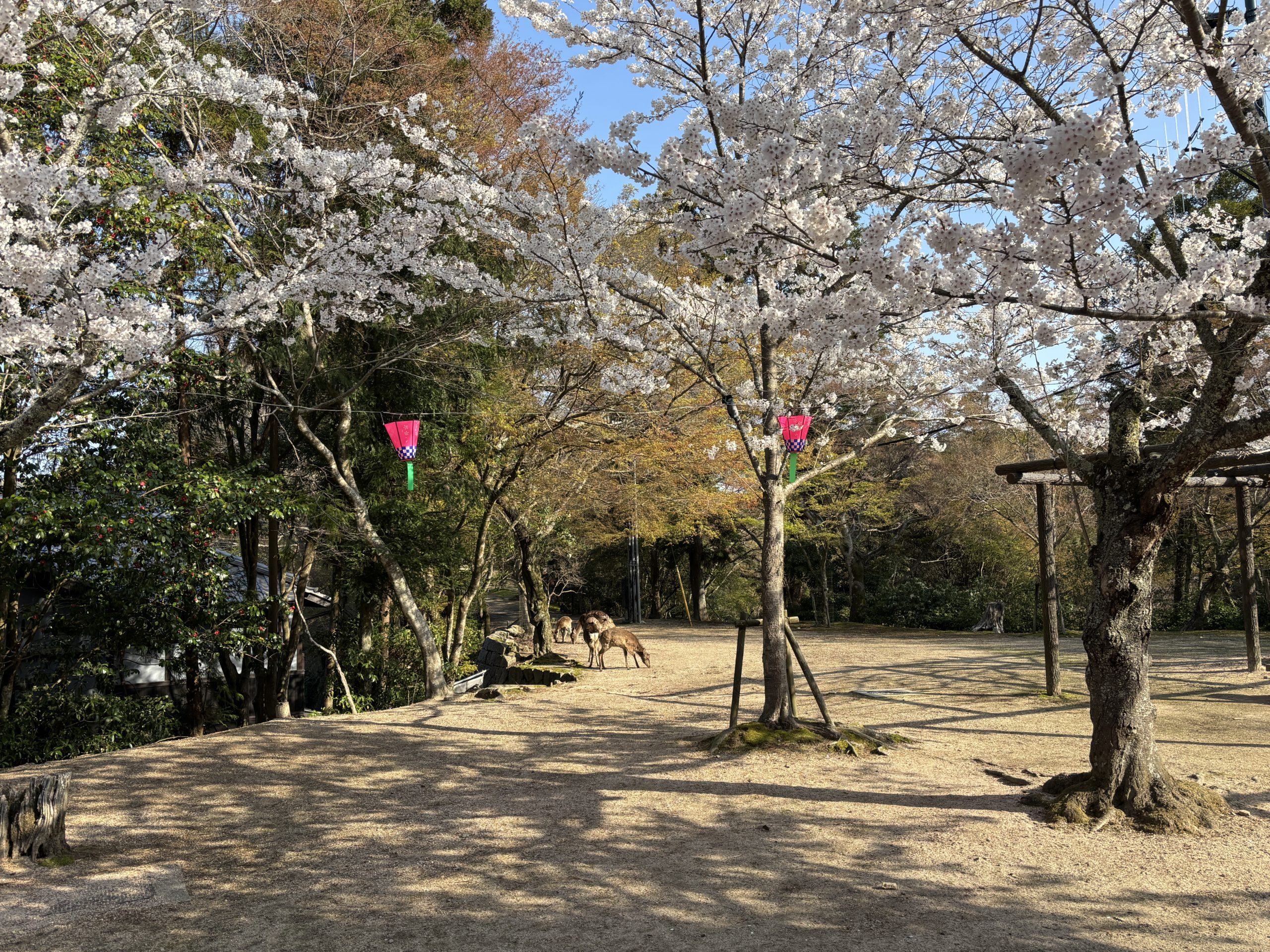
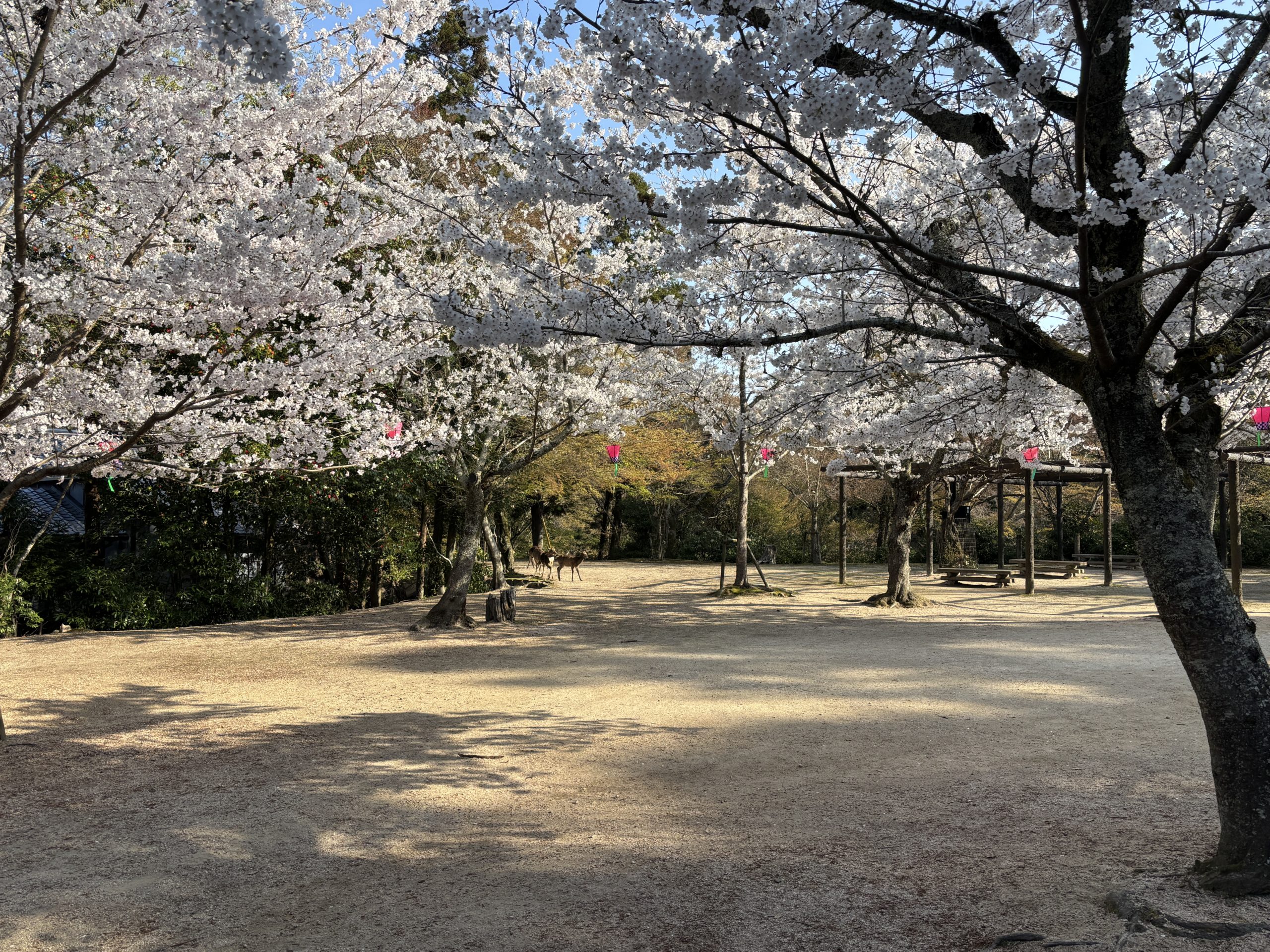
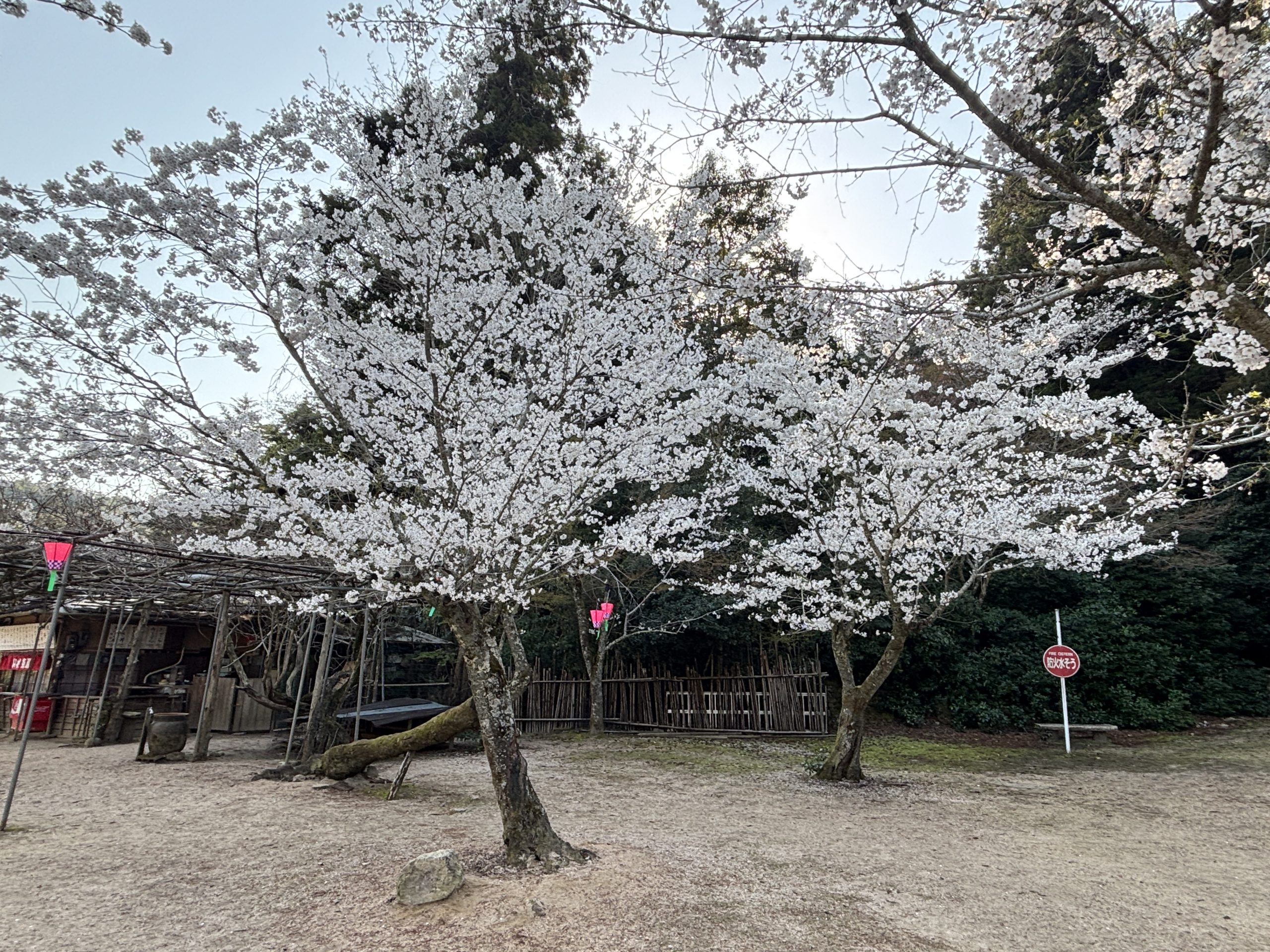
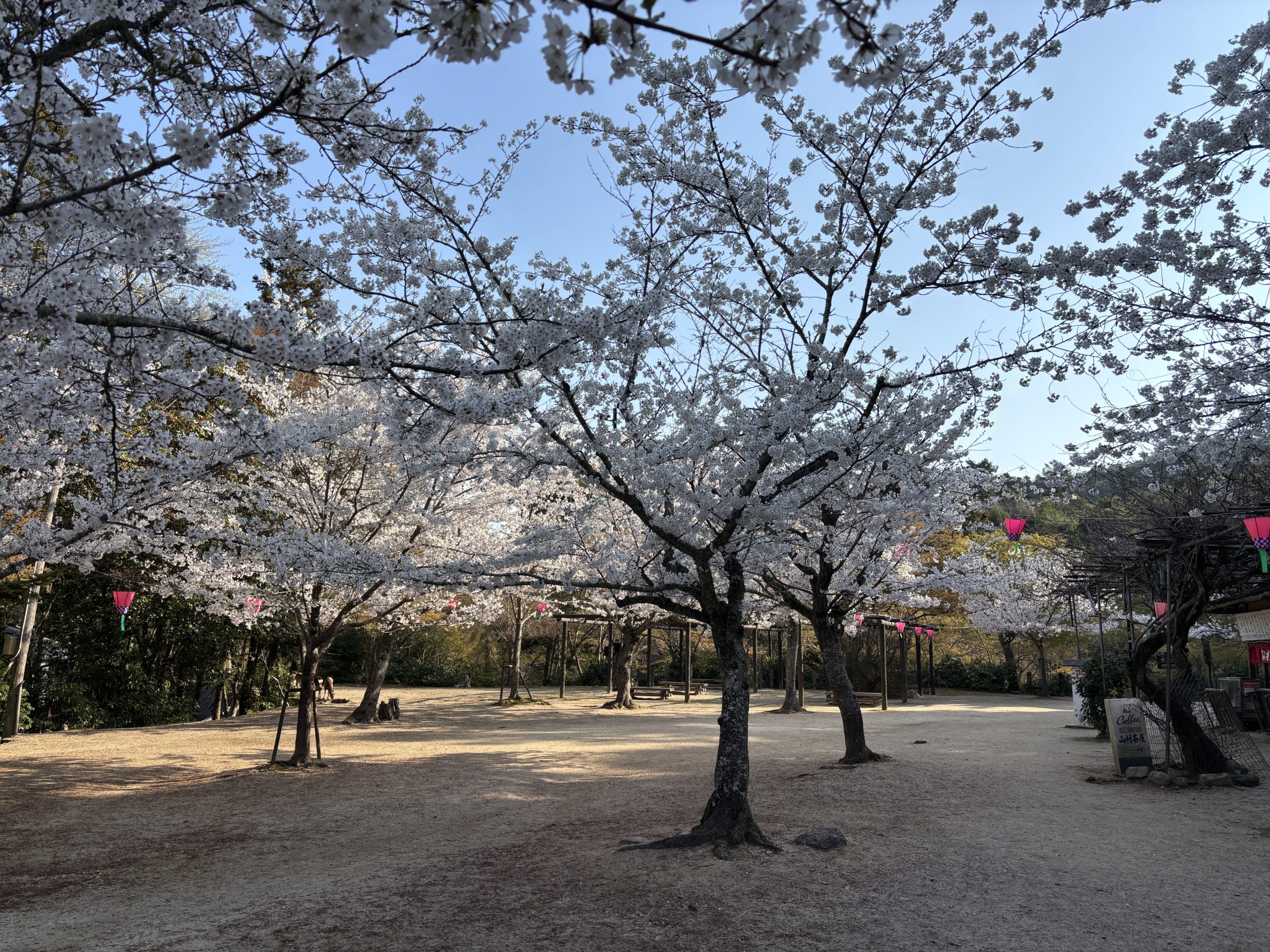
Daisho-in Temple, the gateway to Mount Misen and one of the most historically significant temples on the island, is even older than Itsukushima Shrine itself. It is a wonderful cherry blossom stop on the way to or from the ropeway.

Discover Daishoin Temple, Miyajima's oldest and most sacred Buddhist site. History, highlights, seasonal events, and practical visitor tips.
Yamabe no Kodai (The Ancient Path)
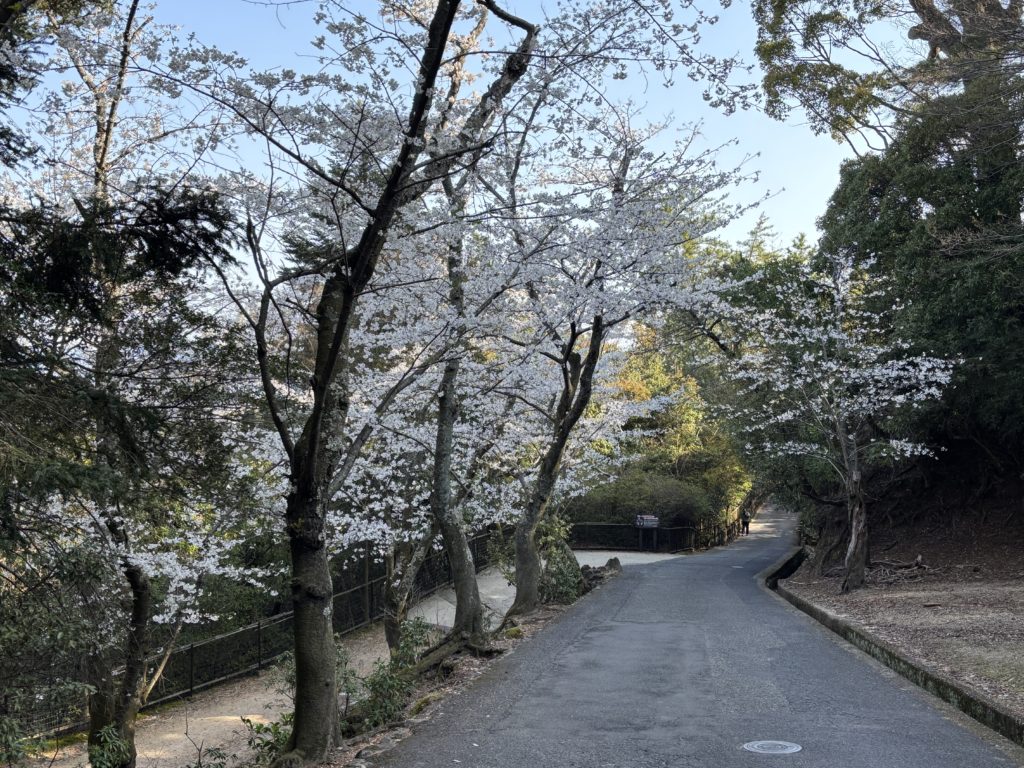
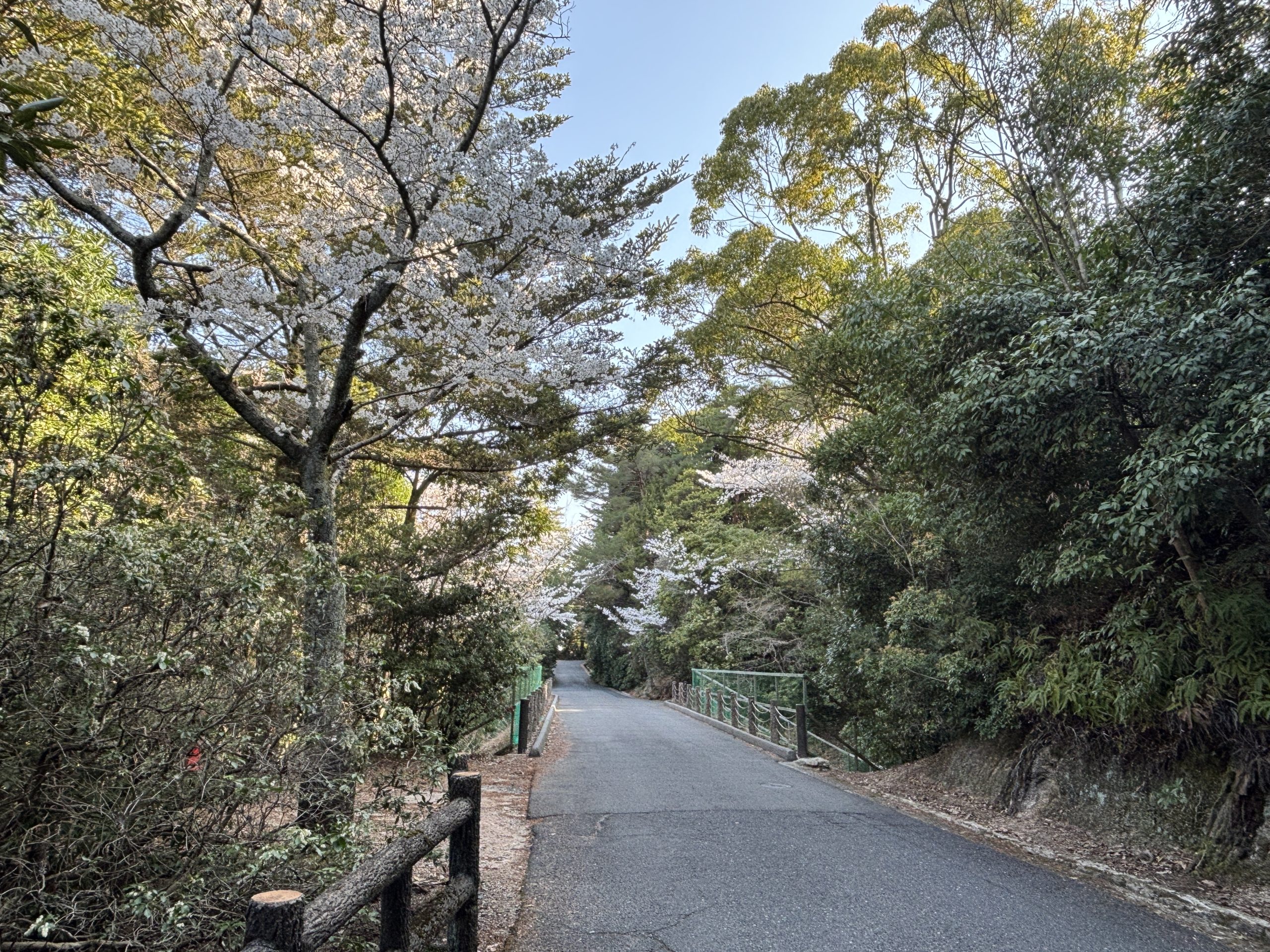
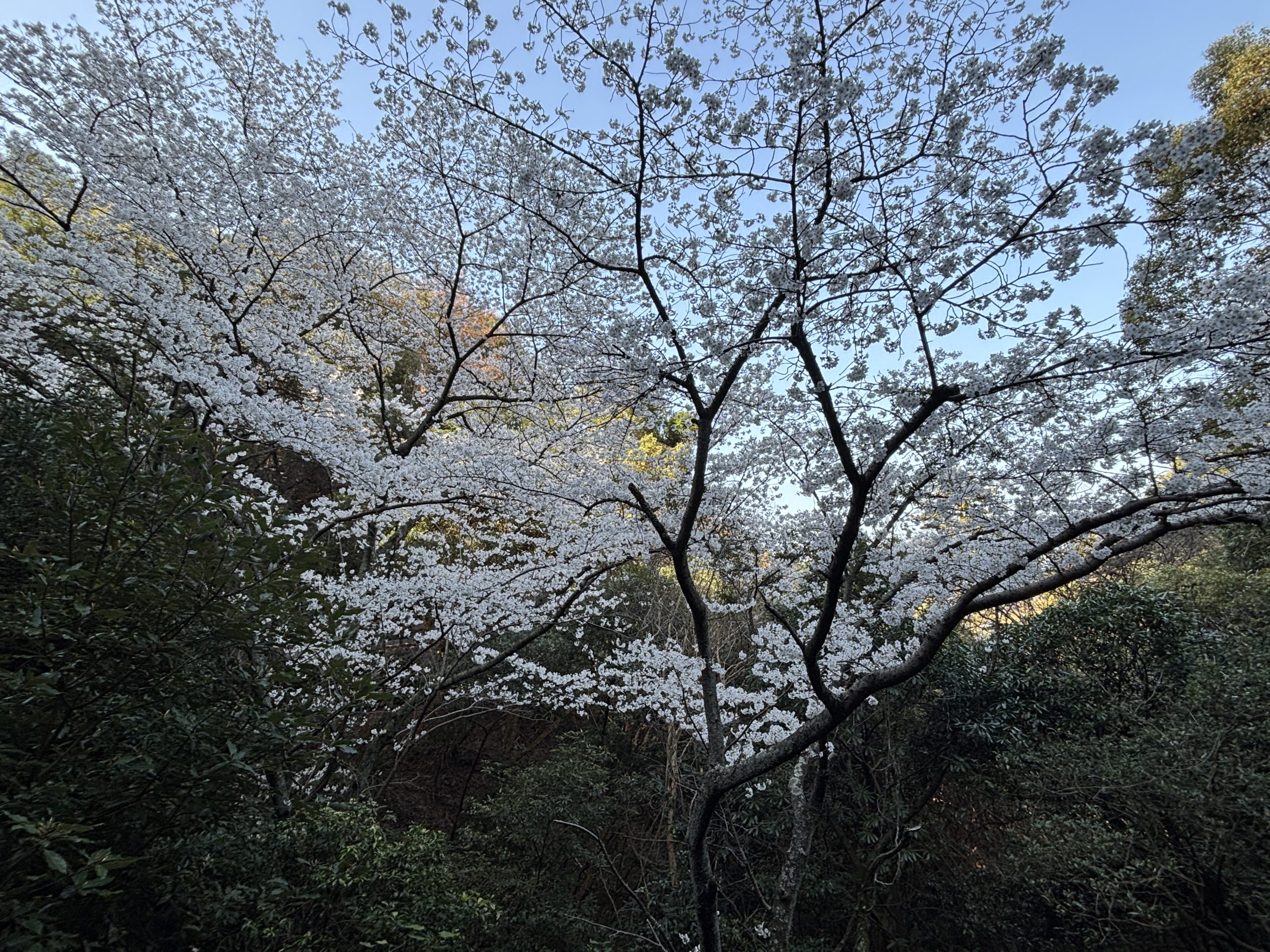
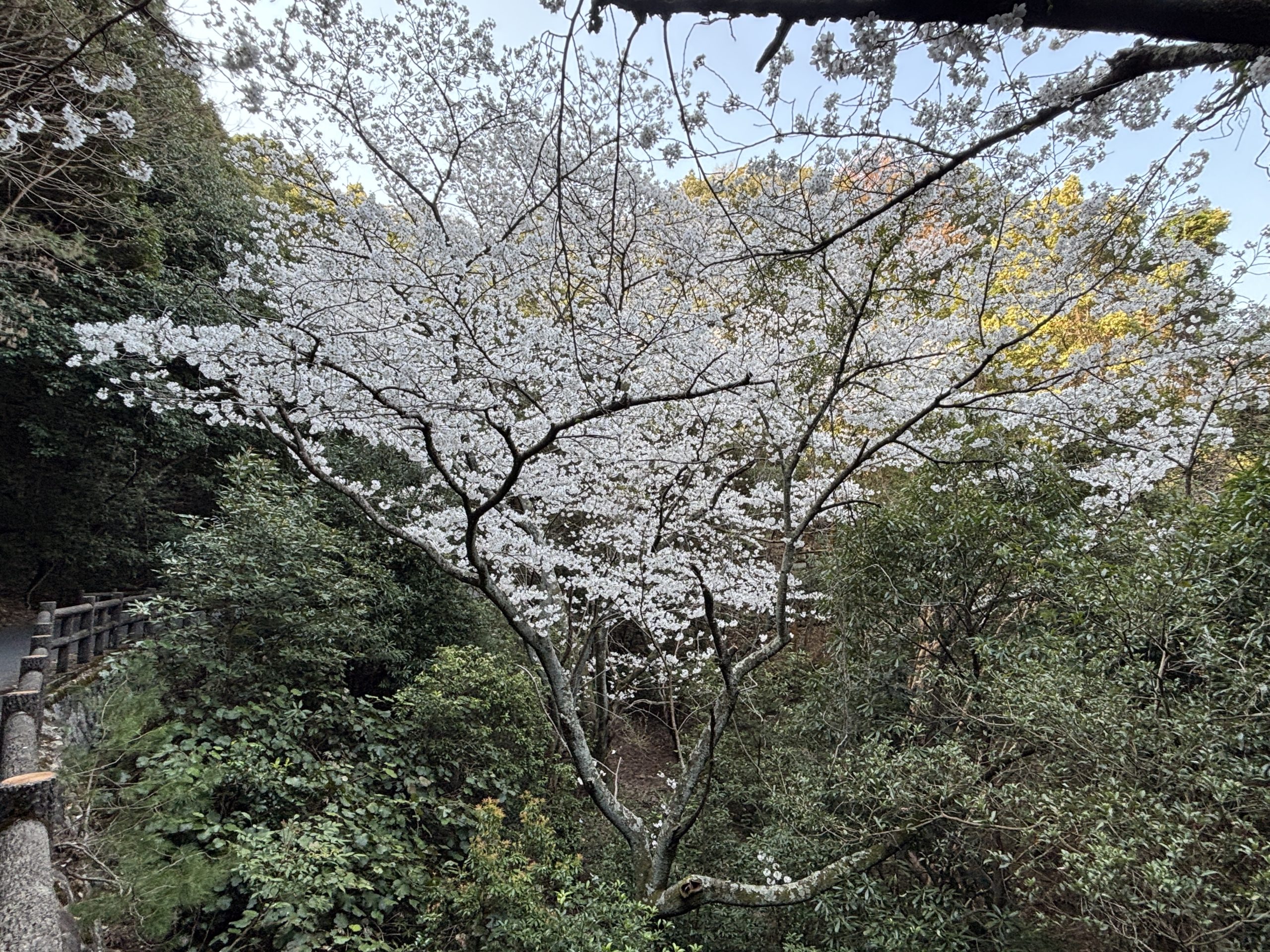
Known as Yamabe no Kodai, this atmospheric stone-paved lane is said to be the oldest pilgrimage route on Miyajima — the path that worshippers traditionally walked on their way to Itsukushima Shrine. Walking it under a canopy of cherry blossoms, with the sound of distant waves and the faint scent of incense on the air, is one of the most memorable spring experiences the island offers.
The cobblestones are a little uneven underfoot, so wear comfortable shoes. Our family loves using this path as our route to the shrine during cherry blossom season — the combination of history, nature, and sakura is hard to beat anywhere in Japan.
Cherry blossom quality: ★★★★☆
Ease of access: ★★☆☆☆
Hidden gem factor: ★★★★★
Number of cherry trees: ★★★★☆
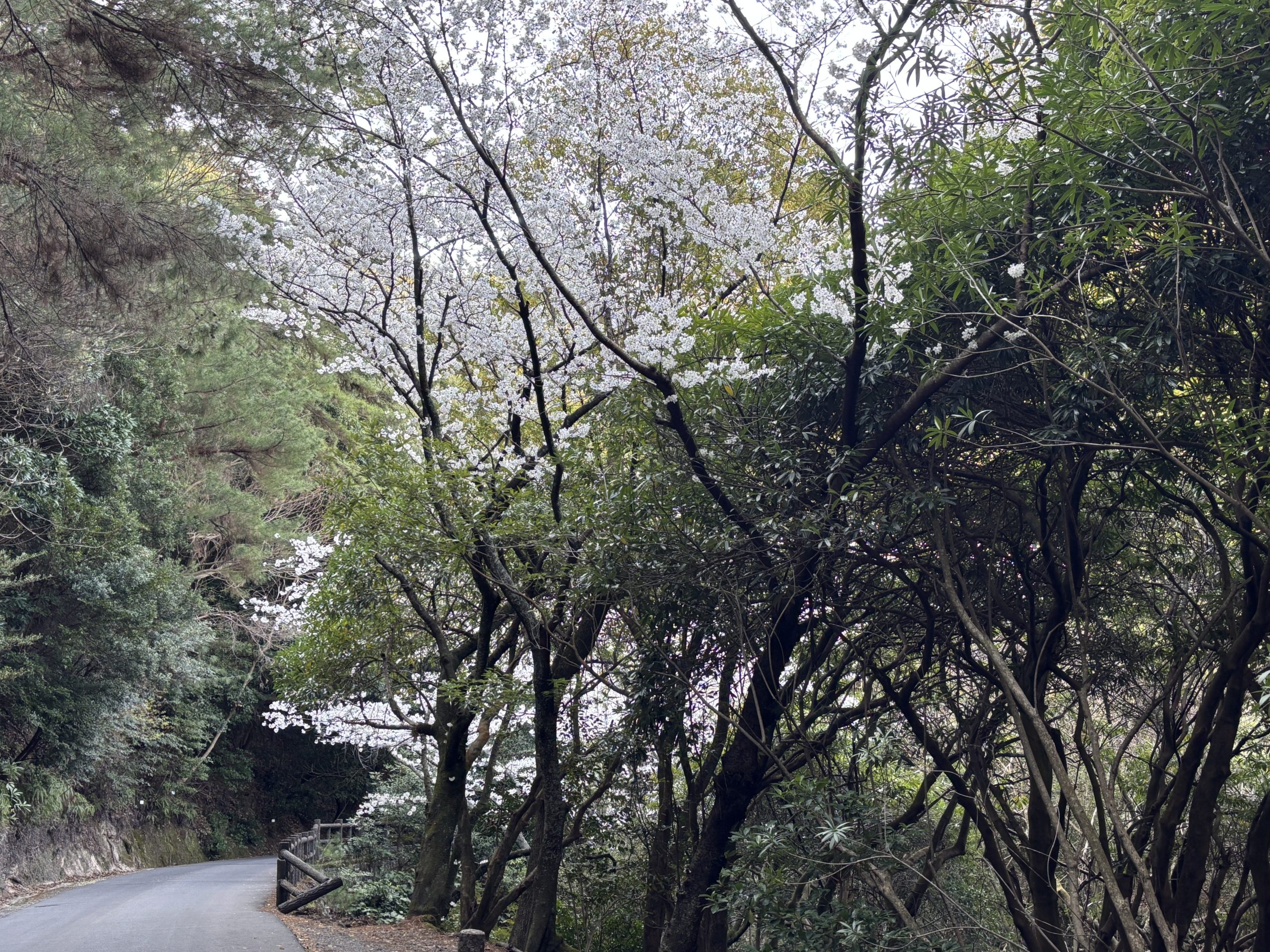
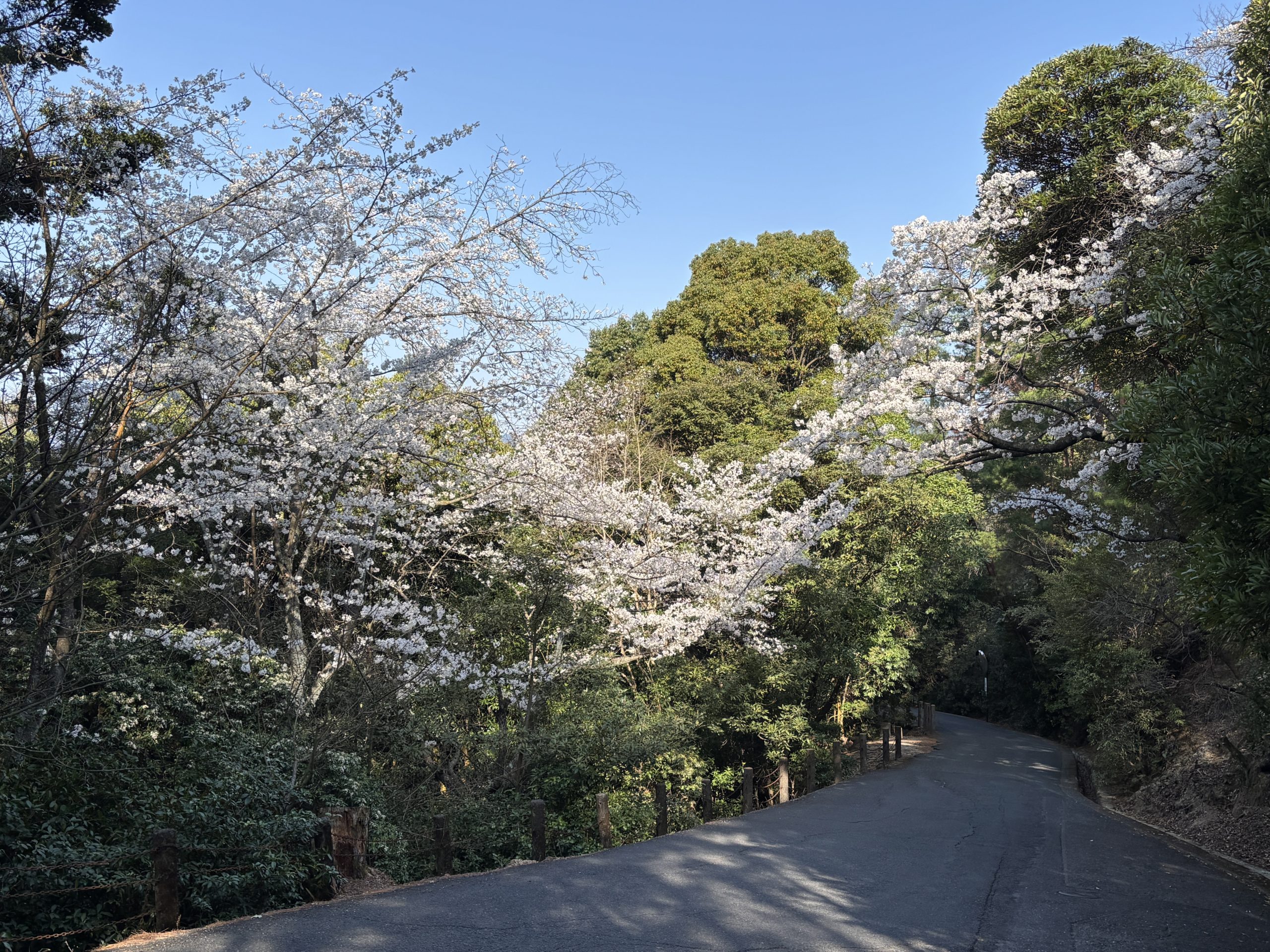
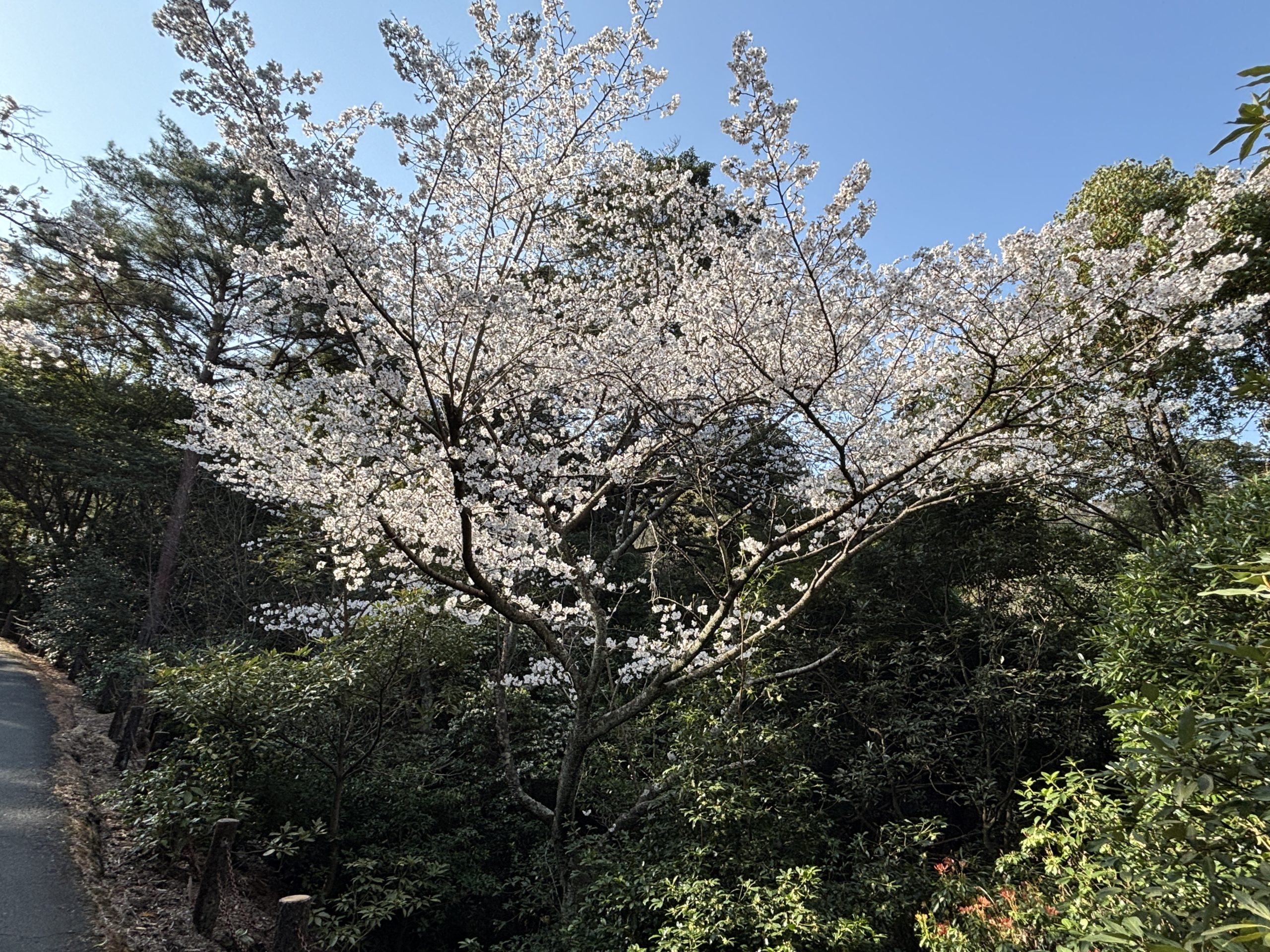
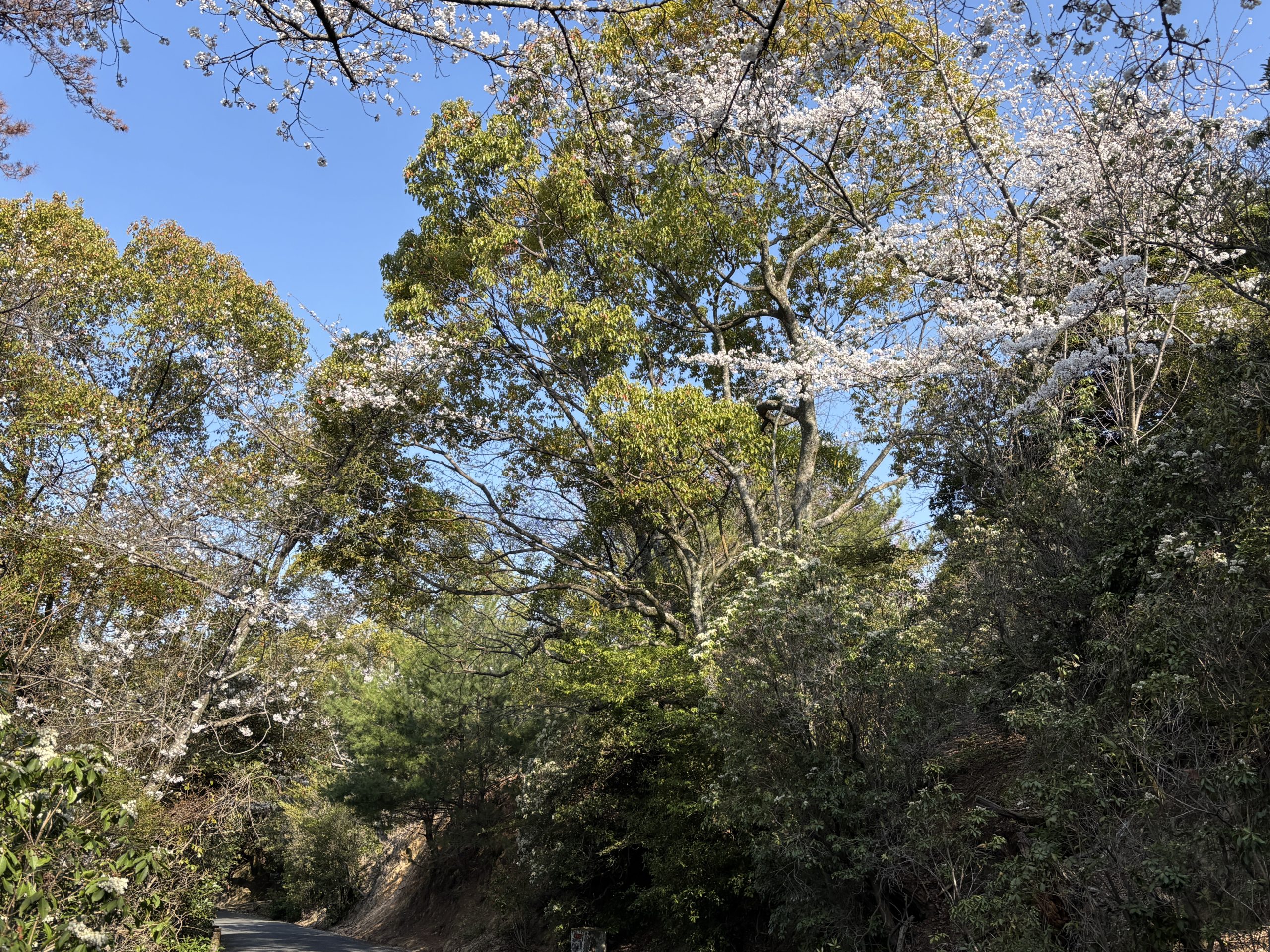
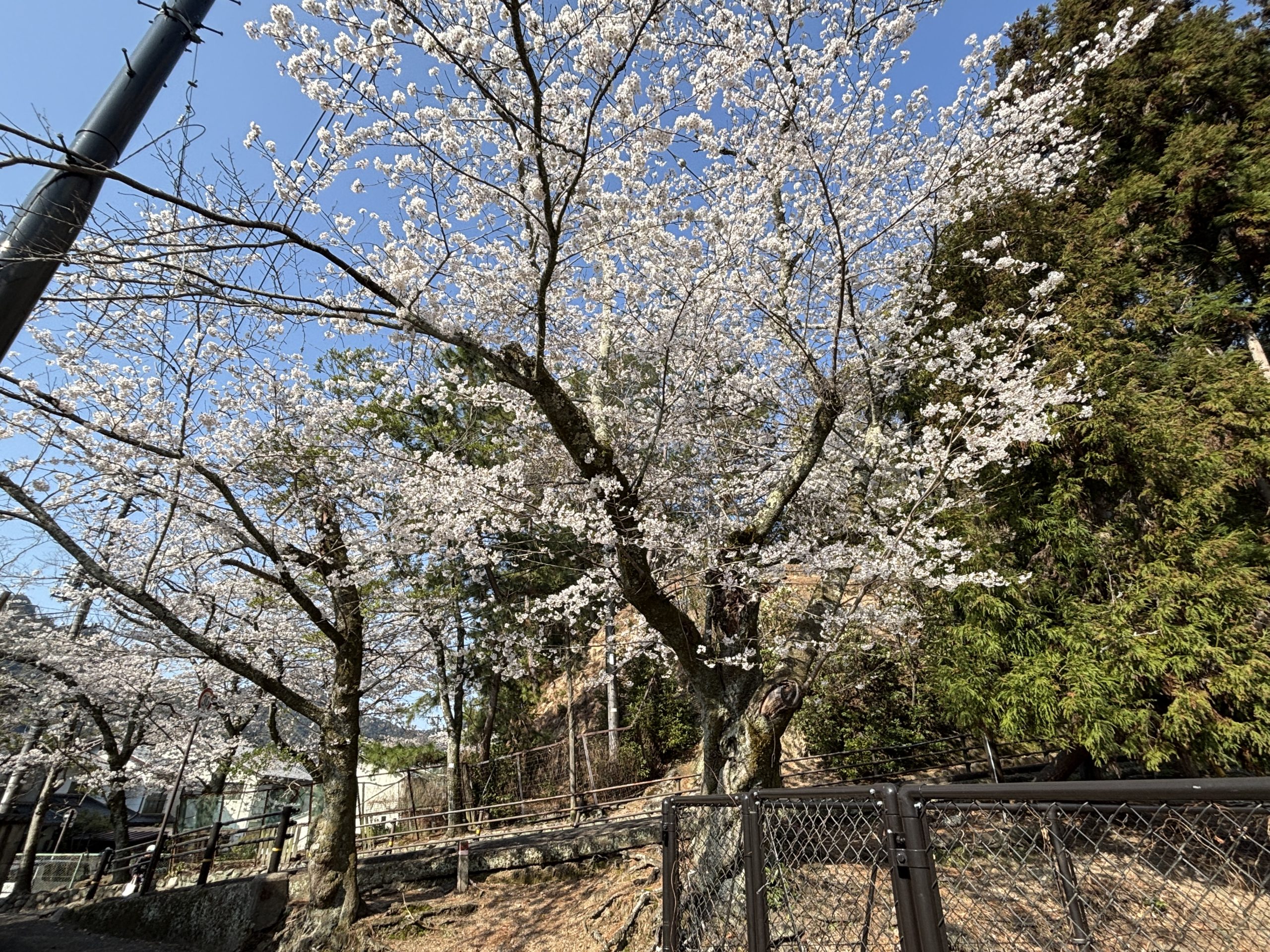
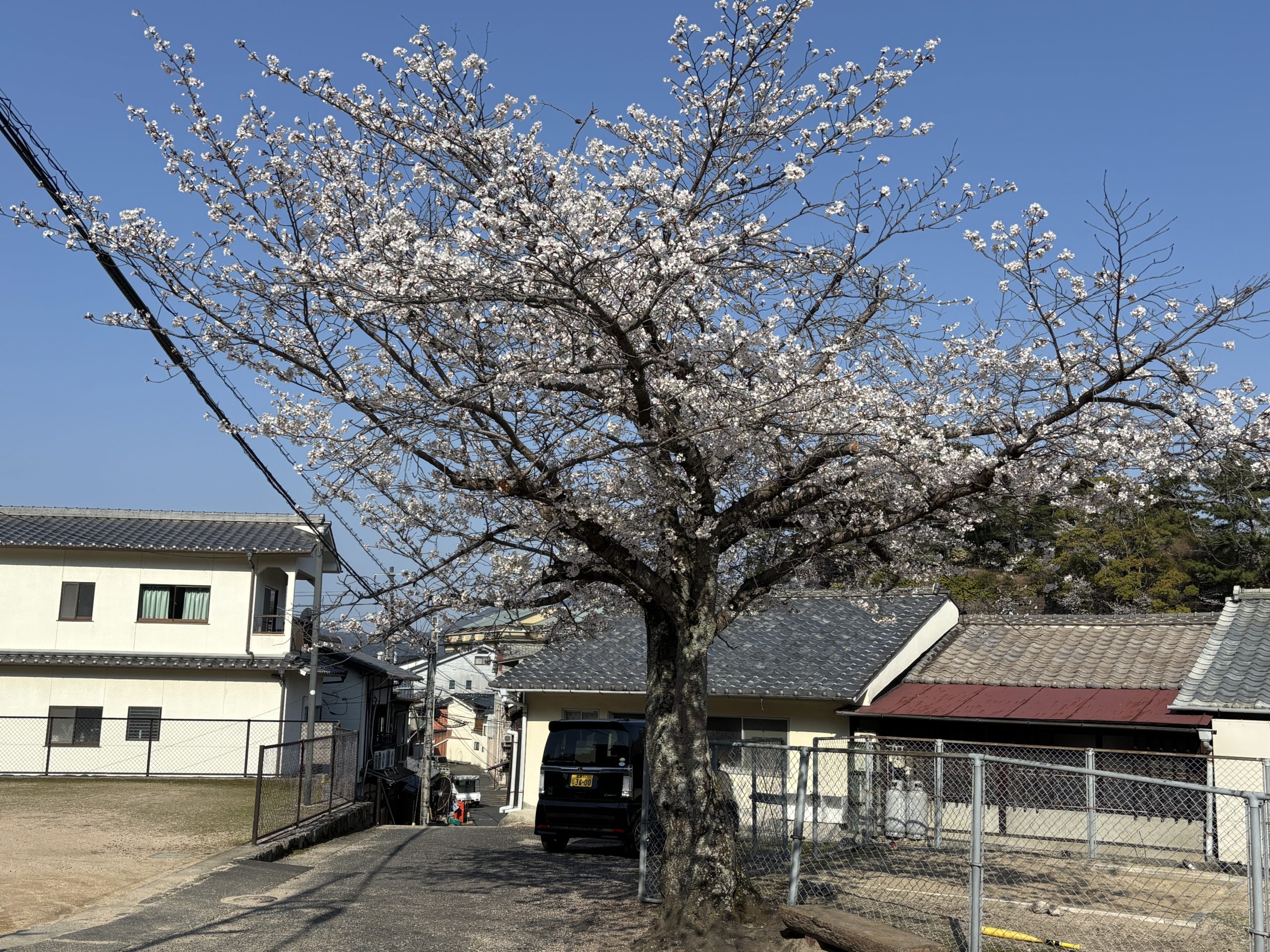
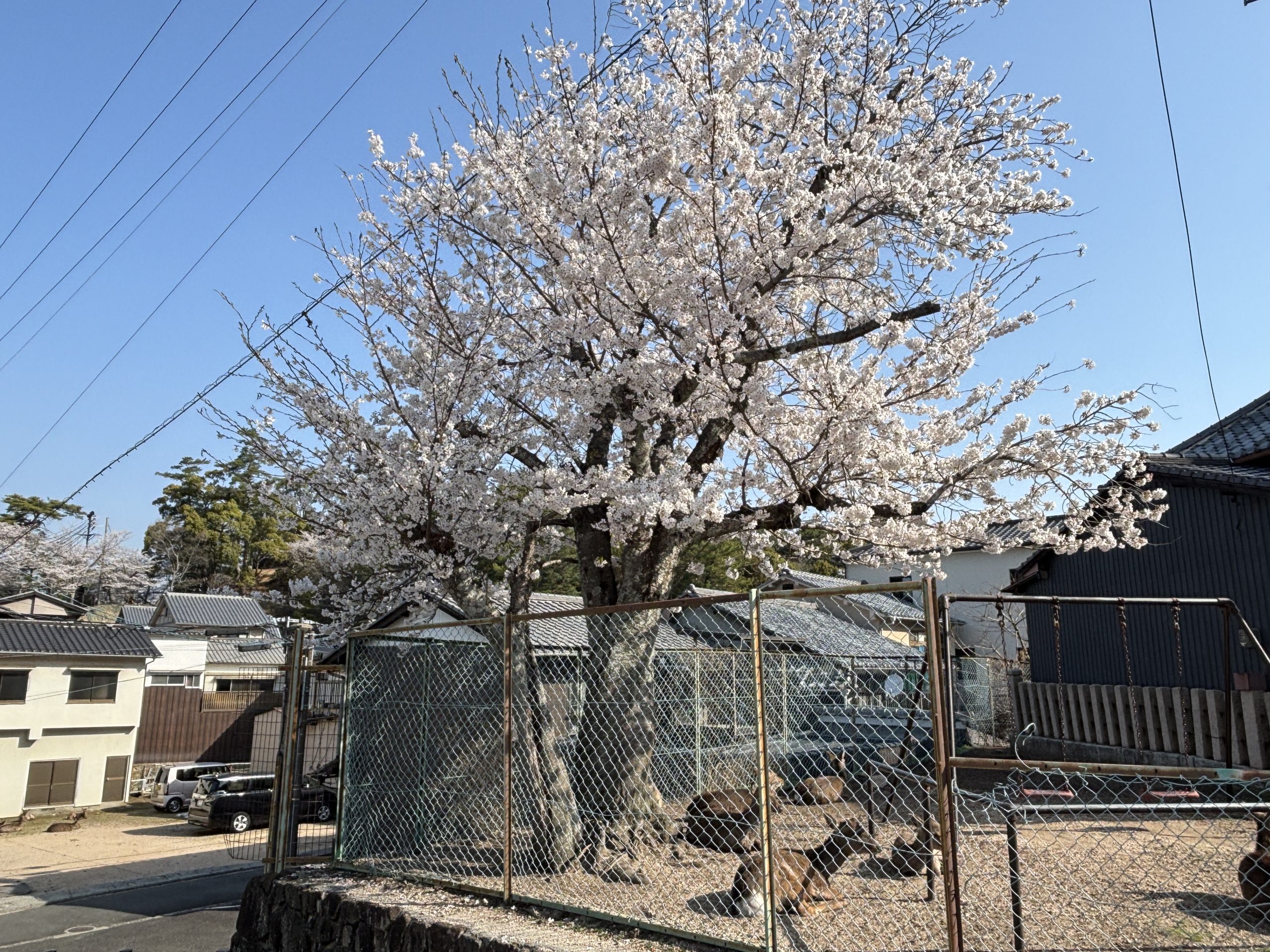
After walking the ancient path, the natural next stop is Itsukushima Shrine itself — a place that looks entirely different depending on whether the tide is high or low.
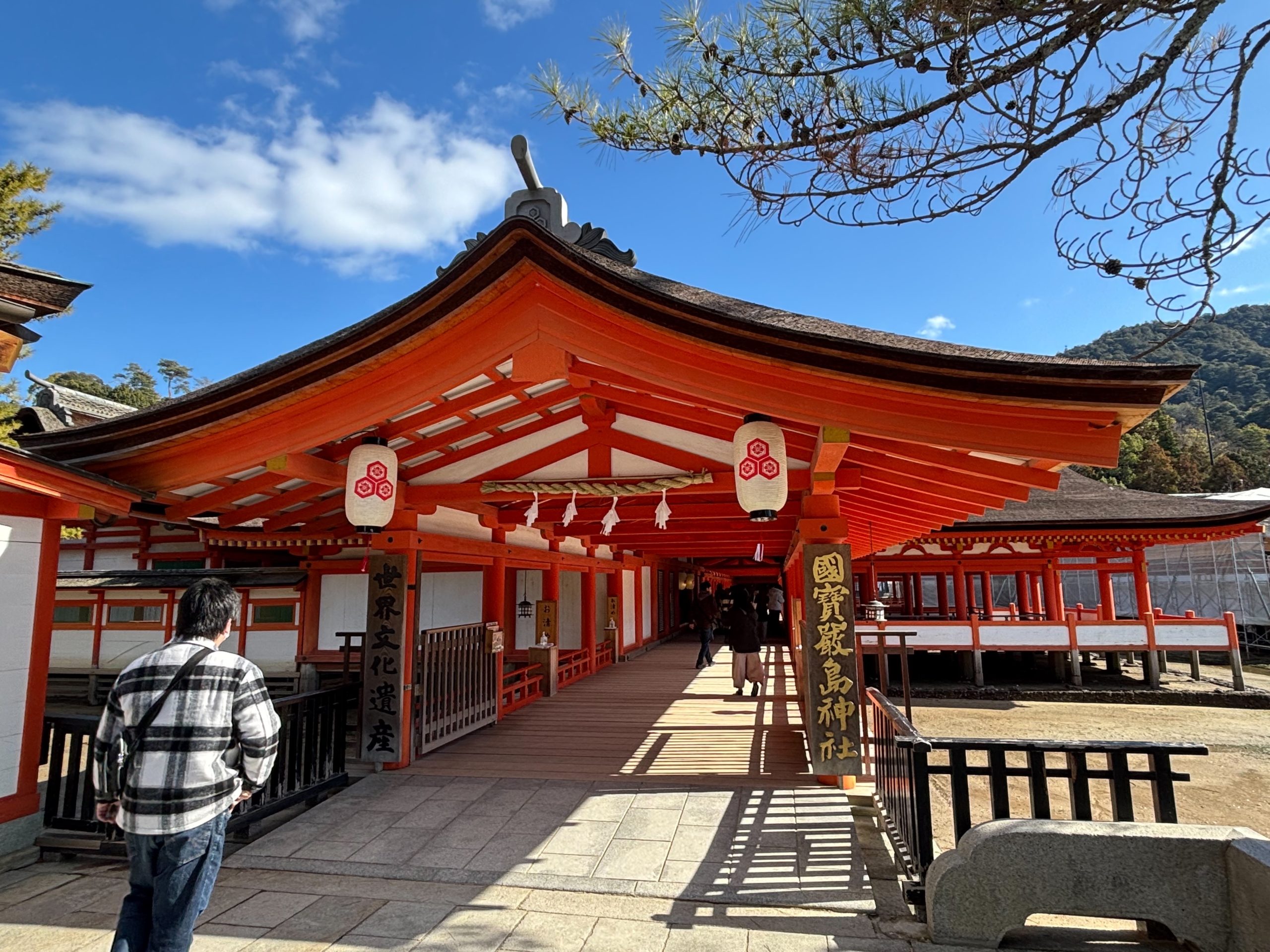
Itsukushima Shrine sits at the edge of the sea on Miyajima Island, jus...
Cherry Blossoms Only Miyajima Can Offer
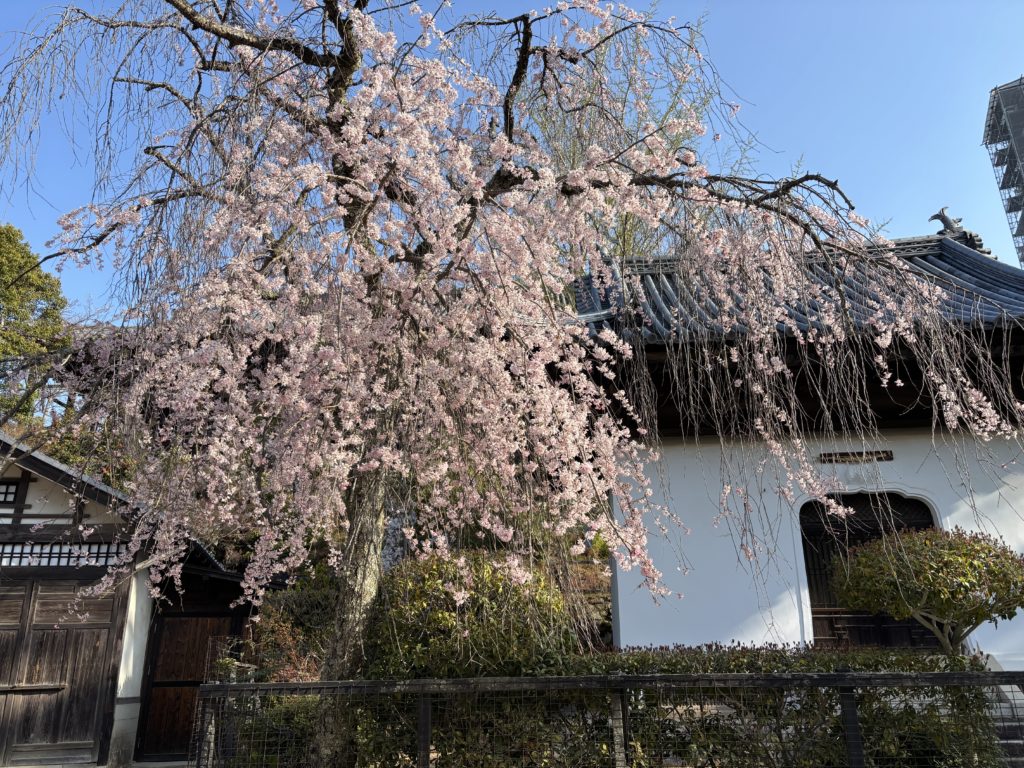
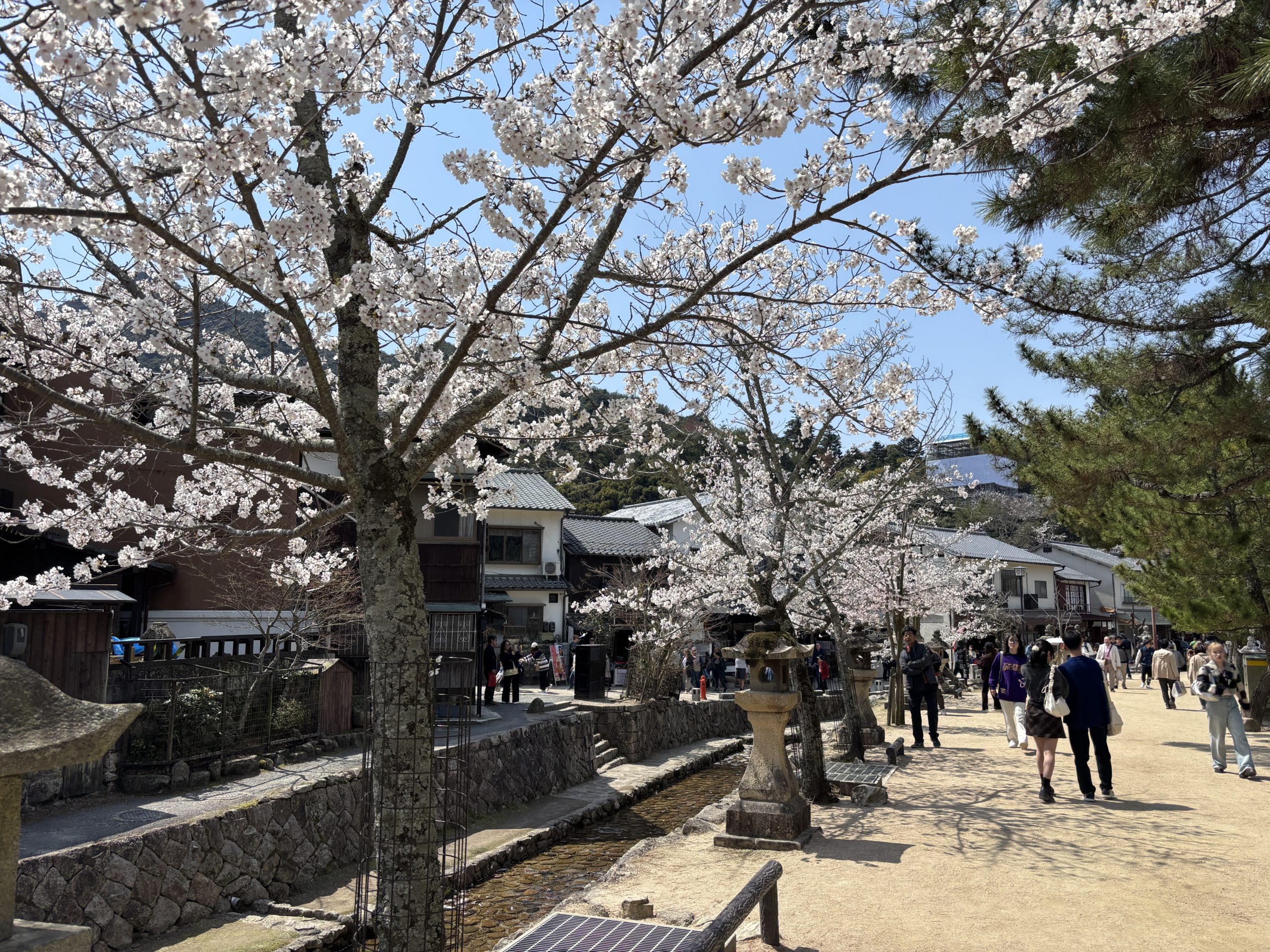
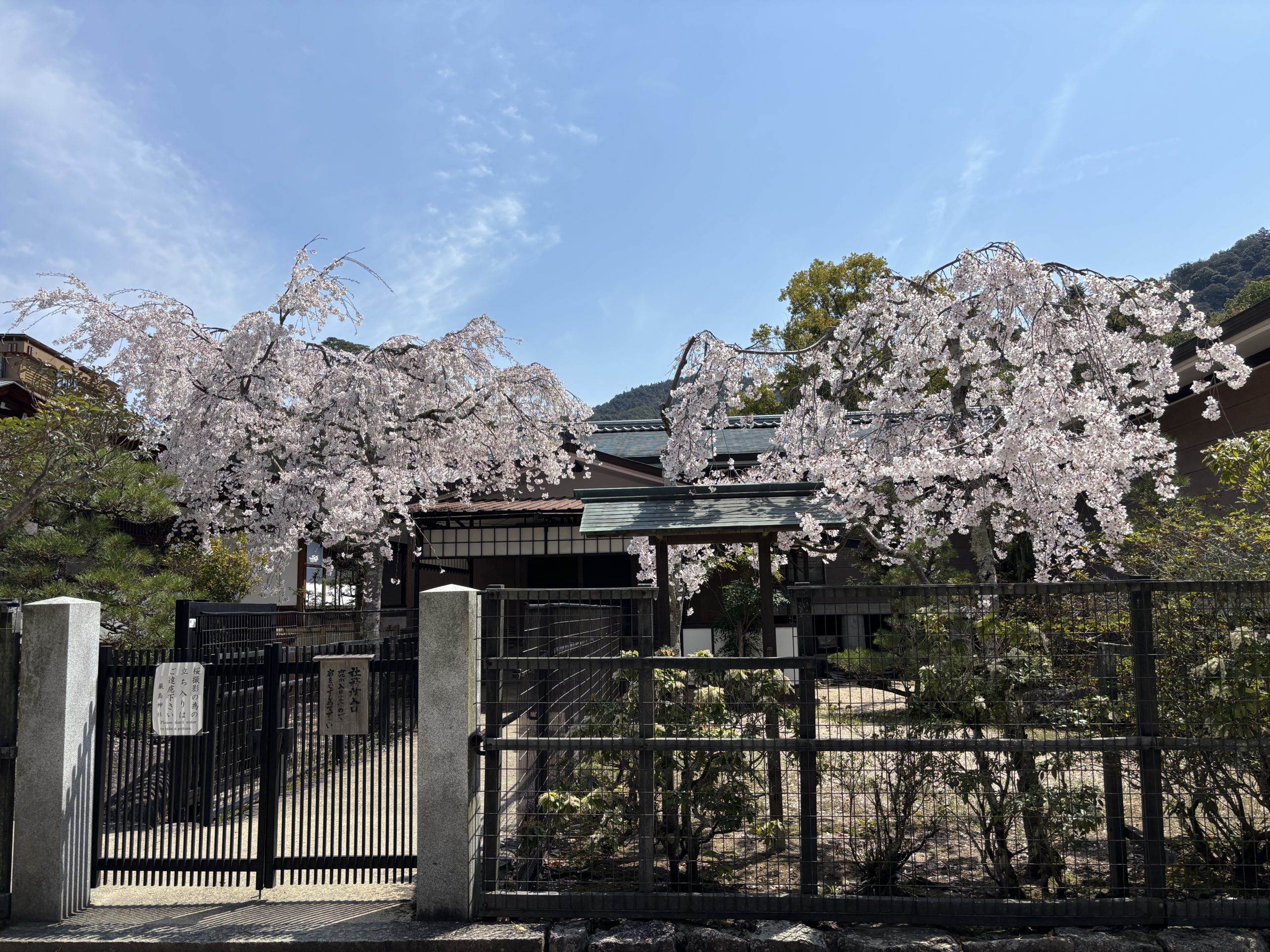
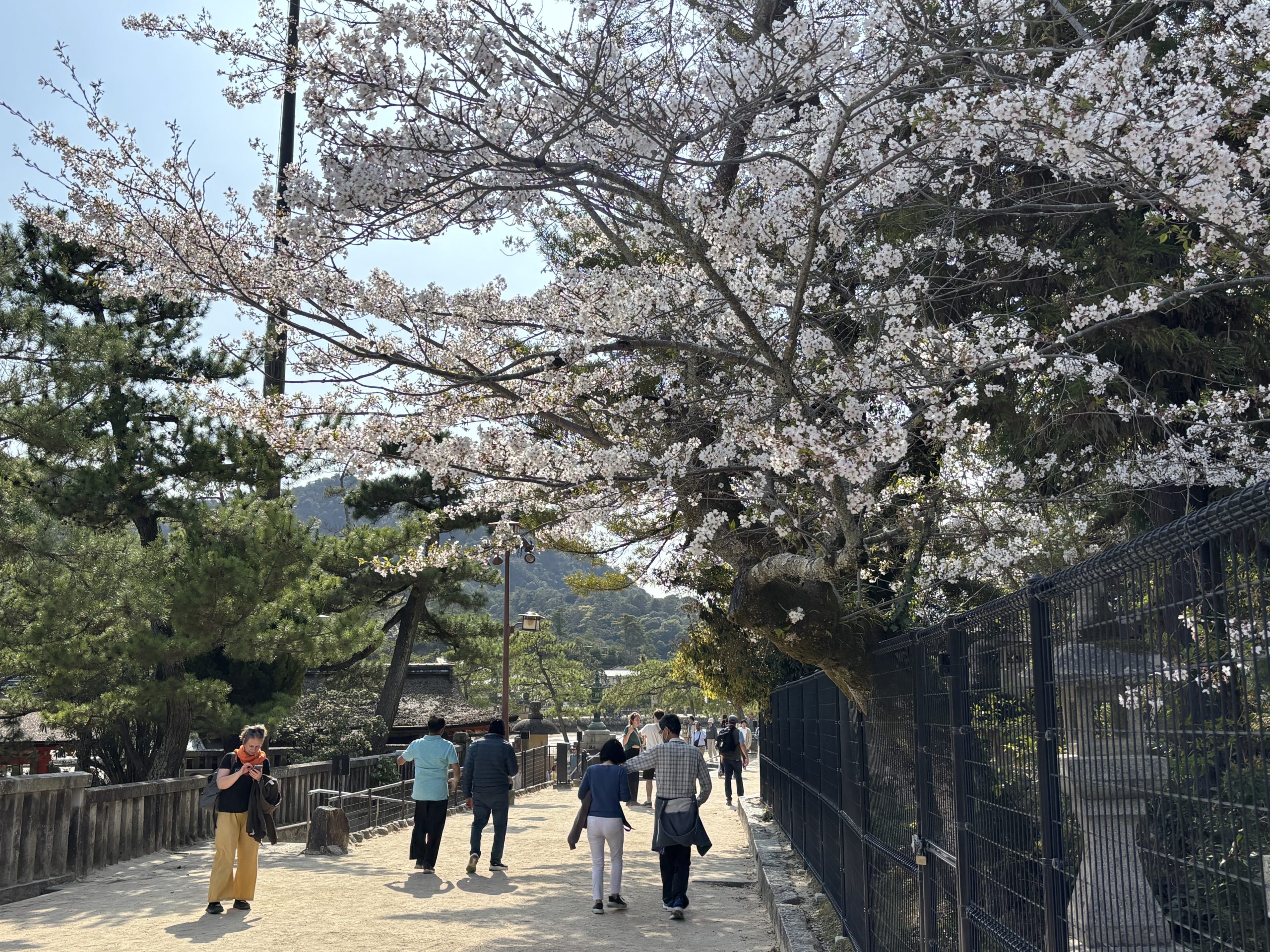
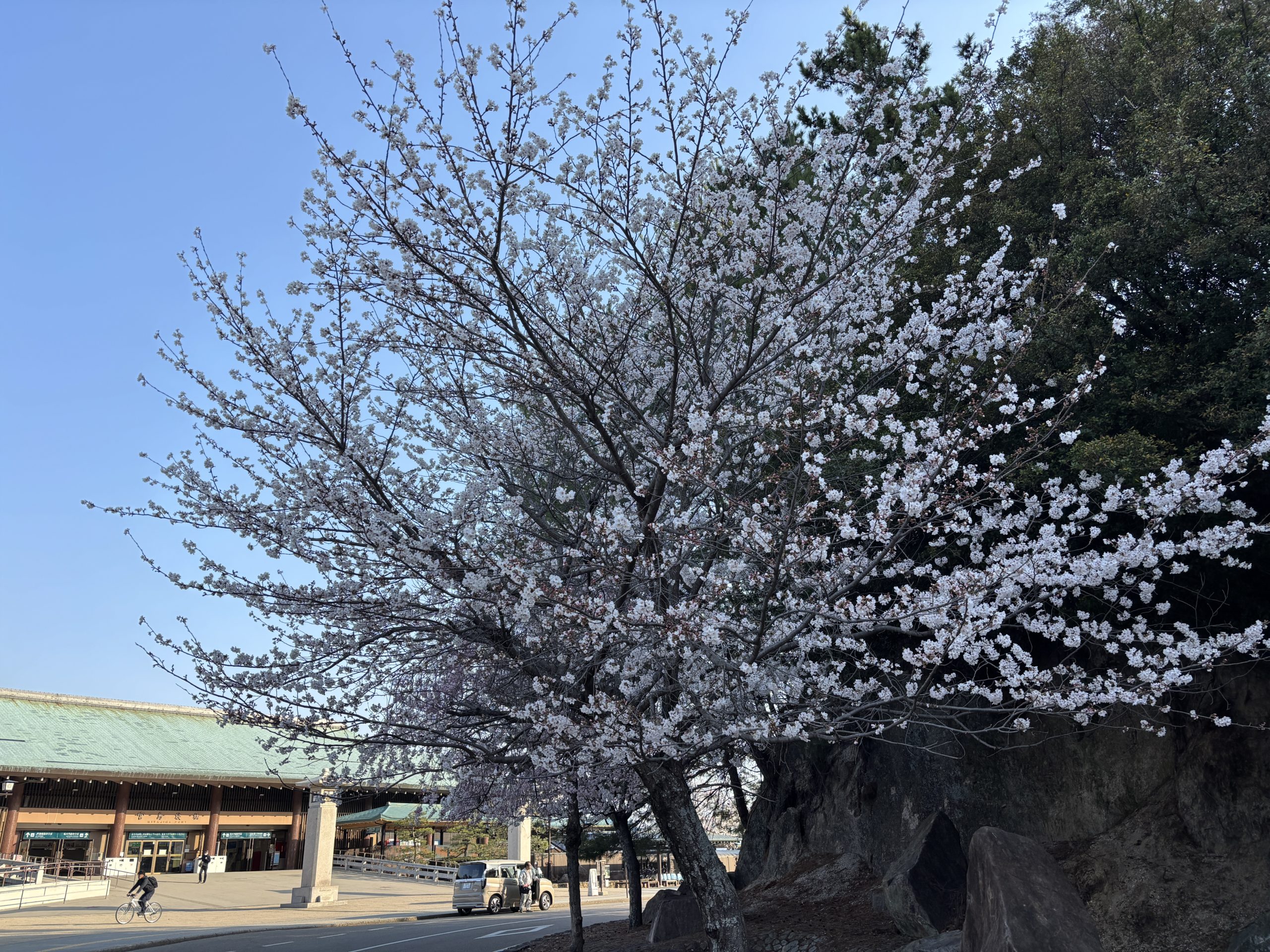
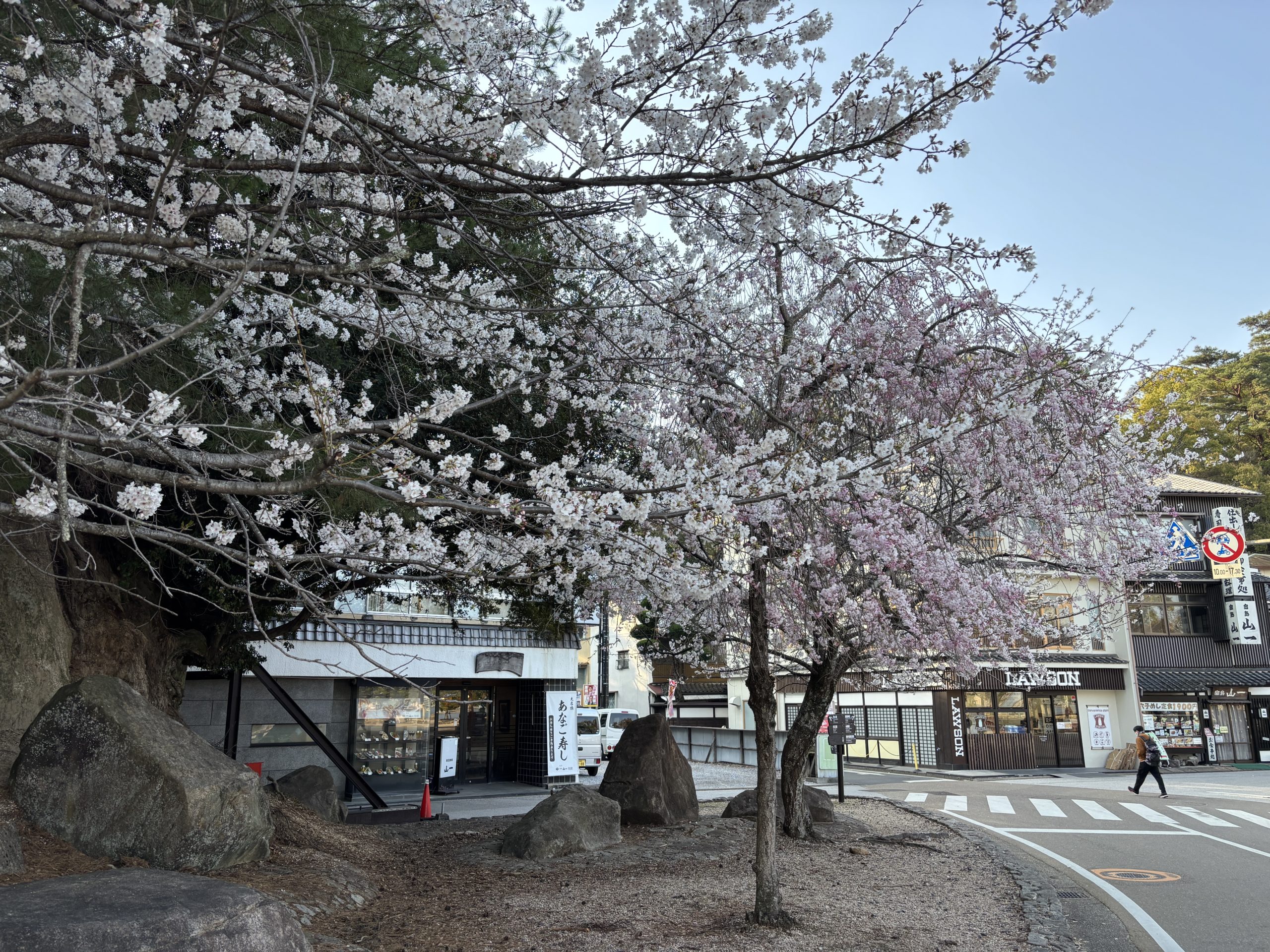

No matter which part of the island you wander during cherry blossom season, spring on Miyajima is beautiful at every turn — near the shrine corridors, along the shopping street, tucked into hillside paths, and reflected in the calm water of the bay. There will be slight variation from year to year, but full bloom on Miyajima generally falls somewhere in the window from late March to early April.
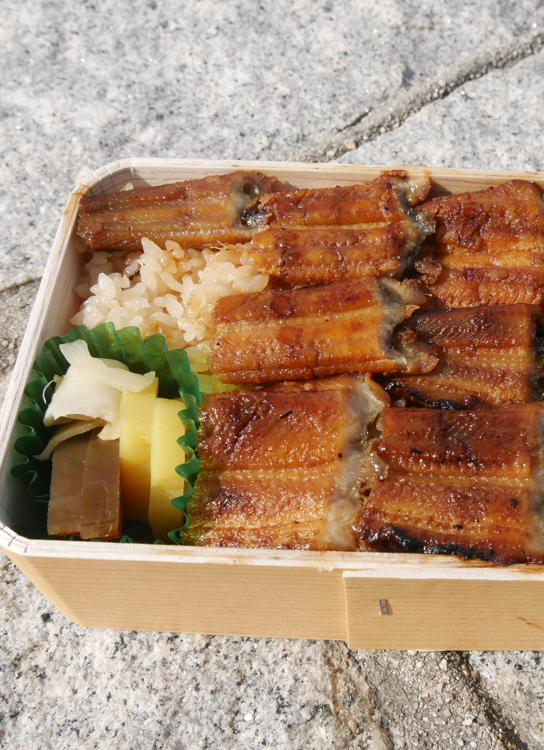
One of my favorite local traditions is picking up an anago (saltwater eel) bento box from a takeaway shop near the ferry terminal, then finding a bench in Omoto Park to eat it while watching the blossoms. It is a simple pleasure that combines two of Miyajima’s greatest gifts — its famous local cuisine and its extraordinary natural beauty — in one unhurried afternoon.
If you want to try Miyajima’s most famous local dish, our guide to anago rice covers the best places to enjoy it during your visit.
Miyajima Island is famous for its floating torii gate and ancient shri...
Also Worth Exploring This Spring
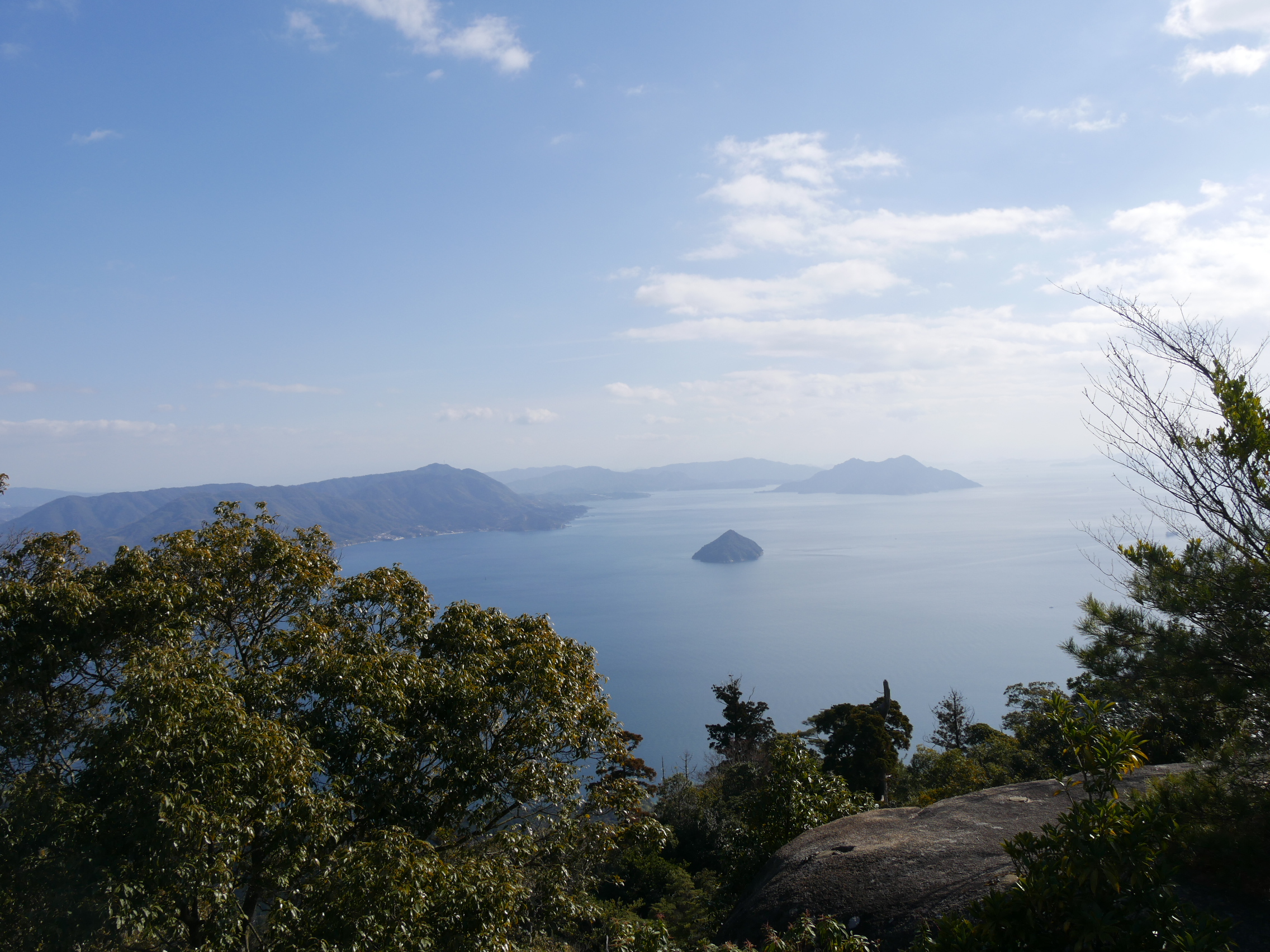
After soaking up the cherry blossoms at sea level, why not add a trip to the summit of Mount Misen? At 535 meters, the mountain offers some of the most stunning panoramic views in the Hiroshima region — and the ropeway makes it accessible without a strenuous hike. On a clear spring day with the cherry blossoms visible far below, the view from the top is truly unforgettable.
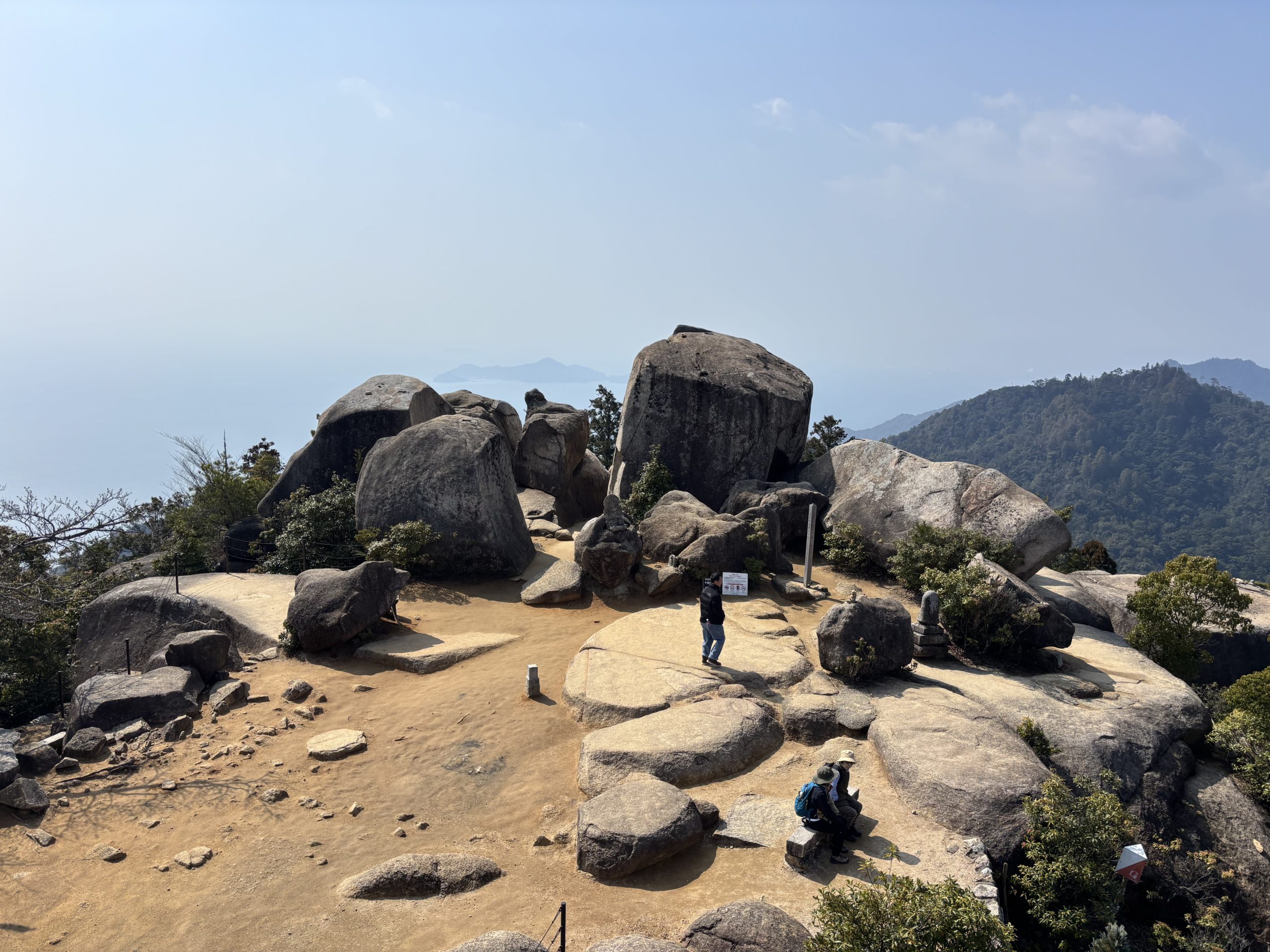
Rising 535 meters above Miyajima Island, Mount Misen is the sacred pea...
Summary: Plan Your Perfect Miyajima Cherry Blossom Trip
In 2025, Miyajima cherry blossoms are forecast to open around March 26, with full bloom expected around April 7. The sweet spots for crowd-free viewing are early morning arrivals before 10 a.m. and weekday afternoons between 2 and 4 p.m. For hidden-gem spots this year, Omoto Park and Fujinotana Park are the top local picks, particularly given the ongoing construction at the Tahoto Pagoda area. Families will find Omoto Park the most accessible option, while photographers chasing dramatic compositions should make the climb to the Seishin Daitoku monument.
For overnight visitors, the night illumination along the old stone paths and in Momibayashi grove is a truly special experience that day visitors simply cannot access. And whatever you do, don’t leave Miyajima in spring without spending at least a few minutes just sitting quietly beneath the blossoms — it is one of those rare travel experiences that stays with you long after you have returned home.
Note: Opening dates, facility information, and construction schedules are subject to change. Please verify details directly with the Miyajima Tourism Association or relevant facilities before your visit.
FAQ
When is the best time of day to see Miyajima cherry blossoms without crowds?
Weekday mornings between 6 a.m. and 10 a.m. are the least crowded times across the island, and Itsukushima Shrine can often be visited without waiting in line during this window. On weekends, try to arrive on the first ferry and cover the main spots before 9 a.m. Rainy days are another surprisingly good option — the island becomes genuinely peaceful, and the atmosphere around the shrine takes on a beautiful misty quality.
What are the 2025 cherry blossom dates for Miyajima?
Based on current forecasts, cherry blossoms on Miyajima are expected to open around March 26, 2025, with full bloom around April 7, 2025. For the most up-to-date information, follow the Miyajima Tourism Association’s social media accounts, which post daily photos of bud conditions during the season.
Is Miyajima accessible with a stroller during cherry blossom season?
Some spots are stroller-friendly, particularly Omoto Park, which is relatively flat and has good facilities including a baby changing room nearby. However, other popular blossom spots such as Momibayashi and the path to the Seishin Daitoku monument involve stone steps and narrow lanes that are not stroller-accessible. For those areas, a baby carrier is strongly recommended. The Miyajima Aquarium also offers free stroller rentals if you need one on arrival.
Is there a fee to see the cherry blossom night illumination?
Most of the lit areas are free to walk through in the evening. The main exception in 2025 is the Tahoto Pagoda area, which has restricted access due to restoration work scheduled through September. The Seishin Daitoku monument and Fujinotana Park are the recommended alternatives for night blossom viewing this year, and both are freely accessible.
What is the last ferry back from Miyajima?
The JR West Miyajima Ferry typically runs until around 22:14 as its last departure, though additional sailings are sometimes added during busy periods. Always check the current day’s timetable before your visit, as schedules can change. One useful tip: the JR ferry passes closer to the Great Torii Gate on the outbound crossing, which is worth factoring into your planning.
Where can I photograph deer with cherry blossoms on Miyajima?
Fujinotana Park and Omoto Park are the two spots where deer are most frequently seen resting among the cherry trees, with the sea visible in the background — ideal for photography. Note that selling deer crackers (shika senbei) was discontinued in 2019 for the animals’ health, so feeding is no longer an option. Keep snacks and bags secure, as deer on Miyajima are quite bold around food.
What is a good meal to eat while viewing cherry blossoms on Miyajima?
A local favorite is buying an anago (saltwater eel) bento box from one of the takeaway shops near the ferry terminal, then finding a bench at Omoto Park to eat while looking out over the cherry blossoms and the sea. It is a relaxed, quintessentially Miyajima experience. The Omotesando Shopping Street also has a wide variety of street food and takeaway options for a more casual blossom-season snack.
Food lovers exploring during cherry blossom season will find plenty of great options along Omotesando Shopping Street.
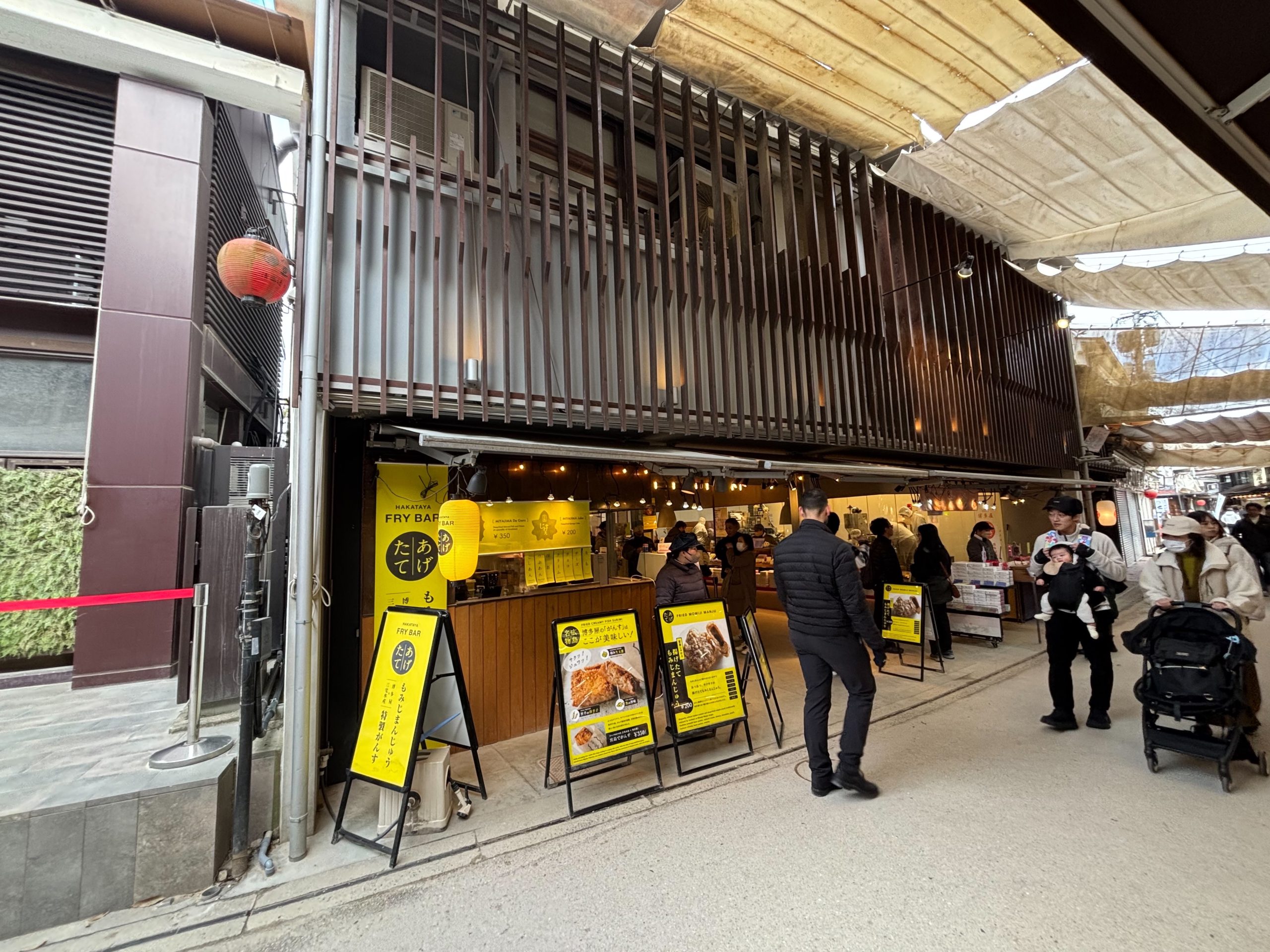
Miyajima's main shopping street — known locally as Omotesando — is a l...