Miyajima History and Folklore Museum: Where the Island’s Past Comes Alive
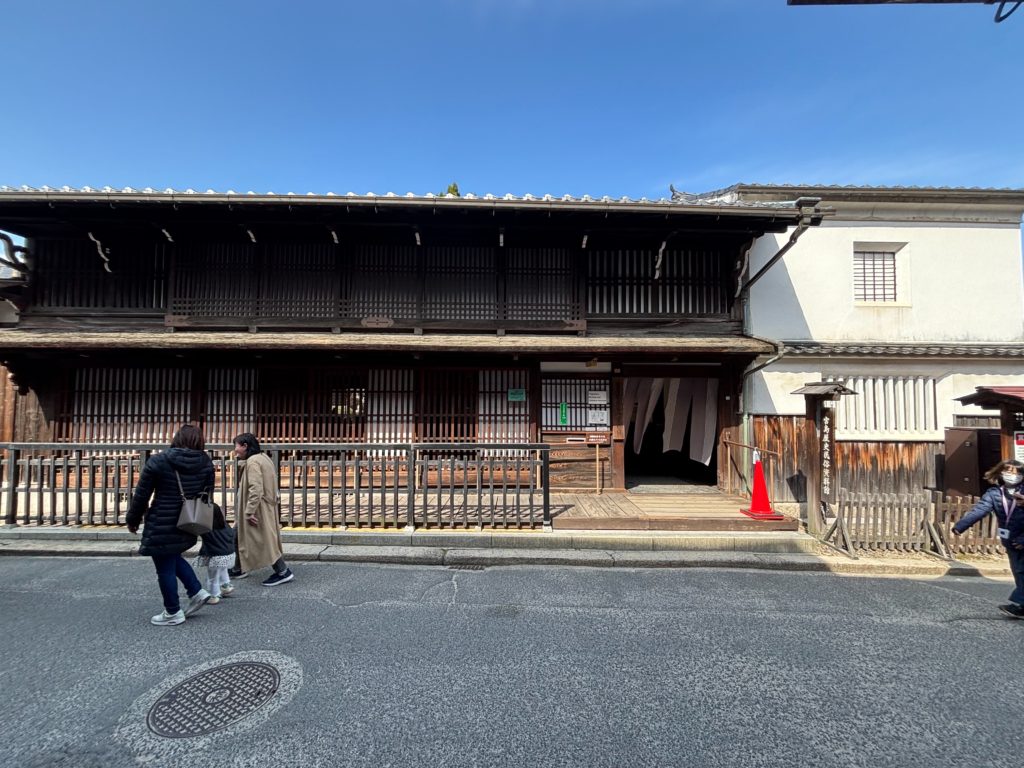
Tucked between Itsukushima Shrine and Miyajima Aquarium along the island’s quieter back road, the Miyajima History and Folklore Museum is one of the island’s most rewarding — and most overlooked — stops. Spread across six historic buildings centered around a traditional garden, the museum tells the story of Miyajima’s everyday life, festivals, crafts, and sacred history in a way that no shrine stroll alone can offer. It’s a short 20-minute walk from the ferry pier, and on a rainy day, it may just be the best decision you make all trip.
I live in Hiroshima and visit Miyajima regularly with my two daughters. This museum has become one of our favorites — especially when the weather doesn’t cooperate. My younger daughter (age five) loves inspecting the old tools and asking what everything was used for, and my older daughter, who is seriously into Japanese history, can easily spend 20 minutes in the Taira no Kiyomori exhibit alone.
If you want to time your visit to Itsukushima Shrine around the tides, it helps to plan your whole island route in advance. Our guide to the shrine covers the highlights and what to expect.
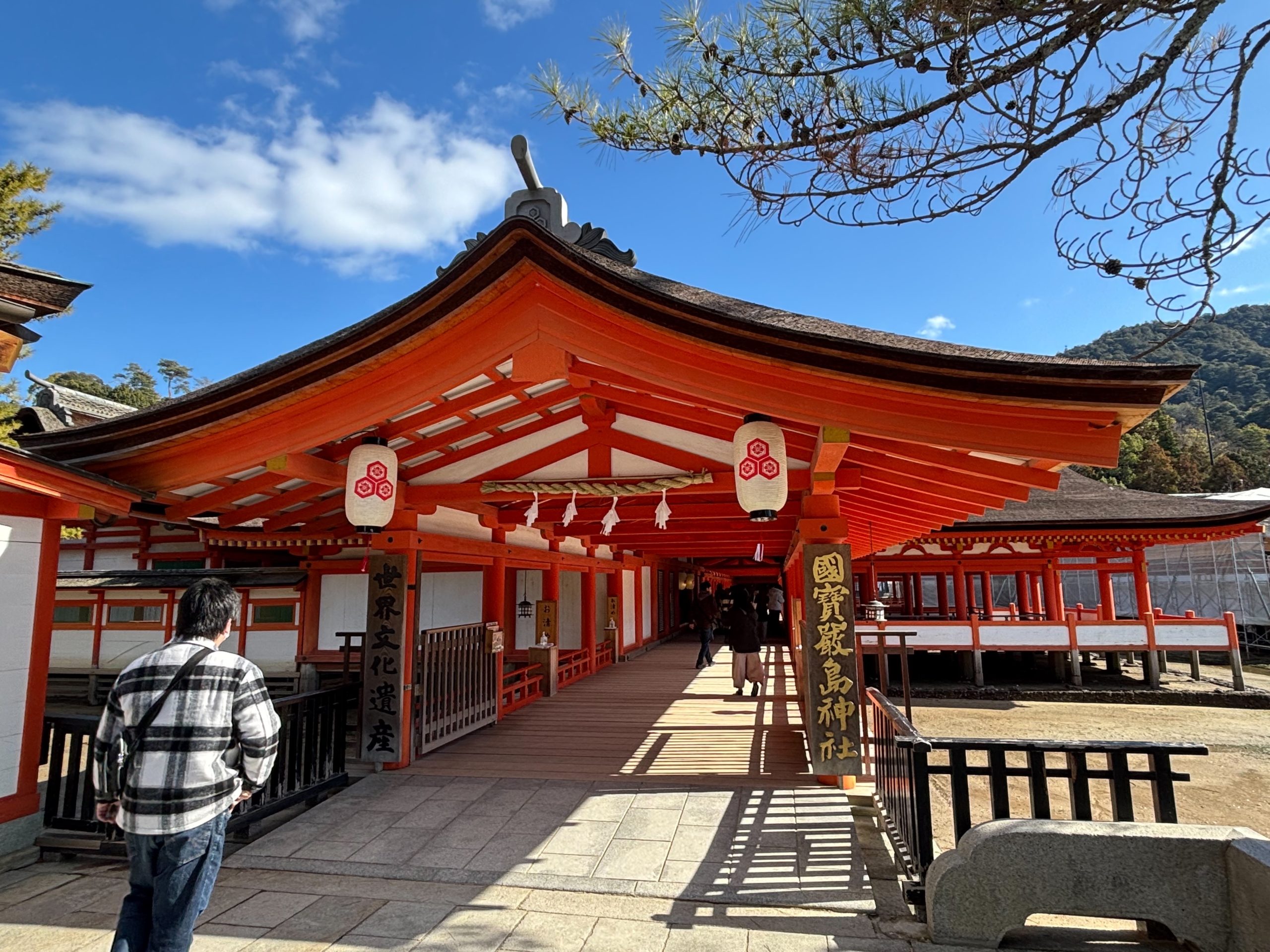
Itsukushima Shrine sits at the edge of the sea on Miyajima Island, jus...
About the Miyajima History and Folklore Museum
The museum opened in 1974 with a clear purpose: to preserve the folk tools, traditional crafts, and living culture of Miyajima before they disappeared in the rush of modernization. The grounds consist of a central garden surrounded by a main historic residence, several earthen storehouses converted into exhibit halls, and a preserved traditional townhouse — all working together as a single immersive experience.
The exhibits cover Miyajima’s geography, seasonal festivals, woodworking traditions, connections to Heian court culture, and the island’s long relationship with Itsukushima Shrine. There’s a tatami-floored sitting room where you can rest and look out onto the garden — a genuinely peaceful spot in the middle of a busy sightseeing day.
The Main Historic Residence (Former Egami Family House)
The centerpiece of the museum is the main building, the former home of the Egami family, constructed in the early 1800s. It is designated as a Registered Tangible Cultural Property of Japan — one of the highest preservation honors for historic structures.
The Egami family were wealthy merchants who prospered during the late Edo and Meiji periods through soy sauce brewing. The house was later purchased by the Iwaso Inn — a legendary Miyajima ryokan still operating today — and used as a private villa before Miyajima Town acquired it in 1971 to house the museum. A portion of the building was carefully restored at that time, but its essential Edo-period character remains intact.
Inside the tatami rooms, you’ll find personal items that once belonged to the Egami family, including beautifully preserved tortoiseshell combs — small objects that quietly convey the refined lifestyle of a prosperous island merchant household. Sitting in the wide tatami parlor and looking out at the garden, it’s easy to feel like time has slowed down considerably.
Note that some areas have uneven floors and low thresholds, as you’d expect in any building this old. With a stroller, folding it for certain sections is the safest approach — but it’s very manageable if you have an extra pair of hands.
The Four Exhibition Halls
Exhibition Hall A — Tools of Everyday Life
Hall A is housed in a preserved earthen storehouse and displays around 200 everyday folk items: wooden buckets, ceramic jars, iron pots, pulleys, and the kind of practical tools that sustained daily life on an island community. The exhibits are arranged so you can clearly understand what each item was made from and what it was used for — great for sparking conversation with curious kids.
Exhibition Hall B — Festivals and Island Ceremonies
Hall B focuses on the ritual and celebratory side of Miyajima life, presenting around 70 items including photographs, ceremonial objects, and scale models of the ornate boats used in Itsukushima Shrine’s festivals. Among the more charming exhibits: the original metal molds used to bake momiji manju, the maple-leaf-shaped cakes that have become Miyajima’s most famous souvenir. Seeing the molds up close gives you a real appreciation for how the treat went from a craft confection to a full-scale island institution.
Exhibition Hall C — Miyajima’s Woodworking Heritage
Hall C is dedicated to the woodcraft traditions that flourished on Miyajima from the late Edo period onward. Displayed across roughly 160 items, the collection covers the full production process for shamoji (the iconic rice paddles that remain Miyajima’s most beloved souvenir), lathe-turned trays and bowls, wooden spoons, confectionery boxes, and the distinctive carved designs known as Miyajima-bori.
Seeing the tools, workshop jigs, and merchant shop signs that supported this industry adds real depth to a craft that can otherwise feel like just another gift shop item. I always tell visitors: come here before you shop on Omotesando Shopping Street. Once you understand the craft history, choosing a shamoji feels much more meaningful.
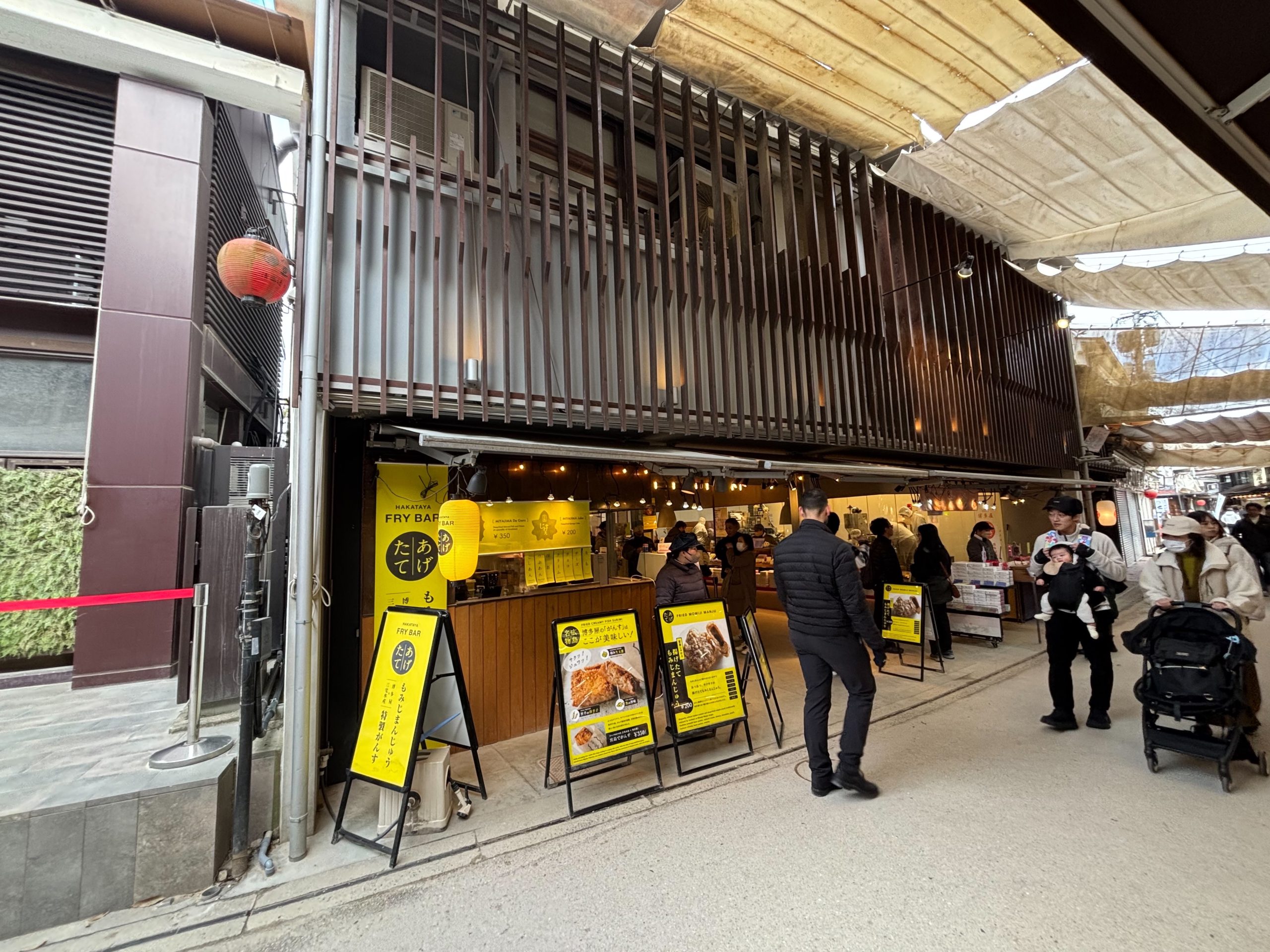
Miyajima's main shopping street — known locally as Omotesando — is a l...
Exhibition Hall D — Itsukushima Shrine and Taira no Kiyomori
Hall D is the most historically rich part of the museum. The ground floor is dedicated to the relationship between Itsukushima Shrine and Taira no Kiyomori, the powerful 12th-century warlord whose patronage transformed the shrine into the magnificent complex visitors see today. A striking statue of Kiyomori anchors the floor, and the display is divided into six thematic sections using video content, timelines, and historical artifacts. Some of the props from a major NHK historical drama are also on display and are worth a look.
The second floor covers Miyajima’s broader history from the Edo period onward through old photographs, calligraphy, ancient documents, and archaeological items — about 300 pieces in total. For anyone curious about how this small island became one of Japan’s most celebrated destinations, this floor provides real context.
One practical note for international visitors: some of the video content includes English subtitles, which makes this section particularly accessible for non-Japanese-speaking families.
The Traditional Miyajima Townhouse
One of the most distinctive architectural features preserved at the museum is the layout of a classic Miyajima merchant’s home. Traditional Miyajima houses were built long and narrow — wide frontages were expensive and taxed accordingly, so families maximized depth instead. Walking from the front entrance, you’d pass through a “toori-niwa” (an open interior passage used as a working area), then through the front room, the middle room, and finally into the inner parlor at the back.
A particularly telling detail: in the middle room, the ceiling was intentionally left open to the roof structure, and a family altar was placed on top of the cabinet below. This reflects the deeply sacred character of Miyajima — even the layout of an ordinary home acknowledged the island’s spiritual nature. It’s the kind of quiet, specific detail that stays with you.
Photography Inside the Museum
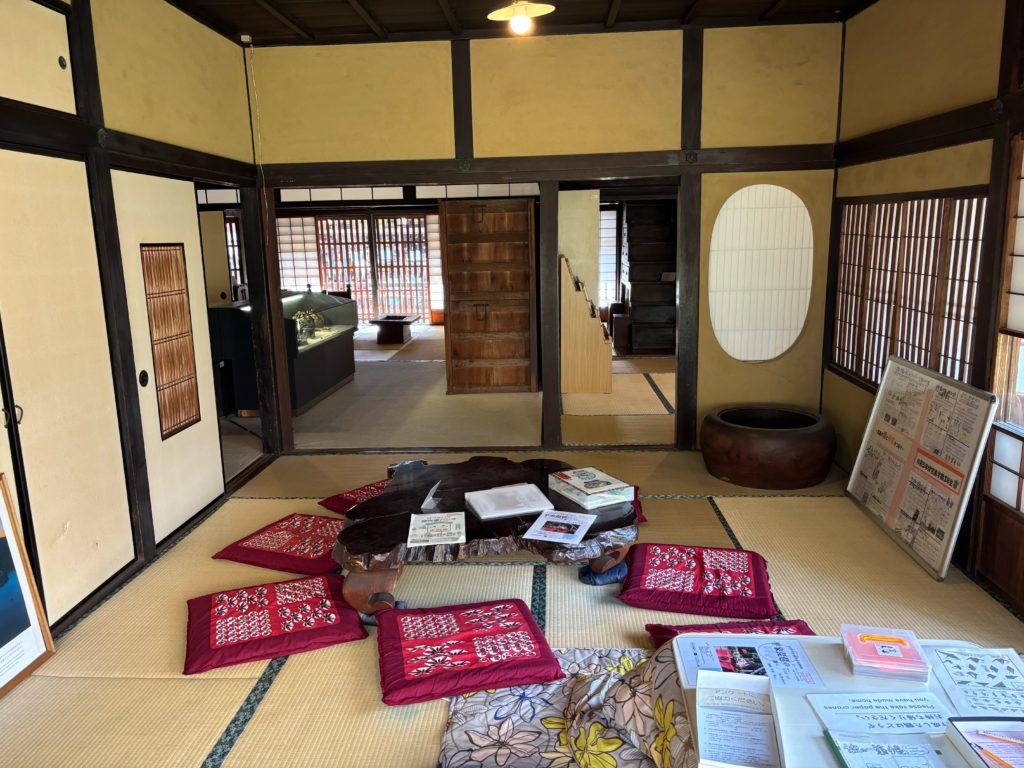
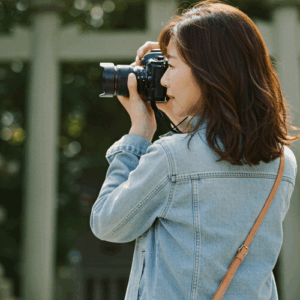
Photography is generally not permitted inside the exhibition rooms, as the artifacts are being actively preserved. However, the adjacent traditional townhouse can be photographed in many cases — and it’s worth it. The interiors have a quality that genuinely feels like a film set from another era. If you enjoy architectural photography, this is a memorable spot. Tripods and selfie sticks are best left outside to keep the narrow spaces clear for other visitors.
Visiting the Miyajima History and Folklore Museum: Hours, Admission, and Access
Opening Hours and Closures
The museum is generally open from 9:00 AM to 5:00 PM, with last admission at 4:30 PM. It is closed on Mondays — or the following Tuesday if Monday falls on a public holiday — and from December 26 through December 31. Always confirm current hours through the official information before your visit, as seasonal schedules may vary.
In terms of timing, mornings tend to be quieter. Afternoon crowds often increase as visitors wrap up at Miyajima Aquarium nearby and stop in on their way back to the ferry. A local tip I’ve picked up: weekdays between 2:00 and 4:00 PM are reportedly the least busy if your schedule is flexible.
Admission
Entry fees are very reasonable. Adults pay approximately ¥300, high school students approximately ¥170, and elementary and junior high school students enter free. Visitors aged 65 and over receive a discounted rate (age verification applies). Groups of 15 or more may be eligible for a group rate — check with the front desk on the day. Visitors presenting a disability certificate enter free of charge.
Getting There
The museum’s address is 57 Miyajimacho, Hatsukaichi, Hiroshima Prefecture. The phone number is 0829-44-2019.
From Hiroshima, take the ferry from Miyajima-guchi — the crossing takes about 10 minutes. From the Miyajima ferry pier, the museum is approximately a 20-minute walk. Itsukushima Shrine is roughly 10 minutes from the pier; the museum is about another 10 minutes beyond that, in the direction of the aquarium.
Private vehicles cannot be brought onto Miyajima Island. Park at one of the lots near Miyajima-guchi station on the mainland and take the ferry across. Ferries run frequently during the day, but it’s worth checking the return schedule before you commit to a late afternoon visit.
One small tip from a local: the JR ferry passes closer to the Great Torii Gate than the Matsudai ferry does, at least on the outbound journey. If you haven’t seen the gate up close from the water yet, the JR ferry is the more scenic option.
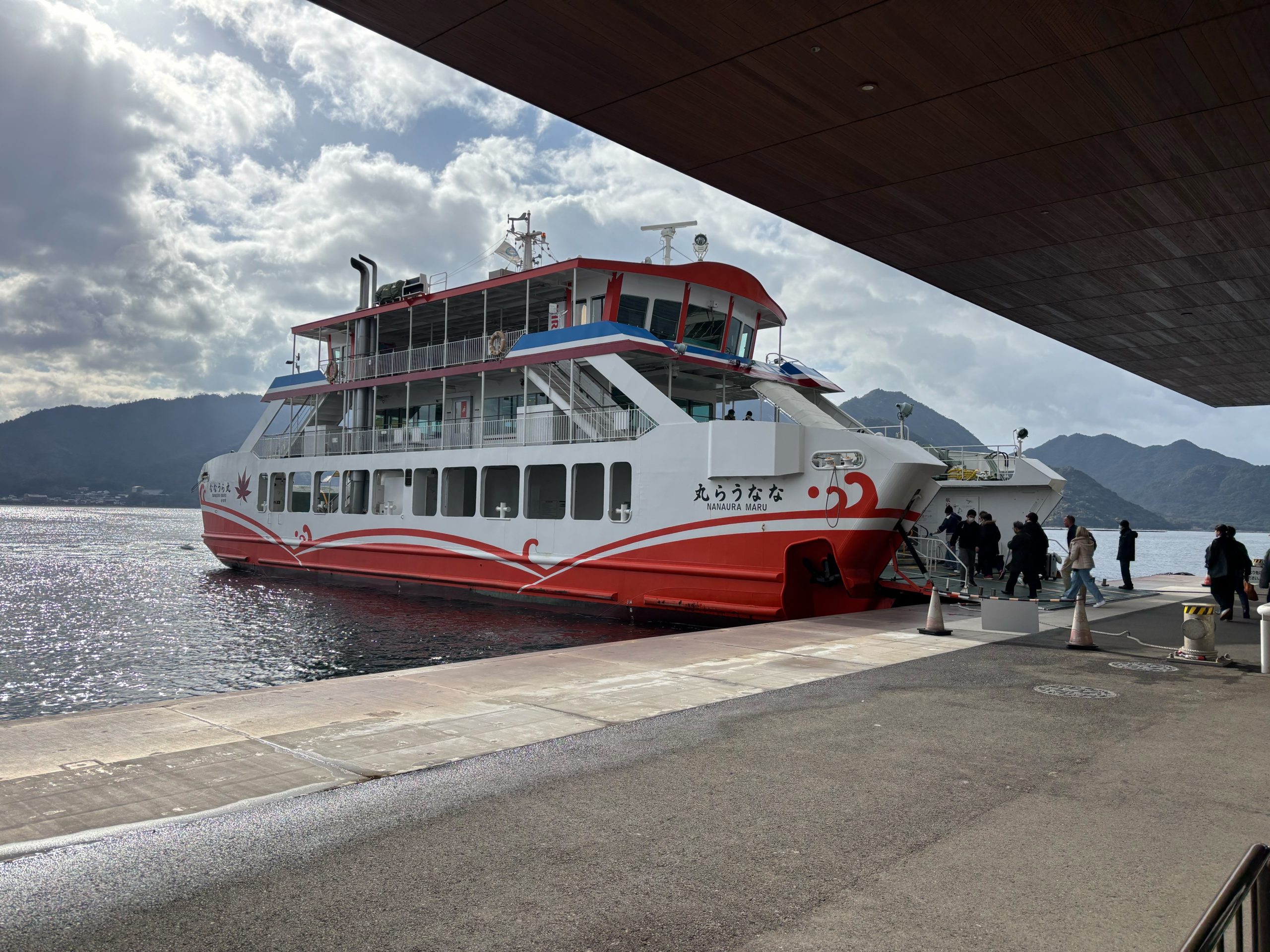
The Miyajima ferry isn't just a way to get to the island — it's the be...
How Long Does a Visit Take?
Most visitors complete a comfortable circuit of the main house and all four exhibition halls in 30 minutes to an hour. If you’re reading the video content carefully or spending time in the Kiyomori exhibit, budget a little extra. The garden benches and the tatami sitting room are good places to take a break, and the suggested route — Hall A → B → C → D → main house — keeps the flow natural.
Strollers, Wheelchairs, and Accessibility
The museum grounds include some uneven surfaces, stone paths, and thresholds typical of historic buildings. Strollers can be used through much of the site, but folding for certain sections is advisable. Barrier-free areas and a multipurpose accessible restroom (wheelchair and ostomy-fixture compatible) are available on site. An AED is also installed on the premises.
One useful tip for families with babies or toddlers: Miyajima Aquarium offers free stroller loans, so if you’re combining both visits — which is easy since they’re on the same walking route — you could pick up a loaner at the aquarium first and return it afterward.
Restrooms and Nursing
Restrooms are available on site. The multipurpose restroom can also be used for nursing or diaper changes. For a dedicated nursing room, the Miyajima Tourist Information Office on Omotesando Shopping Street has a nursing space on the second floor — about a five-minute walk from the museum.
For large bags and luggage, coin lockers near the Miyajima ferry pier are the most practical option, letting you explore hands-free.
Combining the Museum with Other Miyajima Highlights
The museum sits naturally in the middle of a classic Miyajima walking route. A full family day might look something like this: check the tide schedule first and time your visit to Itsukushima Shrine accordingly, then walk through the shopping street toward Miyajima Aquarium with a stop at the museum along the way. On the return, browse Omotesando Shopping Street for shamoji or momiji manju — both of which you’ll now appreciate in a completely different way after visiting the museum.
On rainy days, this sequence is especially effective: the museum and aquarium are both largely indoors, and the shrine’s covered corridors are walkable in light rain. It’s a reliable plan when the weather doesn’t go your way.
The museum also organizes occasional special exhibitions and garden events throughout the year, so there’s always the possibility of something new to discover on a return visit.
For visitors with a serious interest in history, Daisho-in Temple is another natural pairing. It’s one of Miyajima’s most important Buddhist sites and connects well to the religious and cultural threads you’ll encounter in the museum’s exhibits.

Discover Daishoin Temple, Miyajima's oldest and most sacred Buddhist site. History, highlights, seasonal events, and practical visitor tips.
After the aquarium, it’s also common for families to stop here on the way back to the ferry — kids who just spent an hour watching fish seem to find the old tools and festival displays surprisingly engaging. The transition from marine life to folk history works better than you’d expect.
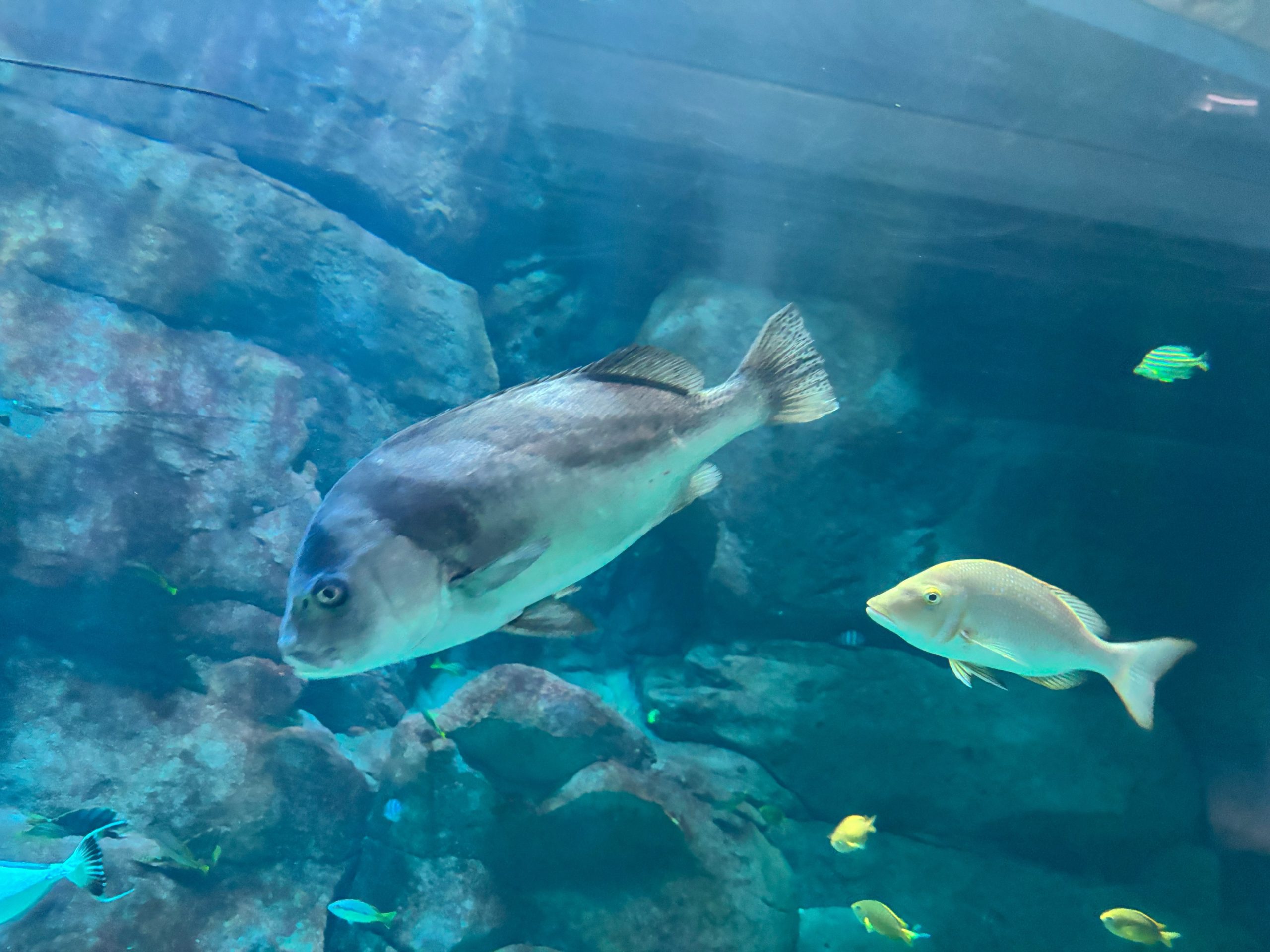
Miyajima Aquarium — officially known as Miyajima Marine, or Miyaji Mar...
If you want to see how everything you’ve learned fits into the bigger picture, our guide to Miyajima’s World Heritage designation is a good read before or after your visit.
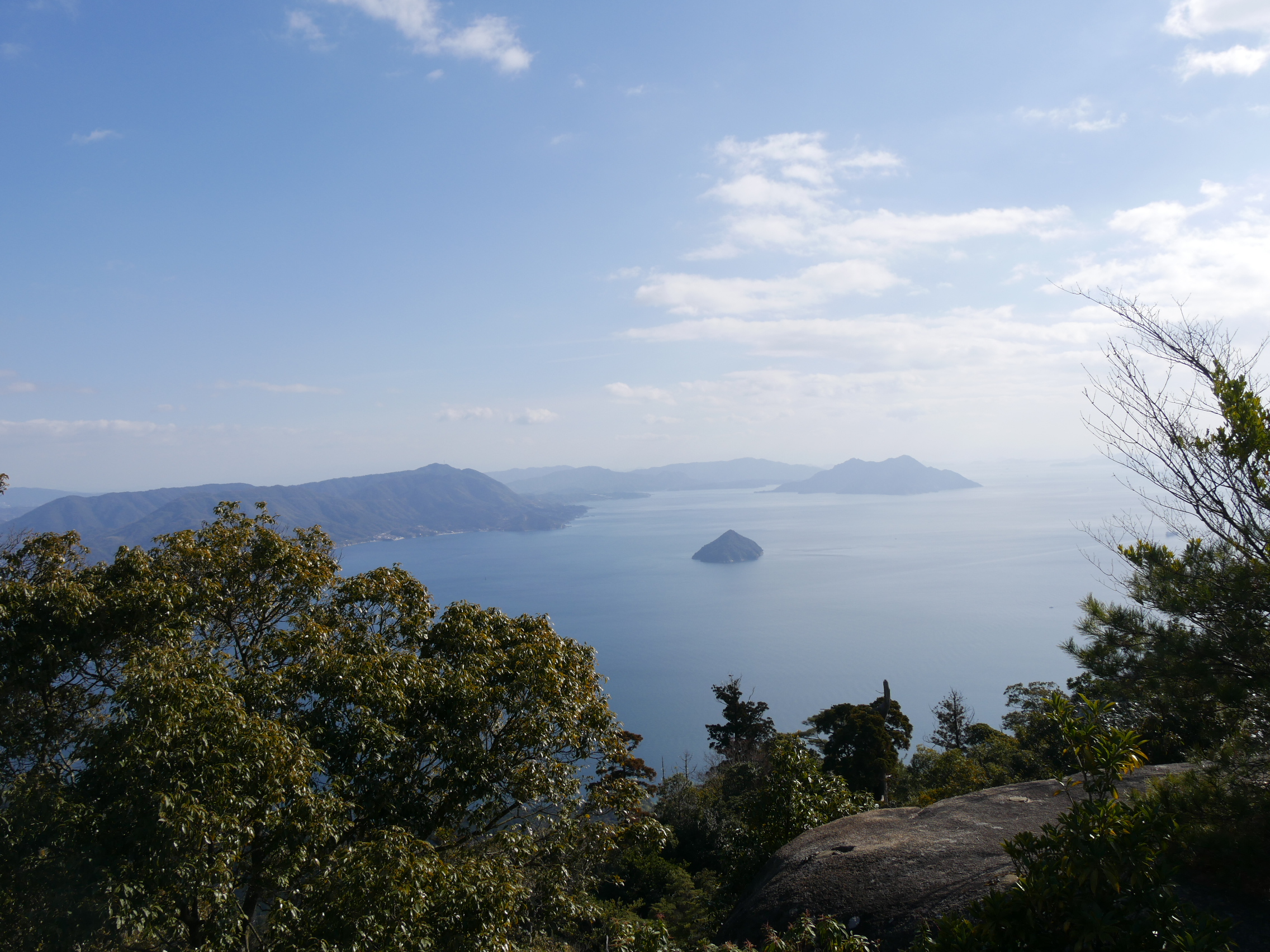
Rising dramatically from the sea off the coast of Hiroshima, Itsukushi...
One small cautionary note from personal experience: always double-check the tide schedule before heading out. I once misjudged the low tide timing and missed seeing the Great Torii Gate at its most dramatic. The Miyajima Tourism Association website has the most accurate tide information.
Facility details including hours, admission fees, and services are subject to change. Please verify the latest information through the official museum or tourism authority before your visit.
FAQ
How long does it take to visit the Miyajima History and Folklore Museum?
A comfortable visit covering all four exhibition halls and the main historic residence takes between 30 minutes and one hour. If you plan to watch video content carefully or spend extra time in the Kiyomori exhibit on the second floor of Hall D, allow a little more time. The tatami sitting room is a pleasant spot to pause mid-visit.
How much does admission cost?
Adults pay approximately ¥300 and high school students approximately ¥170. Elementary and junior high school students enter free. Visitors 65 and older receive a discounted rate with age verification, and those presenting a disability certificate enter free. Groups of 15 or more may qualify for a group rate — ask at the front desk.
Is it a good option on a rainy day?
Yes — it’s one of the best rainy-day choices on Miyajima. The majority of the exhibits are housed indoors, and the earthen storehouse buildings and main residence all provide covered viewing. Keep in mind that rain tends to push more visitors inside, so arriving in the morning will give you a calmer experience.
Is the museum accessible with a stroller or wheelchair?
Mostly yes, with some caveats. The site has areas with gravel paths, steps, and historic thresholds, so stroller users should be prepared to fold and carry in certain sections. Barrier-free areas and a fully accessible multipurpose restroom are available. The museum also has an AED on site.
Is there any English-language content?
The main exhibits are in Japanese, but some of the video content in Exhibition Hall D includes English subtitles, making the Taira no Kiyomori section particularly accessible for international visitors. English-language pamphlets may have limited availability — it’s worth asking at the front desk on arrival.
Can I take photos inside?
Photography is generally not permitted inside the exhibition rooms to protect the artifacts. The adjacent traditional townhouse may allow photography — check with staff on the day. Tripods and selfie sticks are best left outside to avoid blocking the narrow historic passageways.
What else is nearby that I can combine with a visit?
The museum sits between Itsukushima Shrine and Miyajima Aquarium on the island’s main walking route, making it easy to combine all three in a single day. Omotesando Shopping Street is also a short walk away. For history enthusiasts, Daisho-in Temple is another worthwhile stop that pairs well thematically with what you’ll see at the museum.