Etto Miyajima: The Ferry Terminal Complex Worth a Stop on Its Own
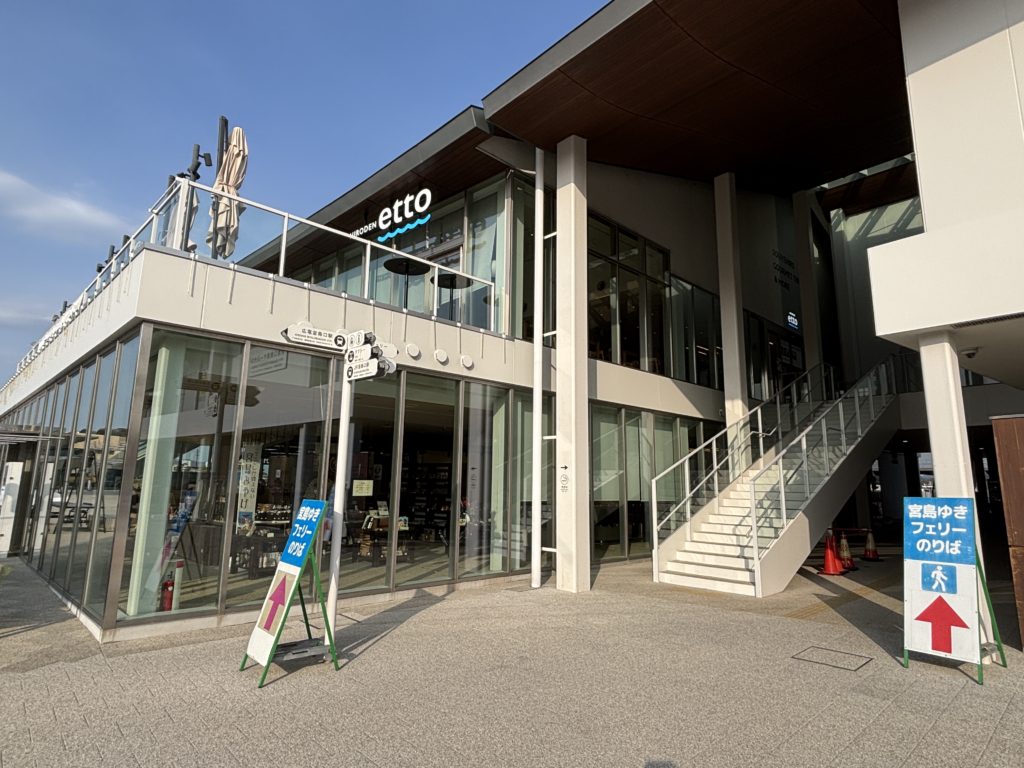
Just one minute on foot from Hiroden Miyajimaguchi Station — and three minutes from JR Miyajimaguchi Station — etto Miyajima is a bright, welcoming tourist complex packed with 16 shops and restaurants right at the gateway to Miyajima Island. Whether you are heading to the island or just returning from a full day of sightseeing, etto makes a natural and genuinely enjoyable stop for souvenirs, a proper meal, or a relaxed coffee break with views of the Seto Inland Sea.
The name “etto” comes from the Hiroshima dialect word meaning “a lot” or “plenty” — a fitting description for a place that aims to offer everything you need for the perfect Miyajima prologue or epilogue. Since opening on April 2, 2020, the facility has welcomed over two million visitors annually, and its warm wood-toned interior design and glass-walled sea views give it a sense of place that goes well beyond a typical transit hub.
I have visited with my husband and two daughters more times than I can count, and what keeps us coming back is how effortlessly the whole experience fits around the ferry schedule — shopping and snacks on the way in, a sit-down meal with ocean views on the way out.
What Is Inside Etto Miyajima
The building is organized across two floors, each with its own personality. The first floor, called Itsukushi Marche, is centered on local food products, take-away snacks, and souvenir shopping. The second floor, called Oogottso Dining, is home to full-service restaurants — every seat offering a view of the water and the ferries gliding past.
The layout is thoughtfully designed for families and travelers on the move. Wide corridors, elevators, escalators, and a covered walkway that connects directly to the ferry terminal mean you stay dry even in a downpour. First-timers will also appreciate the four-language signage (Japanese, English, Traditional Chinese, and Korean) throughout the building.
Free Wi-Fi and USB charging ports are available in the first-floor rest area, making it easy to review ferry times or sort through photos while you wait. The facility is open year-round, and the facility won a Hiroshima Prefecture Best Tourism Facility Award in 2024.
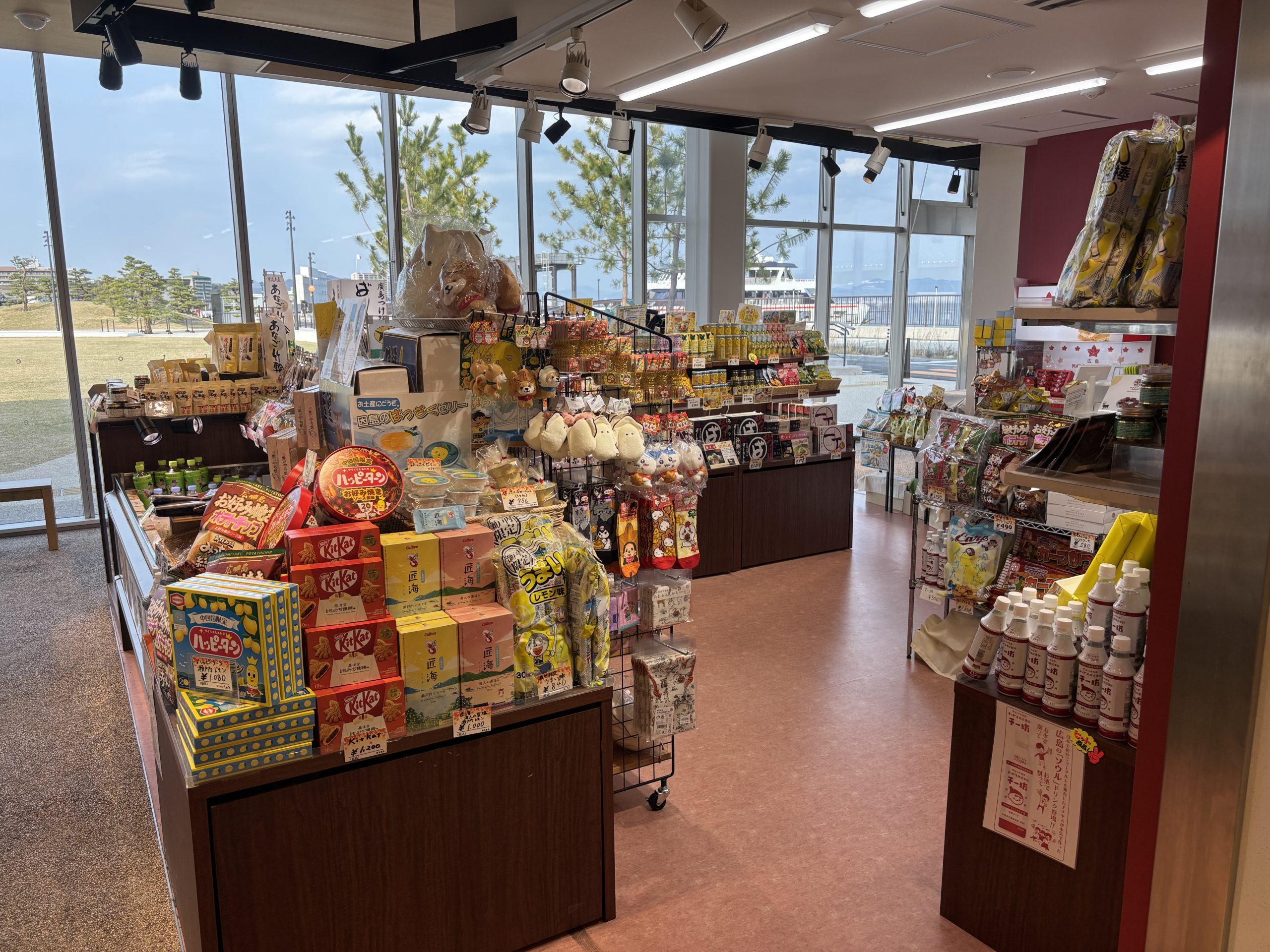
My personal routine: grab a coffee or a quick snack on the first floor before catching the ferry, then claim a window seat on the second floor for a proper meal when we come back from the island. My eldest once took well over a hundred photos from the terrace — the light off the sea is genuinely that good.
Before heading to Miyajima, it is worth quickly checking ferry schedules and any congestion updates. One tip well-known among locals: the JR Ferry route passes closer to the Great Torii Gate, which makes for a memorable approach to the island.
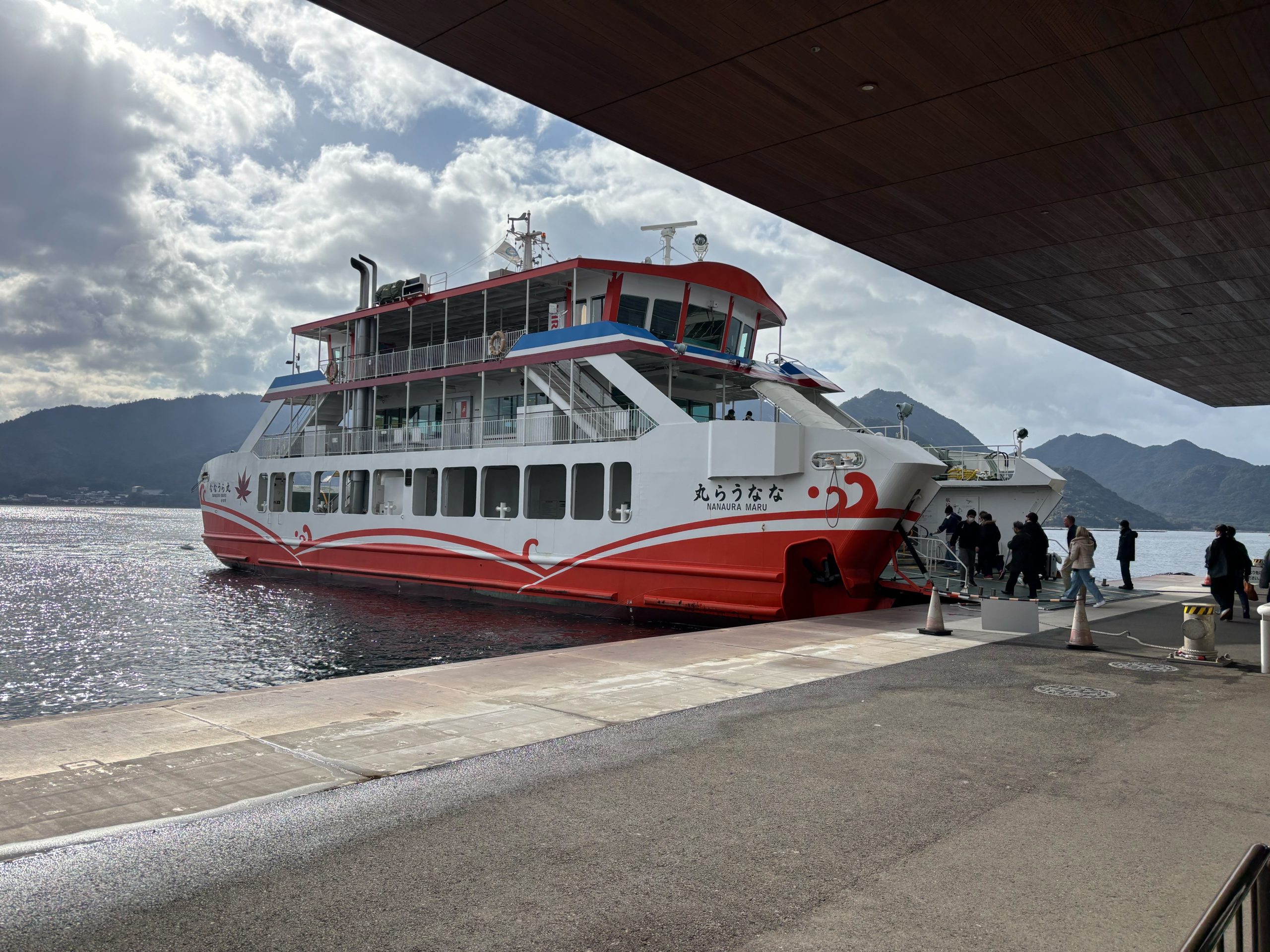
The Miyajima ferry crosses from Miyajimaguchi pier to Miyajima in abou...
If you are arriving by car, it is a good idea to check parking options in advance. There are affiliated parking lots nearby, and with a bit of planning you can take advantage of discount validation offered at etto’s shops.
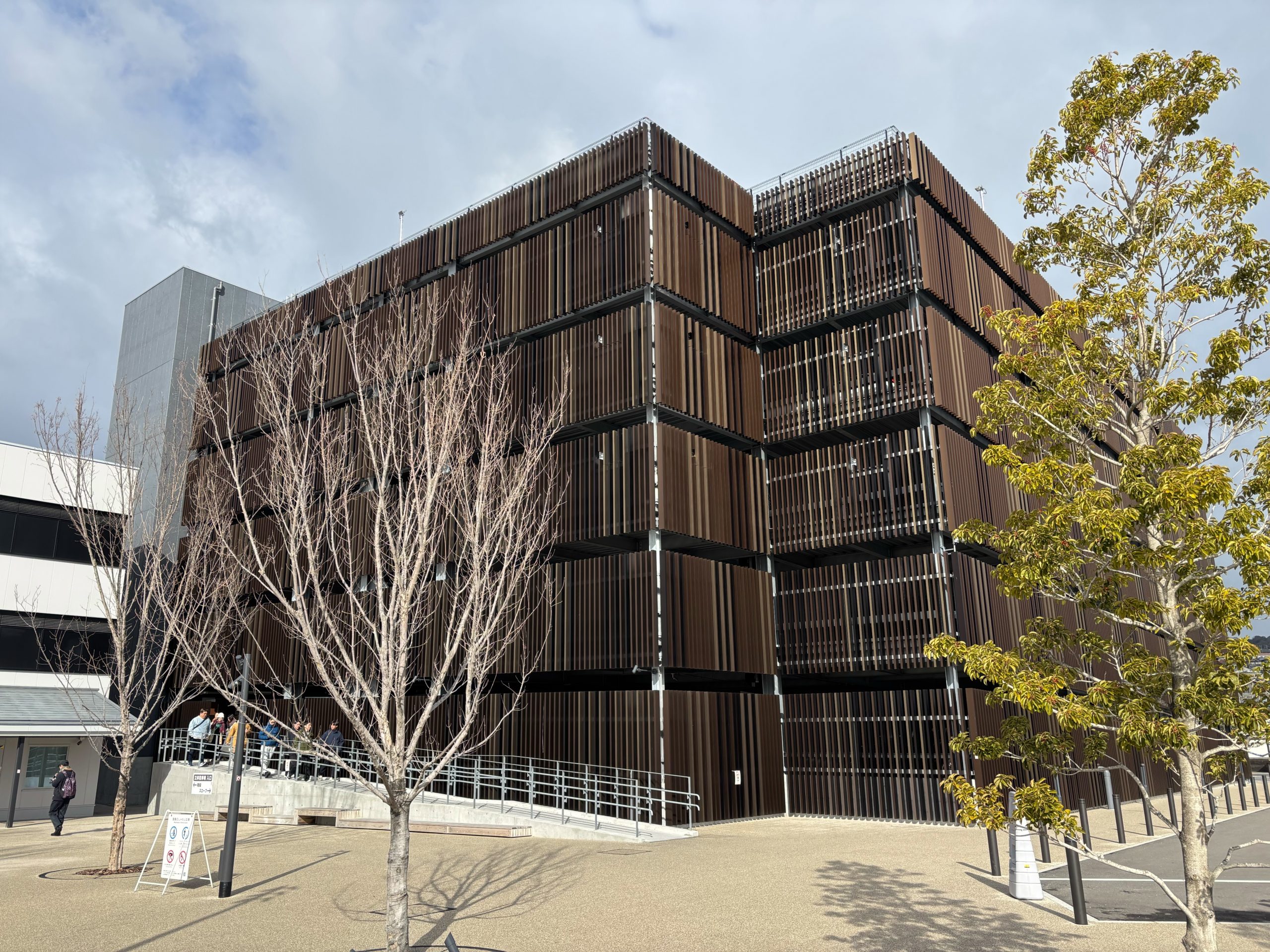
If you're driving to Miyajima and want parking that's close to the fer...
Shops and Restaurants at Etto Miyajima
Here is a closer look at the main tenants you will find inside. The mix covers everything from classic Hiroshima souvenirs to sit-down okonomiyaki to artisanal matcha drinks — there is genuinely something for every member of the group.
Ryoko no Tomo Honpo — Furikake Rice Seasoning Shop
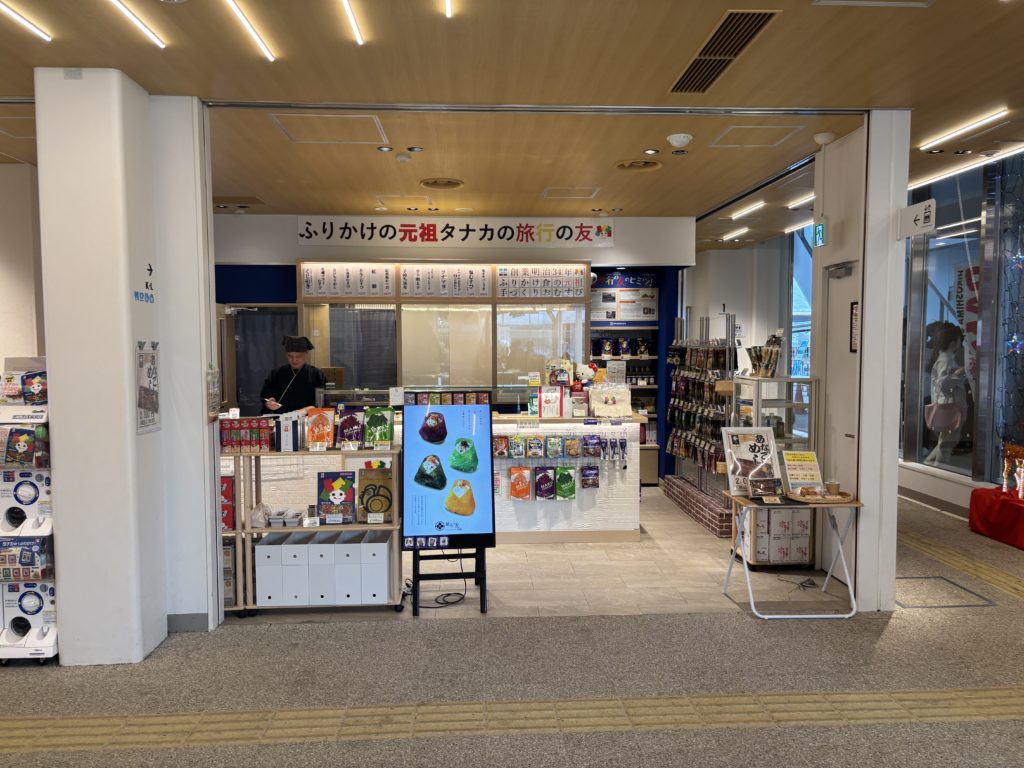
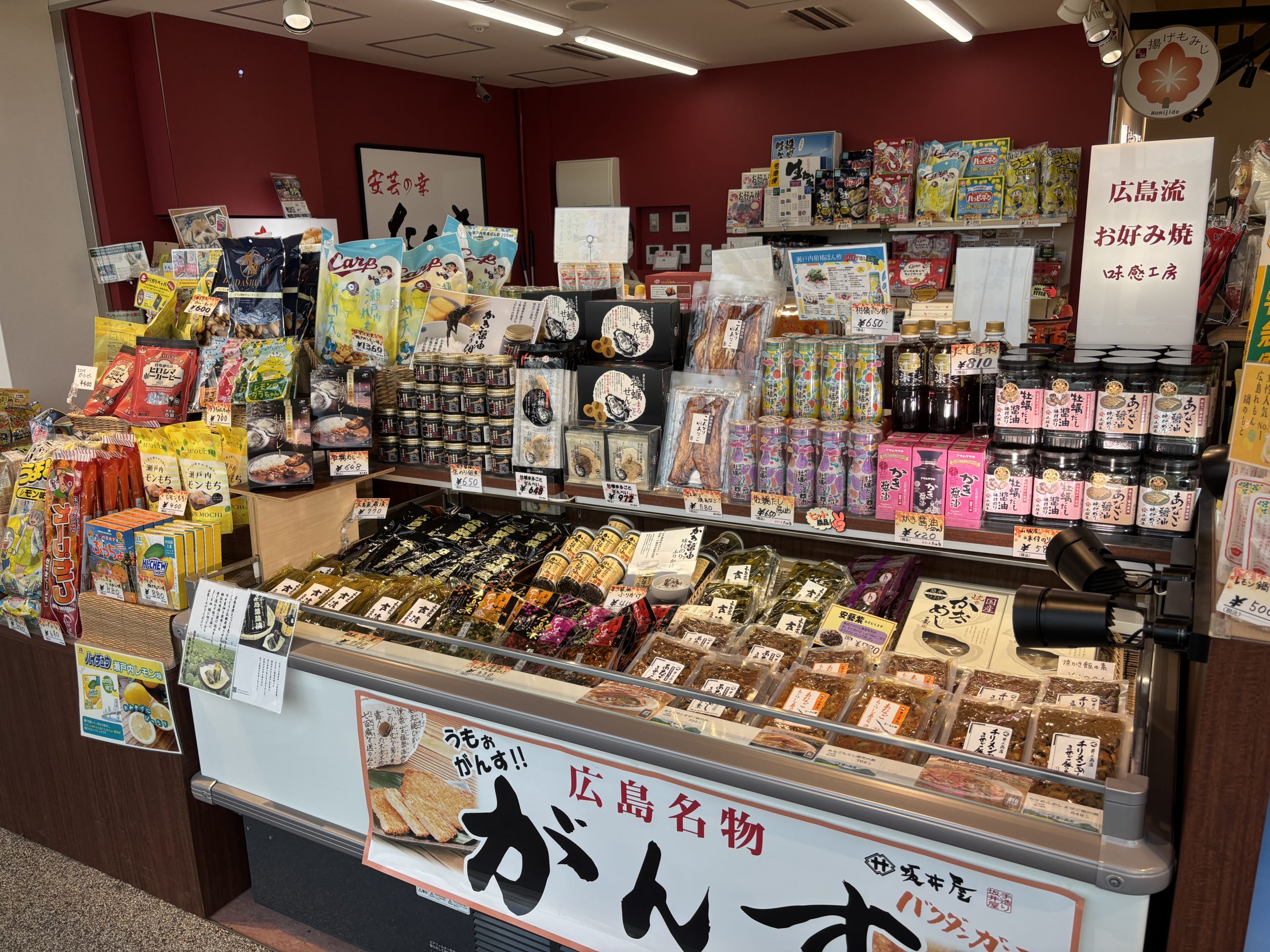
If you have never heard of furikake, think of it as a dry Japanese topping for rice — savory blends of seaweed, sesame, dried fish, and other ingredients that transform a plain bowl into something special. Ryoko no Tomo (literally “Travel Friend”) has been producing furikake since the Meiji era (the company was founded in 1901), and their products earned the prestigious Hiroshima Brand certification in 2010. The shop inside etto carries their full lineup, and the variety on display is remarkable — from nori and sesame classics to uniquely Hiroshima flavors.
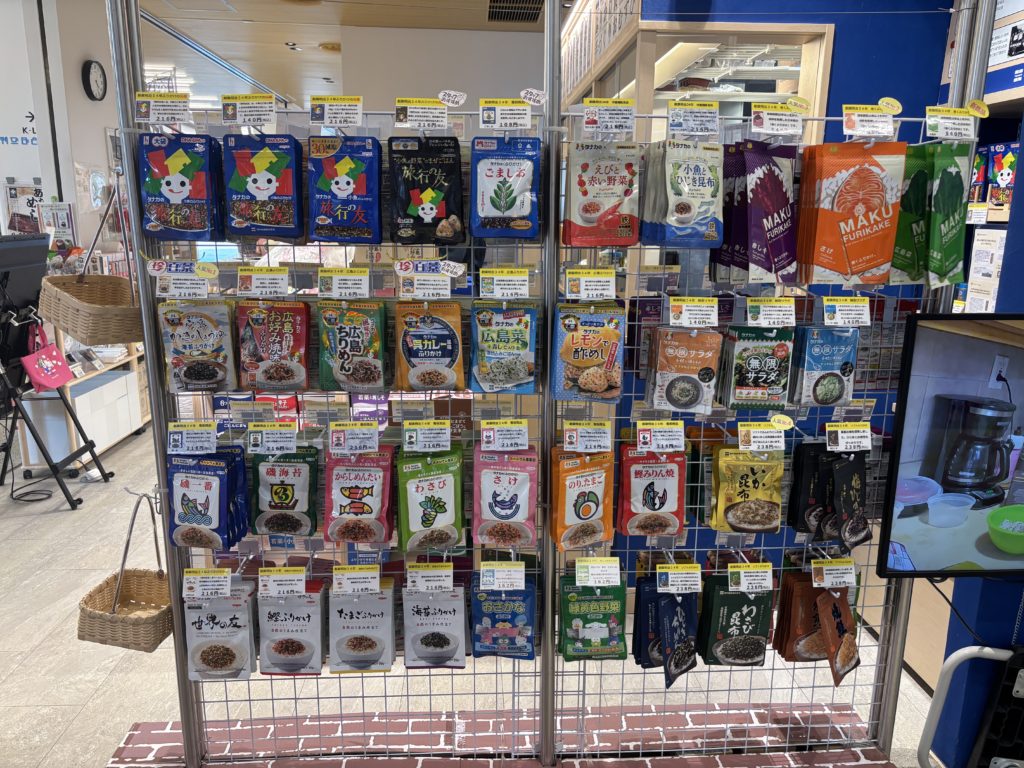
Prices start at around 140 yen per packet and run up to about 400 yen, which makes this one of the most affordable souvenir stops in the building. Individual packets are light, unbreakable, and easy to tuck into carry-on luggage. Look out for limited-edition packaging tied to the Hiroshima Toyo Carp baseball team, and a fun novelty called the “roll furikake” — the world’s first furikake designed to be rolled rather than sprinkled.
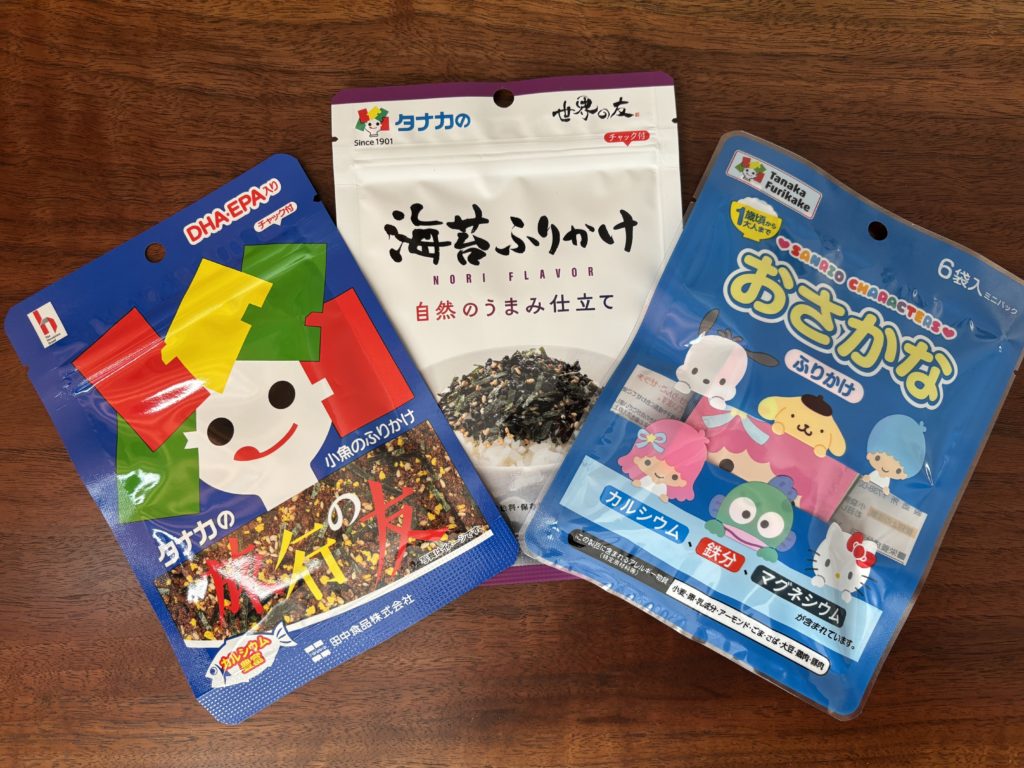
Our family has been hooked on these for years. Picking up several different flavors to try at home is one of those small trip souvenirs that actually gets used every day.
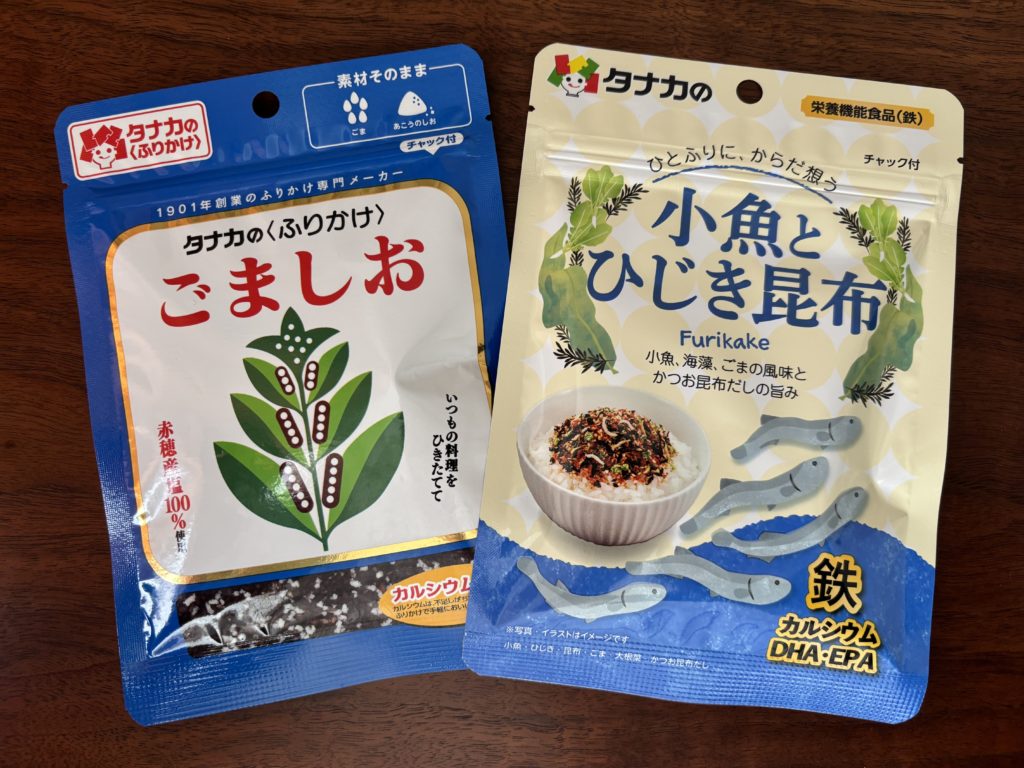
- Price range: Individual packets from around 140–400 yen; gift sets from around 1,000 yen
- Format: Take-away only. Packets are compact and great for distributing as small gifts.
- Crowds: Generally quiet in the morning; picks up in the afternoon as souvenir shoppers arrive.
- Payment: Major cashless payment accepted. Some packaging includes English ingredient labels.
- Family note: These make excellent kid-friendly gifts — lightweight, unbreakable, and fun to choose. Check for allergen information on packaging or ask staff.
Chinchin-Kurin Miyajimaguchi — Hiroshima Okonomiyaki with a Sea View
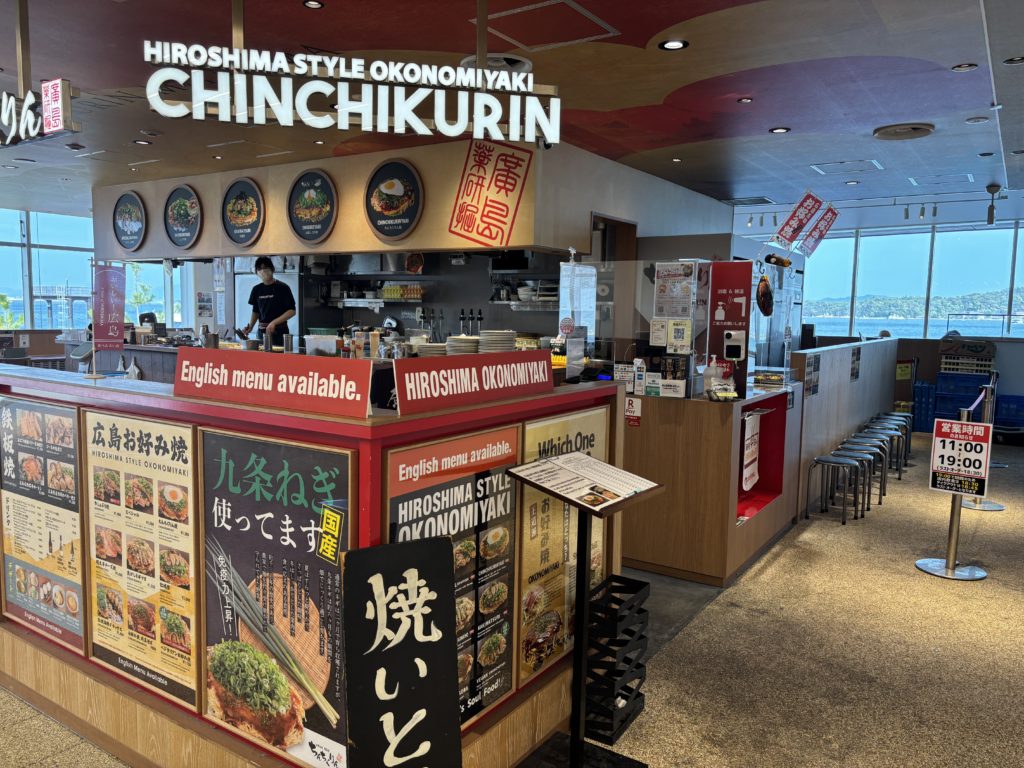
No visit to the Hiroshima region feels complete without trying Hiroshima-style okonomiyaki — the city’s iconic layered savory pancake made with cabbage, noodles, egg, and toppings, all cooked to order on a flat iron griddle. Chinchin-Kurin is a beloved local chain celebrating over 20 years in business, and their Miyajimaguchi location inside etto is one of the most dramatically set okonomiyaki restaurants you will find anywhere: a roughly 13-meter iron griddle runs along the counter, and the chefs work it in full view of diners while the Seto Inland Sea stretches out through the windows behind them.
The signature “Chinchin-Kurin Yaki” (1,430 yen) features squid tempura, shiso leaf, green onion, and a fried egg, with a choice of regular noodles, steamed noodles, or udon. In winter, the seasonal oyster okonomiyaki is hard to resist — Hiroshima oysters are among the finest in Japan, and having them sizzle on the griddle in front of you is a genuine treat.
My husband always says eating at the iron counter makes everything taste better, and honestly, he is not wrong. My younger daughter is completely captivated by the sizzle and steam every single time.
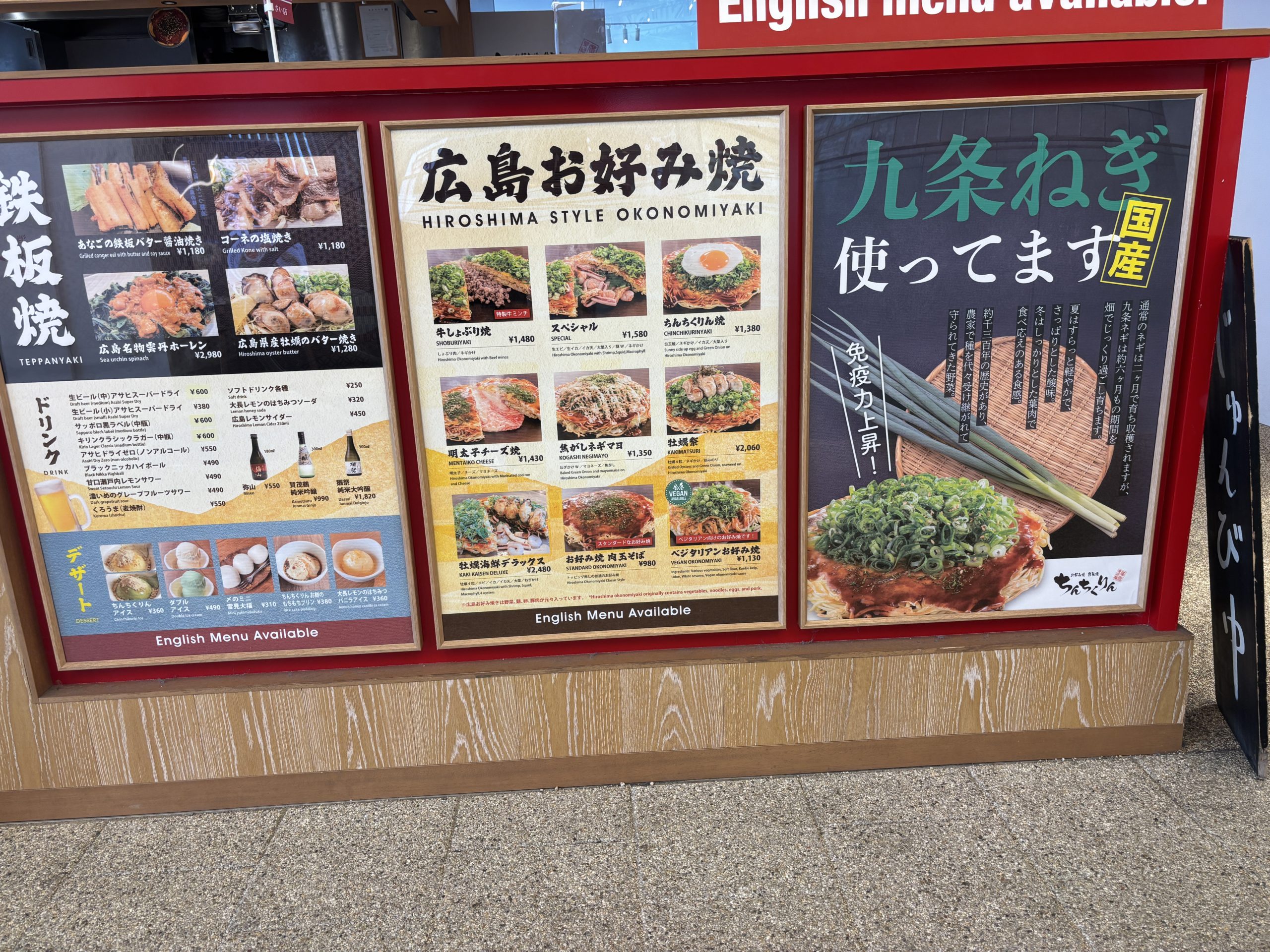
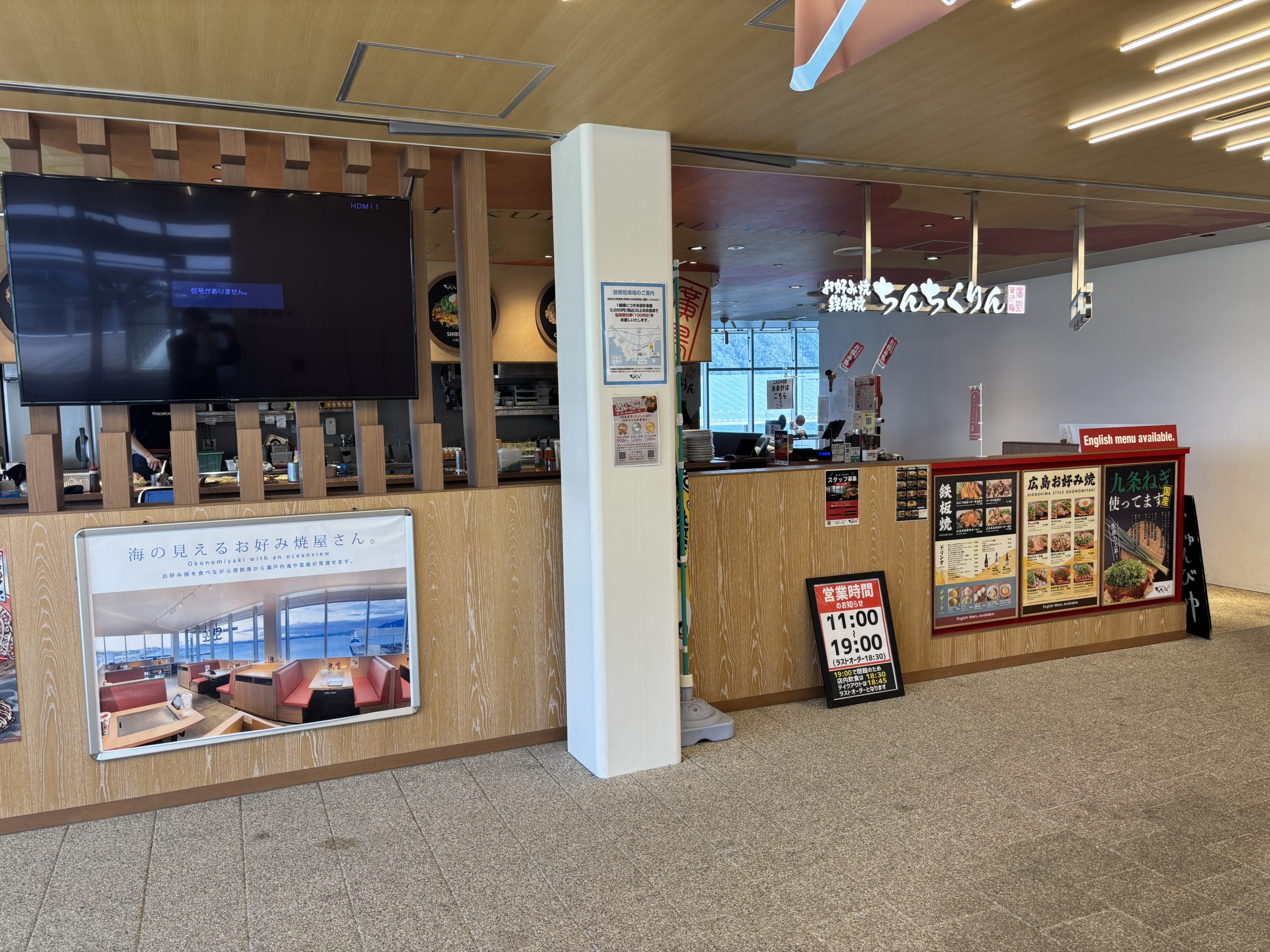
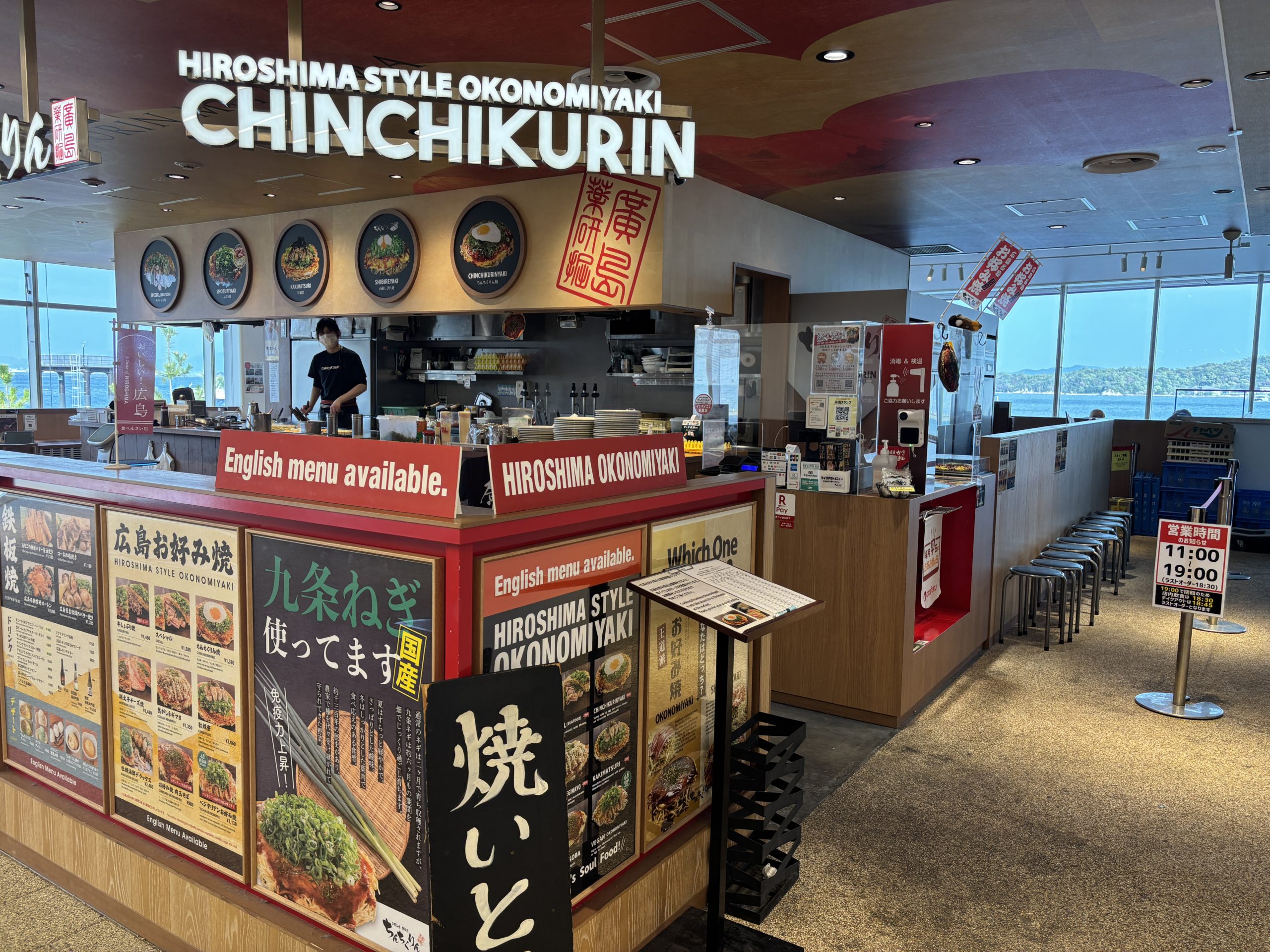
- Seating: Counter seats at the griddle, table seats, and ocean-facing terrace seats (terrace may close on rainy or windy days).
- Busy times: Lunch peaks around noon; dinner picks up after 5:30 PM. Arrive early during holiday seasons.
- Take-away: Take-out is available at certain times; wait times may be longer during busy periods.
- Reservations: Sometimes possible depending on group size and timing — ask staff.
- Payment and language: Cashless payment accepted. English menus may be available; ask staff.
- Families: High chairs available at some times. Strollers are easier to manage when folded at the entrance.
Miyajima is also famous for another local specialty you should not miss while on the island. If you want to read more about the island’s most iconic dish, our guide to anago rice has everything you need to plan ahead.
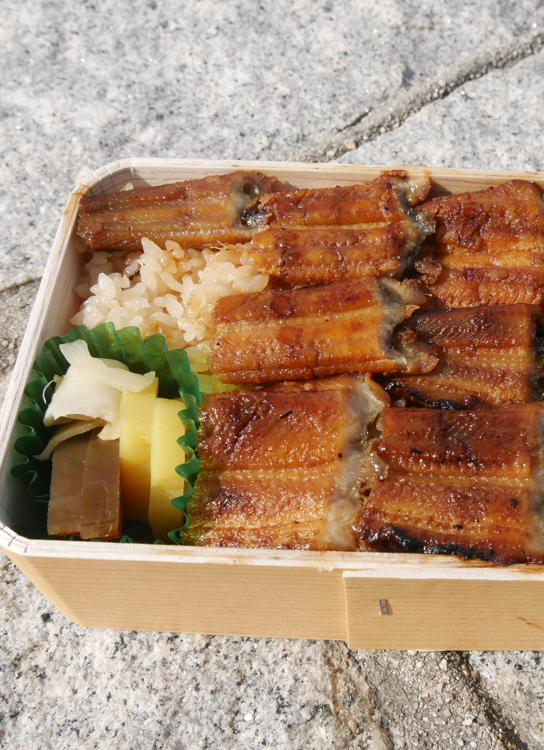
Miyajima Island is famous for its floating torii gate and ancient shri...
Shima Gokoro SETODA — Setouchi Lemon Sweets
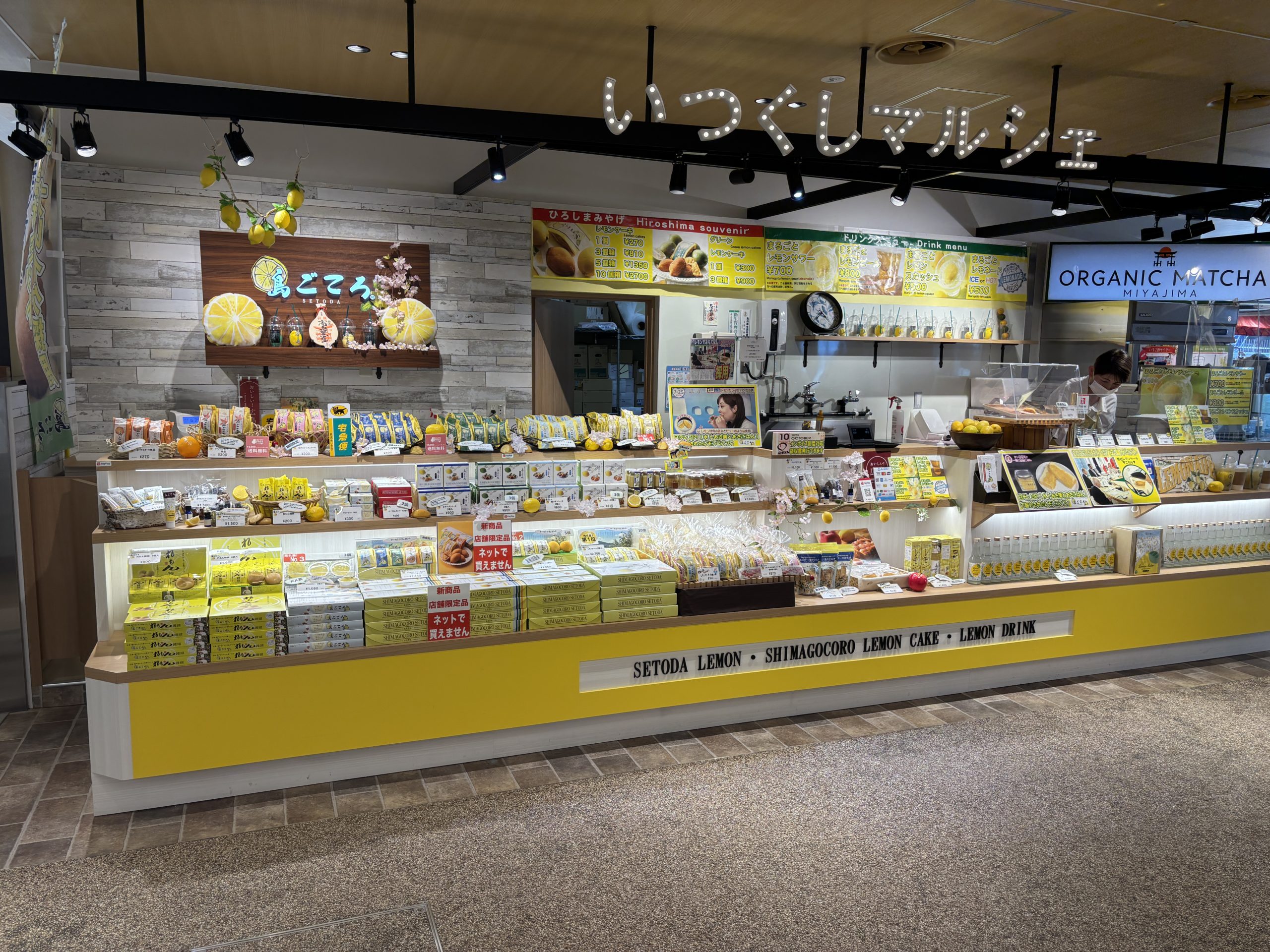
The Setouchi region’s bright, sun-grown lemons are one of western Japan’s most celebrated local ingredients, and Shima Gokoro SETODA showcases them beautifully. Their standout product is the Setouchi Lemon Cake, made with whole-pressed juice from Setoda lemons — peel and all — for an intensely fragrant, pleasantly tart result. One interesting quirk: the flavor and texture actually changes between freshly baked and the day after, which makes trying both a fun little experiment.
Freshly baked lemon cakes are around 280 yen each, while a gift box of five runs about 1,500 yen. In summer, the Whole Lemon Squash — a refreshing iced drink with real fruit pulp — is one of the most refreshing things you can drink after a warm ferry crossing. I had one last August and it was one of those drinks you remember long after the trip ends.
- Key items: Lemon cake, lemon rusks, lemonade, lemon squash
- Price range: Individual items from around 200 yen; gift boxes from around 1,000 yen
- Take-away: All items available to go. Refrigerated items benefit from a cooler bag for longer journeys.
- Crowds: Lines can build in the mid-afternoon dessert rush; some items sell out by early evening.
- Gifting: Individually wrapped for easy distribution; shelf life is clearly labeled on packaging.
Hiroshima Ramen Momiji — Regional Noodles Done Right
Hiroshima has a ramen style all its own — a rich, clear pork-and-chicken broth with a depth of flavor that is quite different from the thicker tonkotsu styles of Kyushu. Hiroshima Ramen Momiji serves a solid bowl of the classic style at 850 yen, topped with tender slow-cooked chashu pork. Extra noodles (kaedama) are available for 120 yen, and the menu also covers Hiroshima tsukemen (dipping noodles) and the region’s beloved mazesoba dry noodle dish — often called Hiroshima’s three great noodles.
Sharing a bowl with the kids after okonomiyaki is a family tradition at this point. My husband insists he “shouldn’t” eat ramen after already having a full okonomiyaki, and then finishes every last drop.
- Menu highlights: Hiroshima ramen, tsukemen dipping noodles, mazesoba dry noodles
- Hours: Lunch through dinner; may close early when soup runs out — arrive before peak hours if possible.
- Seating: Primarily counter seating with some table seats; children’s dishes sometimes available.
- Take-away: Varies by item — check with staff.
Beni-Yado — Original Age Momiji (Deep-Fried Momiji Manju)
Momiji manju — the maple-leaf-shaped sweet cakes filled with red bean paste — are Miyajima’s most iconic souvenir. Beni-Yado (also known as Koyo-do) took things a step further by wrapping them in a light batter and deep-frying them to order: the result is a crisp, golden outside with a soft, warm filling inside. The shop has Meiji-era roots and is widely credited with originating the age momiji style that is now popular across the island.
At etto, you can get age momiji without the queues that often form at island locations — especially first thing in the morning, when they are at their crispiest. Flavors include the classic red bean paste, custard cream, and cheese, with seasonal options sometimes appearing as well.
A local tip: age momiji are at their absolute best the moment they come out of the fryer. Buy and eat immediately for the full effect.
- Flavors: Red bean, custard cream, cheese, plus seasonal varieties
- Price: Approximately 200–300 yen per skewer
- Take-away: All take-away. Eat right away for the best texture.
- Queue advantage: Usually shorter lines here than at island shops, especially mid-morning and between ferry departures.
- Families: The skewer format means small children may need a hand. Hold carefully — they are very hot.
Itsuki Coffee THE TERRACE — Café with Seto Inland Sea Views
Itsuki Coffee is a Miyajima-born specialty roaster, and their lounge café inside etto is one of the nicest places in the building to simply sit and breathe. Pour-over coffee, café lattes, and seasonal baked goods are the main draw, but the real appeal is the terrace — a glass-walled perch where you can watch ferries come and go across a calm stretch of the Seto Inland Sea. It opens early, making it ideal for a coffee before you even board the boat.
A summer matcha kakigori (shaved ice) is my personal annual treat here. The matcha is exceptional — rich and slightly bitter in the best possible way.
- Seating: Table, counter, and terrace seats. Some seats have power outlets. Terrace may close in strong wind or rain.
- Cake sets: Seasonal pairings (lemon cake with drip coffee, etc.) are often available.
- Hours: Open from 10:00 AM year-round — perfect for pre-ferry coffee.
- Payment and language: Cashless payment accepted. Staff can often assist with English menu requests.
- Families: Stroller access depends on current seating layout — staff will help guide you. Terrace can be breezy.
Yamadaya — Classic Momiji Manju Since 1932
One of Miyajima’s most respected confectionery makers, Yamadaya has been crafting momiji manju since 1932. Their classic maple-leaf cakes and the subtly distinct Toyo-gashi (a softer, moister variety with a different texture) are perennial crowd-pleasers. This is the spot to stock up on a well-priced, crowd-safe gift for colleagues, neighbors, or anyone back home who appreciates a thoughtful Japanese sweet.
One extra tip for those who plan ahead: Yamadaya’s main factory on the island offers walk-in tours where you can watch the manju being made — a genuinely fun stop if you are traveling with children.
- Price range: Individual pieces from around 100 yen; gift boxes from around 1,000 yen
- Allergen info: Clearly printed on packaging; confirm any concerns with staff in person.
- Storage: Room-temperature shelf life is clearly labeled — safe for long journeys home.
Kaedenoki — Maple-Inspired Western Pastries
Kaedenoki takes the maple leaf motif of Miyajima in a more Western confectionery direction. Their signature Maple Momiji Financier pairs rich butter with a warm maple fragrance — a surprisingly sophisticated little cake that pairs beautifully with coffee. They also carry lighter cookie sandwiches and seasonal limited-edition packaging worth picking up.
- Price range: Individual items from around 200 yen; gift sets from around 1,000 yen
- Take-away: All items to go. In warm weather, be mindful of heat-sensitive products.
- Promotions: Multi-item discounts and seasonal campaigns are sometimes available.
Aki Moheji — Hiroshima Lifestyle Goods
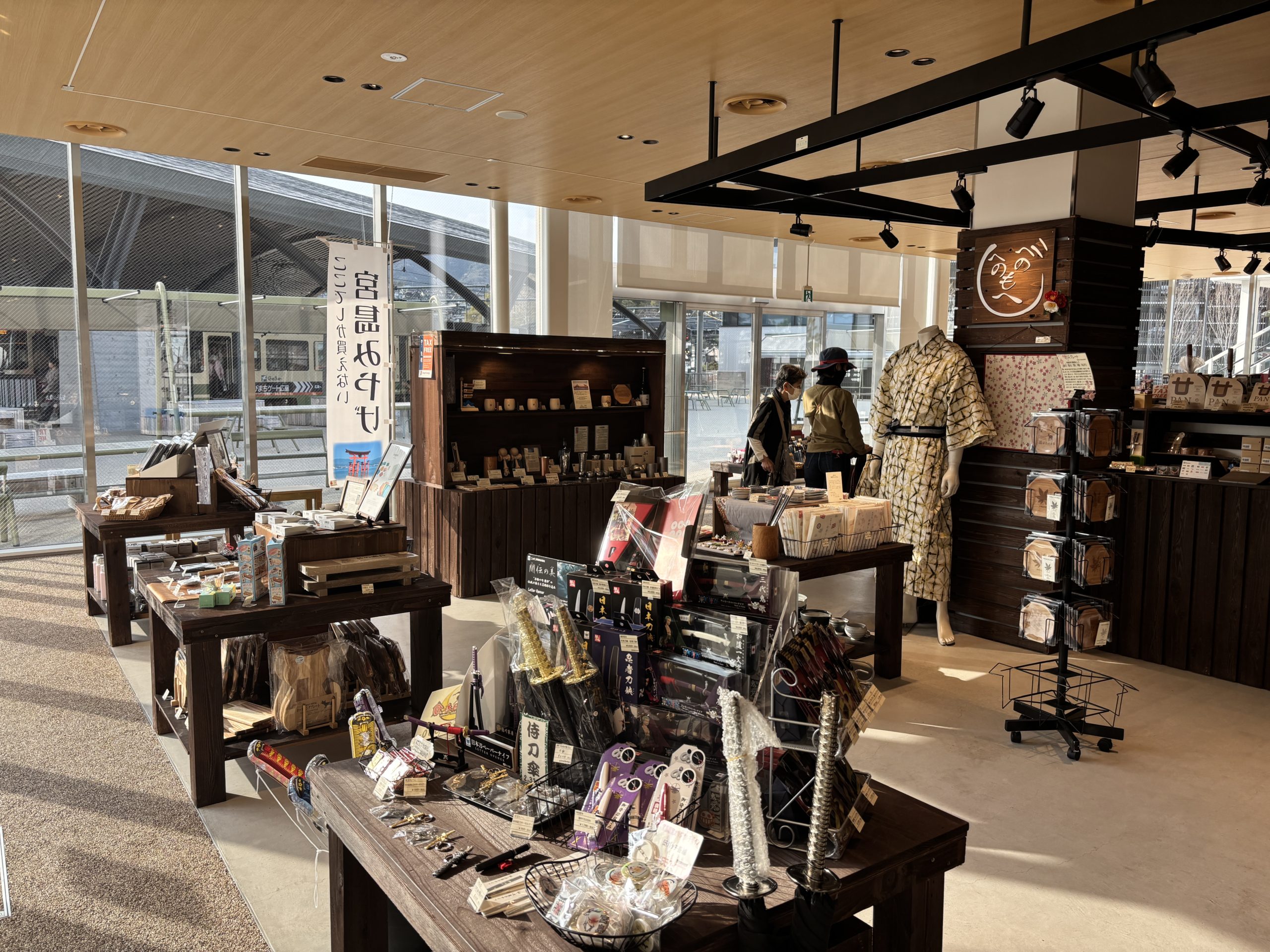
Aki Moheji is one of those shops where you go in for a souvenir and end up wanting something for yourself. The focus is on well-made, everyday objects with a strong Hiroshima and Japanese craft identity — kitchen knives, tumblers produced in collaboration with the metalwork city of Tsubame, small woodworking pieces from Hatsukaichi. These are the kind of things that actually get used at home rather than sitting in a cupboard.
- Style: Practical, durable goods with a crafted feel. Giftable boxed items also available.
- Price range: Small items from around 1,000 yen; tools and larger goods from several thousand yen
- Wrapping: Gift wrapping available on request; packaging is travel-friendly.
Aki no Sachi Takaki — Hiroshima Food Products to Take Home
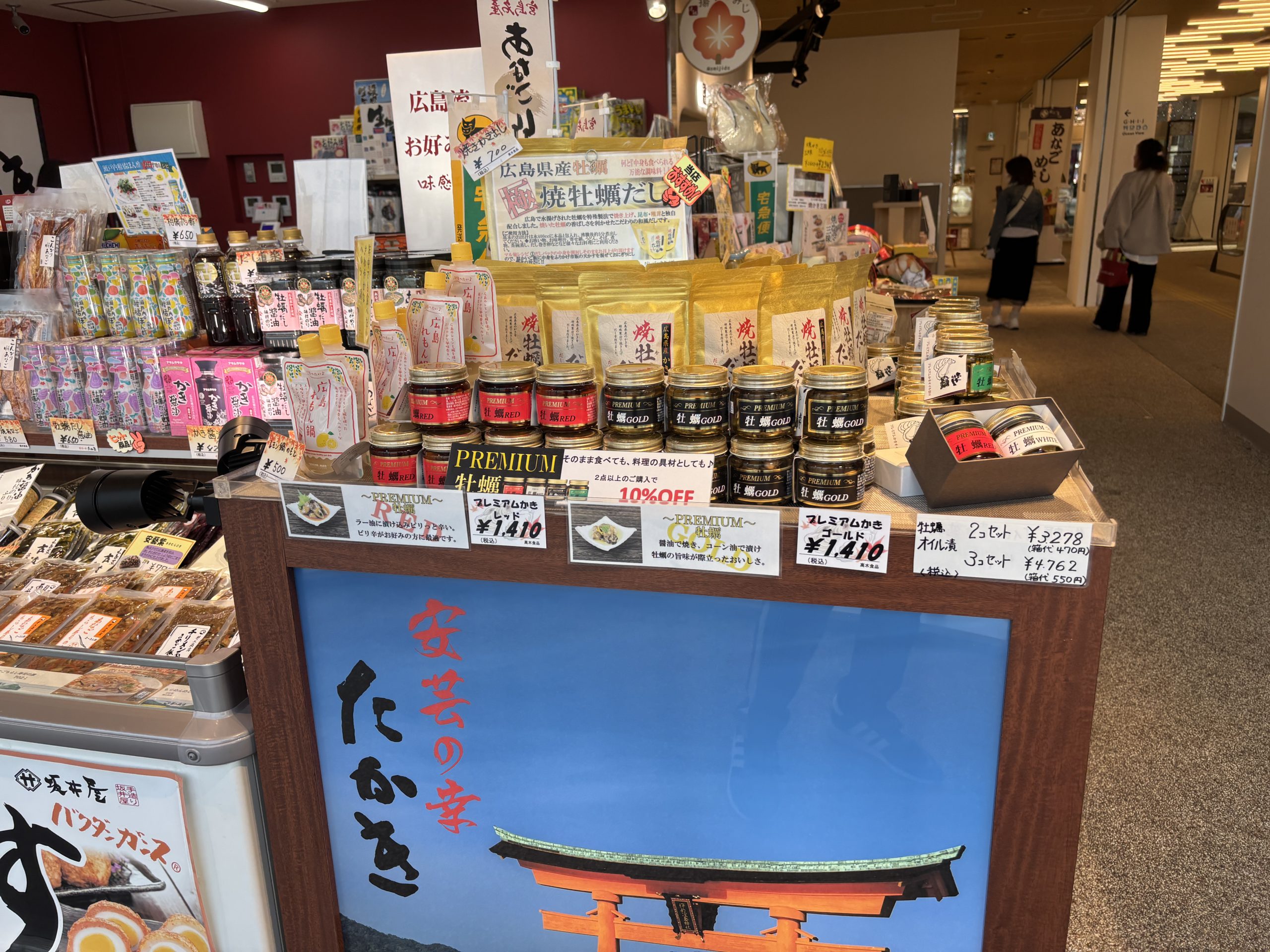
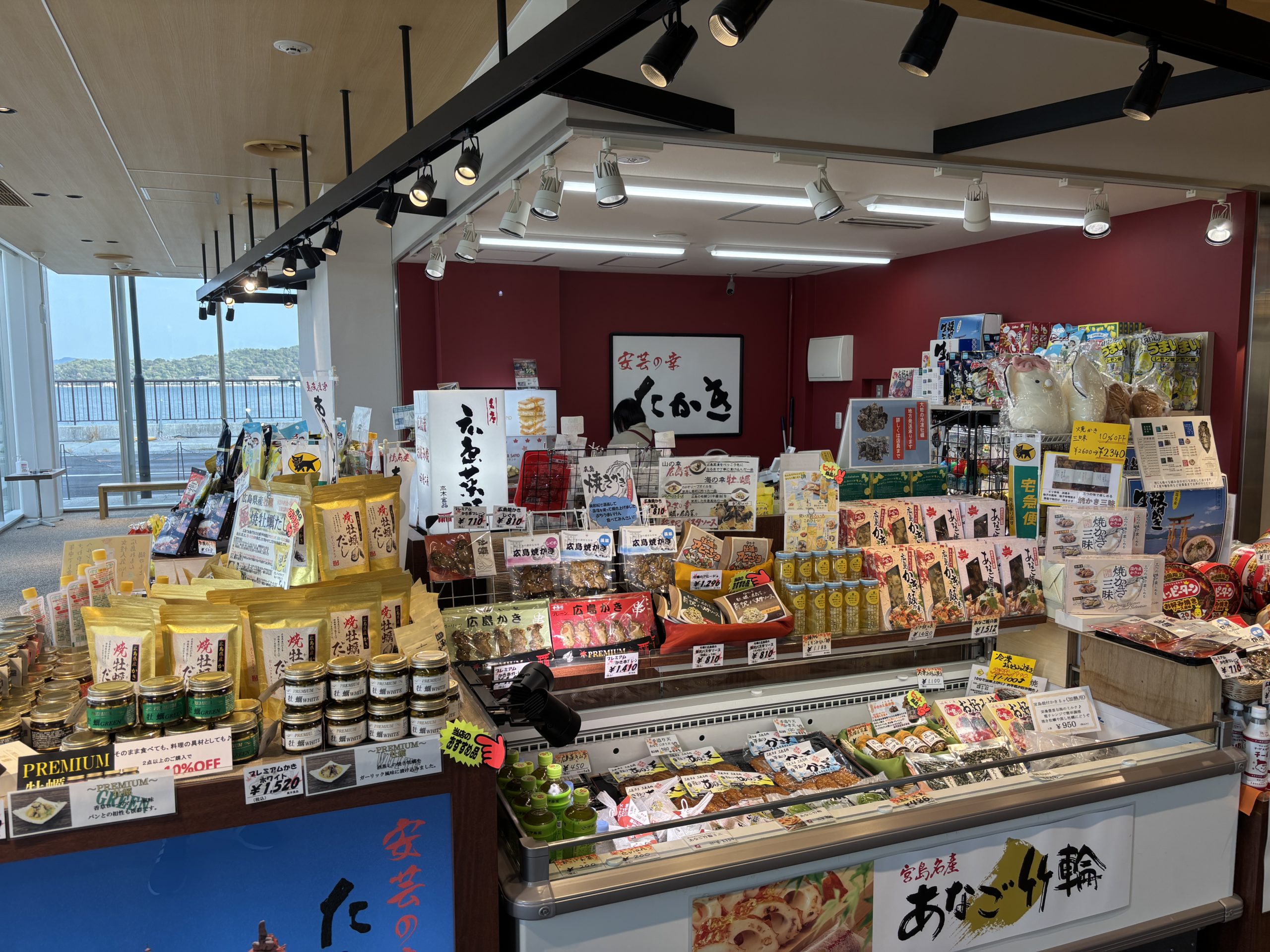
For anyone who wants to bring the flavors of Hiroshima back to the kitchen, Aki no Sachi Takaki is the place to browse. The selection centers on the region’s most celebrated ingredients: oysters preserved in oil, anago (saltwater eel) soup stock, and Hiroshima pickled greens, among others. The mix of refrigerated and shelf-stable products means you can choose according to what makes sense for your travel itinerary.
- Key products: Oysters in oil, anago soup base, Hiroshima pickled greens, and more
- Take-away: Cooler bags or ice packs sometimes available for cold items — check with staff.
- Timing: Popular items can sell down by late afternoon on busy days — buy early if you spot something you want.
Organic Matcha Miyajima — Matcha Drinks and Sweets
Matcha enthusiasts will enjoy this casual café and take-away counter, which offers a matcha latte in three intensity levels — light, regular, and rich — along with matcha soft serve, warabi mochi drinks, and seasonal Japanese-style sweets. It is a great spot for a small, flavorful break without committing to a full sit-down meal.
- Key menu items: Matcha latte (light/regular/rich), matcha soft serve, warabi mochi drink
- Price range: Drinks approximately 400–700 yen
- Take-away: Almost everything is available to go. Allow a short wait during busy periods.
- Allergens: Dairy and soy contents are labeled on cups and point-of-sale displays where available.
If you plan to take the first ferry over to Miyajima and want a fresh breakfast on the island, it is worth knowing about one of the hidden gems near the terminal. Our guide to Shimajima Pan covers the island’s much-loved freshly baked bread — a wonderful way to start a morning on Miyajima.
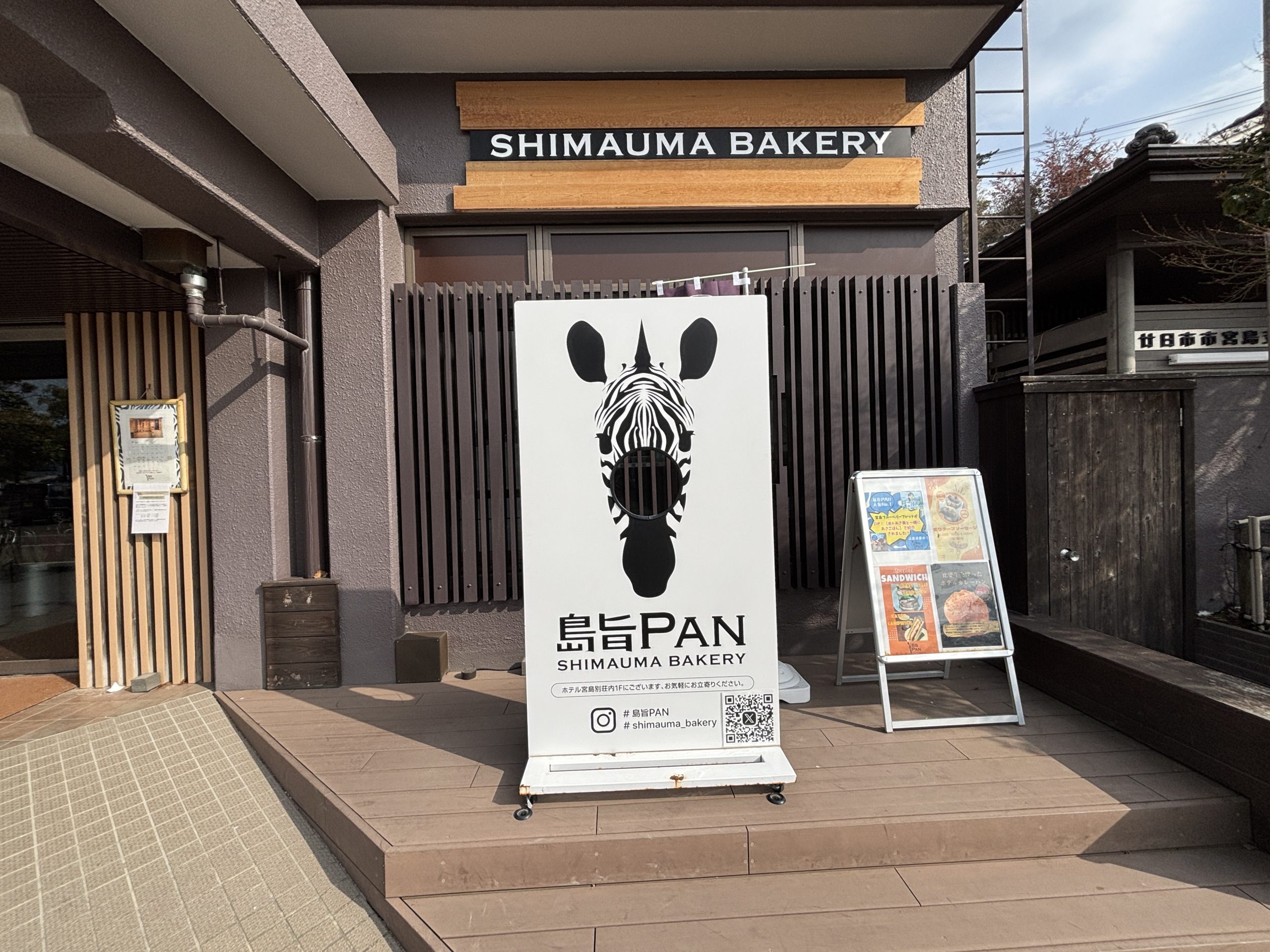
Just one minute on foot from the Miyajima ferry pier, Shima Uma Pan ...
Access, Hours, and Parking
- By train: 3-minute walk from JR Miyajimaguchi Station; 1-minute walk from Hiroden (Hiroshima Electric Railway) Miyajimaguchi Station
- By car: Affiliated parking lots include Miyajimaguchi Passenger Terminal Parking and the Ripa-ku lot near Hiroden Miyajimaguchi Station. Bring your parking ticket to participating shops inside etto and receive up to 2 hours of validated parking based on your in-store purchases.
- Avoiding congestion: During major holidays, roads around Miyajimaguchi can back up significantly. Arriving before 9 AM or using park-and-ride via JR or Hiroden is strongly recommended.
- Opening hours: First floor (Itsukushi Marche) 10:00–18:00 / Second floor (Oogottso Dining) 11:00–19:00. Hours may vary slightly by season. Itsuki Coffee THE TERRACE opens from 10:00 daily. The facility is open year-round.
- Ferry walk time: Approximately 2 minutes on foot from etto’s entrance to JR West Miyajima Ferry terminal; approximately 3 minutes to the Hiroden Matsudai Ferry terminal. For trains from Hiroshima, ferry times and where to eat and stay around the terminal, see our Miyajimaguchi guide.
One of etto’s great strengths is how naturally it fits around ferry timing. Whether you have 20 minutes before departure or an hour to kill before the next boat, there is always something useful to do — a quick souvenir run, a coffee to go, or a proper sit-down meal upstairs. On rainy days, the covered walkway to the ferry is a real quality-of-life bonus. On sunny days, the terrace views are something else entirely.
For families with young children: the nursing room and diaper-changing station are on the first floor (equipped with a hot water dispenser and dedicated diaper bin), and the multi-use restroom is nearby. The ATM inside the building’s 7-Eleven supports foreign currency exchange for US dollars and euros. Lost items are held at the first-floor information counter (TEL 0829-30-6930) until 7:00 PM on the day of loss. Pets are not permitted except for guide dogs and assistance animals.
Tips for Getting the Most Out of Etto Miyajima
- Skip the island queue for age momiji: The Beni-Yado stall inside etto usually has a much shorter wait than the popular island locations. Morning and between-ferry windows are the sweet spot.
- Use etto as a ferry-wait buffer: During peak seasons when ferries fill quickly, spending your wait time shopping or eating at etto is far more enjoyable than standing in a queue outside.
- Rainy day strategy: The second-floor terrace may be closed in heavy rain or strong wind. On those days, the first-floor indoor rest area with Wi-Fi and USB charging is a comfortable place to regroup.
- Tech break: Free Wi-Fi and USB power sockets on the first floor make it easy to charge your phone or back up photos before heading home.
- Two-floor rhythm: A simple approach that works well: first floor for drinks and take-away snacks on the way in, second floor for a full meal on the way out.
After your time at etto, Miyajima’s main shopping and snacking street is well worth a slow wander. My younger daughter absolutely lights up whenever we walk through it — the sheer number of shops and food stalls never gets old.
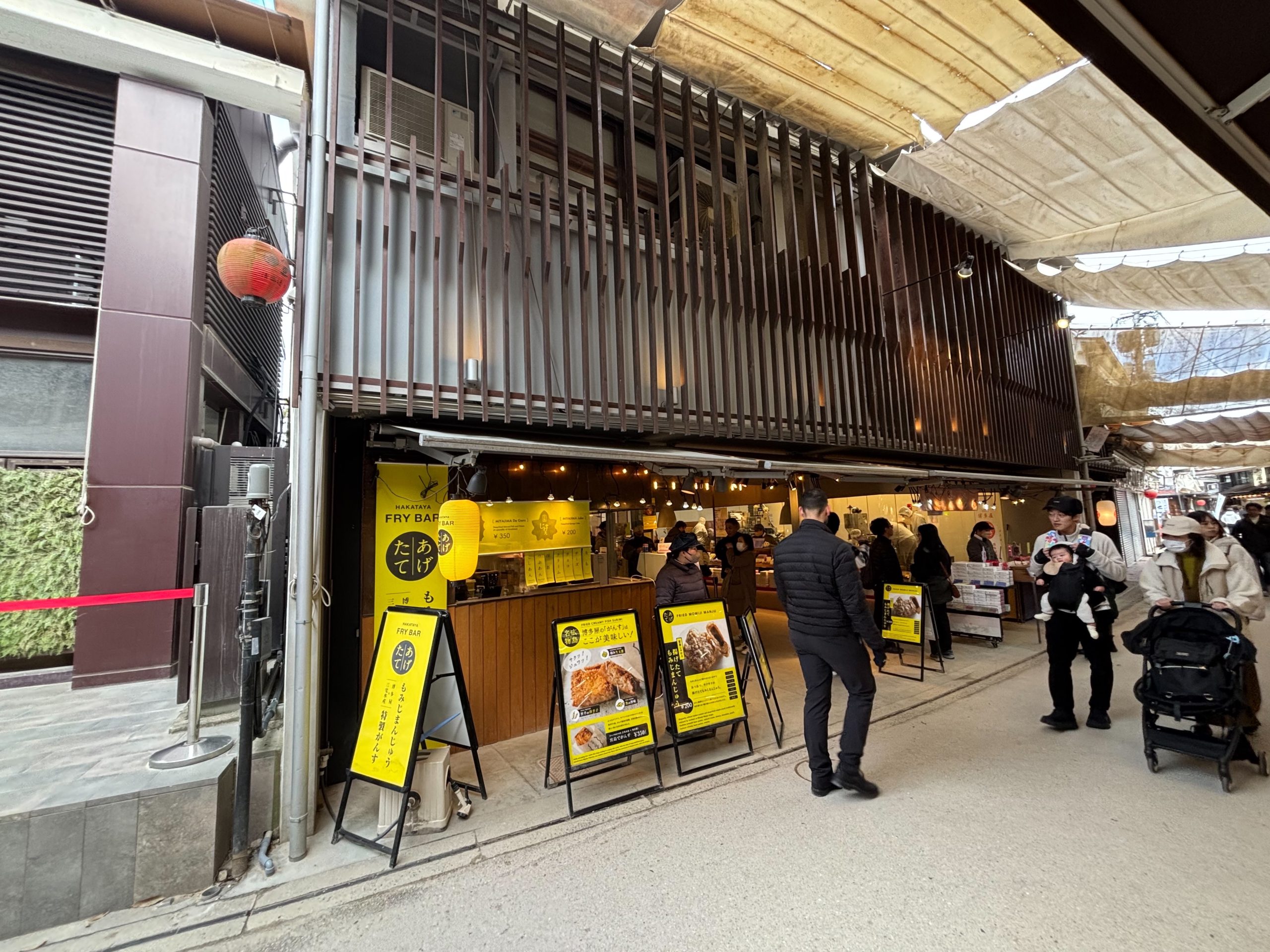
Miyajima's main shopping street — known locally as Omotesando — is a l...
And if the whole family is up for it, the hike up to the summit of Mount Misen — or the ropeway ride — offers one of the finest panoramic views in western Japan. It is the kind of experience that becomes the highlight of a Miyajima trip.
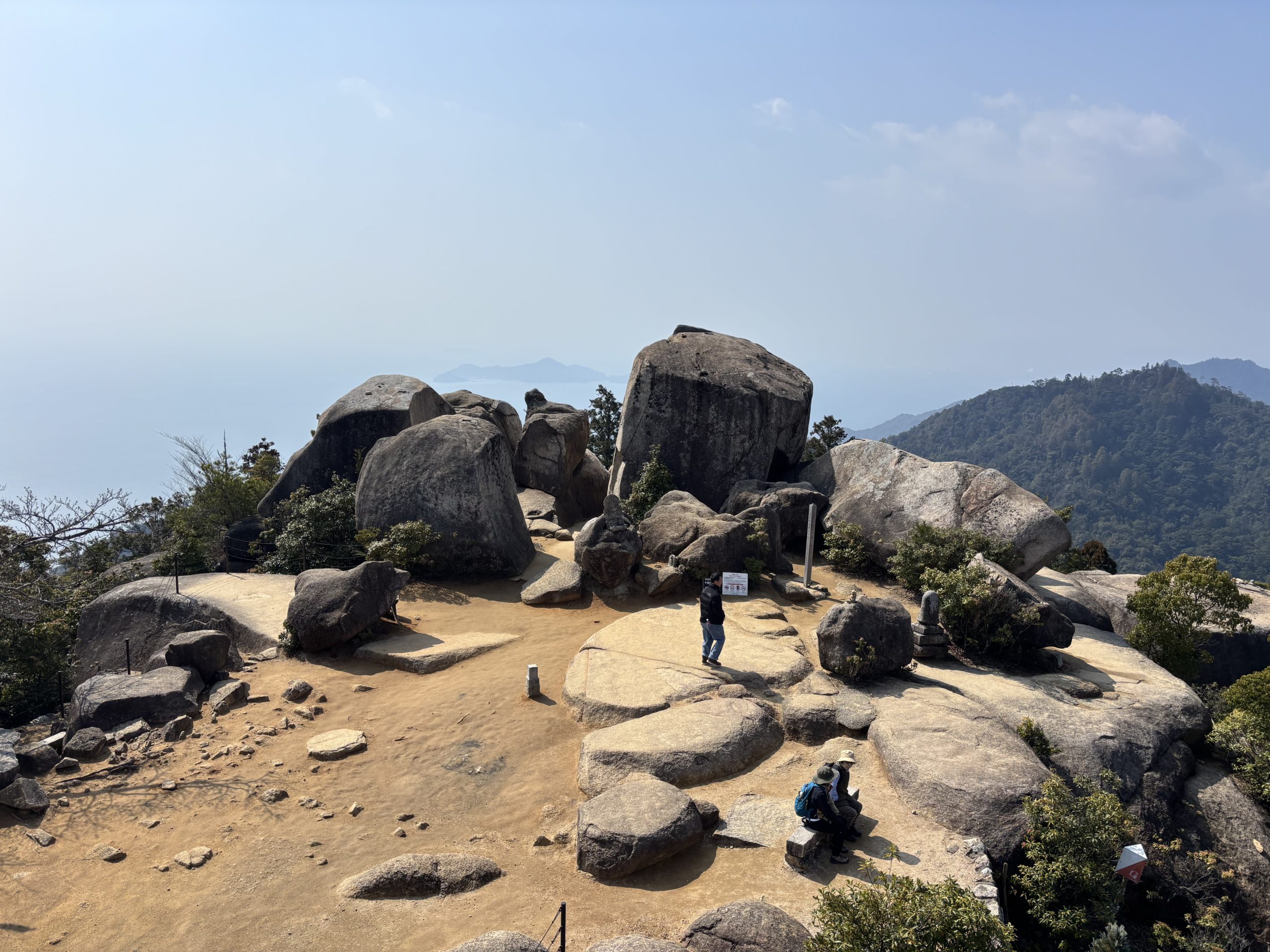
Rising 535 meters above Miyajima Island, Mount Misen is the sacred pea...
The iconic Itsukushima Shrine, with its floating torii gate that appears to rise from the sea at high tide, is of course the heart of any Miyajima visit. No matter how many times you see it, the view never loses its impact.
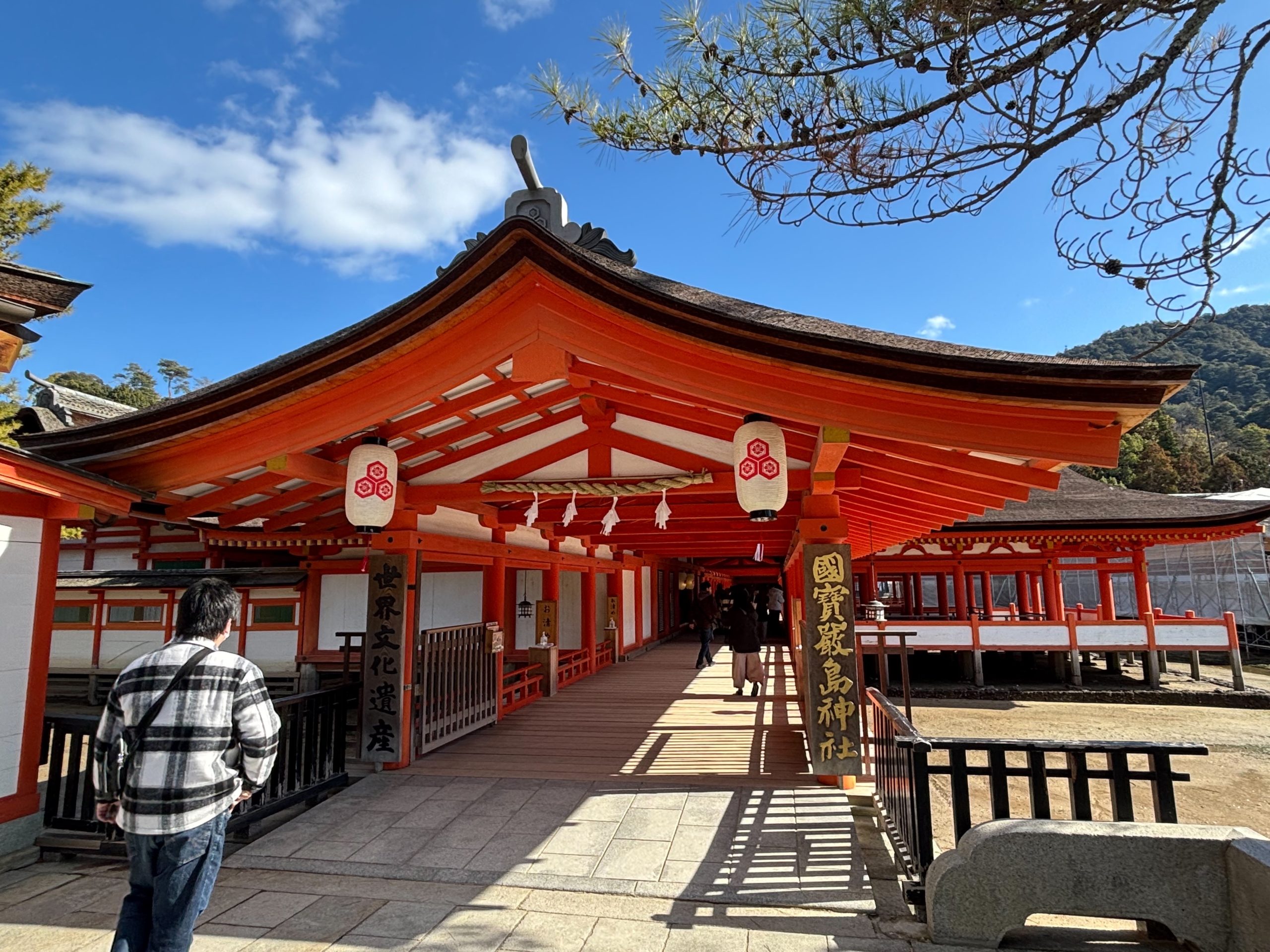
Itsukushima Shrine (Itsukushima-jinja, 厳島神社) is a Shinto shrine built ...
One more stop worth knowing about if you are curious about Miyajima’s history: the remarkable open-air hall of Senjokaku, near the Five-Story Pagoda, is a fascinating and often overlooked site — and local lore holds that graffiti dating back to the Edo period is still visible beneath its floorboards.
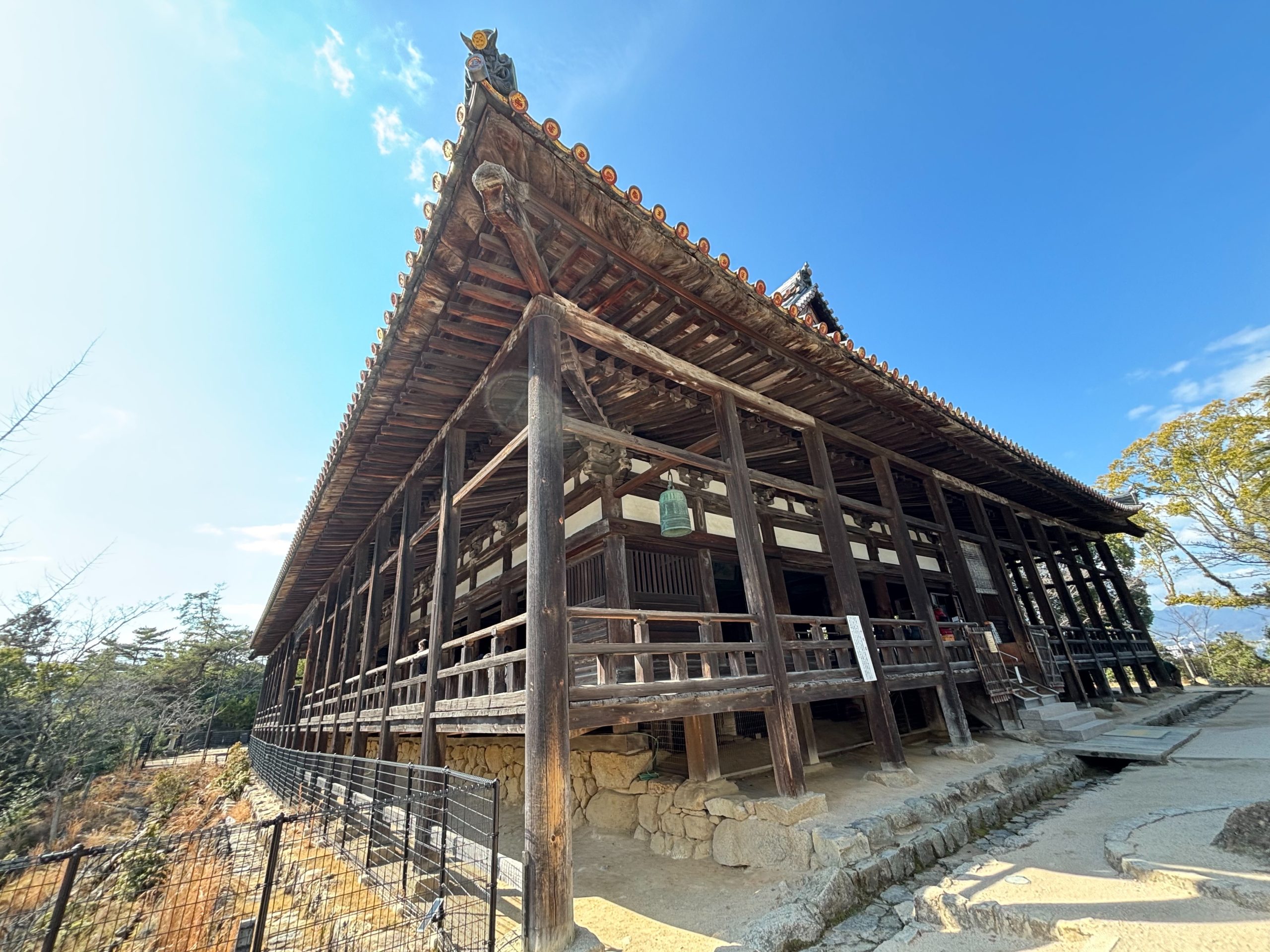
Senjokaku: Miyajima's Hauntingly Beautiful Unfinished Hall Perched on...
FAQ
What are the opening hours for etto Miyajima?
The first floor (Itsukushi Marche) is open from 10:00 AM to 6:00 PM, and the second floor (Oogottso Dining) is open from 11:00 AM to 7:00 PM. Itsuki Coffee THE TERRACE is open from 10:00 AM to 6:00 PM year-round. Hours can vary slightly by season, but the facility is open every day of the year.
How far is etto from the Miyajima ferry terminal?
It is a very short walk — approximately 2 minutes to the JR West Miyajima Ferry terminal and about 3 minutes to the Hiroden Matsudai Ferry terminal. The building also connects to the ferry terminal via a covered walkway, so you stay dry on rainy days.
Is parking available, and are there any discounts?
There are affiliated parking lots nearby, including the Miyajimaguchi Passenger Terminal Parking lot and a Ripa-ku lot near Hiroden Miyajimaguchi Station. If you present your parking ticket at participating shops inside etto, you can receive a validation discount worth up to 2 hours of parking based on your purchases. Details vary by shop, so check when you arrive.
What payment methods are accepted at etto?
Major credit cards, transportation IC cards (such as Suica and ICOCA), PayPay, Alipay, and other common cashless payment methods are accepted across the facility. The 7-Eleven inside the building also has an ATM that supports foreign currency exchange for US dollars and euros.
Is etto accessible for strollers and wheelchairs?
Yes. The building has elevators, escalators, wide corridors, and a multi-use accessible restroom. A nursing room with a hot water dispenser and diaper-changing station is located on the first floor. The overall layout is genuinely easy to navigate with a stroller or wheelchair.
Do any of the shops or restaurants have English menus?
English menus are not universally available at every counter, but several cafés and restaurants can provide English assistance — just ask staff. The building also has four-language signage (Japanese, English, Traditional Chinese, and Korean) throughout, which helps with navigation and general orientation.
What is the best time to visit etto to avoid crowds?
Mornings tend to be quieter, especially before the midday ferry rush. Late afternoons can get busy as tourists return from the island. During Golden Week (late April to early May), Obon (mid-August), and autumn foliage season, the surrounding area can be congested, so arriving early or using public transport is advisable. Popular sweets and gift items can sell down by late afternoon on busy days, so if there is something specific you want, it is safer to buy it in the morning.
Facility details including opening hours, shop lineups, and prices are subject to change. Please check the official website or contact the facility directly before your visit.