
If you’re driving to Miyajima and want parking that’s close to the ferry terminal, easy to navigate, and stress-free for families, the Mitsui Repark Miyajima-guchi Passenger Terminal Parking Lot is one of the best options near the ferry. Located right next to Hiroden Miyajima-guchi Station, this modern multi-story lot puts you just a 3-minute walk from the ferry terminal — and after using it myself with my family, I can confidently say it earns its reputation as one of the most convenient lots in the area.
Mitsui Repark Miyajima-guchi: Parking Lot Overview

Mitsui Repark Miyajima-guchi Passenger Terminal Parking Lot — exterior view
This self-parking multi-story facility opened on March 1, 2023, and is operated jointly by the City of Hatsukaichi and Hiroshima Electric Railway as part of the transit hub connecting the tram line and the Miyajima ferry. Because it was purpose-built for this gateway role, the design reflects it: wide lanes, bright lighting, clear signage, and pedestrian walkways that make getting in and out feel genuinely organized. It’s not just a coin parking lot — it was designed with public access and visitor flow in mind.
The layout is open and easy to read at a glance, so even first-time visitors and less confident drivers will feel at ease. Elevator locations are clearly marked, and floor-by-floor signage makes it simple to remember where you parked. During my last visit, my younger daughter declared the lot “the car’s pretty house” — and honestly, the cleanliness level backs that up.
Parking Rates

Weekdays (Monday–Friday)
7:00–17:00 → ¥200 per 30 minutes
17:00–7:00 → ¥100 per 60 minutes
Weekends and Public Holidays
7:00–17:00 → ¥300 per 30 minutes
17:00–7:00 → ¥100 per 60 minutes
Daily Maximum Rates
Weekdays, daytime (7:00–17:00): ¥1,200 max
Weekdays, overnight (17:00–7:00): ¥400 max
Weekends/holidays, daytime (7:00–17:00): ¥1,600 max
Weekends/holidays, overnight (17:00–7:00): ¥400 max
※ Rates are subject to change. Always verify current pricing on the official website before your visit.

One important detail: major holiday periods like Obon (mid-August) and New Year’s are classified as “special days,” which means even weekday visits during those periods are charged at the weekend rate (¥300 per 30 minutes, ¥1,600 daytime max). If your trip falls near a national holiday, check the official calendar in advance so the rate doesn’t catch you off guard.
Also worth knowing: the daily maximum resets by time block. This means that even for longer stays, the cap applies repeatedly across daytime and overnight periods — so you won’t get hit with an unlimited accumulation if your visit extends across multiple blocks. If you time your return around the daytime/overnight transition, you can manage costs quite efficiently. From experience, the quietest time to exit is between 2:00 PM and 4:00 PM on weekdays — smooth and quick.
Before boarding the ferry, it’s worth reviewing your route on the island so you can make the most of your time. If you’re taking the JR ferry, you’ll get a closer pass to the iconic floating torii gate — the kids love it.
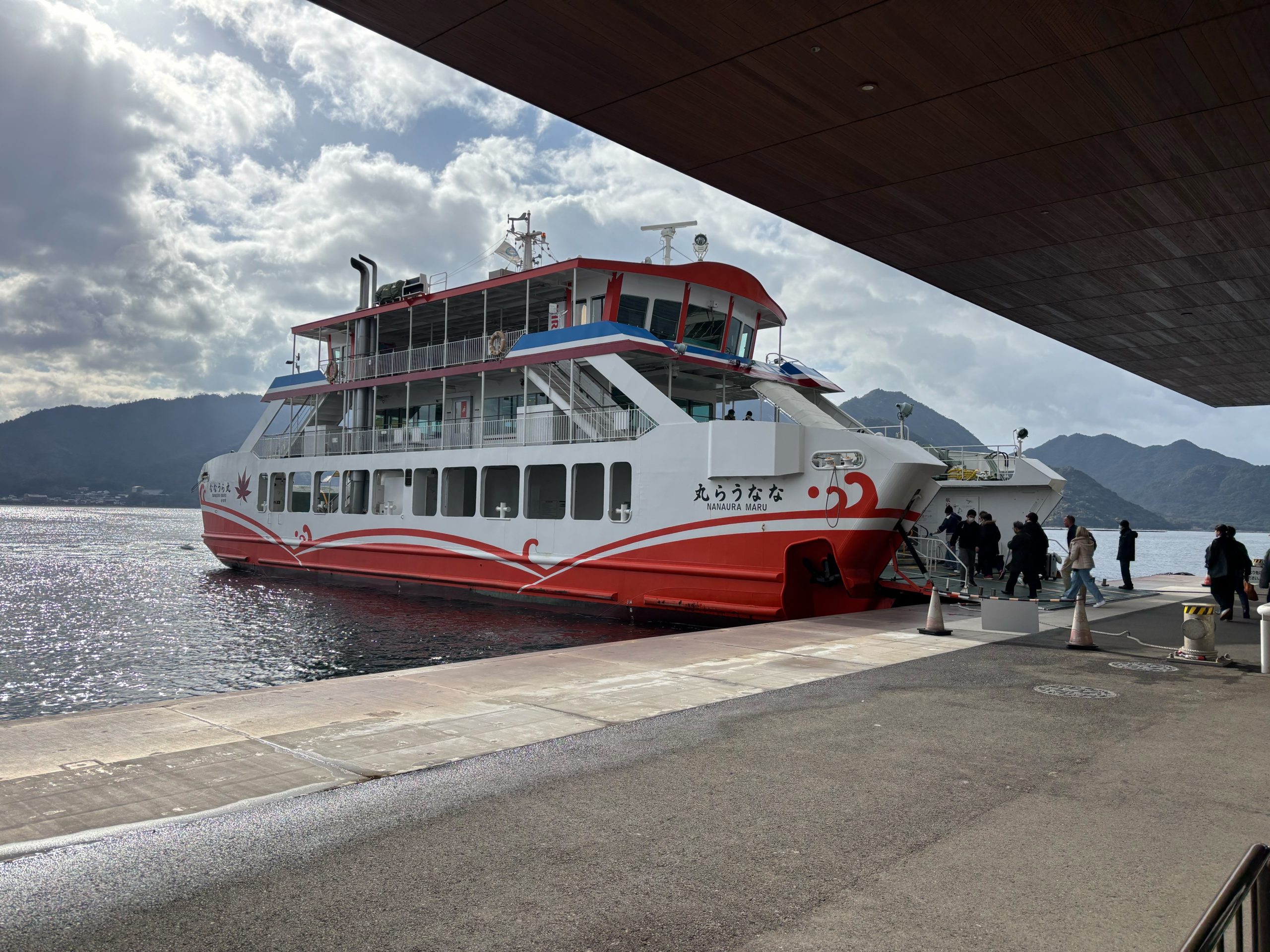
The Miyajima ferry isn't just a way to get to the island — it's the be...
Facilities and Accessibility
The lot includes 5 EV charging stations and 5 designated wheelchair-accessible spaces. EV charging may require an advance phone call to the management in some circumstances, particularly during busy periods — check the notice boards on-site for current contact details and any operational requirements.
Payment is primarily cashless, which keeps the exit process quick and orderly. However, whether high-denomination bills are accepted depends on the specific payment machines installed, so it’s worth having a transportation IC card or smaller bills as a backup.
For families with strollers, the elevator placement is logical and easy to find. The accessible routes between floors and toward the terminal exit are well marked, and the walking distance to the ferry is short enough that you won’t feel rushed even with young children or heavy luggage. I’ve pushed a stroller through without any trouble — and the covered sections help on rainy days too.
If the weather turns while you’re on the island, the Miyajima Aquarium (Miyajimarin) is a great rainy-day option and even offers free stroller rentals on-site, so you can fold yours up before boarding the ferry.

Miyajima Aquarium — officially known as Miyajima Marine, or Miyaji Mar...
Parking Near the Ferry: When to Arrive and What to Watch For
On weekdays, you’ll generally find a space without much difficulty. Weekends, public holidays, and peak travel seasons are a different story — the lots closest to the ferry terminal tend to fill up first, and traffic backing up from National Route 2 and the prefectural road can add meaningful delays to your arrival.
The peak congestion period of the year is late March through early April (spring break), and August 14th — the night of the Miyajima fireworks festival — is so intensely crowded that even local residents tend to avoid driving entirely. On days like that, public transit is strongly recommended.
For everyone else, a few practical strategies go a long way:
- Arrive before 8:00 AM on busy days — local knowledge suggests the area behind the “Momiji Honpo” shop near Miyajima-guchi tends to have availability early in the morning.
- Target the 2–4 PM window for your return if possible — this is consistently the least congested time to exit.
- Drop passengers at the terminal first, then the driver parks alone — this saves time and reduces stress on high-traffic days.
- During major holidays, consider combining a pre-reserved “mountain-side” lot as a backup, or use a park-and-ride facility in the broader area.
Once you’ve parked and made it to the island, the Omotesando Shopping Street is a perfect first stop for street food and local snacks — it’s lively, family-friendly, and a great way to ease into the island.
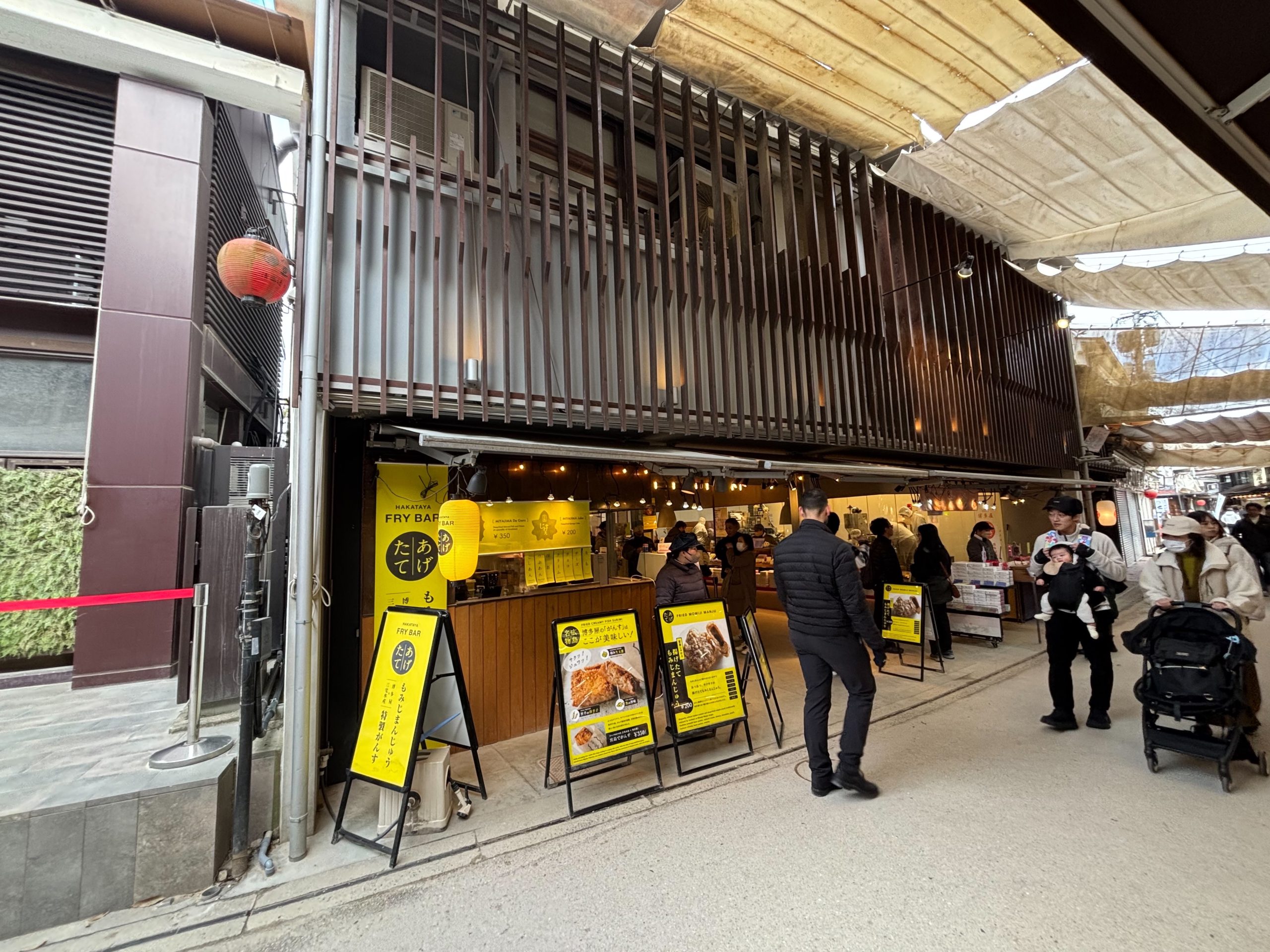
Miyajima's main shopping street — known locally as Omotesando — is a l...
Partnership Discount with Etto
The adjacent commercial facility etto (エット) has a partnership with this parking lot that may qualify you for a parking discount when you make purchases there. The specific conditions — minimum spend, eligible stores, and qualifying hours — are posted inside etto and at individual shops, so check the current notices when you visit. If you’re already planning to browse the shops or grab a meal before or after the ferry, this is worth looking into as a way to offset your parking cost.
Vehicle Size Restrictions
The lot accepts vehicles up to: height 2.0m, length 5.0m, width 1.9m, weight 2.0 tons. Large vans, trucks, and buses are not accommodated. If you’re traveling in a minivan or SUV with a roof box, cargo carrier, or extended antenna, measure your total height before arriving — the entry buzzer going off mid-entry is more stressful than it sounds (ask me how I know). Double-check your vehicle’s full loaded height before you leave home.
For motorcycles and other two-wheeled vehicles, follow the instructions posted at the facility entrance.
Other Parking Options Near Miyajima-guchi
The broader Miyajima-guchi area has approximately 37 parking options in total, so if this lot is full, you have alternatives. Two worth knowing about are the Times No. B Miyajima-guchi Nishi Temporary Parking Lot (No. 33), which offers pre-reservation capability, and Chu-B Park (No. 34), which runs a free shuttle bus to the terminal. During peak season, having a backup reservation at a mountain-side lot combined with your primary choice near the ferry is a smart two-pronged strategy.
Once you’re on Miyajima, don’t miss the ropeway up to Mount Misen. The sacred flame that has reportedly burned for over 1,200 years is a highlight that genuinely impresses visitors of all ages.
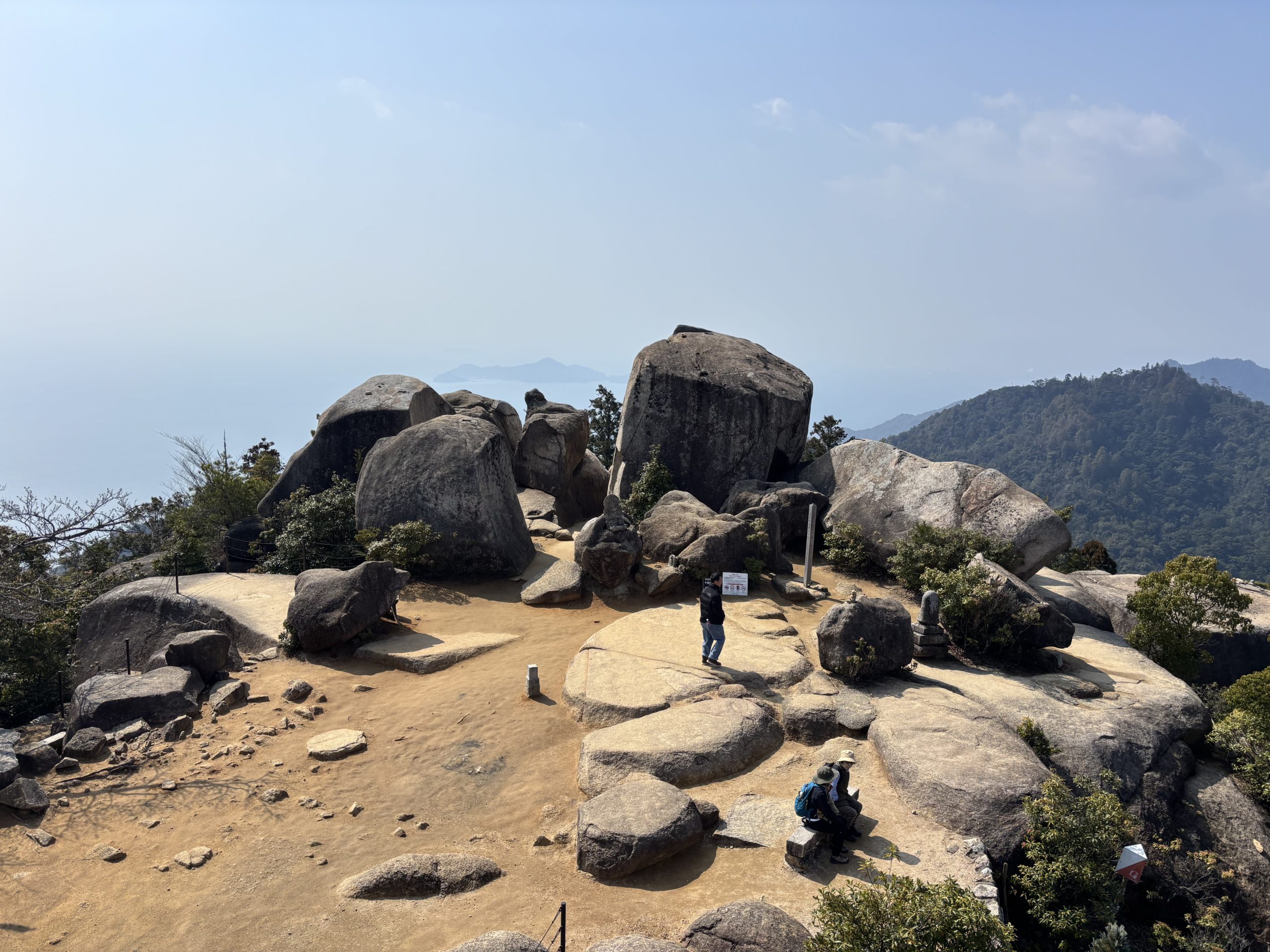
Rising 535 meters above Miyajima Island, Mount Misen is the sacred pea...
And be sure to try anago-meshi (conger eel rice) — one of Miyajima’s most beloved local specialties. Note that a ¥100 island visitor tax has been in effect since October 2023, so factor that in alongside your ferry fare when planning your budget.
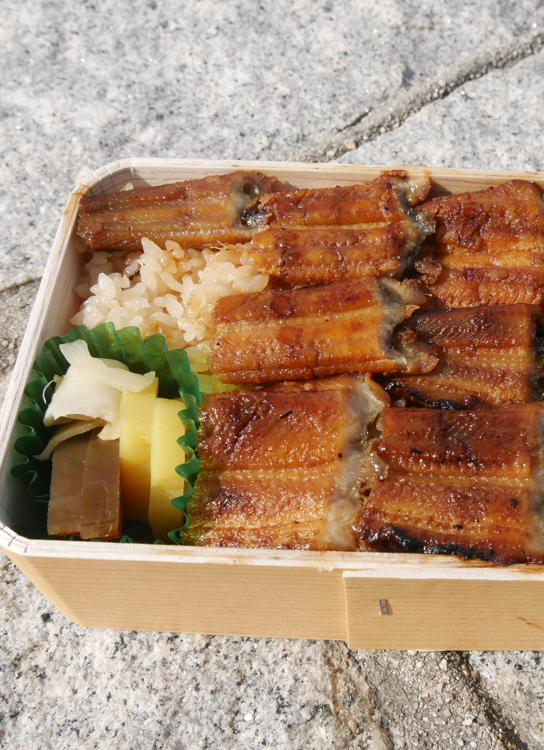
Miyajima Island is famous for its floating torii gate and ancient shri...
Daisho-in Temple, which actually predates Itsukushima Shrine in historical records, is a fascinating power spot popular with locals and one of the island’s most spiritually significant sites. Its spring fire-walking ceremony is particularly memorable.

Discover Daishoin Temple, Miyajima's oldest and most sacred Buddhist site. History, highlights, seasonal events, and practical visitor tips.
Of course, once you’ve parked, the main event awaits — Itsukushima Shrine, a UNESCO World Heritage Site and one of Japan’s most iconic landmarks. First-time visitors are almost always blown away.
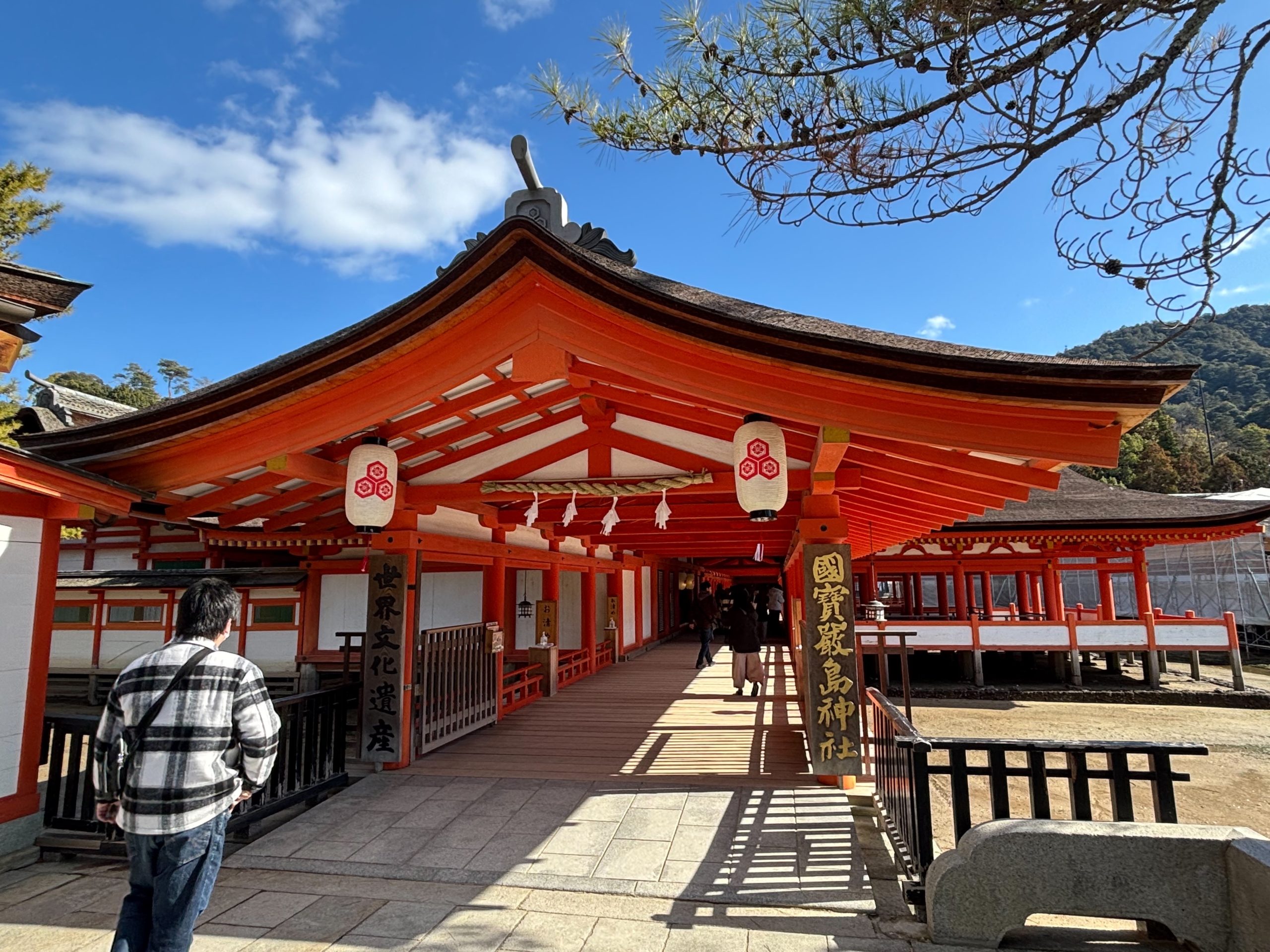
Itsukushima Shrine sits at the edge of the sea on Miyajima Island, jus...
※ All facility information is subject to change. Please confirm the latest details on the official website or at the facility before your visit.
FAQ
Is it really only a 3-minute walk to the Miyajima ferry terminal?
Under normal crowd conditions, yes — about 3 minutes on foot. During extremely busy periods it may take a little longer, but the route is straightforward and well signposted. It’s a manageable distance even with a stroller, young children, or luggage.
What are “special days” and how do they affect pricing?
Special days are high-demand periods like Obon (around August 13–16) and the New Year holiday season. Even if your visit falls on a weekday during these periods, the weekend rate applies: ¥300 per 30 minutes during the day with a ¥1,600 daily maximum. Check the official site’s calendar before your trip if you’re visiting near a major holiday.
Does the daily maximum rate apply more than once for long stays?
Yes — the daily maximum resets by time block (daytime and overnight are separate). This is actually helpful for longer stays, as costs don’t accumulate without a cap. If you plan your timing around the daytime/overnight transition, you can manage expenses fairly predictably.
Is advance booking required for EV charging?
The lot has 5 EV charging stations, but operational circumstances may require an advance phone call to management. The relevant contact information and current procedures are posted on signage inside the facility — check these on arrival or call ahead if EV charging is important to your trip.
Is this lot suitable for families with young children?
Very much so. The layout is open and easy to navigate, elevators are clearly located, and the wide lanes give you space to unload safely. The short walk to the terminal is a genuine plus when you’re wrangling kids and bags. The clear floor markings also make it easy to remember where you parked — helpful when you return after a full day on the island.
Can I pay with cash? Are IC cards accepted?
Payment is primarily cashless. Whether high-denomination bills are accepted depends on the specific machines at the exit. To avoid surprises, bring a transportation IC card (like Suica or Icoca) or have smaller bills on hand as a backup.
What should I do if this lot is full when I arrive?
During peak season, “mountain-side” lots further from the terminal fill up more slowly than the waterfront options. You can also look into pre-reservation lots like Times No. B Miyajima-guchi Nishi (No. 33) or use the Chu-B Park (No. 34) free shuttle service. On the busiest days — spring break and the August 14 fireworks — taking the train to Miyajima-guchi and skipping the car entirely is genuinely the easiest option.
Summary
For visitors driving to Miyajima, the Mitsui Repark Miyajima-guchi Passenger Terminal Parking Lot combines an unbeatable location, a clean and modern facility, and a transparent pricing structure that makes it one of the most straightforward options in the area. The 3-minute walk to the ferry, the family-friendly design, and the clear signage make it especially well suited to first-time visitors and those traveling with children.
For busy holiday periods, the best approach is to combine an early arrival (before 8:00 AM) or a pre-reserved mountain-side backup with this lot as your primary target. Confirm special day rates and any discount partnership details on the official site before you go — and then focus on enjoying what awaits on the other side of that ferry ride.