
Tucked into a quiet side lane just a short walk from Itsukushima Shrine, Ochadora Okimitsu is one of Miyajima’s most rewarding hidden cafés. Housed inside a traditional Japanese farmhouse (kominka) that is over 100 years old, this intimate tea house serves fluffy anago rice, fragrant green tea soba, and handcrafted Japanese sweets — offering travelers a genuine moment of calm between the island’s most beloved sights. If you are looking for a Miyajima café that feels authentically local rather than touristy, Okimitsu is it.
A 100-Year-Old Kominka Café on Miyajima: Ochadora Okimitsu
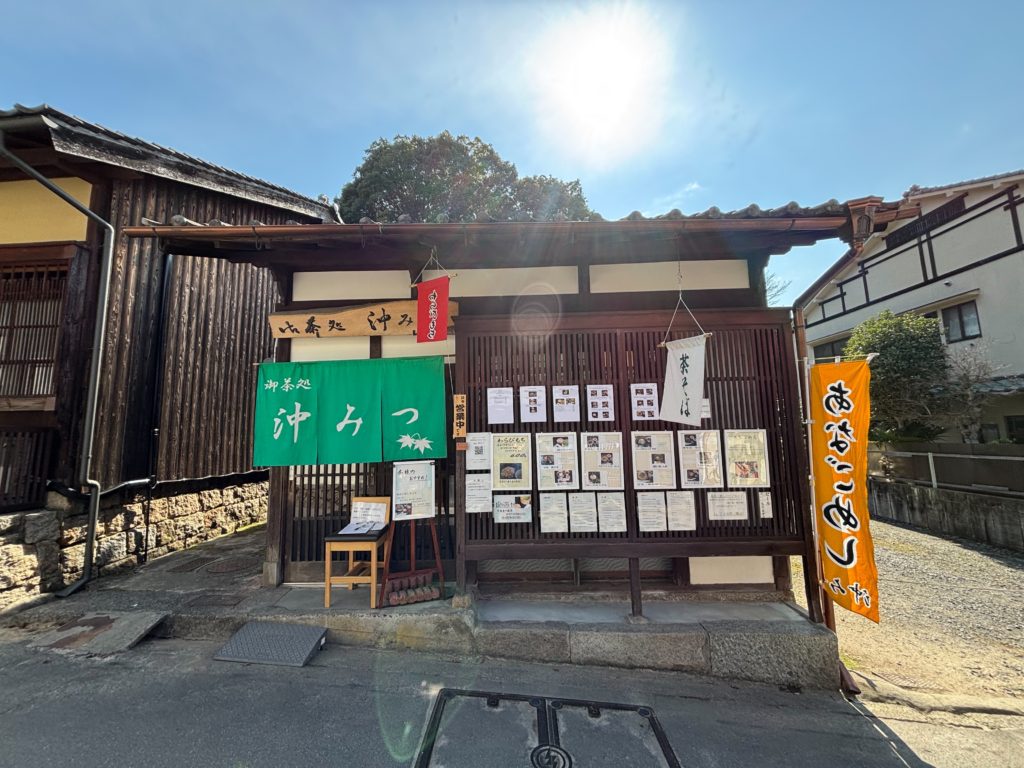
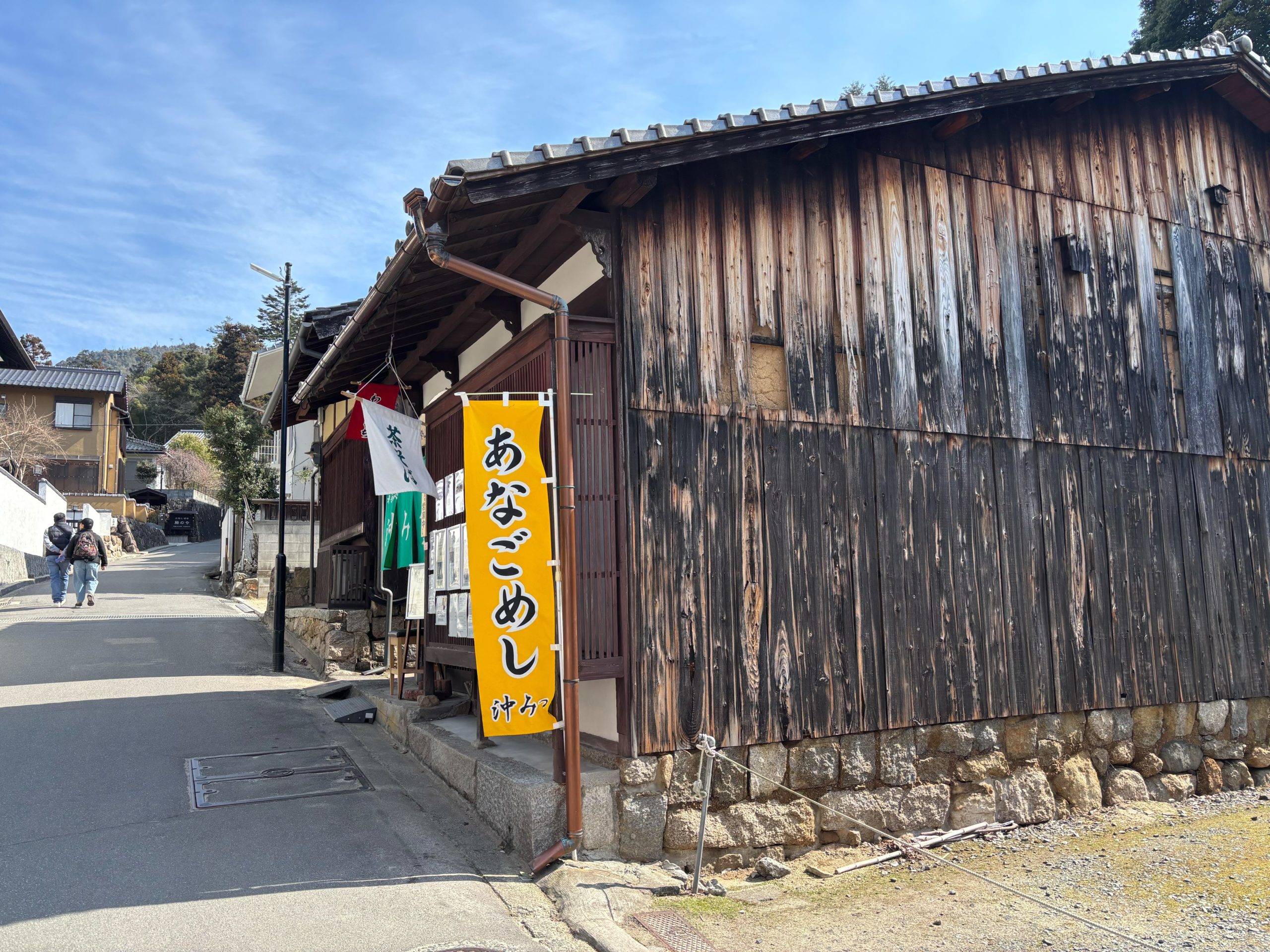
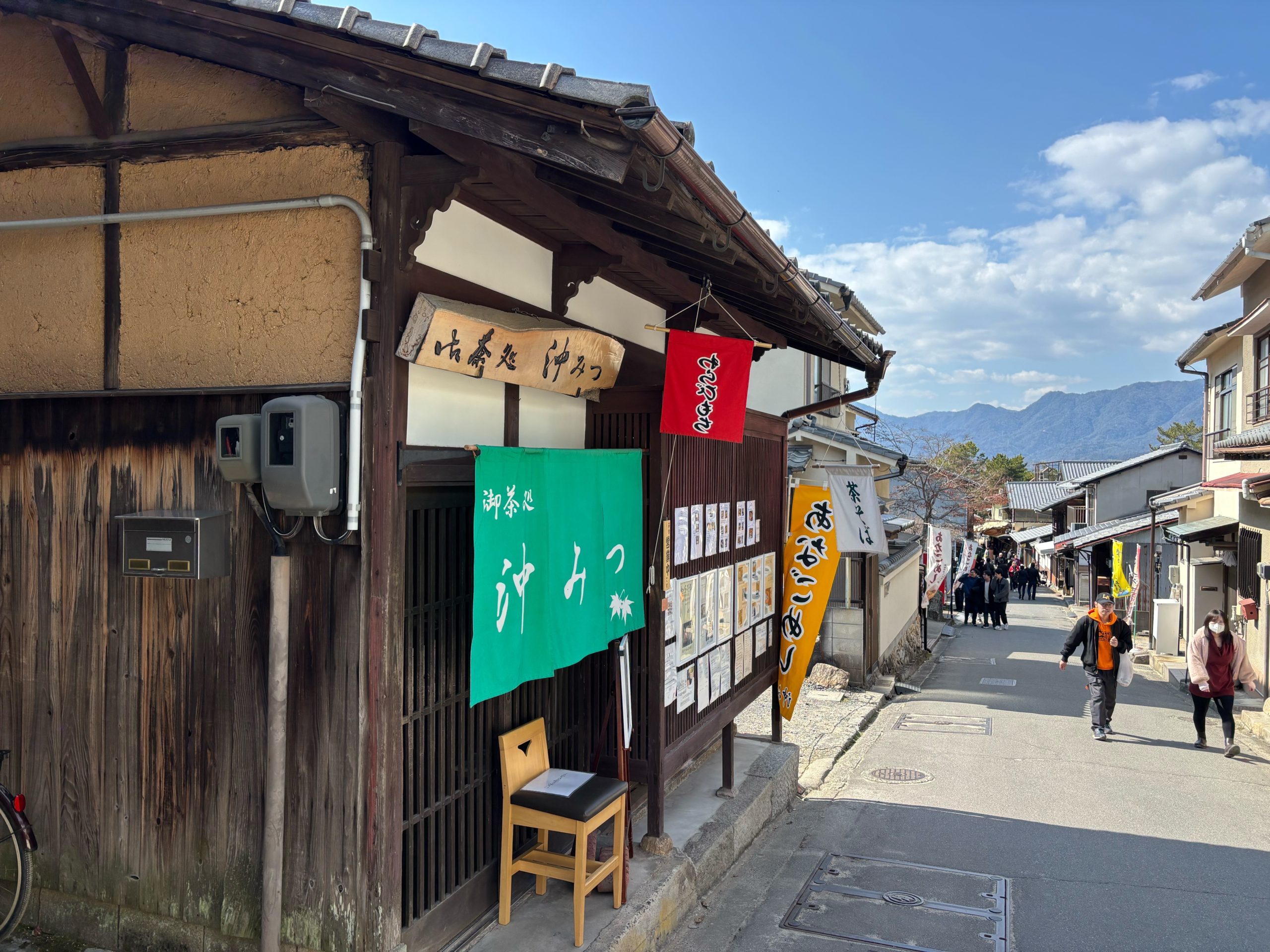
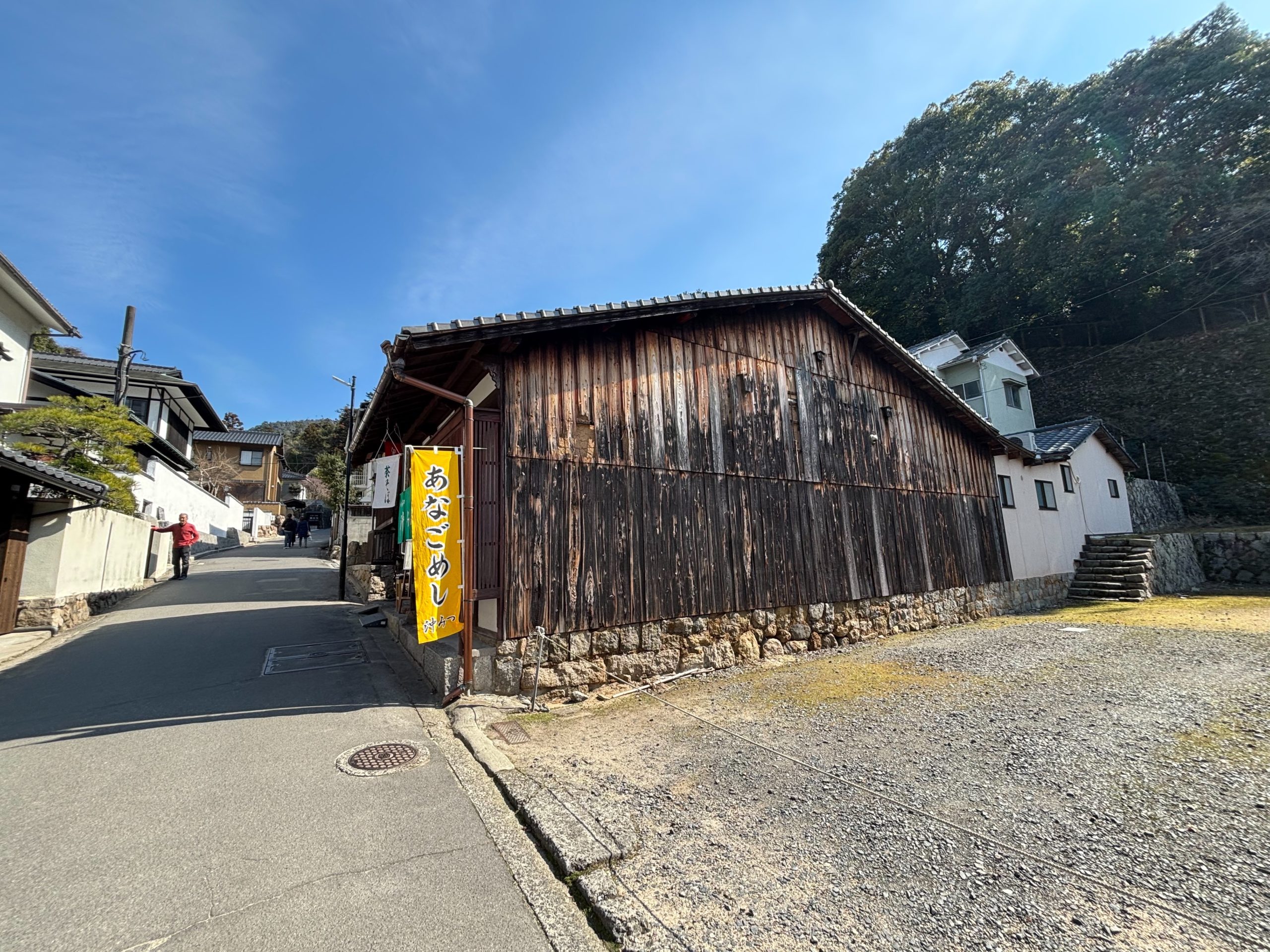
From Itsukushima Shrine, cross the slanted bridge and head into Takigamichi lane. Turn left at the intersection and walk roughly 200 meters toward Fujidana Park — you will spot Okimitsu on your right, recognizable by its deep green noren (fabric divider hanging at the entrance). The building itself is a beautifully preserved 100-year-old machiya townhouse and is even recognized as a designated traditional structure.
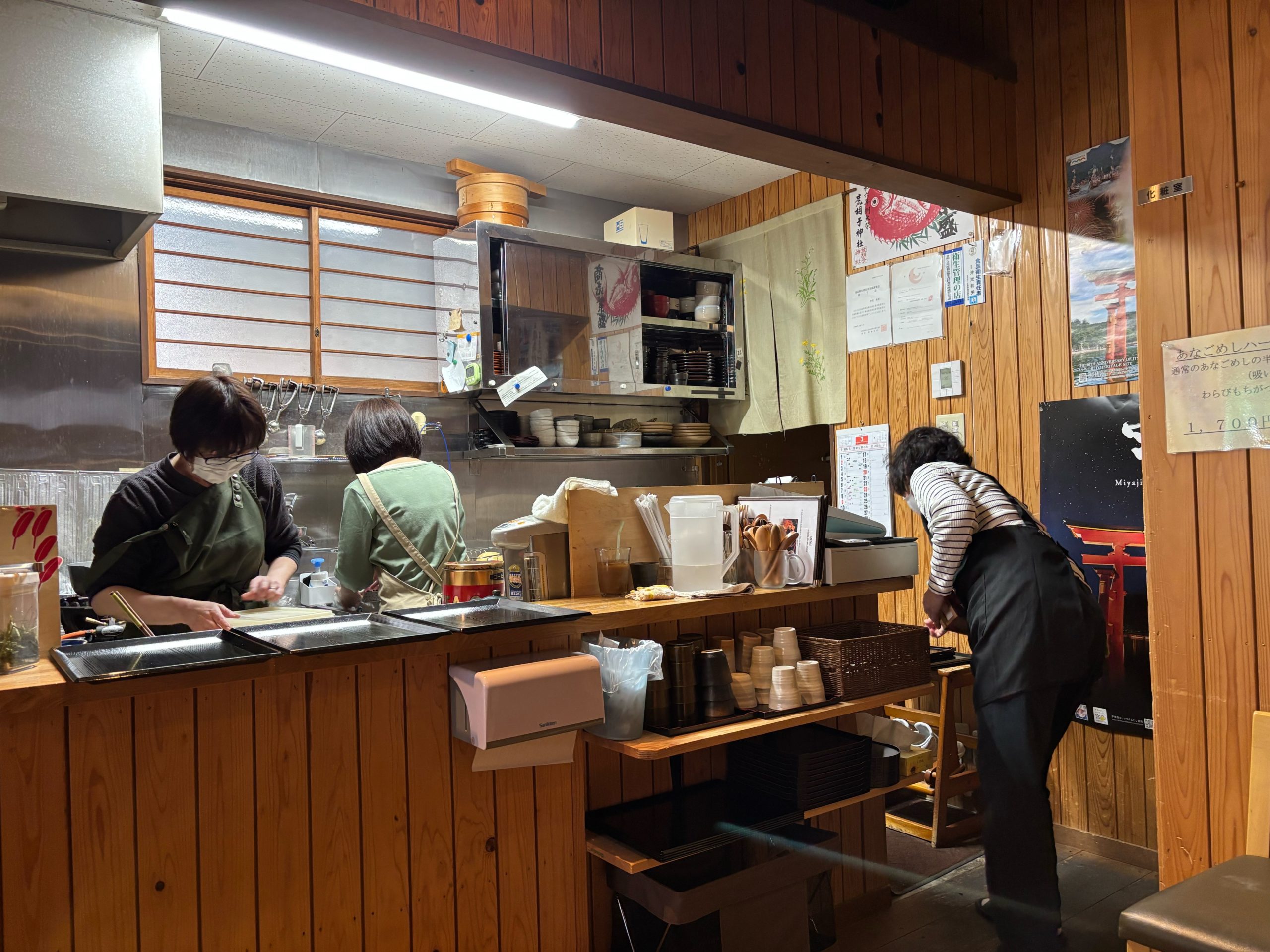
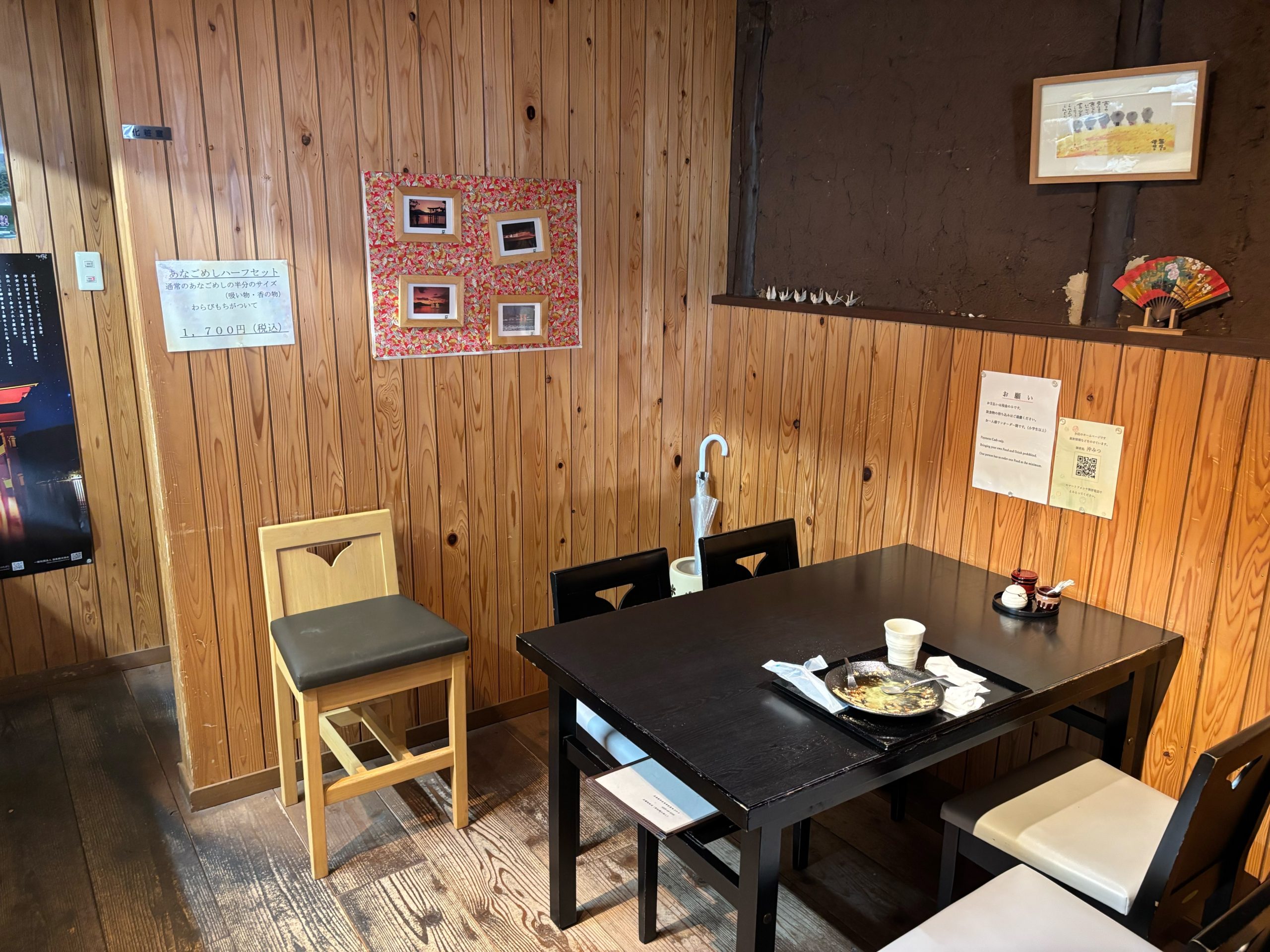
The café opened in 2006, and owner Oki Mitsuo has spent nearly two decades carefully maintaining the character of the original architecture while serving food made with genuine craft. Exposed wooden beams, antique fittings, and quietly placed Japanese decorative objects create a space that feels like stepping out of tourist Miyajima entirely — and into something much older and calmer.
The first time our family visited, the kids immediately looked up at the ceiling beams with wide eyes. My older daughter declared it felt like “a house from old Japan,” while my younger one was completely transfixed by the small decorative objects on display. That sense of wonder is part of what makes this place special.
As a local, I can tell you that weekdays between 2:00 PM and 4:00 PM are consistently the quietest window — the kind of visit where the stillness of the old house settles around you and the sweets taste even better for it.
If you haven’t yet visited Itsukushima Shrine itself, it’s an essential stop right on the way — our guide covers everything you need to know before you go.
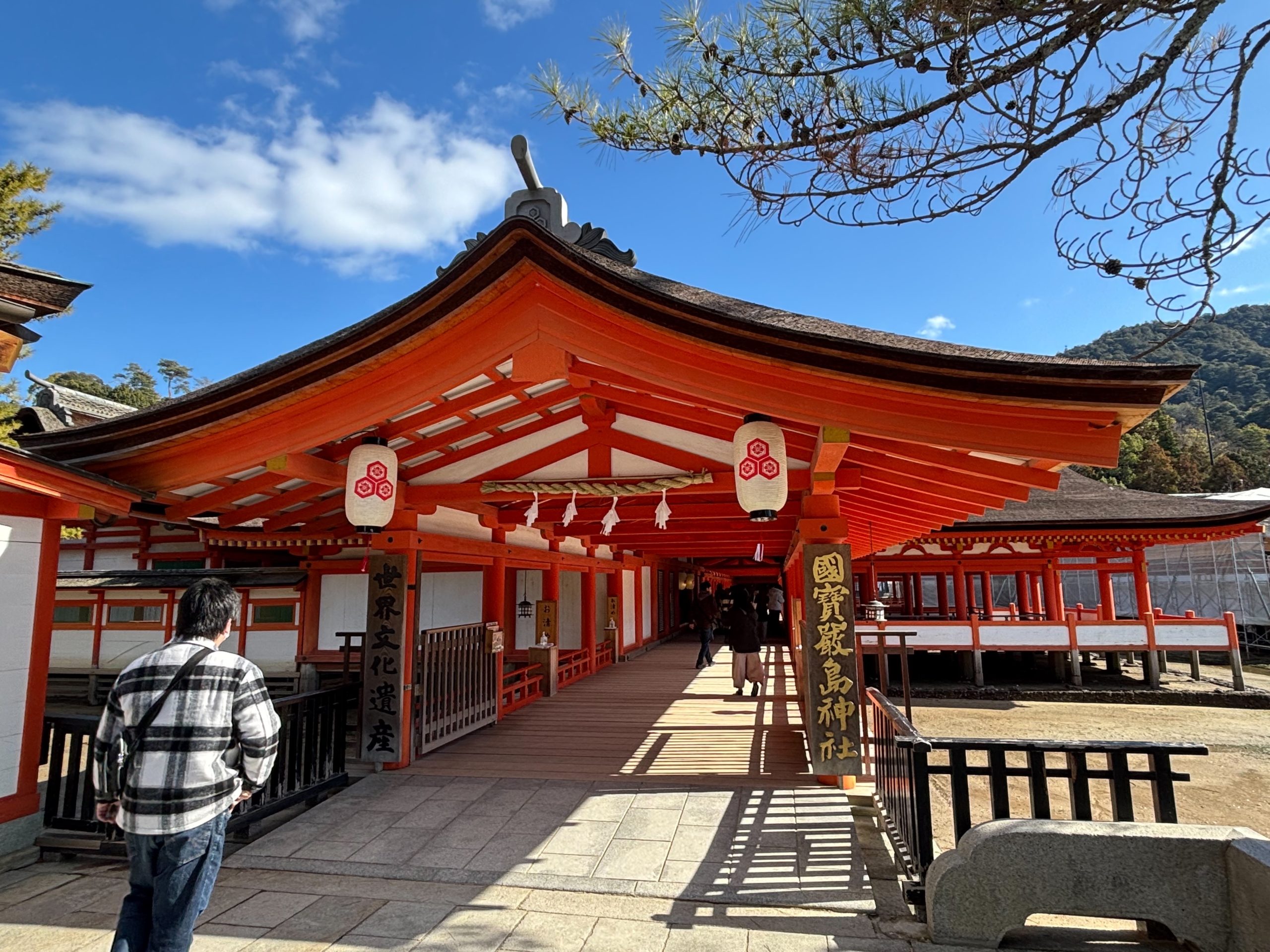
Itsukushima Shrine sits at the edge of the sea on Miyajima Island, jus...
Inside the Café: Pure Japanese Atmosphere
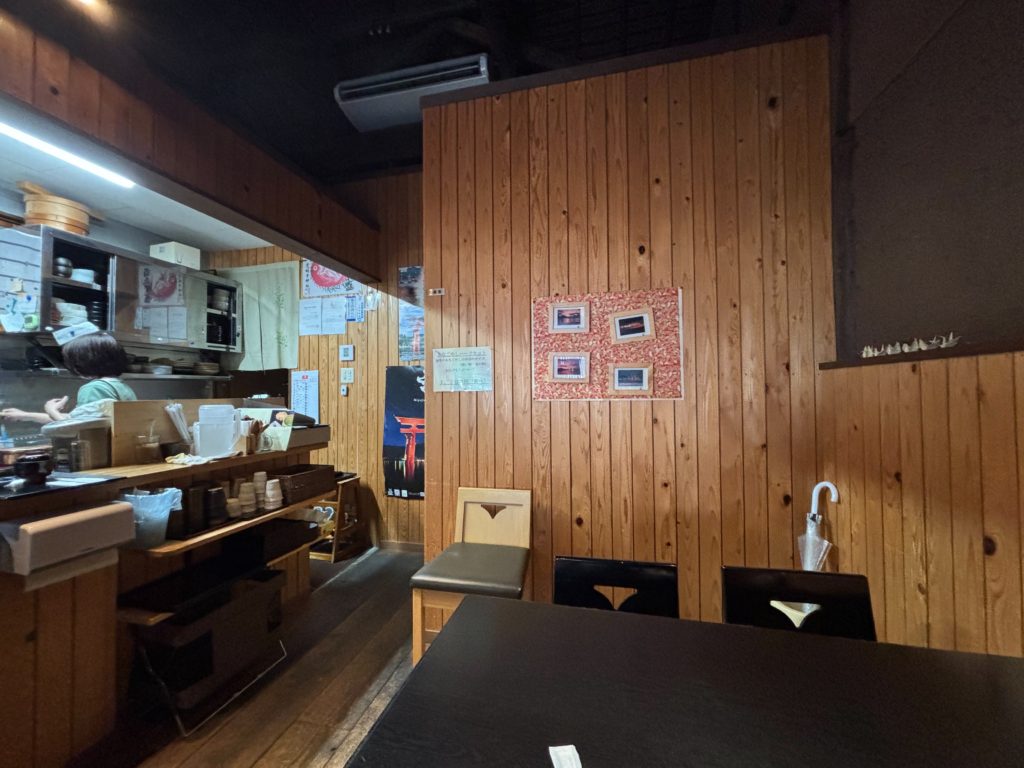
The interior is simple and warm, with natural wood-grain tables, soft lighting, and small Japanese craft objects arranged around the room. With only 18 table seats in total, the space is intentionally intimate — the kind of scale that makes service feel genuinely attentive and the atmosphere genuinely quiet. On the Sunday we visited, the café was lively, but we were lucky enough to be seated without a wait.
Families with strollers may be accommodated depending on current seating capacity — it is worth asking at the door. And if you need a nursing room nearby, the Miyajima Tourist Information Center on the second floor of the Omotesando shopping street has one available, just about a five-minute walk from the café.
Rainy days in Miyajima can feel like a mixed blessing, but Okimitsu is genuinely one of the best places on the island to wait one out. The old house absorbs the sound of rain in a way that feels peaceful rather than dreary, and a cup of hot tea with warabi mochi is exactly the right thing.
After a rest at Okimitsu, many visitors enjoy pairing the visit with a browse through the Omotesando covered shopping street — it’s just a short walk away and perfect for souvenir hunting.
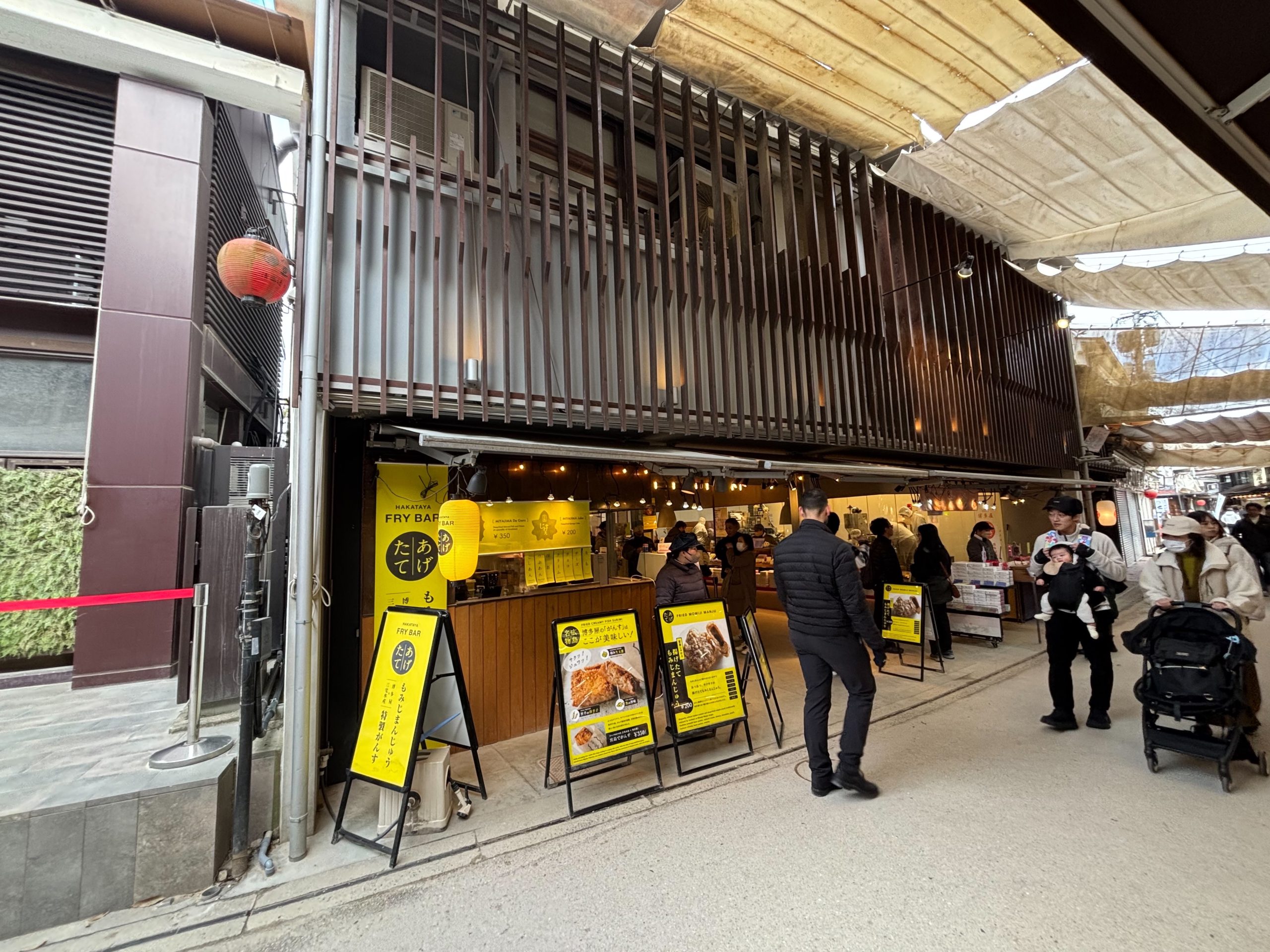
Miyajima's main shopping street — known locally as Omotesando — is a l...
The Assorted Sweets Platter: A Must-Try at This Miyajima Café
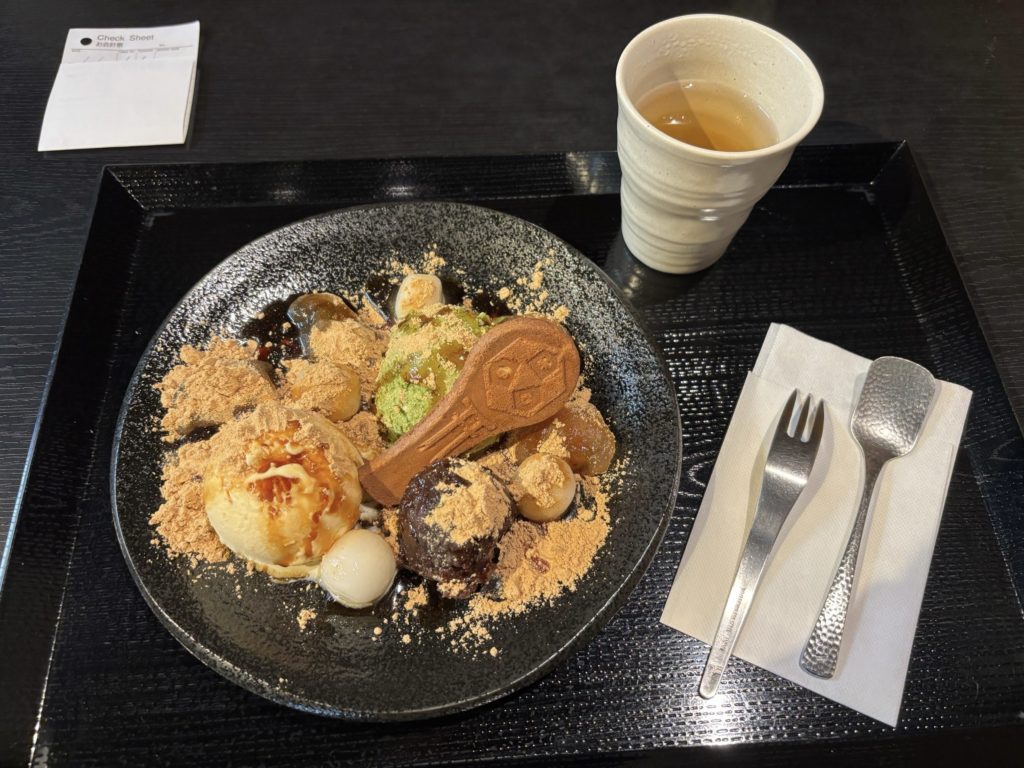
We ordered the Assorted Sweets Platter (¥1,100), which is essentially the entire supporting cast of Okimitsu’s sweet menu presented together on one dish. It arrived with two generous scoops of ice cream, soft shiratama rice dumplings, the café’s signature warabi mochi, an-dango sweet bean skewers, and a generous drizzle of kuromitsu (black sugar syrup) and kinako (roasted soybean flour). A small shamoji-shaped senbei cracker comes as a playful extra — use it to scoop ice cream and you will understand immediately why people love this platter.
The warabi mochi is the undisputed star of the menu. It has a melt-in-your-mouth softness that is genuinely different from mass-produced versions — the texture hovers between silky and yielding, and the kuromitsu and kinako bring out a toasty, lightly bitter depth that keeps each bite interesting. Hot green tea is included with the platter, and the combination of warm tea with sweet bean paste at the end of the meal has a way of erasing fatigue.
The exact composition of the platter may shift slightly with the season and available ingredients — occasionally a piece of momiji manju (Miyajima’s famous maple leaf cake) appears on the plate, other times a different wagashi. Whatever arrives, the warabi mochi remains constant and remains worth the trip on its own.
When we shared the platter as a family, everyone had a different favorite: my husband was sold on the warabi mochi texture, my older daughter loved pairing the ice cream with the senbei cracker, and my younger daughter went straight for the kuromitsu. That kind of layered enjoyment is exactly what a great sweets platter should offer.
Everything here is made by hand, and you can taste it. Please note that information may change, so check the café directly for the most current menu details before your visit.
Location and Atmosphere
Okimitsu sits just past the exit gate of Itsukushima Shrine, along a narrow lane that follows a small stream toward Fujidana (Wisteria) Park. It is only a few minutes’ walk from the shrine, but already far enough from the main promenade that the crowds thin noticeably. The path itself is a pleasant micro-stroll, and in season the park nearby adds a quiet splash of color to the walk. If you need a break from the bustle of the main shopping street, this neighborhood is genuinely calming.
The walk from the shrine exit to the café takes roughly seven minutes at an easy pace — enough time for the bustle of the main approach to fade and for the quieter, residential side of Miyajima to reveal itself.
Food Menu: Anago Rice and Green Tea Soba
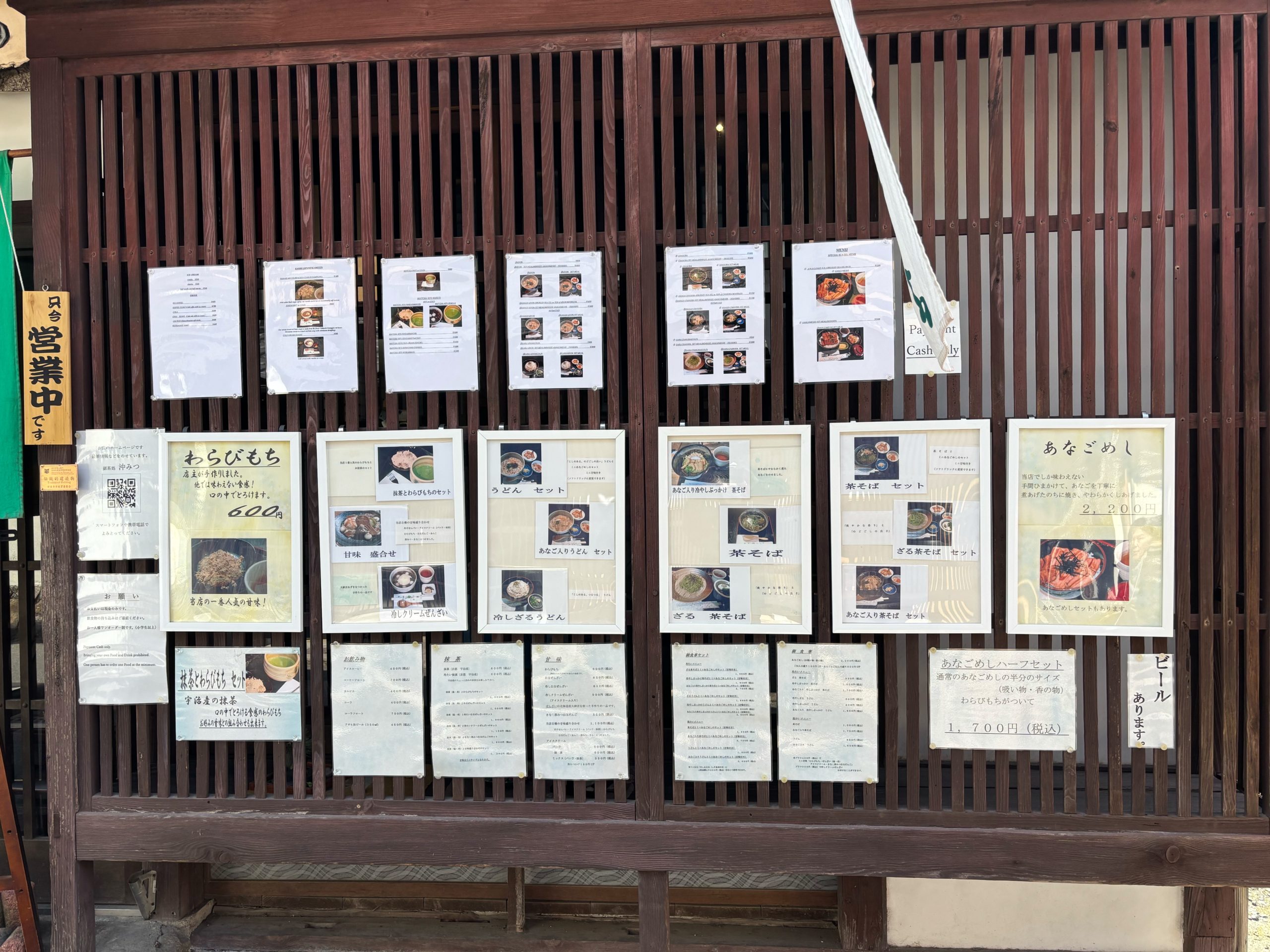
All food prices include tax. Hot and cold versions are available for both the cha soba and udon. The main food menu includes:
- Limited Anago Meshi — available in limited quantities daily
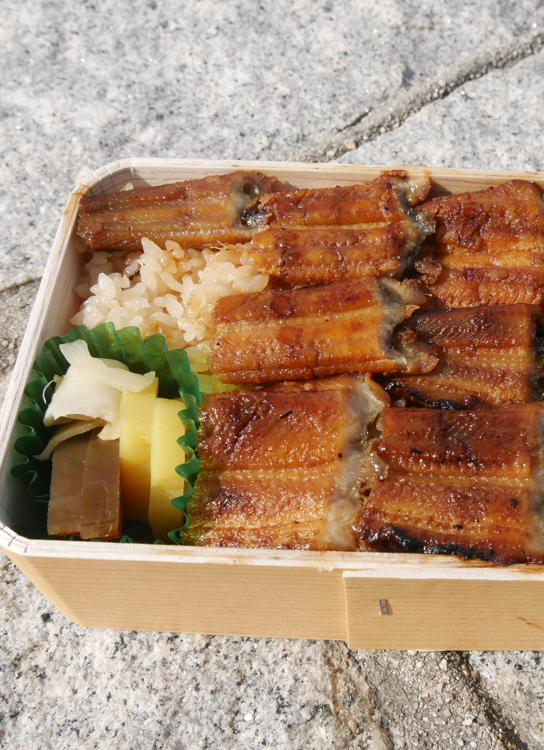
- Anago Meshi (conger eel rice) — ¥2,200
- Anago Cha Soba (eel and green tea noodles) — ¥1,750
- Cha Soba (green tea noodles) — ¥1,000
- Udon — ¥850
- Anago Udon — ¥1,650
The anago meshi here features fluffy-textured eel cooked until tender and served over fragrant rice with a savory-sweet tare sauce — a very Miyajima combination. The cha soba, made with green tea-infused noodles, has a pleasant aroma and satisfying chew that makes it a natural fit for a post-shrine lunch. Both are solid options if you want a proper meal as part of your café stop.
Miyajima has several great spots for anago rice — if you want to explore more options before you visit, our full guide to anago meshi on Miyajima is a good place to start.
Miyajima Island is famous for its floating torii gate and ancient shri...
Sweets and Drinks Menu
The sweets menu is where Okimitsu really shines. All items are handcrafted:
- Warabi Mochi — ¥600 (most popular item)
- Daigonin Azuki Shiratama Zenzai (warm sweet red bean soup with rice dumplings) — ¥650
- Cold Shiratama Zenzai — ¥650
- Cold Cream Zenzai — ¥900
- Kinako Kuromitsu Shiratama Dango — ¥550
- Assorted Sweets Platter — ¥1,100
- Ice Cream — from ¥500
Uji matcha (strong green tea from Uji, Kyoto’s most celebrated tea-growing region) is also available and pairs beautifully with any of the sweets — the slight bitterness of the matcha makes the kuromitsu sweetness in the warabi mochi bloom in a way that feels genuinely deliberate.
Set Menu Options
The popular Cha Soba Set (¥1,950) combines a serving of cha soba with a mini anago meshi and a sweet — often the warabi mochi. It is a satisfying way to experience both the food and the sweets side of the menu without committing to two full orders, and it has become particularly popular among solo travelers and small groups who want to taste everything without overeating. An anago meshi and warabi mochi combination set has also been reported by visitors at around ¥2,500, though set menu contents and pricing can vary by season — always confirm on the day.
Access
Okimitsu is about a 15-minute walk from the Miyajima ferry pier and roughly 7 minutes on foot from the exit of Itsukushima Shrine. From Hiroden Miyajimguchi Station on the mainland, the island is approximately 2.4 km away (reached by ferry). The route from Takigamichi toward Fujidana Park is easy to follow and enjoyable to walk — look for the green noren and the unmistakably old-fashioned wooden façade on your right.
Families with young children will find the walk manageable. If you need an air-conditioned rest stop along the way, the free rest area in Momijidani Park is a lesser-known but very useful option on hot days.
Hours and Closures
Open: 10:00 AM – 4:30 PM (last order 3:30 PM)
Closed: Tuesdays (open daily during peak tourist seasons)
Note: The café may close early once popular items sell out, particularly on busy weekends and holidays. Arriving before noon or in the early afternoon is the safest approach.
If you are visiting with small children, the 10:00 AM opening window is particularly pleasant — the kominka is at its quietest, the morning light comes through the old wood beautifully, and you will likely get seated quickly.
Reservations and Payment
Reservations: Not accepted. Seating is first-come, first-served.
Payment: Cash only. Credit cards and IC/electronic payment are not accepted.
This is important to plan for — Miyajima has ATMs near the ferry terminal, but carrying cash before you head deeper into the island is strongly recommended. The midday peak (roughly 12:00–2:00 PM) tends to see the longest waits; arriving slightly before or after that window usually means a shorter wait, sometimes none at all.
Practical Info
The café has 18 seats in total, all at tables. Given its size, occasional shared seating may be requested during busy periods. The intimate scale also means that staff attention is high — a genuine plus for families with young children. Most items are for dining in only; takeout is not available for the delicate fresh-made sweets, which are best enjoyed immediately in the relaxed atmosphere of the old house.
If you are planning a family day that includes more than the shrine, the Miyajima Aquarium (Miyajimarine) pairs well with a visit to Okimitsu — the aquarium offers free stroller rentals, making it a practical and fun combination stop.

Miyajima Aquarium — officially known as Miyajima Marine, or Miyaji Mar...
What Visitors Are Saying
Reviews consistently highlight the warabi mochi — words like “melt-in-your-mouth” and “better than anywhere else on the island” appear often. The anago meshi draws praise for its tenderness and balanced sauce, though a handful of reviewers note they would have liked a bit more tare on the side — a matter of personal taste rather than a flaw. Across the board, the atmosphere of the kominka earns as much appreciation as the food itself, and a high proportion of visitors mention they plan to return on their next trip to Miyajima.
FAQ
Can I get the warabi mochi to go?
No — the warabi mochi and most other sweets are served for in-house dining only. The fresh-made texture that makes them so good degrades quickly, which is exactly why the café keeps them off the takeout menu. Enjoy them in the moment.
Does the Assorted Sweets Platter always contain the same items?
Not always. The contents shift slightly with the season and ingredient availability — you may find momiji manju on the platter some days and a different wagashi on others. The warabi mochi, however, is a constant. Treat the rest as a pleasant surprise.
Can I make a reservation?
No reservations are accepted. The café operates on a walk-in basis. Weekday mornings and the window between 2:00 PM and 4:00 PM tend to be the least crowded. Peak holiday periods will see longer waits — arrive early.
Is Okimitsu suitable for families with young children?
Yes, very much so. The table seating is comfortable for families, and the small scale of the café means staff are attentive. Stroller access depends on current seating capacity, so it is worth checking at the door. If you need a nursing room, the Miyajima Tourist Information Center on the Omotesando shopping street (about a five-minute walk) has one available.
Does the café have an English menu?
The source material does not confirm a dedicated English menu, so it is worth being prepared to point or use a translation app if needed. The menu items are straightforward, and staff are accommodating. For allergy concerns, communicate with staff at the time of ordering.
What is the best time to visit to avoid a wait?
Weekday afternoons between 2:00 PM and 4:00 PM are typically the quietest. The opening hour (10:00 AM) is also a good window. The midday peak from noon to 2:00 PM tends to see the longest lines, especially on weekends and public holidays.
What are the nearest sights to combine with a visit?
Itsukushima Shrine is seven minutes on foot. Fujidana (Wisteria) Park is right in the neighborhood and lovely in bloom. Mount Misen is accessible from nearby Momijidani Park, making Okimitsu a natural pit stop before or after the hike.
Planning to climb Mount Misen? Our guide to the trails and what to expect at the summit is a helpful read before you set off.
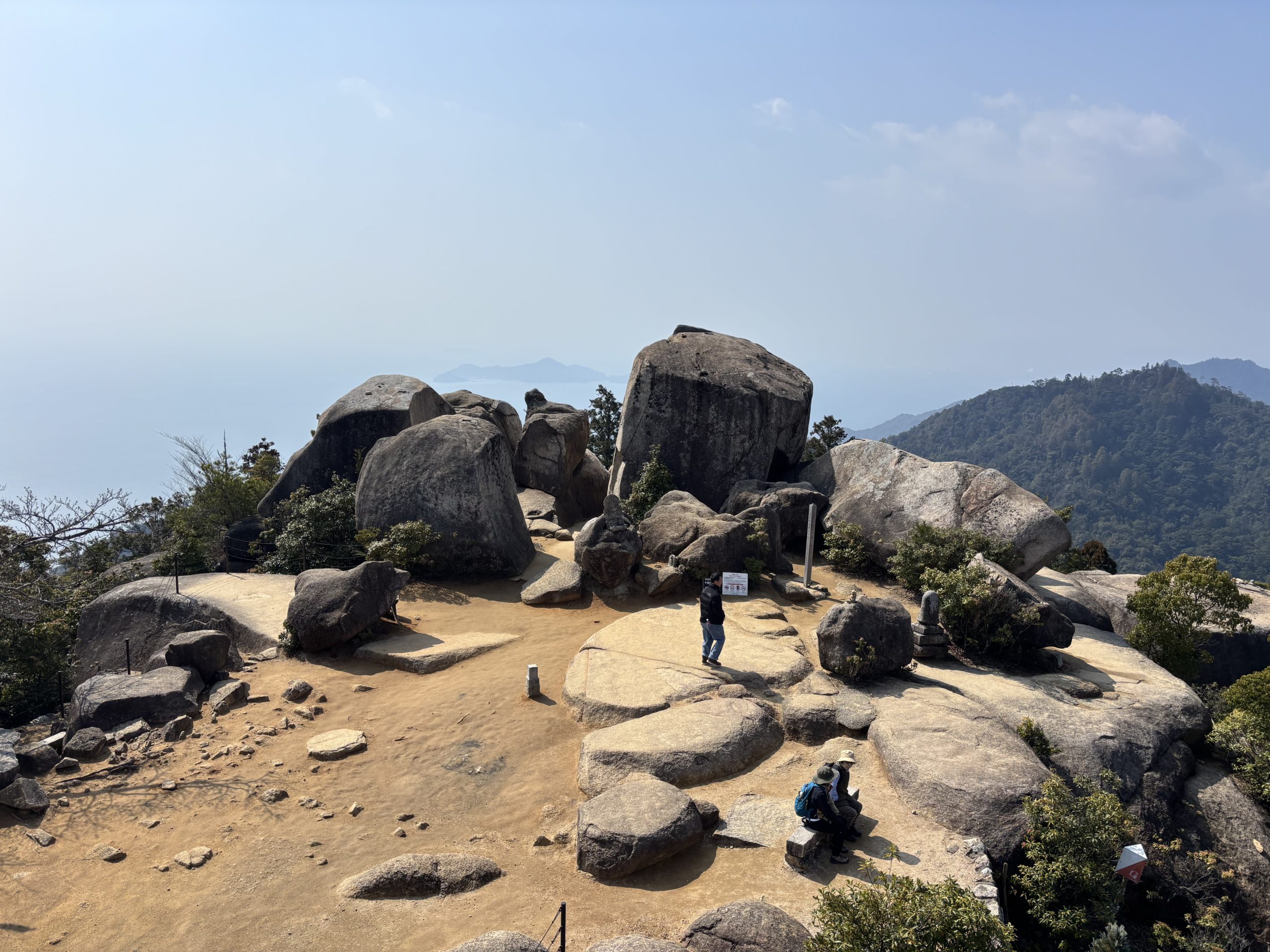
Rising 535 meters above Miyajima Island, Mount Misen is the sacred pea...
Is the café only cash, and how much should I bring?
Yes, cash only — no cards or electronic payment. Budget roughly ¥1,000–¥2,500 per person depending on whether you order food, sweets, or a set. There are ATMs near the Miyajima ferry pier if you need to stock up before exploring the island.
Summary
Ochadora Okimitsu is the kind of Miyajima café that stays with you long after the visit. It is genuinely hidden — tucked off the main tourist path, behind a green noren, inside a building that has stood for more than a century. The handmade warabi mochi alone justifies the detour, but it is the total atmosphere — wooden beams overhead, soft light through old paper screens, the particular quiet of a well-loved old house — that makes the experience feel like more than just a snack stop. Whether you are traveling solo, with a partner, or with children in tow, building Okimitsu into your Miyajima itinerary will give your visit a texture and warmth that the famous sights, as beautiful as they are, cannot quite replicate on their own.
Remember: cash only, no reservations, and popular items can sell out — especially on weekends. Plan accordingly, and enjoy every bite.
To put Okimitsu in broader context, it is part of an island with a remarkable depth of history — if you’d like to understand more about Miyajima’s UNESCO World Heritage status and what makes it so significant, our cultural overview is a great companion read.
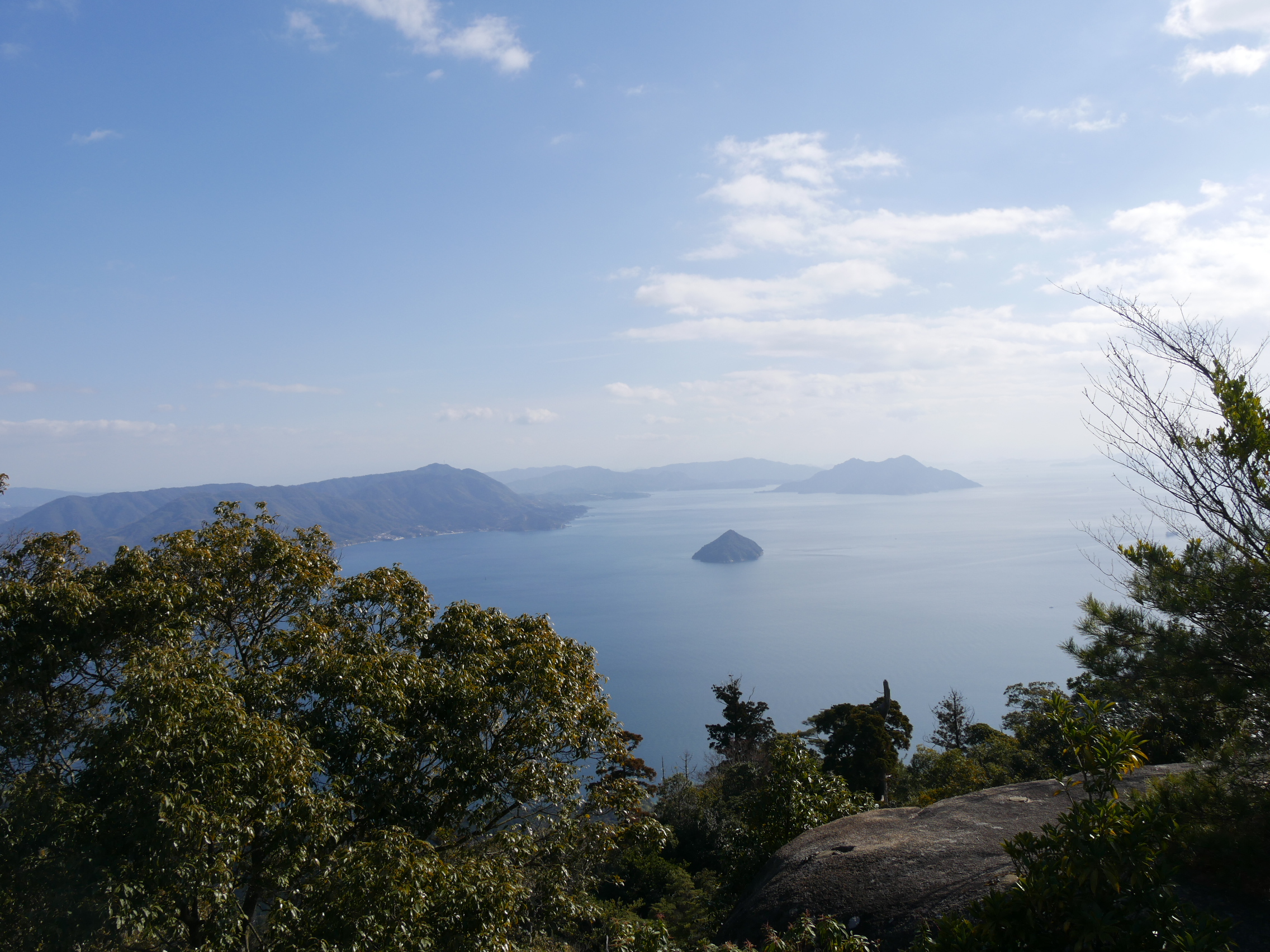
Rising dramatically from the sea off the coast of Hiroshima, Itsukushi...