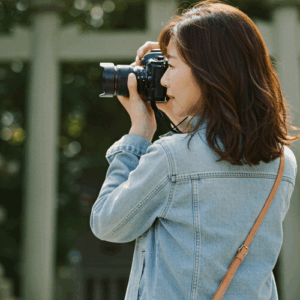
If you’re looking for a satisfying sit-down lunch on Miyajima Island, okonomiyaki — Hiroshima’s iconic layered savory pancake — is one of the most rewarding meals you can have here. Kurawanka, a beloved local institution open since 1991, has been serving Hiroshima-style okonomiyaki on Miyajima to both islanders and visitors for over 34 years. With island-inspired toppings like fresh oyster, squid tempura, and scallop alongside the classic version, it’s exactly the kind of spot where you sit down, watch the griddle work its magic, and leave wondering when you can come back.
If you’re coming from Hiroshima, the JR Ferry brings you closest to the iconic floating torii gate — a great choice for families, too.
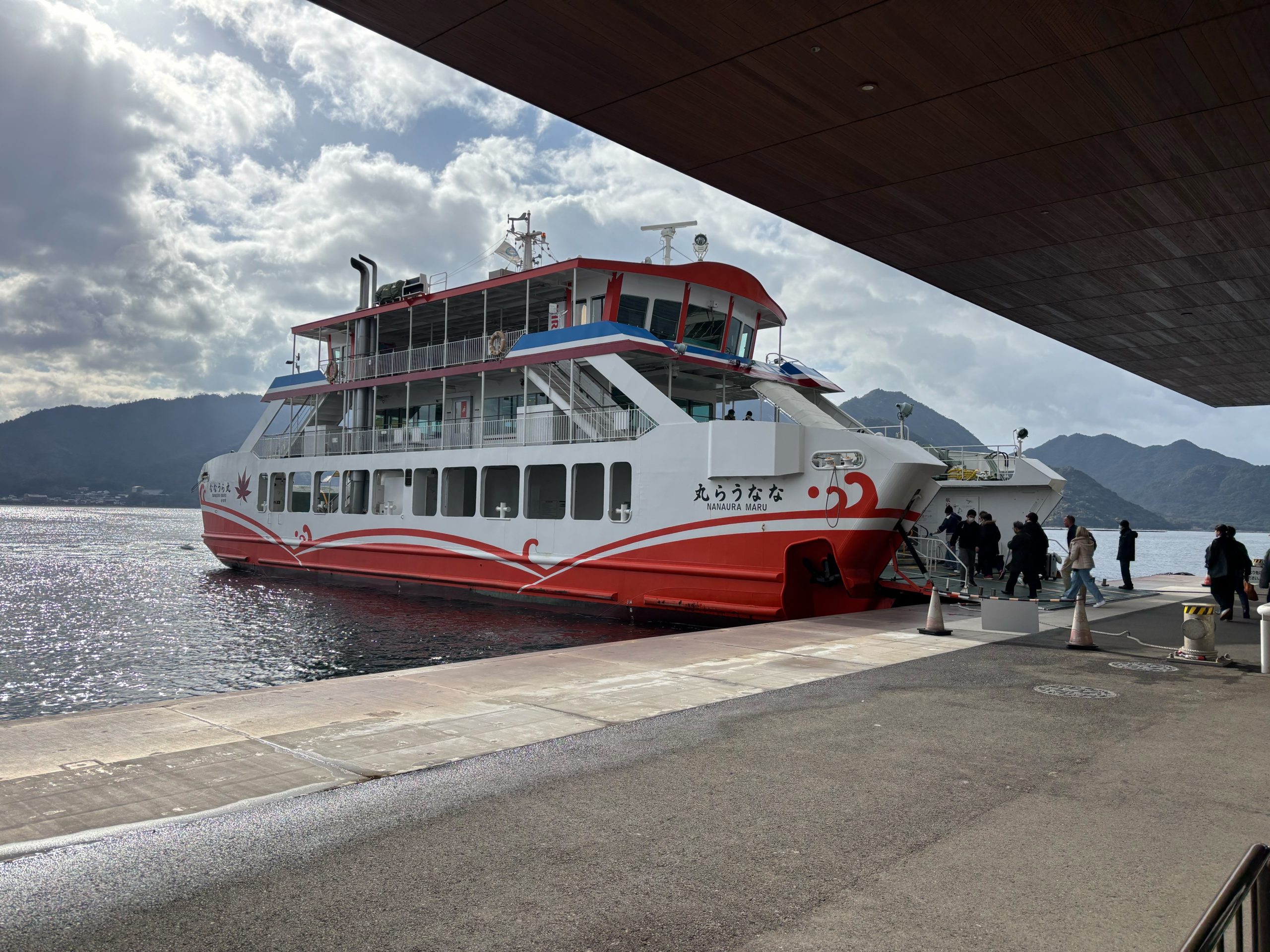
The Miyajima ferry isn't just a way to get to the island — it's the be...
Kurawanka: Miyajima’s Long-Running Okonomiyaki Restaurant
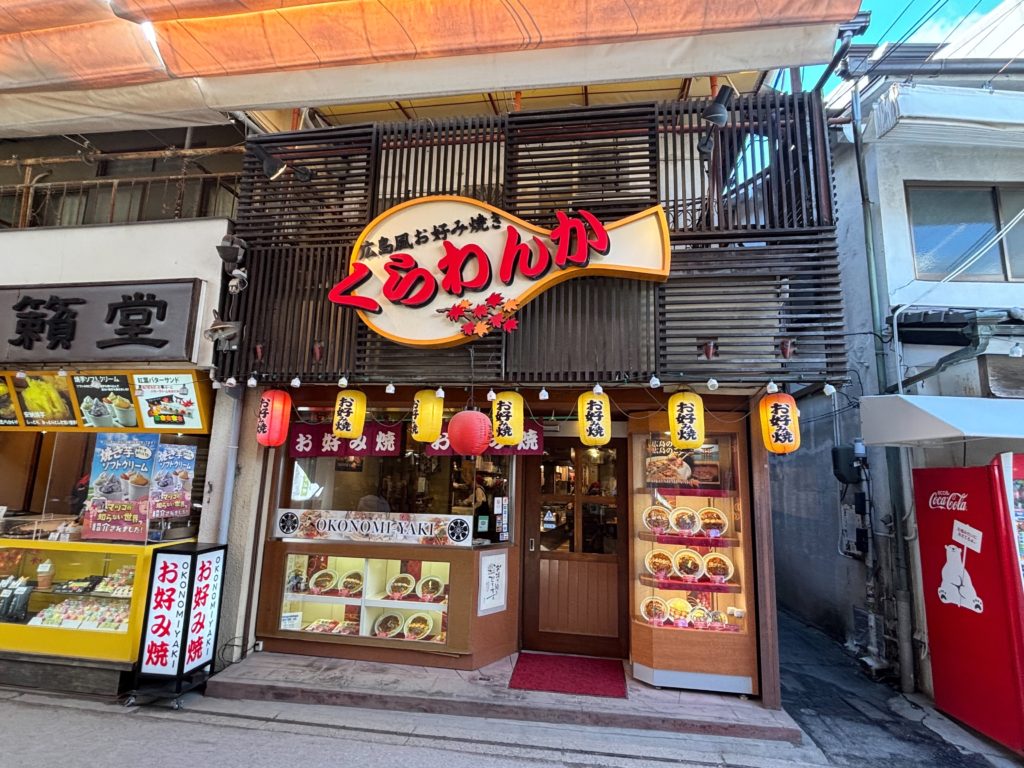
You’ll spot Kurawanka immediately — a giant shamoji (Japanese rice paddle) sign dominates the front of the building, an unmistakable landmark that stops first-time visitors in their tracks. Step inside and you’ll find a cozy, slightly retro atmosphere with paper lanterns hanging overhead, the kind of place that feels warmly lived-in rather than polished for tourists. Founded in 1991, the restaurant carries more than three decades of history in its walls, and you can feel it.
A Quick History of Hiroshima-Style Okonomiyaki
Okonomiyaki has a fascinating story rooted in postwar Japan. During World War II, a simple flatbread made from wheat flour and water — topped with little more than scallions and tempura scraps — kept people fed in difficult times. After the war, as Hiroshima rebuilt, cooks began experimenting: adding cabbage, pork belly, and noodles, layering ingredients rather than mixing them together. That distinct layering technique is what sets Hiroshima-style okonomiyaki apart from the Osaka version, and it eventually evolved into one of the most celebrated regional dishes in Japan.
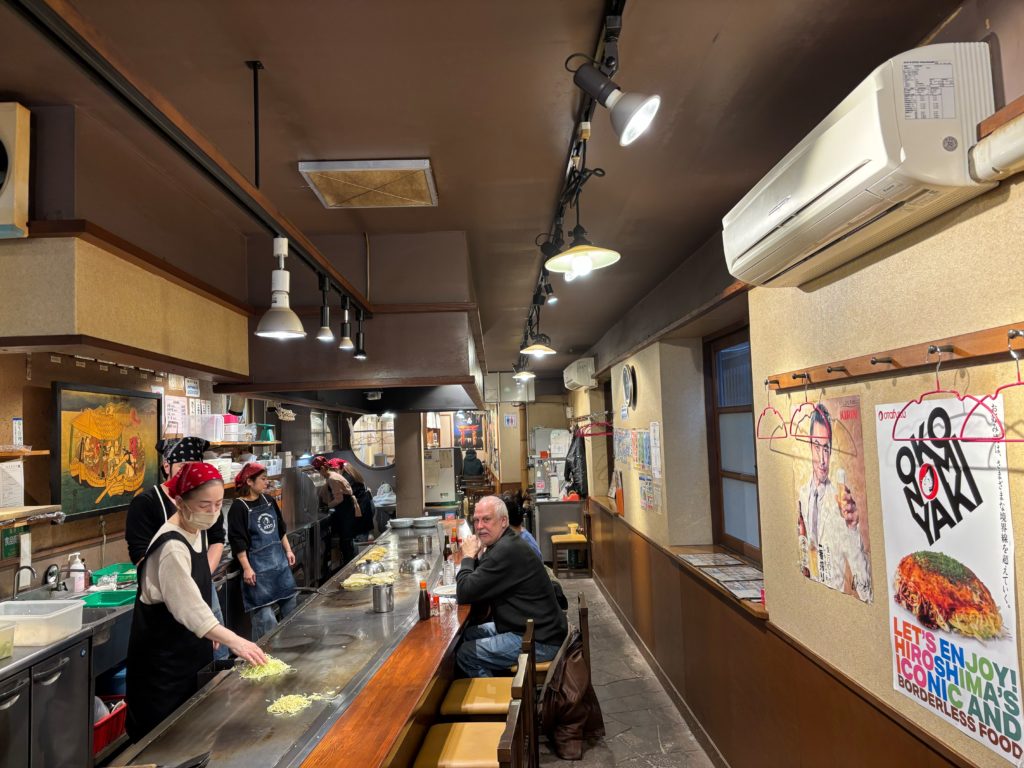
Inside Kurawanka
The interior is compact and comfortable — the kind of place where you settle in quickly and feel at home. On a weekday, arriving just before noon means you’ll likely walk right in. Coat hangers are provided near the seats, a small but thoughtful detail when you’re carrying layers from the ferry.
The least crowded time is generally between 2:00 PM and 4:00 PM on weekdays, so if your schedule is flexible, that window gives you the most relaxed experience.
What makes Hiroshima-style okonomiyaki different from what most visitors picture when they hear “Japanese pancake” is the construction. Rather than mixing all the ingredients together (as in the Osaka style), Hiroshima-style okonomiyaki is built in layers on the iron griddle: a thin crepe base, a mountain of shredded cabbage, pork, tempura bits or squid, then soba or udon noodles, and finally a cracked egg on top. The result is a deeply satisfying stack of textures — crispy, chewy, tender — bound together with a rich, savory okonomiyaki sauce. When given the choice between soba and udon noodles, most locals go with soba, and we’d agree it’s the more popular option for good reason.
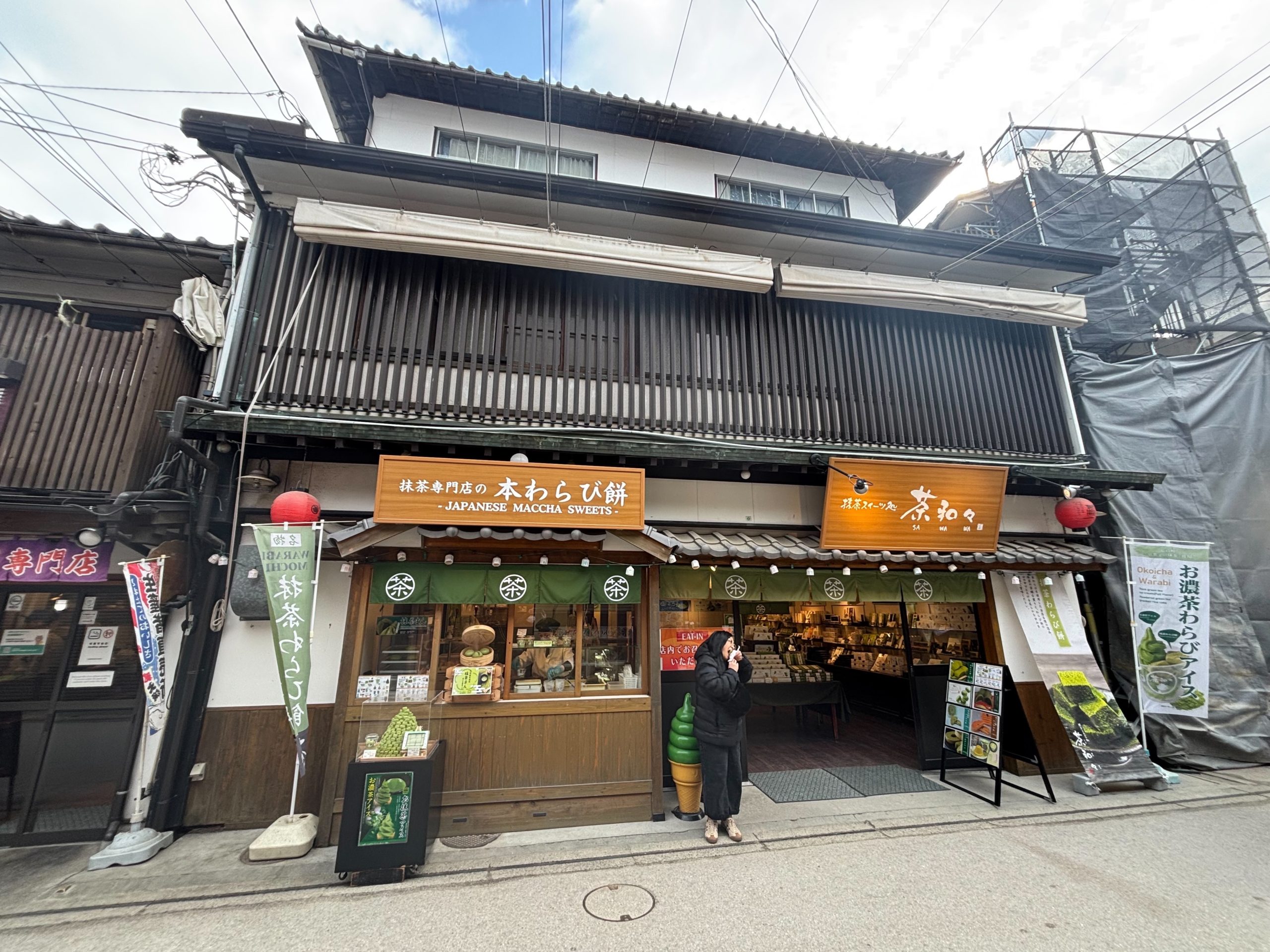
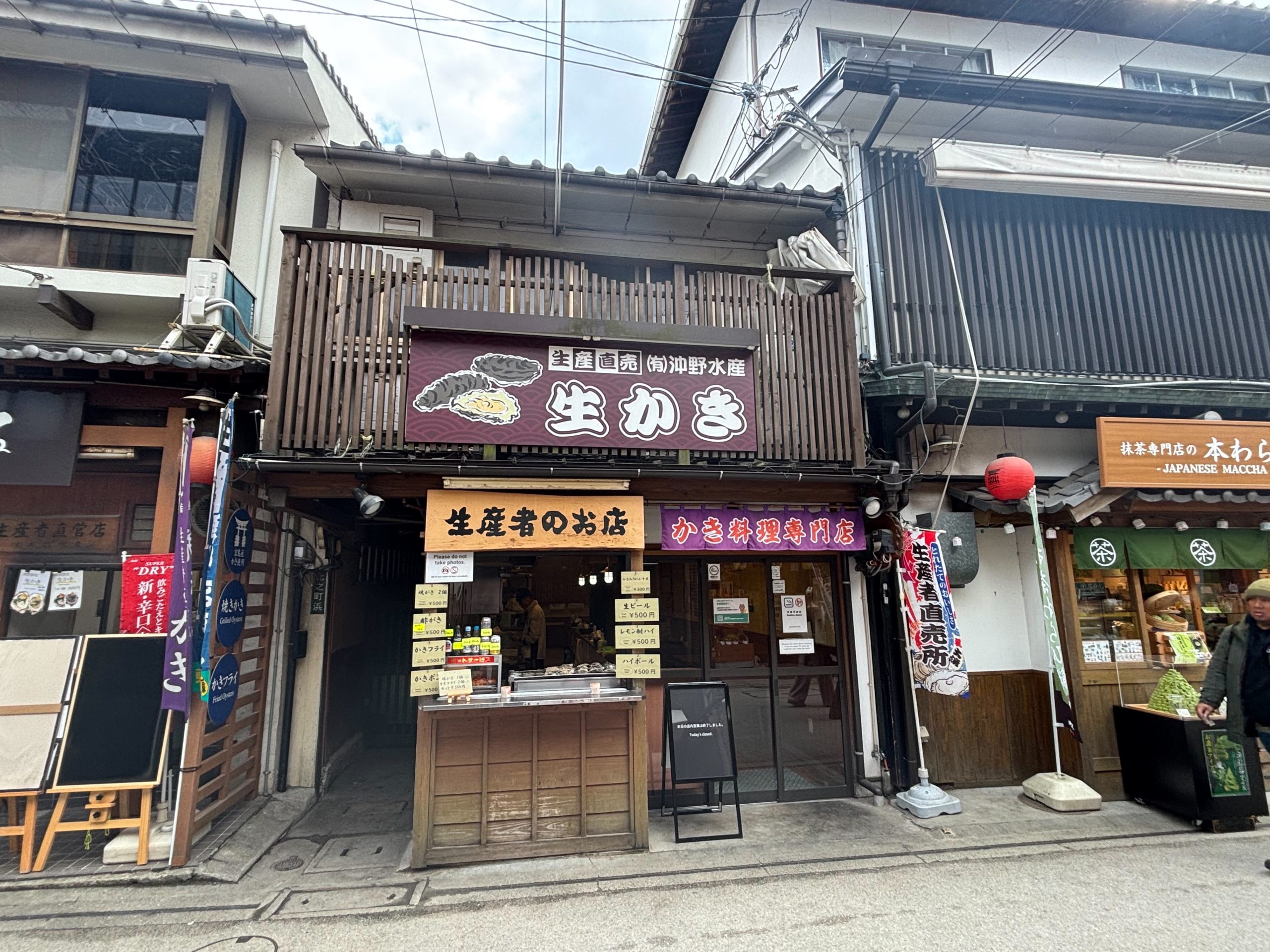
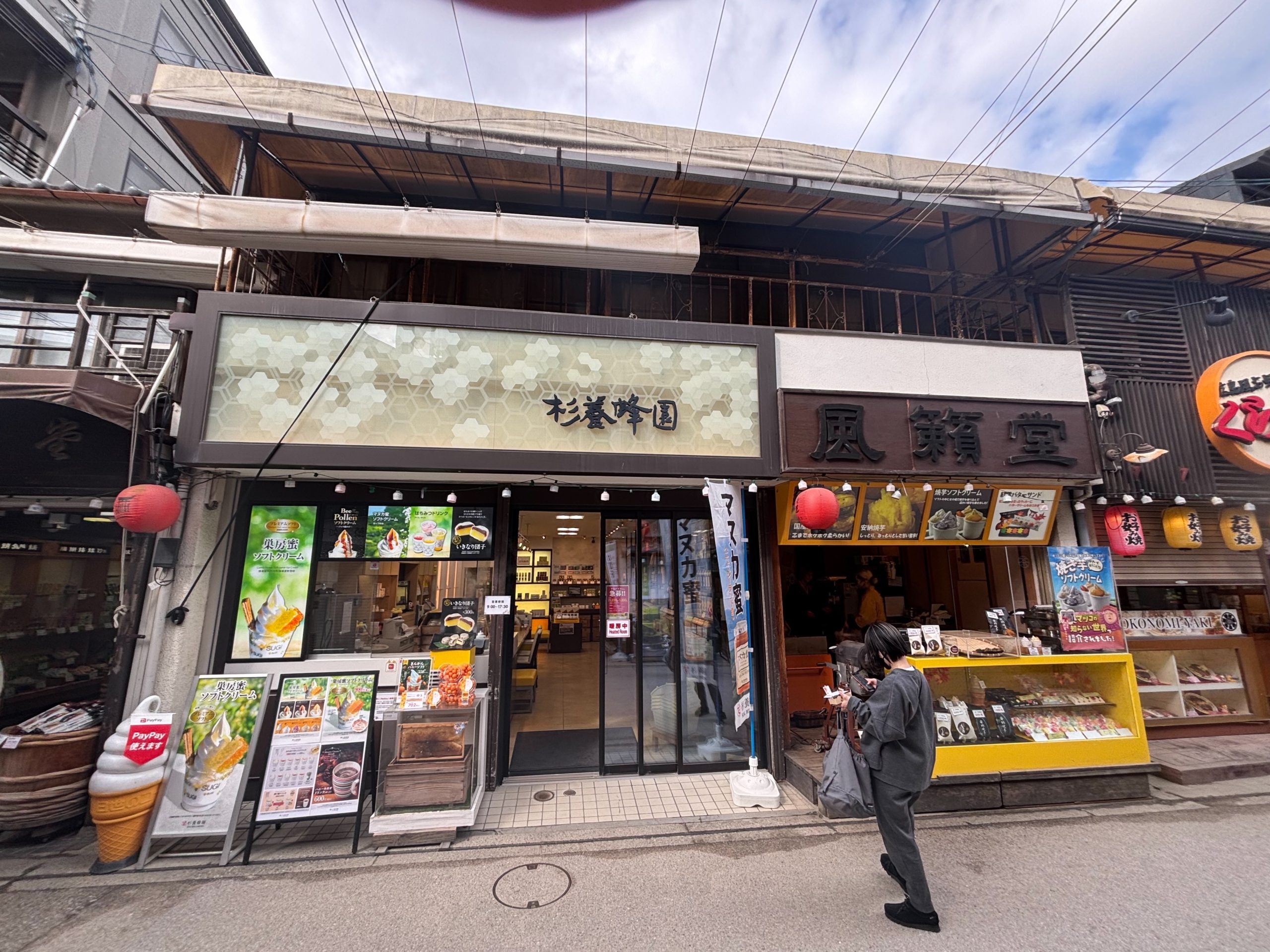
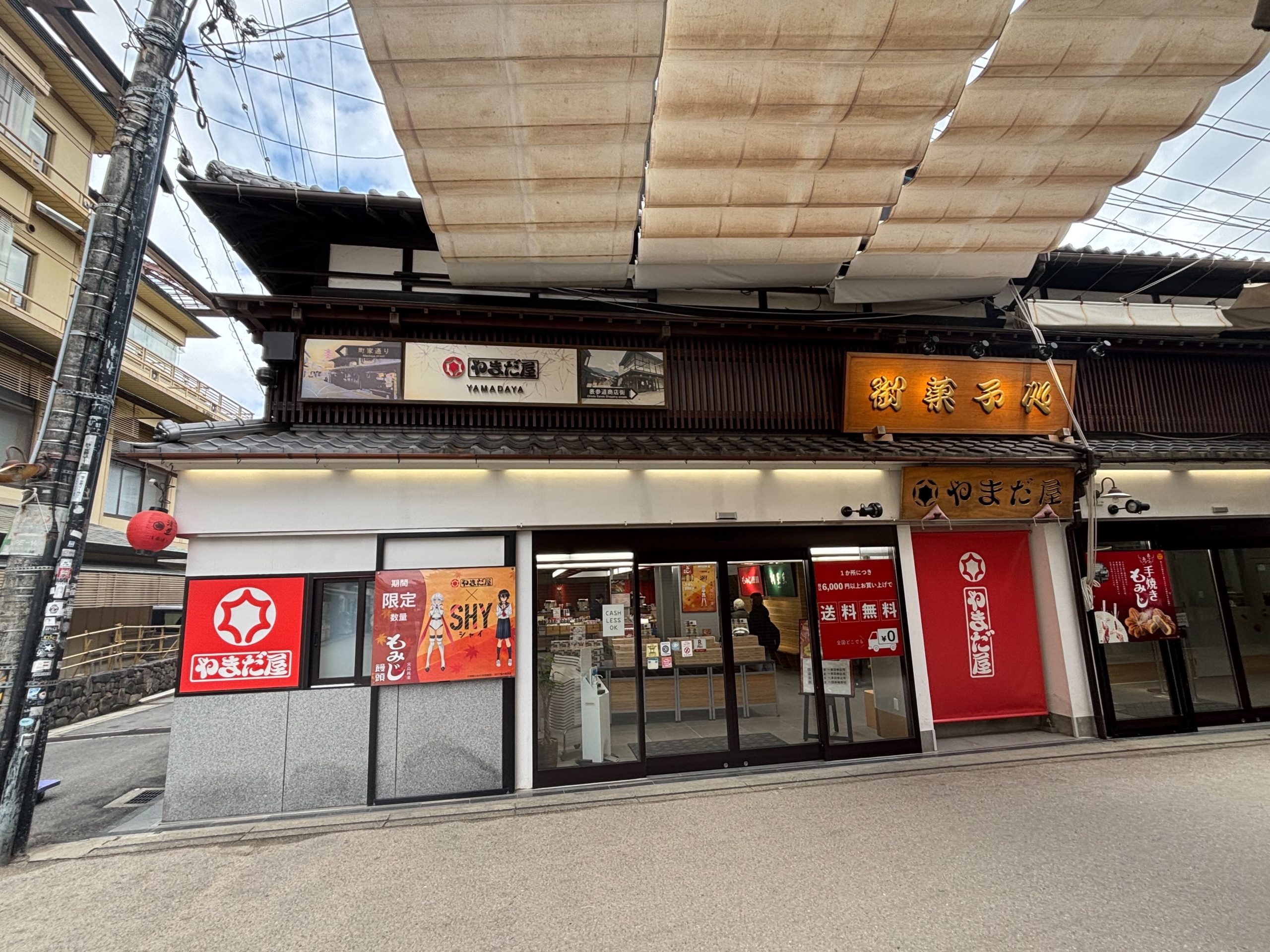
After lunch, the covered Omotesando Shopping Street is just a short walk away — great for food stalls, souvenirs, and snacks.
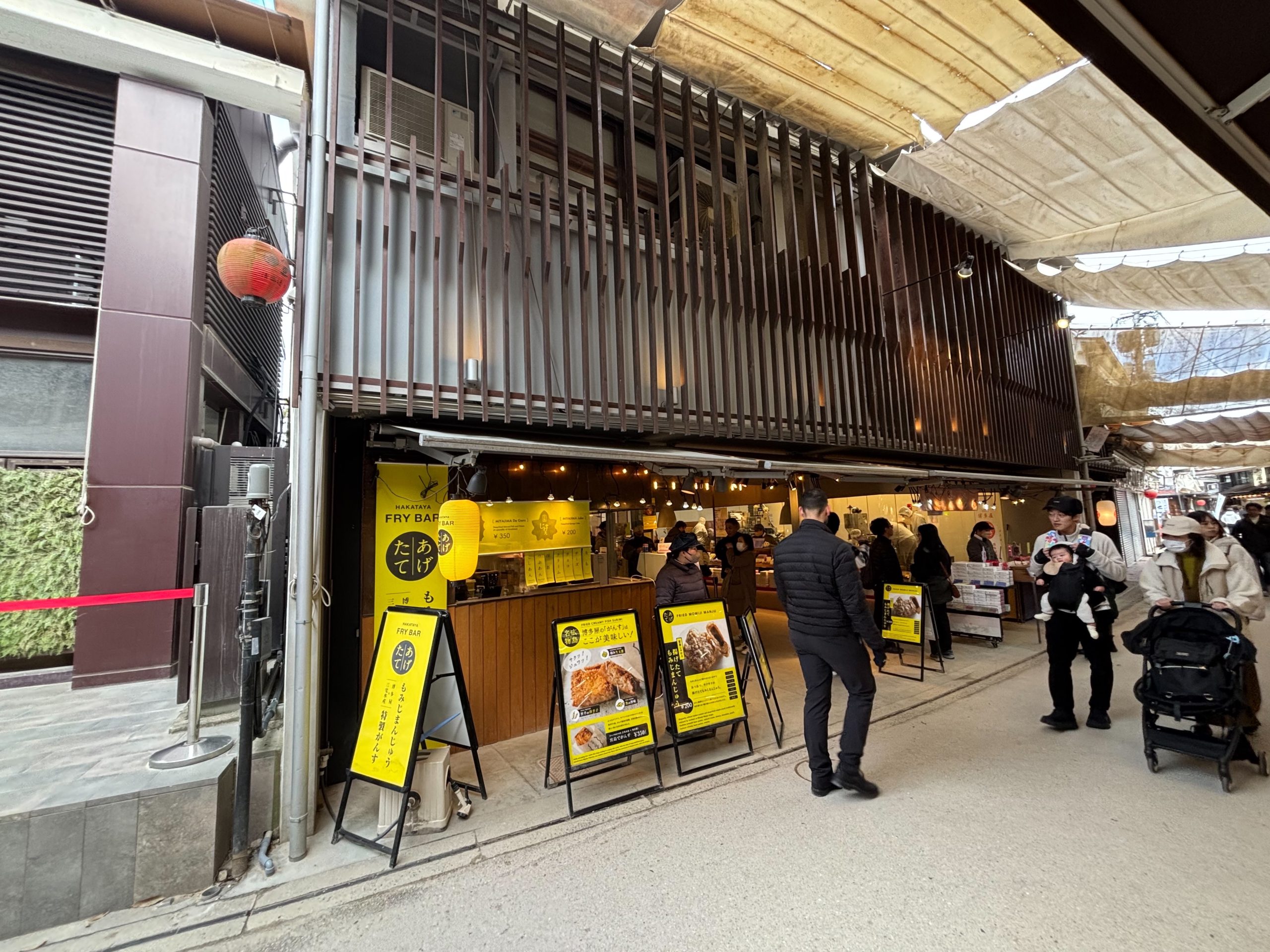
Miyajima's main shopping street — known locally as Omotesando — is a l...
What the Food Is Actually Like
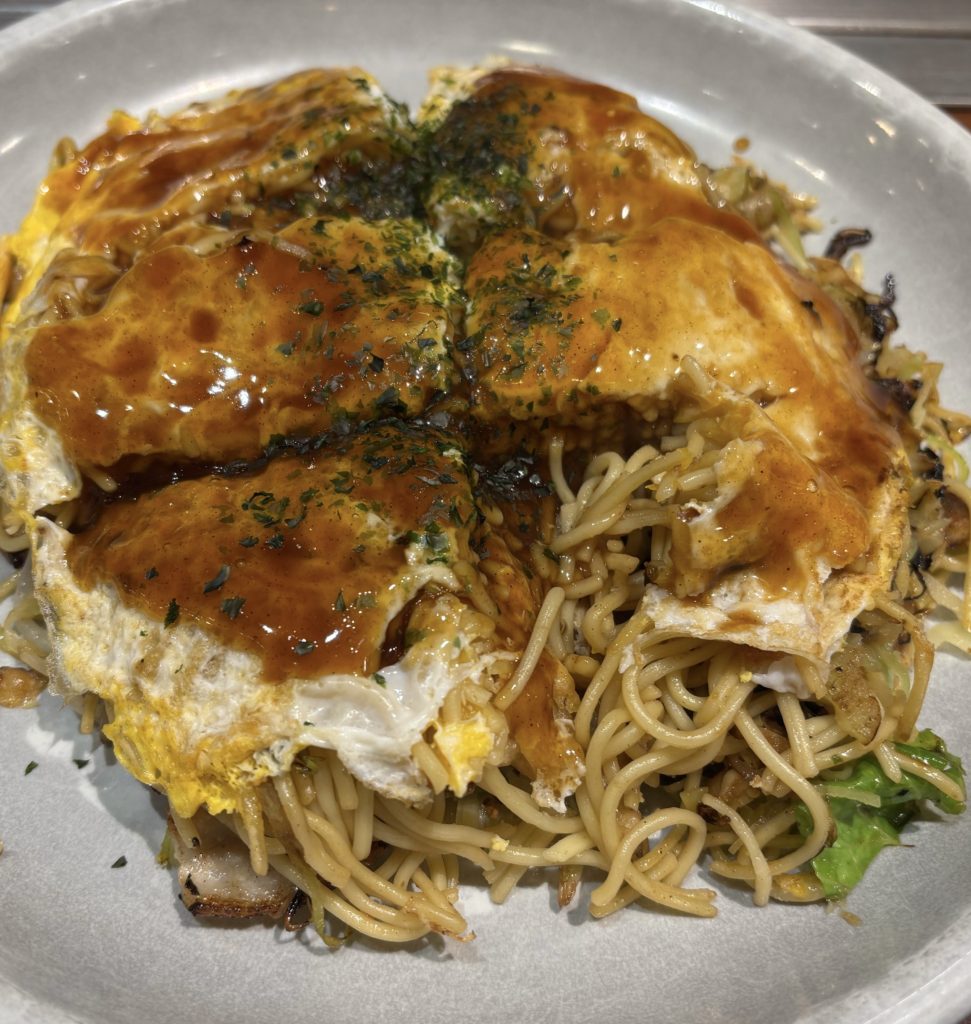
Orders are cooked fresh to order, and the kitchen moves quickly. The squid tempura soba okonomiyaki (1,050 yen) is a great starting point: the cabbage holds a satisfying crunch even under the heat, the sauce has a deep savory fragrance without being sharp or overwhelming, and the chef pre-scores the surface so it’s easy to cut and share. The general advice is to be generous with the sauce — it’s balanced enough that extra doesn’t overpower the dish.
Beyond the squid tempura version, Kurawanka leans into Miyajima’s seafood identity with toppings like fresh oyster, shrimp, scallop, and more. The oyster okonomiyaki in particular earns its place as an island specialty — there’s something right about eating Hiroshima oysters folded into a Hiroshima pancake while sitting on an island in Hiroshima Bay. Other options include mochi, cheese, and prawn for those who want something a little different. Cheese is especially popular with younger visitors — the way it stretches and pulls when the okonomiyaki is cut draws genuine delight at the table.
The portions are generous without being excessive — substantial enough to keep you going through an afternoon of exploring, but not so heavy that you feel weighed down. A cold draft beer would be the perfect companion; Kurawanka has draft beer, bottled beer, non-alcoholic options, sake, shochu, and soft drinks to round out the meal.
After your okonomiyaki, don’t miss a visit to Itsukushima Shrine — one of Japan’s most iconic UNESCO World Heritage Sites, just a short walk away.
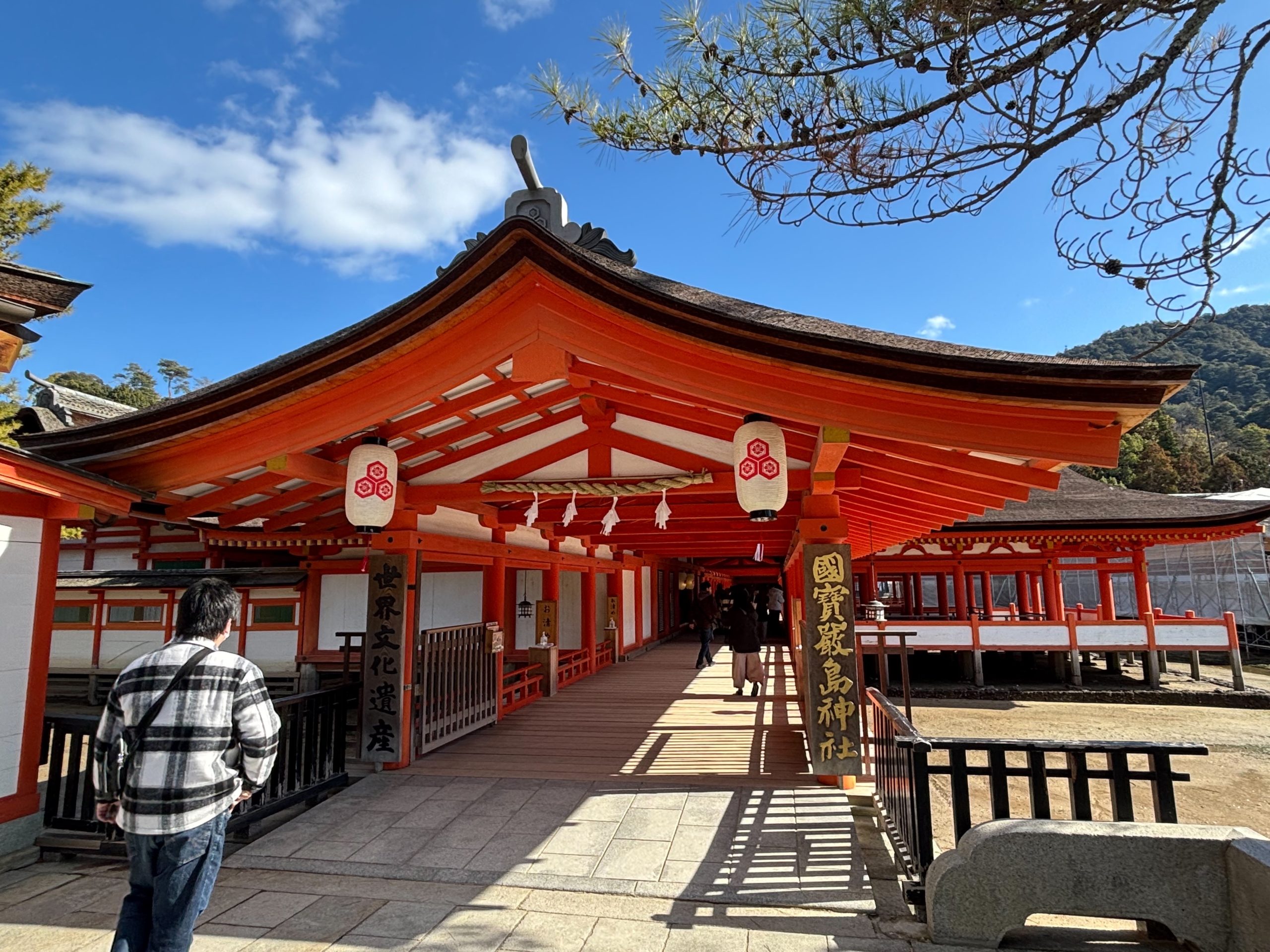
Itsukushima Shrine sits at the edge of the sea on Miyajima Island, jus...
More Miyajima Flavors to Explore
Miyajima has no shortage of great food. If you want to try another local specialty, anago (conger eel) rice is the island’s other signature dish — a completely different experience from okonomiyaki, and equally worth seeking out.
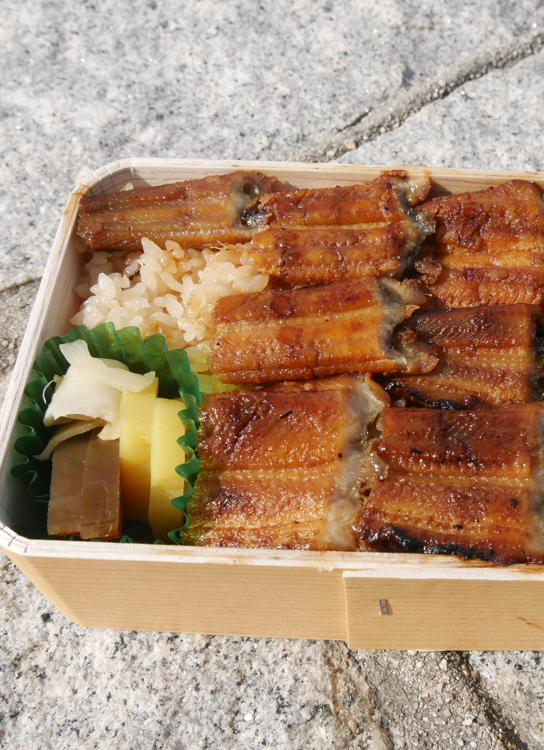
Miyajima Island is famous for its floating torii gate and ancient shri...
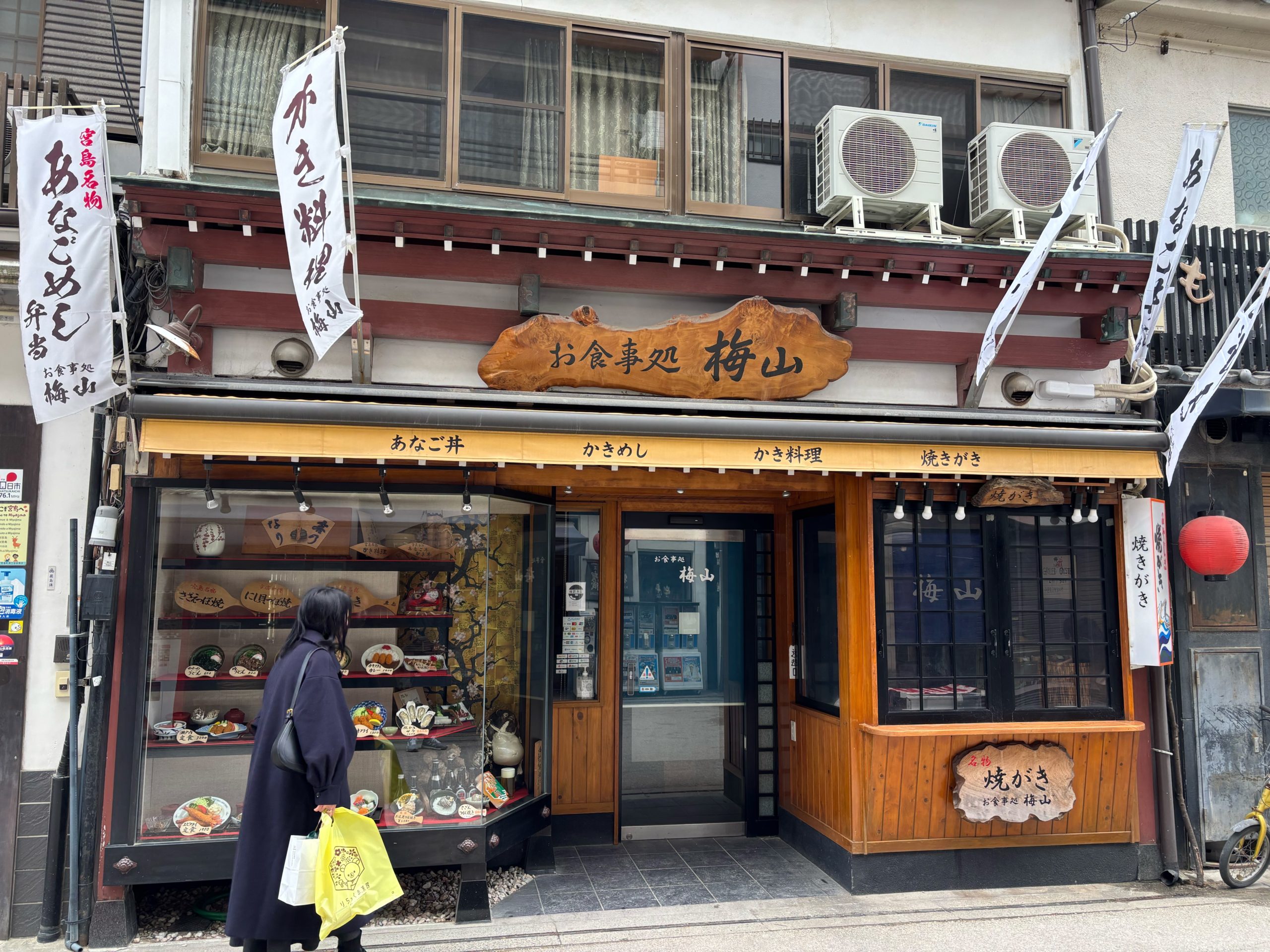
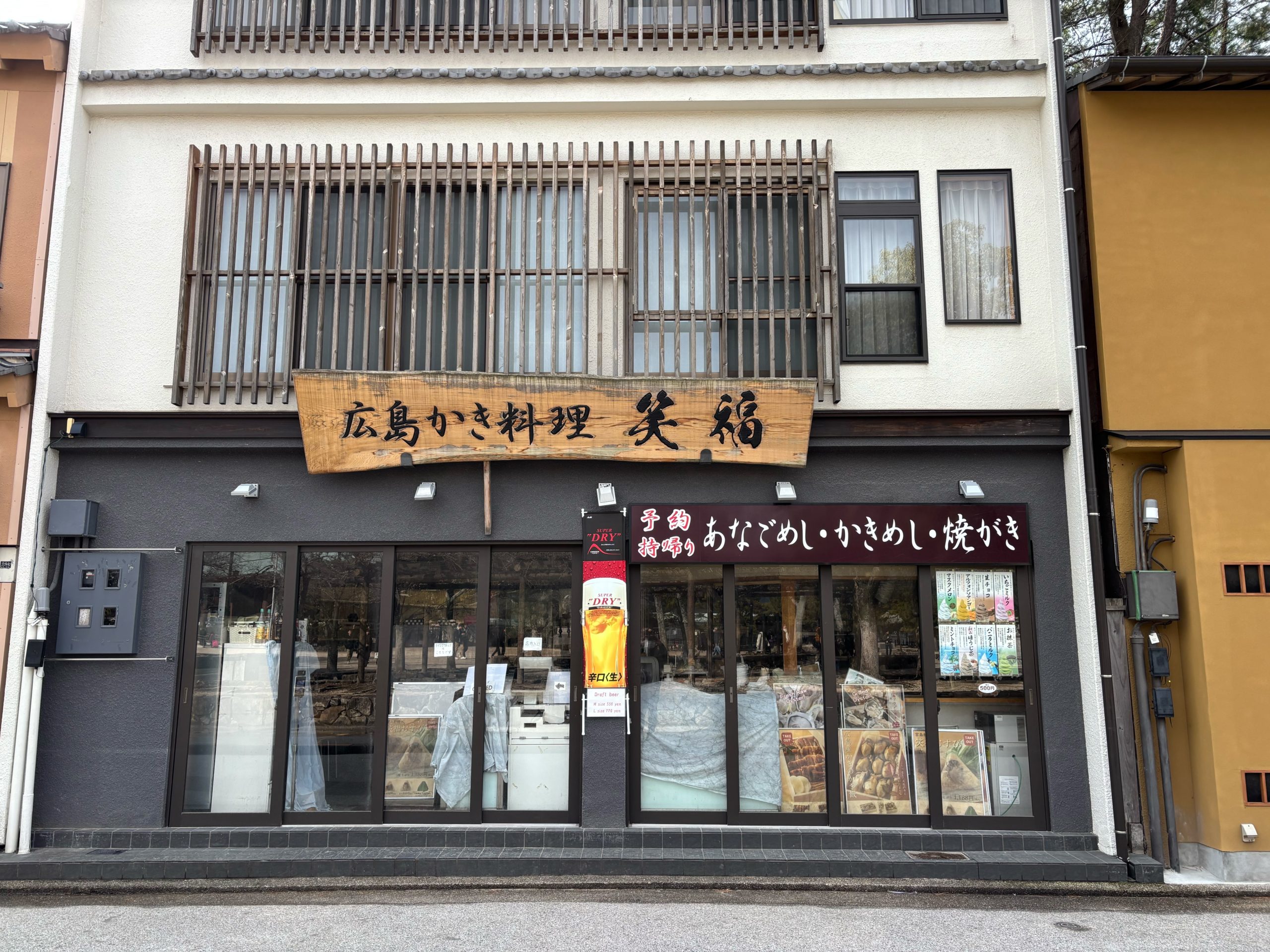
Atmosphere and the Live Griddle Experience
Kurawanka opened in the early Heisei era and has the comfortable, unpretentious feel of a neighborhood restaurant that has earned its regulars over decades. Locals and tourists mix at the counter and tables, and the energy is relaxed without feeling rushed.
One of the genuine pleasures of eating here is watching the process. The chefs work at open griddles, and the rhythm of layering, flipping, and finishing each okonomiyaki with a wide metal spatula feels almost like a cooking performance. Kids especially love tracking each step — when the egg cracks and sizzles, when the noodles get tucked in, when the whole thing gets flipped in one confident motion. Counter seats offer the best view of the action.
Practical Information: Hours, Location, and Closures
Kurawanka is located at 589-5 Miyajimachō, Hatsukaichi, Hiroshima (postal code 739-0559). Phone: 0829-44-2077. The restaurant is open 11:00 AM to 4:00 PM and is closed on Tuesdays (open on public holidays). Note that May, August, and November may include irregular closing days, so during busy travel seasons it’s worth arriving on the earlier side rather than assuming availability. The restaurant turns tables steadily even during peak lunch hours, so lines tend to move — but arriving right at opening or after 2:00 PM will give you the smoothest experience.
Seating, Facilities, and Family Notes
The restaurant has 35 seats total: 13 at the counter and 22 at tables. The entire space is non-smoking, which makes it comfortable for families. Strollers can be folded and stored near the entrance. Pets are not permitted inside, though guide dogs, hearing dogs, and assistance dogs are welcome. Coat hangers are provided at the seats.
For families with babies or toddlers, diaper-changing facilities are available in the public restrooms around Miyajima Island rather than inside the restaurant itself — plan accordingly, but the coverage on the island is generally good.
Counter seating is the most interactive option: you can watch each okonomiyaki being built and cooked right in front of you. The iron griddles radiate heat, so keep bags and small children’s hands back from the edge. The chef scores the surface of each pancake before serving, making it straightforward to portion out for sharing.
If you’re planning to hike or take the ropeway up Mount Misen after lunch, the cable car is a manageable and fun option for families — and the sacred flame said to have burned continuously for 1,200 years is one of the island’s most memorable sights.
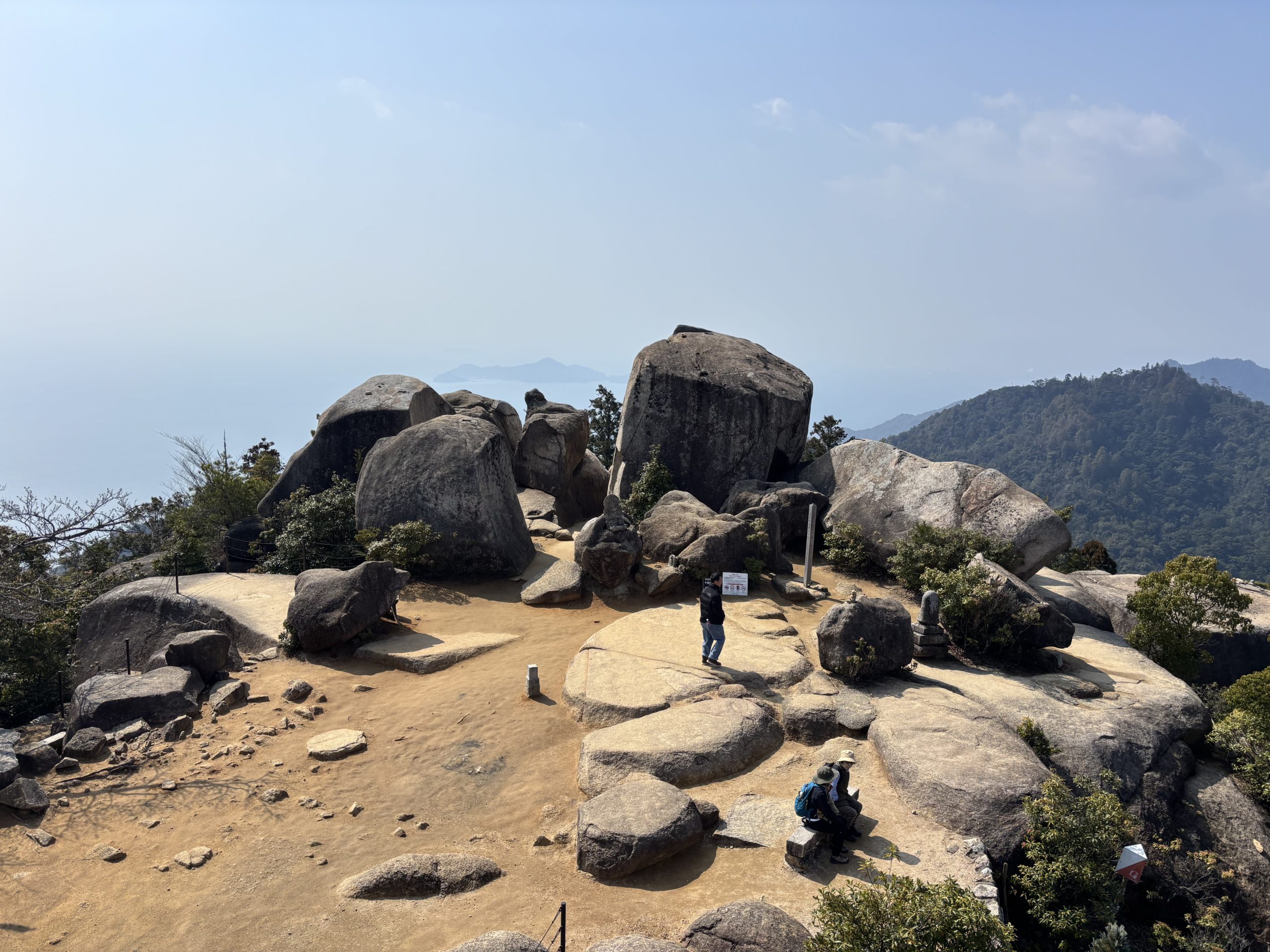
Rising 535 meters above Miyajima Island, Mount Misen is the sacred pea...
Menu and Prices
The menu centers on Hiroshima-style okonomiyaki with soba or udon noodles. Here’s a general price guide:
- Classic okonomiyaki (Kurawanka style): ¥780
- Squid tempura (ika-ten): ¥890
- Cheese: ¥940
- Shrimp: ¥1,150
- Scallop: ¥1,250
- Special (premium toppings): ¥1,300
Prices can vary slightly depending on noodle choice and topping combinations. The oyster okonomiyaki — combining Miyajima’s most iconic ingredient with the region’s most iconic dish — is a strong recommendation for first-time visitors who want something genuinely tied to the island.
Side dishes include karaage fried chicken (¥590), edamame (¥590), and fried scallop (¥640). The drinks menu covers draft beer, bottled and non-alcoholic beer, sake, shochu, and a range of soft drinks — enough variety to suit the whole group.
A popular approach for groups or families is to order two different versions and share: a seafood-topped okonomiyaki with soba alongside a cheese version with udon covers a lot of ground and lets everyone sample the range.
Payment and Takeout
Kurawanka accepts a wide range of credit cards including VISA, MasterCard, JCB, Diners, DC, UC, ALOC, UFJ, and Nicos. Takeout is available — if you let the staff know your preferred pickup time, they’ll have it ready and wrapped. Some visitors pick up a takeout order to eat while waiting for the ferry back to the mainland. Okonomiyaki is best eaten hot, so plan to enjoy it as soon as possible after pickup.
Also worth noting: Miyajima Island charges a ¥100 visitor tax per person (introduced in October 2023), separate from the ferry fare. Have a little extra cash or change ready when you arrive.
Getting to Kurawanka: Access and Parking
By car, the drive from Hatsukaichi IC or Ono IC takes about 30 minutes (roughly 28 km). Coin parking is available near Miyajimaguchi Ferry Terminal on the mainland; on the island itself, parking is available for ¥200 with an additional ¥100 increment. If you’re driving early, local knowledge suggests that parking behind the “Momiji Honpo” shop near Miyajimaguchi tends to have open spots before 8:00 AM.
By public transit, take the Hiroden (Hiroshima Electric Railway) to Hatsukaichi Station (approximately 70 minutes, around ¥280), then connect to the Miyajima Ferry to cross to the island. Combining the ferry ride with a walk through the Miyajima shopping streets makes for a full and satisfying day without a car.
For families with young children, a good flow is: morning at Itsukushima Shrine and the shopping arcade, then a relaxed late lunch at Kurawanka around 2:00 PM — less crowded, cooler pace, and you’ll still have the afternoon for the ropeway or the aquarium.
On rainy days, Miyajima Aquarium (Miyajimarin) is nearby and offers free stroller rental — a handy backup plan when the weather doesn’t cooperate.
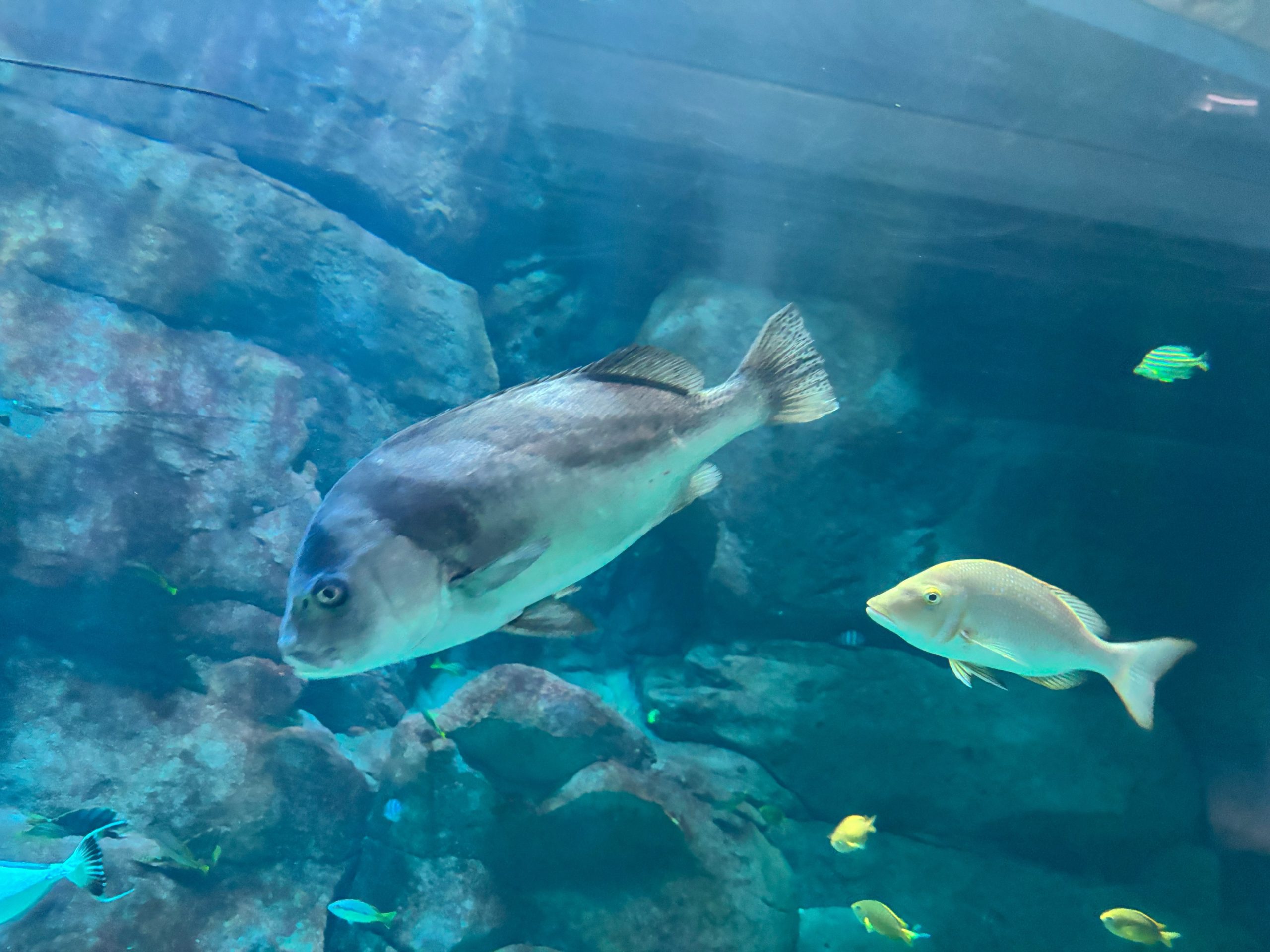
Miyajima Aquarium — officially known as Miyajima Marine, or Miyaji Mar...
Daisho-in Temple, which actually predates Itsukushima Shrine in age and is revered as a powerful spiritual site, is also within easy walking distance.

Discover Daishoin Temple, Miyajima's oldest and most sacred Buddhist site. History, highlights, seasonal events, and practical visitor tips.
Senjokaku — a vast, atmospheric wooden pavilion associated with Toyotomi Hideyoshi — is another easy walk from Kurawanka and a favorite spot for kids to run around in.
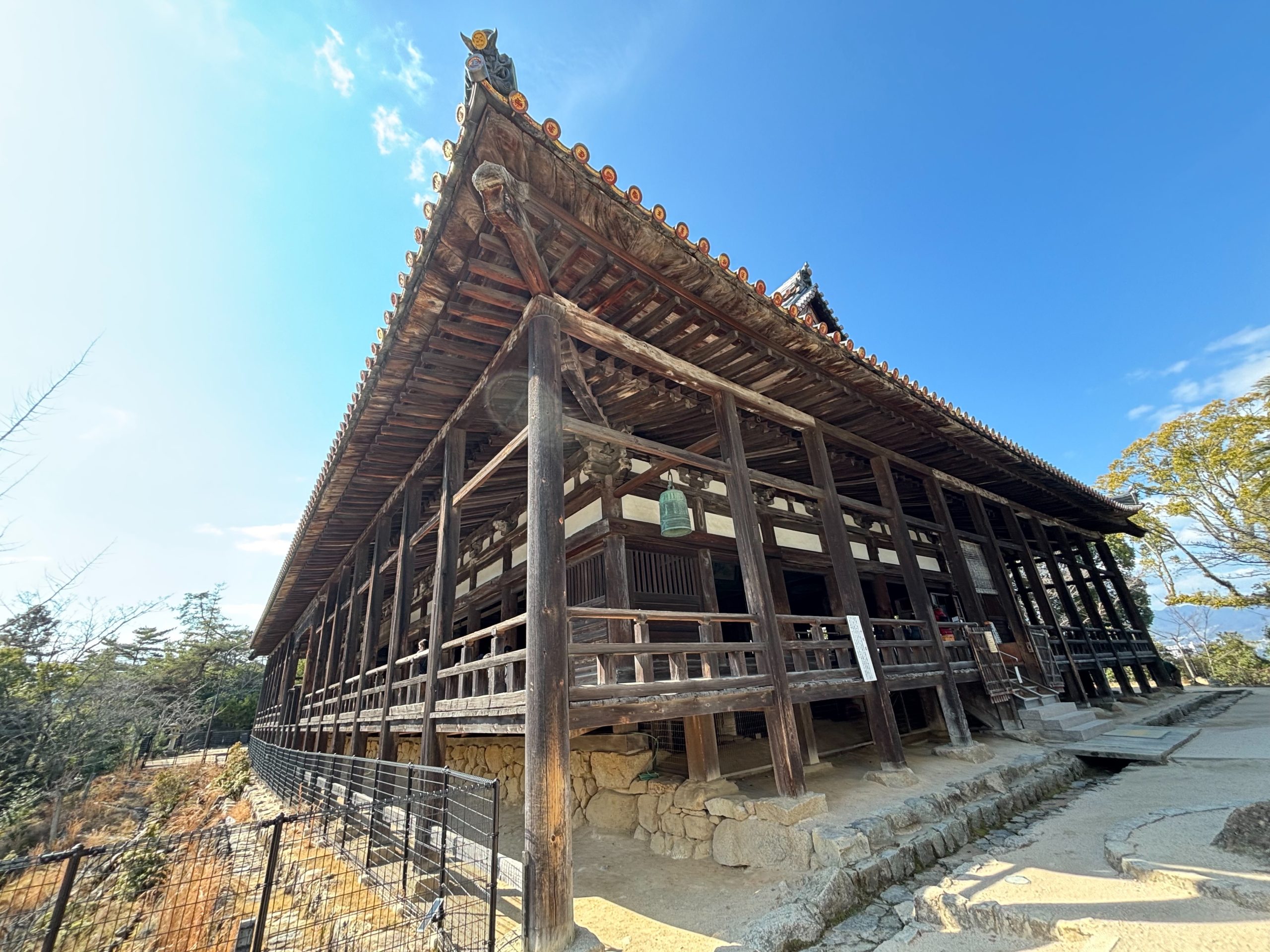
Senjokaku: Miyajima's Hauntingly Beautiful Unfinished Hall Perched on...
FAQ
Do I need a reservation at Kurawanka?
No reservations are taken — it’s first come, first served. To avoid a wait, aim to arrive right when the restaurant opens at 11:00 AM, or visit during the quieter afternoon window between 2:00 PM and 4:00 PM.
What’s the difference between Hiroshima-style and Osaka-style okonomiyaki?
In Osaka, the batter and ingredients are mixed together before cooking, similar to a thick pancake batter. In Hiroshima, the ingredients are layered — a thin crepe base, then cabbage, pork, tempura bits, noodles, and egg stacked on top of each other. The result is more structured, with distinct textures in each bite.
Is Kurawanka good for families with young children?
Yes — the non-smoking environment, easy-to-share portions, and the entertainment of watching the live griddle work make it a natural family choice. Strollers should be folded at the entrance. Note that there are no diaper-changing facilities inside the restaurant, but public restrooms around Miyajima are well-equipped.
Can I get okonomiyaki to go?
Takeout is available. Letting the staff know your preferred pickup time helps things go smoothly. It’s best eaten immediately — okonomiyaki is at its best when hot off the griddle.
Is oyster okonomiyaki available year-round?
Yes, Kurawanka offers oyster okonomiyaki throughout the year. Hiroshima oysters are in peak season in winter, when the umami is at its deepest — but the dish is worth trying on any visit.
Does Kurawanka accept credit cards?
Yes, major credit cards are accepted including VISA, MasterCard, JCB, Diners, and several others. During busy periods, keep in mind that payment can take a little extra time.
What’s the best time to visit to avoid crowds?
Weekday afternoons between 2:00 PM and 4:00 PM are consistently the least crowded. If you’re visiting on a weekend or during peak travel season (spring cherry blossoms, autumn foliage), arriving at opening time is the safer bet.
Wrapping Up
Kurawanka has been part of the Miyajima dining landscape for over three decades, and it shows in all the right ways — the confidence of the cooking, the comfort of the space, the easy mix of locals and visitors at the counter. For travelers wondering what to eat in Miyajima, Hiroshima-style okonomiyaki is one of the most honest answers: deeply regional, made fresh in front of you, and available in versions that celebrate the island’s seafood heritage. Whether you go classic, load up with oysters, or let a cheese version steal the show, it’s the kind of meal that earns a spot on the “do again” list before you’ve even finished eating.
After lunch, the Omotesando shopping street is just steps away — soft-serve lines tend to thin out after 5:00 PM if you want to end the day on a sweet note. It’s the kind of island day that’s hard not to want to repeat.