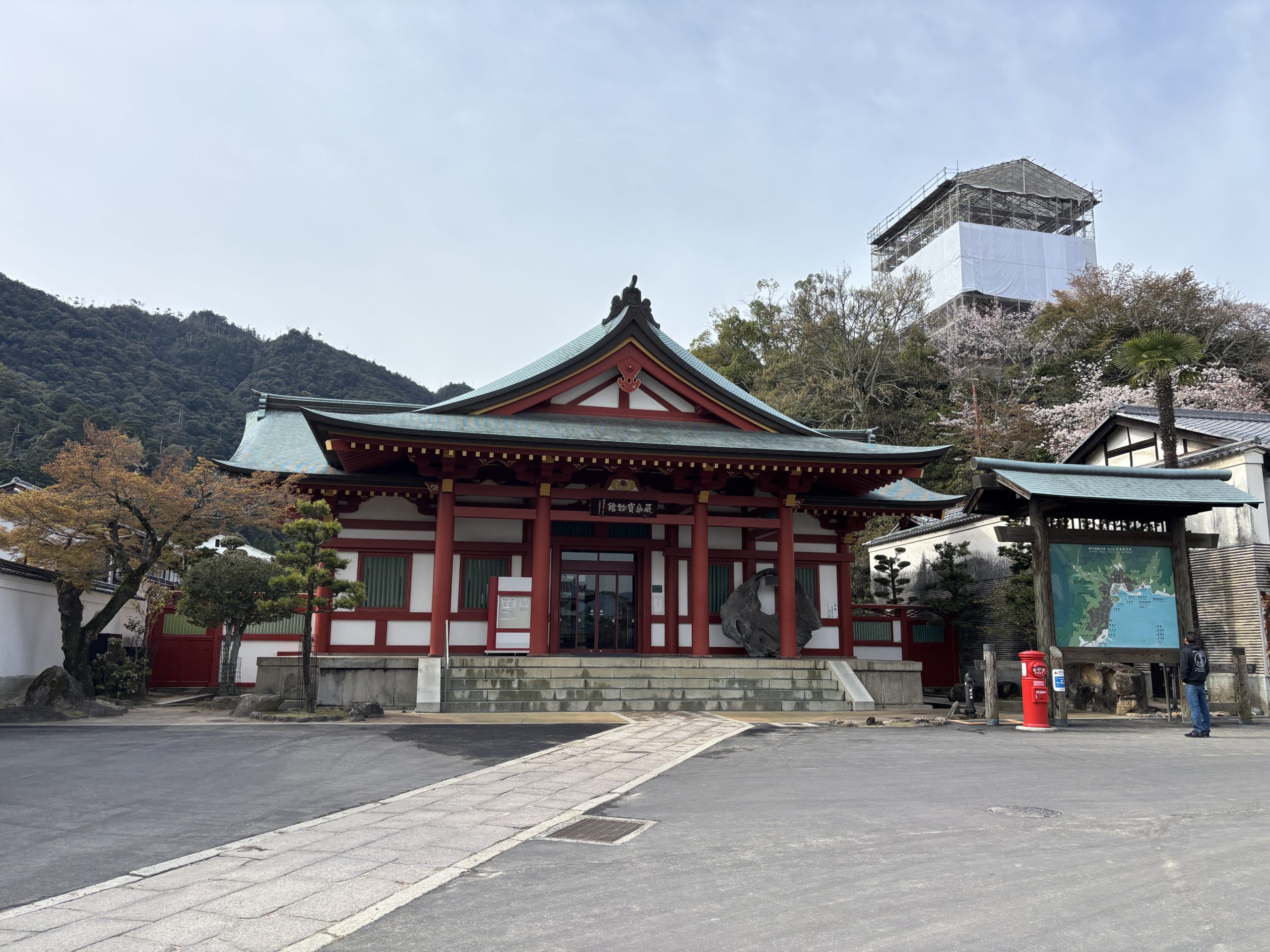
Just steps from the exit of Itsukushima Shrine on Miyajima Island, the Miyajima Treasure House (厳島宝物館, Itsukushima Homotsukan) is one of the most overlooked cultural gems on the island. Housing more than 260 national treasures and important cultural properties — including the breathtaking Heike Nokyo illuminated sutras — it offers a rare window into the artistic and spiritual world of Japan’s Heian and medieval periods. If you’re visiting Itsukushima Shrine, this museum is absolutely worth adding to your itinerary.
A Museum Worth Its Own Visit: The Miyajima Treasure House

The Treasure House sits about a 15-minute walk from the Miyajima ferry pier, directly to the left as you exit Itsukushima Shrine. The building itself dates to 1934 and is a curious architectural oddity — it looks like a traditional Japanese structure, but it’s actually made of reinforced concrete finished with lacquer, a highly unusual combination. The building is registered as a National Tangible Cultural Property in its own right, which means that even before you step inside, you’re already standing in front of a protected piece of history.
Above the entrance hangs a wooden plaque reading “Itsukushima Homotsukan,” written in the calligraphy of Meiji-era statesman Kuki Ryuichi. History enthusiasts will appreciate knowing that as early as 1899, the great cultural scholars Okakura Tenshin and Ernest Fenollosa visited Miyajima to survey its collections — a testament to just how significant these holdings were recognized to be, even 125 years ago.
The museum has earned a Tripadvisor Travelers’ Choice Award, and once you’ve seen what’s inside, it’s easy to understand why.
Admission, Tickets, and Opening Hours
Admission to the Miyajima Treasure House is very affordable. Tickets are priced as follows:
- Adults: ¥300
- High school students: ¥200
- Middle and elementary school students: ¥100
The best value, though, is the combined ticket with Itsukushima Shrine, which covers entry to both for just ¥500 — saving you ¥100 compared to buying separately. There’s one important catch: this combined ticket is only available at the Itsukushima Shrine administrative office, not at the Treasure House itself. The most logical approach is to visit the shrine first, pick up your combined ticket at the office there, and then make your way to the Treasure House on your way out.
The Treasure House is open every day of the year, from 8:00 AM to 5:00 PM. A visit typically takes between 30 and 60 minutes, which makes it easy to combine with a full morning at the shrine without feeling rushed. For families with infants or toddlers, it’s worth knowing the museum has both a nursing room and a diaper-changing station — a small but genuinely helpful detail when you’re traveling with little ones.
What’s Inside: The Collection
Itsukushima Shrine is associated with roughly 260 nationally designated cultural properties, and a rotating selection of around 50 of the most important items is on display at any given time. The focus is on letting the objects speak for themselves — explanatory labels are present but unobtrusive, so you’re encouraged to absorb the beauty and craftsmanship directly.
Twice a year, the museum mounts themed special exhibitions that bring different pieces out of the collection’s storerooms, so even repeat visitors often discover something new. The annex storeroom also allows visitors to view original national treasures up close — an experience that’s genuinely rare in Japan, where many institutions only display reproductions.
Among the highlights are around 130 Noh masks and approximately 32 Kyogen masks across 20 different types — a collection that traces centuries of Japan’s performing arts tradition in a single room. Armor, swords, fans, votive paintings, and decorative lacquerware round out an extraordinarily diverse holdings.
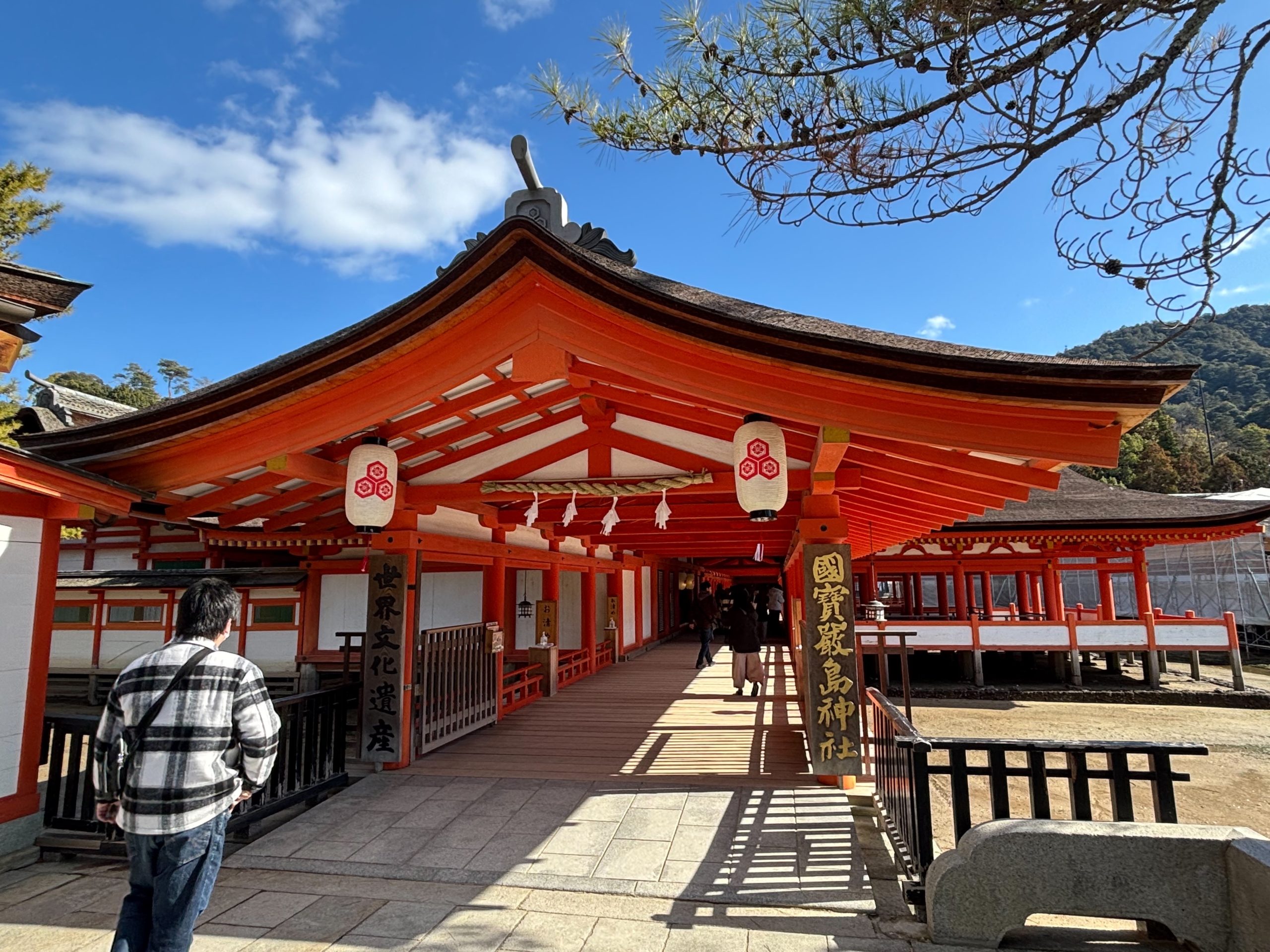
Itsukushima Shrine sits at the edge of the sea on Miyajima Island, jus...
National Treasures on Display
The Heike Nokyo Sutras
The undisputed centerpiece of the Treasure House is the Heike Nokyo — a set of 33 illuminated Buddhist sutra scrolls donated to Itsukushima Shrine in 1164 by the powerful Taira (Heike) clan, led by the warlord Taira no Kiyomori. These scrolls represent the absolute pinnacle of Heian-period decorative art. Every page is adorned with gold and silver leaf, mother-of-pearl inlay, and delicate yamato-e paintings in the classical Japanese style. One scroll even contains a handwritten prayer in Kiyomori’s own hand — a direct, tangible link to one of the most dramatic figures in Japanese history.
The collection includes the “Devadatta Chapter” (Daibadatta-bon), which teaches that even women can attain enlightenment — a passage that made the shrine a powerful site of devotion for aristocratic women of the era. The cultural and religious weight of these scrolls, created nearly 900 years ago, is difficult to overstate.
On most visits, what you’ll see on display is an extraordinarily faithful replica set produced during the Taisho era by master craftsman Tanaka Chikamichi, who spent five full years recreating every scroll — including the reverse sides of each page. The replicas themselves are considered cultural artifacts of significant value. The originals are displayed only during limited special exhibition periods, so if you happen to visit when they’re out, consider yourself fortunate.
The Kozakura-gawa Yoroi Armor
This late-Heian period suit of armor is traditionally attributed to the warrior Minamoto no Tametomo, a legendary archer known for his almost superhuman strength. The armor features broad iron scales and a commanding helmet, and standing in front of it, it’s genuinely hard to imagine a human being wearing it into battle. It conveys the violence and pageantry of samurai warfare in a way that photographs simply cannot.
The Saie Hinoki Fan
A painted cypress-wood folding fan decorated with pine-green pigments and shimmering white mica, the Saie Hinoki-ogi is an exquisite example of Heian aristocratic taste. The color palette is refined and subtle, and the craftsmanship is precise enough to seem almost impossibly delicate for something over 800 years old.
The Konito-odoshi Yoroi Armor
Donated to the shrine by Taira no Shigemori, this suit of armor is constructed from black-lacquered iron and leather plates. To produce a single suit of this kind, craftsmen needed to cut, shape, and dry approximately 2,000 individual iron or leather scales — a process requiring extraordinary skill and patience. The finished result is as much a work of art as a piece of military equipment.
The Kurokawaodoshi Domaru
Dating to the Nanbokucho period (14th century), this body armor is distinguished by its deep black lacquer finish and its powerful, assertive silhouette. It reflects a transitional era in Japanese armor design, when samurai aesthetics were evolving from the elegance of the Heian period toward the more functional designs of the Sengoku era. Other notable armor pieces in the collection include suits attributed to Minamoto no Yoshiie and one donated by Ouchi Yoshitaka, each with its own carefully documented provenance.
Important Cultural Properties
Bugaku Dance Mask (Kanjo-raku)
This performing arts mask was donated by members of the Taira clan and is used in bugaku, an ancient form of Japanese court dance that has been performed at Itsukushima Shrine for centuries. The carving is precise and light, and the mask carries the slightly otherworldly quality that makes traditional Japanese ritual masks so compelling.
Mother-of-Pearl Decorated Tachi Sword
The scabbard of this long sword is lacquered in deep red with black highlights, and the grip is wrapped in white sharkskin. The decorative inlay features phoenix and arabesque designs in luminous mother-of-pearl — the same technique used in the Heike Nokyo scrolls — creating a sword that reads as both weapon and luxury object. A second noted sword in the collection is attributed to the master swordsmith Tomonari, a leading figure of the ancient Kobizen school, and was historically associated with Taira no Munemori.
Nishiki-zutsumi Tachi Sword
Wrapped in red brocade silk and bound with rattan, this sword has an understated elegance that feels very much in keeping with Heian court sensibility. Its restrained design is a reminder that the finest Japanese craftsmanship has always balanced decoration with proportion.
Wooden Komainu Guardian Lions
The collection includes 14 wooden komainu — the mythical lion-dog figures that guard the entrances of Shinto shrines — in various sizes, all finished in polychrome lacquer and gold leaf. Several of the smaller figures have inlaid glass eyes that give them an unexpectedly lifelike quality. Together, they offer a fascinating survey of how this iconic shrine guardian evolved across different periods.
Nearby Daisho-in Temple — which is actually older than Itsukushima Shrine itself — makes an excellent complement to a Treasure House visit. The temple hosts a dramatic fire-walking ceremony and has plenty to engage younger visitors as well.

Discover Daishoin Temple, Miyajima's oldest and most sacred Buddhist site. History, highlights, seasonal events, and practical visitor tips.
Practical Tips for Your Visit
A few things worth keeping in mind before you go:
Photography is not permitted inside the museum. This policy exists to protect the artifacts from light damage, to maintain the atmosphere of the galleries, and for copyright reasons. It’s worth mentally preparing yourself to simply look — and that’s actually not a bad thing. Without a phone screen between you and an 860-year-old illuminated manuscript, the experience becomes considerably more immediate.
Buy your combined ticket at Itsukushima Shrine first. The ¥500 combined ticket (shrine + museum) is only sold at the shrine’s administrative office, so it makes sense to visit the shrine first, grab your ticket, and then stop at the Treasure House on your way back through.
Rainy days are ideal. The Treasure House is entirely indoors and climate-controlled. On wet or overcast days when outdoor sightseeing loses some of its appeal, this museum becomes one of the best ways to spend an hour on the island.
Check for special exhibitions. The museum runs themed exhibitions roughly twice a year, and these occasionally include the original Heike Nokyo scrolls. If seeing the originals matters to you, it’s worth checking the official Itsukushima Shrine website before your trip to see whether a special display is scheduled during your visit.
For more background on where the Treasure House fits into Miyajima’s broader history, the island’s History and Folklore Museum offers a complementary perspective on local culture.
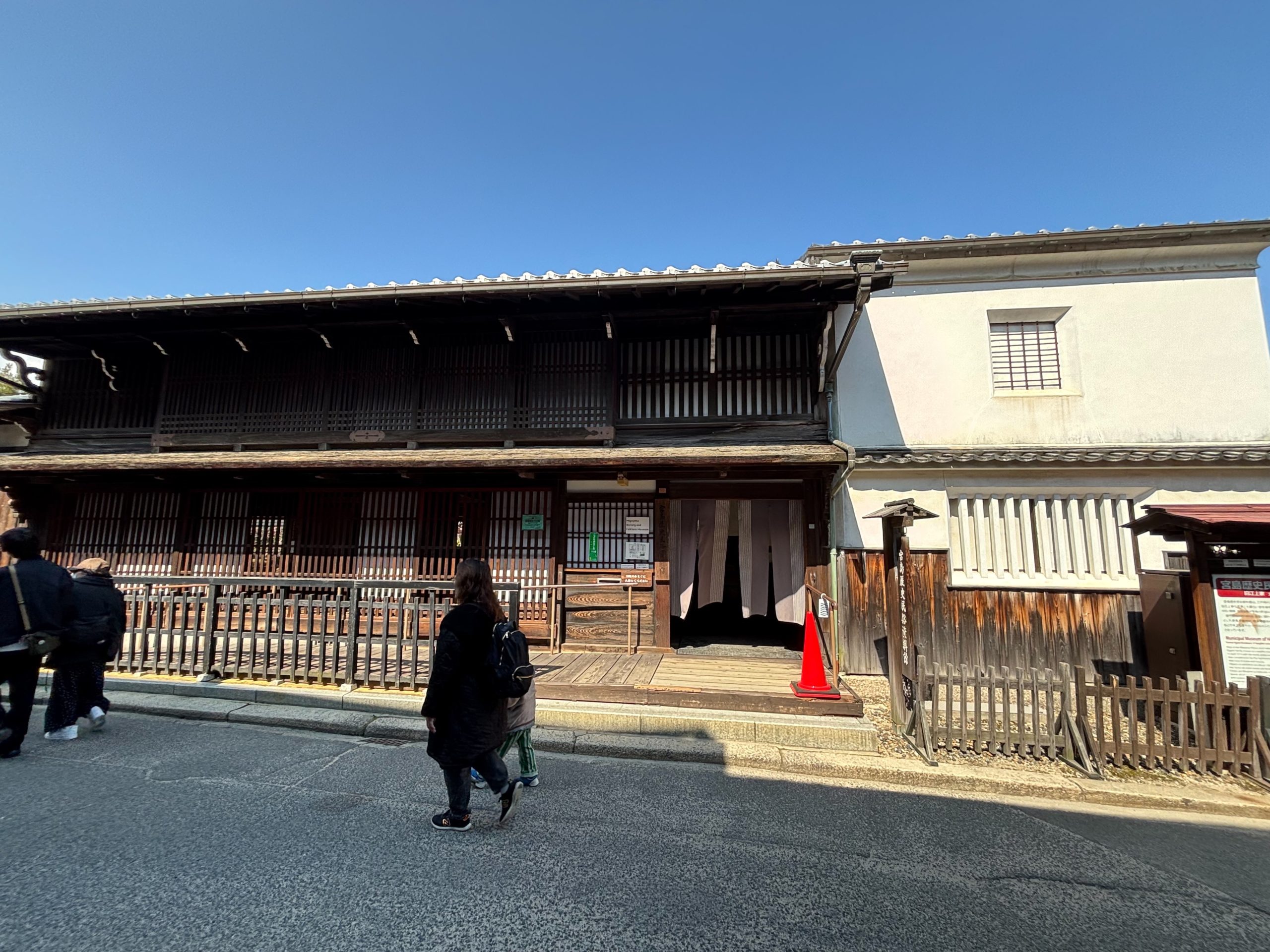
Miyajima History and Folklore Museum: Where the Island's Past Comes Al...
If you have time after your visit, the walk back toward the ferry pier along Omotesando Shopping Street is one of the most enjoyable stretches on the island — lined with food stalls, souvenir shops, and street food worth stopping for.
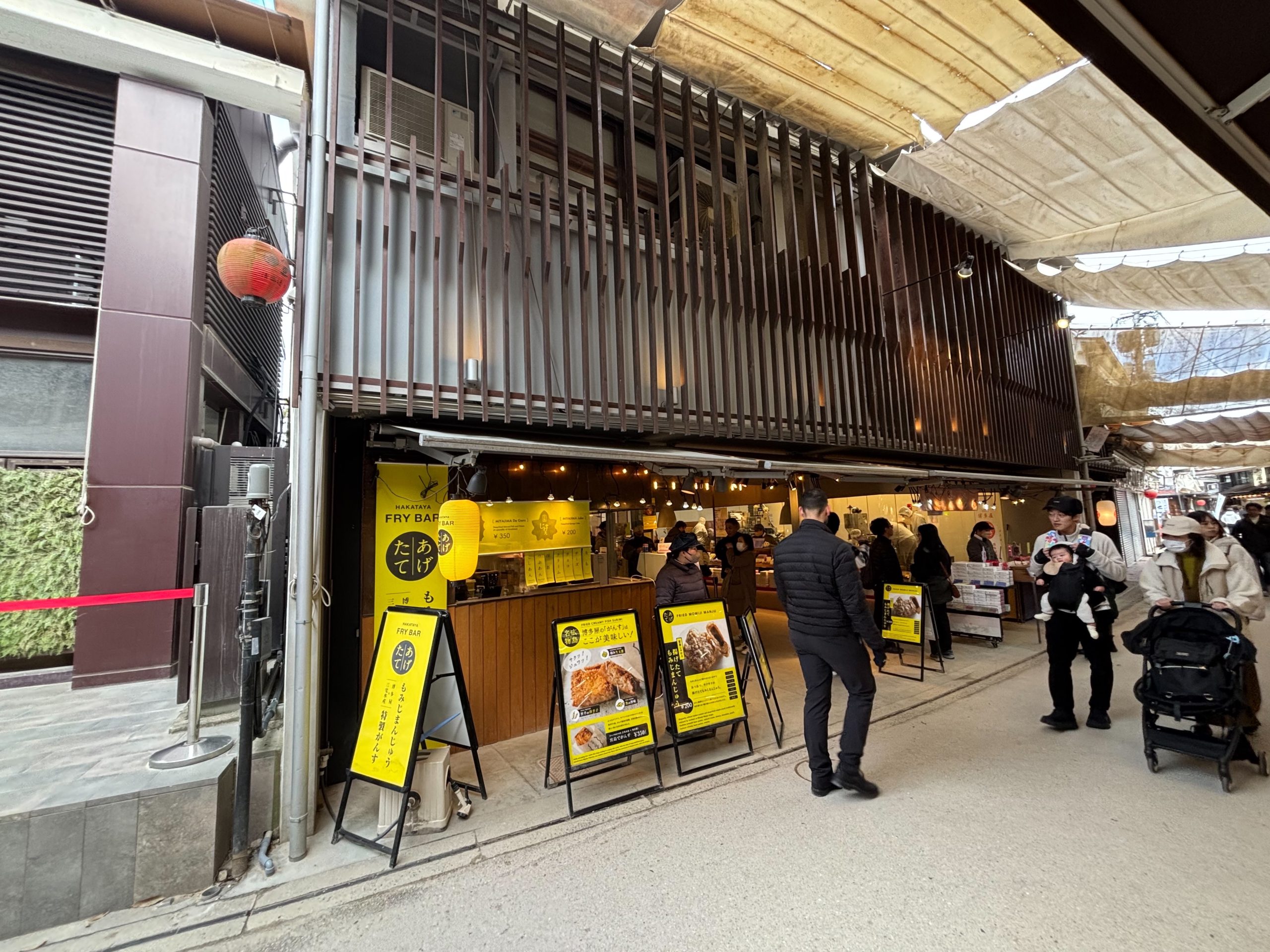
Miyajima's main shopping street — known locally as Omotesando — is a l...
And if your schedule allows, the ropeway up Mount Misen offers some of the most dramatic views in the entire Hiroshima region — a fitting finale to a day spent exploring Miyajima’s history and culture.
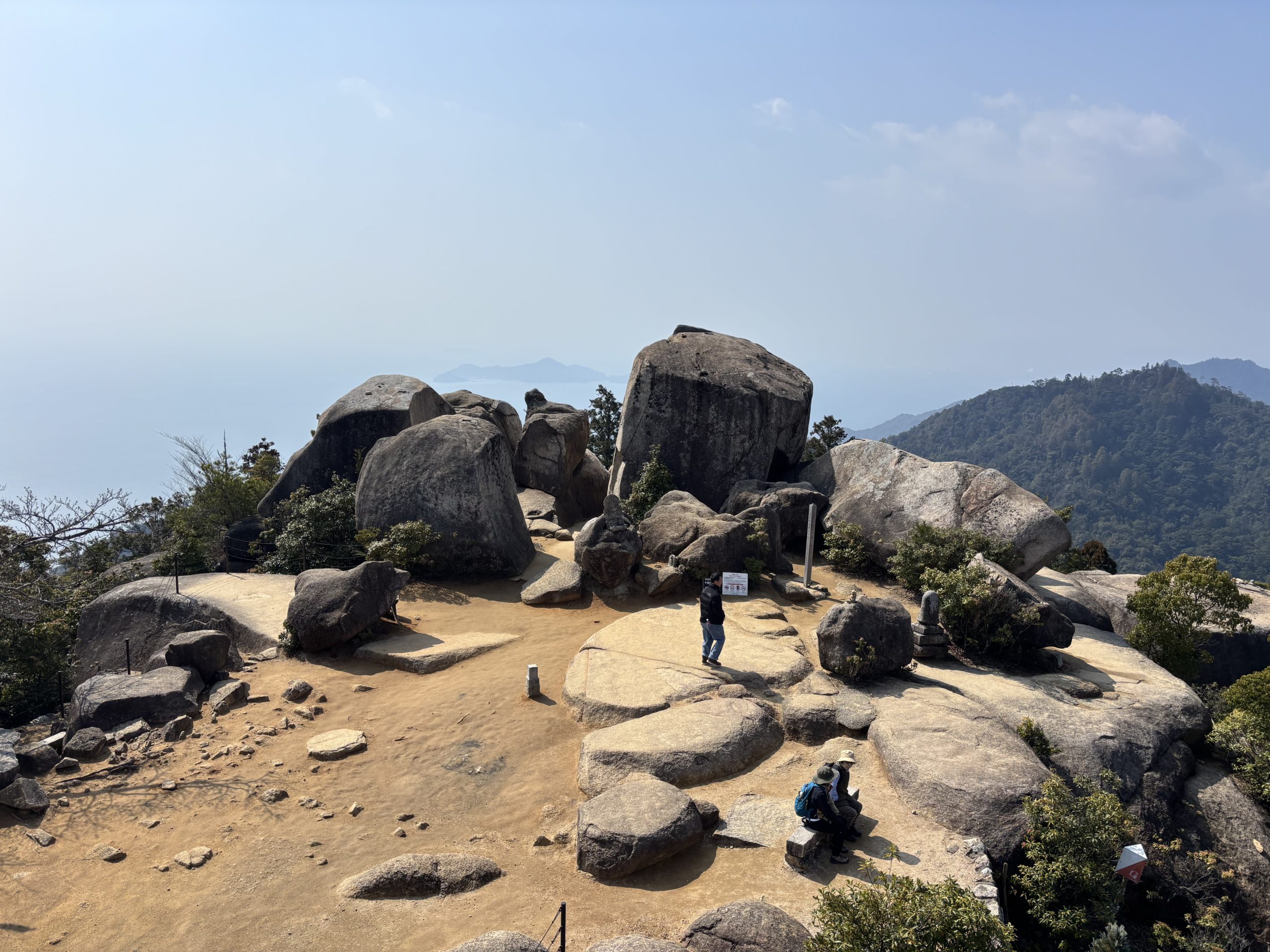
Rising 535 meters above Miyajima Island, Mount Misen is the sacred pea...
Also Worth Visiting
The Miyajima Treasure House is best experienced as part of a fuller day at Itsukushima Shrine — and that combination is hard to beat. The shrine’s tidal architecture and the museum’s ancient artifacts tell two sides of the same story: a sacred island that Japan’s most powerful clans competed to honor for over a thousand years.
Itsukushima Shrine sits at the edge of the sea on Miyajima Island, jus...

FAQ
Can I take photos inside the Miyajima Treasure House?
No — photography is strictly prohibited throughout the museum. The restriction protects the artifacts from light degradation, preserves the gallery atmosphere, and addresses copyright considerations. It’s a good idea to let any children in your group know before you enter so there are no disappointed surprises inside.
When can I see the original Heike Nokyo scrolls?
The original scrolls are only displayed during limited special exhibition periods. On a standard visit, you’ll see the Taisho-era replica set — which is itself a remarkable achievement of craftsmanship and considered a cultural artifact in its own right. To find out if the originals will be on display during your trip, check the official Itsukushima Shrine website before you travel.
How long does a visit to the Treasure House take?
Most visitors spend between 30 and 60 minutes. If you’re a history enthusiast or want to spend time with each display, budget closer to an hour. The compact size is actually one of the museum’s strengths — the collection is focused enough that younger visitors rarely get restless before you’ve seen everything.
Where do I buy the combined ticket for the shrine and museum?
The combined ticket (¥500 for adults, covering both Itsukushima Shrine and the Treasure House) is sold exclusively at the Itsukushima Shrine administrative office — not at the Treasure House itself. The most efficient approach is to visit the shrine first, purchase the combined ticket at the office there, and then proceed to the Treasure House when you exit the shrine.
Is the Treasure House suitable for young children?
Yes — the museum is family-friendly and even provides a nursing room and diaper-changing station, which is a welcome convenience for visitors traveling with infants. The armor and sword displays tend to capture children’s imaginations, while the illuminated sutras and decorative objects often spark curiosity about how people lived in ancient Japan. The short visit time also helps keep younger visitors engaged from start to finish.
Is it worth visiting on a rainy day?
Absolutely. The Treasure House is entirely indoors, making it one of the best options on Miyajima when the weather is poor. Combining it with Itsukushima Shrine — whose covered corridors offer reasonable shelter even in rain — gives you a full cultural itinerary that works in almost any weather.
How do I get from the Miyajima ferry pier to the Treasure House?
From the ferry pier, it’s approximately a 15-minute walk. The most enjoyable route takes you along Omotesando Shopping Street, past the five-story pagoda and through the shrine precinct. As you exit Itsukushima Shrine, look immediately to your left — the Treasure House is directly across from Daigan-ji Temple and easy to spot.
Admission prices, opening hours, and exhibition schedules are subject to change. Please verify current details on the official Itsukushima Shrine website before your visit.