
Miyajima Island is famous for its floating torii gate and ancient shrine — but ask any local what you absolutely must eat here, and the answer is immediate: anago rice. This beloved island specialty features tender conger eel, grilled or simmered to perfection, served over rice that has been slowly cooked in a rich, savory broth made from eel bones. It’s a dish deeply rooted in Miyajima’s history, shaped by the Seto Inland Sea, and impossible to replicate quite the same way anywhere else. Whether you’re planning a day trip from Hiroshima or a longer visit, tasting anago rice on Miyajima is one of those travel experiences that stays with you.
In this guide, you’ll find everything you need to enjoy Miyajima’s anago rice to the fullest — the best restaurants, the history behind the dish, the best seasons to visit, and practical tips for families and first-time visitors.
What Is Miyajima Anago Rice?
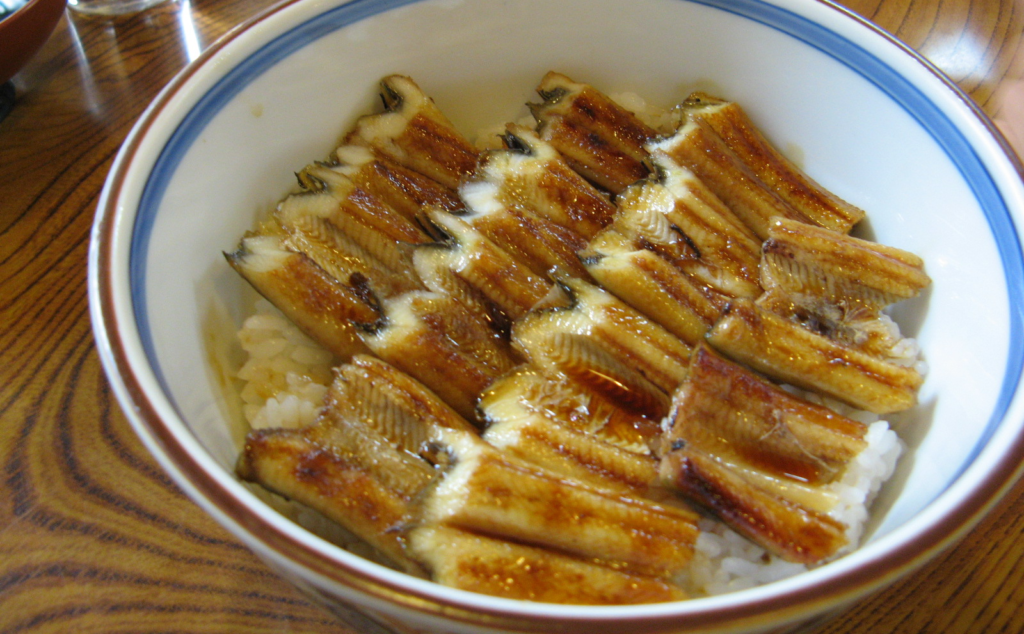
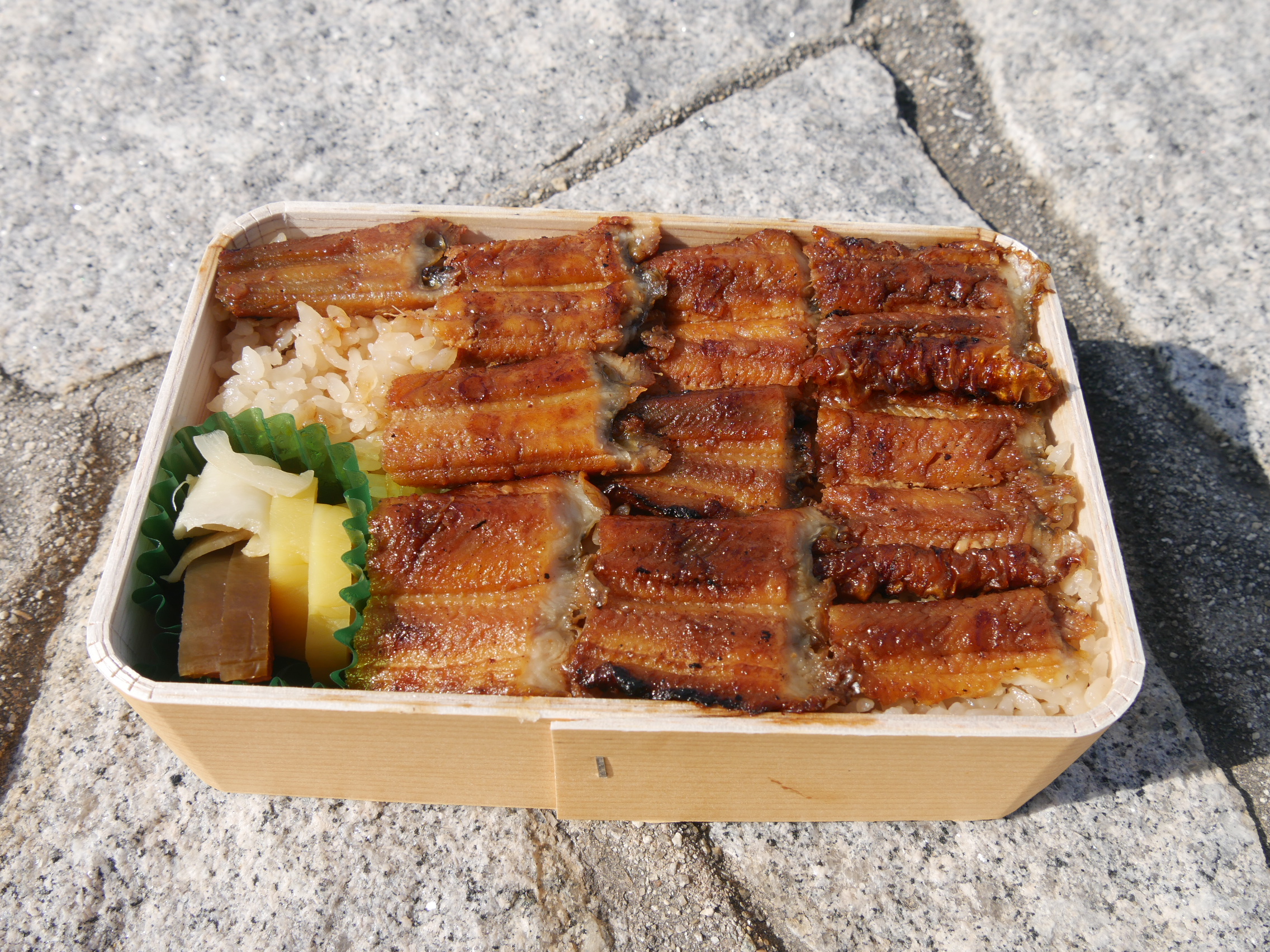
Anago rice — written in Japanese as anago-meshi — is Miyajima’s signature local dish. A generous portion of conger eel is laid over a bed of rice that has been cooked in a dashi broth made from eel bones and trimmings, giving every grain a deep, savory flavor. The eel itself is prepared differently depending on the restaurant: some grill it with a secret house tare (glazing sauce) for a fragrant, caramelized finish, while others steam or simmer it for a softer, melt-in-your-mouth texture. Discovering which style you prefer is part of the fun.
The dish first gained widespread popularity during the late Meiji and Taisho eras, when it became famous as a bento sold at the train station near the ferry port. That original form — grilled eel glazed with a rich sauce, packed over dashi-seasoned rice — set the template that restaurants across Miyajima still honor and interpret today. The dish is also genuinely nutritious: conger eel is rich in DHA, EPA, vitamin A, and iron, making it a satisfying meal that doesn’t feel heavy — a welcome bonus for families traveling with children.
The conger eel found in Miyajima’s waters has a particular character, too. The fast-moving tidal currents of the Seto Inland Sea give the eel firm, dense flesh with concentrated flavor. Every bite has a satisfying chew, followed by a lingering umami richness that sets it apart from eel you might find elsewhere.
The Original: Anagomeshi Ueno
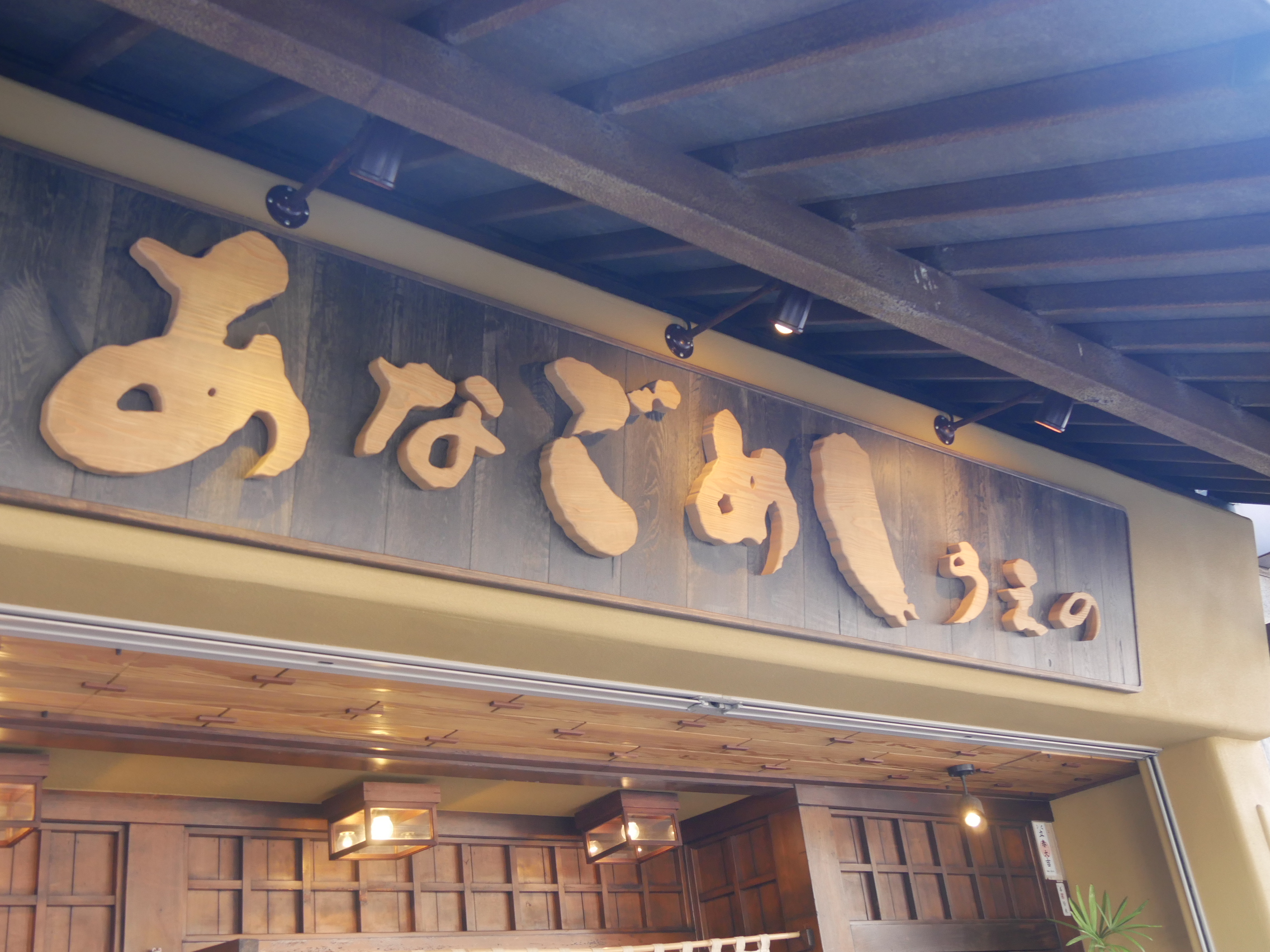
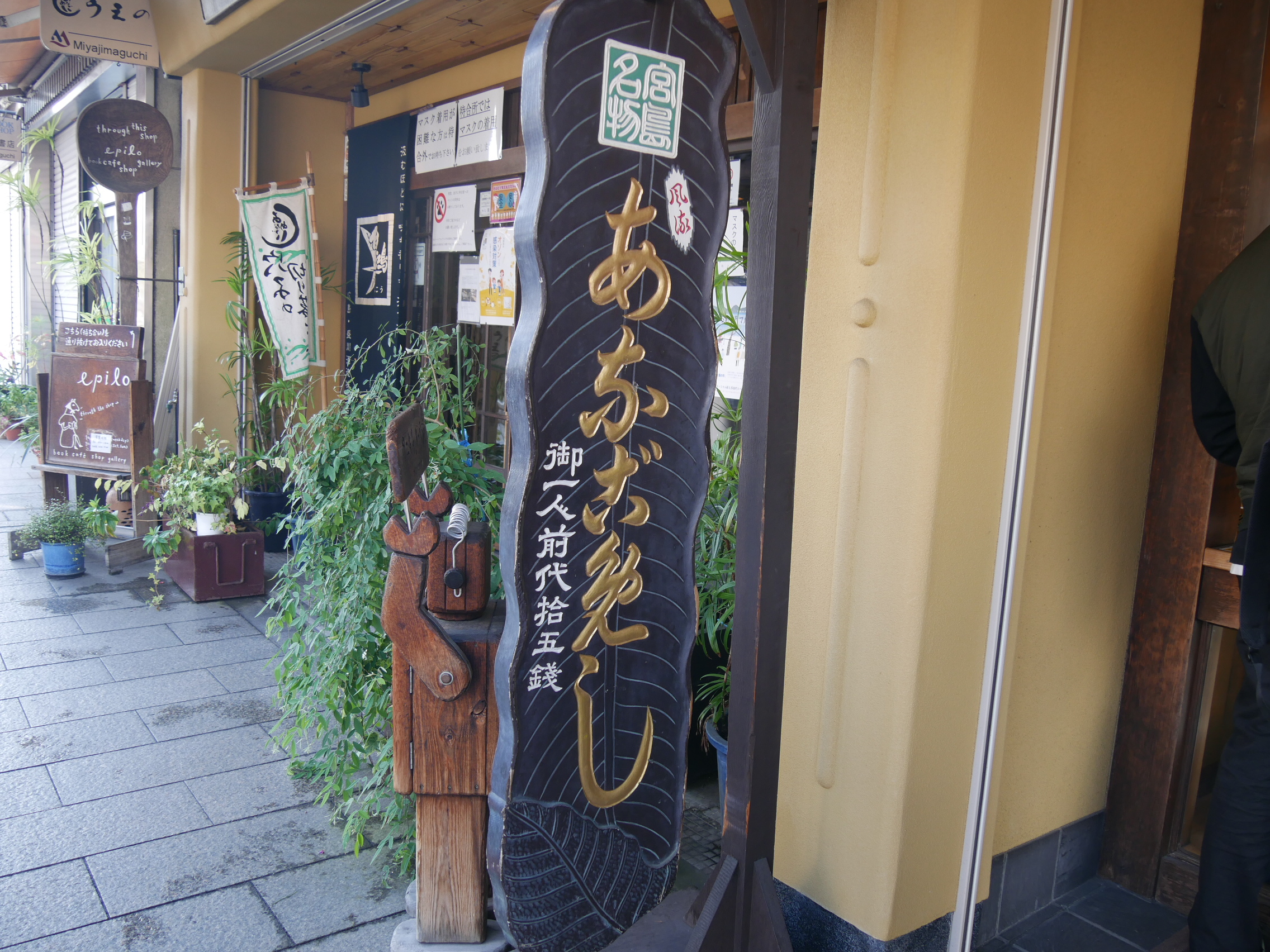
No conversation about Miyajima anago rice is complete without mentioning Anagomeshi Ueno — the restaurant credited with inventing the dish. Founded in 1901 (Meiji 34), Ueno has been serving the same style of anago-meshi for over a century. The founding spirit was simple: create an eel dish that locals and travelers would truly love. That vision has never changed.
What makes Ueno’s anago rice iconic is its secret house tare — a glazing sauce that has been maintained and refreshed for more than one hundred years. Each eel fillet is grilled individually by skilled cooks, resulting in a piece of eel that is fragrant on the outside and exceptionally tender within. The dining room carries the quiet, unhurried atmosphere of an old Japanese establishment, with interior design that feels like stepping into another era. Eating here isn’t just a meal — it’s a small piece of living history.
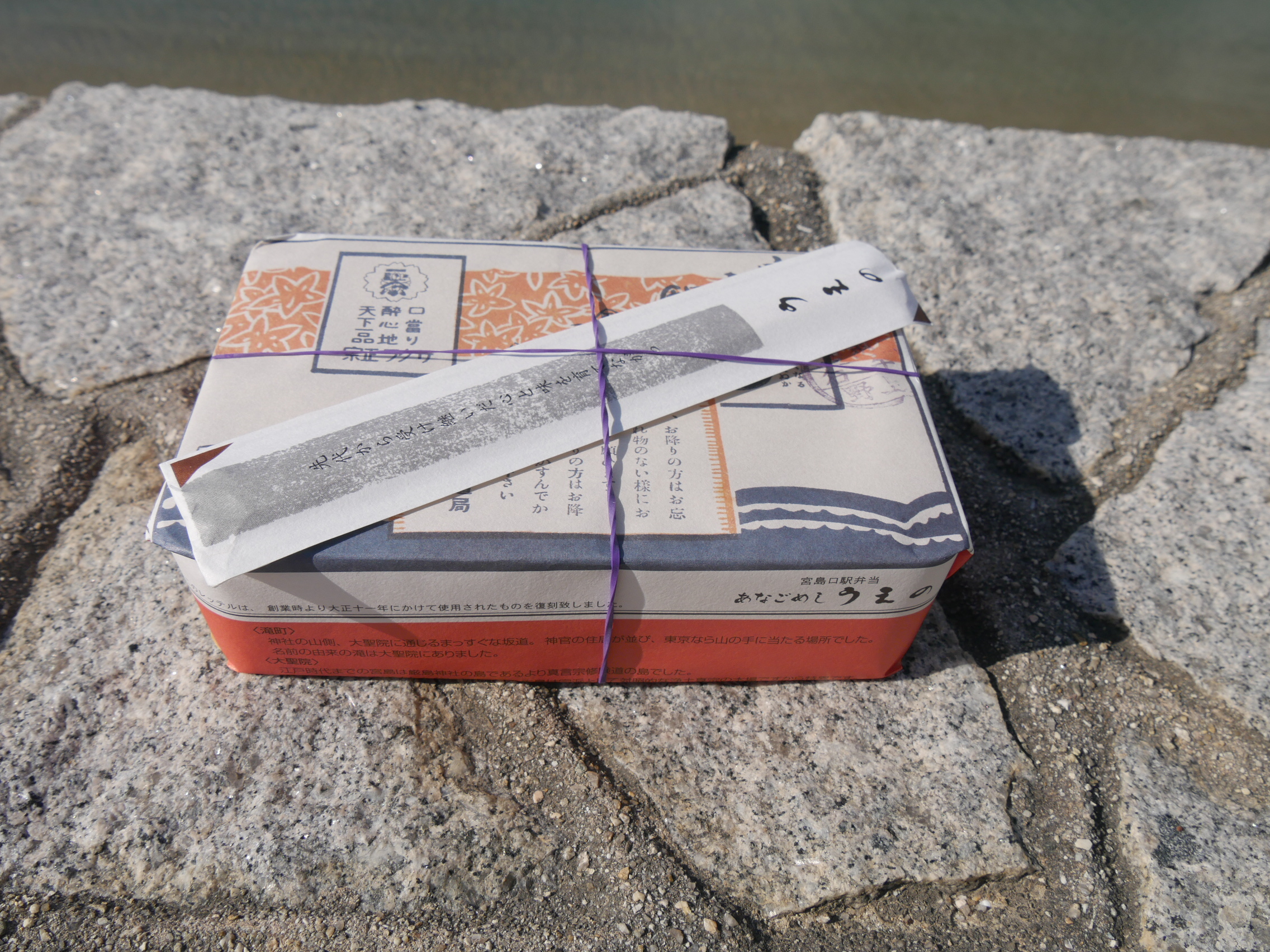
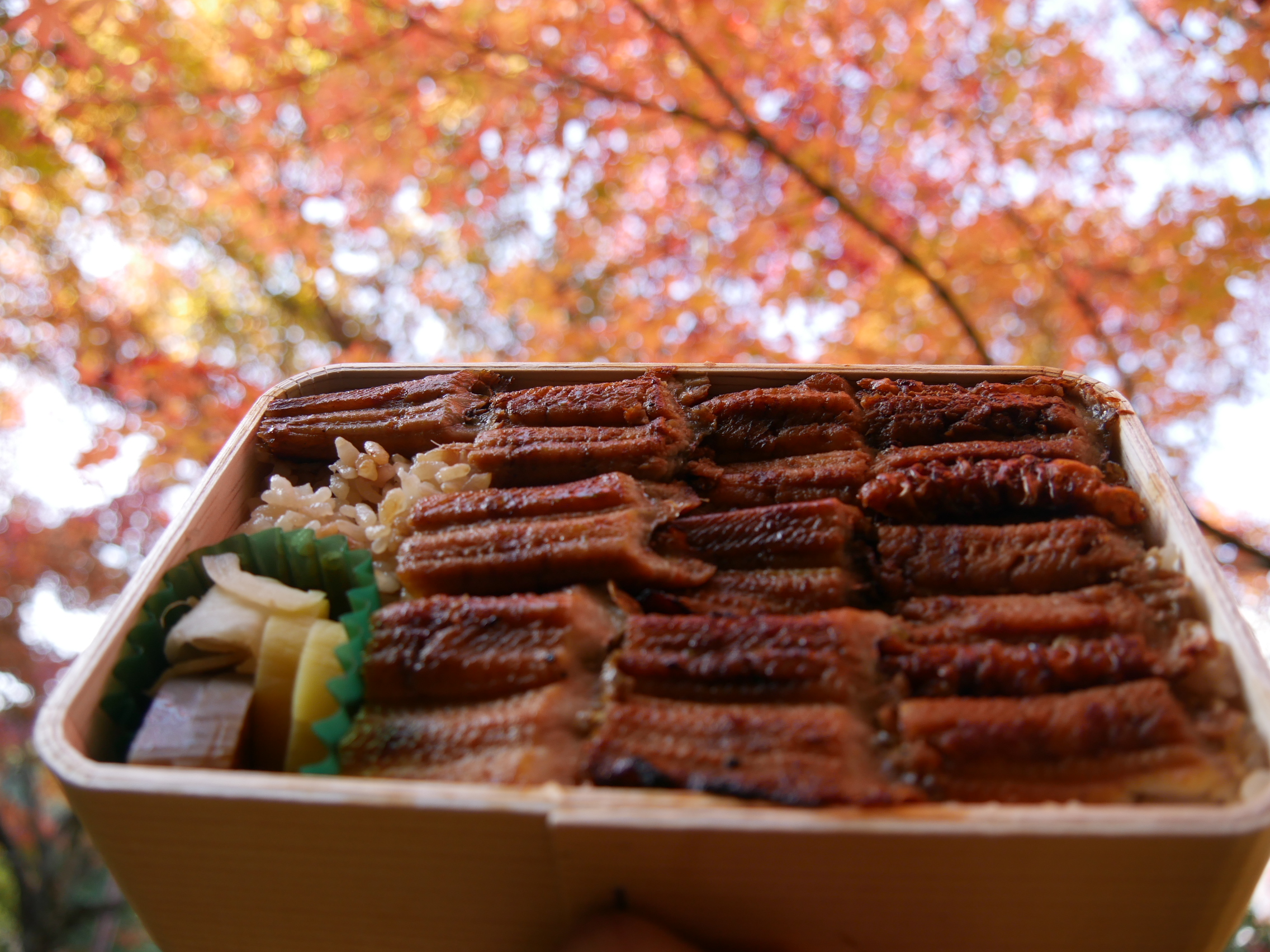
Ueno’s bento box is particularly well-regarded. One of its most interesting qualities is that it actually improves slightly as it sits — the tare and the eel’s natural oils gradually soak deeper into the rice, mellowing and enriching the flavor over time. A popular local strategy is to pick up a bento while waiting for the ferry at Miyajima-guchi, then enjoy it properly on a bench by the shore once you reach the island. If you want to eat without rushing, arriving right when the restaurant opens or visiting during the quiet window between 2 and 3 pm tends to work well. For a more relaxed sit-down experience, Ueno also has an affiliated restaurant option, though it’s worth confirming availability in advance.
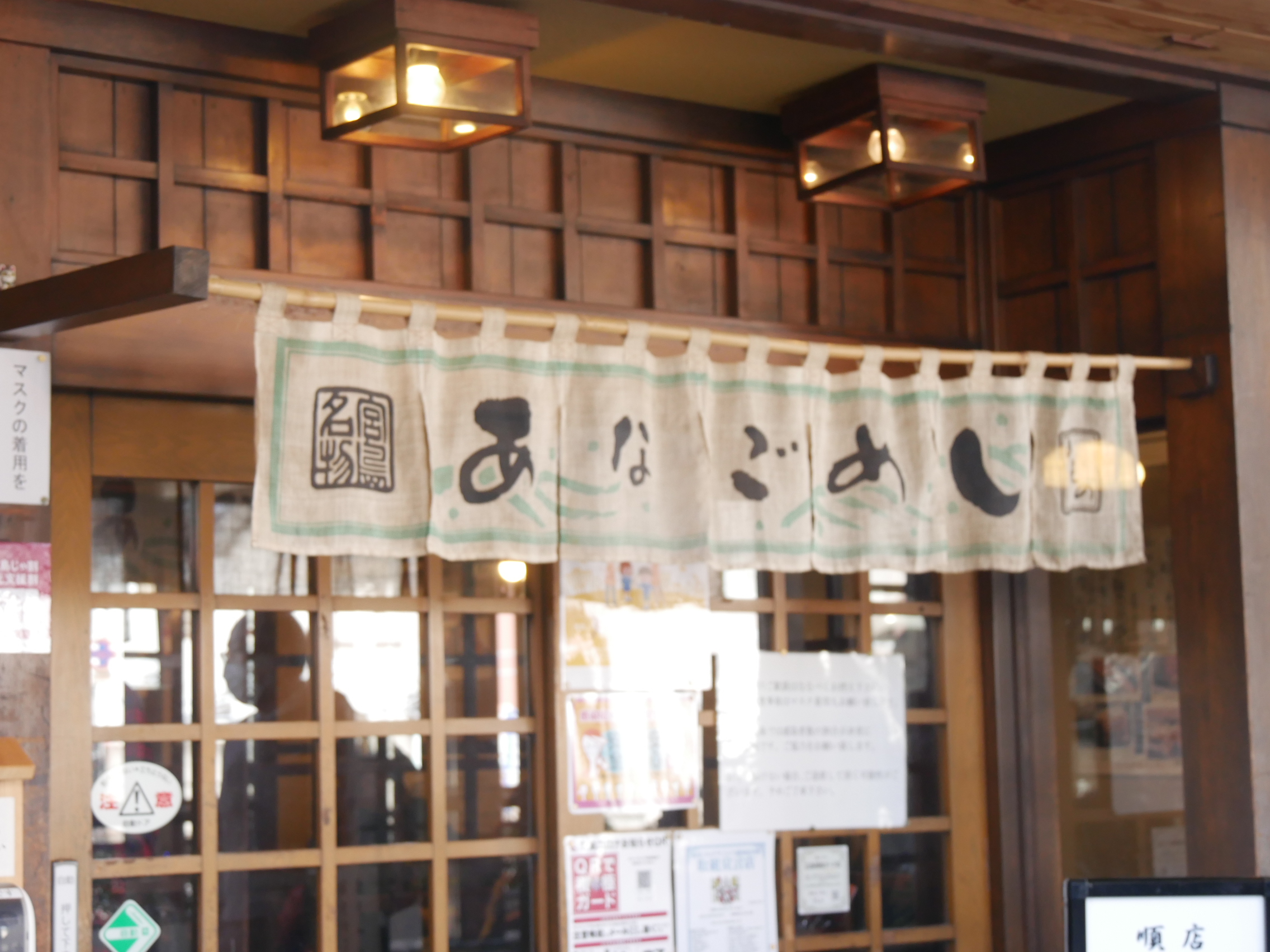
Best Anago Rice Restaurants on Miyajima
Beyond Ueno, Miyajima has several restaurants that dedicated anago-meshi fans love just as much — and among locals, Fujitaya is often the first name that comes up.
Fujitaya
Fujitaya has been preparing anago rice for over a century and takes a notably lighter approach than some of its neighbors. The house tare is delicate rather than bold, letting the natural sweetness and texture of the eel take center stage. The eel is grilled carefully until the outside has a gentle crispness while the inside remains tender and springy — a result of exceptional timing and technique. The atmosphere inside is calm and welcoming, making it a good choice for families who want to eat without feeling rushed. Arriving right at opening or coming in during the early afternoon tends to give you the most comfortable experience, as the midday rush can bring significant waits. It’s the kind of place where the food rewards careful attention — and where children old enough to appreciate subtlety tend to become instant fans.
Shiomachisuishi Tsurumi
Tsurumi specializes in simmered conger eel — softer and richer in texture than the grilled style, with the eel practically dissolving on the tongue. The tare here leans sweet and full-bodied, and the rice is cooked in a dashi broth made from kombu kelp that is prepared over two days, giving it an unusually deep and layered flavor. Thin sheets of bonito flakes tucked beneath the eel add an extra dimension that balances the richness beautifully. The restaurant also serves fresh nigiri sushi and local sake, making it an excellent choice for a longer, more relaxed dinner rather than a quick lunch stop. If you’re planning an evening visit, note that English menu availability can vary by season, so it’s worth checking ahead if that matters for your group.
Mametanuki
Mametanuki takes the most distinctive preparation approach on the island: the anago rice is served in a ceramic vessel and steamed at high temperature, resulting in a texture so light and cloud-soft that a wooden spoon slides through it with almost no resistance. The rice, sourced from contracted farms within Hiroshima Prefecture, absorbs the sweet-savory tare gently and evenly, so every spoonful tastes consistent from the first bite to the last. This steamed style is especially well-suited to younger diners or anyone who prefers a milder, softer eating experience. On cold days, the warmth rising from the ceramic pot as it arrives at the table is a particular pleasure. Mametanuki occasionally offers sashimi and other seasonal items alongside the signature anago-meshi, but the menu can change, so check locally for current offerings. The restaurant also serves oysters — another Hiroshima specialty — for those who want to sample more of the region’s seafood in one stop.
Wada
Wada has a strong following among island regulars and is frequently described by locals as their personal favorite. The eel here is thick-cut, sourced from the Seto Inland Sea, and finished with a refined sweet tare that enhances the eel’s natural richness without overpowering it. The rice is lightly coated in sauce rather than heavily dressed, keeping the overall dish elegant and clean-finishing — something you can eat to the very last grain without feeling too full. Crowds tend to be slightly more manageable at certain times of day, making it worth fitting into your itinerary if timing allows.
Visiting Itsukushima Shrine is a natural complement to an anago rice meal — the shrine’s atmosphere changes beautifully between high tide and low tide, and the two experiences together capture the full spirit of Miyajima. For more on planning your shrine visit, see our guide below.
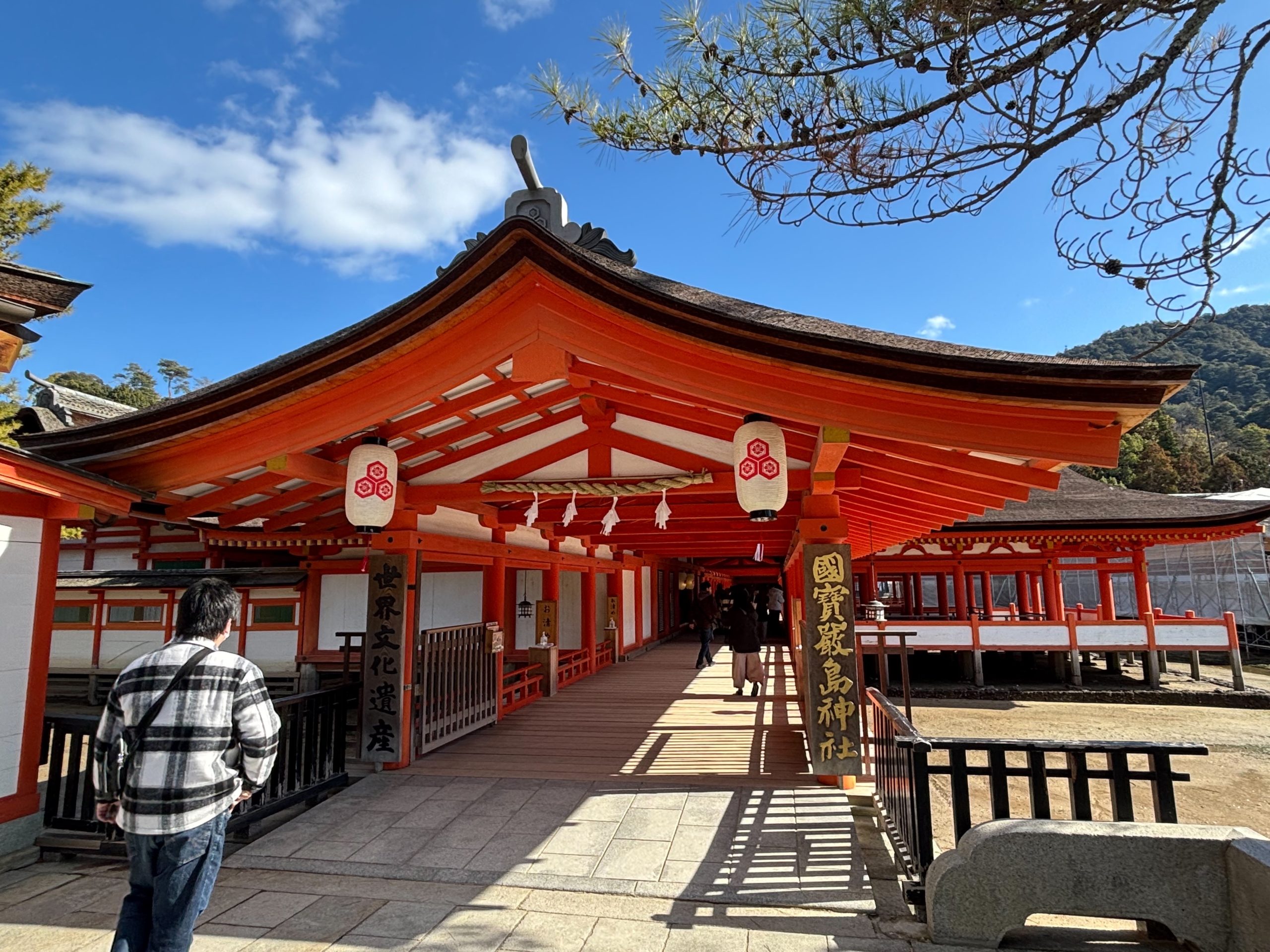
Itsukushima Shrine sits at the edge of the sea on Miyajima Island, jus...
Why Is Miyajima Famous for Conger Eel?
The answer begins underwater. Miyajima’s surrounding waters have long supported oyster farming, and the beds of sediment that build up beneath the oyster racks create a rich habitat for small fish, crabs, and shrimp. Conger eel, which feed on exactly these creatures, naturally gather in large numbers around the island — making Miyajima one of the most productive conger eel fisheries in the region.
The geography of the Seto Inland Sea amplifies this further. The fast tidal currents and significant difference between high and low tides that characterize this stretch of water force the eel to swim against strong flows constantly. This gives the flesh a firmer, more muscular quality and a more concentrated flavor compared to eel raised in calmer waters. You can taste the difference — there is a satisfying resistance in each bite, followed by a wave of deep umami that makes the dish genuinely memorable.
Local restaurants reflect this maritime environment in the diversity of their preparations. Grilled eel emphasizes the aromatic, caramelized side of the ingredient; simmered and steamed preparations highlight its softness and sweetness. Some restaurants even occasionally serve fresh conger eel when the day’s catch and the chef’s preparation allow for it — a rare treat that underscores how closely Miyajima’s food culture is connected to the sea.
Best Season for Miyajima Anago Rice
Miyajima conger eel actually has two distinct peak seasons, each offering a different eating experience.
The first season runs from June through August — sometimes called “rainy season eel” or summer eel. During these months, the eel is leaner and lighter, with a clean, mild flavor that pairs especially well with steamed or simmered preparations. It’s a refreshing option in the summer heat.
The second season runs from October through December. Winter eel is well-marbled and richer, with a fuller flavor and a satisfying, silky texture — the result of the eel storing fat reserves as water temperatures drop. Many dedicated anago-meshi fans consider this the finest eating of the year.
Visiting in either season means experiencing the dish at its best, just in different ways. Families traveling with children may find the lighter summer style more approachable, while those who enjoy bold, complex flavors tend to prefer autumn and winter. If you visit more than once, you’ll likely develop a strong preference — and a good reason to plan a return trip.
The Omotesando shopping street that leads toward the shrine is lined with food stalls and specialty shops where you can complement your anago rice meal with other island snacks. It’s also an easy place to pick up takeaway for eating by the water.
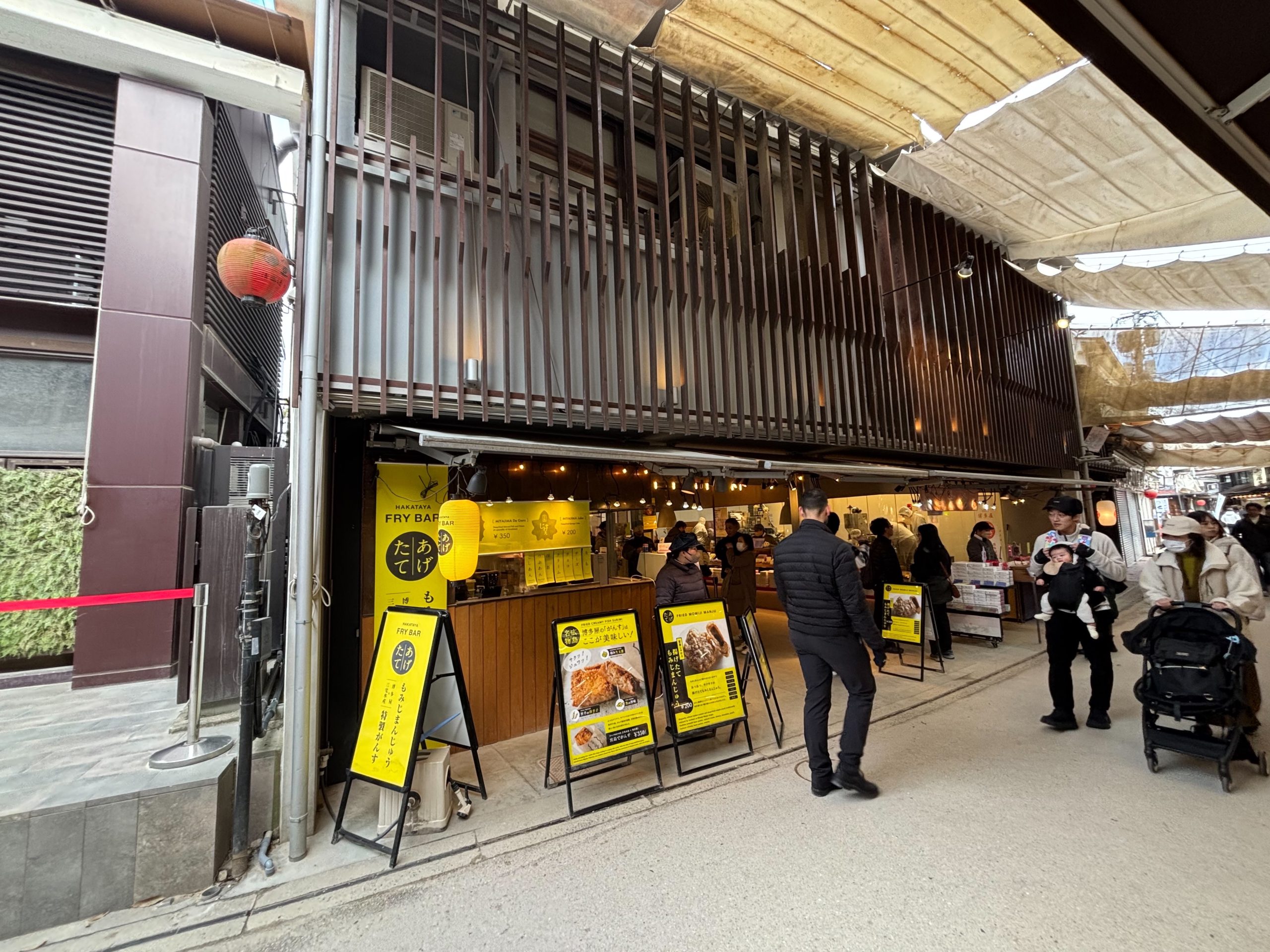
Miyajima's main shopping street — known locally as Omotesando — is a l...
Tips for Enjoying Anago Rice on Miyajima
Miyajima’s most popular anago rice restaurants can develop long queues — waits of one to one-and-a-half hours during peak times are genuinely common at the busiest spots. A few simple strategies make a significant difference.
Time your visit carefully. The worst crowds cluster during the midday rush, typically between 11 am and 1 pm. Arriving ten minutes before a restaurant opens, or visiting in the early-to-mid afternoon between 2 and 3 pm, gives you a much better chance of being seated quickly. Weekdays between 2 and 4 pm are generally the least congested time of the week. Late March through early April (spring break season) and November’s consecutive holiday weekends are the most crowded periods of the year — if you’re visiting then, plan ahead and have a backup option ready.
Consider takeaway. Miyajima’s anago bento boxes are designed to taste excellent at room temperature, so buying takeaway and eating outdoors is a genuinely pleasant option rather than a compromise. The island has many good spots to sit — stone walls near the shore, benches along the main promenade, and open areas near the temples and shrines. One insider tip: picking up a bento while waiting for the ferry at Miyajima-guchi, then eating it on the island with the scenery in front of you, is a beloved local ritual.
Watch out for deer. Miyajima’s famous wild deer have no shyness about approaching people with food. If you’re eating outdoors, keep your bento covered until you’re ready to eat. Locals have long noted that small plastic pinwheels — the kind sold cheaply at souvenir shops — are surprisingly effective deer deterrents when placed nearby.
For families with young children. If you’re traveling with a stroller or young kids, the outdoor eating option gives you the most flexibility. For those who need a nursing room, the visitor information center on Omotesando shopping street has a facility on its second floor. Miyajima Aquarium also offers free stroller rentals if you need them for the day.
Payment and language. English menu availability and cashless payment options vary by restaurant. If either is important to your group, it’s worth confirming before you visit — checking the restaurant’s official site or calling ahead saves time.
Senjokaku — the enormous unfinished hall associated with Toyotomi Hideyoshi — has a broad, open interior with a stunning view and light sea breezes. It’s one of the island’s finest spots to sit quietly with a takeaway anago bento and enjoy lunch at your own pace.
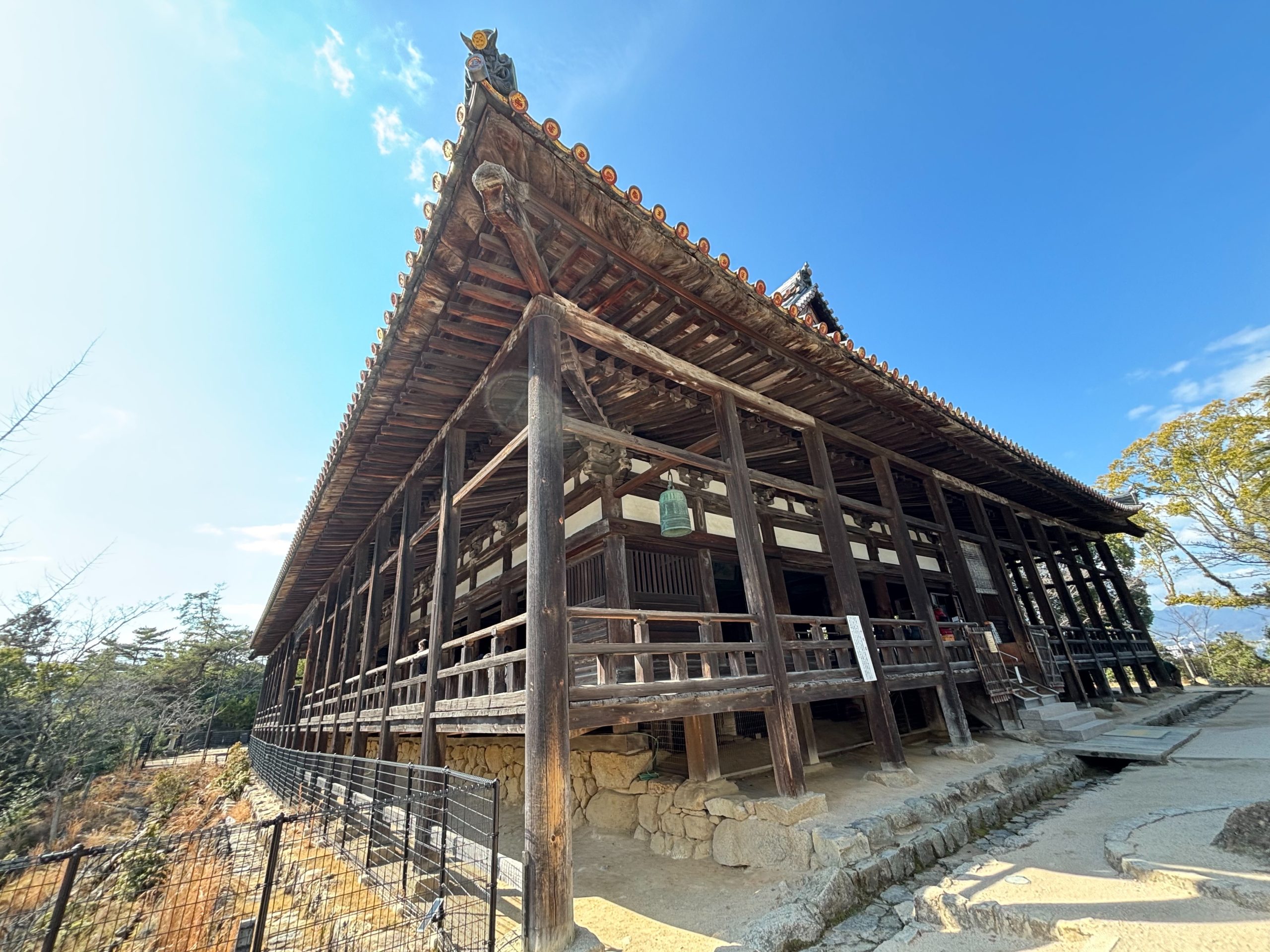
Senjokaku: Miyajima's Hauntingly Beautiful Unfinished Hall Perched on...
Other Ways to Enjoy Eel on Miyajima
If you’d like to explore beyond the traditional sit-down anago rice meal, Miyajima offers a handful of other eel-based experiences worth knowing about.
Some vendors along the shopping street serve charcoal-grilled whole conger eel — large, dramatic, and intensely fragrant — as a street food snack. There are also eel skewers, eel burgers, and pettara pottara, a grilled rice cake topped with eel and oyster that has become one of Miyajima’s most popular walking snacks in recent years.
For those with a more specialized interest, some restaurants occasionally feature premium preparations such as conger eel served sashimi-style — raw, with the freshest possible catch — or elaborate eel rice box sets developed in collaboration with local aquaculture research. Availability for these items tends to vary, so checking current menus locally is the best approach.
If you’re planning your day around food, a useful strategy is to try different preparations across your visit: perhaps a grilled bento in the morning, a walk through the shopping street for snacks midday, and a sit-down simmered or steamed anago meal in the early evening. One local tip worth knowing: the deep-fried maple-leaf cakes (age-momiji) from Momijido are said to be crispiest and most delicious first thing in the morning — pairing those with an anago rice lunch makes for a satisfying full-day food itinerary.
If you’re spending more time on the island, taking the ropeway up to the summit of Mount Misen with a packed anago bento is a memorable way to combine the island’s natural and culinary highlights. The views from the top are extraordinary, and the 1,200-year-old sacred flame at the summit is one of Miyajima’s most remarkable landmarks.
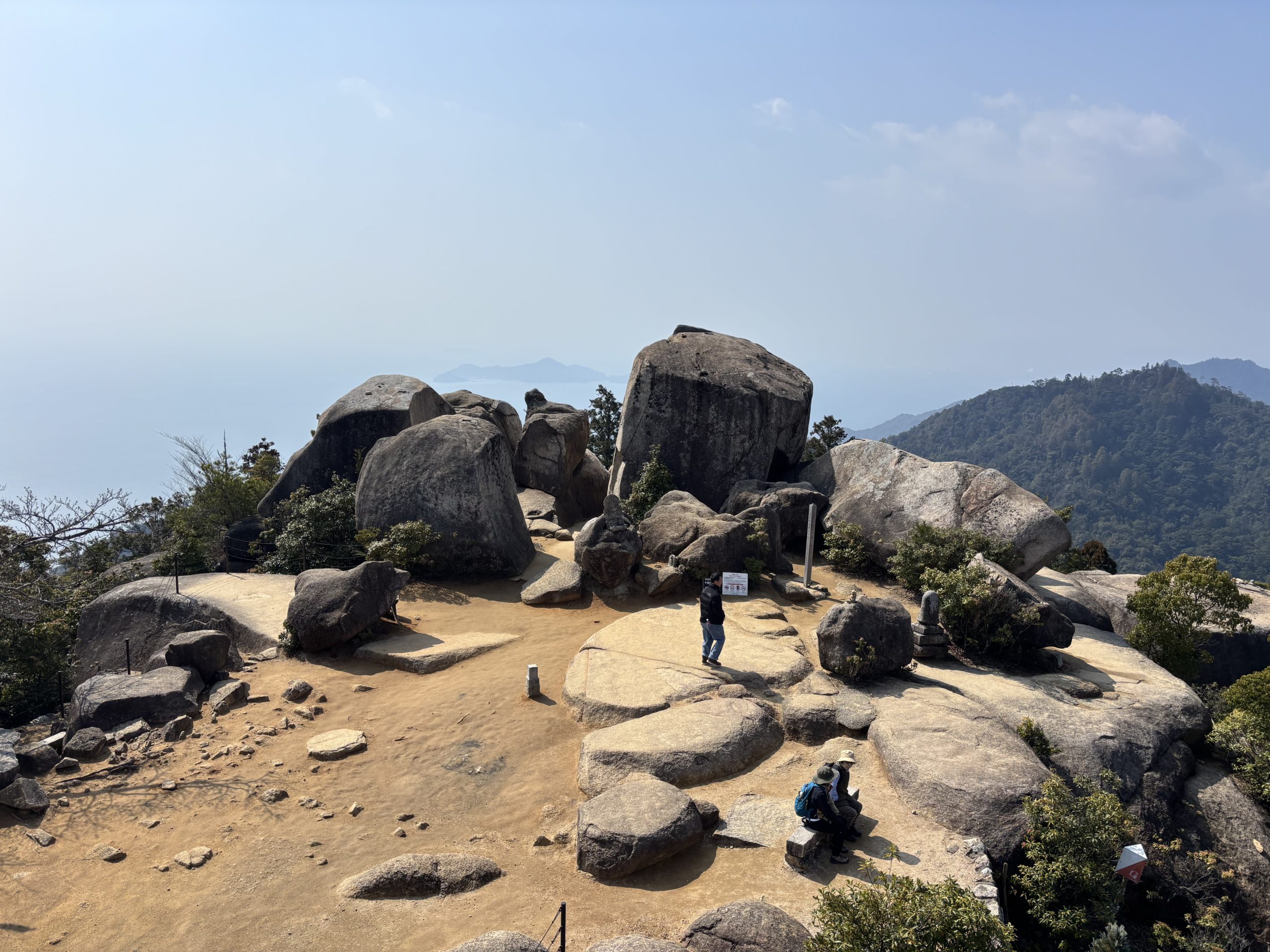
Rising 535 meters above Miyajima Island, Mount Misen is the sacred pea...
FAQ
What is the best time to visit anago rice restaurants in Miyajima without a long wait?
Arriving right at opening time — usually around 11 am — gives you the best chance of being seated without a significant wait. The early-to-mid afternoon window, roughly 2 to 3 pm, is also noticeably less crowded than the midday rush. On weekdays, 2 to 4 pm is generally the quietest period of the day. If you’re visiting during late March through early April or during November’s consecutive holiday weekends, expect the heaviest crowds of the year and plan accordingly.
Can I order Miyajima anago rice as a takeaway or bento box?
Yes, and takeaway is a wonderful way to enjoy the dish. Miyajima’s anago bento boxes are specifically designed to taste excellent at room temperature — the rice absorbs the eel’s flavors as it sits, actually improving slightly over time. Buying a bento while waiting for the ferry at Miyajima-guchi and eating it on the island is a popular local approach. Some restaurants also accept advance orders for bento, though pickup times and quantities can be limited, so confirming beforehand is recommended.
Is anago rice suitable for children?
Yes, in general it’s a very family-friendly dish. The simmered and steamed preparations — softer in texture and milder in flavor — tend to be easiest for younger children to enjoy. Grilled styles have a slightly stronger aroma and firmer texture that older children typically appreciate. Sharing a bento box between children and adults is a common approach and usually leaves everyone satisfied without feeling too full.
What is the difference between grilled, steamed, and simmered anago rice?
Grilled anago (yakianago) is finished over high heat with a house tare sauce, giving the eel a caramelized, fragrant exterior with firm-but-tender flesh. Steamed preparations produce an exceptionally soft, cloud-like texture with gentler flavor. Simmered anago is cooked slowly in seasoned liquid until very tender, resulting in a rich, melting quality. Each restaurant tends to specialize in one style, though some offer multiple options. Trying more than one style across different meals is a great way to appreciate the range of the dish.
Do Miyajima’s anago rice restaurants have English menus?
This varies by restaurant and changes over time. Several of the more tourist-facing establishments offer some English language support, while smaller traditional restaurants may not. Checking the restaurant’s website or calling ahead is the most reliable way to confirm current availability. The visitor information center on Omotesando shopping street can also offer helpful guidance.
Is there a risk of restaurants selling out, especially later in the day?
Yes — during busy seasons, some restaurants sell out before closing time, and early closing happens occasionally. If you’re planning to eat in the afternoon or early evening, having a backup restaurant in mind is a sensible precaution. Takeaway bento also tends to sell out earlier than sit-down availability, so planning for a morning pickup gives you the most flexibility.
What is the approximate price range for anago rice on Miyajima?
Most restaurants offer multiple sizes or grades, from standard to premium, giving you flexibility based on your budget. Standard anago rice meals and bento boxes are generally in a mid-range price bracket for a Japanese restaurant meal. Premium or special-grade options typically offer a larger portion of eel rather than a meaningfully different preparation. Checking current pricing on each restaurant’s official site before your visit gives you the most accurate picture, as prices can change seasonally.
If you’re looking for a final stop after your anago rice meal, the ancient temple complex of Daishouin — which actually predates Itsukushima Shrine — is one of Miyajima’s most atmospheric spiritual sites. The stone stairway of 504 steps, nicknamed “goreshisan” by locals, offers a gentle post-meal walk through remarkable scenery and sacred Buddhist imagery.

Discover Daishoin Temple, Miyajima's oldest and most sacred Buddhist site. History, highlights, seasonal events, and practical visitor tips.
Make Anago Rice the Highlight of Your Miyajima Visit
Miyajima anago rice is more than a famous local specialty — it’s a genuine expression of the island’s identity, shaped by the tides, the oyster beds, and more than a century of culinary tradition. Whether you choose Ueno for its historic bento legacy, Fujitaya for its elegant restraint, Tsurumi for its melting simmered eel, Mametanuki for its beautifully soft steamed preparation, or Wada for its thick-cut local character, you’re engaging with something that the island is genuinely proud of.
Come in summer for a clean, lighter experience, or in autumn and winter for the richest, most indulgent version of the dish. Eat it in a dining room steeped in decades of history, or take it to a bench by the shore and enjoy it with the Seto Inland Sea spread out in front of you. Either way, it’s the kind of meal that becomes one of the memories you talk about after the trip is over.
If you’re arriving by car, note that parking near Miyajima-guchi tends to fill quickly during peak season — lots near the ferry terminal are usually the most convenient, and arriving before 8 am generally gives you more options. On rainy days when outdoor sightseeing is less appealing, a warm bowl of anago rice followed by a visit to Miyajima Aquarium — where the finless porpoise and sea lion shows are perennial favorites with children — makes for a thoroughly enjoyable island day regardless of the weather.
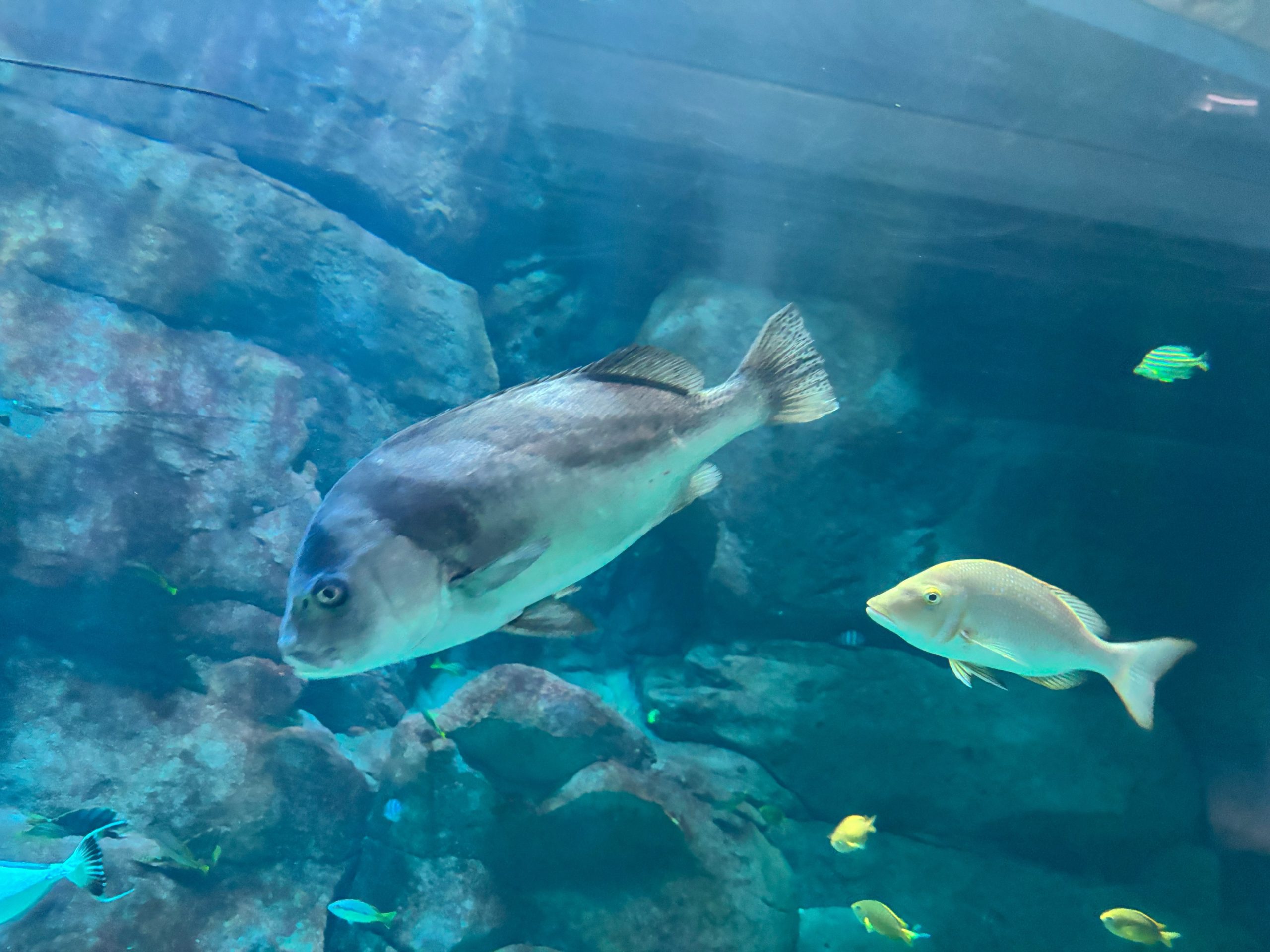
Miyajima Aquarium — officially known as Miyajima Marine, or Miyaji Mar...