
Miyajima Aquarium — officially known as Miyajima Marine, or Miyaji Marin in Japanese — sits at the gateway to one of Japan’s most celebrated UNESCO World Heritage islands. Tucked inside Setonaikai National Park just a short walk from Itsukushima Shrine, the aquarium showcases the remarkably rich marine life of the Seto Inland Sea through roughly 380 species and more than 15,000 individual creatures. Whether you are visiting Miyajima for the famous floating torii gate or just looking for a great half-day activity the whole family can enjoy, this aquarium consistently ranks as one of the island’s most beloved stops.
About Miyajima Aquarium (Miyaji Marin)
What Makes Miyajima Aquarium Special
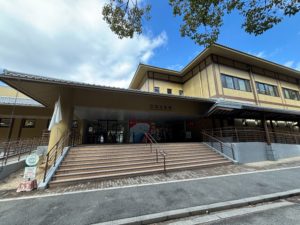
The aquarium is located at 10-3 Miyajima-cho, Hatsukaichi City, Hiroshima Prefecture. Because the building sits within a national park, the architects gave it a graceful Japanese-style design — curved roof tiles, warm wood tones, and traditional detailing — that blends beautifully with the island’s historic landscape. Inside, the exhibits are rooted firmly in the ecology and culture of the Seto Inland Sea, making this much more than a typical aquarium visit.
The layout is compact and easy to navigate, which is great news if you are traveling with children or using a stroller — elevators are available on every floor. One very handy feature: the aquarium offers a same-day re-entry stamp, so you can explore the shrine or grab lunch on the island and come back in the afternoon without paying again. This makes Miyajima Aquarium an easy anchor for a full day of island sightseeing.
The aquarium’s philosophy centers on “healing and connection” — and you will feel that immediately in the hands-on tide pool area, the otter encounters, and the playful penguin events. The second-floor restaurant, Miyaji Marin Kitchen, serves meals with views over the Seto Inland Sea, and the museum shop is stocked with original merchandise featuring the aquarium’s two mascots: the finless porpoise and the penguin.
Star Animals You Will Meet
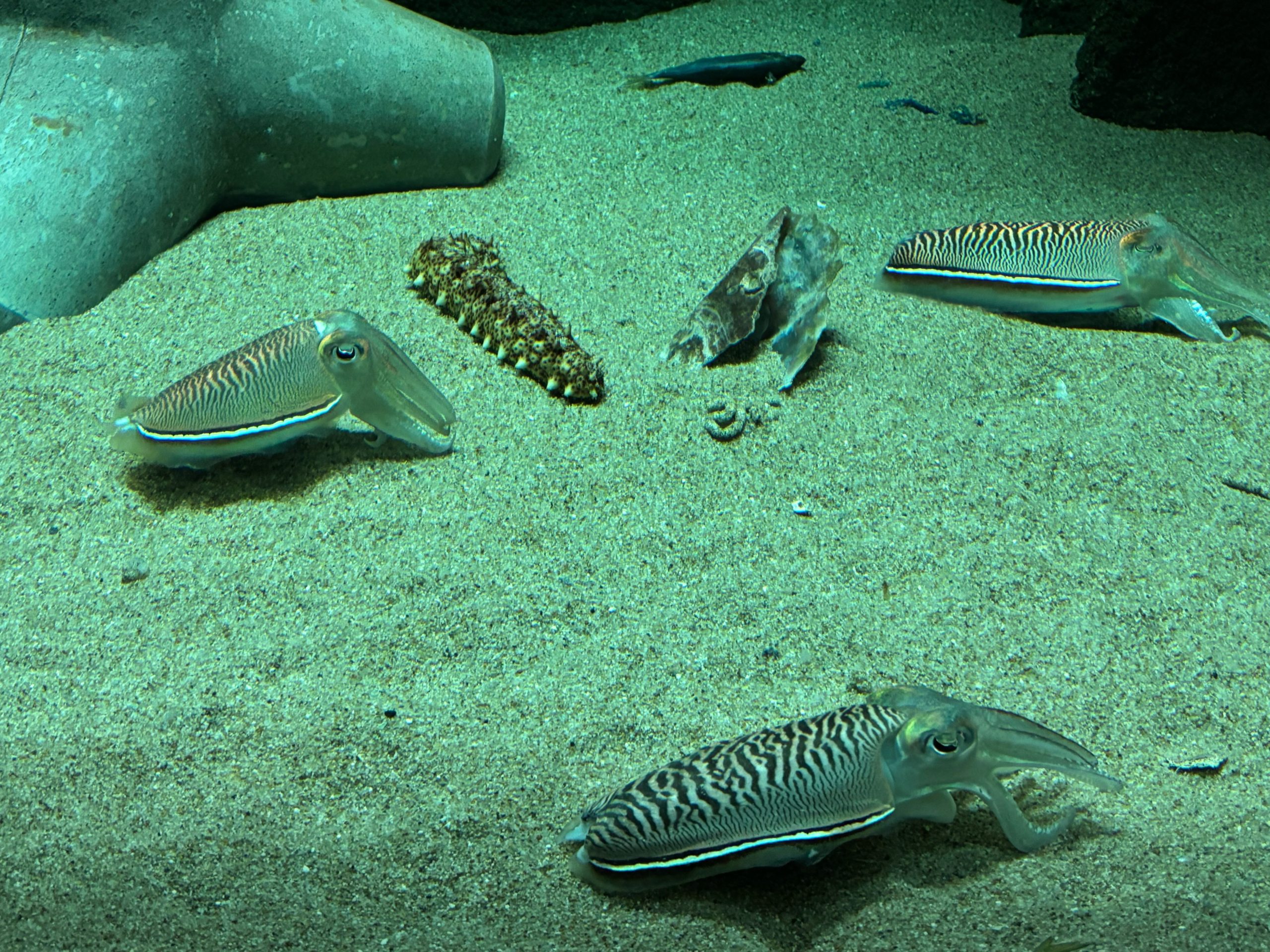
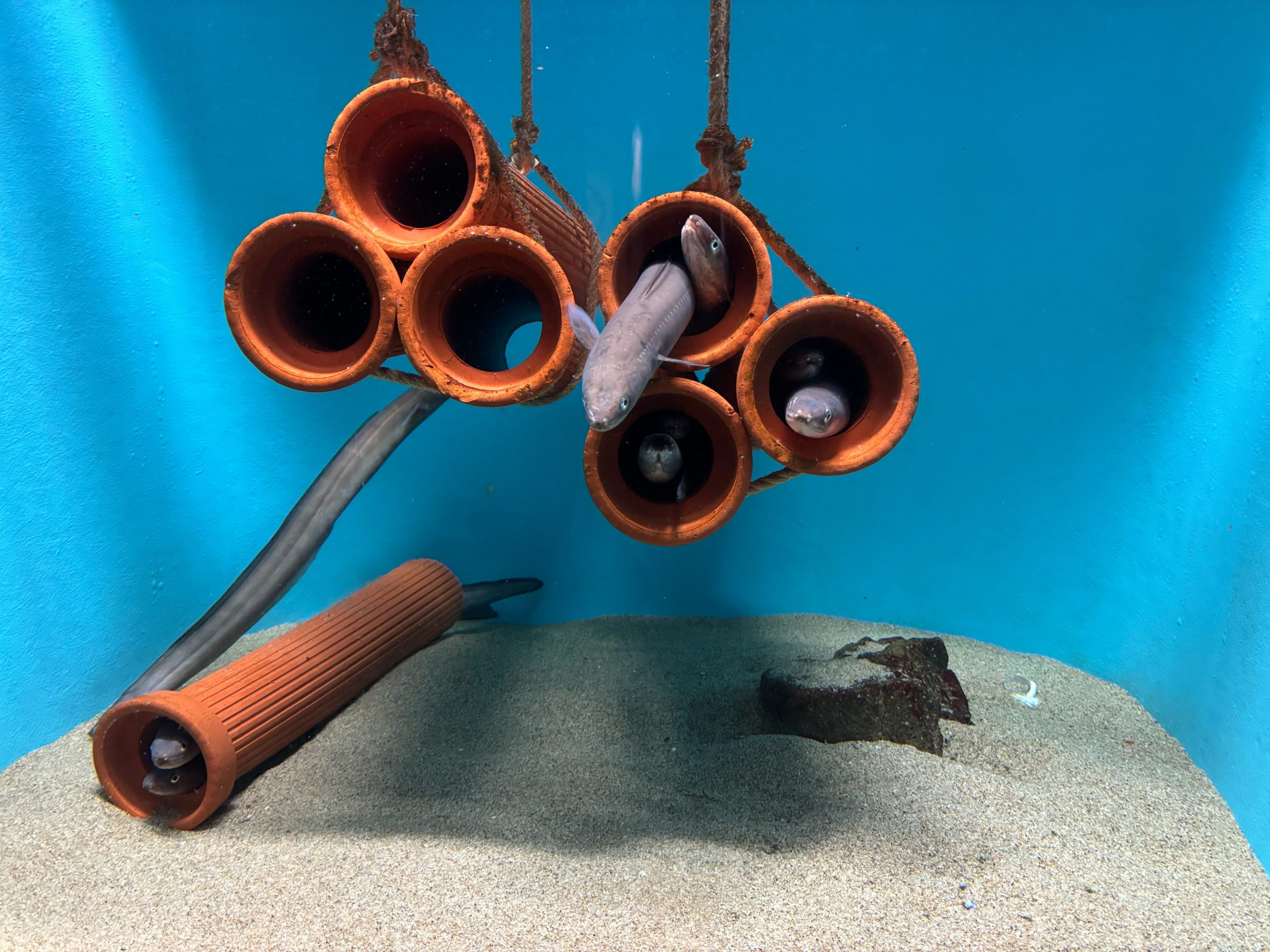
Miyajima Aquarium is home to four headline animals: finless porpoises (sunameri), sea lions, Humboldt penguins, and small-clawed otters. The finless porpoise is the aquarium’s true icon — it even appears in the official logo — and the facility holds a remarkable world record for the first third-generation captive birth of this species. Beyond the headliners, the exhibits range from horseshoe crabs and moray eels to oyster-farming displays that reflect Hiroshima’s most important seafood industry.
If you ask a local what to look forward to, they will almost certainly mention the sea lion show, the penguin pool viewing platforms, and the behind-the-scenes finless porpoise observation windows. All three are genuinely memorable, even for adults who think they are “too old” for aquariums.
Daisho-in Temple, a short walk from the aquarium, is actually older than Itsukushima Shrine itself and is considered one of Miyajima’s most spiritually significant sites. If you have time, it makes a wonderful companion visit.

Discover Daishoin Temple, Miyajima's oldest and most sacred Buddhist site. History, highlights, seasonal events, and practical visitor tips.
Admission Prices
・Adults (including high school students): ¥1,420
・Middle school students: ¥710
・Elementary school students: ¥710
・Young children (toddlers): ¥320
Tickets are sold at the aquarium entrance window. Advance tickets in the form of exchange vouchers are also available at major convenience store terminals — Seven-Eleven, Lawson, and FamilyMart — 24 hours a day. Presenting a voucher at the gate lets you skip the ticket line entirely, which is a worthwhile advantage on busy days.
Annual passes are available for frequent visitors: ¥3,560 for adults, ¥1,730 for elementary and middle school students, and ¥1,010 for toddlers. If you plan to visit three or more times in a year — or simply love the aquarium enough to return on the same trip — an annual pass pays for itself quickly. Visitors holding certain disability certificates receive reduced admission, and one accompanying companion may enter free. A note for first-time visitors: since October 2023, Miyajima Island charges a ¥100 visitor tax per person, separate from the aquarium admission, so factor that into your total budget.
The Sea Lion Show: Daily Live Performances
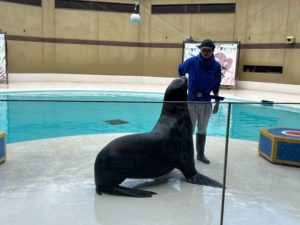
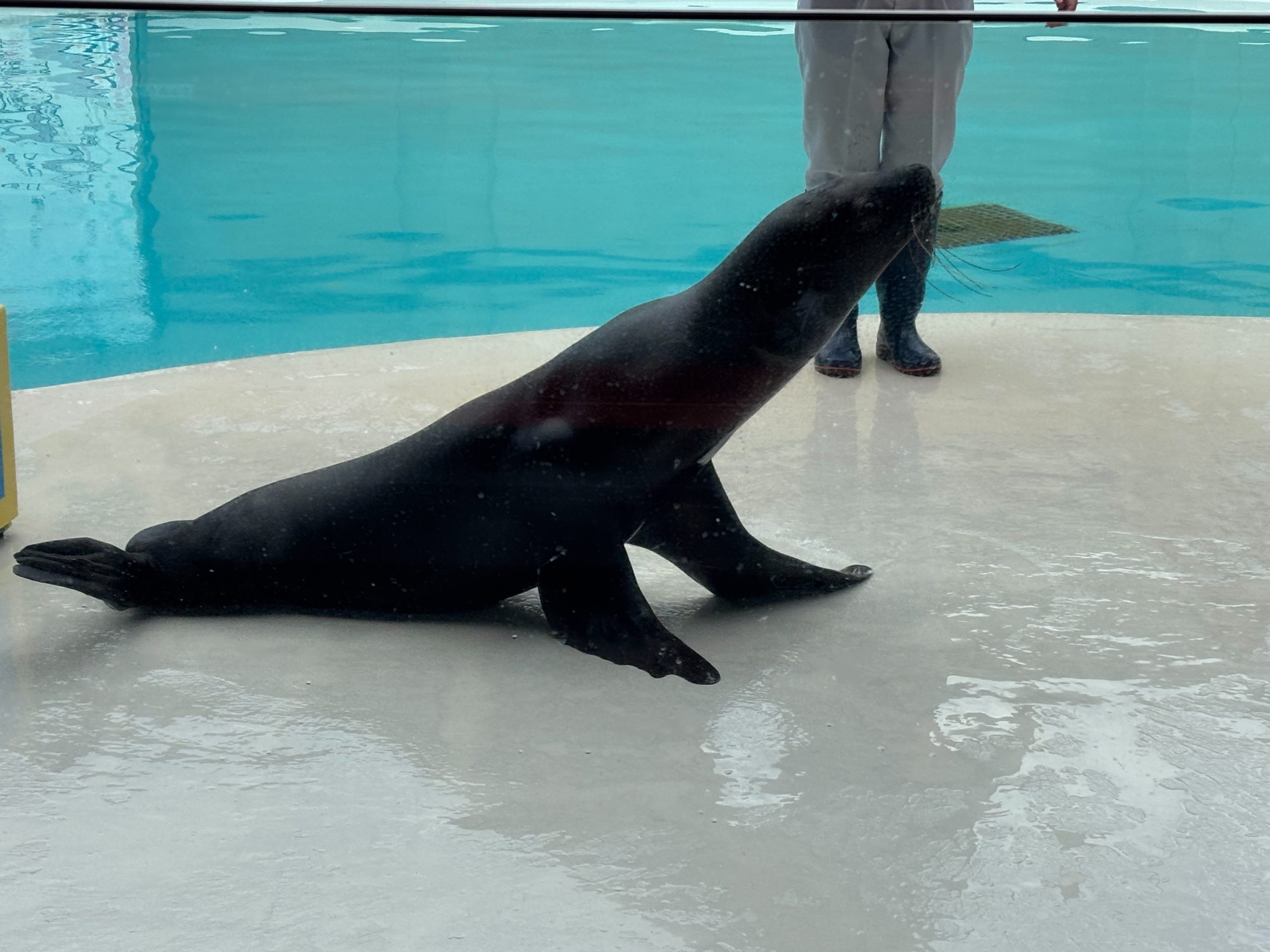
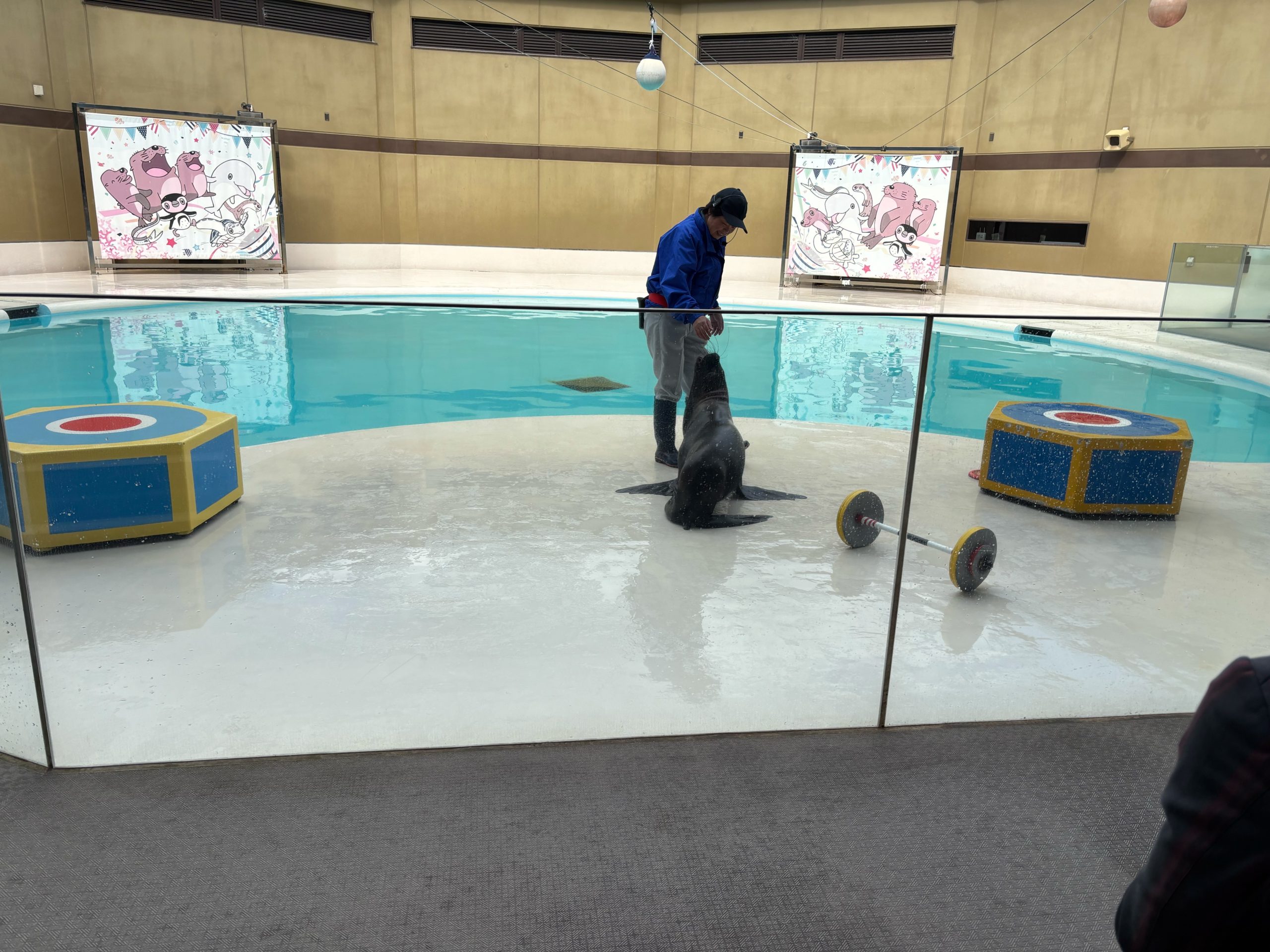
The sea lion show is one of the aquarium’s most popular attractions, held three times daily on weekdays at 10:30 AM, 1:00 PM, and 3:30 PM. (Show times are subject to change, so check the current schedule before you arrive.) Each performance runs about 15 minutes, and the spacious pool allows the sea lions to show off impressively dynamic tricks — ring tosses, ball balancing, and crowd interactions that get laughter and applause from visitors of all ages.
Up close, you will notice the sea lions have surprisingly gentle, expressive eyes that make you genuinely root for them during each routine. The atmosphere is warm and good-humored even on chilly winter days. One word of warning: the front rows near the pool edge are prime splashing territory. If you want the best view without the soaking, arrive 10–15 minutes early to find a good middle-section seat and bring a small towel just in case — especially if you are traveling with young children.
On crowded days, entry to the live pool area may be briefly controlled before showtime. Arriving a little early solves this. Always double-check the day’s schedule on the aquarium’s in-house display boards, as cancellations or time adjustments can happen without advance notice.
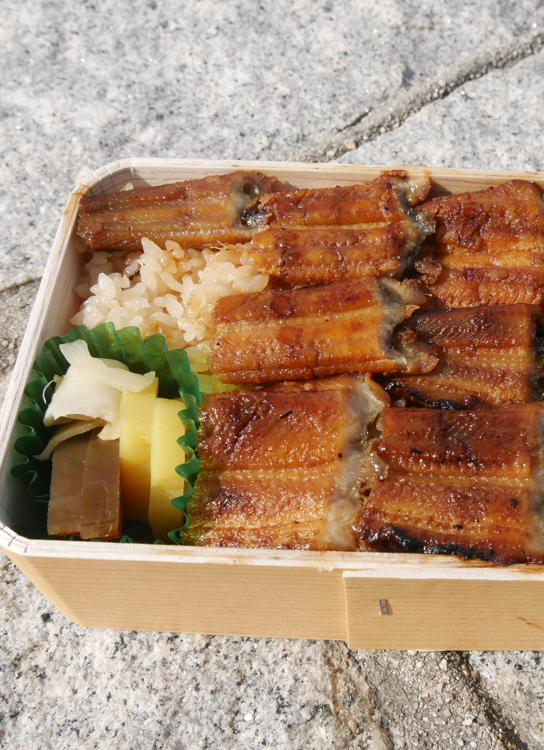
Miyajima’s famous anago (saltwater eel) rice is a must-try on the island, and several family-friendly restaurants serve it beautifully. Our guide covers the best spots to enjoy this local specialty.
Miyajima Island is famous for its floating torii gate and ancient shri...
The Penguin Pool: Where Cuteness Peaks
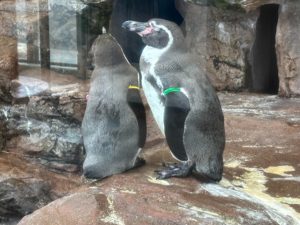
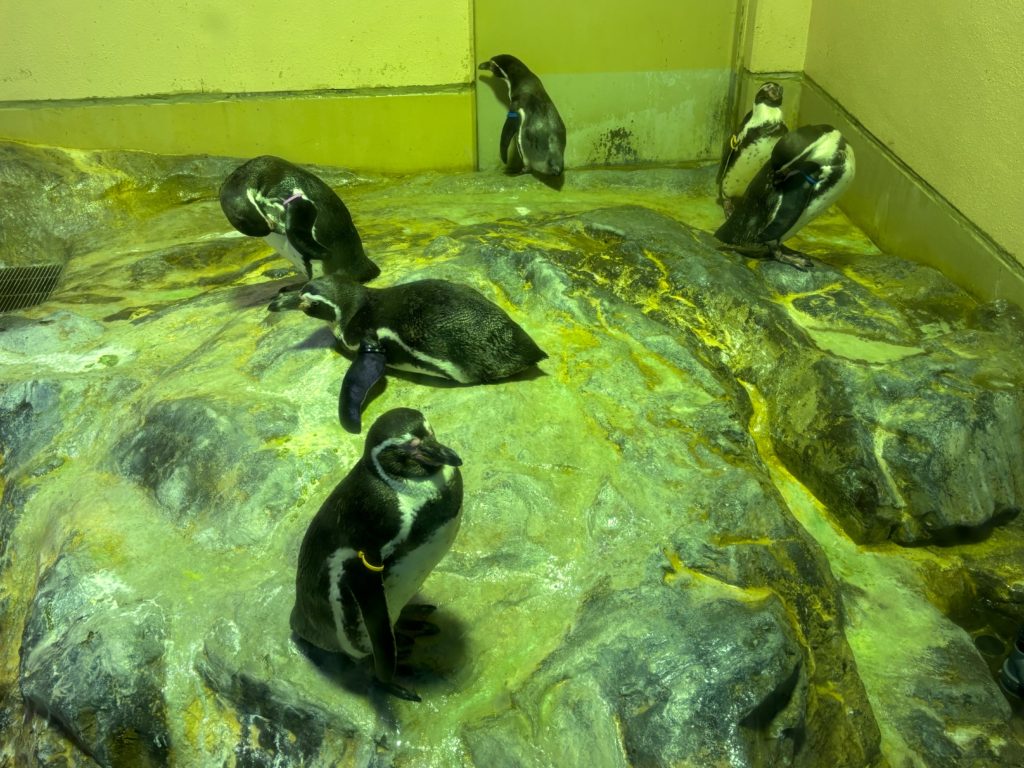
Among all the exhibits at Miyajima Aquarium, the Humboldt penguin area consistently stops visitors in their tracks. Watch the penguins lounge lazily on the rocky banks, then suddenly launch themselves into the water and glide effortlessly — it is an almost comically dramatic transformation that never gets old. Their waddling, wide-eyed gait while walking on land adds its own kind of charm.
The aquarium’s Humboldt penguins breed from December through late June, a seven-month nesting season. If you visit between late winter and spring, you may be lucky enough to spot chicks alongside their parents — one of the most heartwarming sights on the island. The colony tends to look relaxed and unbothered by human visitors, giving you unhurried time to watch at your own pace.
The viewing setup is thoughtfully designed on two levels: the first-floor pool lets you watch the penguins swim seemingly “flying” beneath you through underwater viewing panels, while the second floor gives you a top-down view of the nesting and social behavior on the rocks. If feeding time coincides with your visit, a keeper narration often accompanies it. For families with small children who may struggle to see over the railings on busy days, free stroller rentals are available from the aquarium — a little-known practical perk worth taking advantage of.
Inside the Aquarium: Facilities and Atmosphere
The interior of Miyajima Aquarium is clean, well-lit, and pleasantly spacious. In winter, the building is comfortably heated throughout — a welcome relief after a cold ferry crossing — and the soft, ambient lighting over the tanks creates a genuinely calming atmosphere. Restrooms are clean and rarely overcrowded, and nearly every public bathroom in the building includes a diaper-changing station, making this a particularly comfortable destination for families with infants.
The second-floor restaurant, Miyaji Marin Kitchen, serves a rotating menu of original dishes with views out over the Seto Inland Sea. Popular items include Hiroshima-style oyster dishes and local seafood sets — the kind of meal that feels like a natural extension of everything you just saw in the tanks below. Eating and drinking inside the exhibit areas themselves is not permitted, so use the designated dining and rest zones.
The museum shop near the exit is excellent by any standard — well-curated, reasonably priced, and stocked with original goods featuring the aquarium’s mascots. Finless porpoise plushies and penguin accessories are perennial bestsellers. Photography and personal video recording are welcome throughout the building; just be sure to switch off your flash near the animal enclosures to avoid startling them.
The Senjokaku Pavilion, built on the orders of Toyotomi Hideyoshi, offers a vast open hall equivalent to 857 tatami mats in area — a hidden gem where kids have plenty of room to roam and history buffs will love the Edo-period details carved into the floorboards.
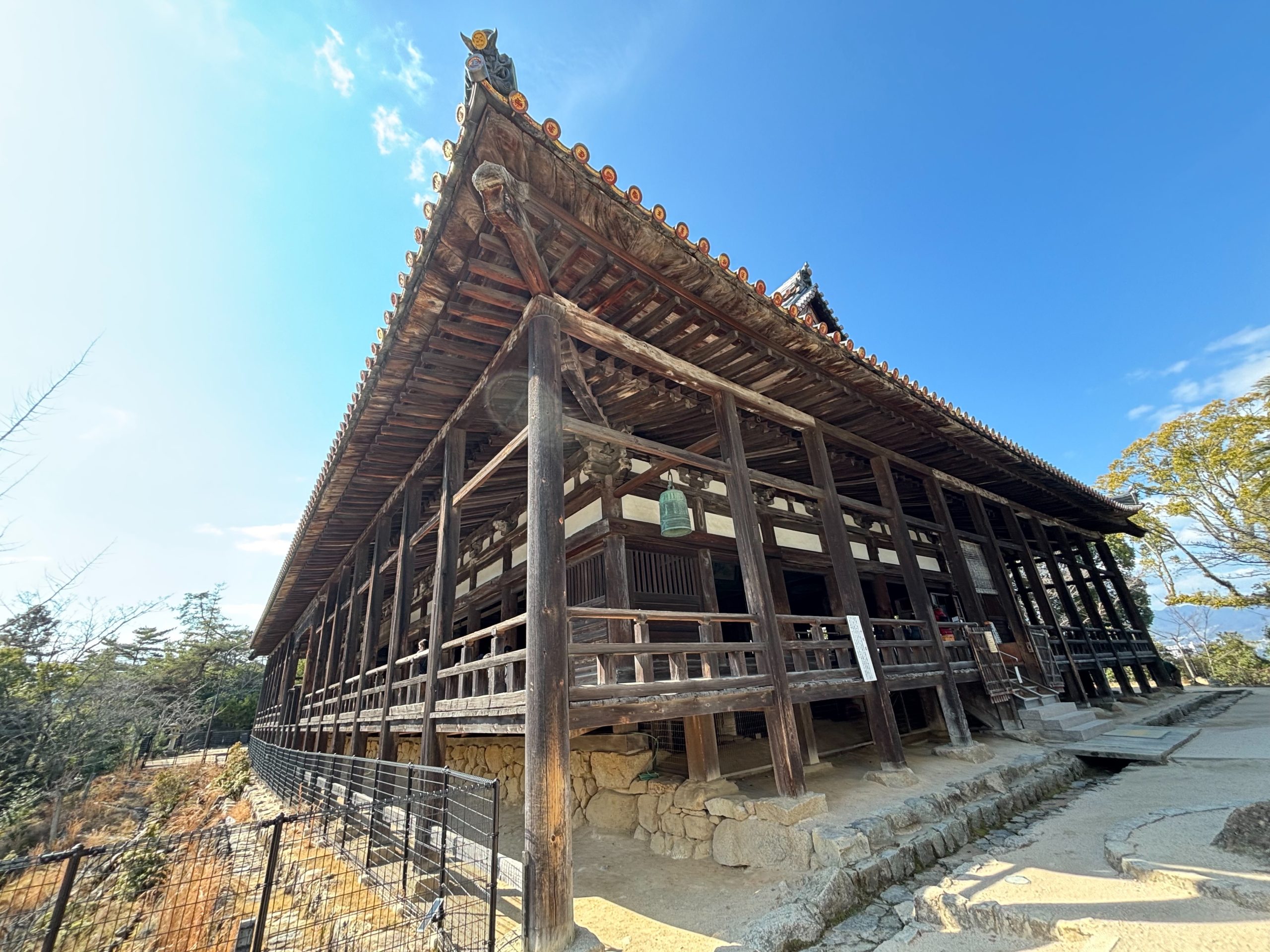
Senjokaku: Miyajima's Hauntingly Beautiful Unfinished Hall Perched on...
Marine Exhibits: A Tour Through the Seto Inland Sea
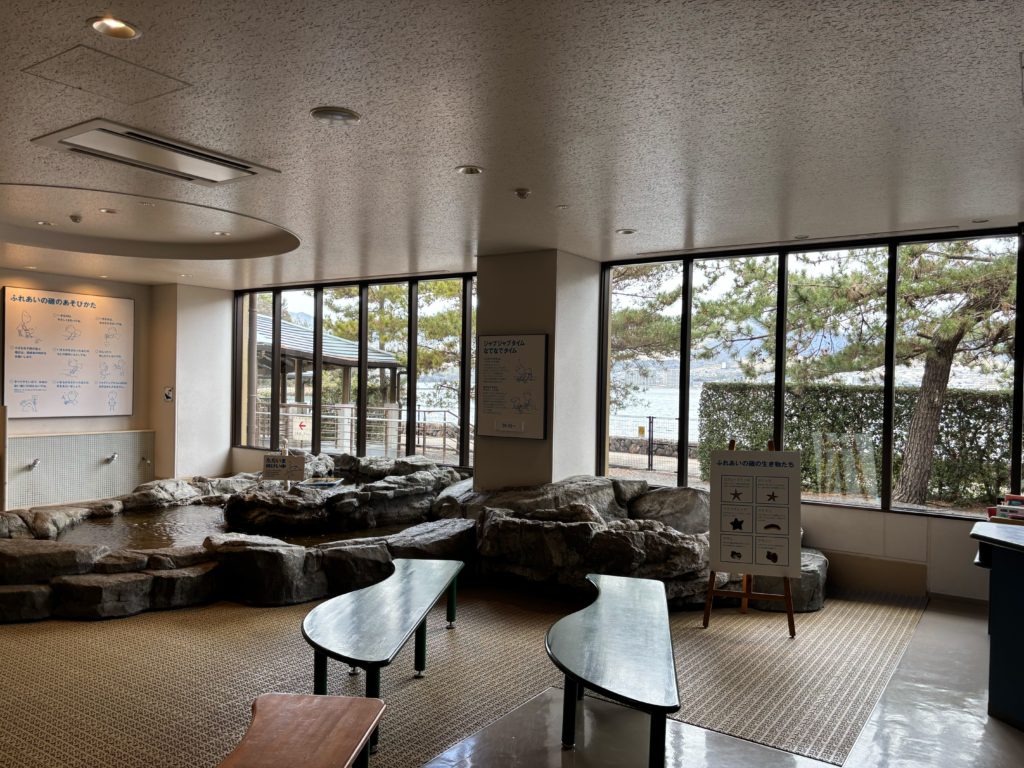
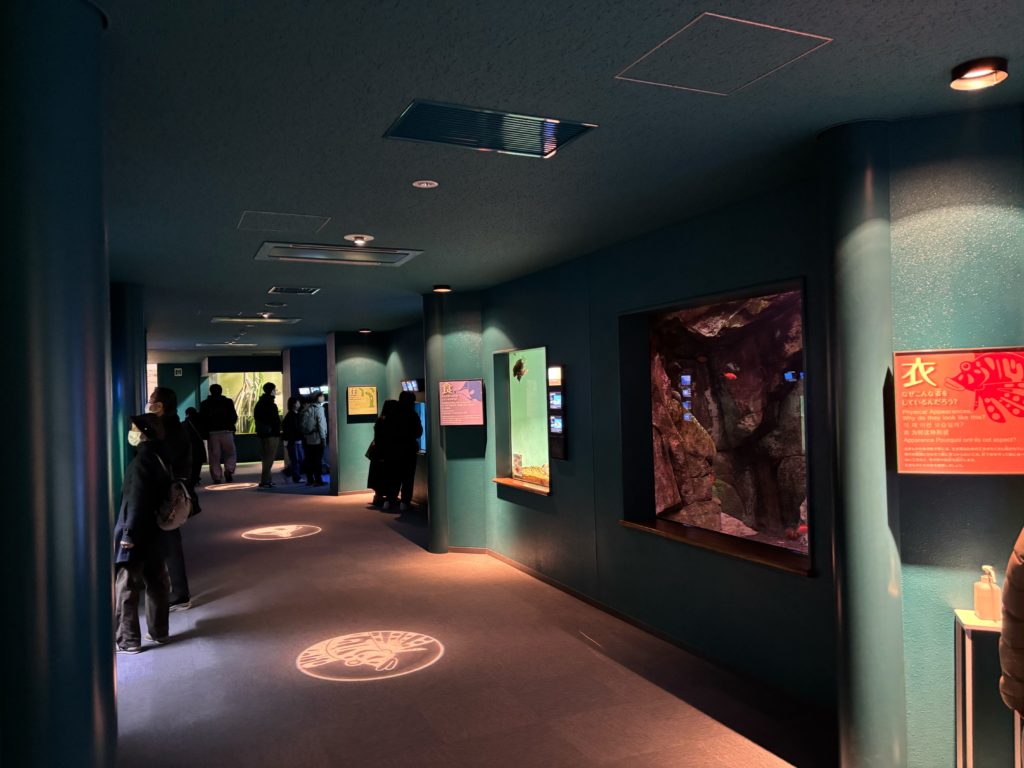
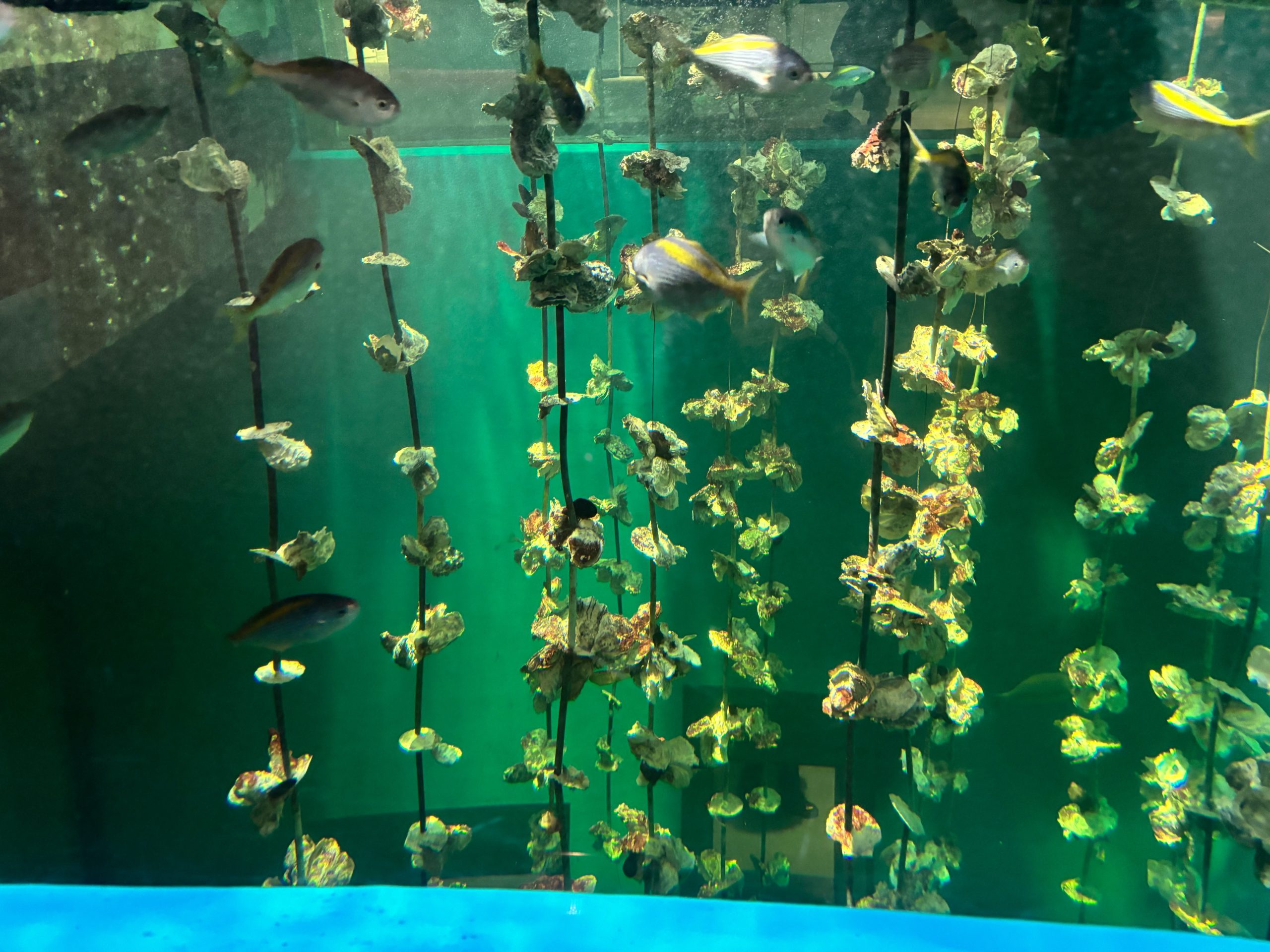
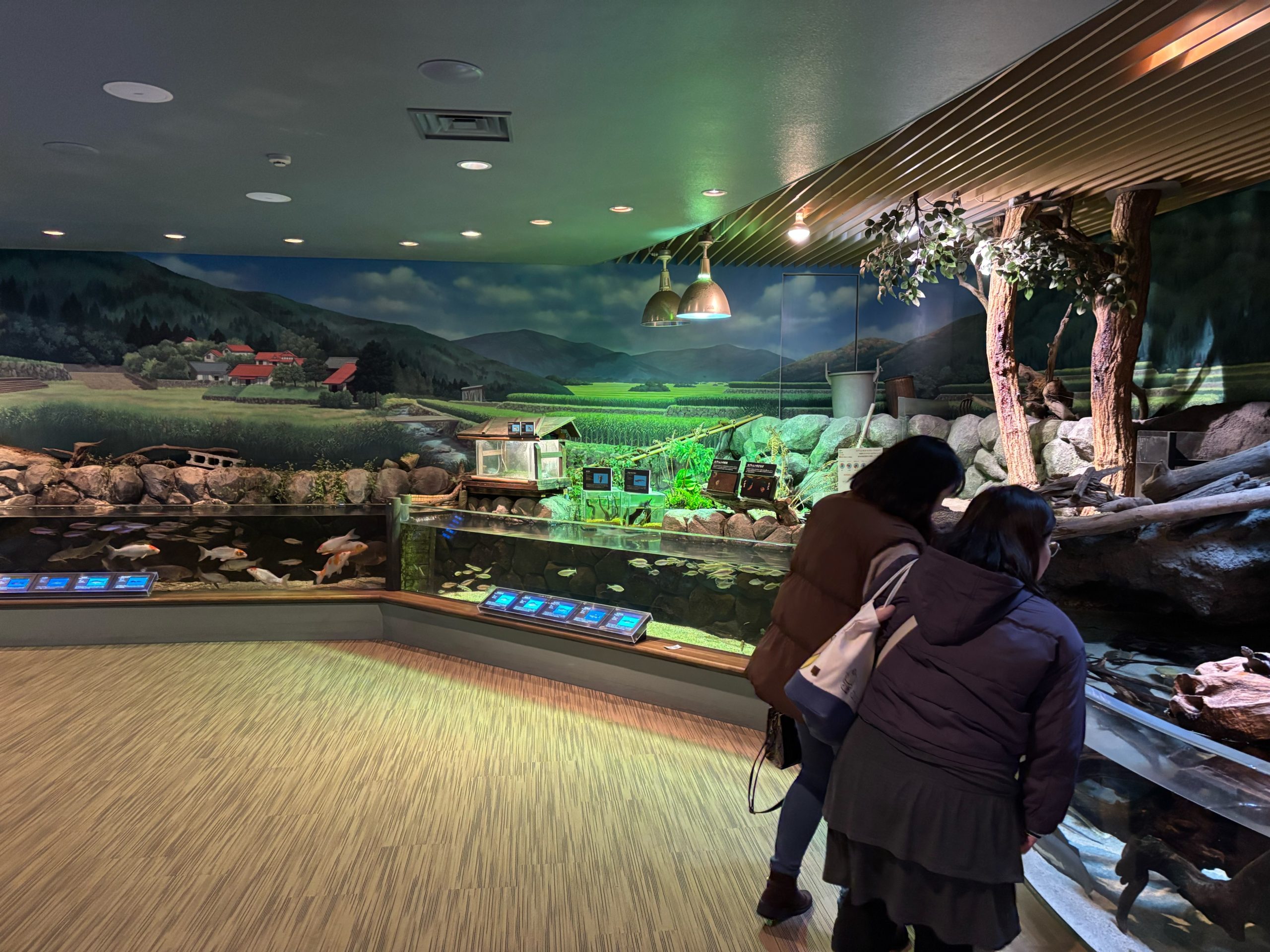
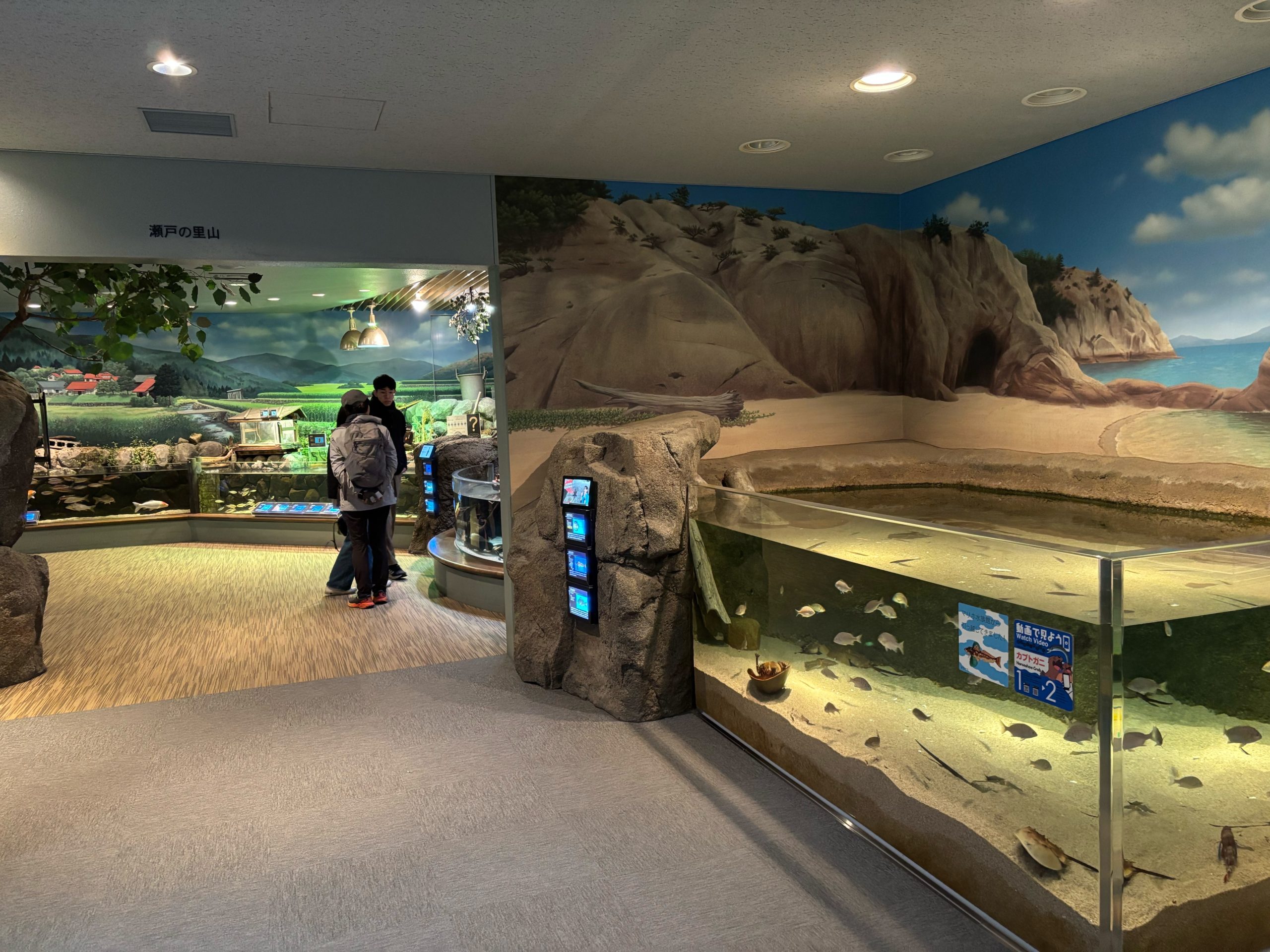
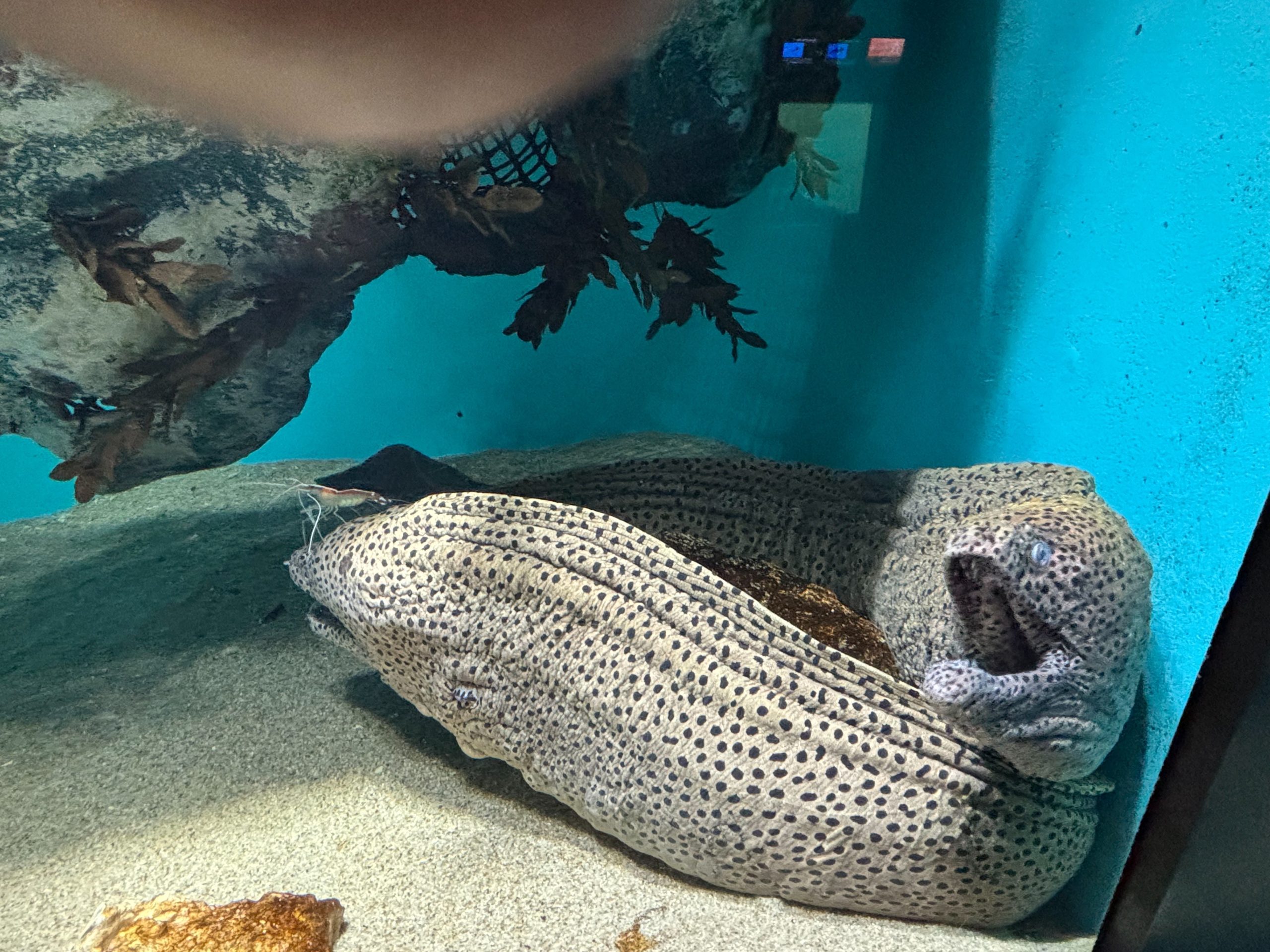
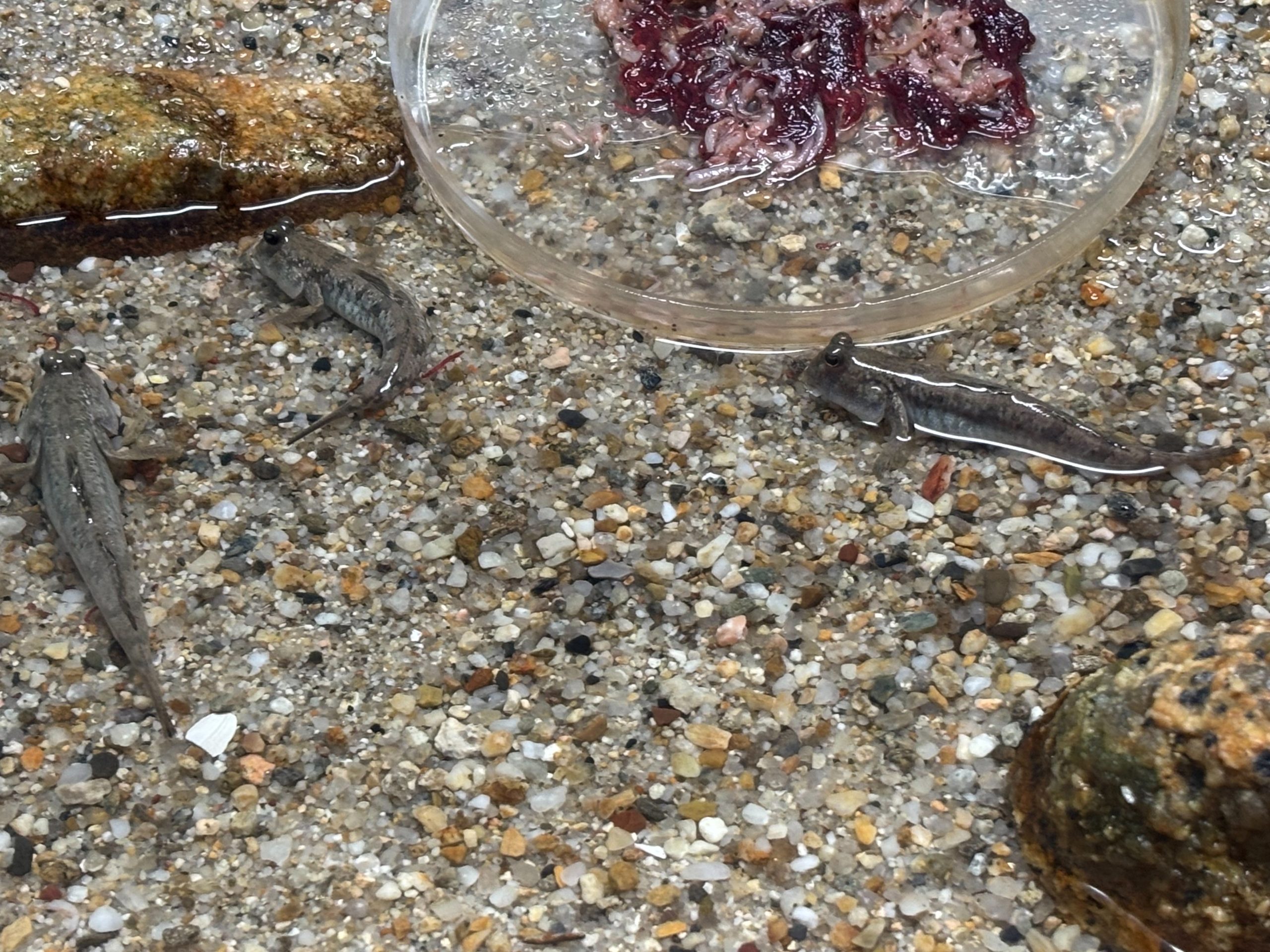
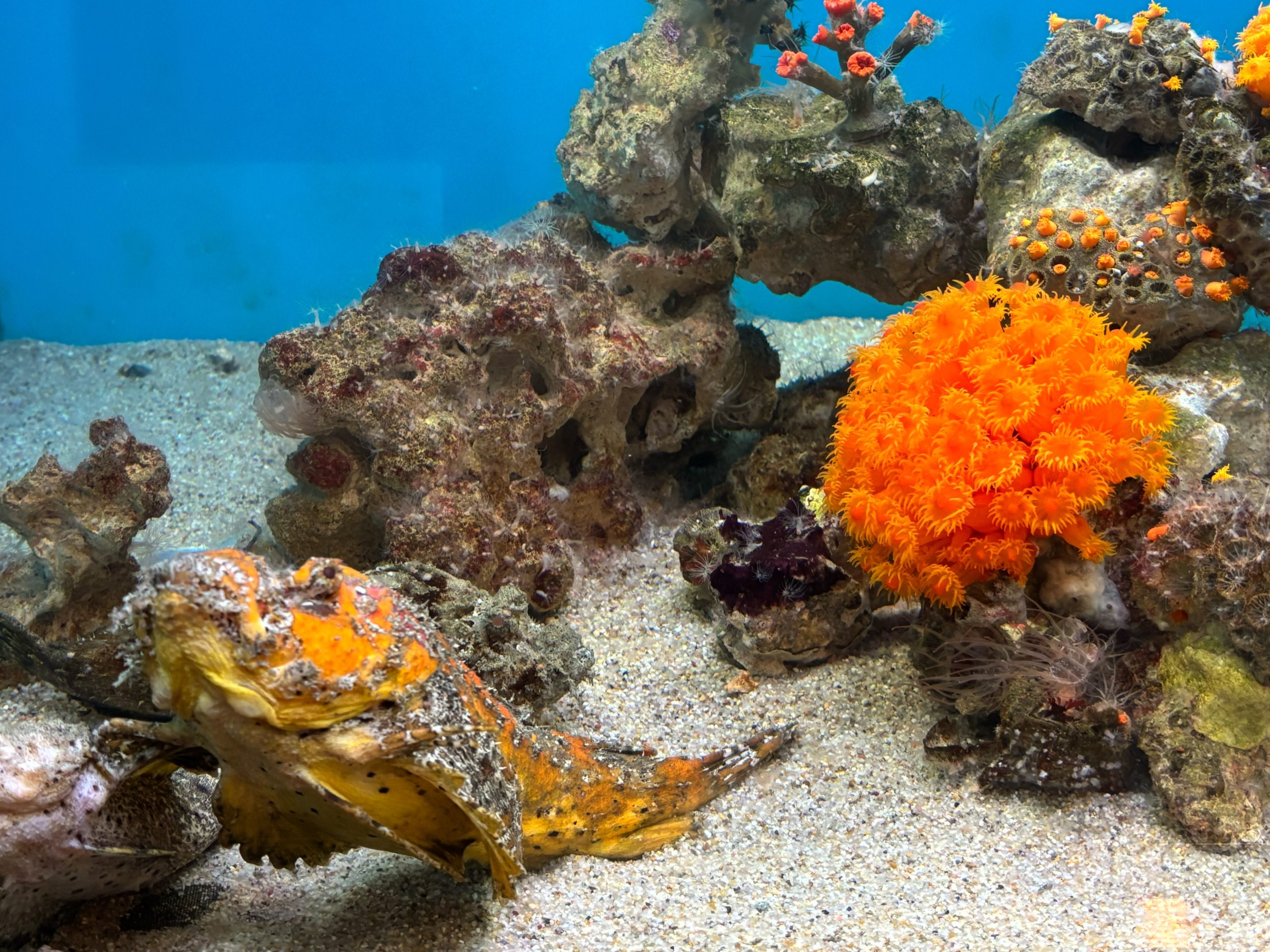
The aquarium’s exhibits are organized around the ecosystems and culture of the Seto Inland Sea. On the first floor, you will find zones exploring the tidal flats of Miyajima, a large “healing sea” tank, the finless porpoise (sunameri) habitat, and an eye-opening display on Hiroshima’s oyster-farming industry — complete with actual oyster raft replicas that help explain why Hiroshima produces more oysters than any other region in Japan. Children often recognize the oyster farming content from school lessons.
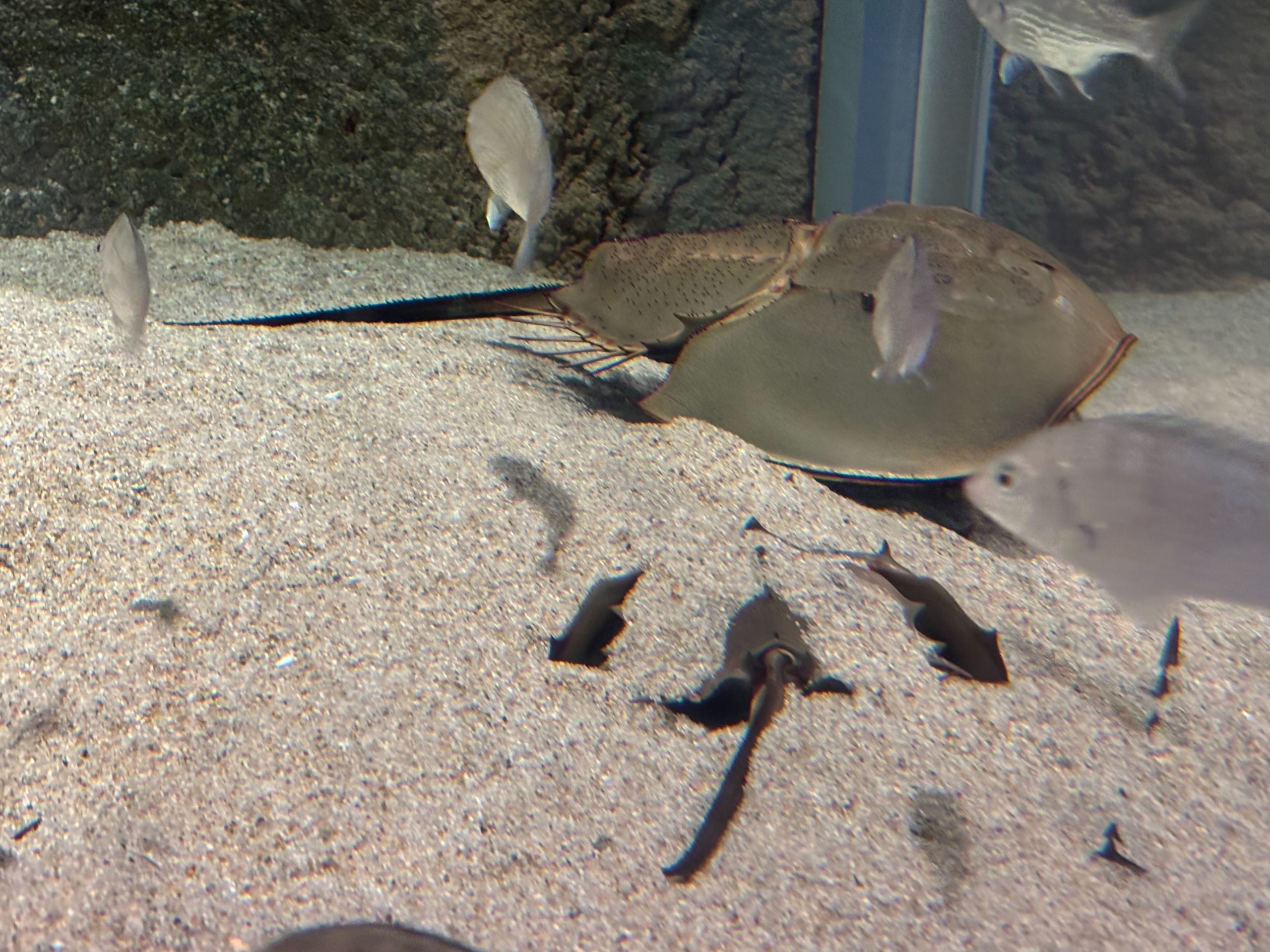
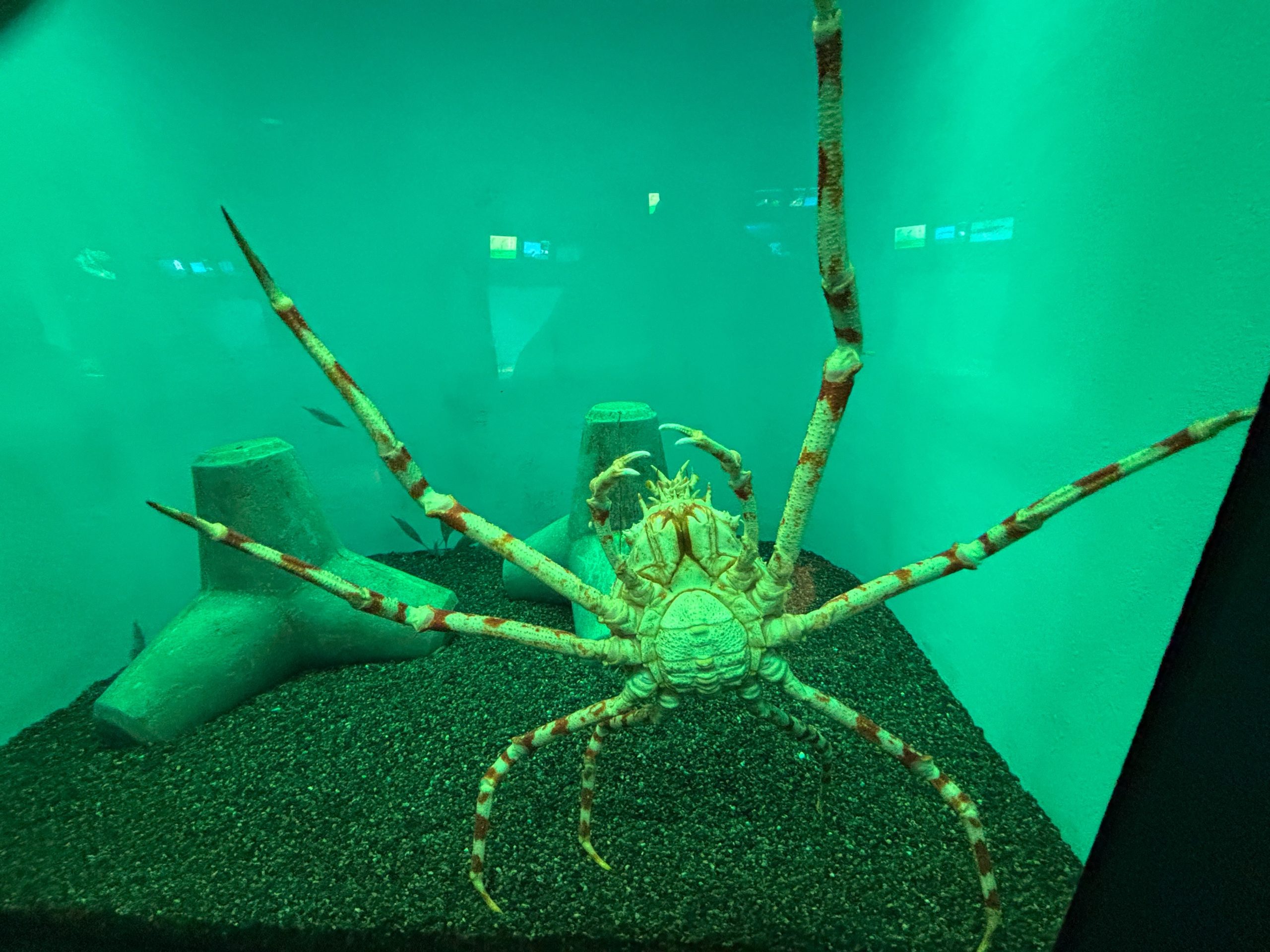
One first-floor highlight that surprises many visitors: a living horseshoe crab exhibit. These ancient creatures, sometimes called “living fossils,” have existed essentially unchanged for hundreds of millions of years, and the ones on display here are full-sized and genuinely impressive up close.
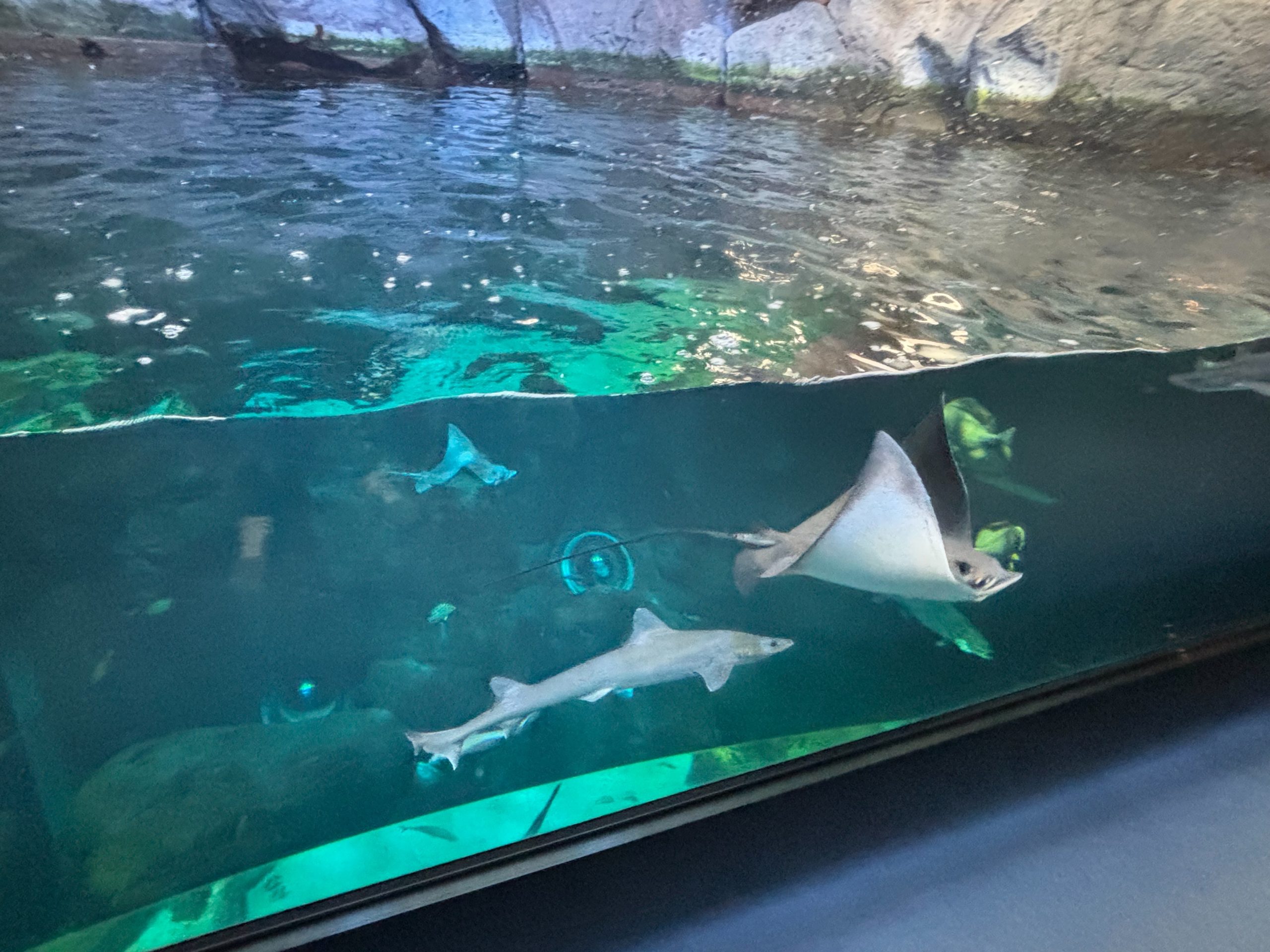
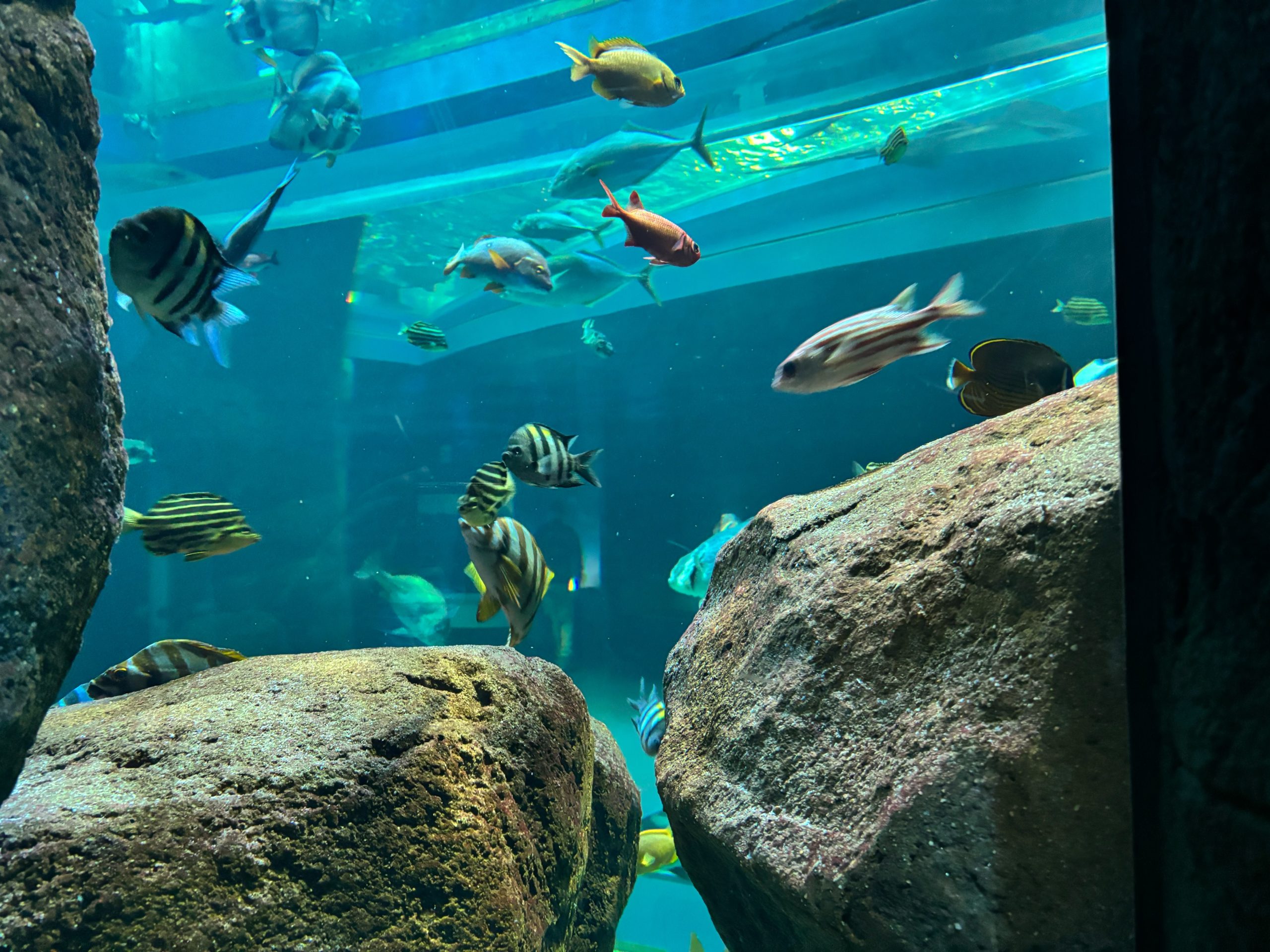
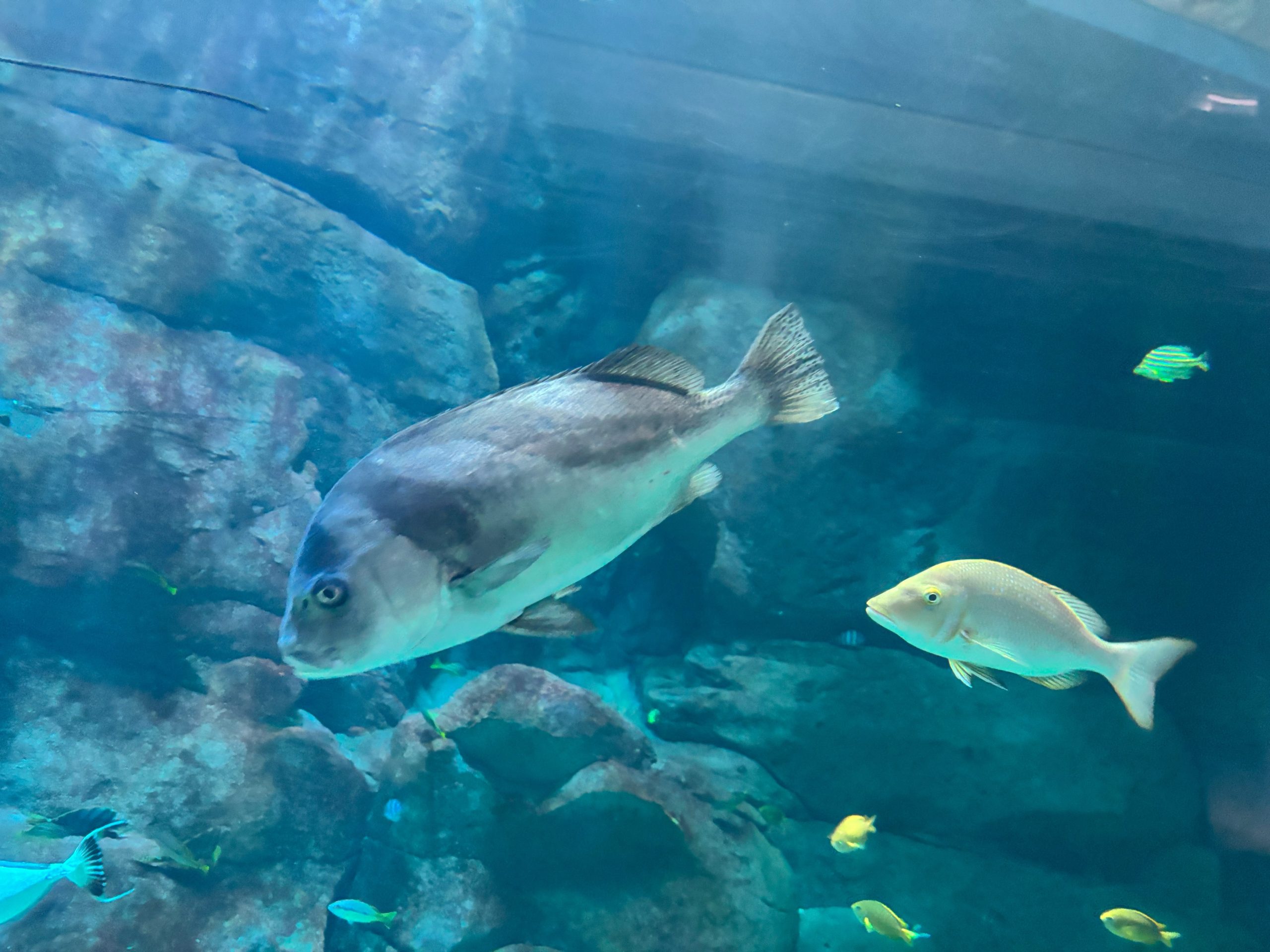
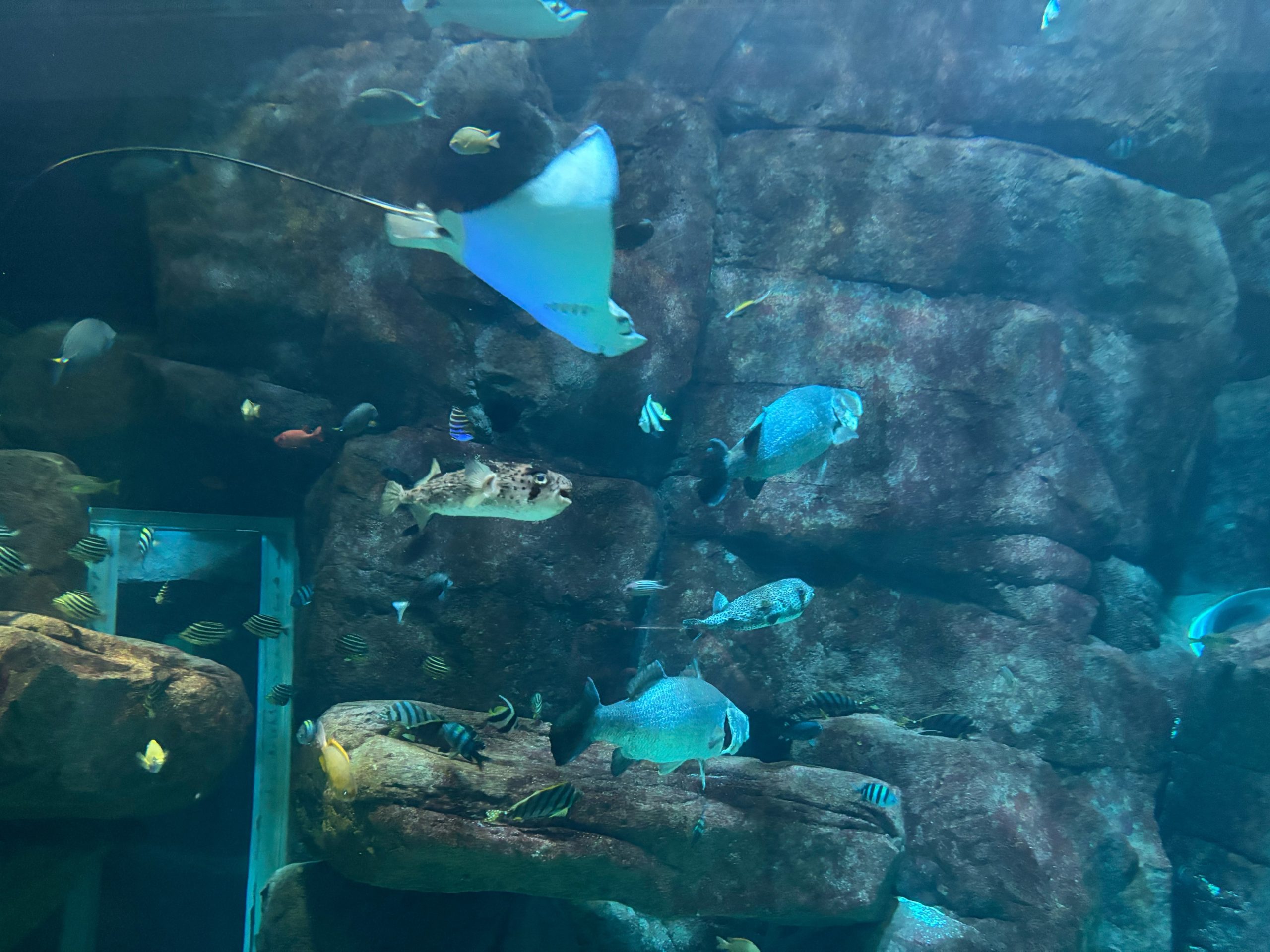
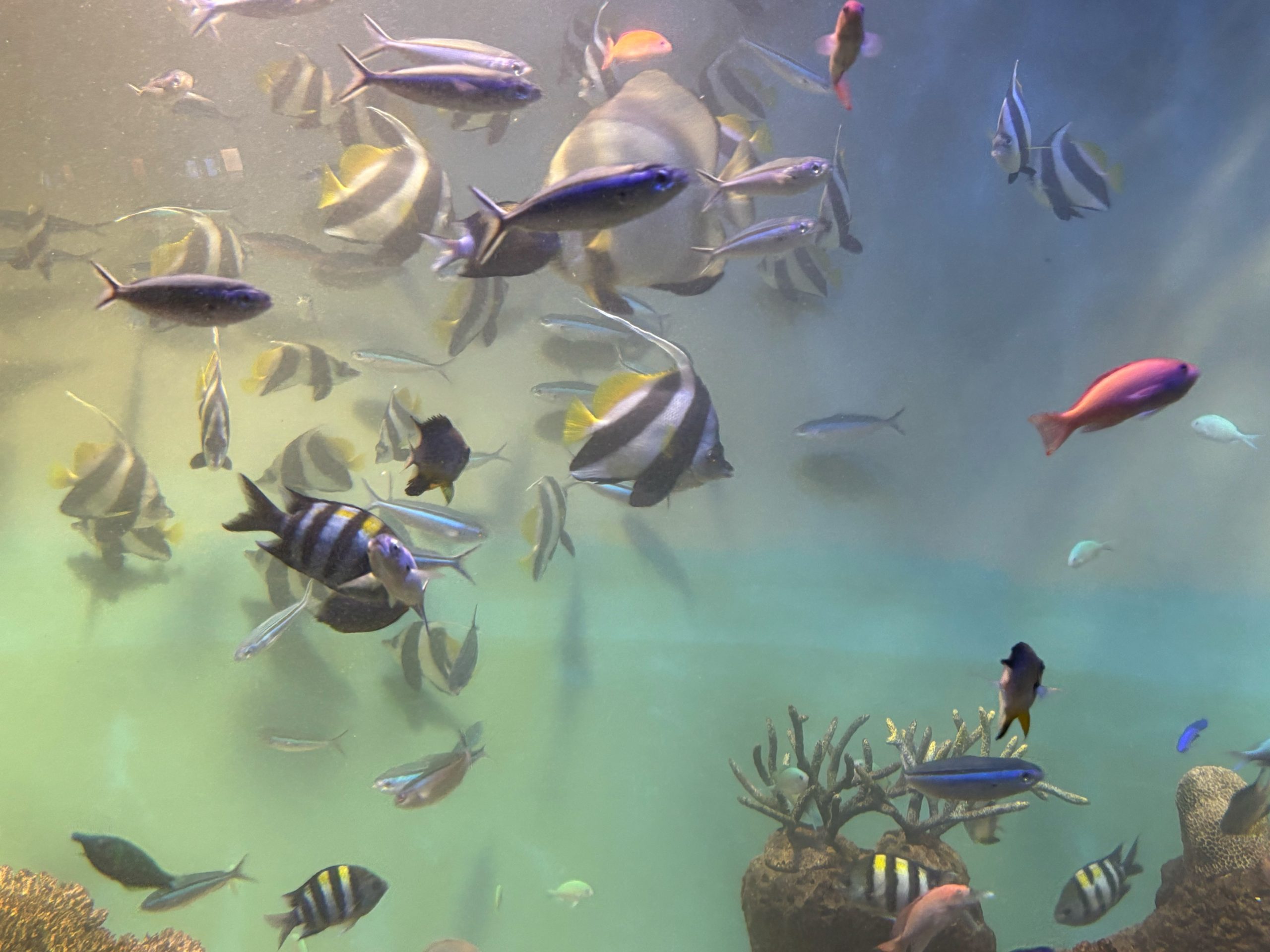
The second floor shifts to a more immersive perspective, with overhead viewing windows that let you look down into tanks from above, and a behind-the-scenes section that provides glimpses of finless porpoise care and feeding. A large central tank on this level houses a wide variety of Seto Inland Sea species swimming together — sea bream, rays, small schooling fish — creating a peaceful panoramic scene that is easy to spend a long time in front of.
Floor guide summary: The first floor covers tidal flats, oyster culture, and sea mammals (sea lions, finless porpoises, penguins, otters), with the Live Pool for shows. The second floor features deep-sea and open-water perspectives, the finless porpoise backstage observation area, and the restaurant with ocean views. The quietest time to visit the most popular exhibits is typically between 2:00 PM and 4:00 PM on weekdays.
Omotesando Shopping Street runs between the ferry pier and Itsukushima Shrine and is lined with snacks, souvenirs, and family-friendly food stalls. It is the perfect spot to browse on your way to or from the aquarium.
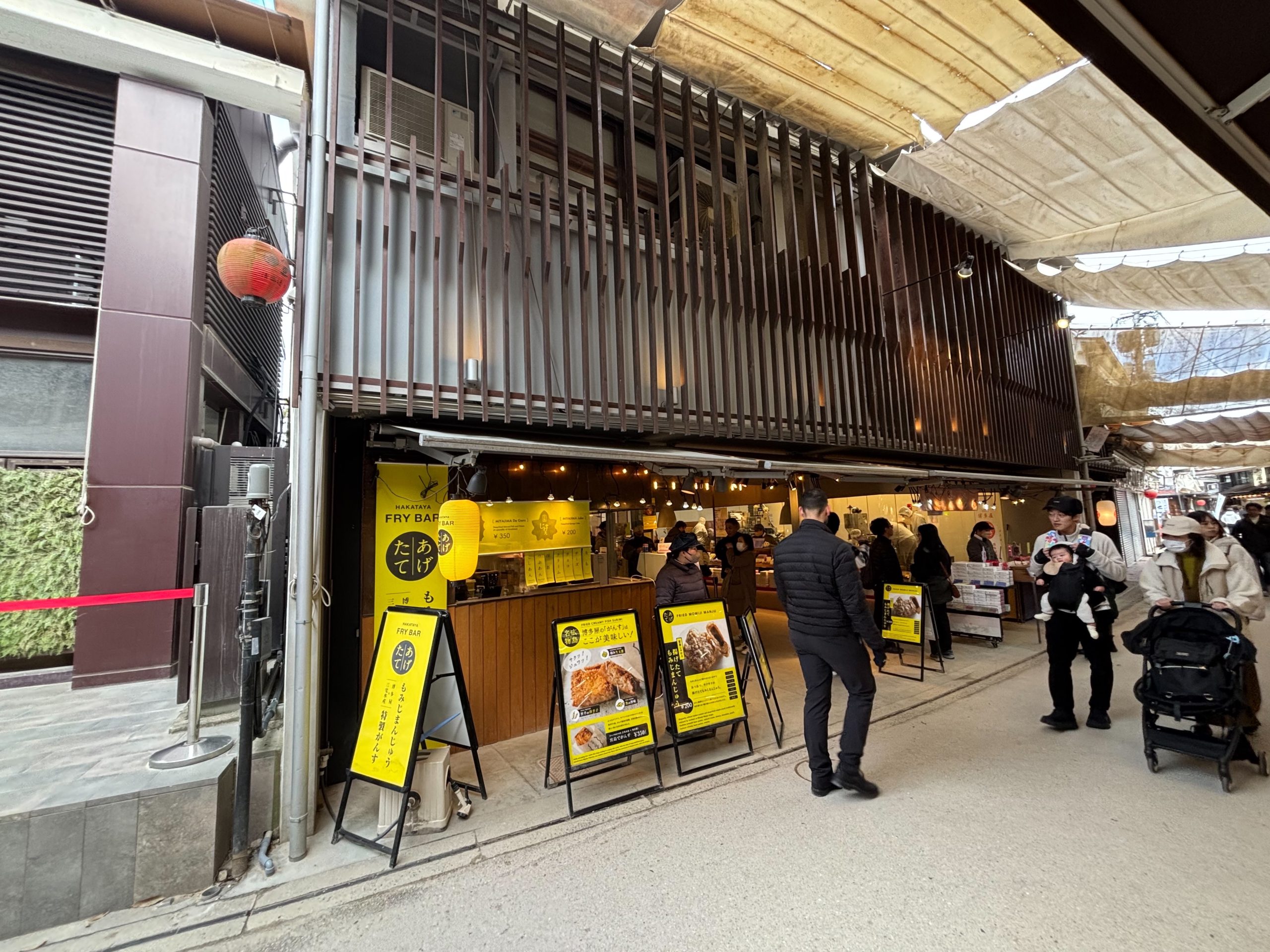
Miyajima's main shopping street — known locally as Omotesando — is a l...


The Star of the Show: The Finless Porpoise (Sunameri)
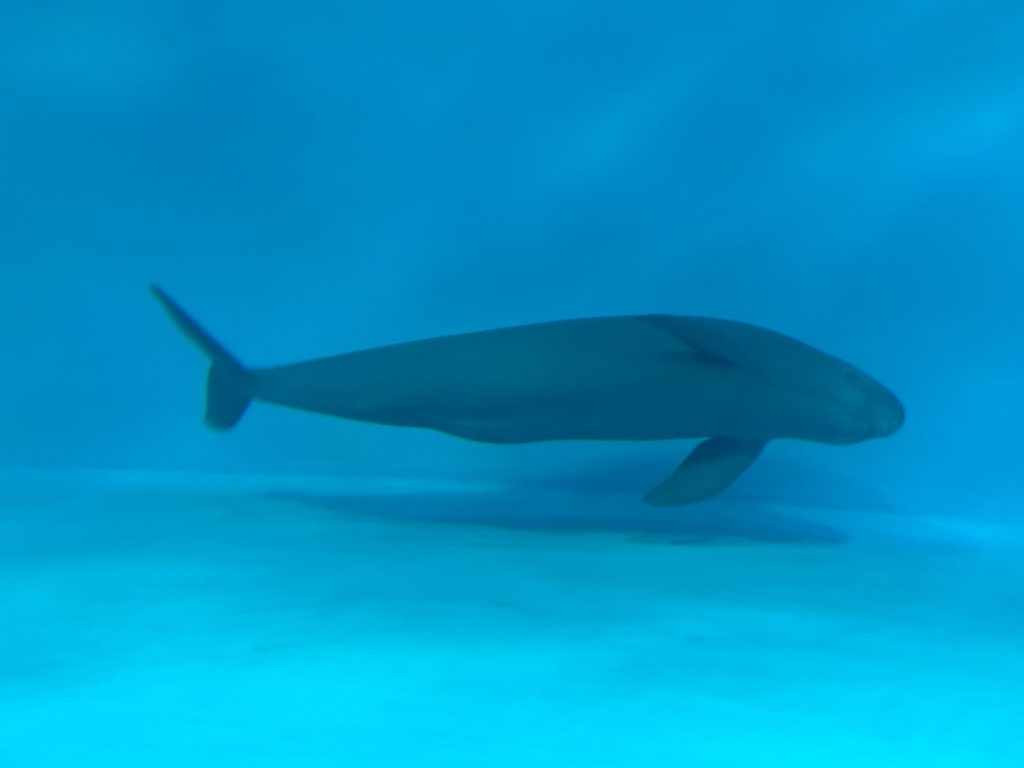
The finless porpoise — called sunameri in Japanese — is the undisputed mascot and greatest pride of Miyajima Aquarium. Measuring roughly 160 to 190 centimeters in length and weighing between 60 and 80 kilograms, they are on the smaller end of the whale and dolphin family, but their rounded, melon-shaped forehead and permanently upturned “smile” give them an extraordinarily endearing appearance. The aquarium achieved a significant milestone that no other facility in the world has replicated: successfully breeding a third generation of finless porpoises in captivity.
These animals are naturally curious and interactive. It is not unusual to see a porpoise swim directly toward observers at the glass and linger there — a behavior keepers attribute to their genuine interest in human visitors. They also communicate actively through clicks and squeaks, so if you press your ear close to the tank, you may actually hear them “talking.”
A particularly special feature of the exhibit is the partial backstage viewing area, where you can watch keepers going about daily care routines — feeding, health checks, and enrichment activities — through large windows. This behind-the-scenes perspective is genuinely educational for children and adults alike. For the clearest behavioral observations, keep voices calm near the enclosure and turn off your camera flash.
How Long to Spend and When to Visit
Recommended Visit Duration
Plan on spending between one and a half to two hours inside Miyajima Aquarium for a comfortable, unhurried visit. Because re-entry is allowed all day with a hand stamp, many visitors do what local families often do: spend the morning at the aquarium, head out for lunch and a shrine visit at midday, then return to the aquarium in the afternoon at a much more relaxed pace. It is a great way to structure a full day on the island.
Crowd Calendar and Best Times to Go
The aquarium gets extremely busy during Japan’s major holiday periods: Golden Week (late April to early May), the Obon period in mid-August, Silver Week in September, and New Year’s. The November three-day national holiday weekends are considered the single most crowded period of the year, as they overlap with Miyajima’s autumn foliage season. Late March through early April (spring break) is also very busy. If your travel dates are flexible, a regular weekday outside of these windows offers a far more comfortable experience.
Crowd-beating strategy: Arrive right at opening time, tackle the most popular exhibits — the finless porpoise pool, the sea lion show, the penguin area — during the morning, then step out using your re-entry stamp for lunch and sightseeing. The 2:00–4:00 PM window on weekdays tends to be the calmest. If you are visiting in August, note that the evening of August 14th (the island’s famous fireworks display) draws extraordinary crowds and is worth avoiding entirely. Always confirm show times and exhibit schedules on the day of your visit using the in-house bulletin boards and announcements, as programming can change without advance notice.
Itsukushima Shrine is the island’s centerpiece, and it looks completely different at high tide versus low tide. If time allows, try to visit twice — once when the torii gate is floating, and once when you can walk out to it on the sand.
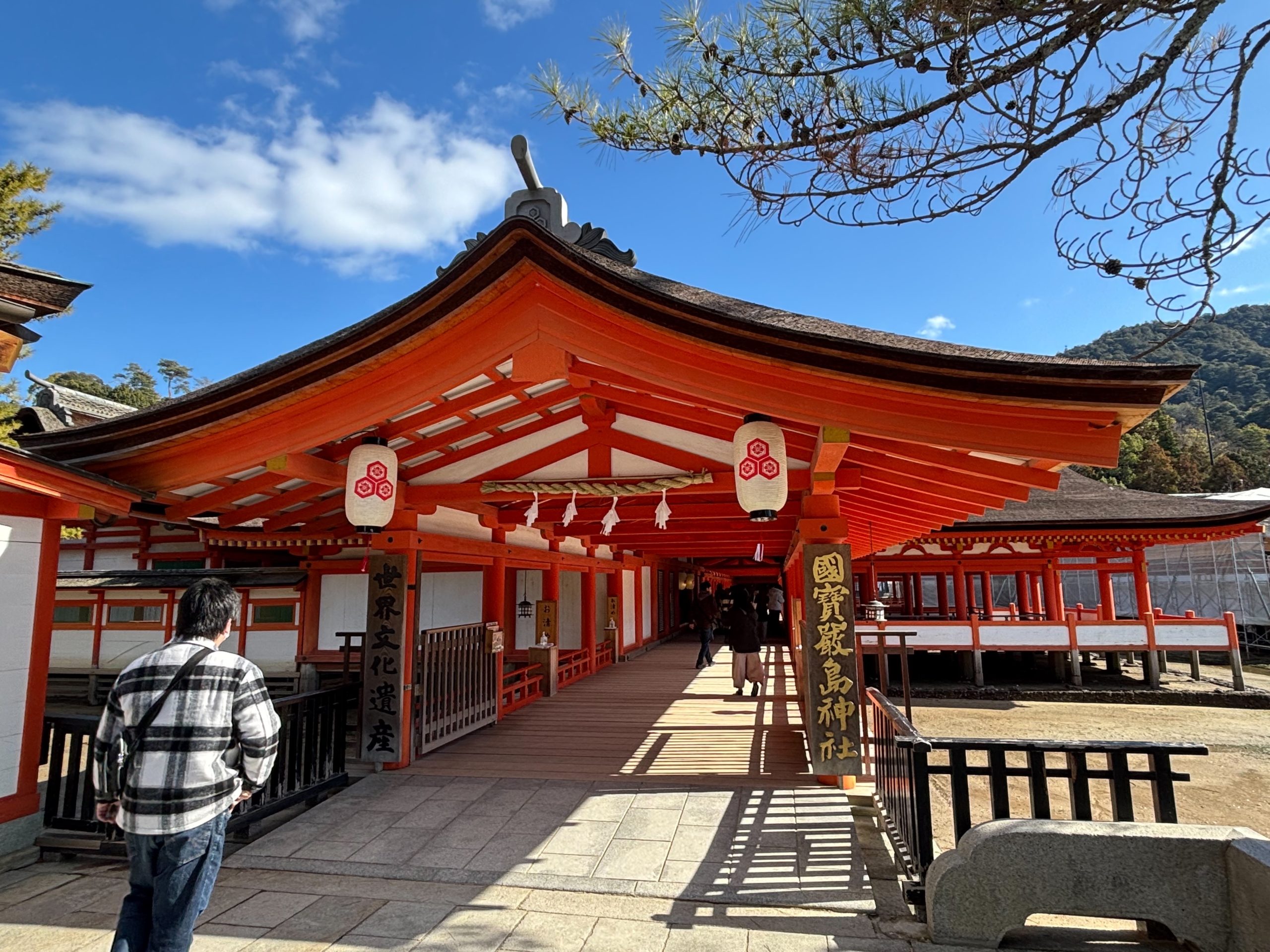
Itsukushima Shrine sits at the edge of the sea on Miyajima Island, jus...
Seasonal Events and Special Programs
Miyajima Aquarium runs a lively calendar of year-round and seasonal programming. Regular daily events include the sea lion live show, penguin interaction time, feeding demonstrations for otters, sea lions, and fish, and a weekday-only archerfish shooting exhibition. On the educational side, short “fun facts” talks on individual species run throughout the week.
During summer (July 1 through September 30), the aquarium opens its outdoor “Jabujubu” wading pool, where visitors can step into a shallow tank and interact with small fish and marine creatures directly. It is one of the most popular activities for younger children, and the squeals of delight are reliably entertaining for everyone watching. Bring a change of clothes and a towel if you plan to participate.
In summer 2025, the aquarium is hosting a special temporary exhibition titled “Living Encyclopedia LIFE: All About the Moving Insect Lab” — featuring 14 species and over 220 individual insects displayed in an immersive, interactive format designed to bring a field guide to life. A separate evening program, “Night Aquarium Part 2,” takes small groups through the aquarium after closing hours with keeper-led commentary, including a bioluminescence demonstration using sea fireflies (uminotama). Spaces are extremely limited and awarded by application — check the official website early if this interests you.
Mount Misen, accessible by ropeway, offers some of the most spectacular views in western Japan. The sacred flame at the summit has supposedly burned continuously for over 1,200 years — and the water boiled over it is free to drink.
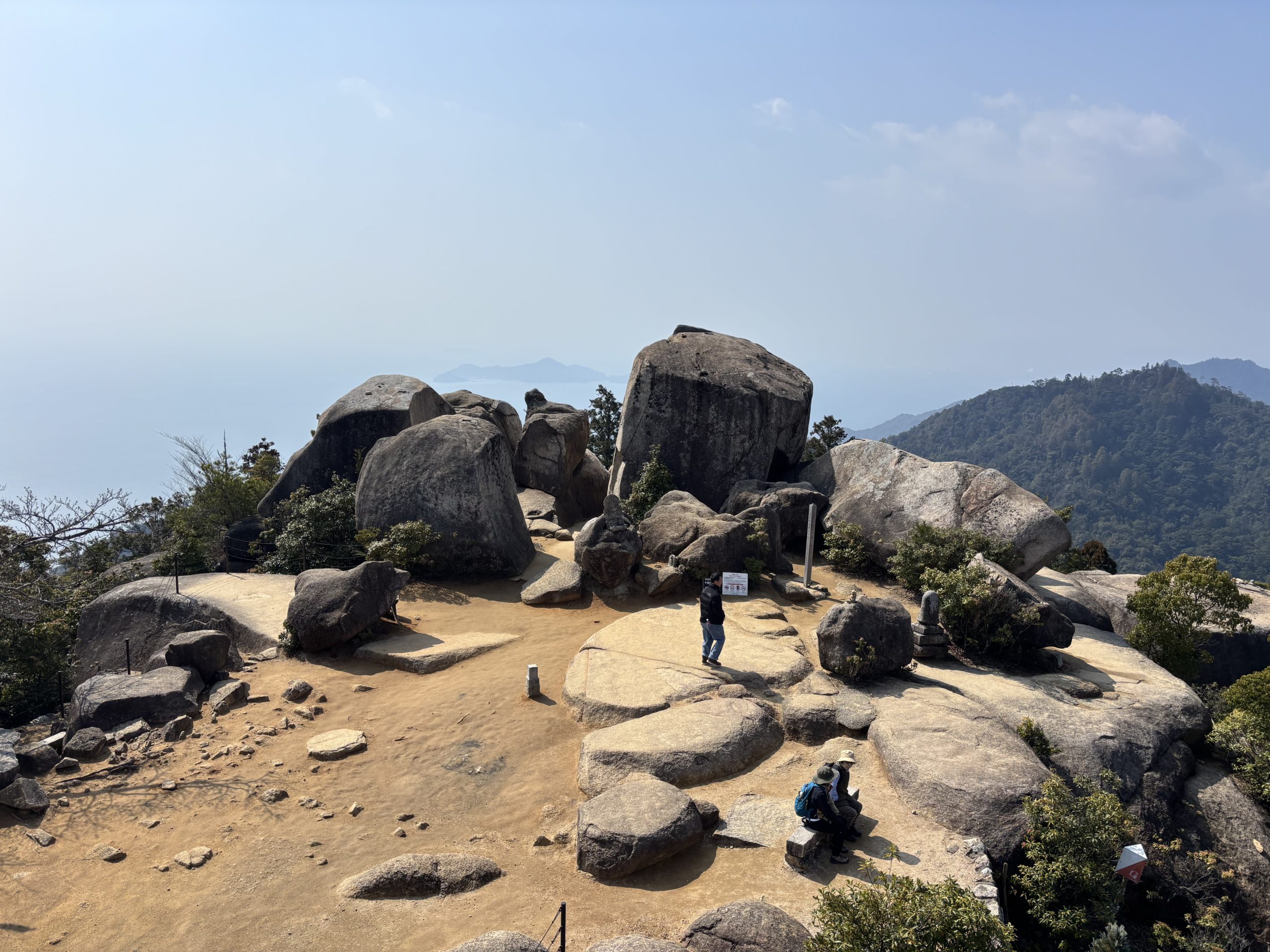
Rising 535 meters above Miyajima Island, Mount Misen is the sacred pea...
Hours, Tickets, and Essential Visitor Information
Standard opening hours are 9:00 AM to 5:00 PM, with last entry at 4:00 PM. On certain dates during the summer season the aquarium extends closing time to 6:00 PM; check the official site for the specific extended-hours calendar. Group discounts are available for parties of 20 or more, and school group rates apply for educational visits.
Advance tickets can be purchased at the aquarium ticket window or at convenience store terminals (Seven-Eleven, Lawson, FamilyMart) 24 hours a day. Using a convenience store voucher lets you go directly to the entry gate on the day of your visit, bypassing the ticket line — a small but genuinely useful advantage during busy periods.
Getting There: Access and Walking Routes from Itsukushima Shrine
From Miyajima Pier (Miyajima Sanbashi), the aquarium is reachable on foot, by bus, taxi, or rickshaw. If you are coming from Itsukushima Shrine, the aquarium is approximately a five-minute walk from the shrine’s exit — an easy, pleasant stroll that makes the two destinations natural partners for a combined visit. The JR ferry from Miyajima-guchi is generally recommended for the outbound leg, as its route passes close to the great torii gate, giving you an iconic view from the water.
For getting around the island, the aquarium actually suggests two scenic walking routes named after its mascots:
The Sunameri (Finless Porpoise) Route — Cultural Heritage Walk
- This route passes Daigan-ji Temple — home to the famous Nine-Trunk Pine and the Itsukushima Dragon God shrine — along the Mitarashi River bridge, through the Nishi-Matsuba pine grove, and past Kiyomori Shrine before arriving at the aquarium.
- The stretch along the sandy beach and through the pine forest is particularly atmospheric and photogenic.
The Penguin Route — Museum and Heritage Walk
- This route leads through the Miyajima Treasure House (home to the famous Heike Nokyo sutras and other national treasures) and the Miyajima History and Folk Museum, housed in a beautifully preserved merchant townhouse with rotating special exhibitions including NHK historical drama costumes.
- The indoor focus of this route makes it a particularly good choice on rainy days.
Coming from the Miyajima-guchi side, a local tip worth knowing: parking in the lots near the ferry terminal fills up quickly on weekends and holidays, but the area behind the Momiji Honpo shop tends to have more availability before 8:00 AM.
Miyajima’s World Heritage designation covers far more than the shrine — the primeval forest of Mount Misen is part of the same protected area, and understanding the full scope of the designation makes the whole island experience much richer. Our history guide explains everything.
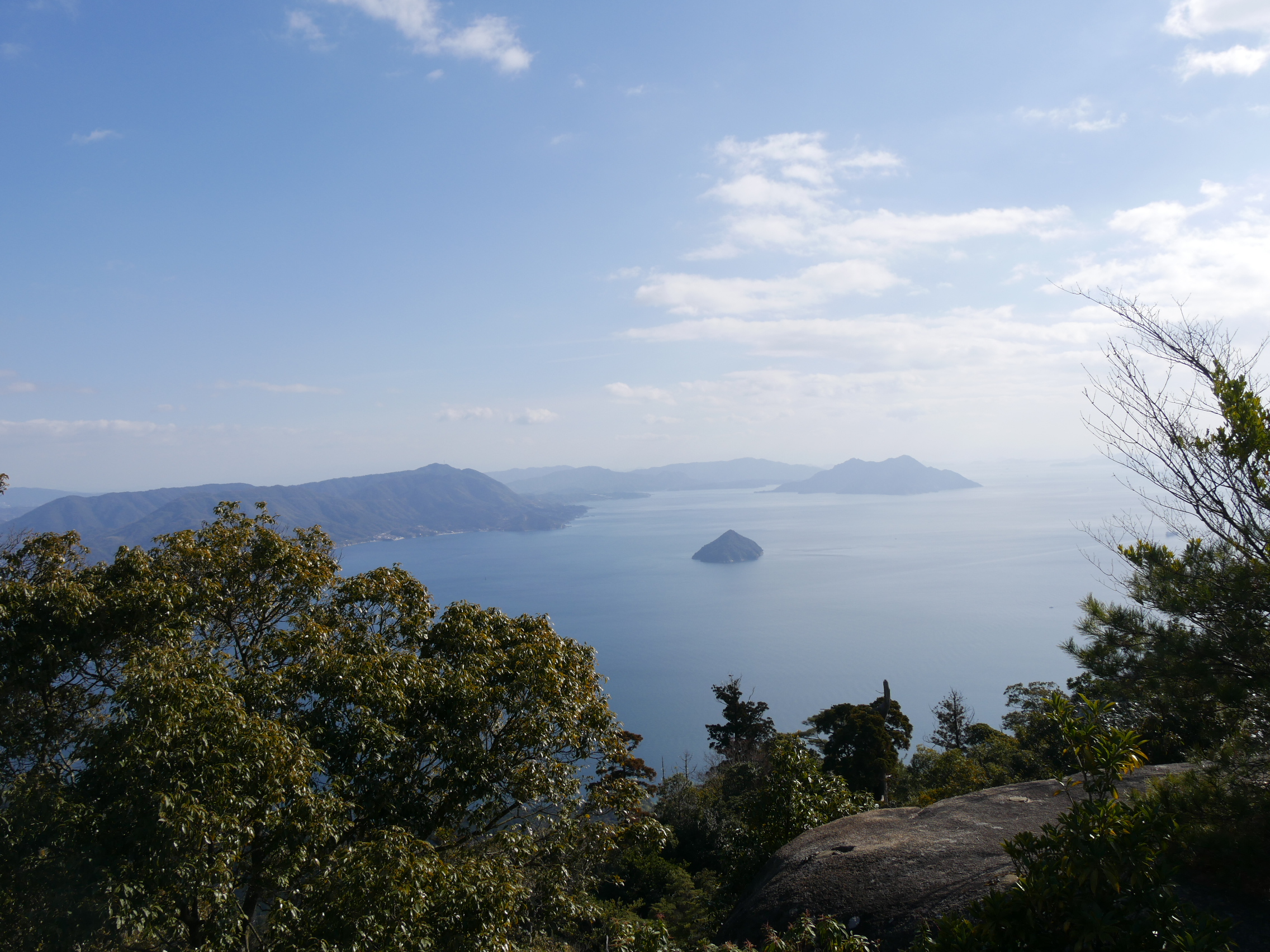
Rising dramatically from the sea off the coast of Hiroshima, Itsukushi...
FAQ
Can I re-enter the aquarium after stepping out?
Yes. Same-day re-entry is allowed as many times as you like. When you first exit, ask a staff member to stamp your hand at the gate. Show the stamp to re-enter without paying again. This is especially useful if you want to visit Itsukushima Shrine or have lunch on the island and then come back in the afternoon.
Do I need to reserve the sea lion show in advance?
No reservation is needed for the sea lion show — it is included with regular admission. On busy days, the viewing area around the Live Pool fills up quickly, so aim to arrive 10 to 15 minutes before the show starts to secure a good spot. Showtimes can occasionally change or be cancelled; check the in-house boards and announcements on the day of your visit. Weekday showtimes are typically 10:30 AM, 1:00 PM, and 3:30 PM.
Is Miyajima Aquarium suitable for very young children and strollers?
Yes, it is one of the most stroller-friendly attractions on Miyajima Island. Elevators connect all floors, pathways are wide, and diaper-changing stations are available in nearly every restroom. The aquarium also offers free stroller rental if you need one — a helpful option for families who prefer not to bring one on the ferry. The compact layout means children rarely tire before seeing the main highlights.
Where can I buy tickets, and is there a way to skip the line?
Tickets are available at the aquarium entrance window. To avoid waiting in line on busy days, purchase an advance exchange voucher at any Seven-Eleven, Lawson, or FamilyMart convenience store terminal — available 24 hours a day. Present the voucher directly at the entry gate on your visit day. Annual passes (¥3,560 for adults) are worth considering if you plan to visit three or more times.
What is the best time of day to visit to avoid crowds?
The quietest window on weekdays is generally between 2:00 PM and 4:00 PM. Opening time (9:00 AM) is also relatively calm before tour groups arrive. If you visit during peak holiday periods — Golden Week, Obon, Silver Week, or November foliage weekends — plan to arrive at opening and prioritize the most popular exhibits immediately. Avoid August 14th (island fireworks night) if possible, as crowds reach their absolute annual peak.
Is photography allowed inside?
Yes. Personal photography and video recording are welcome throughout the aquarium. The one important rule is to turn off your flash near all animal enclosures, as sudden bright light can startle the animals. Tripods and commercial filming require prior permission.
How do I confirm the latest exhibit and event schedules?
Exhibits, events, and facility hours can change without advance notice. Before your visit, check the aquarium’s official website or call ahead for the current schedule. On the day of your visit, the in-house bulletin boards and staff announcements are the most reliable source of real-time information for show times, feeding demonstrations, and any temporary closures.
Final Thoughts on Visiting Miyajima Aquarium
Miyajima Aquarium earns its place as one of the island’s must-see stops not just for families, but for any traveler who appreciates the intersection of natural beauty, cultural context, and genuine animal welfare. The exhibits feel meaningful rather than generic — grounded in the actual ecosystem and history of the Seto Inland Sea — and the finless porpoise encounter alone is something you simply cannot replicate anywhere else in the world.
Combined with a visit to Itsukushima Shrine and a walk along the island’s historic streets, a day that includes Miyajima Aquarium goes by remarkably fast. The re-entry system means there is no need to rush, and the atmosphere throughout — from the sea lion show laughter to the quiet contemplation in front of the deep-water tanks — is consistently warm and welcoming. Before you leave, the museum shop is worth a slow browse; the original goods here are among the most charming aquarium souvenirs in Hiroshima Prefecture. As always, check the official website for the most current admission prices, hours, and event schedules before your visit.