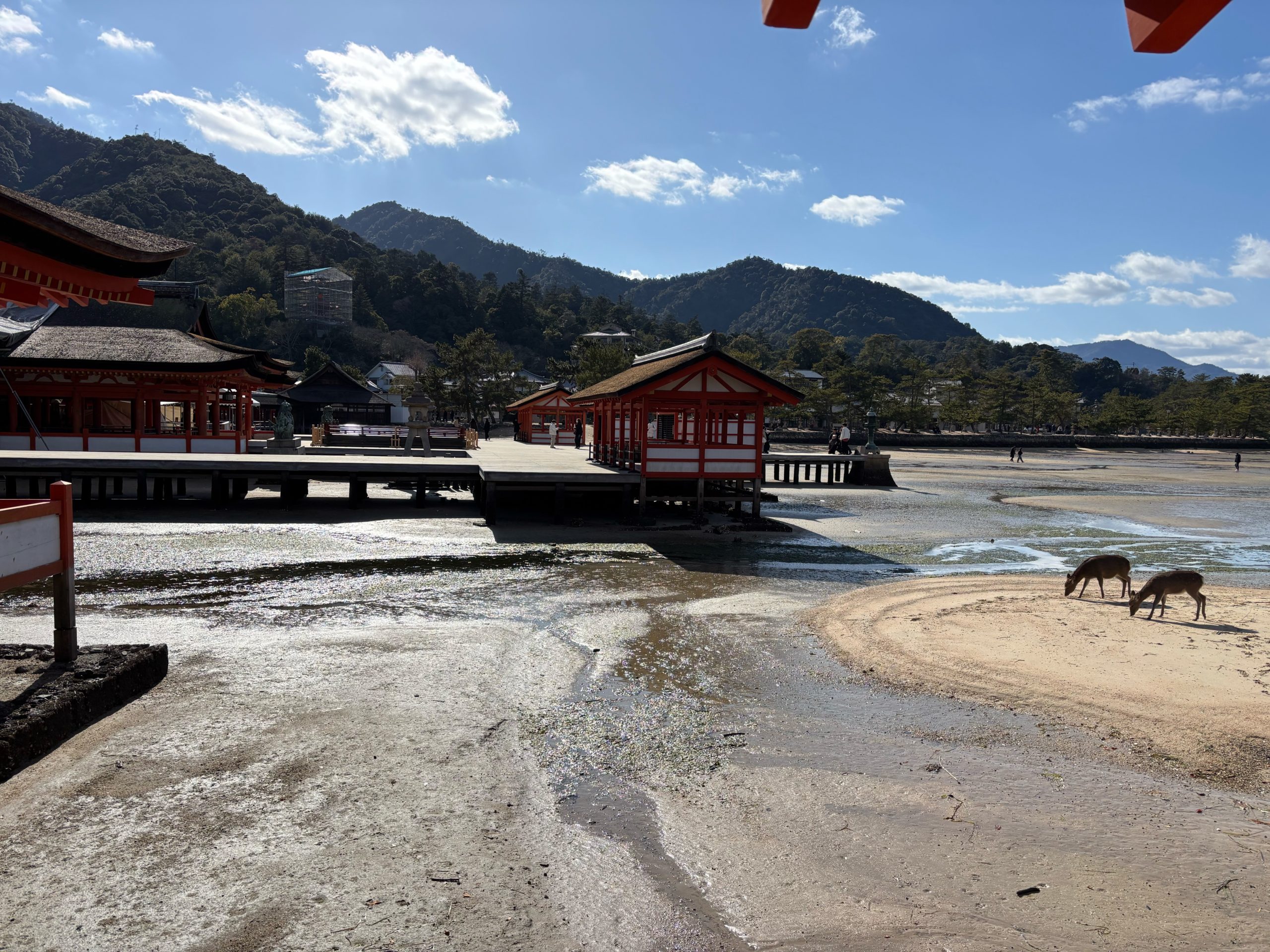
Itsukushima Shrine sits at the edge of the sea on Miyajima Island, just a short ferry ride from Hiroshima, and there are few places in Japan quite like it. The shrine’s vermilion corridors stretch out over the water, and when the tide rises high enough, the entire complex appears to float. When it falls, you can walk across the exposed seabed right up to the base of the Great Torii gate. My oldest daughter grabbed my hand the first time she saw it and said, “Mom, the shrine is floating!” — and honestly, that expression on her face is something I’ll never forget. With a little tide planning and some smart timing, families and solo travelers alike can experience Itsukushima Shrine at its most magical.
Why Itsukushima Shrine Is One of Japan’s Most Iconic Sites

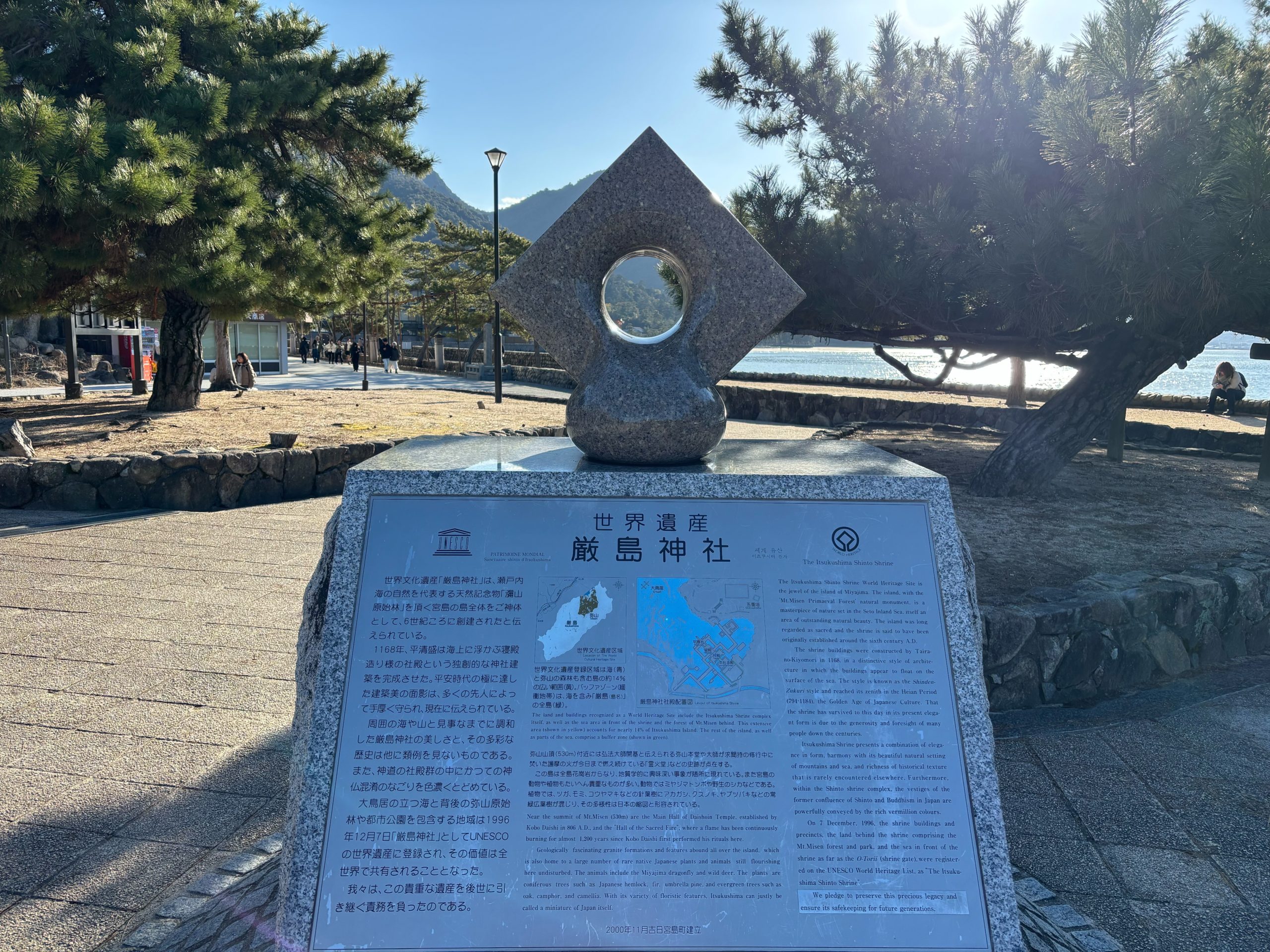
Itsukushima Shrine is one of Japan’s three most celebrated scenic views — a distinction shared with Matsushima Bay in Miyagi and Amanohashidate in Kyoto. It is a UNESCO World Heritage Site, recognized not only for the shrine buildings themselves but for the way they exist in harmony with the sea in front and the ancient primeval forest of Mount Misen behind.
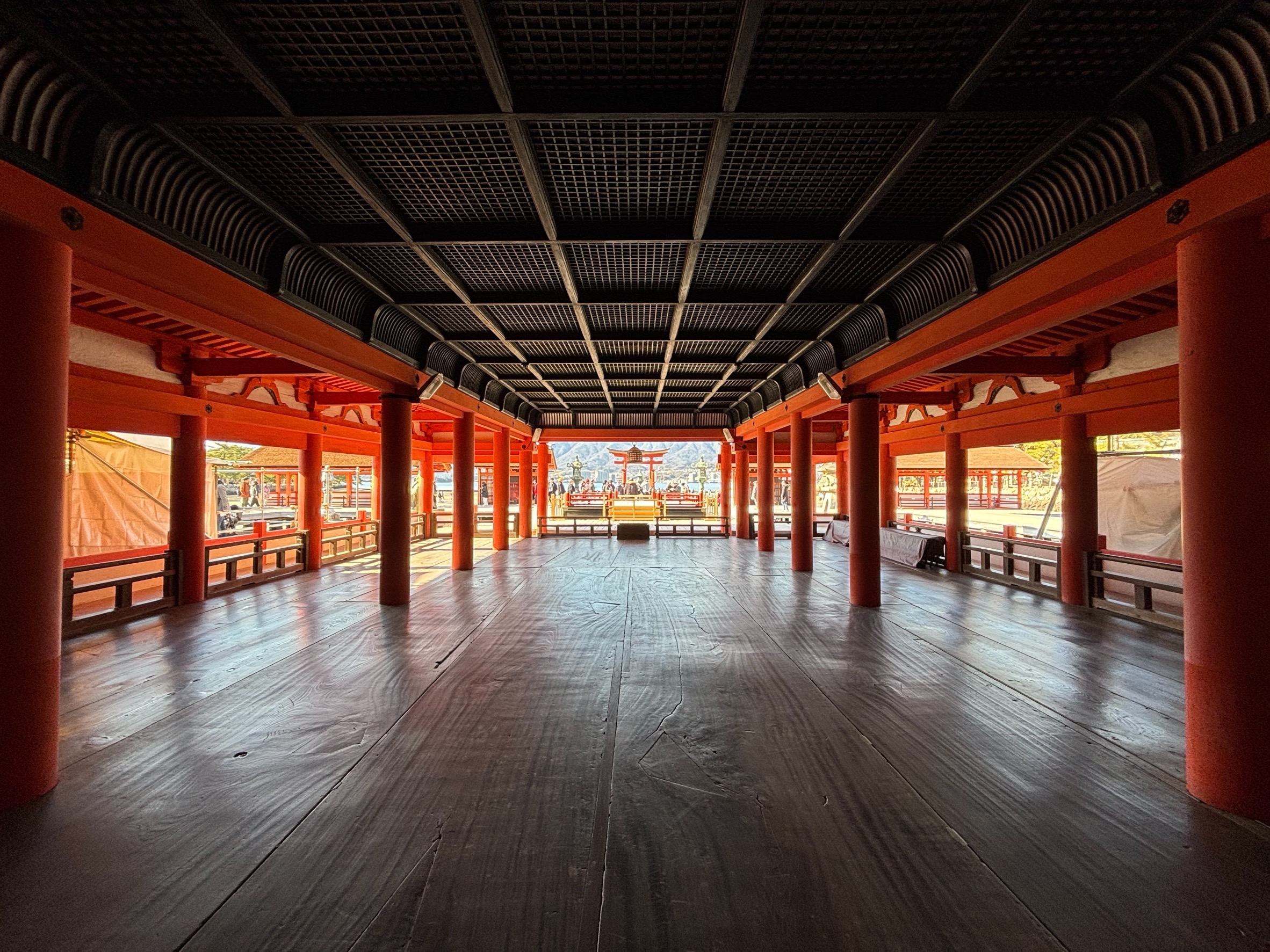
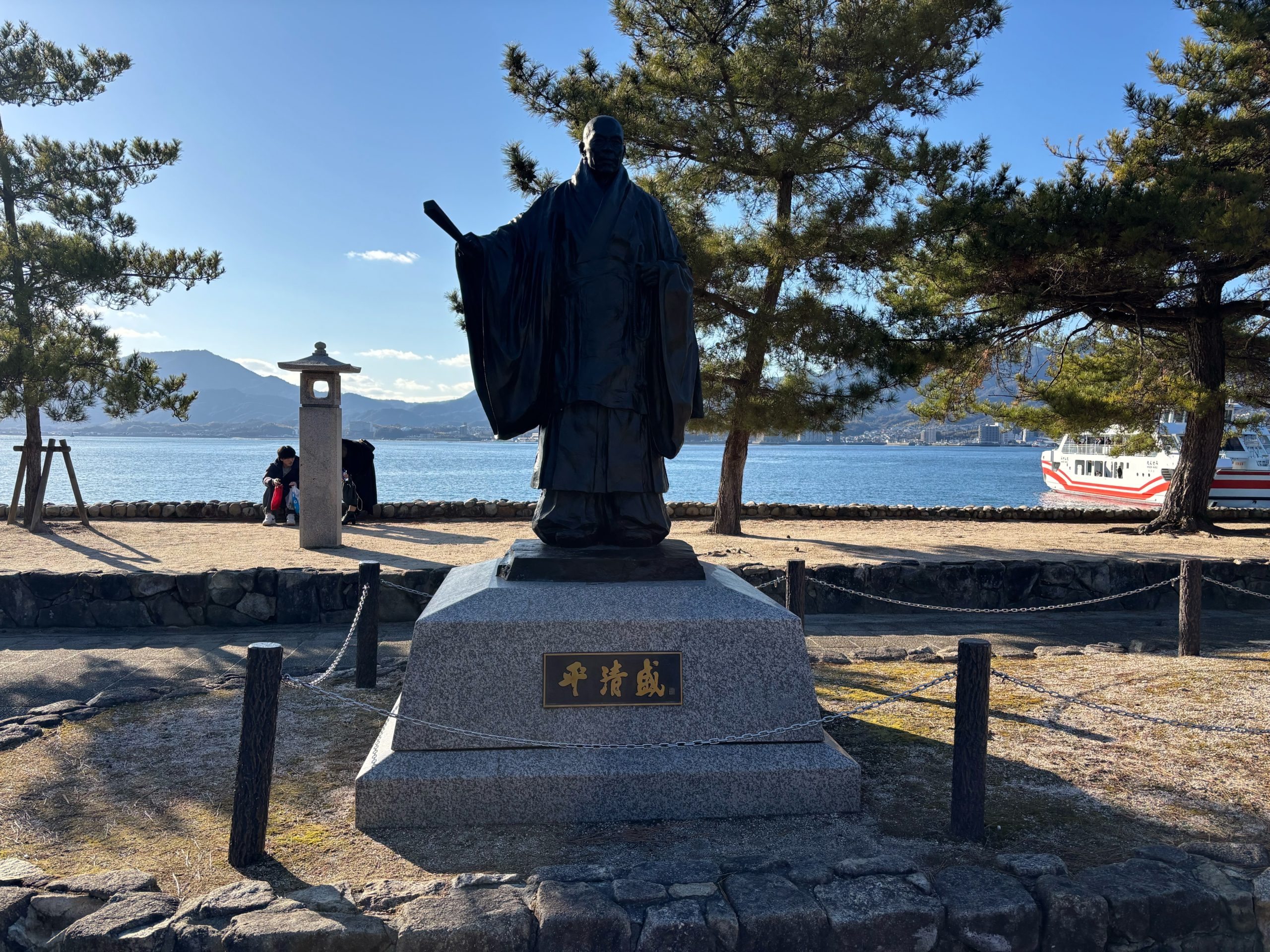
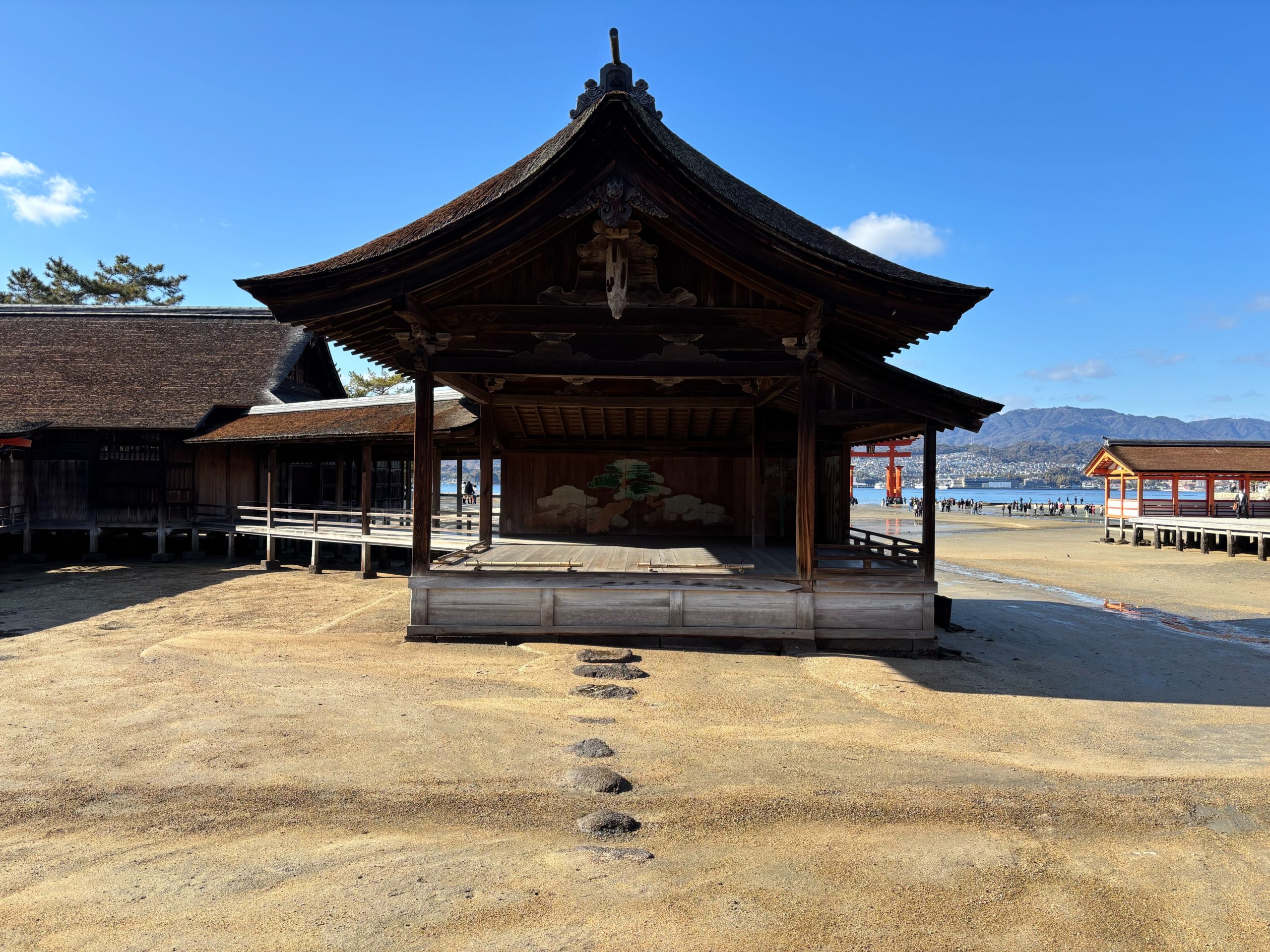
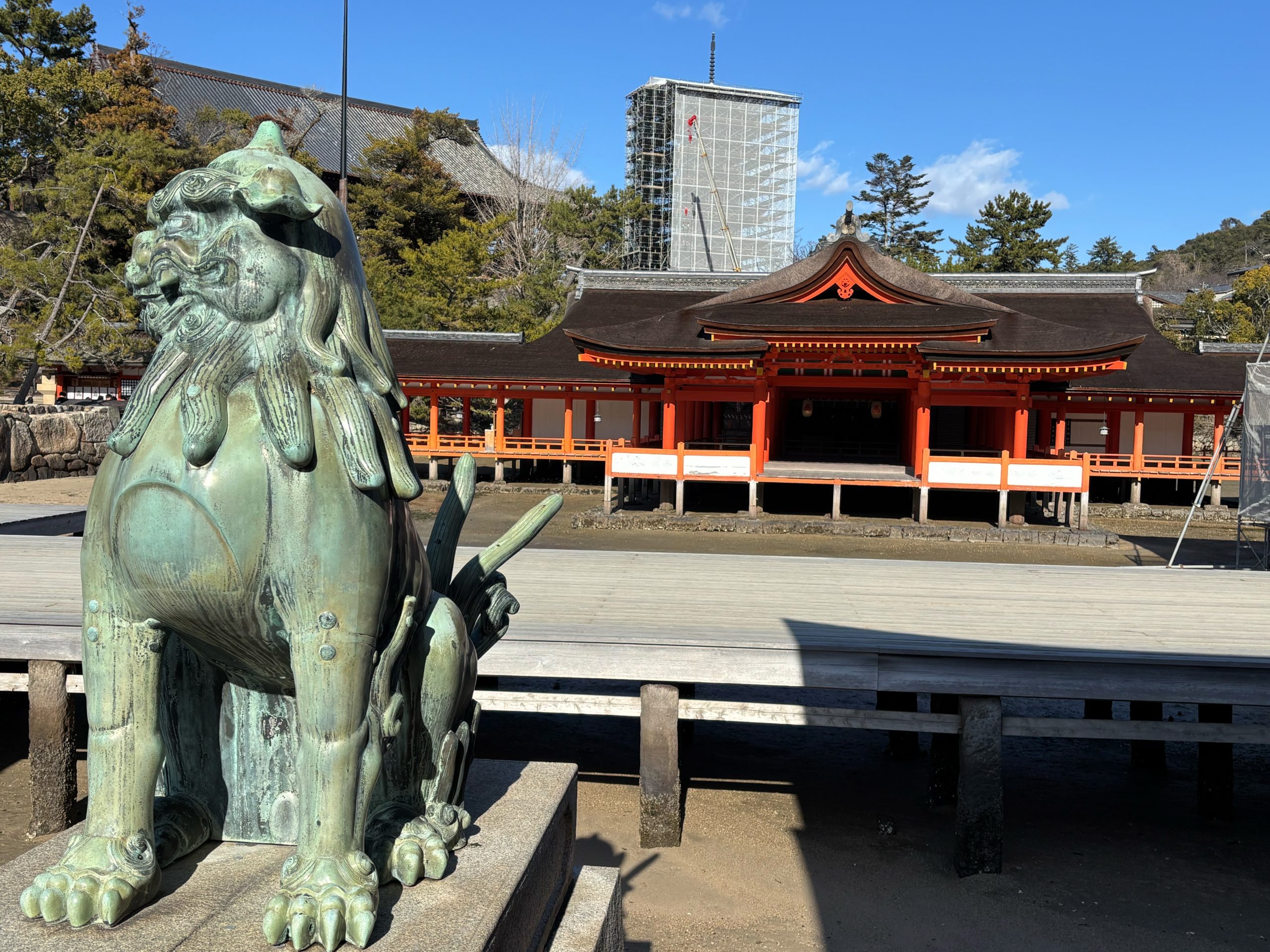
The shrine was built in the style of shinden-zukuri, the elegant aristocratic residential architecture of Japan’s Heian period (roughly 794–1185). Its current form was commissioned by the powerful warlord Taira no Kiyomori in the late Heian period, and the complex has been lovingly rebuilt and maintained across more than 1,400 years of history. Nearly every structure within the shrine grounds is designated either a National Treasure or an Important Cultural Property of Japan.
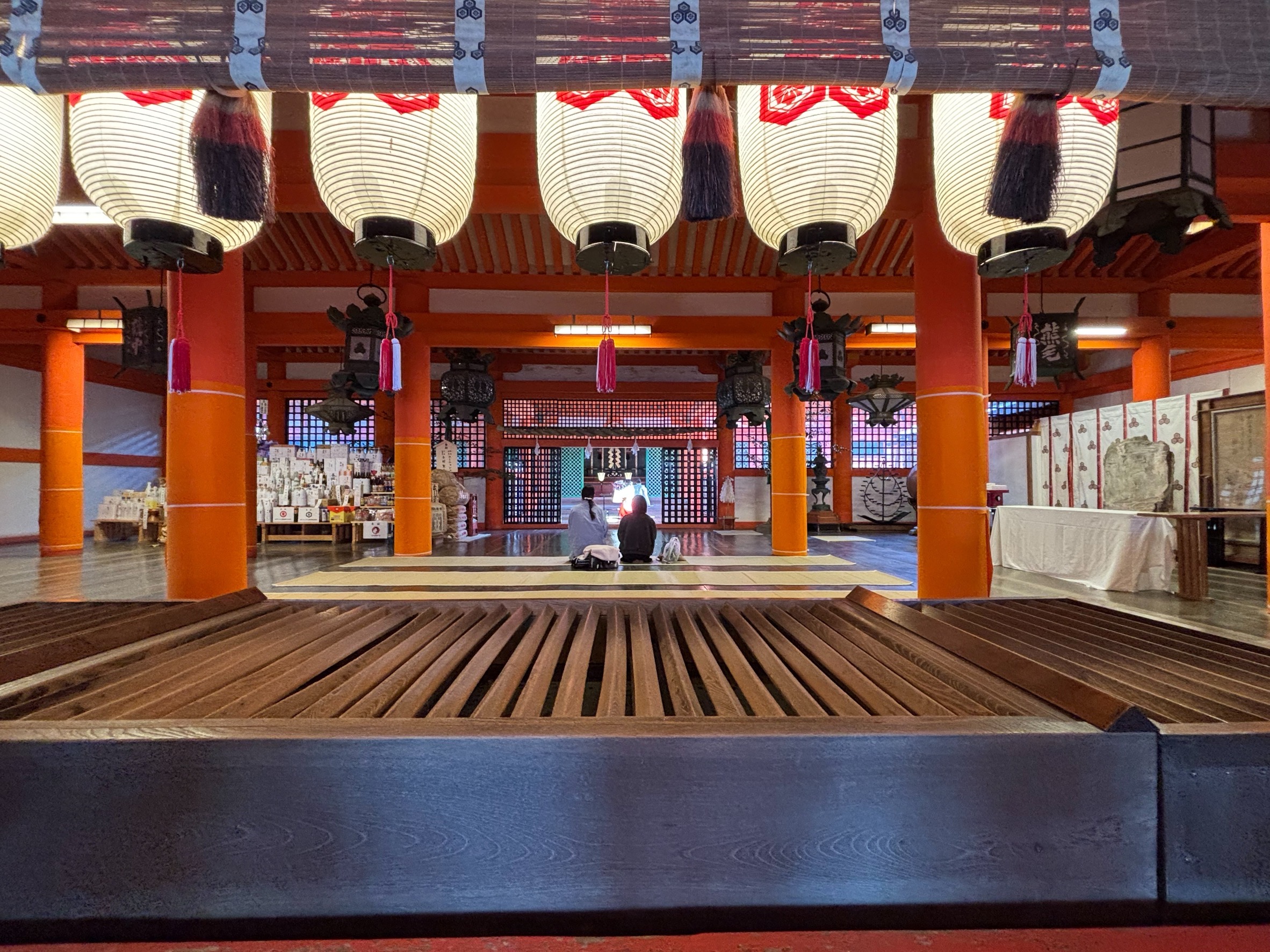
What makes the architecture especially remarkable is how thoughtfully it was designed for its environment. The floorboards of the covered walkways have intentional gaps between them to allow seawater pressure to escape during high tide — preventing the structure from being lifted or damaged. The construction uses traditional joinery techniques that minimize the use of nails, relying instead on interlocking wood and the building’s own weight for stability. It is a masterclass in working with nature rather than against it.
The three deities enshrined here are the Munakata Sanjoshin — three divine sisters known as Ichikishimahime no Mikoto, Tagirihime no Mikoto, and Tagitsuhime no Mikoto. Together they are regarded as guardians of “all pathways,” and worshippers come seeking blessings for traffic safety, safe ocean travel, good fortune, performing arts, and more. Ichikishimahime no Mikoto is also revered as the goddess Benzaiten, one of Japan’s Seven Lucky Gods, associated with wealth, beauty, and the arts.
After sunset, the shrine, Great Torii gate, and the nearby Five-Story Pagoda are illuminated in warm light — roughly from 30 minutes after sunset until around 11 p.m. The inner shrine closes for visitors at that point, but the view from the waterfront promenade and from sightseeing boats is absolutely stunning. The reflection of the crimson structures shimmering on the dark water is one of those sights that stays with you.
To experience Itsukushima Shrine at its best, check the tide chart before your trip. A water level of 250 cm or above creates the famous floating effect, with the shrine and torii appearing to rise from the sea. A level of 100 cm or below reveals the sandy seabed and lets you walk to the torii on foot. The Miyajima Tourism Association publishes accurate tide tables on their website — local fishermen swear by it. The shrine’s official social media accounts also post real-time high tide updates, which is handy for same-day planning.
Miyajima Island is located off the coast of Hatsukaichi City in Hiroshima Prefecture. To learn more about Miyajima’s World Heritage designation and what it covers, take a look at our dedicated guide.
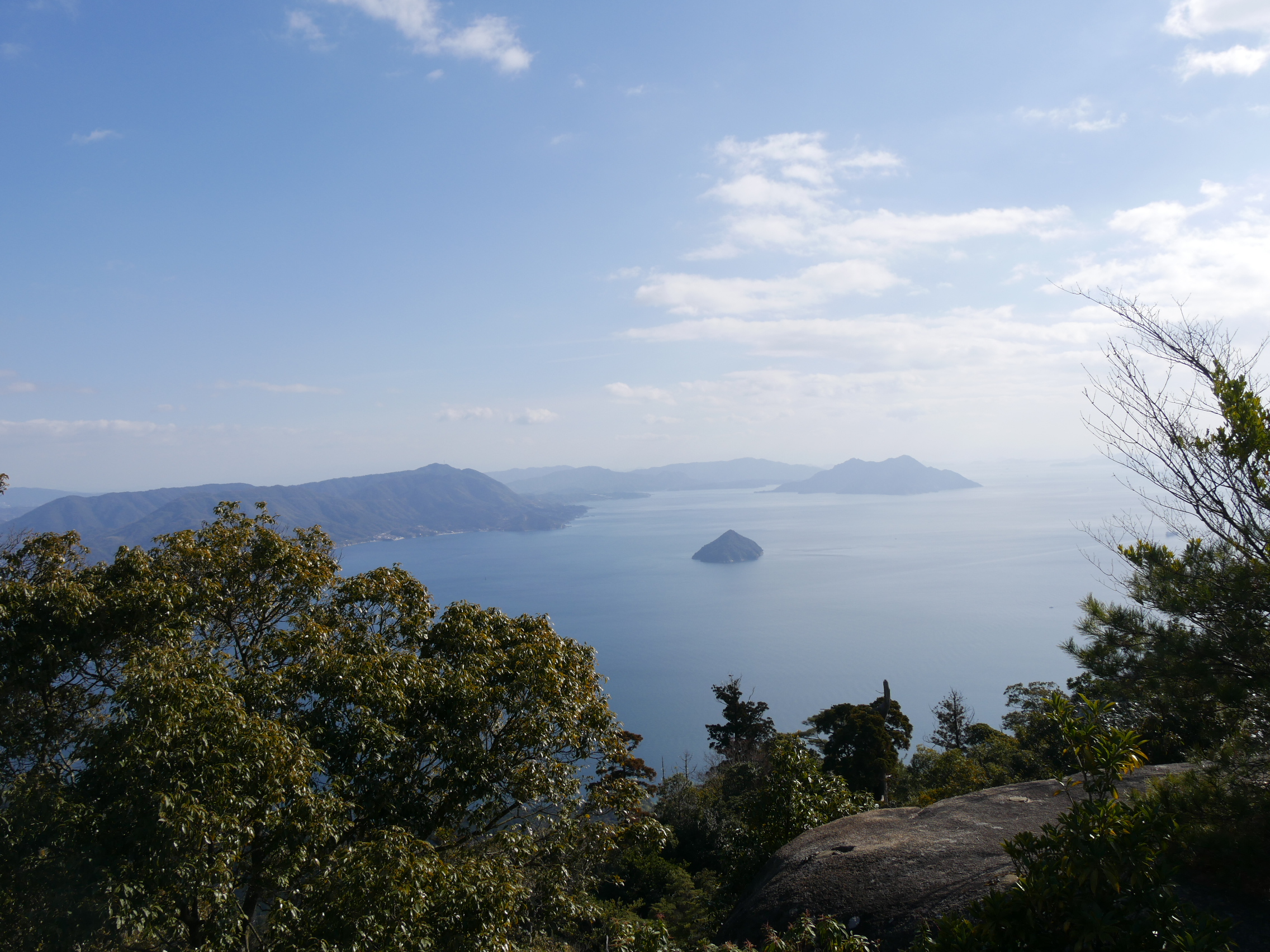
Rising dramatically from the sea off the coast of Hiroshima, Itsukushi...
Admission Fees and Opening Hours
Admission (Inner Shrine)
· Adults: ¥300
· High school students: ¥200
· Elementary and middle school students: ¥100
Cash only. Credit cards and IC cards are not accepted at the entrance, so bring small bills and coins. Note that Miyajima Island also charges a ¥100 visitor tax per person (introduced in October 2023), so be sure to have that ready as well.
Opening Hours
· January 1: 12:00 a.m. – 6:30 p.m.
· January 2–3: 6:30 a.m. – 6:30 p.m.
· January 4 – end of February: 6:30 a.m. – 5:30 p.m.
· March 1 – October 14: 6:30 a.m. – 6:00 p.m.
· October 15 – November 30: 6:30 a.m. – 5:30 p.m.
· December 1 – December 31: 6:30 a.m. – 5:00 p.m.
A Quick Note on Footwear
Wear comfortable, flat shoes — sneakers are ideal. The covered walkways have intentional gaps between the boards, which makes heeled shoes not just uncomfortable but genuinely hazardous. If you’re visiting with a stroller, be aware that some sections of the corridor may require you to lift it over small steps; a baby carrier can make this much easier. During low tide, if you walk out across the sandy seabed toward the torii, bring a spare pair of shoes or wet wipes — the sand and mud can leave a mess, especially with young children in tow. Weekday afternoons between 2 p.m. and 4 p.m. tend to be the least crowded times to visit.
Itsukushima Shrine is just a short walk from Omotesando Shopping Street, Miyajima’s main shopping and food lane. It’s a great place to grab a snack or a souvenir after your visit.
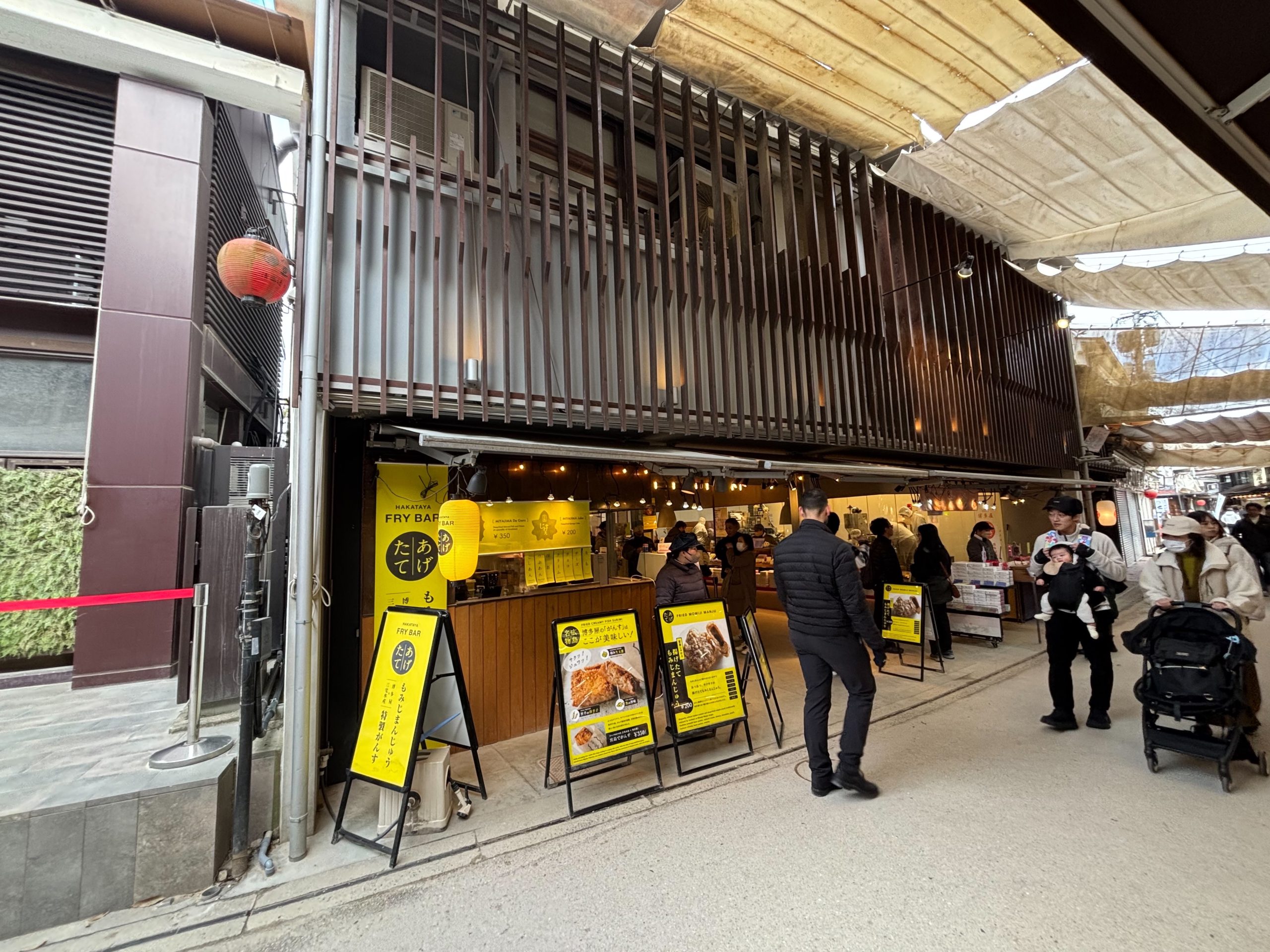
Miyajima's main shopping street — known locally as Omotesando — is a l...

The Great Torii Gate
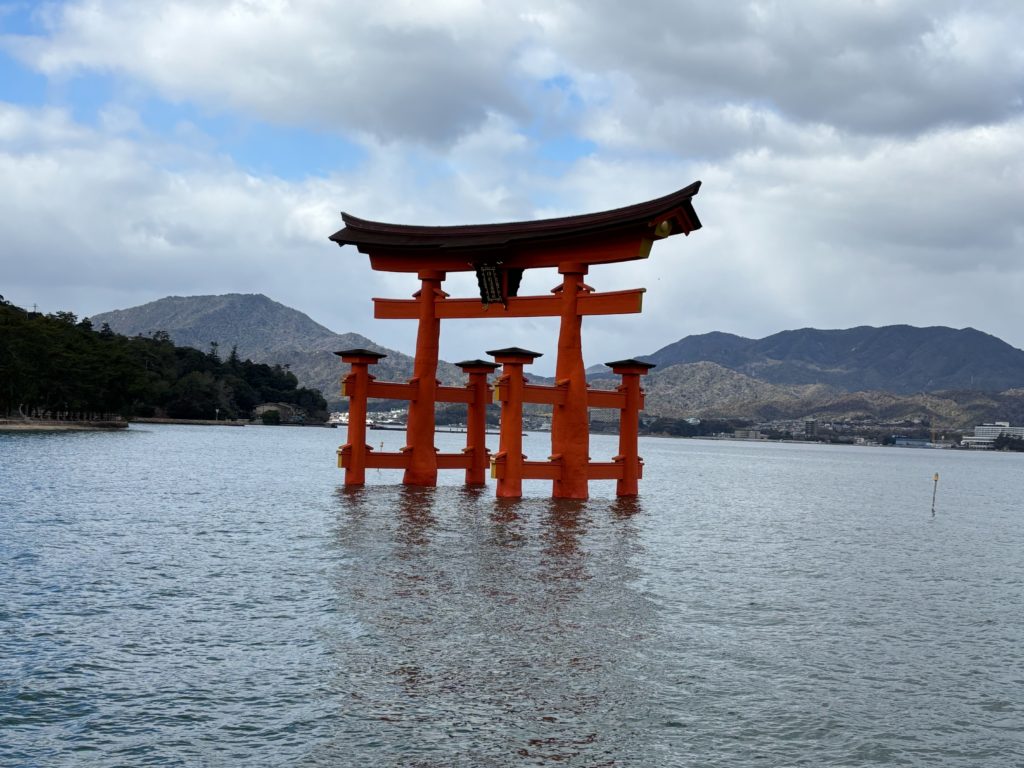
Standing about 16.6 meters tall and weighing approximately 60 metric tons, the Great Torii gate is one of the most recognizable structures in Japan. The current gate is the eighth of its line, built using kusunoki (Japanese camphor), a dense, water-resistant hardwood chosen specifically for its durability in a tidal environment. Remarkably, the gate is not buried in the seabed — it stands entirely under its own weight, stabilized by a foundation of closely driven wooden piles known as senbonguui.
At low tide, the seabed around the gate is exposed and you can walk right up to the base of the pillars — an experience that gives you a completely different sense of its scale. My daughter was thrilled to “high-five the torii,” as she put it. At high tide, the gate appears to rise directly from the sea, especially beautiful at dusk and during the evening illumination when the red lacquer reflects in the rippling water. If you want to see the torii from the water, the JR Ferry operates a special route that passes close by — well worth it for the view.
One note for families: at low tide, the exposed seabed can be slippery with seaweed and shells, so hold children’s hands and take it slowly.
If you’d like to see the Great Torii from the water, the JR Miyajima Ferry offers a scenic route that passes right by it — a wonderful alternative perspective.
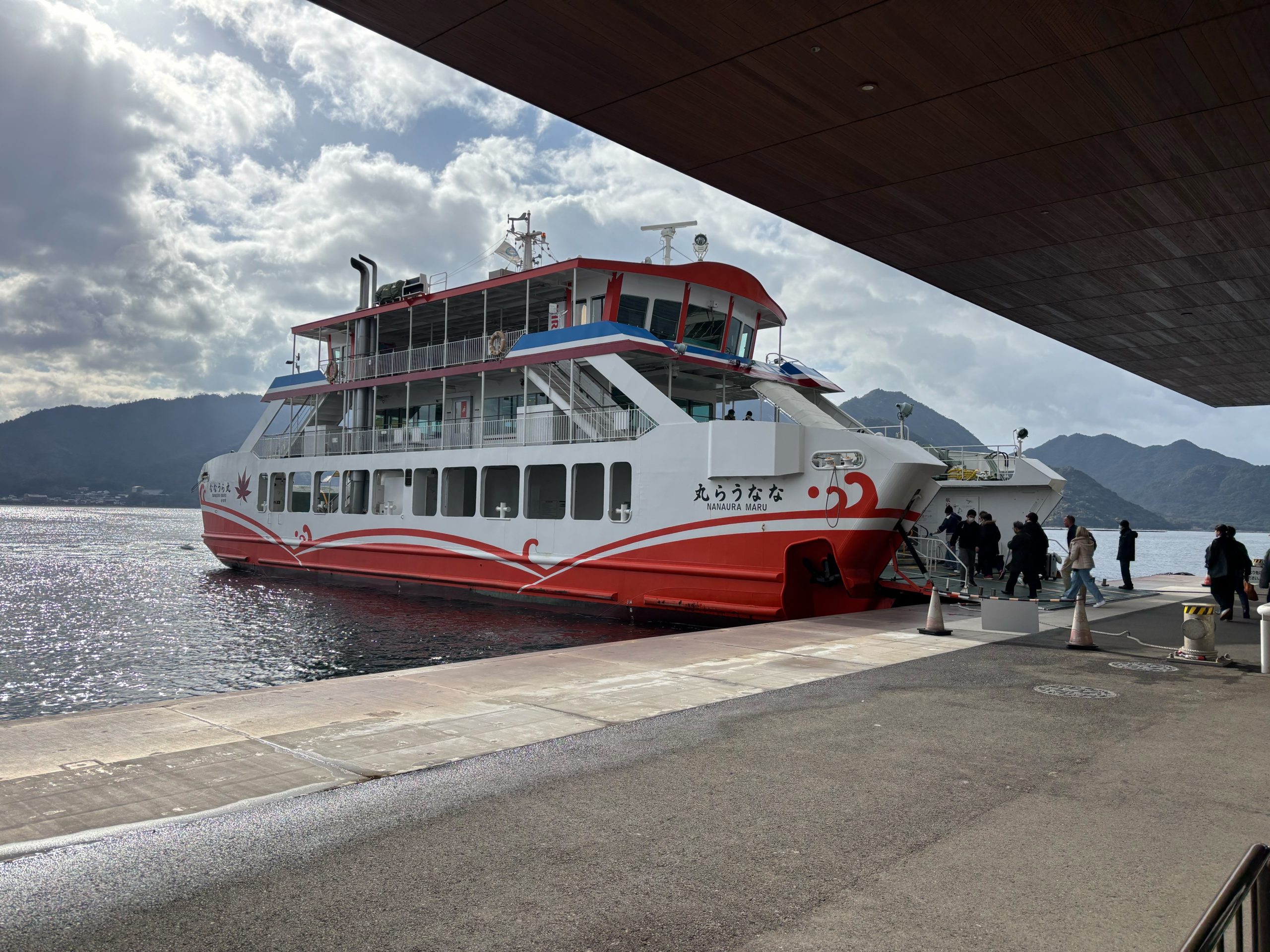
The Miyajima ferry isn't just a way to get to the island — it's the be...
The Mirror Pond: A Hidden Low-Tide Gem
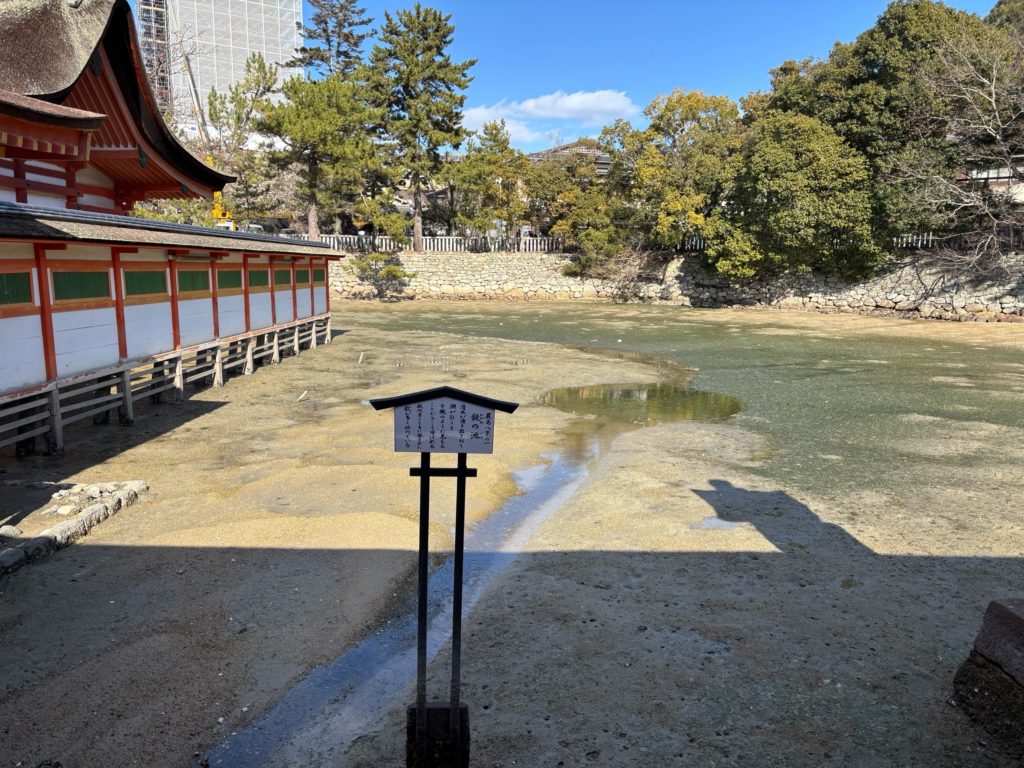
When the tide drops low enough, three small natural pools appear in the sandy beach near the shrine — collectively known as Kagami-ike, or the Mirror Pond. These hidden pools are only visible when the water level falls to around 100 cm or below, making them a surprise reward for tide-aware visitors. The water inside the pools is remarkably clear, and in autumn, when the full moon rises and reflects in the still surface, it creates an image so beautiful that poets have been writing about it for centuries — a phenomenon called Kagami-ike Shūgetsu, meaning “the autumn moon reflected in the Mirror Pond.”
In the late afternoon, the western sun turns the pool’s surface golden. Young children will want to skip stones — just pack a towel and a change of clothes in case things get wet.
Photo Spots Throughout the Shrine
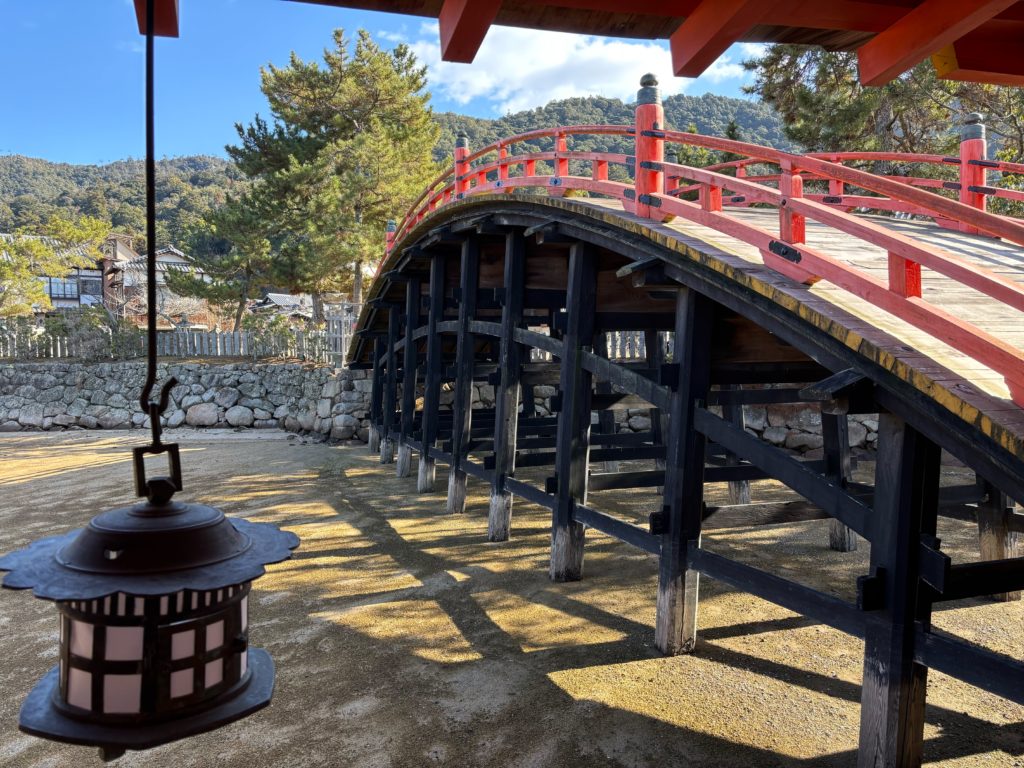
Itsukushima Shrine is endlessly photogenic at every hour of the day. In the morning, the brilliant vermilion of the structures pops against the deep blue of the sea. At dusk, shooting into the fading light creates dramatic silhouettes of the torii and corridors. At night, the illuminated reflections on the water become the main event. A smartphone with a wide-angle clip lens captures the full sweep of the corridor beautifully — you don’t need a dedicated camera to come home with stunning images.

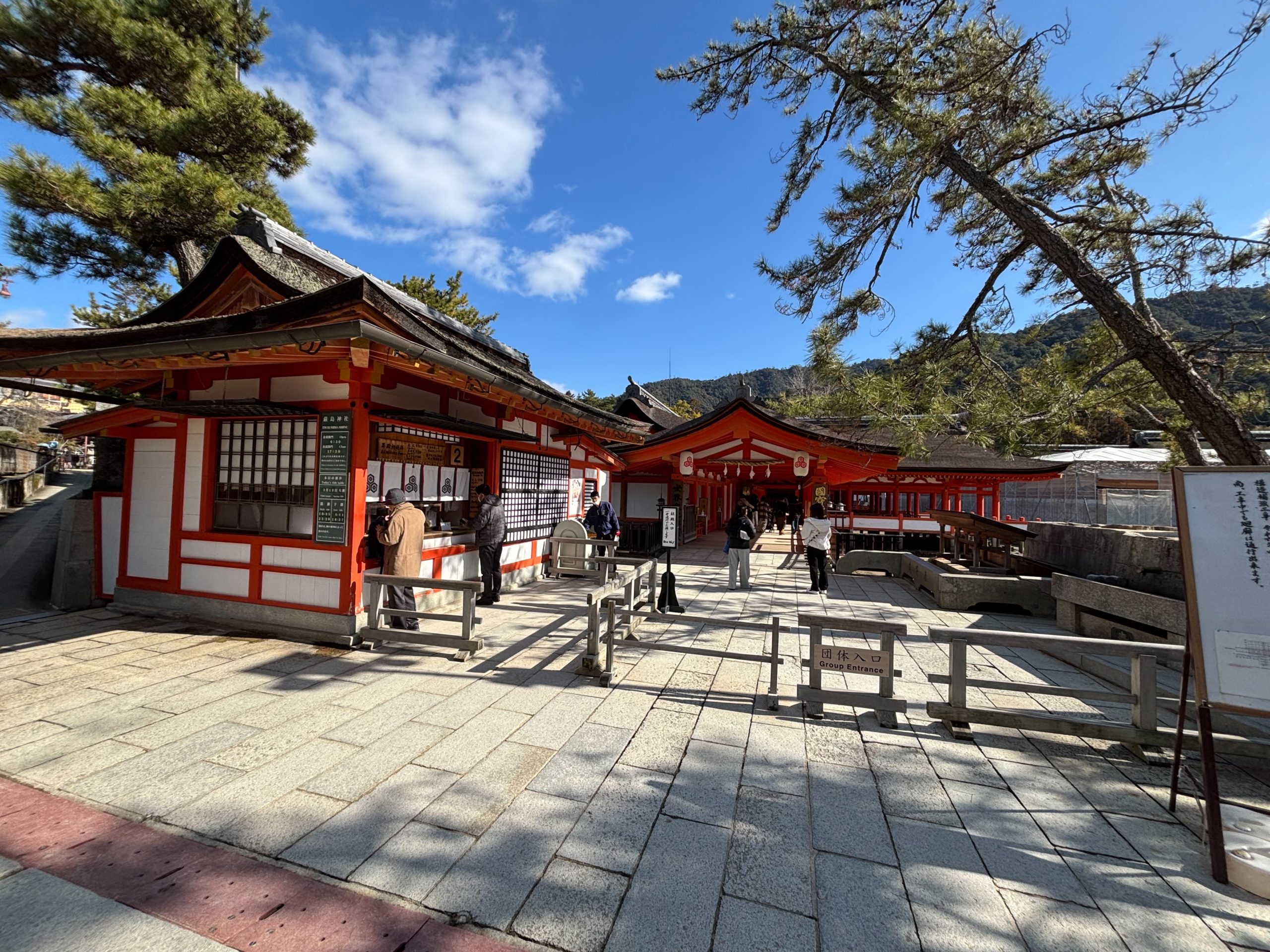
The covered walkway — the kairō — extends roughly 275 meters in total and is itself a designated National Treasure. Walking along it feels genuinely otherworldly, with the sea visible through the floorboard gaps beneath your feet and the mountains rising behind. During peak times, the area near the main hall and the Takabutai stage tends to fill up quickly. Local tip: instead of waiting in one spot, keep moving slowly around the complex — gaps in the crowd open up unexpectedly. And keep your map and tickets tucked safely in your bag; the resident deer on Miyajima have a well-known fondness for paper.
Omamori: Good Luck Charms at Itsukushima Shrine

Near the center of the shrine grounds, you’ll find the juyo-sho, or charm counter, stocked with a wide variety of omamori — the small cloth amulets that Japanese shrines and temples are known for. The selection at Itsukushima Shrine is particularly rich, featuring charms for traffic safety, good luck, protection from misfortune, academic success, safe childbirth, and more. Many of the designs incorporate the shrine’s sacred emblem, a layered flower-and-tortoiseshell crest, or Miyajima motifs like the Great Torii or the island’s beloved deer. They make genuinely meaningful souvenirs — far more personal than a mass-produced keychain.
Because the three deities enshrined here are female goddesses, Itsukushima Shrine has a long tradition of being associated with the protection of women and children. Many visitors come specifically to pray for safe pregnancy and healthy child-rearing. Personally, I picked up a traffic safety charm for my child’s school bag — small enough not to be heavy, and something that gives me a little peace of mind every morning.
Academic Success Charm
The academic success charm — a popular choice for students of all ages, from exam-season high schoolers to university entrance hopefuls — is priced at ¥300. It comes in five colors: purple, light blue, white, yellow, and red, so siblings or friends can each choose their own. Pairing it with a ema (a wooden wishing plaque) is a lovely way to set an intention before a big exam.
Safe Childbirth Charm
Given that Itsukushima Shrine is dedicated to three female deities, it is a natural destination for prayers related to pregnancy, childbirth, and motherhood. The safe childbirth charm carries a gentle, protective energy that many visitors find meaningful. If you’re visiting while pregnant, take things at a relaxed pace, find a bench when you need one, and bring a warm layer — the sea breeze can be cool even on mild days.
Closing Thoughts and Nearby Attractions
One of the most special things about Itsukushima Shrine is that it genuinely looks different every time you visit — with the tides, with the seasons, and with the light. The goal of catching both the floating shrine at high tide and the walk-to-the-torii at low tide on the same day is very achievable with a little planning, and doing both in one visit is one of the great satisfactions of a Miyajima trip.
After visiting the shrine, consider heading up to Mount Misen. The ropeway makes the ascent easy for families, and the sacred flame that has reportedly burned without interruption for over 1,200 years is one of those details that tends to stick with children long after the trip is over.
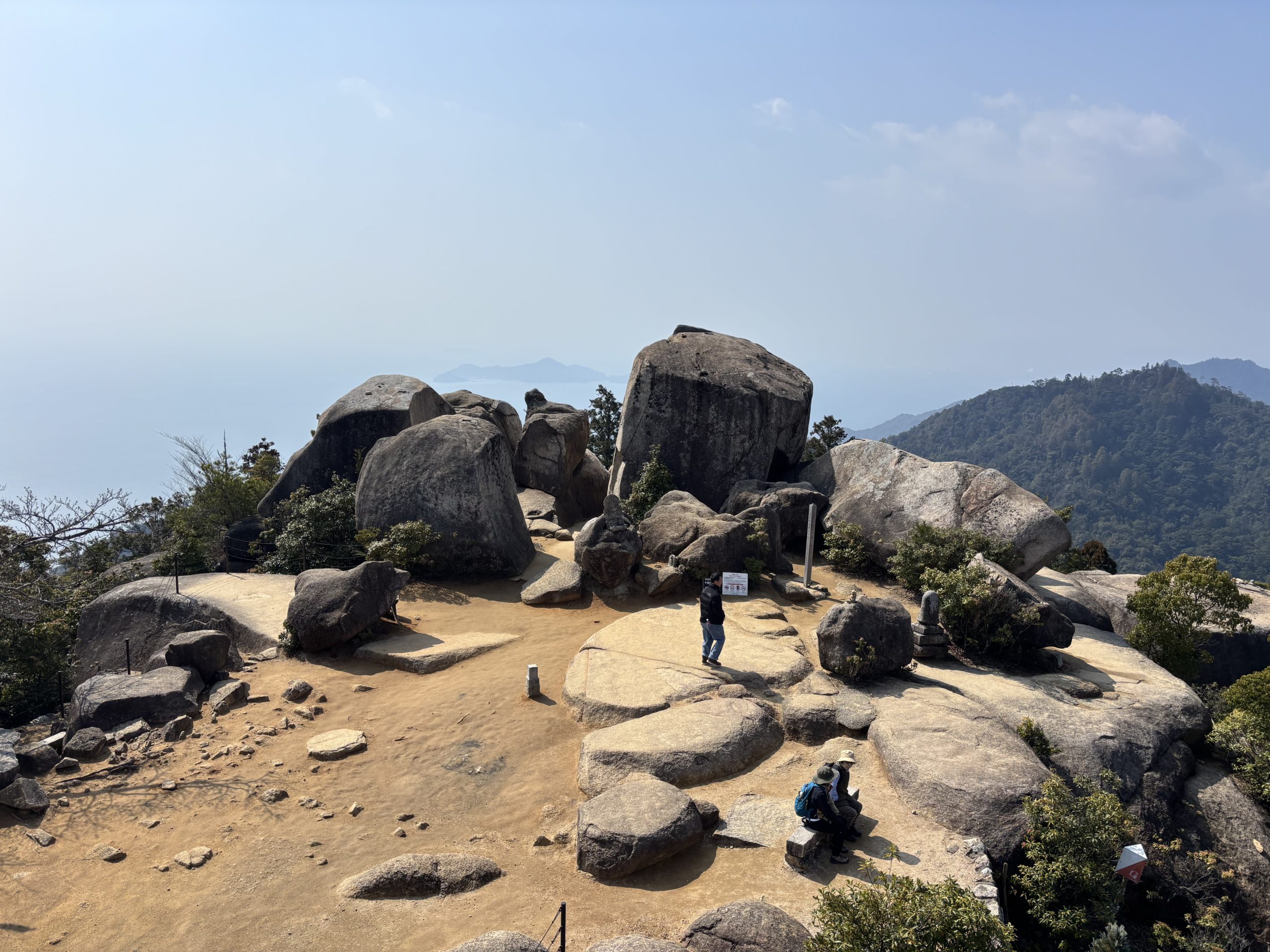
Rising 535 meters above Miyajima Island, Mount Misen is the sacred pea...
If you’re traveling with young children, Miyajima Aquarium (Miyajimarin) is also worth a visit — and they offer free stroller rentals, which is a lifesaver after a long morning of sightseeing.
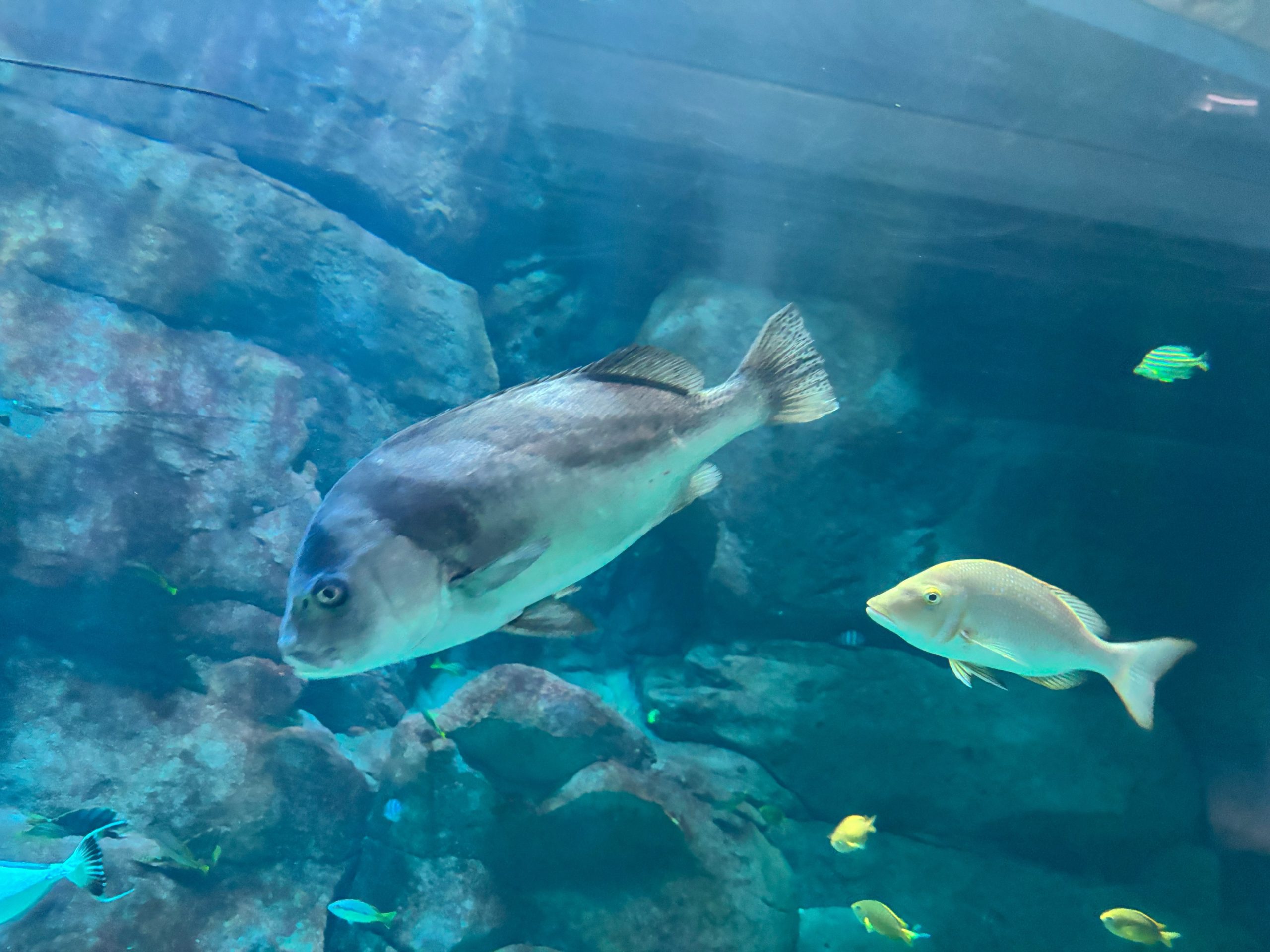
Miyajima Aquarium — officially known as Miyajima Marine, or Miyaji Mar...
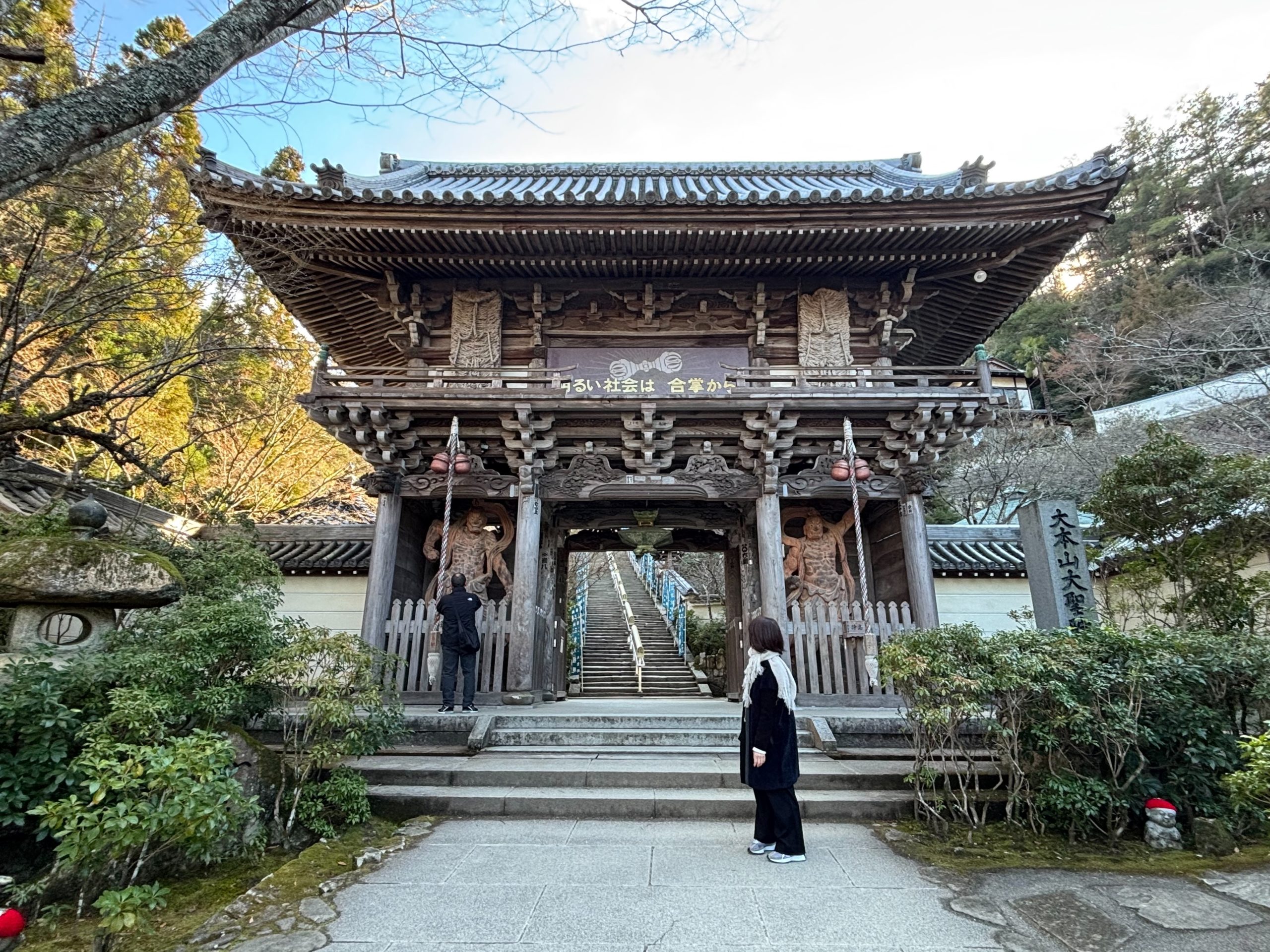
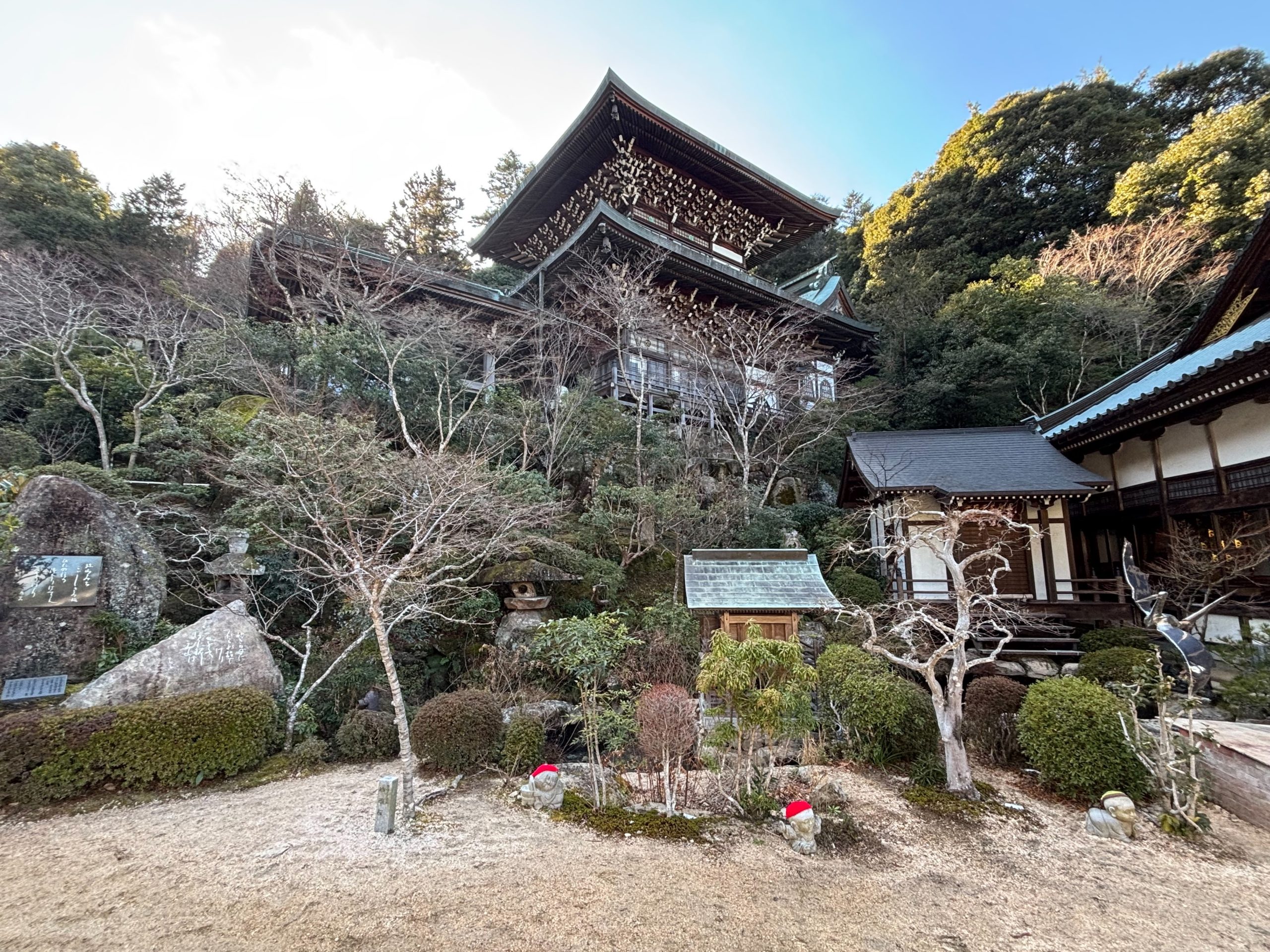
Daisho-in Temple, set into the forested hillside just behind the shrine, is actually older than Itsukushima Shrine itself and is beloved among locals as a power spot. The fire-walking ceremony held in spring draws large crowds for good reason.

Discover Daishoin Temple, Miyajima's oldest and most sacred Buddhist site. History, highlights, seasonal events, and practical visitor tips.
Just a short walk from the shrine, Senjokaku Hall — a vast, unfinished pavilion commissioned by Toyotomi Hideyoshi — and the neighboring Five-Story Pagoda make a peaceful and photogenic detour. Children have plenty of room to wander and run around, and it rarely feels as crowded as the main shrine.
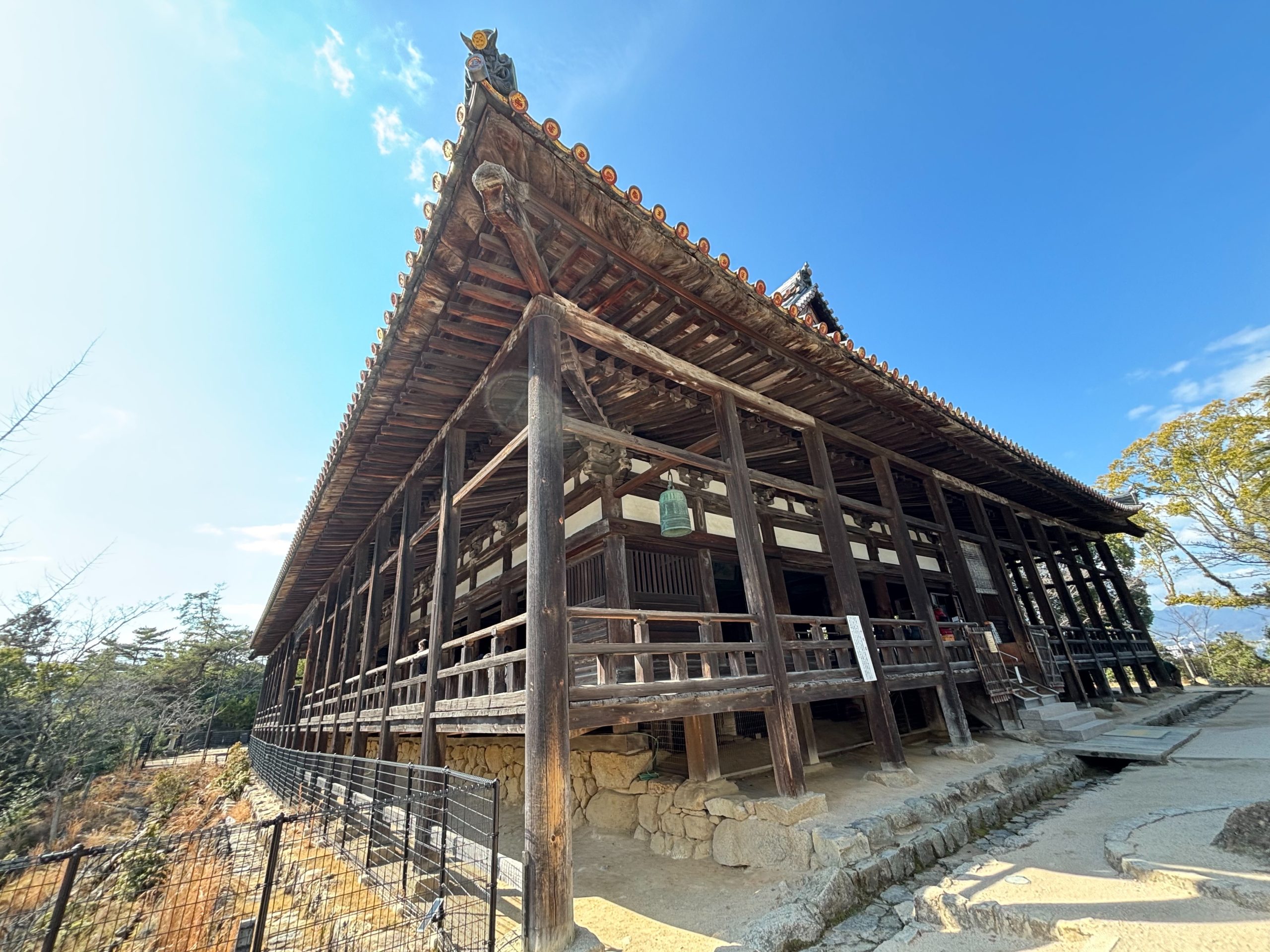
Senjokaku: Miyajima's Hauntingly Beautiful Unfinished Hall Perched on...
And don’t leave Miyajima without trying anago meshi — grilled conger eel over rice, the island’s most beloved local specialty. We’ve put together a guide to the best spots for families.
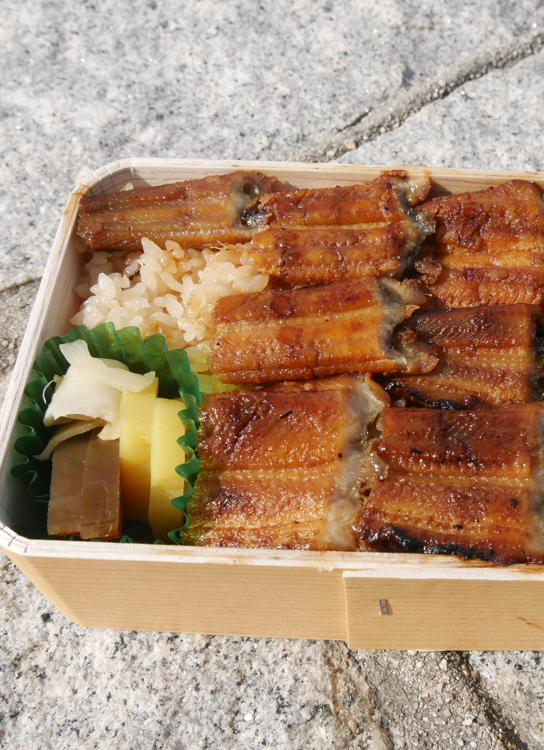
Miyajima Island is famous for its floating torii gate and ancient shri...
One last insider tip: on hot days or when your group needs a break, the free rest area at Momijidani Park is air-conditioned and rarely on tourists’ radar — a genuinely useful hidden gem. Diaper-changing facilities are available in nearly all public restrooms on the island, so families with infants can explore with confidence.
Details such as admission fees, opening hours, and services are subject to change. We recommend checking official sources for the latest information before your visit.

FAQ
Can I walk up to the Great Torii gate?
Yes — when the tide level drops to around 100 cm or below, the seabed is exposed and you can walk out to the base of the gate. Check the Miyajima Tourism Association’s tide chart before your trip and plan around the day’s low tide window. Wear shoes that are okay to get a little muddy, and hold young children’s hands — the wet sand and seaweed can be slippery.
When does the shrine look like it’s “floating”?
A tide level of 250 cm or above is the sweet spot for the classic floating-shrine effect. This, combined with the evening illumination that begins roughly 30 minutes after sunset, is widely considered the most beautiful time to see the shrine — the buildings and torii reflect in the water in a way that genuinely looks magical.
Can I visit the shrine at night?
The inner shrine closes at its posted times, but the evening illumination continues until around 11 p.m. You can enjoy the lit-up shrine from the waterfront promenade or from a sightseeing boat that passes nearby. No admission is required for the exterior nighttime viewing.
What is the admission fee, and do they accept credit cards?
Admission to the inner shrine is ¥300 for adults, ¥200 for high school students, and ¥100 for elementary and middle school students. Cash only — no credit cards or IC cards. There is also a separate ¥100 island visitor tax per person (introduced in October 2023). Bring small bills and coins.
What are the omamori (good luck charms) available at the shrine?
The shrine’s charm counter offers a wide variety, including charms for traffic safety, academic success, good fortune, protection from misfortune, and safe childbirth. Prices start at ¥300. The designs are beautifully traditional and make meaningful souvenirs or gifts.
What does the omikuji fortune slip result “Taira” mean?
“Taira” (平) is a fortune result unique to a small number of shrines in Japan — Itsukushima is one of them. It sits between “good luck” and “bad luck” on the fortune scale, and roughly translates to “calm and steady — things will settle in an orderly way.” If you draw a less favorable result, the traditional practice is to tie the slip to a rack using your non-dominant hand.
Is Itsukushima Shrine good for families with young children?
Yes, very much so — with a bit of preparation. Wear flat shoes (the corridor floorboards have gaps that make heels dangerous), bring a baby carrier if you have a stroller, and pack wet wipes and a spare change of clothes for low-tide sand walking. The least crowded time is typically weekday afternoons between 2 and 4 p.m. Diaper-changing facilities are available in public restrooms across the island.