Rising dramatically from the sea off the coast of Hiroshima, Itsukushima Shrine is one of Japan’s most breathtaking landmarks — and one of its most significant UNESCO World Heritage Sites. Located on Miyajima Island, this ancient Shinto shrine appears to float on the water at high tide, its brilliant vermilion corridors and iconic torii gate reflecting in the still surface of the Seto Inland Sea. Our family visits three or four times a year, and every single time the kids stop at the water’s edge and say, “Wow — there’s a shrine in the ocean!” That never gets old.
This guide explores the deep cultural and historical value of the Itsukushima Shrine World Heritage Site, explaining what makes it so extraordinary, what UNESCO recognized, and everything you need to know before your visit — including some insider tips that only locals tend to know.
Itsukushima Shrine: A UNESCO World Heritage Site
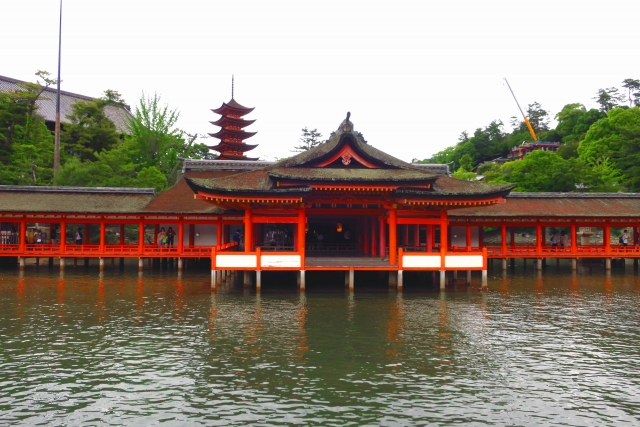
Itsukushima Shrine was officially inscribed as a UNESCO World Cultural Heritage Site in December 1996. The designated heritage zone covers approximately 431.2 hectares — about 14% of the entire island of Miyajima — and includes not only the shrine buildings themselves but also the sea in front of them and the ancient primeval forest of Mount Misen rising behind. Together, these three elements create a landscape found nowhere else on earth.
The registered structures include the main sanctuary (honden), the great torii gate, a five-story pagoda, and numerous subsidiary halls, many of which have been designated National Treasures or Important Cultural Properties of Japan. Walking through this space, the harmony of sea, mountain, and sacred architecture makes Japan’s traditional aesthetic ideals feel completely tangible.
UNESCO’s recognition rested on multiple pillars: the unparalleled scenic beauty of a landscape where ocean and mountain become one, and the profound cultural value of a place where Japan’s reverence for nature gave birth to a unique religious philosophy. The island itself is considered sacred. Rather than disturb the holy mountain behind the shrine, its builders placed the entire complex over the water — a design decision that speaks to a worldview where faith and environment are inseparable. For our family, standing on the covered corridor while the tide comes in and the sea slips beneath your feet is always a quietly moving experience. Children seem to sense something special here too, even without being told why.
What Exactly Is a UNESCO World Heritage Site?

The World Heritage Convention was adopted by UNESCO in 1972, and Japan ratified it in 1992. Sites of outstanding universal value — whether cultural landmarks or natural wonders — are recognized as the shared heritage of all humanity, with member nations committed to their protection and preservation. The World Heritage Committee reviews nominations from member countries and adds qualifying sites to the World Heritage List.
For cultural heritage sites specifically, inscription requires meeting at least one of six criteria:
- A masterpiece of human creative genius
- Evidence of significant cultural exchange in architecture, arts, or urban planning over a period of time
- Exceptional testimony to a living or disappeared cultural tradition or civilization
- An outstanding example of a building, architectural ensemble, or landscape that illustrates a significant stage in human history
- An outstanding example of a traditional human settlement or land-use that represents a culture, especially when it has become vulnerable
- Directly or tangibly associated with events, living traditions, ideas, beliefs, or artistic and literary works of outstanding universal significance
Itsukushima Shrine meets several of these criteria. Its evaluation was particularly strong for the incomparable landscape created where sea and mountain unite, the continuity of a religious tradition rooted in nature worship, and the remarkable history of rebuilding and careful preservation. Understanding the UNESCO framework before you visit changes how you see the place — the landscape in front of you isn’t just beautiful; it’s actively protected because humanity agreed it must be. That’s a meaningful thing to share with children on a family trip.
What the World Heritage Designation Actually Covers
A common misconception is that all of Miyajima Island is a UNESCO World Heritage Site. Officially, the inscribed property is named “Itsukushima Shinto Shrine,” but the protected area is much larger than the shrine buildings alone. The 431.2-hectare heritage zone includes the great torii gate, all the main shrine structures, the sea enclosed within them, and the primeval forest on Mount Misen behind.
UNESCO’s heritage system uses a two-zone model: a “core zone,” which receives the strictest protection and contains the shrine, torii, and forest, and a “buffer zone,” which in this case encompasses the rest of Miyajima Island. This layered approach means the entire island falls under protective oversight — its natural environment and historic buildings are preserved together as a coherent whole.
The reasons for inscription reflect multiple dimensions of value: the graceful architectural beauty of Heian-period palatial design extended over the sea; evidence of artistic and architectural exchange across eras; the continuity of nature-based religious culture; and the achievement of a cultural landscape masterpiece where sea and mountain are woven into one sacred vision. Walking through the shrine grounds, you begin to feel that even the sight lines, the reflections on the water, and the movement of visitors through the corridors are part of an intentional design. Families with younger children will be glad to know the covered corridors are stroller-accessible, and on mornings when the tide is coming in, the atmosphere is especially calm and beautiful.
Why Itsukushima Shrine Matters: Its Heritage Values Explained
The Architecture and Its Extraordinary Location
The shrine complex as it stands today was built in the 12th century under the patronage of Taira no Kiyomori, one of the most powerful warlords of Japan’s Heian period. He transformed an older, modest island shrine into a grand complex in the palatial shinden-zukuri architectural style — a style originally designed for aristocratic residences on land — and extended it boldly over the sea.
The result is a structure unlike any other in Japan. Elevated corridors stretch out over the water, their floorboards fitted with small deliberate gaps so that incoming waves dissipate harmlessly beneath rather than building pressure that could damage the structure. The shrine’s most iconic feature, the great wooden torii gate standing offshore, combines massive structural weight with an elegant visual lightness. Engineering for the sea was woven into every design decision from the beginning.
Over the centuries, the shrine has survived storms, fires, and tidal damage repeatedly. Each restoration honored the original design intent while incorporating the best available techniques of its era. The distinction between a “durable core” and a “replaceable periphery” was built into the structure from the start — the essential framework endures, while elements exposed to the harshest conditions can be repaired or replaced without compromising the whole. Walking with our kids along the corridors, they inevitably start asking questions about the joints in the pillars and the uneven floor sections. Our oldest once looked up and said, “The people who built this were really clever.” She wasn’t wrong.
Aesthetic Ideals and the Harmony of Nature
Itsukushima Shrine exemplifies a Japanese approach to sacred space in which the surrounding environment is not merely a backdrop but an integral part of the spiritual experience. The mountain behind the shrine is itself considered a divine presence (shintai), and the decision to build over the water rather than on land was made specifically to avoid disturbing the sacred mountain.
The soft proportions of the shinden-zukuri style, the high-floor corridors extending over the tidal flats, the way the entire composition changes expression with the rise and fall of the tide — these are not only aesthetic choices but expressions of wisdom about living with nature rather than against it. The primary structural timbers were designed to be repaired and replaced systematically, while the core elements were built to last. This combination has kept the shrine’s essential character intact for over eight centuries.
Light plays a transformative role. At dawn, the vermilion softens in the low-angle sun. In the evenings, a warm reddish glow settles over everything. When the water stills, the entire corridor reflects in the surface below. These are moments that reward visitors who time their arrival carefully — and they are part of why our family keeps coming back. Mid-November is particularly stunning when the autumn colors on the hillside behind the shrine are at their peak.
Kamakura-Period Buildings and the Preservation of Ancient Styles
Among the shrine’s most historically significant features are several structures dating from the Kamakura period (1185–1333), making them rare surviving examples of medieval Japanese religious architecture. These buildings preserve design elements and construction techniques from the original Heian-period foundation of the complex, forming an almost unbroken architectural lineage stretching back nearly a thousand years.
Modern preservation efforts have been systematic and scientifically rigorous. Restorations are planned to respect the original design intent, materials, and construction methods, while also incorporating modern safety infrastructure including fire protection systems, lightning protection, and regular inspection protocols. Specialist craftspeople are involved in all maintenance work. Knowing that skilled hands are always at work maintaining this place gives our visits an added sense of reverence. We’ve made a point of telling our children that cultural heritage isn’t something frozen in a museum — it’s something people actively care for every day.
A Living Religious Landscape
Itsukushima Shrine is dedicated to the Munakata Three Goddesses (Munakata Sanjojin), ancient divine beings associated with safe passage at sea and the protection of travelers. The island has been considered a sacred place since antiquity, its forests and peaks treated as divine presences not to be disturbed by ordinary human activity.
The shrine’s history also reflects the complex interplay between Shinto and Buddhism that shaped Japanese religious culture for more than a thousand years, and the eventual separation of the two traditions in the 19th century. Through all these changes, the rhythms of prayer and seasonal ceremony have remained woven into the life of the island. The sacred and the everyday are not separated here — they flow together in the same tides. Standing at the water’s edge as a family, everyone naturally grows quiet and joins hands. That tends to happen here, even without planning it.
Before or after visiting Itsukushima Shrine, consider stopping at Daisho-in Temple — it actually predates the shrine itself and is one of Miyajima’s most important spiritual sites. Locals affectionately call its 504 stone steps “Goreshisan.”

Tucked into the forested hillside at the foot of Mount Misen, Daishoin...
Visiting the Shrine: Highlights and What to Expect
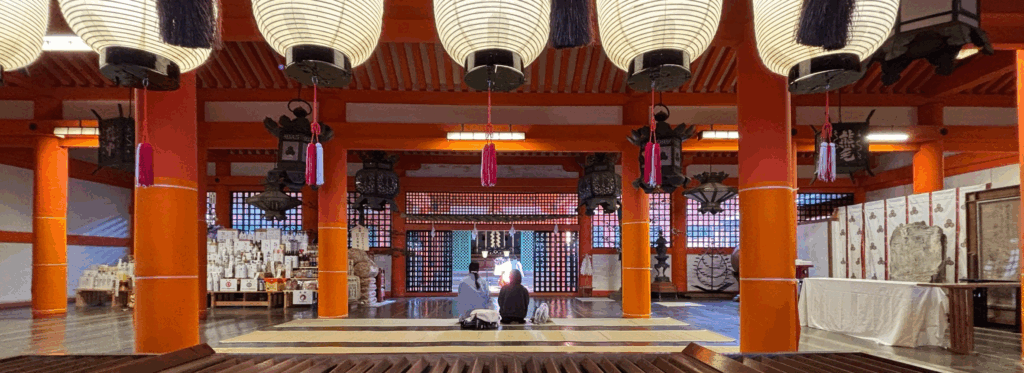
The shrine complex is carefully laid out so that sight lines, water reflections, and the movement of the tides all become part of the experience. The main elements include the haiden (offering hall), haraiden (purification hall), the high stage for sacred dance (takabatai), and the long covered corridors connecting them. Subsidiary shrines, a five-story pagoda, and the vast wooden hall of Senjokaku (Toyokuni Shrine) are all within easy walking distance and offer fascinating contrasts in style and era.
The great torii gate offshore is one of Japan’s largest wooden torii, combining visual elegance with a structure substantial enough to withstand decades of tidal force. Its scale is best appreciated from the covered corridor at high tide, when the gate appears to rise directly from the sea.
For practical visits, the best strategy is to check tide times and sunrise/sunset times together before you go. Morning light is gentle and especially flattering on the vermilion buildings; late afternoon brings a warm golden-red glow. Wear comfortable shoes — the corridors have slight level changes and deliberate gaps between floorboards. Families with young children will find high-tide mornings easier for strollers, as the water keeps the sandy flats below corridor level and the crowds tend to be lighter than midday. Our family’s tradition after visiting the shrine is to walk the Omotesando shopping street and share fresh-grilled local specialties. On weekdays, roughly between 2 and 4 in the afternoon is when the shrine grounds are typically at their quietest.
Don’t miss Senjokaku — the enormous hall built by Toyotomi Hideyoshi with floor space equivalent to 857 tatami mats. Kids can run freely inside, and there are Edo-period inscriptions hidden beneath the floorboards.
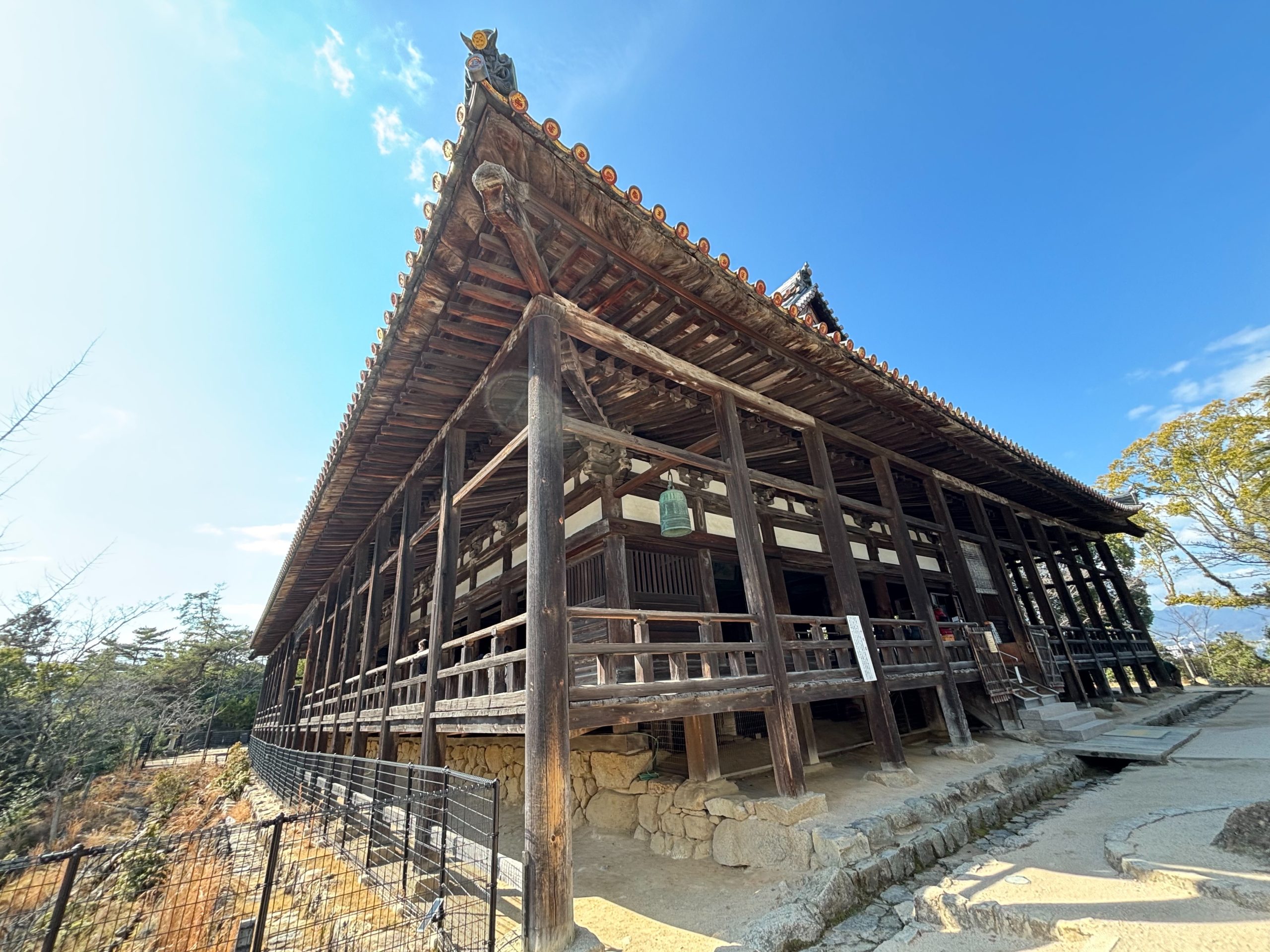
Senjokaku: Miyajima's Hauntingly Beautiful Unfinished Hall Perched on...
Mount Misen and the Primeval Forest
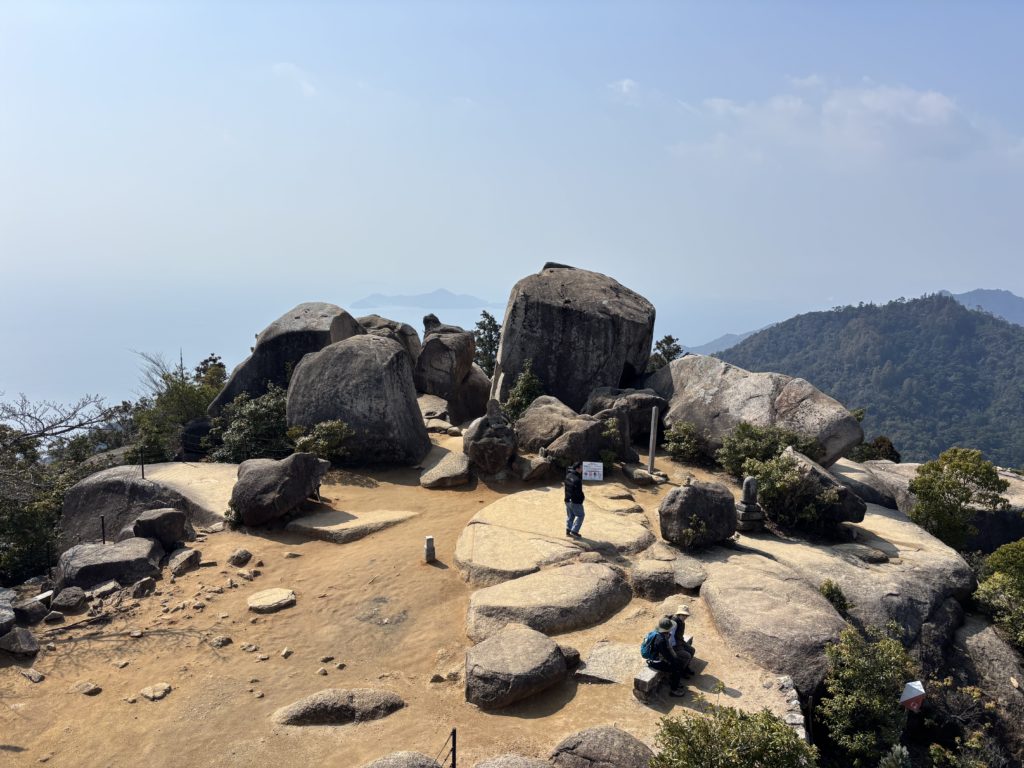
The forested mountain rising directly behind the shrine — Mount Misen, at approximately 535 meters — is not just scenic backdrop. It is an integral part of the World Heritage designation and inseparable from the shrine’s meaning. The primeval forest covering its slopes includes a diverse mix of broadleaf and conifer species, changing color with each season. From the summit, the view across the Seto Inland Sea — one of Japan’s celebrated “Three Views” — is extraordinary.
The mountain’s Reikado Hall housed the “Sacred Flame” (kiezu no hi), a fire said to have been lit by the Buddhist monk Kukai (Kobo Daishi) over 1,200 years ago and kept burning ever since; the hall burned down on 20 May 2026, the flame was carried to safety, and rebuilding is planned for 2027. Water boiled over this flame is available to drink free of charge — a small but meaningful connection to the island’s deep spiritual history.
Update (October 2026): The Reikado Hall burned down in a fire on the morning of 20 May 2026. Daisho-in reports that the eternal flame itself was carried to safety and is still kept alight, and the temple plans to rebuild the hall on the same site by November 2027. Until then, do not expect to see the flame or to be served the hot water at the summit; ask at Daisho-in on the day. What happened, and what to expect on Mount Misen now.
The ropeway makes Mount Misen accessible for families and visitors of all fitness levels, combining with hiking trails for those who want to go further. Standing on the summit and looking back down at the shrine below — nestled between the mountain and the sea — is the moment when the full logic of the World Heritage site becomes viscerally clear. The shrine was placed there precisely so that the mountain would not be disturbed. Our youngest once asked, “Is the mountain friends with the shrine?” We told her yes — and that both of them are helping to take care of Miyajima together.
Reach the summit of Mount Misen by ropeway for sweeping views over the Seto Inland Sea. You can also drink water boiled over the sacred flame that has burned continuously for over 1,200 years — completely free.
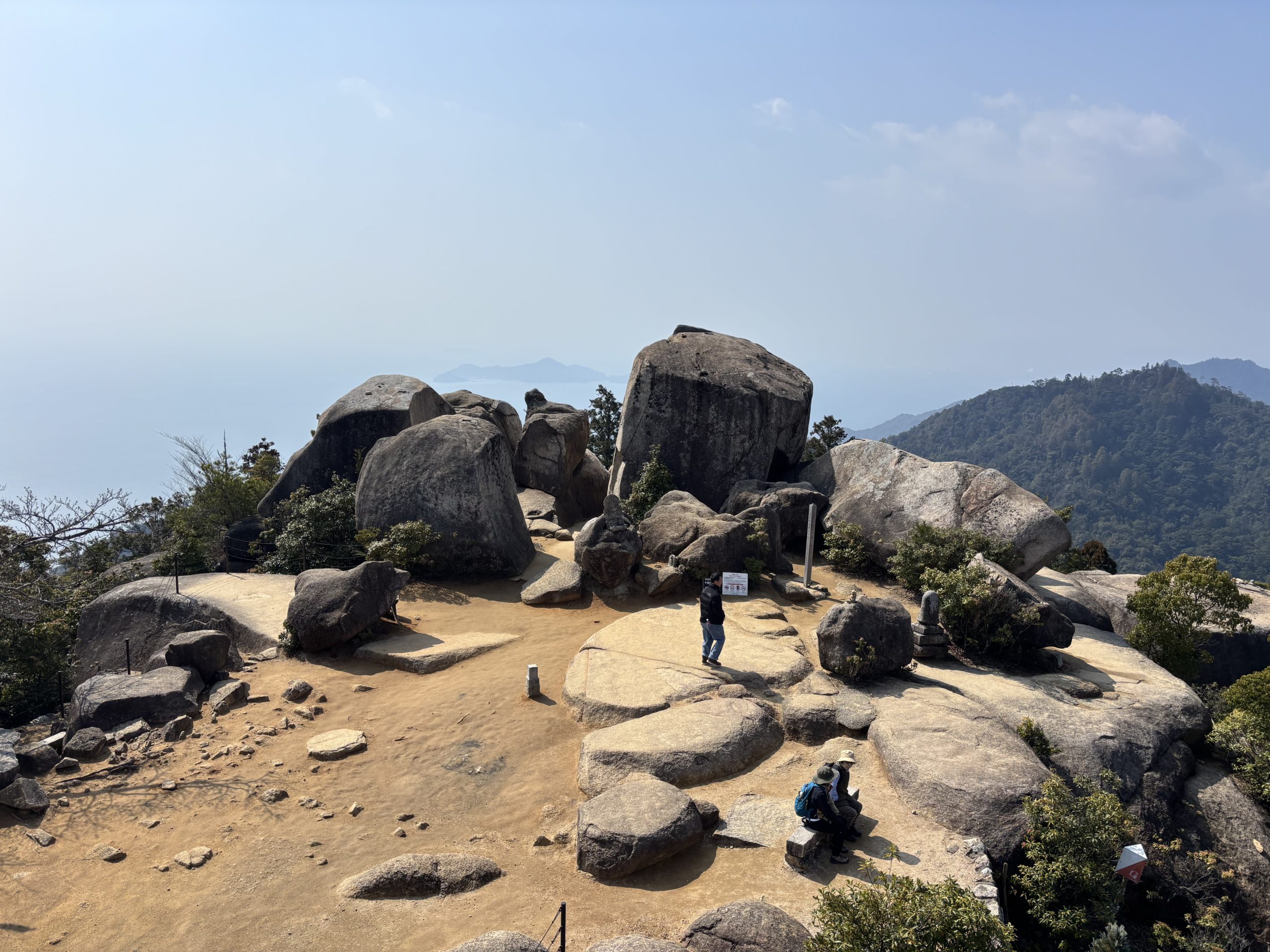
Rising 535 meters above Miyajima Island, Mount Misen is the sacred pea...
How to Time Your Visit: Making the Most of the Tides

The experience of visiting Itsukushima Shrine changes dramatically with the tide — and planning around it is one of the most rewarding things you can do before your trip.
At high tide, the shrine corridors appear to float on the sea, and the great torii gate rises directly from the water in the mystical composition that appears on countless postcards and travel guides. At low tide, the sandy flats are exposed and you can walk out toward the torii gate for a close-up look at its base and construction details that are invisible from shore. Both experiences are genuinely worth having, and the views are completely different.
When your travel dates are confirmed, look up the tide chart for Miyajima alongside sunrise and sunset times. The Miyajima Tourism Association website is considered the most accurate local source for tide predictions. For photography, the early morning and late afternoon hours — when the light is lower and the crowds are smaller — produce the best results along the corridors. Tripods may be restricted in certain areas depending on the time of day, so check on-site signage and be considerate of other visitors.
Seasons with a larger tidal range give you the most dramatic contrast between the two states in a single day. With children, it helps to verify the tide before heading to the shoreline, as wet or slippery surfaces near the water require extra attention. I made the mistake once of checking the wrong time zone on a tide chart and missed the full high-tide view entirely — always double-check before you go.
Getting to Miyajima and Getting Around
Miyajima Island is reached by ferry from Miyajimaguchi on the mainland — the crossing takes about 10 minutes. Two ferry companies operate the route, and both accept IC cards. Once on the island, the main attractions including the shrine, Senjokaku, the five-story pagoda, and the ropeway station are all within comfortable walking distance of the ferry terminal.
For the best experience, arrive early in the morning when the grounds are quieter and the light is soft. If you’re concerned about crowds, a staggered timing strategy — arriving before the midday rush, taking a break at the Omotesando shopping street, then returning to the shrine later in the afternoon — works well. After visiting the shrine, walking through Momijidani Park toward the ropeway base lets you experience sea, sacred architecture, and forest all in a single day.
Families with strollers should be aware that the shrine corridors have slight level changes, and the sandy flats at low tide are not stroller-friendly. Depending on tide conditions, it may be easier to carry younger children through some sections. The island’s famous local foods — grilled oysters, anago (conger eel) rice, and momiji manju (maple-leaf-shaped cakes) — are available throughout the shopping street, with plenty of takeaway options that make it easy to rest and snack as you go. Respect the deer that roam freely on the island: they are wild animals and can be unpredictable, and feeding them has been discouraged since deer crackers were discontinued in 2007. For the ferry back, our family’s favorite ritual is grabbing a warm drink from a shop on the Omotesando before boarding, and watching the evening light fade over the water from the deck. For drivers, the parking area behind Momiji-Honpo near Miyajimaguchi tends to have spaces available before 8 a.m.
The Omotesando covered shopping street leading to the shrine is full of family-friendly food stalls and shops. A little-known tip: you can eat freshly baked momiji manju on the spot at the second floor of Yamadaya.
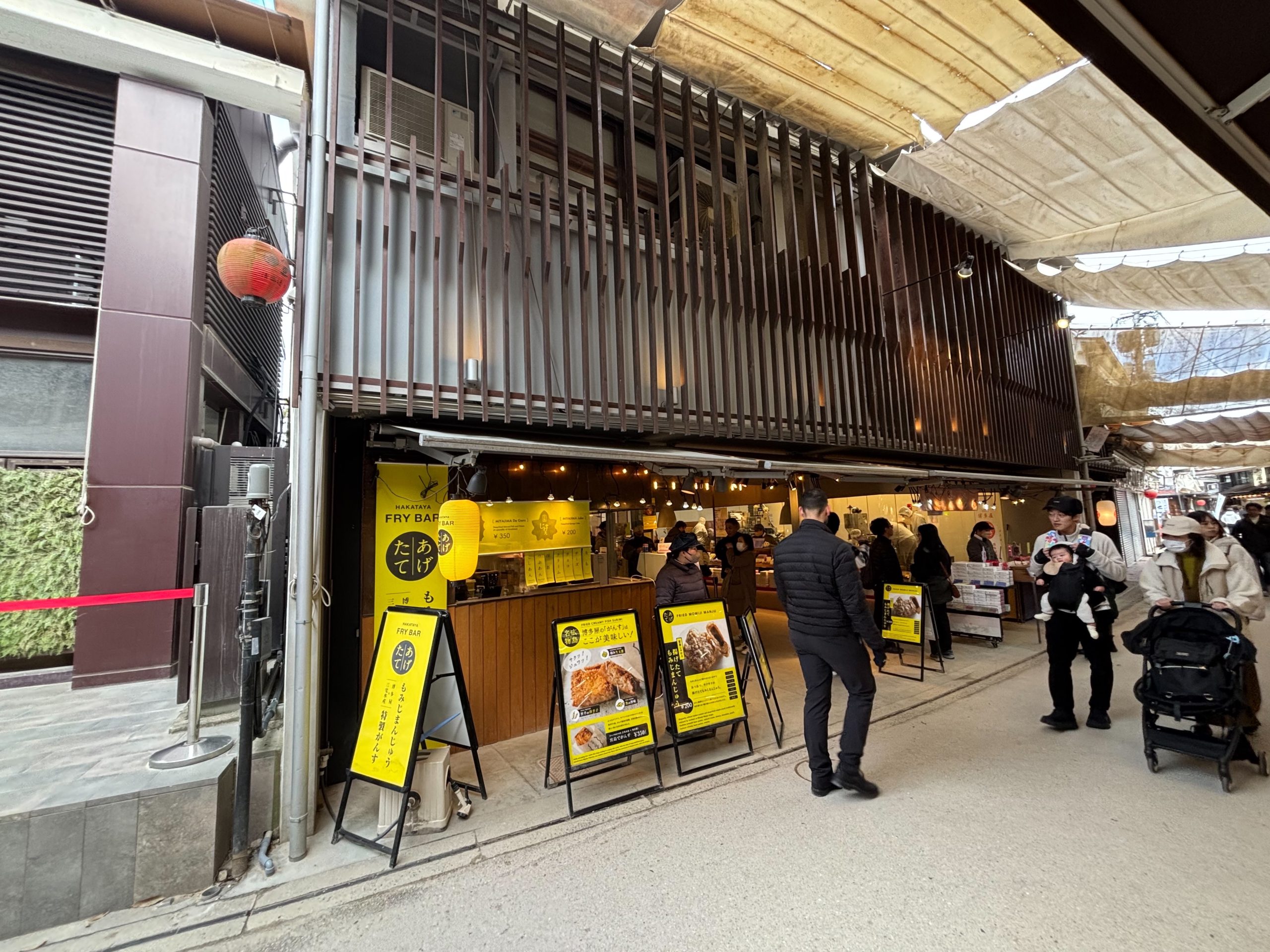
Miyajima's main shopping street — known locally as Omotesando — is a l...
Experience Miyajima’s World Heritage for Yourself
Itsukushima Shrine brings together historical architecture of the highest order, a landscape of rare and protected beauty, a living religious tradition, and centuries of dedicated preservation — all on a small island that most visitors can reach in under an hour from Hiroshima. The combination is genuinely singular.
What stays with visitors is not just the famous view — though that view is every bit as extraordinary as you’ve heard — but the feeling of being somewhere that has been carefully loved for a very long time. The shrine changes with every tide, every season, every quality of light. Our family has visited in golden autumn, misty winter mornings, and brilliant summer heat, and each time Miyajima shows us something different. That’s the quality that makes people want to return: there’s always more to find here. On rainy days, Miyajima Aquarium (Aquas) is a wonderful backup plan — our kids are always thrilled by the Irrawaddy dolphin and sea lion shows.
For a local favorite Miyajima dining experience, try anago rice — braised conger eel over rice is the island’s signature dish. Many locals recommend Ueno as their top choice for the real thing.
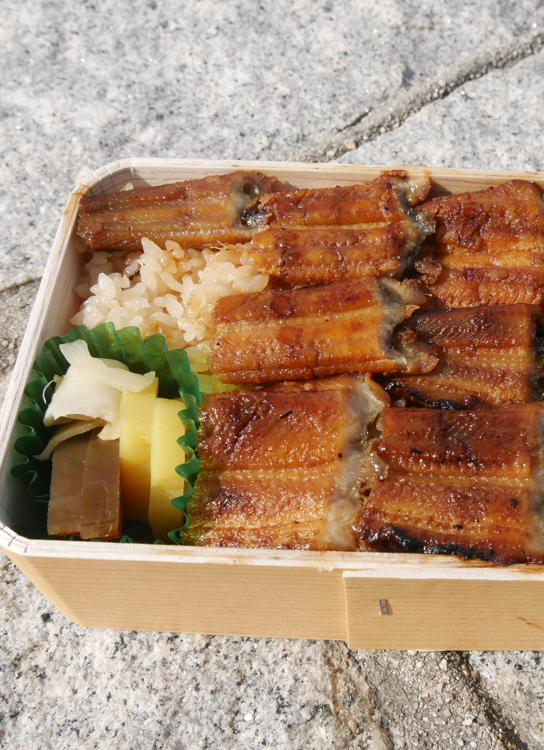
Miyajima Island is famous for its floating torii gate and ancient shri...
FAQ
When is the best time to see the shrine “floating” on the water?
The floating effect is most dramatic at or near high tide. Before your trip, look up the tide chart for your specific travel dates — the Miyajima Tourism Association website is the most reliable local source. Pairing the tide schedule with sunrise or sunset times gives you the most photogenic conditions.
Can I walk out to the great torii gate?
Yes, at low tide the sandy flats are exposed and you can walk toward the torii gate for a close-up view. Wear shoes you don’t mind getting wet or sandy, as the footing can be slippery in places. The sandy area is not accessible by stroller.
Is Itsukushima Shrine all of Miyajima Island, or just part of it?
The official UNESCO inscription is for “Itsukushima Shinto Shrine,” covering 431.2 hectares including the shrine buildings, the sea in front, and the primeval forest of Mount Misen — about 14% of the island. However, the entire island falls within the designated buffer zone, meaning the whole of Miyajima is under protective oversight.
How long should I plan to spend at Itsukushima Shrine?
The shrine complex itself takes about 45–60 minutes to walk through at a comfortable pace. Factor in additional time for the torii gate area, nearby sites like Senjokaku and the five-story pagoda, and the Omotesando shopping street. A half-day gives you the shrine and its surroundings comfortably; a full day lets you add Mount Misen via ropeway.
Is it a good destination for families with young children?
Absolutely. The covered corridors are walkable and enclosed, and the overall site is compact and manageable. For strollers, high-tide visits are generally easier since the sandy flats are submerged. The shopping street has frequent rest stops, snacks, and seating. A nursing room is available on the second floor of the Omotesando tourist information center.
What are the photography rules inside the shrine?
Personal photography is generally permitted throughout the grounds. Tripod use may be restricted in certain areas or during busier periods — check on-site signage when you arrive. For the best light and fewest people in frame, early morning and late afternoon visits are strongly recommended.
Are there food options near the shrine?
The Omotesando shopping street running from the ferry terminal toward the shrine has a wide range of restaurants and takeaway stalls. The island’s must-try foods are grilled oysters, anago rice (braised conger eel over rice), and momiji manju. Most stalls are takeaway-friendly, making it easy to eat as you explore.
On rainy days, Miyajima Aquarium (Miyajima Aquas) is an excellent option right on the island — with free stroller rental and popular Irrawaddy dolphin and sea lion shows that kids love.
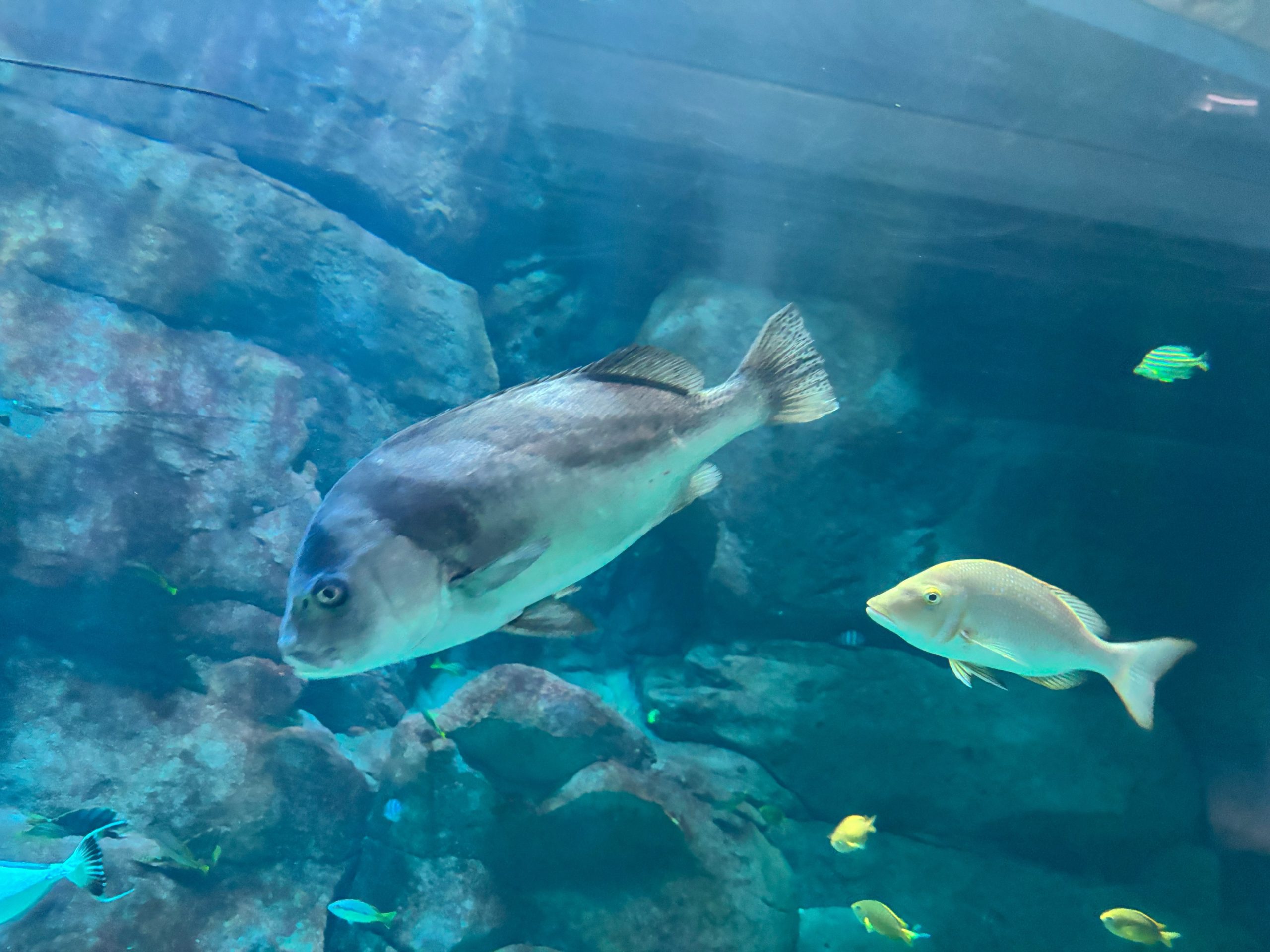
Miyajima Aquarium — officially known as Miyajima Marine, or Miyaji Mar...
Summary
Itsukushima Shrine, where sea and mountain and centuries of human devotion converge, is a place that rewards every visit differently. The tides shift the mood hourly. The seasons change the color of the forest behind the shrine. The quality of the light at dawn is nothing like the light at dusk. Whether it’s your first visit or your tenth, Miyajima has a way of offering something new each time you arrive. Come with comfortable shoes, a tide chart, and enough time to let the place speak at its own pace — and it will.
“`