
Planning a Miyajima food tour and wondering what to eat in Miyajima beyond oysters and grilled anago rice (conger eel)? This article dives into Momijido Niban-ya’s signature “Fried Momiji”—especially the refreshing Setouchi Lemon flavor—mixing real tasting notes with practical tips.
Last month, I took my eldest daughter (3rd grade) and youngest daughter (kindergarten) for their first try! “Look, momiji manju turned into tempura!” the kids observed with fascination, and when they actually tasted it, they exclaimed “Delicious!” with pure joy. Service is smooth even when there’s a line, so it’s easy to grab a quick bite while you stroll. You’ll find everything you need before you go: easy access for first-timers, timing tips to avoid crowds, and family-friendly amenities inside the shop.
Miyajima’s #1 Must-Try Street Food: Momijido Niban-ya’s Fried Momiji
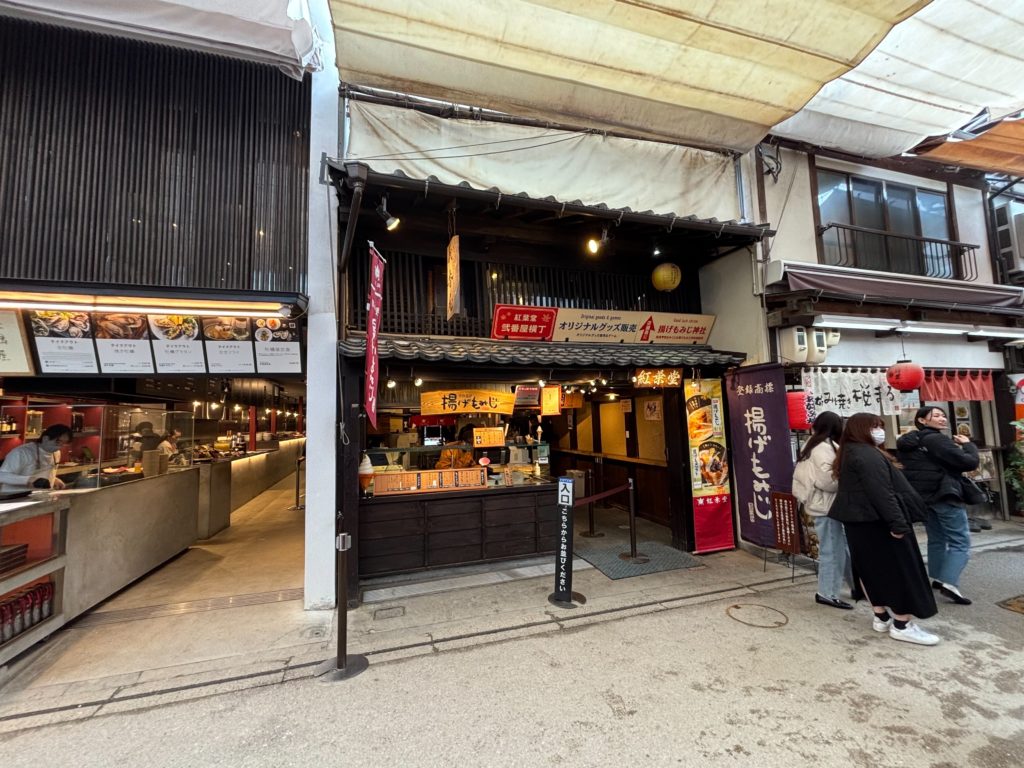
At “Momijido Niban-ya,” they sell momiji manju (maple leaf-shaped buns filled with sweet bean paste or cream) and a popular twist: fried momiji manju, skewered on bamboo sticks and freshly deep-fried.
These crispy fried maple-leaf buns are a beloved Miyajima street food. Classic flavors like red bean paste and cream sit alongside playful options such as cheese and Setouchi lemon—perfect for anyone curious about local food in Japan or Hiroshima street food. As a local tip, Momijido’s fried momiji is at its crispiest first thing in the morning. If you go right after opening, you can enjoy them in their absolute best condition of the day.
The perfect location in the central area of Omotesando Shopping Street makes it an ideal stop before or after visiting Itsukushima Shrine—the classic Miyajima course.
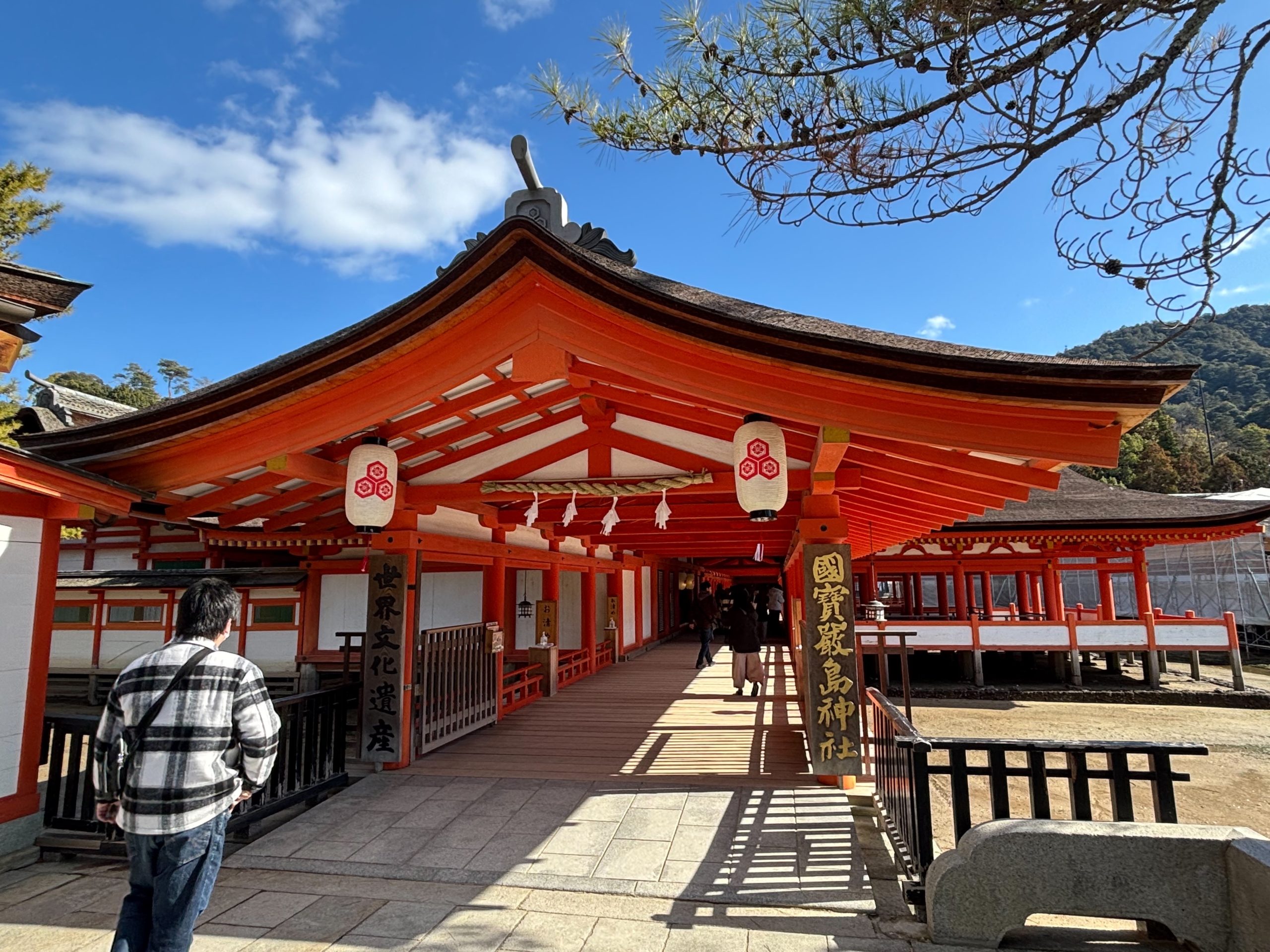
When you think of Miyajima, you think of Itsukushima Shrine. Cradled b...
I immediately bought the Seto Inland Sea Lemon fried momiji
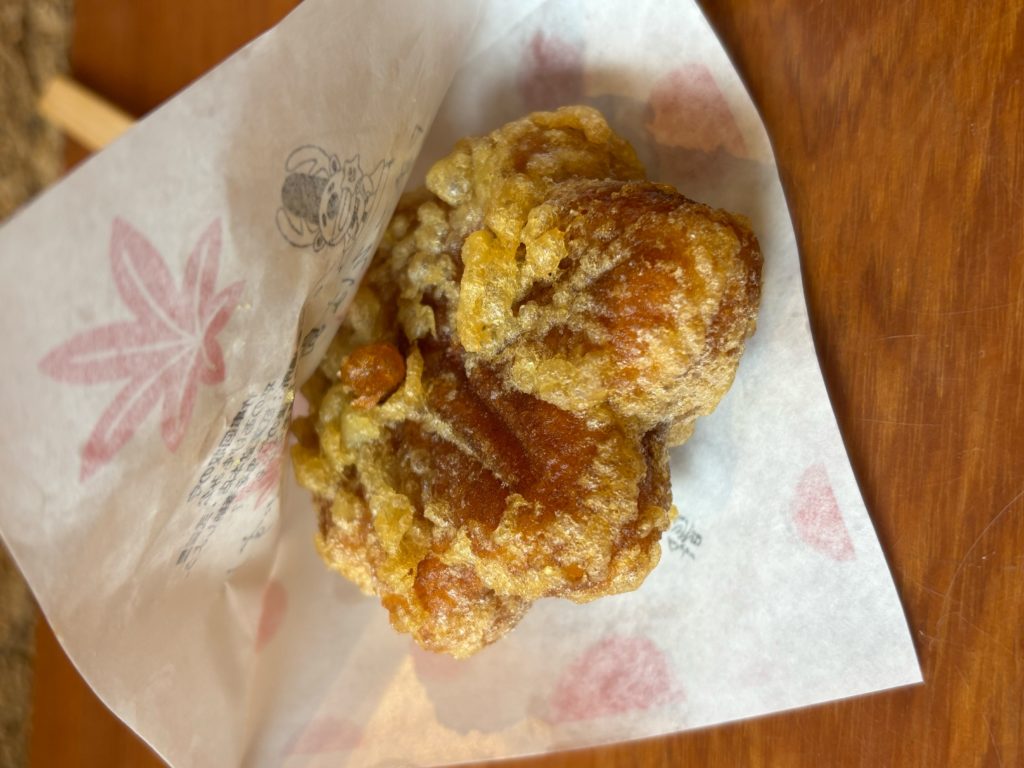
This is the Fried Momiji Setouchi Lemon (¥200), enjoyed piping hot, straight from the fryer. It looks irresistible even before the first bite. The bamboo skewer is a thoughtful touch for easy, one-handed eating on the go—no wonder it’s so popular.
Regular momiji manju are delicious, but frying them adds a light, tempura-like crunch and a gentle, toasty aroma that spreads as you bite in. The Setouchi lemon filling brings a sweet-tart zing that keeps each bite refreshing.
My eldest daughter said, “The lemon is so refreshing and delicious!” while my youngest exclaimed, “The outside is crispy and fun!” They were completely satisfied. You might think, “It’s just a fried momiji manju, right?” But the moment the warm lemon cream oozes out, it feels like a whole new dessert. One tip: Miyajima’s deer are cheeky food lovers—be mindful when eating outdoors. Especially with kids, a 100-yen store pinwheel is said to be effective as a deer deterrent among locals. When my youngest held her pinwheel, the deer actually stayed away, so I recommend it.
If you visit Miyajima, this is a must-try. By the way, deer crackers were discontinued in 2019, so if you wanted to feed the deer, please note that this measure was taken for the deer’s health.
Omotesando Shopping Street is the holy land of Miyajima food walking. If you want to enjoy soft-serve ice cream after fried momiji, after 5 PM is recommended when it’s less crowded.
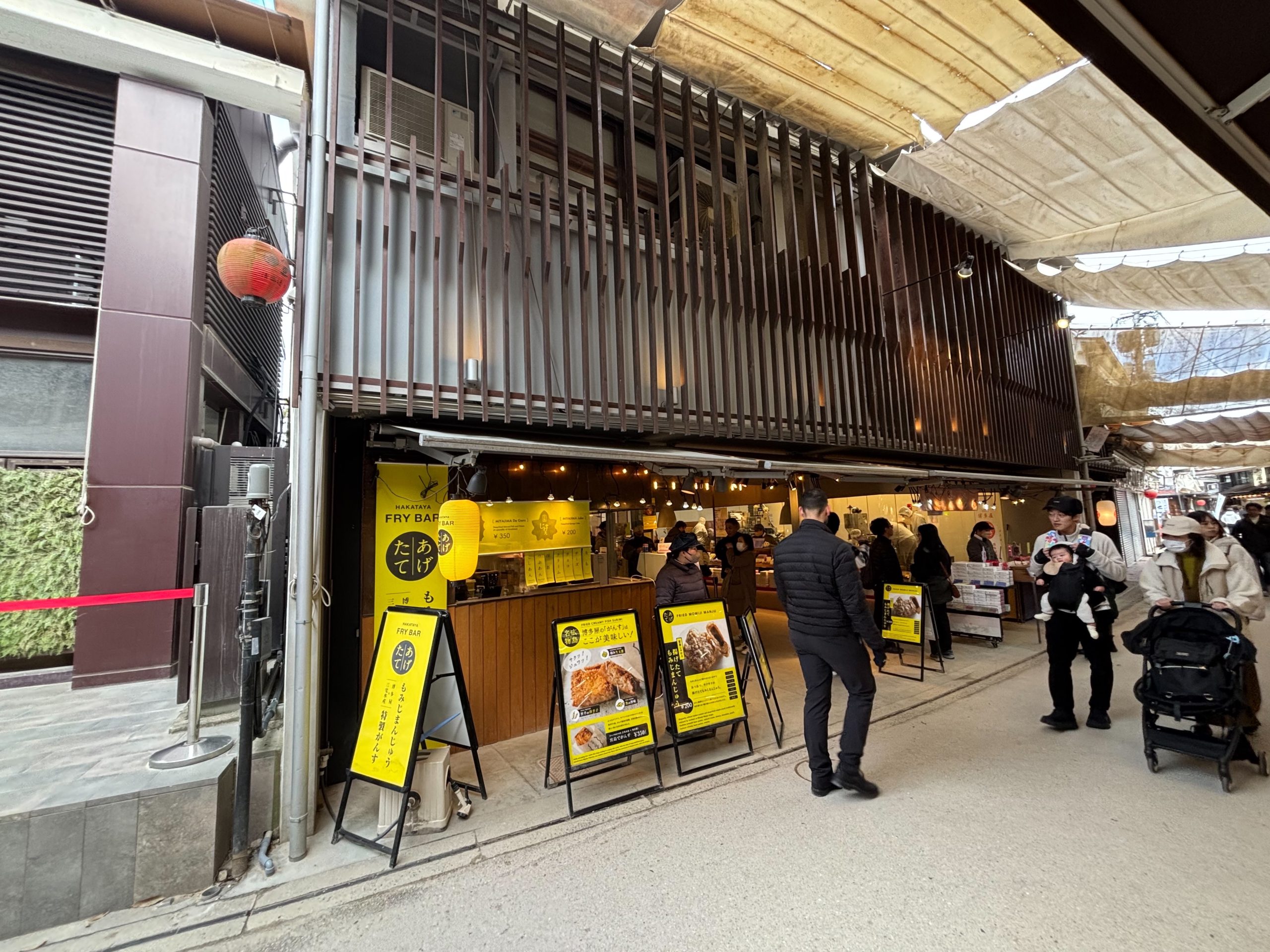
Omotesando Shopping Street stretches from Miyajima Pier to Itsukushima...
Information is subject to change. Please check the shop’s official website for the latest details before visiting.
The Charm and History of Fried Momiji
Momijido’s “Fried Momiji” is a modern take on a classic treat. Crispy on the outside and fluffy inside, the texture recalls a light, freshly fried doughnut. The savory batter contrasts beautifully with the refined sweetness of the filling, which is why many say, “It’s fried, yet not heavy.” The Setouchi Lemon flavor pairs the warmth of the pastry with a bright citrus aroma and gentle tartness that balances the sweetness. After one bite, you’ll likely think, “This is truly different from regular momiji manju.” Even my husband remarked, “This is a new kind of dessert.”
The product is a registered trademark of Momijido and debuted on New Year’s Day 2002. Since then, it has become a Miyajima icon, even earning praise such as inclusion in Tabelog’s “Top 100 Japanese Sweets & Dessert Shops WEST 2023.” The signature crispiness only shines when freshly fried—it’s a flavor you can’t take home, and that’s exactly the point. It gives you one more delicious reason to come to Miyajima.
Menu and Pricing
Flavors range from classics to unique picks like “Red Bean Paste,” “Cream,” “Cheese,” “Rare Cheese,” and “Setouchi Lemon,” totaling 8 varieties. Each skewer base is stamped with its flavor, making it easy to compare tastes or buy a variety without mixing them up. Priced between ¥200 and ¥250 per skewer, they’re budget-friendly and fast—typically ready in about 2–3 minutes even when there’s a line. It’s an ideal, no-stress snack between Itsukushima Shrine and the Omotesando shopping street.
Niban-ya also has an exclusive “Fried Mochi Soft Serve,” delivering that addictive hot × cold contrast—crispy, warm mochi paired with rich, milky soft serve. The pairing works surprisingly well: the coating’s aroma complements the creaminess, and lemon adds brightness while the cheese flavor gives a savory kick.
For families, kids often want different flavors, so sharing various flavors with multiple people is the best strategy. In our family, my eldest chose lemon, youngest chose cream, and I chose cheese, and we all shared and compared flavors.
Access & Store Information
Momijido Niban-ya is about an 8-minute walk from Miyajima Pier. It’s in the heart of Omotesando Shopping Street, just a 2-minute walk from the “Omotenashi Toilet” and about 8 minutes to Itsukushima Shrine. Miyajima is best explored on foot, and you reach the island via the regular ferry from Miyajimaguchi on the mainland.
Look for the red “Fried Maple Leaf” banner and the mascot “Hira no Age Momiji-kun” at the storefront. It’s easy to spot even for first-time visitors—when in doubt, follow the banner. Typical hours are around 9:30 AM to 5:30 PM (seasonal changes apply; during quieter periods, closing may be around 5:00 PM). During peak seasons, items can sell out or the menu may be limited, so going earlier in the day is recommended.
Advice for moms with babies: If you need nursing facilities, there’s a nursing room on the second floor of the Miyajima Tourist Information Center on Omotesando Shopping Street. Also, “Visit Hiroshima Tourist Hotspot” is the fastest Wi-Fi on Omotesando, which is convenient when uploading photos to social media.
In-Store Facilities and Unique Experiences
Niban-ya features a food court-style layout with about 50 seats (25 indoors, 25 outdoors). Self-serve hot tea and cold water are available, making it a handy rest stop when your feet need a break.
At the back of the shop, you’ll find the “Fried Maple Shrine,” where you can offer your used bamboo skewers. Nicknamed the “Shrine Where Everything from the Fry Shop Rises,” it has a playful twist: it “lifts up” (literally “raises”) those who return their skewers. It’s a photogenic, only-in-Miyajima experience that adds a little memory to your snack break.
The kids were puzzled at first: “We return the skewers to a shrine?” But when they actually tried it, they were delighted: “This is so interesting!” After offering my lemon-flavored skewer, I swear my steps felt lighter… (personal opinion).
Crowds and Shopping Tips
Miyajima is especially busy during New Year’s, Golden Week, fireworks festivals, and autumn foliage weekends. Niban-ya often has lines and occasional menu restrictions, so aiming for right after opening or during late-afternoon lulls is smoother. Service is quick, so even when there’s a queue, it tends to move fast.
As local information, weekdays from 2 PM to 4 PM are the quietest times. Keep an eye on your belongings at outdoor benches to avoid attracting deer. Since flavors are stamped on the skewers, the most efficient approach is to buy the whole group’s picks at once → taste them at the seats → then grab takeout of your favorites.
At our family visit, the kids said “The deer are watching us!” while eating with a bit of excitement. But thanks to the pinwheel, we could eat with peace of mind.
Allergy & Calorie Information
Contains eggs, wheat, and milk (8 major allergens). Estimated calories: Red Bean Paste approx. 96 kcal, Cream approx. 92 kcal, Cheese approx. 101 kcal, Setouchi Lemon approx. 92 kcal, Rare Cheese approx. 101 kcal. Portion sizes are easy to adjust for eating on the go.
Guests with allergies should check the latest labeling and in-store notices before purchasing. For families with children, it’s reassuring to check in advance if there are any allergies that require special attention.
Related Stores and Reasons to Return
Miyajima has several affiliated branches, including “Momijido Main Store,” “Momijido Kaigan-dori Store,” and “Momijido etto Store,” so you can choose based on time and crowd levels. Niban-ya’s seating appeals to both on-the-go snackers and travelers looking for a short rest.
That “locally exclusive crispy experience”—only possible when it’s freshly fried—is the essence of Miyajima food culture. Compared to regular momiji manju, the contrast between the fragrant batter and the filling changes the impression entirely.
By the way, on the second floor of Yamadaya, you can eat freshly baked momiji manju, so comparing fried momiji with freshly baked momiji manju is also interesting. My recommended order is lemon first, then cheese. Finishing with the savory cheese leaves you extra satisfied.
If you want to combine with the aquarium and other tourist spots to fully enjoy a day of Miyajima sightseeing, Miyajima Marine Aquarium is also popular with families.

Located at the gateway to the World Heritage island of Miyajima, Miyaj...
Q&A
Q1. How long are the lines?
A. Lines form during peak seasons, but the frying process is quick, so the queue moves smoothly. As a guideline, you can usually get your order in a few minutes to about ten minutes. If you’re short on time, right after opening is your best bet. According to local information, first thing in the morning is when they’re crispiest and most delicious.
Q2. Which flavor should I try first?
A. If you’re unsure, go with the Setouchi Lemon or the Red Bean Paste. Lemon brings a refreshing tartness that highlights the savory crunch of the coating, while red bean paste offers a classic, balanced flavor that wins over first-timers. In our family, the kids started with lemon too.
Q3. Is it kid-friendly?
A. It’s a food court style with seating, and self-serve water/tea is available. It’s relatively manageable with a stroller, but during busy times, arriving a bit early and aiming for outdoor seating is recommended. A 100-yen store pinwheel is recommended as a deer deterrent.
Q4. What payment methods are accepted?
A. Having cash on hand is recommended. Payment options may change, so please follow the latest signage at the store.
Q5. Can I get takeout?
A. You can take them away on skewers, but since the freshly fried texture is the main appeal, it’s best to eat them quickly inside or at the outdoor seating. Achieving the same quality for takeout is difficult, so enjoying them on-site is recommended.
Q6. Are there English menus or guidance?
A. Located in the heart of the tourist area, basic communication is easy via store signage and staff assistance. Pointing or using photo menus makes ordering smooth.
Q7. Are there seasonal specials?
A. During peak times or events, some menu items may be limited. Please check for sold-out or limited flavors at the store on the day of your visit.
Q8. What clothing and items should I bring?
A. Comfortable walking shoes are recommended since you’ll cover a fair distance on the island. Secure bags and paper items to deter deer. Lightweight gear that allows one-handed eating is most comfortable. For families with children, a 100-yen store pinwheel is effective as a deer deterrent.
Q9. How does it differ from other momiji manju shops?
A. Fried momiji is a registered trademark of Momijido, making it a special dessert you can only taste here. On the second floor of Yamadaya, you can eat freshly baked momiji manju, so comparing the two is also enjoyable.
Summary
Momijido Niban-ya’s fried momiji makes Miyajima food-walking extra fun with its “freshly fried × easy to eat × flavor variety” formula. Whether you try the zesty Setouchi lemon, the savory-rich cheese, or the timeless sweet bean paste, you really can’t go wrong. Look for the red banners and the “Hira no Age Momiji” sign.
Its convenient location fits naturally into the walking route from Miyajima Pier, and with seating and drinks available, it doubles as a great rest stop. During busy periods, go early—and above all, savor them hot and fresh on the spot.
As a Hiroshima-resident mom, this was a wonderful shop where I could have a “new dessert experience” with my children. Including deer countermeasures, I recommend it as a standard spot where families can enjoy with peace of mind. When you visit Miyajima, please experience the charm of fried momiji with your whole family!
For those who want to learn more deeply about Miyajima’s history and culture, studying the background of the entire World Heritage site is also worthwhile. Even modern fried momiji is a new page in Miyajima’s long cultural history.

Miyajima is beloved by many travelers as a place to experience Japan's...