
Planning your Miyajima food adventure and wondering what unique treats to try beyond the island’s famous oysters and grilled anago (conger eel)? Let me introduce you to one of Miyajima’s most beloved street snacks: fried momiji at Momijido Niban-ya. This crispy, warm take on the classic maple leaf-shaped cake has become a must-try for visitors, and the refreshing Setouchi Lemon flavor is my personal favorite.
Last month, I brought my daughters—one in third grade and one in kindergarten—for their first taste of this local specialty. “Look, they turned momiji manju into tempura!” they exclaimed with wide-eyed fascination. After that first bite, their faces lit up with pure delight. Even when there’s a line, the service moves quickly, making it easy to grab this treat while you explore the island. In this guide, I’ll share everything you need to know: how to find the shop, what flavors to try, the best times to visit, and why this crispy creation has captured the hearts of both locals and travelers alike.
Miyajima’s #1 Must-Try Street Snack: Momijido Niban-ya’s Fried Momiji
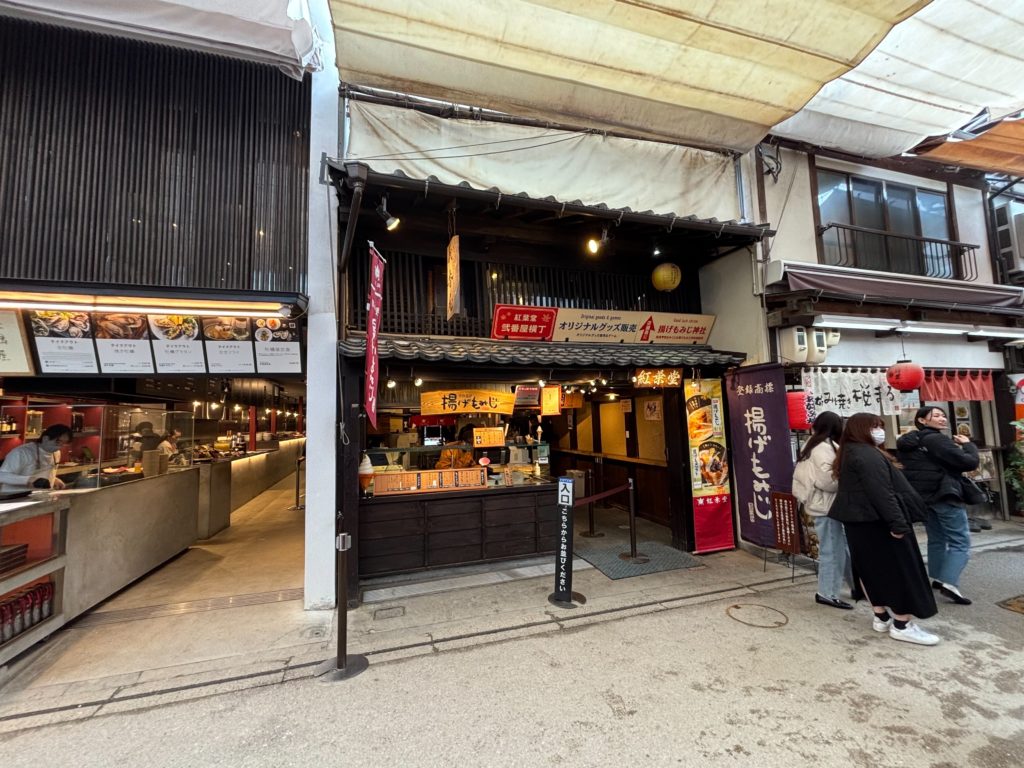
Momijido Niban-ya specializes in momiji manju—those iconic maple leaf-shaped cakes traditionally filled with sweet red bean paste or cream—but with a delicious twist. Here, they take these beloved treats and transform them into something entirely new: crispy, golden fried momiji served hot on bamboo skewers, fresh from the fryer.
These fried momiji have become one of Miyajima’s most popular street foods, and it’s easy to see why. The classic fillings like red bean paste and cream are joined by creative flavors such as cheese and Setouchi lemon, offering something for every palate. Whether you’re curious about Japanese street food culture or simply looking for the best snacks in Hiroshima, this spot delivers. Here’s a local secret: fried momiji reach peak crispiness first thing in the morning. If you arrive right when they open, you’ll experience them at their absolute best—that perfect golden crunch that gradually softens as the day goes on.
The shop’s prime location in the heart of Omotesando Shopping Street makes it the perfect stop on your way to or from Itsukushima Shrine, fitting naturally into the classic Miyajima sightseeing route.
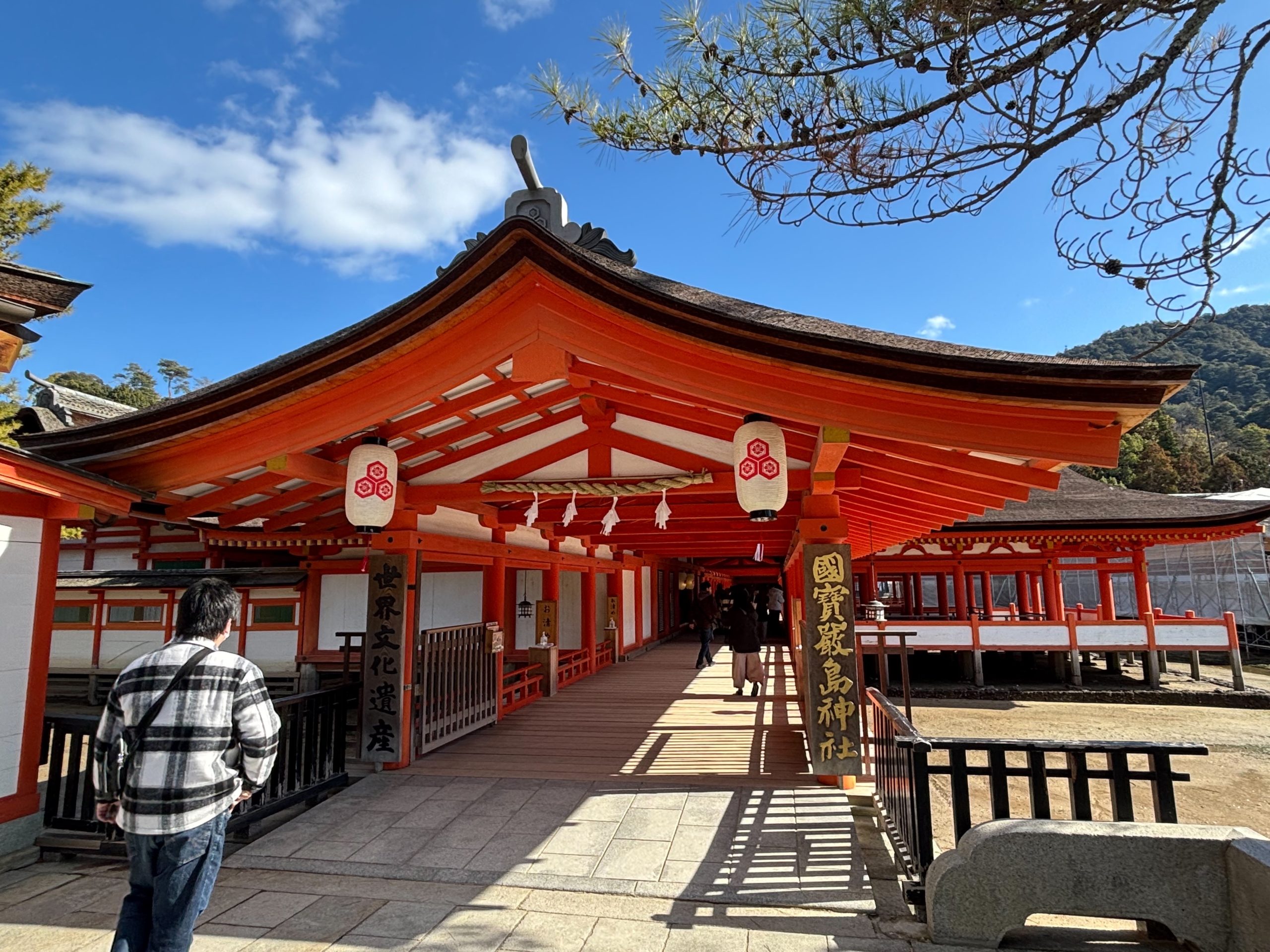
When you think of Miyajima, the first image that comes to mind is Itsu...
My First Taste: The Setouchi Lemon Fried Momiji
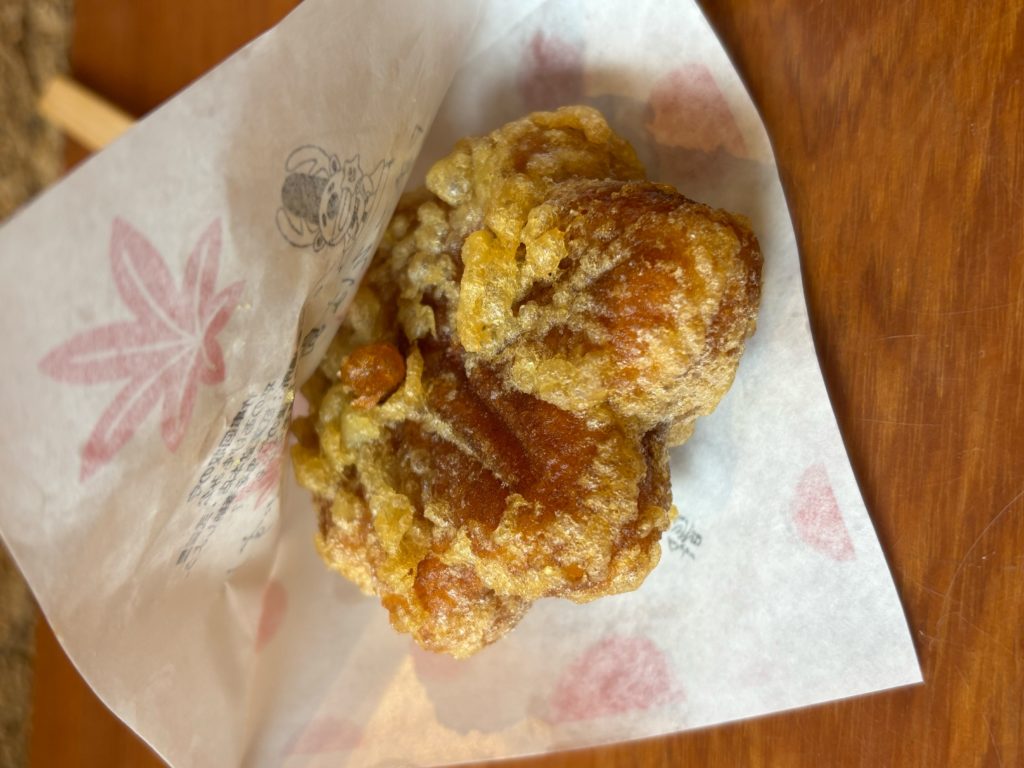
This is the Fried Momiji Setouchi Lemon (¥200), photographed moments after it came out of the fryer, still steaming. Just looking at that golden-brown exterior is enough to make your mouth water. The bamboo skewer is a thoughtful design choice—it makes eating on the go effortless, letting you stroll and snack with just one hand free.
While regular momiji manju are undeniably delicious on their own, the frying process elevates them to something special. The light tempura-style batter creates a delicate crunch, and as you bite through, a gentle toasted aroma fills the air. The Setouchi lemon filling inside delivers a perfect balance—sweet with a bright citrus tang that keeps each bite feeling fresh and light rather than heavy.
My eldest daughter’s eyes sparkled as she declared, “The lemon taste is so refreshing and yummy!” Meanwhile, my youngest giggled, “The outside is crunchy and makes a fun sound when I bite it!” Their happiness was contagious. You might think it’s “just a fried version” of something you already know, but the moment that warm lemon cream oozes out with your first bite, you realize this is truly a different dessert experience altogether. One important tip: Miyajima’s deer are notorious snack enthusiasts with zero respect for personal space. Watch your food carefully when eating outdoors, especially with children. A local trick I’ve learned is to give kids a small pinwheel from the 100-yen store—the spinning motion actually helps keep the deer at bay. When my youngest held her pinwheel, curious deer kept their distance, so I highly recommend trying this simple solution.
If you visit Miyajima, don’t miss this experience. By the way, deer crackers were discontinued on the island in 2019 as a health measure for the deer, so if you were planning to feed them, just be aware that practice has been phased out.
Omotesando Shopping Street is the epicenter of Miyajima’s food culture, perfect for leisurely grazing your way through local specialties. If you want to cap off your fried momiji with soft-serve ice cream, visiting after 5 PM means smaller crowds and easier browsing.
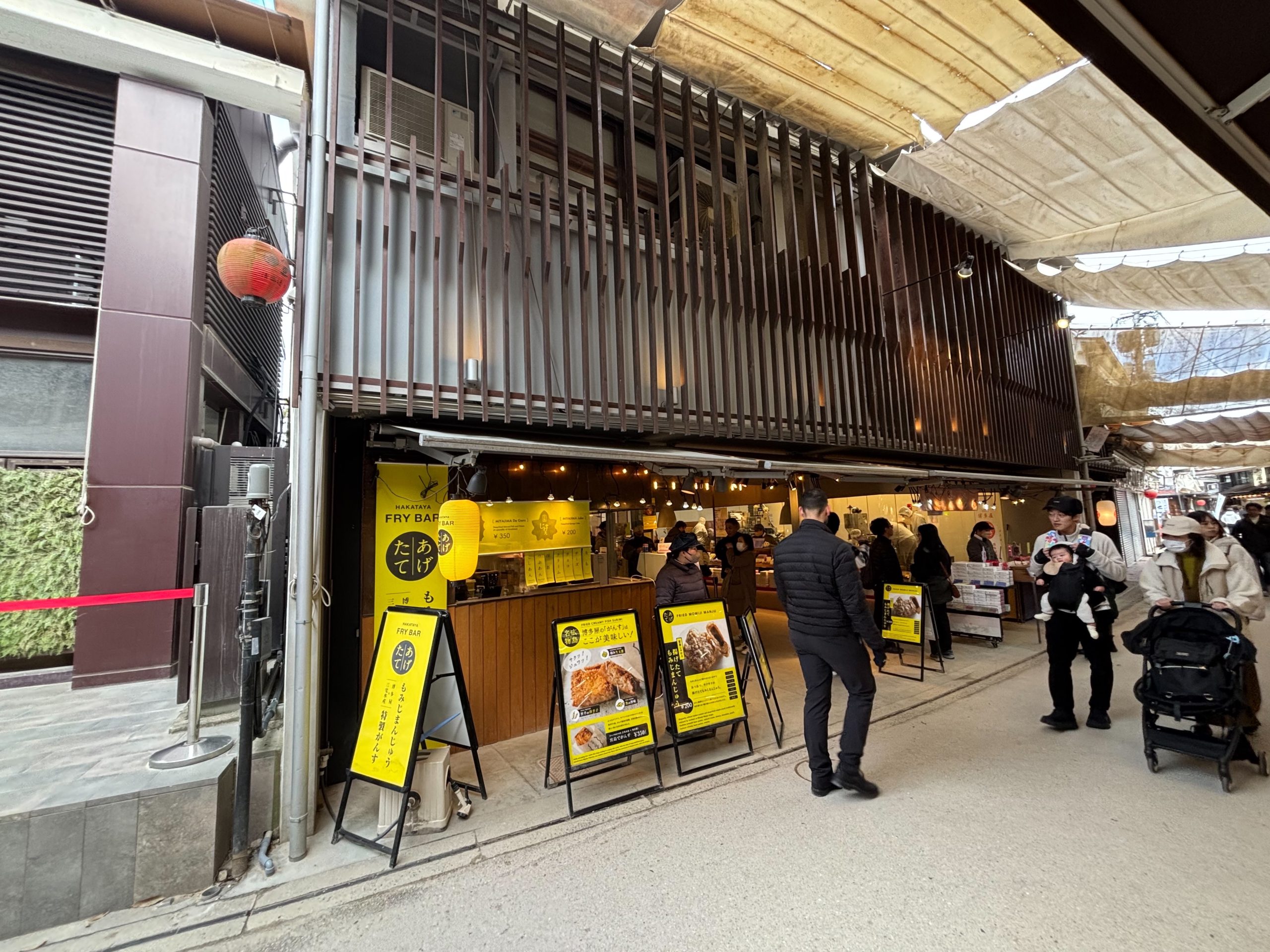
Wondering what to eat in Miyajima? The answer lies along Omotesando Sh...
Please note that business information is subject to change. Always check the shop’s official website or current signage for the most up-to-date details before your visit.
The Magic and History Behind Fried Momiji
Momijido’s fried momiji represents a creative evolution of a traditional favorite. The texture is what sets it apart—crispy and light on the outside, fluffy and tender inside, reminiscent of a freshly made doughnut. The savory batter creates a beautiful contrast with the refined sweetness of the filling, which explains why so many people say, “It’s fried, but somehow it doesn’t feel heavy at all.” The Setouchi Lemon flavor especially showcases this balance: the warmth of the freshly fried pastry mingles with bright citrus aromatics and a gentle tartness that cuts through any richness, creating harmony in every bite. After your first taste, you’ll likely find yourself thinking, “This really is something completely different from regular momiji manju.” Even my husband, who’s usually reserved about sweets, admitted, “This feels like an entirely new category of dessert.”
This innovation is a registered trademark of Momijido and made its debut on New Year’s Day in 2002. In the years since, it has become one of Miyajima’s signature foods, earning recognition such as a spot in Tabelog’s “Top 100 Japanese Sweets & Dessert Shops WEST 2023.” That signature crispy texture only exists in the moments right after frying—it’s impossible to replicate at home or preserve for later, and that’s precisely what makes it special. It gives you one more delicious, time-sensitive reason to actually come to Miyajima rather than just reading about it online.
Full Menu and Pricing Guide
The flavor selection ranges from traditional favorites to unexpected creative combinations. You’ll find Red Bean Paste, Cream, Cheese, Rare Cheese, and Setouchi Lemon among the eight varieties available. Each skewer base is stamped with its flavor name, which is incredibly helpful when you’re buying multiple types—no confusion about which is which when sharing with friends or family. Priced between ¥200 and ¥250 per skewer, they’re remarkably affordable for such a unique treat. Even when there’s a line, orders typically come out in just 2–3 minutes, making this an ideal quick stop between visiting Itsukushima Shrine and exploring the shops along Omotesando.
Niban-ya also offers an exclusive “Fried Mochi Soft Serve” that delivers that addictive hot-meets-cold sensation—crispy, warm fried mochi paired with rich, creamy soft-serve ice cream. The combination works surprisingly well: the aromatic coating complements the ice cream’s milkiness, while lemon flavors add brightness and cheese brings an intriguing savory dimension to the sweetness.
For families traveling together, children often have strong opinions about flavors, so the smart strategy is to order a variety and share. In our family, my eldest chose lemon, my youngest went for cream, and I picked cheese—then we all traded bites and compared notes. It turned into a fun little tasting adventure that everyone enjoyed.
How to Get There & Essential Store Information
Momijido Niban-ya sits approximately 8 minutes on foot from Miyajima Pier, right in the bustling heart of Omotesando Shopping Street. From the “Omotenashi Toilet” public restroom, it’s just a 2-minute walk, and you’re about 8 minutes from the entrance to Itsukushima Shrine. Miyajima is wonderfully walkable, and you reach the island by taking the regular ferry from Miyajimaguchi terminal on the mainland—it’s a scenic 10-minute journey across the water.
Look for the distinctive red banners reading “Fried Maple Leaf” and the cheerful mascot character “Hira no Age Momiji-kun” greeting visitors at the storefront. Even first-timers spot it easily—when in doubt, just follow those eye-catching red banners. Standard operating hours run approximately 9:30 AM to 5:30 PM, though these vary seasonally. During quieter off-peak periods, the shop may close around 5:00 PM instead. During busy tourist seasons, popular flavors can sell out or the menu may be temporarily limited, so arriving earlier in the day gives you the best selection.
A practical tip for parents with babies: if you need nursing facilities during your visit, there’s a dedicated nursing room on the second floor of the Miyajima Tourist Information Center located along Omotesando Shopping Street. Also worth knowing: “Visit Hiroshima Tourist Hotspot” provides the fastest free Wi-Fi along Omotesando, which comes in handy when you want to upload photos to Instagram or check maps on your phone.
Inside the Shop: Facilities and the Famous Fried Maple Shrine
Niban-ya features a casual food court-style setup with approximately 50 seats split between 25 indoor seats and 25 outdoor seats. Self-serve stations offer complimentary hot tea and cold water—a welcome amenity when you’ve been walking the island and need a refreshing break along with your snack.
At the back of the shop, you’ll discover the quirky “Fried Maple Shrine” (Agemomiji Jinja), where visitors offer their used bamboo skewers after finishing their treats. The shrine carries a playful nickname: the “Shrine Where Everything from the Fry Shop Rises”—a pun in Japanese where “age” means both “fried” and “to rise” or “to lift up.” According to lighthearted local lore, returning your skewer here brings good fortune, “lifting” your spirits and prospects. It’s a photogenic, uniquely Miyajima moment that adds a touch of whimsy to your snack break and makes for a fun story to tell back home.
My kids were initially puzzled: “We give the sticks to a shrine?” But once they tried it themselves, they were charmed: “This is so cool and different!” After I offered my lemon-flavored skewer, I swear my footsteps felt lighter walking back out… though that might have just been the satisfaction of a delicious snack well enjoyed.
Navigating Crowds and Smart Shopping Strategies
Miyajima experiences peak visitor volumes during major holidays—New Year’s celebrations, Golden Week in early May, summer fireworks festivals, and autumn foliage weekends in November. During these times, Niban-ya often has lines stretching outside, and occasionally some menu items may be unavailable. Your best strategy is arriving right when they open in the morning or catching a late-afternoon lull between major tourist waves. Don’t let lines discourage you—service is remarkably efficient, so even when there’s a queue of 10-15 people, you’ll typically reach the counter within 10 minutes or less.
As a piece of local intel, weekdays between 2 PM and 4 PM tend to be the quietest periods. If you’re eating at the outdoor benches, keep a watchful eye on your food and belongings—the deer are opportunistic and incredibly quick when they spot an unattended treat. Since the flavor names are stamped directly onto the skewers, the most efficient ordering approach is this: buy everyone’s selections at once → enjoy them at your seats while they’re hot → then grab takeout portions of your favorites if you want more. This prevents multiple trips to the counter during busy times.
During our family visit, my daughters kept exclaiming “The deer are watching us eat!” with a mixture of excitement and slight nervousness. But thanks to the pinwheel trick, we could relax and enjoy our snacks without worrying about deer getting too close—it really works!
Allergy Information & Calorie Counts
The fried momiji contain eggs, wheat, and milk (three of the eight major allergens in Japan). For those tracking calories, here are the approximate counts: Red Bean Paste about 96 kcal, Cream approximately 92 kcal, Cheese around 101 kcal, Setouchi Lemon roughly 92 kcal, and Rare Cheese about 101 kcal per skewer. The portion sizes are perfectly calibrated for snacking while you walk—substantial enough to be satisfying but light enough that you won’t feel overly full.
If you or anyone in your group has food allergies, always verify the latest allergen labeling and check in-store notices before ordering. For families traveling with children who have dietary restrictions, reviewing this information ahead of your visit provides peace of mind and helps you plan alternative options if needed.
Other Momijido Locations and Why This One Stands Out
Miyajima is home to several Momijido branches, including the Main Store, the Kaigan-dori Store, and the etto Store, so you have options depending on where you are on the island and how crowded each location is. Niban-ya’s particular appeal lies in its combination of convenient location and comfortable seating—it serves both grab-and-go snackers and travelers who want to sit down for a proper rest.
That “only here, only now” experience of biting into freshly fried momiji—the crispy exterior you can’t get anywhere else—embodies what makes Miyajima’s food culture special. Compared to eating regular momiji manju, the textural contrast between the aromatic, crunchy batter and the creamy filling completely transforms your perception of this traditional sweet. It’s the same core ingredients, yet an entirely different sensory experience.
Here’s an insider comparison: on the second floor of Yamadaya (another shop on Omotesando), you can enjoy freshly baked momiji manju straight from the oven. Trying both—the crispy fried version and the soft, warm baked version—makes for an interesting taste test that highlights how different preparation methods create completely distinct experiences. My personal recommendation for flavor sequencing at Niban-ya: start with lemon for that bright, refreshing introduction, then finish with cheese for a savory, satisfying conclusion. Ending on the umami-rich cheese note leaves you feeling extra content.
If you’re planning to combine fried momiji with other Miyajima attractions for a full day of exploration, the Miyajima Marine Aquarium makes an excellent family-friendly addition to your itinerary.

Located at the gateway to the World Heritage island of Miyajima, the M...
Frequently Asked Questions
Q1. How long are the typical wait times?
A. Lines do form during peak tourist seasons, but because the frying process is quite fast, queues move steadily. As a general guideline, you can expect to receive your order anywhere from just a few minutes to about ten minutes, even when it looks crowded. If you’re on a tight schedule, arriving right when they open gives you the shortest wait. According to locals, early morning also guarantees the crispiest, most delicious results of the entire day.
Q2. Which flavor should I choose for my first time?
A. If you’re feeling uncertain, start with either the Setouchi Lemon or the traditional Red Bean Paste. The lemon brings a refreshing citrus brightness that beautifully highlights the savory crunch of the fried coating—it’s light and won’t feel heavy even on a hot day. Red bean paste offers a classic, comfortingly familiar sweetness that tends to win over first-timers who might be hesitant about more adventurous flavors. In our family, even the kids gravitated toward lemon first, which tells you something about its universal appeal.
Q3. Is this a good spot for families with young children?
A. Absolutely. The food court-style layout includes seating areas, and self-serve water and tea stations are available for free. It’s relatively manageable with strollers, though during the busiest periods, arriving slightly earlier and aiming for the outdoor seating area will give you more space to maneuver. Don’t forget that 100-yen store pinwheel if you have young kids—it’s genuinely effective at keeping the deer from approaching while you eat.
Q4. What payment methods does the shop accept?
A. Bringing cash is your safest bet. Payment options may expand or change over time, so check the current signs displayed at the counter or ask staff when you arrive for the most accurate information.
Q5. Can I get these to go and eat them later?
A. Yes, you can take them away on the bamboo skewers, but here’s the thing: the entire appeal of fried momiji centers on that freshly fried texture—the crispiness that only exists in the first 15-20 minutes after they come out of the fryer. Trying to preserve that quality for later consumption is nearly impossible. For the best experience, enjoy them right away, either at the indoor seats or the outdoor benches while they’re still warm and crunchy.
Q6. Are there English menus or English-speaking staff?
A. Located in the heart of Miyajima’s main tourist district, the shop handles international visitors regularly. While dedicated English menus may not always be available, basic communication works smoothly through visual aids—the menu board typically shows pictures, and the flavor stamps on the actual skewers help you identify what you’re ordering. Pointing at what you want or showing photos on your phone makes the ordering process straightforward even without speaking Japanese.
Q7. Are there any seasonal or limited-edition flavors?
A. During particularly busy periods or special events, the menu selection may be temporarily reduced, and certain flavors can sell out earlier in the day. The shop doesn’t typically advertise seasonal specials far in advance, so check the current menu board when you arrive to see if there are any limited offerings or to confirm which standard flavors are available that day.
Q8. What should I wear and bring for the best experience?
A. Comfortable walking shoes are essential since Miyajima involves quite a bit of walking on uneven surfaces—everything from smooth pavement to old stone paths. Bring bags or pouches that zip or close securely to deter the deer from investigating your belongings. Keep any maps, brochures, or paper items tucked away safely. Lightweight, practical clothing that allows you to hold a skewer in one hand while keeping the other hand free for your phone or camera makes the eating-while-walking experience most enjoyable. For families with children, seriously consider grabbing that 100-yen store pinwheel before your trip—it’s cheap, lightweight, and genuinely helpful for deer management.
Q9. How is this different from other momiji manju shops on the island?
A. The key distinction is that fried momiji is Momijido’s registered trademark—this specific preparation method and presentation belongs exclusively to this company. You can buy regular momiji manju at dozens of shops across Miyajima, but the fried version with that signature crispy exterior is unique to Momijido locations. For a fun comparison, try the freshly baked momiji manju on the second floor of Yamadaya. Tasting both the fried and baked versions back-to-back really highlights how different cooking methods completely transform the same basic treat into distinct dessert experiences.
Final Thoughts: Why Fried Momiji Should Be on Your Miyajima List
Momijido Niban-ya’s fried momiji elevates the Miyajima food-walking experience with its winning combination of “freshly fried × convenient × variety.” Whether you choose the bright, zesty Setouchi lemon, the rich and savory cheese, or the comfortingly traditional sweet bean paste, you’re guaranteed something delicious. Just look for those distinctive red banners and the friendly “Hira no Age Momiji” mascot—you can’t miss it.
The location fits seamlessly into the natural walking route from Miyajima Pier through Omotesando to Itsukushima Shrine, and with seating and complimentary drinks available, it functions as both a snack stop and a rest point. During busy seasons, timing your visit for right after opening gives you the best experience—and no matter when you go, make sure to eat them hot and fresh on the spot rather than saving them for later.
As a mom living in Hiroshima, this shop gave my family a wonderful “new dessert discovery” moment. My daughters still talk about that first crispy bite, and I appreciate how family-friendly the whole experience was—from the deer-deterrent pinwheel trick to the comfortable seating. I recommend it as a reliable stop where families can enjoy themselves without stress or worry. When you visit Miyajima, bring your whole family and experience the charm of fried momiji together—it’s one of those small moments that makes travel memorable.
For those interested in diving deeper into Miyajima’s rich history and cultural significance, exploring the broader context of the entire World Heritage site adds another dimension to your visit. Even modern innovations like fried momiji represent a new chapter in Miyajima’s centuries-long story of cultural evolution and adaptation.
Miyajima is one of those rare places where Japan's ancient history and...