
When you’re planning what to eat in Miyajima and craving both the island’s famous anago rice and comforting udon noodles, Kiyomori Chaya is the perfect spot. This long-established restaurant, founded in 1955, sits just beyond Itsukushima Shrine in a peaceful seaside pine grove. Their specialty Miyajima anago rice features tender conger eel glazed with a fragrant secret sauce, while their udon and soba noodles showcase the deep, aromatic dashi of the Seto Inland Sea.
I visited for the first time last month with my third-grade daughter and kindergartener, and the kids were immediately enchanted. “We can see the ocean!” they exclaimed as we settled onto the terrace. Dining with the sea breeze as our companion felt like a truly special family moment. The terrace welcomes pets, while inside, a wood-burning stove creates a cozy atmosphere year-round. As a Hiroshima native and mom in my 30s, I’m already planning our next visit. Please check their official information for the most current details before your visit.
A Healing Retreat at Kiyomori Chaya’s Oceanside Location
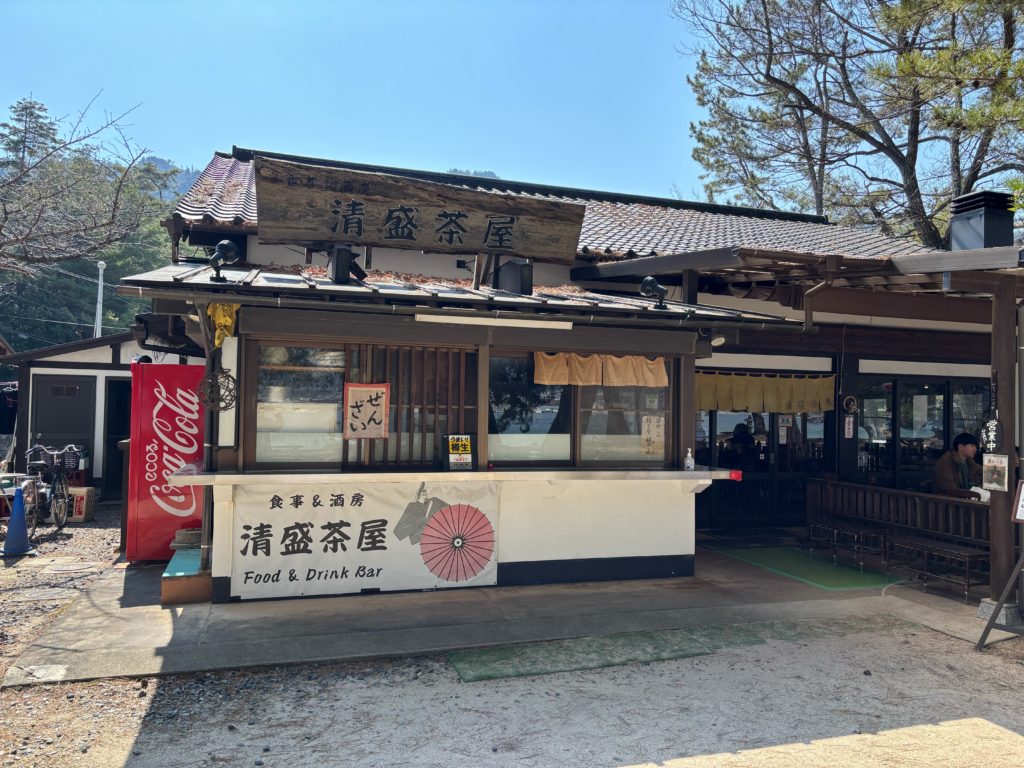
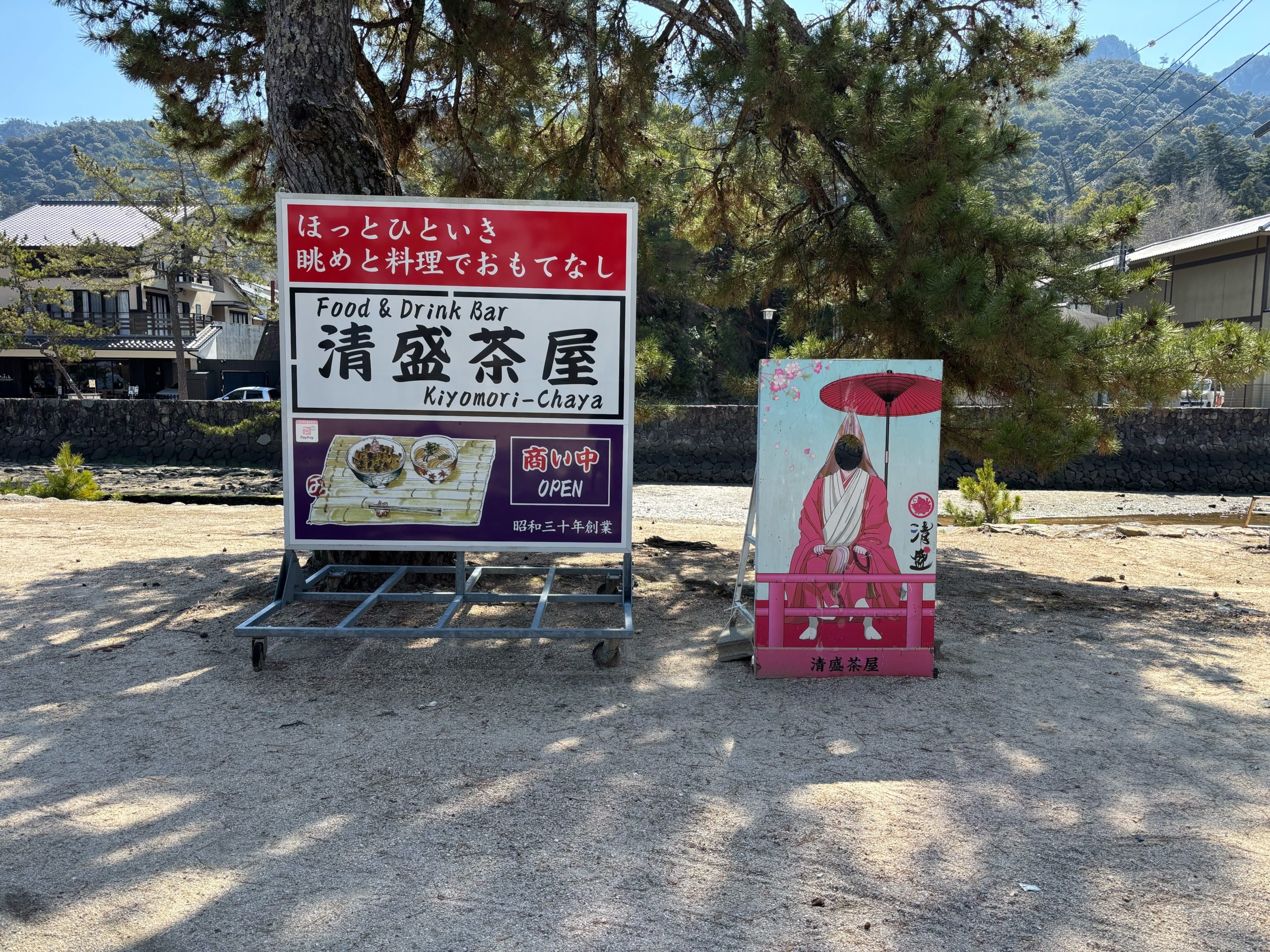
Kiyomori Chaya has welcomed guests since 1955, tucked among coastal pines just past Itsukushima Shrine. A short walk from the bustling Omotesando shopping street, this quiet refuge lets you escape the crowds and breathe in the sea air. From the open terrace, you can gaze toward the Great Torii Gate, or relax in the calm, wood-accented interior that feels like stepping into a friend’s home.
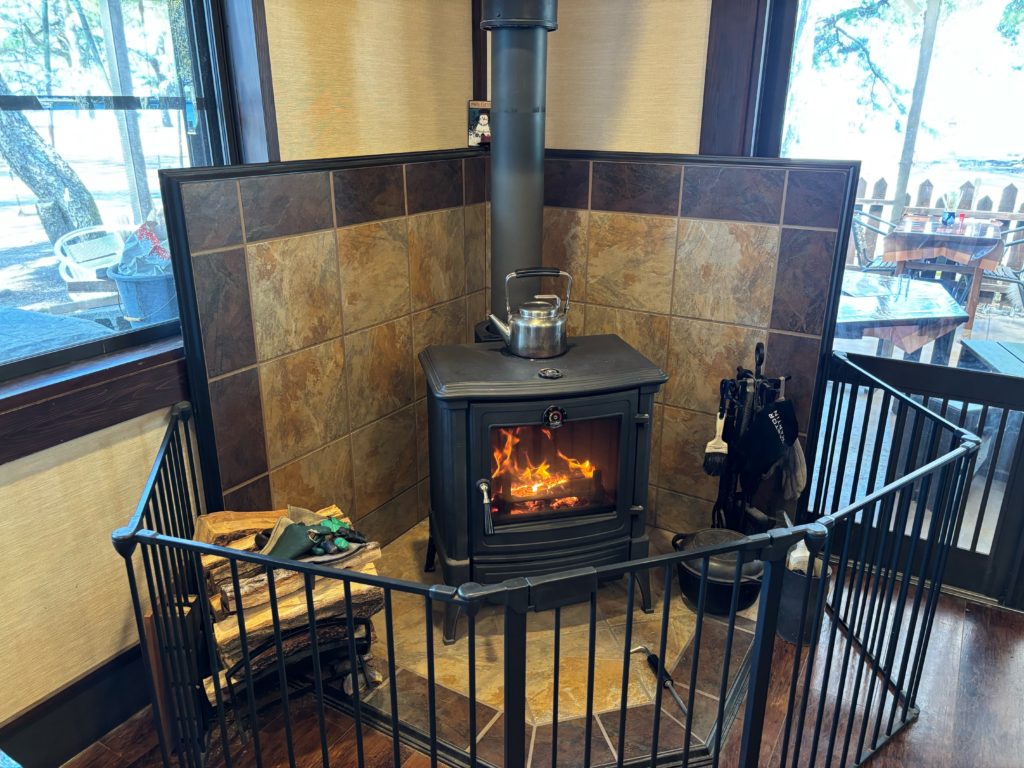
Summer brings refreshing ocean breezes, while winter offers the gentle warmth of the wood-burning stove. My older daughter was captivated watching the flames flicker, while her little sister sighed contentedly, “It’s so warm and cozy here.” The restaurant is genuinely family-friendly, with baby chairs available, making it an ideal spot to combine a meal with a much-needed break during your Miyajima sightseeing. They accept electronic payments (though credit cards may not always be available), keeping transactions quick and cash-free.
The coastal walk from Itsukushima Shrine to Kiyomori Chaya is a lovely mini-adventure in itself. That moment of strolling beside the sea after paying your respects at the shrine captures the essence of what makes Miyajima special.
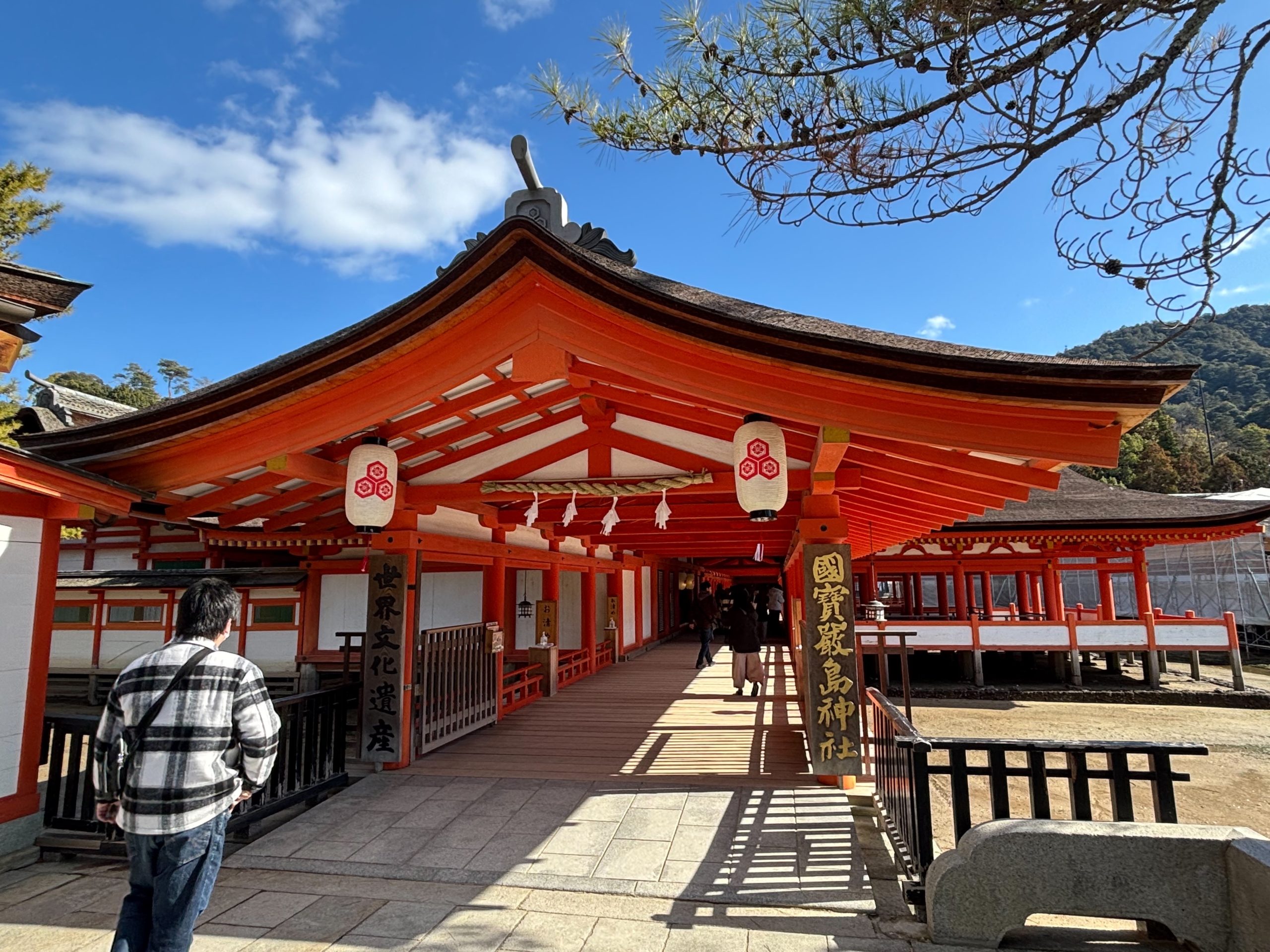
When you think of Miyajima, the first image that comes to mind is Itsu...
Business hours are typically 10:30 AM to 5:00 PM. To dodge the crowds, try arriving right when they open or in the early afternoon. Local wisdom suggests weekdays between 2:00 and 4:00 PM are the quietest windows. After 5:00 PM, they may accommodate meals and drinks with advance reservations, making it flexible for groups with varying budgets. The terrace seating welcomes four-legged friends, and with plenty of shade and large fans, it stays comfortable even during summer heat. Whether you’re traveling with family, friends, or solo and just want to grab a quick drink, this spot adapts beautifully (always verify current operating hours and seating availability through official channels).
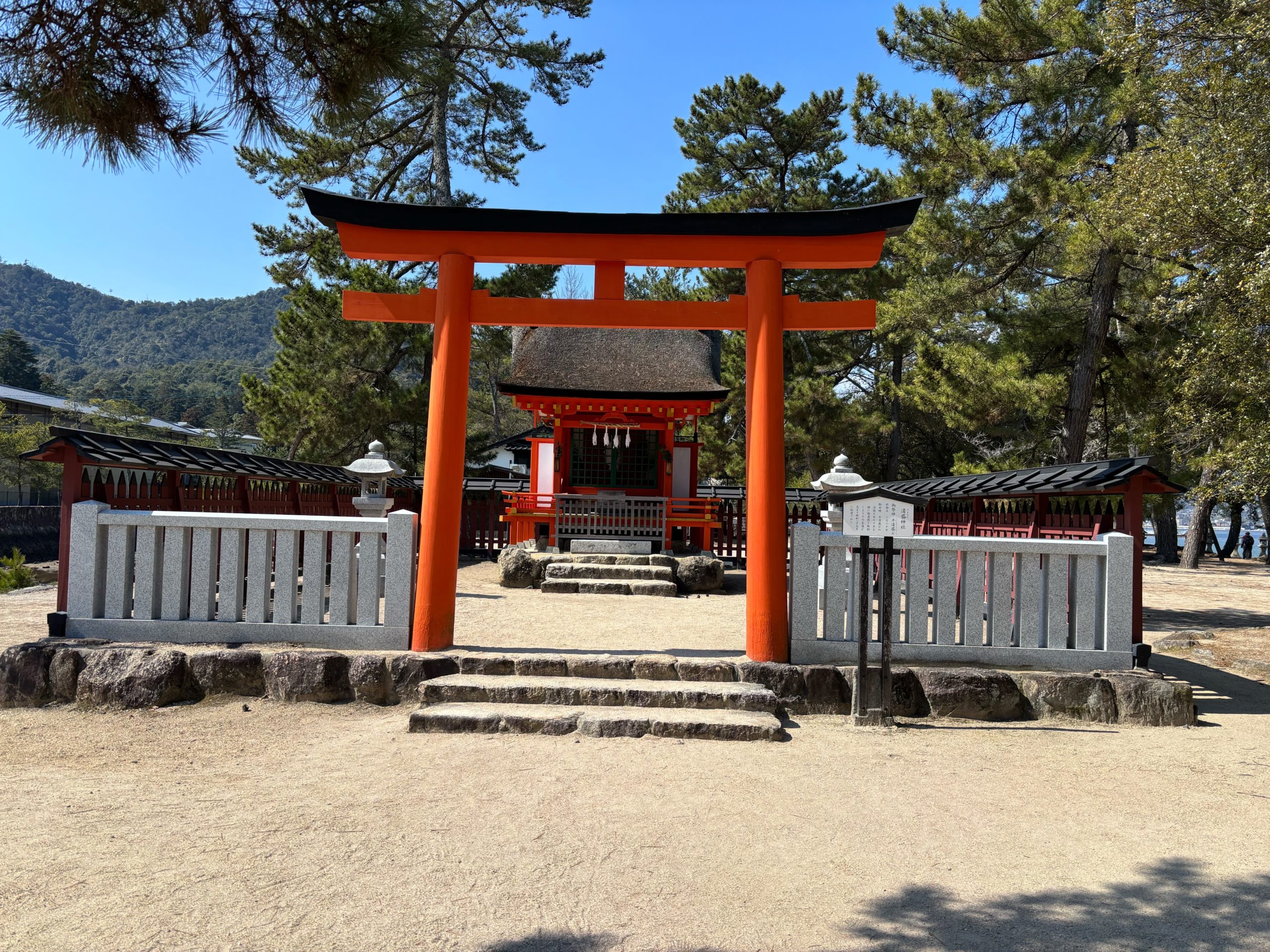
Getting here is straightforward: from Miyajima Pier, walk toward Itsukushima Shrine, then continue along the coast past Kiyomori Shrine. The address is Miyajima-cho, Hatsukaichi City, Hiroshima Prefecture. It’s conveniently positioned along the route to Miyajima Aquarium, making it an easy addition to a seaside stroll.
Most visitors follow the natural flow of shrine, then Kiyomori Chaya, then aquarium. Since Miyajima Aquarium offers free stroller rentals, the path from Kiyomori Chaya onward becomes even easier for families with young children.
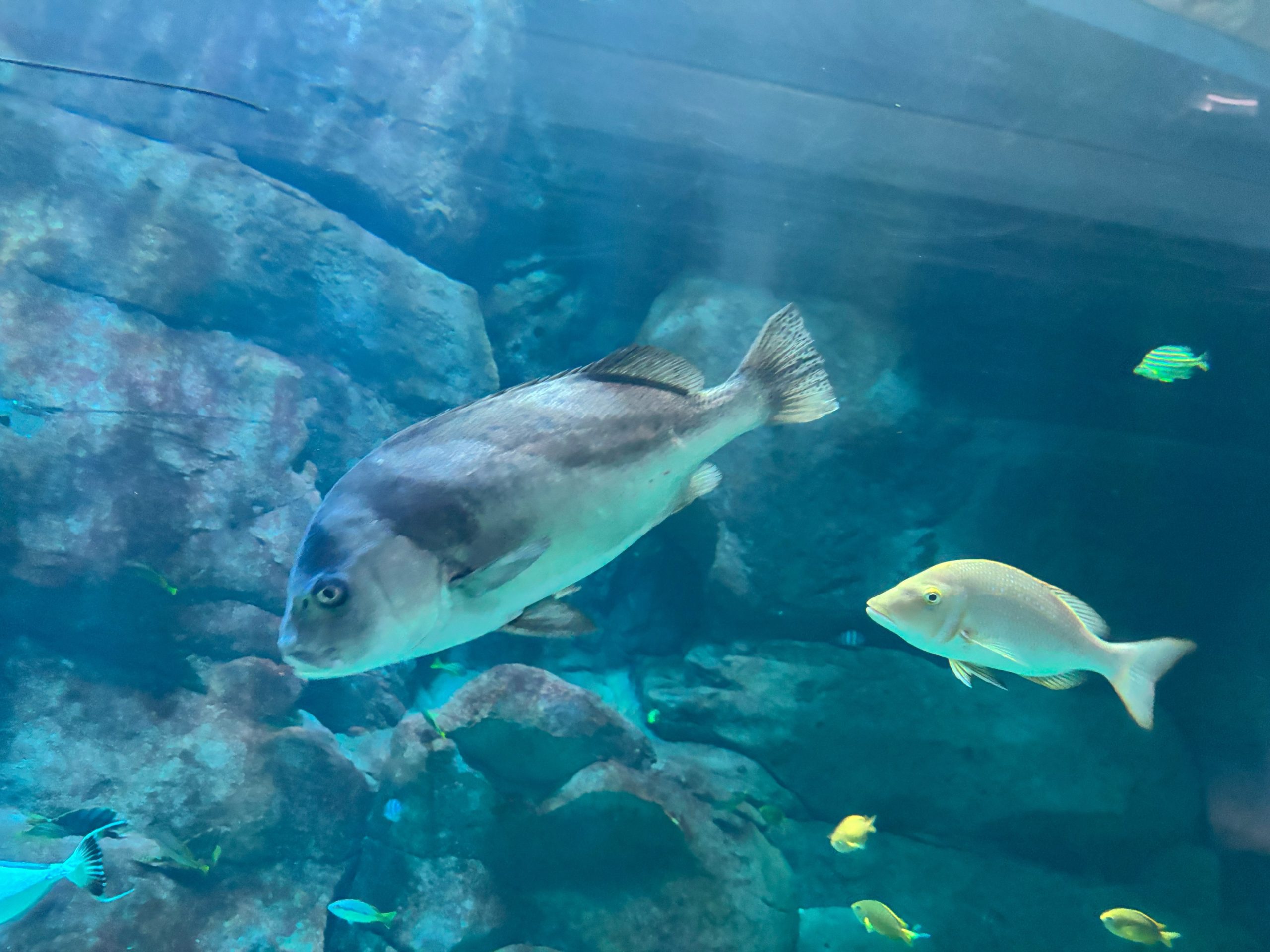
Located at the gateway to the World Heritage island of Miyajima, the M...
Phone: 0829-44-0757. On this visit, as a Hiroshima native walking with my daughter, I was struck by how the coastal scenery shifted and revealed itself differently in each direction. This is truly a hidden gem for anyone seeking a peaceful meal away from Miyajima’s main tourist corridors.
Situated right beside Itsukushima Shrine, Kiyomori Chaya sits along the coast past Kiyomori Shrine, perfectly positioned on the way to Miyajima Aquarium.
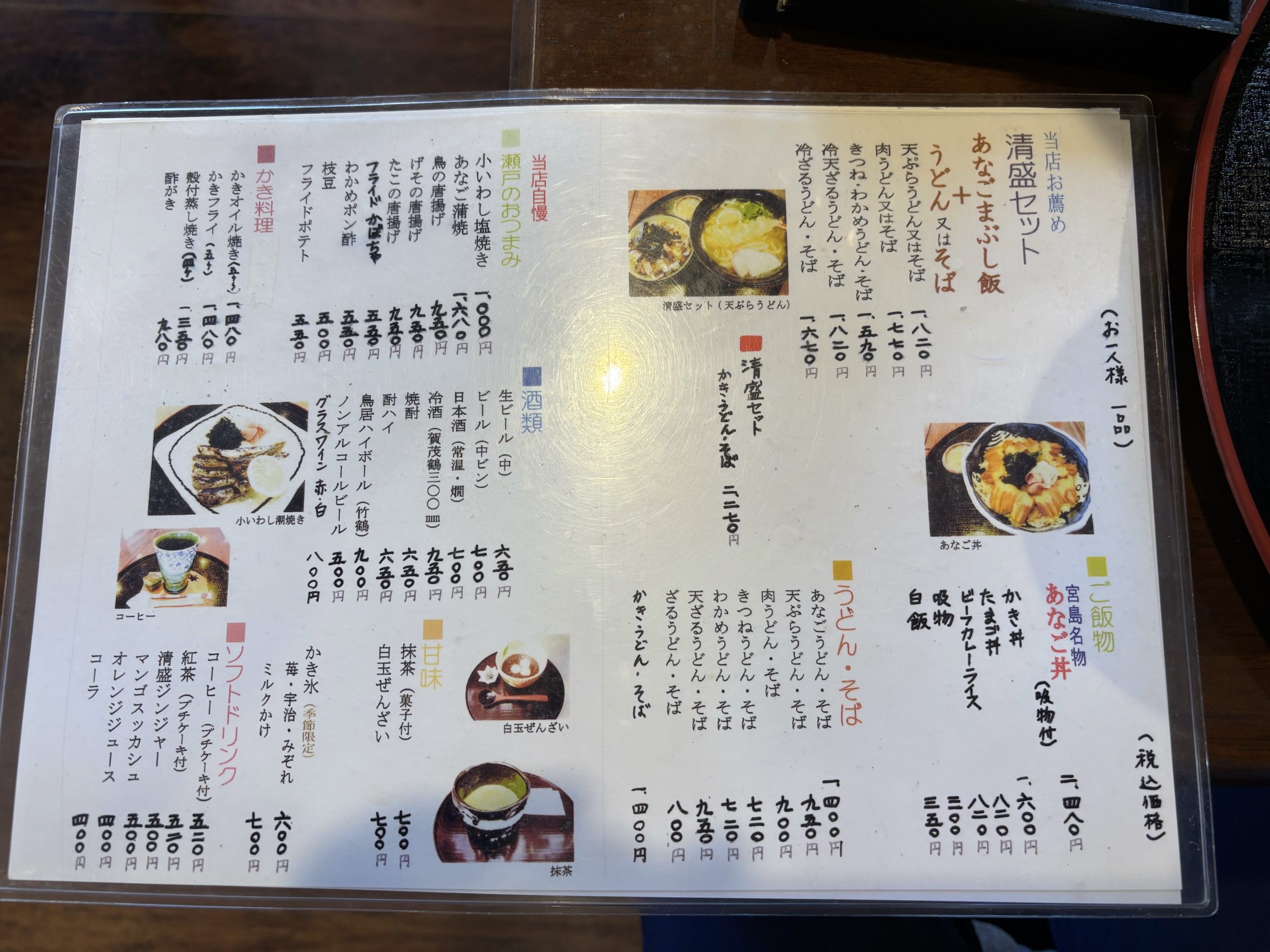
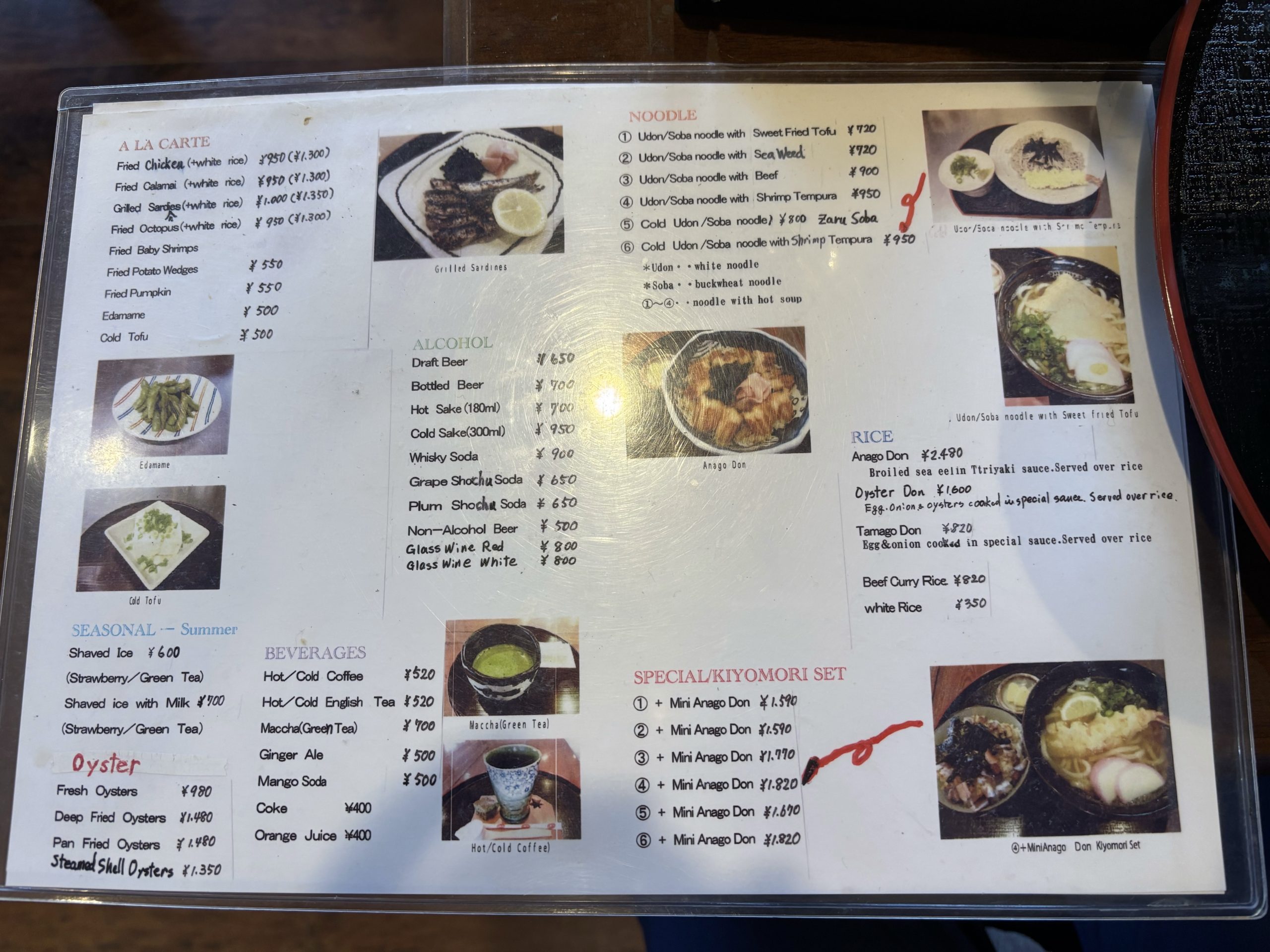
Run by the same family for three generations since its 1955 founding, the restaurant celebrates the regional flavors of Hiroshima and the Seto Inland Sea. Their menu features anago rice bowls finished with a secret sauce, udon and soba noodles built on a robust Setouchi niboshi (dried sardine) broth, plus beef curry rice and desserts. The recommended “Kiyomori Set” is a brilliant solution if you want to sample both their half-size anago rice bowl and your choice of udon or soba in a single meal. Their salt-grilled small sardines—a distinctive local flavor you won’t find just anywhere—have earned particular praise from regulars.
Interestingly, among Hiroshima locals, many prefer “Fujitaya” over “Ueno” when it comes to anago rice, but Kiyomori Chaya has carved out its own devoted following with a uniquely delicious preparation. (Quick note for first-timers: “anago” is saltwater conger eel, which has a lighter, more delicate flavor than “unagi,” the freshwater eel you might be familiar with.)
Miyajima is home to many celebrated anago rice restaurants, and comparing different interpretations is genuinely one of the island’s culinary pleasures.
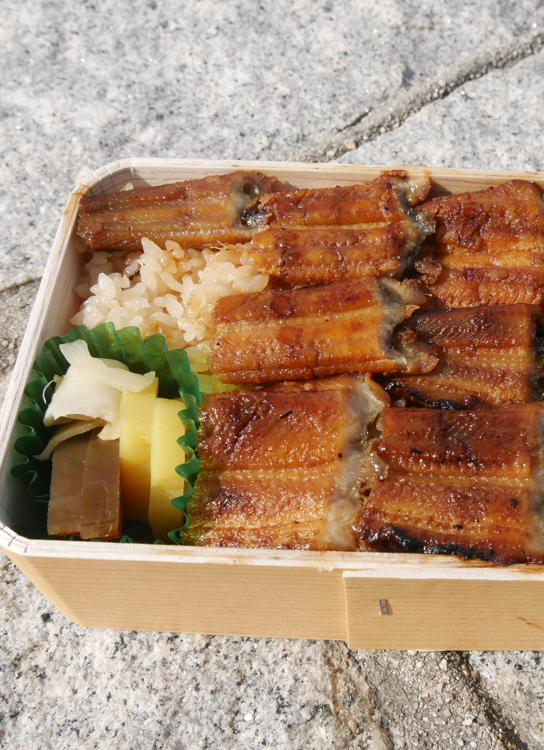
When you visit Hiroshima's enchanting island of Miyajima, one dish sta...
Inside the Restaurant
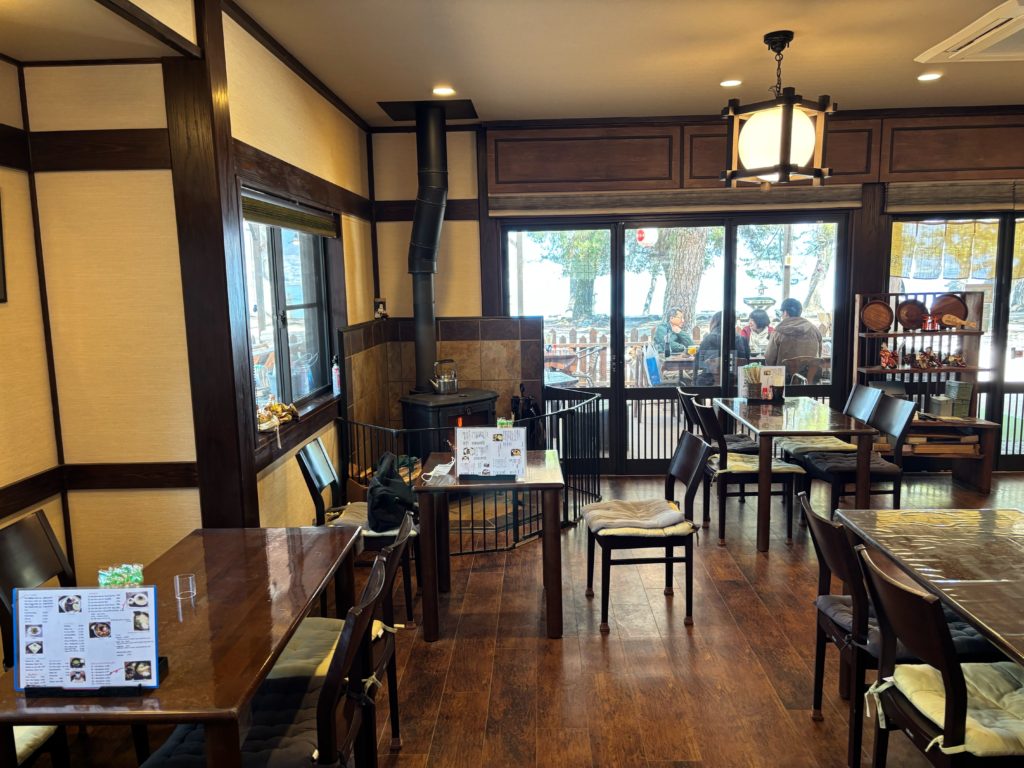
The wood-grain interior creates an instantly relaxing atmosphere for your meal. A traditional wood-burning stove—increasingly rare in casual eateries—adds a warm glow that feels especially welcoming after a chilly morning of Miyajima sightseeing. Watching the flames dance creates a meditative sort of calm.
Deeply rooted in this coastal setting since its founding, the restaurant is embraced by pine groves that help preserve the area’s natural beauty. Just steps from the busy tourist center, you can pause to inhale the aroma of freshly poured tea mingling with the scent of the sea.
Families with children receive a genuine welcome here. Infants, preschoolers, and elementary schoolers are all accommodated, with sturdy baby chairs available that made mealtime worry-free. When my kindergartener settled into the high chair, I was impressed by how stable and safe it was. The staff treated my daughters with such kindness that our whole family could truly relax and enjoy our time together.
If diaper changes become necessary during your visit, nearly all public restrooms on Miyajima are equipped with changing stations, so you can feel confident. For nursing mothers, there’s a private nursing room on the second floor of the Miyajima Tourist Information Center along Omotesando Shopping Street.
Our Order: Tempura Udon & Anago Rice Bowl
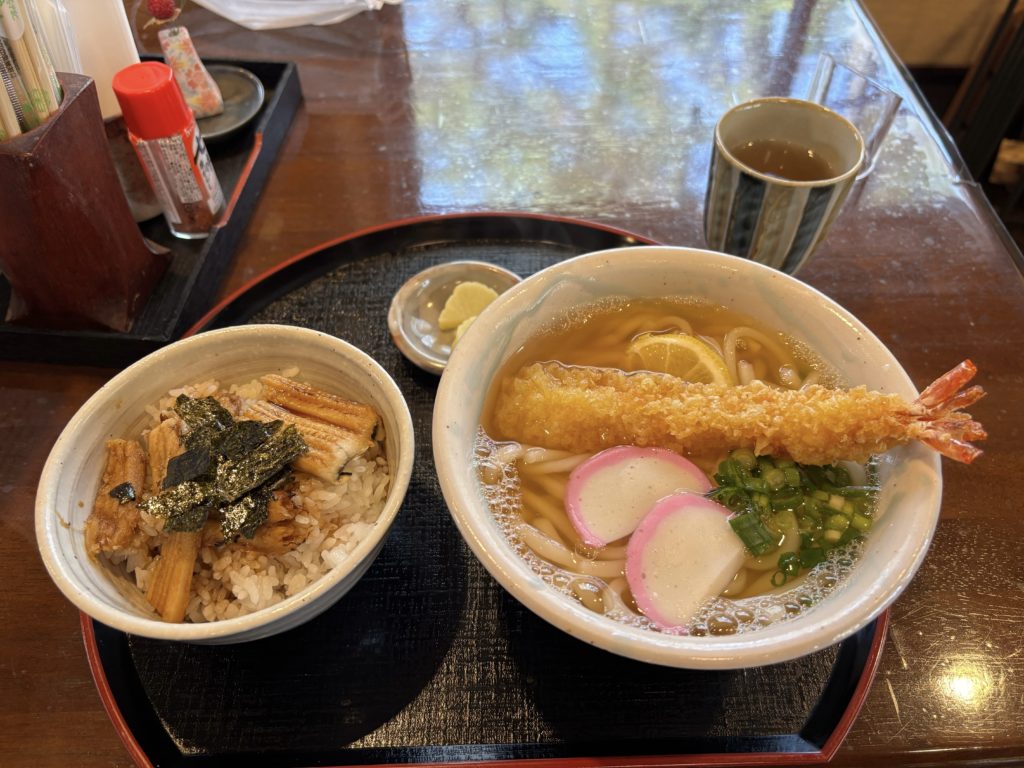
The menu offered more variety than I’d anticipated, and after some delicious deliberation, I chose the anago rice bowl with tempura udon (¥1,820). You can select either udon or soba noodles, then pair your anago rice with tempura udon, meat udon, wakame udon, kitsune udon, or oyster udon. Of course, everything is also available à la carte if you have a smaller appetite.
We shared this set among the three of us, and as you can see from the photo, it’s an incredibly generous and great-value combination for experiencing both Hiroshima’s famous conger eel and Seto Inland Sea udon in one sitting.
The restaurant’s reputation for exceptional broth is well-deserved. The clear soup possessed a layered, umami-rich depth with a crystalline transparency I’d never encountered before. The large, plump shrimp tempura emerged from the fryer perfectly—crisp golden exterior giving way to tender, sweet shrimp inside. My older daughter’s eyes went wide: “The shrimp tempura is huge!”
The anago itself was wonderfully fluffy, dressed in a light, gently sweet sauce that enhanced rather than masked the delicate flavor. The rice was cooked to exactly the right texture and paired beautifully with the eel—absolutely spot-on. Even my picky kindergartener declared, “It’s so soft and yummy!” and cleaned her plate. I’d come to Miyajima specifically craving their famous anago-meshi (grilled anago over rice), but couldn’t resist trying the udon as well. This combination set turned out to be the perfect solution.
The oyster udon also caught my eye, and next time I’m planning a winter visit to coincide with peak oyster season. Among locals, “Yakigaki no Hayashi” is considered the go-to spot for grilled oysters, but the oyster udon here has earned its own enthusiastic following.
After-Dinner Coffee

After our meal, I ordered coffee (¥520), which arrived with a small sweet treat on the side—a thoughtful touch. I loved the Japanese-style cup, coaster, and wooden spoon, all small details that harmonize perfectly with the restaurant’s atmosphere. Since I prefer my coffee piping hot (I’m one of those people who waits a bit before the first sip), its extra-hot temperature was exactly right.
My husband sighed contentedly, “Coffee while gazing at the sea just hits different.” Though I visited with family this time, I could easily imagine this as a peaceful spot for solo travelers or friends catching up over a leisurely meal. Since the terrace welcomes pets, it’s also wonderfully convenient if you’re traveling with your furry companion. Consider making this a stop for either a satisfying meal or a relaxing break during your Miyajima sightseeing.
Kiyomori Chaya’s signature dishes remain their “Anago Donburi” (anago rice bowl) finished with a fragrant secret sauce, and udon or soba served in Setouchi dried-sardine broth that fills the air with its aroma. The “Kiyomori Set” delivers the best of both worlds with a half-size eel rice bowl plus your choice of udon or soba. The extensive range of toppings—tempura, meat, wakame seaweed, deep-fried tofu, oysters, zaru noodles, and more—makes it easy to match whatever you’re craving, which is genuinely appreciated.
During winter months, seasonal oyster dishes join the menu, including vinegar-marinated oysters, fried oysters, and steamed oysters still in their shells (availability and prices vary seasonally, so please confirm when you visit). You’ll also find salt-grilled small sardines, grilled anago, various desserts, and drinks—a truly satisfying lineup if you’re exploring local Japanese cuisine, especially wondering what to eat in Miyajima.
All information is subject to change. Please verify the latest details on the restaurant’s official website before visiting.


Frequently Asked Questions (Q&A)
Q1. Where is Kiyomori Chaya located? Is it easy to reach?
A. It’s positioned just past Itsukushima Shrine, along the coast from Miyajima Pier, directly behind Kiyomori Shrine. It fits naturally into a stop on your way to Miyajima Aquarium and makes a lovely addition to a scenic coastal walk. The address is Miyajima-cho, Hatsukaichi City, Hiroshima Prefecture. The coastal scenery along the route is beautiful in itself, and the path is easy to navigate even with children in tow.
Q2. What are the operating hours and reservation policy? Can I visit in the evening?
A. Standard hours run from 10:30 AM to 5:00 PM. After 5:00 PM, meals and drinks may be available with advance reservations. Please check their official information for the most current operating details before your visit. To avoid the heaviest crowds, weekdays between 2:00 and 4:00 PM tend to be the quietest times.
Q3. What are your signature dishes?
A. The stars of the menu are the “Anago Donburi” (anago rice bowl) finished with their house-made secret sauce, and udon or soba noodles infused with the distinctive aroma of Setouchi dashi. The popular “Kiyomori Set” combines a half-portion anago rice bowl with your choice of udon or soba. Unique offerings like salt-grilled small sardines are only available here. The portions are perfect for sharing with family.
Q4. Are children and pets welcome?
A. Absolutely. Infants, preschoolers, and elementary school children are all warmly welcomed, and sturdy high chairs are available. Pets are permitted on the terrace seating area. Shade and large fans help maintain comfort even during summer visits. I personally used one of their baby chairs, and it was impressively stable with excellent safety features.
Q5. What payment methods are accepted?
A. Electronic money is accepted. Credit cards may not always be available, so we recommend having cash or an electronic payment method ready. The cashless option is particularly convenient for families with children who’d rather not fumble with exact change.
Q6. Is smoking permitted?
A. Smoking policies may vary depending on the season and current regulations. Please confirm the latest policy directly with the restaurant before your visit.
Q7. When does the winter oyster menu begin? What are the prices?
A. A special winter-only oyster menu is offered seasonally. Start dates and prices can vary each year. Please check in-store or through official announcements for the most current information. As a local, I can tell you the oyster dishes are timed to coincide with peak oyster season when they’re at their absolute best, so it’s definitely worth the anticipation.
Q8. When is it less crowded or easier to get a seat?
A. Shortly after opening or during the early afternoon hours tend to be less busy. Conditions naturally vary with the season and weather, so we recommend building in some extra time. Local insight suggests weekdays from 2:00 to 4:00 PM offer the most peaceful dining experience.
Q9. What facilities are available for families with children?
A. Baby chairs are readily available. For diaper changing needs, changing stations are installed in all public restrooms throughout Miyajima, so you can visit with confidence. For mothers who need to breastfeed, there’s a dedicated nursing room on the second floor of the Miyajima Tourist Information Center on Omotesando Shopping Street.
Q10. How does it combine with other Miyajima attractions?
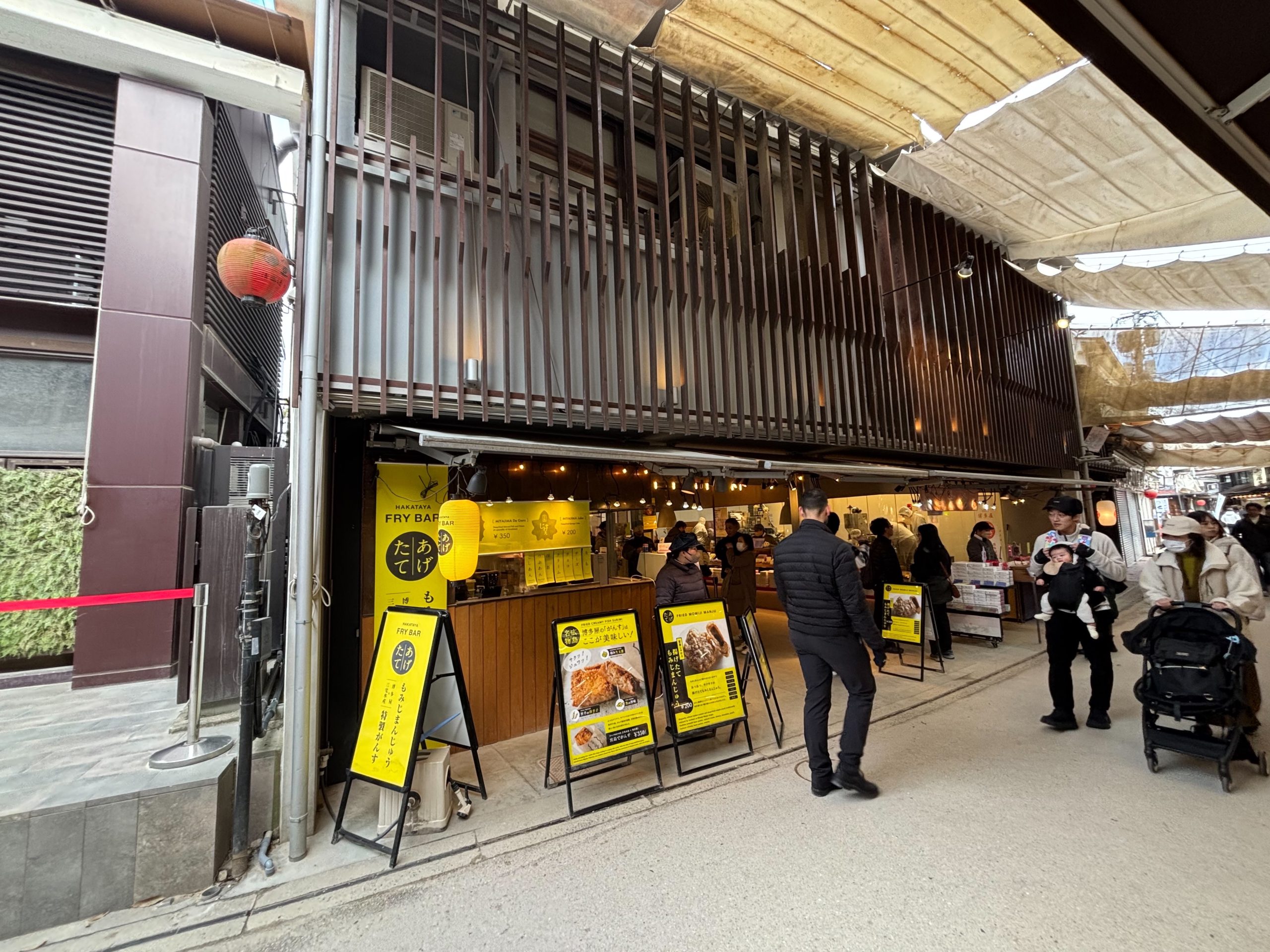
A. The popular flow is Itsukushima Shrine worship, then Kiyomori Chaya for a meal, then continuing to Miyajima Aquarium. The free rest area (air-conditioned) in Momijidani Park is a local secret worth knowing about when you need a quiet break. The restaurant offers a peaceful atmosphere that contrasts beautifully with the lively energy of Omotesando Shopping Street. It’s ideal for enjoying a calm meal before or after browsing for souvenirs along the busy shopping arcade.
Wondering what to eat in Miyajima? The answer lies along Omotesando Sh...
Summary
The shimmer of the Seto Inland Sea, the rich aroma of dashi, and tender, melt-in-your-mouth anago rice—if you’re craving Miyajima’s famous anago-meshi and authentic Seto Inland Sea udon in one place, Kiyomori Chaya should be at the top of your list. It’s genuinely relaxing even with children, and the pet-friendly terrace offers peace of mind for travelers with four-legged companions.
As a Hiroshima native and mom in my 30s, my first visit here with both daughters was an absolute success. Dining while gazing out at the sea, the reassurance of having proper baby chairs, the convenience of electronic payment—there are so many thoughtful touches that families with children will truly appreciate. I left already planning our next visit, imagining us sharing the “Kiyomori Set” while leisurely admiring the view of the Great Torii Gate.
The authentic taste of a restaurant that has welcomed guests since 1955, combined with its special seaside location, makes this a precious find. Here you can experience the quiet, contemplative side of Miyajima that exists just beyond the lively energy of Omotesando. Please make sure to stop by during your Miyajima sightseeing.
For those who want to explore Miyajima’s history and culture more deeply, I encourage you to learn about the background of this entire World Heritage site. Kiyomori Chaya itself is woven into the cultural fabric that has been cherished throughout Miyajima’s long history.
Miyajima is one of those rare places where Japan's ancient history and...