
If you’re looking for a satisfying sit-down lunch on Miyajima Island, Mishinaya is one of the most exciting restaurants to open in recent years — and it’s the island’s only dedicated tempura specialty restaurant. Located just a two-minute walk from the exit of Itsukushima Shrine, tucked behind Daigan-ji Temple, this Miyajima tempura restaurant serves beautifully crisp, freshly fried sets in a relaxed tatami dining room where the back window frames a view of the Great Torii Gate. Whether you’re visiting for the first time or looking for a new favorite lunch spot, Mishinaya is well worth adding to your Miyajima itinerary.
Mishinaya: Miyajima’s Only Tempura Specialty Restaurant
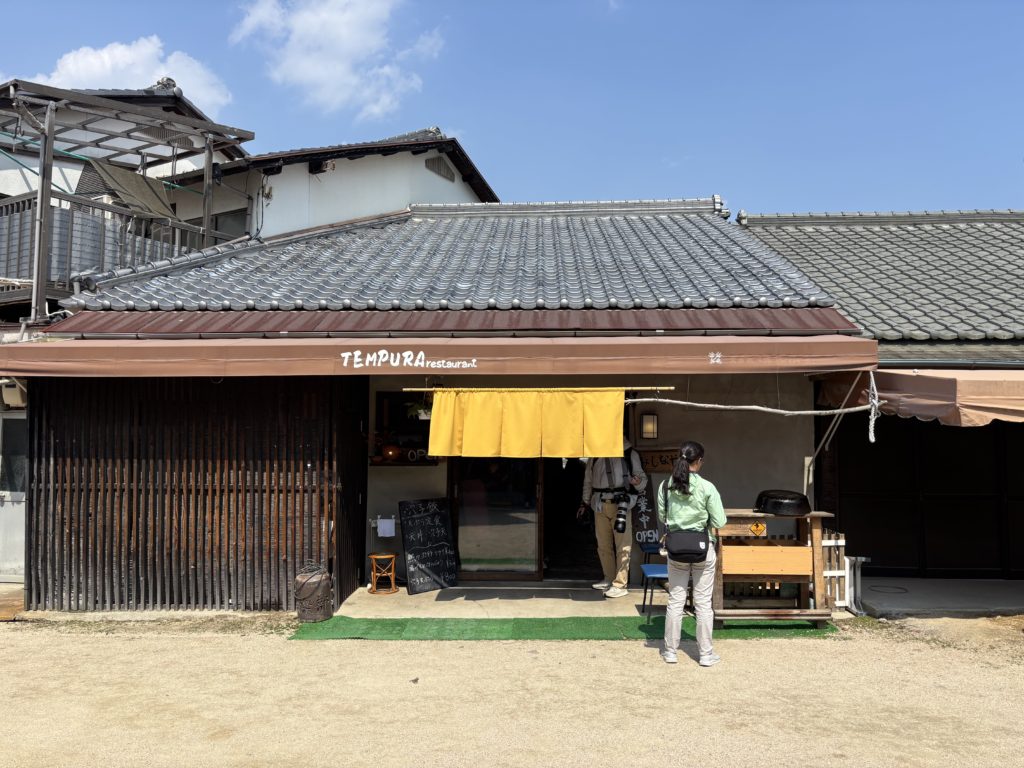
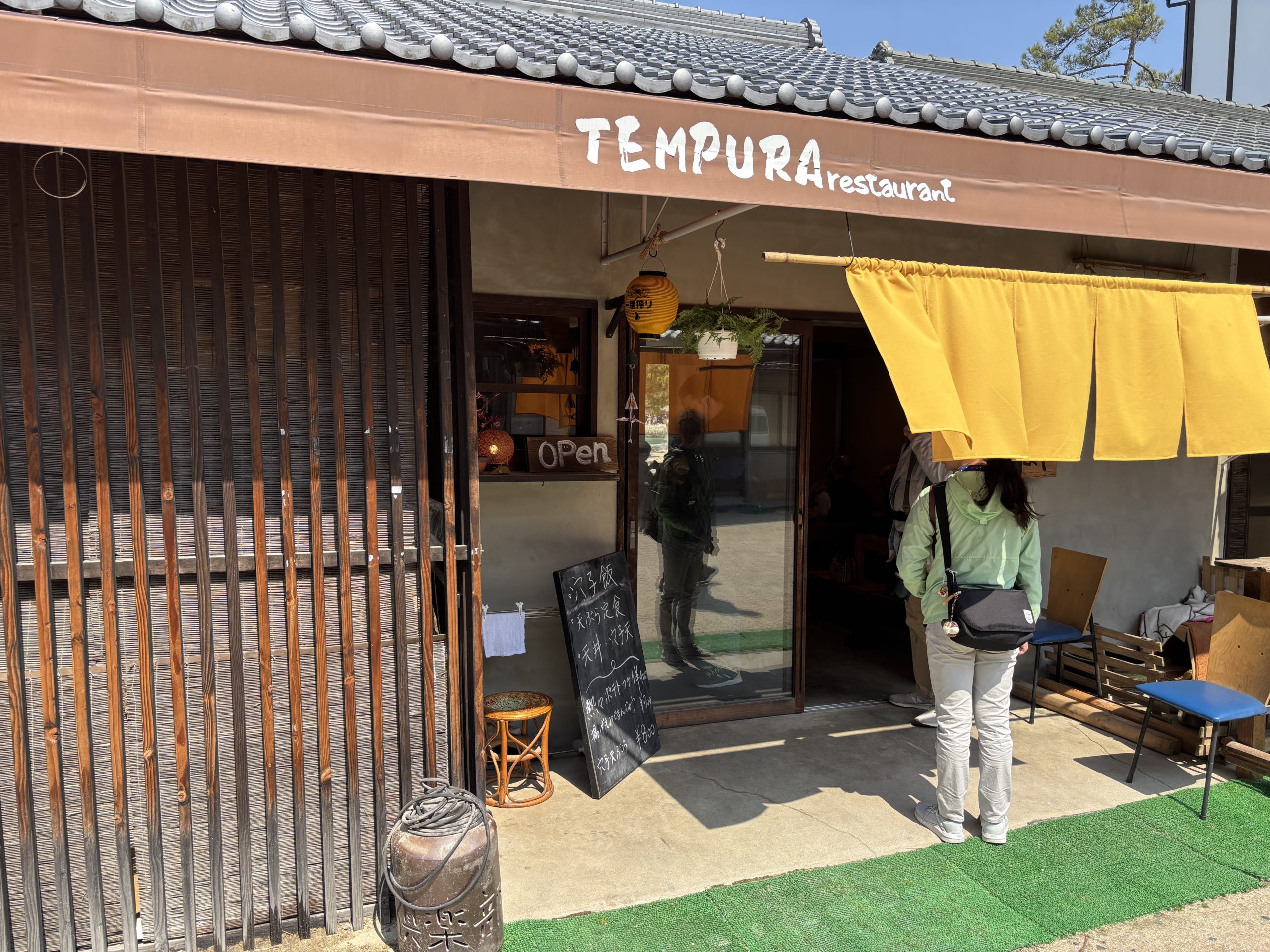
Mishinaya opened in mid-April 2024, making it one of Miyajima’s newest dining spots — but it’s already earned a strong following among visitors in the know. Look for the distinctive yellow noren (fabric curtain) hanging at the entrance near Daigan-ji Temple, just a short walk from Itsukushima Shrine. Interestingly, this same location was home to an earlier tempura restaurant called Tsukunejima, so the spot has long been associated with fried cuisine in the local community.
The restaurant is open roughly from 11:00 to 15:00 and does not serve dinner. As of now, no fixed regular closing day has been announced, so it’s a good idea to check for the latest information before your visit. Mishinaya is an ideal lunchtime stop — perfectly timed after a morning at the shrine.
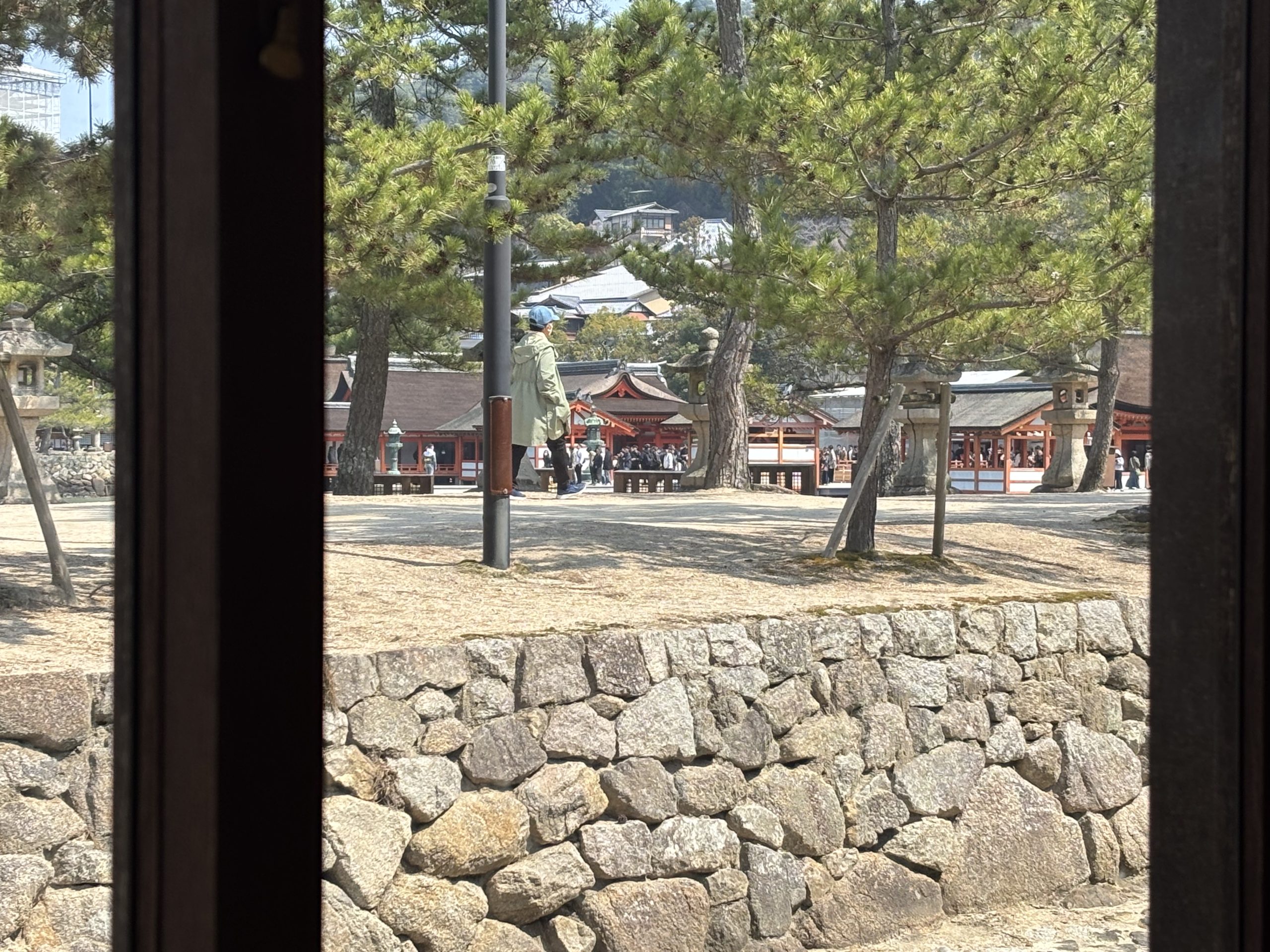
Inside, the seating is comfortable and thoughtfully arranged: five four-person tatami tables, one two-person tatami table, and six counter seats. Solo travelers and couples tend to gravitate toward the counter, while families and small groups settle into the tatami rooms. The standout seats, though, are the tatami tables at the back, where the windows look directly out toward the Great Torii Gate.
After exploring Itsukushima Shrine, popping in to Mishinaya for a tempura lunch makes for a near-perfect Miyajima afternoon. For a full introduction to the shrine, check out our guide below.
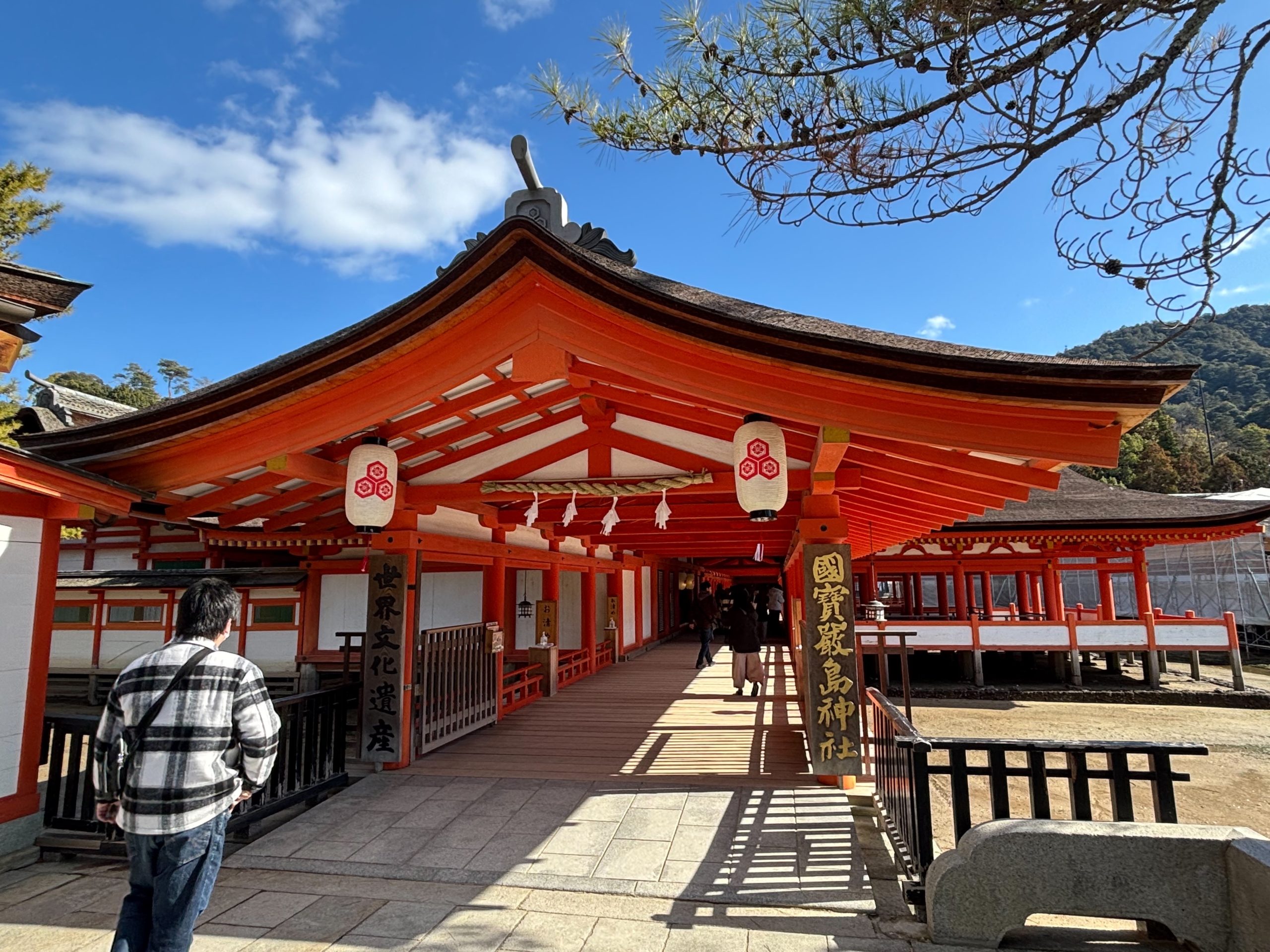
Itsukushima Shrine (Itsukushima-jinja, 厳島神社) is a Shinto shrine built ...
Inside the Restaurant: Mascot Dogs and a Welcoming Atmosphere
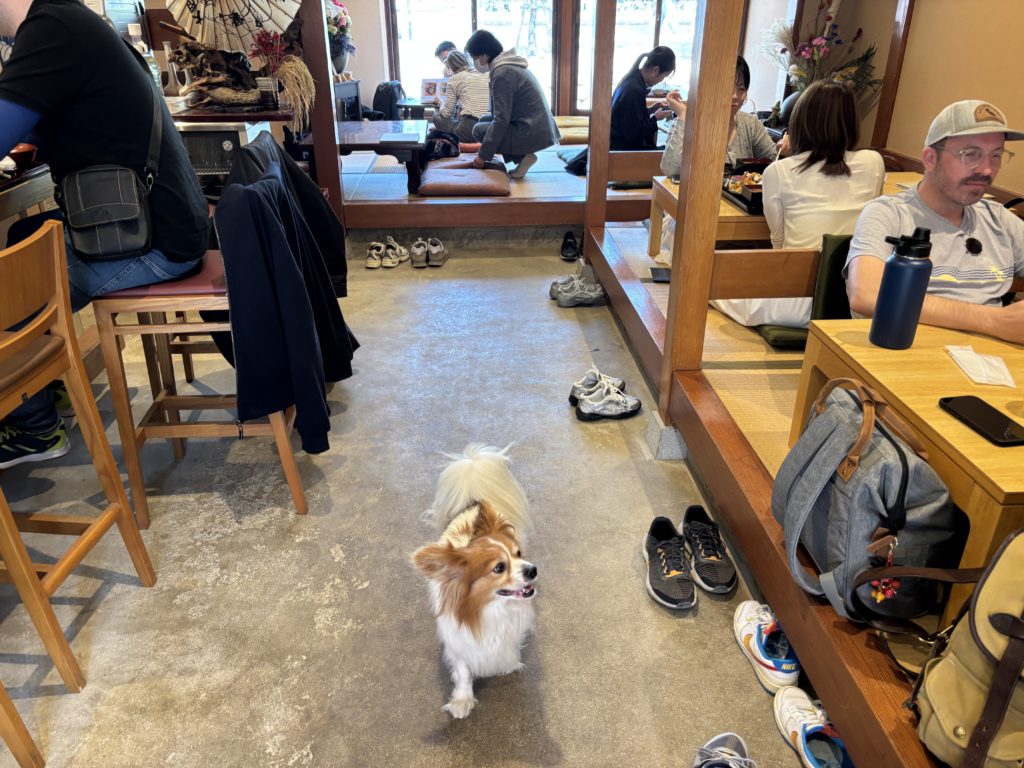
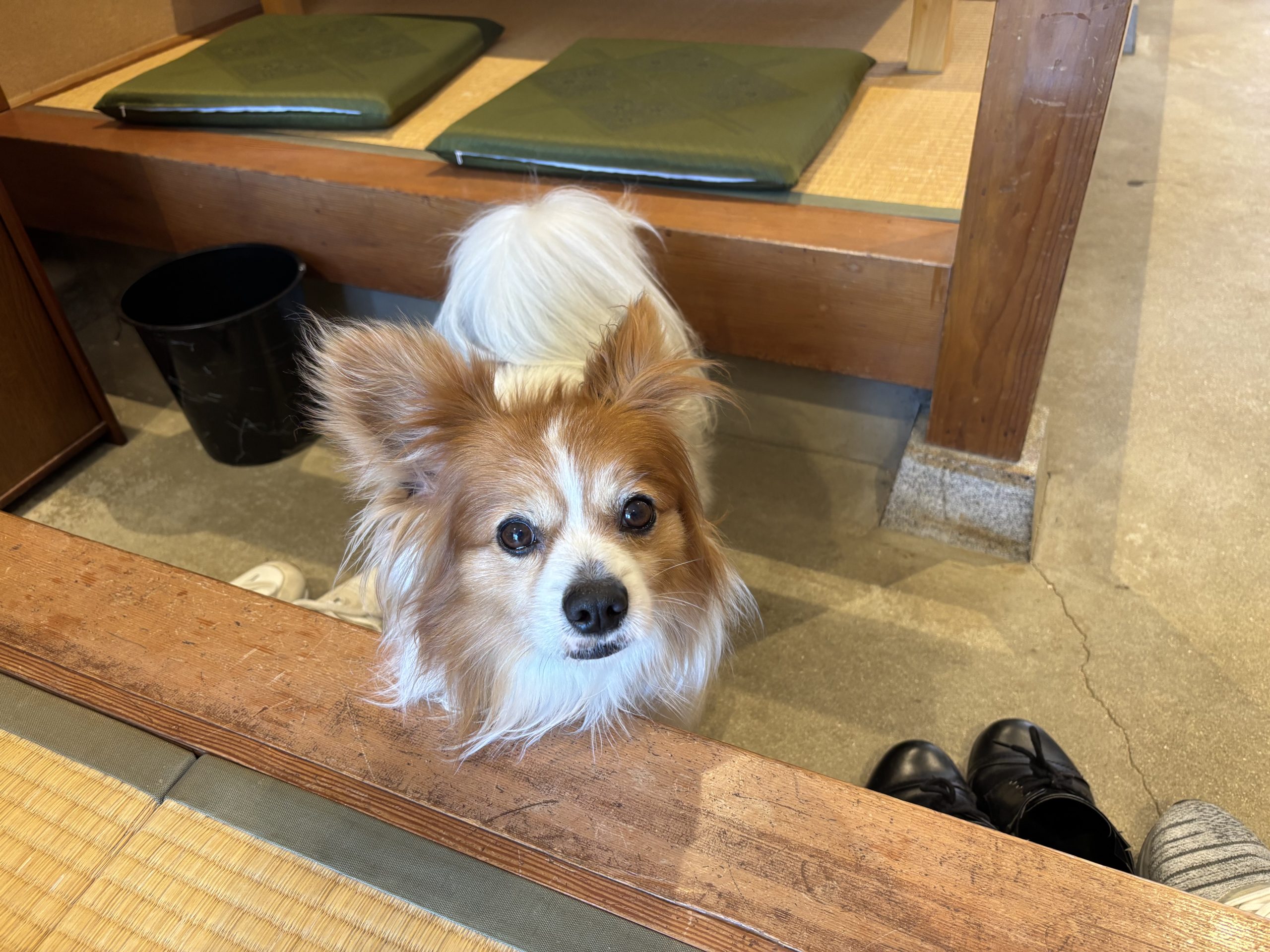
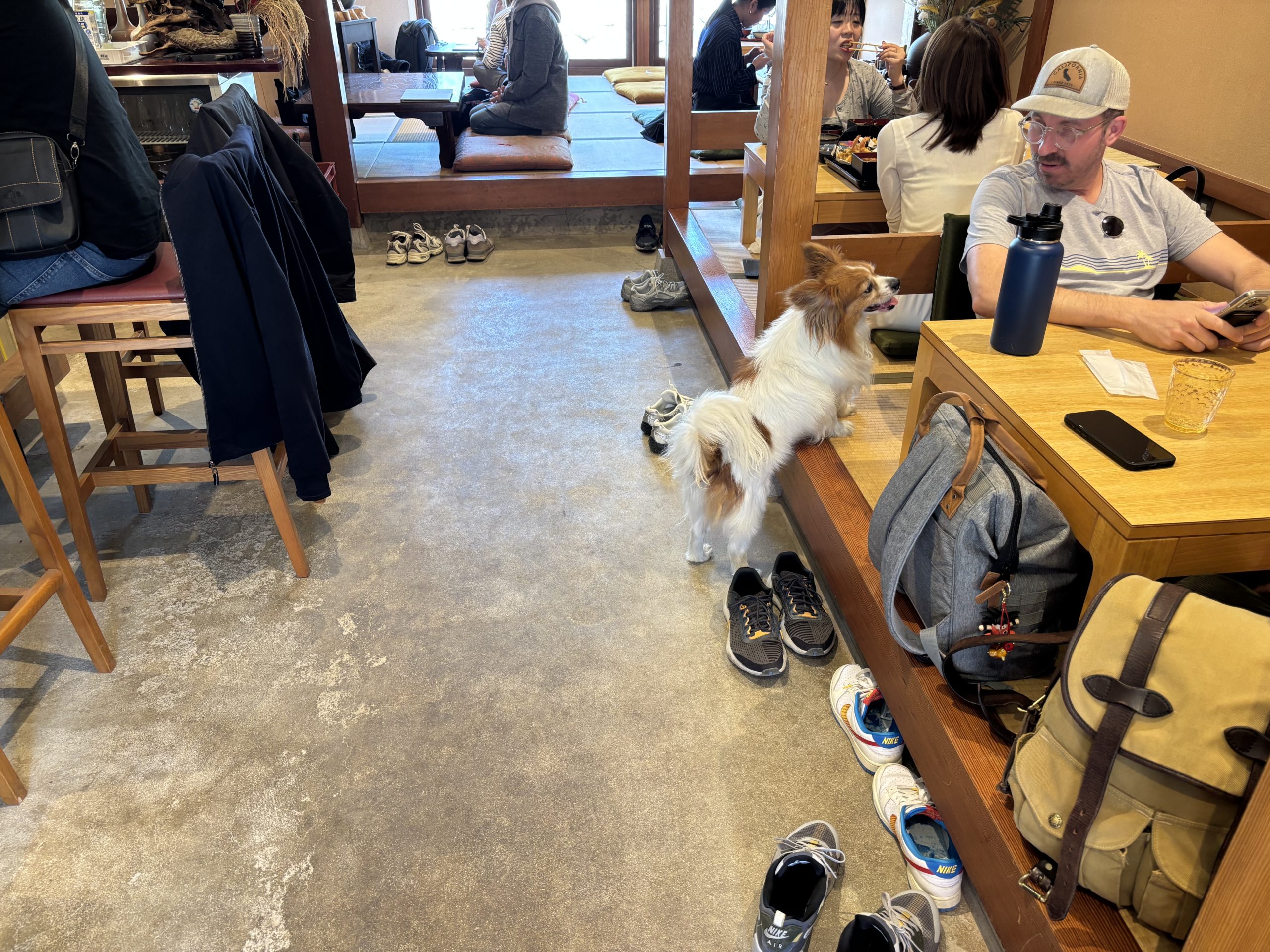
One of the first things you’ll notice when you step inside is the warm, relaxed atmosphere — and quite possibly, a friendly dog making the rounds. Mishinaya is home to three mascot dogs, the most famous of which is a good-natured pup named Lucky. Lucky (and his companions) wander the dining room calmly while guests wait for their food, and their gentle, sociable personalities make them a genuine crowd-pleaser. When I visited with my family, my older daughter spotted Lucky immediately and couldn’t stop smiling the whole meal. My younger one kept pointing and shouting “Doggy!” — it honestly set the tone for a really fun lunch.
The tatami seating means you remove your shoes and sit at low tables — a classic, comfortable Japanese dining style that feels especially fitting on a day of sightseeing. Even on a weekday visit, the restaurant was nearly full, which speaks to how quickly Mishinaya has built a loyal following since opening.
The best times to visit are right at opening (around 11:00) or after 14:00, when the midday rush has passed. If you have flexibility, weekday afternoons between 14:00 and the 15:00 close tend to be the least crowded window.
If you’re planning a stroll along the shopping street before or after lunch, here’s our guide to Omotesando Shopping Street and what to find there.
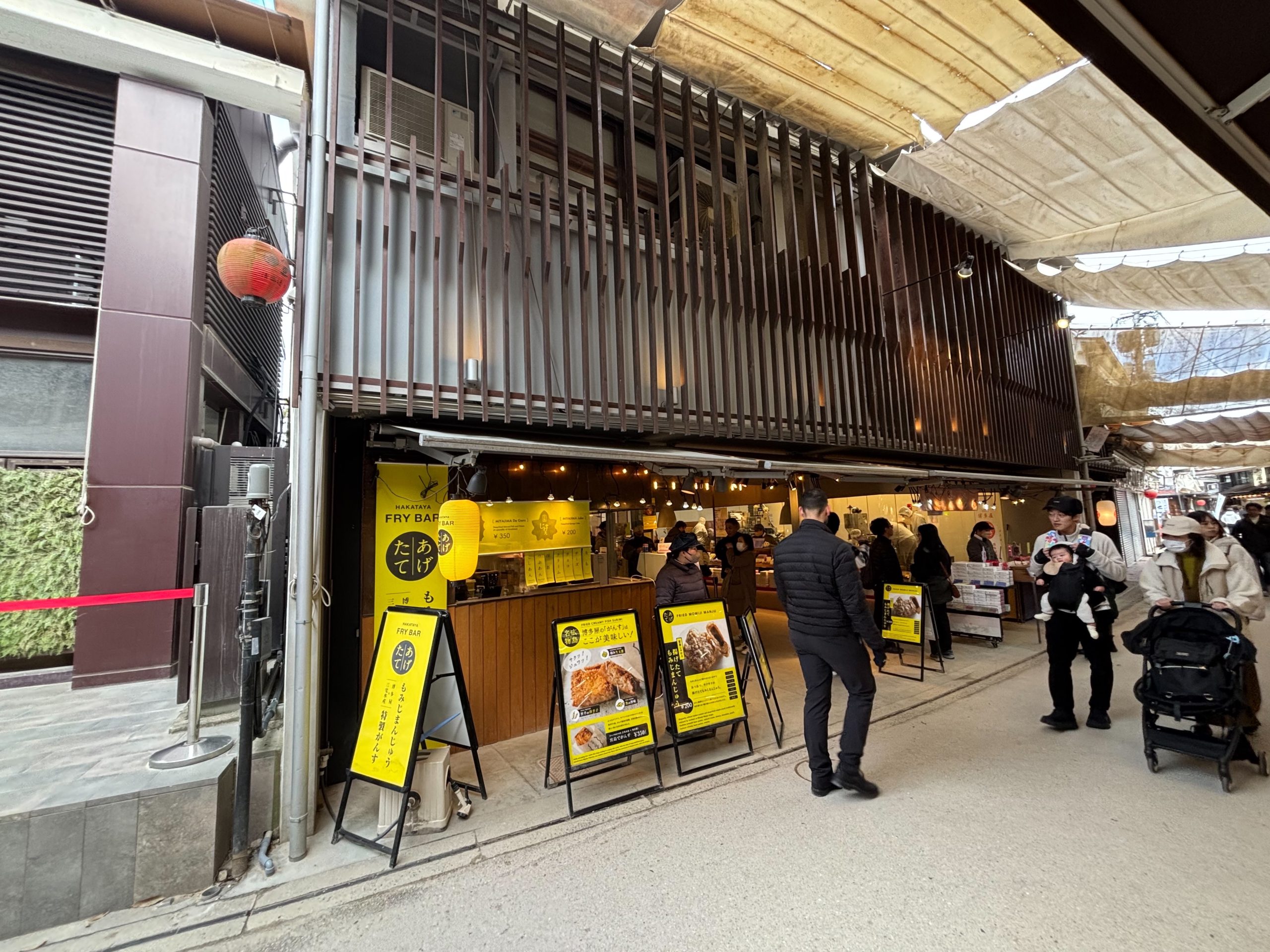
Miyajima's main shopping street — known locally as Omotesando — is a l...
What We Ordered: The Tempura Set with Anago
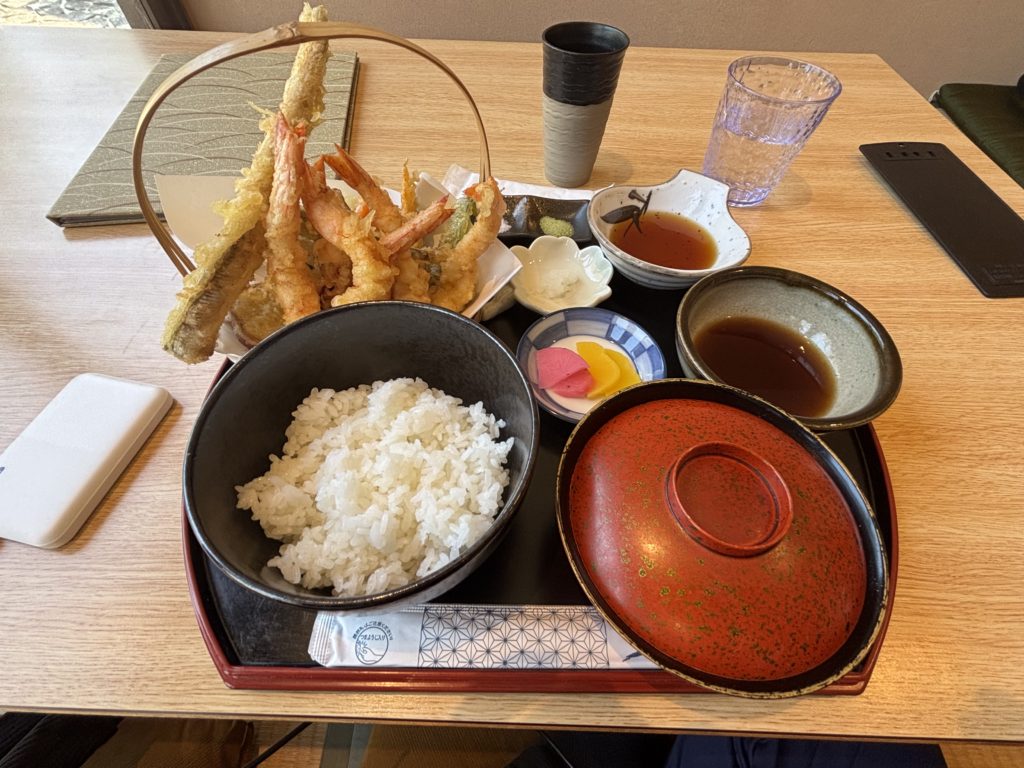
We went straight for the restaurant’s signature dish: the tempura set with anago (conger eel) topping, priced at 3,000 yen (tax included). It’s an impressively generous spread. The set includes five large shrimp, a selection of vegetable tempura — sweet potato, carrot, shishito pepper, lotus root, and kabocha pumpkin — plus a large piece of conger eel tempura, rice, miso soup, and Japanese pickles. My husband took one look at it and said, “Three thousand yen for all of this? That’s a great deal.” And honestly, for Miyajima, it really is.
What sets Mishinaya apart is the technique. The batter is kept very thin, which means the tempura comes out light and genuinely crispy rather than heavy or greasy. The chef fries each ingredient at its optimal temperature and timing, so everything arrives at the table in perfect condition. The anago in particular was outstanding — soft and delicate, melting gently in the mouth in a way that only freshly fried conger eel can.
The set also comes with two separate dipping sauces, each with a different purpose: one is a classic tempura dipping sauce (tsuyu), and the other is a richer sauce meant for converting your tempura into a tendon-style rice bowl. It’s a clever little way to enjoy two different eating experiences within a single meal, and the kids thought it was great fun to try it both ways.
Food does take around 20 minutes to arrive since everything is fried fresh to order, so if you’re on a tight schedule, plan accordingly. Families with young children especially will want to factor in some extra time.
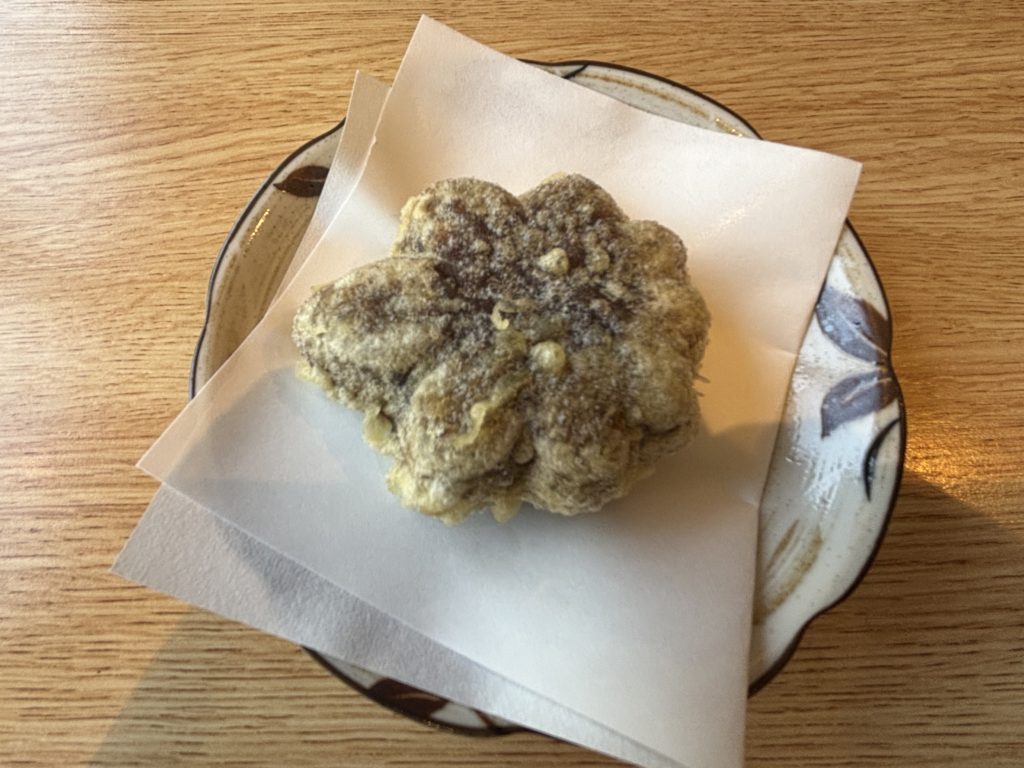
Just when we thought the meal was complete, a final surprise arrived: a freshly fried matcha momiji manju tempura as a dessert course. Momiji manju — the maple-leaf-shaped sweet red bean cakes that are Miyajima’s most famous souvenir confection — deep-fried and served hot, with a light matcha flavor, is a uniquely Miyajima treat. My younger daughter looked at it and said, “The little maple leaf got turned into tempura too!” She wasn’t wrong, and it was absolutely delicious. The dessert is included with the meal, not an extra charge — a nice finishing touch that makes the whole experience feel complete.
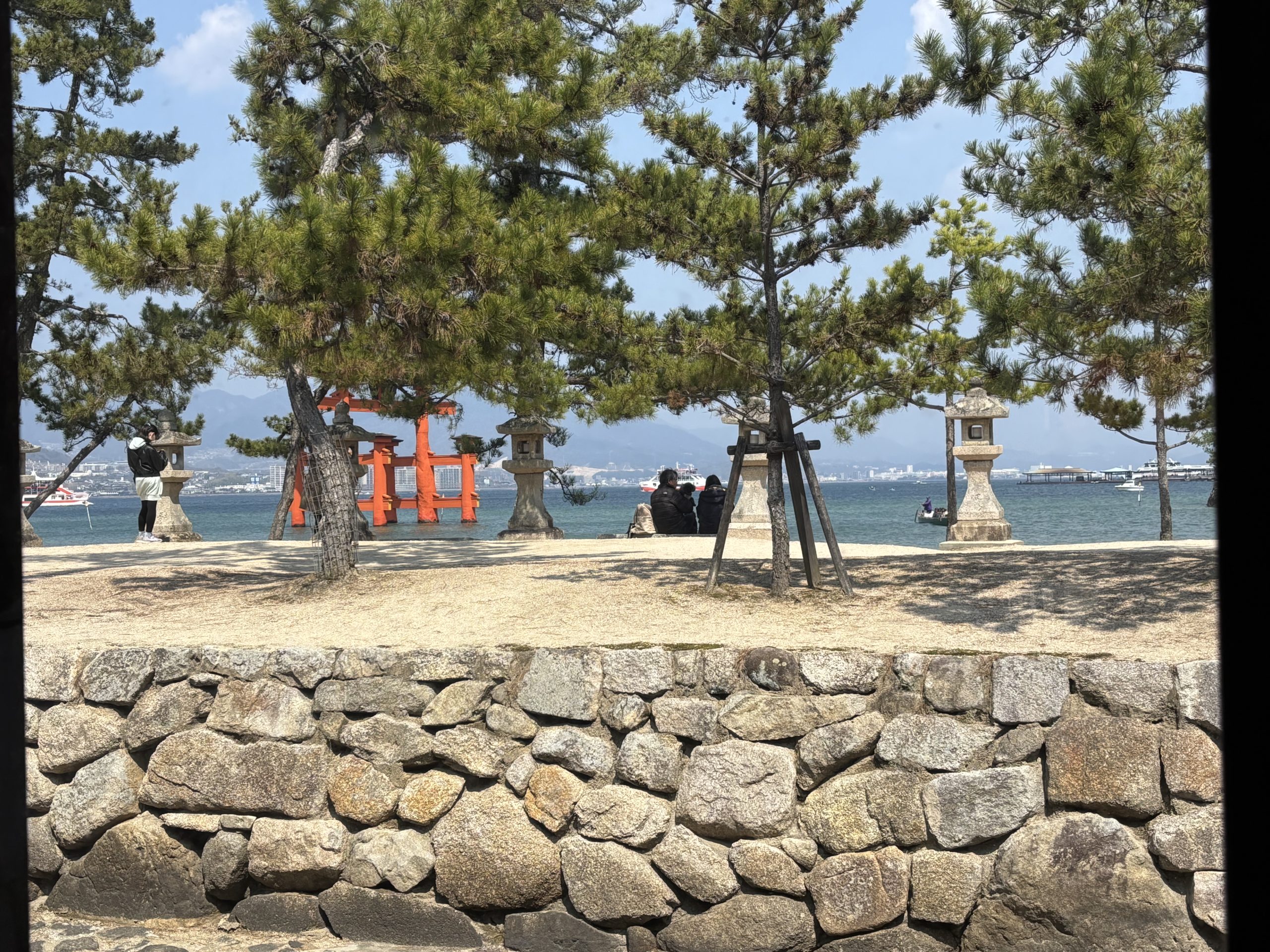
The back tatami seats, with their window view of the Great Torii standing in the sea, made the entire lunch feel special. Tempura sizzling in the kitchen, the warm wooden interior, the friendly dogs, and the iconic view — it’s a combination that’s hard to beat.
Full Menu Overview: Tempura Sets and Anago Rice
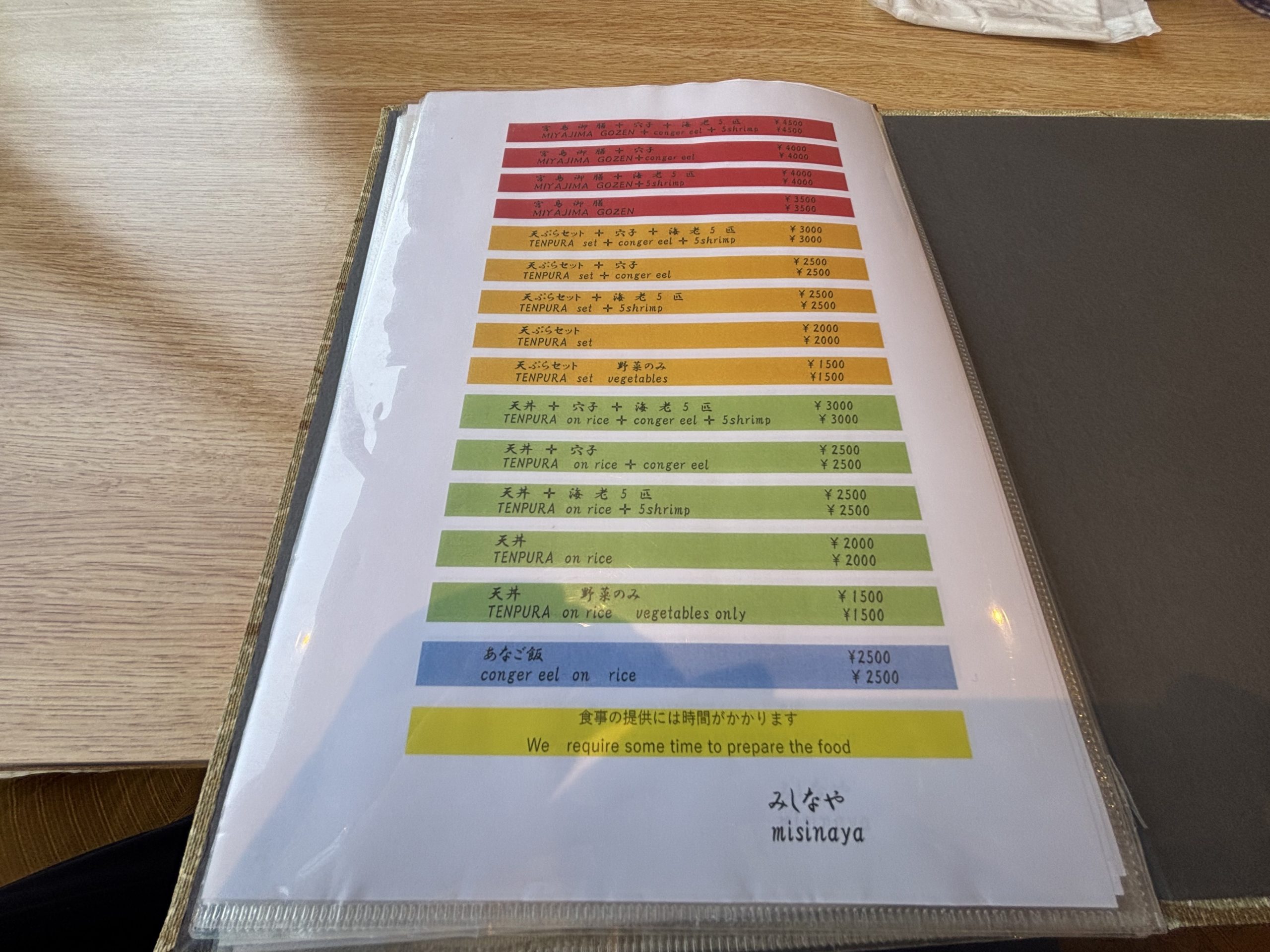
Mishinaya’s menu is built around combinations of vegetable, shrimp, and anago (conger eel) tempura. The kitchen uses thin batter and precise frying temperatures to keep everything light and non-oily — a quality that’s harder to achieve than it sounds, especially in a busy tourist area.
In addition to the tempura sets, the restaurant also serves anago rice (穴子飯) at 2,500 yen. This dish features Miyajima’s beloved conger eel — simmered until tender, then lightly charred — served over white rice with a sweet soy glaze, alongside miso soup and a small side dish. It’s a more traditional Miyajima-style presentation than the tempura set, and a great option if you want a slightly lighter but equally satisfying meal. Anago (conger eel) is one of Miyajima’s most iconic local ingredients, so trying it in any form here is highly recommended.
The meal finishes with the fried momiji manju dessert, which ties together the tempura craft and Miyajima’s most famous sweet in a single, memorable bite. The two-sauce system (tempura dipping sauce and tendon sauce) means you can experience the same ingredients in two distinctly different ways — a thoughtful touch that elevates the meal beyond a simple set lunch.
If you’d like to try Miyajima’s famous oysters while you’re here, Miyatoyohonten is a popular choice. Our guide covers what to expect.
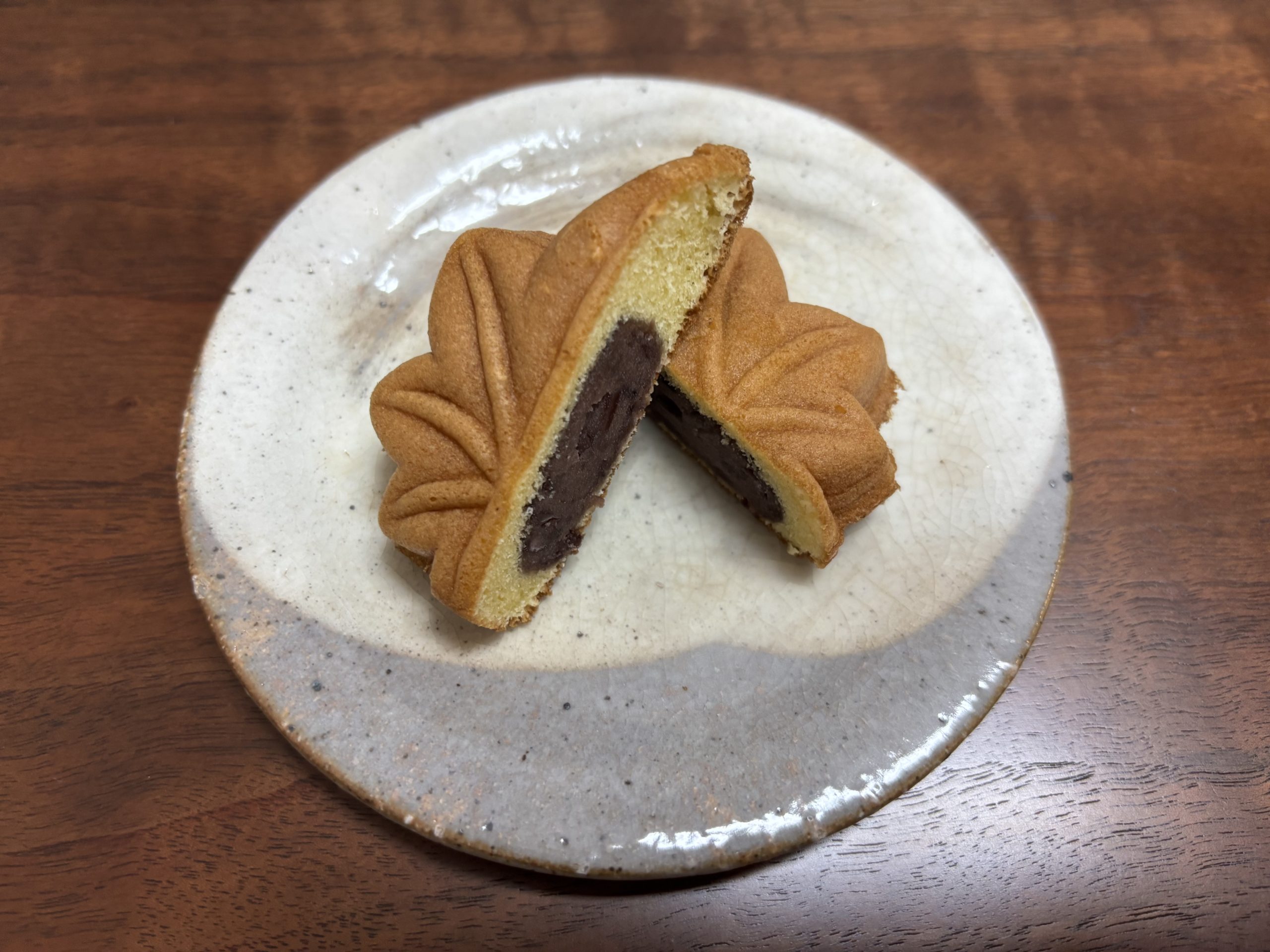
If you're visiting Miyajima and want to try momiji manju at its most t...
Location and Visitor Information
Mishinaya is located behind Daigan-ji Temple, approximately two minutes on foot from the exit of Itsukushima Shrine. It sits naturally along the main sightseeing route that connects the shrine area with the ferry pier, so it’s easy to incorporate into almost any Miyajima itinerary without backtracking.
Hours: Approximately 11:00–15:00 (as of October 2026; may change). No evening service.
Regular holidays: Currently not fixed — check for updates before your visit.
Opened: Mid-April 2024.
Seating: 4-person tatami ×5, 2-person tatami ×1, counter seats ×6.
Landmark: Yellow noren curtain at the entrance.
For avoiding peak crowds, aim to arrive at or shortly after opening (around 11:00), or visit later in the afternoon. Weekdays between 14:00 and the 15:00 close are generally the quietest window. If you’re driving to Miyajima, note that parking is at Miyajimaguchi on the mainland — the ferry crossing takes about 10 minutes from there.
The restaurant’s policies on pets and other details may change, so it’s always worth confirming the latest information before you go. As with all Miyajima dining spots, prices and menu details are subject to change.
Daisho-in Temple is one of Miyajima’s most spiritually significant sites — and it actually predates Itsukushima Shrine. It makes an excellent pairing with a Mishinaya lunch. Here’s our full guide.

Tucked into the forested hillside at the foot of Mount Misen, Daishoin...
FAQ
Where exactly is Mishinaya on Miyajima?
Mishinaya is located behind Daigan-ji Temple, about two minutes on foot from the exit of Itsukushima Shrine. Look for the yellow noren curtain hanging at the entrance. It sits right along the main tourist route, making it easy to find even on your first visit to the island.
How much does the tempura set cost at Mishinaya?
The signature tempura set with anago (conger eel) is 3,000 yen including tax. It includes five shrimp, a variety of vegetable tempura, a large piece of anago, rice, miso soup, pickles, and two dipping sauces. The anago rice set is 2,500 yen and comes with miso soup and a small side dish.
Does the meal include dessert?
Yes — after your meal, the kitchen serves a freshly fried matcha momiji manju as a dessert course. This is included with the set meal at no extra charge. Momiji manju are Miyajima’s iconic maple-leaf-shaped sweet cakes, and having them served hot and deep-fried is a uniquely Miyajima experience.
Can you see the Great Torii Gate from inside the restaurant?
Yes, if you’re seated at one of the tatami tables in the back of the restaurant, you can look out through the windows and see the Great Torii Gate standing in the sea. It’s one of the more memorable views you can enjoy over lunch on Miyajima.
What are the best times to visit to avoid a long wait?
The busiest period is around noon. To avoid the rush, try arriving right at opening time (approximately 11:00) or visiting after 14:00. On weekdays, the hour before the 15:00 close tends to be the quietest. Allow at least 20 minutes for your food to arrive, as everything is fried fresh to order.
Is Mishinaya good for families with young children?
Yes, it works well for families. The tatami seating is spacious and relaxed, and the restaurant’s three friendly mascot dogs — including the beloved Lucky — help keep younger children entertained while you wait for your food. The vegetable tempura is popular with kids, and the fried momiji manju dessert is always a hit. Going during off-peak hours (after 14:00 on weekdays) is especially recommended with young ones.
Does Mishinaya serve dinner?
No, Mishinaya is a lunch-only restaurant. Hours are approximately 11:00 to 15:00. There is currently no fixed regular closing day, so it’s worth checking the latest information before your visit.
Final Thoughts
Mishinaya has quickly established itself as one of the most enjoyable lunch experiences on Miyajima Island. As the island’s only dedicated tempura specialty restaurant, it fills a genuine gap in the local dining scene — offering expertly fried, generously portioned sets at prices that feel reasonable even by tourist-area standards. The combination of crispy fresh tempura, Miyajima’s iconic anago, the fried momiji manju dessert, a window view of the Great Torii, and three very charming dogs makes for a lunch that feels distinctly, uniquely Miyajima.
My family visits Miyajima several times a year, and Mishinaya has become one of our favorite stops on the island. The kids always ask if we can go back — and honestly, so do the adults. If you’re planning a trip to Miyajima and want a memorable sit-down meal that goes beyond the usual street food, this tempura restaurant is well worth the short detour from the shrine.
Facility details including hours, pricing, and menu offerings are subject to change. Please check the latest information before your visit.
You Might Also Enjoy
Miyajima’s UNESCO World Heritage status covers far more than just the shrine — including the ancient primeval forest of Mount Misen. Here’s the full story.
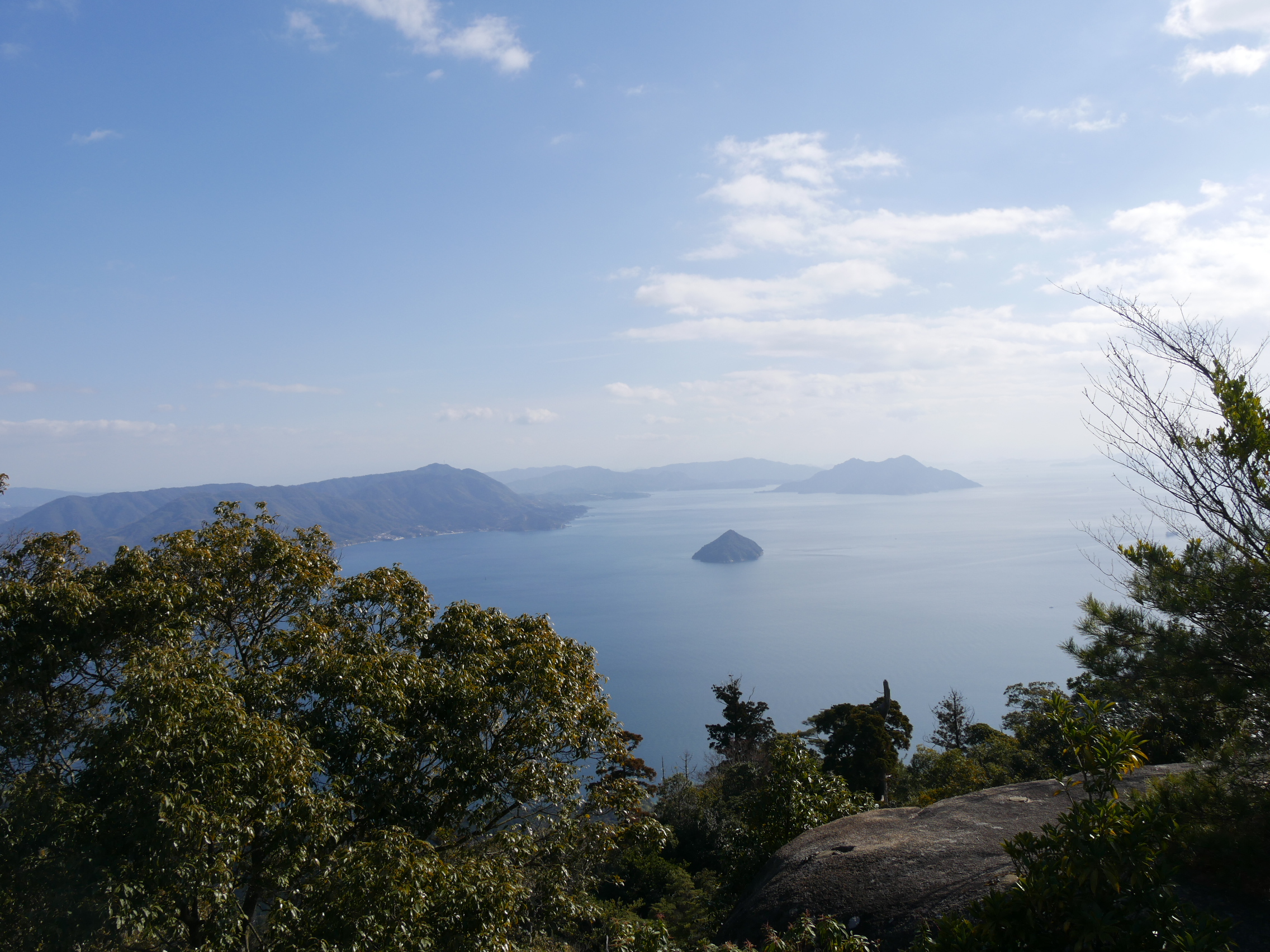
Rising dramatically from the sea off the coast of Hiroshima, Itsukushi...
Age momiji — deep-fried momiji manju — is one of Miyajima’s most popular street snacks. After tasting the version at Mishinaya, you might want to try the original street food take too.
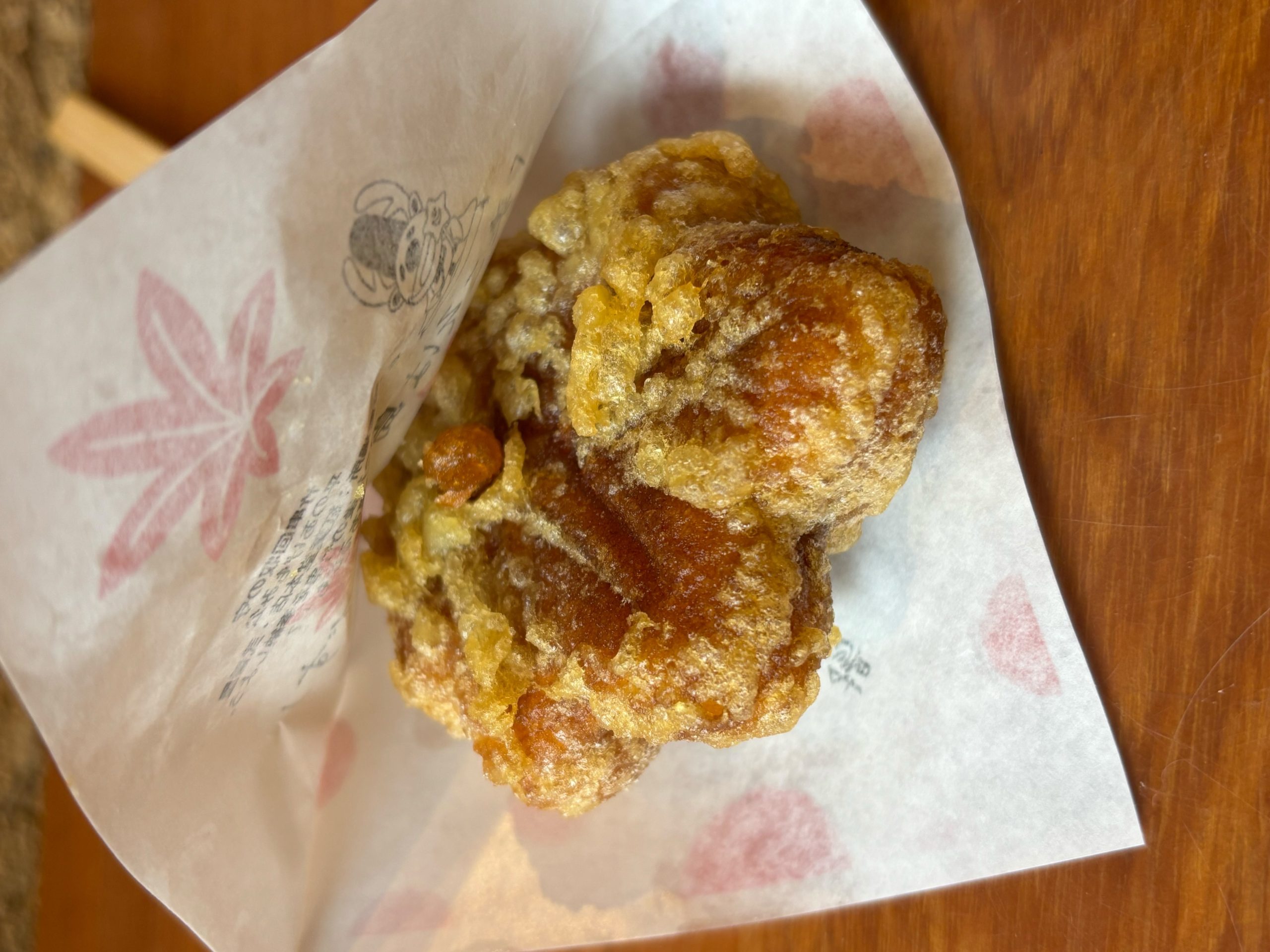
Momiji manju (もみじ饅頭) is a small sponge cake shaped like a Japanese map...
Starting your Miyajima morning right? The island-baked breads at Miyajima Bessou’s Shimakiuma Pan on Omotesando Shopping Street are a beloved local favorite for breakfast.
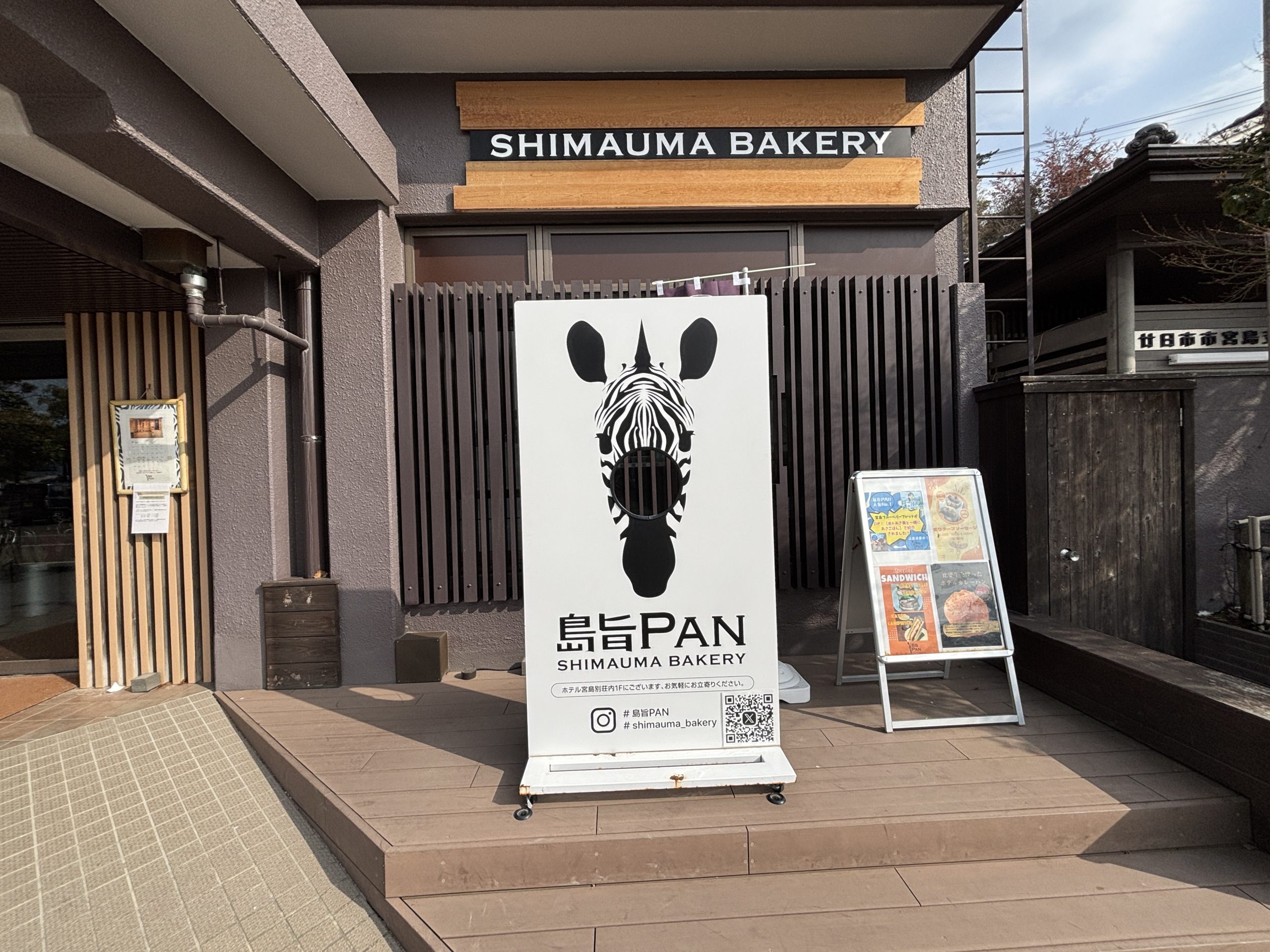
Just one minute on foot from the Miyajima ferry pier, Shima Uma Pan ...