
When visiting Miyajima, you absolutely must try anago-meshi (anago rice). This beloved local food in Japan features saltwater conger eel from the Seto Inland Sea—lighter and more delicate than freshwater unagi—served over savory dashi-infused rice. In this guide, a local writer shares insider tips for families: how to choose between famous restaurants, the dish’s history, its seasonal best, and practical ways to dodge the crowds. From a fresh morning bite to a relaxed takeout dinner by the water, we’ll help you savor this quintessential taste of Miyajima.
If you’re wondering what to eat in Miyajima, anago rice is the answer. Below you’ll find everything you need to enjoy it like a pro: the story behind Miyajima’s anago, why it’s so popular, when it tastes best, and how to plan your meal. Whether you’re traveling with kids or hunting for the best grilled anago rice in Hiroshima, use this as your go-to reference for a delicious trip.
Miyajima’s Anago Rice
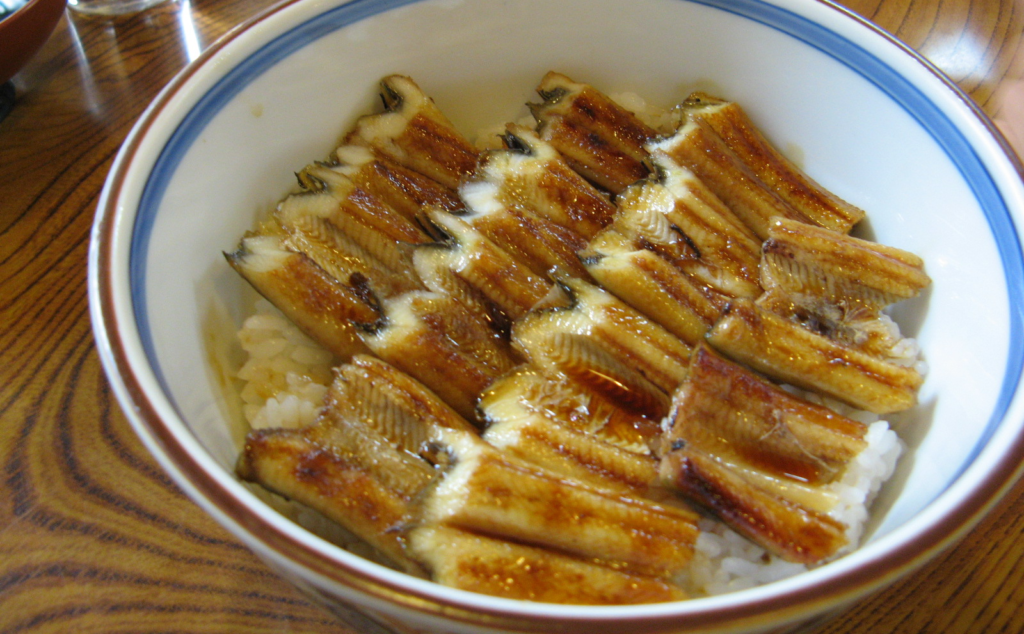
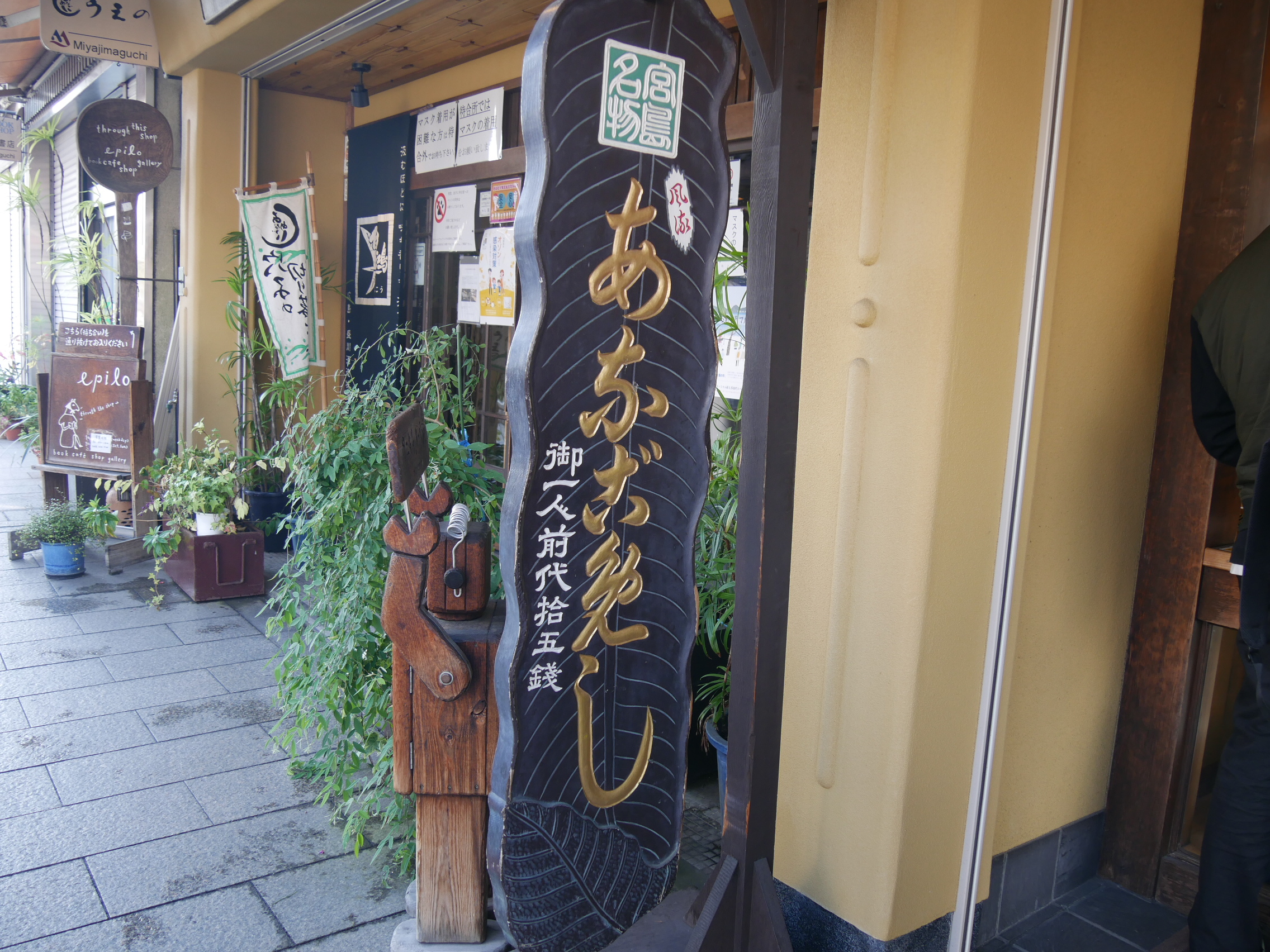
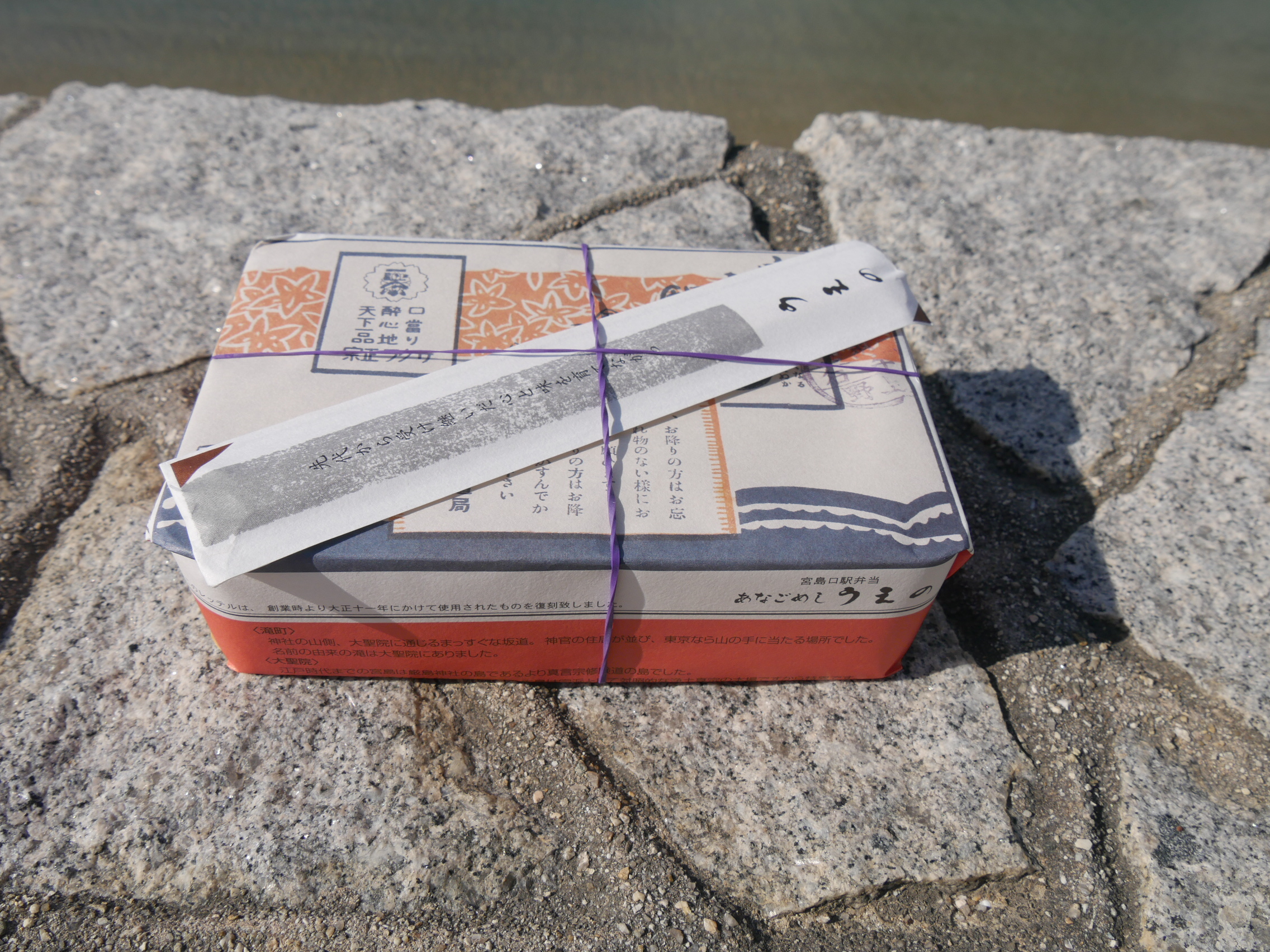
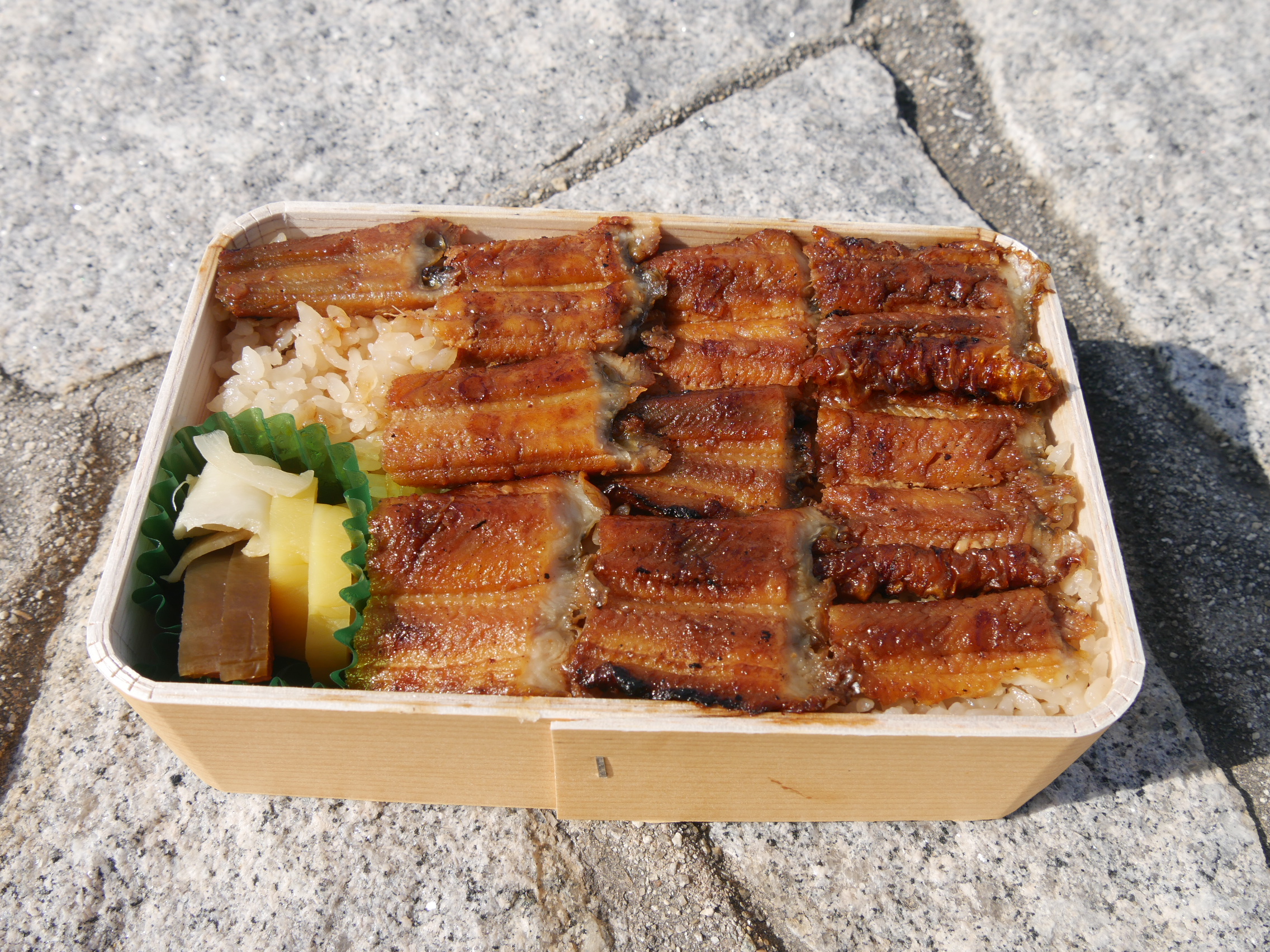
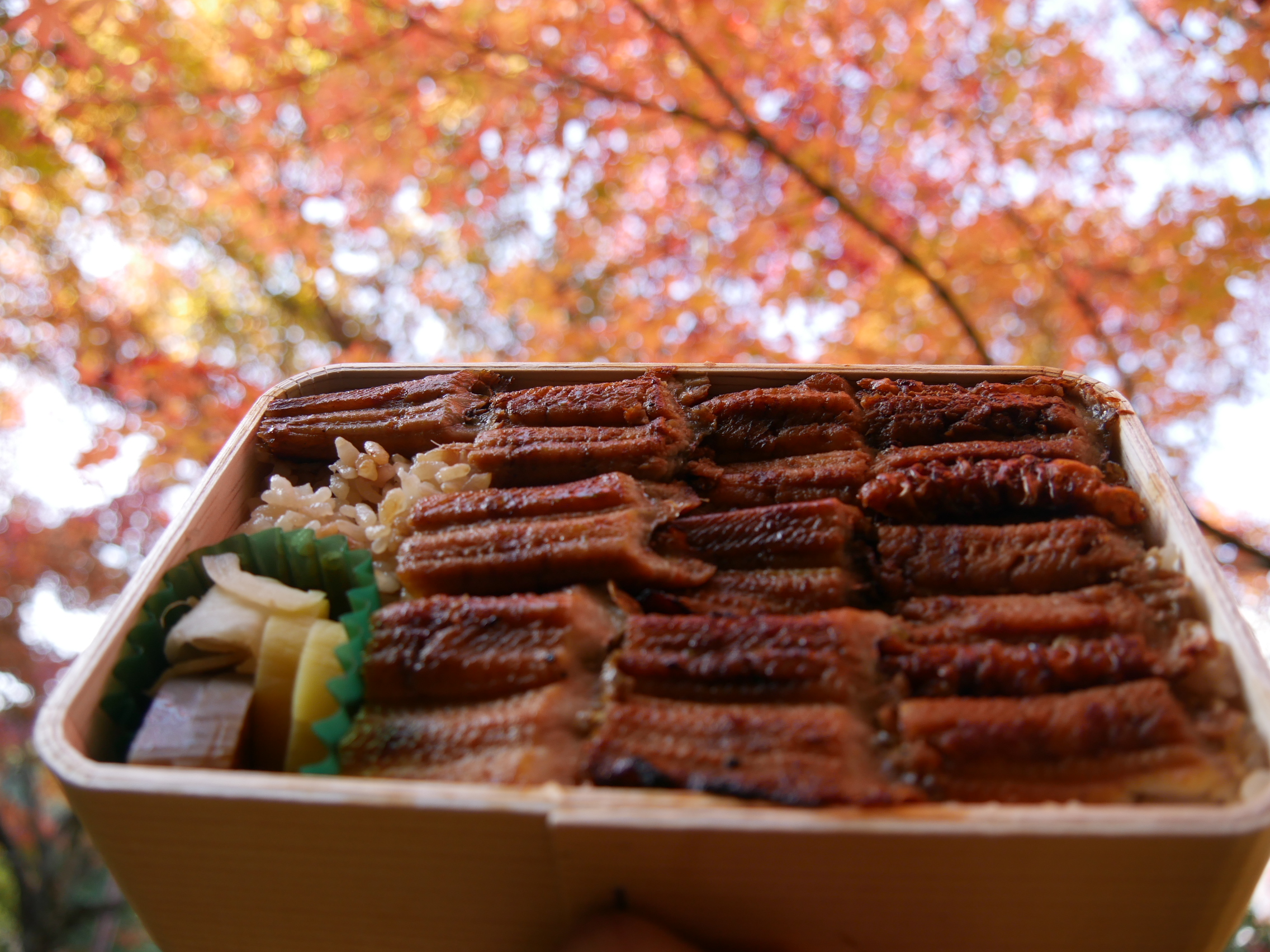
Anago rice is a classic Miyajima dish that locals have loved for generations. The conger eel (anago) is either grilled kabayaki-style with a carefully balanced tare or gently simmered for a tender, fluffy finish. Each restaurant’s rice has its own character, often cooked in a broth made from anago bones and trimmings that infuses every grain with umami. The first time I tried it, I was struck by the plump anago and the deep, savory rice. Our children always exclaim “The anago is so delicious!” with pure delight. A standout name is “Anago Meshi Ueno,” founded over a century ago and famous nationwide for its station bento (ekiben).
From the late Meiji to Taisho periods, Miyajima’s anago rice spread through ekiben culture. The traditional method cooks rice in a rich anago dashi, then crowns it with fragrant grilled anago. Around the port you’ll see distinct styles on proud display: grilled (highlighting smoky aroma) versus simmered/steamed (emphasizing pillowy softness). Seasonality adds to the charm—lean and refreshing in summer, richer and more robust in winter. Packed with DHA, EPA, vitamin A, and iron, it’s satisfying yet not heavy, great for sharing with kids. Raised in the swift currents of the Seto Inland Sea, Miyajima anago has firm flesh that releases more umami with each bite.
Ueno: A Time-Honored Restaurant Guarding Tradition
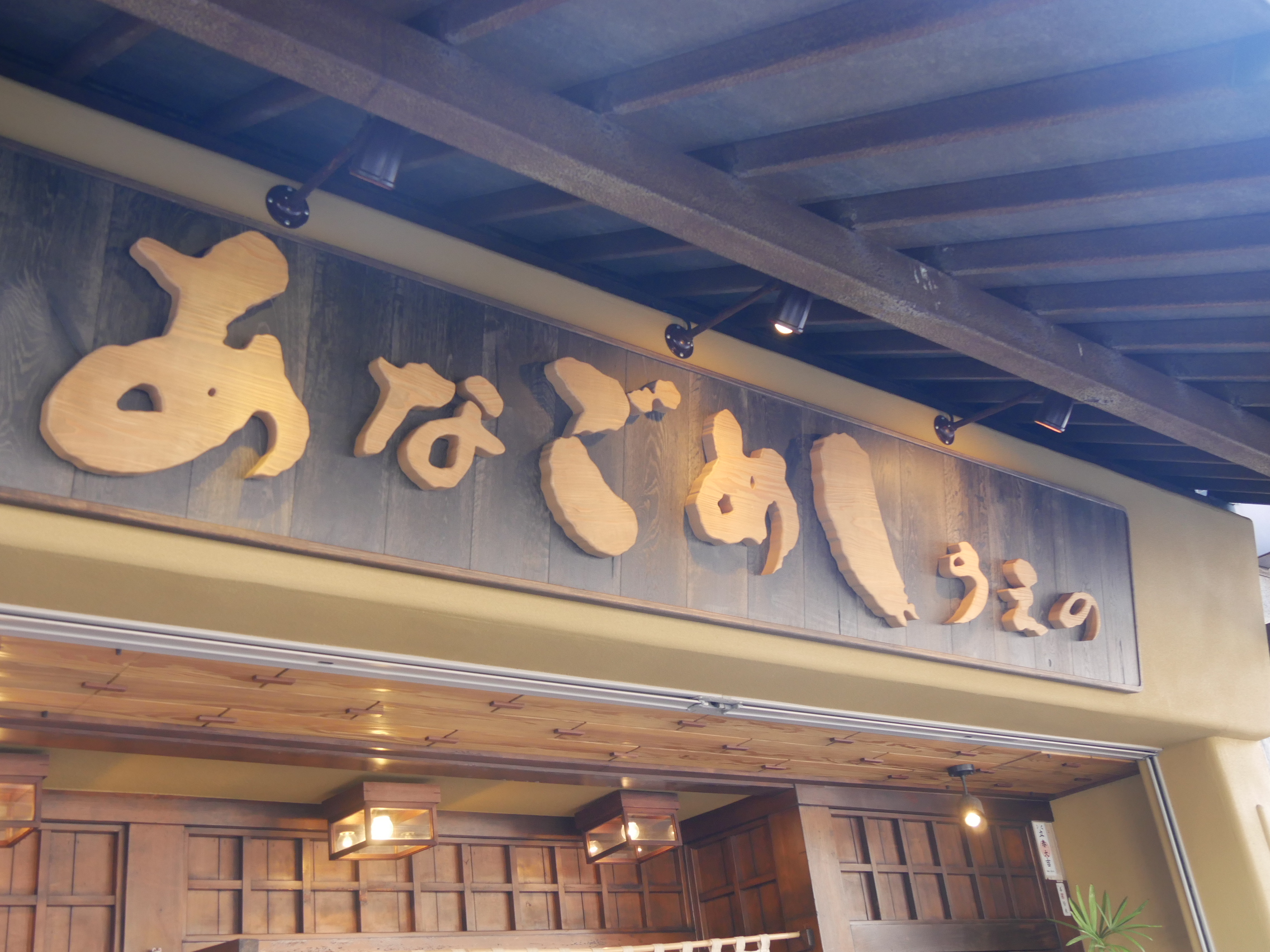
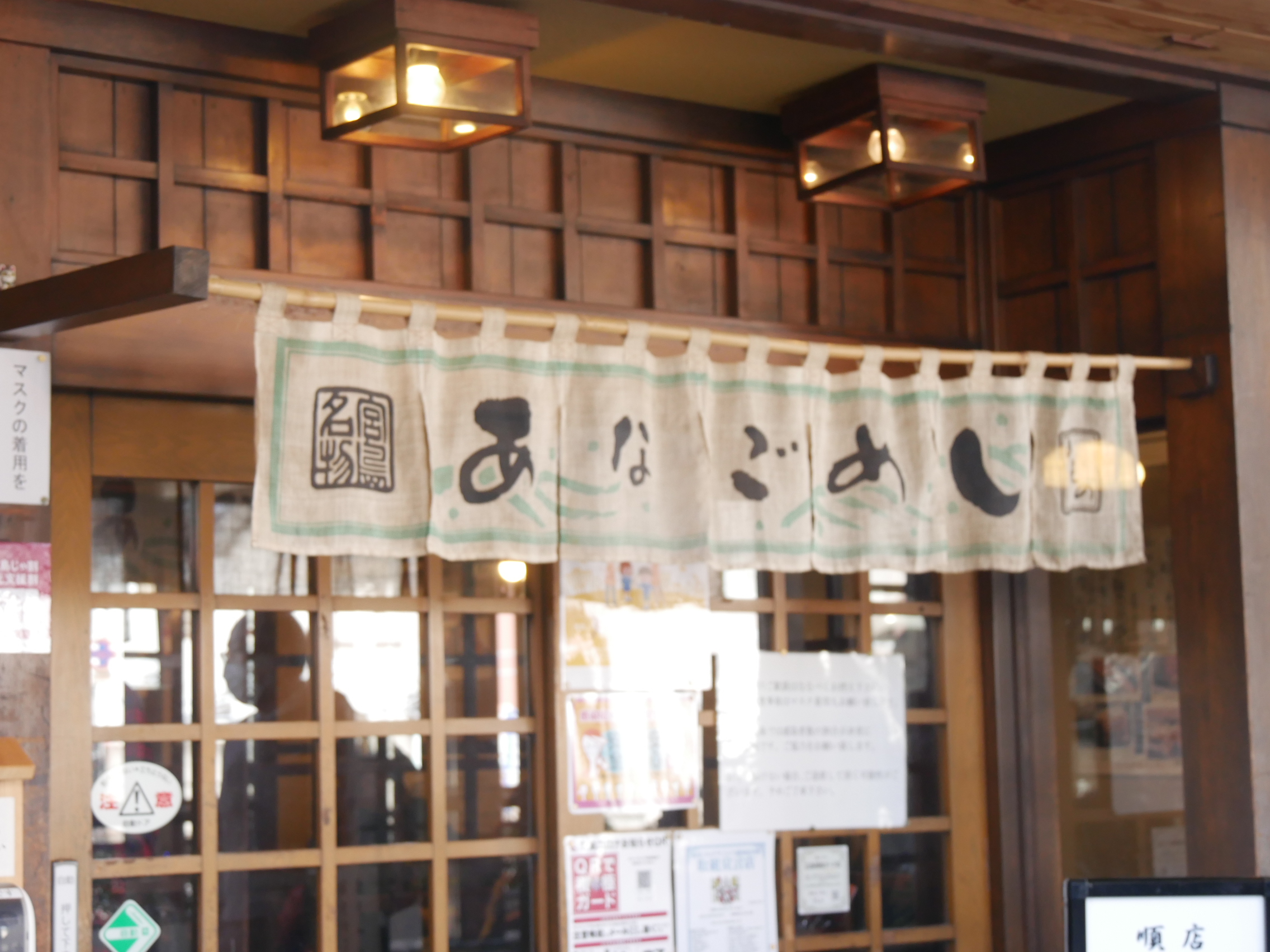
When it comes to anago rice in Miyajima, the legendary “Anago Meshi Ueno” is a must. Established in the early 1900s, it helped define anago-meshi and continues to pass down its time-honored flavor today. The founder’s passion for creating an everyday eel dish loved by locals still shapes Ueno’s spirit.
Ueno’s hallmark is its closely guarded tare, refined over more than a century to draw out the anago’s natural sweetness and umami. Equally memorable is the expert grilling—each fillet is handled by skilled artisans for a plump, tender finish with an elegant char.
Step inside and you’ll feel the history. The warm, retro atmosphere evokes the best of old Japan, turning a simple meal into a small journey back in time. Ueno’s bento boxes are especially well made; as the minutes pass, the sauce and anago soak into the rice, deepening the flavor. My usual routine is to sneak a taste with the kids while waiting for the ferry, then enjoy the rest on a bench facing the island’s scenery. My younger daughter always says “It’s so fluffy and delicious!” while finishing every last bite. To avoid crowds, aim for right after opening or between 2:00 and 3:00 PM. If you prefer a slower, seated experience, consider their sister location’s course meal (advance confirmation recommended).
Recommended Anago Rice Shops: Miyajima Edition
If you want delicious anago rice in Miyajima, these three shops are essential.
Fujitaya
First up, “Fujitaya” is renowned for anago rice made with locally caught conger eel. The fish is slowly grilled using traditional methods, and the sauce is intentionally subtle—not too sweet or heavy—so you can fully appreciate the anago’s clean flavor and texture. Surprisingly, many locals actually prefer Fujitaya! Its signature taste and welcoming, family-friendly atmosphere win over many travelers.
With more than a century of history, Fujitaya is prized for its delicately seasoned tare and fragrant grilling. They insist on locally sourced, wild anago, cooked to a perfect balance—flakes easily yet retains a pleasant firmness. Choose a quieter time to settle into the calm interior, even with children, for a relaxed meal on your Miyajima itinerary. My eldest daughter was amazed, saying “I can really taste the fish!” Lines are common at peak hours, so visiting right after opening or slightly later is most comfortable.
Shio Machi Sushi Tsurumi
Next is “Shio Machi Sushi Tsurumi,” where you can enjoy anago rice, sushi made with fresh local fish, and regional sake. The freshly prepared anago is tender and almost melts in your mouth, beautifully lifted by the bonito flakes layered beneath. The sauce is sweet and rich, pairing perfectly with rice cooked over two days using kombu dashi.
This spot shines with its melt-in-your-mouth simmered anago. The robustly sweet tare complements the dashi rice, making it ideal to savor slowly alongside sushi and a glass of local sake—especially after a full day of sightseeing. My husband always says “This goes perfectly with sake!” English support can vary by season, so confirm in advance if that’s important for your group.
Mametanuki
Then there’s “Mametanuki,” where you can enjoy both anago and local oysters. Their signature anago rice is steamed in a ceramic pot over high heat, delivering a uniquely soft, tender texture distinct from grilled eel.
Mametanuki’s steamed anago is so fluffy a wooden spoon glides right through. Using rice from contracted Hiroshima farmers, a gentle sweet-savory sauce coats each grain. The texture is easy for children to enjoy, and on cold days the fragrant steam is irresistible. My younger daughter loves it, saying “It’s so easy to eat with a spoon!” They occasionally offer rare items like sashimi; as the menu changes, check locally on the day.
Wada
A local favorite often called a “go-to.” Thick-cut Setouchi anago is finished with an elegant, lightly sweet sauce and served over white rice for a clean style. The aromatic grill and crisp finish keep every bite refreshing to the end. In our family, most voices say “Wada is the best!” It can get busy, but timing your visit can unlock quieter windows—making it a reliable choice to slot into your plans.
Why Miyajima’s Conger Eel is Famous
Miyajima’s anago reputation is closely tied to its oyster culture. Beneath the oyster racks, sediment builds up and nurtures small fish, crabs, and shrimp—prime feeding grounds for conger eel. This natural cycle makes the Miyajima area a renowned source for high-quality anago. Each visit is a reminder that the island’s incredible anago rice is powered by the bounty of the sea.
The Seto Inland Sea’s strong tidal currents and wide tidal range firm up anago flesh and concentrate umami. On the island you’ll find it grilled, steamed, or simmered—and on rare occasions even served raw, a special preparation that demands top-tier freshness and skill. This close bond between sea and community shapes a unique food culture and elevates anago rice beyond a simple bowl. Enjoying a mouthful while feeling the sea breeze adds a flavor you can’t replicate at home.
When is the best season for Miyajima eel?
Miyajima’s anago has two peak seasons: the “Rainy Season/Summer anago” from June to August, and “Winter anago” from October to December. Summer anago is delicate and light, while winter anago is richer, slightly firmer, and more luxurious. Part of the fun is tasting how the same dish changes with the seasons—I especially love the depth of winter anago.
Think light and refreshing in summer, rich and hearty in winter. On hot days, steamed or simmered anago makes an easy, gentle meal; in the cold months, the smoky aroma of grilled anago really shines. For families, order tender steamed anago for the kids and fragrant grilled anago for the adults, then compare bites. Conversations naturally turn into, “Which season should we visit next?”
Tips for Enjoying Anago Rice During Miyajima Sightseeing
A few smart tips can make your anago-meshi experience smoother. Popular shops often require waits of 1–1.5 hours, so arriving about 10 minutes before opening helps. Alternatively, pick up a bento near Miyajimaguchi or on the island and enjoy it outdoors—there are plenty of benches and sea views. Just be mindful that deer may wander close. Locals know that 100-yen store pinwheels are effective deer deterrents!
To avoid crowds, manage your “time” and “place.” Noon is peak, so aim for just after opening or between 2:00 and 3:00 PM. Weekdays between 2:00 PM and 4:00 PM are the quietest times, so timing your visit then is the key. If you find a long line, switch to takeout and use your ferry wait as a bento break. With young children, it’s reassuring to secure a bench or seaside spot first. Many Miyajima anago rice bentos are designed to taste great even when cool, and their flavor holds up well on the go. The nursing room in Omotesando Shopping Street is on the second floor of the tourist information center. English menus and cashless payment options vary by shop, so check official info shortly before your visit if needed.
The classic course is to enjoy anago rice before or after visiting Itsukushima Shrine! The shrine shows different faces at high and low tide.
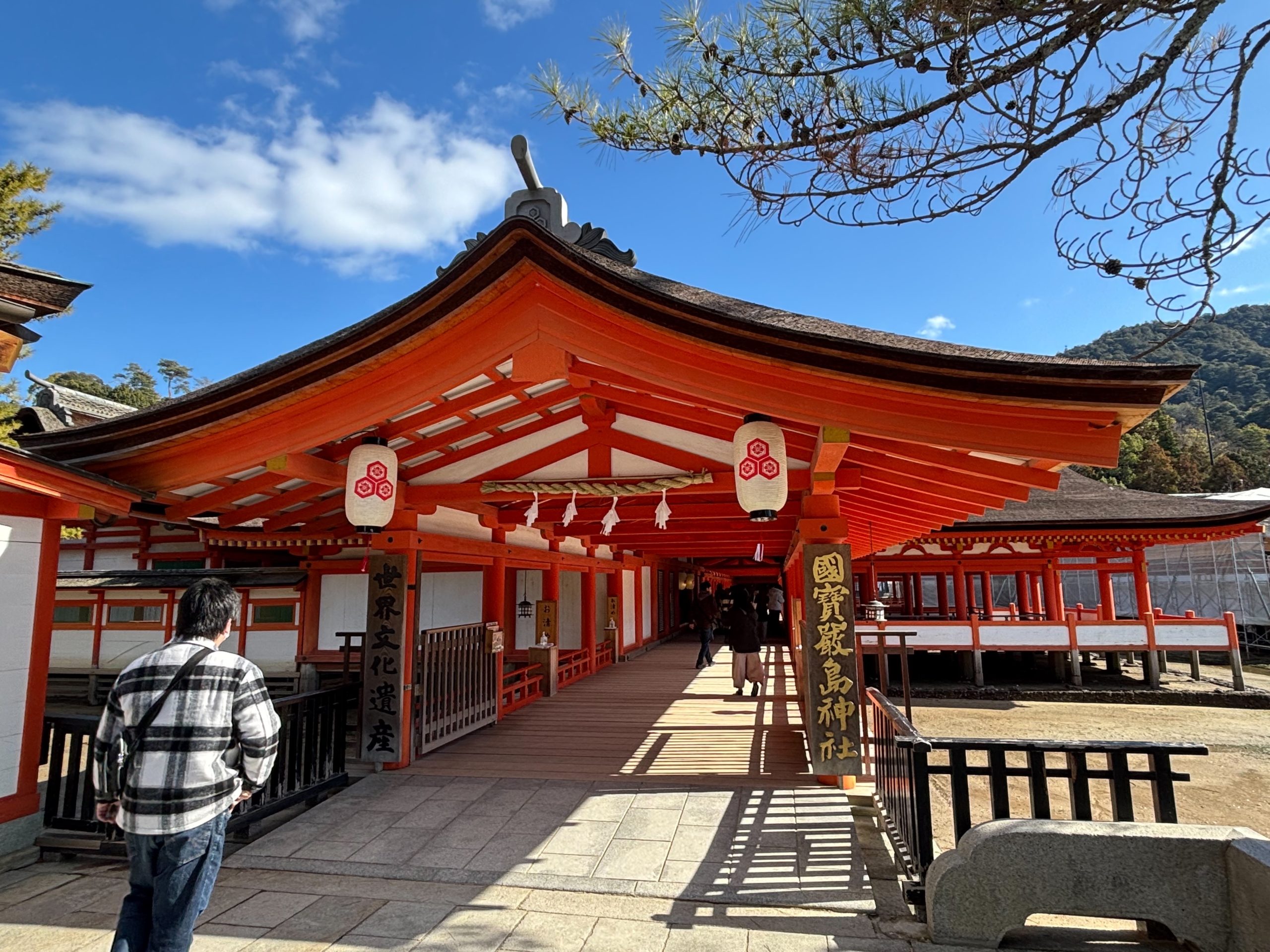
When you think of Miyajima, you think of Itsukushima Shrine. Cradled b...
For families exploring the bustling shopping street lined with anago rice famous restaurants, this is a must-visit spot with freshly made sweets and snacks.
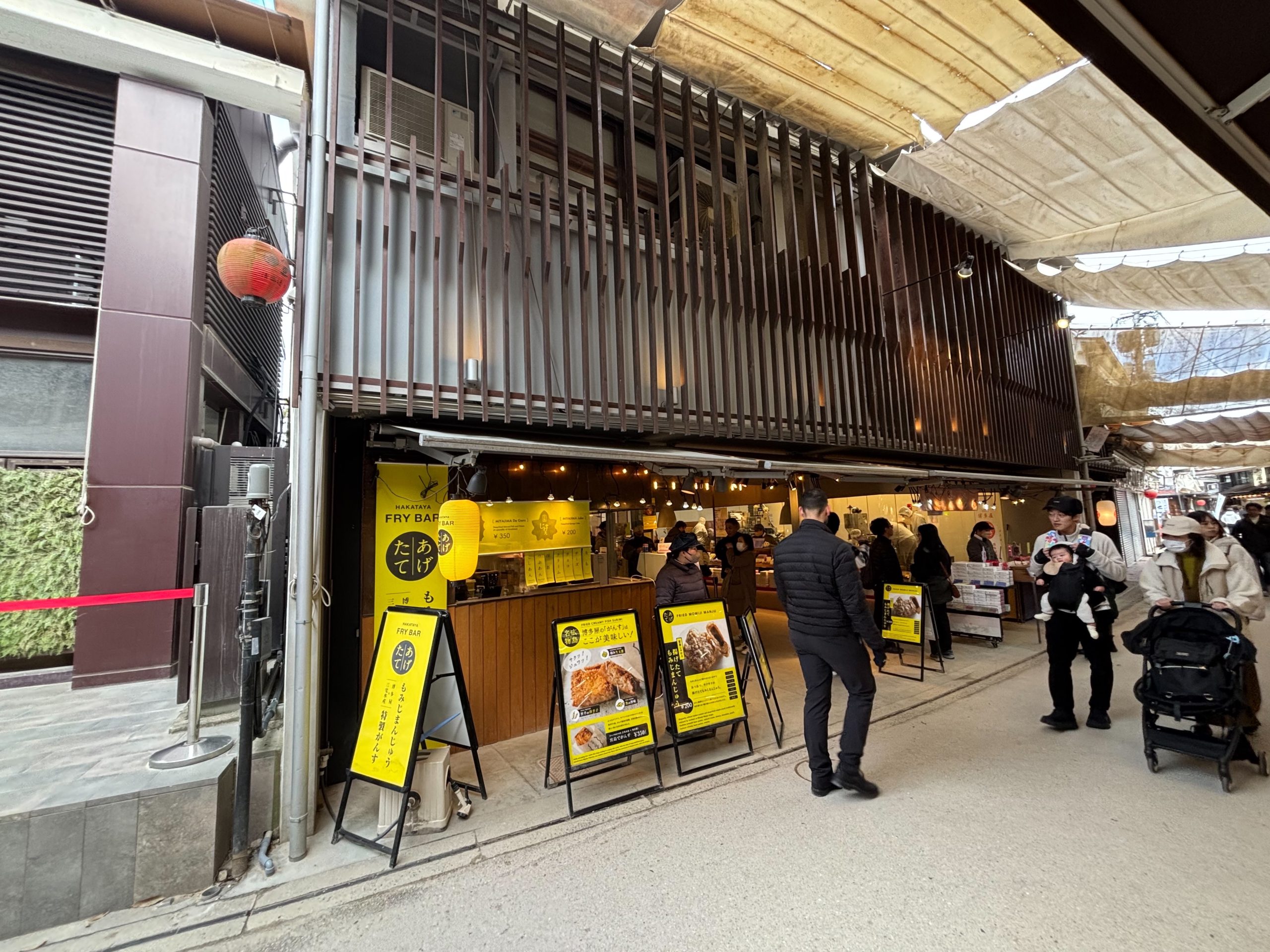
Omotesando Shopping Street stretches from Miyajima Pier to Itsukushima...
Other Ways to Enjoy and Street Food
If you have extra time, try charcoal-grilled jumbo anago, rice bowls featuring university-cultivated “true conger,” and fun street foods like skewers, burgers, and “Pettara Potta.” Plan a mini tasting tour—compare grilled, steamed, and simmered styles based on your schedule and travel theme. A warm bite of anago while watching the sun set over the Seto Inland Sea makes for a classic Miyajima memory.
Toyotomi Hideyoshi’s historic Senjokaku is the perfect spot to enjoy anago rice bento! With space equivalent to 857 tatami mats, kids can run around freely while enjoying the pleasant sea breeze.
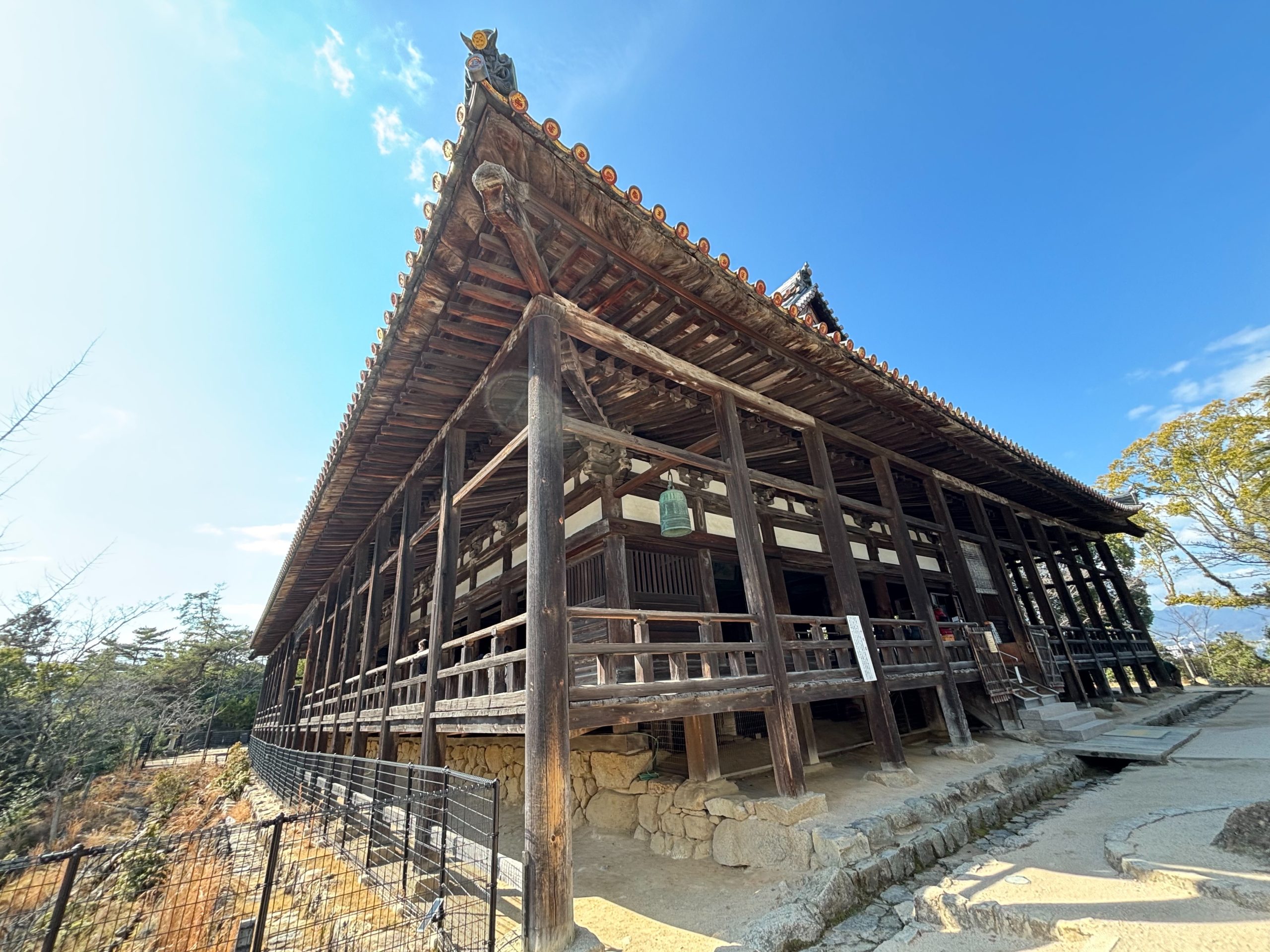
Highlights and Views at Miyajima's Hōkoku Shrine (Senjōkaku) Perched ...
Take the ropeway up to Mount Misen’s summit and savor anago rice bento while enjoying the scenery! You can also visit the sacred fire that has burned for 1,200 years.
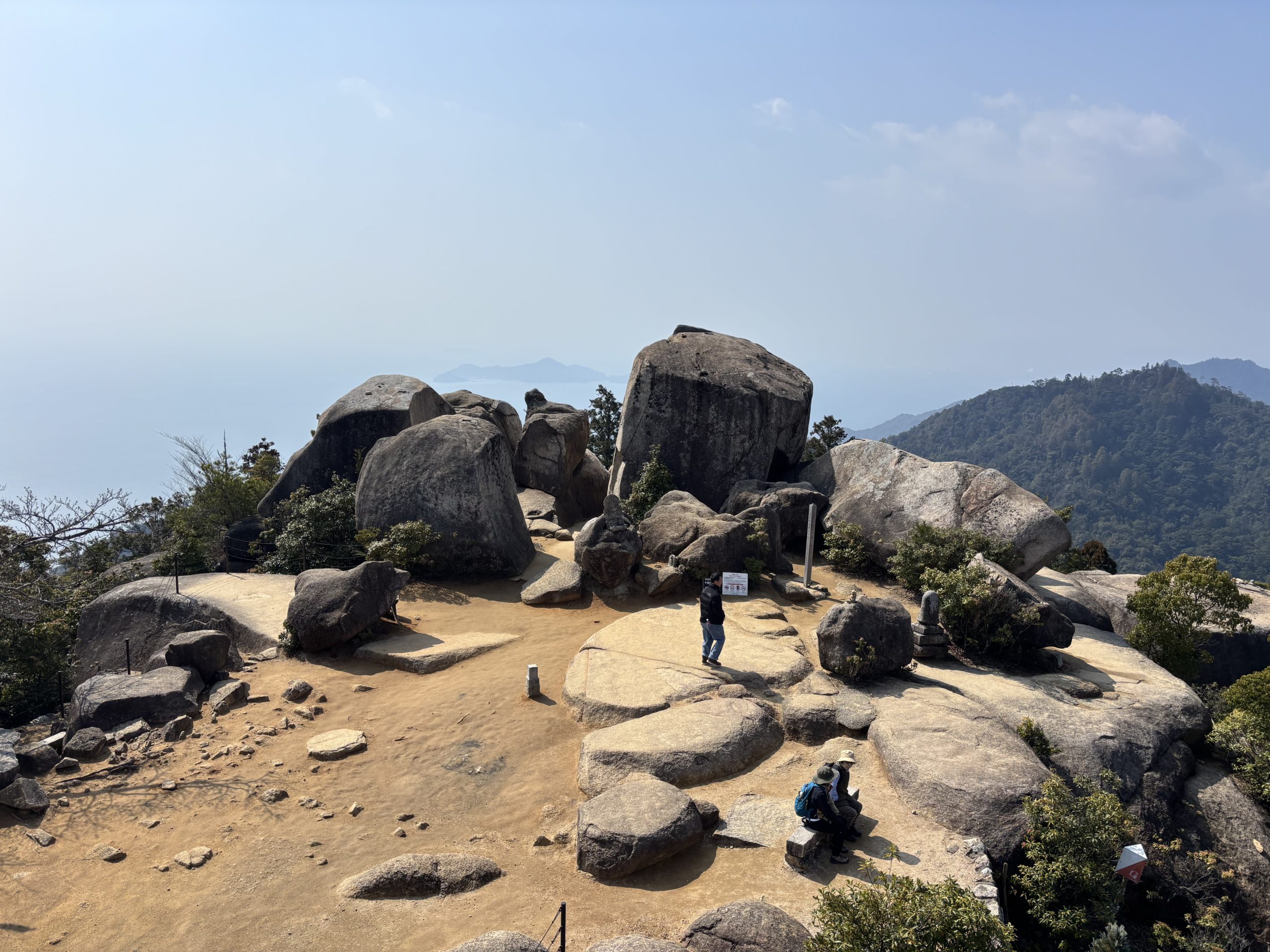
The definitive one-day guide to "Mt. Misen sightseeing." Rising behind...
Frequently Asked Questions (Q&A)
Q. What time is best to avoid lines?
A. Right after opening or between 2:00 PM and 3:00 PM, after the lunch rush, tends to be relatively less crowded. If the line is long, switching to takeout is a smart move. Late March to early April (spring break) and November three-day weekends are the most crowded times of the year, so be especially careful.
Q. Can I reserve takeout or ekiben (station bento)?
A. Some stores accept advance reservations. Pickup windows and quantity limits may apply, so please check each store’s latest information before your visit.
Q. Is it okay to bring children or strollers?
A. Seat spacing and wait times vary by shop. Plan around the flow of people—avoid peak times or grab takeout and use island benches for an easier family meal. Miyajima Aquarium offers free stroller rentals.
Q. Are English menus available? Is it okay to bring friends from overseas?
A. Availability varies by store. Confirm in advance whether English menus are offered and if cashless payment is accepted. The latest leaflets from the tourist information center are also helpful.
Q. Do items sell out? Can I eat late at night?
A. During busy periods, items may sell out and shops may close early. If you’re planning a late visit, consider takeout or line up a backup option.
Q. What’s the budget range?
A. Most shops and bento counters offer multiple sizes so you can choose based on budget. “Special” sizes usually mean a larger portion while maintaining the same quality.
Q. Should I reheat takeout?
A. Many Miyajima anago rice bentos are designed to be delicious even when cool, so you can enjoy them as is. If you prefer warmth, a brief reheat is enough to revive the aroma.
Actually, Daisho-in Temple has a longer history than Itsukushima Shrine and is also a power spot! The 504 steps are affectionately called “Gore-shi-san” by locals, and they’re perfect for exercise after eating anago rice.

Your complete guide to Daishō-in Temple on Miyajima: history, what to do, spiritual experiences (sand stepping, fire walking, Kaidan Meguri), annual events, access, barrier-free info, and how to get a goshuin (temple stamp).
For rainy days, Miyajima Aquarium is perfect! After the kids enjoy the finless porpoise and sea lion shows, warm anago rice will satisfy both heart and body.
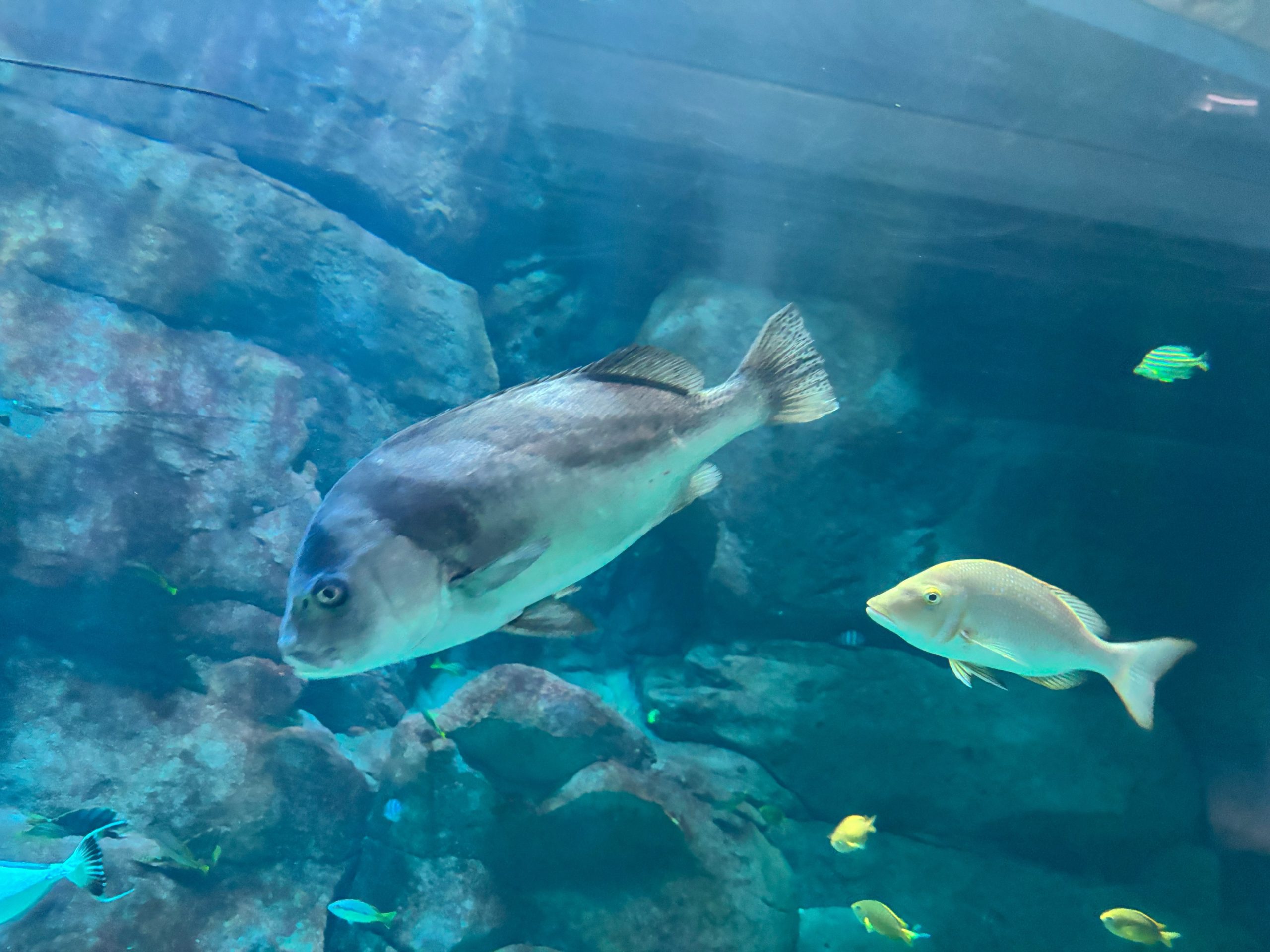
Located at the gateway to the World Heritage island of Miyajima, Miyaj...
Enjoy Anago to the Fullest in Miyajima
When you visit Miyajima, don’t miss anago rice. It’s a delicious bite of history and nature—grilled anago over dashi-rich rice that captures the flavor of Hiroshima and the Seto Inland Sea. While lines form in peak season, arriving a little early keeps things smooth. Try both summer and winter versions if you can—the seasonal difference is half the fun.
Sharing a bowl as sea breeze brushes the island makes for a perfect family moment. Grilled, steamed, or simmered—once you discover your favorite style, you’ll be tempted to return in another season to taste it again. For parking at Miyajimaguchi, the lot behind “Momiji Honpo” is often available before 8:00 AM. Among locals, it’s well known that Koyudo’s fried momiji are crispiest and most delicious first thing in the morning, so pair them with your anago rice for the ultimate Miyajima experience! May your most memorable bite be found right here in Miyajima.