Located right by the exit of Itsukushima Shrine, I honestly wondered at first, “Will kids enjoy the Treasure Museum?” But when we visited as a family and saw around 260 cultural artifacts on display, including the National Treasure “Heike Nokyo,” my eldest daughter’s eyes lit up: “People back then were amazing!” It’s easy to see why it received Tripadvisor’s Travelers’ Choice Award—this cultural spot is an absolute must-see when visiting Miyajima.
The “Treasure Museum” Houses Precious National Treasures and Important Cultural Properties

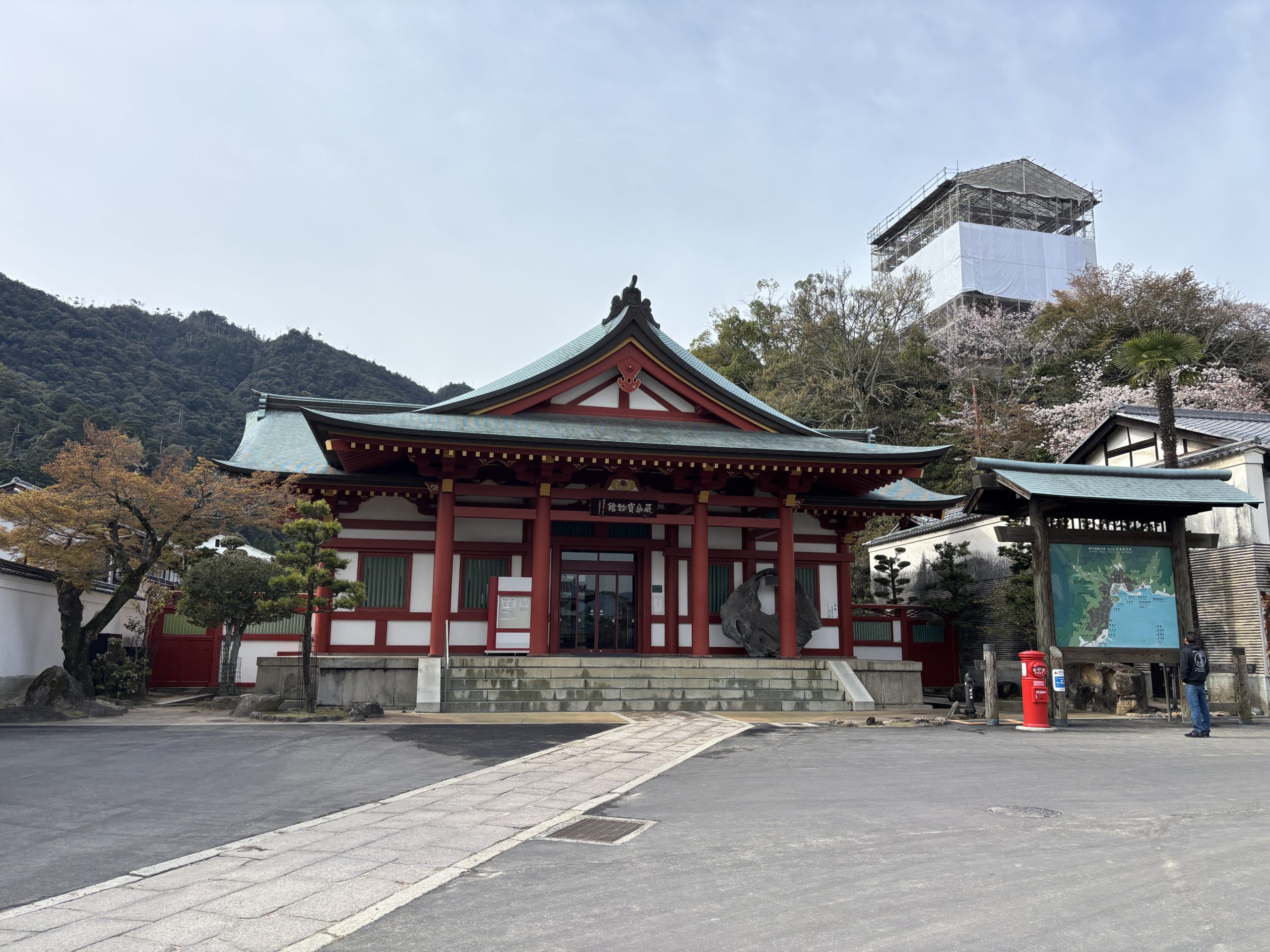
A 15-minute walk from Miyajima Pier, the Treasure Museum sits immediately to the left as you exit Itsukushima Shrine. Built in 1934, the building features rare concrete construction with a lacquered finish. The structure itself is a Nationally Registered Tangible Cultural Property, and even we locals found ourselves saying, “The building is part of the exhibit!”
The entrance plaque reading “Itsukushima Treasure Museum” was penned by Kuki Ryuichi during the Meiji era. My history-loving husband was thrilled: “This alone makes it worth seeing.” Knowing that Okakura Tenshin and Ernest Fenollosa visited in 1899 (Meiji 32) to conduct research adds to the deep sense of history here.
Itsukushima Shrine holds about 260 National Treasures and Important Cultural Properties, and a selection is displayed here. From the famed Heike sutra scrolls to swords, masks, fans, and votive plaques, everything feels truly precious. It’s an excellent stop not only for fans of history and art but also for children’s education.
Admission Fees & Ticket Information with Discounts
Admission is ¥300 for adults, ¥200 for high school students, and ¥100 for elementary and junior high school students. We always use the combined ticket with Itsukushima Shrine—it comes to ¥500 instead of the usual ¥600. Just note: this combo ticket is only sold at the Itsukushima Shrine office. The easiest plan is to visit the shrine first, buy the combined ticket there, and then head to the Treasure Museum.
The museum is open year-round from 8:00 AM to 5:00 PM. A visit takes less than an hour, so it’s easy to pair with Itsukushima Shrine. We went when our second daughter was still small, and the nursing room and changing table inside were a huge help. It’s wonderful to see thoughtful amenities for families with children.
Overview of Collections and Exhibits
The Treasure Museum exhibits over 50 important artifacts, including the National Treasure “Heike Nokyo” sutra scrolls. Explanatory text is kept minimal so you can focus on the beauty and presence of the objects themselves.
Special theme exhibitions are held about twice a year, so there’s always something new to discover—my family even joked about buying an annual pass (laughs). The annex storage facility also displays actual National Treasures, making this the perfect place to conclude your visit.
Stopping by the Treasure Museum after Itsukushima Shrine is the most natural flow. It’s right across from Daiganji Temple, so you won’t get lost.
When you think of Miyajima, you think of Itsukushima Shrine. Cradled b...
The collection includes about 130 Noh masks and around 32 Kyogen masks across 20 types—packed with the history of Japan’s traditional performing arts. My eldest made a new discovery: “I thought masks were scary, but some are beautiful too.”
National Treasures
Heike Nokyo
The “Heike Nokyo” consists of all 33 volumes of sutras dedicated by Taira no Kiyomori and the Taira clan. Adorned with mother-of-pearl inlay and gold and silver decoration, it represents the pinnacle of Heian art. Mesmerized by the delicate details, my younger daughter squealed, “It sparkles like jewels!” A portion is on permanent display, so you can view it up close.
Dedicated in 1164 (Chokan 2), the Heike Nokyo is a roughly 900-year-old decorated sutra set comprising all 33 volumes, including the Lotus Sutra. Lavishly embellished with gold and silver leaf and Yamato-e paintings, it even contains a prayer written in Taira no Kiyomori’s own hand.
It is said to have attracted the devotion of noblewomen of the time, as it includes the “Devadatta Chapter,” which speaks to the attainment of Buddhahood by women. The teachings of the “Dharmapala Chapter,” extolling the merit of sutra copying, also helped spread the culture of sutra transcription—evidence of its cultural significance.
Usually, an exquisite replica—meticulously crafted over five years by Tanaka Chikami during the Taisho era—is on display. Faithfully reproduced down to the reverse side of the sutras, the replica is valuable in its own right. The original is only shown for limited periods, so seeing the real thing feels truly lucky.
Kozakura-style Yellow-Return Armor
This late Heian-period armor is said to have been used by Minamoto no Yoshitomo. With its broad small plates and powerful helmet, we found ourselves staring in awe: “Someone actually fought wearing this?” Standing before it, the tension of battle feels vivid.
Painted Cypress Fan
The Painted Cypress Fan features elegant patterns in pine green and mica-white clay. Its delicate, refined palette conveys the sophisticated taste of Heian nobility. My eldest remarked, “People back then were fashionable too, huh?”
Indigo-Thread Armor
Dedicated by Taira no Shigemori, the Indigo-Thread Armor is a magnificent, weighty suit made of black-lacquered iron and leather. Learning that a single set required roughly 2,000 wooden plates and a long drying period really highlights the artisans’ advanced skills and the immense labor involved.
Black Leather-Lined Torso Armor
This Nanbokucho-period armor impresses with its glossy black lacquer and powerful silhouette. It invites you to imagine the strength and aesthetic values of warriors who lived through an era of conflict.
Armors with specific names and provenance—such as the “Light Yellow Ayai Armor” attributed to Minamoto no Yoshiie and the “Indigo Leather Shoulder Red Armor” donated by Ouchi Yoshitaka—clearly illustrate the evolution of Japanese martial equipment culture.
Important Cultural Properties
Kanjo-gaku Bugaku Mask
Donated by the Heike clan, the Kanjo-gaku bugaku mask is characterized by delicate carving and a lightweight build. It calls to mind the elegant world of court dance.
Lacquered Wood with Mother-of-Pearl Inlay Tachi Sword
This tachi features a beautiful white sharkskin handle and a scabbard finished in vermilion with black lacquer. Luxurious mother-of-pearl inlay—phoenixes and arabesques—vividly evokes the refined lifestyle of Heian aristocrats.
Also on display is a tachi by Tomonari, a renowned swordsmith of the ancient Bizen school. This historically significant blade was once attributed to Taira no Munemori.
Brocade-Wrapped Bamboo-Bound Tachi
Wrapped in red brocade and bound with bamboo, this tachi embodies simple elegance while showcasing the era’s refined aesthetic and technical skill.
Wooden Komainu
A set of 14 wooden komainu, large and small, shines with vibrant polychrome lacquer and gold leaf. Some of the smaller komainu have glass eyes, conveying the religious culture and faith of the time.
Actually, Daishoin Temple—older than Itsukushima Shrine—is also a spot worth visiting alongside the Treasure Museum. You can even experience events like the fire-walking ceremony, which kids find thrilling.

Your complete guide to Daishō-in Temple on Miyajima: history, what to do, spiritual experiences (sand stepping, fire walking, Kaidan Meguri), annual events, access, barrier-free info, and how to get a goshuin (temple stamp).
Frequently Asked Questions
Q. Is photography allowed inside the museum?
A. Photography is not permitted inside. This is to protect the exhibits from light damage, maintain a calm viewing environment, and avoid copyright issues. My eldest was disappointed at first, but she understood when I said, “Let’s look carefully and remember it with our eyes.”
Q. When can I see the actual National Treasure “Heike Nokyo”?
A. The original is only displayed during limited periods; a meticulously crafted replica is usually shown. If you want to see the real thing, we recommend checking the official website in advance. We were lucky enough to catch it once!
Q. How long does it take to tour the Treasure Museum?
A. Plan for about 30 minutes to 1 hour. My kids were surprisingly focused, so it took us about 45 minutes. If you like to linger, allow a bit more time.
Q. Where can I buy the combined ticket with Itsukushima Shrine?
A. The combined ticket (¥500) is only available at the Itsukushima Shrine office. The best way to save is to visit the shrine first, buy the combo there, and then head to the Treasure Museum.
Q. Can I enjoy it on rainy days?
A. Yes—it’s fully indoors, so it’s perfect for rainy-day Miyajima sightseeing. Paired with Itsukushima Shrine, you get a weather-proof cultural experience.
Q. Is it okay to bring small children?
A. There are nursing rooms and changing tables, so you can visit with peace of mind. Since it’s a quiet space, it’s helpful to remind little ones in advance to use “indoor voices.”
Q. How do I get there from Miyajima Pier?
A. It’s about a 15-minute walk from Miyajima Pier. The museum is immediately to the left after exiting Itsukushima Shrine, across from Daiganji Temple. If you walk via Omotesando Shopping Street, the kids won’t get bored.
The Omotesando Shopping Street—perfect for strolling and snacking—is a must on your way to or from the museum. If you’re wondering what to eat in Miyajima, look for local food in Japan like grilled anago rice (conger eel in Hiroshima), fresh oysters, and momiji manju. Families with kids will find plenty of tasty, easy-to-try options.
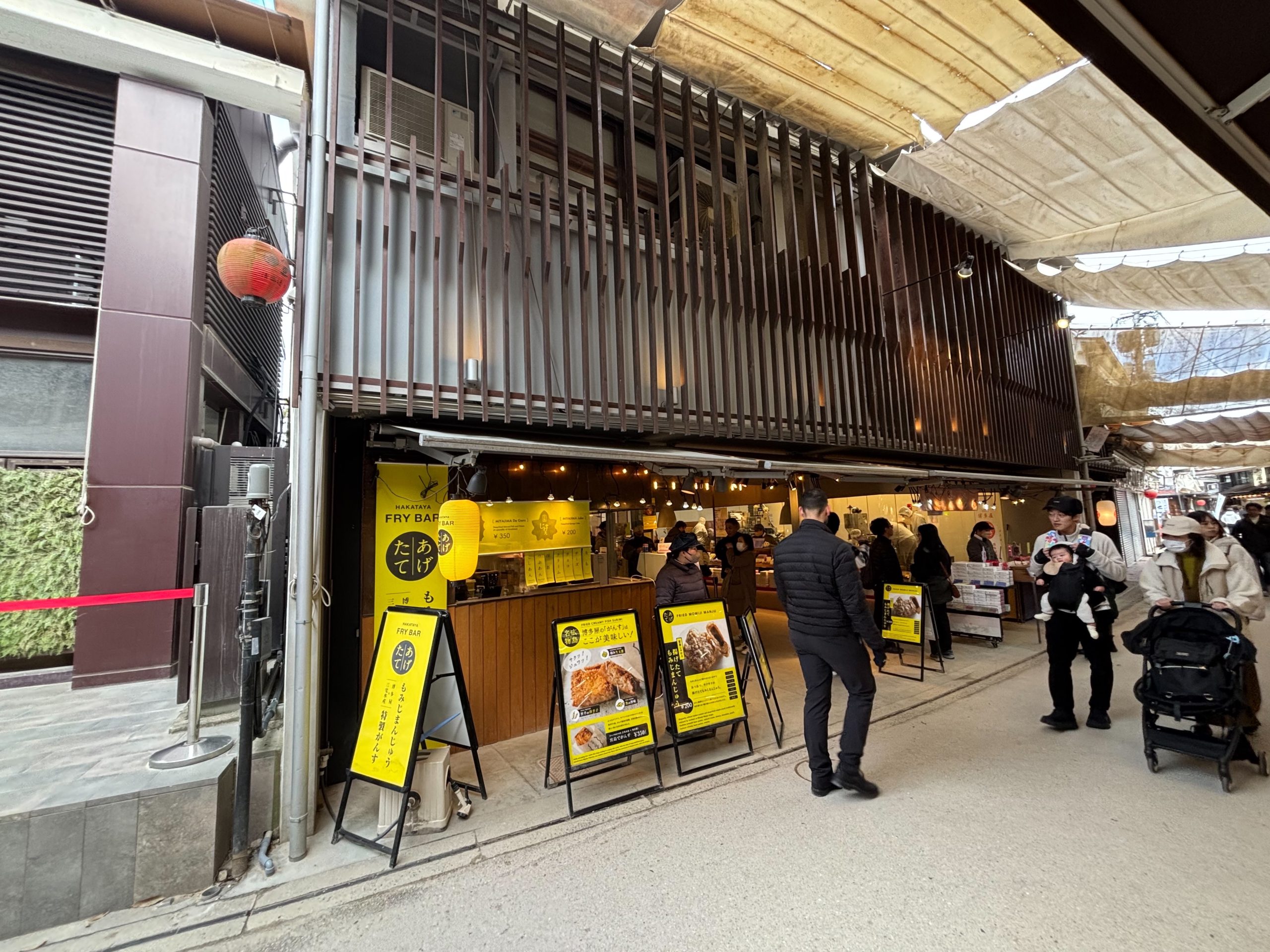
Omotesando Shopping Street stretches from Miyajima Pier to Itsukushima...
Honest Thoughts from a Local Mom
Honestly, I initially wondered, “Is this too challenging for kids?” But once we went, my eldest was captivated by the armor: “People used to fight wearing heavy armor back then!” My younger daughter lit up at the elegant Heian-period art: “Beautiful fans!”
The museum isn’t too large, so you can comfortably see everything before kids lose interest. It’s right next to Itsukushima Shrine, so it’s easy to pop in, and we discover something new with every visit.
One important note: photography is not allowed inside, so give kids a heads-up. The combined ticket for Itsukushima Shrine and the Treasure Museum (¥500) is a great deal—be sure to buy it at the shrine office.
As a hands-on way to experience history and culture, we highly recommend visiting with your family. The extensive displays of swords and armor are especially appealing for history lovers.
If you’d like to dive deeper into Miyajima’s story, visit the History and Folklore Museum too. It offers a different perspective on local culture compared to the Treasure Museum.
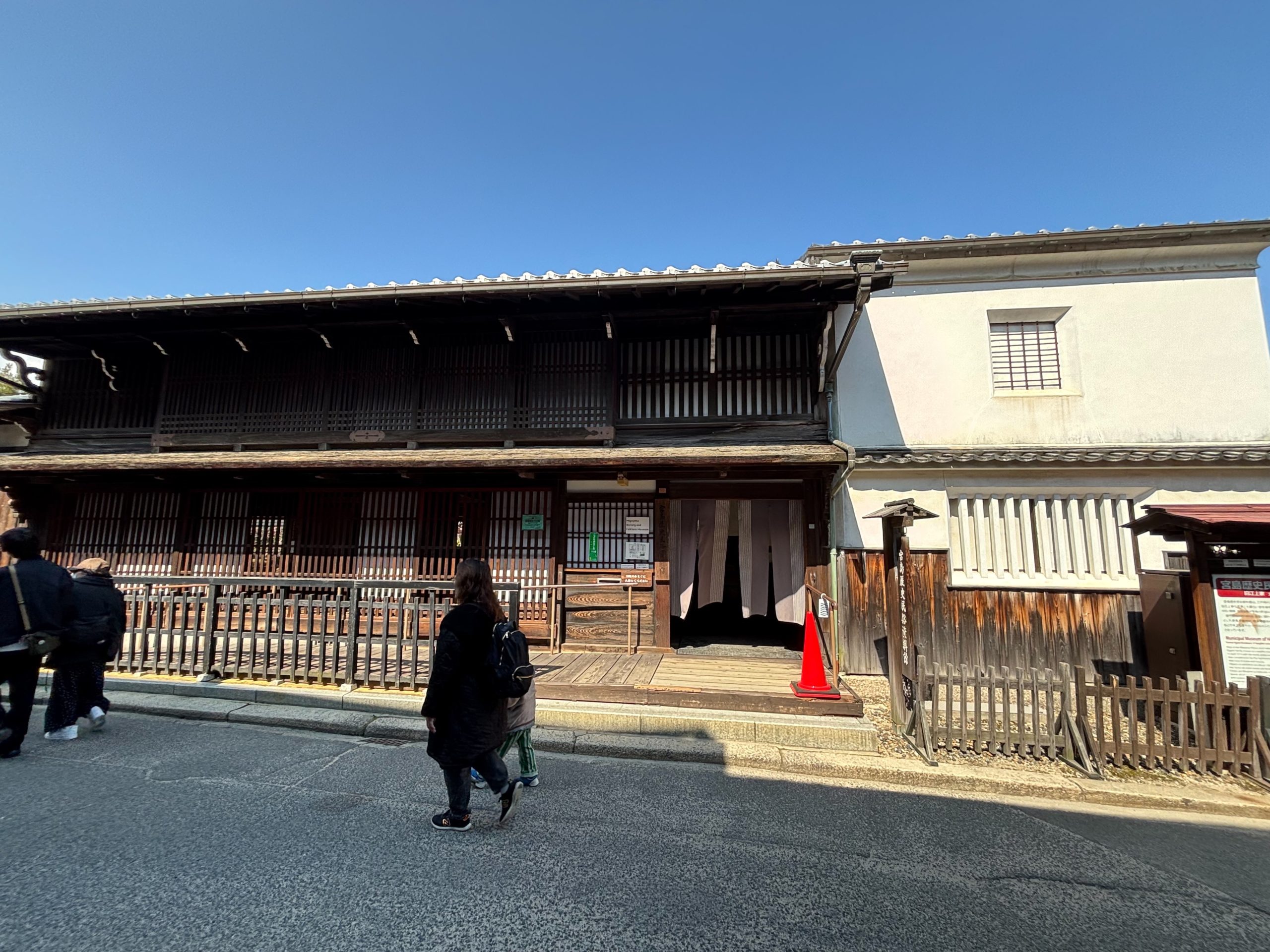
Experience Miyajima's History at the Prestigious Miyajima History and ...
The panoramic views from Mt. Misen—easily reached by ropeway—are another Miyajima essential. Kids love the ride, so if you have time, definitely make the trip up.
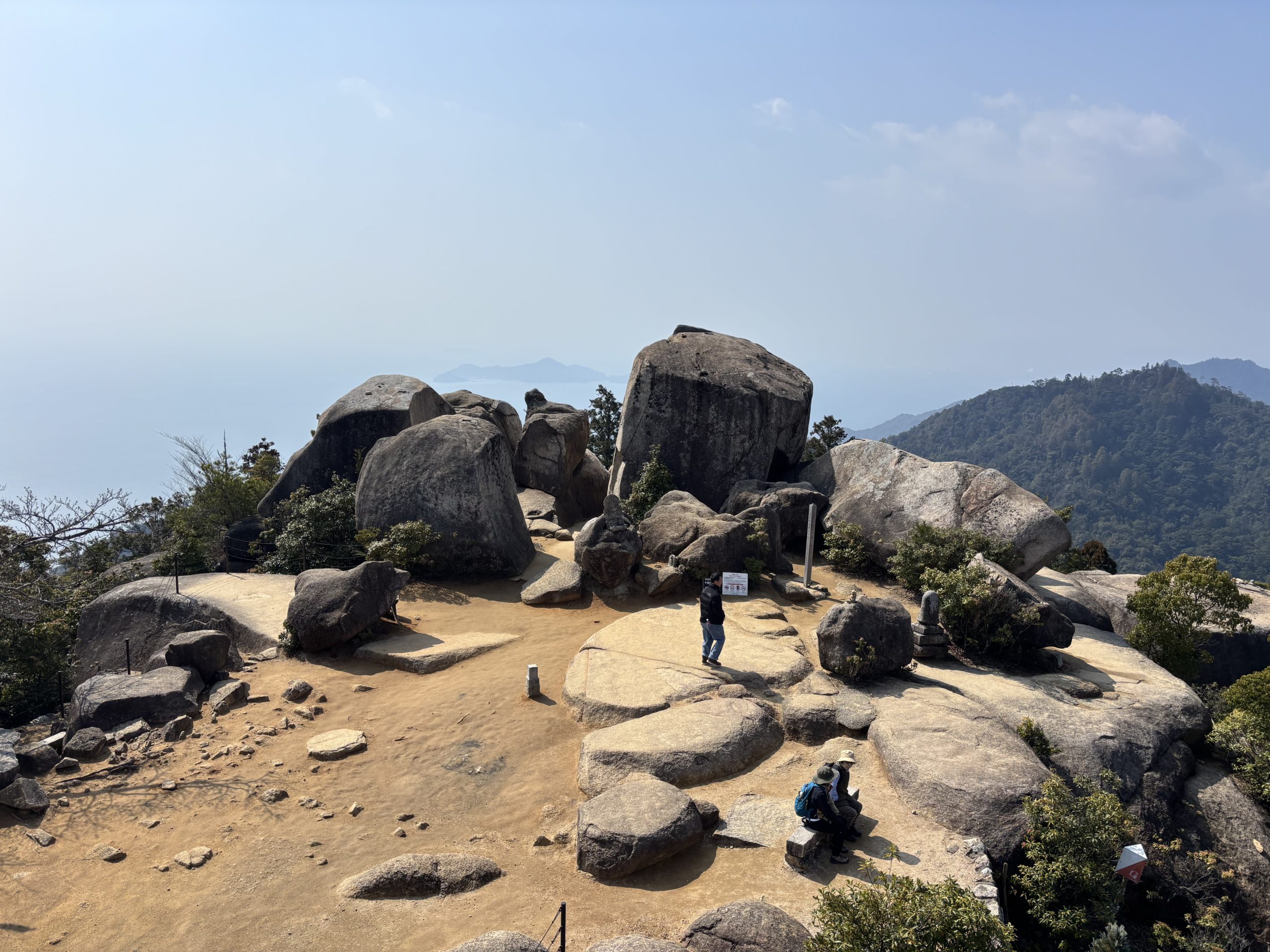
The definitive one-day guide to "Mt. Misen sightseeing." Rising behind...
You Might Also Like These Articles
When you think of Miyajima, Itsukushima Shrine comes to mind. It’s a mystical place that looks completely different at high tide and low tide. Visit it together with the Treasure Museum to fully enjoy Miyajima’s history and culture.
When you think of Miyajima, you think of Itsukushima Shrine. Cradled b...