
The Miyajima Tsuki Matsuri is a spring night market festival held at the plaza in front of Miyajima Pier on Miyajima Island, near Hiroshima. Running over two evenings each March, it brings together Miyajima’s famous oyster dishes, traditional stage performances, hands-on craft experiences, and a crowd-pleasing lottery — all in the glow of red paper lanterns with Itsukushima Shrine silhouetted in the background. For most visitors, it offers something rare: a lively, festive side of Miyajima after dark.
I attended the third edition of the festival in 2025 with my two daughters — one in third grade, one in kindergarten — and we stayed from late afternoon until the final comedy act. The energy of the island at night felt completely different from the calm afternoons most visitors experience, and that contrast alone made the trip feel genuinely special. “Miyajima at night is nothing like daytime!” my older daughter kept saying, and she was right.
Festival Overview and What to Expect
The Miyajima Tsuki Matsuri has been held as an alternative to the Miyajima Oyster Festival, which was cancelled in recent years. Now in its third year, it has built its own identity as a full-day evening event that draws both locals and visitors looking for something beyond the standard sightseeing route.
The event runs from 13:00 to around 19:30, and the atmosphere shifts meaningfully as the day progresses. Daytime is relaxed and easy to navigate with children. As sunset approaches — usually around 4:00 to 4:30 PM in March — the lantern lights come on, the stage energy picks up, and the whole plaza takes on a warm, festive glow that feels uniquely Miyajima.
Entry to the festival is completely free. The venue is right at the pier, so you step off the ferry and the food stalls and stage sounds greet you almost immediately. The layout is intuitive — food and drink stalls on one side, experience booths in a central zone, and the main stage anchoring the space. Strollers are manageable throughout, and the compact footprint makes it easy to loop back to favorites or catch up on things you missed.
If you’re arriving by ferry from Hiroshima, the JR Ferry gives you a scenic view of the famous floating torii gate on the way in — a perfect way to set the mood for an evening on the island.

The Miyajima ferry isn't just a way to get to the island — it's the be...
As a local, I’ll say this honestly: Miyajima normally quiets down by late afternoon as day-trippers head back to the mainland. Seeing the island buzzing with energy well into the evening — music drifting over the water, families clustered around stalls, kids chasing each other near the stage — is a genuinely rare experience, even for people who live here.
Oyster Dishes and Festival Food
The Miyajima Tsuki Matsuri was built around celebrating Miyajima oysters, and the food lineup reflects that in full. Expect oyster tempura, oyster ponzu, oyster okonomiyaki (the Hiroshima-style savory pancake), and even a miso ramen made with oyster broth. The stalls offer shareable portions that work well for families, and the tempura — crispy outside, rich and tender inside — is the crowd favorite for good reason.
My daughters both came in claiming they didn’t like oysters. One bite of the tempura and that position changed immediately. The light batter softens the brininess enough that even hesitant eaters tend to come around.
Not everyone at the festival needs to eat oysters, though. The food lineup also includes beef tendon miso stew, Yasha udon (a warming noodle dish from Kagura-Monzen Toji Village), and a good selection of sweet street foods like waffles and churros for anyone who wants something simpler. My younger daughter walked around with a churro covered in sugar for most of the evening, perfectly content.
For drinks, the range covers most preferences: calvados highball and Dassai sake for those who want something stronger, plus amazake (a sweet, low-alcohol or non-alcoholic fermented rice drink) and warm yuzu tea for those who want something gentle and warming. On a cool March evening, the yuzu tea is especially welcome.
Part of the fun of a night market is that everyone finds their own favorite. The oyster-forward stalls are the headline act, but the variety means no one goes home unsatisfied.
Hands-On Experience Booths
One of the features that sets the Miyajima Tsuki Matsuri apart from a straight-up food festival is the hands-on activity zone. This year’s lineup included a pottery wheel experience where participants made small wooden dishes to take home, a water-ink calligraphy session using authentic Kumano brushes (a craft tradition from nearby Kumano in Hiroshima Prefecture), and kendama (a classic Japanese cup-and-ball skill toy) open to all ages. There was also a booth selling locally grown tomatoes from a regional farm.
My older daughter spent a long stretch at the pottery wheel, completely absorbed, and left clutching her little dish like it was treasure. That’s the kind of memory that outlasts the food — something made with her own hands that she can use at home and remember where it came from.
The calligraphy booth was a hit with my younger daughter, who decided she was going to write my name in Japanese characters and gave it her full effort. My husband played designated photographer while I helped guide small hands through big ambitions. The booths are well-suited to families because they invite participation rather than just observation, and they give parents and kids something to talk about and do together between stage sets.
Stage Performances: Traditional Arts to Comedy
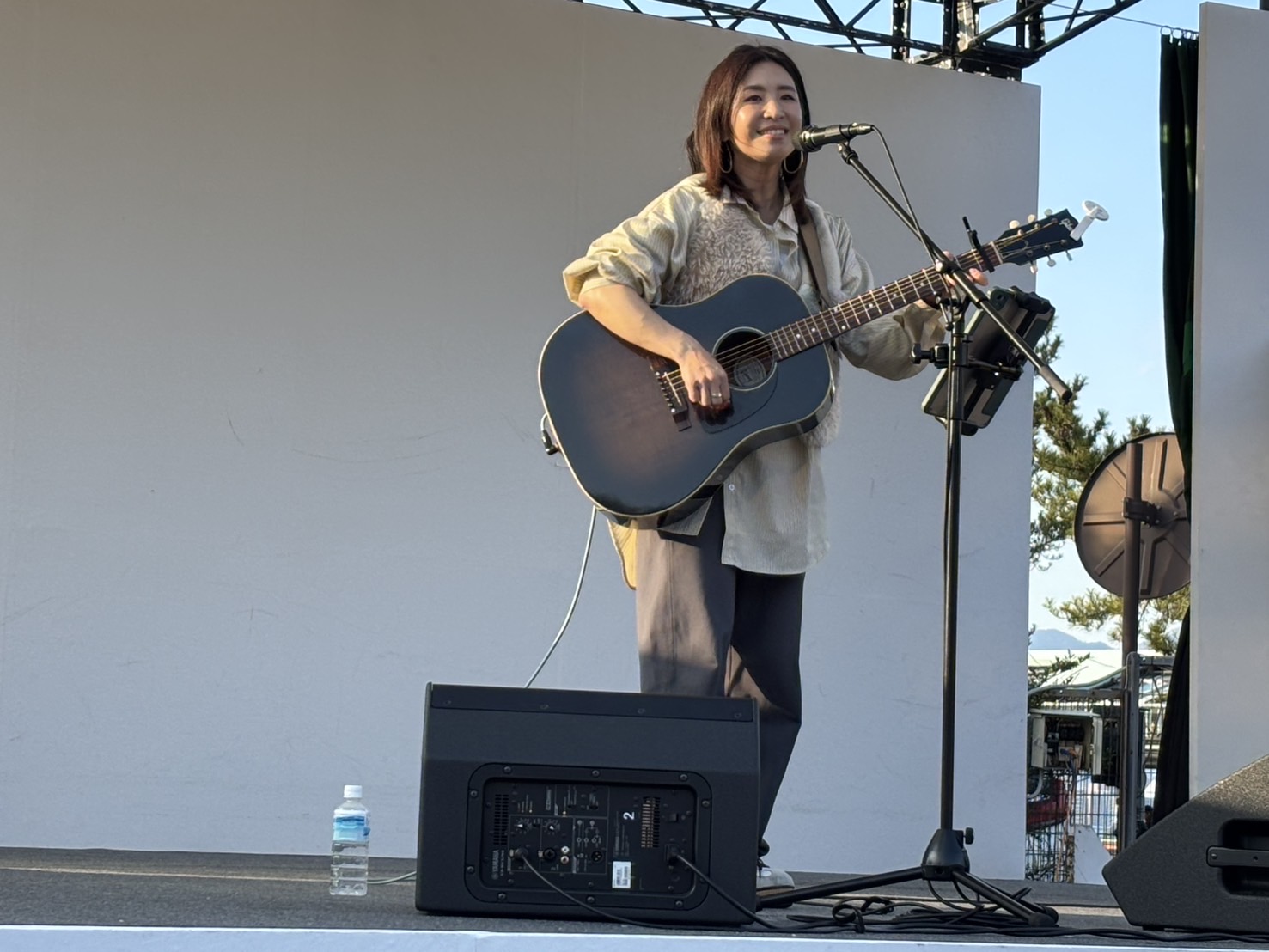
The stage program at the Miyajima Tsuki Matsuri runs the full length of the festival and covers a surprisingly wide range of performance styles. Traditional kagura (sacred Shinto dance-drama) and Miyajima taiko drumming anchor the cultural side of the program, while high school dance teams, vocal performances, and two nights of stand-up comedy from Yoshimoto Kogyo — one of Japan’s most recognized comedy agencies — fill out the rest.
Kagura is a form of ritual performance with roots in Shinto tradition. The costumes are elaborate, the movements deliberate and dramatic, and even without understanding the narrative, it creates a powerful impression, especially for young children experiencing it for the first time. My older daughter watched the taiko drumming with her whole body: shoulders moving, eyes wide, completely locked in.
As the evening deepens, the stage atmosphere intensifies. Stage lighting and sound are added after sunset, giving the performances a more theatrical quality that draws the crowd in closer. The comedy acts run both nights, drawing full-energy crowds and ending the program on a high note. It’s a well-paced program — traditional arts to keep the cultural thread intact, contemporary entertainment to keep everyone engaged.
The festival opens at 1:00 PM, and the stage is already running from the start. Local tourism ambassadors and mascot characters appear during the early program, which tends to delight younger children. I arrived in the late afternoon and found myself wishing I’d come earlier to catch more of it.
Miyajima Tomi-kuji: The Island Lottery
One of the most talked-about elements of the Miyajima Tsuki Matsuri is the Tomi-kuji — a traditional-style lottery with genuinely impressive prizes. To enter, you collect receipts from purchases made anywhere on Miyajima Island on the day of the festival, adding them up until you reach 3,000 yen or more. Bring those receipts to the event, and you receive a lottery ticket for the evening draw.
The genius of the system is that it turns shopping into an adventure. We walked through the Omotesando shopping street buying omiyage (souvenirs) — momiji manju (the island’s iconic maple-shaped cakes), some Miyajima woodwork — and the kids kept a running total, determined to hit the threshold. “What if we win the PlayStation 5?” became the question of the afternoon.
You can pick up souvenirs and snacks along Omotesando shopping street to build up your receipts for the lottery draw — and it’s a great excuse to explore the island’s artisan shops and sweet stores while you’re at it.
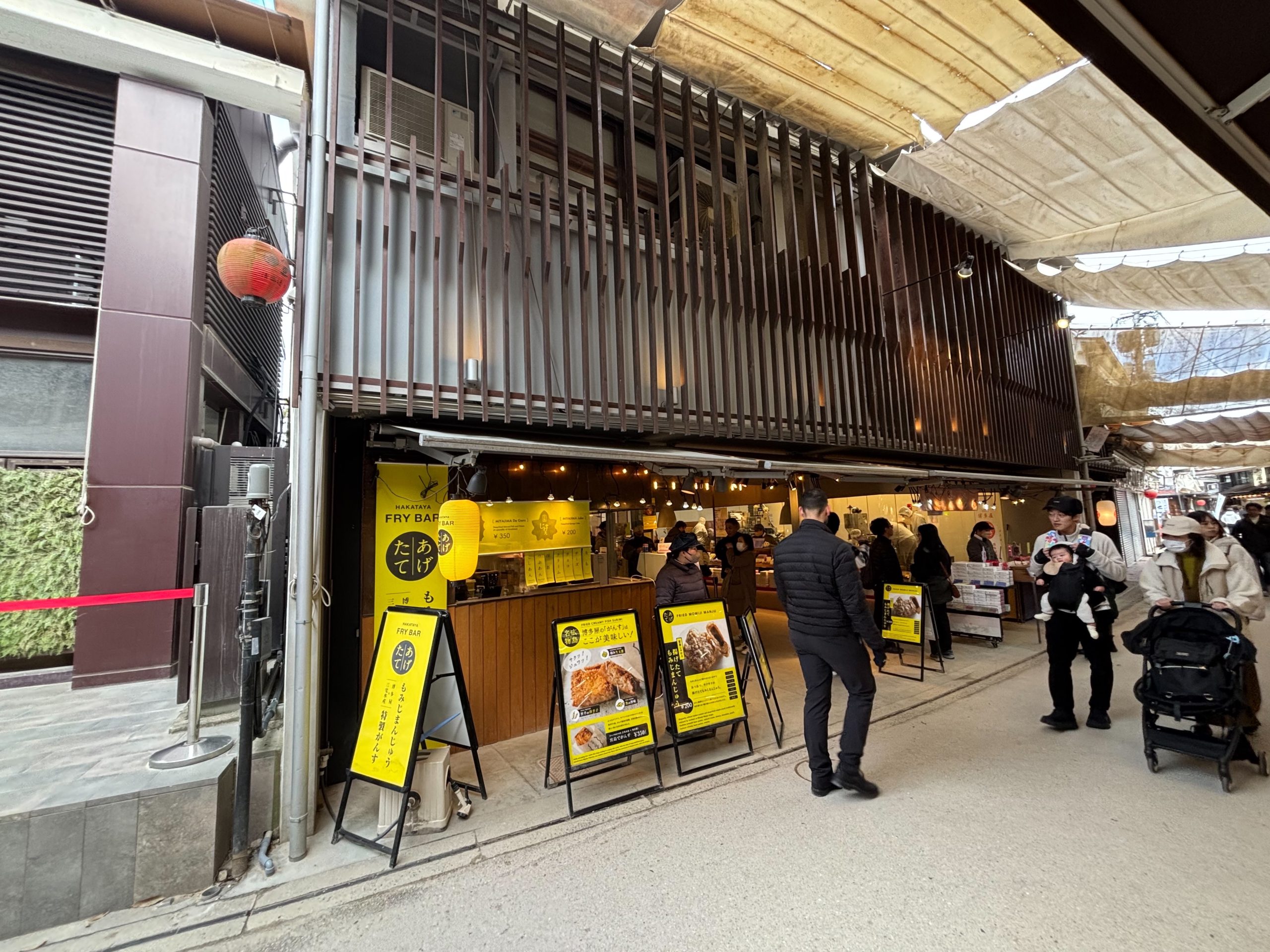
Miyajima's main shopping street — known locally as Omotesando — is a l...
The prizes for the 2025 draw included a PlayStation 5 and a robotic vacuum cleaner, among others. The draw happens in the early evening, and the crowd gathers around the stage to watch. Even if you don’t win — we didn’t — the communal suspense is its own kind of entertainment. There’s something about watching numbers get called in a lantern-lit plaza on a Japanese island that makes losing feel oddly worthwhile.
Participation rules and prize lineups can vary each year, so it’s worth checking the official announcements from the Miyajima Tourism Association before you visit. Also note that Miyajima Island charges a 100-yen visitor tax on entry, which has been in place since October 2023, so factor that into your budget when planning.
The 3rd Miyajima Tsuki Matsuri: 2025 Recap

The third Miyajima Tsuki Matsuri took place over two consecutive evenings — Saturday, March 8 and Sunday, March 9, 2025 — at the plaza in front of Miyajima Pier. Originally created as an alternative after the Miyajima Oyster Festival was cancelled, the event has now established its own loyal following.
The 2025 lineup featured the full range the festival has become known for: Miyajima oyster dishes in multiple preparations, specialty stalls from regional producers including Yasha udon from Kagura-Monzen Toji Village and beef tendon miso stew with yuzu tea from Michi-no-Eki Mitsuya-no-Sato in Akitakata, craft experience booths, and a packed two-night stage program.
A Stage That’s Hard to Look Away From
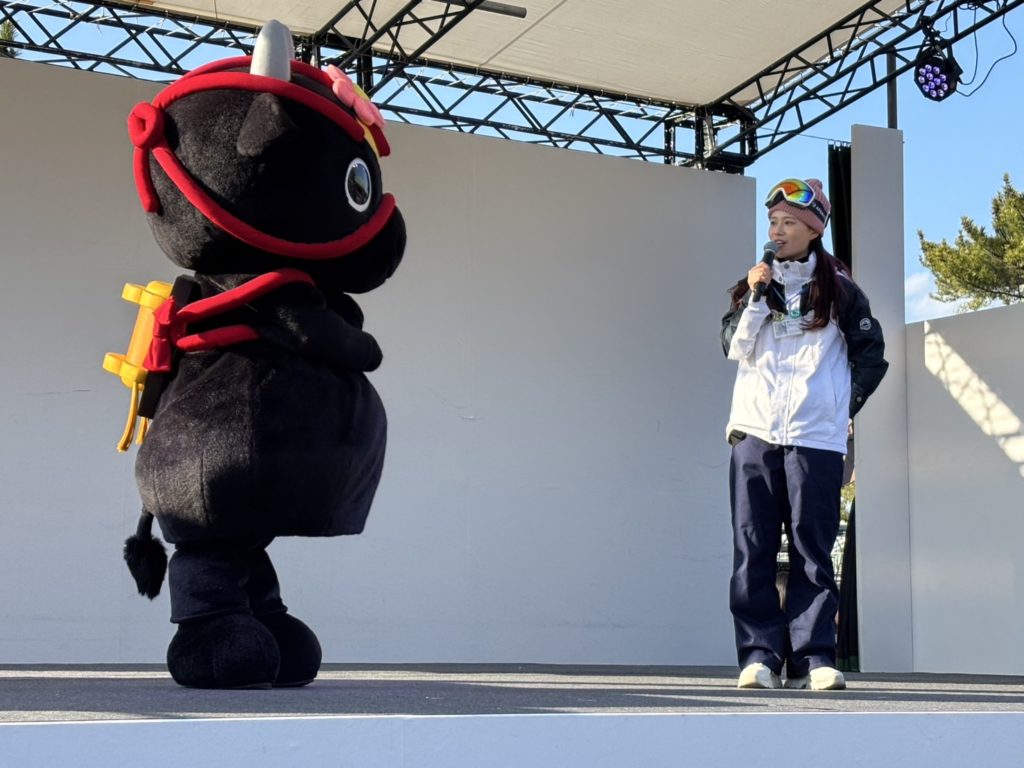
The festival opens at 1:00 PM, and the stage is active from the start. During our visit, a tourism ambassador from Kitahiroshima Town was on stage doing local promotion — complete with a well-made mascot character in a full costume whose movements were charming enough to stop children mid-stride. My daughters both froze, stared, and immediately started asking questions. It’s that kind of easy, spontaneous engagement that makes the early program worth catching.
First-Timer Impressions
Having now attended the Tsuki Matsuri for the first time, my honest assessment is that the festival is fuller and more varied than I expected. The program from 1:00 PM to closing is dense enough that arriving at the start and staying through would be entirely satisfying — I came in the late afternoon and left wishing I’d had more time. Next year, we’re planning an early arrival.
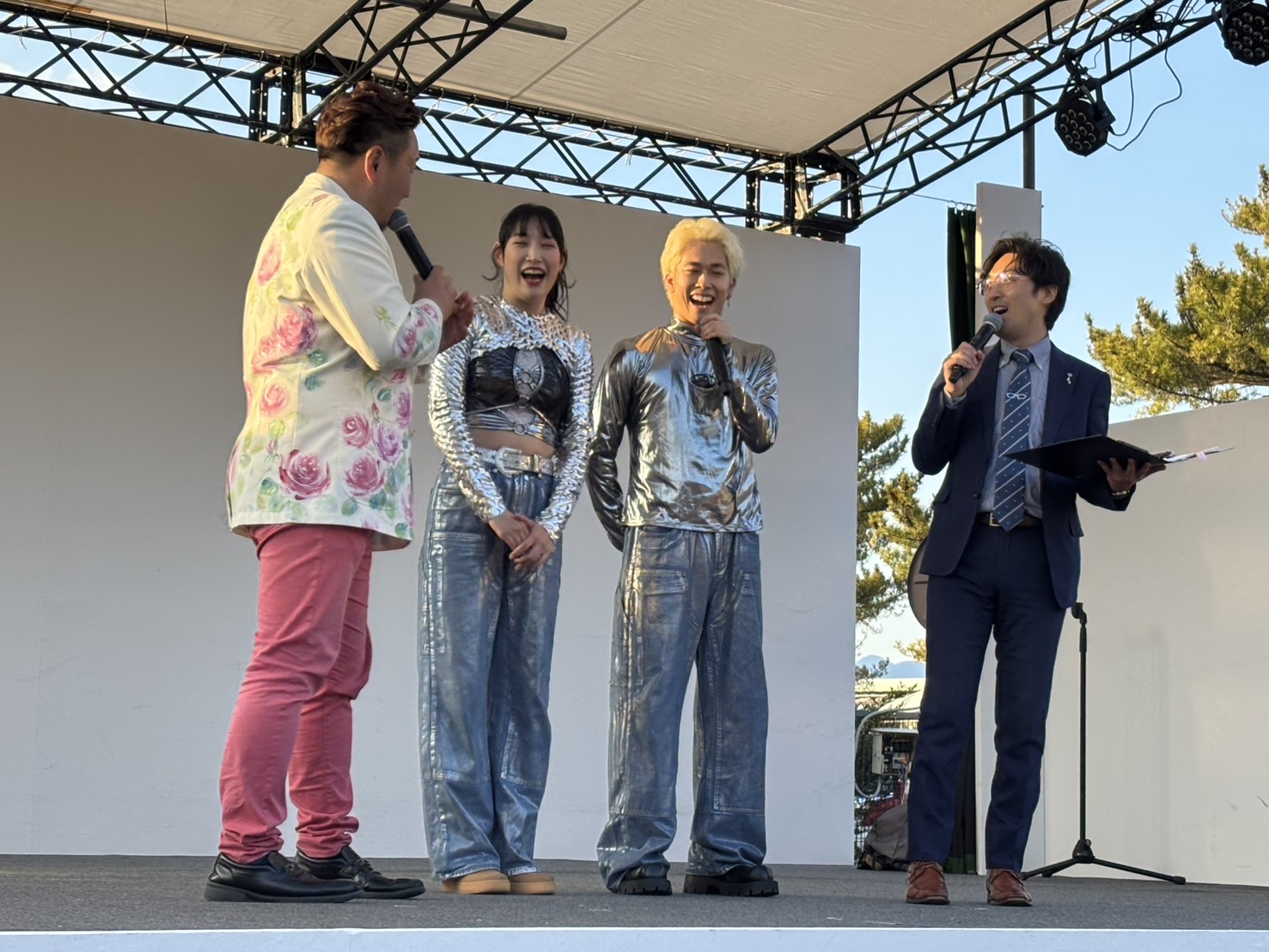
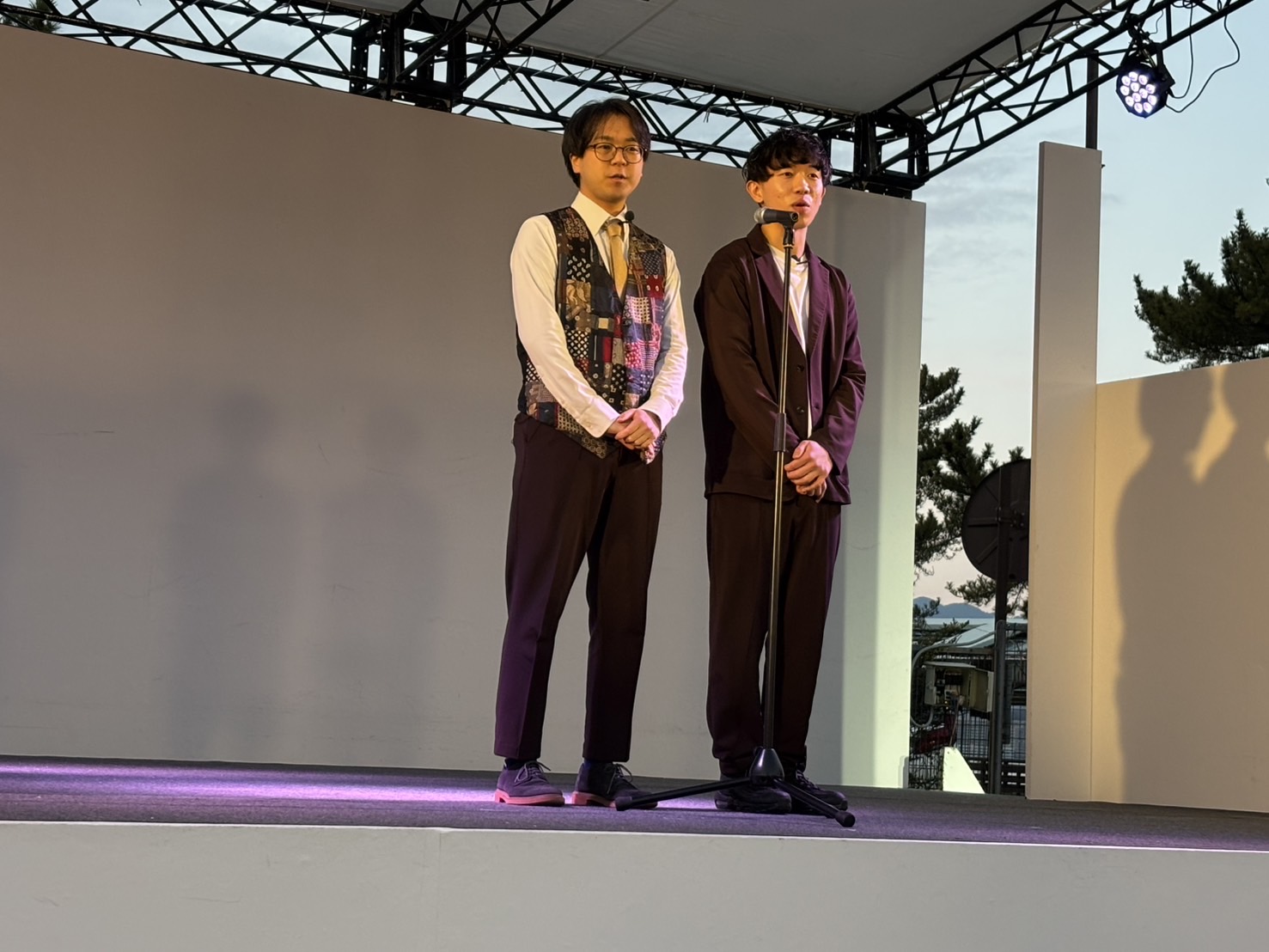
The Yoshimoto comedy acts drew a genuinely enthusiastic crowd both nights, and the guest lineup was strong. The local performers — including the dance team from Hatsukaichi Nishi High School — brought a freshness and energy that was genuinely moving. My older daughter watched the students perform and said, quietly and seriously, “I want to dance like that someday.” That’s the kind of unexpected, worthwhile moment that a well-run community festival can create.
The Tomi-kuji lottery worked as described: 3,000 yen in island receipts gets you a ticket, the draw happens in the evening, and the prizes are real. The atmosphere around the draw was electric, with the crowd packed tight and completely engaged. It’s worth planning your shopping around this if you want to participate.
The closing comedy set was everything a festival finale should be — loud, warm, and memorable. Seeing major national-level performers on a small outdoor stage beside the Miyajima ferry pier, with the night sky above and the sea nearby, is a particular kind of experience that’s hard to replicate anywhere else.
We’re already looking forward to next year. And next time, we’re starting at 1:00 PM.
After the festival, the illuminated corridors of Itsukushima Shrine at night are absolutely worth a short walk — the atmosphere is completely different from the daytime, and even young children tend to go quiet when they see it.
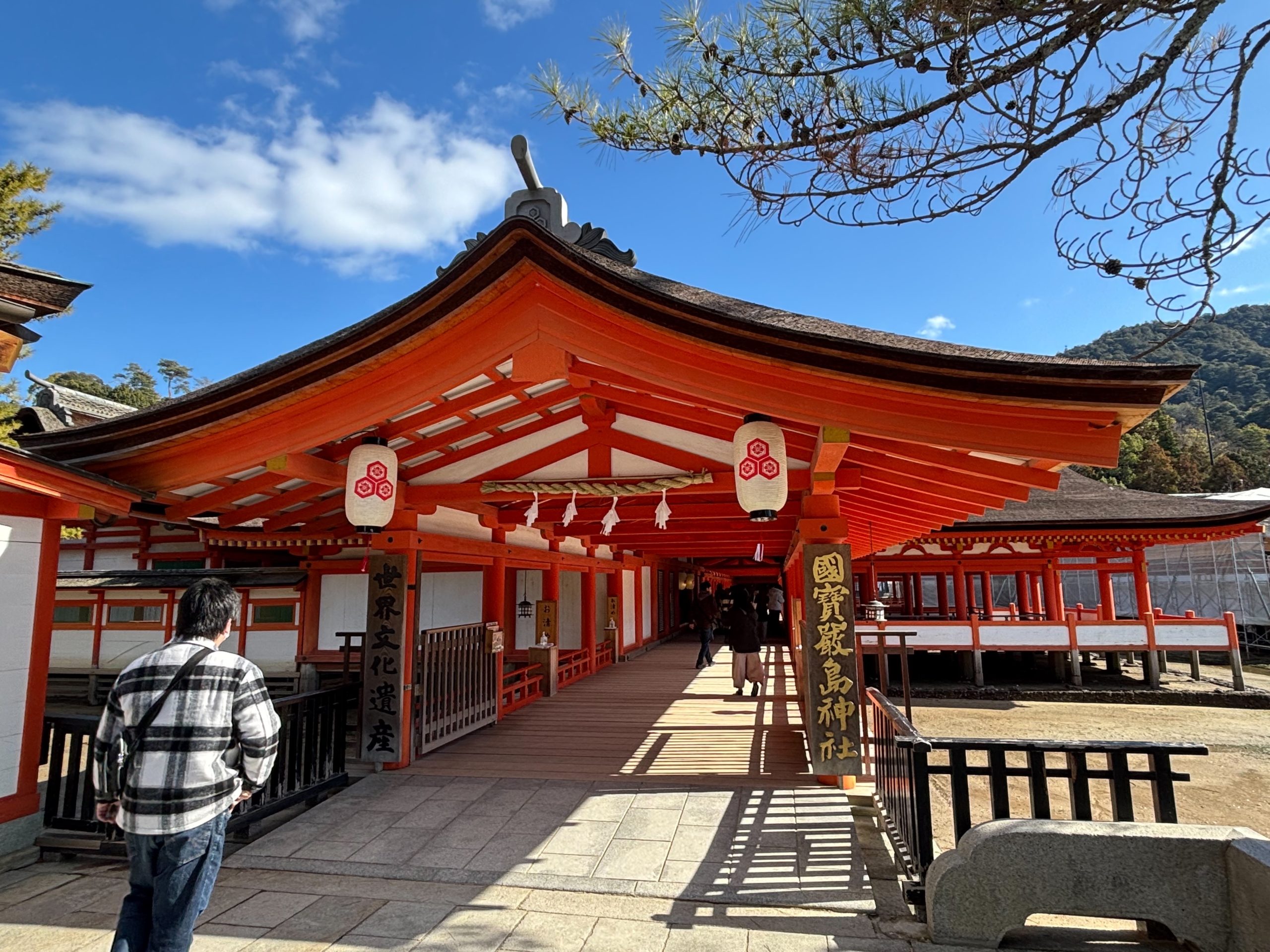
Itsukushima Shrine sits at the edge of the sea on Miyajima Island, jus...



Access and Practical Information
The Miyajima Tsuki Matsuri takes place at the plaza directly in front of Miyajima Pier — you’re essentially at the venue the moment you step off the ferry. The site is flat, compact, and easy to navigate with a stroller. The festival runs from 13:00 to approximately 19:30. Admission is free.
If you want to catch both the daytime program and the full evening atmosphere, arriving by 4:00 PM gives you time to explore the food stalls and experience booths before sunset, then settle in for the evening stage lineup as the lights come up. That rhythm — light snack, activity booth, drinks, stage — flows naturally in the space provided.
For families with young children: A nursing room is available on the second floor of the Miyajima Tourist Information Center on Omotesando shopping street. Stroller rental is available free of charge at Miyajimarine if you prefer to travel light on the ferry.
Contact: Miyajima Tourism Association — TEL: 0829-44-2011
Lineup details, lottery participation rules, stage schedules, and vendor information can change each year. Always confirm the latest details through official announcements before visiting.
FAQ
Is the Miyajima Tsuki Matsuri suitable for families with young children?
Yes — the venue is compact, stroller-friendly, and close to the pier, which makes navigation easy even with small children. Experience booths are designed for mixed ages, and non-oyster food options mean picky eaters are well catered for. In 2025, a 5-year-old and an 8-year-old made it happily through the full evening program.
What if someone in my group doesn’t like oysters?
Not a problem. While oysters are the star attraction, the food lineup also includes beef tendon miso stew, Yasha udon, churros, waffles, and other non-seafood options. There’s enough variety that non-oyster eaters can enjoy a full evening without feeling left out.
How does the Tomi-kuji lottery work?
Collect receipts totaling 3,000 yen or more from purchases made anywhere on Miyajima Island on the day of the festival. Bring those receipts to the lottery booth to receive a ticket. The draw takes place in the early evening. Prizes have included items like PlayStation 5 consoles and robotic vacuum cleaners. Rules may vary by year, so confirm details in advance through the official Miyajima Tourism Association announcements.
What time should I arrive for the best experience?
Arriving around 4:00 PM lets you explore the food stalls and experience booths before dark, then enjoy the evening stage performances as the lanterns come on. If you want to experience the full daytime program — including the early stage acts and more relaxed booth access — arriving at or shortly after 1:00 PM is even better.
What stage performances can I expect?
The program typically includes traditional kagura (Shinto ritual dance), Miyajima taiko drumming, local dance performances, and comedy acts from Yoshimoto Kogyo — one of Japan’s most prominent entertainment agencies. Performances run across both festival days, with the comedy acts closing the program each night.
Are there non-alcoholic drinks available?
Yes. Alongside calvados highball and Dassai sake, the stalls offer amazake (a sweet fermented rice drink that is very low in alcohol or alcohol-free depending on preparation) and warm yuzu tea. Both are good choices for children or non-drinkers on a cool March evening.
What happens if it rains?
Weather-related cancellations or schedule changes are possible. Check the latest information from the Miyajima Tourism Association or official event announcements close to your visit date, especially if the forecast looks uncertain.
What else can I eat in Miyajima beyond the festival?
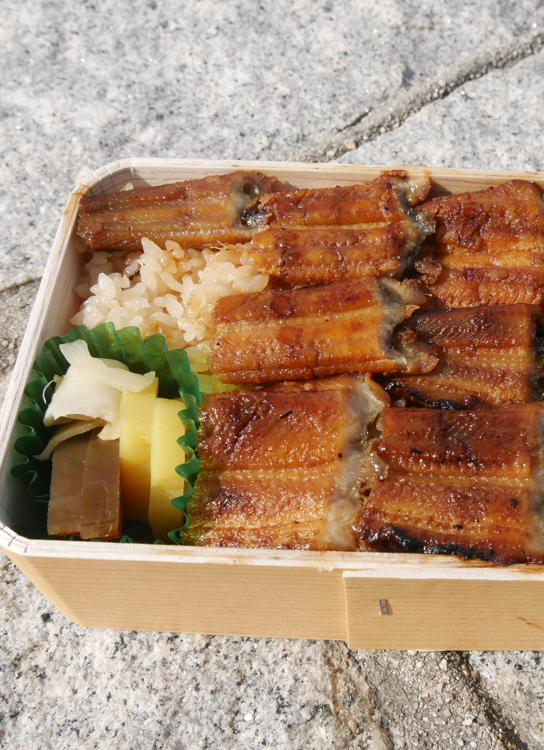
Miyajima has a rich food culture year-round. After enjoying oysters at the Tsuki Matsuri, the island’s other signature dish — anago meshi, a rice dish topped with slow-grilled conger eel — is well worth trying. Several restaurants near the pier serve it throughout the day.
Miyajima Island is famous for its floating torii gate and ancient shri...
Final Thoughts
The Miyajima Tsuki Matsuri is a genuinely well-rounded event — oyster-forward food, local crafts, traditional performing arts, contemporary entertainment, and a lottery that turns souvenir shopping into something suspenseful. It works for solo visitors, couples, and families alike, and it offers something that Miyajima’s regular tourist hours rarely provide: a warm, lively, after-dark version of the island.
As someone who lives here, I know that Miyajima usually goes quiet by early evening. Seeing the plaza full of families, the stage glowing, and children still happily eating churros well past sunset is a rare and genuinely lovely thing. If you’re planning a trip to the Hiroshima region in March, this festival is worth building into your itinerary.
Next year, we’ll be there from 1:00 PM. Come find us at the pottery wheel.
If you’d like to understand more about the history and World Heritage significance of Miyajima — the deeper context behind the island’s cultural identity — it’s worth reading before or after your visit. The Tsuki Matsuri is a new tradition, but it grows from centuries of history.
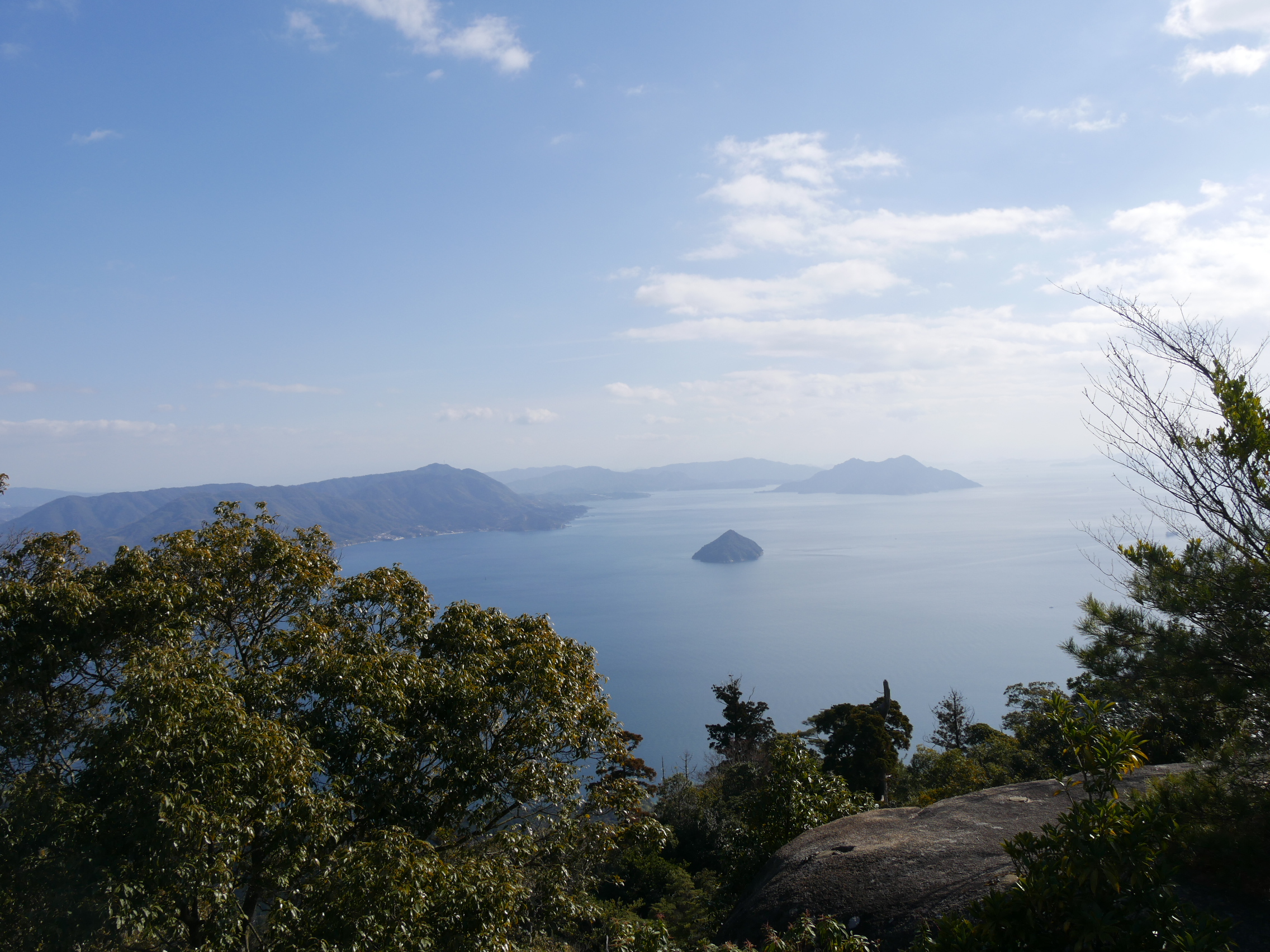
Rising dramatically from the sea off the coast of Hiroshima, Itsukushi...