
As you stroll along Omotesando from Miyajima Pier toward Itsukushima Shrine, you’ll discover one of the island’s most beloved traditions: momiji manju at Fujiya Miyajima Main Store. This historic Japanese confectionery shop has perfected the art of Hiroshima’s signature maple leaf-shaped cake, and they offer something truly special—the chance to watch these iconic treats being baked right before your eyes and taste them still warm from the griddle. Even better, at the main store location, you can roll up your sleeves and join a hands-on workshop to create traditional dry sweets (higashi) using delicate wasanbon sugar and wooden molds passed down through generations. If you’re planning what to eat in Miyajima beyond grilled anago rice and oysters, this is an ideal stop for dessert and a cultural experience before or after visiting Itsukushima Shrine.
Fujiya Miyajima Main Store: Carrying on Traditional Confectionery
The “i” in Fujiya comes from “iroha no i,” meaning the very beginning of things—a philosophy that reflects the shop’s founding commitment to starting fresh with quality ingredients and careful craftsmanship every single day. Even today, skilled artisans watch the heat and timing with precision to bake each momiji manju to perfection. The result is a smooth, silky red bean paste filling wrapped in light, fluffy batter that practically melts in your mouth. Alongside these beloved classics, seasonal flavors appear throughout the year, and the shop serves them fresh from the oven while you wait. Located just a short walk from Miyajima Pier, it’s the perfect spot for a tea-and-sweets break as you explore Omotesando.
The main store faces the bustling Omotesando approach that leads from Miyajima Pier straight to Itsukushima Shrine, making it impossible to miss as you navigate the shopping street. Their sister location, “Fujiya Miyajima Main Store Karyo,” sits along the scenic coastal road and offers a more relaxed sit-down cafe experience with the same delicious treats.
When I visited with my family last spring, my eldest daughter was absolutely fascinated by the production process, pressing her face to the glass and exclaiming, “So this is how momiji manju are made!” Everyone knows about watching fresh baked treats being made at Yamadaya’s second floor, but Fujiya offers the same wonderful transparent kitchen experience at this historic shop with decades of tradition behind it.
For street food lovers exploring Omotesando Shopping Street, Fujiya is absolutely unmissable! There are also plenty of family-friendly spots worth visiting along this vibrant thoroughfare.
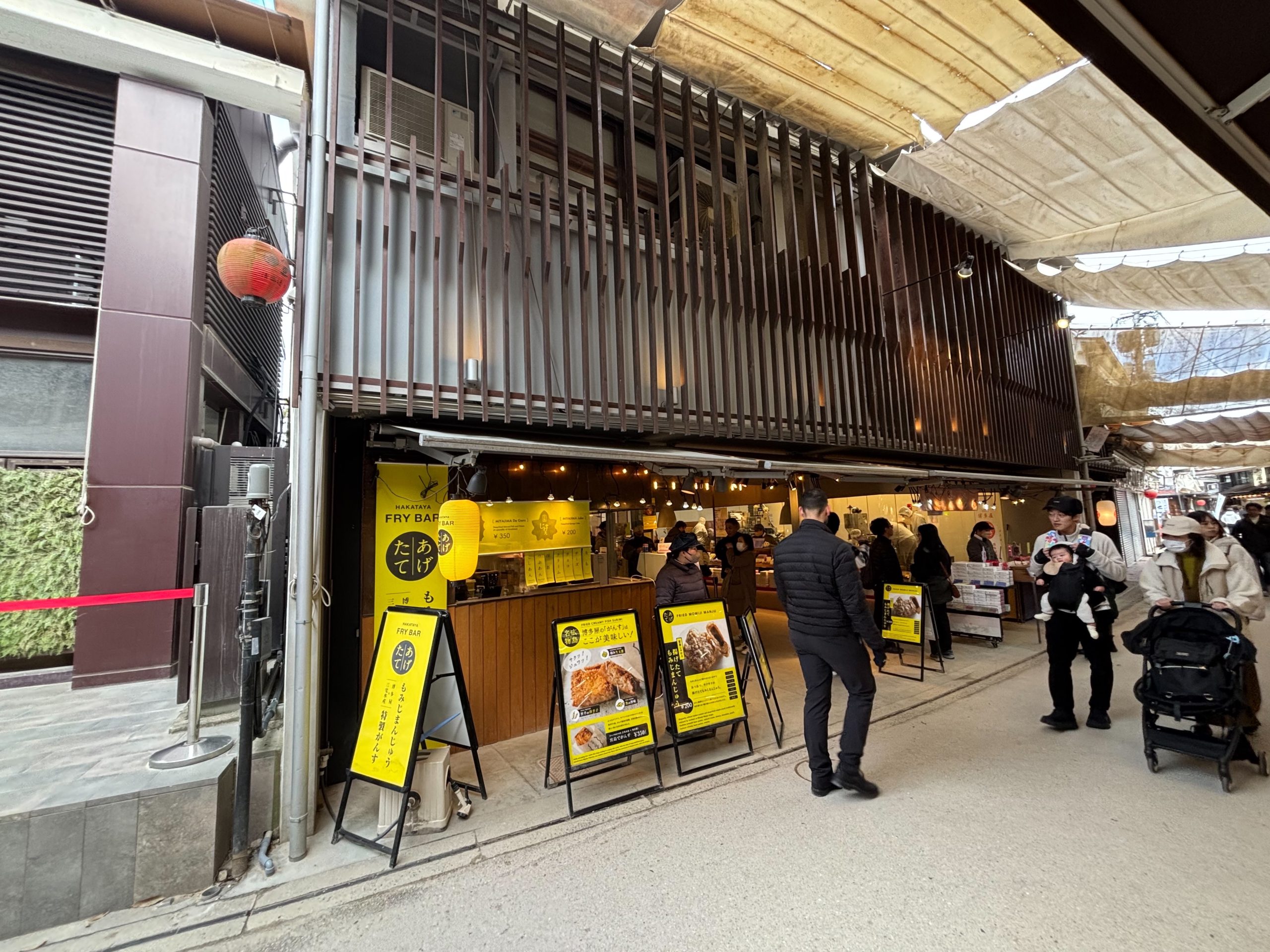
Wondering what to eat in Miyajima? The answer lies along Omotesando Sh...
Exterior of “Fujiya Miyajima Main Store” facing Omotesando
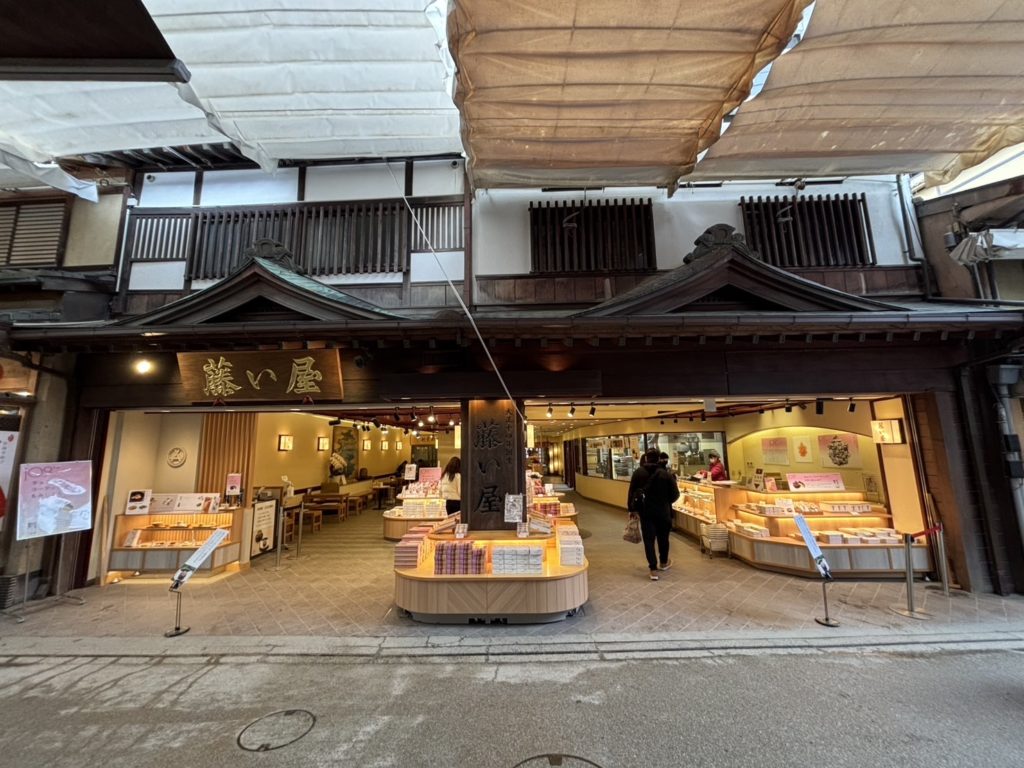
The main store sits right on lively Omotesando, making it easy to spot on your path to Itsukushima Shrine. Early mornings are comparatively quiet, giving you unhurried time to watch the production process at your own pace and really appreciate the craftsmanship. Whether it’s pouring rain or the summer sun is blazing, you can comfortably duck inside and take a break, making it a wonderfully practical weather-proof stop during your island explorations.
Based on local insider tips I’ve gathered, weekdays from 2:00-4:00 PM tend to be the quietest times of day, perfect for leisurely observation without crowds. My younger daughter remarked that “the staff are so kind and patient with questions!” which gives families extra confidence to visit with curious children in tow.
Exterior of “Fujiya Miyajima Main Store Karyo” along the coastal road
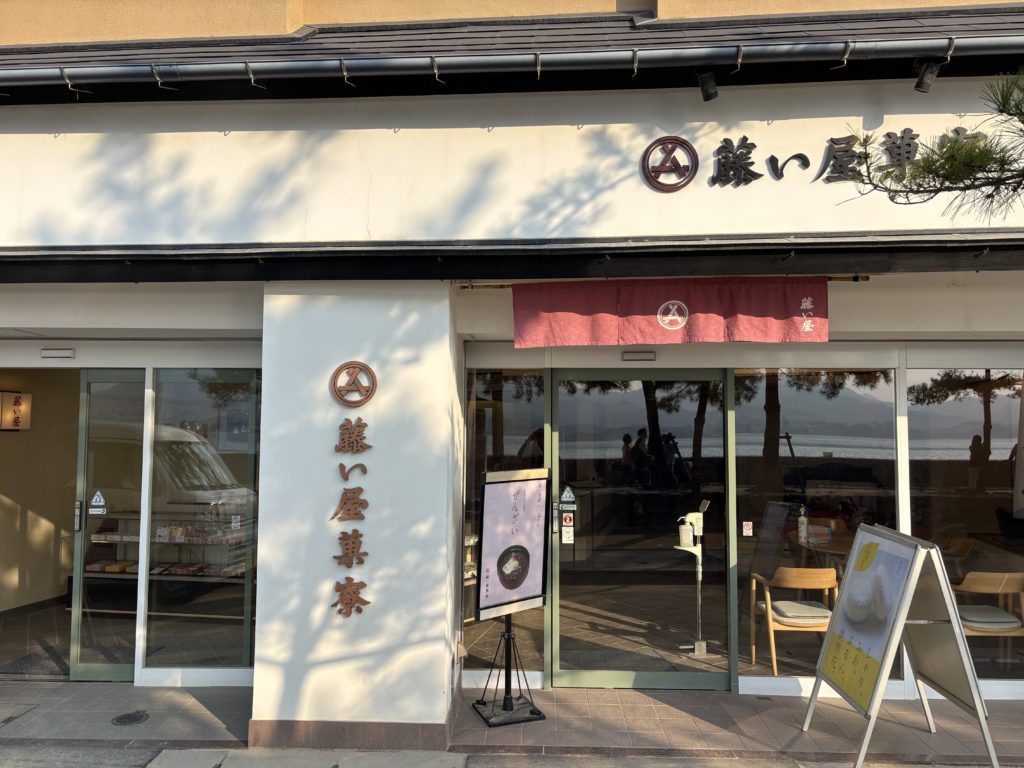
Karyo offers the same freshly baked momiji manju and traditional sweets but with a full sit-down menu that invites you to linger. Depending on the season, you’ll also find refreshing chilled desserts and a carefully curated selection of Japanese teas—ideal for a relaxing pause along the shrine path when your feet need a rest. One important note: payment is often cash-only at both locations, so carrying some small bills and coins will make your transaction smooth and stress-free. To avoid the heaviest crowds, try visiting early morning right when they open or later in the afternoon as the day-trippers start heading back to the mainland.
That philosophy of “iroha no i”—the beginning of all things—really symbolizes their fresh, unclouded approach to confectionery-making with every single batch they prepare. My husband particularly admired this mindset, observing, “That’s really a wonderful philosophy to live by, not just in business but in life.”
At “Fujiya Miyajima Main Store,” you can watch the entire momiji manju making process through the transparent glass production area, then enjoy the finished treats at the cozy in-store cafe space while they’re still delightfully warm. It’s an absolute must for anyone seeking authentic local food in Japan and hunting for classic Hiroshima souvenirs that friends and family back home will genuinely appreciate.
When visiting Miyajima, Itsukushima Shrine is absolutely essential and should be at the top of your itinerary! Many families combine their shrine visit with a relaxing sweet break at Fujiya before or after.
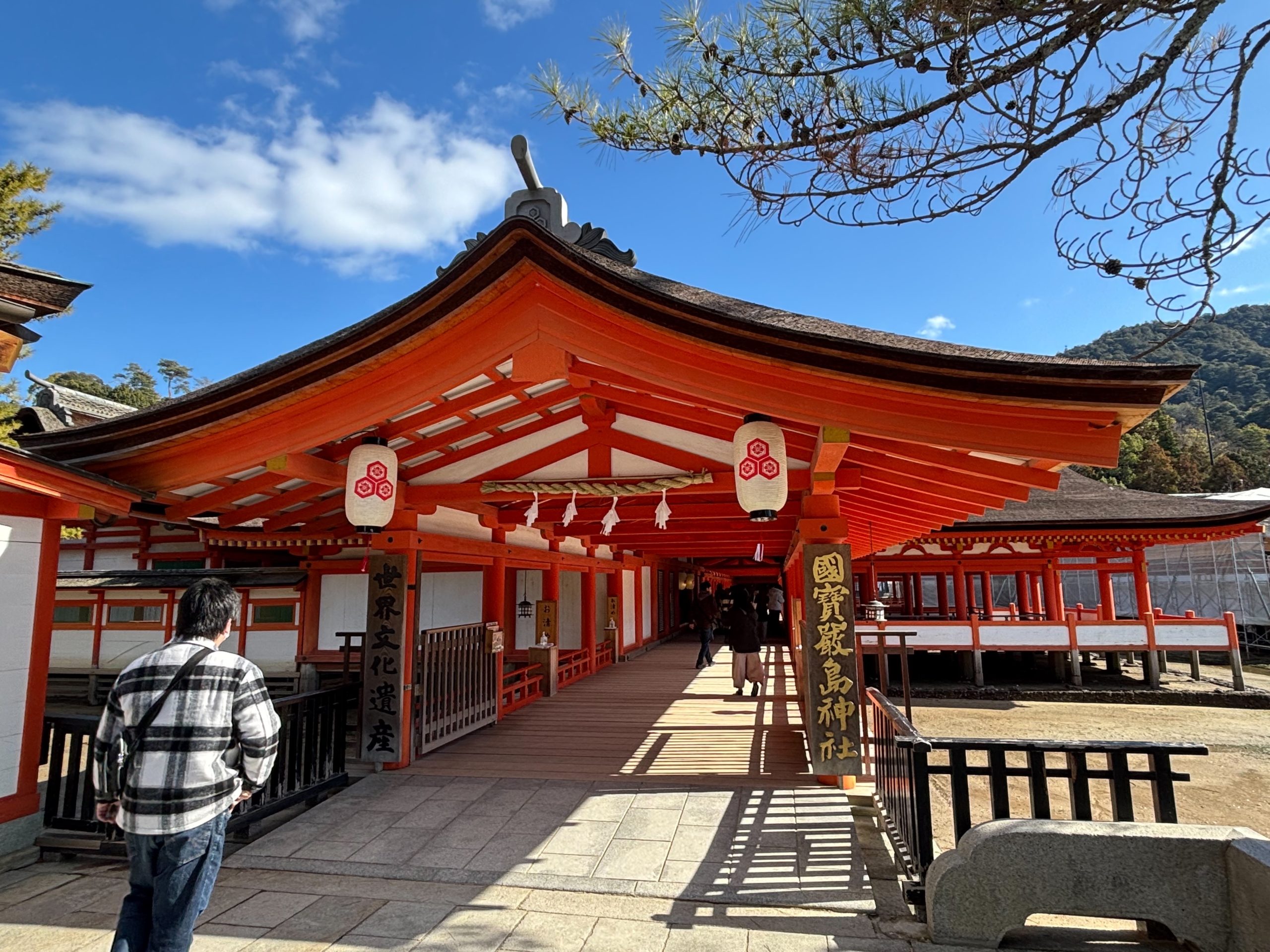
When you think of Miyajima, the first image that comes to mind is Itsu...
Location, Access, & Operating Hours (Approximate)
- Access: About a 7-minute walk from Miyajima Pier. Head straight along Omotesando toward Itsukushima Shrine; the shop is located near the corner where Omotesando intersects with Kaigan-dori (the coastal road).
- Business Hours: 9:30 AM to 5:00 PM (hours may be extended during peak tourist seasons like cherry blossom or autumn foliage periods).
- Regular Holidays: Generally open daily year-round (always check official information for temporary closures during New Year holidays or other special circumstances).
- Parking: Miyajima Island itself is best explored entirely on foot and by public ferry transport. If you’re driving, use the parking facilities at Miyajimaguchi on the mainland, then take the ferry across.
- Estimated Time Required: 15–30 minutes to watch the production process and browse the shop; 30–60 minutes if you plan to use the cafe space and really savor your treats.
A useful local tip I learned from island residents: if you can arrive at the Miyajimaguchi parking area before 8:00 AM, there’s usually space still available behind “Momiji Hompo” which fills up quickly. Early birds can coordinate this with Fujiya’s opening time for a smooth, stress-free start to your day!
Recommended Ways to Enjoy and Purchasing Tips
- In-Store Production Viewing: If your timing works out, definitely pause to watch the baking process through the glass windows. The mouthwatering aroma of the warm batter and the sight of just-baked treats coming off the griddle are genuine highlights that photos can’t quite capture.
- Standard & Limited Editions: Classic flavors include smooth koshi-an red bean paste, chunky tsubu-an red bean paste, matcha cream, custard, and chocolate, with occasional seasonal flavors rotating in based on the time of year you visit.
- Choosing Souvenirs: Consider shelf life and portability carefully—individually wrapped pieces or small boxed sets travel exceptionally well. My strategy is to pick them up on your way back from sightseeing rather than at the start of your day, keeping your bag light while you explore.
- Photography: Be considerate of other customers—avoid capturing strangers in your photos and don’t block the narrow walkway while framing your shot. Follow any staff guidance about photography and take your pictures quickly from the side rather than lingering.
Our family’s personal favorite is definitely the smooth koshi-an red bean paste! The kids always enthusiastically exclaim “It’s so sweet and delicious!” every single time. The individual packaging is incredibly helpful when you’re buying treats for both workplace colleagues and relatives, making it easy to distribute without any awkward cutting or dividing.
The newly popular specialty fried momiji and Fujiya’s traditional baked momiji manju are both beloved Miyajima sweets absolutely worth trying during your visit!
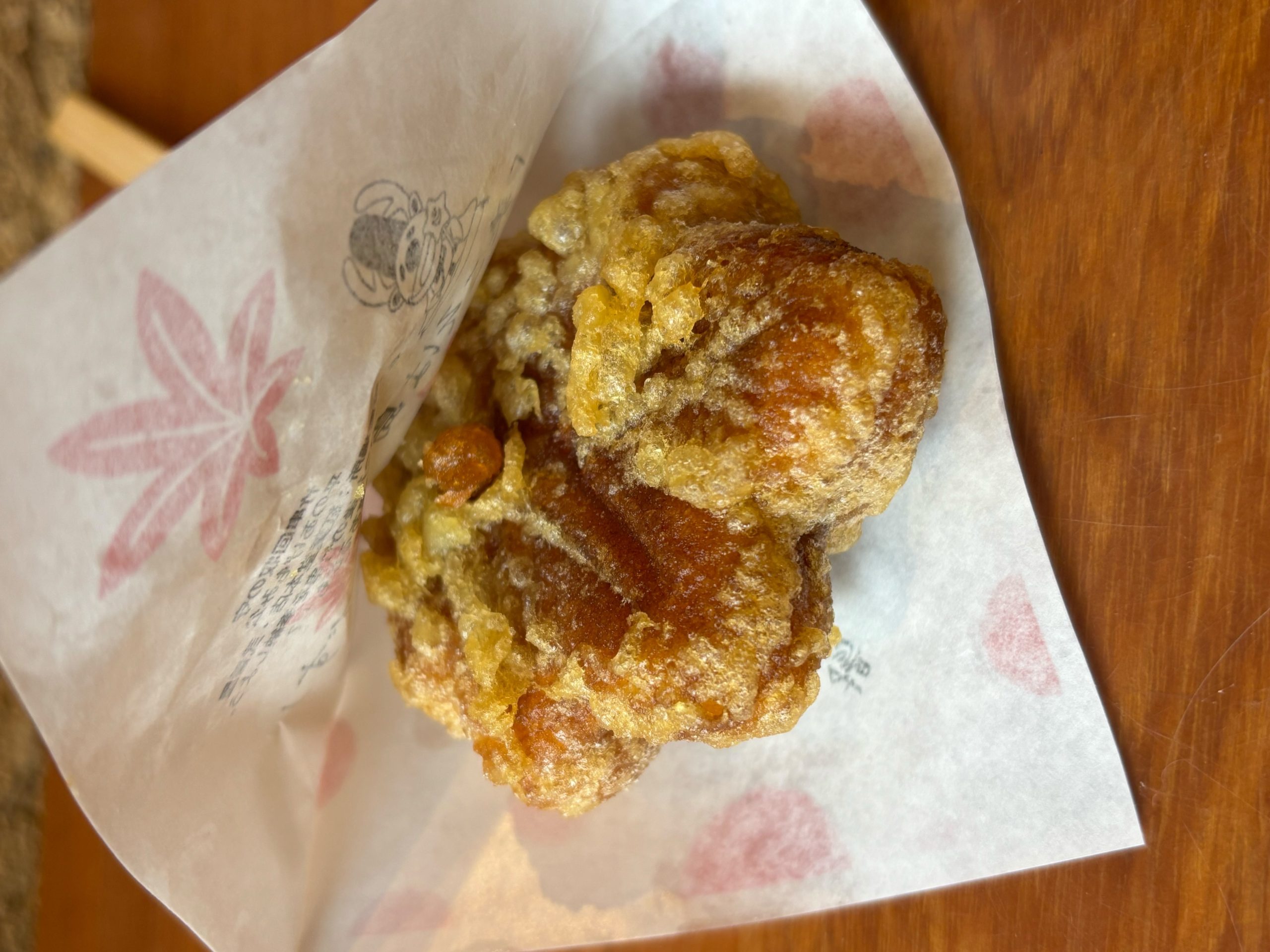
Planning your Miyajima food adventure and wondering what unique treats...
Try making your own dry sweets at “Fujiya Miyajima Main Store”!
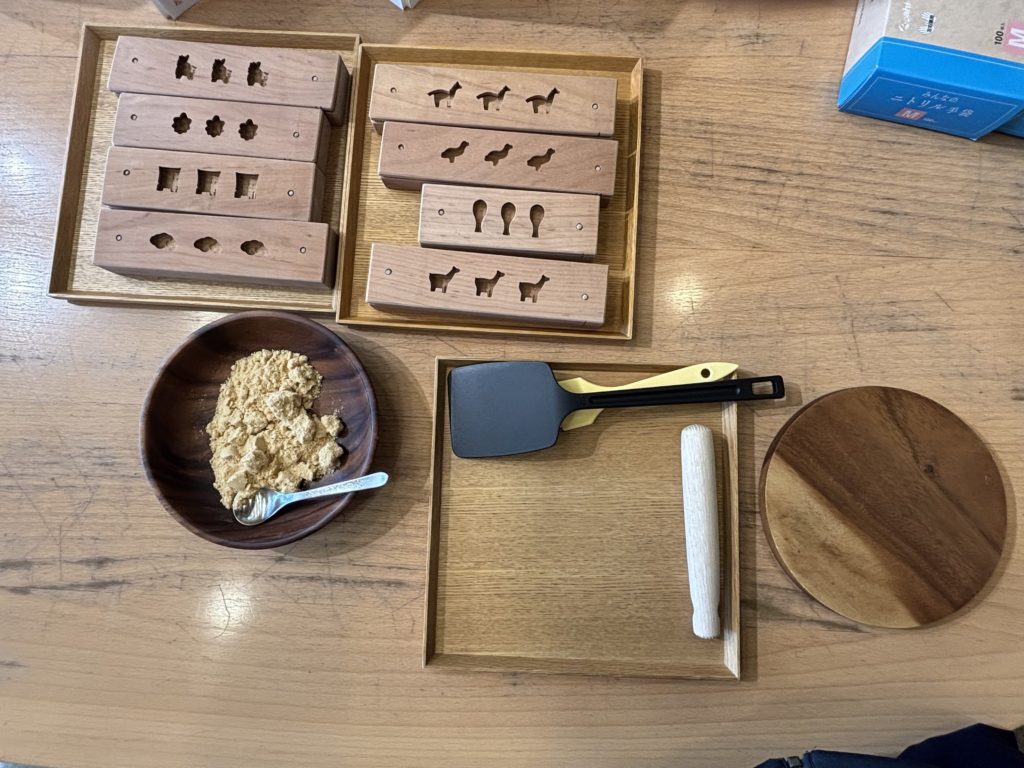
This special hands-on experience, available exclusively at the main store, teaches you the delicate art of handling precious wasanbon sugar and using traditional wooden molds that have been crafted specifically for Japanese confectionery—it’s surprisingly relaxing and deeply satisfying even for adults who aren’t particularly crafty. Workshop sessions are typically held on weekdays, take approximately 40–50 minutes from start to finish, and cost ¥1,500 per person (tax included). Phone reservations are absolutely required at least 7 days in advance to secure your spot. If you’re working with a tight sightseeing schedule, booking a morning session before your shrine visit keeps your itinerary flowing smoothly and minimizes any waiting around.
I actually tried this experience myself during our last family visit and was genuinely amazed at how quickly the time flew by—it turned out to be far more enjoyable and meditative than I had expected! My eldest daughter worked with intense concentration and seriousness, commenting thoughtfully, “Making traditional sweets is really quite difficult and requires so much attention!”
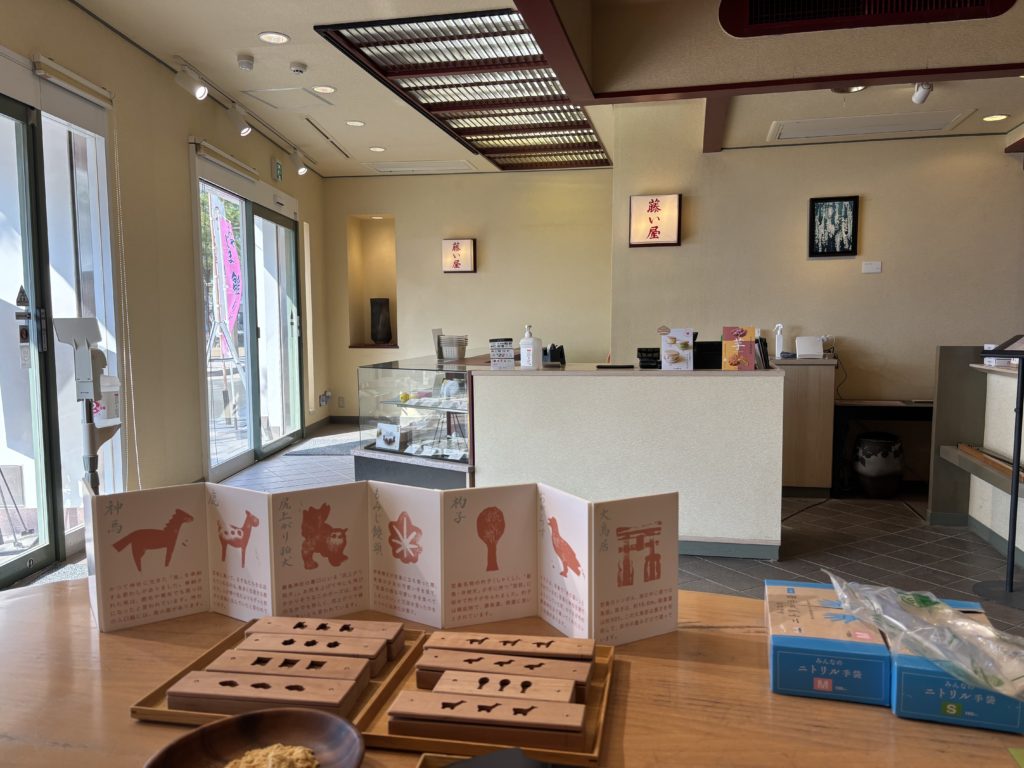
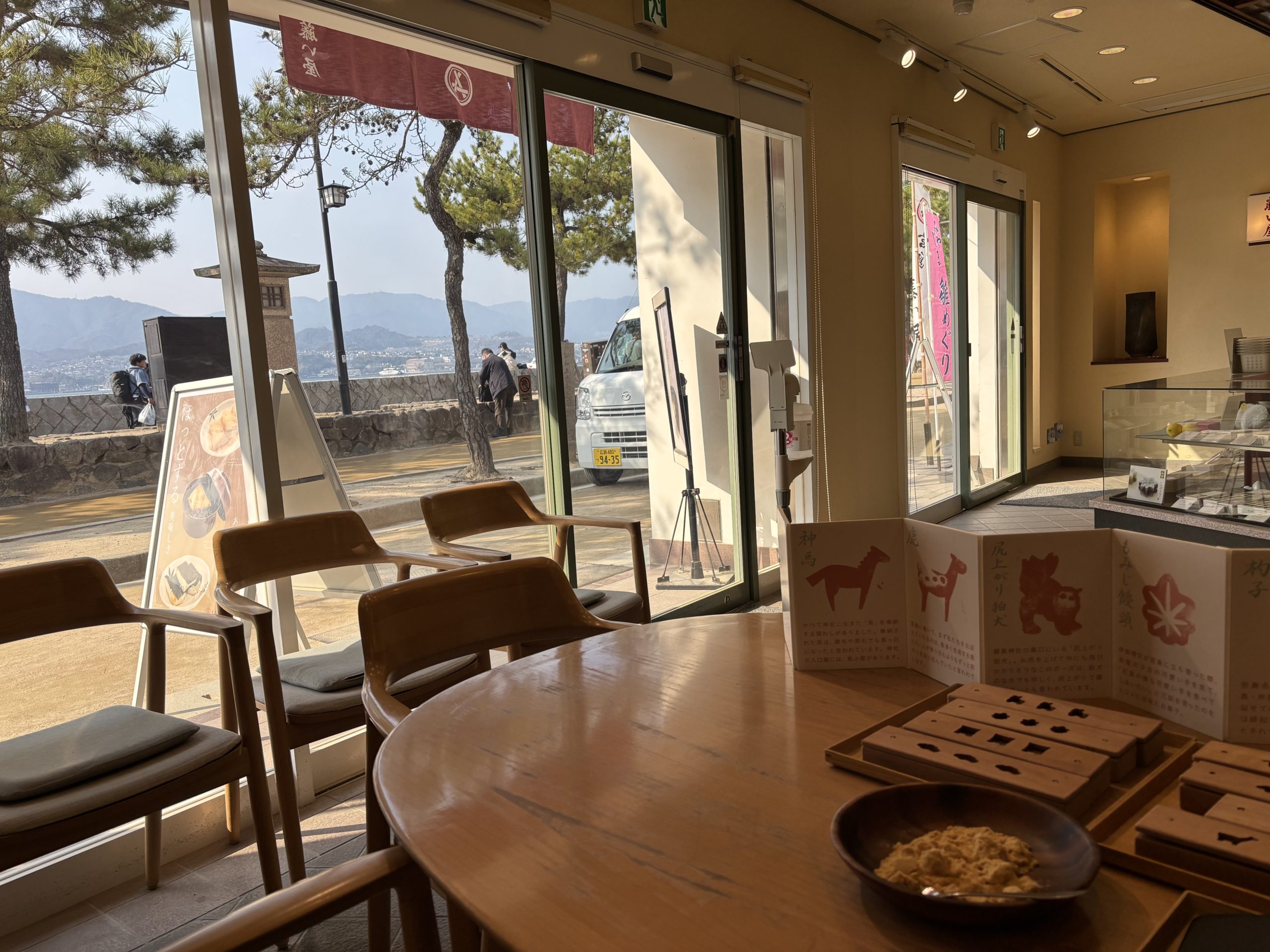
Step into the bright, beautifully maintained shop and receive simple, clear instructions from experienced staff—the calm, Japanese-modern workspace with its clean lines and natural light instantly lifts your mood and puts you in the right mindset for creating something special♪
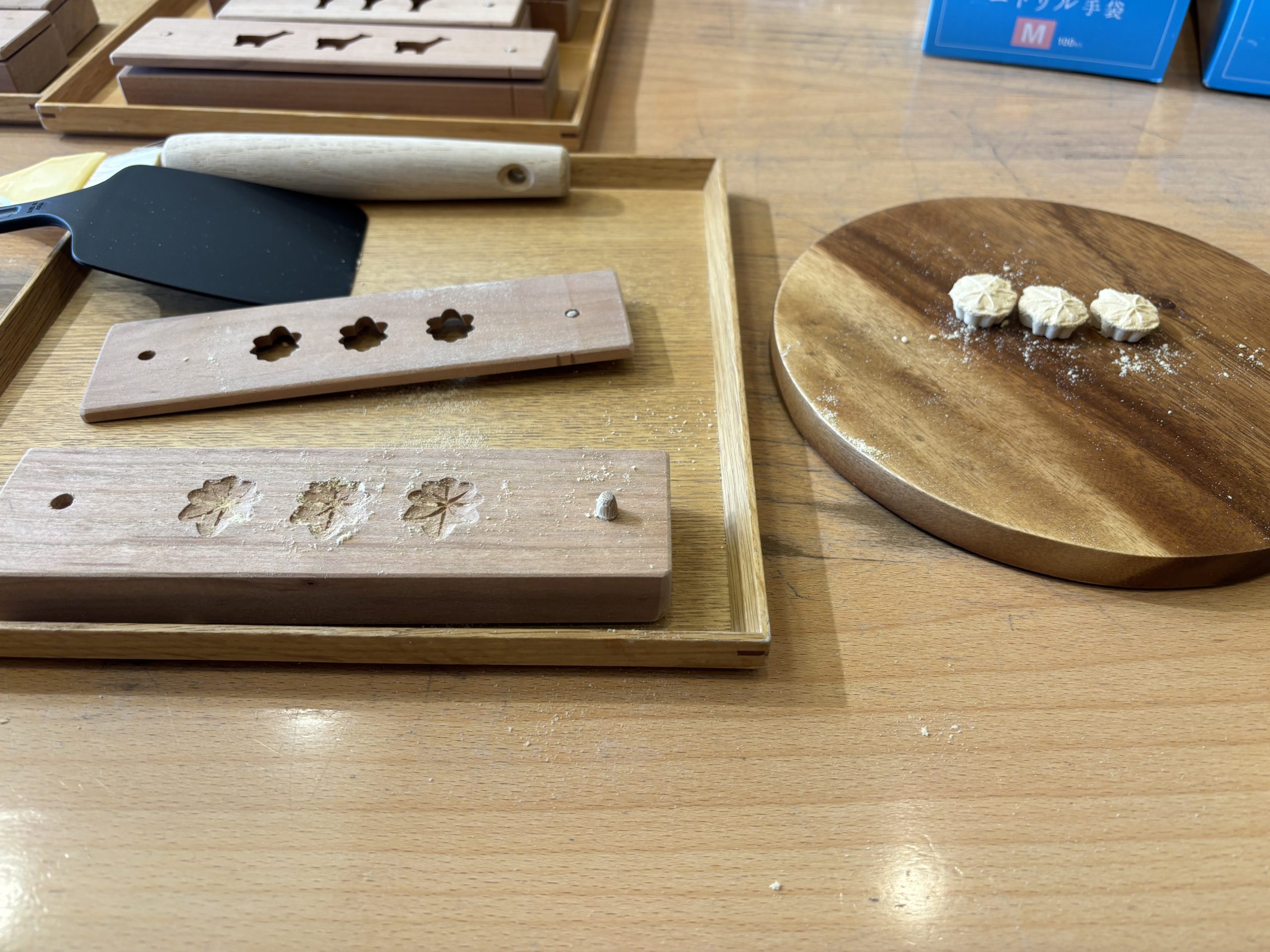
・Tools: Traditional wooden molds (kata), fine brushes, small spatulas, and a compact wooden mallet for tapping.
・Materials: Wasanbon is a premium, ultra-fine Japanese sugar traditionally produced in Shikoku (particularly in Tokushima and Kagawa prefectures). This particular workshop uses Tokushima-produced wasanbon. Unlike regular granulated sugar, it contains just a trace amount of moisture, which helps it hold its delicate shape beautifully without hardening into a solid block.
The staff provide incredibly thorough, patient instruction at every step, so even complete beginners can feel genuinely confident. My younger daughter was absolutely fascinated by the entire process, exclaiming with wonder, “We’re actually making real sweets with just sugar!”
Let’s introduce the origins of the eight auspicious designs.
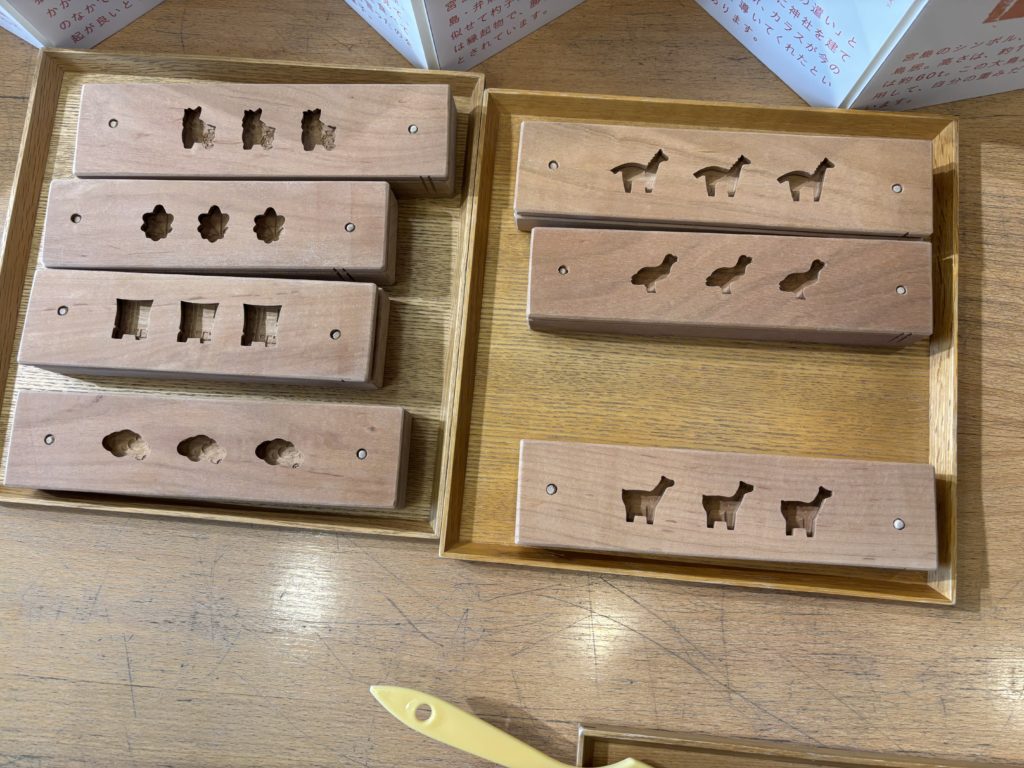
There are eight different wooden mold designs available in total—each one is utterly charming and steeped in cultural meaning. You can make three pieces per workshop session, so choosing which designs to create can be a delightfully difficult decision. Since each traditional design carries its own auspicious meaning and symbolism, discussing your choices with family members or travel companions adds an extra layer of fun to the experience.
・Zuiun Design (Auspicious Clouds)
This flowing cloud motif represents the sacred, auspicious clouds that are said to surround Mount Misen, Miyajima’s highest peak and spiritual heart. The design holds its shape particularly well and is very beginner-friendly—making it an excellent choice for your very first attempt.
・Shinma Design (Sacred Horse)
Learning the fascinating origin story behind this design adds extra enjoyment to the crafting process. Press the small intricate details—like the horse’s delicate horns and legs—especially carefully to prevent any cracking or breaking during release.
・Deer Design
An instantly recognizable symbol of Miyajima, where sacred deer roam freely throughout the island. For the thinnest parts like the ear tips, gently tap the sides of the mold frame before releasing to improve your chances of success. Our children were absolutely delighted with this one, exclaiming “It looks just like a real Miyajima deer!”
・Komainu Design (Guardian Lion-Dog)
The upward-curving hindquarters are traditionally considered particularly lucky and protective. Press the sugar firmly into all corners, then smooth the surface carefully with the finishing brush for crisp, clean lines that really make the design pop.
・Maple Leaf Manju Design
Hiroshima’s most iconic souvenir reimagined as an elegant dry sweet—how meta! With its simple, clean contours and familiar shape, it’s an easy and forgiving piece for beginners to start with.
・Shamoji (Rice Scoop) Design
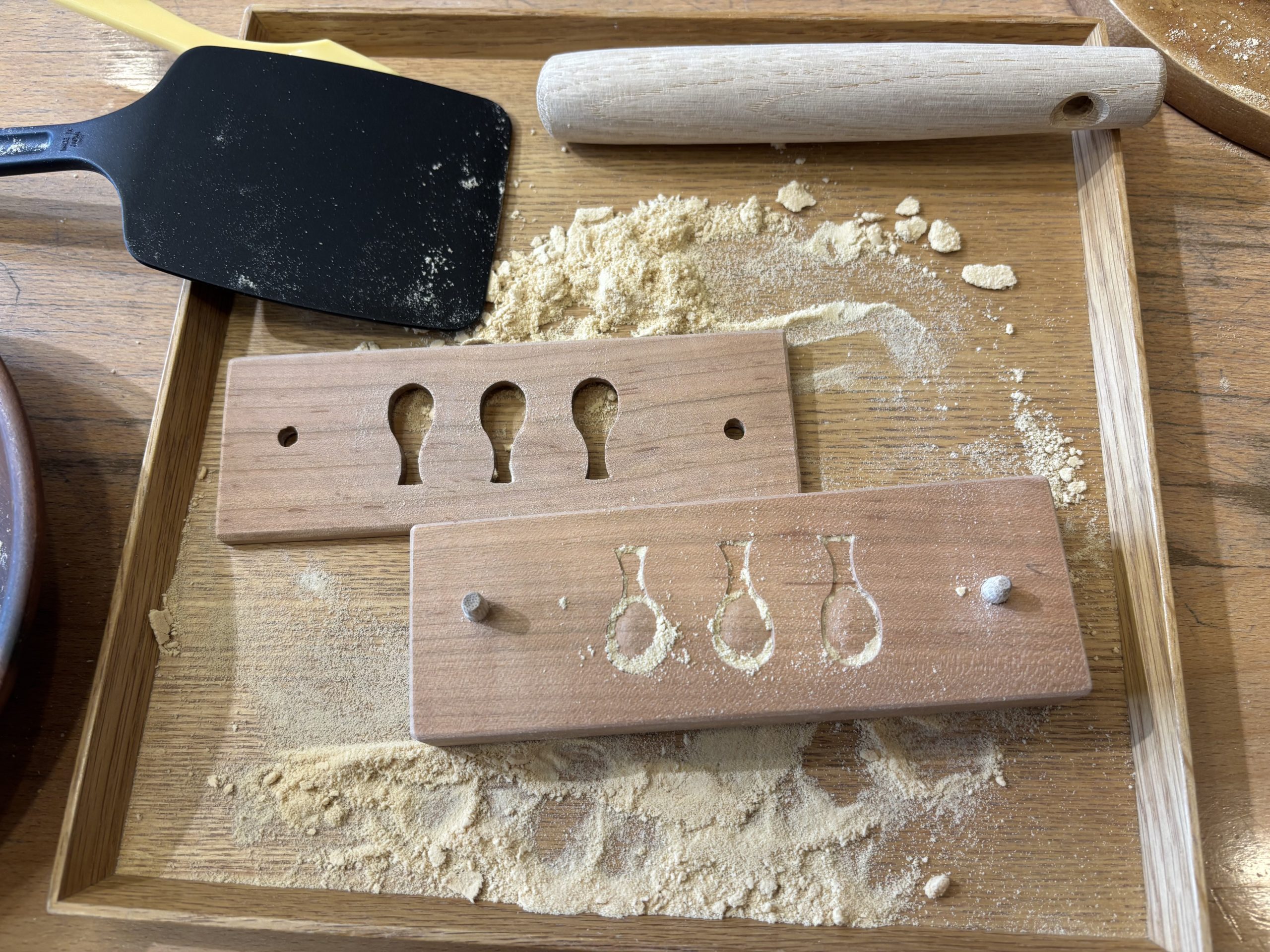
The elongated shape of this traditional Miyajima craft makes it trickier to execute successfully. Uneven filling causes frustrating cracks, so press very firmly in a vertical motion first, then carefully level the entire surface with a flat spatula to ensure even distribution.
・Crow Design
The delicate wing tips require especially careful release technique. Tap the mold sides evenly all around before gently removing the top board for the best shape retention and cleanest wing detail.
・Large Torii Gate Design
Increase the sugar density particularly in the thin pillar sections to prevent heartbreaking breakage. Brush off all excess sugar at the very end to sharpen the outline and make those iconic gate posts really stand out.
Actually older than Itsukushima Shrine itself! Daisho-in Temple is another must-visit spiritual power spot that combines beautifully with your Fujiya experience for a full day of cultural exploration.

Your complete guide to Daishō-in Temple on Miyajima: history, what to do, spiritual experiences (sand stepping, fire walking, Kaidan Meguri), annual events, access, barrier-free info, and how to get a goshuin (temple stamp).
Dry Confectionery Making Experience Procedure
① Spoon the fine wasanbon sugar generously into the carved hollow of the wooden mold and press it down very firmly with your thumb or the pad of your finger. The firmer and more evenly you pack the sugar, the cleaner and more detailed your final result will be—this is the most critical step.
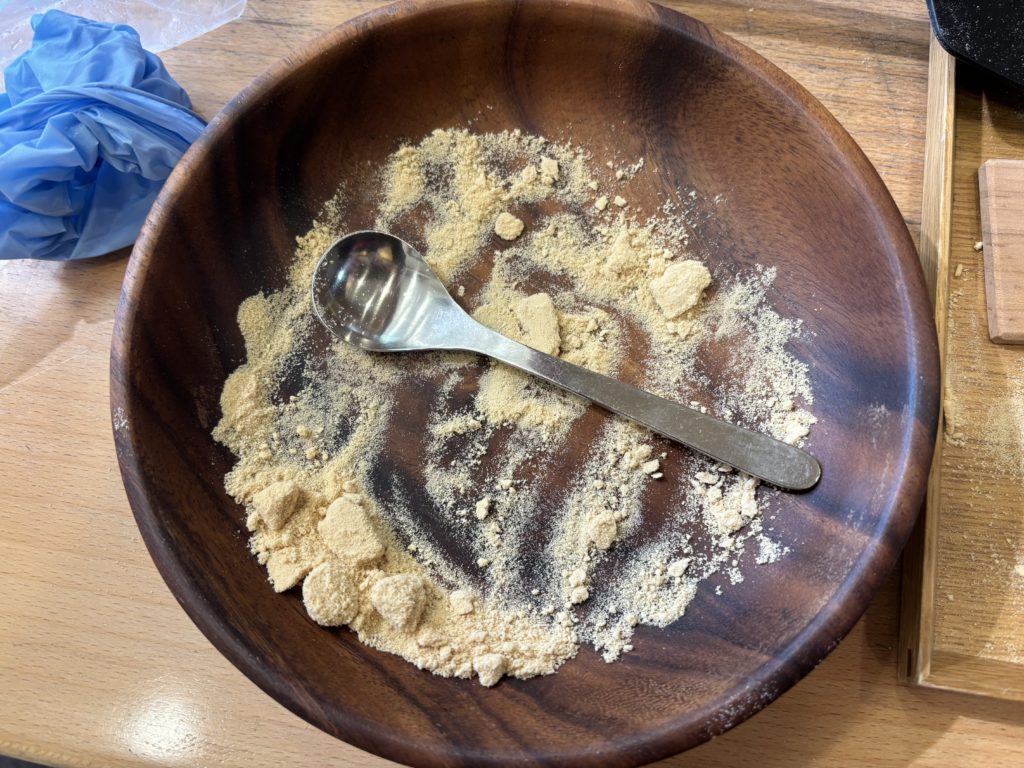
My eldest daughter commented with surprise, “This requires much more strength than I initially thought!” while working diligently and methodically. This pressing step is absolutely the most crucial part of the entire process, so taking your time and being thorough with it is genuinely essential for success.
② Use a flat spatula or fine brush to carefully sweep away all the excess sugar that’s piled on the top surface of the wooden frame, creating a perfectly level surface.
③ Press the top and bottom boards of the two-part frame together very firmly to compress the sugar. Then tap the sides rhythmically with the small wooden mallet to gently release only the formed wasanbon from inside the carved mold cavity.
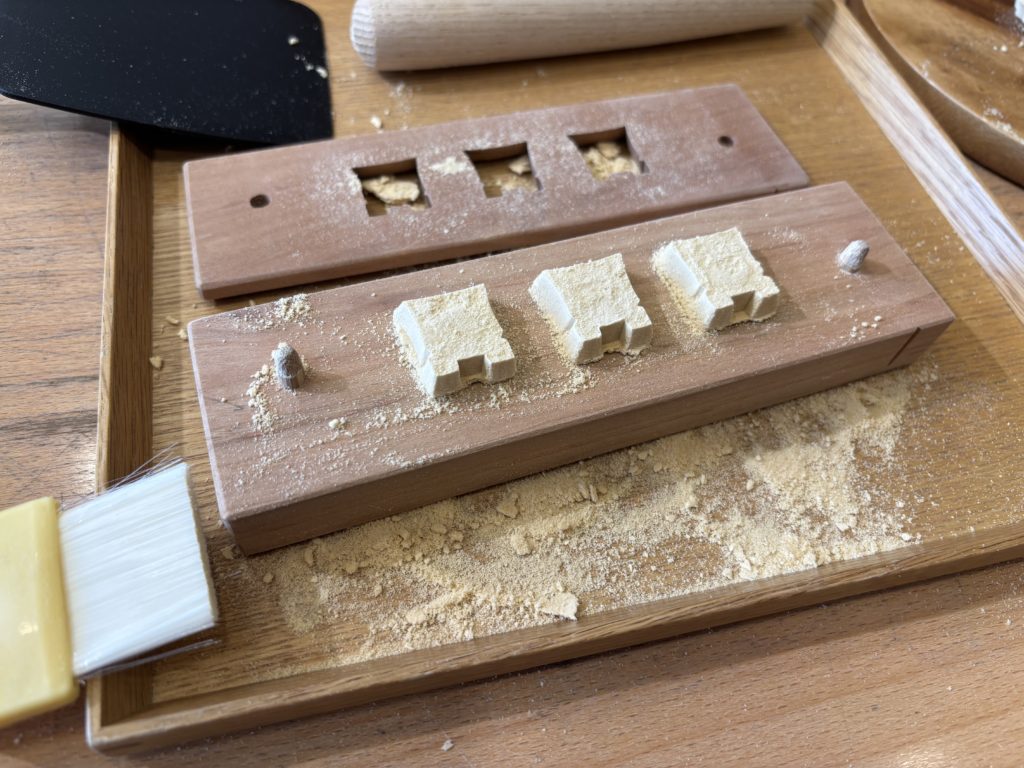
④ Carefully remove the top board, then confidently flip the bottom board onto your serving tray—the perfectly formed wasanbon sweet will pop out cleanly and neatly, ready to admire.
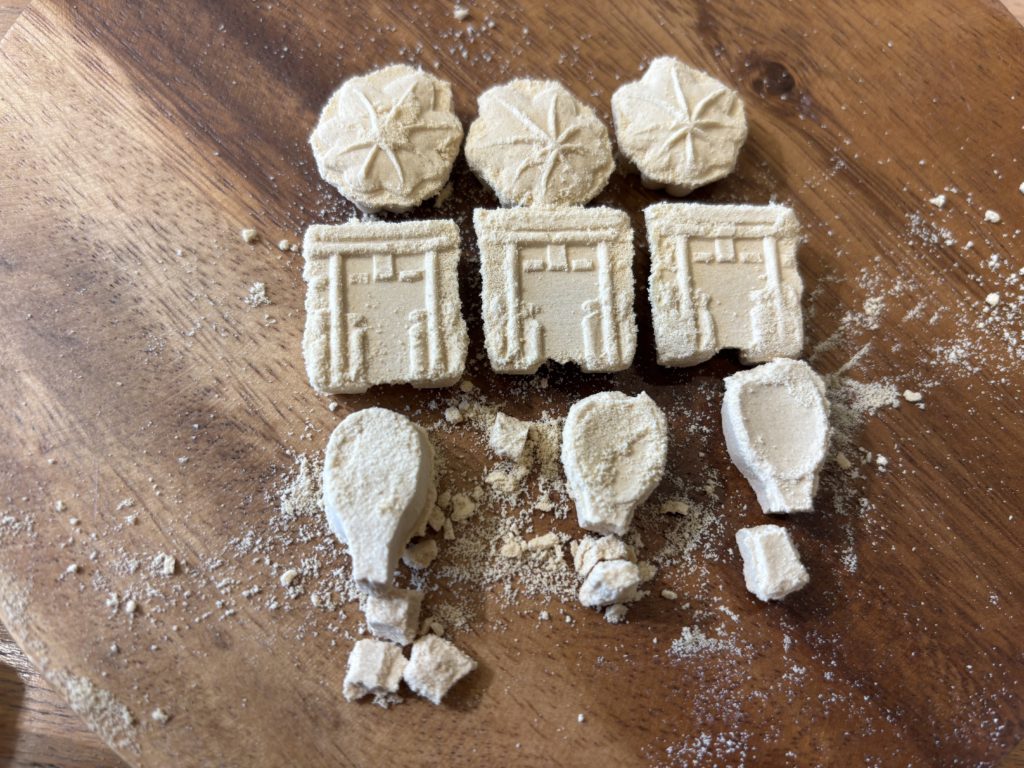
This is genuinely the most exciting and satisfying moment of the entire experience! My younger daughter squealed with pure delight, “It’s coming out! It’s coming out perfectly!” The wonderful sense of achievement when the delicate sweet releases perfectly intact from the mold is truly something special that stays with you.
At the end of the experience, we were treated to a cup of matcha tea♪
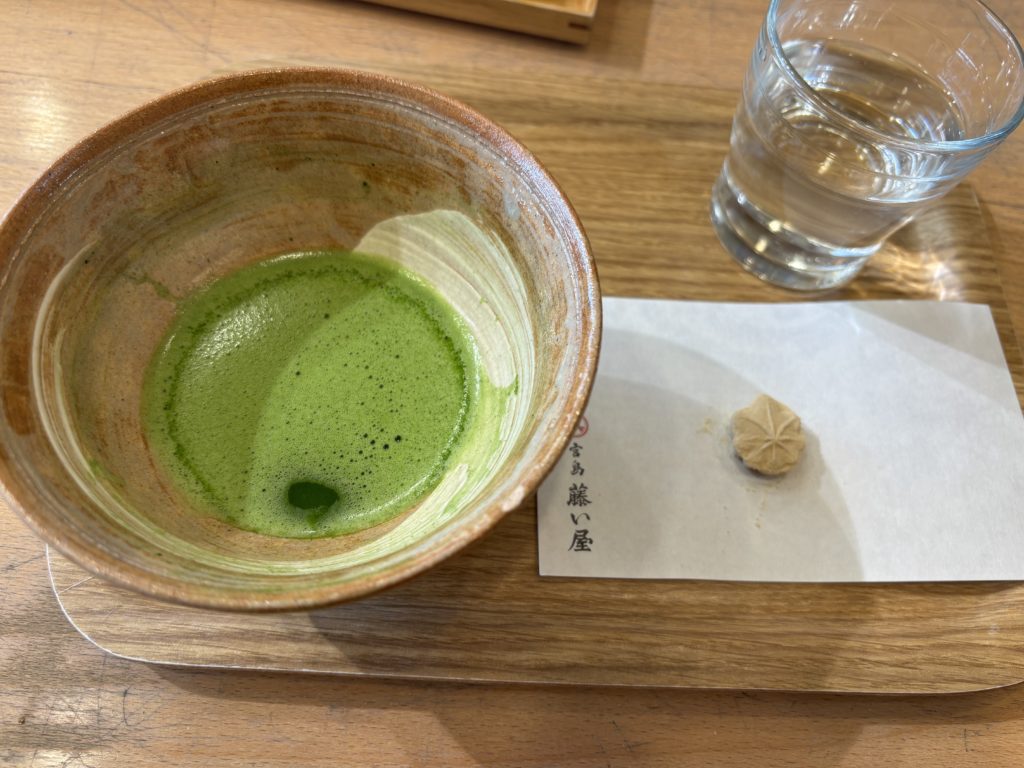
The gentle, refined sweetness of wasanbon pairs absolutely beautifully with the slightly bitter complexity of properly whisked matcha tea. Along with the deep satisfaction of making your own traditional sweets from scratch, sipping the tea leaves you feeling remarkably centered and connected to Japanese culture in a very personal way. Your finished dry sweets can be carefully wrapped in traditional packaging to take home as souvenirs—enjoy them later with evening tea and fondly relive your special Miyajima memories.
After completing the workshop, you’ll have the chance to taste your freshly made wasanbon creations alongside a bowl of authentic matcha. The plump, adorable maple leaf manju-inspired design is especially charming and photogenic. My particular session took approximately 50 minutes due to my somewhat clumsy hands and perfectionist tendencies, but at just ¥1,500 (tax included), the entire experience felt like genuinely excellent value for the time and cultural education. If you love Japanese sweets or have any appreciation for matcha—or you’re actively searching for unique things to eat and experience in Miyajima beyond the standard savory dishes—you’ll find this a truly memorable highlight of your island visit.
This dry confectionery making experience at “Fujiya Miyajima Main Store” honestly turned out to be more stimulating, educational, and memorable than many overseas trips I’ve taken to much more distant destinations. I genuinely never knew such an amazing, authentic cultural spot existed right here on Miyajima—discovering it was truly eye-opening and made me appreciate the island’s depth even more. For just ¥1,500 (tax included), the content and cultural value this workshop offers is tremendous, and I can confidently say that anyone with even a passing interest in Japanese sweets or matcha culture will have an absolutely unforgettable experience here, so I highly recommend making time to try it during your visit.
My husband also enthusiastically remarked, “For only ¥1,500, this content and instruction quality is incredibly affordable and well worth it!” I genuinely believe it was a valuable, enriching cultural experience for our children as well—something they’ll remember and appreciate more as they grow older.
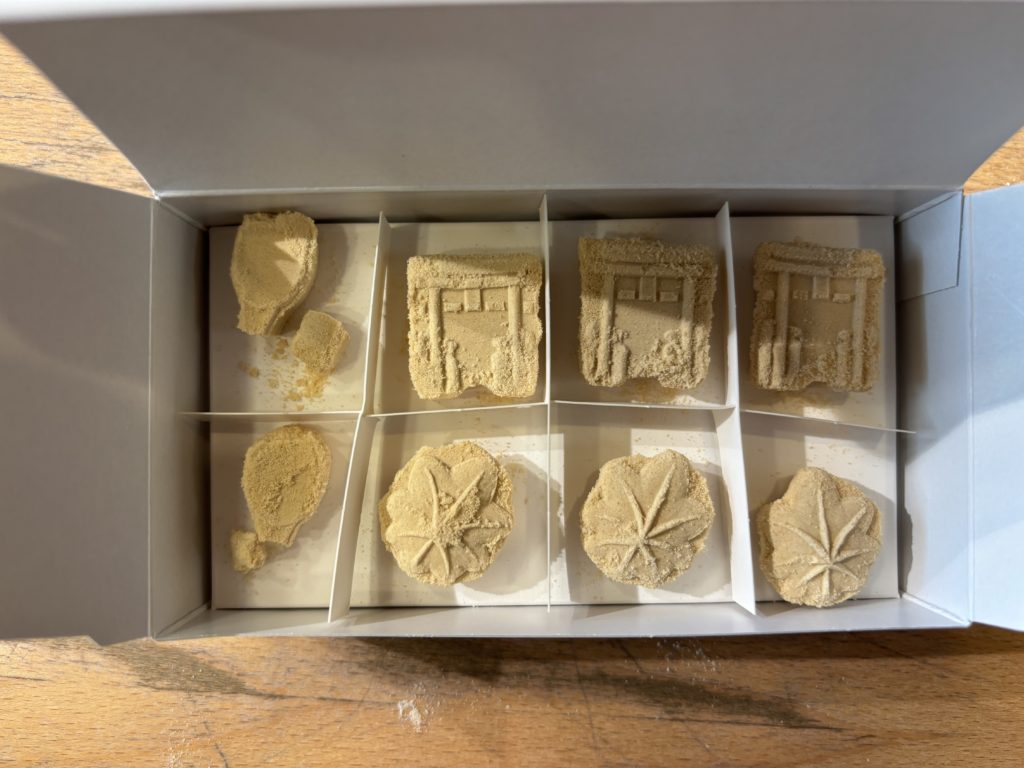
Designs with particularly narrow sections, like the shamoji (rice scoop) or the torii gate pillars, tend to be more delicate and prone to breaking. Pack the sugar extra carefully into all the tight corners and tap the sides evenly and thoroughly just before releasing to significantly reduce breakage. When carrying your precious sweets home on the ferry and train, avoid opening the box lid too wide or at sharp angles, always keep it perfectly flat and level, and handle the container with extra care to prevent any jostling.
When we finally returned home after our full day on Miyajima, the whole family gathered around to enjoy the beautiful sweets we had made together with our own hands. The children declared with conviction, “Sweets you make yourself with care taste extra special and meaningful!” which created a truly wonderful, lasting memory that we still talk about months later.
Please note that all information including prices, hours, and workshop availability is subject to change. Always check the shop’s official website or call ahead before visiting to confirm the latest details and ensure smooth planning.
Frequently Asked Questions (Q&A)
When are the dry confectionery making experiences held?
Workshop sessions are generally offered primarily on weekdays rather than weekends. To match your specific travel plans and ensure availability, make a phone reservation at least 7 days in advance of your desired date. Weekdays are strongly recommended as weekend slots tend to fill up quickly with both tourists and local visitors.
How long does the experience take?
Plan for approximately 40–50 minutes total including the initial instruction period and the actual crafting time. Timing may vary somewhat depending on how many pieces you choose to make, how busy the shop is that day, and your personal working pace. If you’re participating with younger children, it might take slightly longer as they work more slowly and carefully.
What are the fees and payment methods?
The hands-on workshop costs ¥1,500 per person (tax included), which represents excellent value for the time, instruction, and materials provided. Cash payment is often strongly preferred at the shop (including at the regular confectionery sales counter), so carrying some small bills and coins will make your transaction smooth and eliminate any payment hassles.
Any tips for access?
Fujiya is located approximately a 7-minute comfortable walk from Miyajima Pier, straight along the main Omotesando shopping street. Since the entire island is best enjoyed on foot without cars, the vast majority of visitors leave their vehicle at the Miyajimaguchi mainland parking area and take the scenic 10-minute ferry ride across. Knowledgeable locals consistently recommend arriving early and parking behind “Momiji Hompo” before 8:00 AM if you want to secure a good spot during busy seasons.
How can I avoid crowds?
Morning hours, particularly right when the shop opens, are relatively quiet and peaceful for watching the momiji manju production process and eating in the cafe without competing for space. During peak tourist seasons like cherry blossom or autumn foliage periods, early evening after 4:00 PM can also be a surprisingly good time as day-trippers head back to the mainland. Based on local patterns, weekdays from 2:00-4:00 PM are consistently the absolute quietest hours if you want the most relaxed experience possible.
Can I take photos?
Photography is definitely welcome, but please be courteous and thoughtful—never block the narrow pathways or doorways, and avoid including other customers’ faces in your photos without permission. Always follow any specific staff instructions about photography. Taking photos during your hands-on workshop experience is also encouraged, so you can document your creations and the process!
When is the best time to buy souvenirs?
The smartest strategy is to browse and plan what you want on your way toward the shrine in the morning, then actually purchase and pick up your momiji manju boxes on your return journey toward the pier. This practical approach keeps your hands free and your bag light while you explore the temple grounds and take photos, then ensures your sweets stay fresh for the trip home. Individually wrapped boxes are especially easy to carry and pack, making them ideal Hiroshima souvenirs that travel well.
Can children participate in the experience?
Elementary school age (roughly 6 years old) and up is generally recommended for the dry sweets workshop, as it does involve fairly detailed, precise handwork that requires some patience and fine motor control. That said, younger children can certainly participate successfully if they work together with a parent who provides gentle guidance and assistance. The staff are genuinely experienced with children of all ages and create a welcoming, pressure-free environment, so families can feel completely confident and safe bringing kids along.
Summary
Fujiya Miyajima Main Store stands as a key cultural stop along the historic Omotesando approach where you can truly “see, make, and taste” this long-established shop’s time-honored creations in one visit. Experience the island’s rich confectionery culture firsthand through the intimate dry sweets workshop using traditional tools and techniques, then relax and recharge with fresh momiji manju and tea at the comfortable cafe lounge before continuing your sightseeing adventures.
Our family has made it a beloved tradition to stop by Fujiya essentially every single time we visit Miyajima Island. The children always eagerly ask, “Can we make the dry sweets again this time?” which really shows what a wonderful, lasting memory the experience creates for all ages. Please take the time to experience this special intersection of tradition and hands-on learning at one of Miyajima’s most historic and respected establishments!
This short yet genuinely memorable experience fits perfectly into your schedule between major sightseeing stops at Itsukushima Shrine and other island attractions. Operating hours and reservation policies may vary seasonally, so always check the latest official information before visiting to ensure the most comfortable and well-planned Miyajima experience possible.
Related Articles You Might Enjoy
It’s not just about Itsukushima Shrine alone! Understanding the full scope of Miyajima’s UNESCO World Heritage designation, including the primeval forest covering Mount Misen, will make your island visit even more enriching and meaningful.
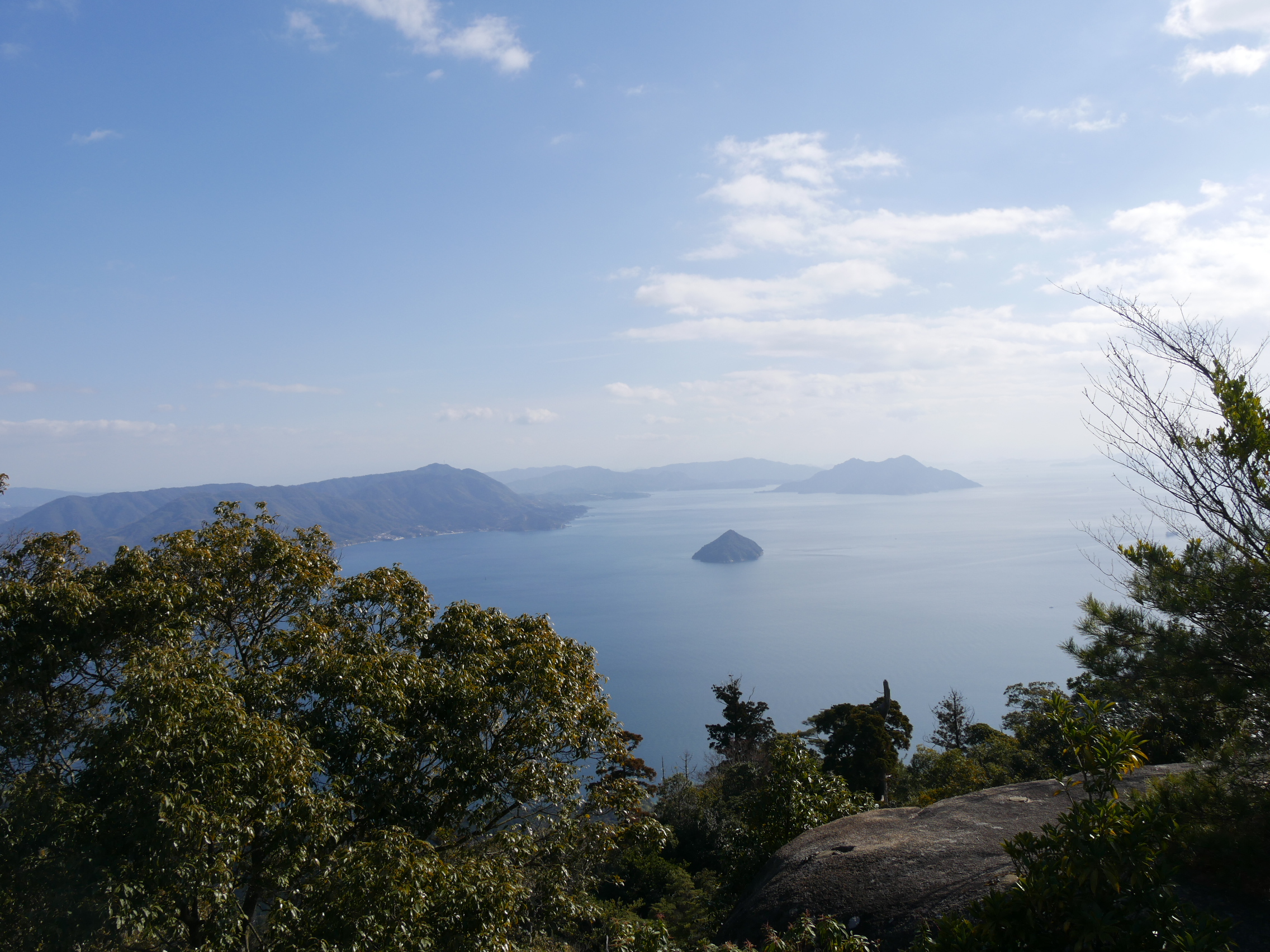
Miyajima is one of those rare places where Japan's ancient history and...
For the freshest oysters on Miyajima, “Miyatoyo” is absolutely the place to go! It’s perfect for a satisfying savory meal after your sweet-making experience at Fujiya.
Miyatoyo Main Store is the only shop in Miyajima specializing in hand-baked momiji manju. Since 1984, this long-standing confectioner has delighted visitors with Cheese Momiji Manju, Belgian Chocolate, Belgian White, and classic Koshian. Discover the shop’s atmosphere, flavor tips, and how to buy for souvenirs.
Perfect for an early breakfast before the crowds arrive! Miyajima Besso’s Shima-uma Bread is another wildly popular artisan bakery located right on Omotesando Shopping Street.
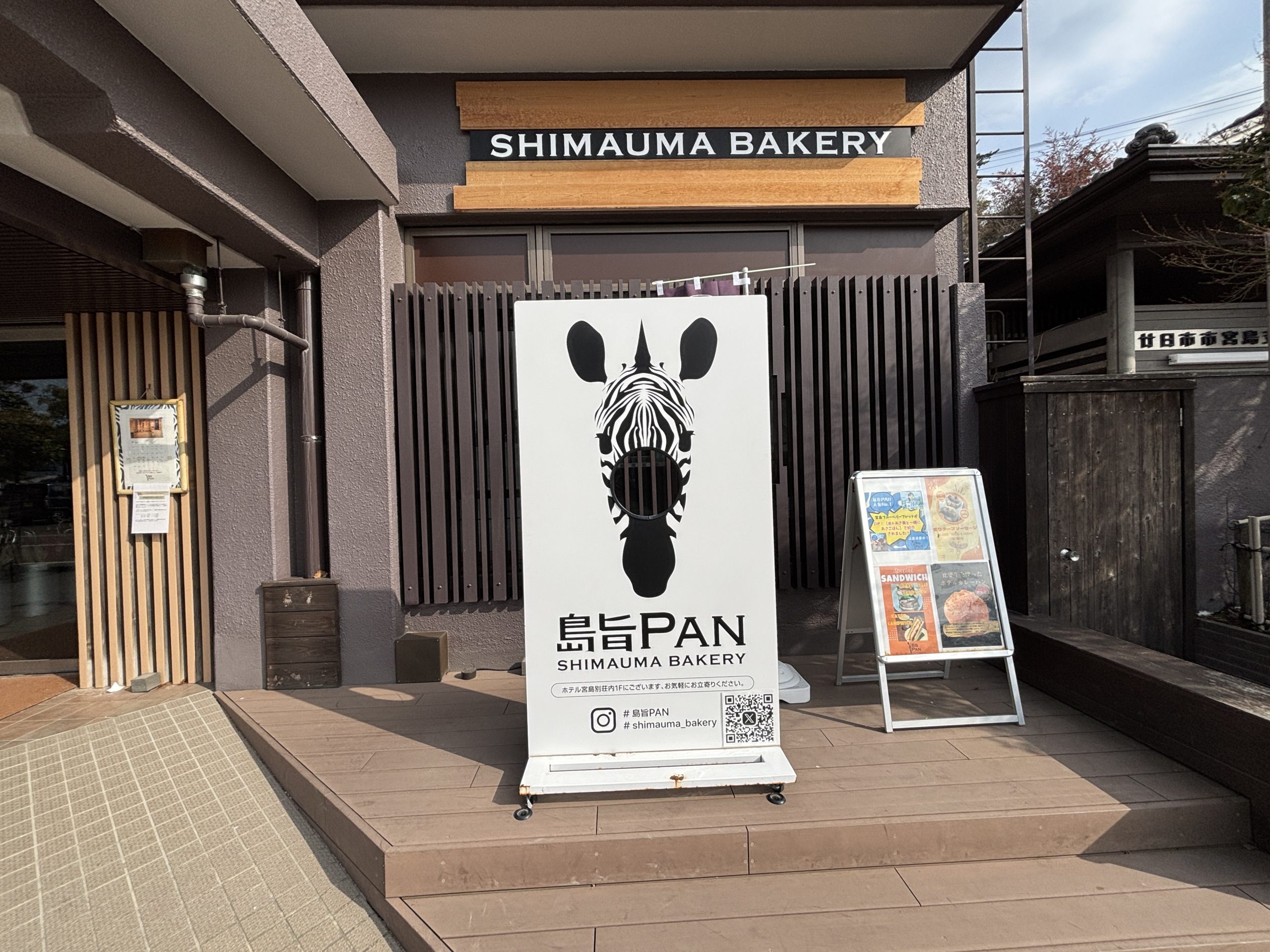
Just a 1-minute walk from Miyajima Pier, "Shimauma Pan" is an authenti...