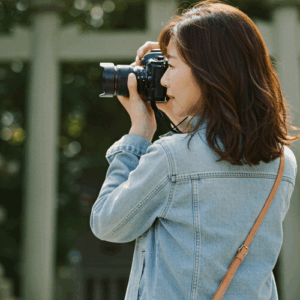
If you’re visiting Miyajima, you’ll want to capture its stunning scenery. From the iconic torii gate appearing to float on the sea to the vermillion shrine buildings and panoramic views from Mt. Misen, photogenic landscapes are everywhere on this World Heritage island.
This guide covers Miyajima’s best photography spots and the optimal times to shoot each one. Whether you want to photograph the torii gate at different tide levels, capture autumn colors in historic gardens, or snap 360-degree panoramas from mountain viewpoints, you’ll find detailed information on where to go and when.
Torii Gate Photography: How Tides Transform Your Shots
High Tide: Capturing the Floating Torii
At high tide, the great torii gate appears to float on the water—this is Miyajima’s most iconic image. The combination of the gate rising from the sea with the shrine buildings behind it draws photographers from around the world.
The best vantage point is Mikasa Beach (Mikasahama), located along the waterfront path between the ferry terminal and Itsukushima Shrine. Here you can photograph the torii straight-on with nothing blocking your view. The unobstructed sightline lets you capture the gate’s ethereal, floating appearance.
Another excellent angle is from inside Itsukushima Shrine itself. The vermillion corridors create a natural frame around the torii gate—a composition unique to Miyajima. When photographing inside the shrine, be considerate of worshippers and fellow visitors.
Low Tide: Walking to the Torii for Close-Up Shots
At low tide, you can walk across the exposed seabed directly to the torii gate’s base. Standing beneath this massive structure—approximately 16 meters tall and weighing around 60 tons—offers a dramatically different perspective from high tide photography.
From the sandy flats, you can capture details impossible to see from shore: the texture of the camphor wood pillars, the intricate woodgrain, and the gate’s foundation. The torii isn’t embedded in the seabed—it stands upright through its own weight. Low tide is your only chance to photograph this remarkable engineering up close.

Elevated Viewpoints for Sweeping Scenery
Senjokaku Hall: Town and Sea Views
Senjokaku (Toyokuni Shrine), commissioned by the warlord Toyotomi Hideyoshi in the late 1500s, offers excellent elevated views of Miyajima’s townscape and the Seto Inland Sea. The hall’s name means “Thousand-Tatami-Mat Pavilion”—it’s spacious enough to fit 857 tatami mats.
Because the building was never completed, it has few walls, creating an open-air pavilion where you can photograph in all directions. From the wooden verandas, you’ll see Itsukushima Shrine below and ferries crossing to Miyajimaguchi. In autumn, a large ginkgo tree next to the hall turns brilliant gold, adding a striking color accent to your shots. The exposed pillars and beams of this unfinished structure also make for interesting architectural photography.
Five-Story Pagoda: A Classic Miyajima Composition
Adjacent to Senjokaku stands a vermillion five-story pagoda, another of Miyajima’s most photographed landmarks. At approximately 27 meters tall, this 15th-century structure blends Japanese and Chinese architectural styles, and it looks stunning from any angle.
For the best composition, position yourself at the bottom of the stone steps leading to Senjokaku and shoot upward at the pagoda. In spring, cherry blossoms frame the tower; in summer, the deep red color pops against fresh green foliage. The pagoda is also popular for nighttime photography under the stars.
Mt. Misen: 360-Degree Panoramas
Summit Observatory Platform
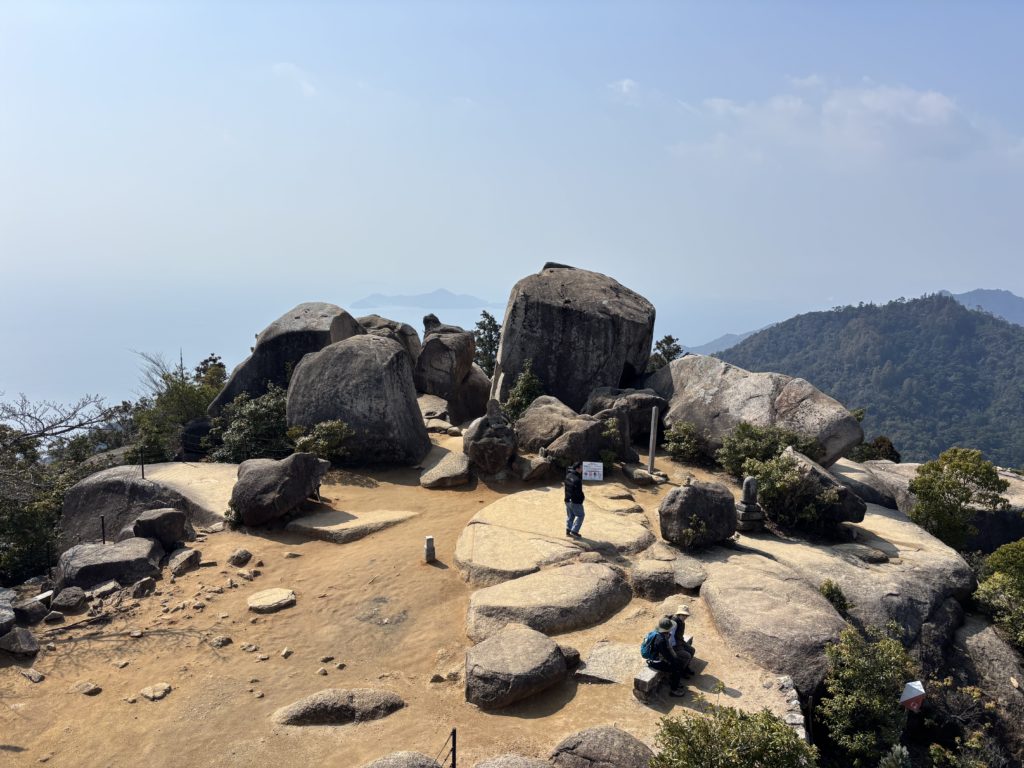
The observation deck atop Mt. Misen (535 meters / 1,755 feet) delivers Miyajima’s most spectacular view. From here, you’ll see the scattered islands of the Seto Inland Sea in every direction, the cities of Hatsukaichi and Hiroshima across the water, and on clear days, the mountains of Shikoku island.
The modern observatory building, designed by architect Hiroshi Sambuichi, features an upper-level seating area where you can relax and take in the scenery. Japan’s first Prime Minister, Ito Hirobumi, reportedly said “The true value of this scenic wonder is found at the summit.” Once you’re here, you’ll understand why.
Shishi-iwa Observatory: Easy Access Views
If the hike to the summit seems too strenuous, Shishi-iwa Observatory provides beautiful views and is just steps from the upper ropeway station. From here you can photograph the island-dotted inland sea without a challenging climb.
The trail from Shishi-iwa to the summit takes about 30-40 minutes on foot, and along the way you’ll encounter massive boulders and unusual rock formations considered sacred sites. These geological features make excellent photography subjects and convey Miyajima’s spiritual atmosphere.
Seasonal Photo Spots: Gardens and Temples
Momijidani Park and Momiji Bridge
Momijidani Park—the name translates to “Maple Valley”—is Miyajima’s top spot for autumn foliage photography. Around 700 maple trees of various species create a sea of red and orange from mid to late November.
The most popular composition features Momiji Bridge, a small vermillion bridge near the park entrance in front of the historic Iwaso ryokan inn. Even outside autumn, visitors gather here to photograph the bridge against the flowing stream and forested hillside. During the fall color season, the park offers evening illumination that transforms the maples into a glowing, otherworldly scene. Reflections of colorful leaves on the water add another dimension to your shots.
Daisho-in Temple: Statues and Sacred Atmosphere
Daisho-in, Miyajima’s oldest temple dating to 806, is filled with photogenic scenes. The 500 Rakan statues—each depicting a disciple of Buddha with a unique expression—are particularly Instagram-worthy because visitors have dressed them in colorful knitted caps and scarves.
Inside the temple’s Hensho-kutsu cave, small prayer lanterns create a mystical glow that photographs beautifully in the dim light. This underground hall, containing images of the 88 Shikoku Pilgrimage temples, has become popular with younger visitors seeking atmospheric shots.
In autumn, maples and ginkgo trees throughout the temple grounds provide colorful backdrops for the traditional buildings. Evening illumination events are sometimes held here as well, offering yet another photographic opportunity.
Sunset Photography Locations
Mikasa Beach at Golden Hour
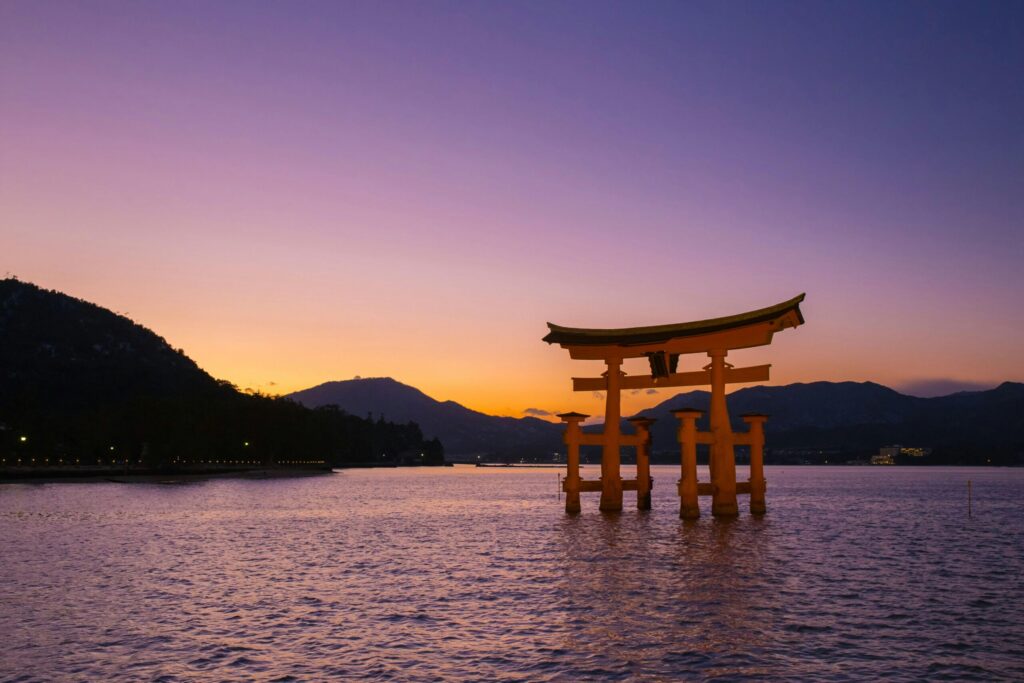
For sunset photography, Mikasa Beach is ideal. This stretch of shoreline puts you closest to the torii gate on land, and with luck, you can capture the sun setting directly behind or beside the gate. Many visitors spend the period between sunset and the shrine’s evening illumination photographing the changing colors. Illumination hours and how the tide changes the night view are in Miyajima at night.
As the sun drops toward the horizon, the vermillion torii takes on an even richer glow, as if nature itself were lighting the structure. The shrine buildings also change color minute by minute, creating an almost dreamlike atmosphere.
Ferry Deck: Shooting from the Water
The deck of the Miyajima ferry is an often-overlooked sunset spot. From the water, you get an angle on the torii gate and shrine impossible to achieve from shore. At high tide, the structures appear to rise directly from the sea—a magical composition as the sky turns pink and gold.
The ferry crossing takes only about 10 minutes, but during that time the light changes continuously. If you’re taking an evening ferry, head to the outdoor deck with your camera ready.
Photography Etiquette and Practical Tips
When photographing on Miyajima, remember that Itsukushima Shrine is an active place of worship. Be mindful of visitors who have come to pray. If using a tripod, choose locations that don’t block pathways, and put it away during crowded periods.
Miyajima’s deer roam freely and are considered sacred messengers of the gods. Photograph them from a respectful distance rather than approaching too closely—this reduces their stress. Avoid using flash, which can startle them.
If you plan to photograph from Mt. Misen, wear sturdy walking shoes and comfortable clothing suitable for hiking. Wind can be strong at the summit, so use a camera strap and secure your equipment. Bring plenty of water and prioritize safety over getting the perfect shot.
FAQ
Should I photograph the torii gate at high tide or low tide?
Both offer unique opportunities. High tide creates the iconic “floating” image, while low tide lets you walk beneath the gate for dramatic close-ups. If possible, visit during both tide conditions to capture different perspectives. Check tide tables on the Miyajima Tourism Association website before your visit.
Is it worth hiking to the Mt. Misen summit for photos?
The 360-degree panorama from 535 meters elevation is truly spectacular. The ropeway takes about 15 minutes to reach Shishi-iwa Station, then it’s a 30-40 minute walk to the summit. If you’re concerned about the hike, Shishi-iwa Observatory offers excellent views with minimal walking.
When is the best time to photograph autumn colors?
Peak fall foliage typically occurs from mid to late November. Momijidani Park features around 700 maple trees and evening illumination during the color season. This is Miyajima’s most crowded period, so arrive before 10 AM or after 3 PM for fewer people in your shots.
Can I use a tripod on Miyajima?
Tripods are generally permitted but use common sense. In crowded areas and inside shrine buildings, they can obstruct other visitors, so put them away when necessary. At the Mt. Misen summit, wind can be strong—make sure your tripod is stable and secure your camera with a strap.
What’s the best time for sunset photography?
The “magic hour” runs from about 30 minutes before sunset through 30 minutes after. Sunset times vary seasonally—approximately 4:30 PM in winter and 6:30 PM in summer. Check the exact sunset time for your visit date and arrive at Mikasa Beach early to find a good position.
Is Miyajima worth photographing in the rain?
Rainy days mean fewer crowds and a different mood. Mist around the torii gate, wet stone paths, and rain-soaked foliage all create atmospheric images. Covered areas like Senjokaku and Daisho-in Temple offer shelter while still providing good photo opportunities. However, avoid hiking Mt. Misen when trails are wet and slippery.
What’s the story with the World Heritage monument photo spot?
Near the ferry terminal, a circular monument commemorates Miyajima’s UNESCO World Heritage designation. Visitors enjoy framing the distant torii gate within the monument’s round opening. It’s conveniently located for photos right after arriving or while waiting for your return ferry.
Summary
Miyajima offers an exceptional variety of photography locations: the torii gate transforming with the tides, elevated views from Senjokaku Hall, 360-degree panoramas from Mt. Misen, and seasonal color at Momijidani Park and Daisho-in Temple. Each spot has optimal times for shooting, and the same location can look completely different depending on tide, time of day, and season.
Remember to be respectful at sacred sites and considerate of other visitors. Check tide tables and sunset times before your trip, and plan your itinerary to maximize your photography opportunities. With some advance planning, you’ll leave Miyajima with images that truly capture this remarkable island.