Miyajima Handmade Workshop (宮島手づくり工房) sits just a five-minute walk from the Miyajima ferry pier, right at the entrance of the Omotesando shopping arcade near the path to Itsukushima Shrine. This beloved spot is best known for its utsushie experience — a process where photos taken on your own smartphone or camera are printed on-site and turned into custom wooden rice paddles (shamoji), keychains, or straps that you take home the same day.
On a recent visit with my two daughters (ages 8 and 5), we tried the photo printing and wood-branding experiences for the first time — and the kids were absolutely thrilled. “My picture is on a real rice paddle?!” my older daughter kept saying. Beyond the photo souvenirs, the workshop also offers wood-branding (yakiin) using classic Miyajima motifs like maple leaves, deer, and torii gates, as well as a Heian-period costume dress-up experience. It’s a genuinely fun stop for families, couples, and small groups, and the short time commitment means it fits easily into any Miyajima itinerary.
Why Miyajima Handmade Workshop Stands Out Among Miyajima Craft Experiences
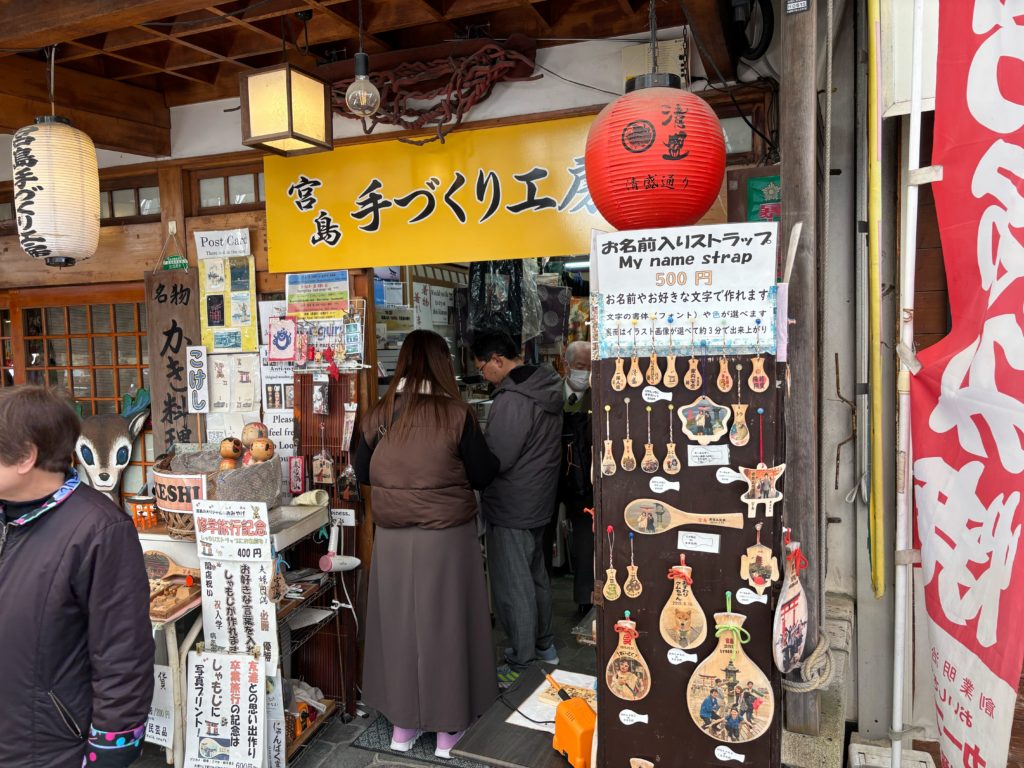
What makes this Miyajima craft experience work so well is the combination of instant gratification and genuine quality. The utsushie process is simple: you pick a photo from your phone or camera, the staff prints it at the shop counter, and it’s applied to your chosen wooden item right before your eyes. The quoted price covers the base item, the photo print, and text printing — no hidden add-ons required for a complete souvenir.
Shamoji come in three standard sizes: small (approx. 210mm long), medium (approx. 360mm), and large (approx. 430mm). Utsushie pricing runs approximately ¥800 for small, ¥1,700 for medium, and ¥2,200 for large. There’s also an oversized “biwa shamoji” option (approx. 410×203mm, ¥3,200 for utsushie) for anyone who wants a real statement piece.
We went with the small size for a family photo, and it turned out to be the right call — compact enough to actually use in the kitchen, but meaningful enough that it’s sparked conversations at dinner every time we’ve reached for it since. (“Remember how much fun that day was?”) There are also keychain options in shamoji, torii gate, and maple leaf shapes, all priced at ¥950 for utsushie.
Customization options go further than you might expect. You can add text and an illustration to the back for ¥200, or an additional utsushie photo for ¥300. A UV-protective spray is available to preserve the print longer — ¥50 for small, ¥80 for medium, ¥100 for large — which is worth considering if you plan to display it outdoors or keep it for many years. Individual illustrated motifs (torii, shrine, deer, maple leaf, cherry blossom, and more) can be added for ¥50 each, making it easy to personalize right down to the finest detail.
The workshop is located about a five-minute walk from the Miyajima ferry pier, heading in the direction of Itsukushima Shrine. The Omotesando shopping street entrance position means it’s nearly impossible to miss — even first-time visitors find it easily. If you’re nursing a baby or traveling with a very young child, the Miyajima Tourist Information Center is just nearby and has a nursing room on its second floor.
For more on the shops and food stalls along the route, take a look at our guide to the Omotesando shopping street.
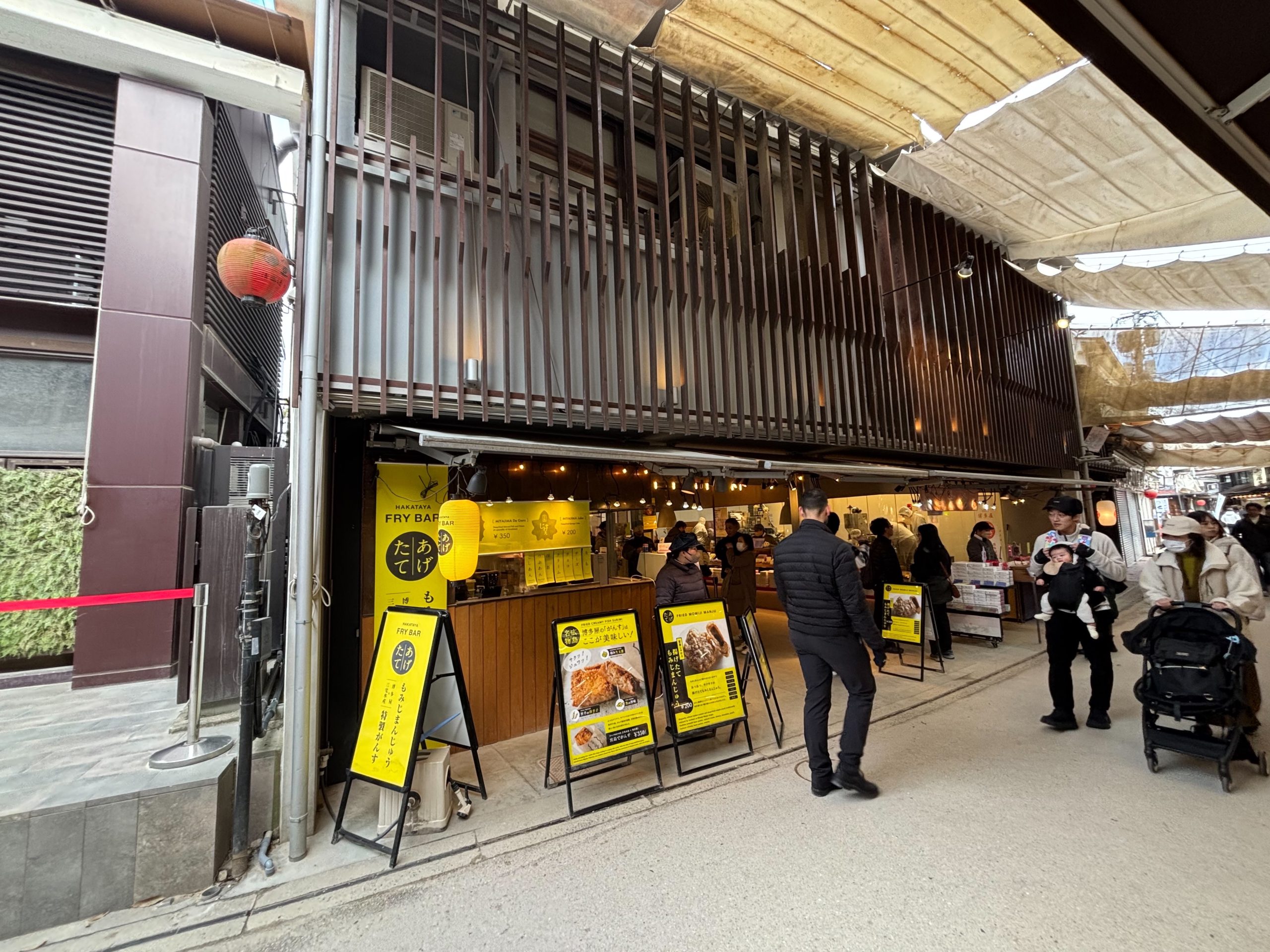
Miyajima's main shopping street — known locally as Omotesando — is a l...
Inside the Shop: Handmade Items and a Warm Atmosphere
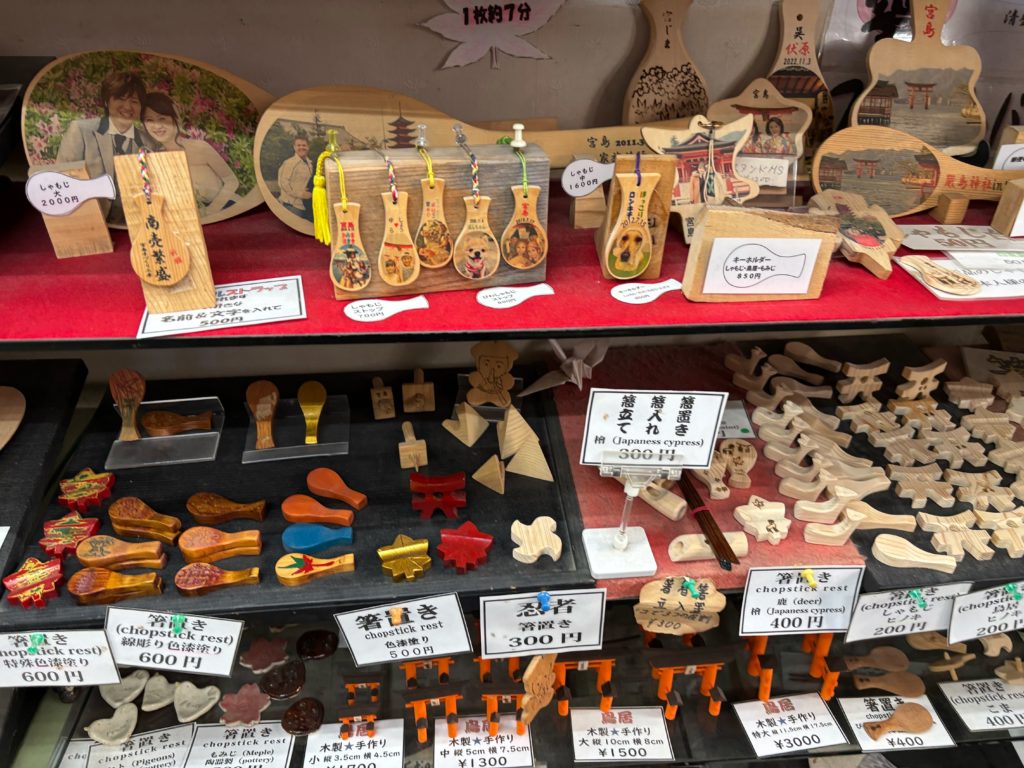
The shop floor is lined with handmade wooden and ceramic items — the kind of craftsmanship that slows you down as you browse. Because each piece is made by hand, popular items can sell out and take some time to restock. It’s worth visiting earlier in the day if you have a particular item in mind.
My kids were completely absorbed scanning the shelves, eyes wide. Even without buying anything, the browsing is genuinely enjoyable — there’s a warmth to handmade goods that mass-produced souvenirs simply don’t replicate.

The curated selection leans strongly into “quintessential Japan” territory — including kokeshi dolls, each with its own subtly different hand-painted expression. My older daughter pointed out one with a particularly cheerful face and couldn’t stop laughing about it. It’s a good reminder that handmade items carry personality in a way machine-made goods don’t. If you’re interested in the wood-carving (Miyajima-bori) experience, booking the day before earns you a discount — worth planning ahead for.
The Wood-Branding (Yakiin) Experience
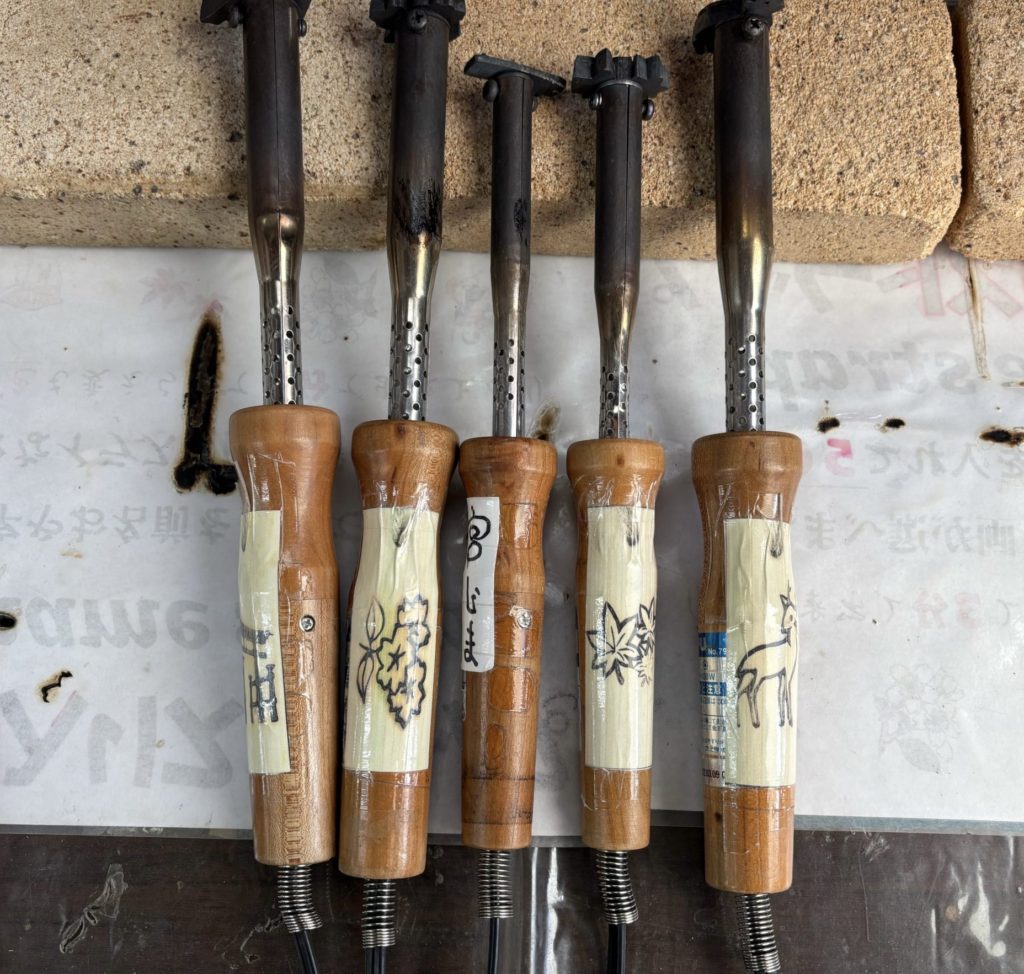
The yakiin (wood-branding) experience lets you press heated branding irons onto wooden items to create your own pattern. The available motifs are classic Miyajima imagery: torii gate, cherry blossoms, maple leaf, deer, and a special “Miyajima” character stamp. You can combine them freely to create your own layout.
My five-year-old was absolutely determined to do it herself. We compromised — she held the iron and I guided her hand to keep it steady. My husband handled the camera. It was a very natural family moment.
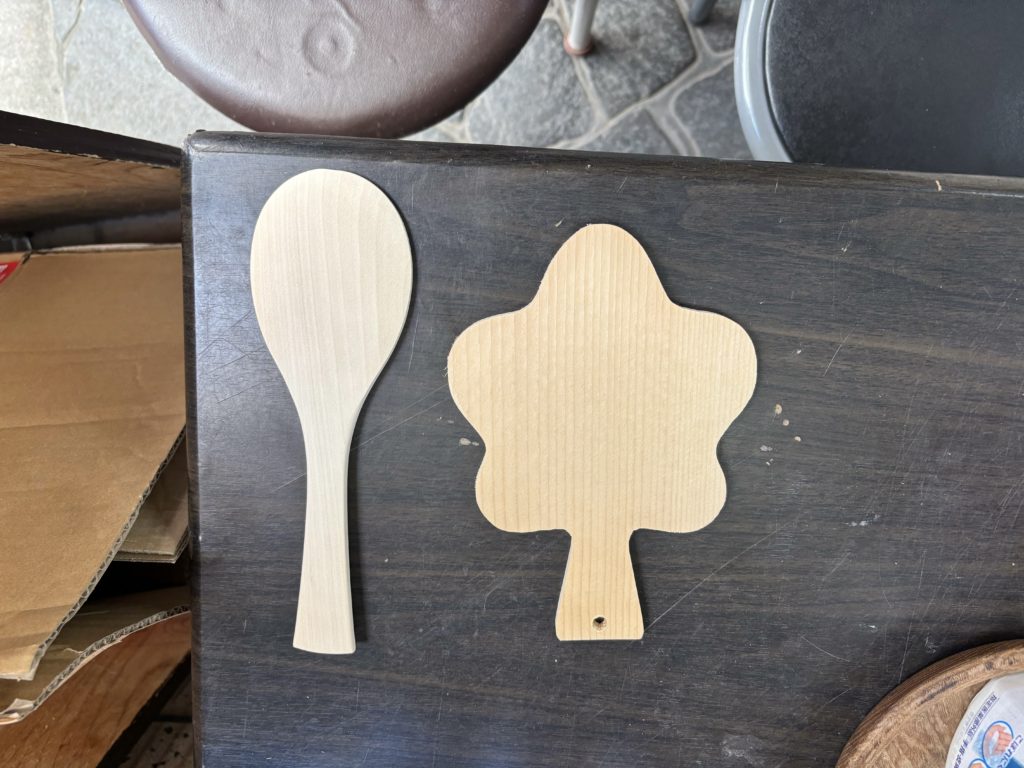
We chose a standard shamoji and a “postal momiji” — a unique maple-leaf-shaped wooden card that you can actually stamp and mail. The kids immediately asked what it was, and once they understood you could put a stamp on it and send it to someone, they insisted we send one to their grandparents. (Domestic mailing in Japan is straightforward; for international shipping, slip it into an envelope with the appropriate postage.)
How to Use the Branding Iron
① Hold the heated iron firmly, press down from the top with steady pressure for about 4 seconds.
② Then gently press in each of the four directions — down, left, right — for about 2 seconds each.
☆ The key is to keep the iron axis centered and not slide it sideways. It only takes a moment, and the result is sharp and clean.
My older daughter was methodical and produced a beautifully even print. My younger daughter’s came out “a little crooked,” as she admitted — but honestly, that slight imperfection is exactly what makes a handmade souvenir special.
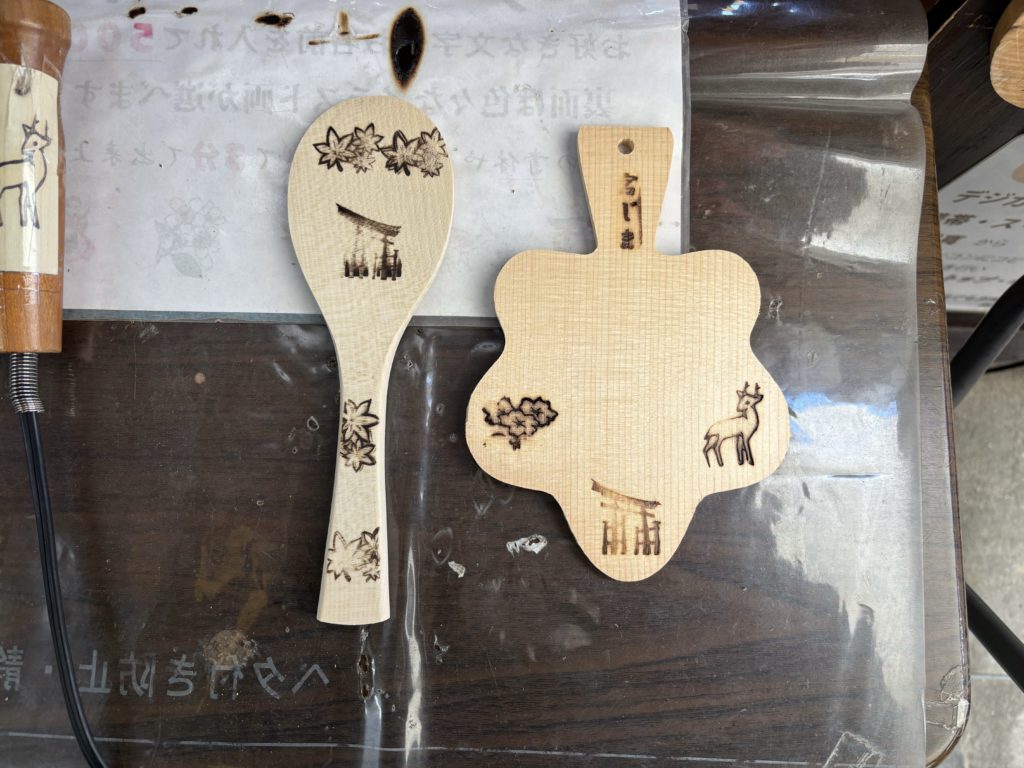
Yakiin pricing: small shamoji ¥500, postal momiji ¥700. Both are excellent value for a memorable handmade experience. The small shamoji measures 21cm × 6.5cm — a size that’s practical for actual kitchen use. The medium (36cm × 11.5cm) and large (43cm × 13.5cm) sizes make more of a visual statement and would look great displayed on a wall.
If you want to avoid crowds, the quietest window on weekdays is typically between 2:00 PM and 4:00 PM — a local tip worth keeping in mind.

Back home, the finished items have real presence. The shamoji gets used when we make scattered sushi, and every time it comes out, someone brings up the Miyajima trip. The postal momiji was mailed successfully and the grandparents still have it on display. Functional, personal, and story-filled — that’s exactly what a souvenir should be.
Note: Information may change. Please check the shop’s official website or contact them directly before your visit to confirm current hours, pricing, and availability.
Before or after your craft experience, don’t miss a visit to Itsukushima Shrine itself — just a six-minute walk from the workshop. Walking the shrine grounds with a freshly made custom shamoji in hand makes the whole experience feel uniquely connected. For more details on the shrine, see our full guide.
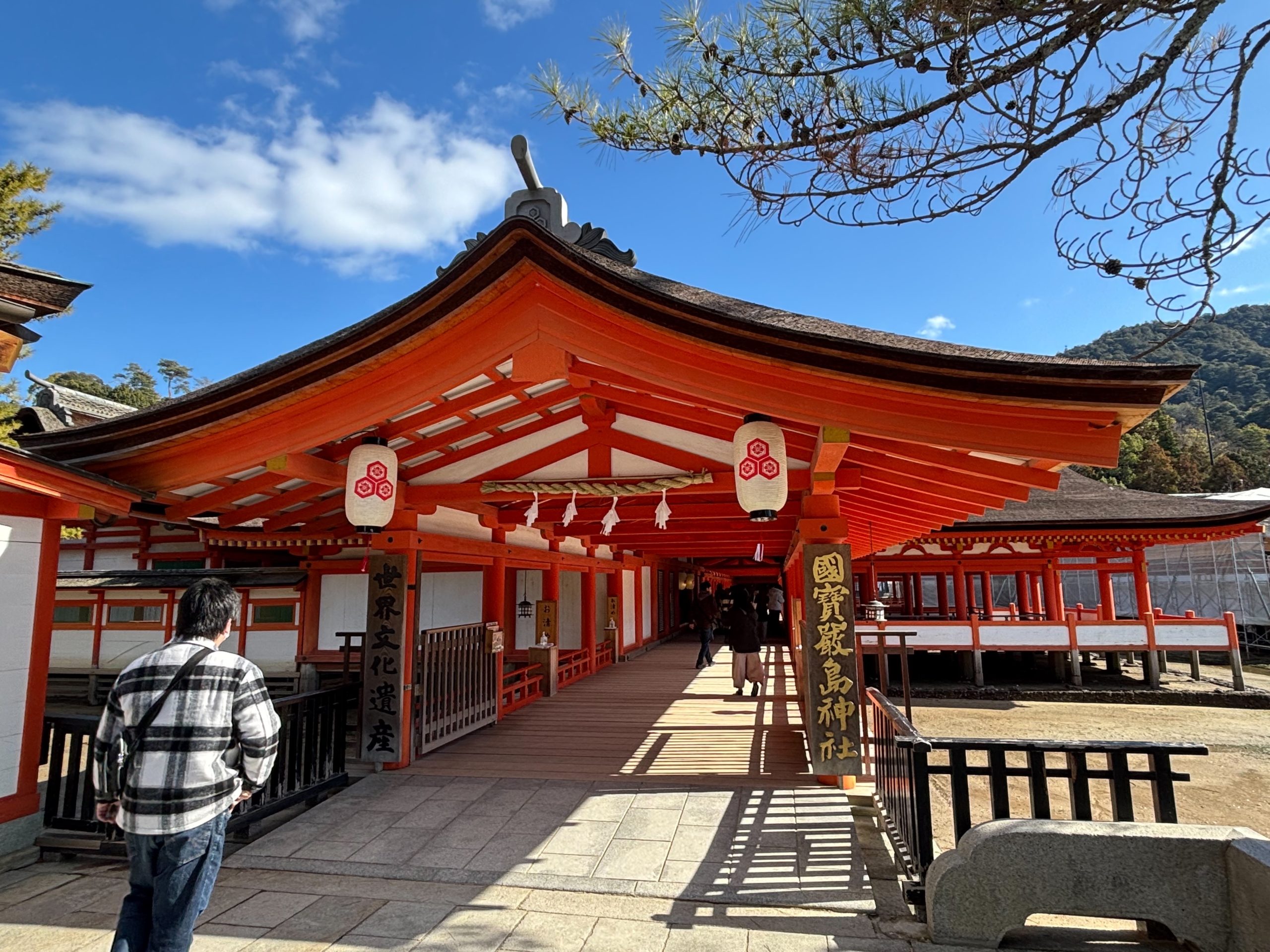
Itsukushima Shrine (Itsukushima-jinja, 厳島神社) is a Shinto shrine built ...


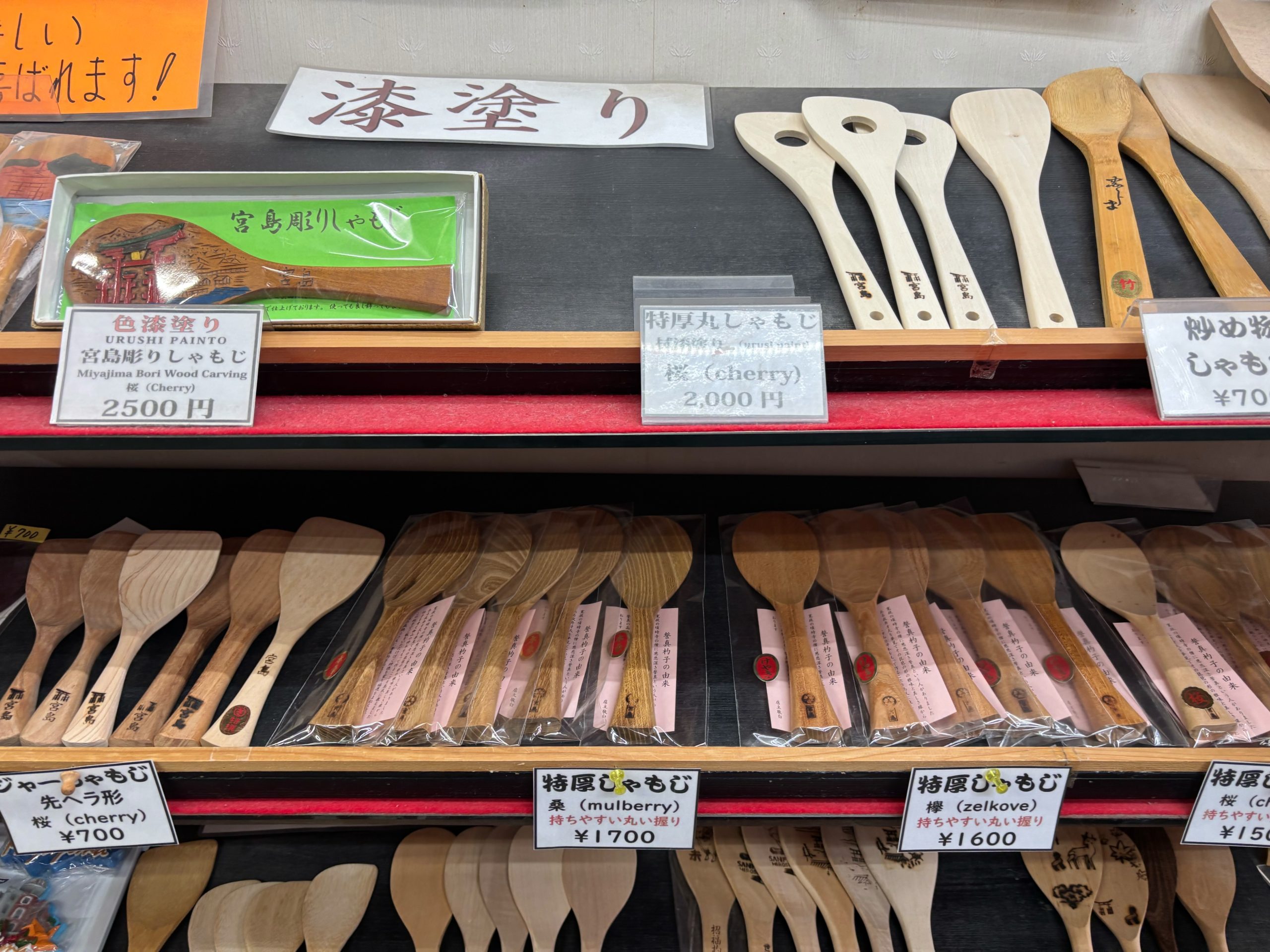

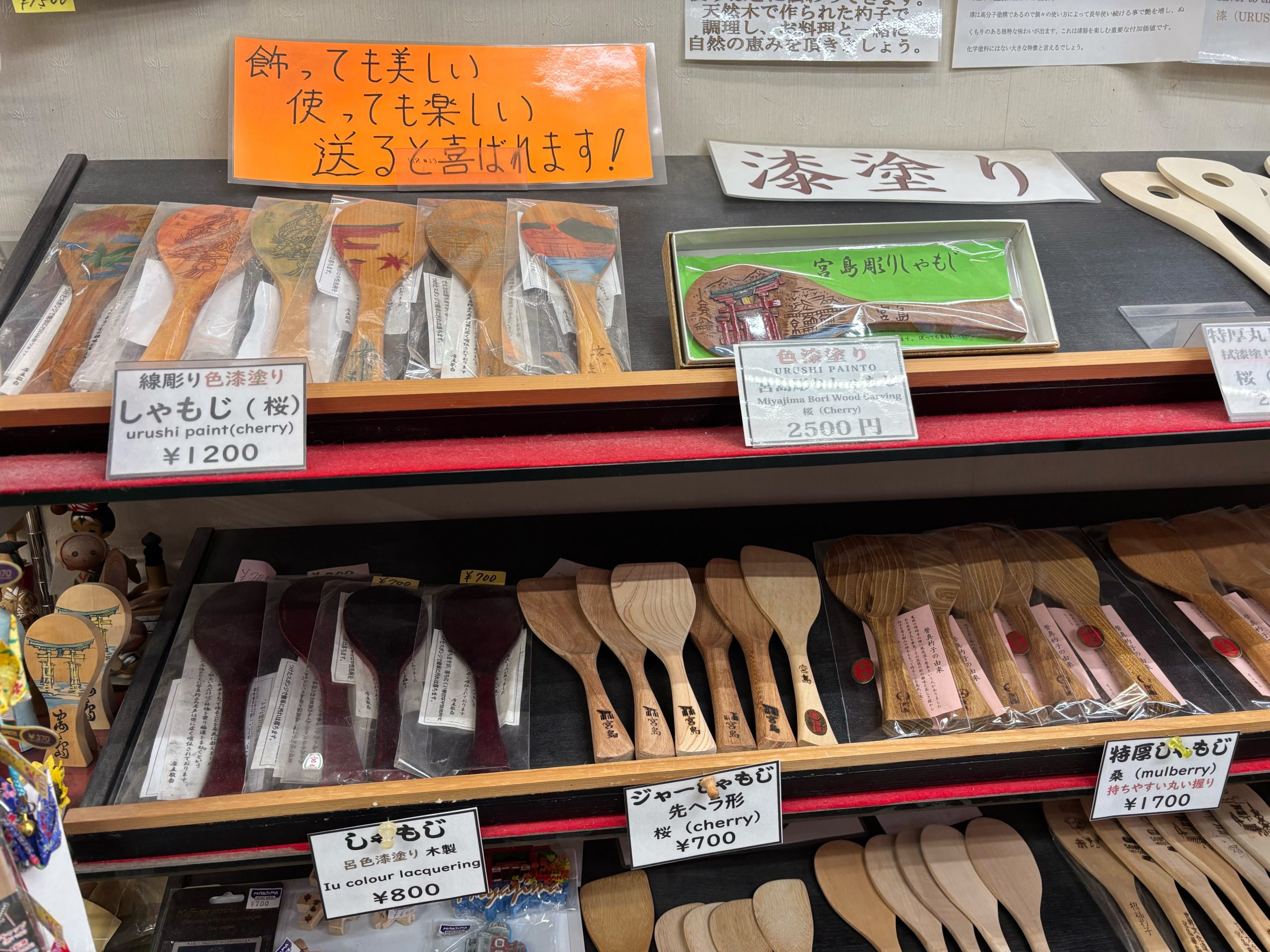

What You Can Make: Photo Printing, Wood Branding, and Heian Costumes
The utsushie photo-printing service is the workshop’s signature offering. You select a photo from your smartphone or camera, and the staff prints it directly onto your chosen wooden item — a shamoji, keychain, or strap — which you take home the same day. Family portraits, pet photos, and scenic shots all transfer cleanly onto the wood surface.
On our visit, we chose a photo taken in front of the Great Torii of Itsukushima Shrine. The kids voted unanimously — no deliberation needed. The yakiin branding experience offers six Miyajima-themed stamp designs (maple leaf, deer, torii gate, cherry blossom, and others) that you combine freely to create your own pattern. It’s hands-on, satisfying, and quick.
The Heian-period costume experience adds another layer. Men’s and children’s costumes are available alongside accessories like folding fans. If you combine costume rental with a utsushie photo print, you receive a discount — ¥100 off small, ¥200 off medium, ¥300 off large. Layering photo print, wood branding, and costume into one visit creates a genuinely complete Miyajima craft experience that’s hard to replicate anywhere else.
Each individual experience takes roughly 10 minutes, making the whole thing easy to work into a busy day of sightseeing without derailing your schedule.
Pricing, Sizes, and Customization Guide
Here’s a quick reference for the main options. Shamoji sizing and utsushie pricing: small (approx. 210mm × 65mm) ¥800, medium (approx. 360mm × 115mm) ¥1,700, large (approx. 430mm × 135mm) ¥2,200. The oversized biwa shamoji (approx. 410mm × 203mm, with a print area of approx. 255mm × 192mm) is priced at ¥3,200 for utsushie.
Keychains come in three shapes — shamoji, torii gate, and maple leaf — all at ¥950 for utsushie. Back-side additions cost ¥200 for text and an illustration, or ¥300 for an additional utsushie print. UV protective spray is available at ¥50 (small), ¥80 (medium), or ¥100 (large) and is recommended for outdoor display or long-term preservation.
For families, the small size is the most practical choice — it’s the right scale for everyday kitchen use, easy for children to handle, and simple to pack. Individual illustrated motifs (torii gate, shrine, deer, maple leaf, cherry blossom, and more) can be added for ¥50 per design, making fine-grained personalization easy — whether you’re commemorating a birthday, anniversary, or special trip.
Getting There: Hours, Location, and Reservations
Miyajima Handmade Workshop is located at the entrance of the Omotesando shopping street, directly on the main path from the Miyajima ferry pier toward Itsukushima Shrine — about a five-minute walk from the pier. The foot traffic in this area is constant, and the shop is easy to spot even on a first visit.
Opening hours are 9:30 AM to 5:30 PM. Reservations are recommended for the yakiin wood-branding experience; online booking is available (note that phone reservations are not eligible for points rewards). For the photo-printing utsushie service, walk-ins are generally accepted, but checking the official website for any seasonal closures or schedule changes before you go is always a good idea.
Once you step off the Miyajima ferry, simply follow the main path straight toward Omotesando — you’ll pass the workshop on your way to the shrine. It’s a natural stop that requires no detour whatsoever.
Connectivity tip for parents: the “Visit Hiroshima Tourist Hotspot” Wi-Fi network available along Omotesando tends to have the strongest signal in this area, which comes in handy when browsing your photo library to choose the perfect print.
Combining Your Workshop Visit with Nearby Attractions
The workshop’s location makes it an ideal anchor point for the day. The Great Torii of Itsukushima Shrine is about 460 meters away (roughly a six-minute walk), and the Omotesando shopping arcade stretches approximately 750 meters from here (about a ten-minute walk). A natural flow is: photo experience at the workshop → stroll through Omotesando → visit Itsukushima Shrine — or reverse the order and end with the workshop.
Miyajima Aquarium (Miyajimarin) is about 2.1 kilometers away (roughly 27 minutes on foot), and the trailhead for Mount Misen is around 2.2 kilometers (about 28 minutes). For families with younger children, pairing the workshop with the aquarium works particularly well. Miyajimarin offers free stroller rental, so you can travel light, do the craft experience first, then head to the aquarium without worrying about luggage.
If you’re planning to visit the aquarium, our guide covers everything you need to know about making the most of that stop.
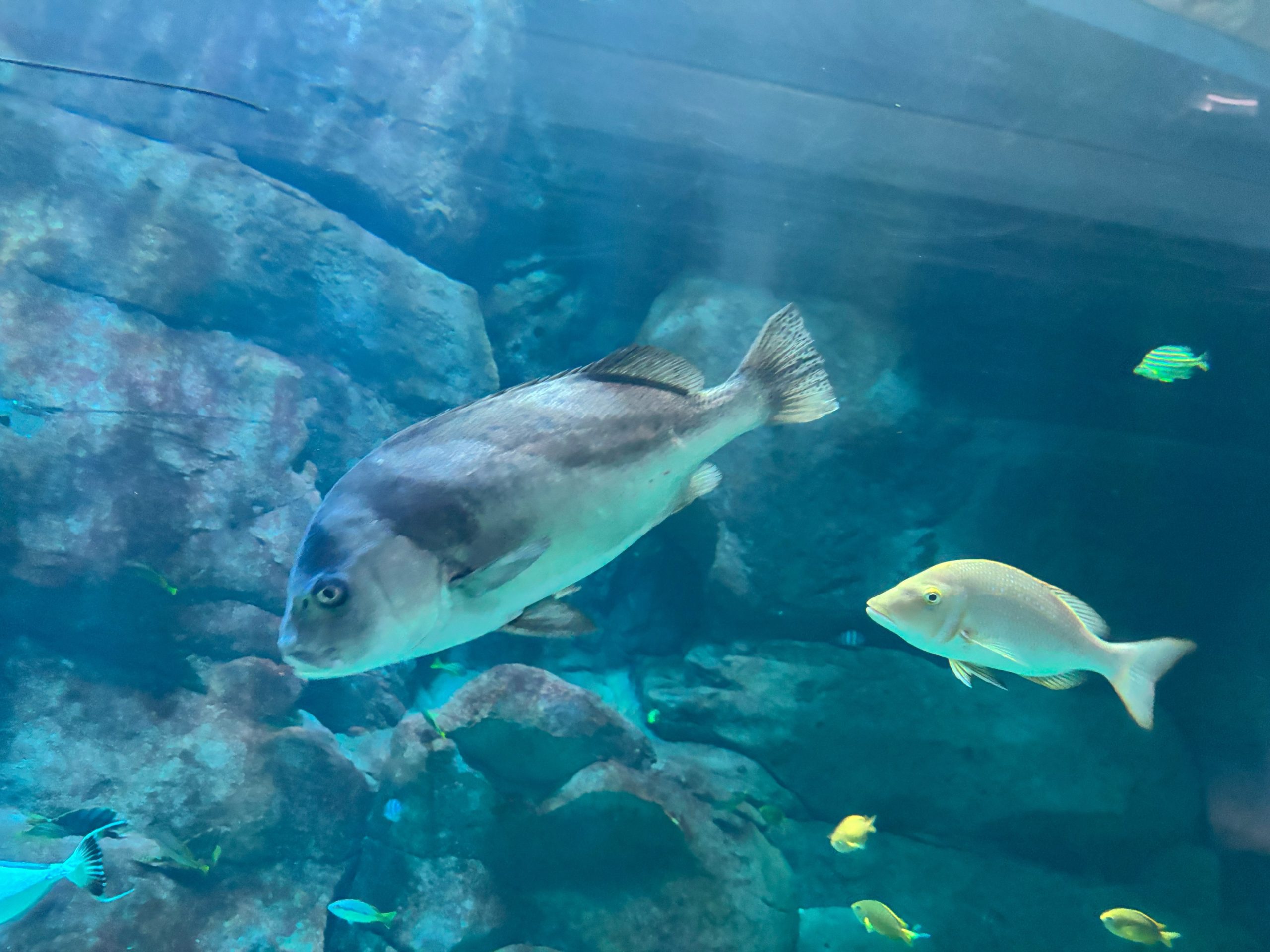
Miyajima Aquarium — officially known as Miyajima Marine, or Miyaji Mar...
Our own golden itinerary from the visit: workshop in the morning → anago-meshi (conger eel rice) for lunch → aquarium in the afternoon. Each element complemented the others perfectly, and the kids were happy the whole day.
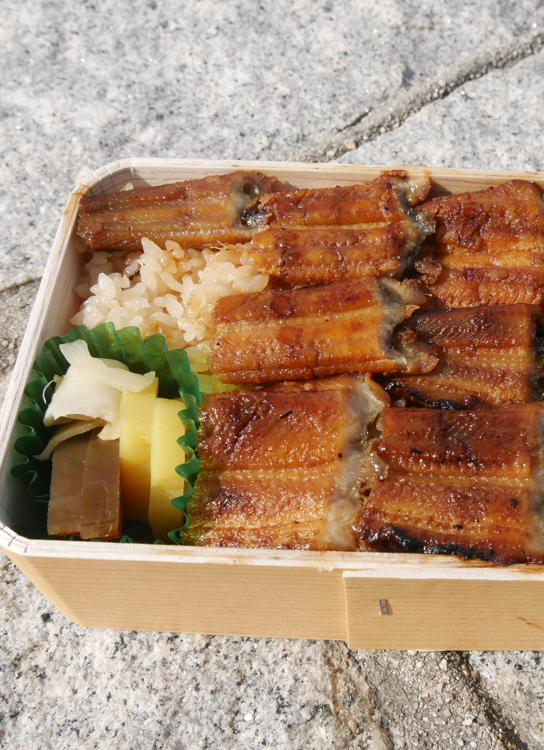
After working up an appetite from all the crafting, Miyajima’s famous anago-meshi is the ideal next stop. Our dedicated food guide has the full story on where to try it and what to expect.
Miyajima Island is famous for its floating torii gate and ancient shri...
After lunch, the momiji manju walking snack is a natural follow-up. Yamadaya’s second floor serves freshly baked ones, and Koyo-do’s deep-fried version is crispiest first thing in the morning — worth timing your visit around if that’s high on your list.
FAQ
Can I use photos from my smartphone?
Yes — the utsushie process works directly from your smartphone or digital camera. You select the photo at the counter, and the staff handles the printing on-site. No preparation or pre-printing required.
How long does the experience take?
Each experience takes about 10 minutes as a baseline. Even with enthusiastic kids who want to try everything, most families complete the full visit in 15–20 minutes. It fits easily into any sightseeing schedule.
Can I choose which branding designs to use for yakiin?
Yes. The available designs include maple leaf, deer, torii gate, cherry blossom, sakura, and a “Miyajima” character stamp. You can combine them freely in any arrangement. Three or four stamps tend to look well-balanced on a small shamoji.
Is a reservation required?
Reservations are recommended for the yakiin wood-branding experience and can be made online. Walk-ins may be accommodated if space is available, but booking ahead is the safer option for busy seasons. Note that online reservations qualify for points; phone reservations do not.
Is this activity suitable for children and rainy days?
Absolutely. All the core experiences are indoors and take under 15 minutes, which makes this workshop one of the most practical rainy-day options on Miyajima. Children of all ages can participate, with a little parental assistance for the branding iron.
What does it cost for a family of four?
A family of four can enjoy a satisfying experience for around ¥3,000 total, depending on the items and sizes chosen. The small shamoji utsushie at ¥800 and the yakiin shamoji at ¥500 are among the most popular and affordable combinations.
Can the finished shamoji actually be used for cooking?
Yes, the shamoji is fully functional. Many visitors use theirs for scooping rice or making sushi at home. It also doubles as a decorative display piece — and a reliable conversation starter whenever guests come over.
Summary
Miyajima Handmade Workshop delivers exactly what a good souvenir experience should: something personal, something made with your own hands, and something you’ll actually keep using long after you get home. The utsushie photo-print service, the yakiin wood-branding, and the Heian costume experience can be mixed and matched to suit any group — solo travelers, couples, families, or multi-generation groups. The whole thing takes about 10 minutes, there’s no need to book far in advance for most options, and the location on the main path from the ferry means it adds almost no extra time to a standard Miyajima visit.
With a wide range of sizes, shapes, and customization options — including text, back-side prints, illustrated motifs, and UV protection — you have everything you need to create a souvenir that tells the specific story of your trip. Whether you’re after a functional kitchen tool or a keepsake to hang on the wall, the finished result has a warmth that factory-made souvenirs simply can’t match.
As a Hiroshima local who visits Miyajima regularly with family, this workshop earns a genuine recommendation: the combination of creative satisfaction for the kids, ease of execution for parents, and lasting practical value at home makes it one of the most worthwhile stops on the island. If you’re visiting Miyajima, make time for it.
To deepen your understanding of Miyajima’s cultural and historical significance as a whole, our guide to the World Heritage site provides a fuller picture of why this island has been sacred for more than a thousand years — and how the handcraft traditions here connect to that longer story.
Rising dramatically from the sea off the coast of Hiroshima, Itsukushi...