The Miyajima five-story pagoda rises majestically on a hilltop, its brilliant vermilion silhouette defining the island’s skyline alongside the famous floating torii gate. This architectural gem seamlessly blends graceful Wayō (classical Japanese) and Zen design elements, creating a structure that commands attention from afar yet reveals intricate craftsmanship up close. I visit the Miyajima pagoda with my children throughout the year, and each time we’re greeted by the gentle sound of sea breezes rustling through pine branches and birdsong echoing across the hillside. Gazing up at this centuries-old tower never fails to bring a sense of peace. My younger daughter points excitedly and shouts, “It looks like a castle!” while my older one carefully counts, “One, two, three… how many tiers are there?” The surrounding area is wonderfully accessible for families, and its convenient location near other island highlights makes it an easy addition to any Miyajima itinerary.
While Miyajima is dotted with historic buildings and sacred sites, the five-story pagoda stands out as particularly eye-catching. Designated a National Important Cultural Property, this landmark continues to attract visitors from around the world thanks to its remarkable history, lavish decoration, and unique architectural features. The Miyajima pagoda also possesses distinctive characteristics that set it apart from typical five-story pagodas found elsewhere in Japan. Below, we’ll introduce you to this island treasure—exploring its architecture, unraveling its history, and sharing the fascinating stories behind its construction. The more you learn about this place, the more you’ll appreciate its enduring charm.
Miyajima Five-Story Pagoda: National Important Cultural Property

The Five-Story Pagoda was constructed in 1407 during the Eikyō era. Its cypress-bark roof creates a beautiful harmony with the vermilion-lacquered pillars and structural framework, showcasing a sophisticated design that seamlessly blends Wayō (classical Japanese) and Zen architectural styles. The elegant curves of the eaves stand out prominently from a distance, while closer inspection reveals the precise joinery and well-balanced bracket complexes—true embodiments of medieval Japanese aesthetics. Following a comprehensive restoration during the Showa period, the vermilion exterior was carefully renewed and continues to welcome visitors in brilliant, eye-catching color. Although the interior is not generally accessible to the public, a remarkable collection of wall paintings survives within, offering invaluable insight into medieval donation culture and period coloring techniques. These murals represent a precious intersection of religious faith and artistic expression.
Our family typically approaches the pagoda by climbing the hill from the Senjokaku Hall side, where the view beautifully frames the tower against the backdrop of the sea and island townscape. The children enjoy counting the steps as we ascend, and this leisurely walk captures the quintessential spirit of Miyajima. Last spring, we photographed the pagoda surrounded by cherry blossoms in full bloom—now one of our most treasured family photographs.
Inside the tower, exquisite murals depict the Lotus Pond, the White-Robed Kannon (Goddess of Mercy), the Eight Views of Xiaoxiang, and the Eight Patriarchs of Shingon Buddhism. Throughout the interior, you’ll find inscribed names of donors from the medieval period. Each image speaks eloquently to the pagoda’s deep historical significance and to the devotion of the people who supported its construction and maintenance over the centuries.
At dusk, watching the pagoda glow in the warm light of the setting sun is absolutely breathtaking—it’s impossible to resist taking photographs. The preserved murals offer a rare opportunity to feel the profound weight of history and artistic excellence. My husband always marvels, “The craftsmanship from that era was truly amazing!” It’s a sentiment that never gets old, no matter how many times we visit.
A Suspended Central Pillar That Reaches Only to the Second Story
One of the most distinctive and fascinating features of the Miyajima five-story pagoda is its central pillar, which is suspended from above and extends only to the second story. In typical five-story pagodas throughout Japan, the central pillar runs continuously from the topmost level down to the foundation, but this structure was intentionally designed differently. The purpose behind this unusual configuration is to provide flexibility in the upper sections—creating what engineers call a “bending willow” design that can deflect wind and earthquake forces, thereby enhancing the building’s resilience to natural disasters.
This rare architectural approach—where the central pillar does not reach all the way down to the foundation—allows the upper stories to sway independently like a pendulum, effectively dissipating seismic and wind energy. This represents the accumulated wisdom of traditional Japanese timber engineering and is one key reason why the pagoda has successfully endured for over six centuries in the typhoon-prone Seto Inland Sea region. While technical architectural books can sound complex and intimidating, standing in person before this structure makes the “bend to protect” concept perfectly clear and intuitive. When my eldest daughter asked, “Why does it stop halfway up?” and I explained, “So the building won’t break even during a powerful typhoon,” her eyes lit up with understanding—”Wow, that’s so smart!”
Historical note: The principal image of Shakyamuni Buddha and the attendant bodhisattvas Fugen and Monju, originally enshrined within the pagoda, were relocated to nearby Daiganji Temple following the Meiji Restoration’s separation of Buddhism and Shintoism. Despite this transfer, the Five-Story Pagoda itself belongs to Itsukushima Shrine. The hilltop location, known as “Tō no Oka” (Tower Hill), also played a role in the historic Battle of Itsukushima and remains a must-visit spot for history enthusiasts. The stairs leading up can be somewhat steep in sections, so it’s wise to hold hands and take your time with small children. We recommend leaving strollers near Senjokaku (the Thousand Tatami Hall) and walking from there for easier navigation. Learning that the central pillar supports only two stories rather than all five comes as a surprise to most visitors, but discovering the traditional engineering techniques that make this possible is truly astonishing.
Just adjacent to the Five-Story Pagoda stands Senjokaku, the massive hall associated with the legendary warlord Toyotomi Hideyoshi! Its spacious interior—equivalent to approximately 857 tatami mats—provides plenty of room for children to stretch their legs and explore freely. Remarkably, graffiti from the Edo period remains preserved under sections of the floorboards, offering a unique glimpse into the past.
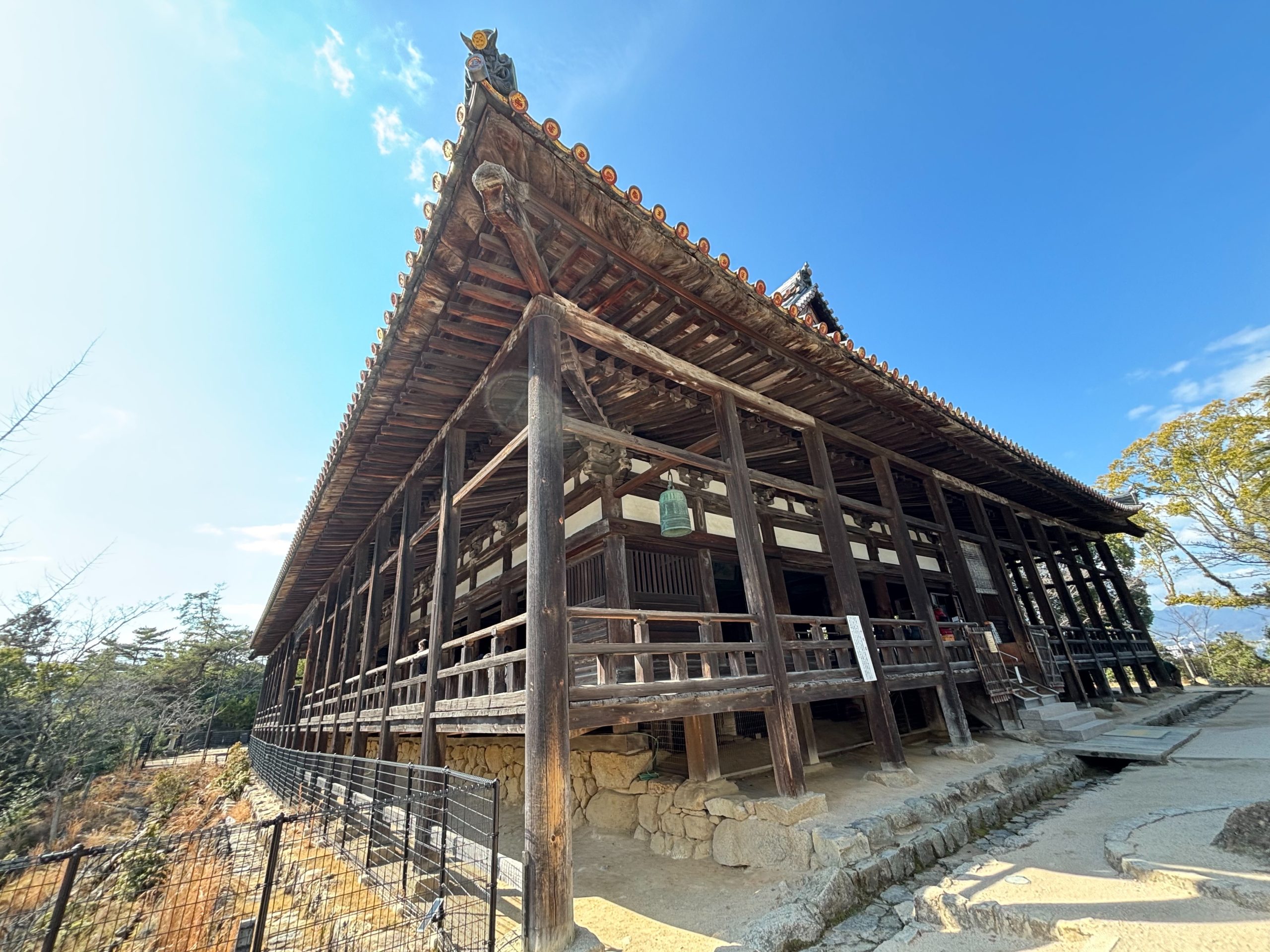
Highlights and Views at Miyajima's Hōkoku Shrine (Senjōkaku) Perched ...
Miyajima’s Five-Story Pagoda: Where History and Beauty Converge
The Miyajima five-story pagoda captivates visitors with its elegant architectural form, profound historical depth, and ingenious construction techniques. Time spent here—where centuries of tradition harmonize beautifully with the natural island environment—will undoubtedly become a special and lasting memory. When you visit Miyajima, be sure to make the walk up to the Five-Story Pagoda and take the time to truly appreciate its remarkable beauty and significance.
The evening view from Senjokaku’s veranda or from along Machiya Street offers a serene and contemplative beauty, while the nighttime illumination is best enjoyed from a safe distance near the shoreline. Even when traveling with young children, heading up the hill before the evening crowds arrive makes for a relaxed and enjoyable photography experience. Locals often share that a hidden cherry blossom viewing spot can be found around the nearby Tahōtō Pagoda—a beloved hanami location among island residents.
I love strolling this area with my children and asking, “Which angle do you like best today?” The same pagoda somehow looks completely different depending on the season and quality of light—that’s precisely why we keep returning year after year. Our family’s absolute favorite viewpoint is from the long corridor of Senjokaku Hall, which frames the Five-Story Pagoda perfectly against the sky and sea.
Preservation and Repair Work (Through October 2027)

Major preservation and repair work is currently underway to address weathering and deterioration from years of exposure to wind, rain, and sea air—an essential undertaking to ensure this historic landmark can be passed down intact to future generations. The comprehensive restoration project is scheduled for completion in October 2027. Until that time, the pagoda remains enclosed in scaffolding and protective sheeting, which means the exterior cannot be viewed directly in its usual splendor. However, seeing this rare state of preservation work in progress offers its own unique opportunity for reflection on the quiet, careful labor required to maintain cultural properties of such importance.
During the construction period, visitors can explore several excellent nearby highlights including Senjokaku Hall, Daiganji Temple, and the smaller but equally charming Tahōtō Pagoda. The hilltop terrain features some uneven ground, so comfortable walking shoes are definitely recommended. After sunset, please view and photograph the illuminated structure only from well-lit pedestrian areas for your safety. To help protect the construction site, please avoid touching any temporary fencing or attempting to enter restricted zones. My second daughter looked at the scaffolding and said it “looks like the pagoda is tucked under a big cozy futon for a nap”—and honestly, I couldn’t disagree with that adorable observation!
When visiting Miyajima, Itsukushima Shrine is an absolute must-see attraction. The famous shrine displays entirely different expressions depending on whether you visit at high tide or low tide, so you can enjoy exploring both the shrine and the Five-Story Pagoda during a single memorable day on the island.
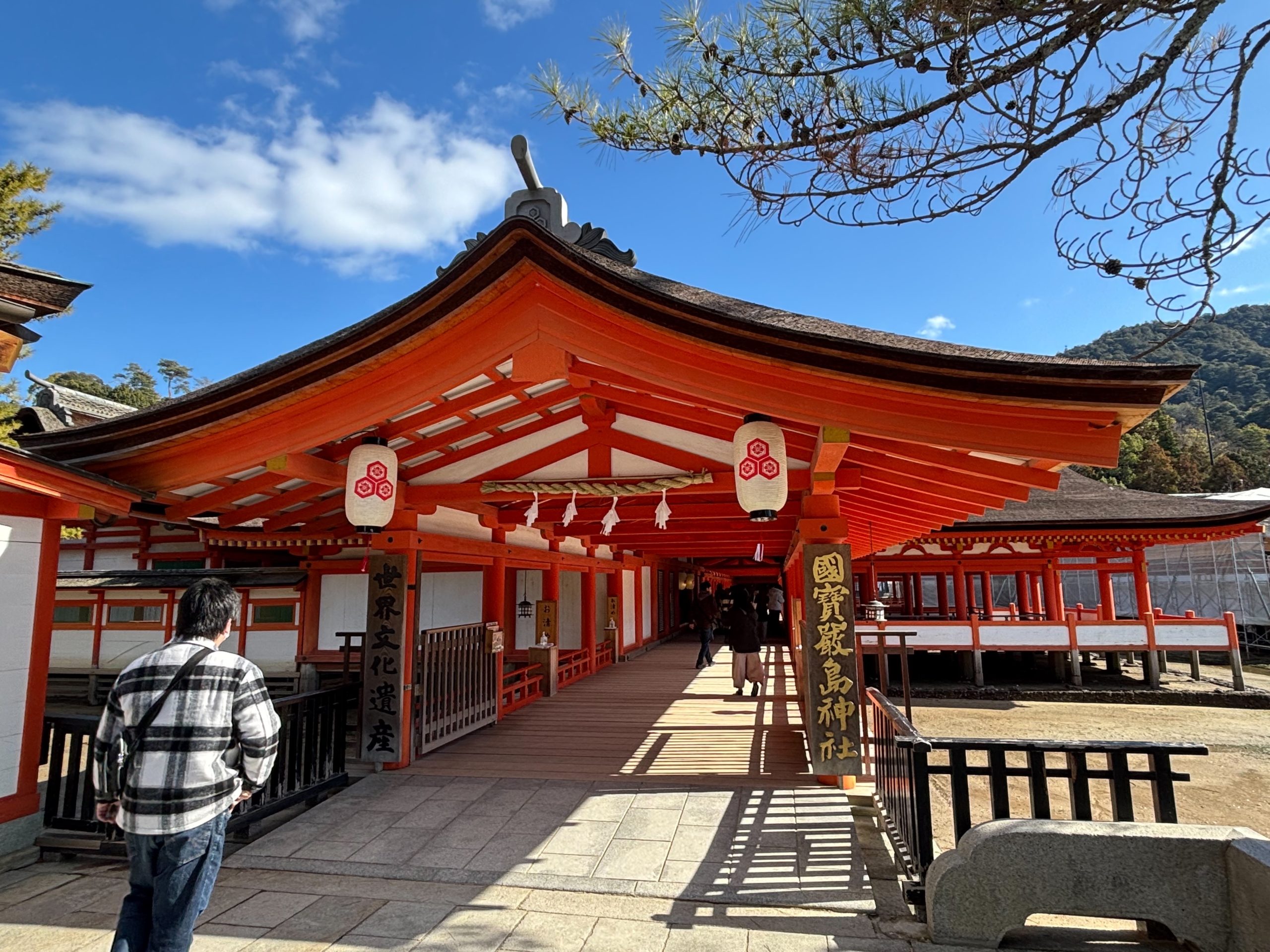
When you think of Miyajima, the first image that comes to mind is Itsu...
Access and Walking Guide
From JR Miyajimaguchi Station on the mainland, take the ferry across to Miyajima Island (approximately 10 minutes). Once you arrive, stroll leisurely through the charming Omotesando Shopping Street, then follow the gentle slope and stone steps upward toward Senjokaku to reach “Tō no Oka” (Tower Hill), where the pagoda stands. If you’re traveling with a stroller, we recommend pausing to rest at the wide wooden corridor in front of Senjokaku Hall, then switching to a baby carrier for safer and easier walking around the pagoda area. Early morning visits and the period just before sunset tend to be less crowded and offer ideal natural lighting conditions for photography. When visiting with young children, remember to stay hydrated and plan regular rest stops—under Senjokaku’s protective eaves or within Daiganji Temple’s peaceful grounds—for the most comfortable and enjoyable experience.
For those driving to the area, parking near Miyajimaguchi ferry terminal can fill up quickly, but the parking lot behind Momiji Honpo confectionery shop is often available if you arrive before 8:00 AM. On the ferry crossing, the JR route passes closer to the famous Great Torii Gate—perfect if you want to capture scenic photographs during your approach to the island. Families with infants should note that the Omotesando Shopping Street nursing room is conveniently located on the second floor of the Tourist Information Center.
Here’s a tip that few visitors know: you can enjoy freshly baked momiji manju (the iconic maple leaf-shaped cakes) on the second floor seating area of Yamada-ya shop while strolling through Omotesando. It makes for a perfect snack break on your way to or from the Five-Story Pagoda!
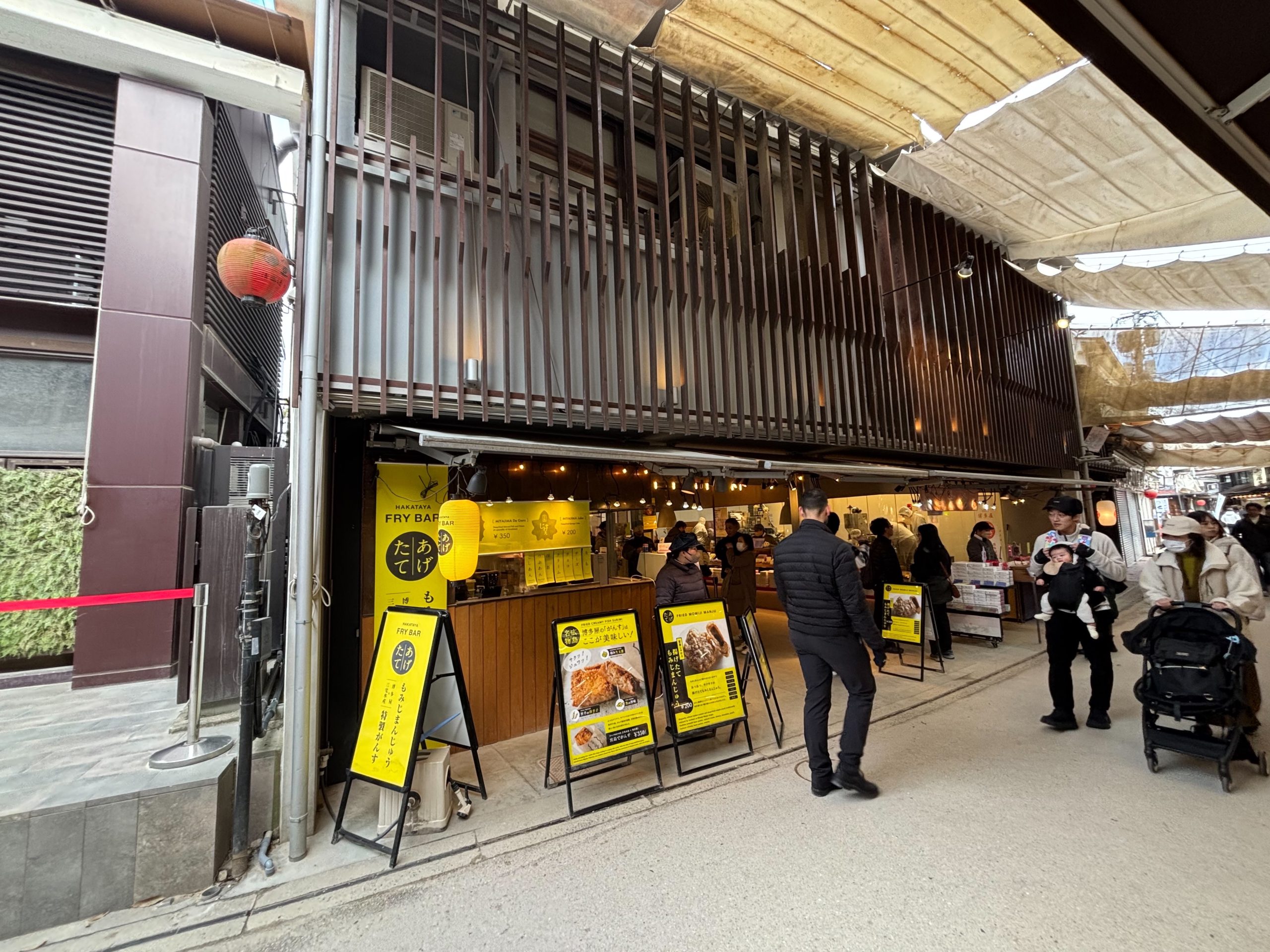
Wondering what to eat in Miyajima? The answer lies along Omotesando Sh...
Nearby Attractions (Senjokaku Hall, Daiganji Temple, Tahōtō Pagoda)
Standing immediately adjacent to the Five-Story Pagoda is Senjokaku Hall (also known as Toyokuni Shrine), a vast sutra hall whose construction was initiated under the patronage of the powerful warlord Toyotomi Hideyoshi. Its remarkably open, wall-less architectural design creates an unforgettable spatial experience, and visitors can admire oversized ema votive tablets and historical documents displayed throughout. The grounds open to expansive ocean views and catch refreshing sea breezes—making this an ideal rest stop for families needing a peaceful pause. Daiganji Temple, located near the exit corridor of Itsukushima Shrine, venerates the deity Benzaiten and also preserves important Buddhist statues that were transferred here from both the pagoda and Senjokaku following the Meiji-era separation of Shinto and Buddhism. These relocated artifacts offer fascinating clues to the island’s complex religious history. A bit farther from the main tourist path sits the Tahōtō Pagoda, a two-story structure that becomes especially photogenic during cherry blossom season and autumn foliage periods. Walking through this concentrated area allows you to experience multiple dimensions of Miyajima’s layered faith and culture—from the historical syncretism of Shinto and Buddhism to their modern administrative separation. As you explore these interconnected sites together, children naturally begin to imagine the prayers and daily lives of the people who lived here centuries ago.
Interestingly, Daiganji Temple actually predates even the famous Itsukushima Shrine and is recognized among visitors as a spiritual “power spot.” The temple houses Buddhist statues that were originally enshrined in the Five-Story Pagoda, allowing you to feel a tangible, living connection to the island’s deep historical continuity.

Your complete guide to Daishō-in Temple on Miyajima: history, what to do, spiritual experiences (sand stepping, fire walking, Kaidan Meguri), annual events, access, barrier-free info, and how to get a goshuin (temple stamp).
Photo Spots and Seasonal Delights
Photography enthusiasts will find diverse and rewarding photo spots scattered across the island. Frame the pagoda from the long wooden corridor of Senjokaku for a classic composition, catch glimpses of its vermilion tower peeking between traditional machiya houses along the main approach, or capture it from a greater distance along the scenic waterside walking path. Spring brings a delicate haze of pale pink cherry blossoms set against the brilliant vermilion structure; summer offers deep azure skies and lush greenery; autumn delivers rich burgundy and gold foliage; while winter presents crisp, clear air and beautiful slanting light. The evening illumination begins shortly after sunset, and viewing the lit pagoda from a respectful distance is both safer and often more aesthetically beautiful than attempting to photograph it up close.
Using a wide-angle lens works wonderfully for inclusive family portraits that capture the entire scene, while a medium telephoto lens creates beautiful compressed landscape compositions. When the children inevitably grow restless, taking a snack break on the wooden benches scattered around the hillside helps everyone recharge. You’ll return home with seasonal photographs filled not just with images but with the remembered sounds of temple bells, rustling leaves, and distant ocean waves. Peak autumn foliage typically occurs in mid-November and naturally draws the largest visitor crowds, so consider aiming for early morning or late afternoon visits during that period. On rainy days, pivoting your plans to indoor sightseeing at Miyajima Aquarium proves to be a smart and enjoyable alternative.
The panoramic views from the summit of Mount Misen, easily reached via the island’s ropeway system, are absolutely spectacular. From this elevated vantage point, you can see across the entire expanse of Miyajima—including a bird’s-eye view of the Five-Story Pagoda—and you can also visit the sacred Eternal Flame (Kiezu no Hi) that has reportedly burned continuously for over 1,200 years.
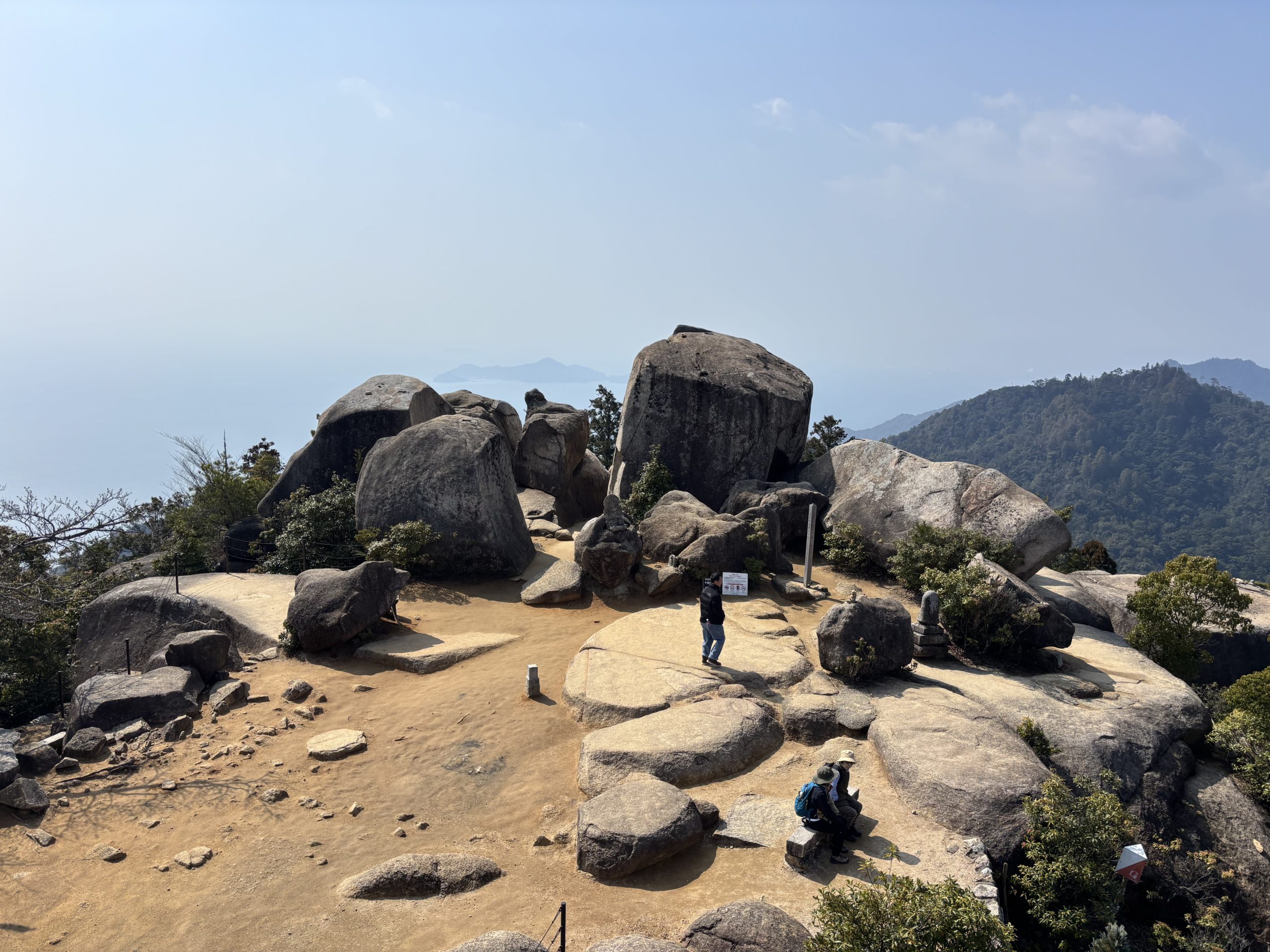
The definitive one-day guide to "Mt. Misen sightseeing." Rising behind...
Frequently Asked Questions (Q&A)
Can I tour the inside of the Five-Story Pagoda?
The interior is typically closed to general public viewing. Your visit should focus on appreciating the exterior architecture and the surrounding historical environment. On very rare occasions, the interior may open to visitors for just a few days each year, with priority access often given to local island residents.
Is it worth visiting during the construction period?
Absolutely, yes. Although the main tower is currently obscured by temporary scaffolding and protective covering, the nearby cultural highlights like Senjokaku Hall, Daiganji Temple, and the Tahōtō Pagoda remain fully accessible and are definitely worth your time. You can also continue to enjoy the beautiful hilltop views and seasonal natural scenery that make this area so special.
Is it manageable to visit with children or a stroller?
The stone steps ascending the hill include some steep sections, so it’s generally best to leave your stroller near the flat area around Senjokaku Hall and switch to using a baby carrier for the final approach to the pagoda. As an added convenience, Miyajima Aquarium offers complimentary stroller rentals for visitors who need them.
What’s the best time of day for photography?
Morning light typically provides vivid, front-lit colors that make the vermilion structure really pop, while evening light adds dramatic depth and dimensional shadows. To avoid the largest crowds, plan your visit for early morning or the period just before sunset. Weekdays between 2:00 PM and 4:00 PM tend to experience the lightest foot traffic.
Is there nighttime illumination of the pagoda?
Yes, attractive lighting illuminates the structure after sunset each evening. For your safety and the best viewing experience, please observe and photograph the illuminated pagoda from well-lit pedestrian pathways or from a comfortable distance along the shoreline.
Can I visit Itsukushima Shrine while I’m in this area?
Absolutely! A classic Miyajima sightseeing route flows naturally from the Main Approach street to Itsukushima Shrine, then continues uphill to Senjokaku and the Five-Story Pagoda. Allowing a relaxed half-day makes it easy to see all of these interconnected highlights without feeling rushed.
While you’re exploring the island, how about fueling up with Miyajima’s famous anago (conger eel) rice? If you’re wondering what to eat during your Miyajima visit, many local residents particularly favor Ueno restaurant for their expertly grilled anago rice—it’s considered one of the most beloved regional specialties in all of Japan and a must-try conger eel dish when visiting the Hiroshima area. You’ll find plenty of family-friendly restaurants serving this local delicacy throughout the island.
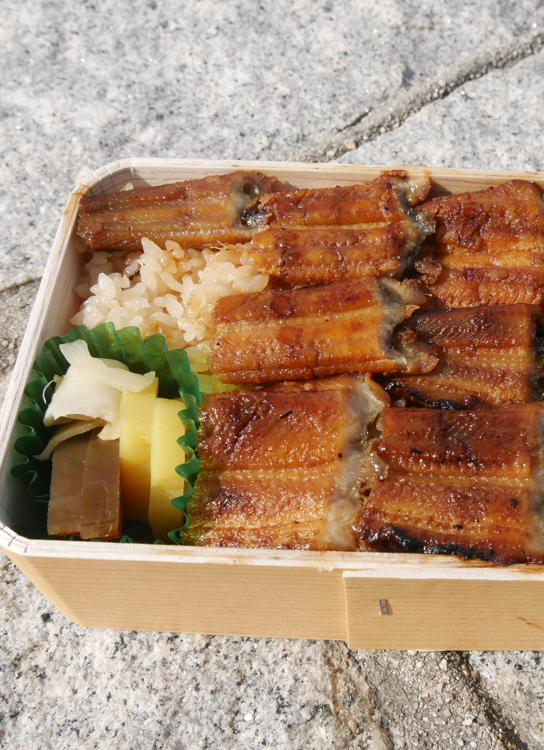
When you visit Hiroshima's enchanting island of Miyajima, one dish sta...
Summary
This brilliant vermilion landmark has survived more than six centuries thanks to the ingenious engineering of its suspended central pillar, dedicated ongoing restoration efforts, and countless generations of prayers and devotion. A family walk to this hilltop treasure allows you to settle comfortably into Miyajima’s gentle, timeless rhythm and naturally inspires plans to return during different seasons. While we eagerly look forward to the completion of the current construction work, the present moment offers its own rewards—an opportunity to savor the surrounding historical sites and appreciate the ever-changing beauty of the four seasons. Our family has already promised each other, “Let’s come back again when the restoration work is finished and the pagoda is revealed.” I’m genuinely excited for the future day when my children are older and we can stand together once more beneath the fully restored Miyajima five-story pagoda, looking up in shared wonder at this enduring testament to Japanese craftsmanship and faith.
On rainy days when outdoor sightseeing becomes challenging, Miyajima Aquarium comes highly recommended as an excellent alternative. Children absolutely love watching the entertaining finless porpoise and sea lion shows, and because everything takes place indoors in a climate-controlled environment, you can enjoy a full day of activities without worrying about the weather conditions outside.
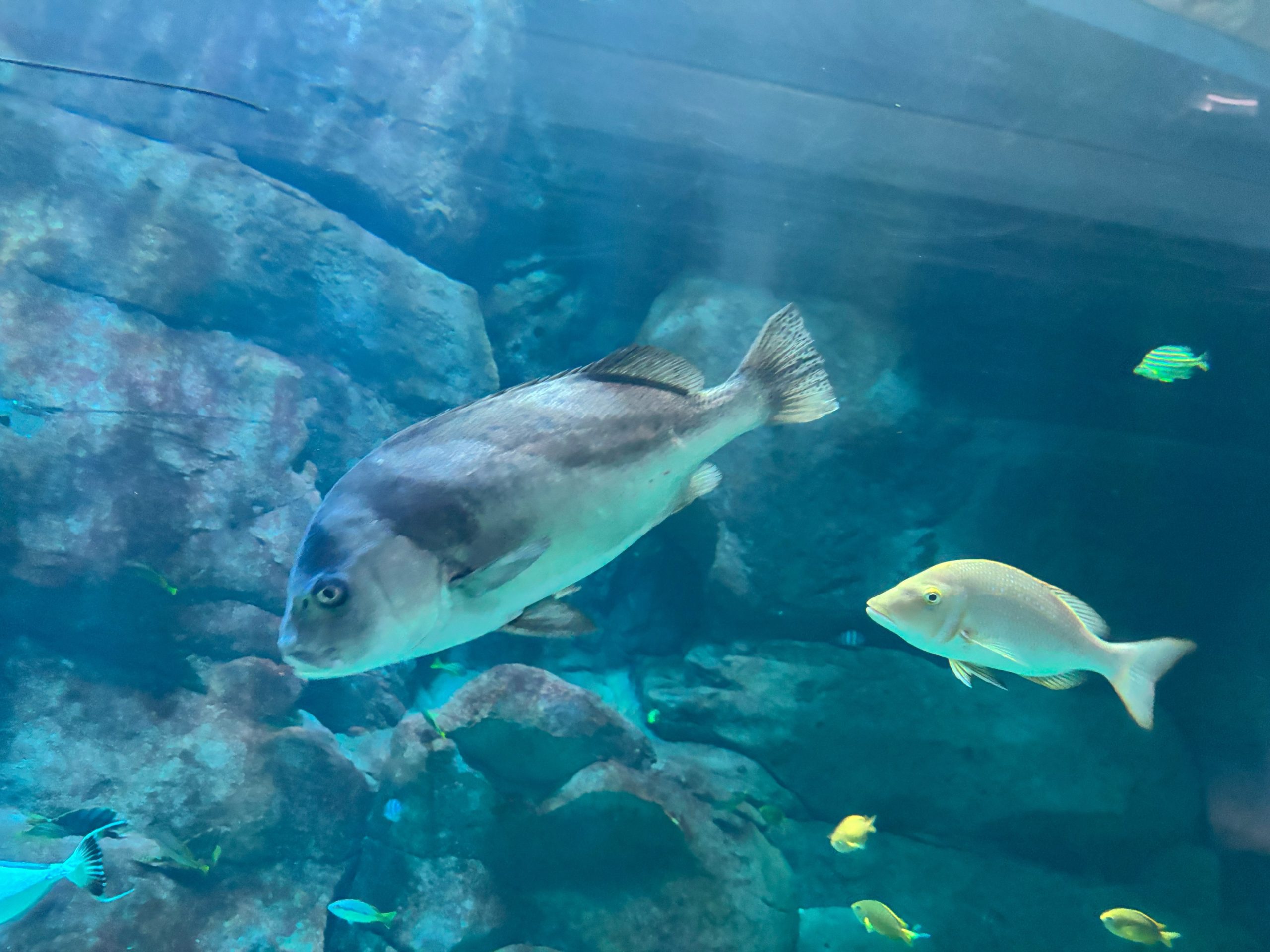
Located at the gateway to the World Heritage island of Miyajima, the M...