Highlights and Views at Miyajima’s Hōkoku Shrine (Senjōkaku)
Perched on a hilltop in Miyajima, Hōkoku Shrine (Senjōkaku) is a captivating spot. Its appeal lies in its vast space—equivalent to 857 tatami mats—the expansive sense of openness born from its “unfinished beauty,” and the panoramic views it offers of the Seto Inland Sea and Itsukushima Shrine. This guide covers its historical background, interior highlights, admission fees and hours, how to get there and travel time, photography etiquette, and tips for visiting with children or using wheelchair access.
Hōkoku Shrine (commonly known as Senjōkaku), said to be as large as 857 tatami mats
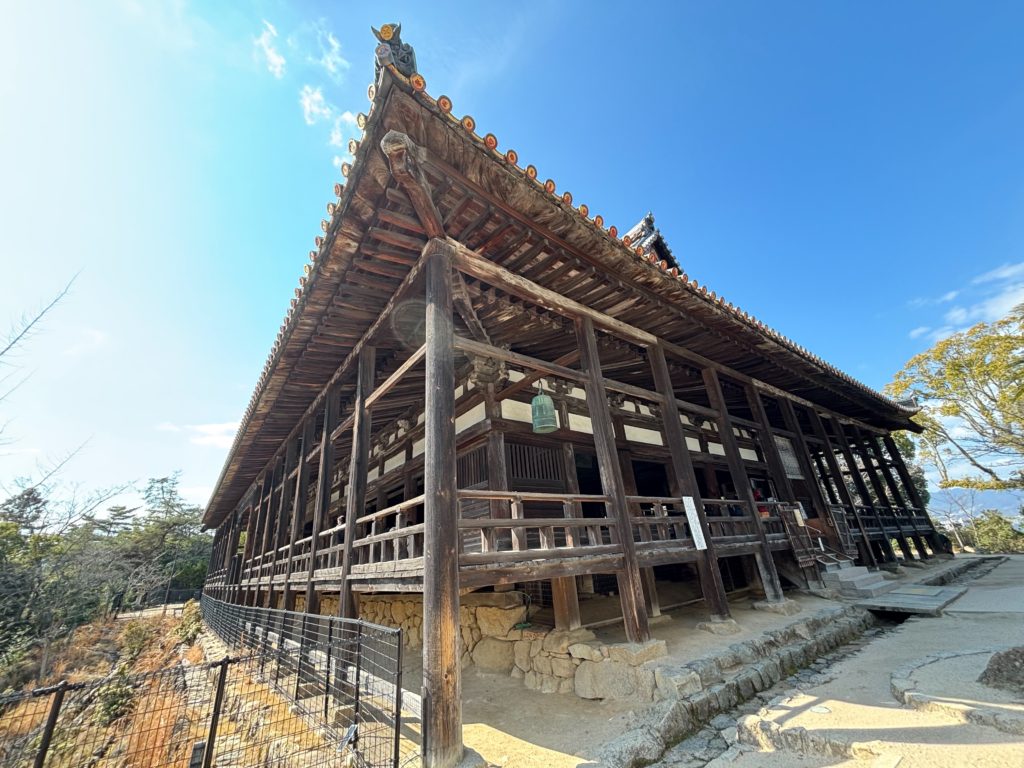
Hōkoku Shrine enshrines Toyotomi Hideyoshi, revered as the god of success and advancement.
Toyotomi Hideyoshi initiated the project in 1587 (Tenshō 15), commissioning Ankoku-ji Keiei to build a memorial hall for samurai. However, Hideyoshi’s sudden death in 1598 (Keichō 3) left the ceiling planking and exterior structures unfinished.
Last autumn, when my family visited the Senjōkaku, my eldest daughter wondered, “Why doesn’t it have a roof?” It’s named “Hōkoku Shrine,” also known as “Senjōkaku” (Thousand-Mat Hall), because it’s spacious enough to lay 857 tatami mats. However, it’s not actually covered in tatami mats; it has wooden plank flooring.
The roof tiles of Senjōkaku bear the character for “king,” and its elevated position overlooking Itsukushima Shrine may have been intended to impress upon visitors Hideyoshi’s power. Had it been completed, it would likely have been a magnificent, grand hall. My husband remarked, “It’s precisely because it’s unfinished that it has this sense of openness.”
Experience the majesty of Itsukushima Shrine with its vermillion torii floating on the sea, showing completely different faces at high and low tide. At low tide, you can even walk right up to the torii for a special experience!
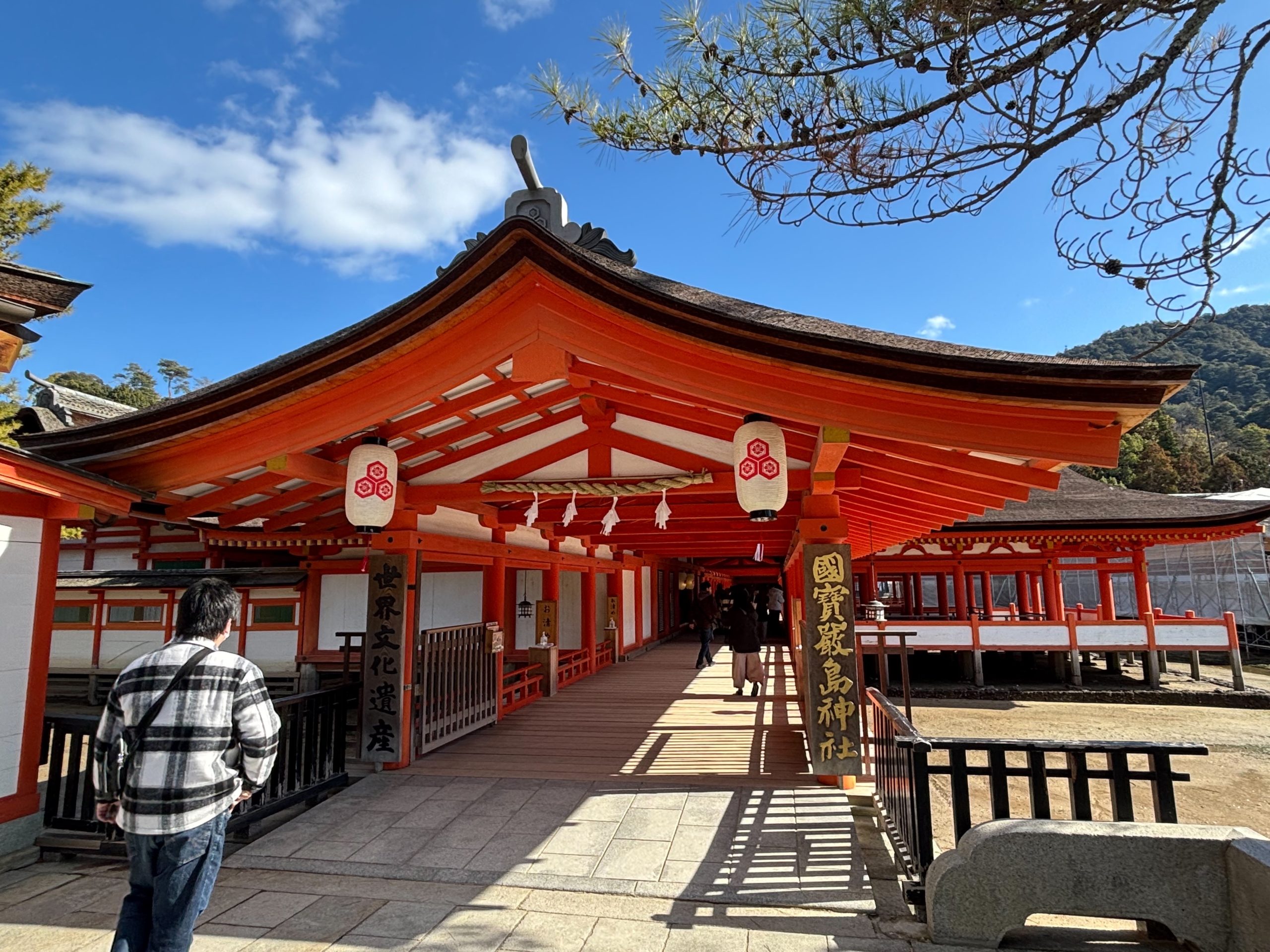
When you think of Miyajima, you think of Itsukushima Shrine. Cradled b...
Main Highlights Inside Senjōkaku
- Display of the shaku measuring sticks used in rebuilding Itsukushima Shrine’s great torii gate
- Collection of large votive paintings from the Edo period (including some moved from the corridor during the Meiji era)
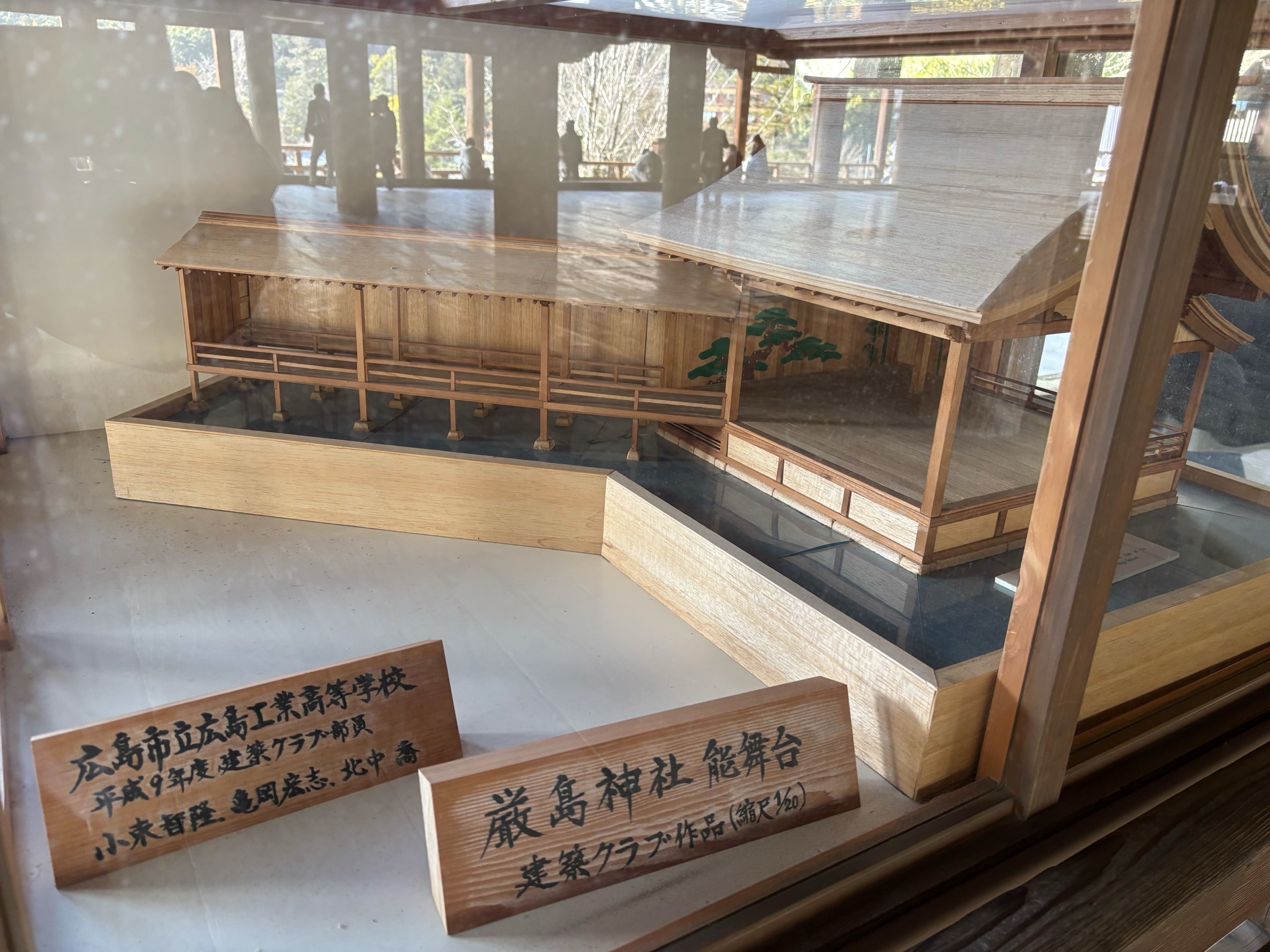
- Giant rice paddles, dragon-painted rice paddles, models of the Imperial Barge and Benzaifune
- Compass dial engraved with the twelve zodiac animals
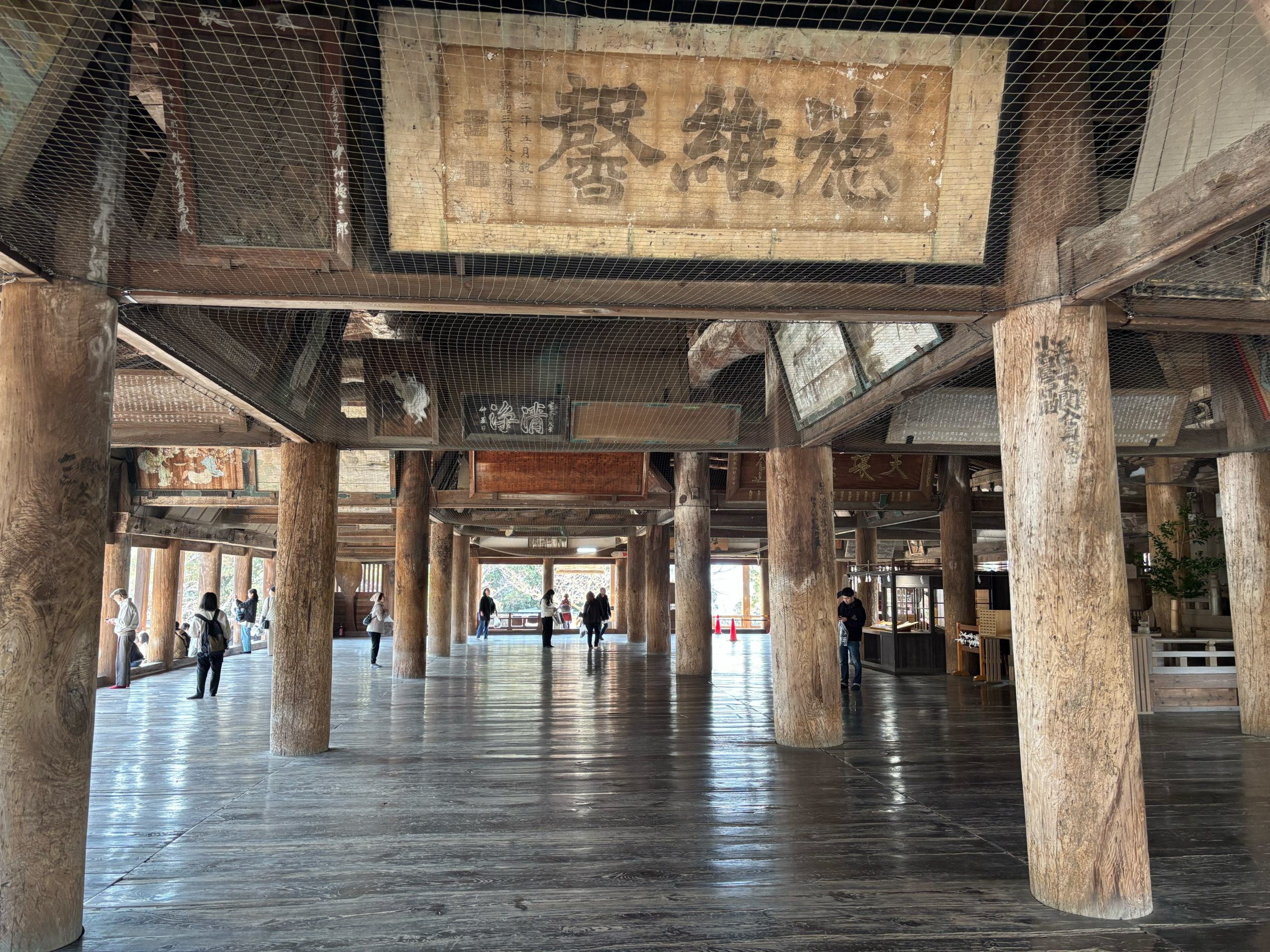
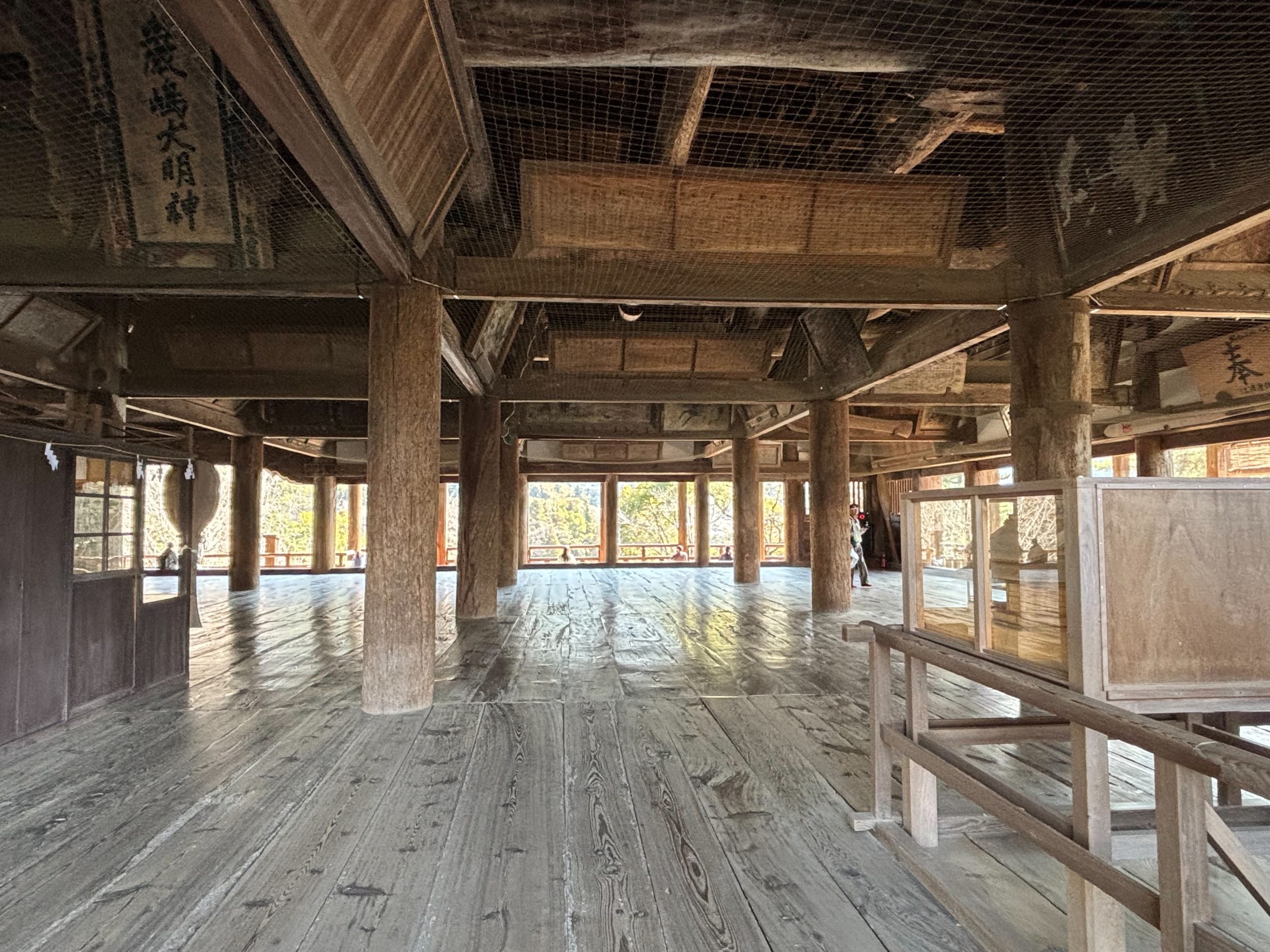
The space, left largely as a bare frame with few walls or ceiling boards, allows breezes to pass through in summer, creating a cool atmosphere. Many visitors sit down on the wooden floor to rest, which is quintessentially Senjōkaku. Its very unfinished state creates a unique beauty, and the charm lies in experiencing the “back side” of the architecture.
My second daughter exclaimed, “The breeze feels so good!” as she sat down on the wooden floor and gazed at the scenery. For children, such a vast tatami space (though actually wooden-floored) seems quite rare.
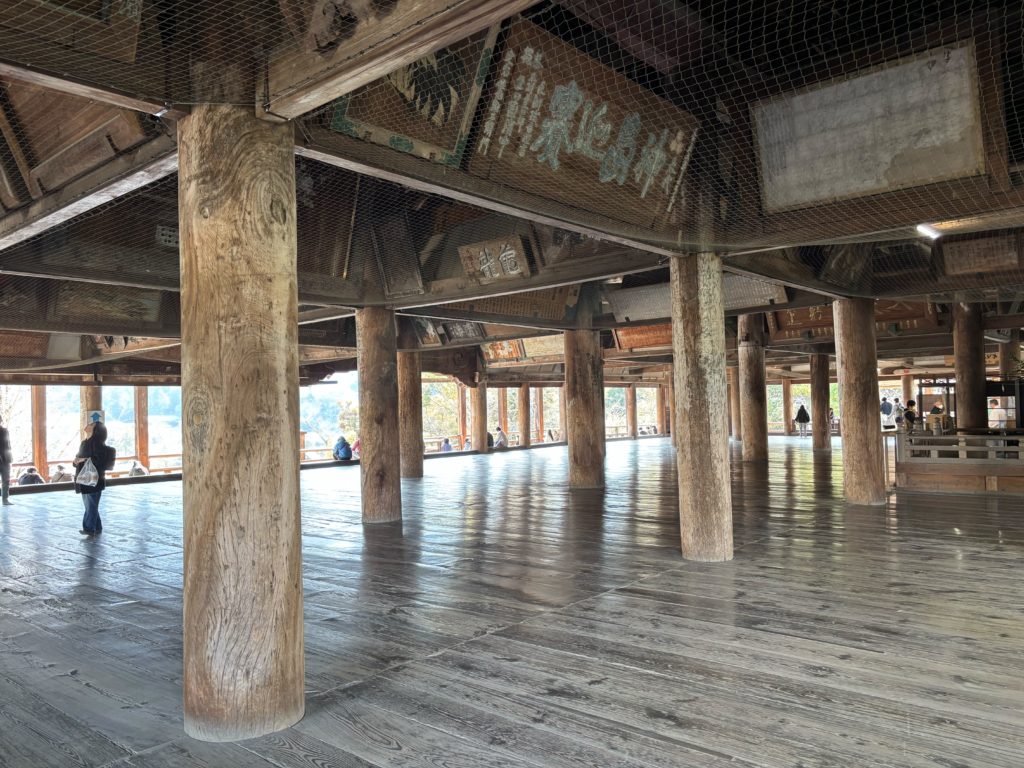
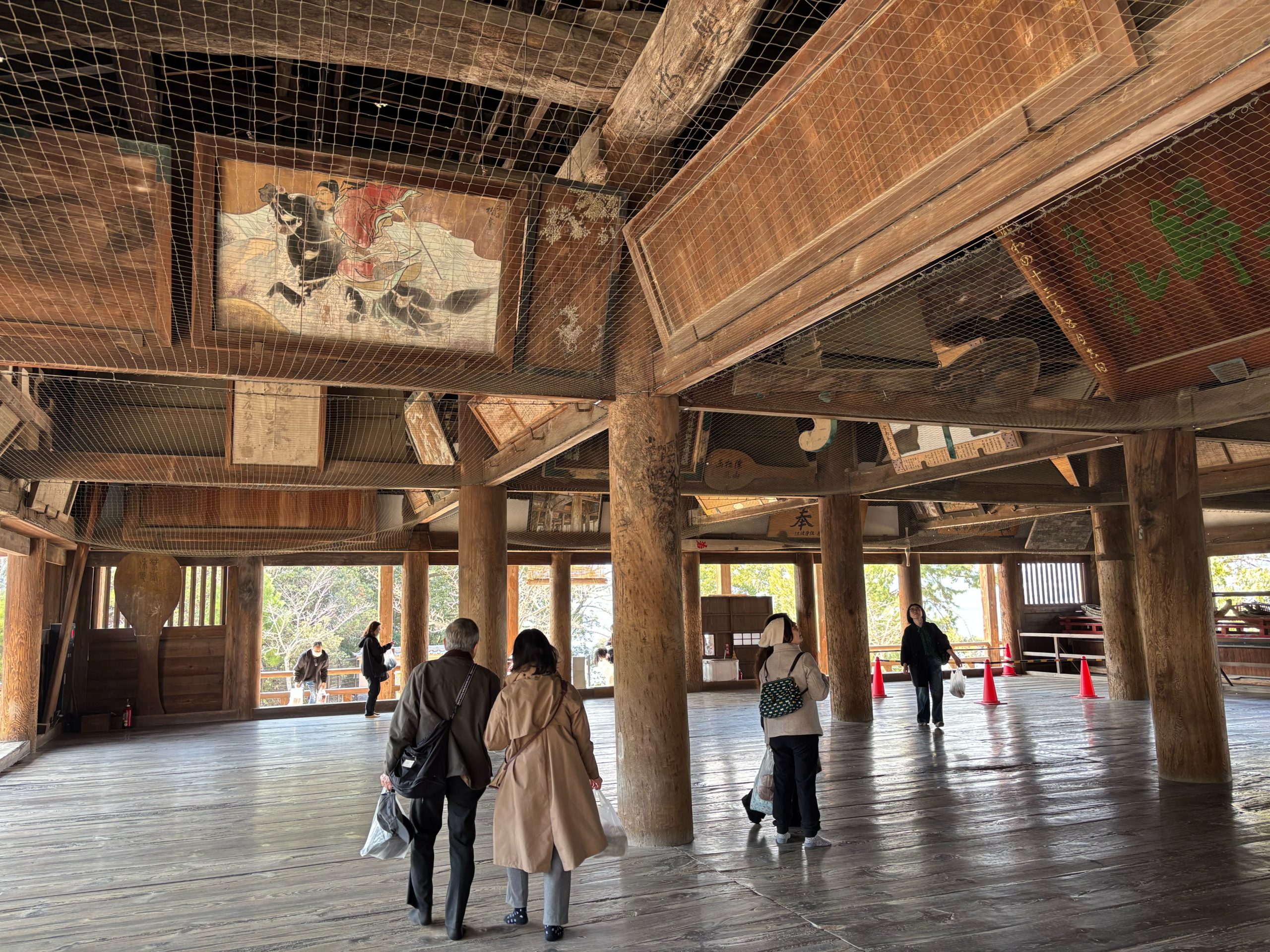
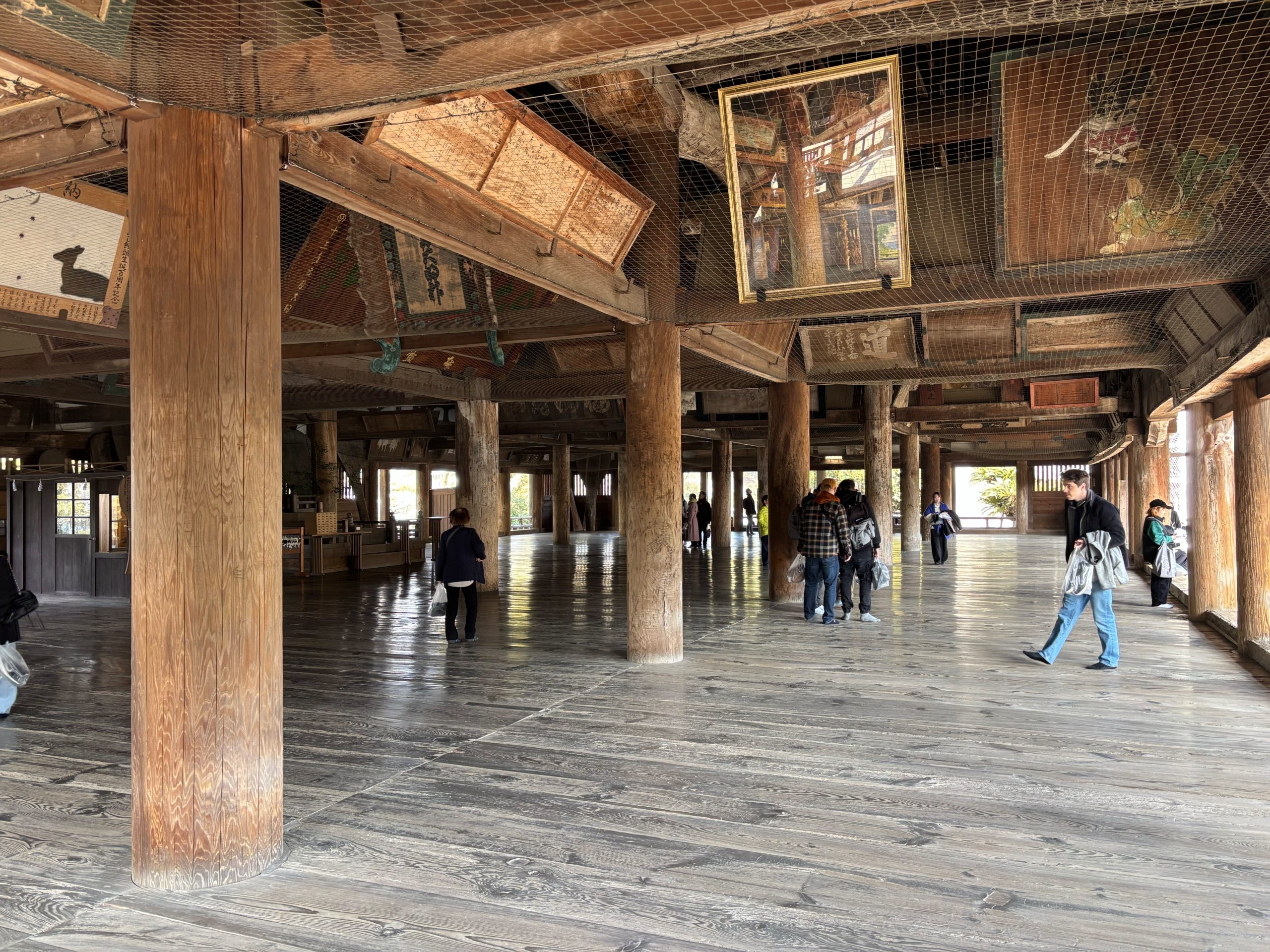
Inside, it’s quite spacious. Numerous ema votive tablets are displayed. Those dedicated during the Edo period were originally hung in the corridors of Itsukushima Shrine, but were moved here starting in the Meiji era. While there are pillars, the lack of surrounding walls provides excellent views. You can see Itsukushima Shrine and the large torii gate. The interior is quite cool, so many visitors were sitting on the floor in the sunny spots outside, warming themselves while enjoying the view.
My eldest daughter spotted the ema and exclaimed, “These are pictures drawn by people long ago!” She was fascinated. Indeed, the ema from the Edo and Meiji periods are vividly colored and truly captivating. The least crowded time is weekdays between 2:00 PM and 4:00 PM, so I recommend visiting then if you want to explore at a leisurely pace.
Because the surroundings are clearly visible, this spot was called “Tō no Oka” (Tower Hill) and served as the headquarters for the Tō clan during the Battle of Itsukushima.
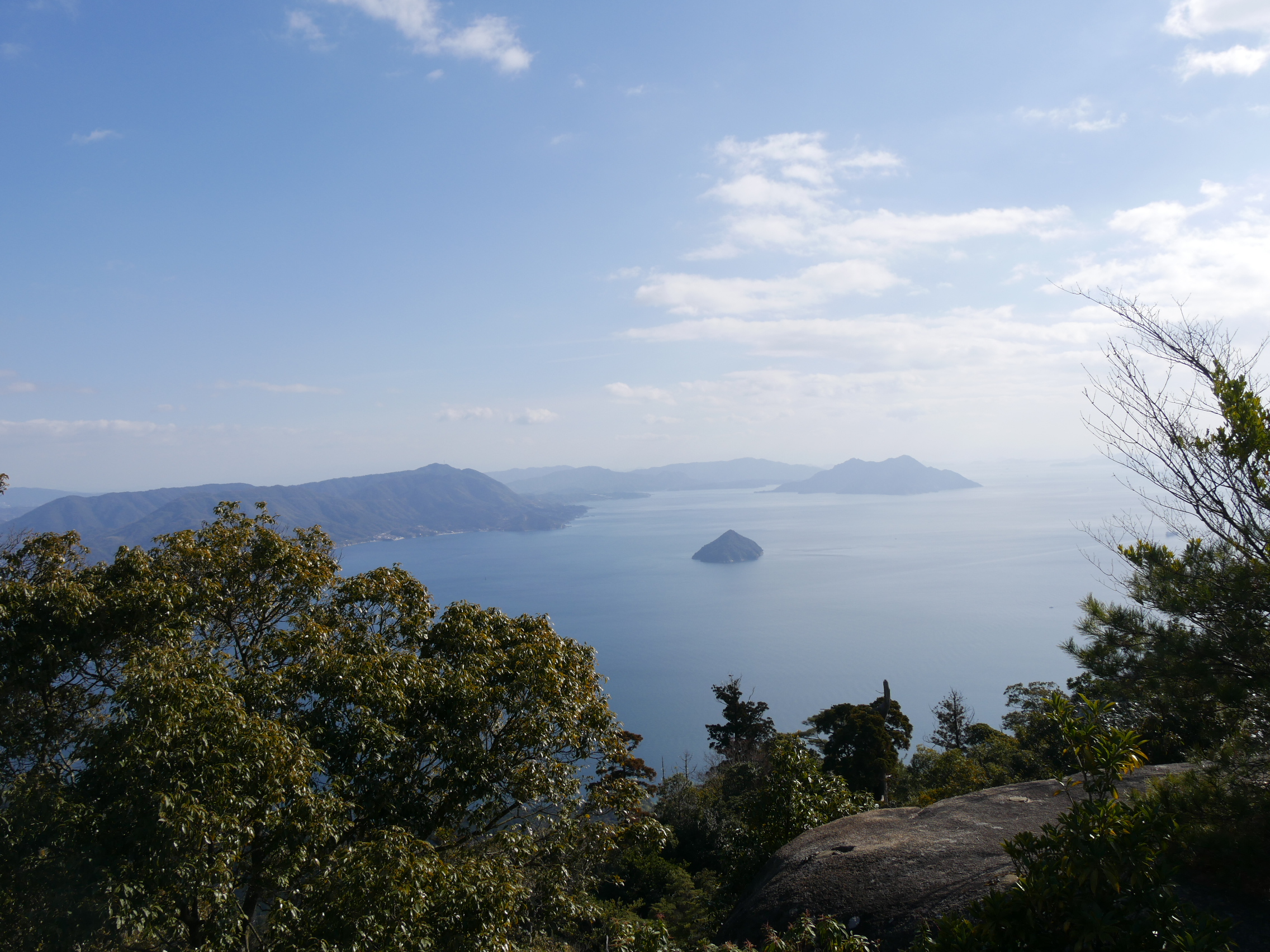
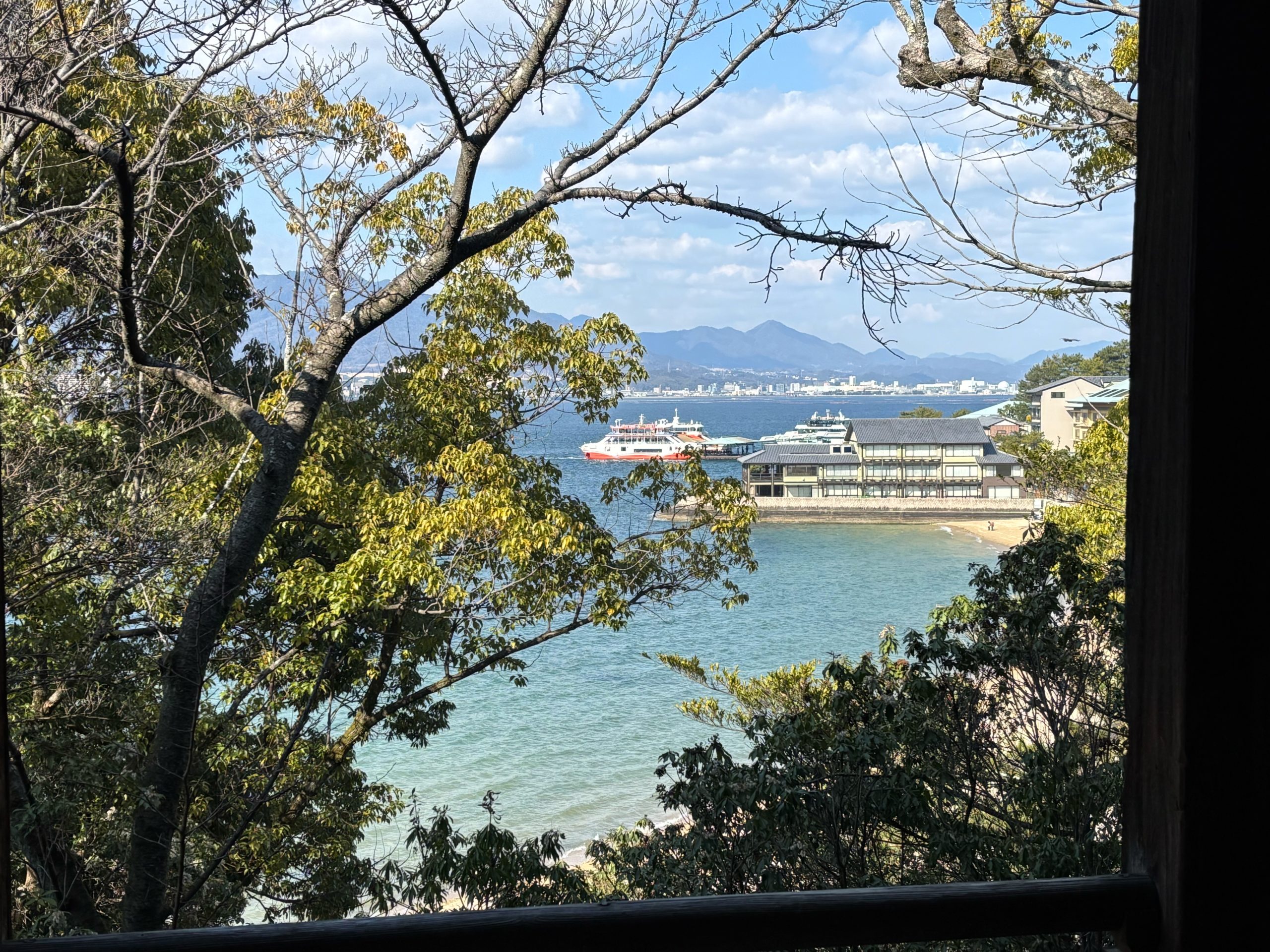
The view from “Hōkoku Shrine” is a must-see
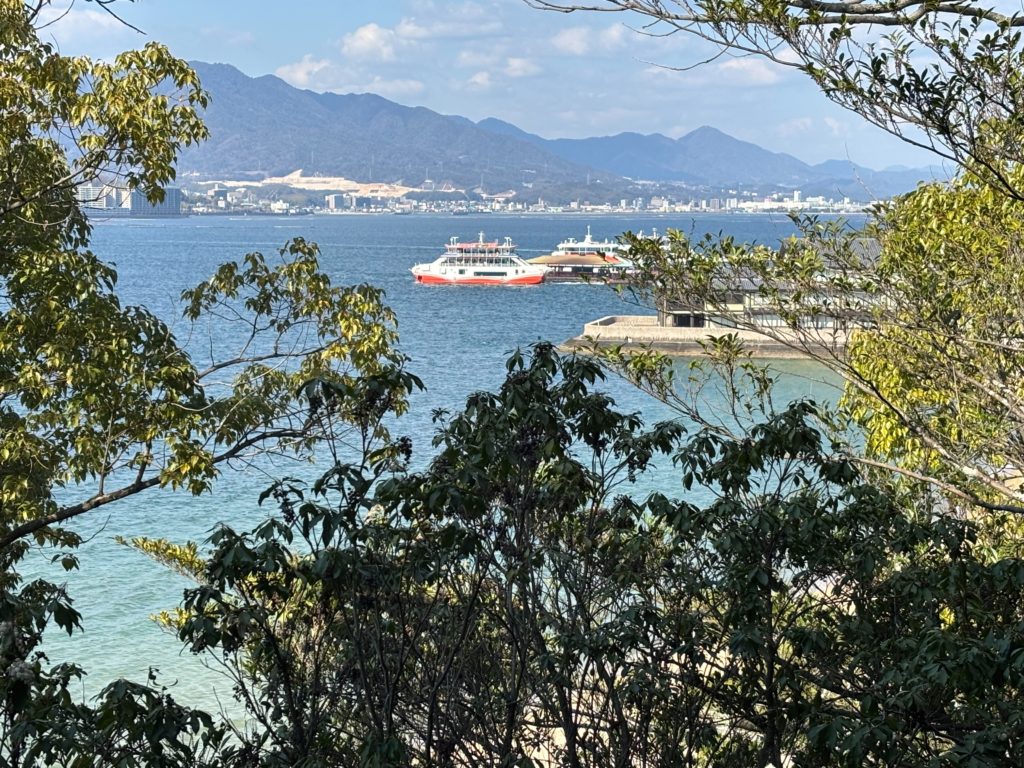
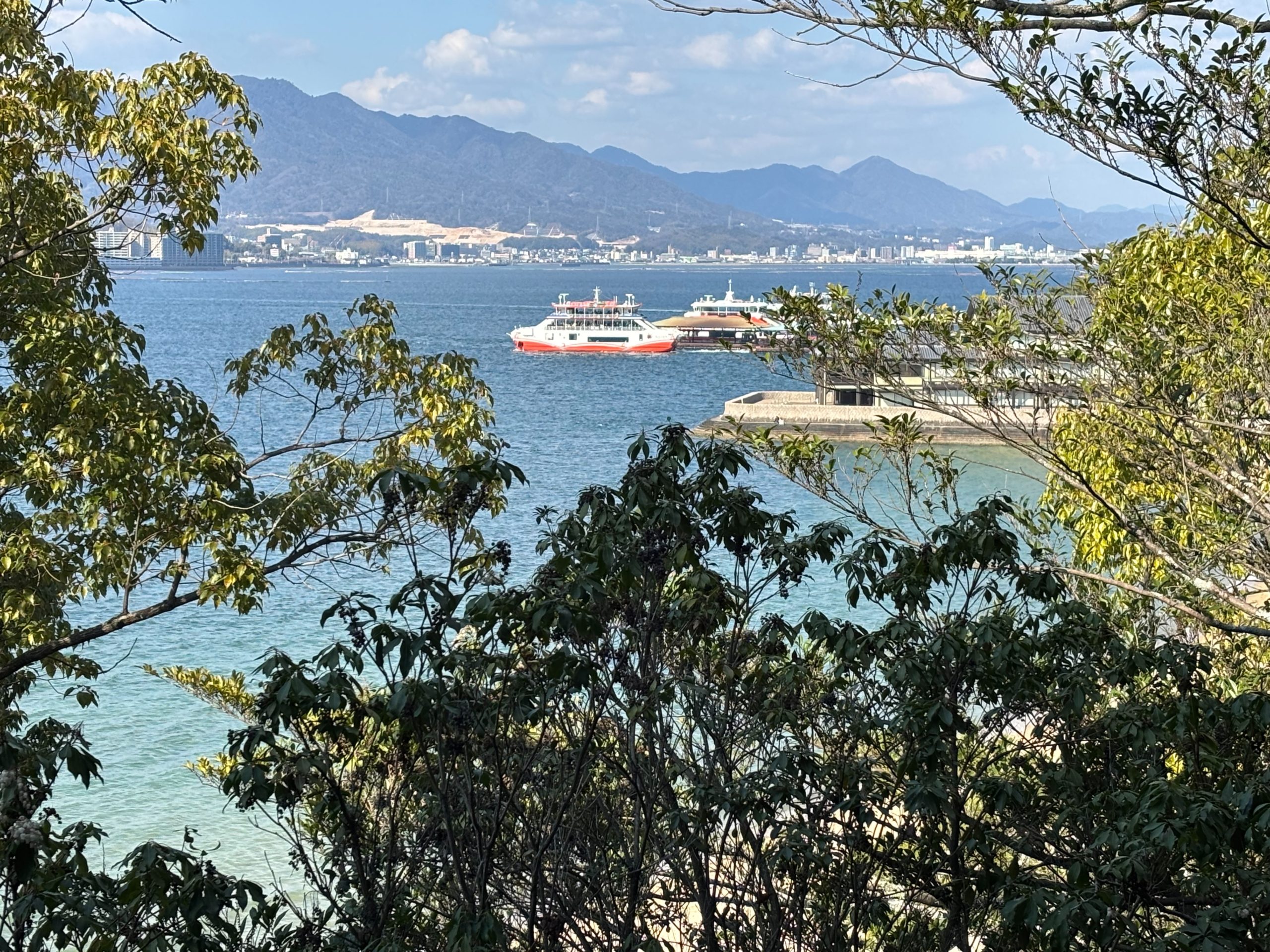
You can enjoy breathtaking views overlooking Itsukushima Shrine and the Seto Inland Sea directly below. It’s especially refreshing on clear days. Although I visited in March, the scenery in summer and autumn must be equally splendid. The reasonable 100-yen admission fee makes it easy to visit casually.
I highly recommend visiting to enjoy the seasonal views from the hilltop while feeling the weight of history. My family visits Senjokaku 2-3 times a year, and since it shows a different face with each season, it feels fresh every time.
In the morning, the sea sparkles, and in the evening, the silhouette of the great torii gate beautifully emerges. Even with children, the breeze makes it comfortable to stay, and it was so pleasant we ended up lingering. A local told me that the hidden cherry blossom spot is actually around the Tahōtō pagoda, a favorite viewing spot for locals.
Information is subject to change. Please check the official website for the latest details before visiting.
Senjōkaku is part of the World Heritage site. Understanding the full scope of the heritage area, including the Misen Primeval Forest, will enhance your appreciation of this remarkable cultural landscape.
Miyajima is beloved by many travelers as a place to experience Japan's...
Highlights of Hōkoku Shrine (Senjōkaku)
Roof Tiles
The eave tiles of Hōkoku Shrine are engraved with the character for “King,” and the outermost tiles are gilded with gold leaf. This dazzling decoration truly evokes the splendor of Momoyama culture and demonstrates Hideyoshi’s absolute power.
Every time I see the brilliance of these tiles, I can’t help but feel the weight of history alongside Hideyoshi’s majesty. It’s truly a moment where history comes alive. When I told my eldest daughter, “It says ‘King’ here,” she was impressed, saying, “Mr. Hideyoshi must have been an amazing person.”
Roof
The roof of Hōkoku Shrine remains unfinished, leaving the ceiling and walls without paneling. However, the numerous pillars supporting the roof create an open, airy feel. This construction method is often seen in Hideyoshi’s buildings, reflecting his meticulous attention to detail as a master castle builder.
Looking up at this roof, one is struck by its beauty despite its unfinished state. The space created by the pillars creates an illusion of standing on a stage of history. My second daughter was delighted, exclaiming, “You can see the sky!” Indeed, it offers a sense of openness you wouldn’t experience in a typical building.
Senjōkaku is one of Miyajima’s largest wooden structures. Its minimal walls create a unique experience centered on the “beauty of the unfinished.” Sitting on the wooden floor and feeling the breeze is another pleasure unique to this building.
Floorboards
The floorboards at Hōkoku Shrine feature a double-layered structure, approximately 10cm thick for durability. This design reinforces the floorboards against damage from sea winds, a necessary measure for a shrine standing on Miyajima’s cape.
Stepping on these sturdy floorboards, you’ll be struck by their solid weight. They offer a reassuring sense of stability, as if standing firm through the ages. Their durability is such that even children running around is no problem, which was a relief as a parent.
Ema
Hōkoku Shrine is one of Japan’s three major ema dedication sites. Ema dedicated during the Edo period and those depicting the scenery of Itsukushima Shrine captivate visitors with their vibrant colors and beauty. These ema are also displayed in Itsukushima Shrine’s treasure hall.
Observing the ema, one senses the vivid colors and the heartfelt intentions poured into every detail. Experience a moment of spiritual enrichment in this place where history and art converge. Inside the main hall, besides the large ema, you’ll also find a ceremonial staff, ship models, and a compass. It’s fun to explore with children, asking “Where is it?” as you search.
My eldest daughter was amazed, saying, “This painting is so skillfully done!” Indeed, the techniques of Edo-period painters are truly remarkable.
Rice Scoop
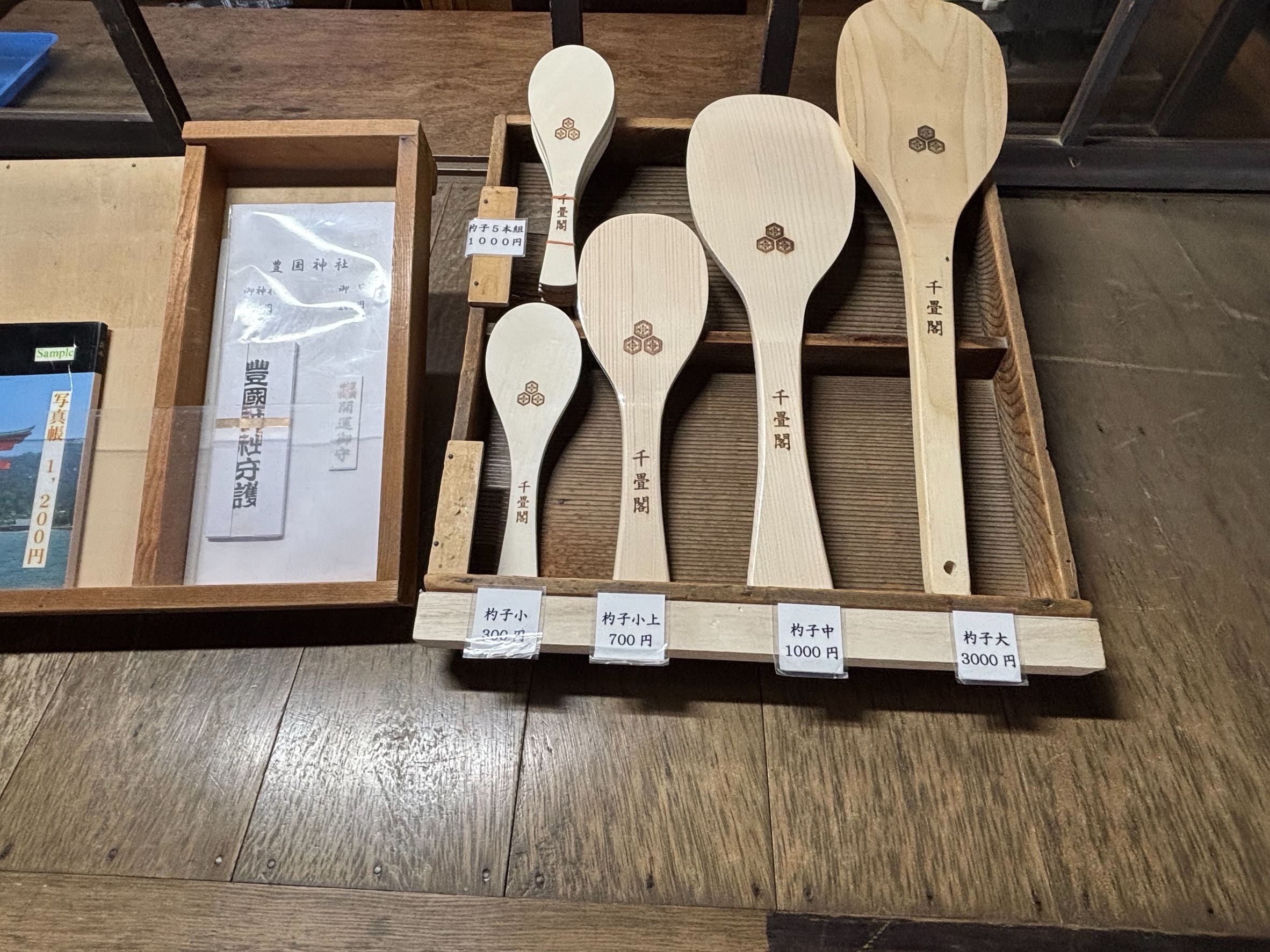
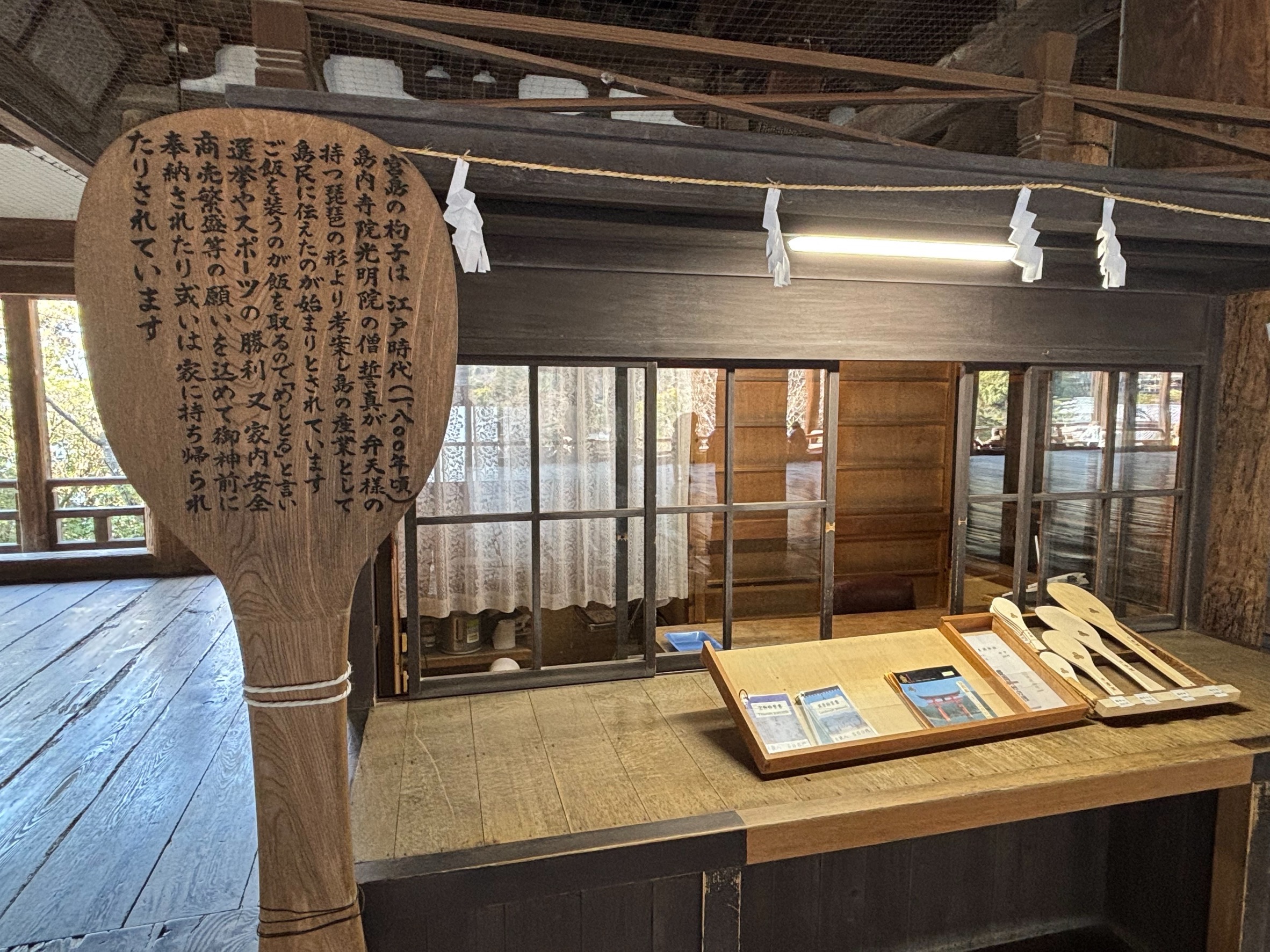
A giant rice scoop is enshrined within Hōkoku Shrine. Miyajima is Japan’s top producer of wooden rice scoops, an industry popularized by the monk Seishin. The scoop was dedicated as a prayer for victory in battle, symbolizing “scooping up victory.”
This massive shamoji radiates a powerful symbolism of victory and success, making you truly feel the deep connection between tradition and faith. My second daughter pointed at it in surprise, exclaiming, “A huge shamoji!” Indeed, its size is incomparable to a regular shamoji.
Actually, Daishoin Temple predates Itsukushima Shrine! Together with Senjokaku, Daishoin is another power spot you’ll want to visit for its spiritual energy and historical significance.

Your complete guide to Daishō-in Temple on Miyajima: history, what to do, spiritual experiences (sand stepping, fire walking, Kaidan Meguri), annual events, access, barrier-free info, and how to get a goshuin (temple stamp).
Believed to bring career advancement blessings!?
Toyotomi Hideyoshi, the deity enshrined at Hōkoku Shrine, is believed to grant blessings for career advancement. Hideyoshi was also known as a “master manipulator,” famed for subjugating the Chugoku region through strategic intrigue. Consequently, the shrine is believed to grant blessings for career advancement, improved relationships, attracting good fortune, and finding a good marriage partner.
My husband said, “This is perfect for praying for career success,” as he visited. I certainly understand the desire to rise like Hideyoshi. I also joined my hands in prayer, wishing for my children’s future happiness.
Don’t Miss Hōkoku Shrine’s “Underfloor”
The underfloor of Hōkoku Shrine is another highlight. With no walls obstructing the view, you can enjoy the scenery from the veranda after exploring the grounds. The “hexadecagonal pillars” under the floor are particularly noteworthy. To prevent cracking, they are cut off-center into squares and then shaped into polygonal or cylindrical columns. These pillars are not the usual octagonal shape but rather hexadecagonal, reflecting Hideyoshi’s particular attention to detail.
Walking beneath the floor, you’ll be impressed by its unique structure and the beauty of the view. Encountering the pillar craftsmanship allows you to appreciate the depth of architecture anew. My eldest daughter exclaimed, “The shape of the pillars is interesting!” and touched them. Indeed, you won’t see hexadecagonal pillars anywhere else.
Admission Fee・Hours・Goshuin
- Admission Fee (Hall Entry Fee): Adults 100 yen / High School Students 100 yen / Elementary & Junior High Students 50 yen
- Opening Hours: 8:30 AM – 4:30 PM (Goshuin stamp reception: 8:30 AM – 4:00 PM)
- Estimated Time Required: 20-40 minutes for hall tour + 10-20 minutes for scenic views
Admission information is subject to change. Please confirm the latest details before visiting. I’m always amazed by the low admission fee of just 100 yen. Enjoying this breathtaking view and historic structure for only 100 yen makes it a hidden gem among Miyajima’s tourist spots.
Access, Directions, and Estimated Time
- To the Ferry Terminal: Get off at JR “Miyajimaguchi Station” or Hiroden “Hiroden Miyajimaguchi Station” → Take the ferry from Miyajimaguchi Pier (approx. 10 min)
- By Car: Due to daytime vehicle restrictions on the island, parking near Miyajimaguchi (e.g., Momiji Honjin Parking Lot, Miyajimaguchi Parking Lot) and taking the ferry is recommended.
- From the Island to Senjokaku: About a 10-minute walk from Miyajima Pier.
Follow the corridor of Itsukushima Shrine, then climb the stone steps of Tō-no-Oka (Tower Hill) to arrive.
- Model Course: Itsukushima Shrine → Senjōkaku → Five-storied Pagoda → Rest at Omotesando Shopping Street. Following this order utilizes the elevation changes for easier walking.
If you have extra time, we recommend revisiting Senjokaku in the pleasant afternoon breeze or just before sunset to enjoy the views. A local tip: the parking lot behind Momiji Honpo near Miyajimaguchi Station is often available before 8 AM.
Enjoy food hopping through Omotesando Shopping Street combined with your Senjokaku sightseeing! The shopping street offers delicious local specialties and perfect spots for breaks during your Miyajima adventure.
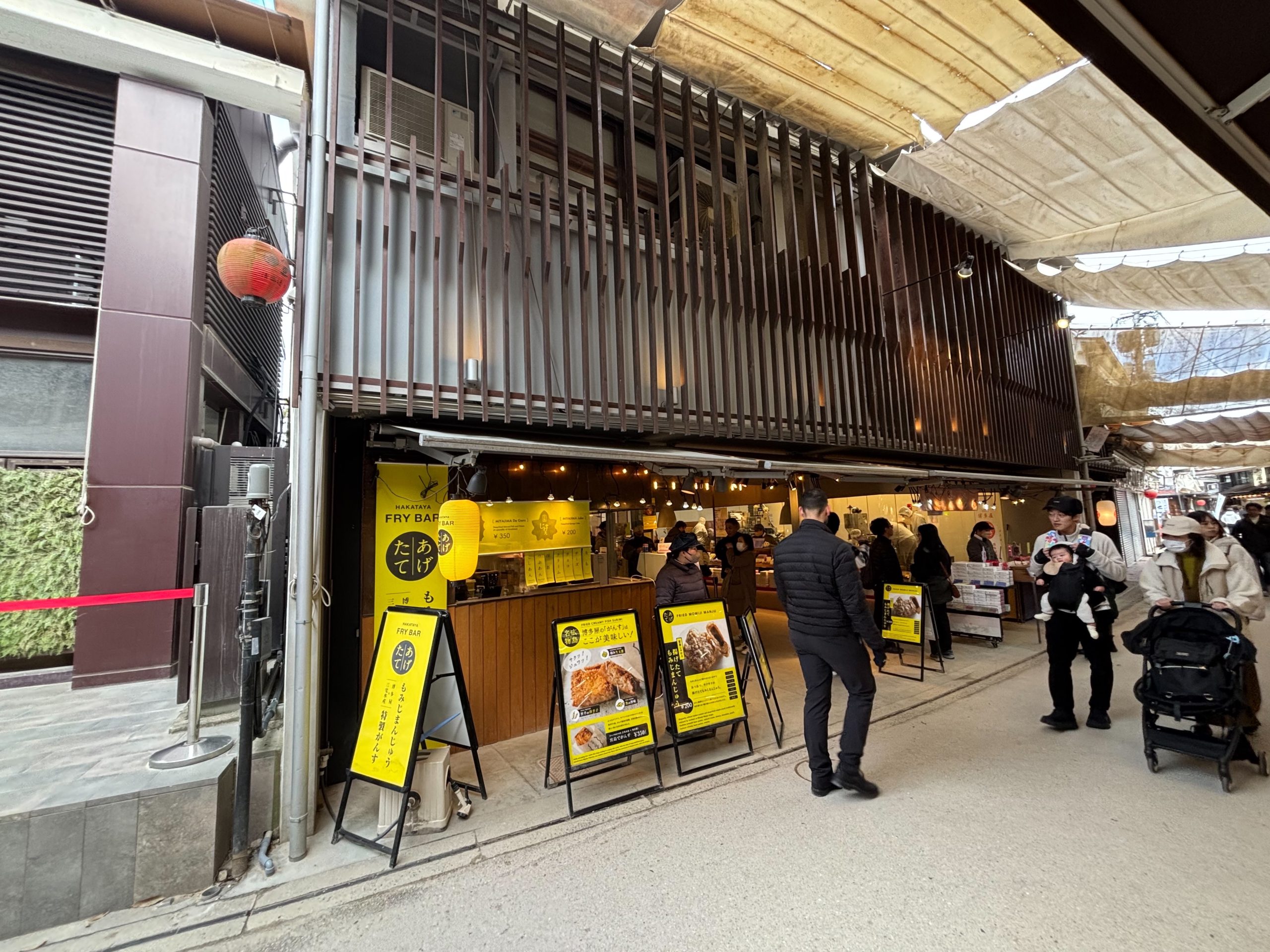
Omotesando Shopping Street stretches from Miyajima Pier to Itsukushima...
Photography Etiquette & Tips for Avoiding Crowds
- Photography: Maintain quiet inside the hall.
The spacious interior makes it easy for people to appear in photos, so please take turns quickly. Tripods should not obstruct passage.
- Footwear: Remove your shoes and carry them in the provided plastic bags.
- Avoiding Crowds: The early morning hours are relatively quiet.
Taking off your shoes might feel like a hassle, but experiencing the wooden floor directly is part of Senjōkaku’s charm. Kids loved it too, saying “It feels great to walk barefoot!”
Family & Accessibility Information
- Senjōkaku has stone steps: Wheelchair access inside the hall is not possible. We recommend folding strollers and using assistance.
- Getting Around the Island: Barrier-free facilities are available at the ferry terminal and pier (on some ship types). Inside Itsukushima Shrine, the wooden-floored corridors make movement relatively easy.
- Restrooms, etc.: Accessible restrooms are available at the ferry terminal and around Itsukushima Shrine. Plan frequent breaks as distances on the island can be long.
Baby carriers are convenient for small children. The halls are breezy, so you can relax even in summer—just remember to stay hydrated. Strollers are difficult on the stairs, so baby carriers are recommended. A local tip: Miyajima Aquarium actually offers free stroller rentals!
Sightseeing Route (Including Senjokaku Hall)
- Five-Story Pagoda: A renowned architectural masterpiece blending Japanese and Chinese styles. Its interior features vibrant polychrome decoration. The central pillar has a two-tiered “pendulum” structure, designed to withstand strong winds. During construction periods, only the exterior may be viewable.
- Tahōtō Pagoda: Primarily pure Japanese style, incorporating elements of the Daibutsu-style and Zen-style. Exterior viewing only may apply during construction periods.
- Daiganji Temple / Daishoin Temple: Understanding the history of Buddhist statues relocated during the separation of Shinto and Buddhism offers a three-dimensional view of Miyajima’s religious evolution.
- Omotesando Shopping Street, Momijidani Park, Miyajima Aquarium: Great spots for breaks with kids or rainy day plans.
- Natural Highlights: Notice the large sago palms near Senjokaku and other plantings. Seasonal colors make for photogenic scenes.
Our family’s favorite route is Itsukushima Shrine → Senjōkaku → Five-storied Pagoda → Omotesando Shopping Street for souvenirs and snacks. It’s a course kids won’t get bored with either.
Senjōkaku Q&A
Q. How long does it take?
A. Allow about 20-40 minutes for touring the hall, plus another 10-20 minutes for enjoying the view and taking photos. With kids, it might take a bit longer, but the breeze is refreshing, so you can take your time.
Q. Can I get a goshuin stamp?
A. They are available during reception hours (typically 8:30 AM to 4:00 PM). Allow extra time during busy periods.
Q. Can I take photos?
A. Yes, you can. Please enjoy taking photos while being considerate and not obstructing others. It’s a scenic spot, perfect for family photos.
Q. Is it okay to bring children?
A. The interior is spacious and well-ventilated, making it easy to rest. However, due to steps and stone staircases, a baby carrier is recommended for safety. Children will enjoy the wide open spaces.
Q. Can I use strollers or wheelchairs?
A. The Senjōkaku Hall has stone steps, making it difficult. However, barrier-free facilities are well-developed throughout the island.
Q. Can I enjoy it on rainy days?
A. Wind can blow in, so you might get wet. However, Mount Misen can sometimes feel like you have it all to yourself on rainy days, which is a luxurious experience in its own right.
Q. Can I eat or rest nearby?
A. The Omotesando Shopping Street offers plenty of restaurants and rest spots. It’s easy to stop by during your sightseeing. It’s perfect for a break after visiting Senjokaku.
Summary
Senjōkaku offers a unique sense of openness created by its unfinished structure, combined with Miyajima’s finest views. Touching the ema votive tablets and tools that tell its history, and spending time feeling the breeze with your family, will be a highlight of your Miyajima trip. Admission fees and access are easy, so plan to visit it together with Itsukushima Shrine.
My family absolutely loves Senjōkaku and always stops by when visiting Miyajima. My kids keep saying, “Let’s go back to that place with the nice breeze!” so it’s sure to create wonderful memories. For just 100 yen, you can enjoy this breathtaking view and history at Senjōkaku. I highly recommend experiencing it at least once!
Recommended Articles
The new specialty, fried momiji! Perfect for food hopping after visiting Senjokaku, this crispy twist on the traditional momiji sweet is a must-try Miyajima delicacy.
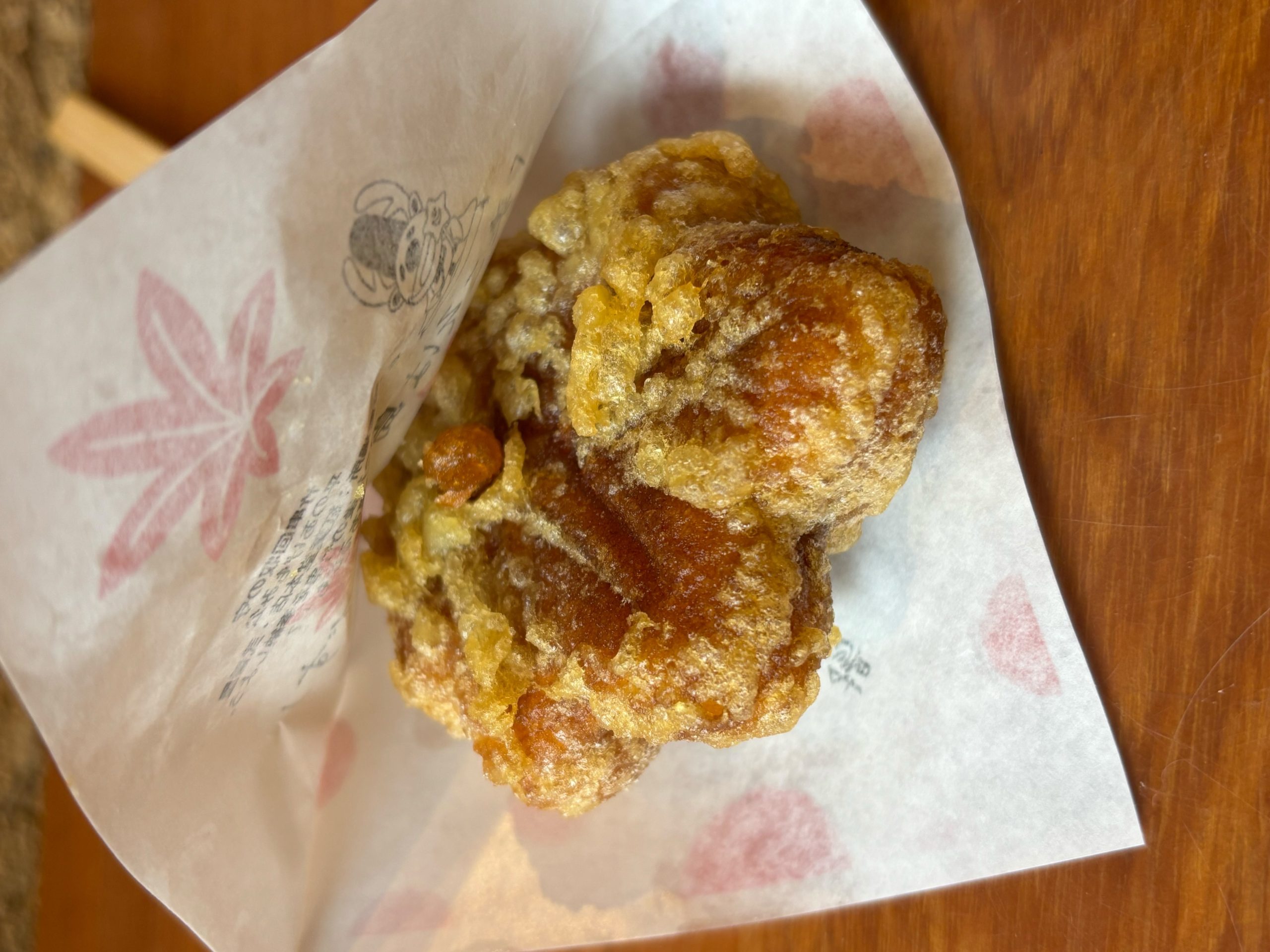
Planning a Miyajima food tour and wondering what to eat in Miyajima be...
For oysters in Miyajima, “Miya Toyo” is the place! Highly recommended for a meal after enjoying the spectacular views at Senjokaku, known for their fresh local oysters.
Miyatoyo Main Store is the only shop in Miyajima specializing in hand-baked momiji manju. Since 1984, this long-standing confectioner has delighted visitors with Cheese Momiji Manju, Belgian Chocolate, Belgian White, and classic Koshian. Discover the shop’s atmosphere, flavor tips, and how to buy for souvenirs.
Recommended for breakfast! Miyajima Bessou’s island delicious bread is also a popular bakery on Omotesando Shopping Street, perfect for starting your Miyajima day.
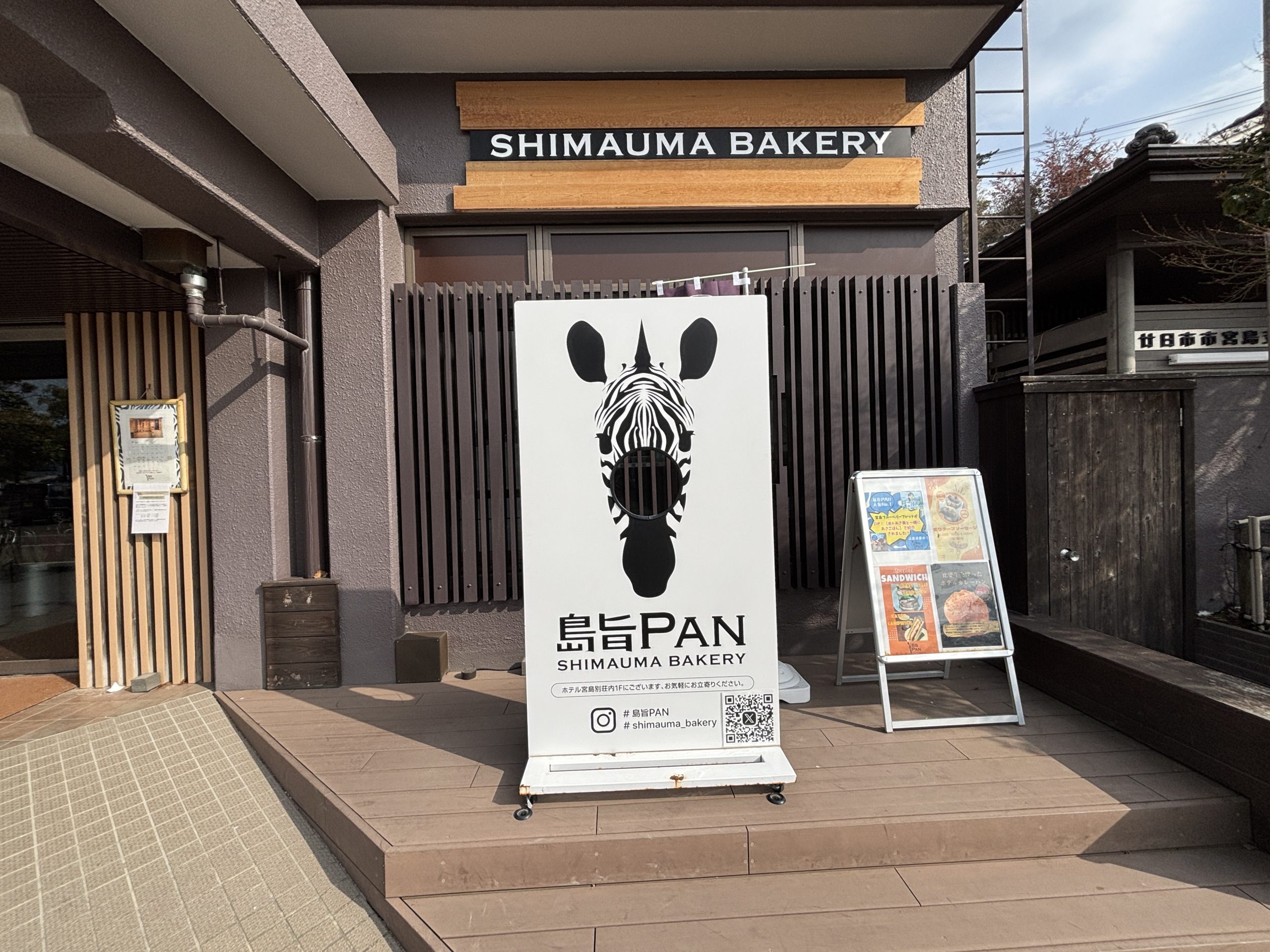
Just a 1-minute walk from Miyajima Pier, "Shimauma Pan" is an authenti...
- Photography: Maintain quiet inside the hall.