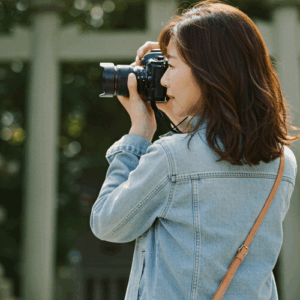
The Miyajima Ferry is more than simple transport—it’s a short scenic cruise across the calm Seto Inland Sea. In just 10 minutes from Miyajimaguchi you’ll glide past seabirds, watch the ridgeline of Mount Misen approach, and (on the JR “Great Torii Route”) face the vermilion Great Torii Gate head-on from the water. Last month when we took the JR West Miyajima Ferry’s “Great Torii Route” with our family, our youngest squealed, “The boat is saying hello to the torii!” The breathtaking view of the Great Torii and shrine hall from the sea never fails to move us, no matter how many times we see it. Whether you’re traveling with kids, as a couple, or solo, this guide covers fares, access, onboard facilities, and discount tickets so first-time visitors can ride with confidence.
You Must Take the Ferry to Miyajima
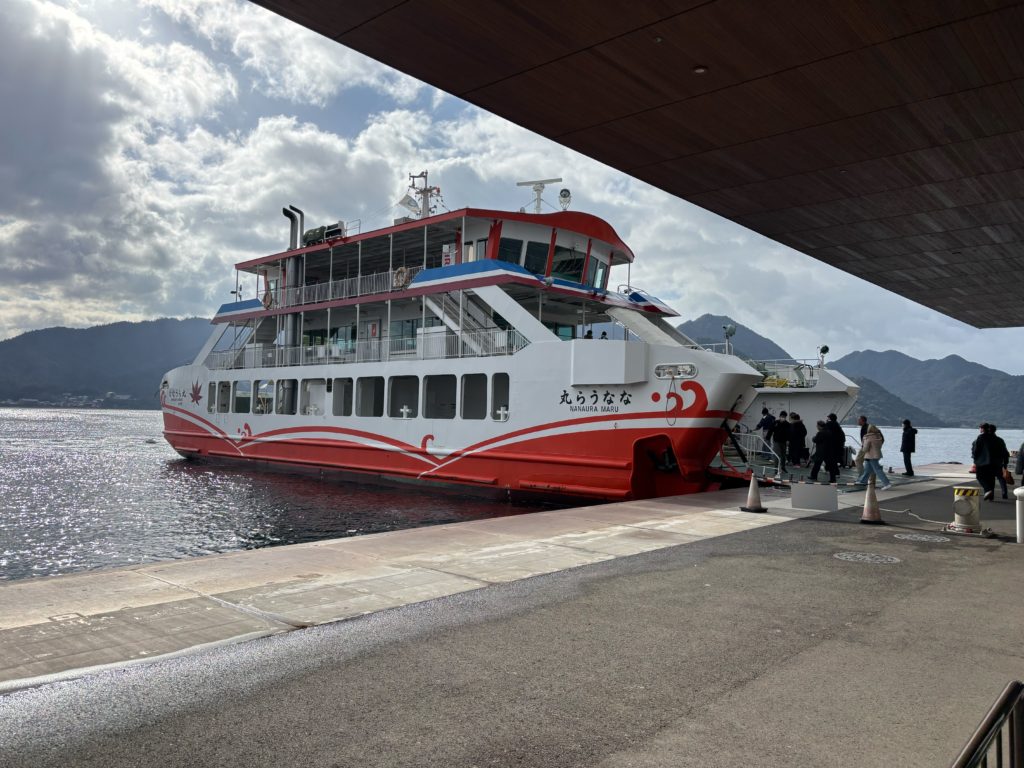
Every trip to Miyajima requires a ferry. The crossing is short—about 10 minutes—but it sets the tone for your visit with sea breeze, island views, and that unmistakable “I’m finally in Miyajima” feeling. Two operators run from Miyajimaguchi: JR West Miyajima Ferry and Miyajima Matsudai Kisen.
For first-time visitors, knowing the differences makes choosing easy. Locals will tell you the JR ferry approaches the Great Torii Gate (outbound only). JR West operates the special “Great Torii Route,” letting you see the Great Torii and Itsukushima Shrine head-on from the sea—sit or stand on the right (starboard) side for the best views. Meanwhile, Miyajima Matsudai Kisen sails the shortest, most direct route for minimal waiting and swift arrival. They also sell convenient combination tickets that bundle the ferry with the ropeway or sweets vouchers—perfect for streamlined sightseeing. During busy seasons, many travelers go out via the JR Great Torii Route for the photo op and return via the direct route for speed.
JR West Miyajima Ferry
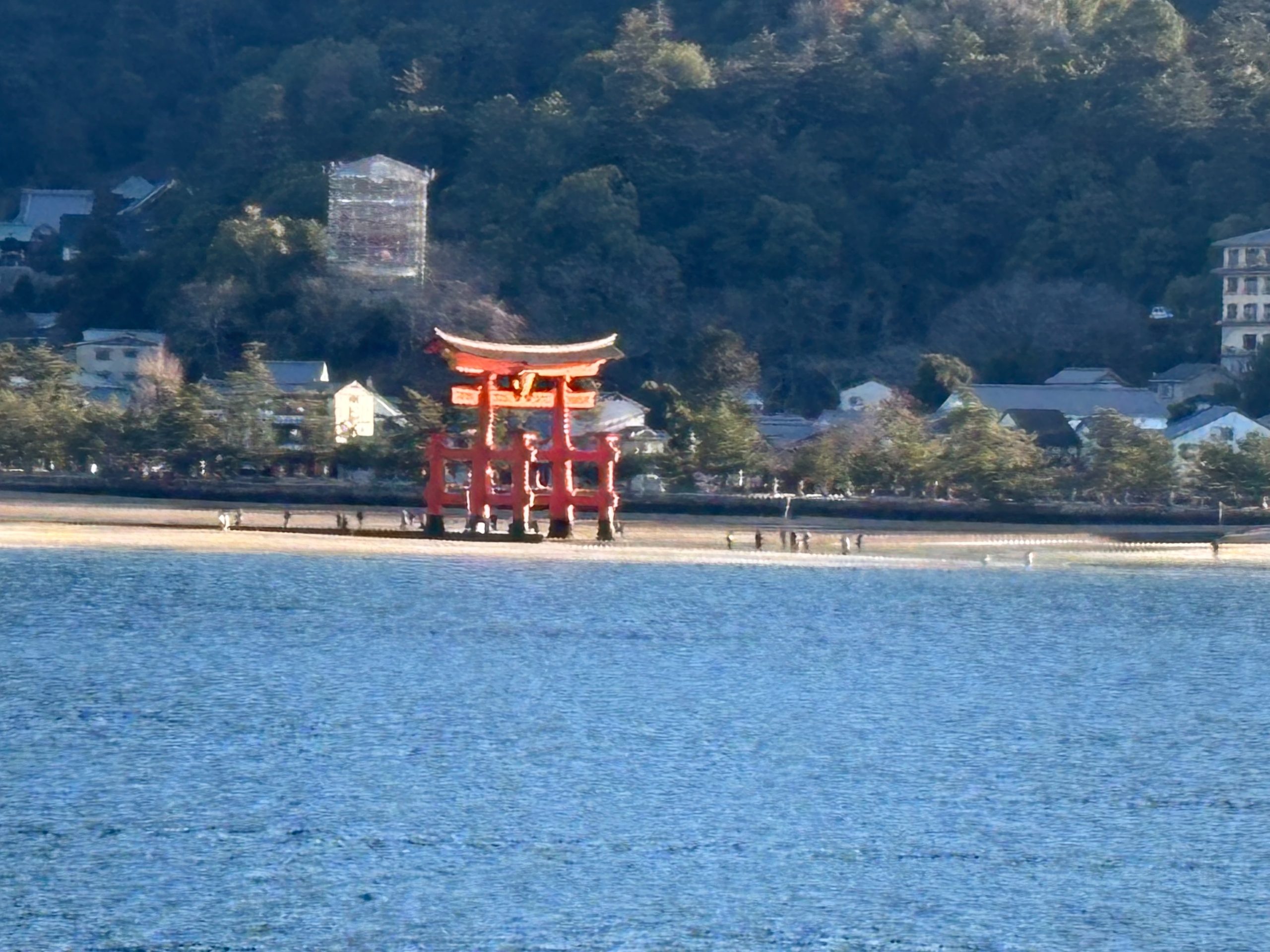
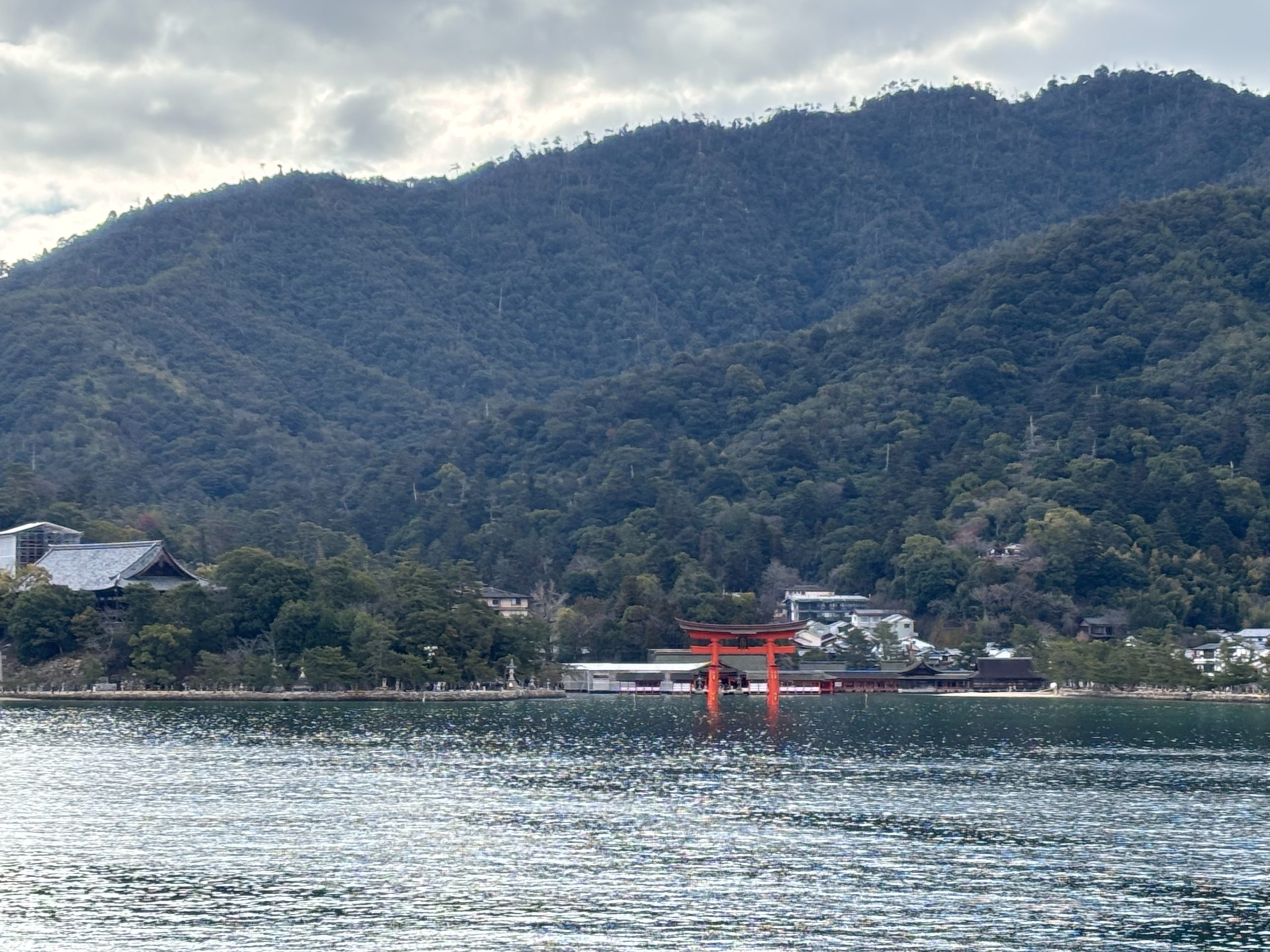
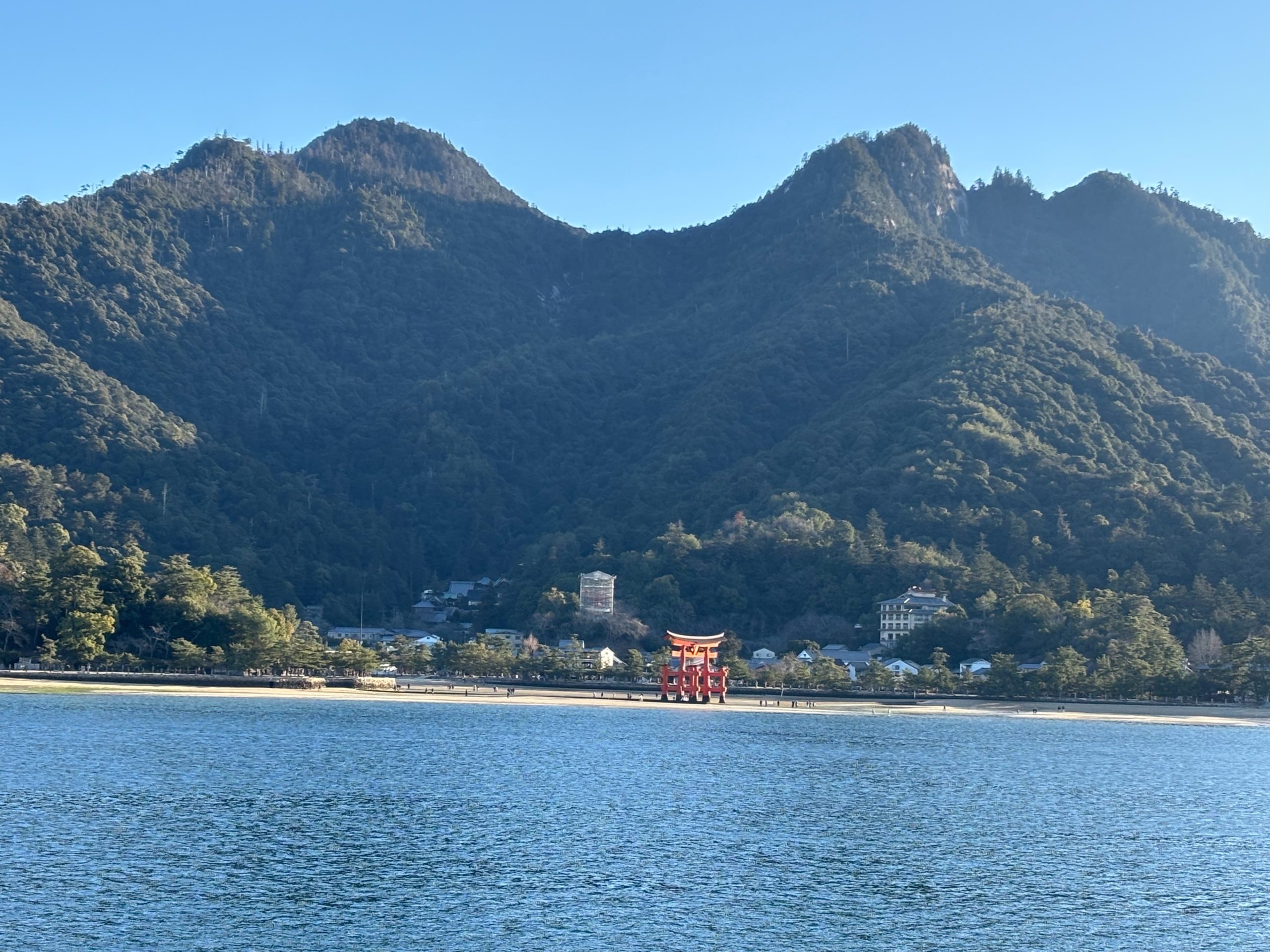
JR West’s signature is the “Great Torii Route,” which brings you up close to the iconic gate with Itsukushima Shrine perfectly aligned behind it—an unforgettable view you can only get from the water. JR runs early morning and late night departures (handy for commuters), and transportation IC cards are accepted.
Daytime Great Torii services typically depart Miyajimaguchi from 9:10 AM to 4:10 PM. When tides permit, the captain may add a dynamic close pass and gentle turn near the gate. For the best photos, stand on the starboard deck (right side in the direction of travel). Routes may change for safety (e.g., unusually high tides), so it’s wise to check same-day announcements. Vessels like the electric “Miyajima Maru” and “Misen Maru” are quiet with wide windows, making the short crossing feel like a calm mini-cruise.
Our family photographer (my husband) shared his shooting tips for the Great Torii Route: get into position on the starboard deck, and when the Great Torii Gate first comes into view, that’s your shutter moment. Our eldest always ends up with 100+ shots!
Miyajima Matsudai Steamship Co.
Miyajima Matsudai Kisen focuses on the fastest, most direct run. They offer great-value sightseeing passes, such as a set that combines the ferry with the Miyajima Ropeway, or a round-trip ferry ticket with a shopping voucher for popular Miyajima sweets. Transportation IC cards are accepted.
Ships are designed for comfort and accessibility. The “Aki,” for example, features wheelchair-priority spaces and barrier-free toilets, plus upstairs counter seats with power outlets. Product bundles are built around your day on the island: the “Enjoy Ticket” combines round-trip ferry + ropeway, while the “Miyajima Value Ticket” pairs round-trip ferry with a sweets voucher and a ¥200 shopping coupon. For views, head to the deck; in colder months, enjoy the scenery from a warm window seat inside.
This time, we traveled to Miyajima via JR West Miyajima Ferry
Between 9:10 AM and 4:10 PM, select JR departures operate as the “Great Torii Ferry,” approaching the gate. Boats run roughly every 15 minutes during this period, so if you miss one, another follows shortly.
We loved that you can frame Itsukushima Shrine directly behind the Great Torii Gate for a postcard-perfect shot—only possible on this route. The torii view from the ferry alone is worth the ride.
After arriving on Miyajima, head straight to World Heritage-listed Itsukushima Shrine. The kids burst out with “Wow!” when they see how beautiful it is.
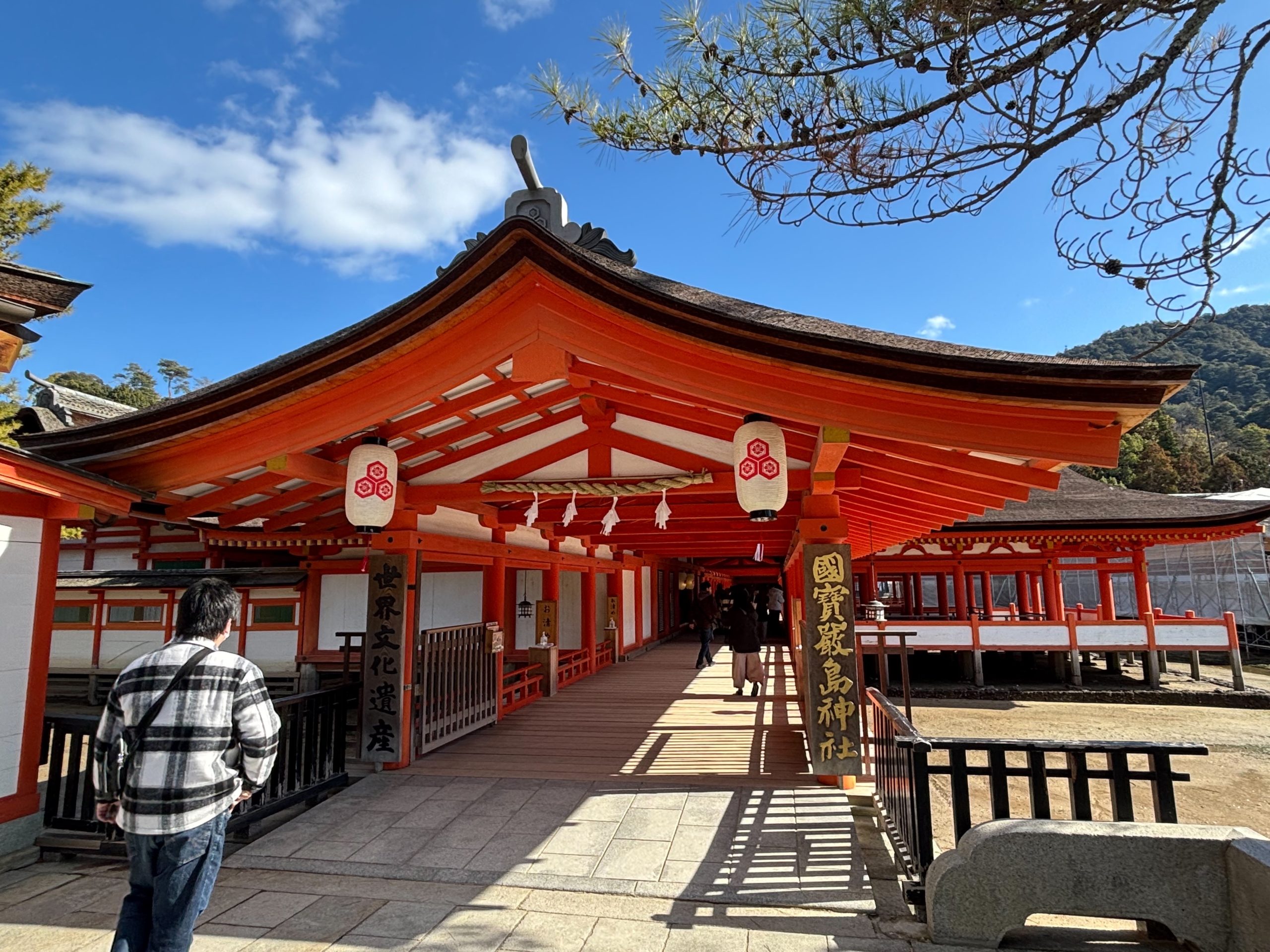
When you think of Miyajima, you think of Itsukushima Shrine. Cradled b...
Miyajimaguchi Ferry Terminal & Access
A step-free, barrier-free route connects JR Miyajimaguchi Station to the ferry terminal. Exit the gates, turn right, and take the ramp down to the underpass. Ride the elevator back to street level, then cross the pedestrian crossing to reach Miyajimaguchi Pier. It’s smooth for wheelchairs, strollers, and large luggage. The crosswalk can be busy at peak times; mind the signal and check for cars. Walking time from the station is about 5 minutes. If you’re unsure, just follow the “Ferry” signs in the station. On rainy days, arcades and overhangs cover much of the route, making it easy to stay dry.
Local tip: the parking lot behind Momiji Honpo at Miyajimaguchi often has space before 8:00 AM—good to know if you’re driving.
Inside the Ferry
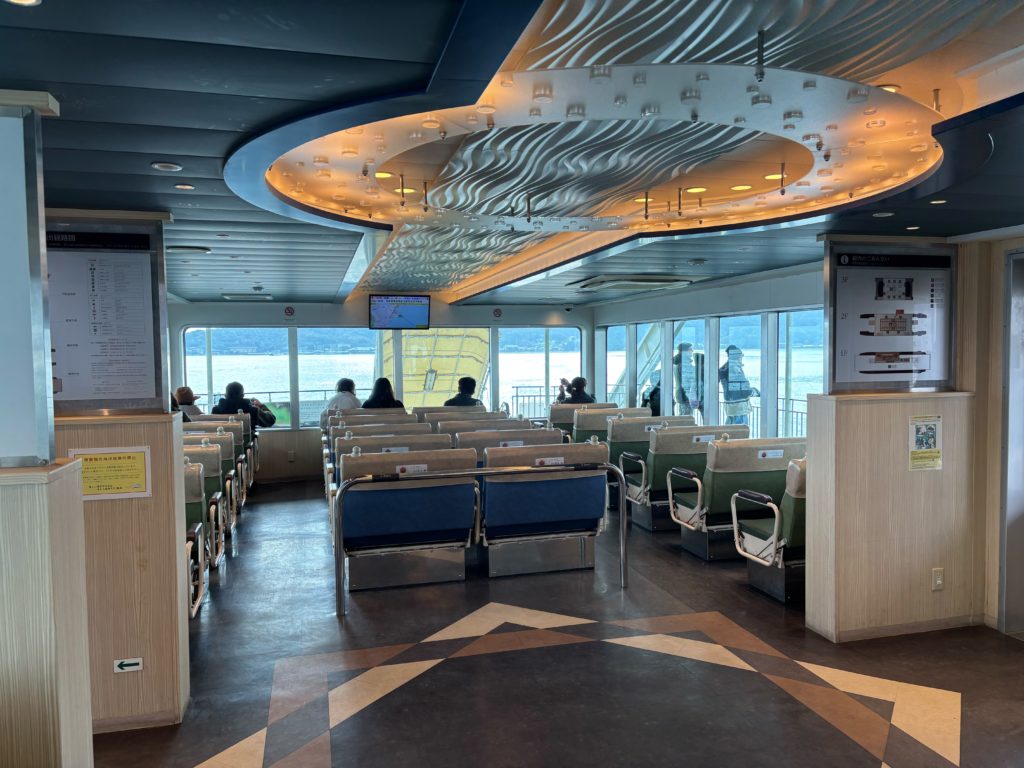
The interior is spacious, and even for someone prone to seasickness like me, the motion was mild. It’s a comfortable 10-minute cruise from Miyajimaguchi Passenger Terminal to Miyajima Pier. Our youngest pointed at the gulls and laughed, “The fish are watching us!”
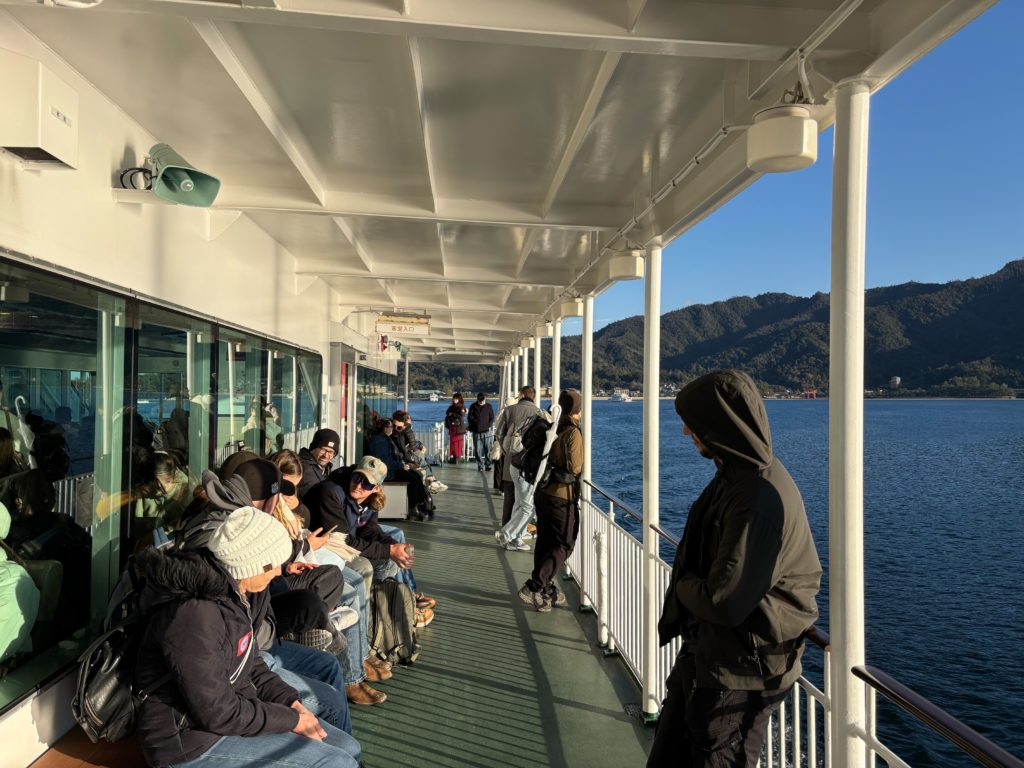
Many people choose to stand outside to soak up the views and sea breeze. Even on a chilly day, the decks are popular because the scenery is that good.
The first floor of the JR West Miyajima Ferry is barrier-free, with a dedicated wheelchair area, handrails, and spacious multi-purpose restrooms. You can purchase tickets while remaining in your wheelchair, and staff will assist with ramps for boarding and disembarking. Through the large windows, the Seto Inland Sea’s island-scape unfolds; step onto the deck and you’ll feel the Great Torii drawing nearer on the wind. On Miyajima Matsudai Kisen’s “Aki,” you’ll find power outlets at the second-floor counter—handy for charging your phone or organizing photos. All ships are non-smoking, and many are equipped with AEDs and free Wi-Fi (availability varies by vessel and time). For comfort, choose your spot by season: cozy cabins in winter, open decks in mild weather.
Fares
Adult: One-way 200 yen (Round-trip 400 yen)
Child: One-way 100 yen (Round-trip 200 yen)
Since 2023, Miyajima has added a 100-yen visitor tax. For an adult, that means 400 yen for the round-trip ferry + 100 yen visitor tax = 500 yen total.
Payment can be made in cash, and nationwide transportation IC cards (ICOCA, Suica, PASMO, etc.) are accepted for smooth boarding. If you want to save on transport and attractions, Miyajima Matsudai Kisen’s “Enjoy Ticket” is convenient (Round-trip ferry including the visitor tax + round-trip ropeway = Adults 2,100 yen, about 400 yen savings; Children 1,100 yen, about 200 yen savings). The “Miyajima Value Ticket” includes round-trip ferry plus a voucher for Miyajima sweets (like fried momiji or momiji croissants) and a ¥200 shopping coupon—perfect for a snack-and-sightseeing set.
If you’re heading up Mount Misen, the ropeway combo ticket is by far the best value! The kids will be thrilled by the breathtaking panoramic views.
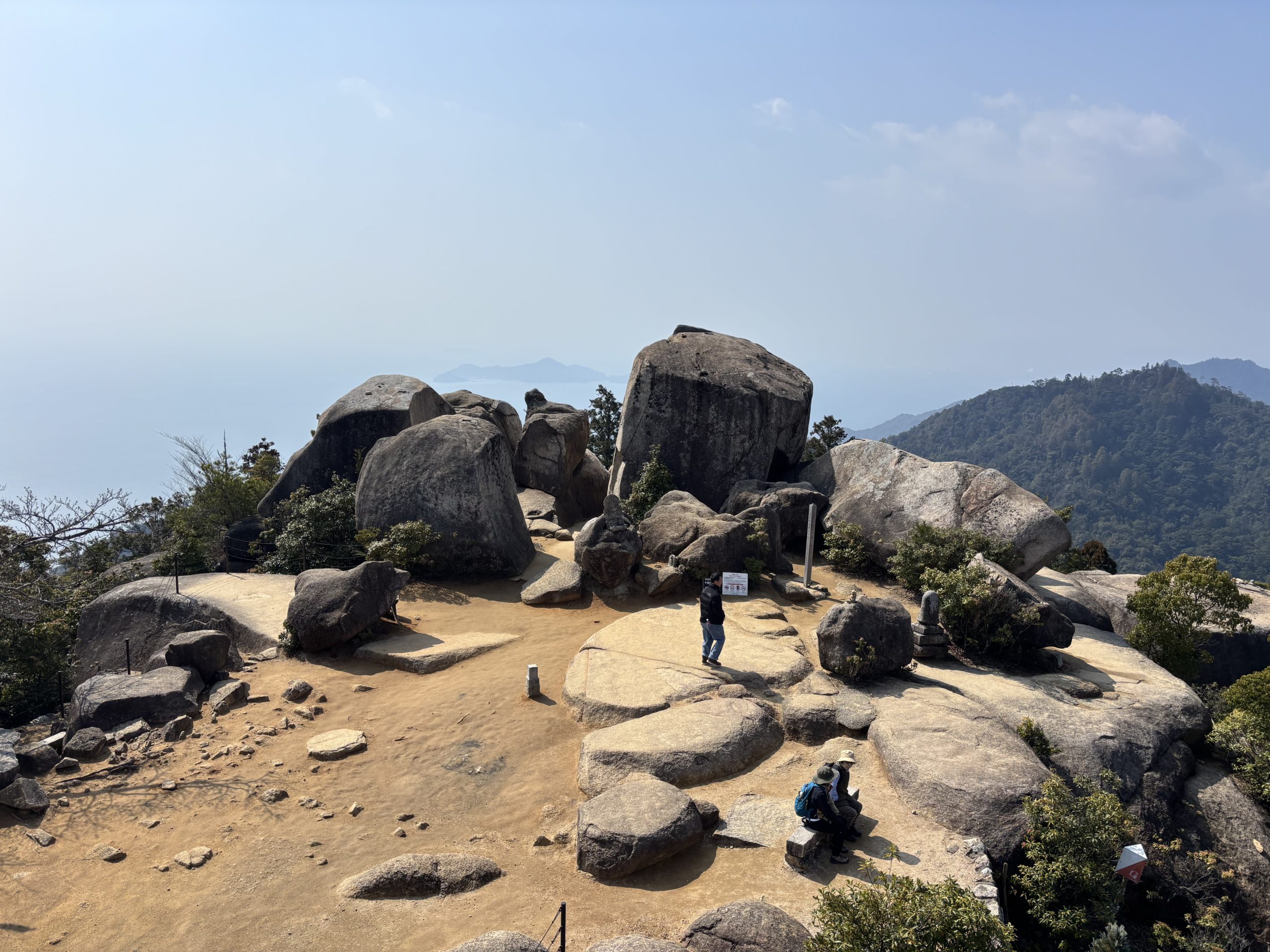
The definitive one-day guide to "Mt. Misen sightseeing." Rising behind...
Miyajima Pier
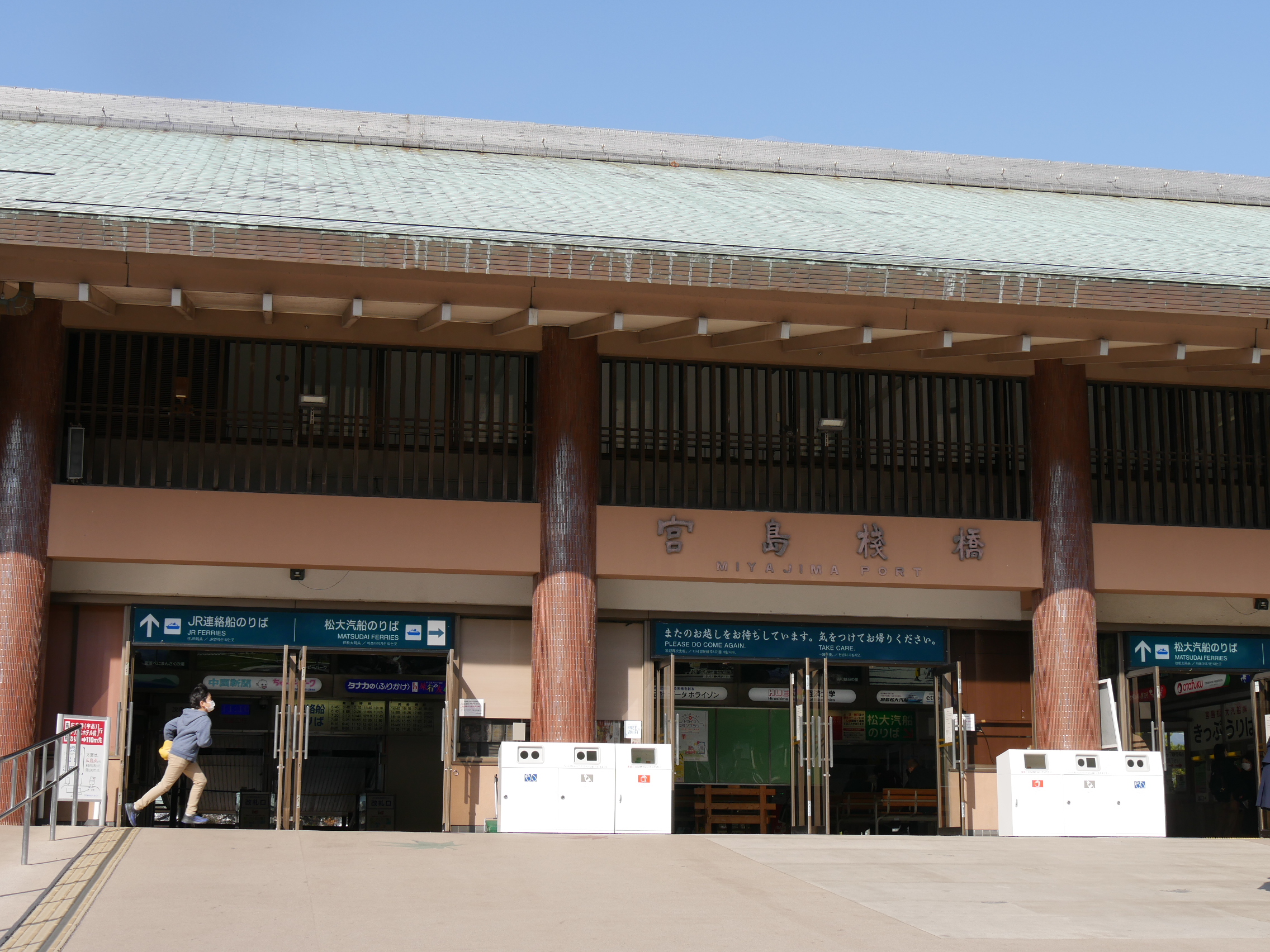
Upon arrival at Miyajima, the ferry terminal welcomes you with a tourist information center, shops, restrooms, and a rest area. The shop run by the Miyajima Tourist Association sells exclusive souvenirs and also offers wheelchair rentals.
The pier is easy to navigate, with ample barrier-free restrooms and plenty of benches. If you’re traveling with a stroller, it’s easier to organize your belongings near the ticket gates before moving on. From here, you can stroll straight to Omotesando Shopping Street on the way to Itsukushima Shrine. If you have time, pause by the waterfront near the pier—at high tide the water comes right up, and you might spot friendly deer. Bus stops for the ropeway and Momijidani Park are close by, which is handy if you have lots of luggage or on hot or rainy days.
Once you arrive on Miyajima, start with a food crawl along Omotesando Shopping Street—it’s great fun even with kids in tow!
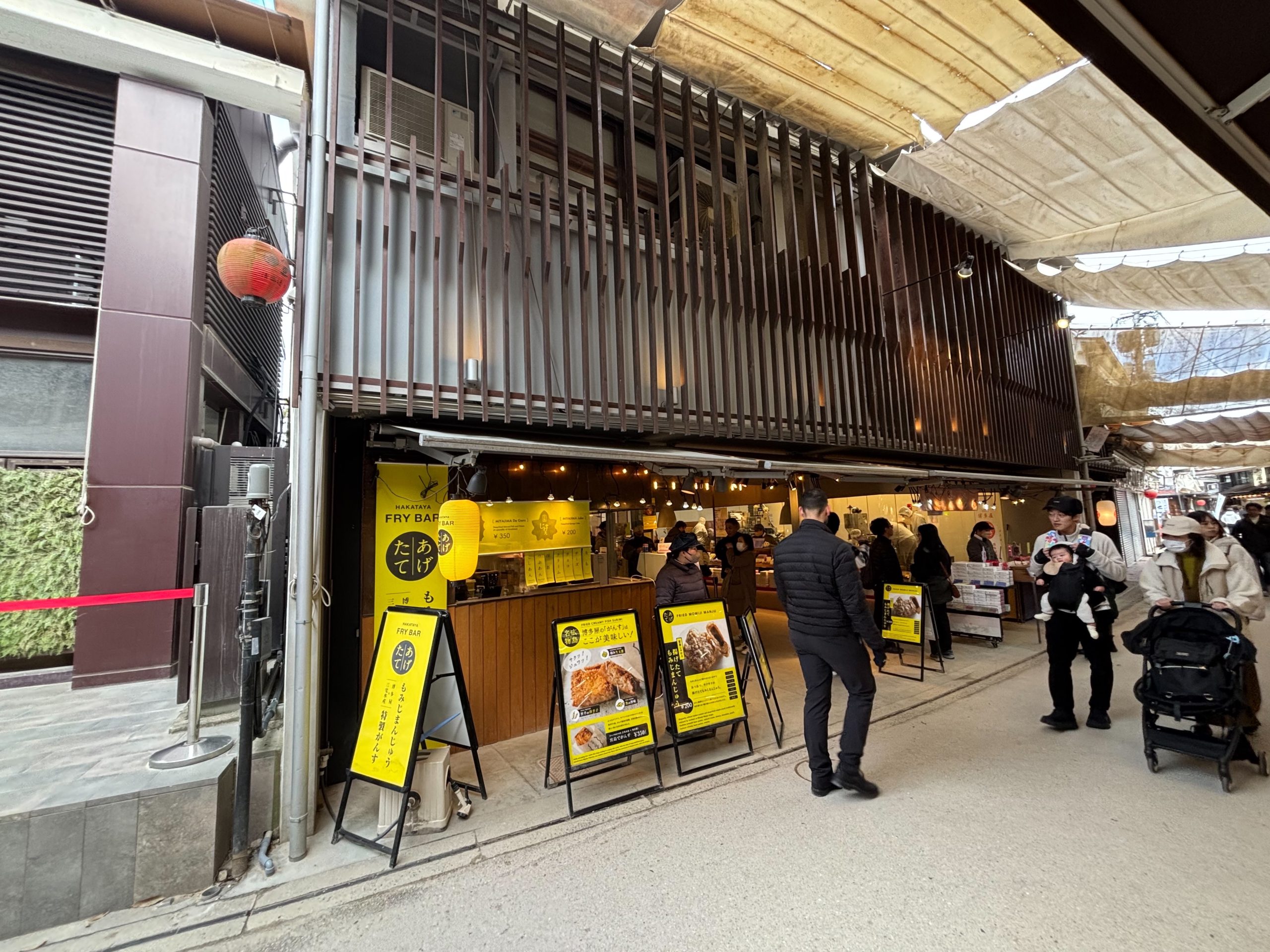
Omotesando Shopping Street stretches from Miyajima Pier to Itsukushima...
Taking the ferry is the highlight of Miyajima sightseeing!
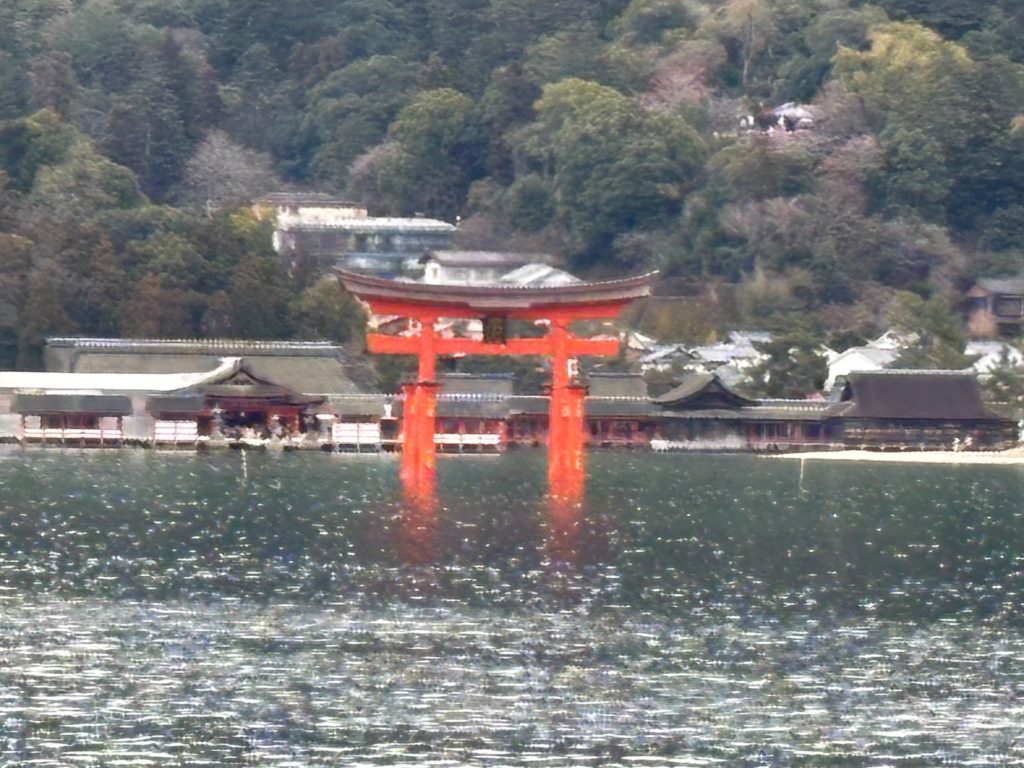
The JR Great Torii Route brings you close to the gate for that perfect shot of Itsukushima Shrine and the Great Torii together—your postcard moment.
For photos, take a daytime Great Torii (Otorii) service and stand on the starboard side. In direct midday sun, the shrine’s vermilion pops; on calm days you can capture the torii’s reflection on the water. When it’s windy, the open deck feels colder, so dress warmly; in summer, bring a hat and sun protection. The cabins are quiet enough for conversation, and even sensitive stomachs usually find the 10-minute crossing easy while focusing on the scenery. Time your return for golden hour to catch a romantic glow as the lights of Miyajimaguchi twinkle across the water—this sea-level perspective is a uniquely “Miyajima ferry” experience.
If you want to avoid crowds, weekdays between 2:00 PM and 4:00 PM are usually the quietest.
Speaking of Miyajima specialties, you must try anago rice! We’ve rounded up the best family-friendly restaurants.
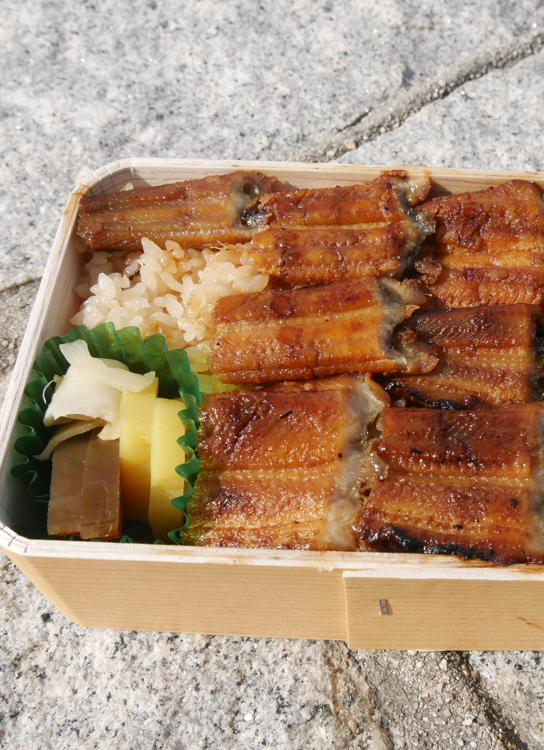
When visiting Miyajima, you absolutely must try anago-meshi (anago ric...
The Miyajima Aquarium (Miyajimarin) is perfect for rainy days and always a hit with the kids.
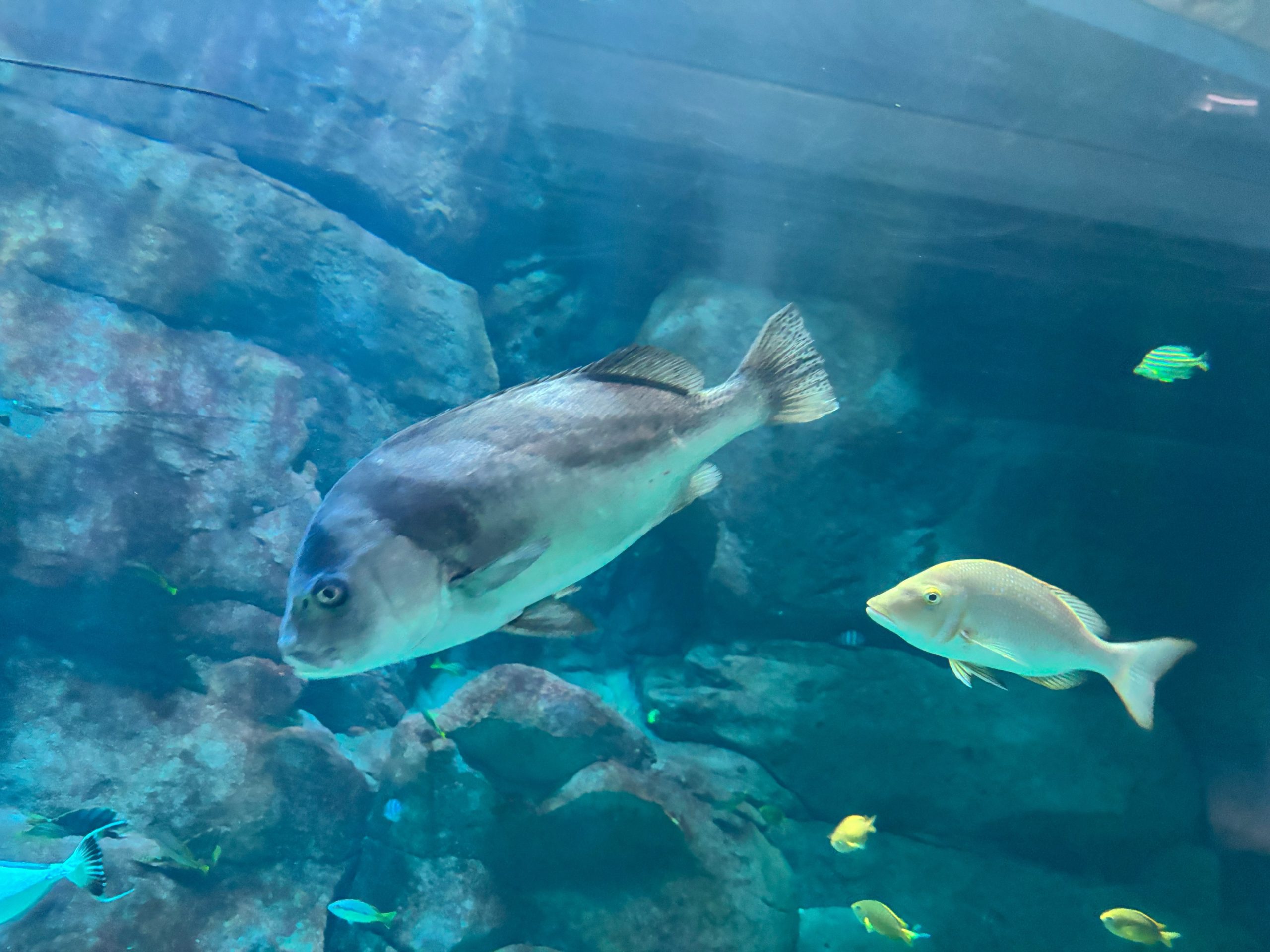
Located at the gateway to the World Heritage island of Miyajima, Miyaj...
Daisho-in Temple actually predates Itsukushima Shrine and is famous among locals as a powerful spiritual spot.

Your complete guide to Daishō-in Temple on Miyajima: history, what to do, spiritual experiences (sand stepping, fire walking, Kaidan Meguri), annual events, access, barrier-free info, and how to get a goshuin (temple stamp).
Senjokaku Hall is a hidden gem where kids can run around freely. Everyone local knows this, but there’s actually old graffiti under the floorboards!
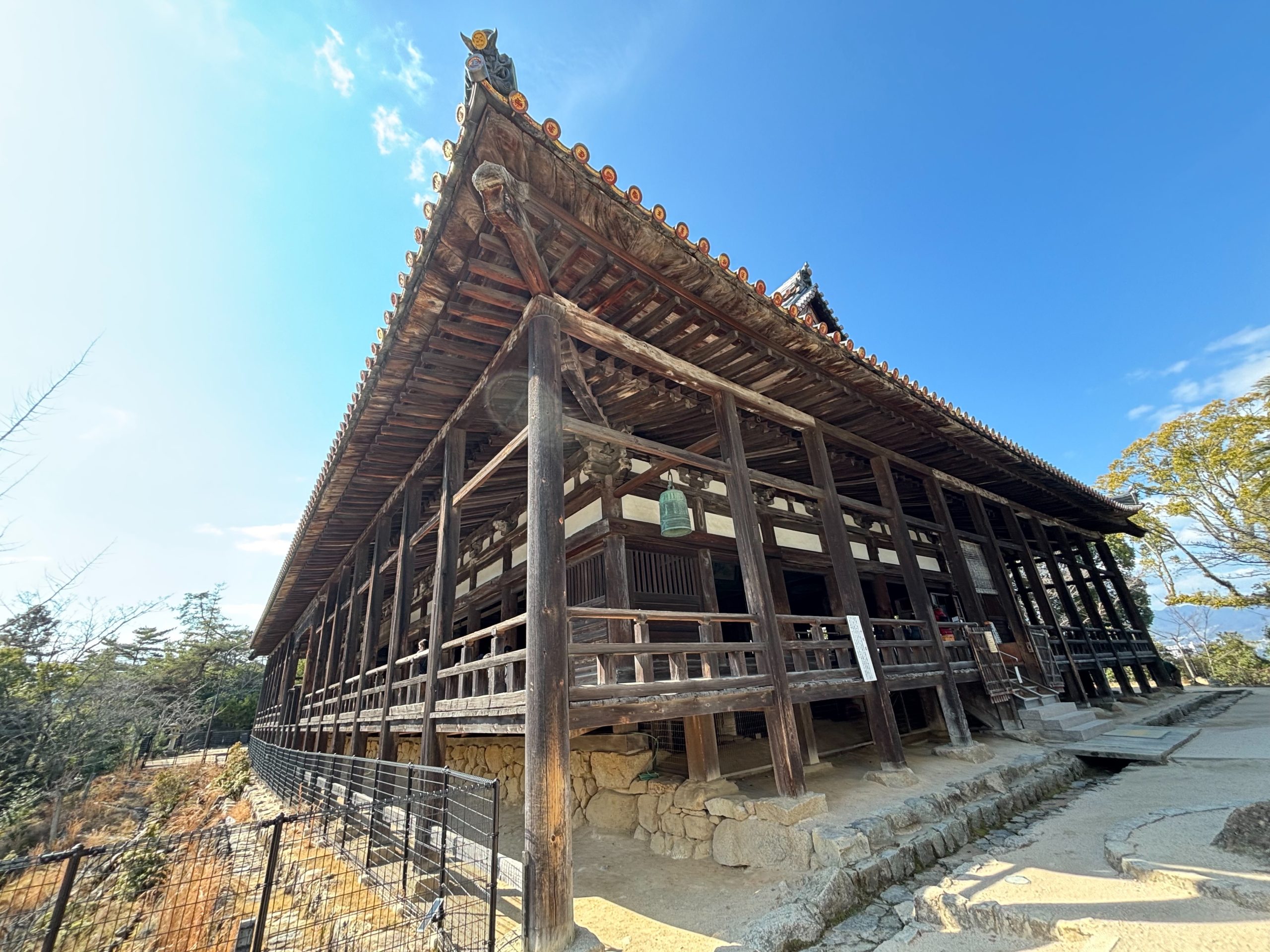
Highlights and Views at Miyajima's Hōkoku Shrine (Senjōkaku) Perched ...
Frequently Asked Questions (Q&A)
Q. How long does the Miyajima Ferry take? Does it change during peak times?
A. The sailing time is about 10 minutes one way. During holidays and peak seasons, you may wait longer to board, but the crossing itself is nearly the same. To minimize waiting, flexibly choose whichever operator has the next available departure.
Q. When is the best time to board the “Great Torii Gate Ferry” for the perfect photo?
A. JR’s Great Torii Route typically runs from Miyajimaguchi between 9:10 AM and 4:10 PM. Stand or sit on the right (starboard) side for the best angle. Routes may change due to tides or safety, so check same-day announcements. For accurate tide times, the Miyajima Tourism Association website is the most reliable (fisherman’s tip!).
Q. Can I board safely with a stroller or wheelchair?
A. Yes. Both the boarding area and ferry interiors are barrier-free. JR West’s first deck includes wheelchair spaces and multi-purpose restrooms, and staff assist carefully with ramps for boarding and disembarking.
Q. What payment methods are accepted on the ferry? Can I use IC cards?
A. Transportation IC cards such as ICOCA, Suica, and PASMO are accepted, and you can also pay in cash at ticket machines or counters.
Q. Are there any discount tickets? I want to combine it with the ropeway.
A. Miyajima Matsudai Kisen’s “Enjoy Ticket” bundles the round-trip ferry (including the Miyajima Visitor Tax) and round-trip ropeway, saving about 400 yen for adults and about 200 yen for children. Food lovers will enjoy the “Miyajima Value Ticket,” which adds a sweets exchange.
Q. Can pets board the ferry?
A. Pets are permitted under each company’s rules—typically requiring a carrier or leash and limiting access to outdoor decks (not inside passenger cabins). Be sure to check the latest details before departure.
Q. What’s the best order to visit Mount Misen?
A. After arriving by ferry, take the ropeway to Shishiiwa Station. Then follow the classic route to the Main Hall of Mount Misen, the Eternal Flame Hall (Reikido), and the Three Demons Hall (Sangido). The observation deck offers sweeping views of the Seto Inland Sea.
Q. Are group tours or chartered cruises possible?
A. JR West Miyajima Ferry accepts inquiries for chartered cruises around Miyajima or to Kure/Etajima—ideal for special events or group travel. High tide times for Itsukushima Shrine are posted in real time on the official Twitter account; use that as a reference.