
Omotesando Shopping Street stretches from Miyajima Pier to Itsukushima Shrine and brims with Hiroshima oysters, momiji manju (maple-leaf–shaped cakes), and traditional craft shops. Most stores open around 10:00 AM and close by 5:00 PM. Because the street begins right at the ferry, you can start snacking the moment you arrive. Rest areas and trash bins are dotted along the route, making it easy even for first-time visitors. Please refrain from eating or drinking while walking; enjoy your purchases at shop fronts or designated rest spots. Miyajima’s friendly wild deer sometimes try to nab food—watch them from a distance and do not feed them. My younger daughter mistook the deer for horses saying “Horsies!”—it’s become a family joke. Access is simple: from JR Hiroshima Station it’s about 30 minutes by JR train or 70 minutes by tram to Miyajimaguchi, then a 10-minute ferry ride to Miyajima. Even on a short visit, you can enjoy a delicious, concentrated food tour.
For detailed access information from Miyajimaguchi, I’ve put together a comprehensive guide. The JR ferry is especially recommended for families with children for its comfort and convenience.

The Miyajima Ferry is more than simple transport—it's a short scenic c...
Main Street for Savoring Miyajima Specialties
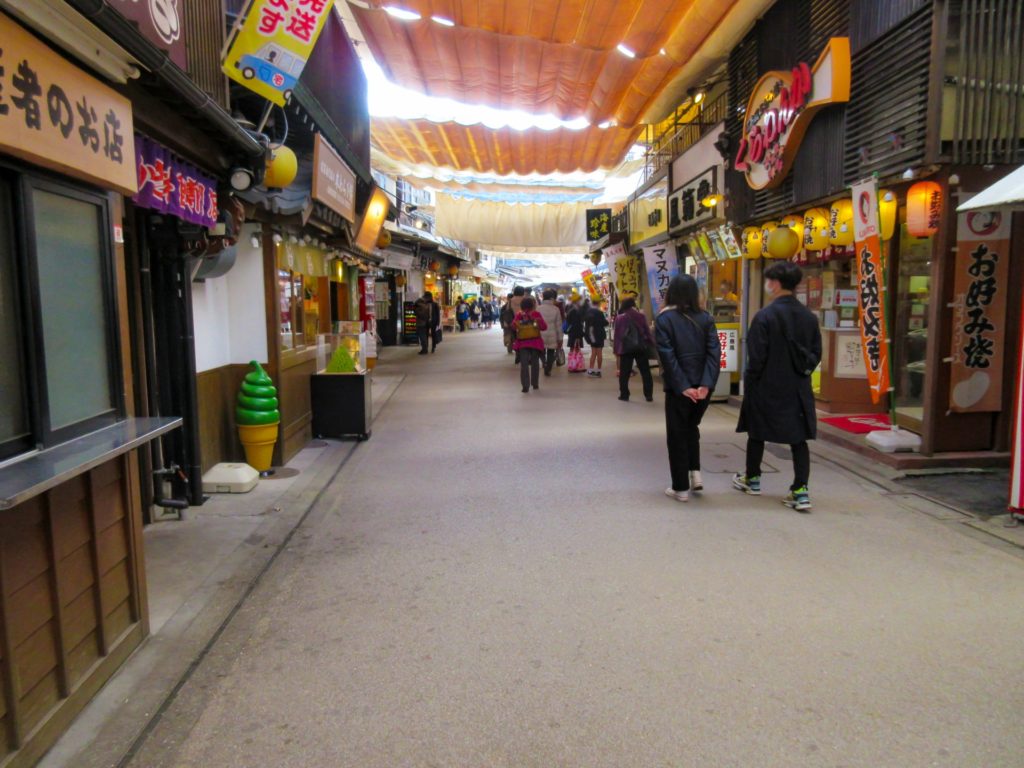
Miyajima’s Omotesando Shopping Street runs about 350 meters and stays lively from the morning rush to evening close. The golden rule of Miyajima street food is to enjoy it by the storefront or at rest areas—eating or drinking while walking is considered poor manners. Midway along the street you’ll find a free rest space with benches and the TOTO Miyajima Omotenashi Toilet, plus trash bins. Baby changing stations are equipped in almost all public restrooms, making it family-friendly. Because deer may approach, tuck any food into a bag when you’re not eating. For smooth sightseeing, start with sweets—queues tend to be shorter early—move to grilled oysters or Hiroshima-style okonomiyaki around lunch, then wrap up with coffee or local craft beer in the afternoon.
(Author’s impression) Watching shop curtains lift in unison each morning, you can feel the street spring to life. Taking a quiet pause on a bench while deer wander past feels like a luxury. My older daughter once started writing an observation diary saying “The deer are taking a walk!” The whole avenue is a gallery of “getting to know Miyajima through its food,” with each shop telling its own story. Even at busy times, the easy smiles and give-and-take make you want to stroll it again and again. As a local tip, weekday afternoons from 2:00 PM to 4:00 PM are the quietest if you want to avoid crowds.
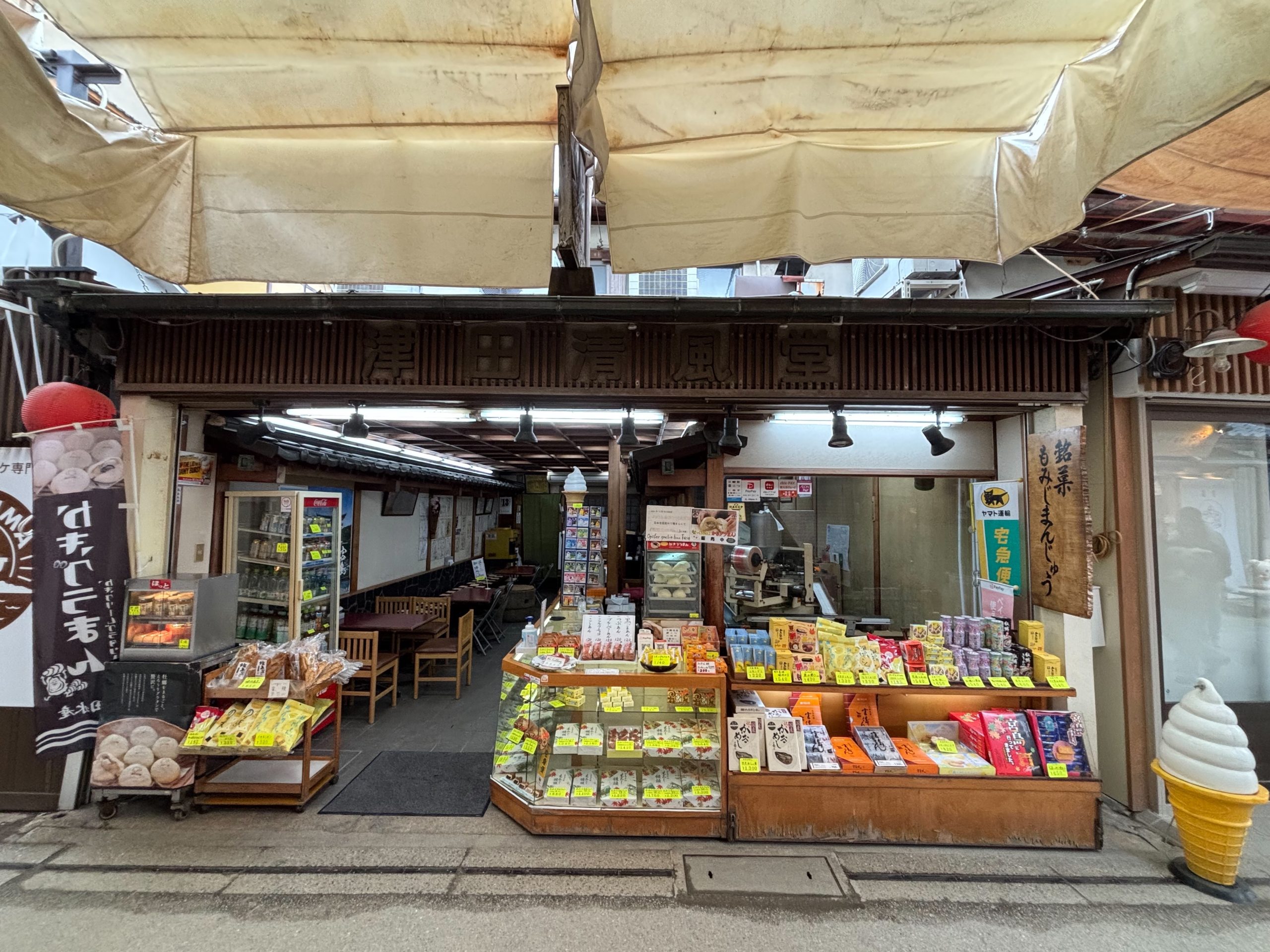
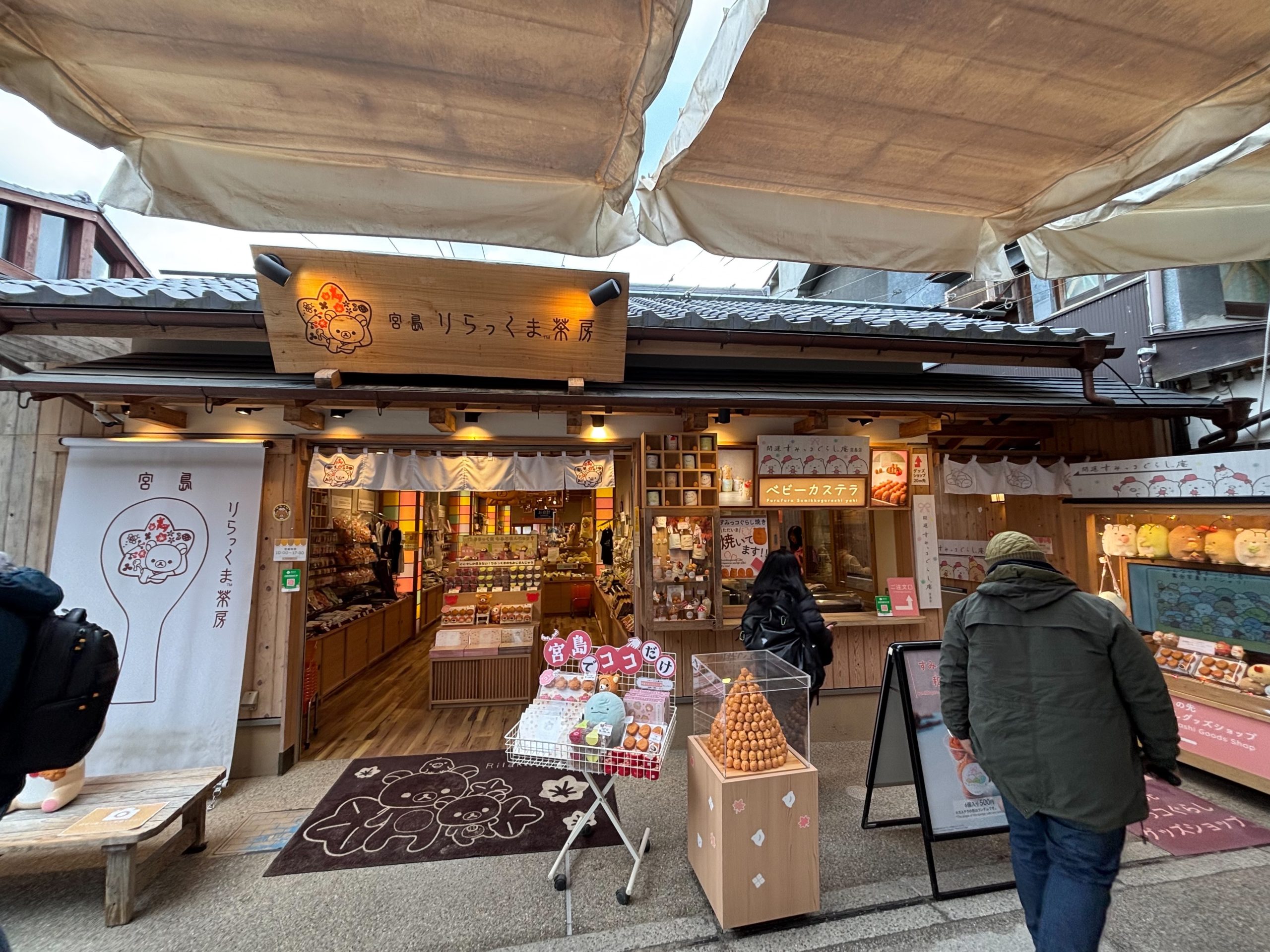
Miyajima Omotesando Shopping Street links Miyajima Pier to Itsukushima Shrine in a straight, walkable line. You’ll find traditional folk crafts and souvenirs—earthenware bells, wooden rice paddles (shamoji), and Miyajima papier-mâché (hariko)—alongside momiji manju bakeries and eateries serving oysters and okonomiyaki. Tourists happily lunch, snack, and pick souvenirs all day long. It’s no exaggeration to call this Miyajima’s main street, and each retro facade adds to the charm.
After enjoying your food walk, the World Heritage Itsukushima Shrine awaits at the end of the street! The mystical floating torii gate offers completely different experiences at high and low tide.
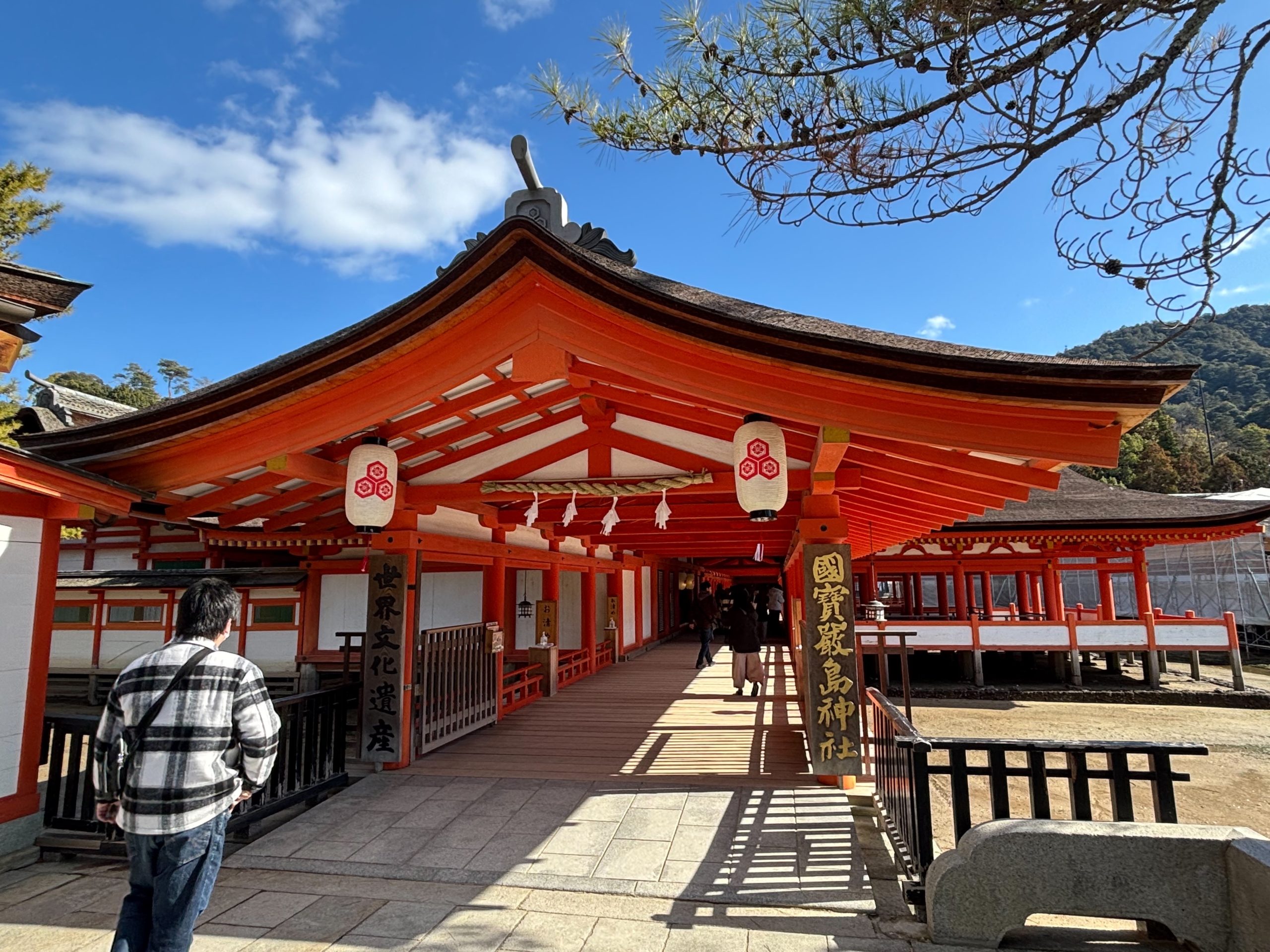
When you think of Miyajima, you think of Itsukushima Shrine. Cradled b...
History of Omotesando Shopping Street
The street traces its roots to late Edo-period land reclamation, and its modern visitor route took shape with road improvements in the early Showa era. It adopted its current name in the early 1980s and still blends old and new local specialties. A highlight is the mix of traditional craftsmanship with fresh ideas—think evolving street foods like “fried momiji” and “one-handed okonomiyaki.” Stroll through layers of history while tasting today’s flavors.
(Author’s impression) The contrast between photo-worthy retro storefronts and inventive, new-wave sweets is irresistible. Even as times change, the constant here is human hands and ingenuity. My husband loves taking family photos saying “Look, the same shop from the old photos!” right next to modern sweet creations.
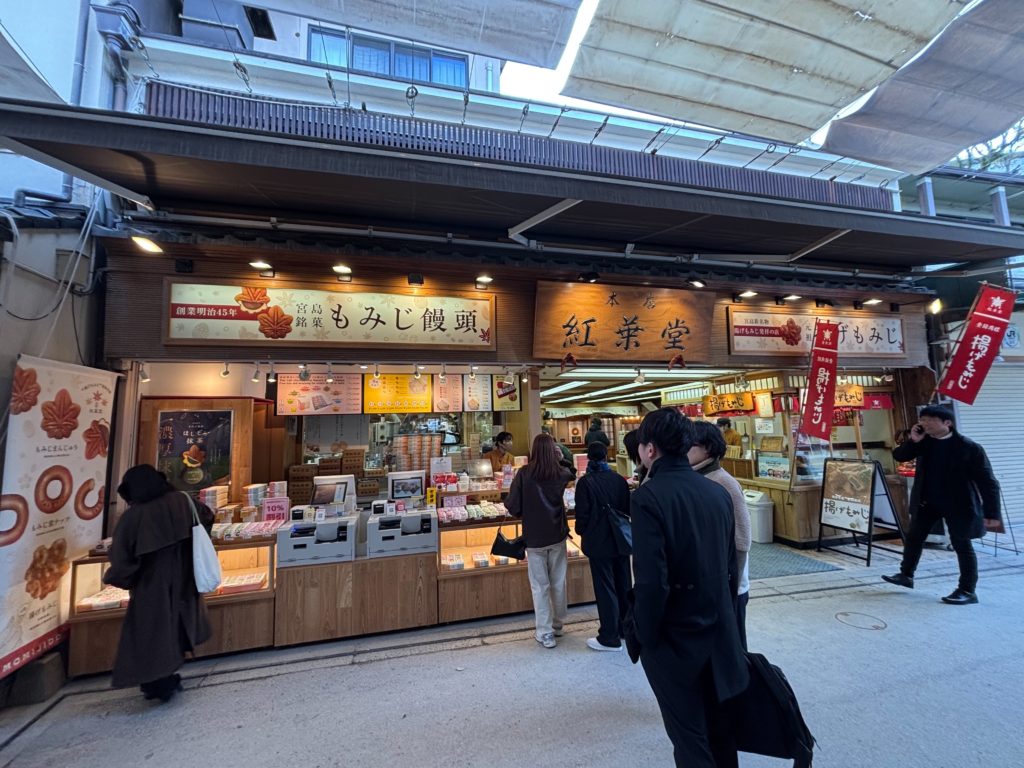
Though these photos were taken in winter, the sturdy sunshades you see offer solid protection from summer UV rays.
Shop Spotlight: Snack Edition
For savory street food in Miyajima, the sweet spot is “easy to hold” plus “fresh off the grill.” Many bites are designed for one-handed eating, and the warmth of just-fried or freshly grilled items is part of the magic. Popular shops may sell out or draw lines, so aim for morning to early afternoon. Many stands offer small flavor boosts—sansho pepper, lemon, or house sauces—so you can find your perfect pairing with soda or a local craft beer.
(Author’s note) The steam and tangy sauce aromas hook you, and suddenly you’re lining up “just one more time.” They’re snackable yet deeply satisfying—the kind of food that puts a spring in your step. My older daughter always says “Mama’s face looks so happy!” when I taste something delicious here.
Hayashi’s Grilled Oysters & Raw Oysters
Hiroshima oysters—famed across Japan—are expertly grilled to lock in briny umami, with a tender, almost steamed interior and a smoky aroma. A squeeze of lemon brightens the sweetness of the sea. During busy times, there may be a short wait, but that sizzling first bite is worth it. Oyster size and origin vary by season; check the chalkboard or storefront notes to choose your favorite.
Pettarapottara Honpo’s Pettarapottara
A Miyajima-style skewer of charcoal-grilled mochi (chewy rice cake) brushed with a sweet-savory sauce and topped with oysters. Crisp outside, elastic inside—the sauce blooms first, then the ocean umami follows. It’s easy to carry, but the sauce can drip; catch it with a napkin and savor it slowly on a bench.
Fried Oyster Skewer & Anago Rice Skewer
The Anago Rice Skewer kneads chopped, grilled anago—saltwater conger eel, a beloved local food in Japan and a specialty of Hiroshima—into seasoned rice, formed into a stick and lightly battered. Double-frying makes it extra crisp outside while the rice stays fluffy and the eel flaky. A dusting of fragrant sansho adds citrusy spice. Freshly fried oyster skewers are the star in any format—sauced or with tartar—and pair beautifully with craft beer.
If you enjoy the anago rice skewer, you should definitely try the authentic version at a proper restaurant. I’ve compiled a guide to the best spots for experiencing Miyajima’s signature anago rice at its finest.
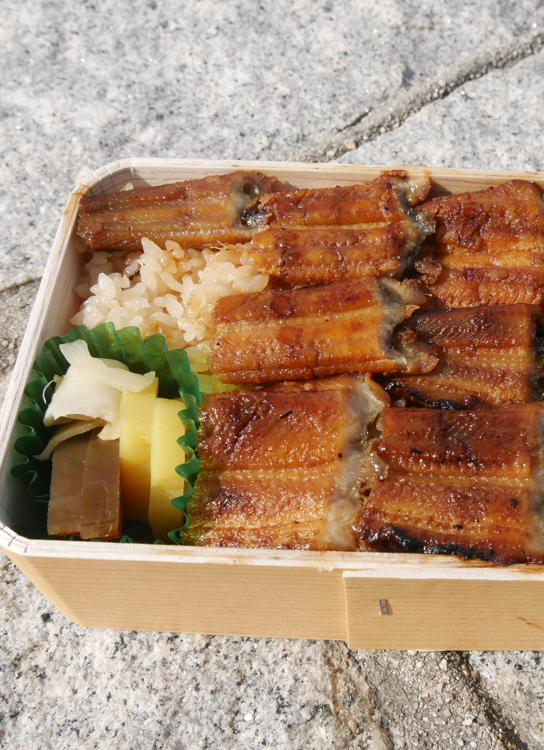
When visiting Miyajima, you absolutely must try anago-meshi (anago ric...
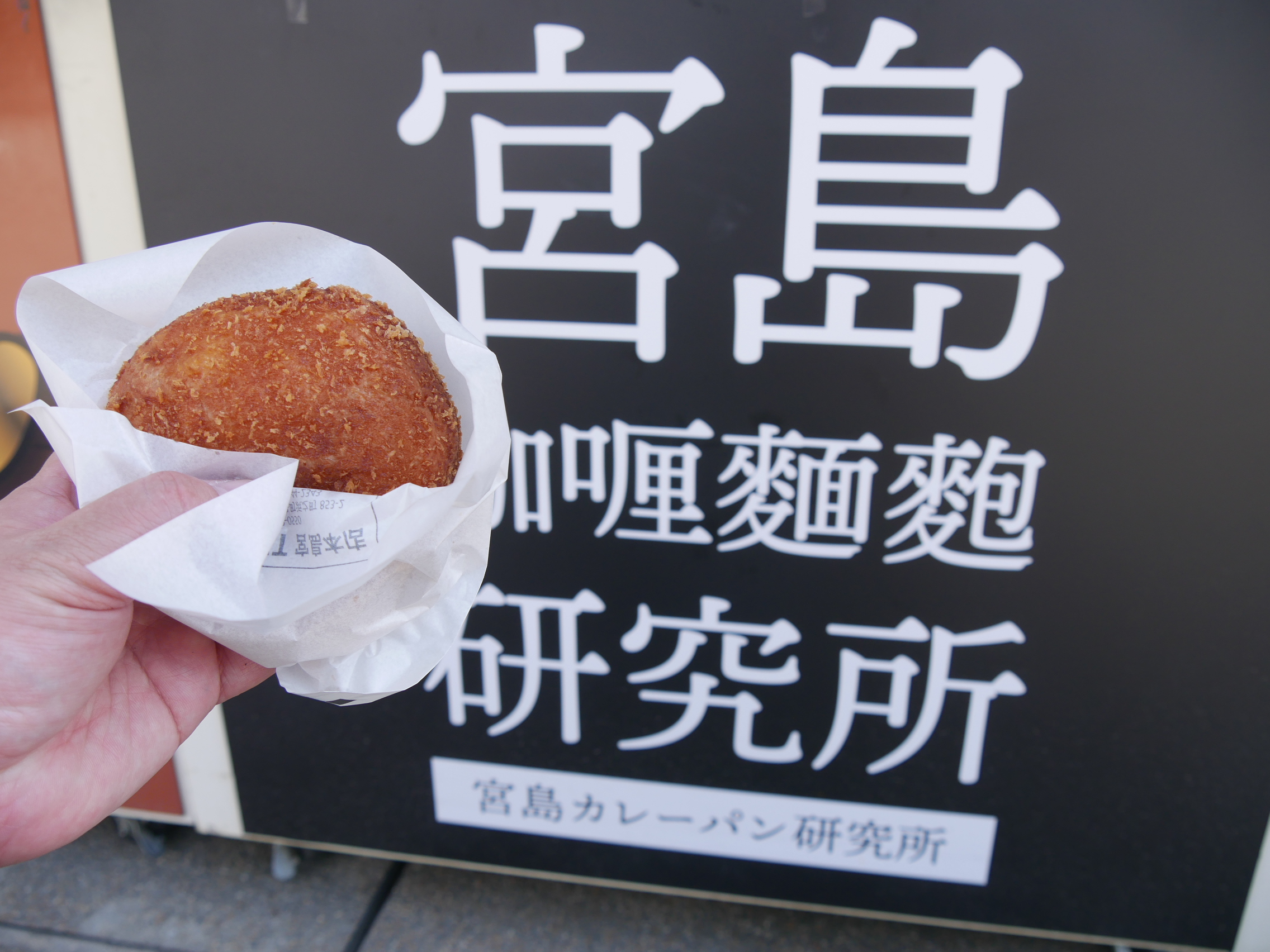
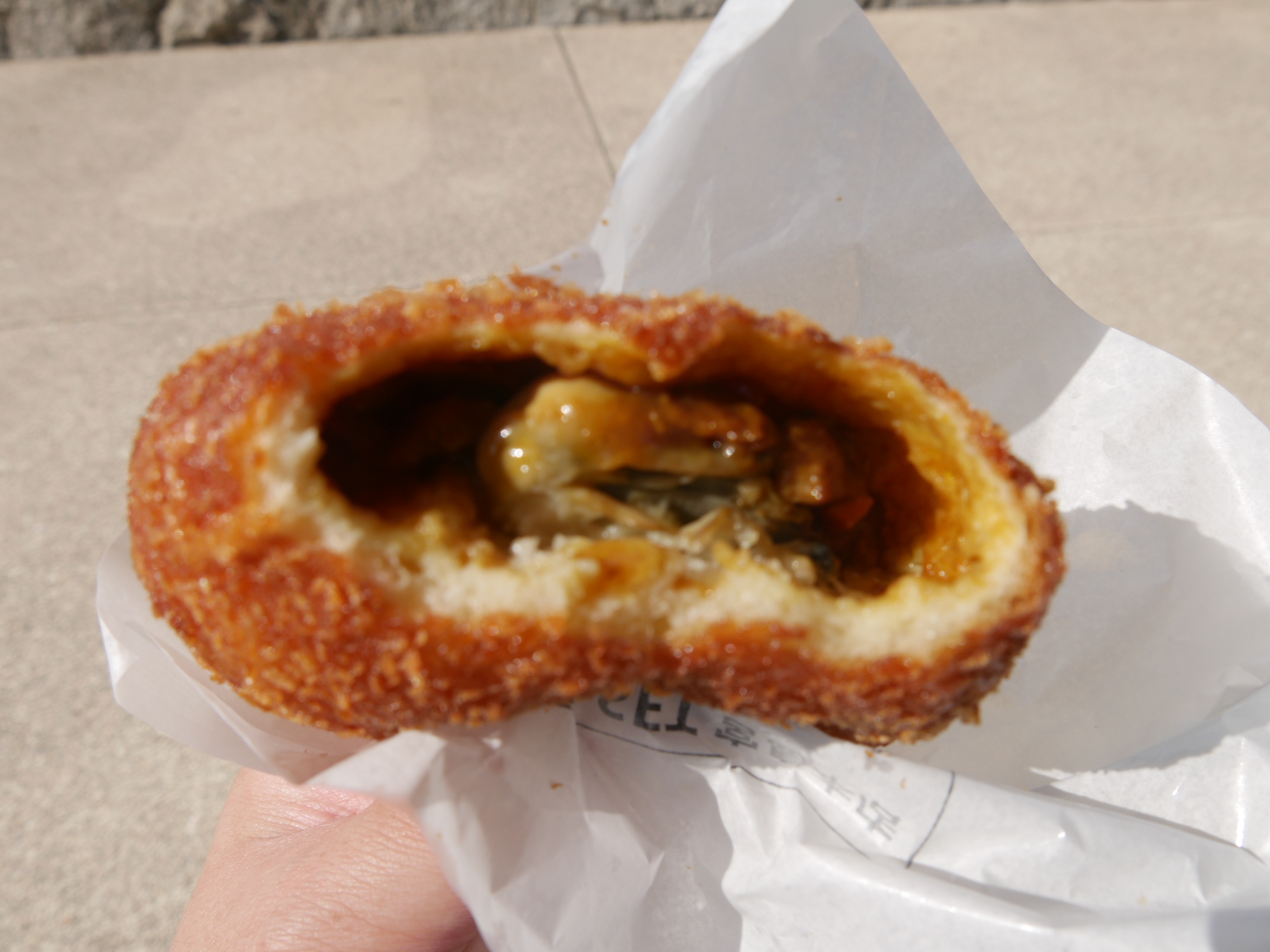
Miyajima Curry Bread Lab’s Oyster Curry Bread
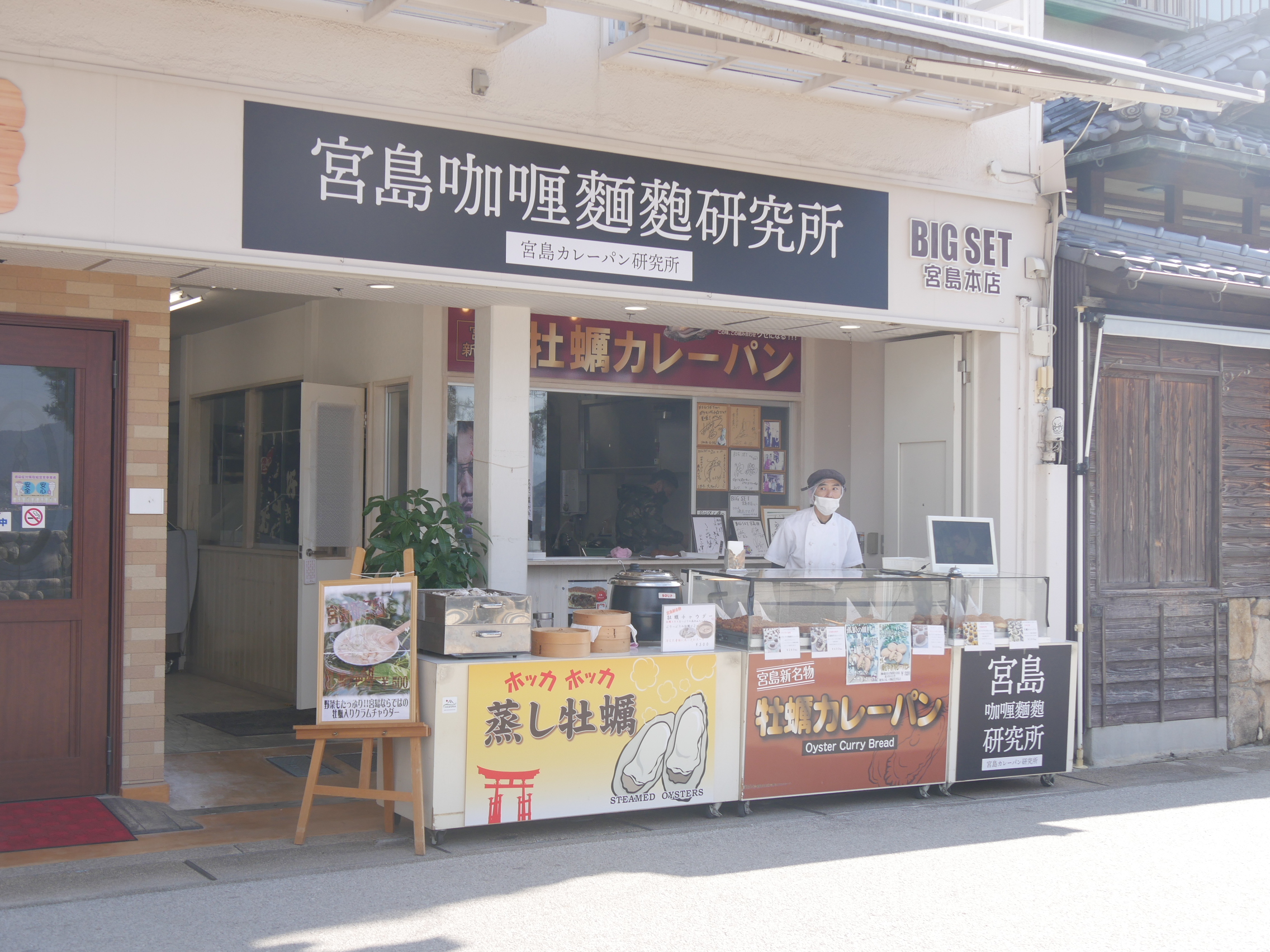
A blend of coarse and fine breadcrumbs fries up extra crisp and fragrant, with two steamed oysters tucked inside. The curry layers beef and seafood umami, staying rich even after it cools. It’s incredibly popular—on busy days more than 2,500 sell—so arriving early is smart.

Miyajima Yokocho’s Oyster Oko
“Walking Oyster Oko” reimagines Hiroshima-style okonomiyaki into a crisp, U-shaped handheld: fried batter cradling yakisoba noodles, grilled oysters, green onions, pickled red ginger, and a sunny-side-up quail egg. It’s perfect for strolling. Because noodles cool quickly, catch it hot off the griddle for peak flavor.
Shop Spotlight: Sweets Edition
Miyajima’s sweets range from classic dough-and-filling to fried treats, croissants, and gelato. Discovering each shop’s particular craft makes the flavors shine. Limited items are best in the morning, when the full lineup is available. Start sweet, switch to savory at lunch, then circle back for coffee or soft serve—the rhythm of your stroll makes each bite more memorable.
(Author’s note) Miyajima excels at “classic yet new.” The shatter of a crispy shell, a buttery aroma, the cool glide of gelato—before I knew it, my camera roll was full. My younger daughter always says “I want to try everything!” with sparkling eyes.
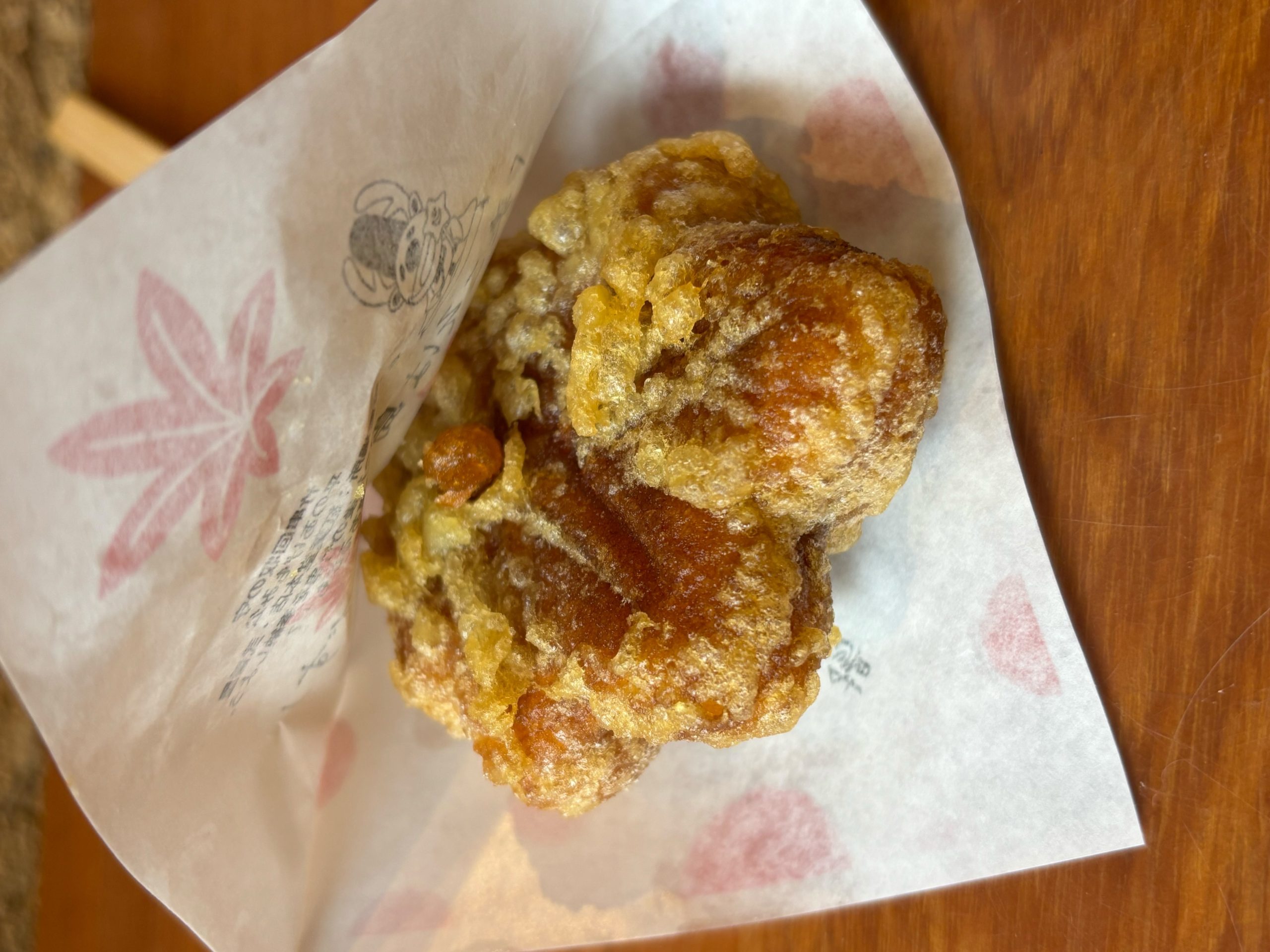
Momijido’s Fried Momiji Manju
This hit sweet deep-fries momiji manju—maple-leaf cakes typically filled with smooth red bean paste—into a light, crunchy batter with several fillings or creams that change the character. It began as a delicious way to use imperfect cakes and is now a Miyajima icon. It comes out hot; wait a moment, then bite carefully. According to a local I spoke with, Momijido’s fried momiji are crispiest first thing in the morning!
If you’re curious about trying different fried momiji variations, I’ve compared the best shops offering this evolved momiji manju. These crispy treats are incredibly popular with both kids and adults!
Planning a Miyajima food tour and wondering what to eat in Miyajima be...
Yamada-ya’s Rolled Momiji
A shop-exclusive, bite-sized treat that’s fun to dip for different flavors. You can also try hand-baking (for a fee) and stamp your own mark—a great memory for families and groups. My older daughter proudly declared “The momiji manju I made myself is the best in the world!”
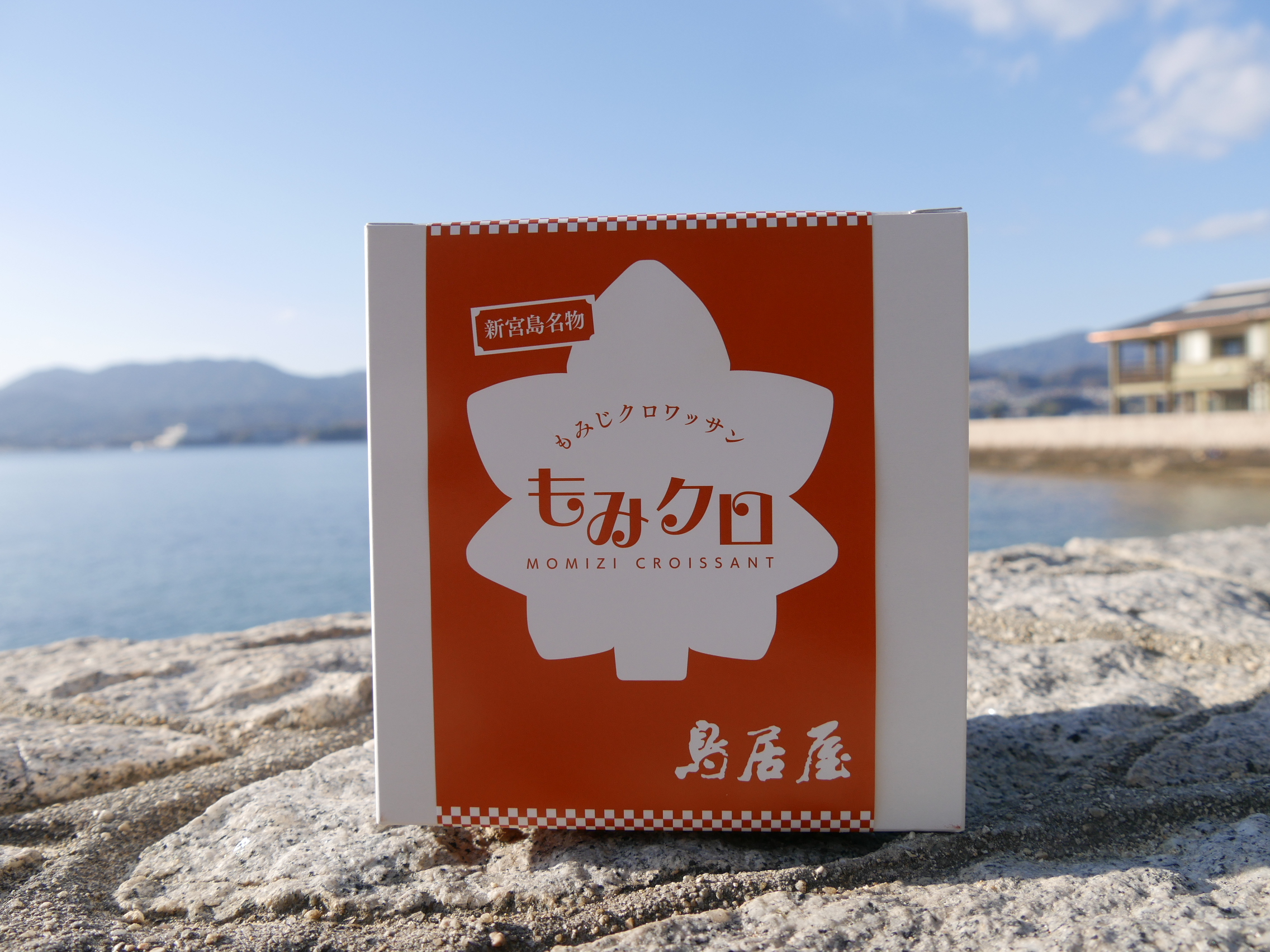
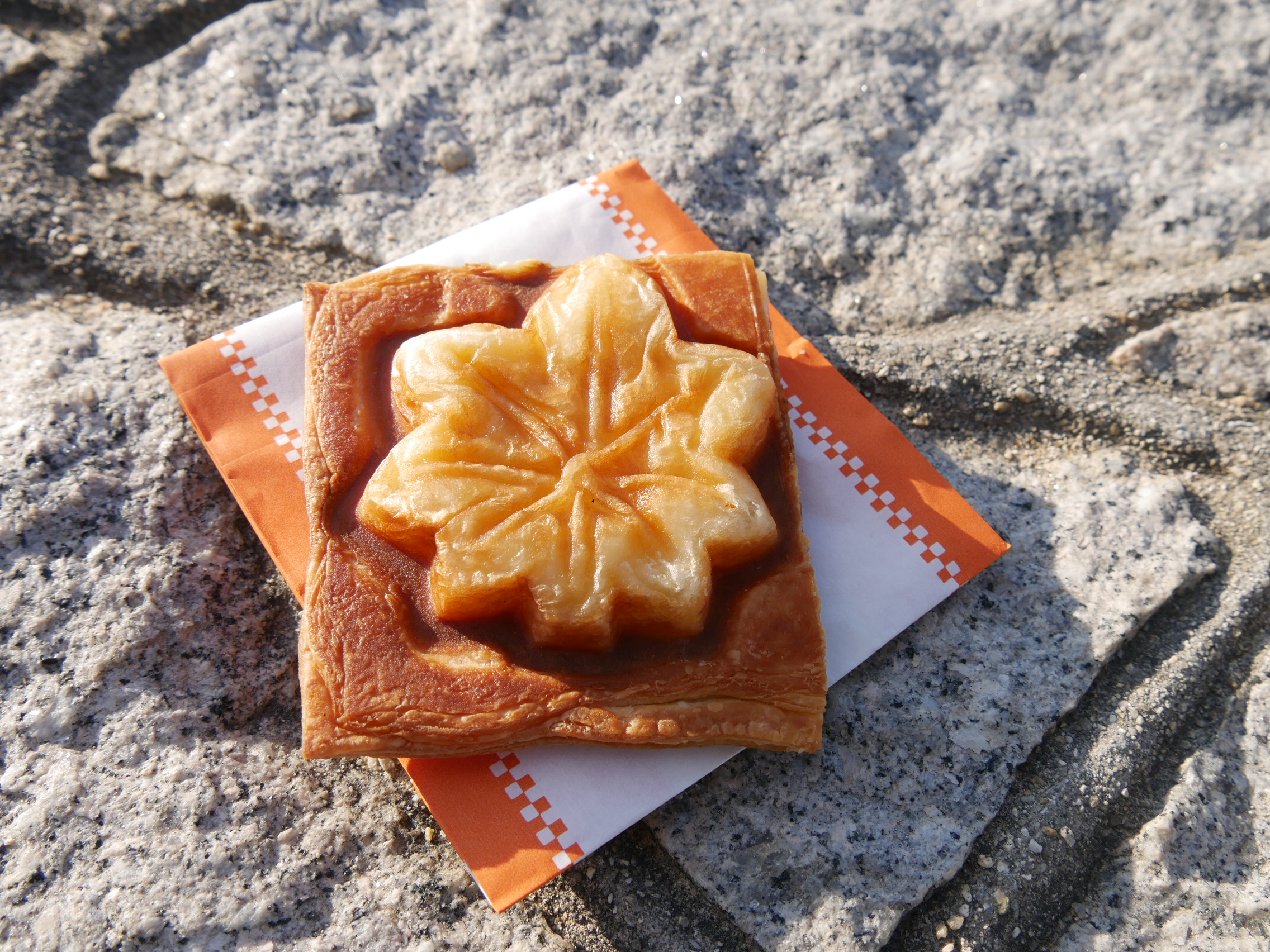
Toriiya’s Momiji Croissant
Layered croissant dough is feather-light, and the buttery aroma pairs beautifully with sweet bean paste or chocolate. The chocolate version especially nails the sweet-salty balance. Most varieties are available right after opening (around 9:00 AM). Once a batch sells out, that’s it—so go early.
A local favorite souvenir is Iwamura Momijiya’s “Cheese Momiji.” You might not find it on Omotesando Shopping Street, but it showcases the depth of Miyajima’s momiji manju culture.

Katsutani Bakery’s Koppe Bread
About 30 varieties of koppe-pan—soft Japanese rolls—include fun local collaborations like “Umai de Gansu,” featuring Hiroshima’s beloved Gansu snack. Accents like cabbage, mayo, and yuzu pepper add a spicy, citrusy kick. With both sweet and savory options, they’re ideal for a light meal or snack.
Gelateria BACCANO’s Gelato
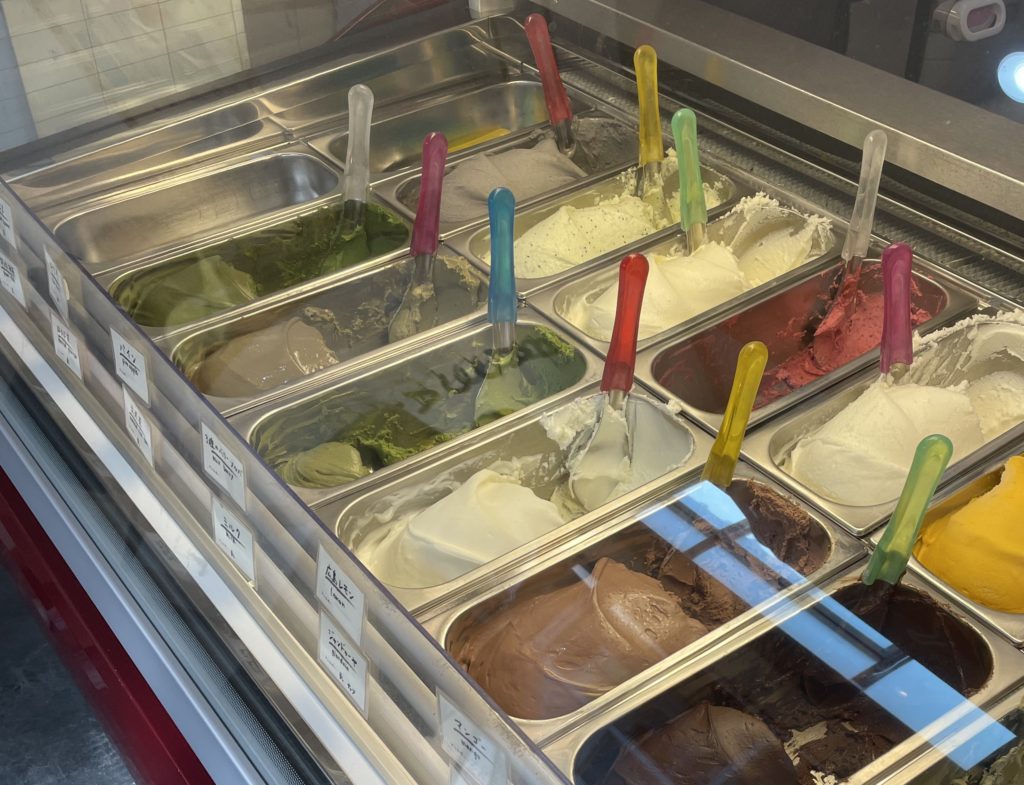
Made without additives or artificial flavors to let the ingredients shine. The tartness of Setoda lemons is summer’s best friend. It melts delicately, so take your first spoonful right away—a cool breeze for tired feet.
Miyajima Delicious Food Hall’s Soft Serve Ice Cream
Soft serve crowned with icing cookies shaped like torii gates, deer, and ladles—almost too cute to eat. Toppings vary by day, so enjoy the surprise as much as the taste.
Itogi Coffee’s Specialty Coffee Soft Serve
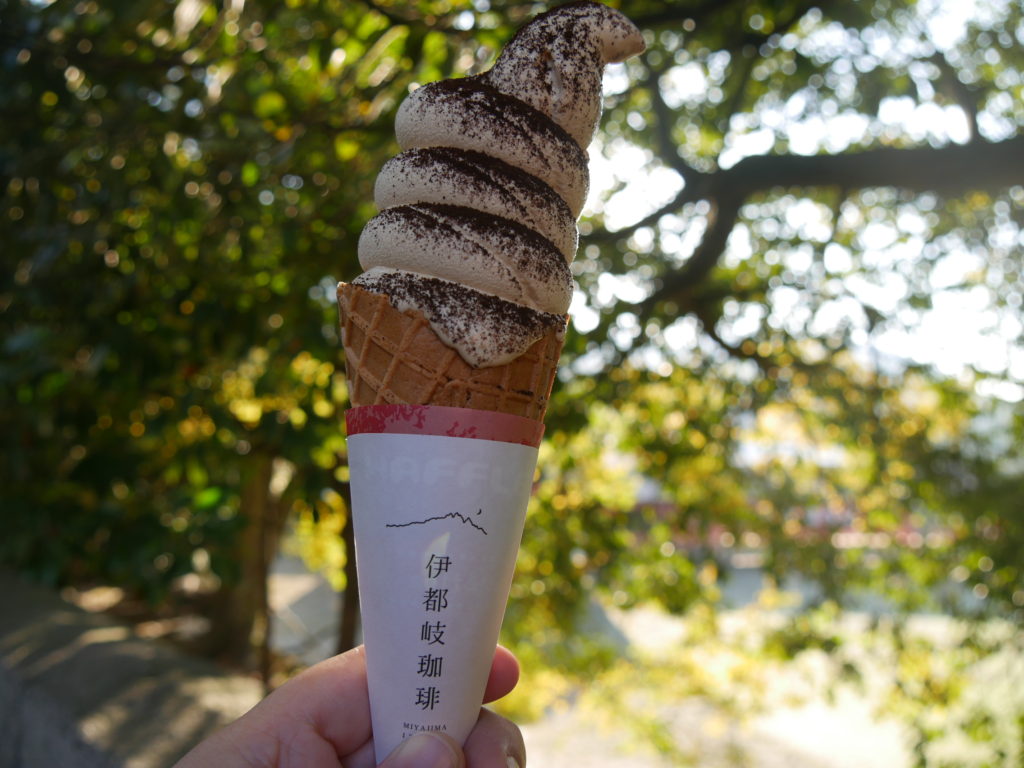
A house blend of vanilla and espresso finished with coffee powder. A gentle bitterness over lingering sweetness—an ideal finale to your food walk.
Shop Spotlight: Local Drinks Edition
From island-brewed craft beer to sodas made with whole pesticide-free lemons, Miyajima’s drinks keep you refreshed. In hot weather, opt for takeout-friendly cold drinks and walk shaded routes. Eco-minded efforts—like cup reuse and refill programs—are growing here.
(Author’s note) The clink of ice, the fizz, the foam—drinks keep pace with the street’s energy. Refill systems feel like classic Miyajima hospitality, a traveler-friendly touch.
Miyajima Shokudo’s Tapioca Drinks
Big, chewy tapioca pearls with flavors like milk tea and almond. The deer-illustrated cups are irresistibly photogenic.
Nekomoshakusimo’s Lemon Squash
Setouchi lemon juice with a hint of peel bitterness for lift. A subtly sweet, super-refreshing way to beat the heat.
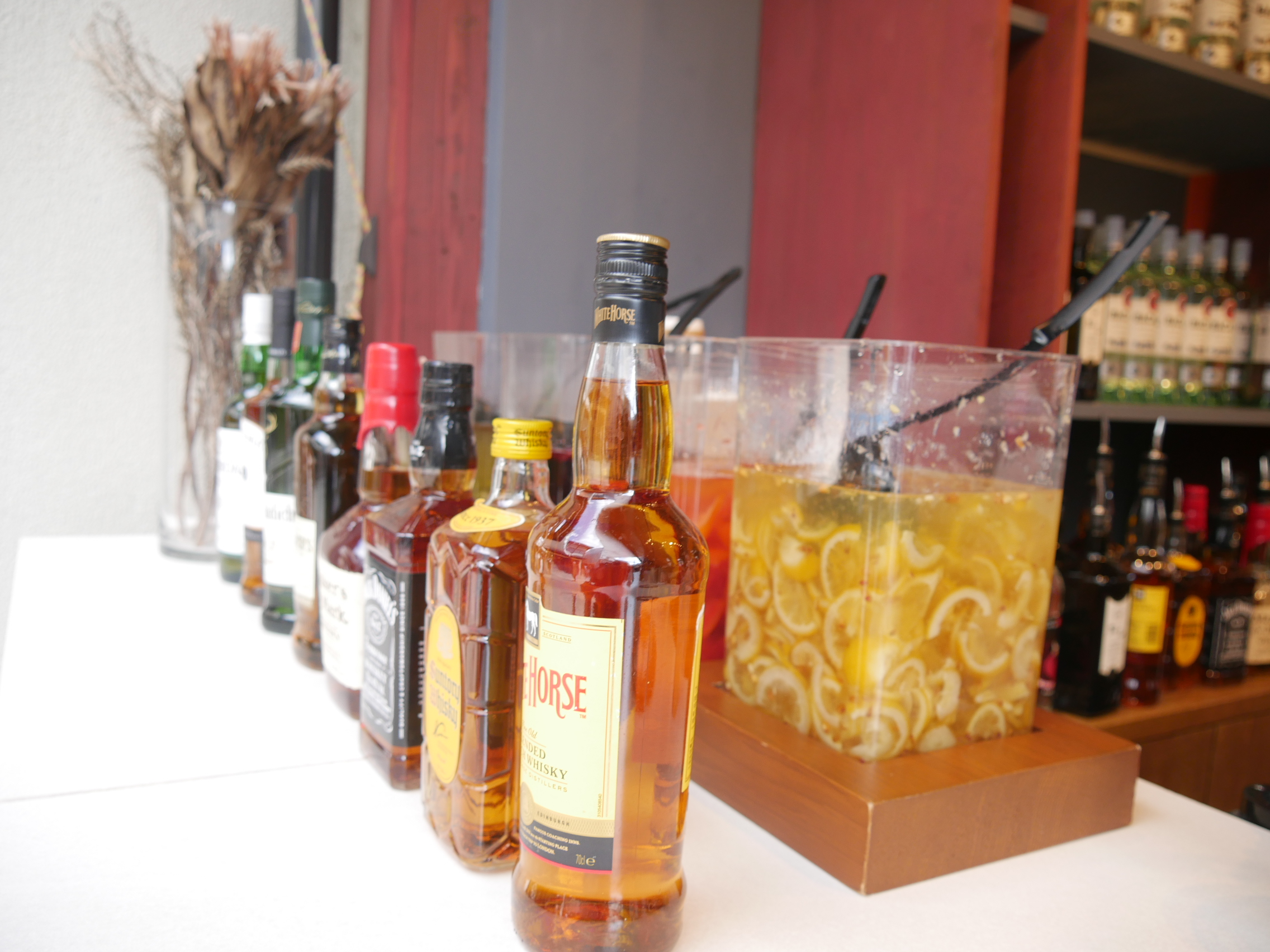
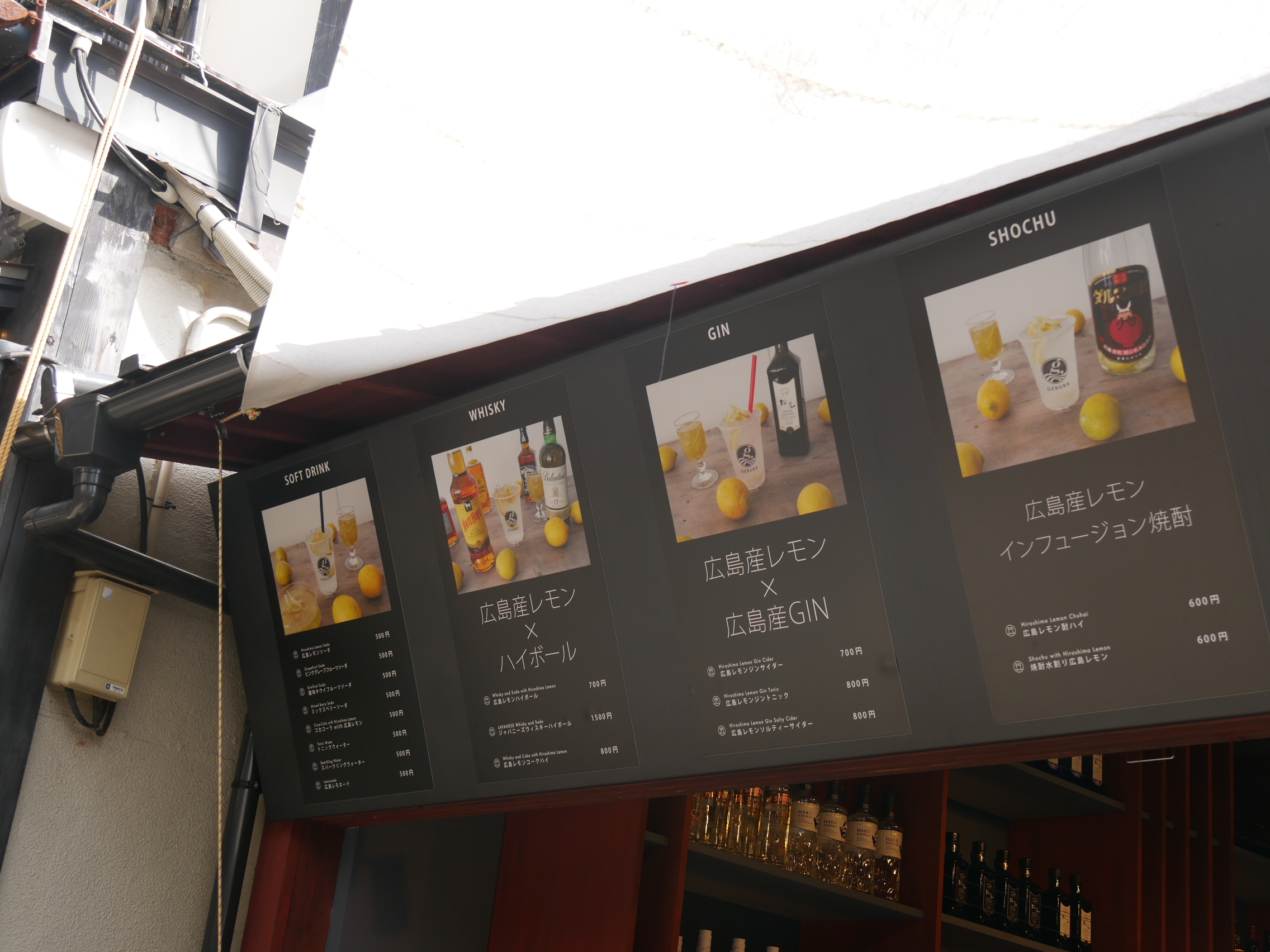
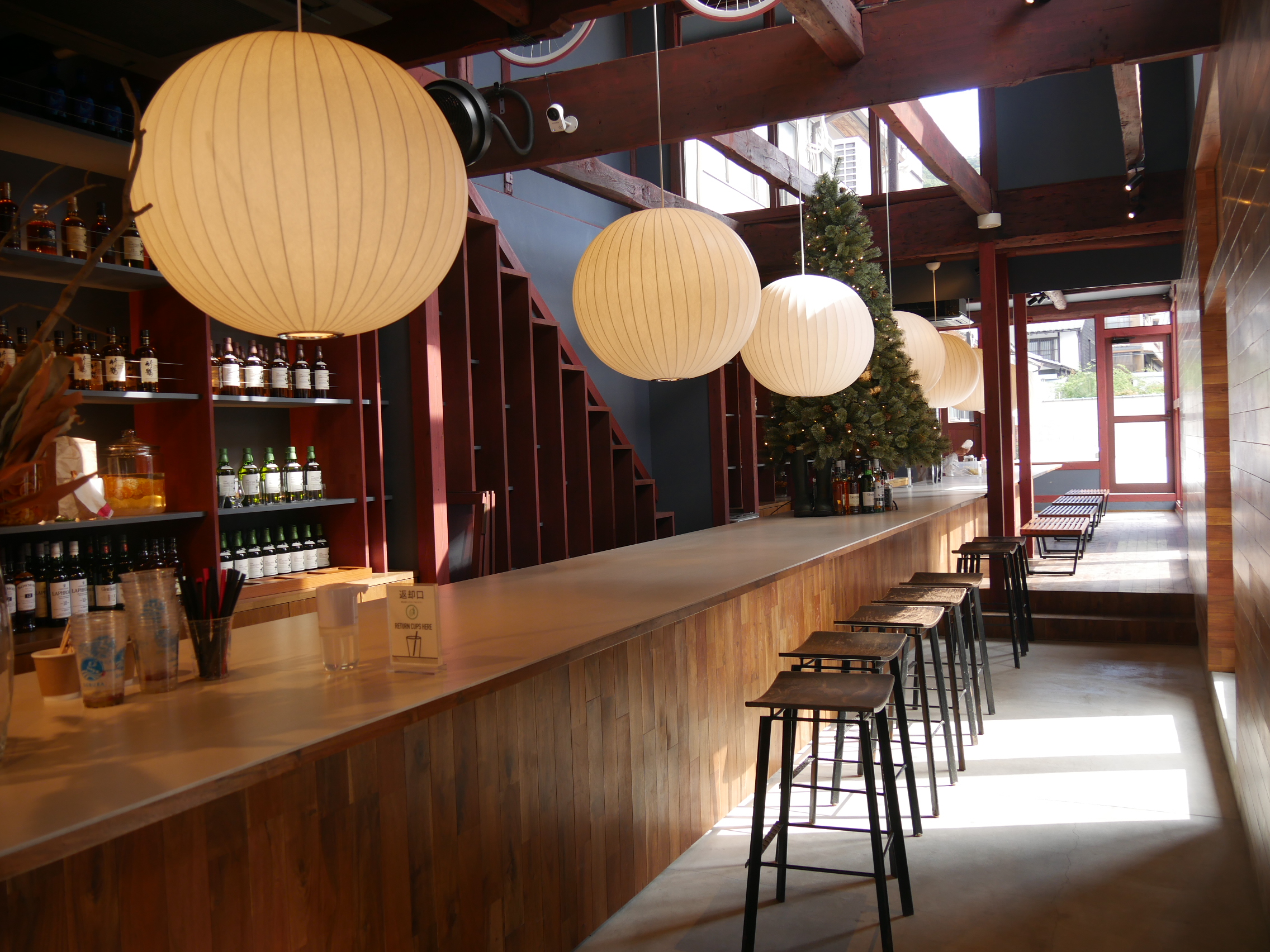
GEBURA’s Hiroshima Lemon Soda
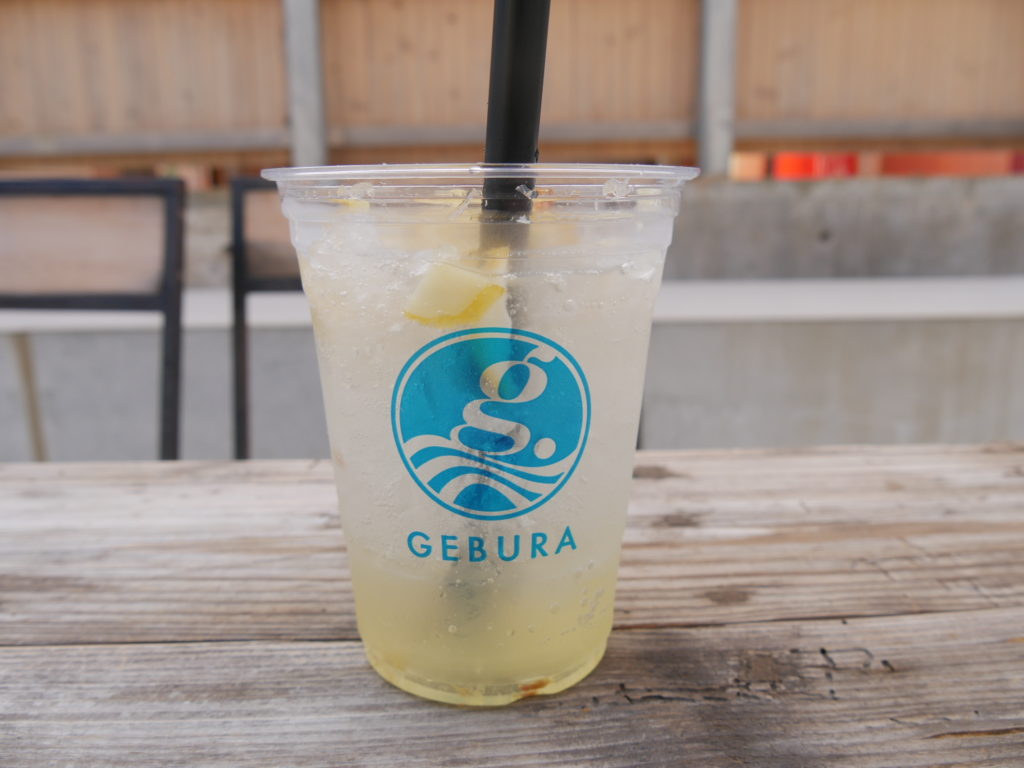
Whole organic lemons—peel and seeds included—are preserved in syrup for maximum citrus punch. Enjoy a clean finish, and bring the cup back the same day for a discounted refill—perfect while exploring.
MIYAJIMA BREWERY’s Craft Beer
Miyajima’s only brewery uses underground spring water from Mount Misen’s primeval forest. Alongside Weizen, Pale Ale, and IPA, look for their oyster-kissed stout. Sip freshly poured beer at the stand or pick up bottles as souvenirs. Please don’t drink while walking—enjoy in designated spaces at a relaxed pace.
If you want to explore the stunning views of Mount Misen, take the convenient ropeway for easy access! The sacred fire that’s been burning for 1,200 years is especially popular with children.
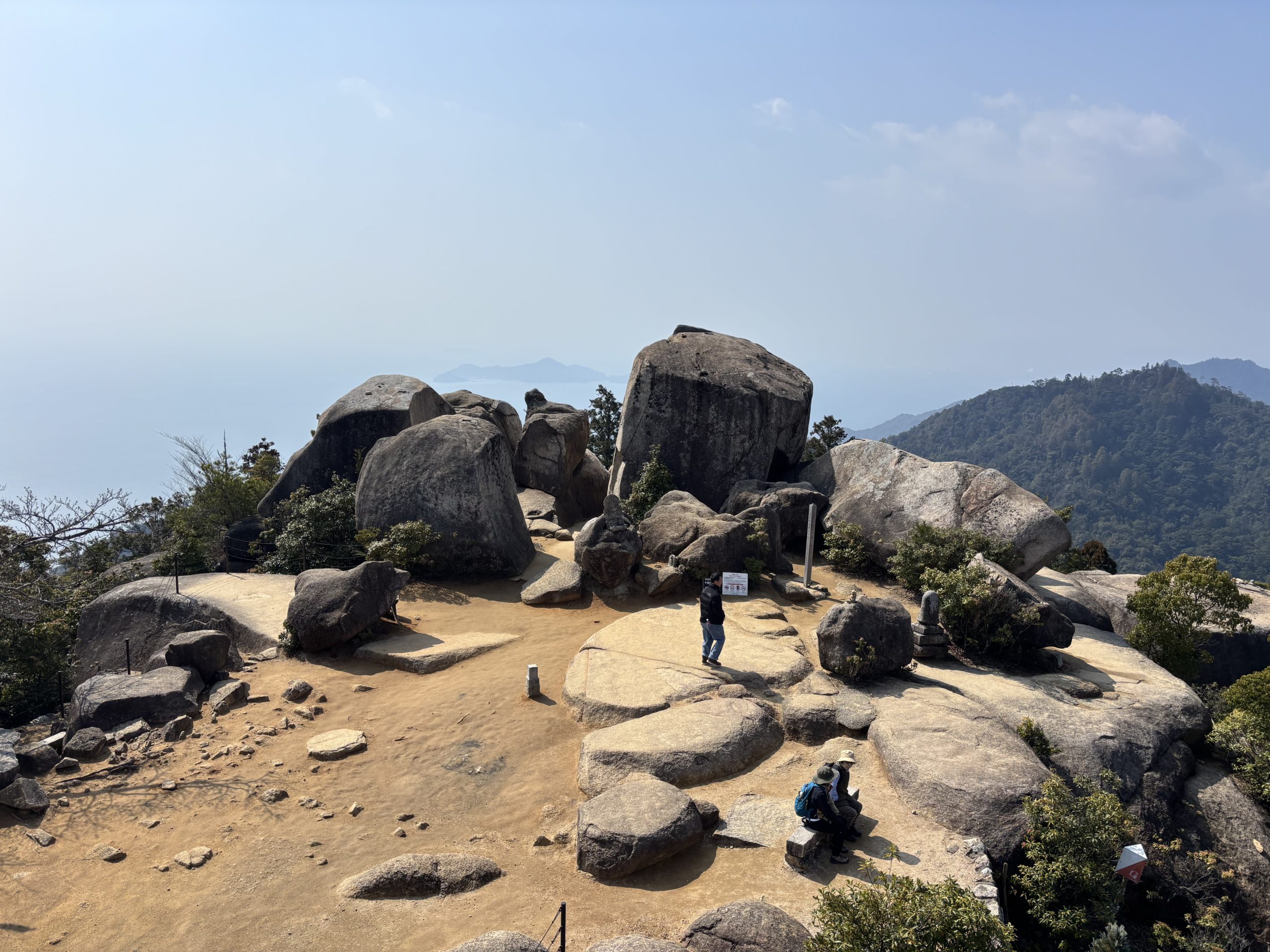
The definitive one-day guide to "Mt. Misen sightseeing." Rising behind...
How to Enjoy Eating Your Way Around Miyajima
Two keys to a great food walk are “timing” and “route.” Start with sweets or bread in the morning, enjoy oysters or Hiroshima-style okonomiyaki at lunch, then move to coffee or craft beer in the afternoon. For sample itineraries, plan one route covering the classics and another highlighting spots for repeat visitors. At peak hours, use eat-in corners or rest areas and avoid eating while walking. Getting here is easy: JR Hiroshima Station → Miyajimaguchi (JR approx. 30 min / streetcar approx. 70 min) → Ferry approx. 10 min → Omotesando Shopping Street.
(Author’s note) The fun is in flexing your plan to match your cravings—so many renowned shops packed into a short stroll. Sitting on a bench with a sea breeze while you map your next bite is part of Miyajima’s flavor. When we’re tired, Momijidani Park’s free rest area is a hidden gem with full air conditioning—perfect for families.
Enjoy Food and Drink with Respect for Etiquette
Eat and drink at storefront counters, indoors, or in rest areas, and use the designated trash bins. Don’t feed the deer or show food to them. If traveling with strollers or small children, avoid the noon peak (12:00 PM–2:00 PM). Most shops operate roughly 10:00 AM–5:00 PM; note that last orders may be earlier.
For rainy day alternatives, Miyajima Aquarium is conveniently nearby. They offer free stroller rentals, which is handy when you need a break from food walking with little ones.
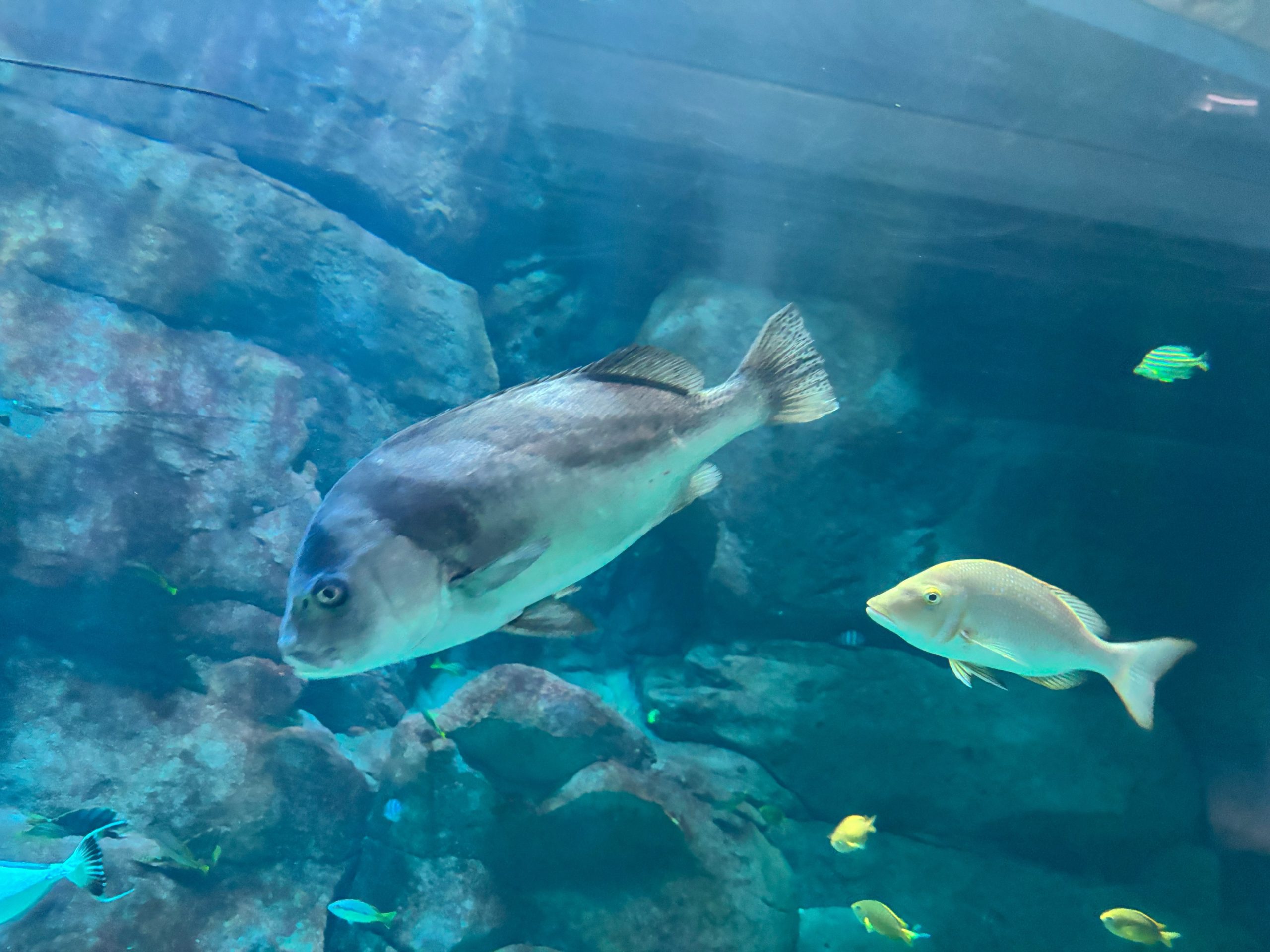
Located at the gateway to the World Heritage island of Miyajima, Miyaj...
Visited Miyajima’s Souvenir Shop “Funatsuki”♪
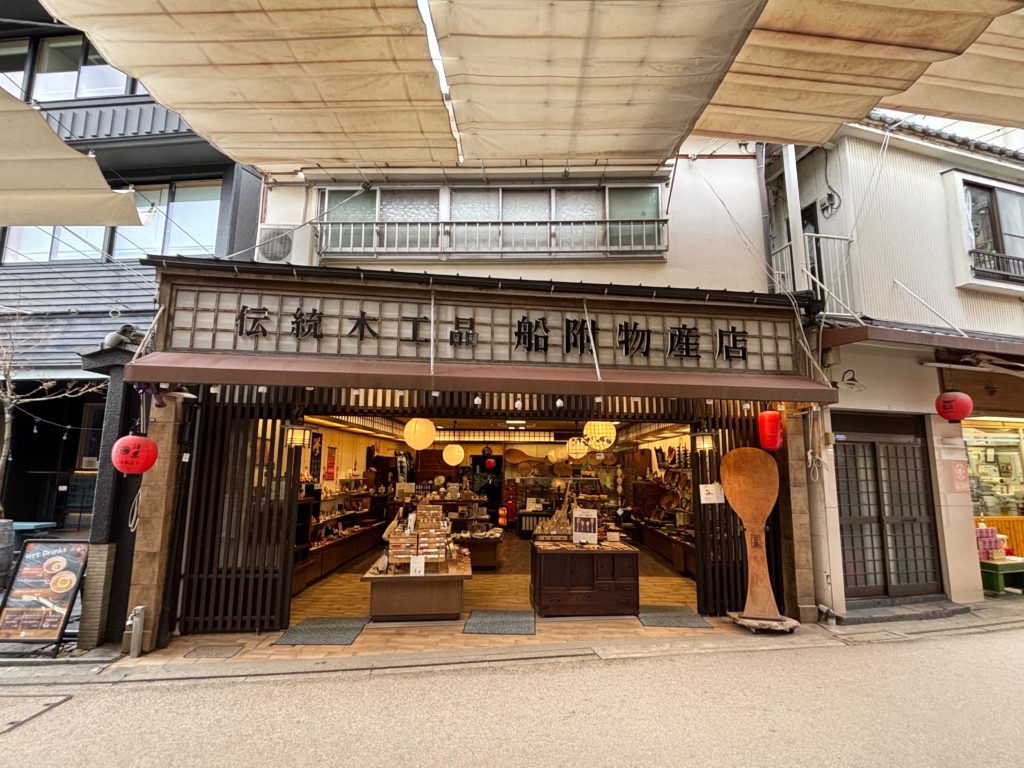
This historic souvenir shop has served Miyajima for over a century. It carries a wide range of MADE IN MIYAJIMA goods, including traditional wooden rice paddles (shamoji), nationally designated crafts like fine woodwork, and Miyajima papier-mâché (hariko).
With a long-established buyer’s eye, the selection makes it easy to choose thoughtful gifts or something special for yourself. Drop in mid-stroll and you’re likely to find that one piece that keeps your trip’s feeling alive. A sister shop also takes reservations for tea ceremony experiences, letting you sense the depth of Miyajima culture through its vessels and rituals.
(Author’s impression) The scent and texture of wood calm the mind. After meeting these traditional crafts, I noticed my posture naturally straightened as I walked. My older daughter said “This shop is like a time machine!” because of its historic atmosphere.
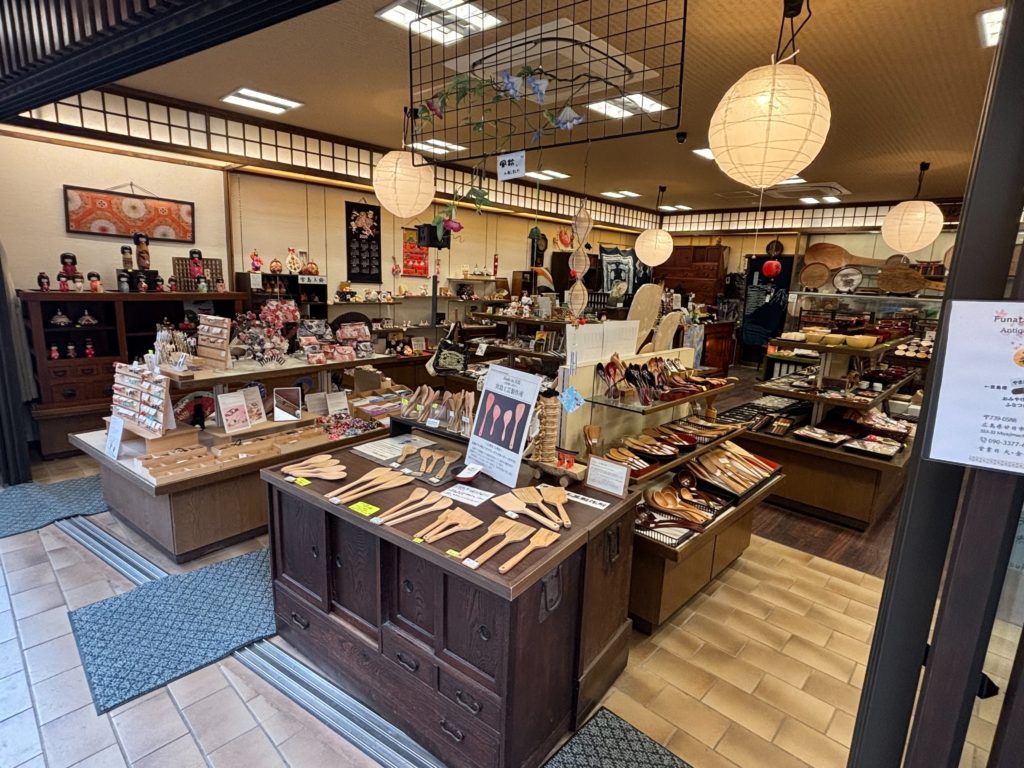
The store is packed with Miyajima’s traditional crafts and folk art. Purely Japanese-style shops are rare these days, which makes this one even more special. It’s a joy just to look around the nostalgic interior.
You can also book authentic tea ceremony experiences (from ¥1,600, about 1 hour) using traditional utensils via the website of “Funatsuya,” Funatsuki’s sister shop. If you’re interested, it’s highly recommended.
Items purchased at Funatsuki♪
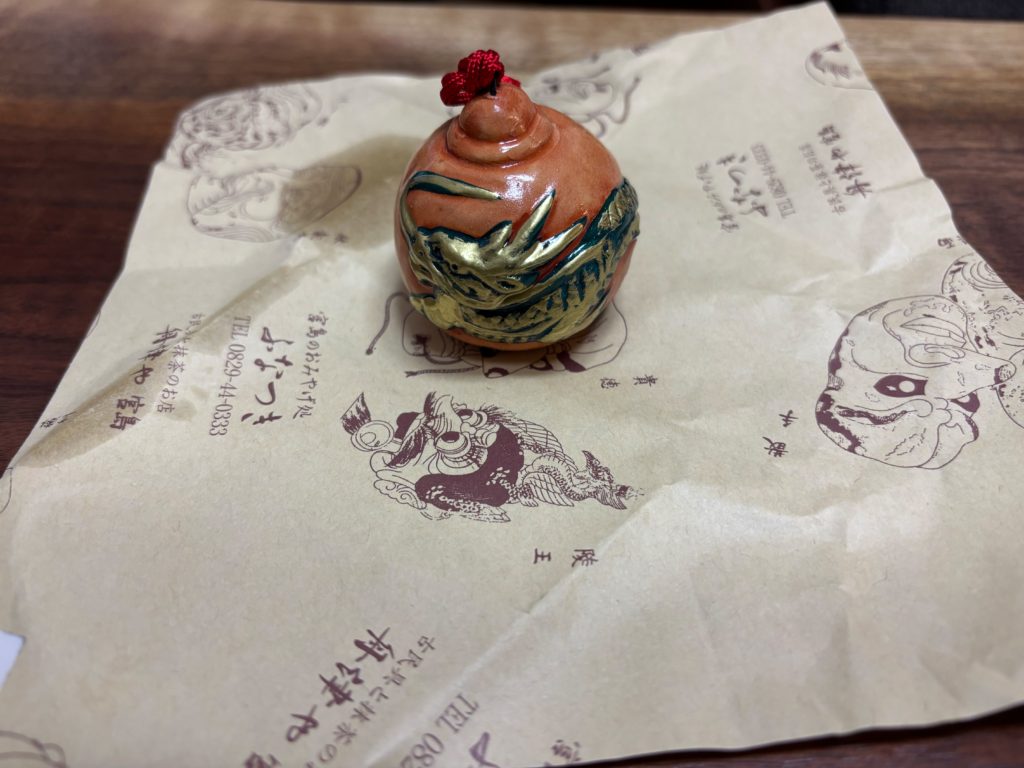
From many tempting souvenirs, I chose a cute dragon clay bell (¥650) to take home—adorable and reasonably priced. Even the wrapping has that perfect souvenir feel.
It’s said that sand from beneath Itsukushima Shrine’s main hall was once carried as a “sand amulet” for safe travels. In the late Edo period, ritual vessels made with this sand gave rise to Miyajima-yaki pottery. There’s also a belief that the sound of earthen bells wards off evil. When I rang this bell, the tone was rustic and simple. I love the charming mix of its plump form and dragon motif. I’ve placed it by my front door, hoping it brings good fortune.
Bringing home pieces like this is lovely—every glance brings your Miyajima memories rushing back. My younger daughter talks to it every day saying “It’s the dragon’s house!”

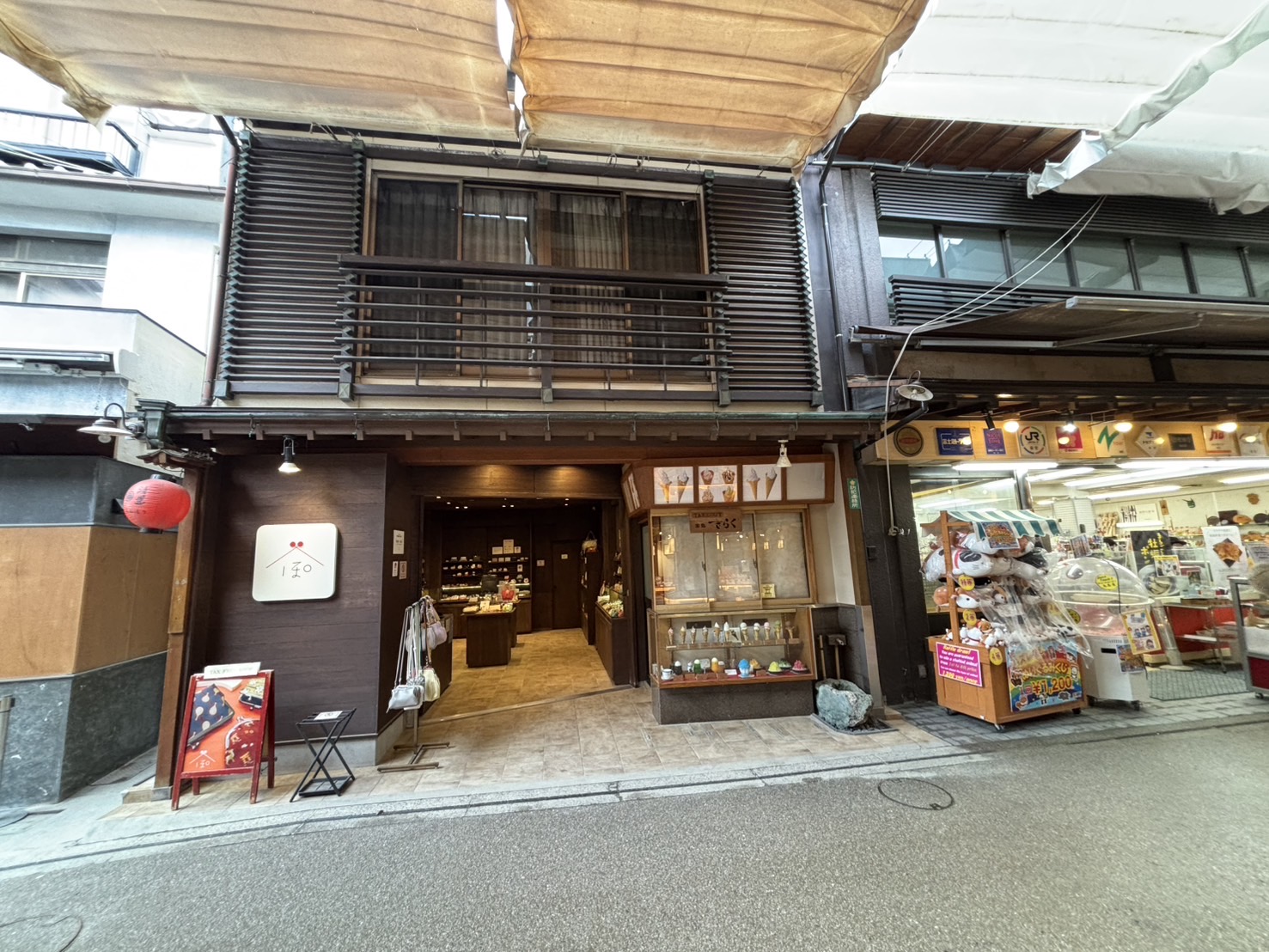
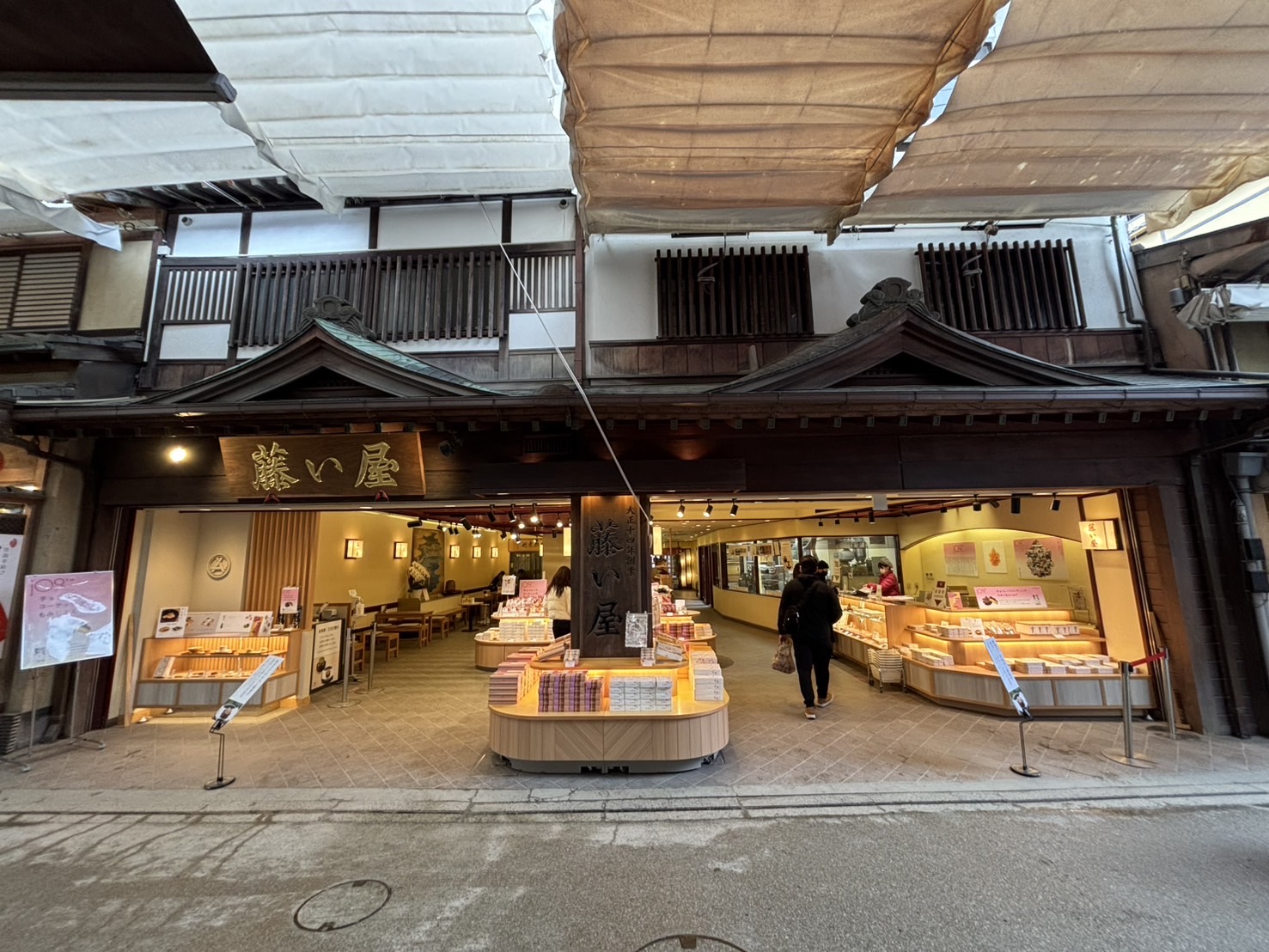
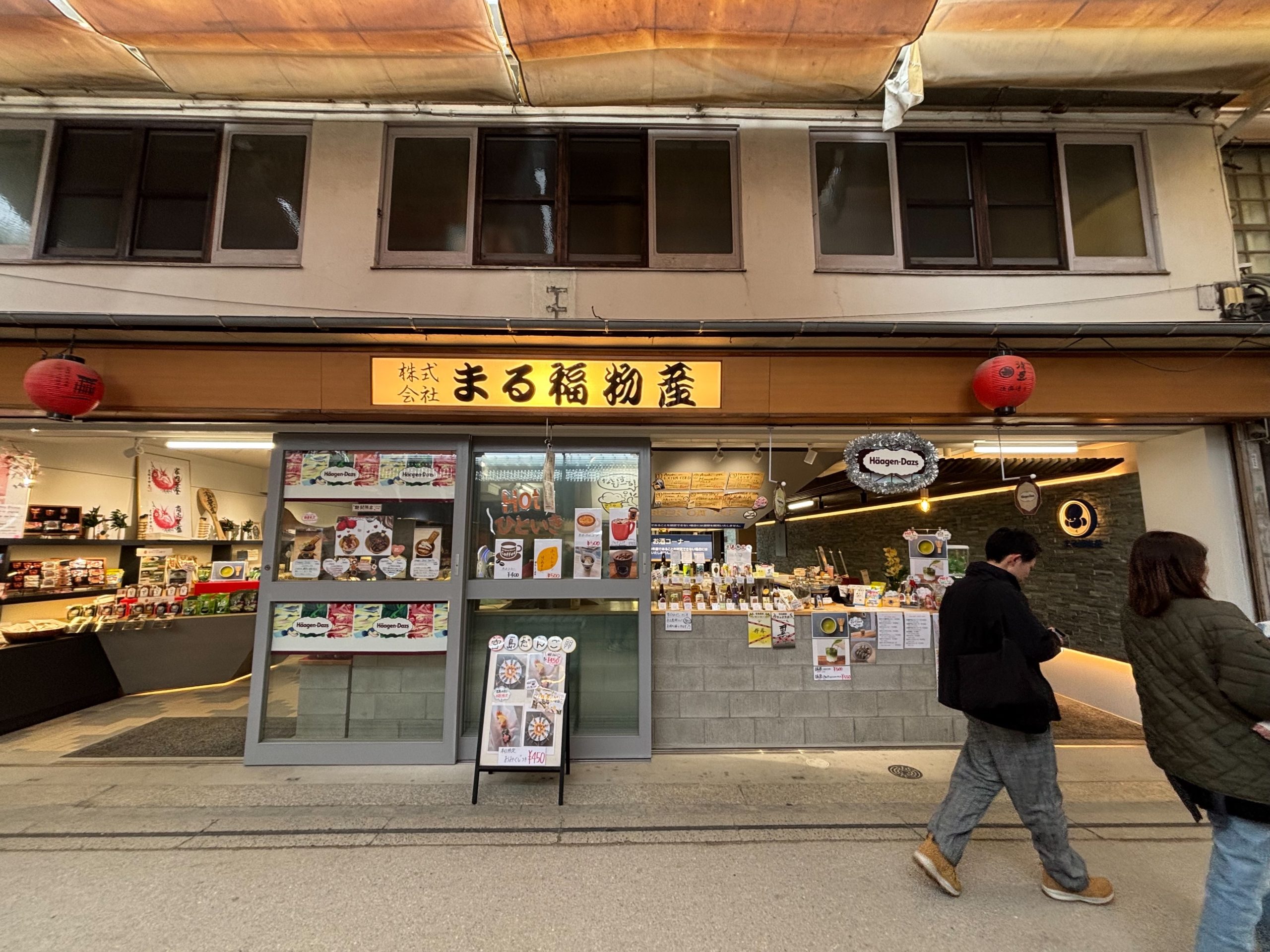
After your food walk, don’t miss Daisho-in Temple, which actually has a longer history than Itsukushima Shrine. It’s a popular power spot even among locals.

Your complete guide to Daishō-in Temple on Miyajima: history, what to do, spiritual experiences (sand stepping, fire walking, Kaidan Meguri), annual events, access, barrier-free info, and how to get a goshuin (temple stamp).
Senjokaku Pavilion, associated with Toyotomi Hideyoshi, is also within walking distance. It’s a hidden gem where children can run around freely, and it’s close to Omotesando Shopping Street.
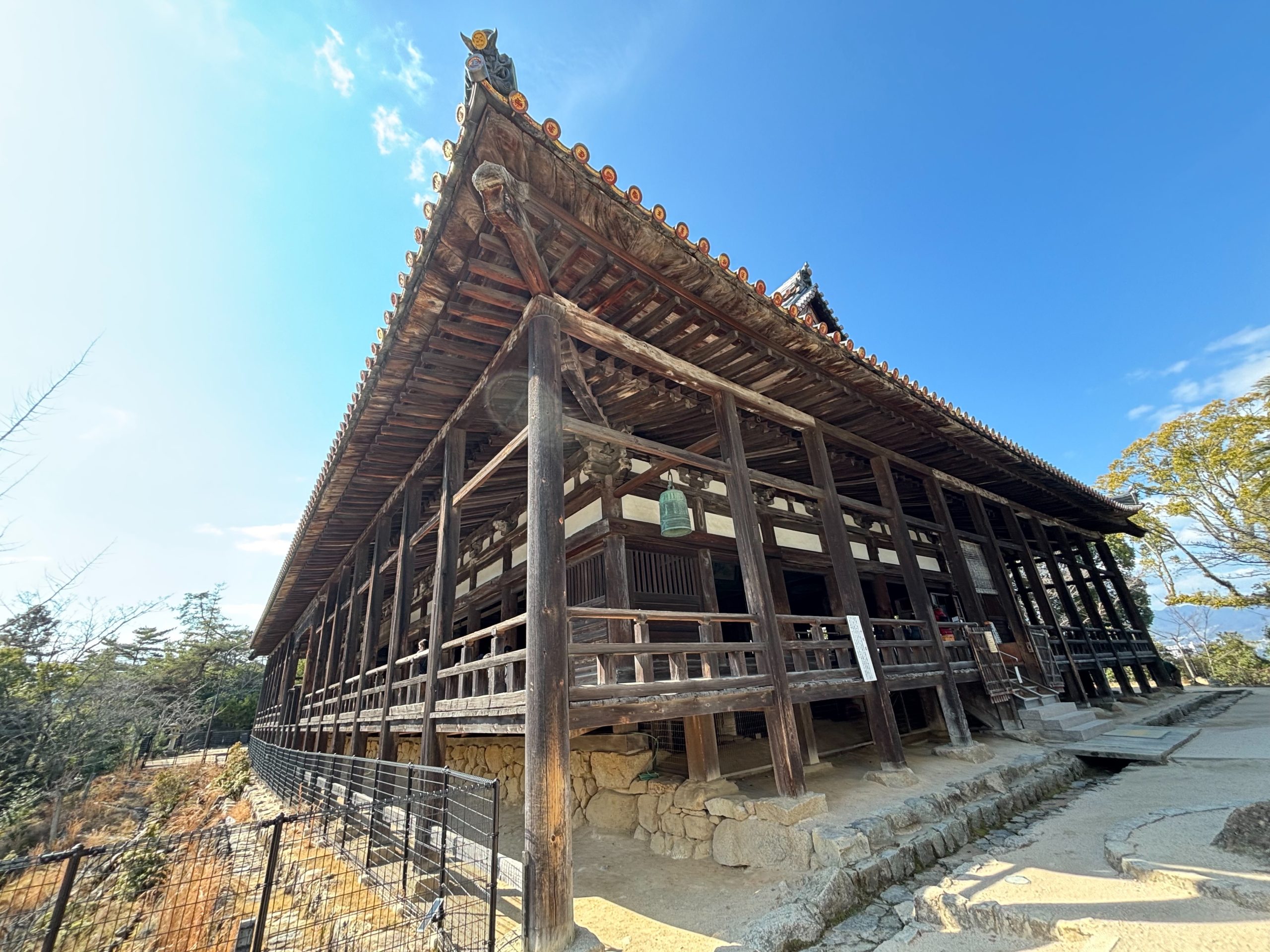
Highlights and Views at Miyajima's Hōkoku Shrine (Senjōkaku) Perched ...
Q&A
Q1. What are the approximate business hours for Miyajima Omotesando Shopping Street?
A. Most shops open around 10:00 AM and close around 5:00 PM. Popular places may close when items sell out or set earlier last orders.
Q2. Is it okay to eat or drink while walking?
A. Please refrain due to crowding and hygiene. Enjoy food and drinks at shop counters, indoors, or in designated rest areas.
Q3. What should I be careful about when interacting with deer?
A. Do not feed them. If you’re holding food, they may try to take it—keep it in a bag and handle it carefully.
Q4. Which route is most convenient for access?
A. From JR Hiroshima Station to Miyajimaguchi: approx. 30 minutes by JR train or approx. 70 minutes by tram. From Miyajimaguchi, the ferry to Miyajima takes about 10 minutes. Note that the ¥100 island entrance tax started in October 2023, so please prepare accordingly.
Q5. Are there rest spots and trash cans?
A. Yes. Midway along Omotesando Shopping Street there’s a rest area with benches and trash bins where you can also eat and drink.
Q6. What’s the best time to try popular local foods?
A. Aim for lunchtime for fried and grilled items. Sweets and breads are best in the morning for the full selection.
Q7. Is it enjoyable with children?
A. Streets are stroller-friendly. Avoid peak hours and use rest areas for a comfortable visit.
Q8. Are there recommended itineraries?
A. Plan two: one for must-try classics (oysters, anago rice, okonomiyaki, momiji manju), and another for notable shops if you’re a repeat visitor.
Summary
Omotesando Shopping Street is Miyajima’s “culinary corridor,” where history meets modern tastes. By observing local etiquette and savoring each bite in its proper spot, you’ll feel the craft and stories behind every shop—oysters fresh from Hiroshima’s waters, grilled anago rice (conger eel), momiji manju, and more. With easy access, you can enjoy a rich food walk even on a short schedule. Visit popular spots early, sample sweets in the morning, enjoy freshly made items around noon, and finish with coffee or craft beer—the gourmet landscape reveals itself in layers when you stroll with this rhythm.
(Author’s note) No matter how many times I walked this street, something new appeared—the deer in the distance, the scent of salt air, the steam curling from shopfronts. Those small bites add up to savoring Miyajima itself—an experience this street welcomes with open arms. We always end up saying “Let’s come back again!” as a family. For the children, this will surely become an unforgettable place of memories.