Miyajima is beloved by many travelers as a place to experience Japan’s history and culture. Among its highlights, the UNESCO World Cultural Heritage site of Itsukushima Shrine is especially captivating. It is a staple destination for my family too; we go three or four times a year, and every time the kids shout, “Wow! There’s a shrine in the sea!” This guide explains Itsukushima Shrine’s value as a World Heritage site, its historical background, and the details of its designation, along with essential tips to know before you go. With a few local insights sprinkled in, this article will help you enjoy Itsukushima Shrine even more on your visit.
Itsukushima Shrine: A World Cultural Heritage Site
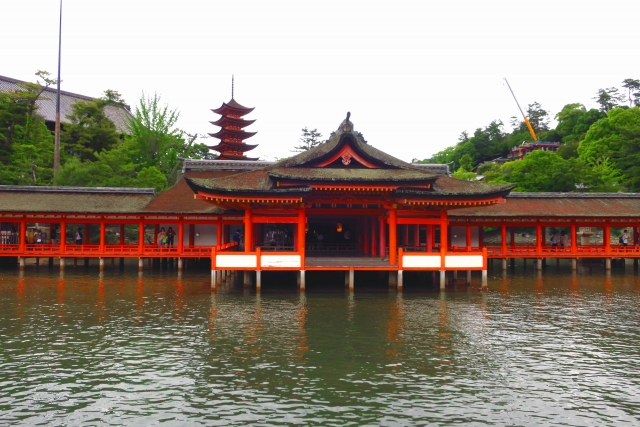
Itsukushima Shrine was officially inscribed as a World Cultural Heritage site by the UNESCO World Heritage Committee in December 1996. The registered area includes the shrine buildings, the sea in front of them, and the forested zone behind, including the Misen Primeval Forest, covering roughly 14 percent of the entire island of Itsukushima. The vermilion-lacquered shrine pavilions stretch out over the sea with Mount Misen as their backdrop, creating a one-of-a-kind landscape. The registered structures include the Main Shrine Hall, the Great Torii Gate, and the Five-storied Pagoda, many designated as National Treasures or Important Cultural Properties. This breathtaking view truly embodies traditional Japanese beauty.
The inscription recognizes not only the unparalleled scenery where sea and mountain meet as one, but also the cultural value shaped by Japan’s nature-based spirituality. The core idea is to revere the entire island as sacred and to place the shrine over the sea rather than on land, symbolizing a uniquely Japanese harmony of environment and faith. As a local parent, I find the shrine’s calm clarity deeply refreshing no matter how often we visit. When my children walk the corridors hovering over the water, listening to the rhythmic waves, they seem to sense the presence of the deity believed to dwell on the island.
The World Heritage site name is “Itsukushima Shrine”
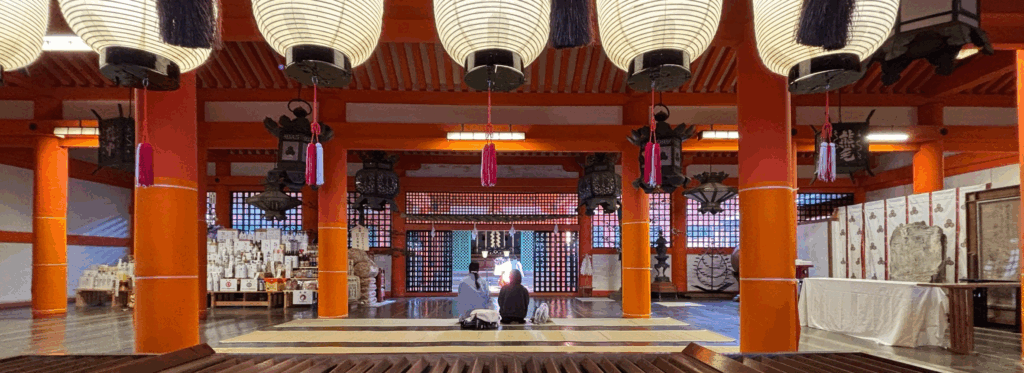
The entire island of Miyajima is not a World Heritage site; the official inscription is for “Itsukushima Shrine.” However, a large area of 431.2 hectares, including the sea within the Great Torii and the forested slopes behind, is designated as the World Heritage cultural zone. World Heritage protection uses a “core zone” and a “buffer zone.” The core zone encompasses the Great Torii, the shrine buildings, and the forested area behind them, while the buffer zone covers the entire island. This framework protects all of Miyajima, preserving it as a place where beautiful nature and historical architecture coexist.
The inscription highlights: (1) elegant, harmonious architecture (extending Heian-period shinden-zukuri palace style over the sea); (2) traces of cultural exchange visible in art, architecture, and landscape; (3) evidence of religious culture rooted in nature worship; and (4) a masterpiece cultural landscape woven by sea and mountains. As you stroll, you can feel how daily life, faith, and even pilgrimage routes are designed as part of the scenery. With kids, the corridors are easy to walk and the sea breeze is delightful, so our family loves a relaxed morning walk timed to the high tide. Locals say the Miyajima Tourism Association’s website lists the most accurate low tide times.
The World Heritage Value of Itsukushima Shrine
Value of the Historic Structures
The current shrine complex was shaped in the 12th century by the warlord Taira no Kiyomori. Its Heian-period shinden-zukuri palace style, its over-the-sea setting, and its seamless integration with the mountain backdrop continue to enchant visitors from around the world.
Across the centuries, disasters and fires have struck, but the shrine has been restored and cared for by many hands. A smart design philosophy combines a “durable core” with an “easily repairable periphery,” vital for long-term preservation. Ingenious solutions for a shrine open to the sea are everywhere, like the slight gaps between corridor floorboards that release wave energy. Respecting the original while applying modern conservation techniques allows us to encounter the shrine’s authentic spirit today. Walking with the kids, they noticed column joints and subtle floor level changes and kept asking “Why?” My eldest said, “People back then were so smart!” With each answer, the building felt more alive.
Architectural Development and Aesthetic Sensibility
Itsukushima Shrine exemplifies Japan’s tradition of worshiping mountains as sacred. Its landscape, inseparable from its surroundings, reflects a quintessential Japanese aesthetic sensibility. A visit lets you feel the depth of Japan’s spiritual culture.
The gentle proportions of shinden-zukuri, the raised corridors stretching over the sea, and floors that change with the tides are more than beautiful; they are crystallized wisdom for living with nature. Major structural elements are designed for future replacement: robust at the core, flexible at the edges. This form, optimized for a life beside the sea, has preserved the shrine’s appearance for over 800 years. In morning or evening light, the vermilion softens; when the waves are still, the corridors mirror the sky. These moments keep families returning. Last November, with the autumn leaves at their peak, my second daughter exclaimed, “I’m going to take lots of pictures!”
Preserved Historical Style
Itsukushima Shrine preserves several rare structures from the Kamakura period, making it an exceptional example that conveys the original style from its Heian origins to the present day. Its unique architecture along the boundary of mountain and sea stands as a living witness to history.
Since modern times, systematic preservation and restoration have continued. Repairs have been made with careful attention to design, technique, and materials to keep the original form intact. Improvements extend beyond buildings to disaster prevention such as firefighting and lightning protection systems, as well as regular patrols. Skilled craftspeople maintain the site daily. Knowing that these “protective hands” are always at work makes us stand a little straighter when we visit. We tell our kids that cultural properties are things you “protect while using.” My husband always says, “The techniques back then were amazing!”
Religious Cultural Heritage
Itsukushima Shrine is also significant for illustrating the blending and later separation of Shinto and Buddhism in Japan. Visiting offers a valuable window into the distinctive character of Japanese sacred spaces.
The enshrined deities are the Munakata Three Goddesses, ancient protectors of maritime safety and journeys. The island itself has long been considered sacred. It is said the shrine was built over the sea to avoid harming the holy mountain (Misen). Through shifting eras and shrine-temple relationships, the act of prayer has stayed part of daily life on the island. Seasonal rituals continue to this day. It is a place where, like the waves, your mind settles naturally and a moment to join hands in prayer with family arises.
Before or after visiting Itsukushima Shrine, be sure to stop by Daisho-in Temple. It is actually an older spiritual site than Itsukushima Shrine, and its 504 steps are locally nicknamed “Goreshi-san.”

Your complete guide to Daishō-in Temple on Miyajima: history, what to do, spiritual experiences (sand stepping, fire walking, Kaidan Meguri), annual events, access, barrier-free info, and how to get a goshuin (temple stamp).
What is a World Heritage Site?

The World Heritage Convention was adopted by the UNESCO General Conference in 1972, and Japan ratified it in 1992. Cultural and natural heritage sites of outstanding universal value are recognized as the shared heritage of humanity, and countries cooperate to preserve them. The World Heritage Committee reviews nominations submitted by States Parties and inscribes properties of outstanding universal value on the World Heritage List.
To be recognized as a cultural heritage site, a property must meet at least one of the following six criteria.
- Masterpieces of creative genius
- Examples of significant cultural interchange in the development of architecture, art, urban planning, or landscape
- Offer valuable testimony to a cultural tradition or civilization
- Outstanding examples of buildings, architectural ensembles, or landscapes illustrating significant cultural development or the evolution of a cultural tradition or civilization over time
- Outstanding examples of traditional settlements or land-use patterns representative of a culture, especially those under threat of disappearance
- Sites closely associated with events, ideas, beliefs, artistic works, or cultural traditions of universal significance
Itsukushima Shrine meets multiple criteria among these. In particular, its matchless landscape where sea and mountain harmonize, the continuity of its religious culture, and its long history of reconstruction and maintenance are highly valued as rare global assets. Understanding this framework before your visit helps you see the “reason it has been preserved” when you look at the scenery before you. It is also a great educational experience for family trips.
Basic Visitor Information and Highlights
The shrine precincts feature a beautifully planned layout of corridors, the worship hall, purification hall, and an elevated stage, with lines of sight and water reflections carefully considered. At low tide, sandy flats appear and transform the scene; at high tide, the buildings seem to float. The Great Torii is among Japan’s largest wooden torii, impressive for its combination of mass and graceful flexibility. Extend your visit to the subsidiary shrines, the Five-storied Pagoda, and Senjokaku (the Main Hall of Toyokuni Shrine) to enjoy differences in era and architectural style.
When planning, check both tide tables and sunrise/sunset. Soft morning light or a rosy evening sky enhances the vermilion lacquer. Wear comfortable shoes and watch for steps and gaps along the wooden corridors. For families with small children, high tide hours are safer since the ground is less likely to be wet. After our visit, we always take a break on Omotesando Shopping Street and share freshly made local specialties. Weekdays between 2:00 PM and 4:00 PM are usually the least crowded, perfect if you want to avoid the rush.
The Senjokaku Hall associated with Toyotomi Hideyoshi is also a must-see! Its vast interior, the size of 857 tatami mats, gives kids room to roam, and Edo-period graffiti survives under the floorboards.
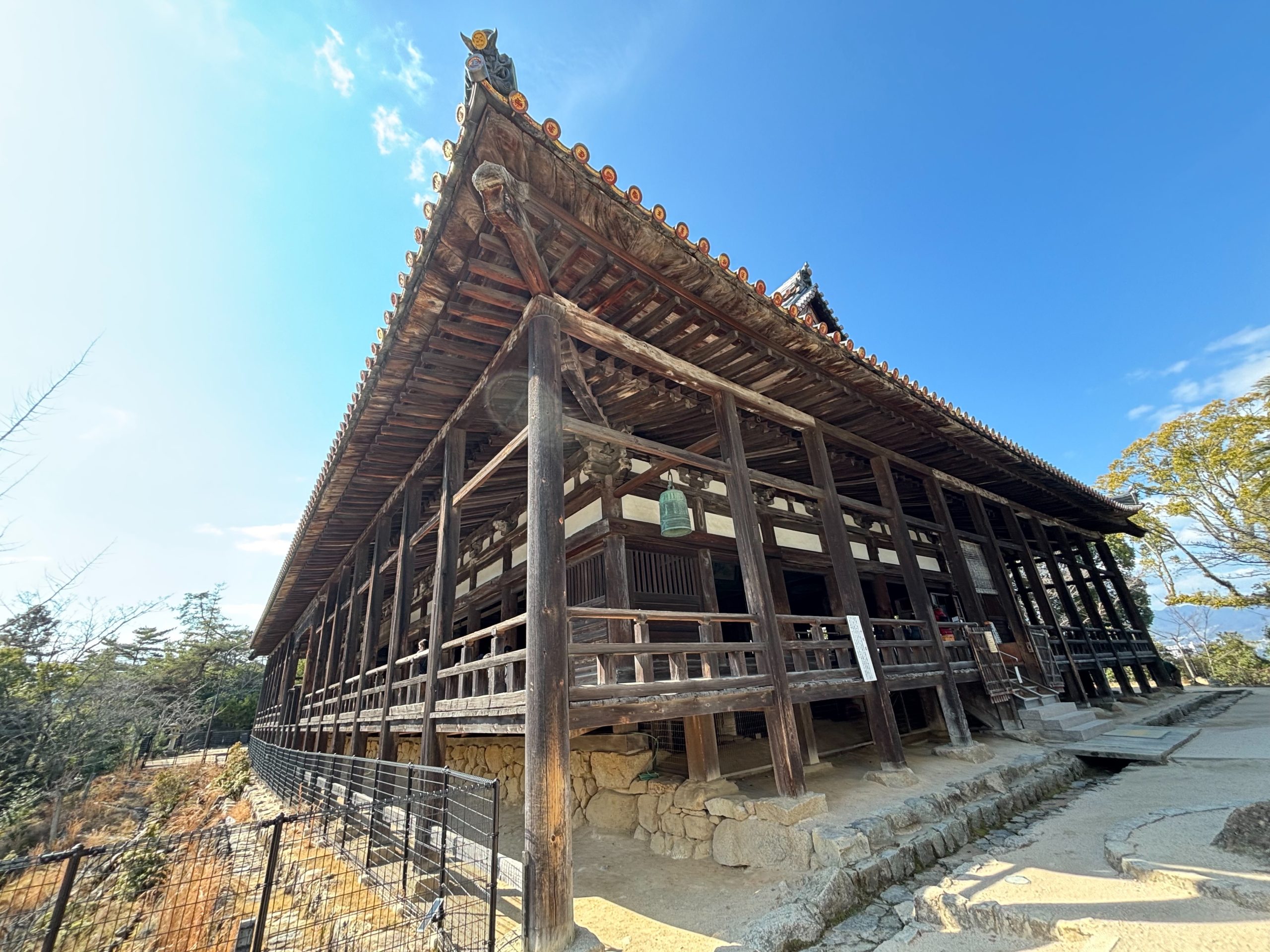
Highlights and Views at Miyajima's Hōkoku Shrine (Senjōkaku) Perched ...
Walking Mount Misen and the Primeval Forest
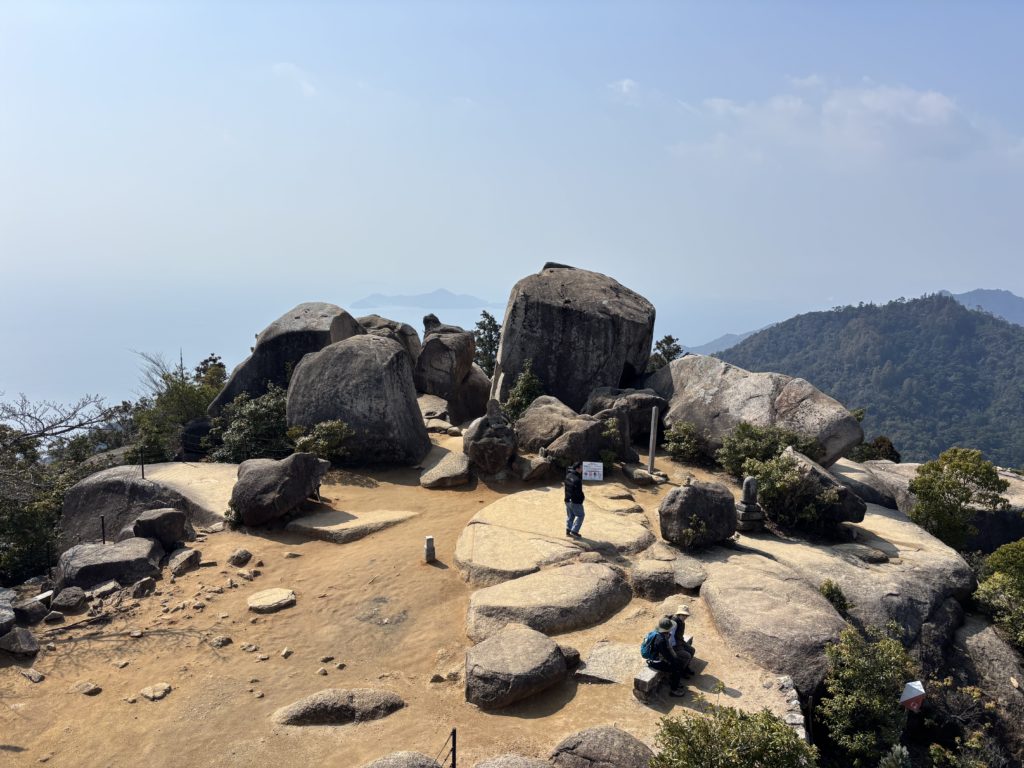
Mount Misen rises to about 500 meters behind the shrine. Its primeval forest mixes broadleaf and conifer species and changes color with the seasons. The summit view is a must, opening to the islands scattered across the calm Seto Inland Sea—one of Japan’s Three Great Views. On the mountain, the Sacred Fire Hall safeguards the “Eternal Flame,” where quiet time and prayer flow together. Combine the ropeway with walking trails so families with children can comfortably enjoy both nature and this sacred space.
The shrine and Mount Misen are inseparable. From the mountain, you truly feel the story: corridors were built in the “gap” between sea and mountain, and the shrine pavilions were placed over the water to protect the sacred peak. Take a deep breath together—the sea breeze and forest scent make it clear that the whole island is a single sacred place. My second daughter asked, “Is the mountain our friend too?” I said, “Yes. It helps protect Miyajima together with everyone.”
The sweeping views from Mt. Misen, easily reached by ropeway, thrill children! You can even drink water boiled over the eternal flame, said to have burned for 1,200 years, for free.
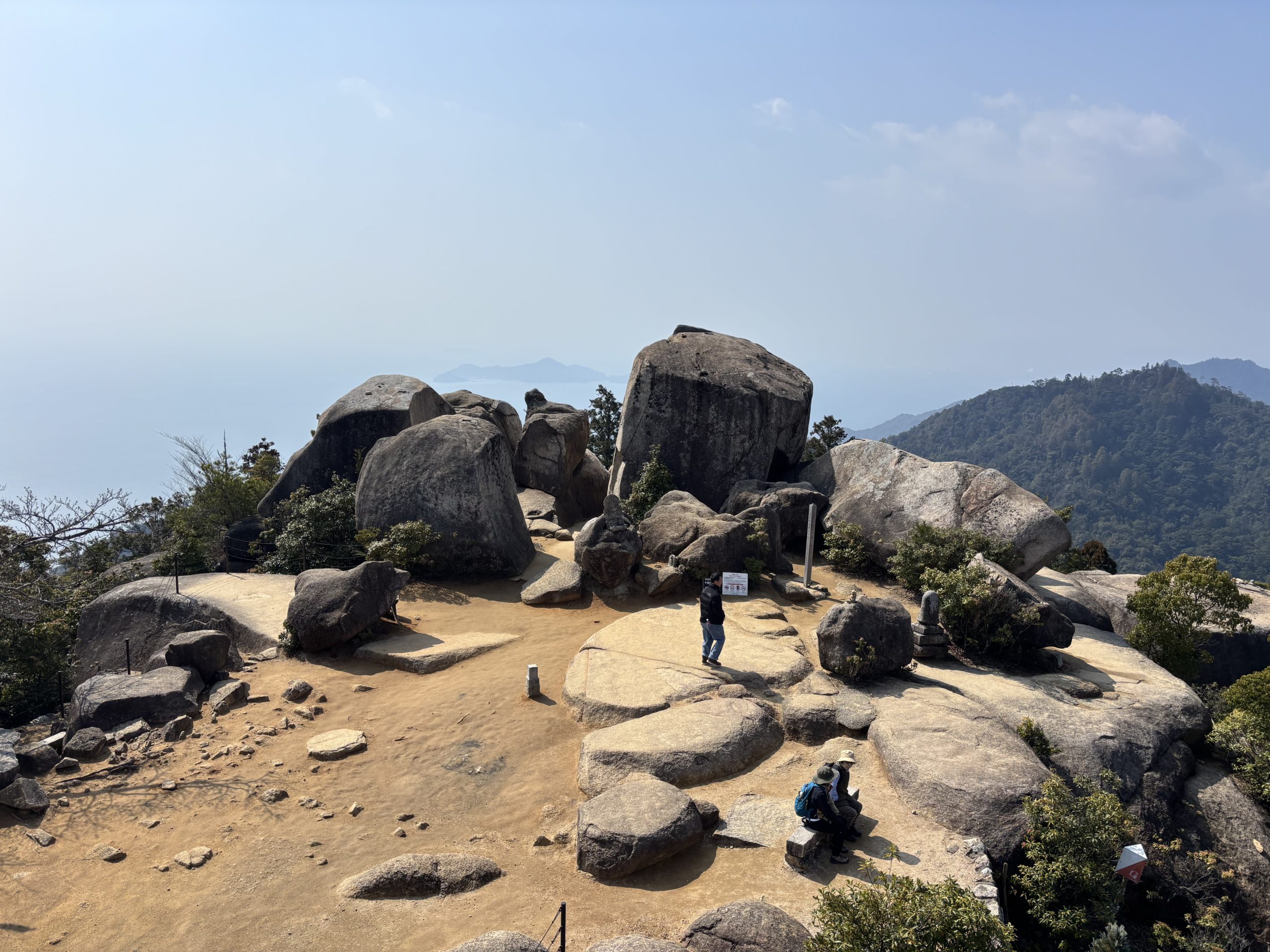
The definitive one-day guide to "Mt. Misen sightseeing." Rising behind...
Finding the Best Timing (Enjoying the Tides)

The appearance of Itsukushima Shrine and its Great Torii changes dramatically with the tide. Around high tide, the scene turns mystical, as if floating on water. At low tide, sandy flats emerge, expanding walkable space and bringing you closer to the details. Once your travel dates are set, check tide tables and sunrise/sunset in advance so you can match your stay to the views you want. For photography, early morning or evening is best, when corridor traffic settles down. Please be considerate of others; tripod use may be restricted depending on location and time. During seasons with large tidal ranges, the atmosphere can shift drastically even in one day. If you are visiting with children, it’s a great chance to teach them about the ebb and flow of the tides. While the shore is tempting, adults should check for wet or unstable spots first. I once misread the low tide time and missed the Great Torii up close—so double-check!
Access and Tips for Getting Around
The ferry ride from Miyajimaguchi takes about 10 minutes, and most highlights are within walking distance. Visiting the shrine is most relaxing in the early morning. If crowds worry you, aim to avoid midday peaks. After the shrine, head from Omotomichi toward Momijidani Park, then take the ropeway to Mt. Misen. This route lets you enjoy three distinct landscapes—sea, shrine, and forest—in a single day. If you are using a stroller, adjust your route based on steps and tide levels. Avoid forcing a stroller along the corridors; switch to a carrier as needed for smoother movement.
Island specialties include grilled oysters, conger eel rice (anago-meshi), and momiji manju pastries. If you are wondering what to eat in Miyajima, don’t miss grilled anago rice—anago is saltwater conger eel, a beloved local food in Japan, and Hiroshima’s Miyajima is famous for it. The shopping street offers many takeout-friendly spots, making it easy to rest with children. Enjoy your trip with good etiquette: use handwashing stations, carry your trash, and keep a respectful distance from the deer. From a local’s perspective, the best finale is buying a warm drink on the shopping street just before the evening ferry and watching the sun set over the sea. For parking near Miyajimaguchi, the lot behind Momiji Honpo is often open before 8 AM.
The Omotesando Shopping Street is perfect for eating on the go, with plenty of kid-friendly shops! Few people know you can get freshly baked momiji manju on the second floor of Yamada-ya.
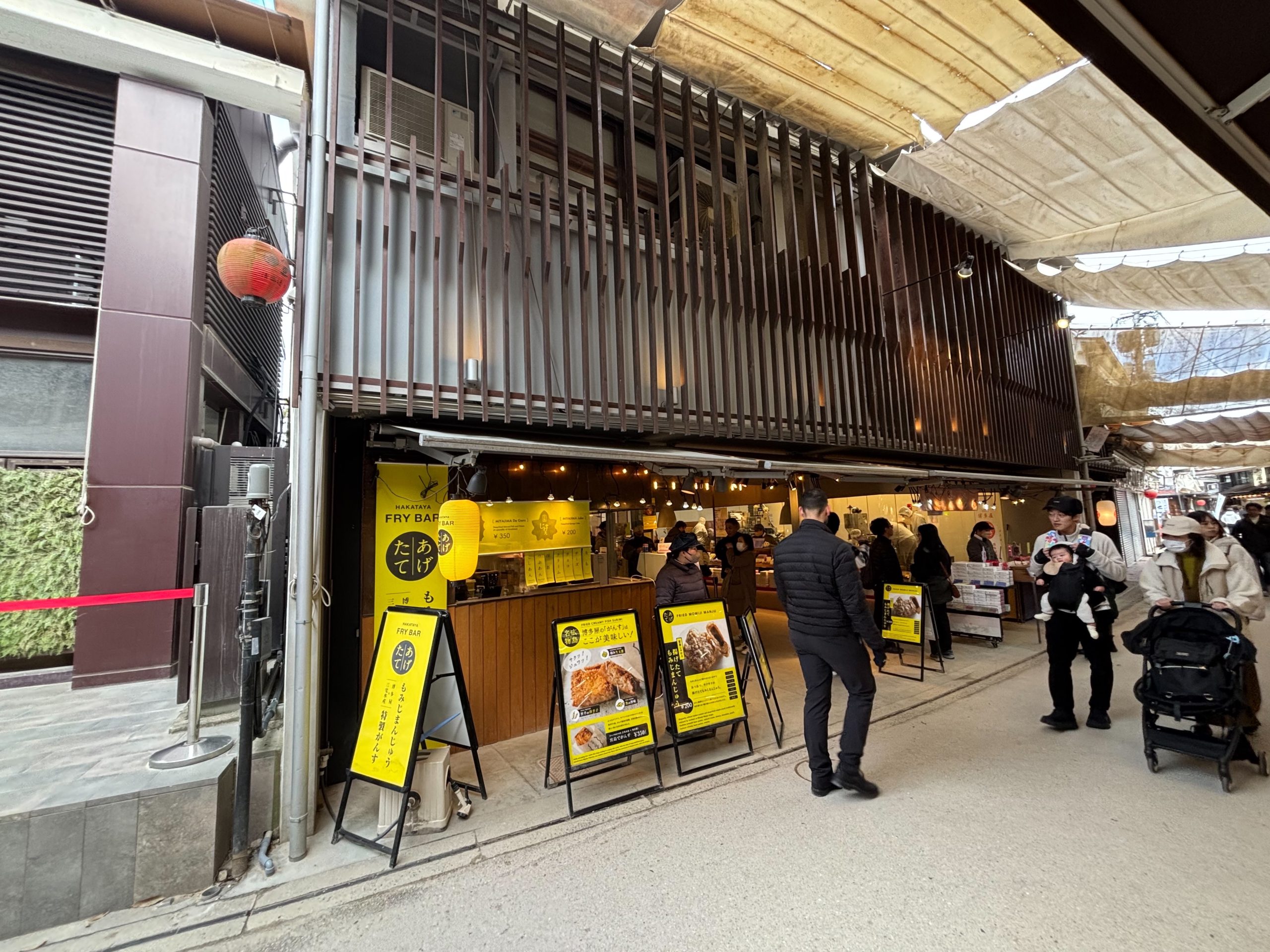
Omotesando Shopping Street stretches from Miyajima Pier to Itsukushima...
Experience World Heritage Miyajima for Yourself
Itsukushima Shrine is an extraordinary place where outstanding historic architecture, preserved styles, and religious cultural heritage come together. A trip to Miyajima lets you experience Japanese tradition and nature in harmony—an unforgettable travel memory.
The shrine buildings change with the tides and light, the sea and mountains embrace, and prayer blends into everyday life. Walking together, children naturally say, “I want to come back!” What new expression will you encounter next? That anticipation is Miyajima’s greatest charm. On rainy days, Miyajima Aquarium is also a great choice—kids love the snub-nosed dolphin and sea lion shows.
To savor Miyajima’s famous conger eel rice, head to a family-friendly restaurant. The plump anago is exquisite—”Ueno” is a longtime local favorite for conger eel in Hiroshima.
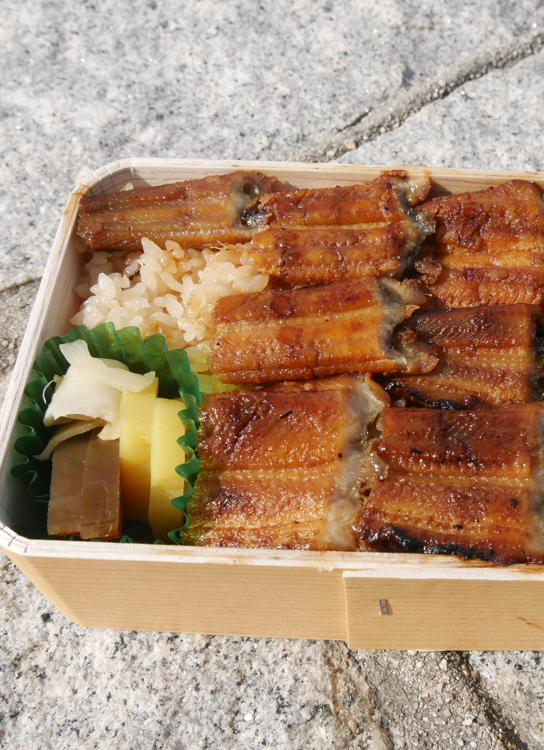
When visiting Miyajima, you absolutely must try anago-meshi (anago ric...
Frequently Asked Questions (Q&A)
Q. When can I see the “shrine floating on the sea”?
A. The best time is around high tide. Once your travel dates are set, check the tide schedule and pair it with sunrise/sunset for the best views. The Miyajima Tourism Association’s website is known for accurate tide information.
Q. Can I get close to the Great Torii Gate for viewing?
A. At low tide, sandy areas appear and expand the walkable zone, letting you approach more closely. Some spots may be wet or slippery, so wear comfortable shoes and prioritize safety. If traveling with children, small pinwheels from dollar stores can help deter curious deer.
Q. What’s the recommended route for families with children?
A. Morning worship → break on the shopping street → Momijidani Park → ropeway to Mt. Misen. This order minimizes fatigue and maximizes varied scenery. For strollers, avoid pushing along the corridors; switch to carrying as needed. Omotesando Shopping Street’s nursing room is on the 2nd floor of the tourist information center.
Q. Any tips for taking photos?
A. Early morning or evening, when corridor traffic calms, offers the best shots. Be mindful of wet floors and steps. If using a tripod, be considerate of others above all else.
Q. What should I be mindful of regarding worship etiquette?
A. The corridors are wooden cultural assets. Practice basic care: no running, no climbing railings, and be careful on wet surfaces. Please do not approach or feed the deer. Deer crackers have been discontinued since 2019.
Q. Where can I enjoy local gourmet food?
A. Omotesando Shopping Street gathers many renowned shops. Grilled oysters, grilled anago rice (conger eel rice), and momiji manju (maple leaf-shaped sweet buns) are must-tries if you are searching for local food in Japan or what to eat in Miyajima. Take advantage of takeout for easy breaks.
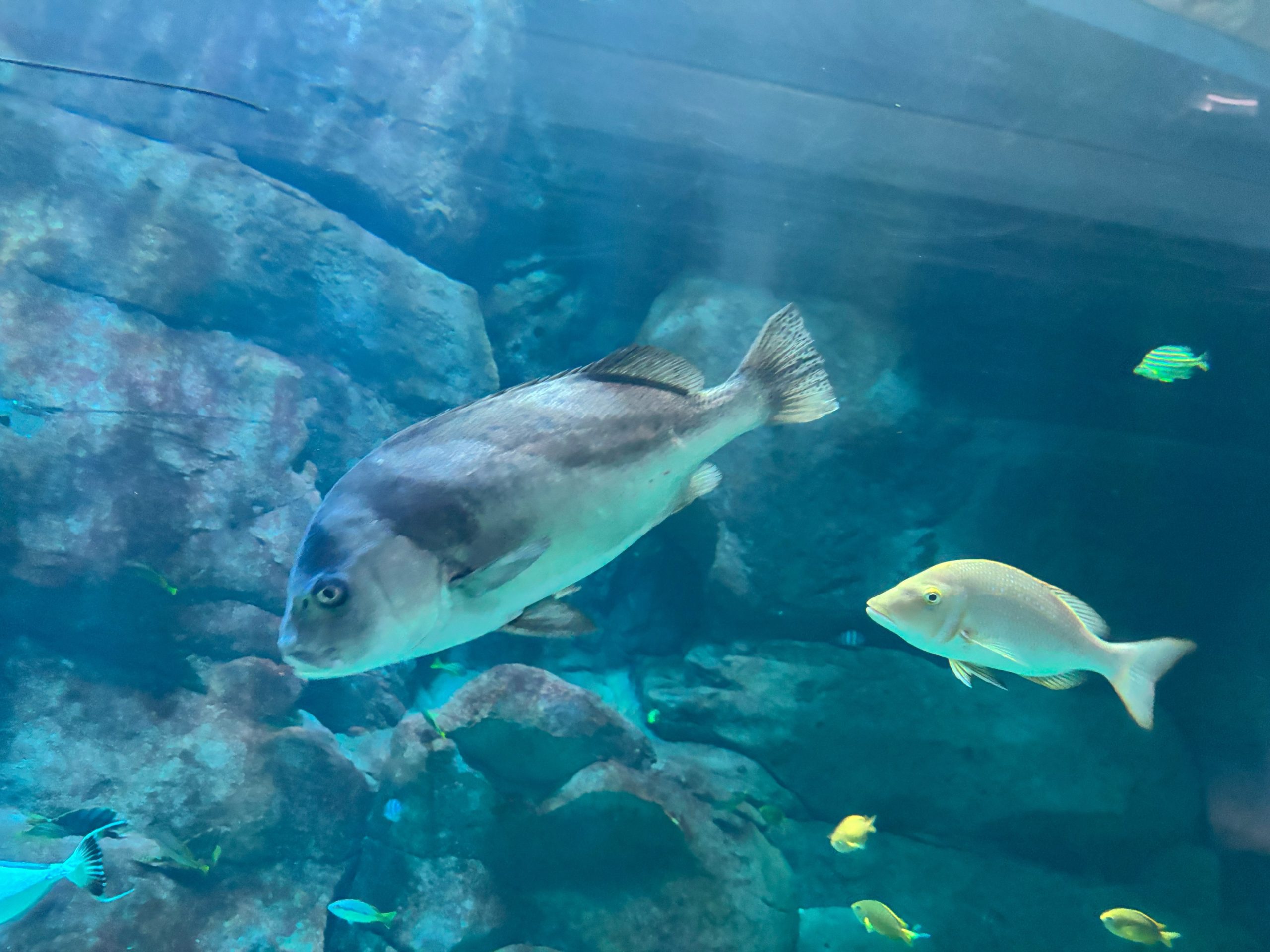
Even on rainy days, Miyajima Aquarium is a reliable choice! The snub-nosed dolphin and sea lion shows are popular. Free stroller rentals are available, making it convenient for families.
Located at the gateway to the World Heritage island of Miyajima, Miyaj...
Summary
Itsukushima Shrine, where sea and mountains—and prayer and daily life—unite as one, offers new discoveries every time you visit. Walk in step with the rhythm of tides and light, and each family member will find a “favorite photo.” Our family keeps returning across the seasons, discovering a new face of the shrine each time. My husband handles photography while I look after the kids—we split tasks and collect wonderful memories. On your next trip, make the tides and timing your allies and find your own way to enjoy Miyajima.