When spring arrives on Miyajima, something magical happens. The island’s roughly 1,900 cherry trees burst into bloom, framing the UNESCO World Heritage Itsukushima Shrine in clouds of pink and white petals. As a Hiroshima local who visits Miyajima once or twice a month with my family, I’ve discovered that experiencing Miyajima cherry blossoms is one of Japan’s most unforgettable hanami (cherry blossom viewing) experiences—combining ancient shrine architecture, the famous floating torii gate, and spectacular sakura in one breathtaking setting.
In this guide, I’m sharing everything you need to know for the perfect cherry blossom trip to Miyajima: the 2025 bloom forecast, the most photogenic viewing spots (including hidden gems that even many Japanese tourists miss), practical tips for avoiding crowds, family-friendly advice for traveling with children, and details about the enchanting nighttime illuminations. Whether this is your first hanami or you’re a seasoned cherry blossom chaser, you’ll find practical, photo-ready advice to help you make the most of spring on this incredible island.
When to See Miyajima Cherry Blossoms: 2025 Bloom Forecast & Peak Season
The peak viewing season for cherry blossoms on Miyajima typically falls from late March through early April. For 2025, forecasters predict the blossoms will begin opening around March 26, with full bloom expected around April 7. The beauty of Miyajima’s extended bloom period is that different cherry varieties—from the classic Yoshino cherry to elegant weeping cherries—bloom in succession over about two weeks. This means even if you visit a few days before or after the official “peak,” you’ll still enjoy spectacular sakura displays across the island.
Here’s a local secret I learned just last November from a Miyajima resident: the Miyajima Tourism Association’s social media accounts provide the most accurate, up-to-the-minute bloom updates. Because they’re actually based on the island, they post daily photos showing the current state of the buds and blossoms—much more specific than the national cherry blossom forecasts you’ll find on weather websites. I always check their feed the day before visiting to catch the blossoms at their absolute best.
Spring is also the perfect time to visit Itsukushima Shrine itself. Local wisdom says to arrive early and time your shrine visit with high tide, when the famous torii gate appears to float on the water. My second daughter perfectly captured the magic when she gasped, “When the great torii stands in the water and the cherry blossoms are out, it looks like something from a fairytale!” She wasn’t wrong—when the cherry blossoms reach full bloom, this World Heritage site becomes even more breathtaking than usual.
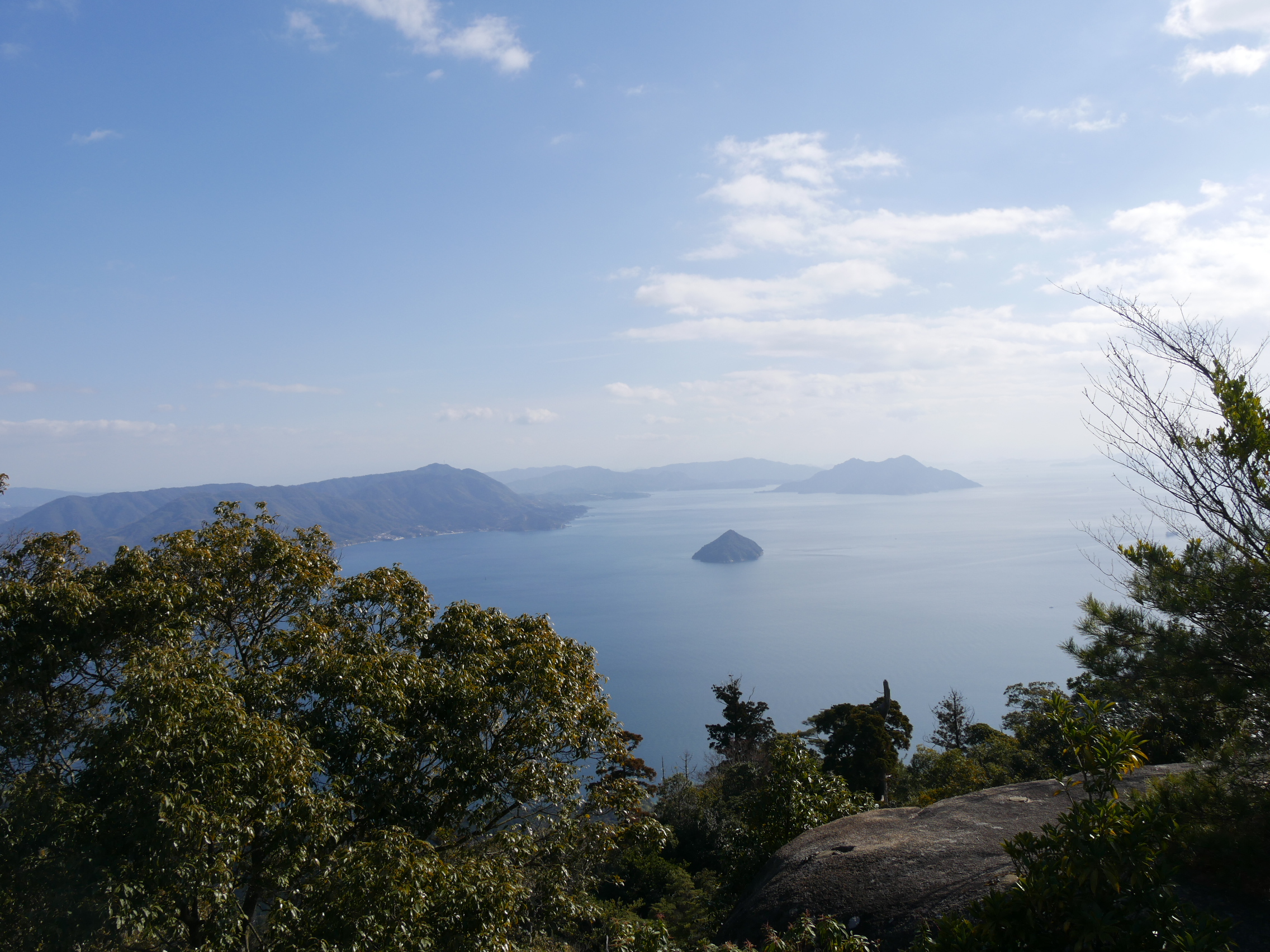
Miyajima is one of those rare places where Japan's ancient history and...
How to Avoid Crowds: Smart Access Tips for Cherry Blossom Season
I won’t sugarcoat it: during peak bloom, Miyajima gets crowded. The main Omotesando Shopping Street and the area around Itsukushima Shrine can have wait times of up to an hour, especially on weekends. But with smart timing, you can enjoy a much more peaceful experience. My top recommendation is to catch the first ferry over in the morning and aim to see the main attractions by 10:00 AM. This “morning cherry blossom viewing” strategy gives you the island at its most serene, with far fewer people and perfect light for photography.
I learned this lesson the hard way. Once, we visited around 2:00 PM on a Saturday during spring break. It was absolutely packed—shoulder-to-shoulder crowds, my younger daughter got overwhelmed and cranky, and just moving around was challenging. According to local residents, the period from late March to early April, especially during school holidays, represents the busiest time of the entire year on Miyajima. If your schedule allows, weekdays between 2:00 PM and 4:00 PM tend to be the quietest hours—though mornings are still your best bet for a truly relaxed experience.
If you’re driving to Miyajimaguchi (the ferry terminal on the mainland), be aware that parking lots fill up by around 9:00 AM during cherry blossom season. Here’s a local tip that’s saved me multiple times: the parking lot behind Momiji Honpo (a famous momiji manju shop) often has available spaces if you arrive before 8:00 AM. Even better, you can book parking in advance using the “akippa” reservation app, which eliminates last-minute parking stress entirely.
One more ferry tip: the JR Ferry route passes closest to the Great Torii Gate, giving you beautiful cherry blossom views right from the boat as you approach the island. The local strategy is to take the JR Ferry on the way over for those torii gate views, then return on the Matsudai Ferry for a different perspective.
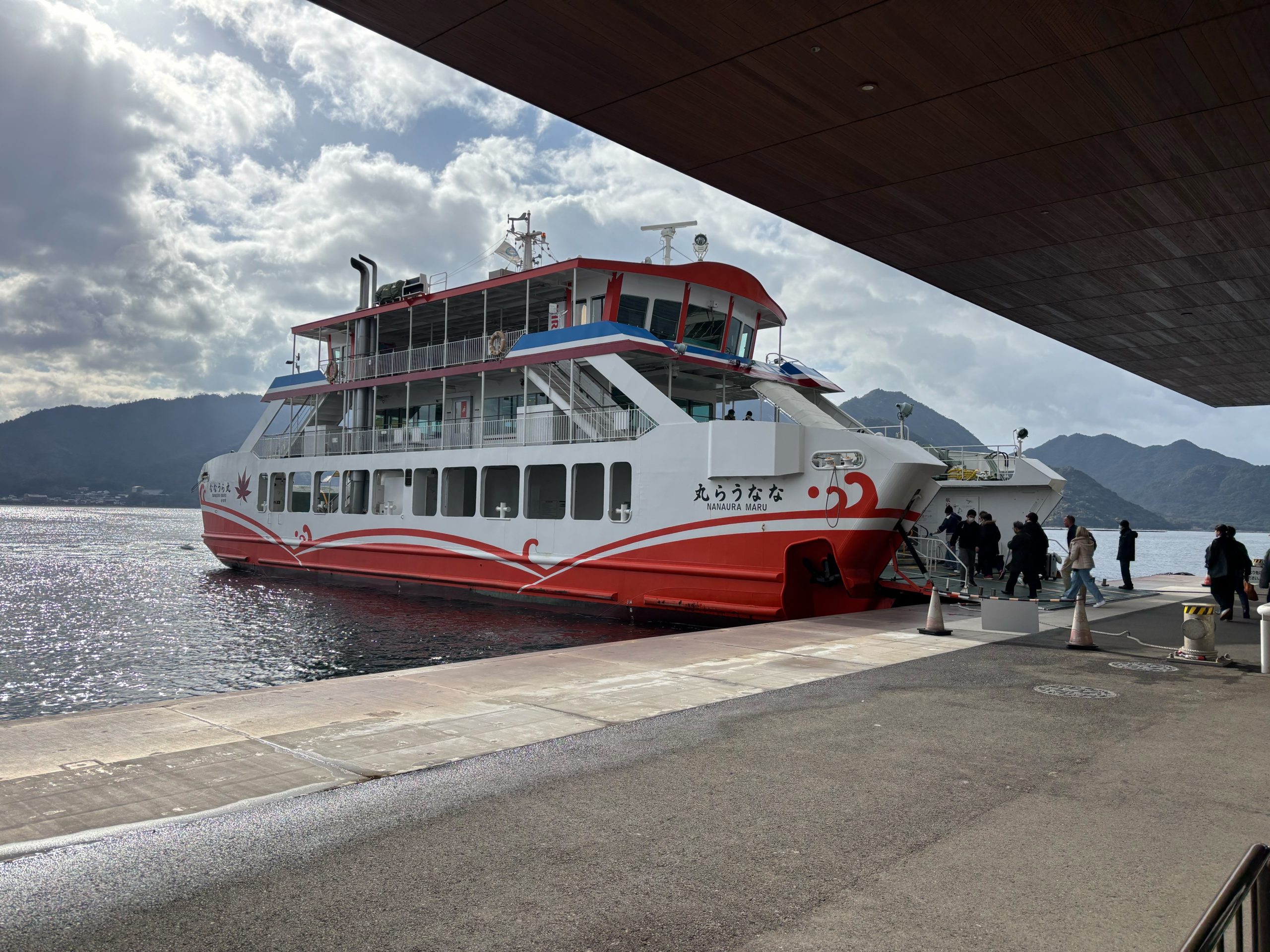
The Miyajima ferry is more than just a way to reach the island—it's a ...
Visiting with Kids: Stroller Access & Family Safety Tips
Miyajima’s accessibility is improving, but careful planning makes a huge difference when visiting with children, especially given the island’s historic nature—many areas feature ancient stone paths and steep steps. Ōmoto Park is one of the most family-friendly cherry blossom spots, with relatively flat terrain, plenty of benches for rest breaks, and clean restrooms. The “TOTO Miyajima Omotenashi Toilet” even has a diaper-changing table, which is a real relief when traveling with little ones.
If you’re bringing a stroller, I strongly recommend also bringing a baby carrier as a backup. Some of the most beautiful cherry blossom locations—particularly the path to Momobayashi (the peach grove) and the trail up to the Seishin Daikaku Monument—involve many stone steps that are simply not stroller-friendly. Miyajima Aquarium offers free stroller rentals, so if you’re planning to visit both the aquarium and Ōmoto Park, you can pick up a stroller there and return it when you’re done—a convenient option that saves you from lugging your own stroller around all day.
About those famous Miyajima deer: they’re beautiful but bold, especially when food is involved. To prevent them from snatching your snacks, eat quickly at a bench and keep food packed away when walking. Our family has a simple trick that actually works surprisingly well—we bought a 100-yen shop pinwheel, and when a deer gets too curious, our eldest gently spins it. The movement makes the deer back off without anyone getting upset. It’s a simple, child-friendly way to maintain respectful distance from the wildlife.
If rain threatens your cherry blossom plans, Miyajima Aquarium makes an excellent backup activity. My kids were absolutely delighted by the snub-nosed dolphin and sea lion shows, and it kept them entertained for hours.
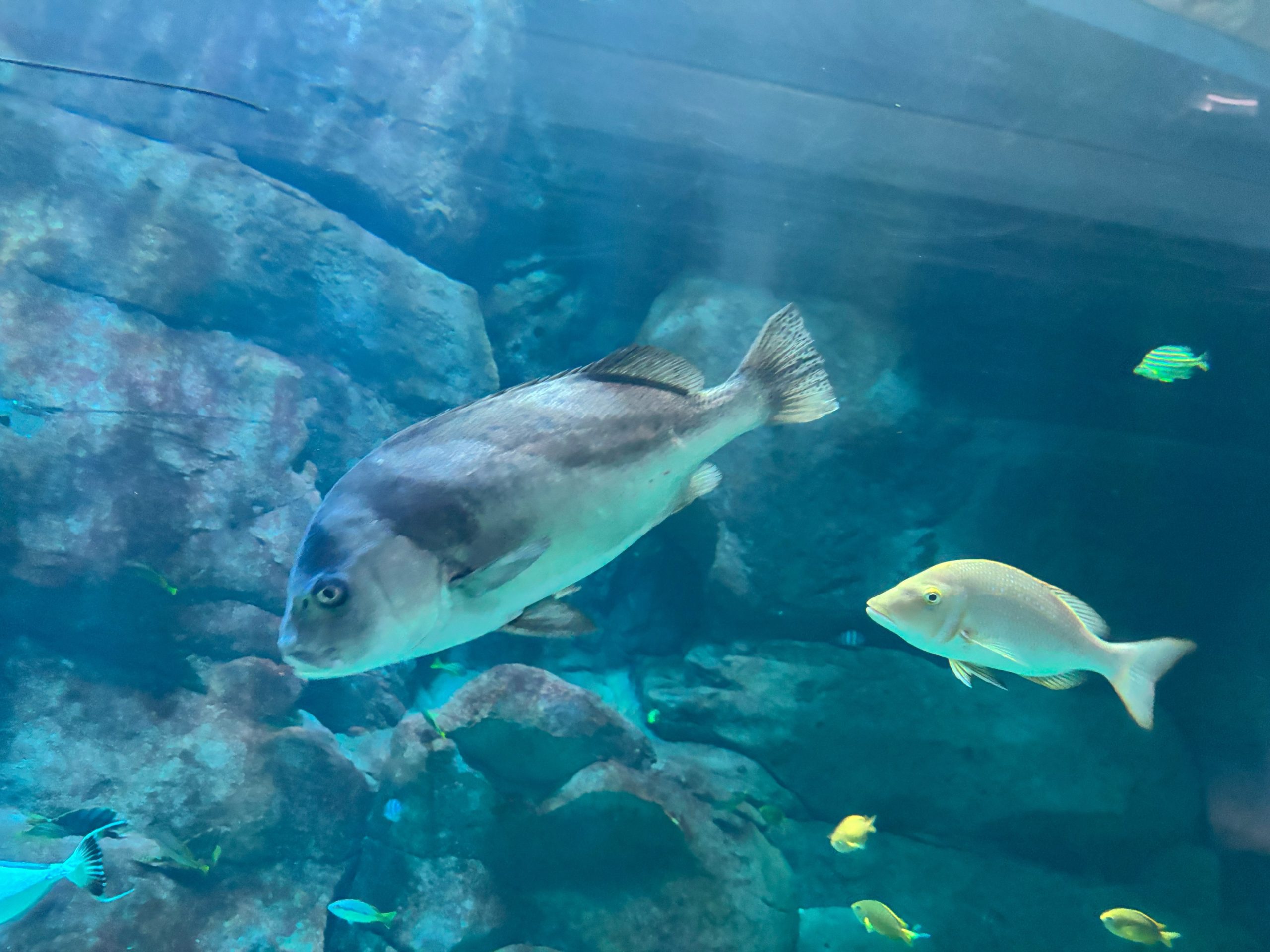
Located at the gateway to the World Heritage island of Miyajima, the M...
Romantic Evening Plans: Nighttime Cherry Blossom Illumination
After sunset, carefully placed lanterns illuminate the cherry trees around the Tahōtō Pagoda area and nearby groves, transforming the vermilion shrine buildings and pale pink blossoms into an absolutely dreamy nightscape. If you stay overnight on the island—and I highly recommend it if you can—you’ll enjoy these illuminated cherry blossoms in a near-private atmosphere after the last ferry departs and the day-trippers have gone home. The illuminations typically end around 10:00 PM, so plan for about an hour of evening photography and strolling around dinnertime.
One important note for 2025: Tahōtō Pagoda is currently undergoing restoration and will be covered in scaffolding until September. For the best nighttime cherry blossom experience this year, I recommend focusing on the Seishin Daikaku Monument area combined with Fujinotana Park instead. In our family, my husband handles the camera settings while I keep track of the kids—it makes for a magical family outing that’s become one of our favorite Miyajima traditions.
The Best Cherry Blossom Viewing Spots in Miyajima
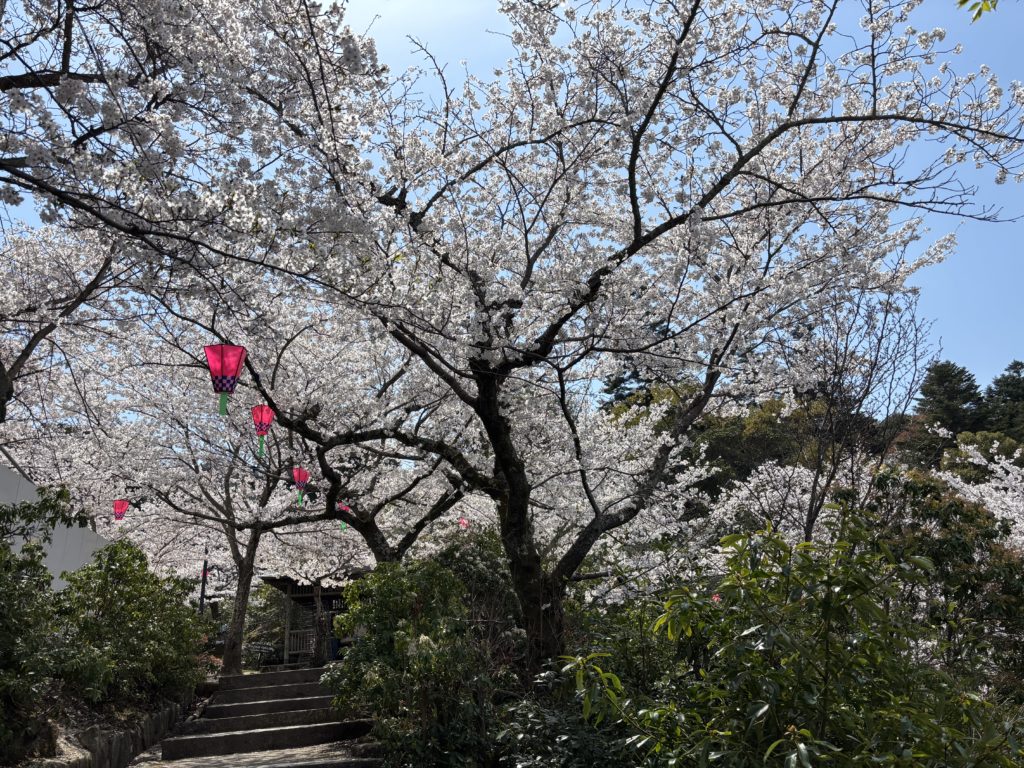
Early April brings peak cherry blossom season to Miyajima
Miyajima offers an abundance of photogenic cherry blossom locations, each with its own character and charm. Below are the spots that truly define spring on this island. Framing your portraits and landscapes with Miyajima’s signature combination of shrine architecture, sea views, and sakura blossoms instantly elevates any photo from snapshot to stunning.
Ōmoto Park: Classic Beauty with Easy Access

Located just behind Miyajima Aquarium, Ōmoto Park features Ōmoto Shrine at its entrance and has been counted among the “Eight Views of Itsukushima” for centuries. This classic Miyajima cherry blossom destination comes alive each spring with trees blooming in profusion throughout the park. Because it’s slightly off the main tourist path, Ōmoto Park typically feels less crowded than the waterfront areas, allowing you to linger under the blossoms at your own relaxed pace.
Local residents often tell visitors that “the hidden gem for cherry blossoms is around the Tahōtō Pagoda,” but with that area under construction scaffolding for 2025, Ōmoto Park becomes our top recommendation for this year. The park is home to many of Miyajima’s friendly deer, and the combination of blossoms with the sea in the background creates wonderfully photogenic scenes.
Cherry Blossom Beauty ★★★☆☆
Ease of Access ★★☆☆☆
Hidden Gem Factor ★★★☆☆
Number of Cherry Trees ★★★★★
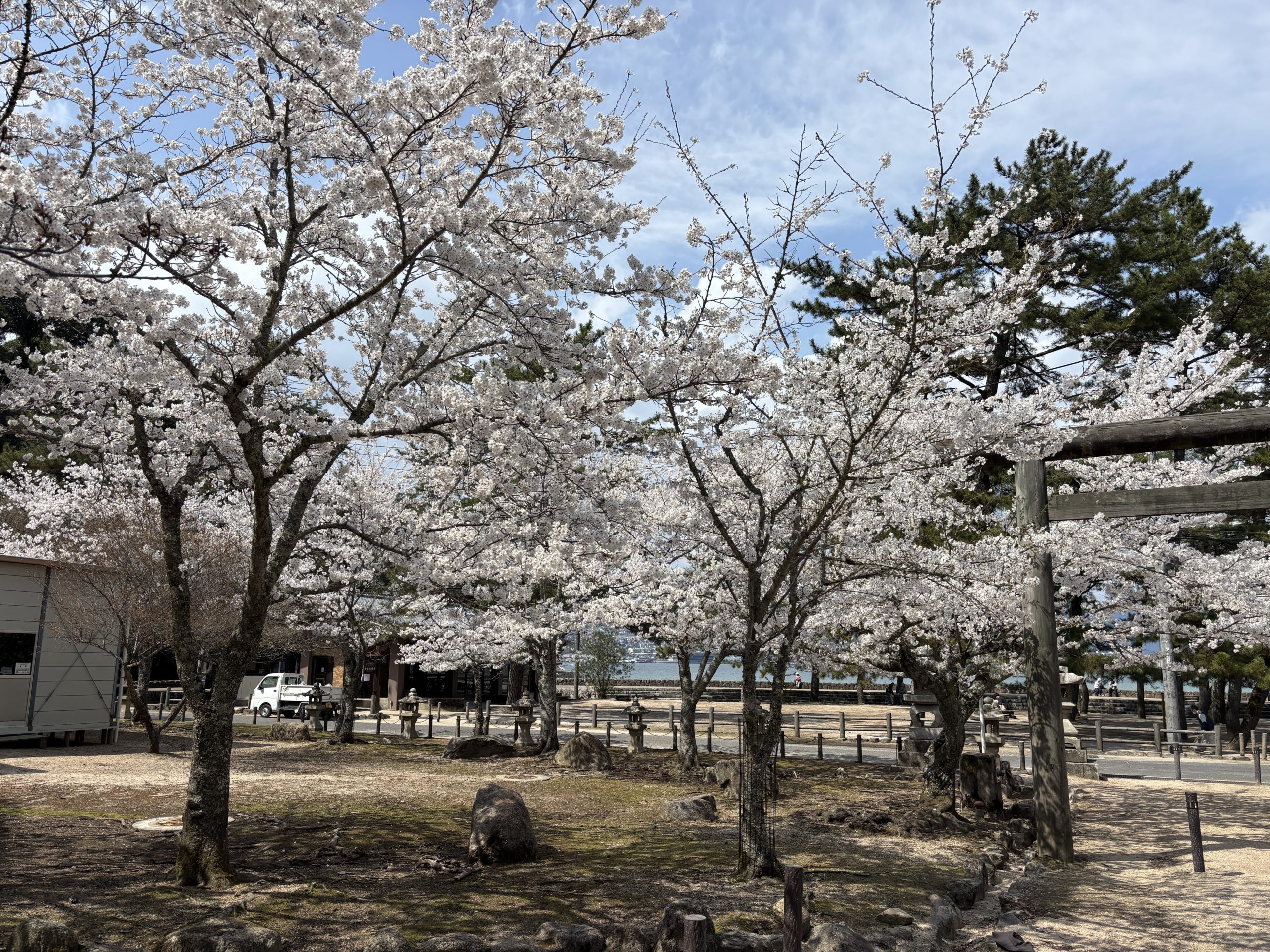
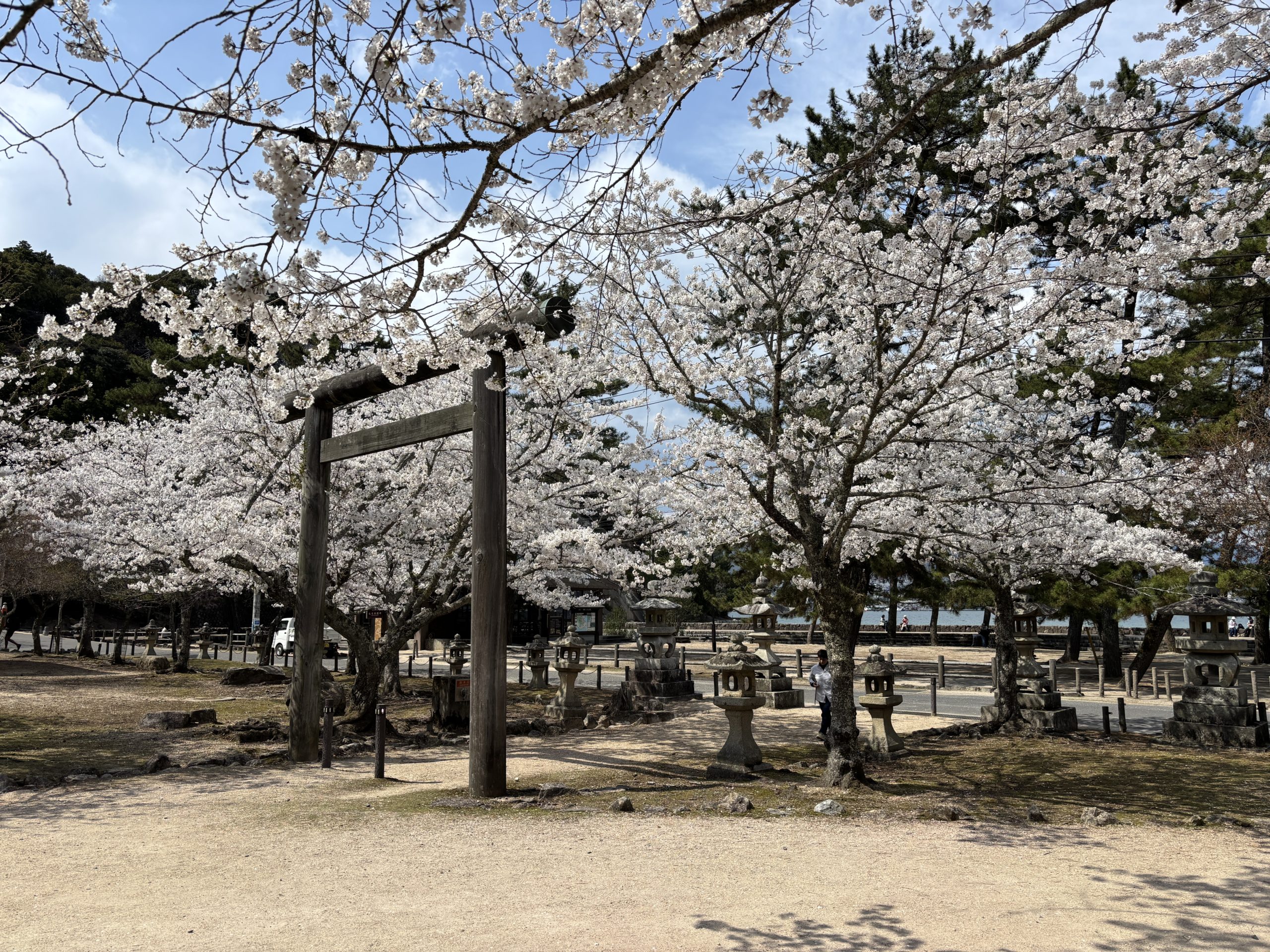
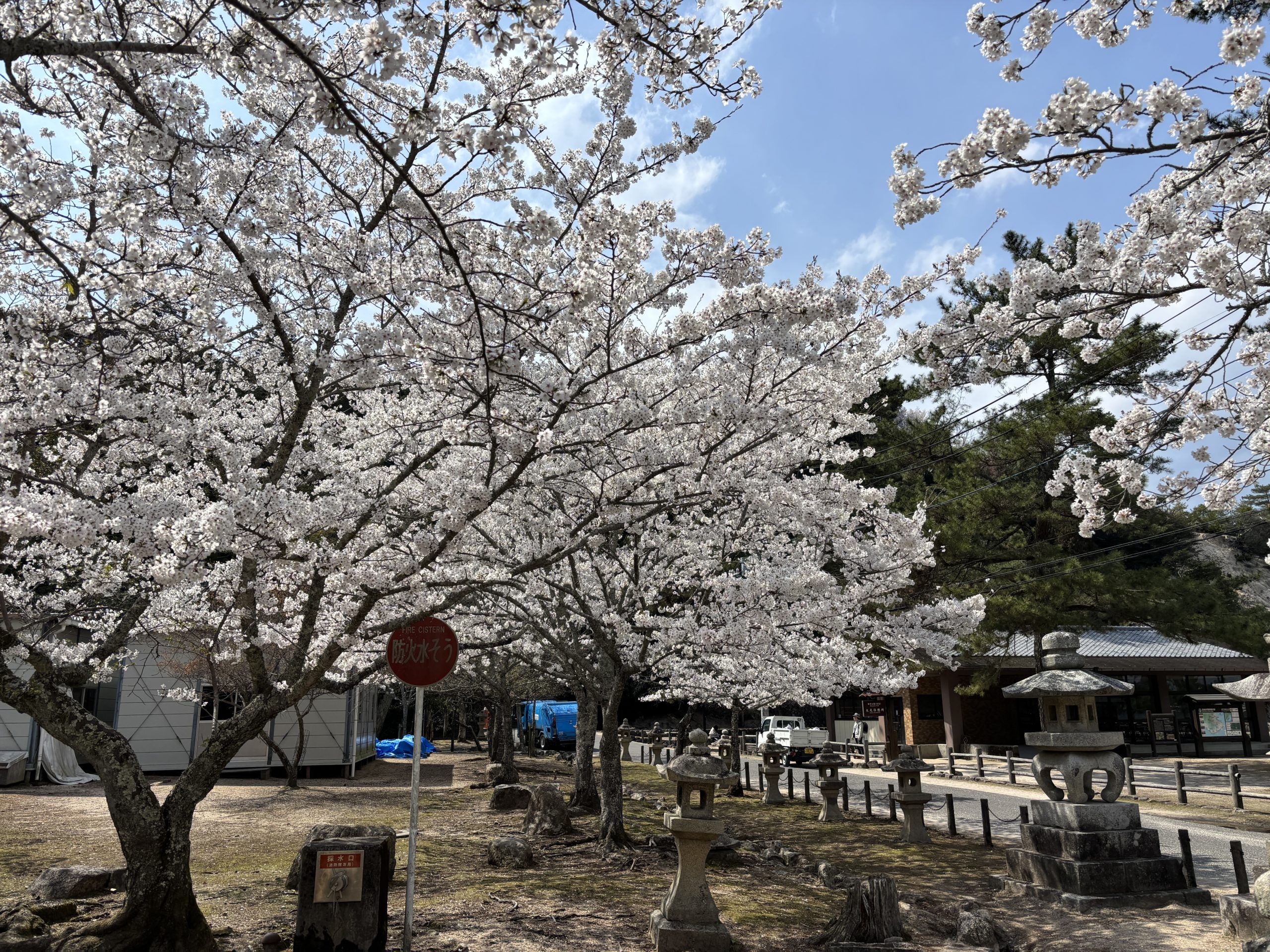
Momobayashi (Peach Grove): A Hidden Cherry Blossom Paradise
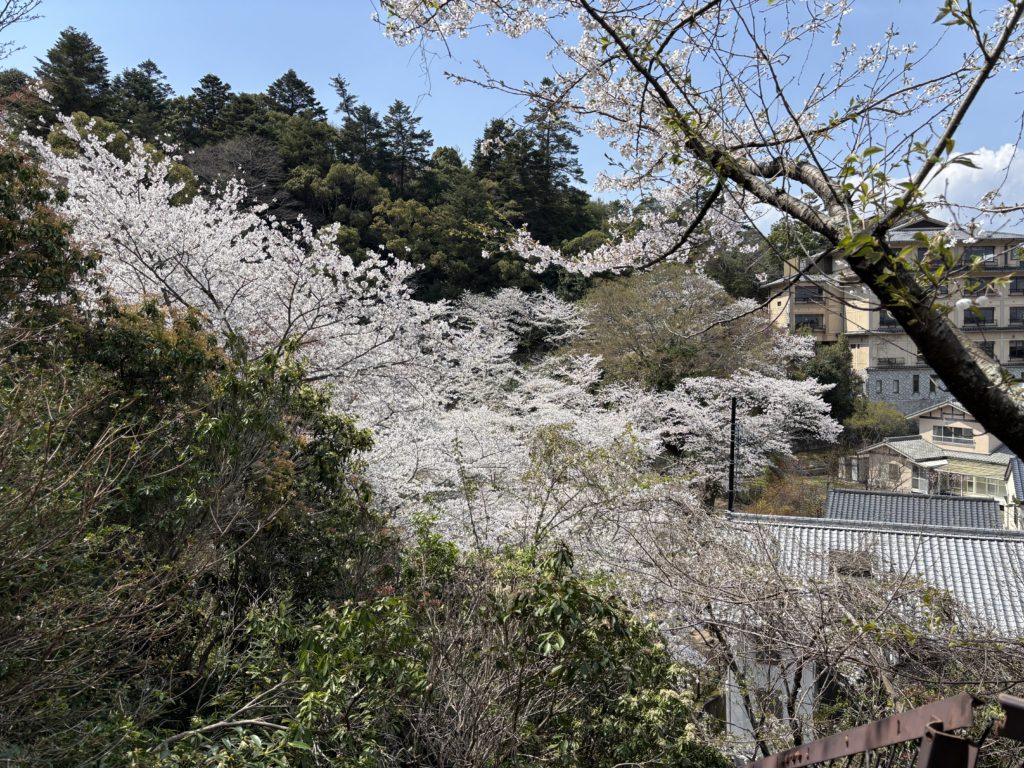
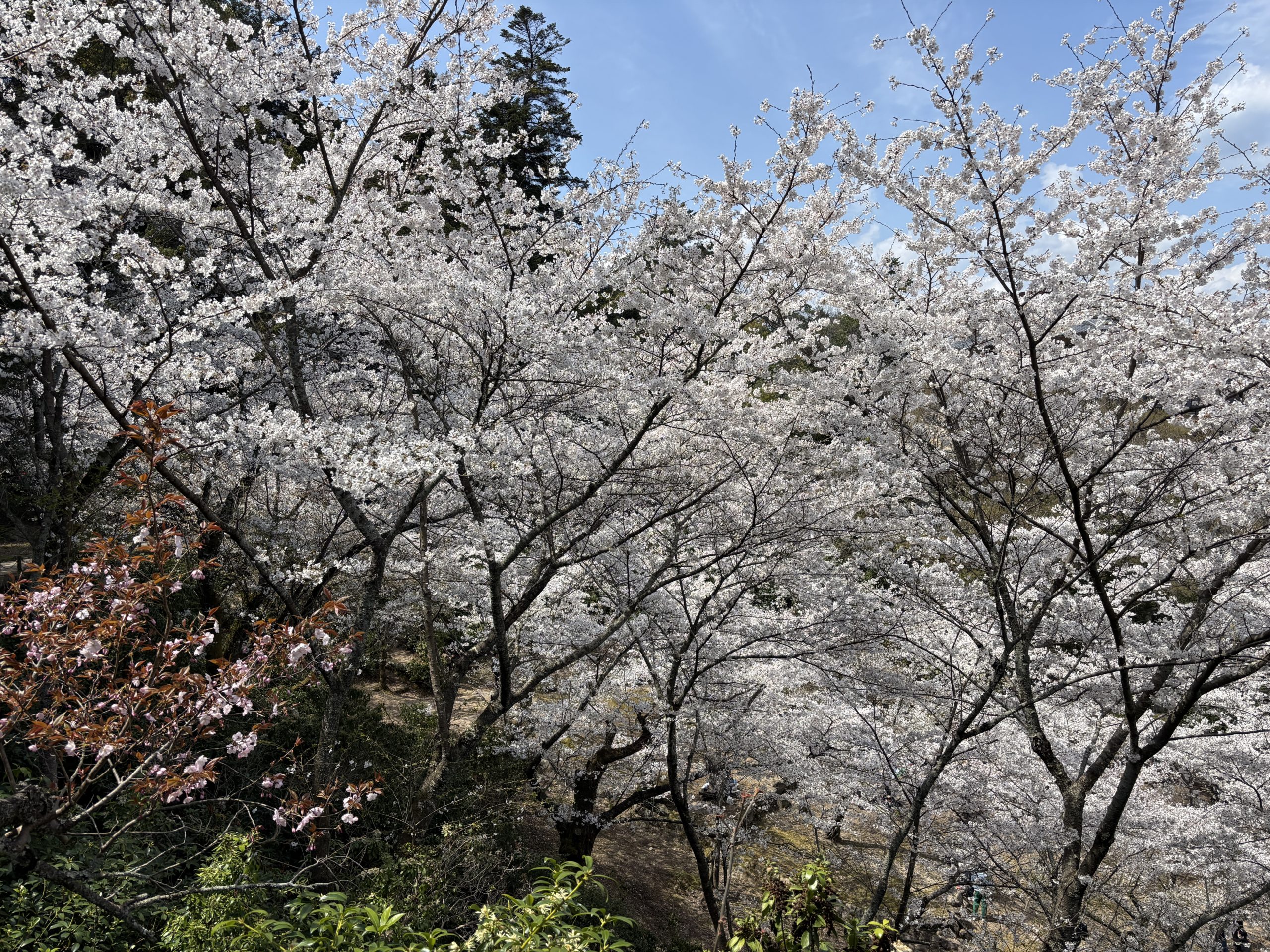
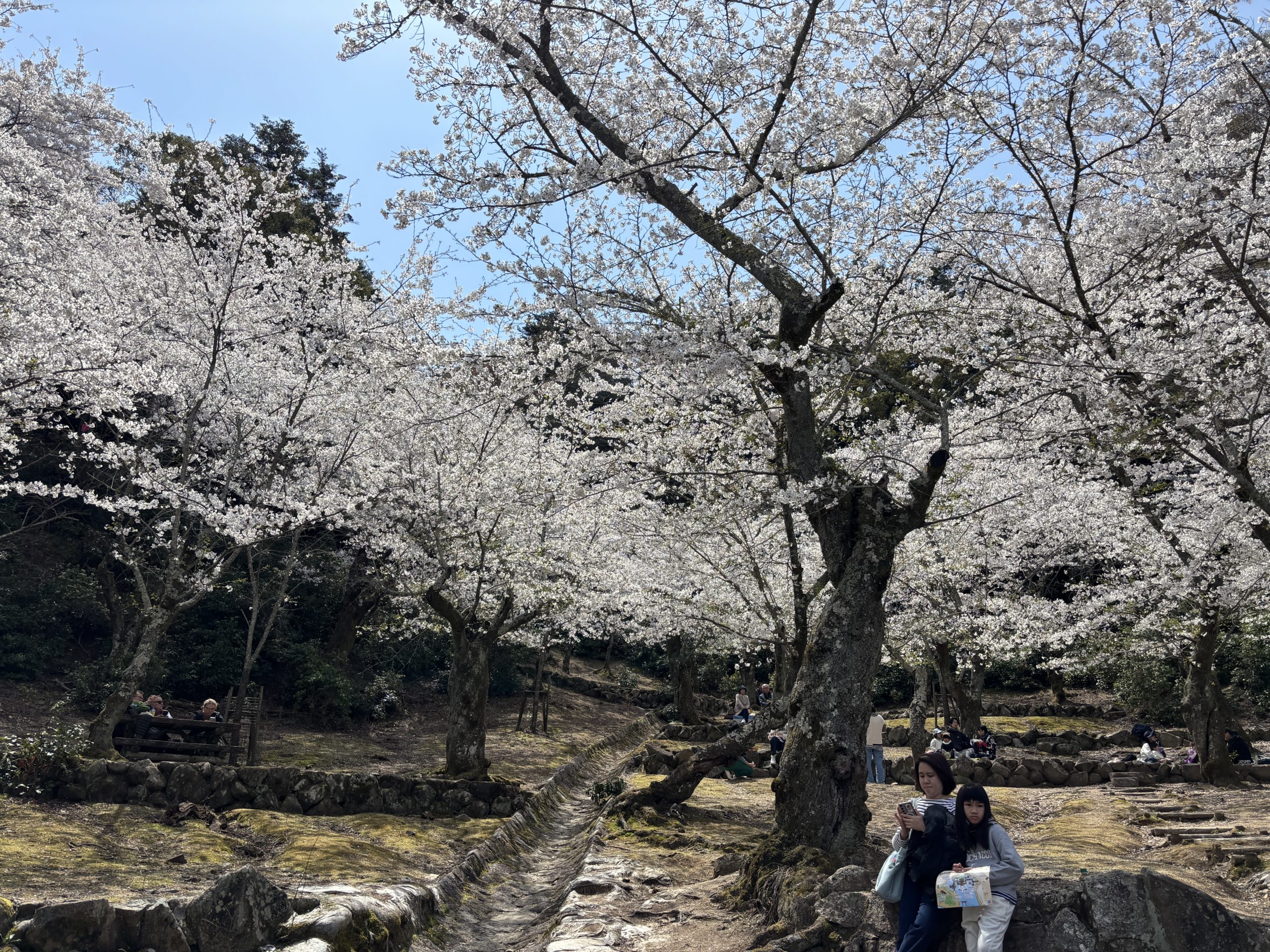
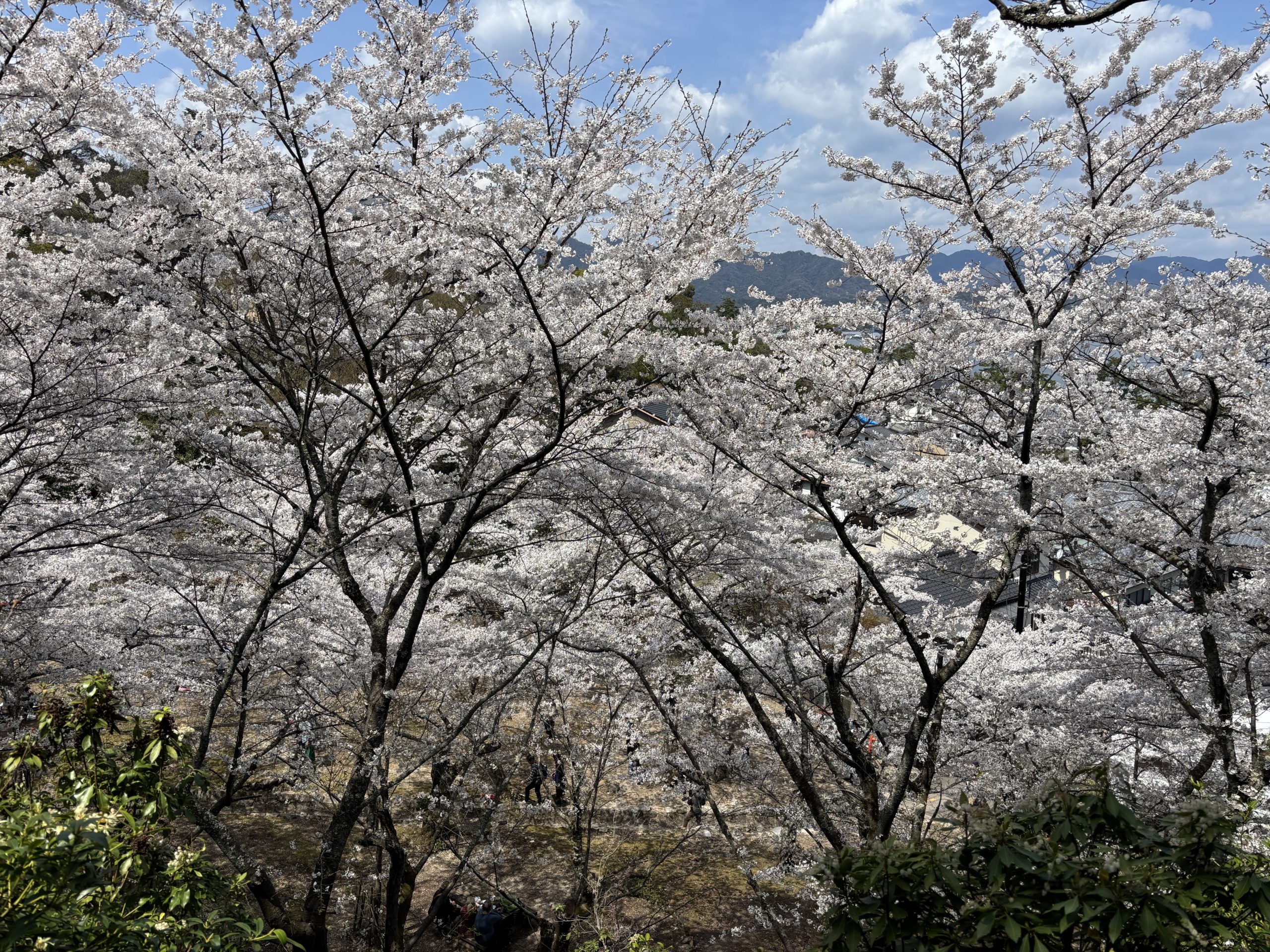
To find Momobayashi, walk straight down the narrow alley directly in front of the History and Folklore Museum. It’s tucked away enough that you’ll want to check your tourist map or ask for directions, but the effort is absolutely worth it. When the cherry trees reach full bloom here, countless blossoms create an overhead canopy that’s pure joy to walk beneath.
My eldest daughter became completely absorbed when we visited Momobayashi and ended up taking over 100 photos. “It’s like walking through a cherry blossom tunnel!” she exclaimed, and she wasn’t exaggerating. The nighttime illumination here is particularly gorgeous, and if you stay overnight on the island, you’ll often have this magical spot almost entirely to yourselves in the evening.
Cherry Blossom Beauty ★★★★★
Ease of Access ★★★☆☆
Hidden Gem Factor ★★★☆☆
Number of Cherry Trees ★★★★★
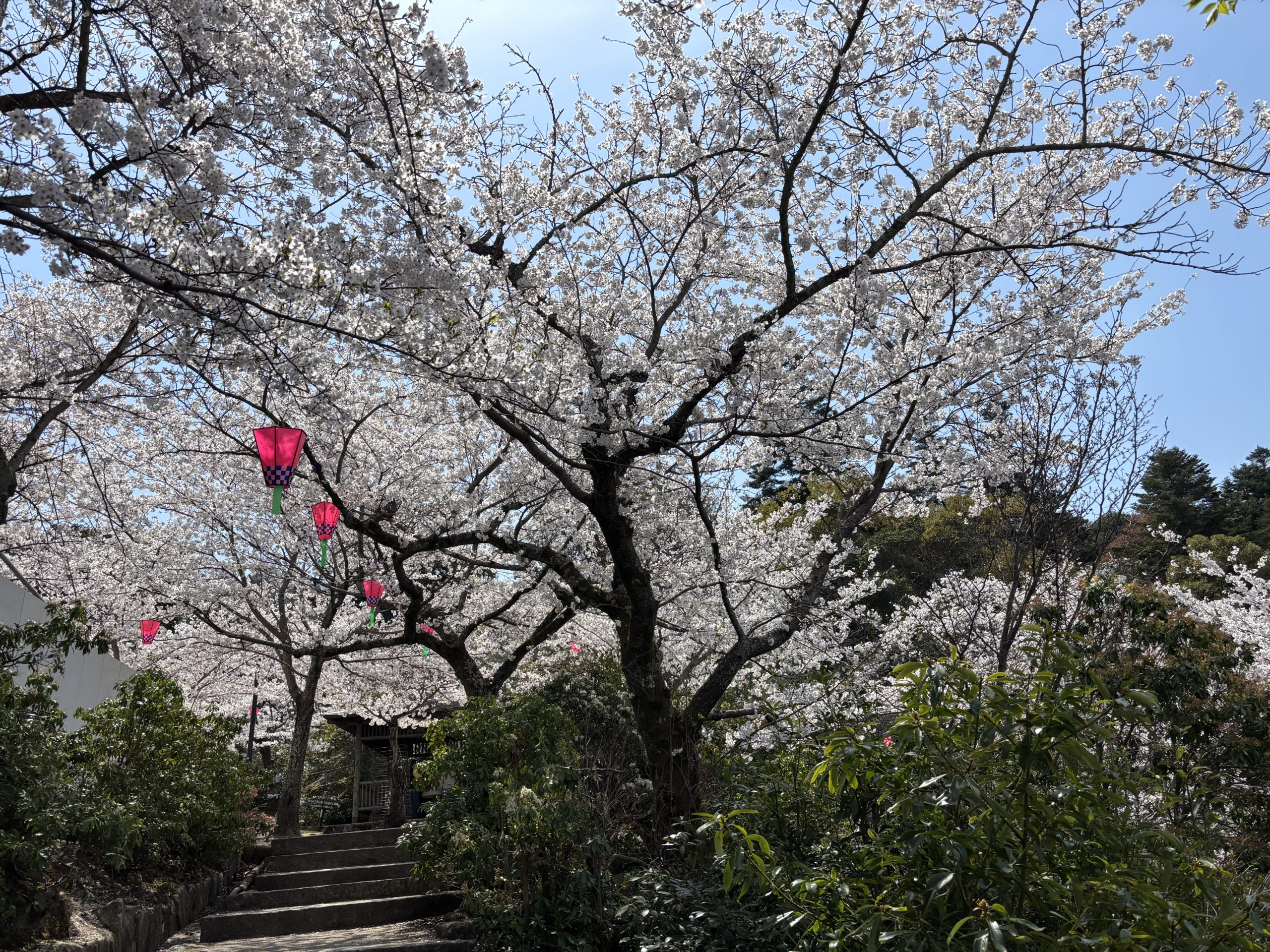
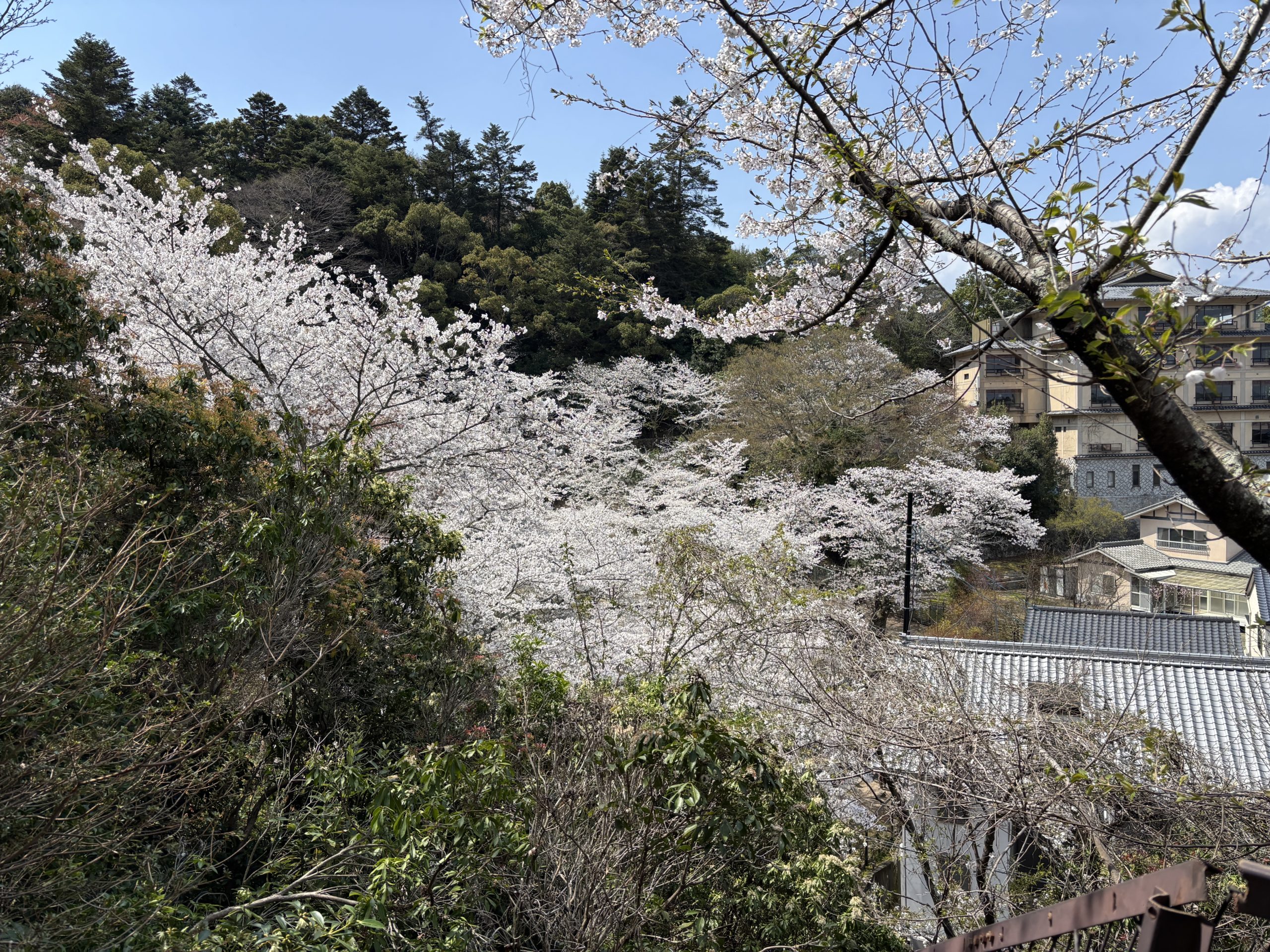
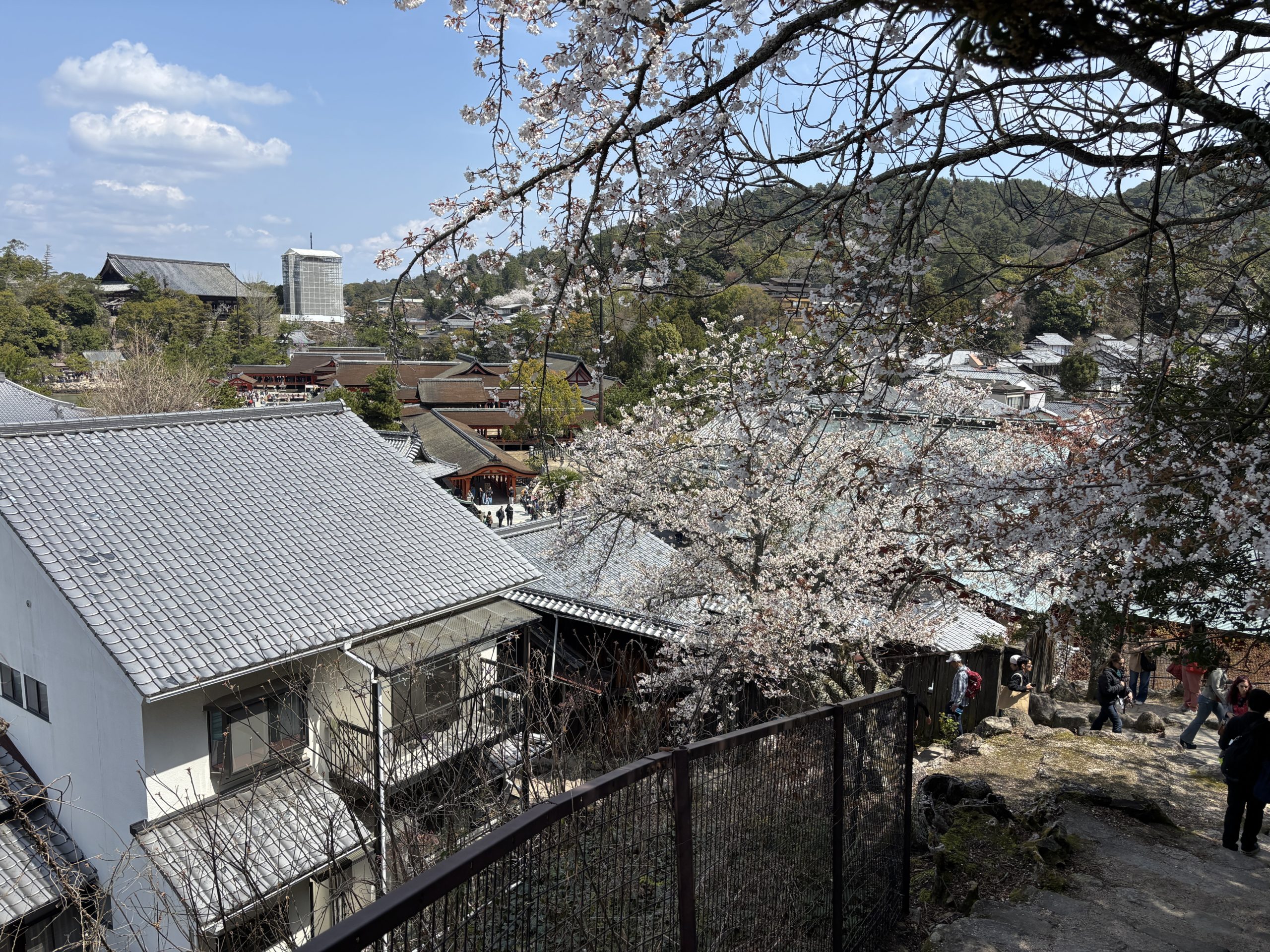
Pro tip: Stop by the History and Folklore Museum before heading to Momobayashi to pick up their pamphlet about different cherry varieties and seasonal highlights. It adds interesting context to what you’re seeing.
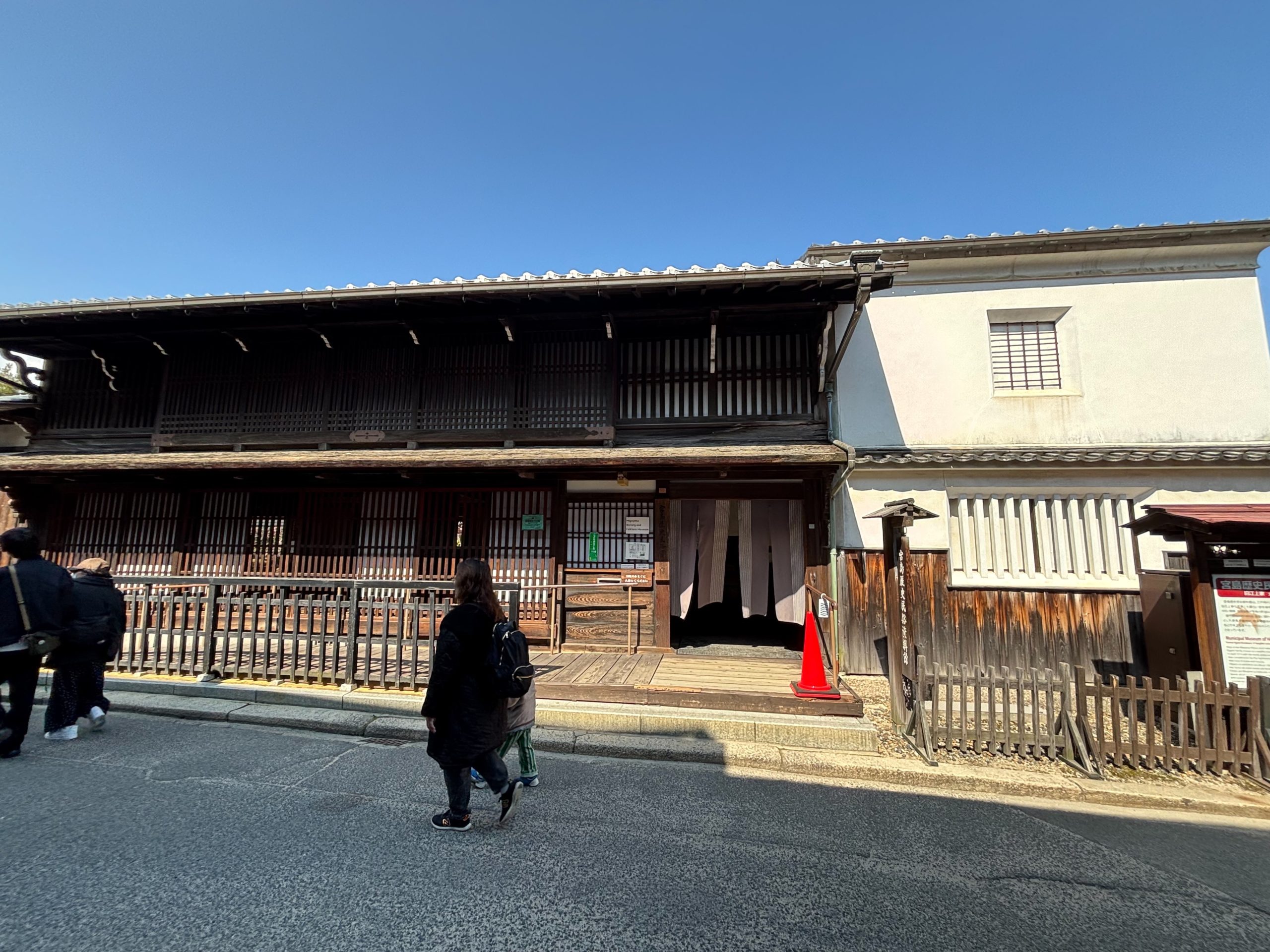
Discovering Miyajima's Past at the History and Folklore Museum Th...
Seishin Daikaku Monument: Panoramic Views Worth the Climb
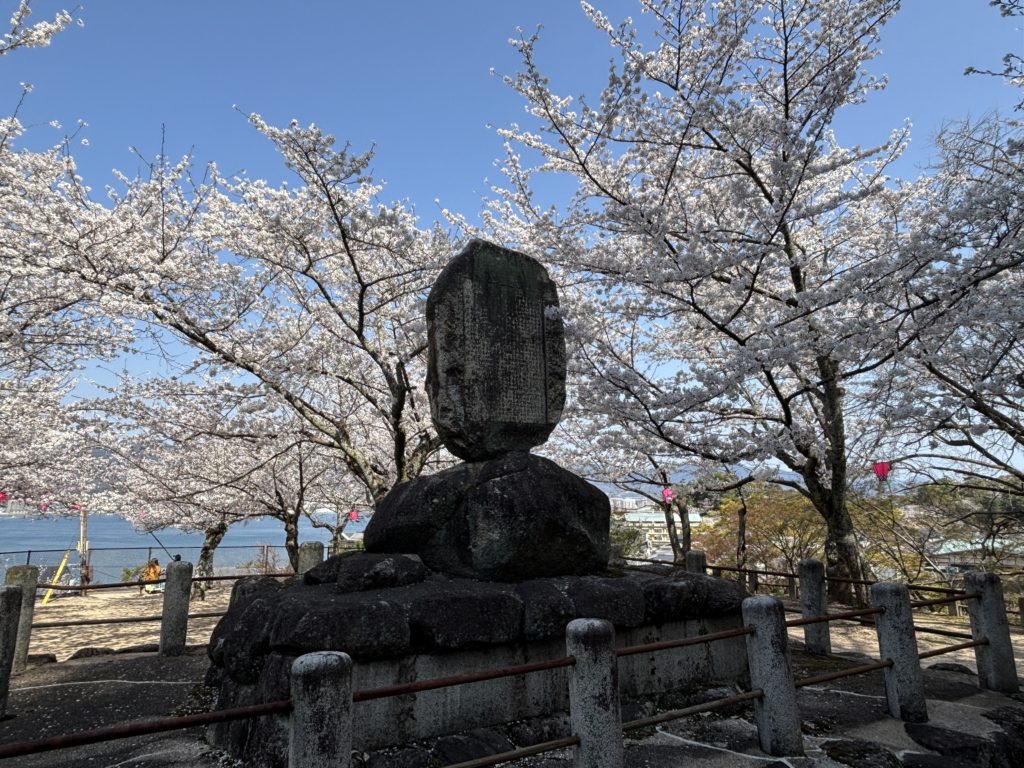
This cherry blossom viewing spot sits atop a small hill and rewards your climb with spectacular panoramic views. The Seishin Daikaku Monument honors Seishin, the Edo-period monk credited with popularizing the shakushi (wooden rice scoop)—you’ve probably seen these everywhere on Miyajima, as they’ve become a beloved symbol of the island and a popular good-luck charm.
The route takes some navigation: from the stairs near Saiwai Shrine, follow the lane beside the anago rice restaurant “Wada,” turn right at the Five-Story Pagoda (Gojū-tō), climb the small path, and continue along Komyō-in Temple until you reach the monument. There aren’t many clear landmarks along the way, so it takes a bit of effort to find—but the sweeping view of sea, sky, and cherry blossoms is truly moving once you arrive. Pink lanterns strung among the blooming branches add a festive atmosphere.
My second daughter exclaimed, “It’s like standing in a castle surrounded by flowers!” The slope up is somewhat steep, so a baby carrier works much better than a stroller here.
Cherry Blossom Beauty ★★★★★
Ease of Access ★★☆☆☆
Hidden Gem Factor ★★★★★
Number of Cherry Trees ★★★★★
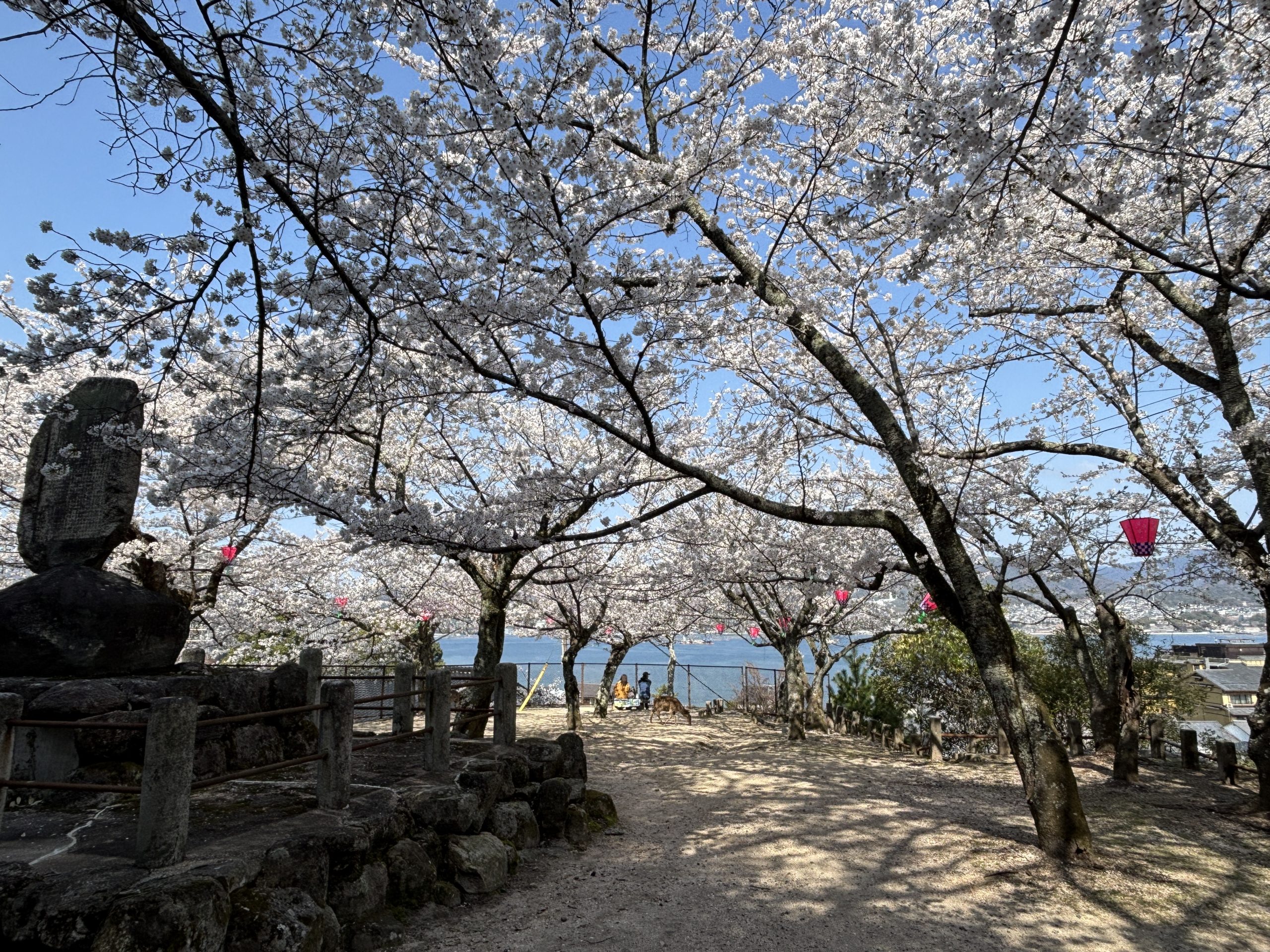
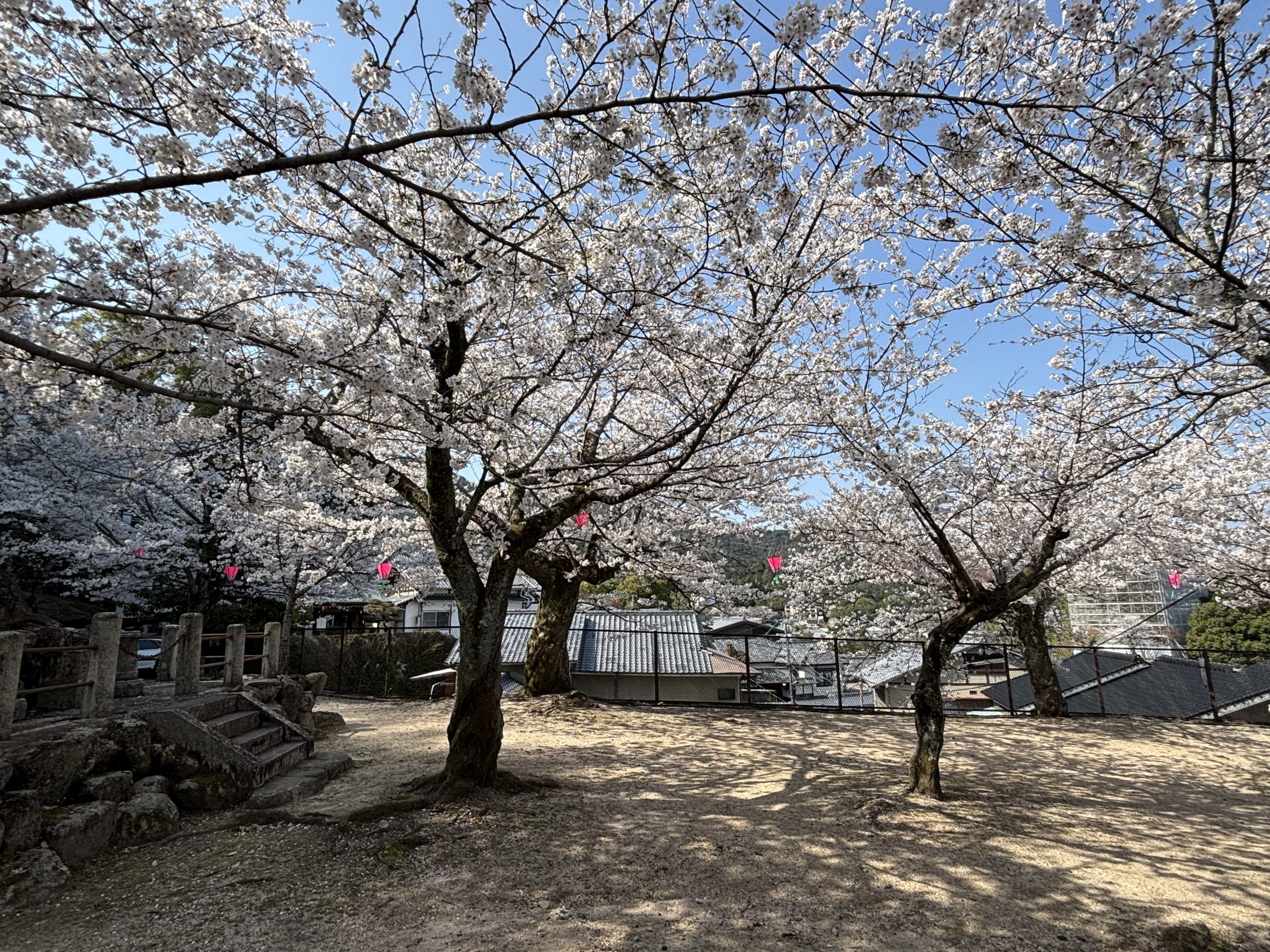
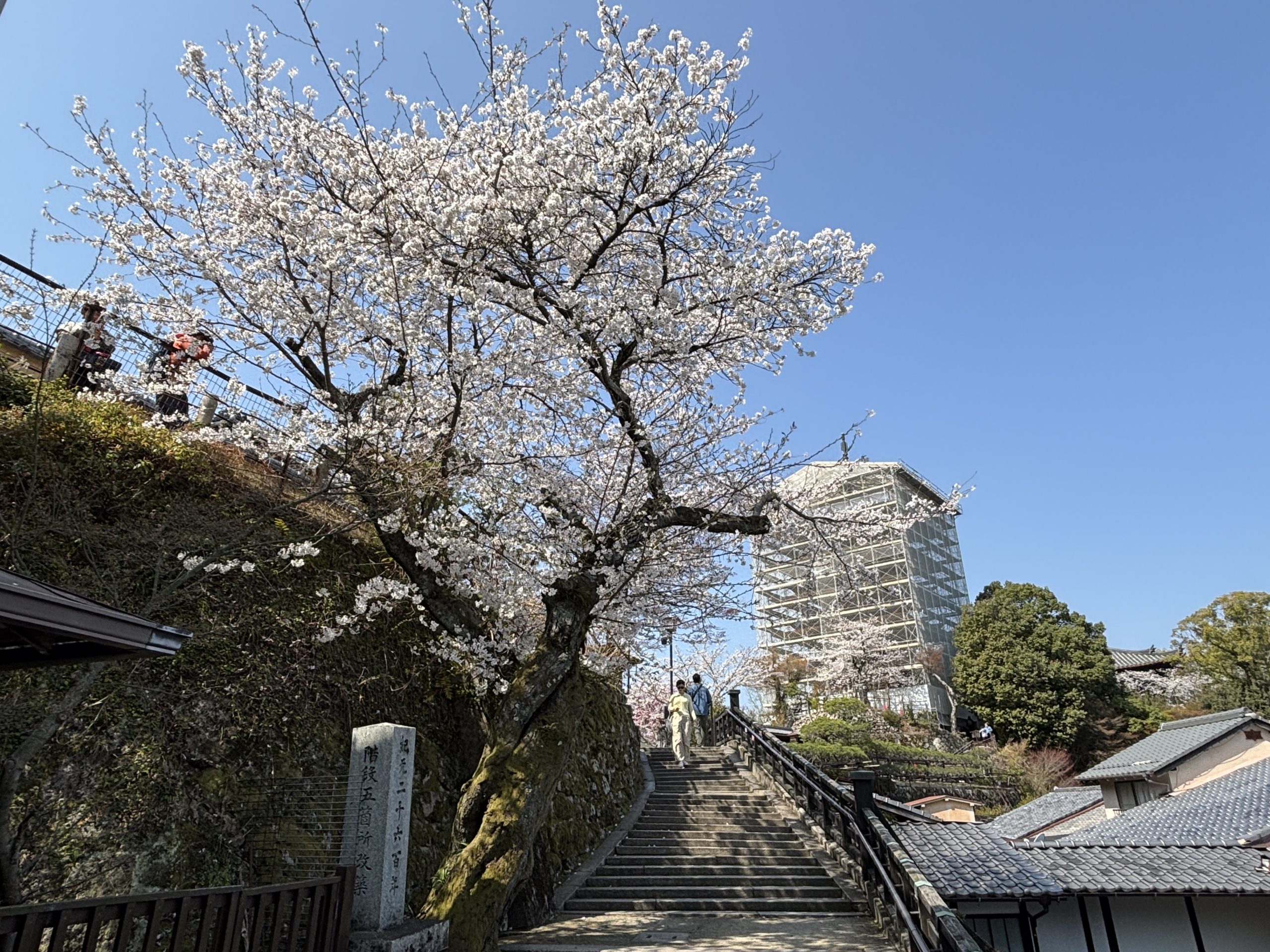
Fujinotana Park: A Peaceful Spot with Friendly Deer
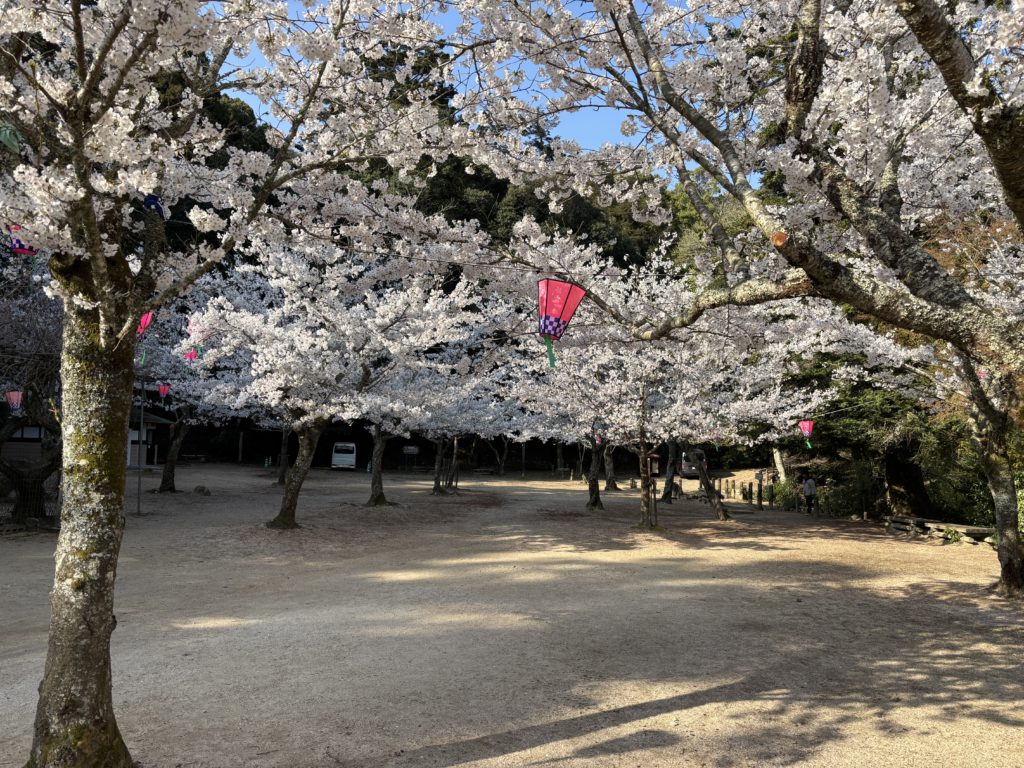
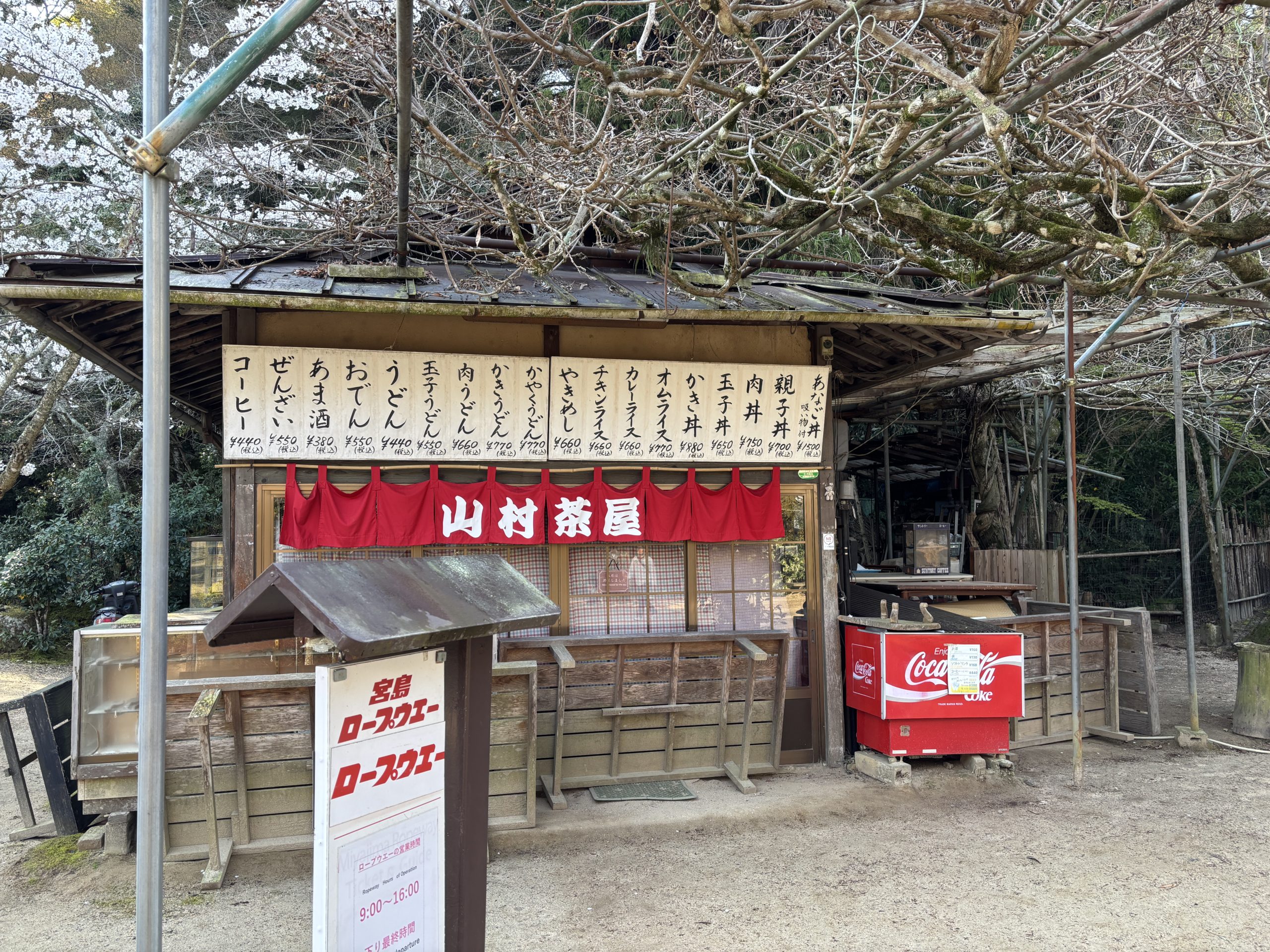
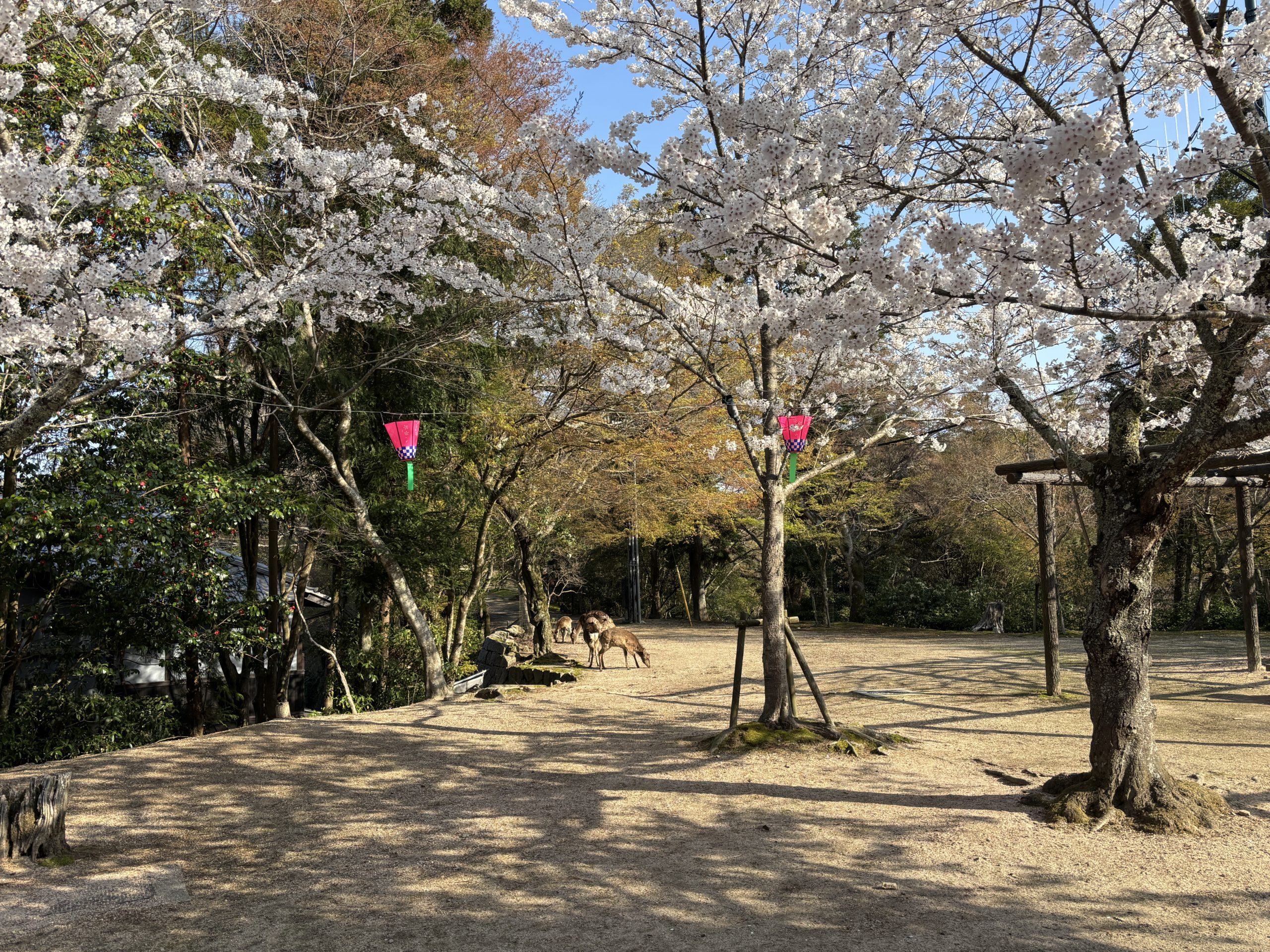
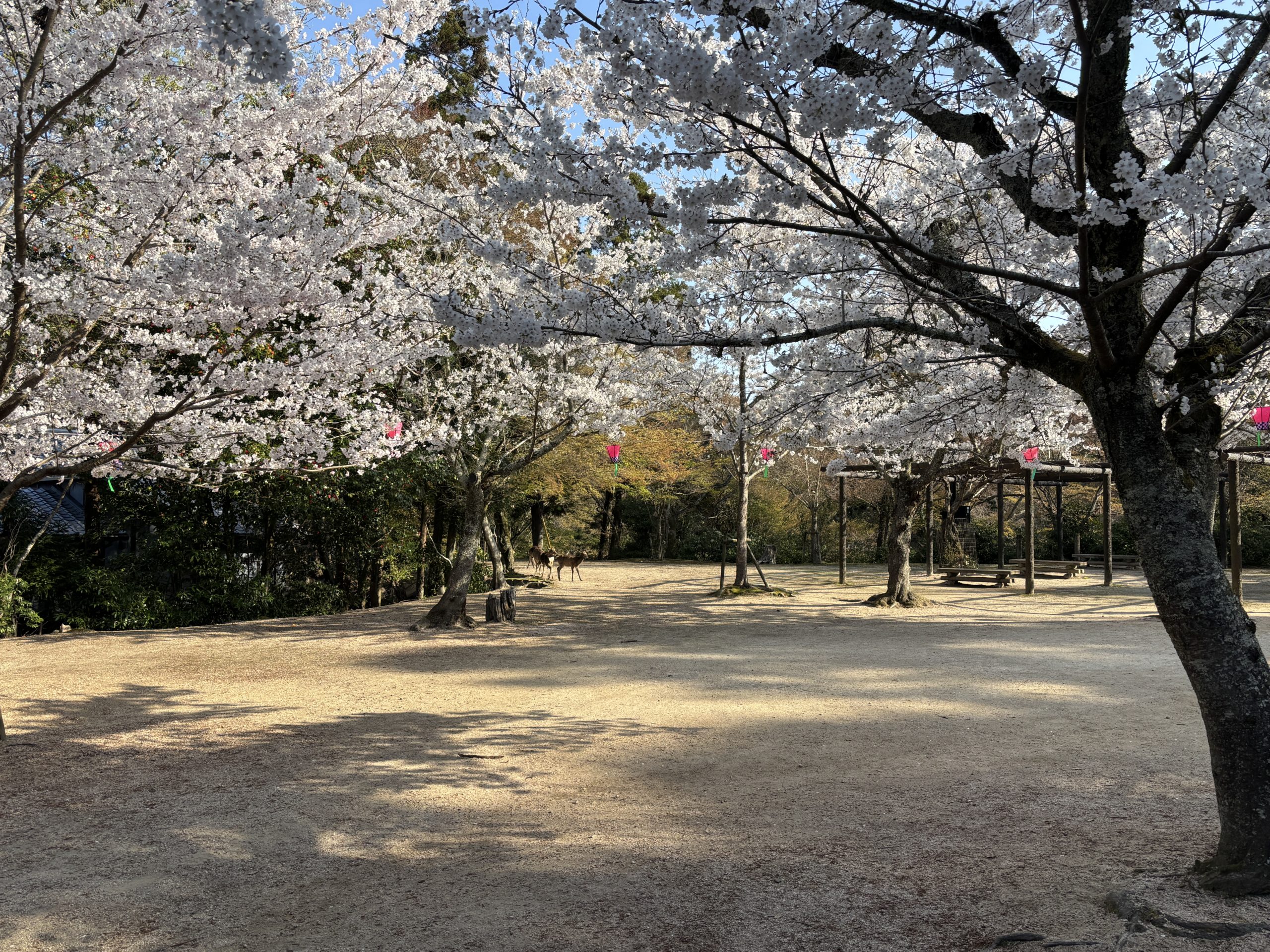
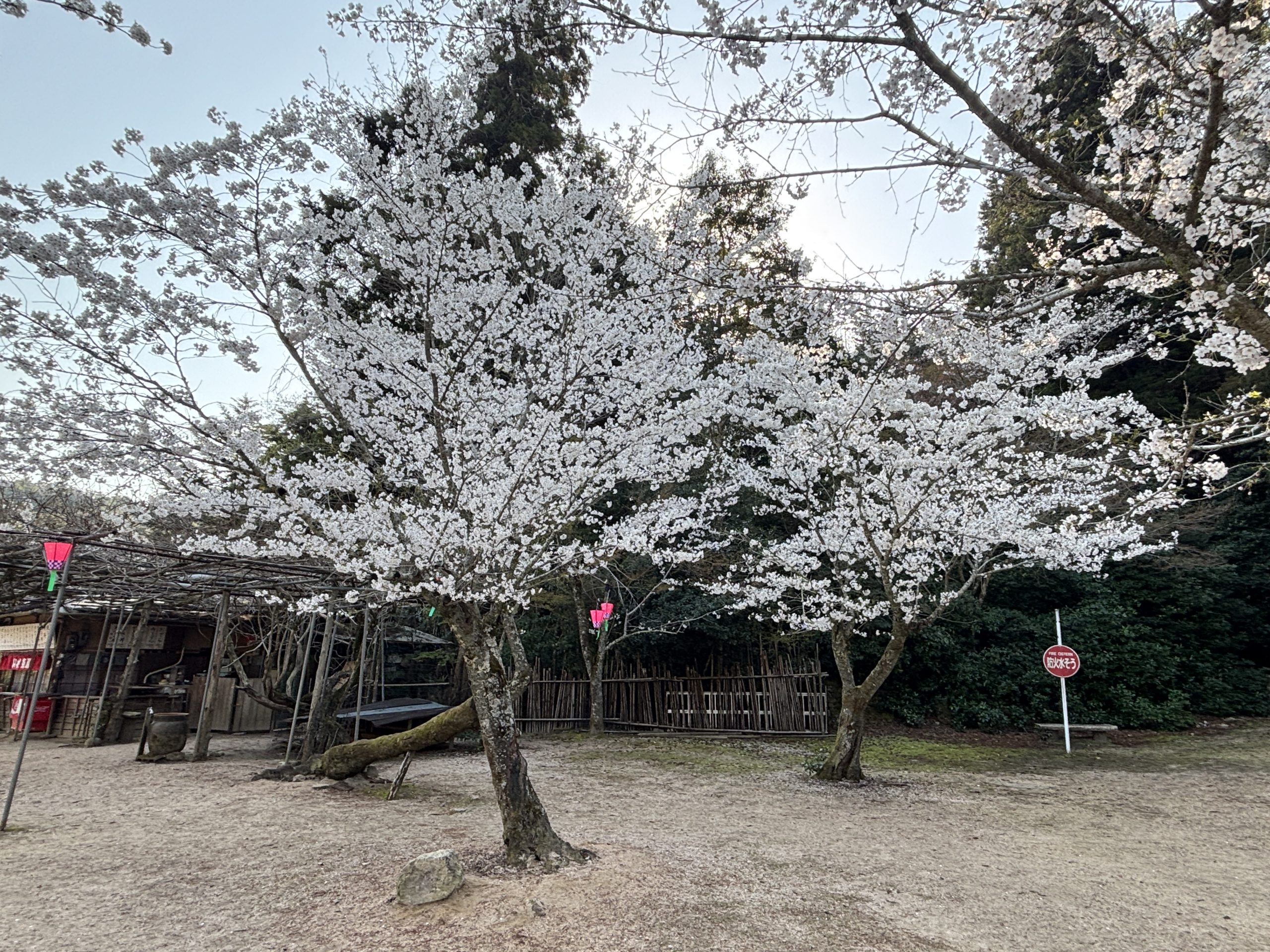
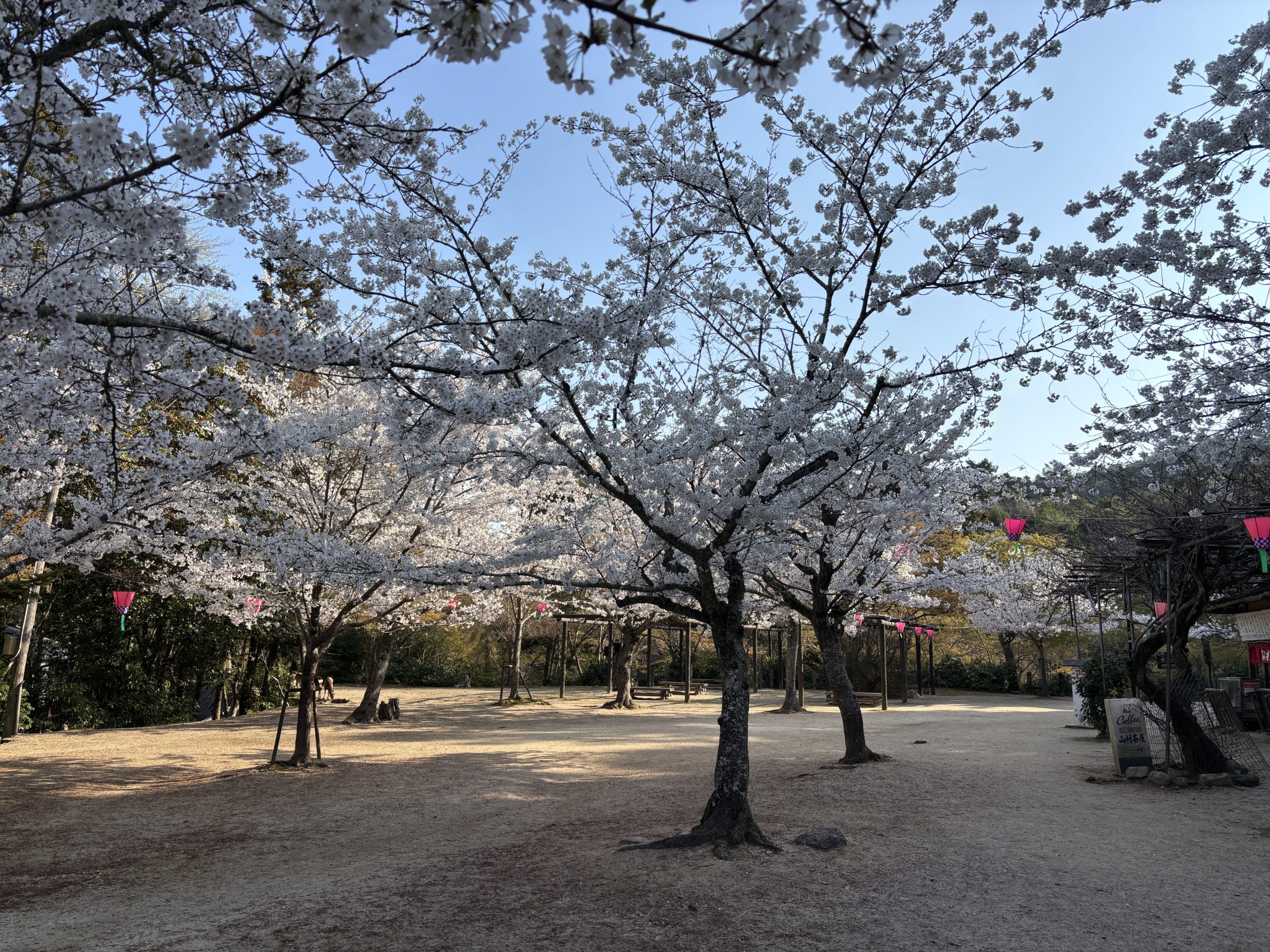
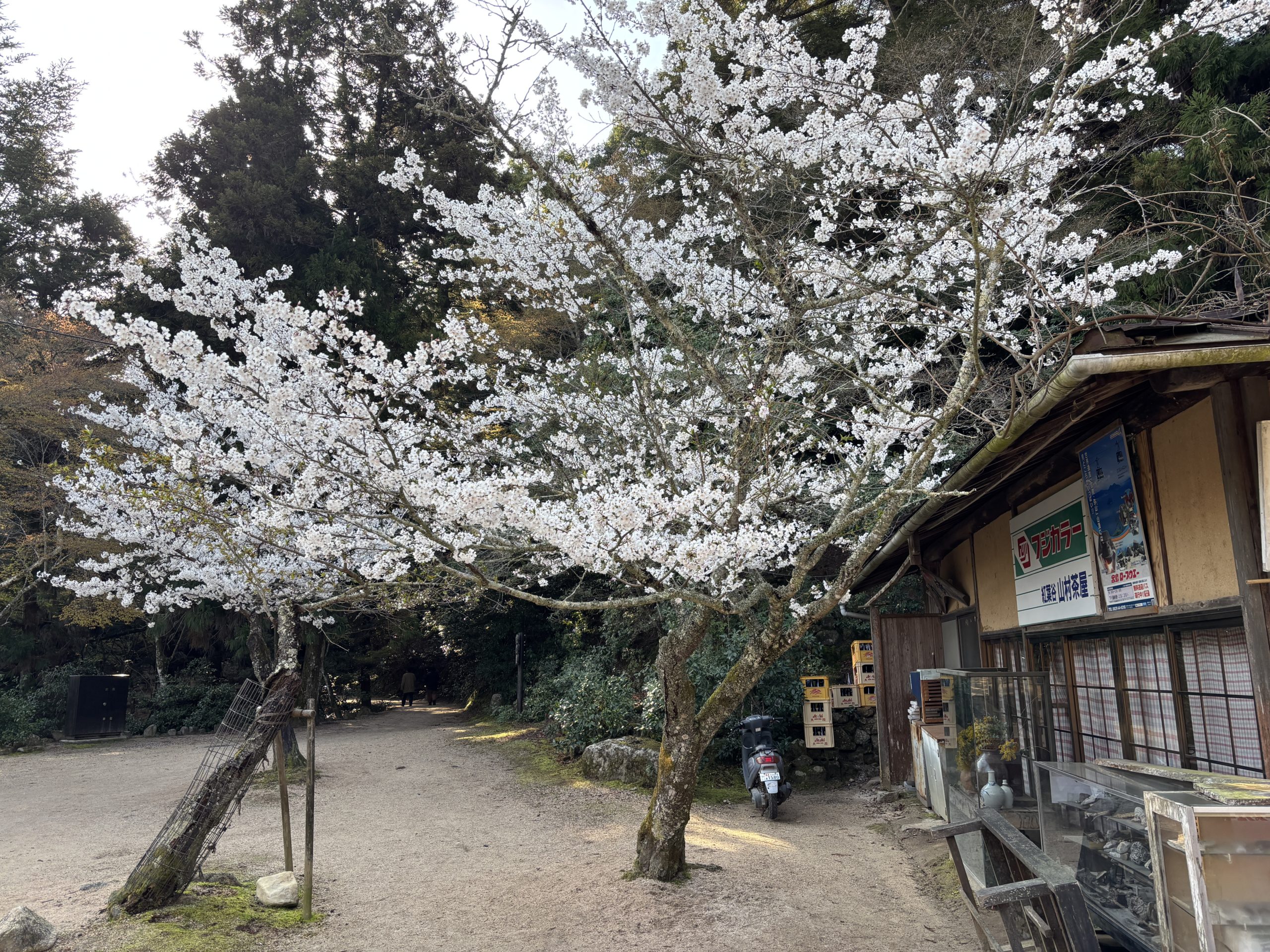
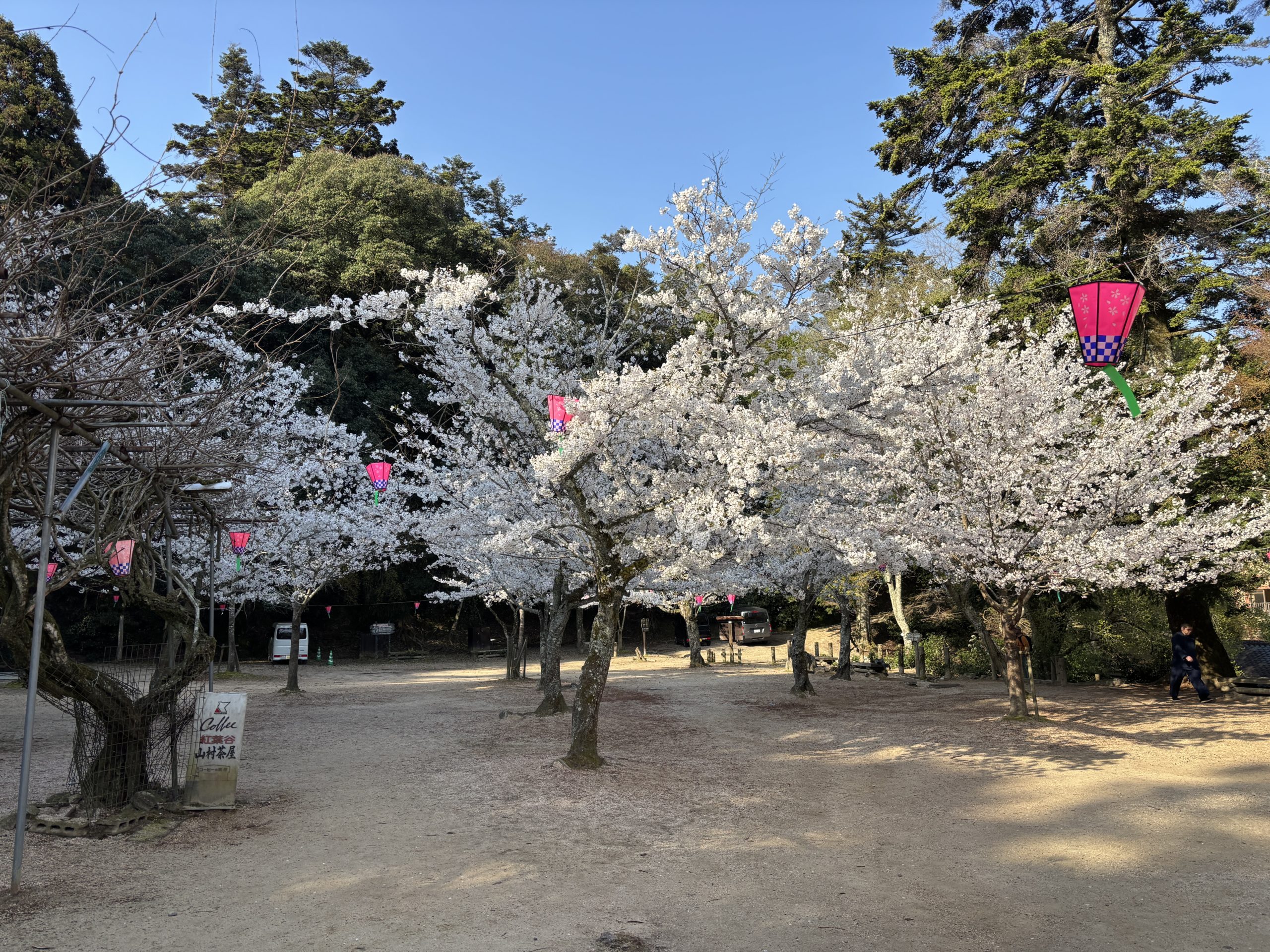
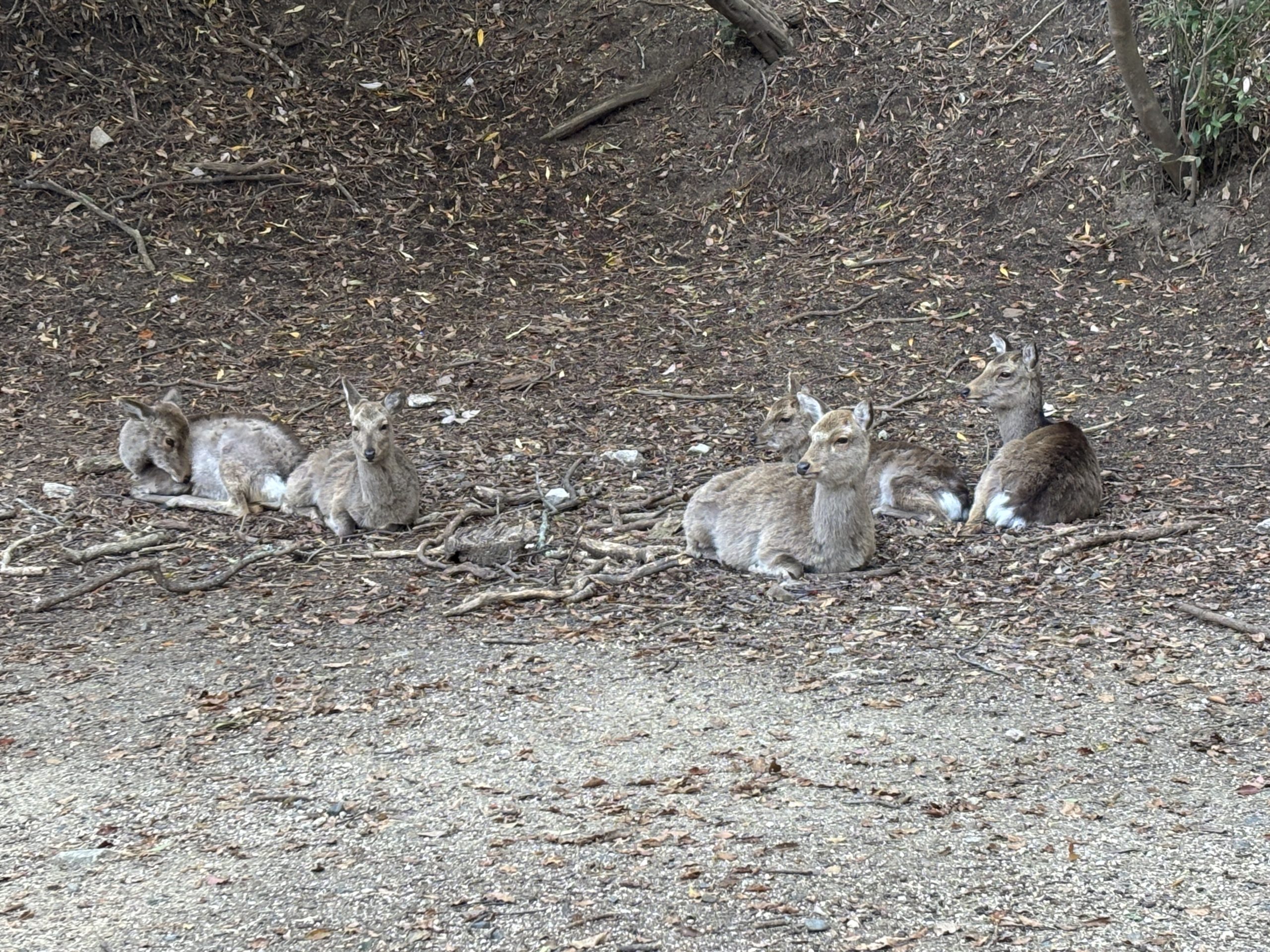
As you walk toward the ropeway station, keep an eye out for “Yamamura Chaya” tea house. Fujinotana Park is nearby, and when I visited, several deer were lounging adorably under the cherry trees. With few other visitors around, I enjoyed what felt like an almost private cherry blossom viewing experience.
A local seasonal tip: Daishōin Temple, also nearby, is considered the island’s best hydrangea viewing spot in mid-June. Understanding Miyajima’s seasonal highlights—from spring cherry blossoms to early-summer hydrangeas to spectacular autumn foliage—helps you plan repeat visits throughout the year.
Cherry Blossom Beauty ★★★★★
Ease of Access ★★☆☆☆
Hidden Gem Factor ★★★★★
Number of Cherry Trees ★★★★☆
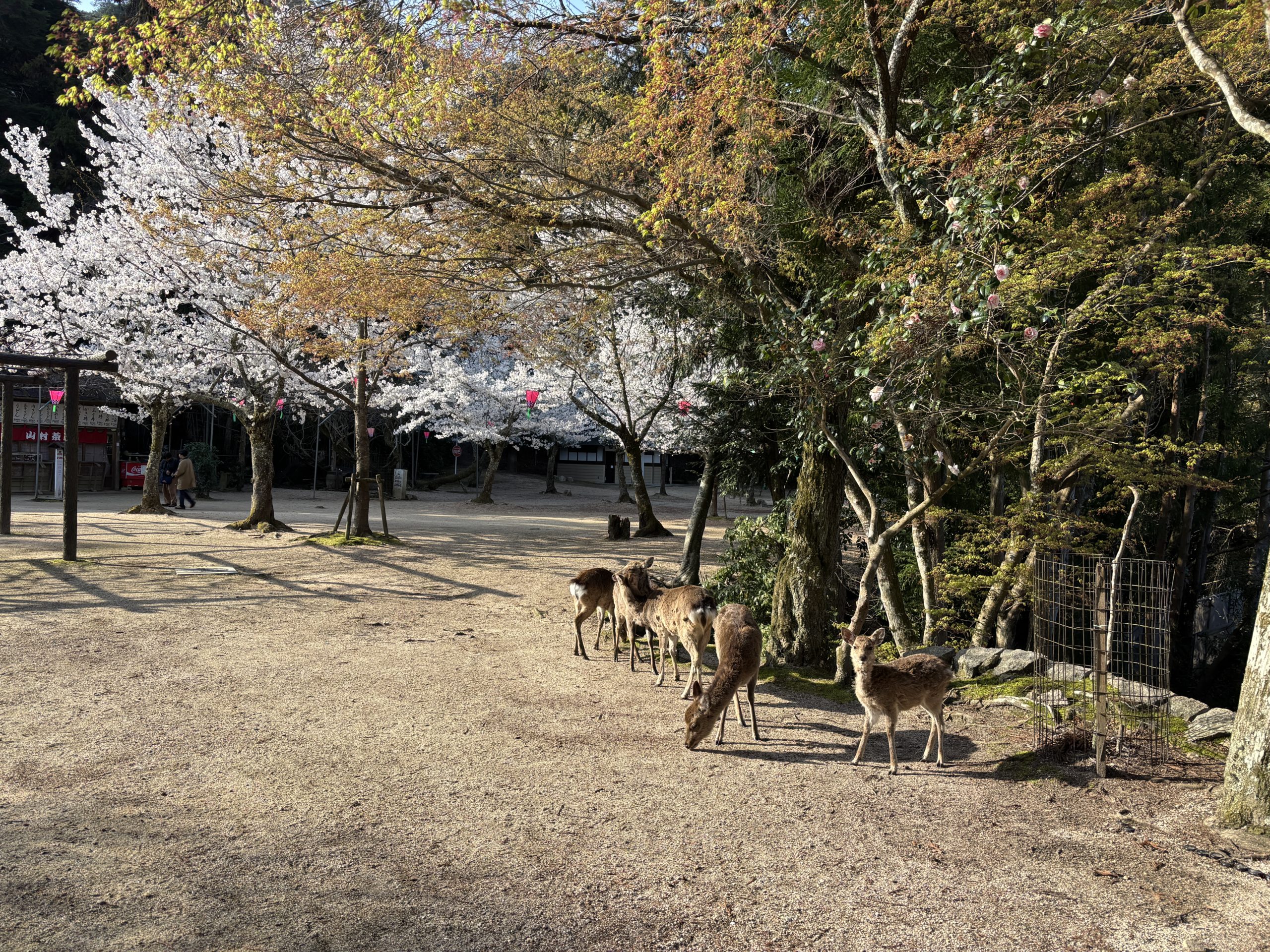
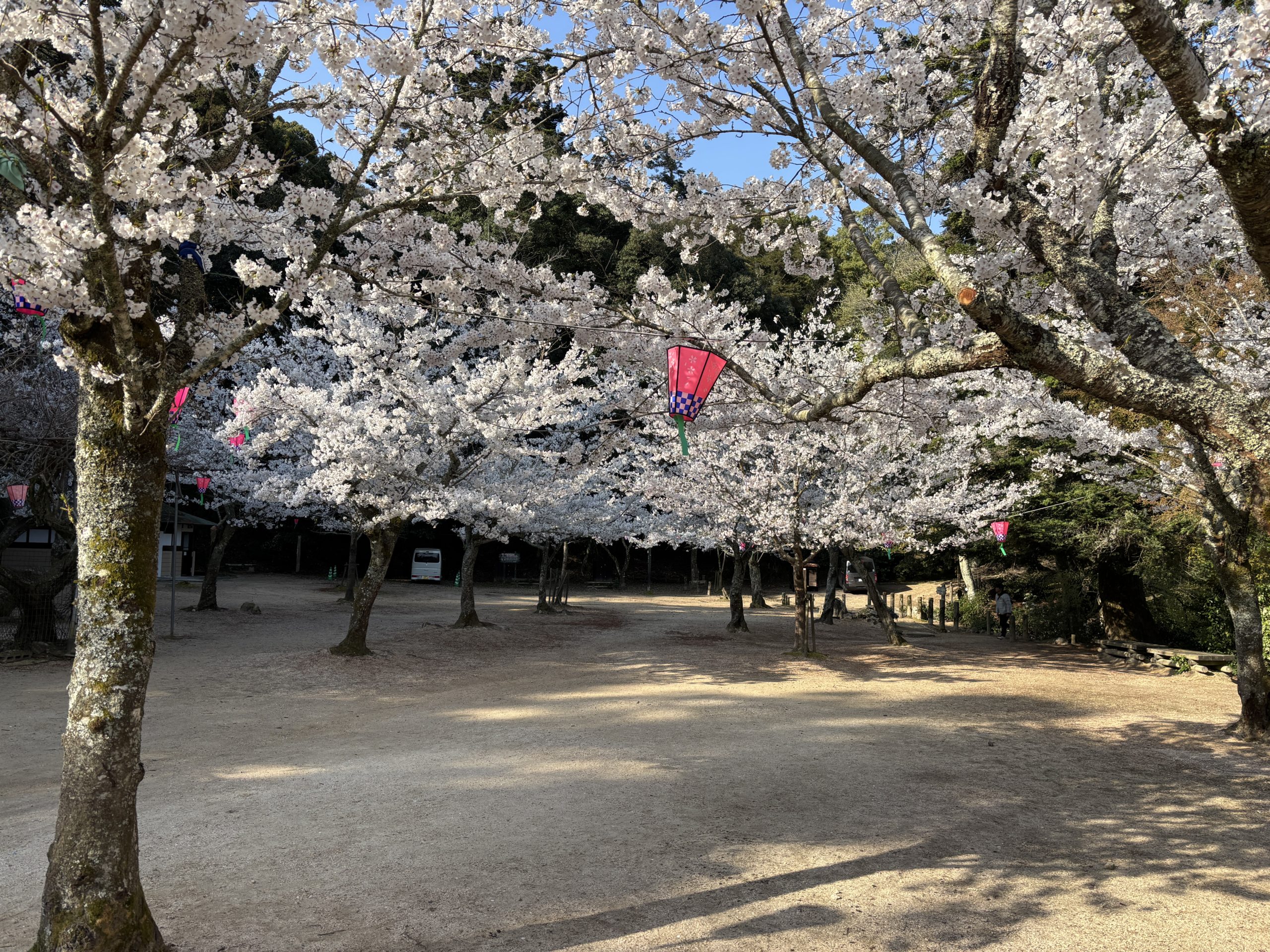
Daishōin Temple, which also serves as a gateway to Mt. Misen, is a significant spiritual “power spot” with a history that actually predates Itsukushima Shrine. Combining a visit here with cherry blossom viewing during spring is highly recommended.

Your complete guide to Daishō-in Temple on Miyajima: history, what to do, spiritual experiences (sand stepping, fire walking, Kaidan Meguri), annual events, access, barrier-free info, and how to get a goshuin (temple stamp).
The Ancient Mountain Path: Walking Through History
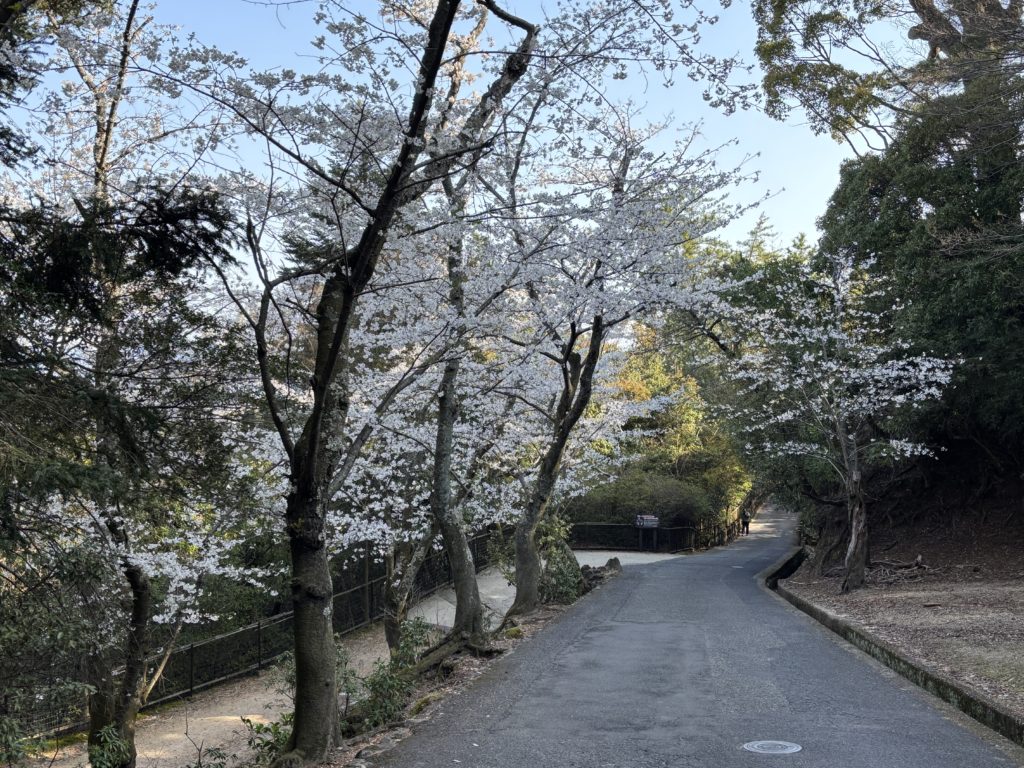
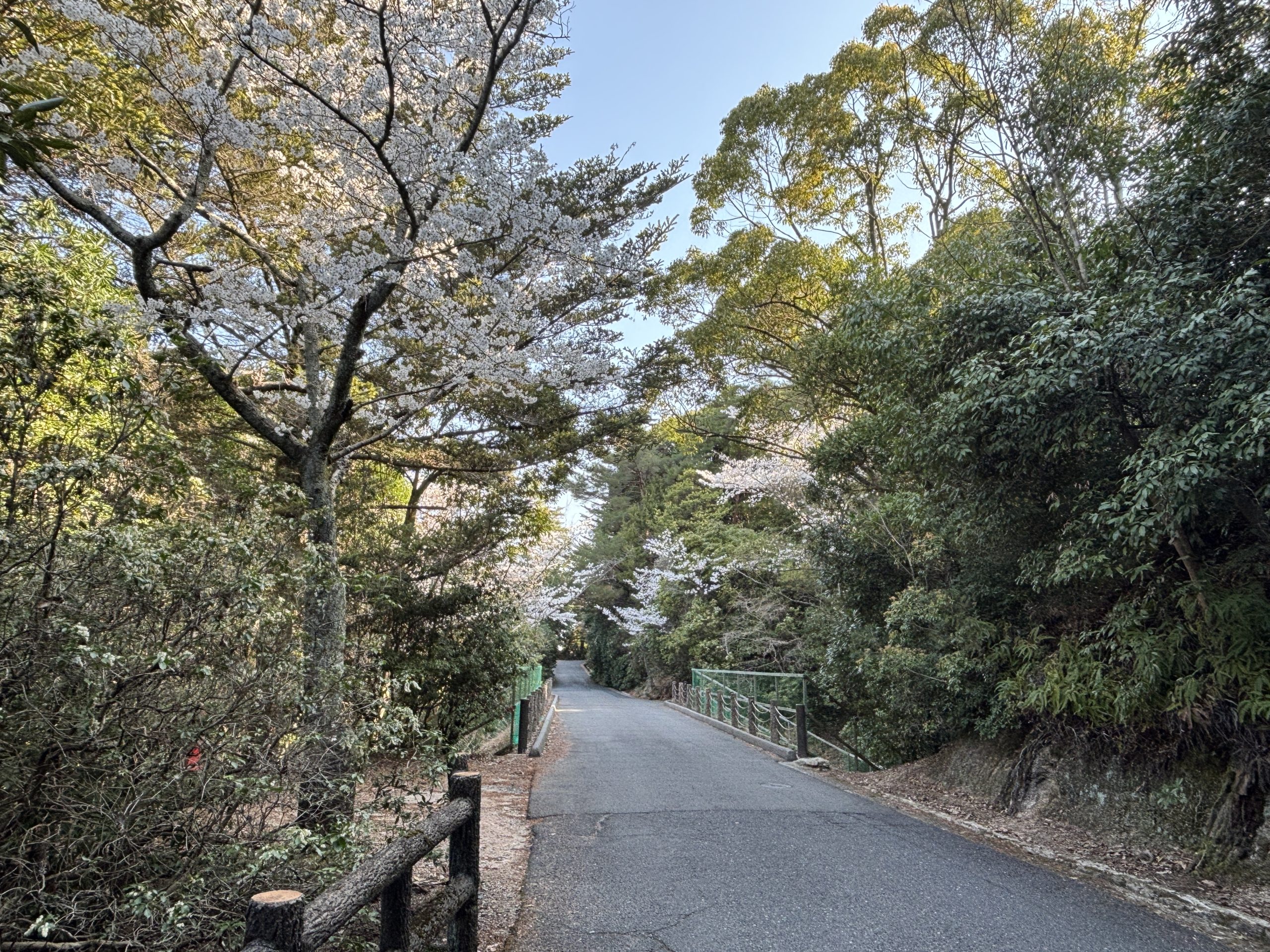
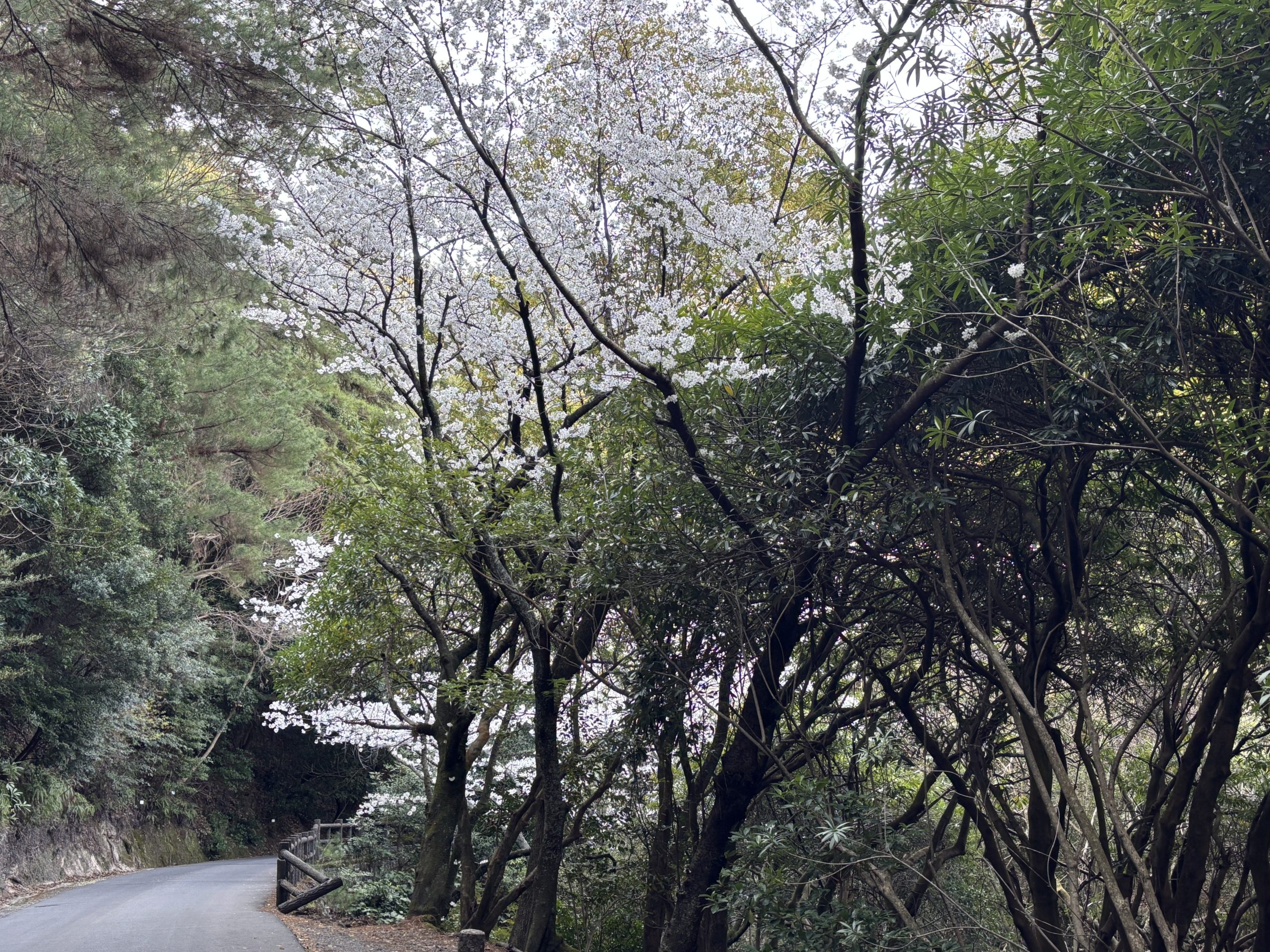
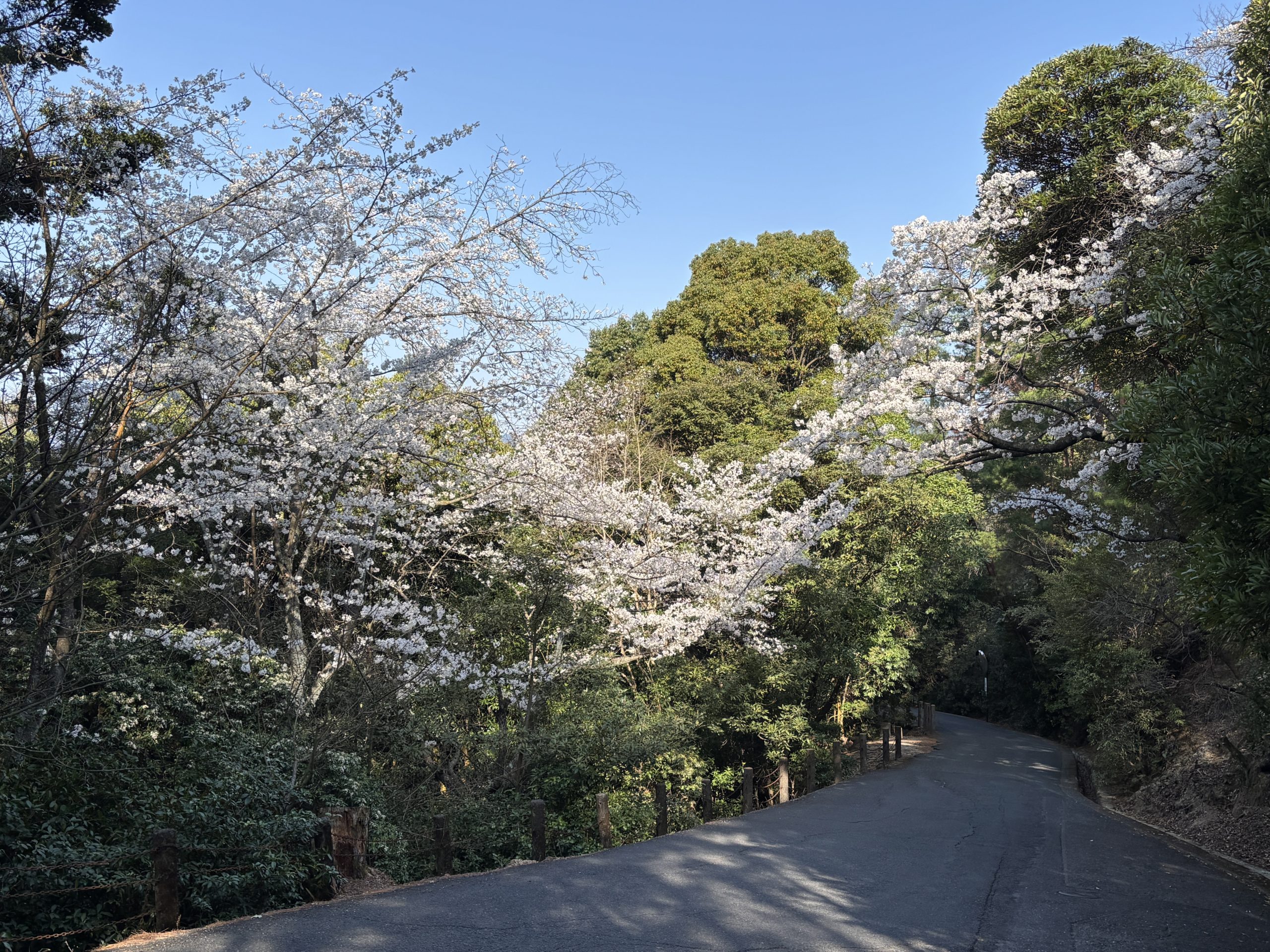
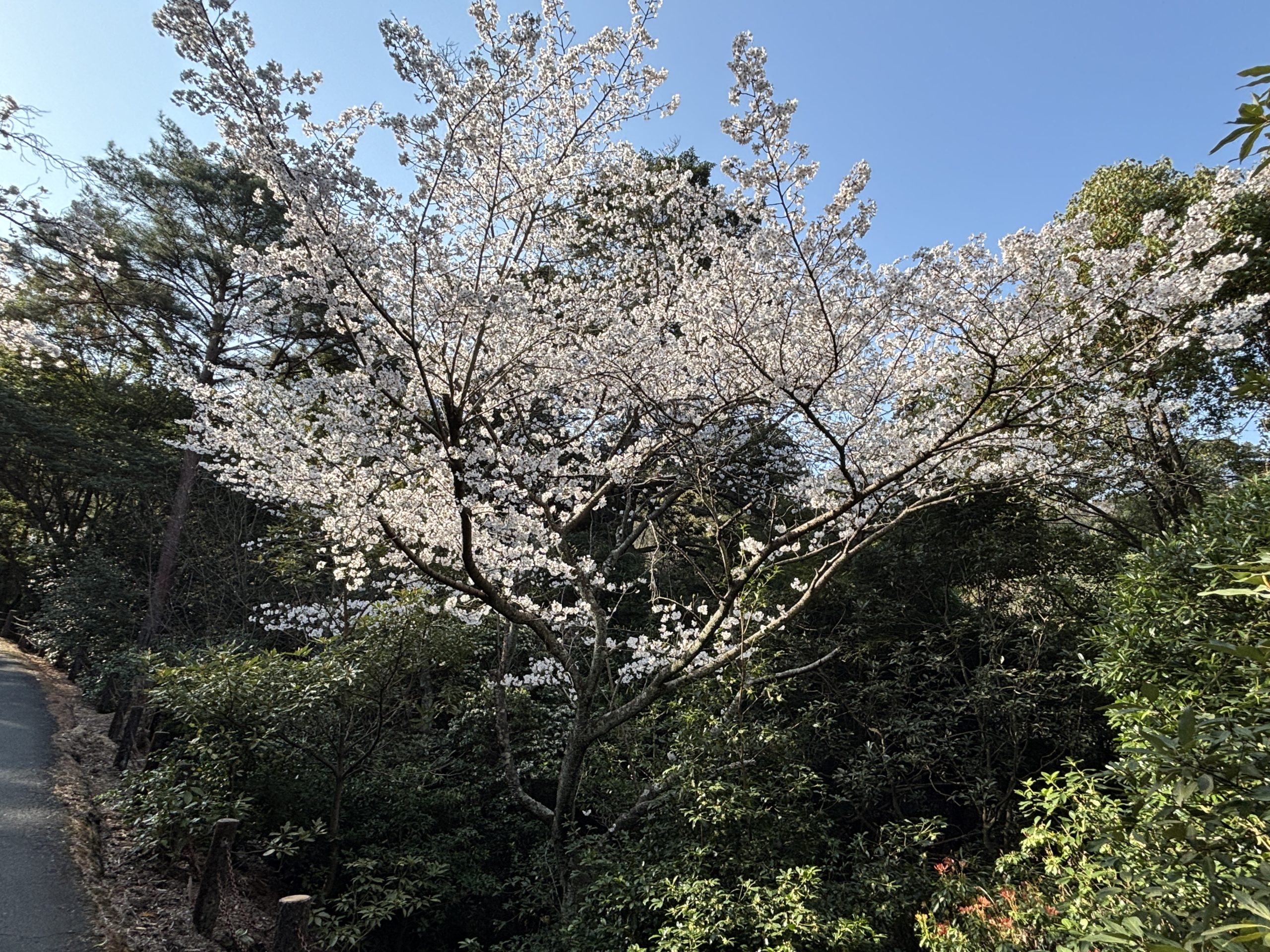
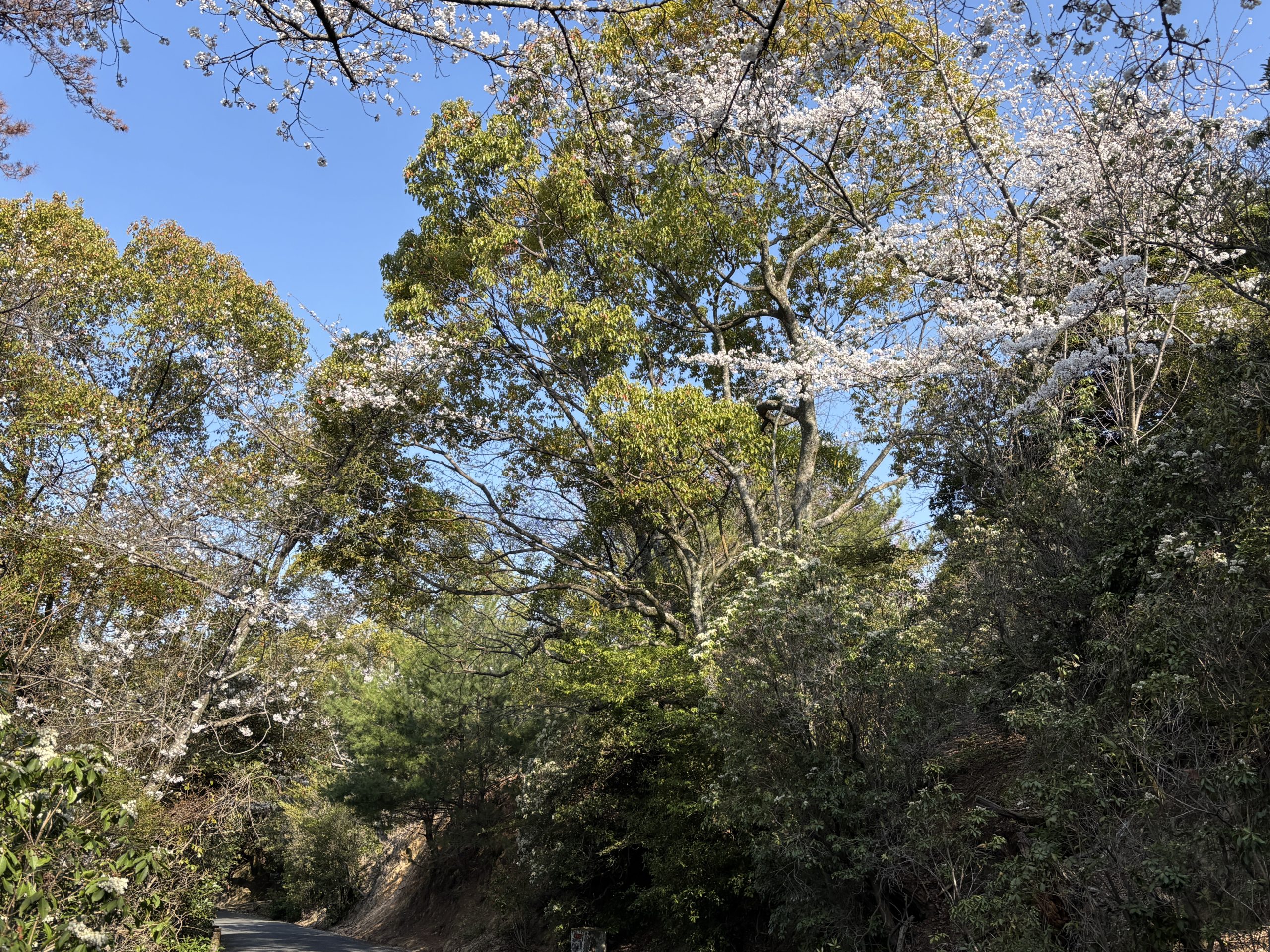
The “Ancient Path of the Mountainside” is said to be Miyajima’s oldest approach road to Itsukushima Shrine, and it truly lives up to its historic reputation. This charming stone-paved route is lined with cherry trees, creating a delightful atmosphere for a history-rich walk to the shrine.
My family loves taking this traditional path on our visits. The stone footing can be somewhat uneven, requiring a bit of careful attention, but there’s something special about wandering beneath the cherry blossoms while literally following in the footsteps of centuries of pilgrims who walked this same route.
Cherry Blossom Beauty ★★★★☆
Ease of Access ★★☆☆☆
Hidden Gem Factor ★★★★★
Number of Cherry Trees ★★★★☆
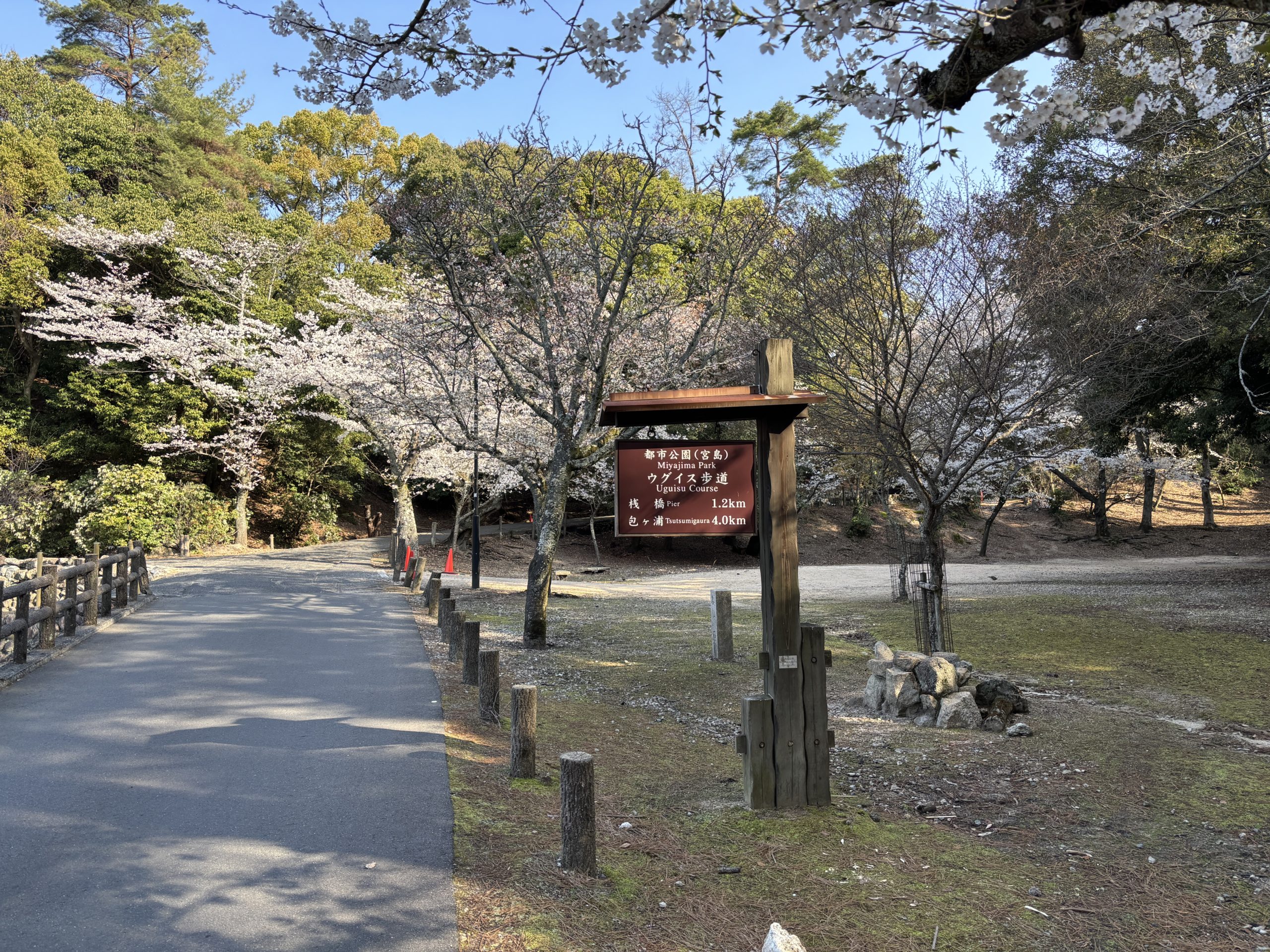
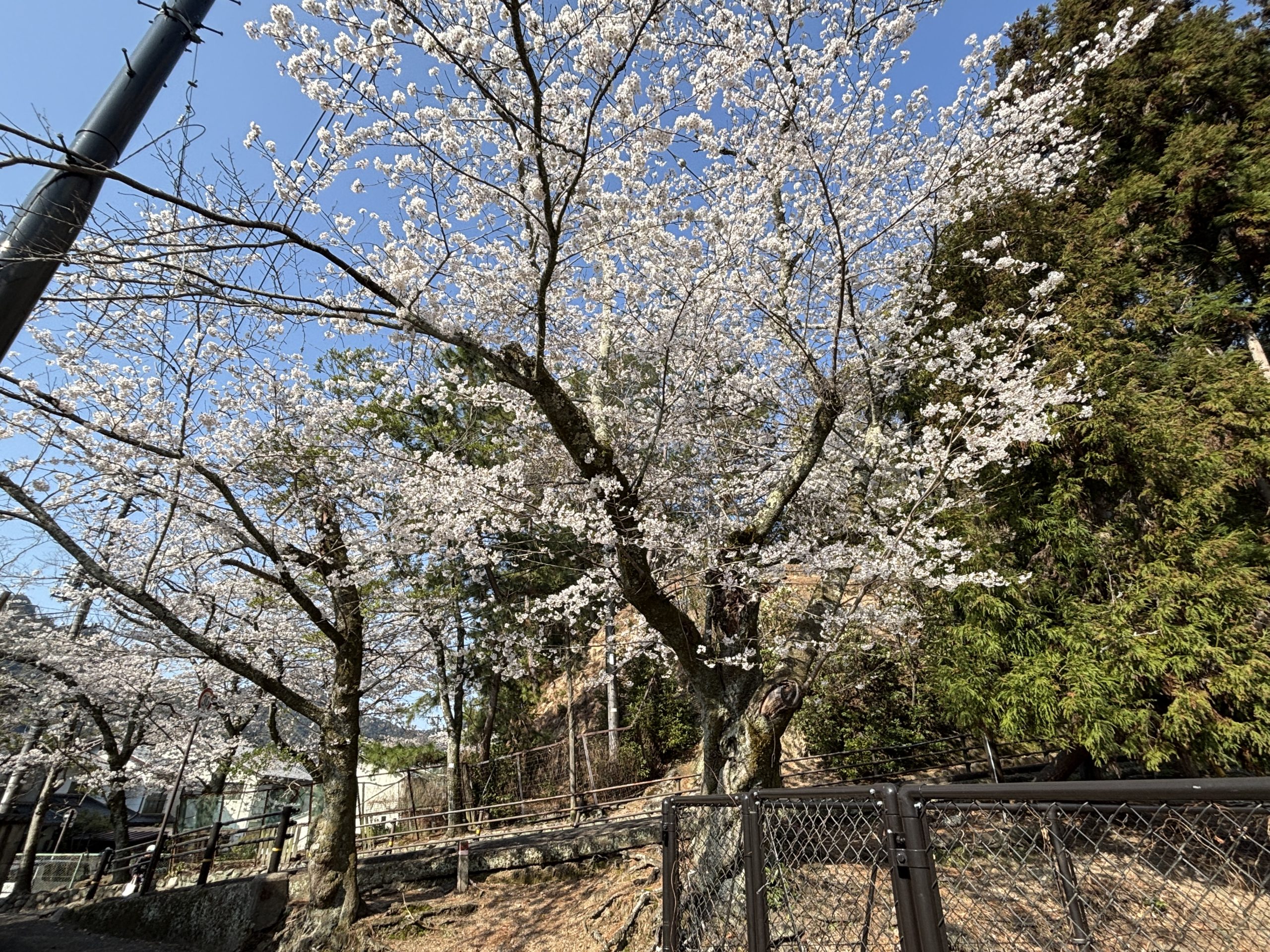
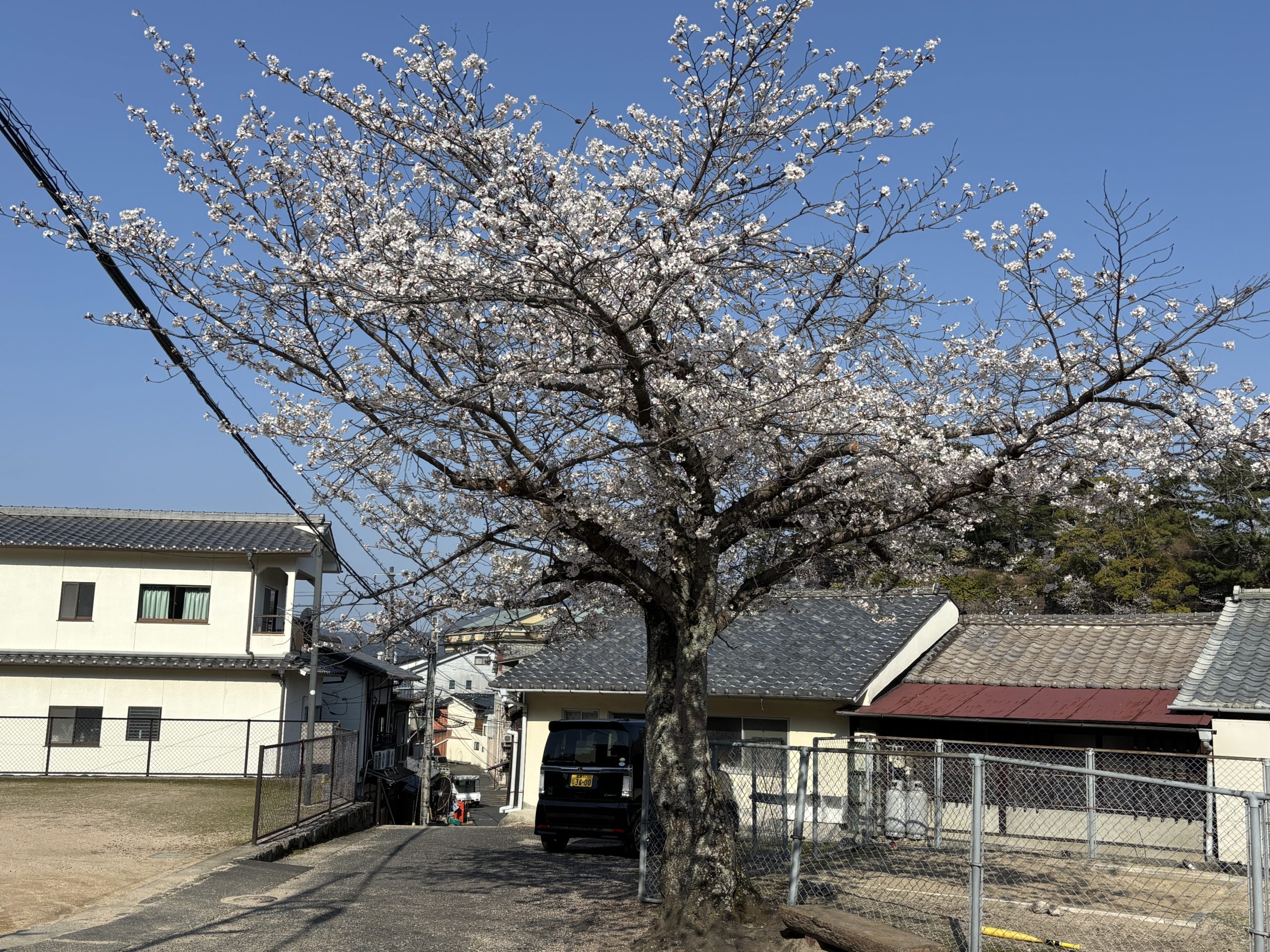
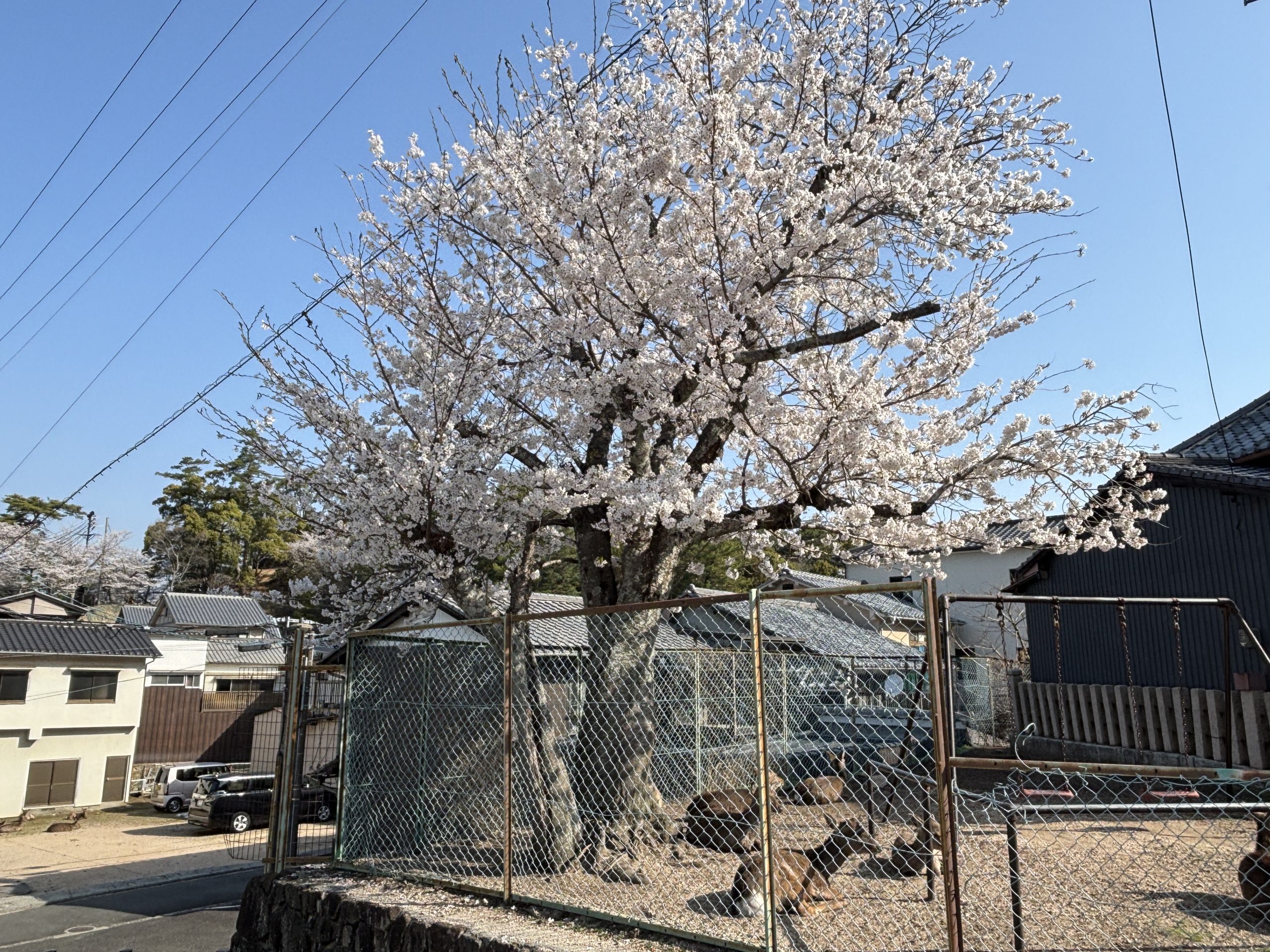
After following the ancient mountain path, you’ll arrive at Itsukushima Shrine itself—the iconic symbol of Miyajima. The shrine’s appearance changes dramatically depending on the tides, so if your schedule allows, try to visit at both high and low tide to see its different faces.
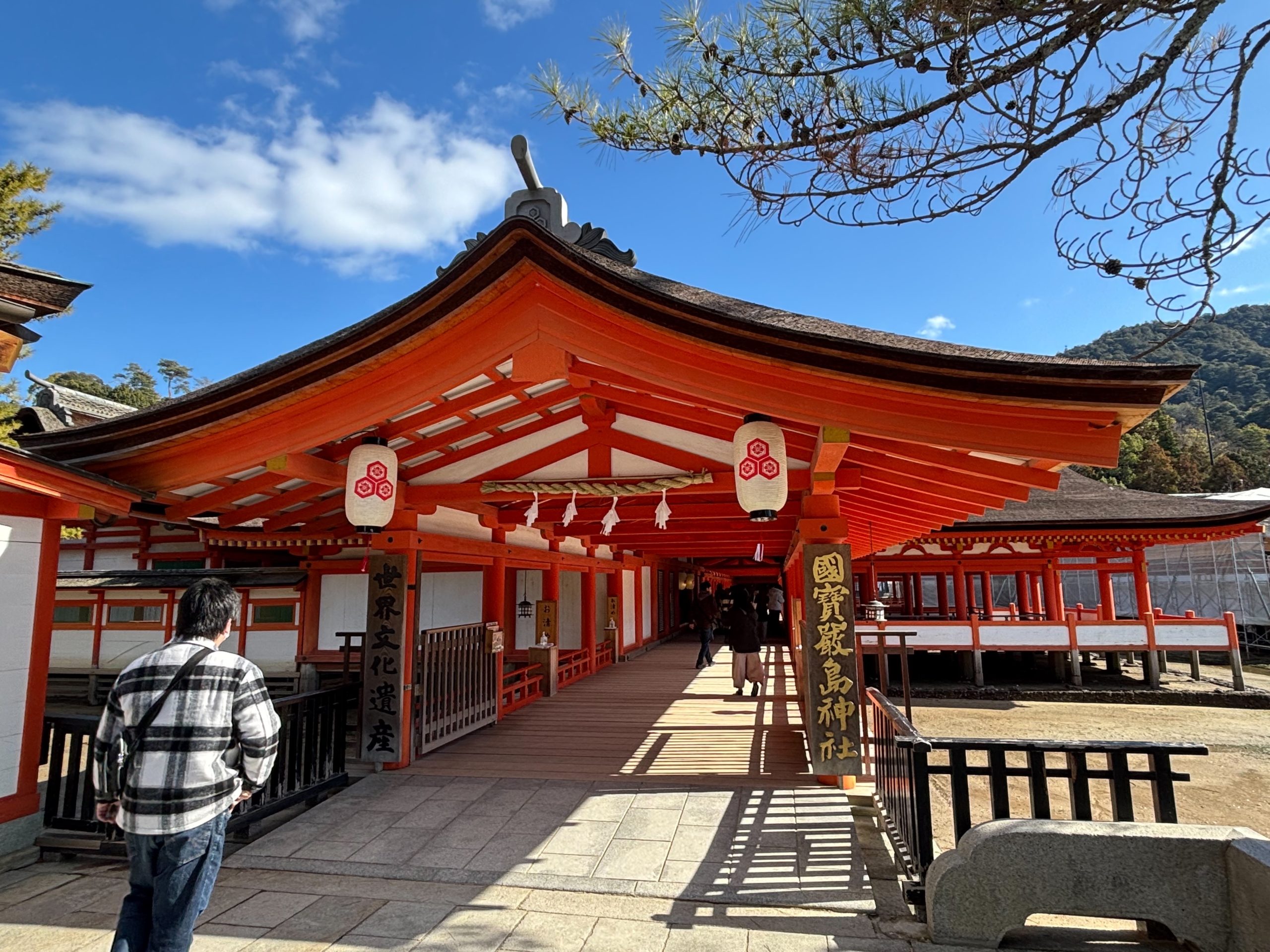
When you think of Miyajima, the first image that comes to mind is Itsu...
Cherry Blossoms Throughout the Island
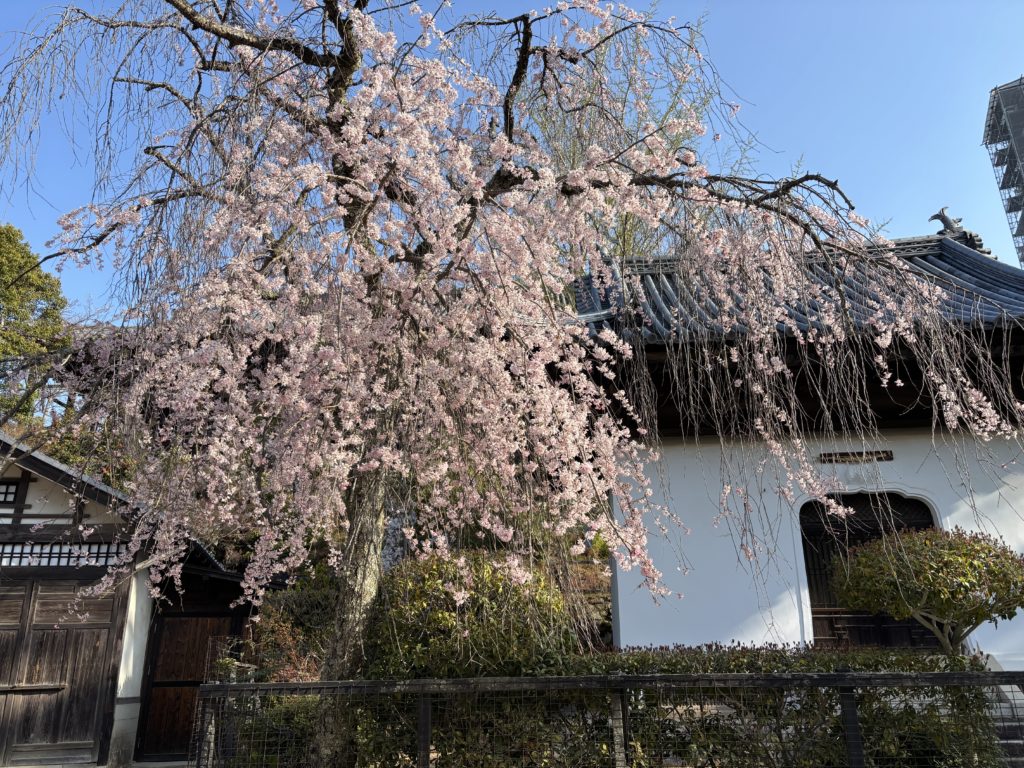
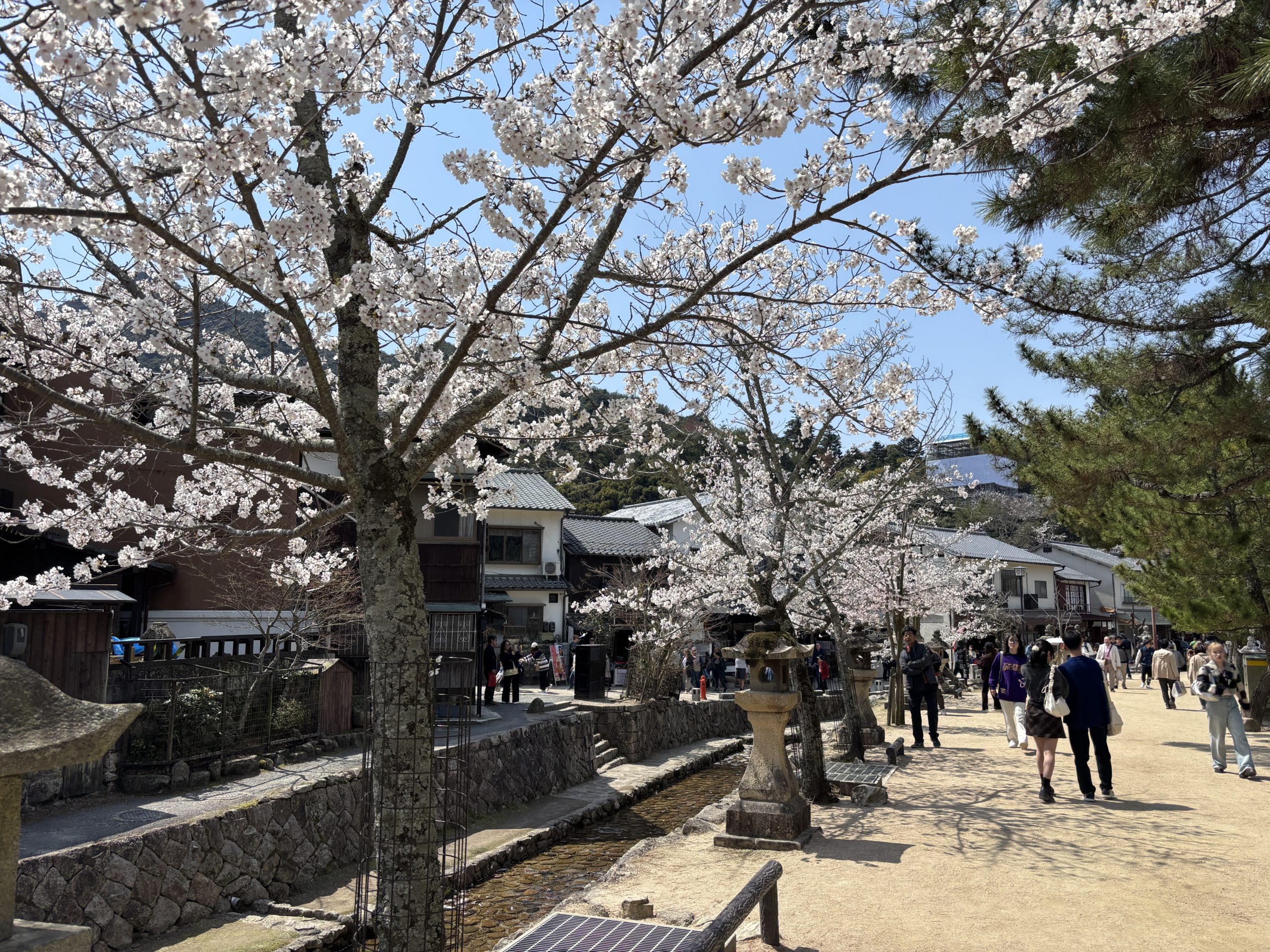
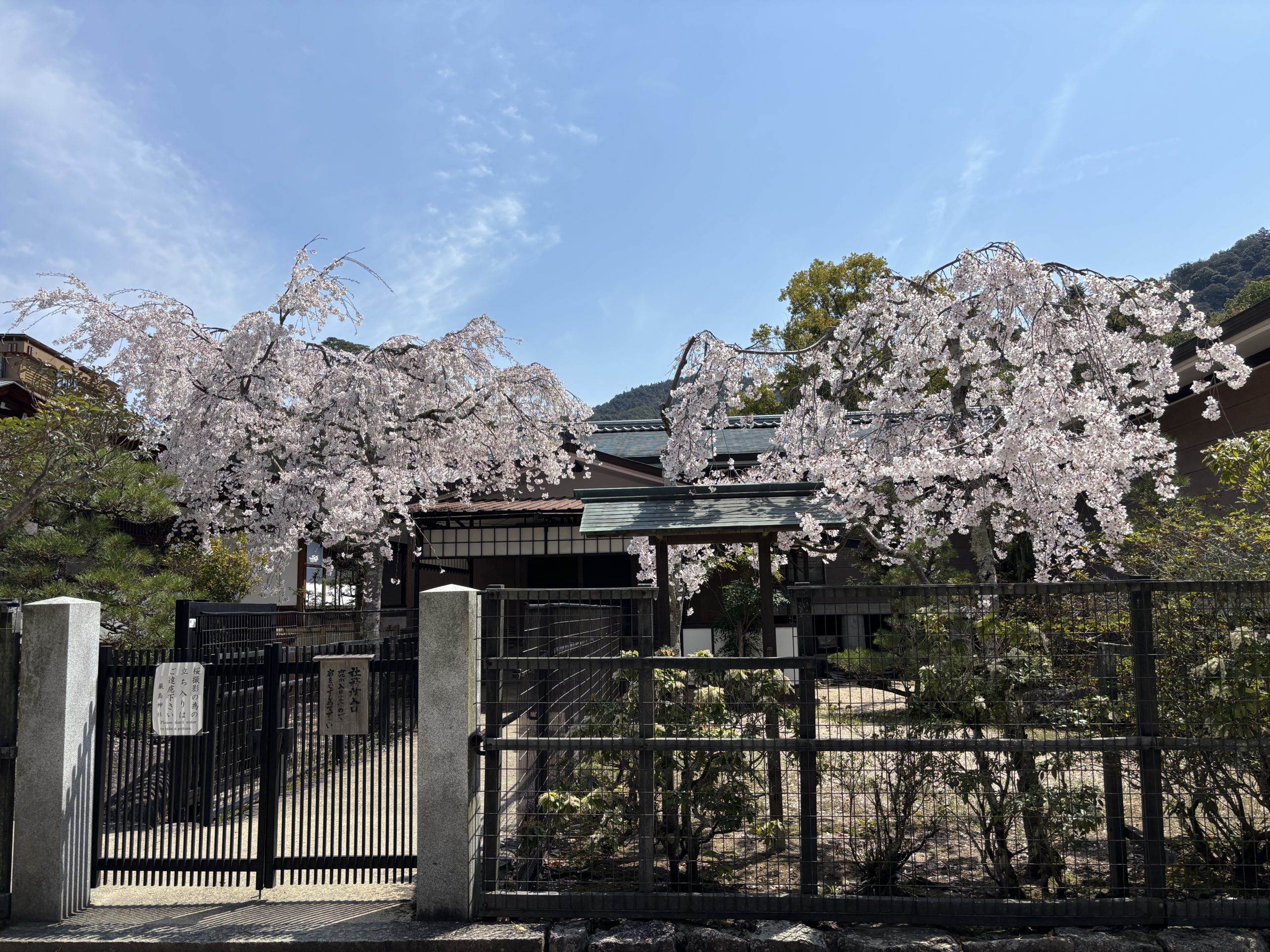
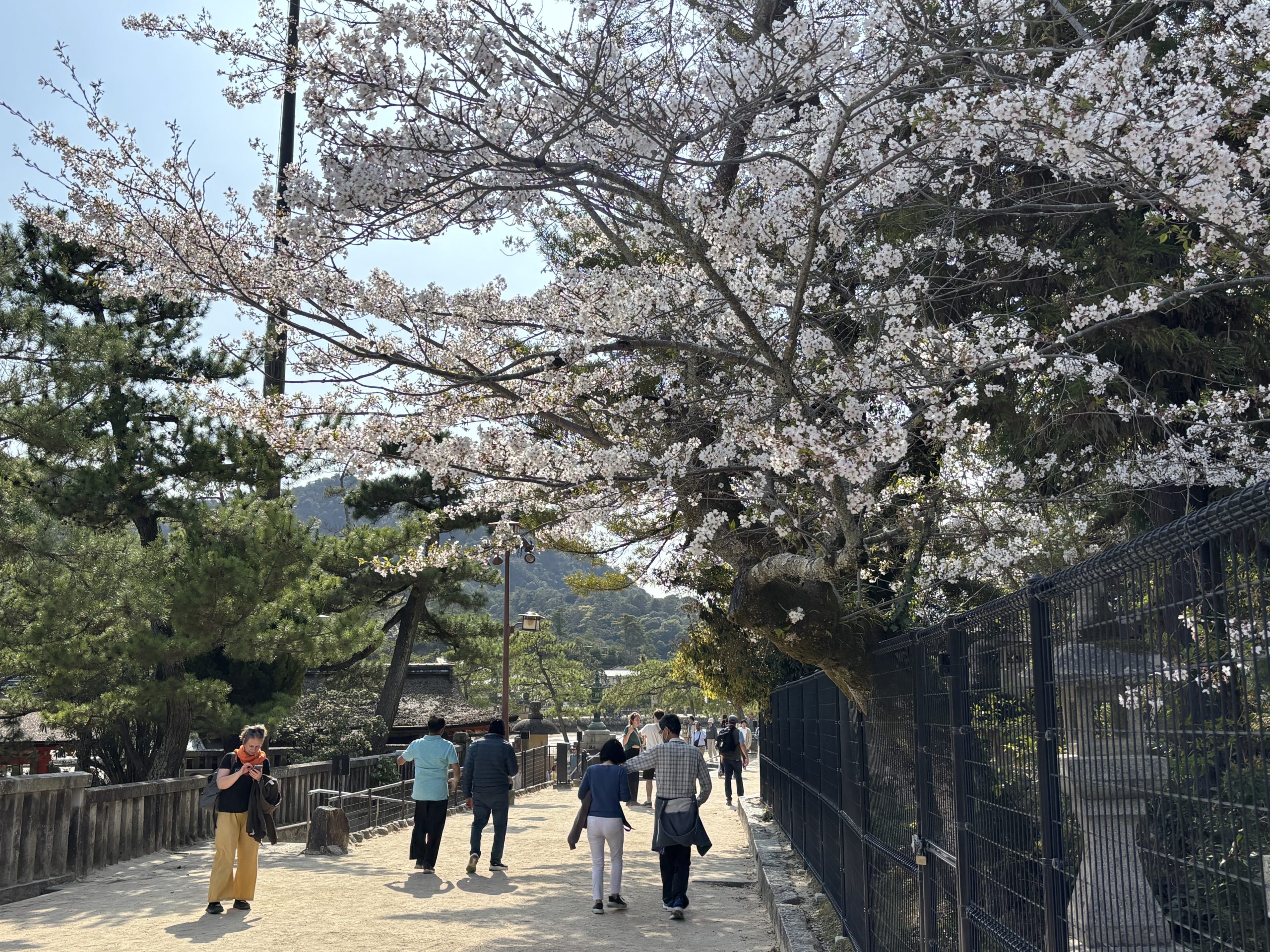
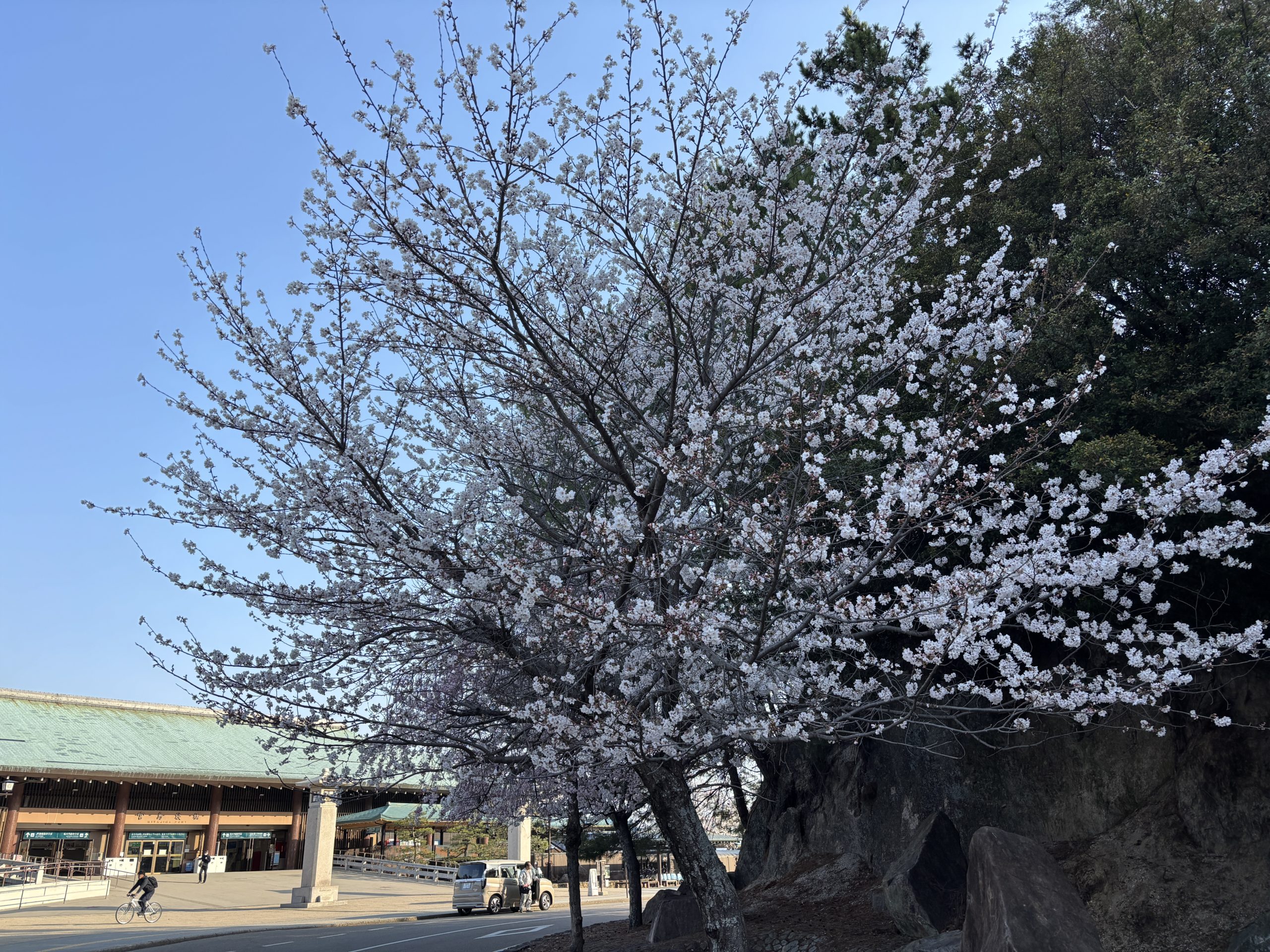
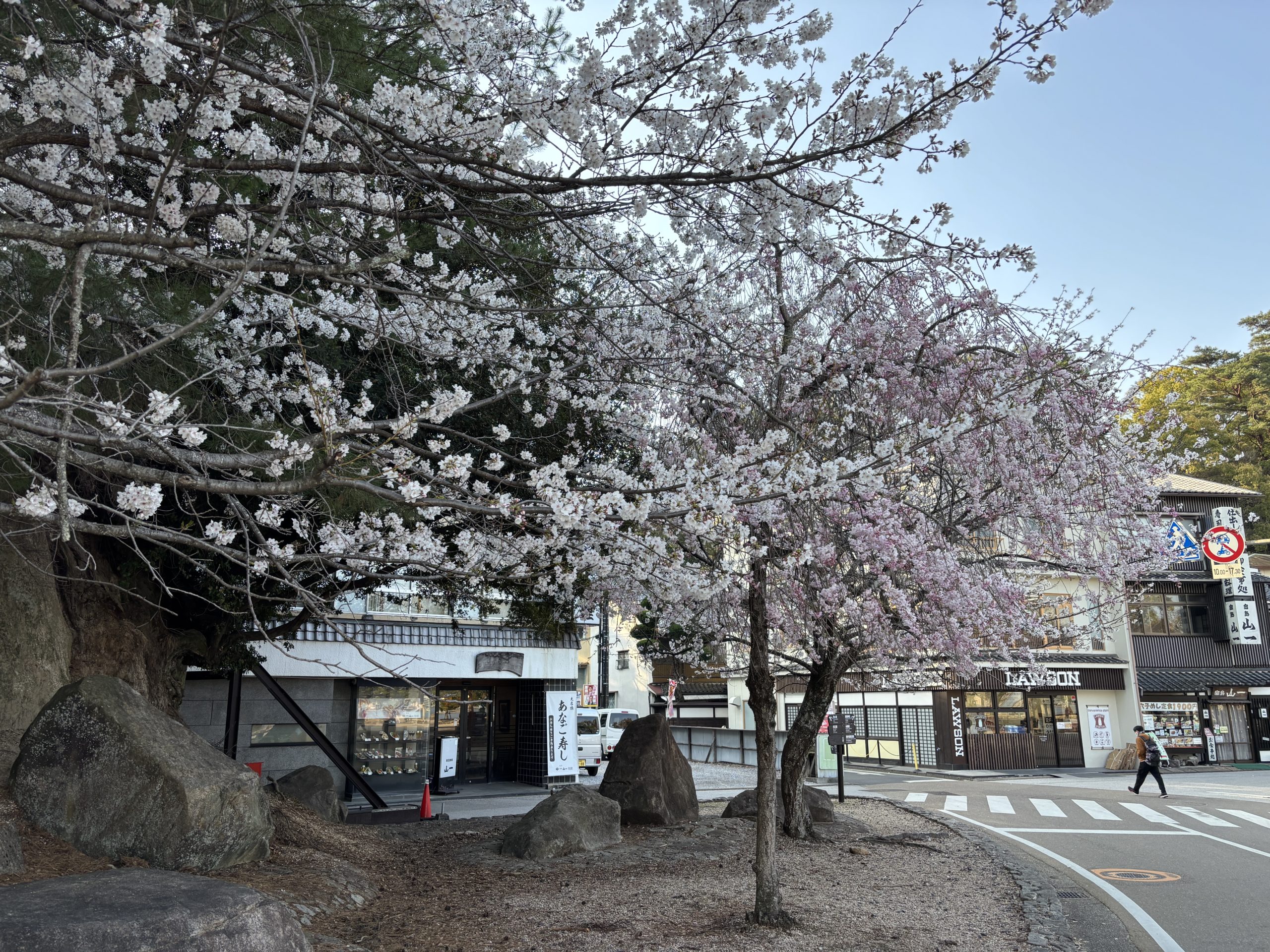

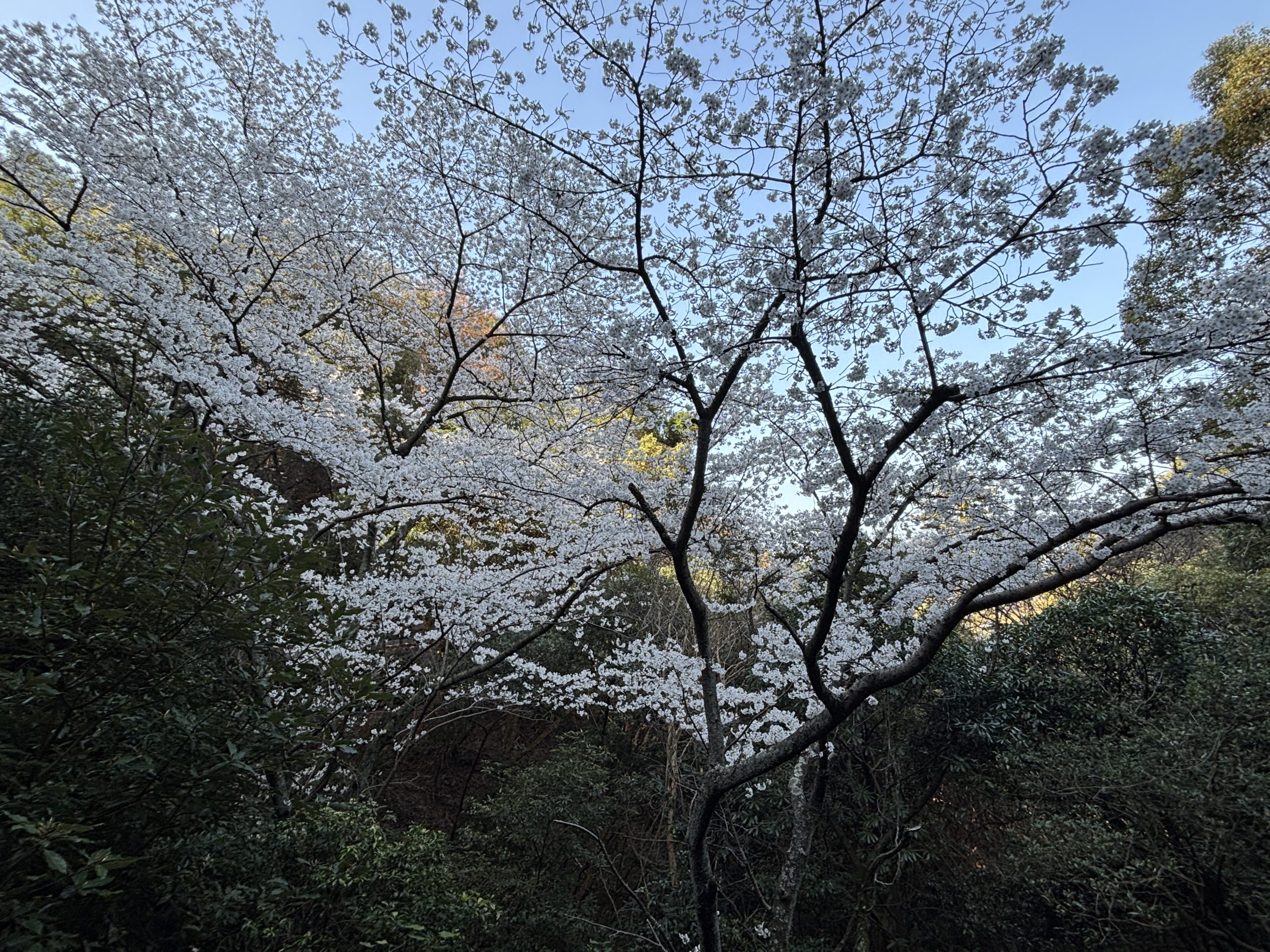
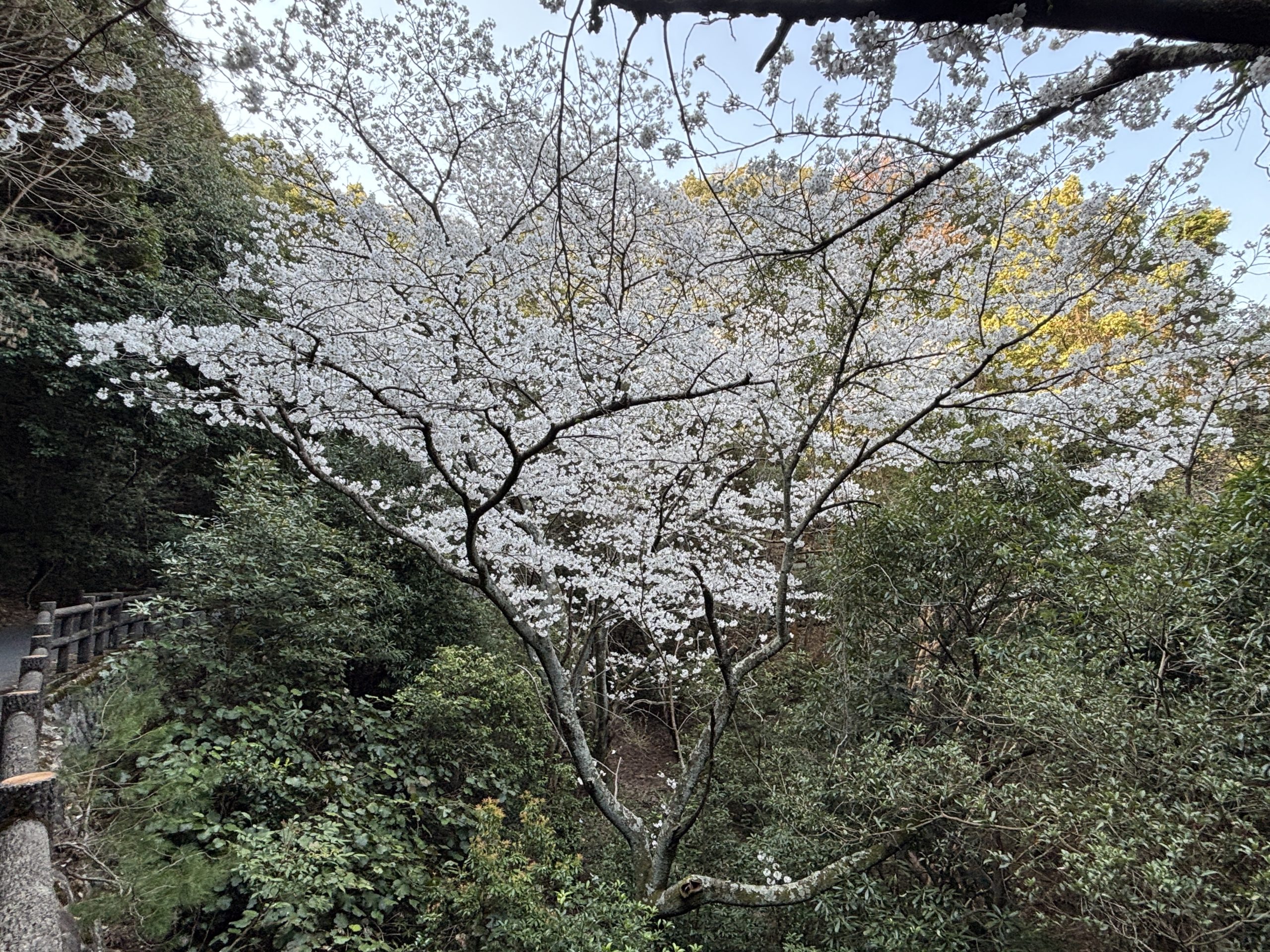
No matter where you wander on Miyajima during spring, you’ll discover cherry blossoms in full bloom, with the heaviest concentration around Itsukushima Shrine and the main tourist areas. While the exact timing varies by about a week from year to year depending on weather, full bloom typically occurs from late March through early April.
Wondering what to eat during your cherry blossom viewing in Miyajima? Here’s what the locals do: pick up an “anago rice bento” (grilled conger eel over rice) from one of the shops near the ferry terminal, then enjoy it on a bench in Ōmoto Park while you admire the blossoms. Anago is saltwater conger eel—a beloved seafood throughout Japan—and Hiroshima is particularly famous for its grilled anago rice, served over fluffy white rice with a lightly sweet soy-based glaze. It’s one of Hiroshima’s signature dishes and pairs absolutely perfectly with spring sakura viewing.
This local specialty, anago rice, is truly a must-try when visiting Miyajima. If you work up an appetite during your cherry blossom stroll, be sure to stop at one of the many excellent anago restaurants.
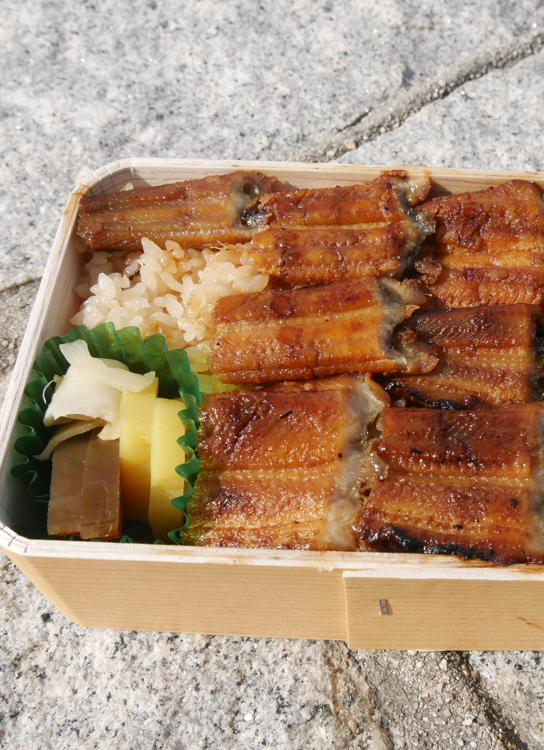
When you visit Hiroshima's enchanting island of Miyajima, one dish sta...
Frequently Asked Questions About Miyajima Cherry Blossoms
When is the least crowded time to see cherry blossoms in Miyajima?
Weekdays from 6:00 AM to 10:00 AM and holidays from 6:00 AM to 9:00 AM are typically the quietest times, and you can often enter Itsukushima Shrine with little to no waiting. Local residents also share that “Mt. Misen can feel like you have it to yourself on rainy days,” so don’t automatically cancel your plans if drizzle is forecast—a rainy day can actually be a hidden-gem time for a more peaceful visit.
What time does the ferry stop running at night?
The JR West Miyajima Ferry’s last departure from Miyajima back to the mainland is typically at 22:14, though extra runs may be added during peak seasons. Here’s a useful tip: the JR ferry route passes closer to the Great Torii Gate on the outbound journey only, so you get better photo opportunities on the way to the island. Always check the current day’s schedule, as times can vary slightly.
Are there areas that aren’t accessible with a stroller?
Yes, several of the most beautiful cherry blossom spots involve terrain that’s challenging or impossible with a stroller. The narrow paths leading to Momobayashi (the peach grove) and the trail up to the Seishin Daikaku Monument both have many stone steps and are not stroller-friendly. A baby carrier is strongly recommended for these locations. Miyajima Aquarium offers free stroller rentals—take advantage of this convenient service if you need one.
Is there an admission fee for the nighttime cherry blossom illumination?
Most illuminated cherry blossom viewing spots on Miyajima are free to access. However, keep in mind that the area around Tahōtō Pagoda is currently under restoration construction until September 2025, with restricted access due to scaffolding. For 2025, we recommend focusing on the nighttime illuminations at the Seishin Daikaku Monument and Fujinotana Park instead.
Where are the best spots to photograph deer with the cherry blossoms?
Fujinotana Park and Ōmoto Park both have frequent deer sightings and offer photogenic backdrops combining cherry blossoms with sea views. Important note: deer crackers were discontinued on Miyajima in 2019 for the animals’ health and wellbeing, so feeding the deer is no longer permitted. The deer are still friendly and approachable, but please respect this policy.
What’s recommended if we don’t have time for a full meal on the island?
Grab an “anagohan bento” (grilled conger eel over rice) from one of the takeaway shops near the ferry terminal and enjoy it on a bench in Ōmoto Park while you view the cherry blossoms. Omotesando Shopping Street also offers plenty of delicious takeout options perfect for a quick bite between sightseeing stops.
For casual street food while walking, Omotesando Shopping Street is ideal, with many tempting options available throughout cherry blossom season.
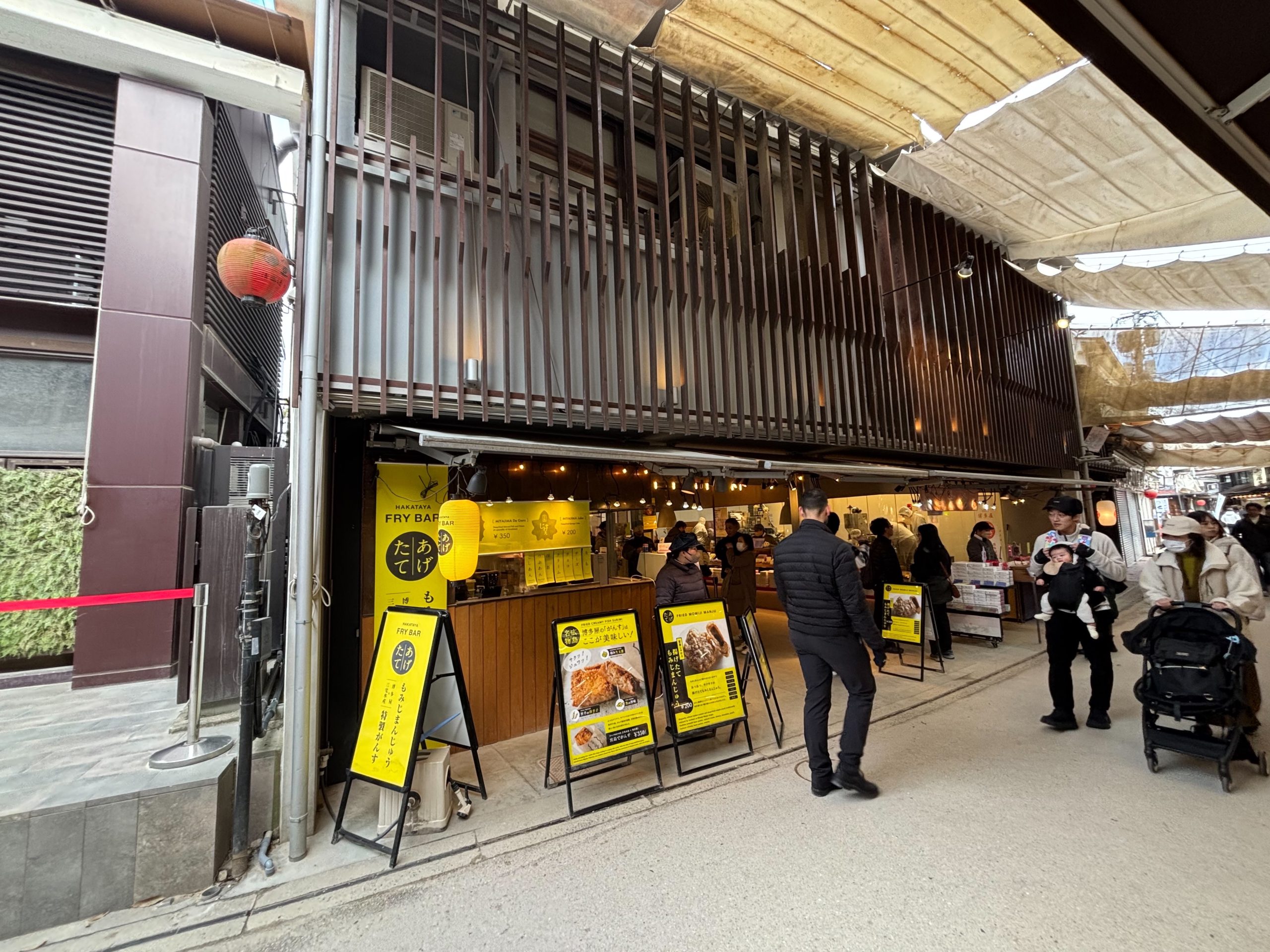
Wondering what to eat in Miyajima? The answer lies along Omotesando Sh...
Related Articles You Might Enjoy
After experiencing Miyajima’s spectacular cherry blossom season, why not extend your adventure by climbing Mt. Misen (535 meters)? The ropeway makes access relatively easy, and the panoramic 360-degree views from the summit are absolutely unforgettable.
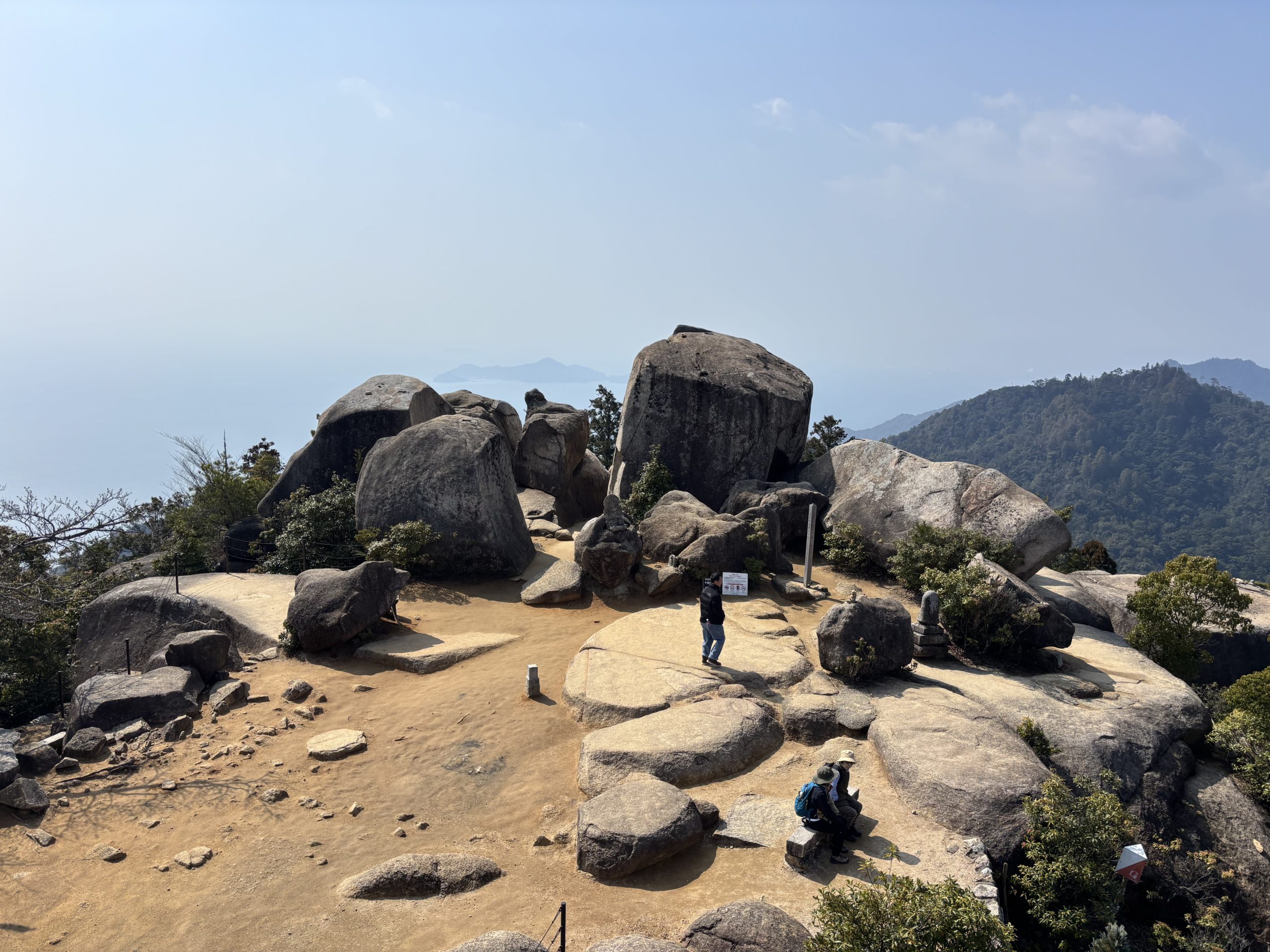
Rising 535 meters above Miyajima Island, Mount Misen Miyajima offers o...
Summary: Your Ultimate Cherry Blossom Experience Awaits in Miyajima
For 2025, cherry blossoms on Miyajima are forecast to open around March 26, with full bloom expected around April 7. Plan for “morning cherry blossom viewing” before crowds build throughout the day, and don’t miss the enchanting nighttime illuminations if you can stay into the evening. By combining famous spots with lesser-known locations—Ōmoto Park, Fujinotana Park, Momobayashi, and the Seishin Daikaku Monument—you can experience the UNESCO-listed shrine scenery, spectacular cherry blossoms, and friendly deer all in one memorable visit.
Families should plan routes carefully around barrier-free areas, and using park-and-ride options helps avoid mainland parking congestion. While Miyajima’s autumn foliage season draws well-deserved acclaim, spring cherry blossom season is every bit as spectacular. Pair your hanami experience with local specialties like grilled anago rice for the perfect taste of spring in Hiroshima.