
Tucked along the Omotesando shopping street on your walk from the ferry pier to Itsukushima Shrine, Fujiiya Miyajima Honten is one of the island’s most beloved sweets destinations. This long-established confectionery shop has been crafting momiji manju — Miyajima’s iconic maple leaf–shaped cakes — with skilled hands and carefully selected ingredients since its founding. What makes a stop here special is the chance to watch the bakers at work, enjoy freshly baked treats at the adjoining café space, and, if you plan ahead, take part in a hands-on wagashi (Japanese confectionery) workshop that’s exclusive to this main store location.
Fujiiya Miyajima: A Legacy of Handcrafted Sweets
The name “Fujiiya” carries meaning even in its writing: the character i (い) refers to the first syllable of the Japanese alphabet — symbolizing a fresh start and an unwavering beginner’s spirit in everything the shop creates. That philosophy shows in the product. The signature momiji manju here features a light, pillowy dough wrapped around smooth koshi-an (fine red bean paste), with a delicate sweetness that’s never overpowering. Alongside the classic red bean filling, the shop also offers options like coarse-grain tsubu-an, matcha, custard, and chocolate, plus rotating seasonal flavors.
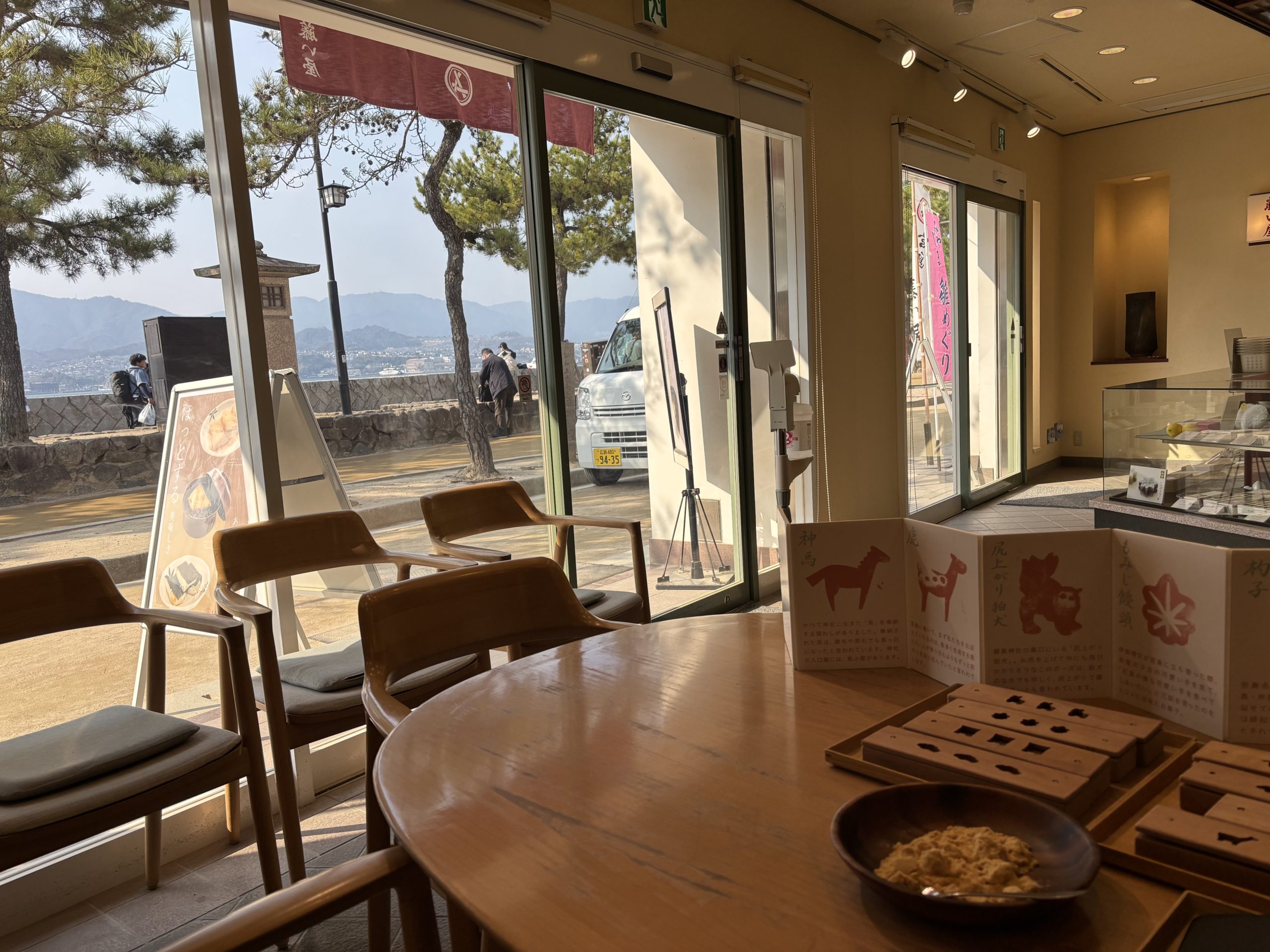
The main store (Honten) faces the Omotesando shopping street — the main approach toward Itsukushima Shrine — making it easy to spot as you stroll through. A second space, the Karyo (茶寮 / tea-room café), sits just around the corner along the seaside promenade and is where you can sit down to enjoy freshly baked momiji manju with tea. Depending on the season, chilled sweets and cold beverages also make an appearance at the Karyo — a welcome option on a warm Miyajima afternoon.
One thing visitors genuinely enjoy here is watching the production process through the shop window. The warm, toasty aroma of freshly baked cakes drifting out onto the street is its own kind of invitation. If you have time to linger, the morning hours tend to be a little calmer, making the viewing experience more relaxed. The shop is also a useful refuge on rainy days or in summer heat — a cool, comfortable spot to rest between sightseeing stops regardless of the weather.
If you’re exploring the full Omotesando shopping street — filled with street food, local crafts, and family-friendly stops — Fujiiya is one of the highlights you won’t want to miss.
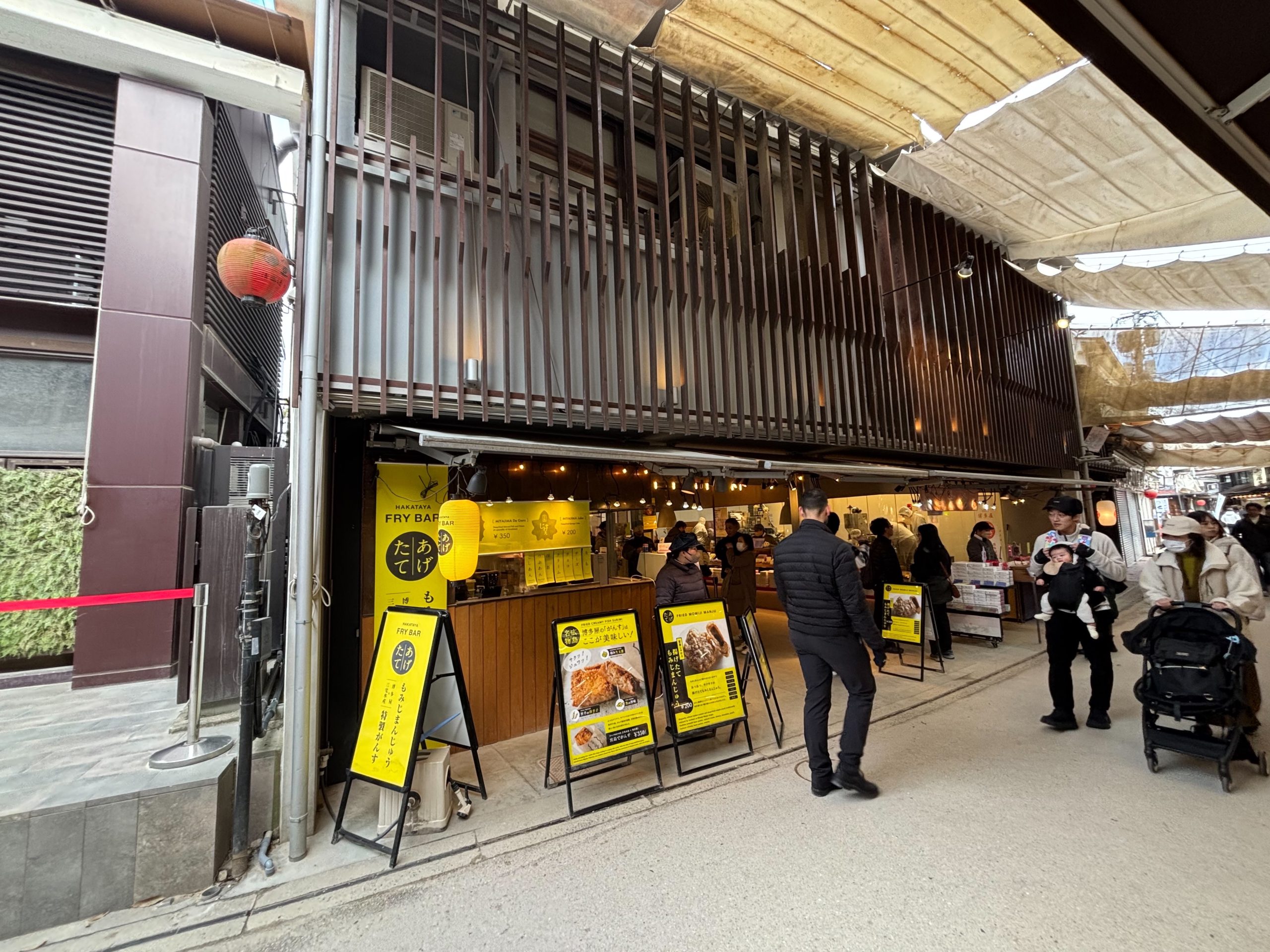
Miyajima's main shopping street — known locally as Omotesando — is a l...
The Main Store on Omotesando
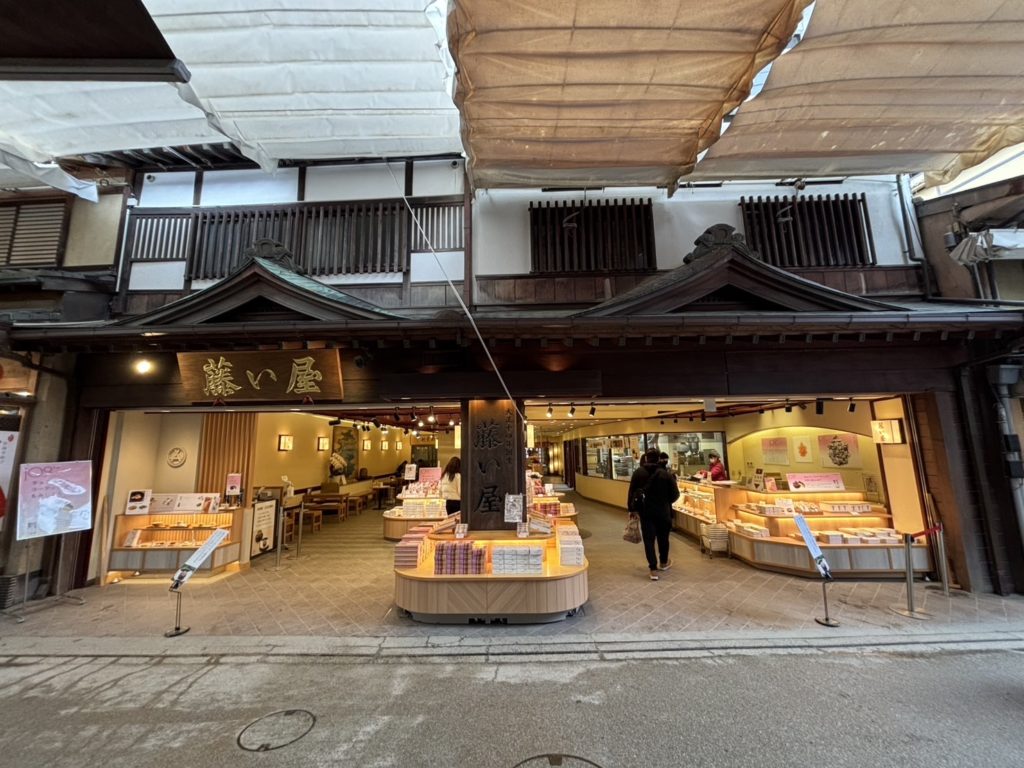
The Honten is positioned in the busiest stretch of Omotesando, right along the natural walking route from the ferry pier to the shrine. It’s easy to find without a map. Mornings tend to move at a gentler pace, and the production viewing area is easier to enjoy without a crowd. That said, even on busy days, a quick stop to pick up a box of momiji manju rarely takes more than 15 to 30 minutes.
The Karyo Café Along the Seaside Promenade
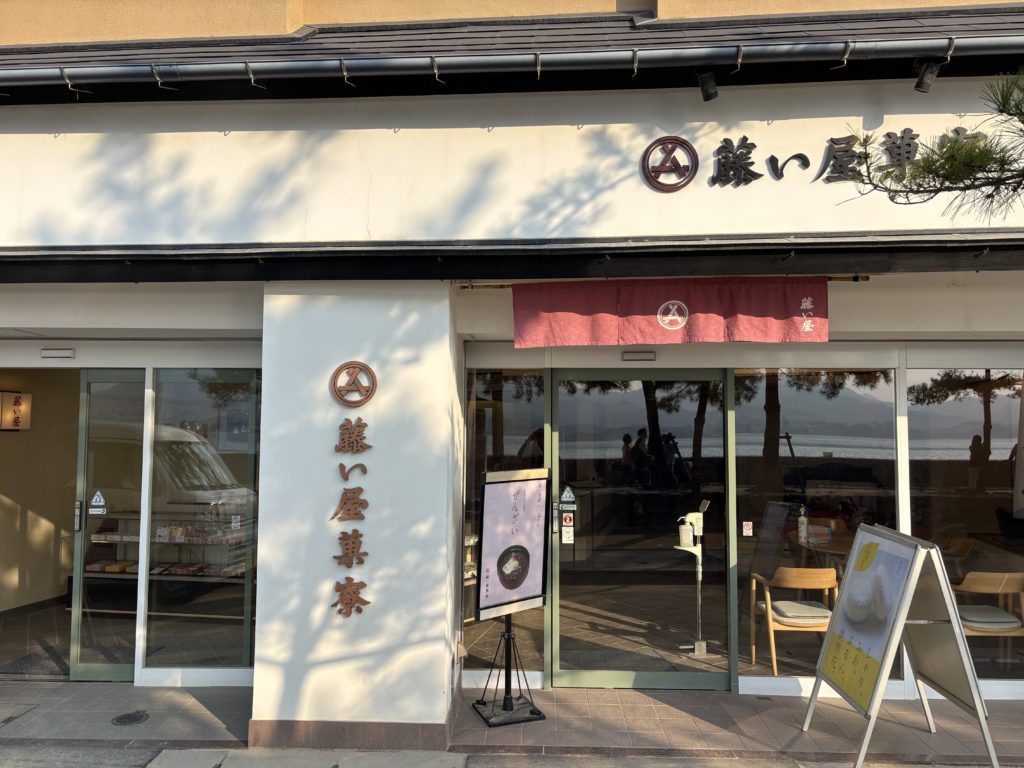
The Karyo offers a proper sit-down experience: freshly baked momiji manju served warm, paired with green tea. It’s the right place to take a real break — unhurried, comfortable, and a step away from the bustle of the main shopping lane. Payment at the shop is primarily cash-based, so having some coins on hand will keep things smooth. For the best chance at a quiet table, aim for early morning or the mid-to-late afternoon window before the dinner rush.
Itsukushima Shrine is just a short walk from here, and many visitors combine a stop at Fujiiya with their shrine visit — a natural pairing for the day.
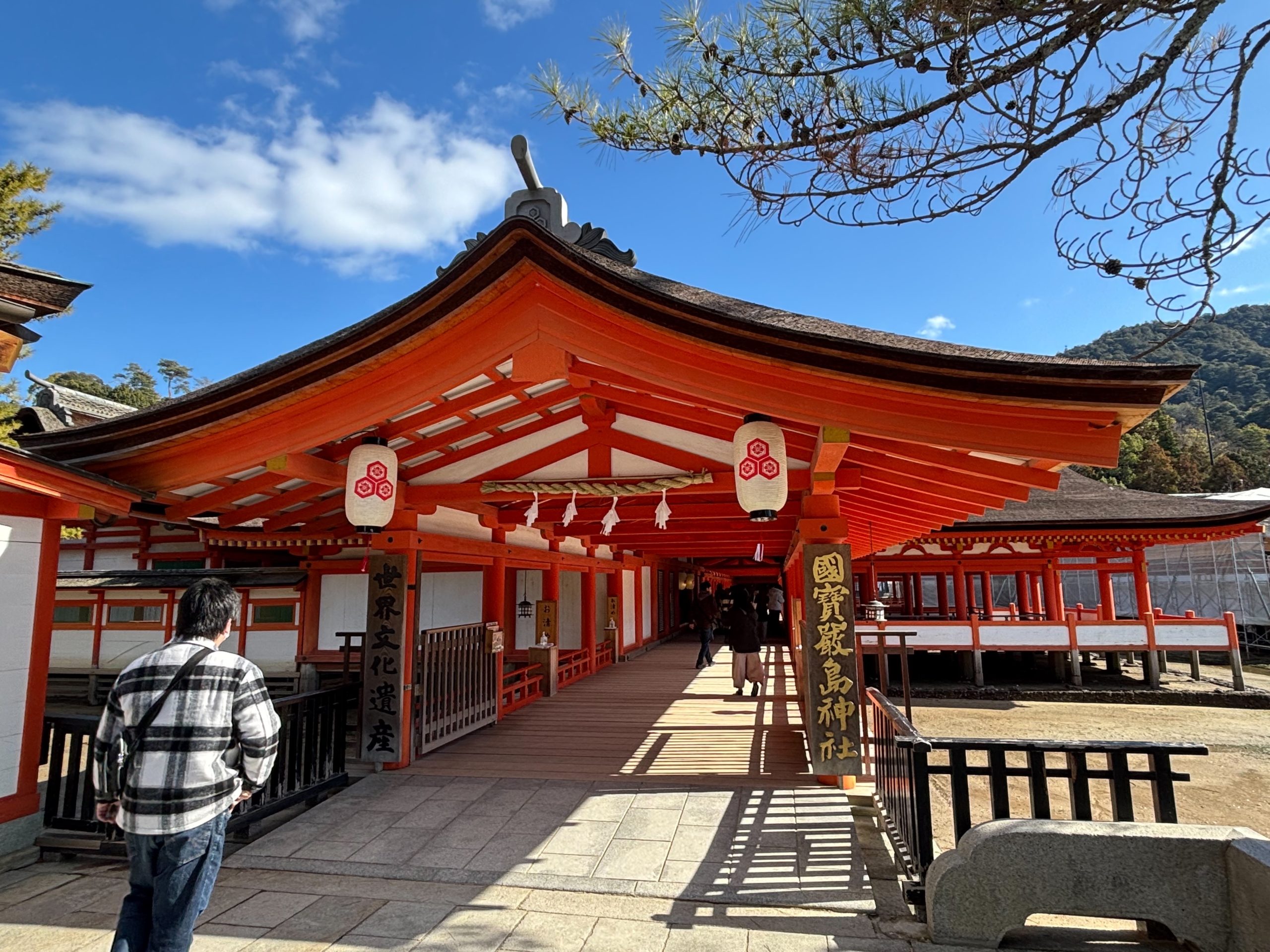
Itsukushima Shrine (Itsukushima-jinja, 厳島神社) is a Shinto shrine built ...
Location, Hours, and Practical Details
- Access: About a 7-minute walk from Miyajima pier. Follow the Omotesando shopping street toward Itsukushima Shrine — the Honten is on the main street, the Karyo is around the corner near the seafront promenade.
- Hours: Approximately 9:30 AM – 5:00 PM (may vary during peak seasons; check current hours before visiting).
- Closed: Basically open year-round, but occasional closures may occur — confirm with official information.
- Parking: Miyajima Island has no car access for visitors. Park at Miyajimaguchi on the mainland and take the ferry across.
- Time needed: 15–30 minutes for viewing and shopping; 30–60 minutes if you use the Karyo café.
Tips for Getting the Most Out of Your Visit
- Watch the baking: If timing works out, you can observe the baking process through the glass — the fragrance and warmth of fresh-from-the-mold cakes are part of the experience.
- Flavor options: The classics — koshi-an (smooth red bean), tsubu-an (chunky red bean), matcha, custard, and chocolate — are reliably available. Seasonal limited editions are worth asking about at the counter.
- Buying as souvenirs: Individually wrapped cakes and small gift boxes travel well and make tidy presents. Consider picking up your souvenir boxes on your way back from the shrine so you’re not carrying them all day.
- Photography: Fine in the shop, but be mindful of other visitors and avoid blocking the aisles during busy periods.
Looking for more Miyajima sweets? Age momiji — deep-fried momiji manju — is another popular island treat worth comparing.
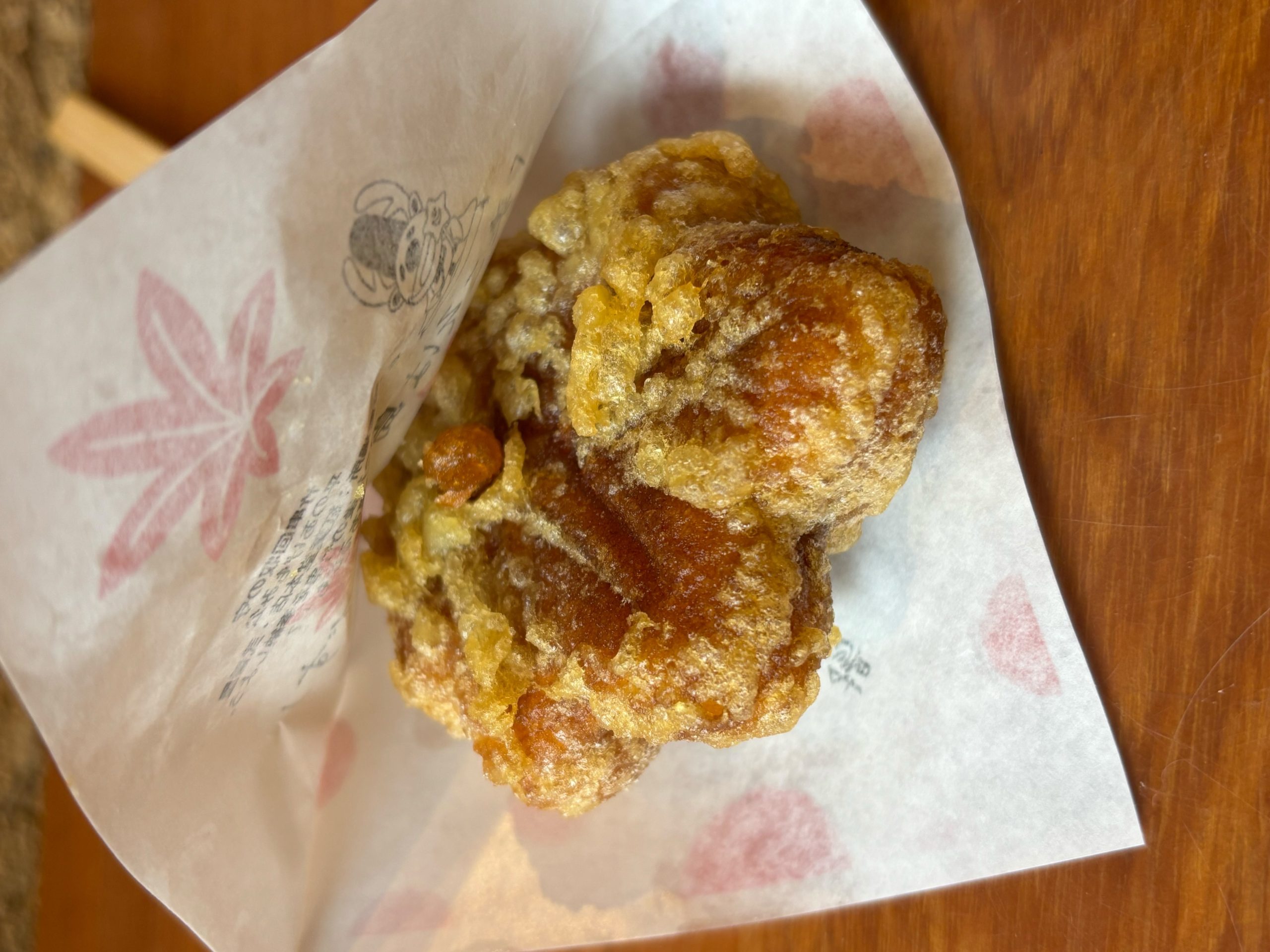
Momiji manju (もみじ饅頭) is a small sponge cake shaped like a Japanese map...
The Hands-On Wagashi Workshop: Make Your Own Higashi
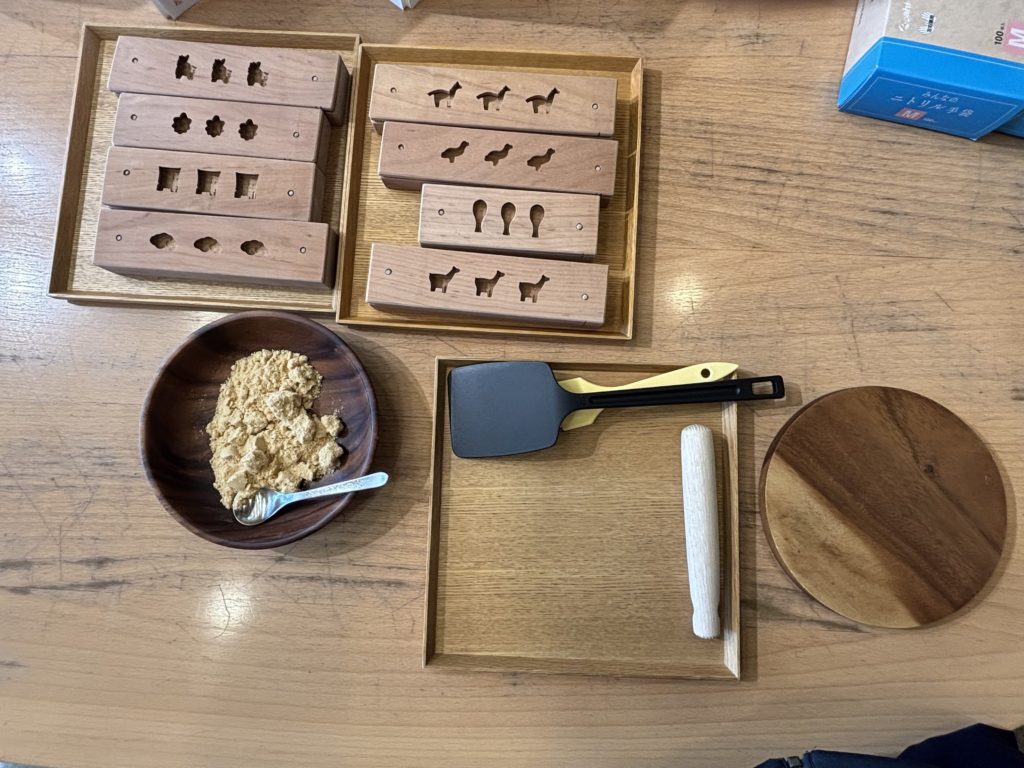
The most distinctive offering at Fujiiya Miyajima Honten — and the reason many visitors specifically seek it out — is a higashi-making workshop available exclusively at this main store. Higashi are traditional Japanese dry confections made from wasanbon sugar, a prized artisan sugar produced in Tokushima and Kagawa Prefectures on Shikoku Island. Unlike everyday granulated sugar, wasanbon has a fine, almost powdery texture and a subtle, complex sweetness that makes it the ingredient of choice for high-end wagashi.
The workshop runs on weekdays only, lasts approximately 40–50 minutes, and costs ¥1,500 (tax included). Advance reservation by phone is required at least 7 days before your visit. If your schedule allows it, slotting this into a morning time block before visiting the shrine makes for a very natural and enjoyable sequence to your day.
The workshop space inside the store has a clean, calm, Japanese-modern aesthetic — the kind of setting that puts you in the right frame of mind for careful, quiet craft work. Staff walk you through everything step by step, so no prior experience is needed at all.
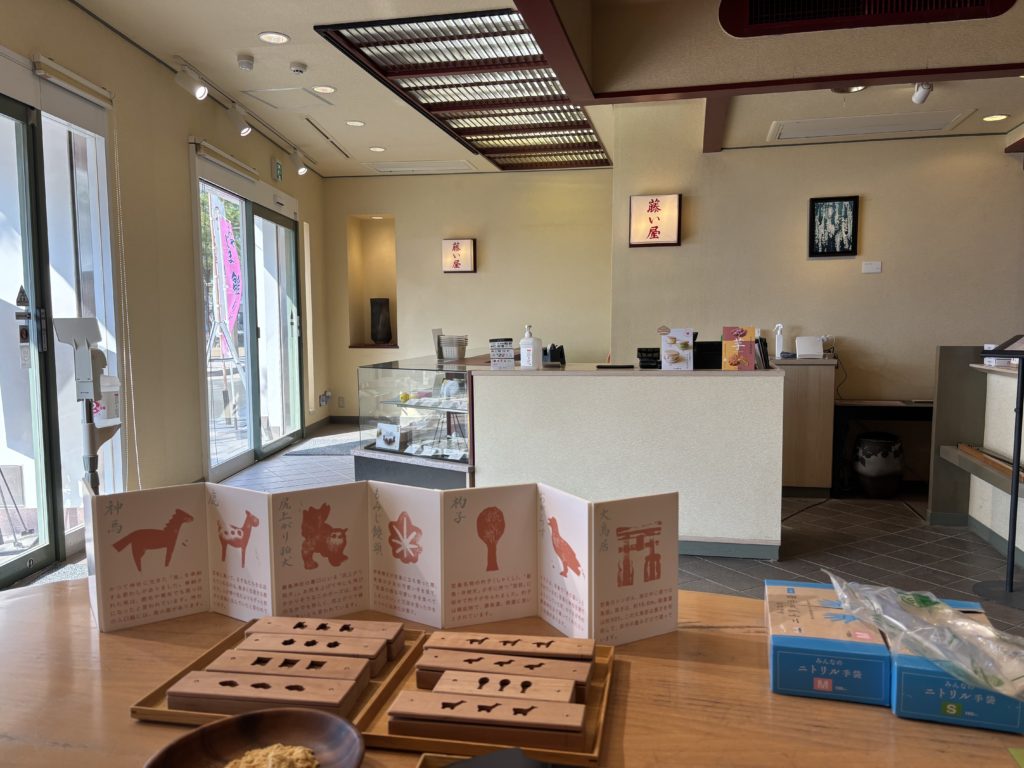
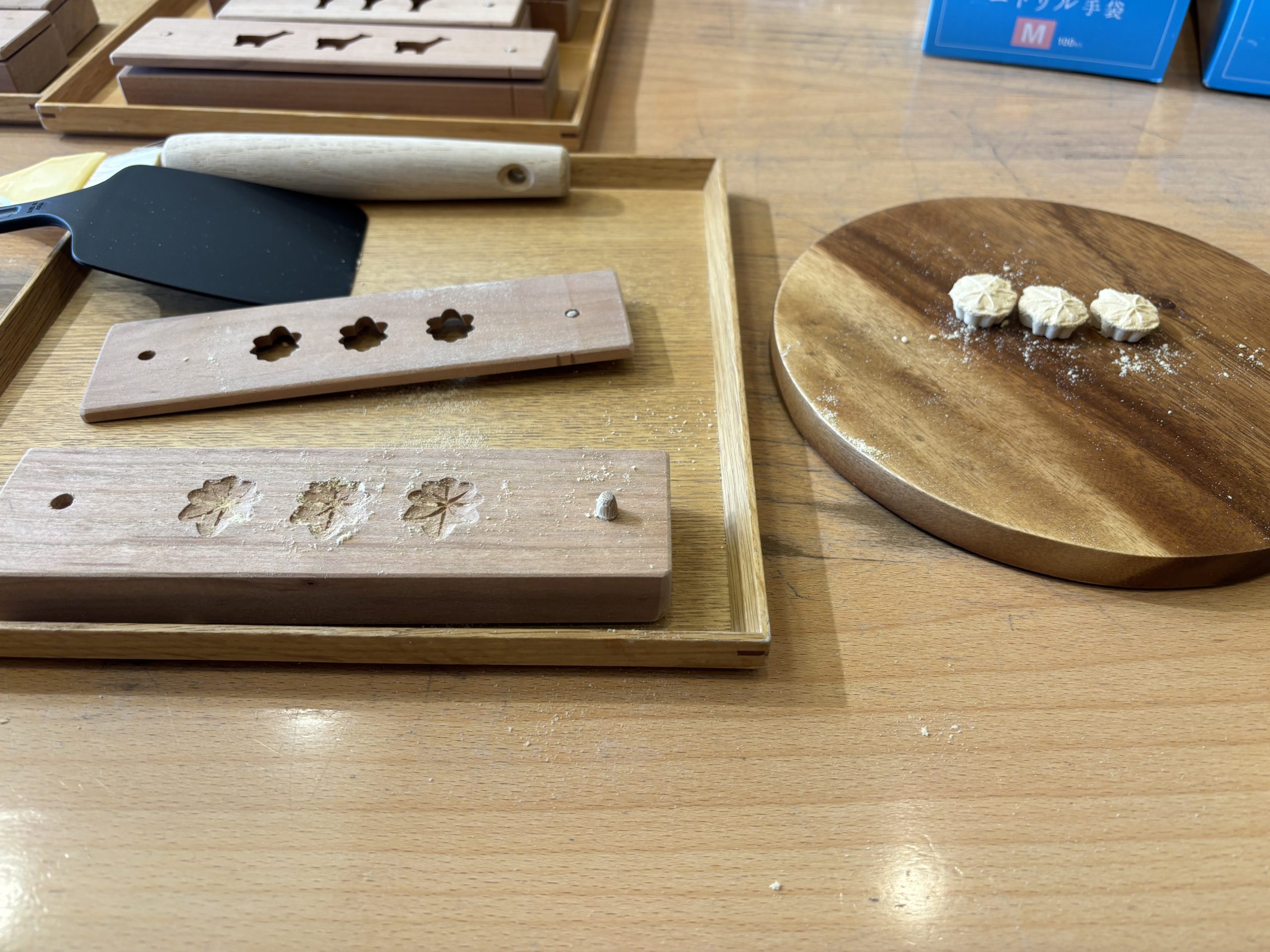
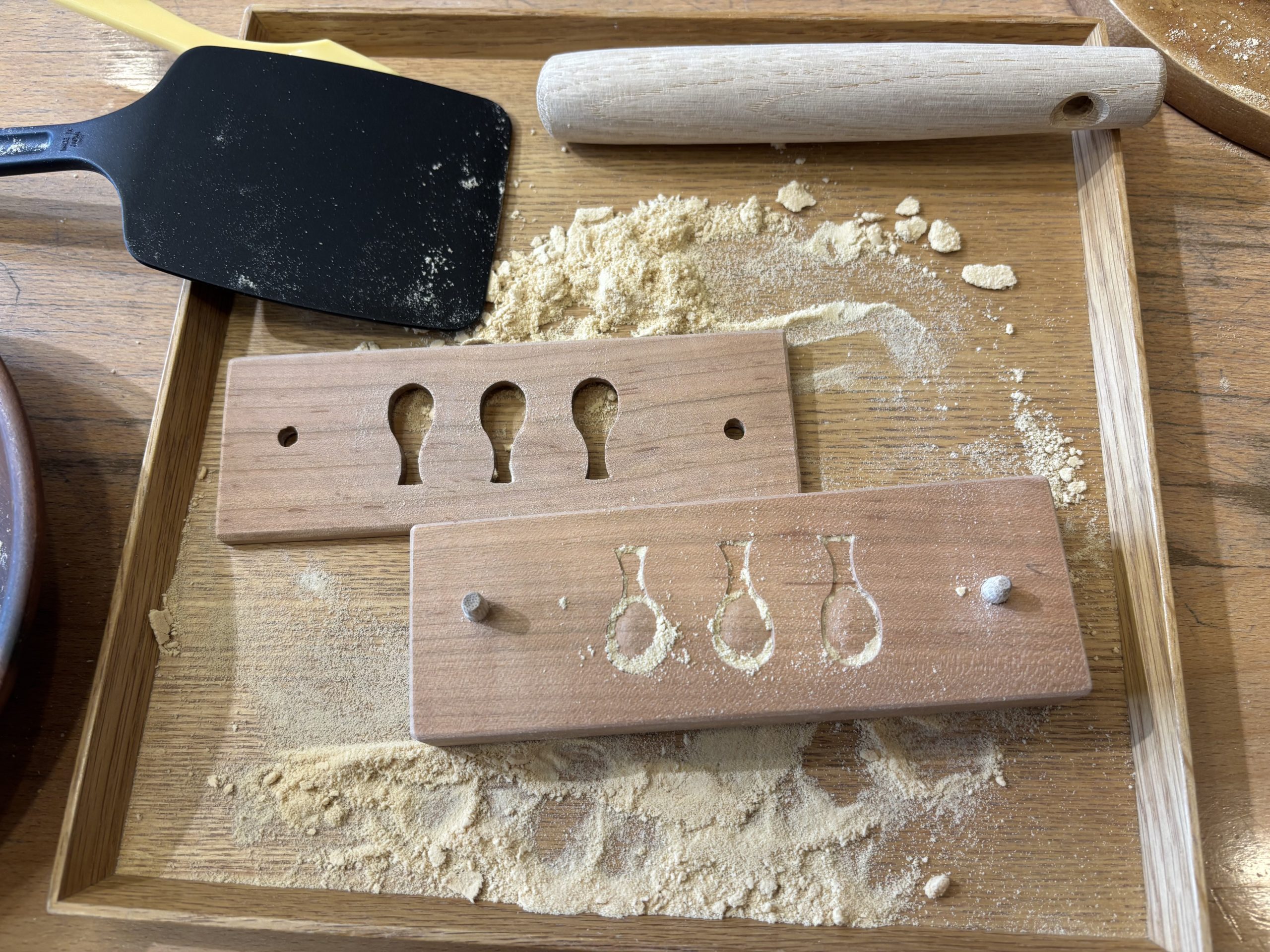
Tools used: Wooden molds, a flat spatula, a small brush, and a wooden tapping stick.
Material: Wasanbon sugar from Tokushima Prefecture. Because wasanbon contains virtually no moisture on its own, a tiny amount of water is worked into it beforehand — just enough to allow the sugar to hold the shape of the mold without dissolving.
Eight Auspicious Designs to Choose From
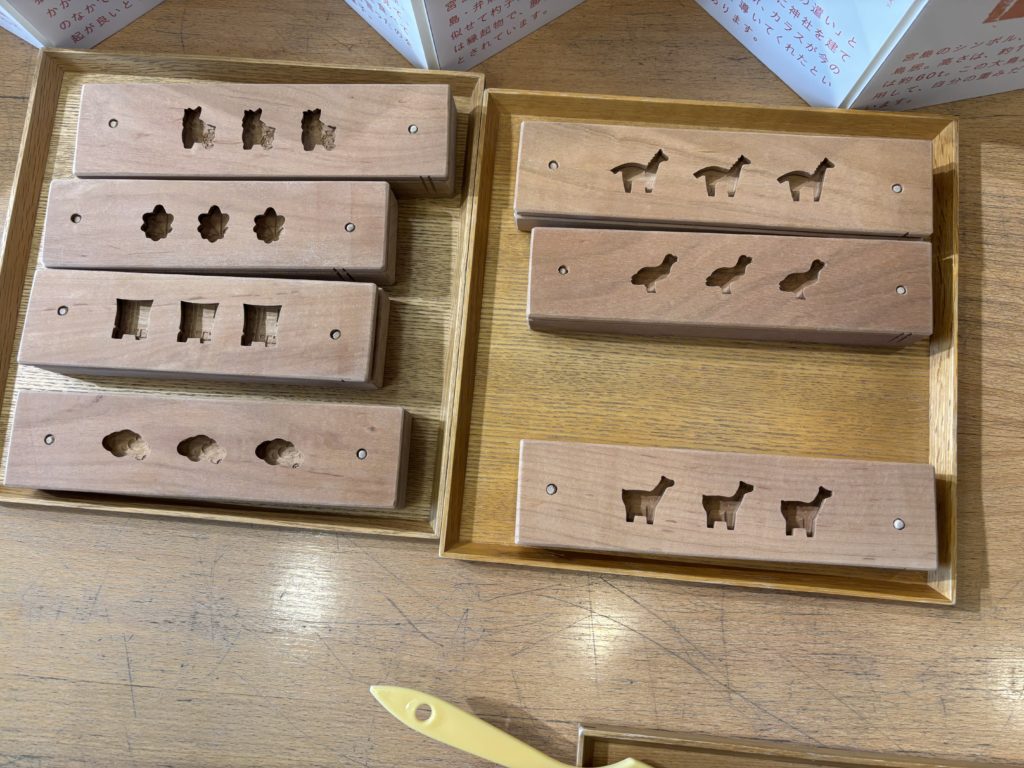
There are eight wooden mold designs available, each carrying a lucky or symbolic meaning connected to Miyajima and its culture. In a single session, you’ll make three pieces — so part of the fun is choosing which three designs you want to try. Talking it over with travel companions or family before you start makes the selection itself a small, enjoyable ritual.
Zuiun — Auspicious Cloud
Inspired by the sacred clouds said to appear over Mount Misen as a good omen. The design has smooth, rounded edges that hold their shape well when unmolded — an ideal first choice for beginners.
Shinme — Sacred Horse
The sacred horse is a meaningful motif in Shinto tradition, often associated with divine messengers. The legs and mane are fine details — pressing the sugar firmly into those areas helps prevent breakage.
Shika — Deer
The deer of Miyajima are one of the island’s most recognized symbols. The thin ears require a little extra care: before removing the mold, gently tap the sides to loosen the shape and reduce the risk of breaking the tips.
Komainu — Guardian Lion-Dog
The guardian statues that stand at the entrance to shrines across Japan. Press the sugar firmly and use the brush to smooth the surface after filling — this sharpens the outline and gives a clean, defined finish.
Momiji Manju — Maple Leaf Cake
A miniature dry-confectionery version of Miyajima’s most famous souvenir. The design has relatively few raised details, making it one of the more forgiving molds to start with.
Shamoji — Rice Paddle
Miyajima is also famous for its shamoji, and the long, narrow shape of this mold makes it one of the more challenging designs. Fill evenly from top to bottom and use the flat spatula to level the surface before unmolding.
Karasu — Crow
A bird with deep significance in Japanese mythology, associated with divine guidance. The wing tips are delicate — tap the sides of the mold evenly and lift the top section carefully to preserve the shape.
Otorii — Great Torii Gate
The famous floating gate of Itsukushima Shrine, rendered in sweet sugar. The pillars are narrow, so packing the sugar tightly into that area is key. Brush away excess powder at the finish to make the outline crisp.
Daisho-in Temple — one of Miyajima’s most impressive spiritual sites and actually older than Itsukushima Shrine itself — is a wonderful complement to a Fujiiya workshop visit if you have extra time on the island.

Tucked into the forested hillside at the foot of Mount Misen, Daishoin...
Step-by-Step: How the Workshop Works
Step 1: Spoon wasanbon sugar into the hollow cavity of the wooden mold. Use your thumb to press it in firmly — the harder you pack it, the cleaner the final shape will be.
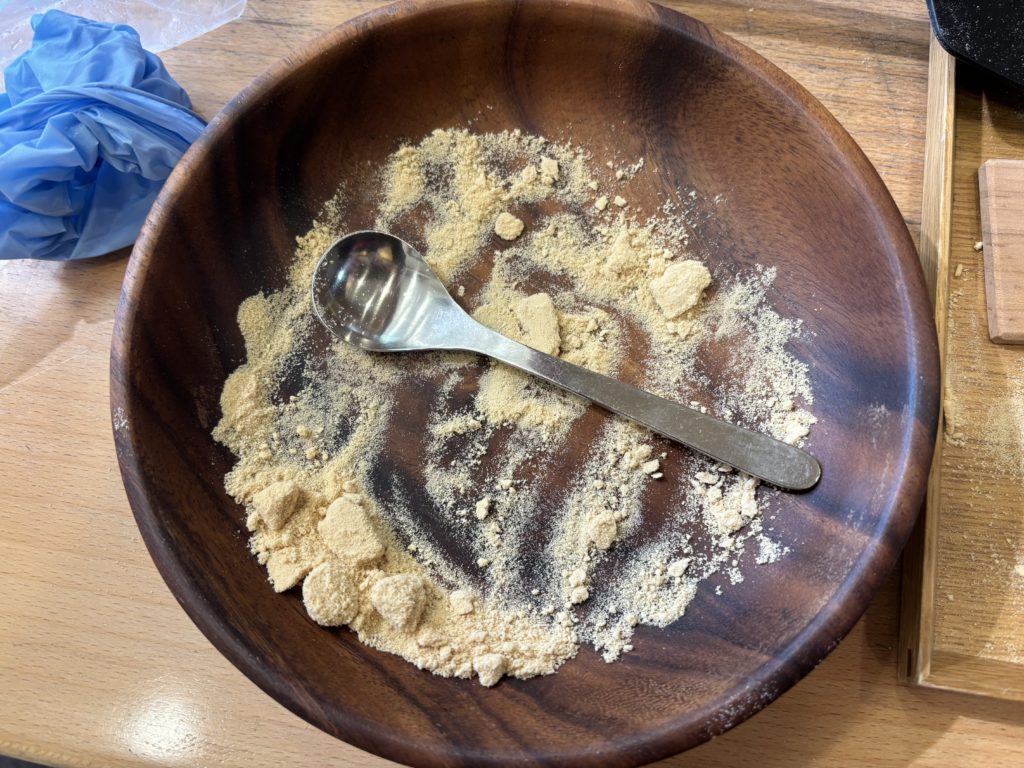
This step takes more force than most people expect — it’s the most important part of the process, so take your time and press carefully rather than rushing.
Step 2: Use the flat spatula and brush to scrape away any excess sugar that mounds above the top face of the mold, leaving the surface flush and even.
Step 3: Hold the top and bottom of the mold together firmly with both hands. Use the wooden tapping stick to strike the sides of the mold evenly — this loosens the sugar from the wood so it will release cleanly.
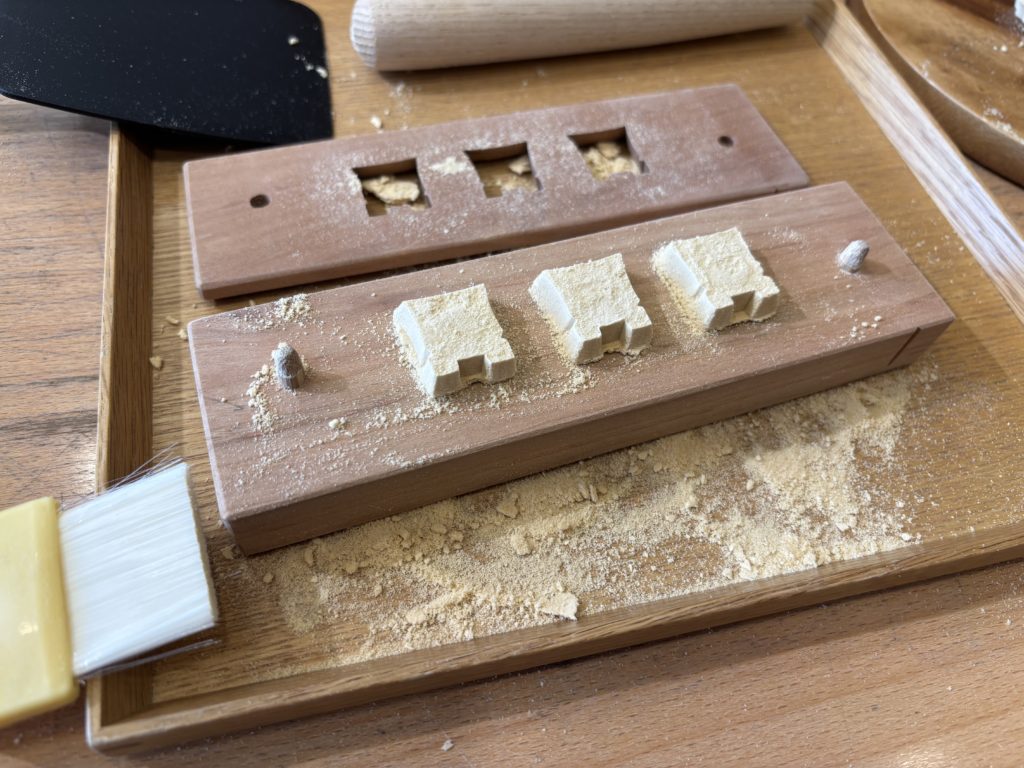
Step 4: Remove the top section of the mold. Flip the bottom section upside down over your tray — and the little wasanbon confection drops out, perfectly shaped.
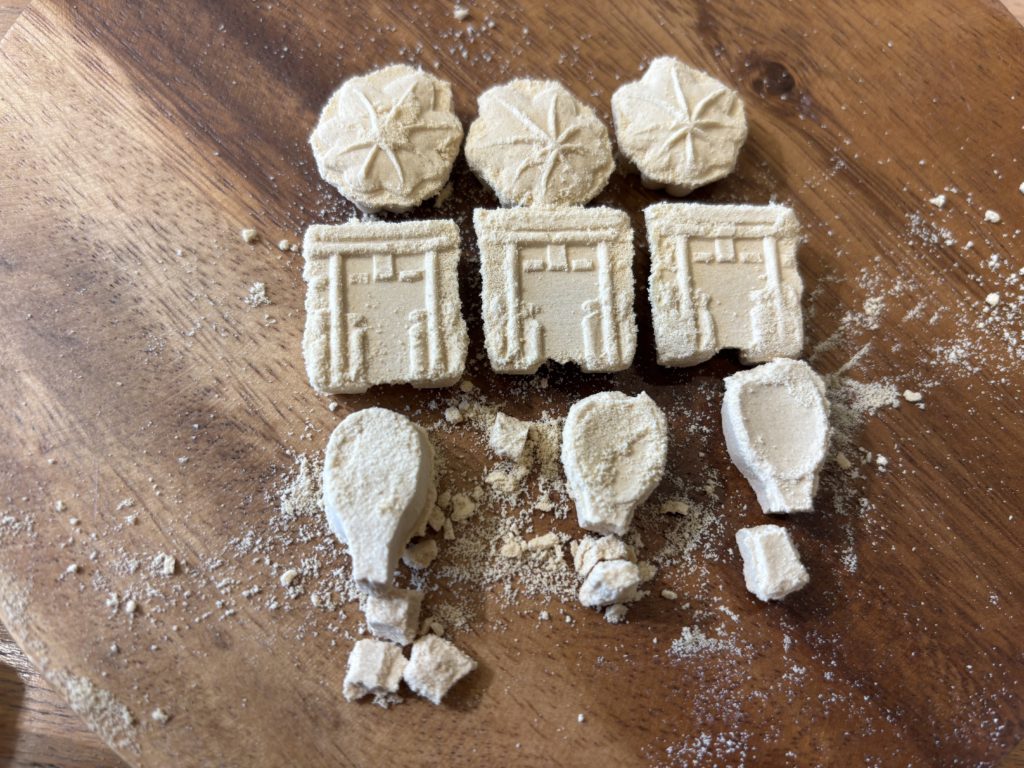
That moment when the shape tumbles out intact is genuinely satisfying — one of those small, quiet victories that stays with you. When it works, you’ll want to try every mold in the set.
Finishing with Matcha
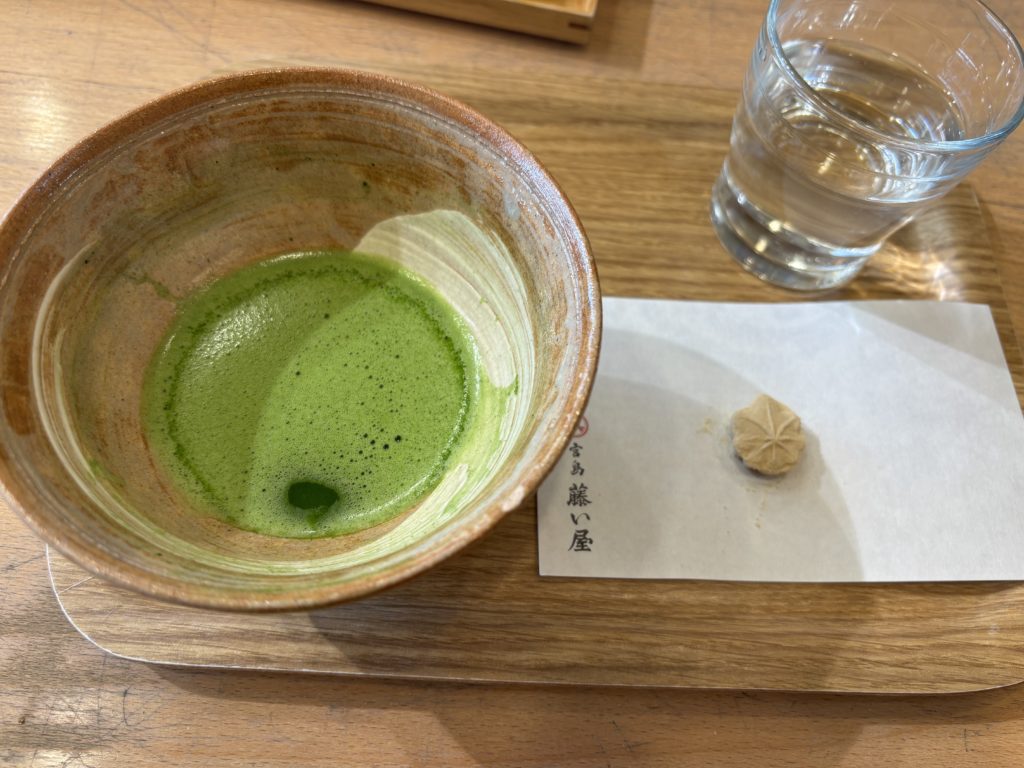
The workshop closes with a bowl of freshly prepared matcha, served alongside one of your newly made higashi. The pairing is classic for good reason: the slight bitterness of the tea and the soft, clean sweetness of wasanbon complement each other beautifully. It’s a calm, grounding way to end the session — and a very traditional way to appreciate handmade wagashi.
Your completed higashi are packaged up to take home with you. They make for unusually personal souvenirs — especially meaningful because you made them yourself. The experience typically runs about 40 to 50 minutes in total, though it can stretch slightly longer if you’re working carefully or sharing the session with young children. At ¥1,500 all-in, it’s widely considered excellent value for what you get.
Taking Your Higashi Home
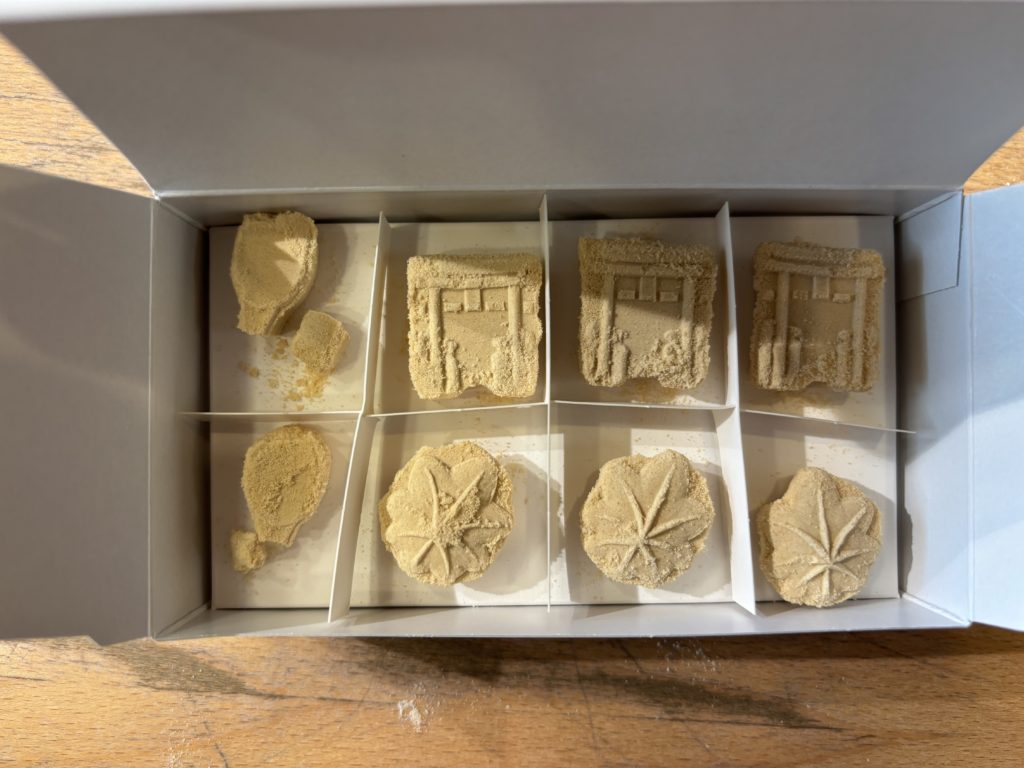
Wasanbon higashi are delicate — especially designs with thin elements like the rice paddle. The staff will package them carefully, but for the journey home, keep the box flat (don’t tilt it on its side in a bag) and avoid stacking heavy items on top. Treat them as you would a box of fragile cookies, and they’ll arrive in perfect shape.
Facility details, hours, and pricing are subject to change. Please verify the latest information via the shop’s official website or by contacting them directly before your visit.
FAQ
When does the wagashi workshop run?
The higashi-making experience is held on weekdays only. Advance phone reservation is required at least 7 days before your visit. If you’re planning a weekend trip to Miyajima, keep this in mind when building your itinerary — a weekday visit opens up this exclusive experience.
How long does the workshop take?
Expect around 40 to 50 minutes from start to finish, including the introduction, hands-on work, and the closing matcha service. It may run a little longer if you’re moving carefully or attending with young children.
How much does the workshop cost, and what payment is accepted?
The workshop fee is ¥1,500 (tax included) per person. The shop and café primarily operate on a cash basis, so it’s a good idea to have Japanese yen on hand before you arrive.
Can children join the workshop?
Children around elementary school age and up can participate comfortably, especially with a parent or guardian present. The steps involve some fine motor work — packing sugar tightly and releasing the mold carefully — but the staff are patient and experienced with younger visitors. It’s a memorable activity for families.
How do I get to Fujiiya Miyajima?
The main store is about a 7-minute walk from the Miyajima ferry pier. Follow the Omotesando shopping street in the direction of Itsukushima Shrine — you’ll find Fujiiya Honten along the way, with the Karyo café around the corner near the seaside promenade. Since no private vehicles are permitted on the island, the standard approach is to park at Miyajimaguchi on the mainland and take the ferry across.
What’s the best time to visit to avoid crowds?
Weekday mornings are generally the calmest time for both the production-viewing area and the Karyo café. If you’re visiting on a weekend or during peak season, the mid-afternoon window (roughly 2:00–4:00 PM) tends to be quieter than midday. Arriving early in the morning is especially useful if you want to watch the bakers at work in a relaxed setting.
What flavors of momiji manju does Fujiiya offer?
The standard lineup includes smooth red bean (koshi-an), chunky red bean (tsubu-an), matcha, custard, and chocolate. Seasonal limited-edition flavors appear throughout the year — it’s worth asking at the counter about what’s currently available when you visit.
Can I take my wagashi on the plane home?
Yes — wasanbon higashi are dry confections with no liquid content, so they generally travel well in carry-on luggage. Pack the box flat and protect it from pressure. Always confirm current airline regulations before you fly, but these are a popular souvenir choice for exactly this reason.
Wrapping Up
Fujiiya Miyajima Honten offers something that goes well beyond a souvenir pick-up. You can watch skilled bakers at work, enjoy freshly made momiji manju at the Karyo café, and — with a little advance planning — spend 40 minutes creating your own traditional wagashi from one of Japan’s finest artisan sugars. It’s one of those rare travel experiences that’s genuinely hands-on, culturally rich, and accessible to visitors at any knowledge level. As a stop on your way to or from Itsukushima Shrine, it fits naturally into almost any Miyajima itinerary.
Hours and workshop availability can change, so check the latest details before your trip. But if a weekday visit is on the cards, this is one experience well worth building your schedule around.
You Might Also Enjoy
There’s more to Miyajima’s World Heritage status than Itsukushima Shrine alone — the ancient forest of Mount Misen is part of the designation too. Here’s the full picture.
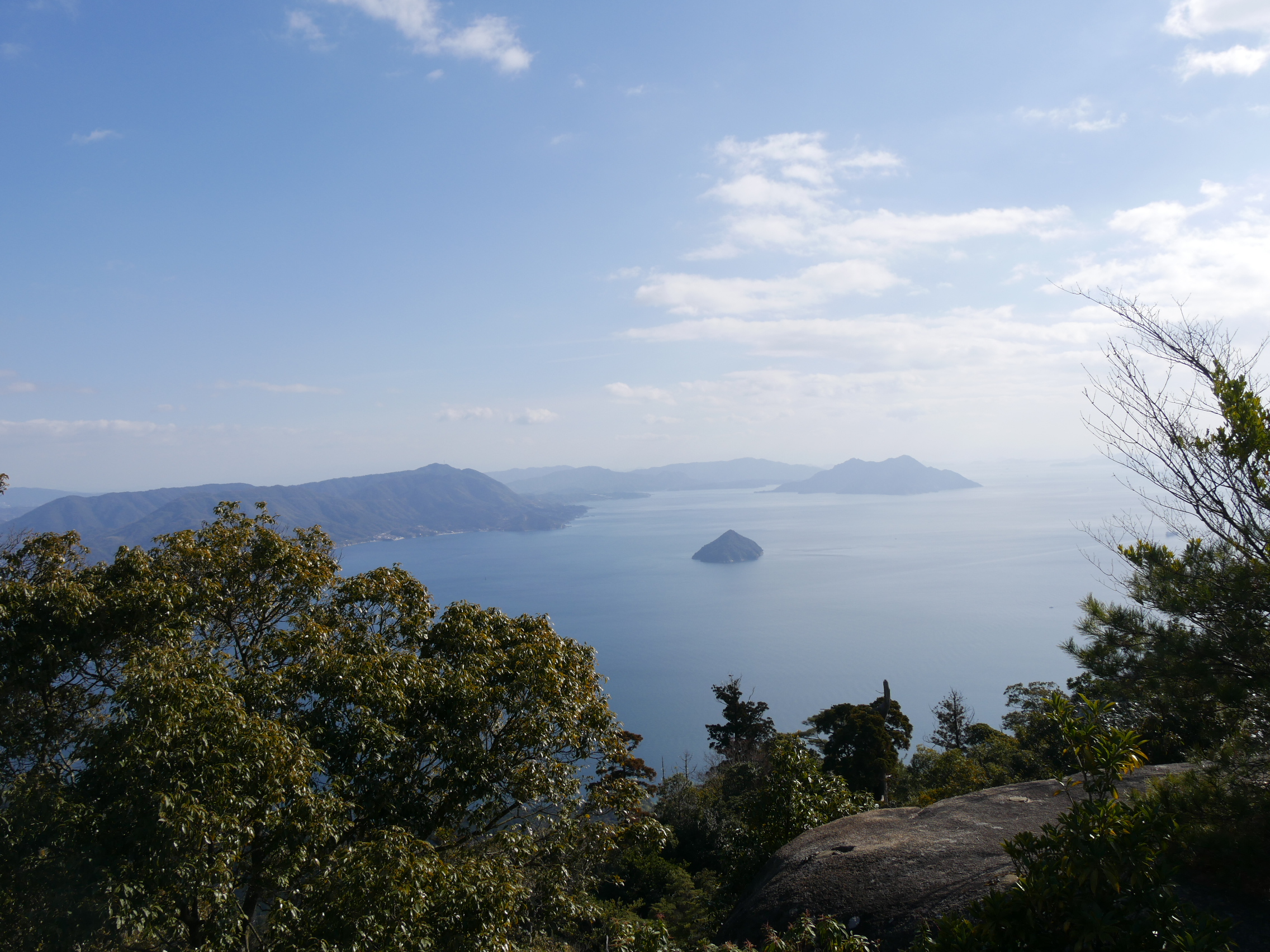
Rising dramatically from the sea off the coast of Hiroshima, Itsukushi...
After your sweets workshop, if you’re ready for a proper meal, Miyatoyohonten is one of the island’s top spots for fresh Hiroshima oysters.
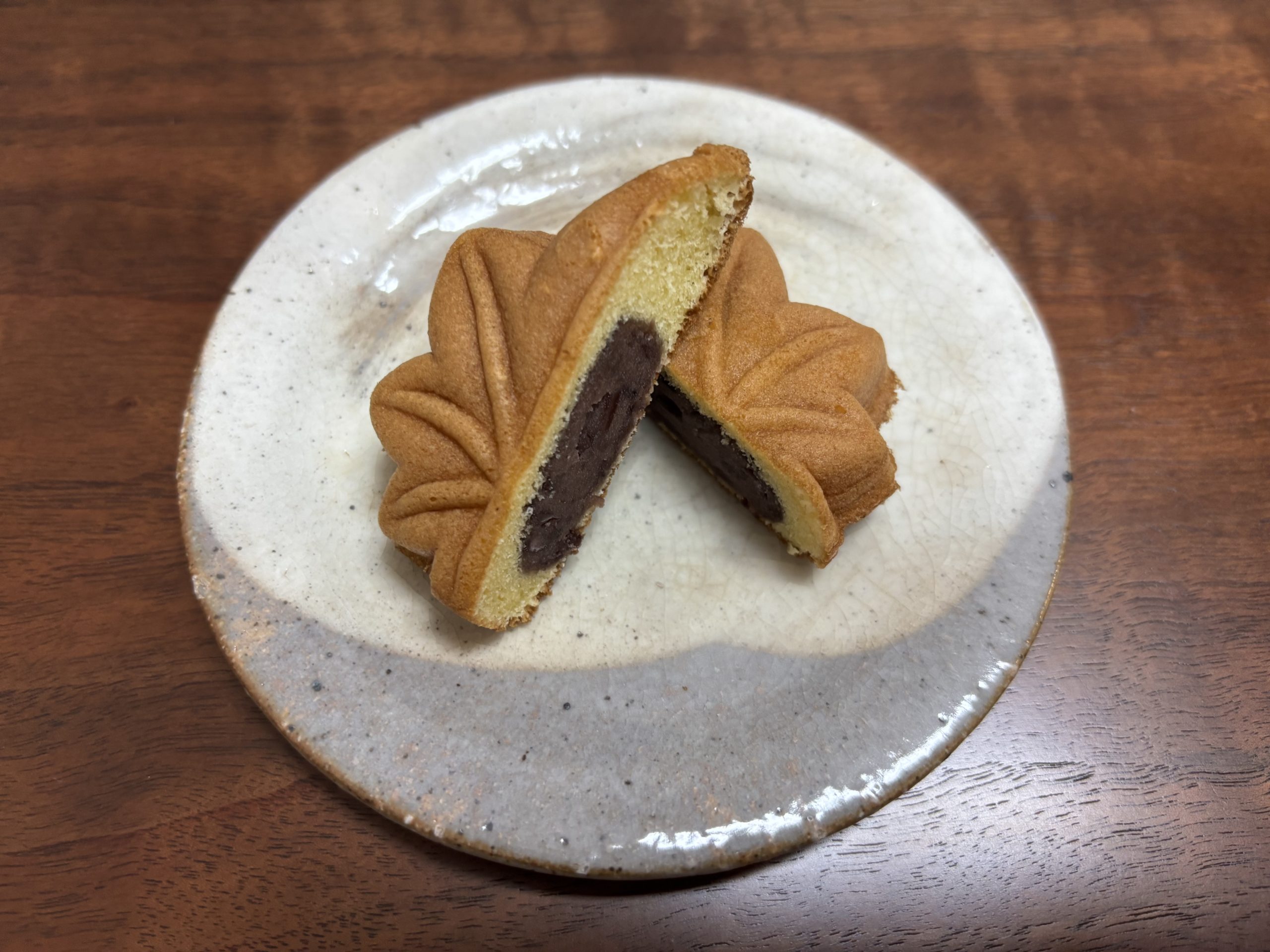
If you're visiting Miyajima and want to try momiji manju at its most t...
Starting your Miyajima morning early? Shimaumapan — a beloved island bakery along the Omotesando — is a great breakfast option before the crowds arrive.
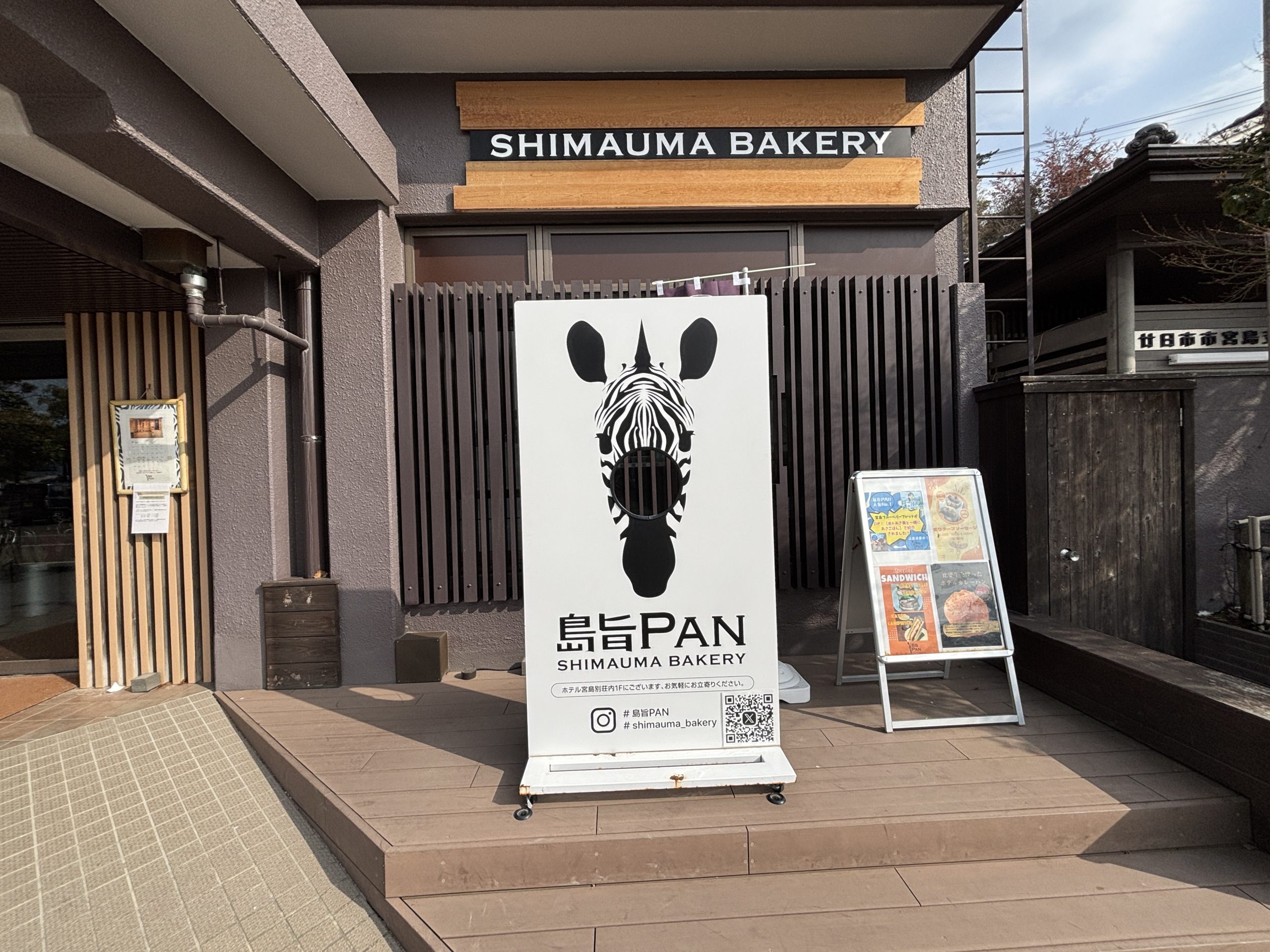
Just one minute on foot from the Miyajima ferry pier, Shima Uma Pan ...