Mount Misen Miyajima offers one of the most romantic and spiritually significant experiences on the island: the Lovers’ Sanctuary at the Eternal Flame Hall (Reikido). This complete guide covers everything couples need to know about visiting Mount Misen Miyajima’s sacred sites, from the ancient flame that’s burned for over 1,200 years to the romantic vow monument at the ropeway station, plus practical tips for access, timing, and making the most of your romantic journey.
Mount Misen’s Lovers’ Sanctuary: Where Romance Meets Sacred History
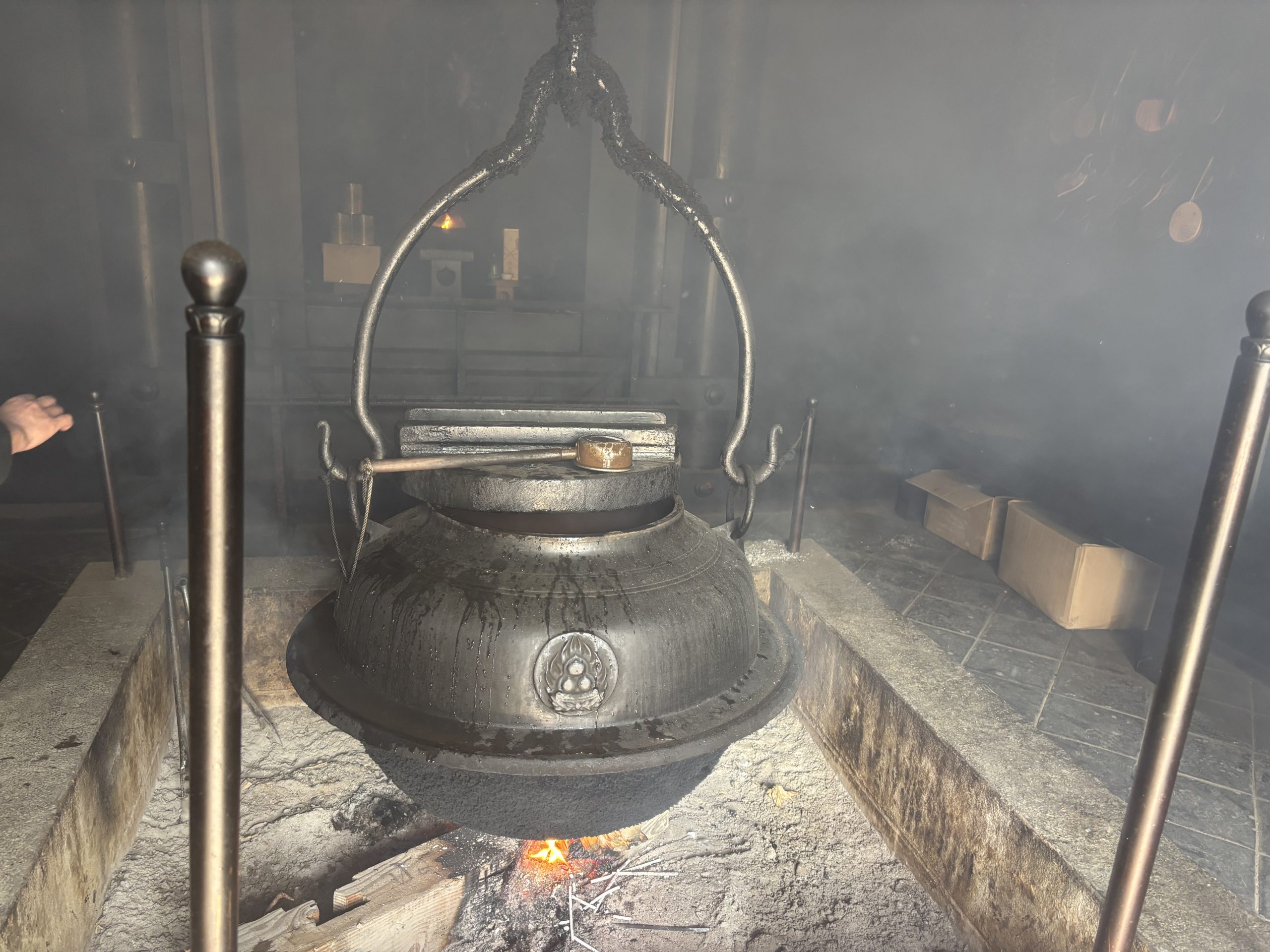
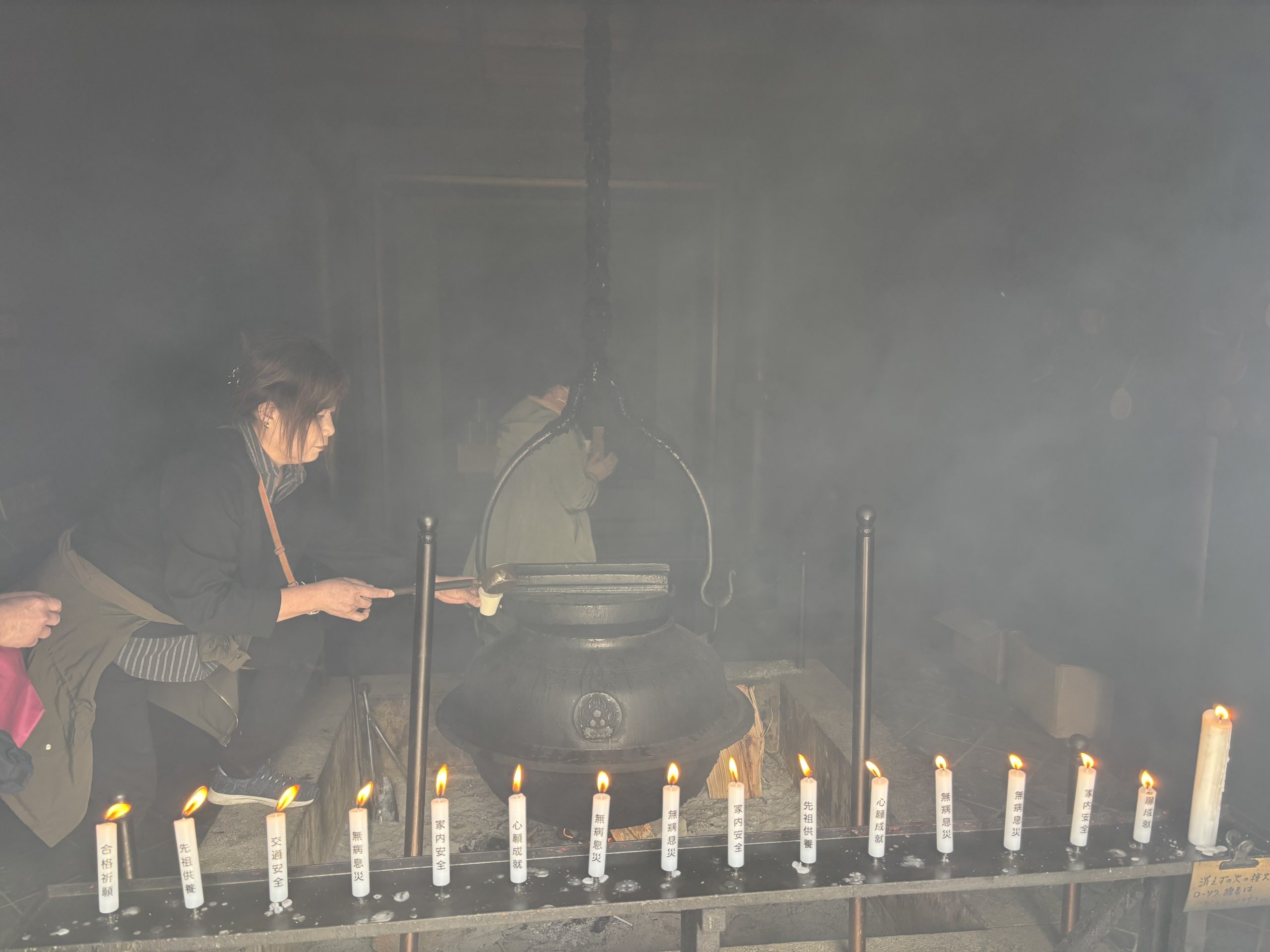
The Lovers’ Sanctuary near Misen’s Main Hall centers around one of Japan’s most remarkable sacred flames: the “Eternal Flame” lit in 806 CE by Kobo Daishi (also known as Kukai), one of Japan’s most revered Buddhist monks. During his ascetic training on the mountain, he kindled this fire, and remarkably, it has burned continuously for more than 1,200 years. Inside the Eternal Flame Hall (Reikido), a large traditional kettle simmers constantly over this ancient fire. The hot water is considered deeply sacred and is believed to have healing properties for various illnesses.
Visitors are welcome to drink this holy water—paper cups are thoughtfully provided near the kettle. Don’t be alarmed if the water appears slightly brownish; that’s from its natural iron content, which is perfectly safe and part of what gives it its healing reputation. There’s even a romantic legend that couples who share this sacred water together will be bound by an unbreakable bond.
When my husband and I visited on a rare date last summer, learning that this very flame provided the spark for the “Flame of Peace” at Hiroshima Peace Memorial Park made the experience especially profound. Standing here, you’re at a place where wishes for love and hopes for world peace literally intertwine. It gave us both goosebumps.
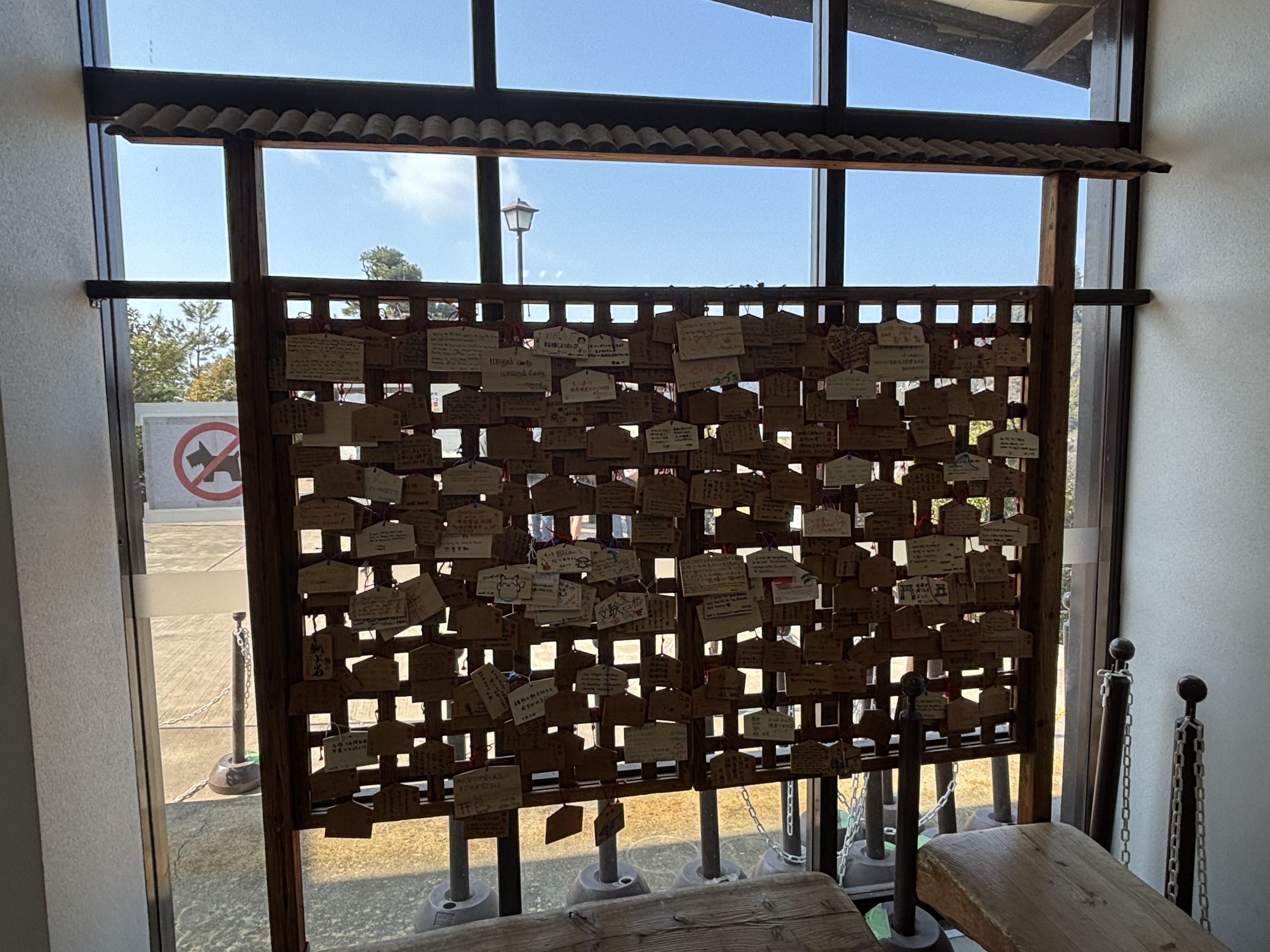
The hall offers special ema (wooden prayer tablets) for couples to dedicate, including adorable heart-shaped ones perfect for writing your romantic wishes together. Whether you’re hoping for lasting love, seeking a life partner, or celebrating an anniversary, this is a meaningful place to make your wishes known.
One practical note: the incense fragrance inside the hall is quite strong and will cling to your clothes. If you’re sensitive to scents or have plans after your visit, consider wearing a jacket you can remove. My eldest once told me after we got home, “Mom, your clothes smell really strongly of incense!” Lesson learned!
Miyajima is one of those rare places where Japan's ancient history and...
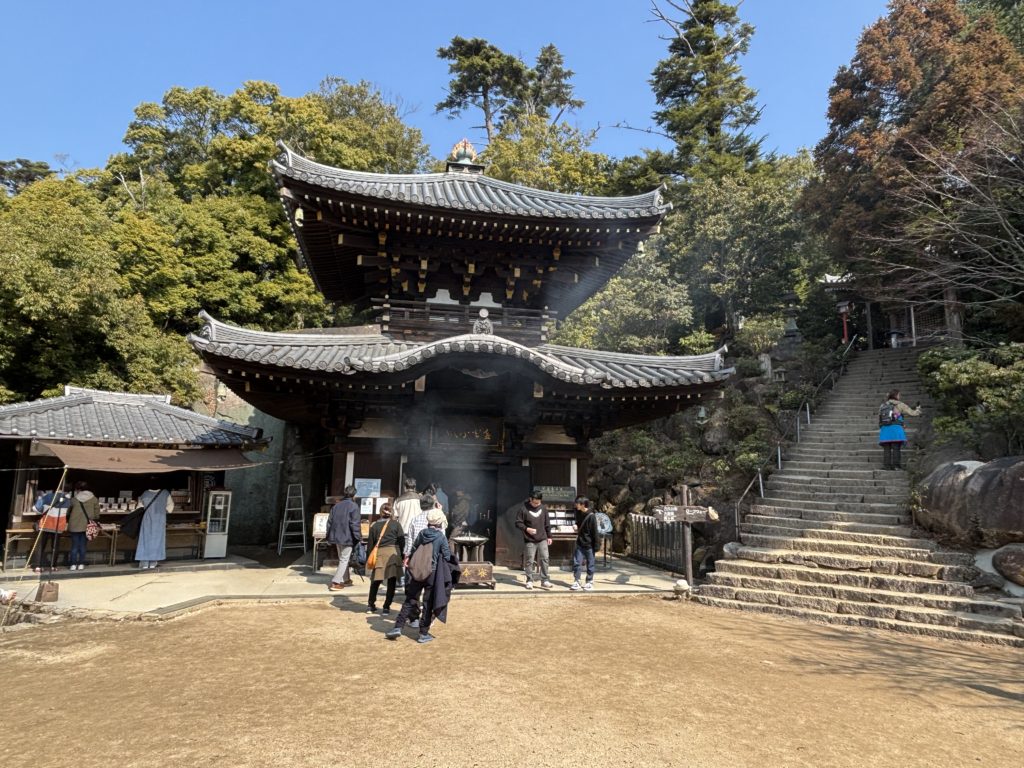
The Lovers’ Sanctuary sits right beside Misen’s Main Hall, approximately 20 minutes on foot from Shishiiwa Station (the ropeway terminus). The designation as an official “Lovers’ Sanctuary” comes from the sacred fire’s extraordinary 1,200+ year history and its powerful symbolism of eternal, unchanging devotion. Because Kobo Daishi first tended this flame in 806 and it has never been extinguished since, the Eternal Flame Hall has become a deeply cherished destination for those seeking blessings in love, marriage, and relationships.
Many couples make the pilgrimage here specifically for these romantic blessings. A friendly local guide once shared with me that according to island tradition, you can drink the hot water boiled over the Eternal Flame completely free—and there’s a beloved legend that couples who share it together will be forever united. Whether you believe in the legend or not, there’s something undeniably special about sharing a centuries-old ritual with someone you love.
Mount Misen Miyajima offers one of the most romantic and spiritually s...
The Reikido Hall: One of Misen’s Seven Sacred Mysteries
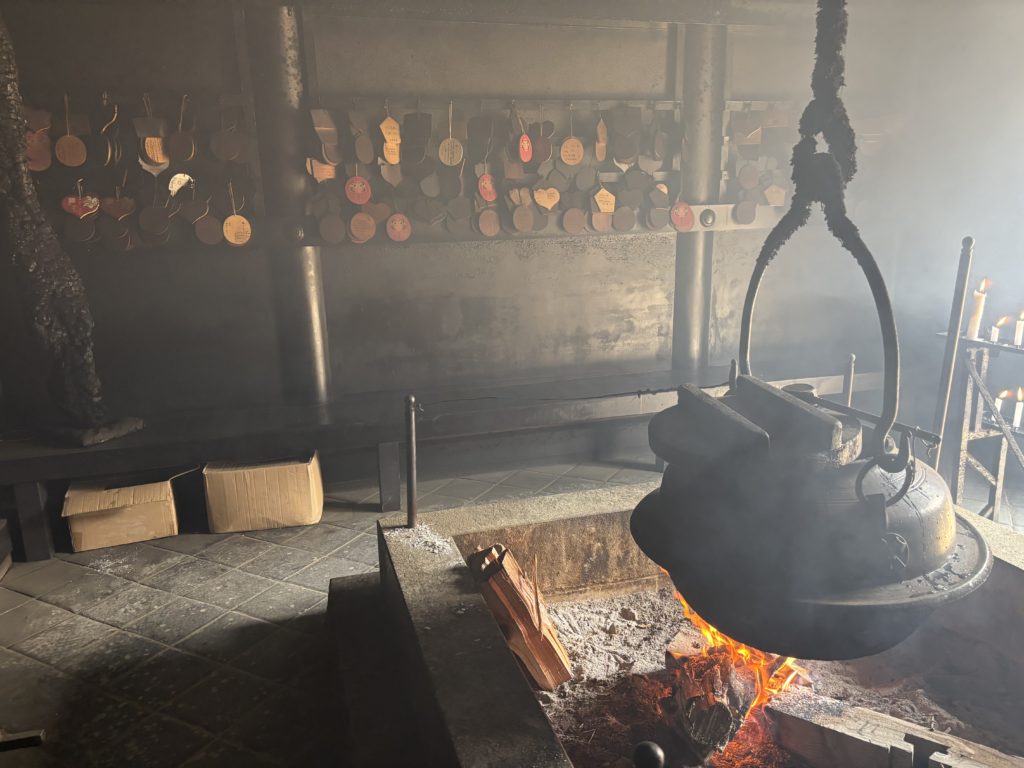
The Reikido’s lamp is venerated throughout the region as a “mysterious flame that never goes out,” and witnessing the ancient kettle continuously boiling is truly awe-inspiring. The sacred water simmered here is traditionally believed to invite happiness into one’s life while promoting health and longevity. What makes this site especially accessible is its location right along the main pilgrimage route, so you can easily experience it during your Mount Misen visit without adding significant time or difficulty to your journey.
Even though the hall has been reconstructed over the centuries, you can still see how the ancient wooden beams have been darkened and stained by more than a millennium of smoke rising from the sacred fire. It’s a powerful, tangible connection to the countless pilgrims and monks who have tended this flame throughout Japanese history—from the Heian period through the samurai era and into our modern times.
Couples can dedicate ema here specifically for love fulfillment, prayers for finding the right partner, or blessings for a harmonious marriage. I recommend writing your wishes together just before you leave—it creates a lovely closing ritual for your visit and gives you both a moment to reflect on what the experience meant to you. During peak seasons like autumn foliage or cherry blossom time, lines can form for worship, especially around midday. If you prefer a calmer, more intimate atmosphere, arriving early in the morning (by 9:00 AM) gives you a more peaceful experience. Alternatively, on weekdays, crowds typically thin out significantly between 2:00 PM and 4:00 PM.
The Reikido’s significance extends far beyond the island itself. This eternal sacred flame serves as the source for the “Flame of Peace” that burns at Hiroshima Peace Memorial Park—a poignant connection between spiritual devotion and the hope for world peace. The flame also lights ceremonial bonfires used in traditional tondoyaki events held across the region during New Year’s celebrations, where families burn their year-end decorations in purifying fires.
Inside the hall’s intimate space, that large kettle rests over the everlasting flame, steam rising just as it has for twelve centuries. The water boiled here is deeply respected and said to be effective against many illnesses and ailments. Local belief holds that simply visiting Reikido can purify your heart, dispel obstacles standing in the way of love, and clear away worries and doubts—opening the path to a pure, sincere romance free from complications. The atmosphere inside is so serene and sacred that you instinctively find yourself standing a little straighter and speaking in hushed, respectful tones.
When I brought my family here, my second daughter whispered to me, “Mom, it feels kind of sacred in here, doesn’t it?” Kids have a natural sensitivity to these special places.

How to Make the Most of Your Lovers’ Sanctuary Visit
The nationwide “Lovers’ Sanctuary” initiative is a carefully curated program that selects the most romantic spots across Japan ideal for marriage proposals, romantic dates, and relationship milestones. On Mount Misen, in addition to the Reikido Hall itself, the ropeway terminus at Shishiiwa Station has been designated an official “Lovers’ Sanctuary Satellite,” complete with interactive installations themed around romantic vows and several charming scenic nooks that make perfect backdrops for couple photos.
For the most satisfying experience, I recommend following a gentle route that takes you through all the highlights: start with worship at Reikido Hall → sip the sacred water together → dedicate your votive tablets → then head to the observation deck for those spectacular views. This progression creates natural photo opportunities at each stage and helps you discover the most photogenic angles without rushing. The Seto Inland Sea views look completely different depending on the tide level, lighting conditions, and weather—no two visits are ever quite the same.
One important timing note: the three-day weekends in November become extremely crowded with autumn foliage seekers from across Japan. If you’re planning a romantic date rather than a general sightseeing trip, weekdays offer a much more intimate, peaceful experience where you can truly focus on each other rather than navigating crowds.
The broader Lovers’ Sanctuary Project officially designates 100 symbolic romantic locations throughout Japan, primarily at major sightseeing destinations, through a rigorous selection process that evaluates each site’s romantic atmosphere, scenic beauty, and cultural significance. The project’s wider goal extends beyond tourism—it aims to link different tourist regions, contribute to community vitality, and even address Japan’s declining birthrate by encouraging couples to create meaningful romantic experiences and lasting bonds.
Launched on April 1, 2006, the project highlights proposal-worthy places nationwide as official “Lovers’ Sanctuaries,” promoting each area’s unique romantic charm while fostering collaboration between different regions. It’s a lovely reason to plan a memorable date on Miyajima, and you’ll be participating in something much larger than just tourism.

Your complete guide to Daishō-in Temple on Miyajima: history, what to do, spiritual experiences (sand stepping, fire walking, Kaidan Meguri), annual events, access, barrier-free info, and how to get a goshuin (temple stamp).
The Shishiiwa Station Vow Monument: A Playful Romantic Ritual
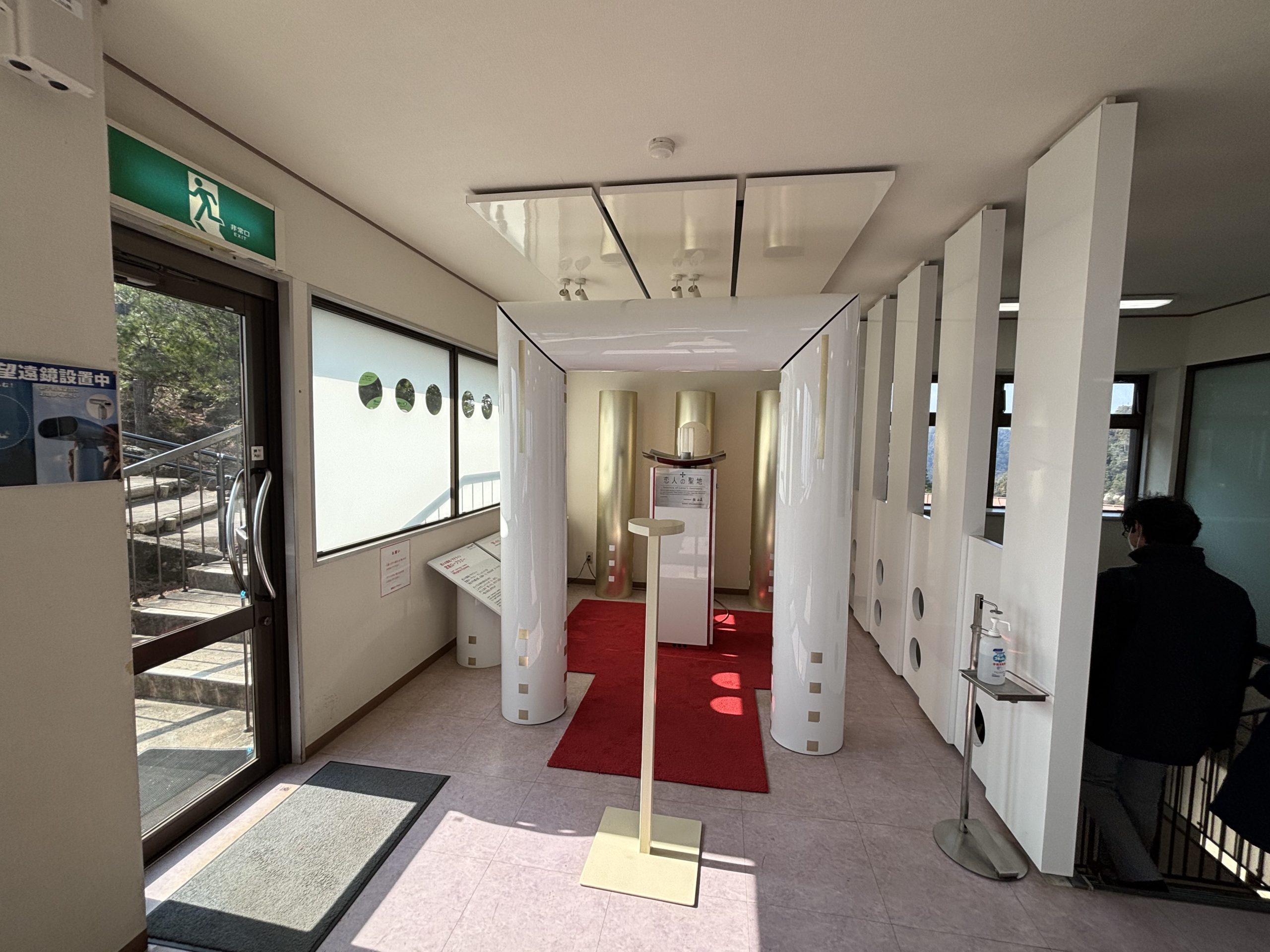
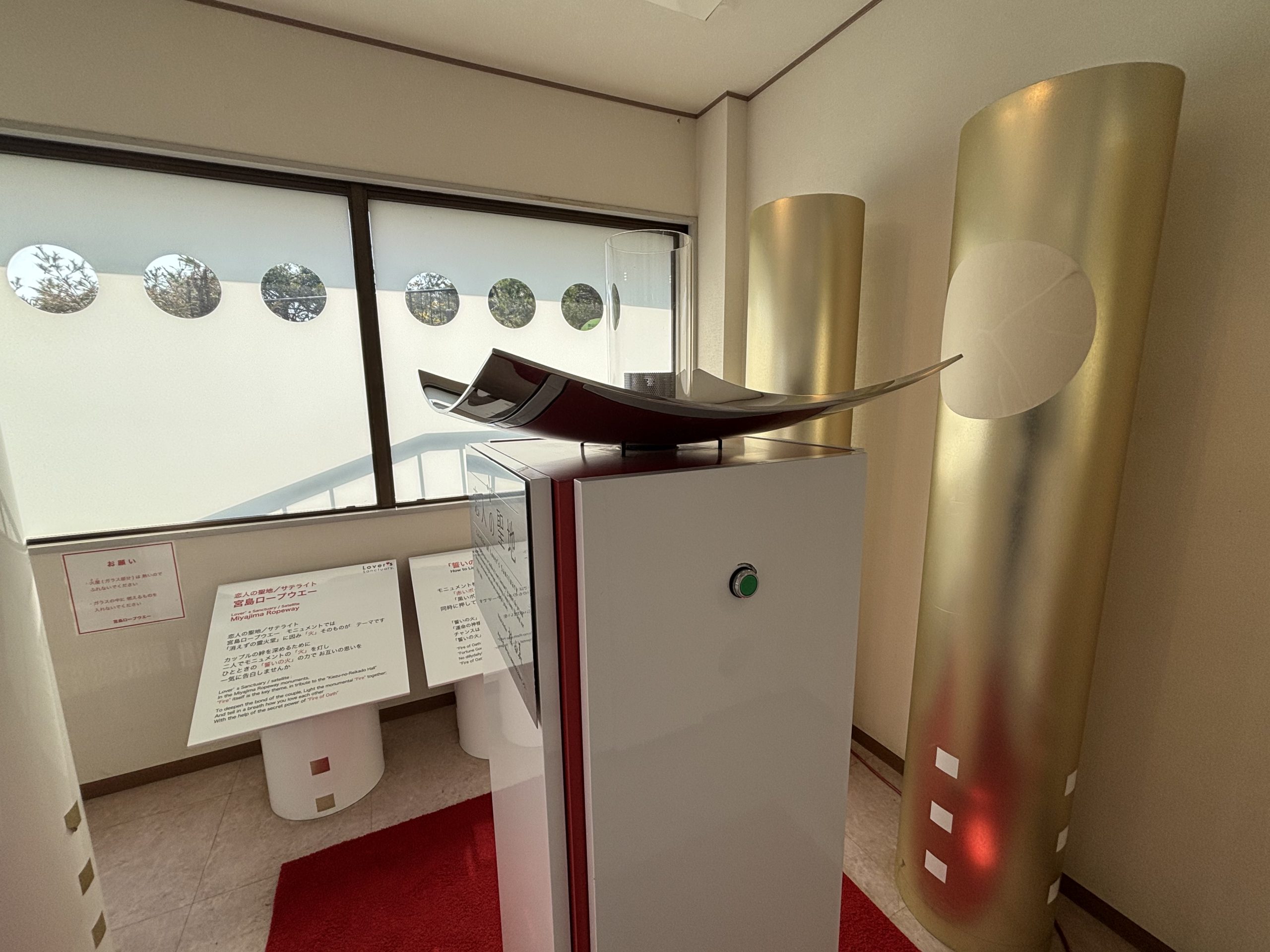
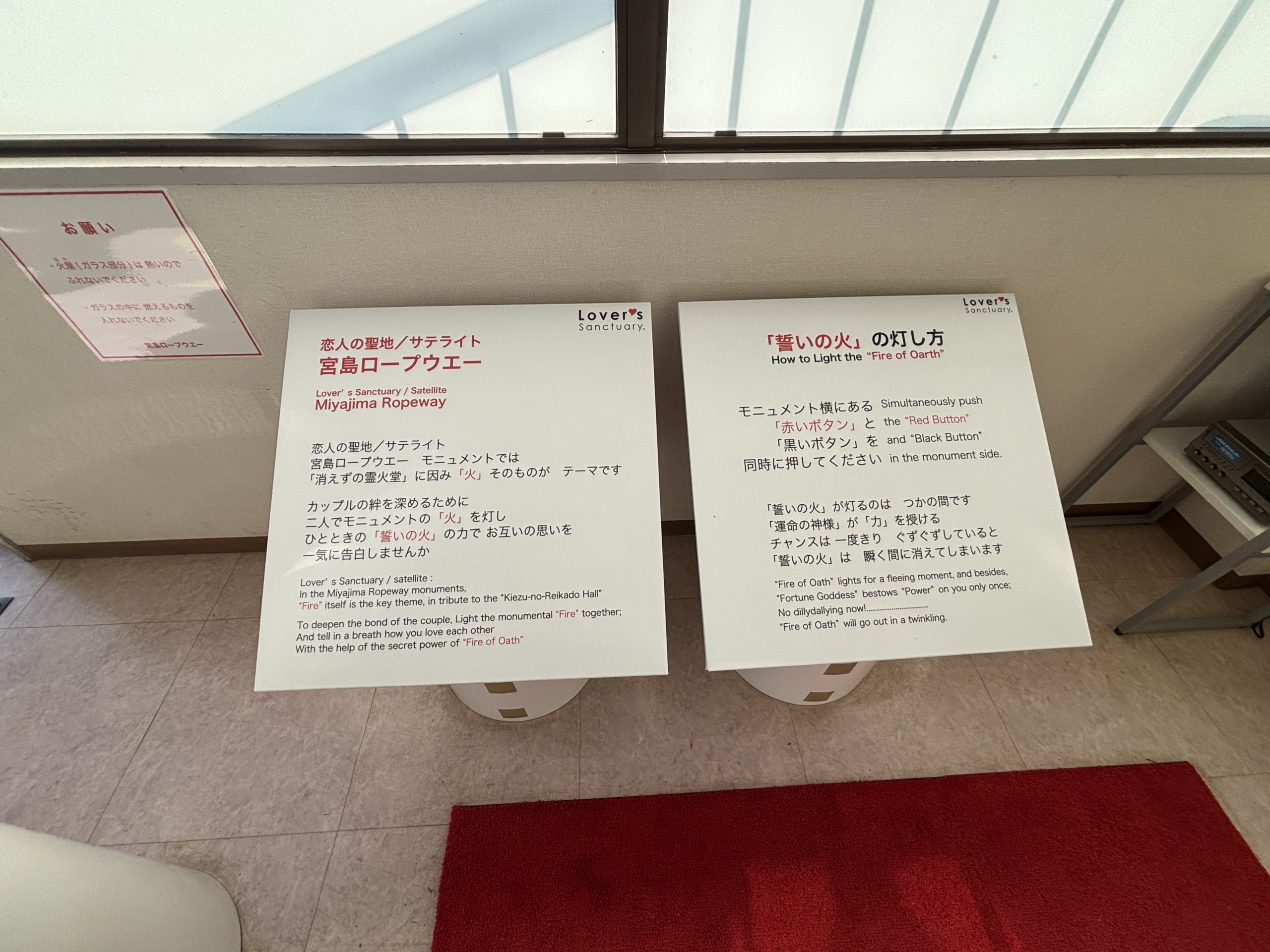
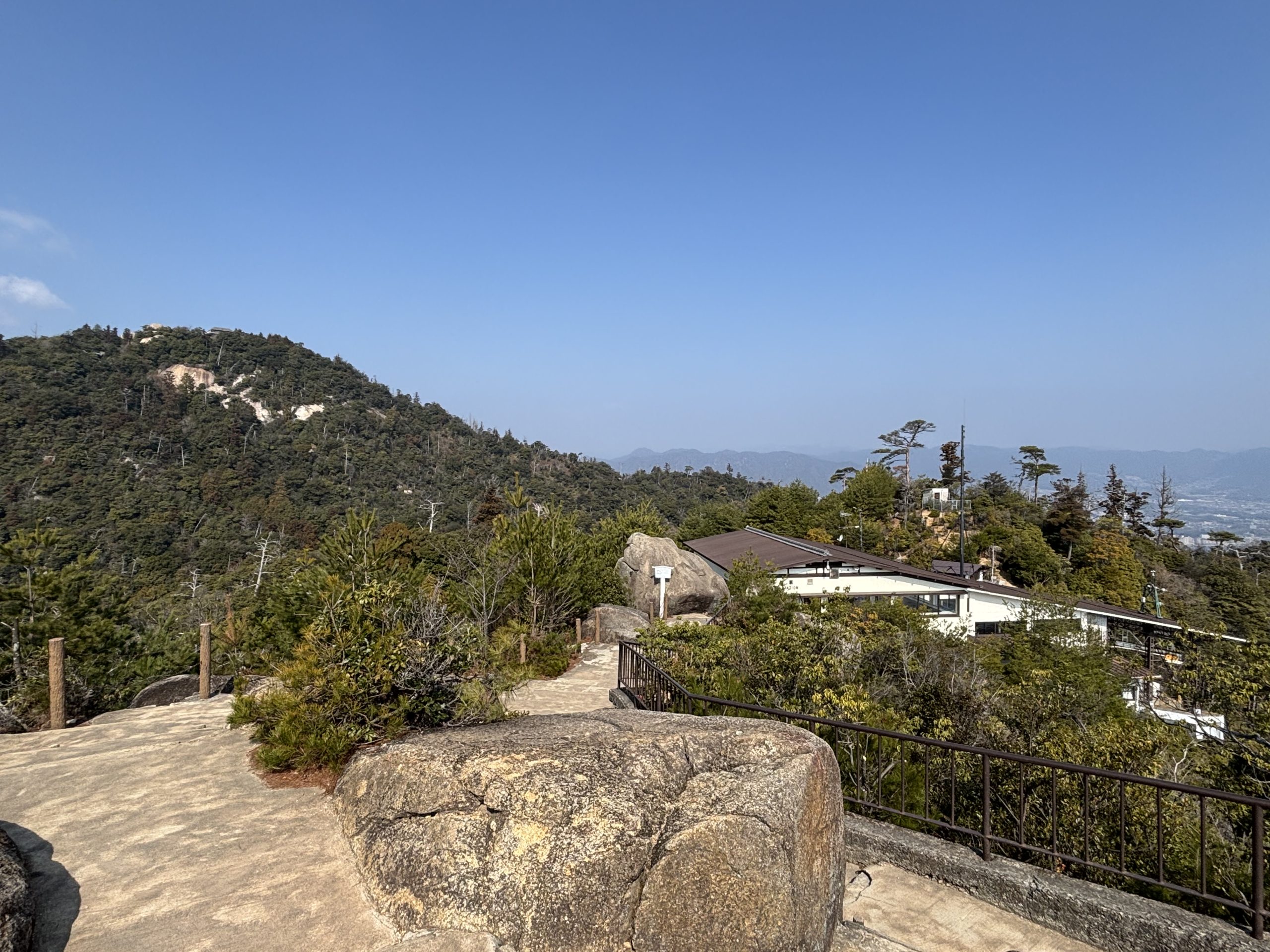
Shishiiwa Station, which you’ll reach via the scenic ropeway ride, serves double duty as both a transportation hub and a spectacular viewpoint over the Seto Inland Sea. Inside the station building, you’ll discover the charming “Vow of Love” monument—an interactive installation designed specifically for couples. The monument features two buttons: red (symbolizing the female partner) and black (symbolizing the male partner) positioned facing each other. The delightful surprise comes when you press both buttons simultaneously: a central flame lights up, symbolizing your unified vow.
My husband and I tried it during our visit, and I have to admit, it’s surprisingly fun and a bit nerve-wracking trying to press the buttons in perfect sync! The moment when that flame lights up feels genuinely special.
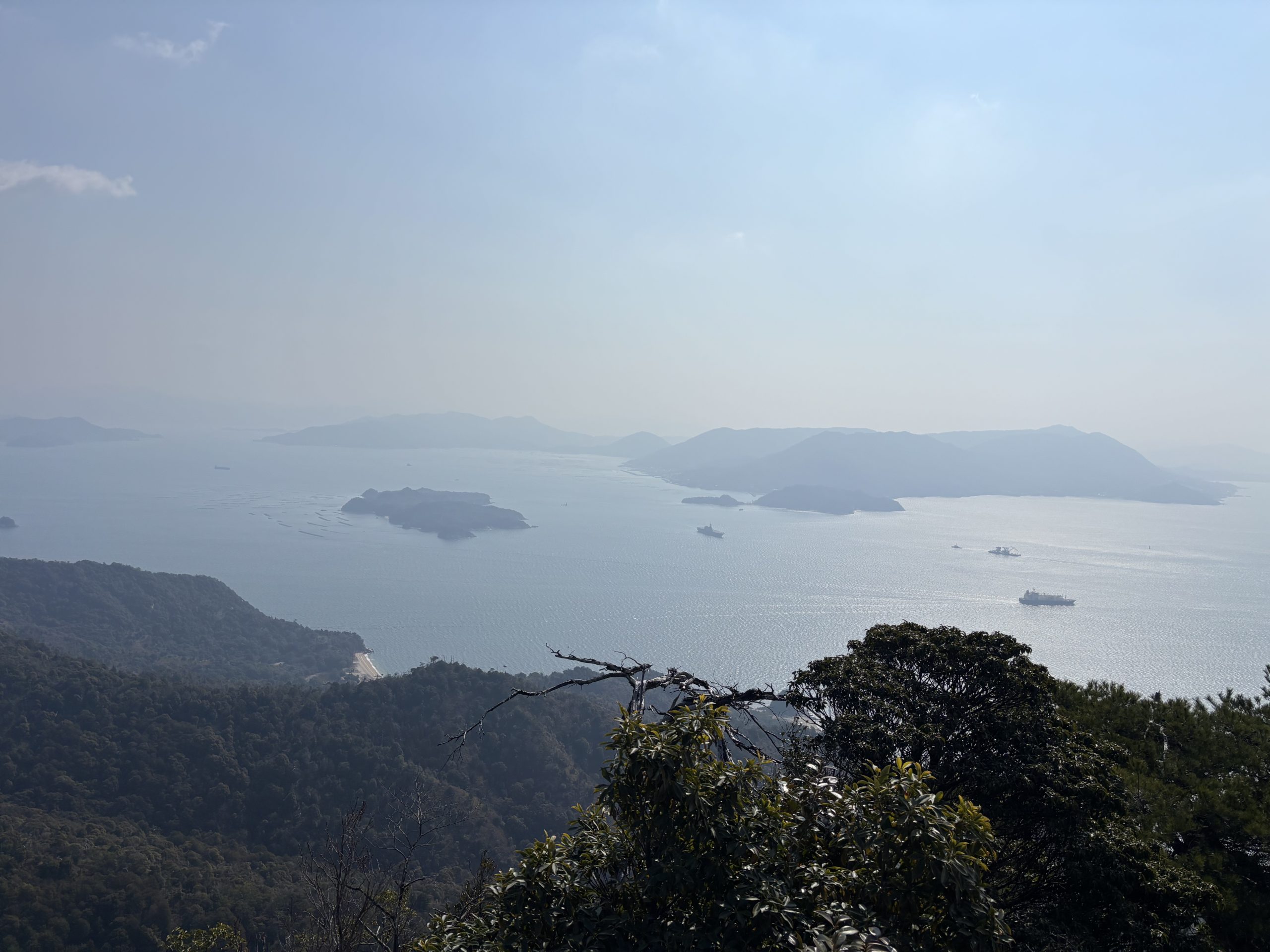
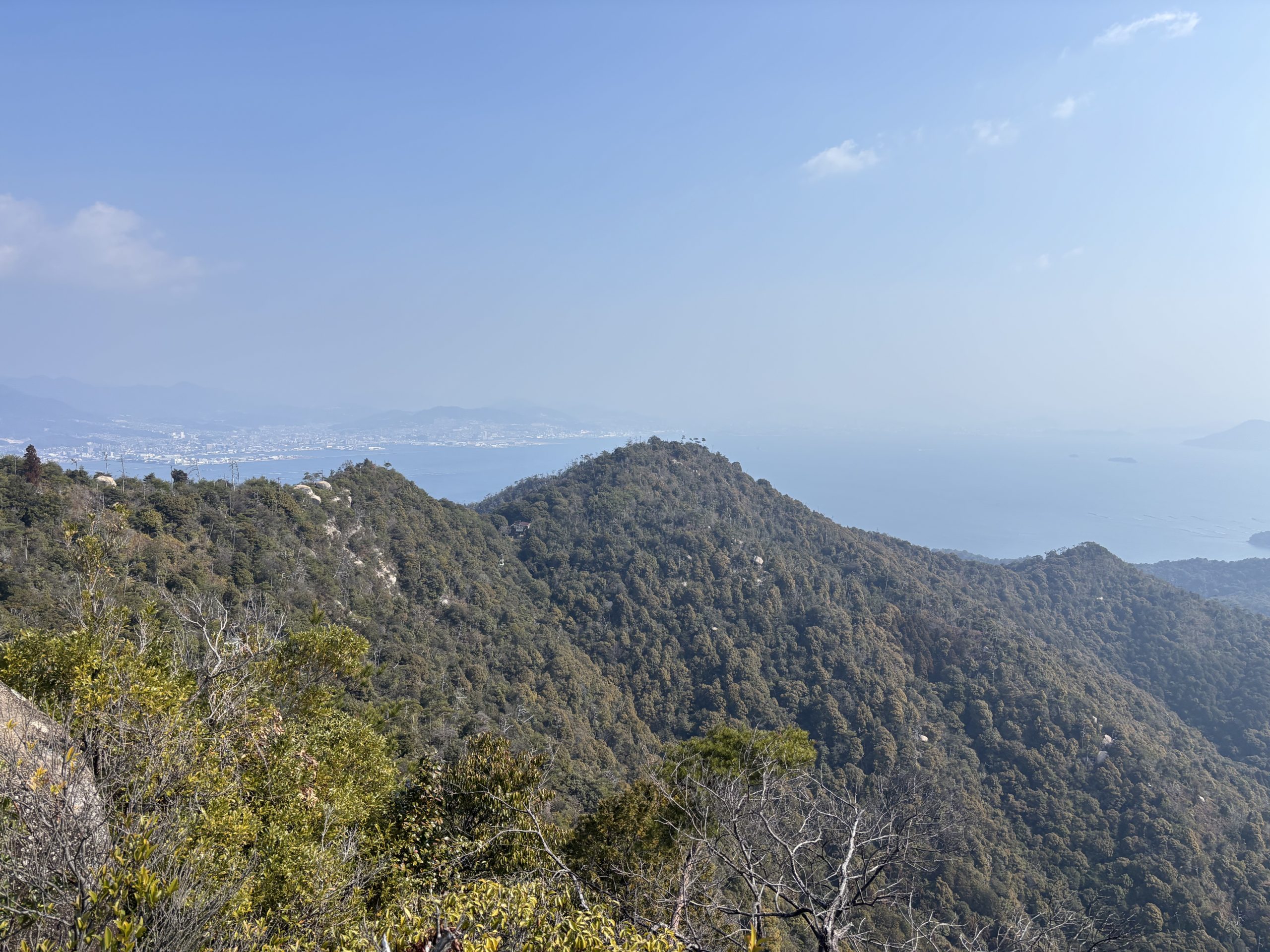
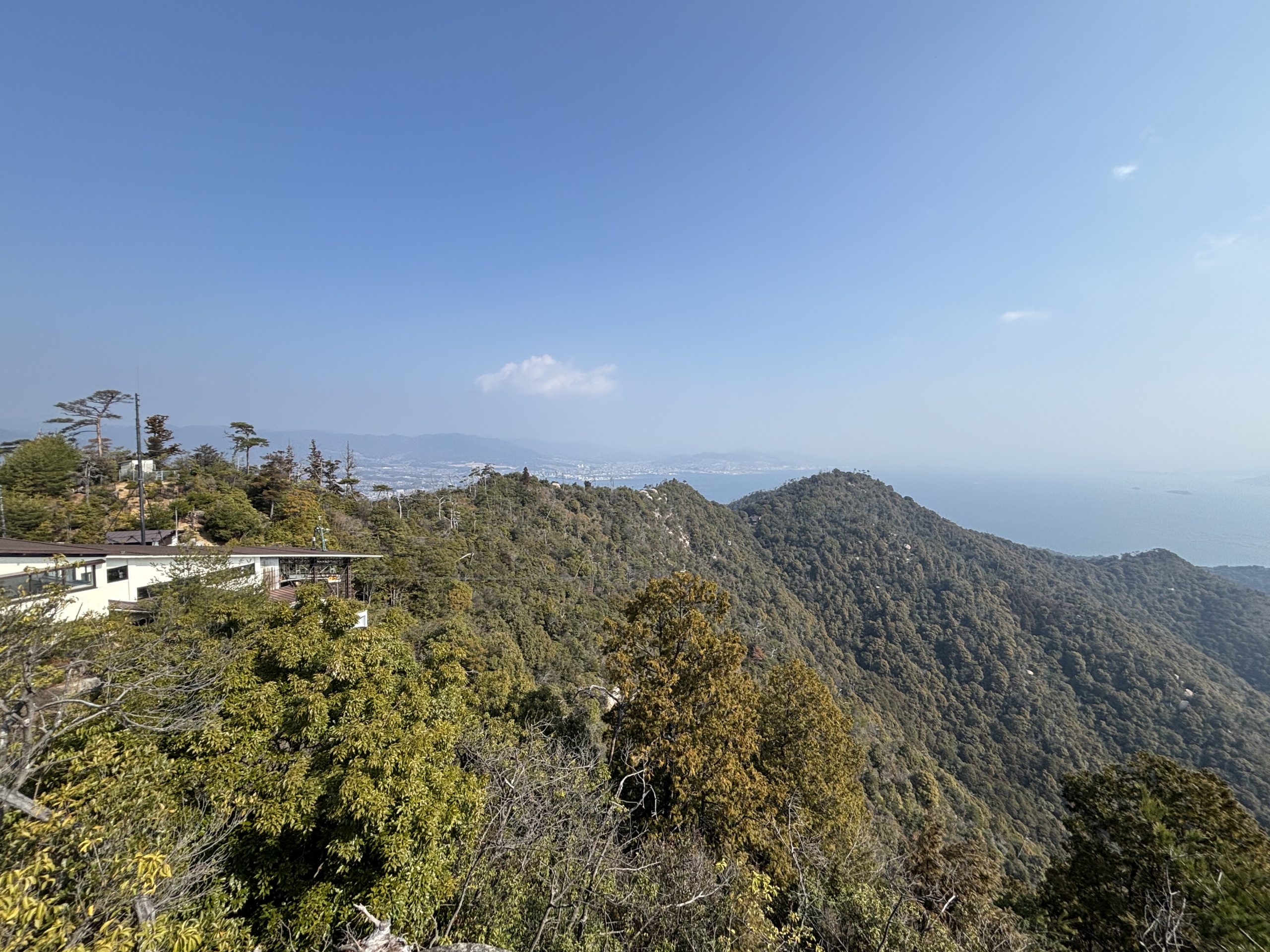
For the most spectacular Seto Inland Sea vistas during your ropeway ride, here’s an insider tip: try to secure the left-hand window seats when facing the direction of travel. This side offers the broadest, most unobstructed views of the islands scattered across the sea—it’s an absolute favorite trick among photography enthusiasts and couples planning romantic Miyajima dates.
The observation deck around Shishiiwa Station can get quite windy, especially in the afternoon, so bring along a hair tie if you have longer hair, and consider a light jacket even on warm days. One practical note about timing: ropeway return lines to descend the mountain tend to grow significantly longer in the afternoon as day-trippers begin heading back. Starting your descent earlier, ideally before 2:00 PM, makes for a much smoother, less rushed ride back down. Local residents have a saying: “Go up the mountain in the morning and come down before noon.”
The Vow Monument is designed as a playful, memorable moment for couples to share together. As the official description explains: “Face each other across this ‘Vow Fire,’ gaze into each other’s eyes, then press the red button together (for the girl) and the black button together (for the boy)! Then, the ‘Vow Fire’ will light up.”
The striking white-and-red color scheme of the monument gives it an almost wedding-ceremony feel—it’s irresistibly photogenic and romantic. Here’s a little-known tip: on rainy days, Mount Misen can be remarkably quiet and nearly empty, which actually makes for an incredibly peaceful, romantic date experience even in the drizzle. There’s something magical about having these sacred spaces almost entirely to yourselves.
If you’re searching for a truly memorable Hiroshima area date spot, definitely put Mount Misen on your list. You’ll enjoy a romantic getaway that deepens your bond while surrounded by the mountain’s lush natural beauty and spiritual atmosphere. One important crowd-avoidance note: the August 14 Miyajima Fireworks Festival draws absolutely massive crowds—so huge that even longtime local residents typically avoid the island that day!
Getting to Miyajima and Travel Times
Access to Miyajima Island is exclusively by ferry, with services operated by two competing companies: JR West Miyajima Ferry and Miyajima Matsudai Kisen. Both charge approximately ¥180 one way for adult passengers (children half price), and the crossing takes about 10 minutes from Miyajimaguchi on the mainland. The JR ferry offers a special “Great Torii Route” on certain departures that sails remarkably close to the iconic floating torii gate—close enough for excellent photos even from the ferry deck.
Once you arrive on Miyajima Island, you’ll want to head to the Momijidani area to access Mount Misen. From the ferry terminal, you can take a free shuttle bus that runs regularly to Momijidani Ropeway Station at the base of the mountain. The ropeway system itself operates in two stages: first, you’ll board the loop-type ropeway (smaller 8-passenger gondolas) which transfers you to the cross-type ropeway (larger 30-passenger cabins) that continues up to Shishiiwa Station near the summit.
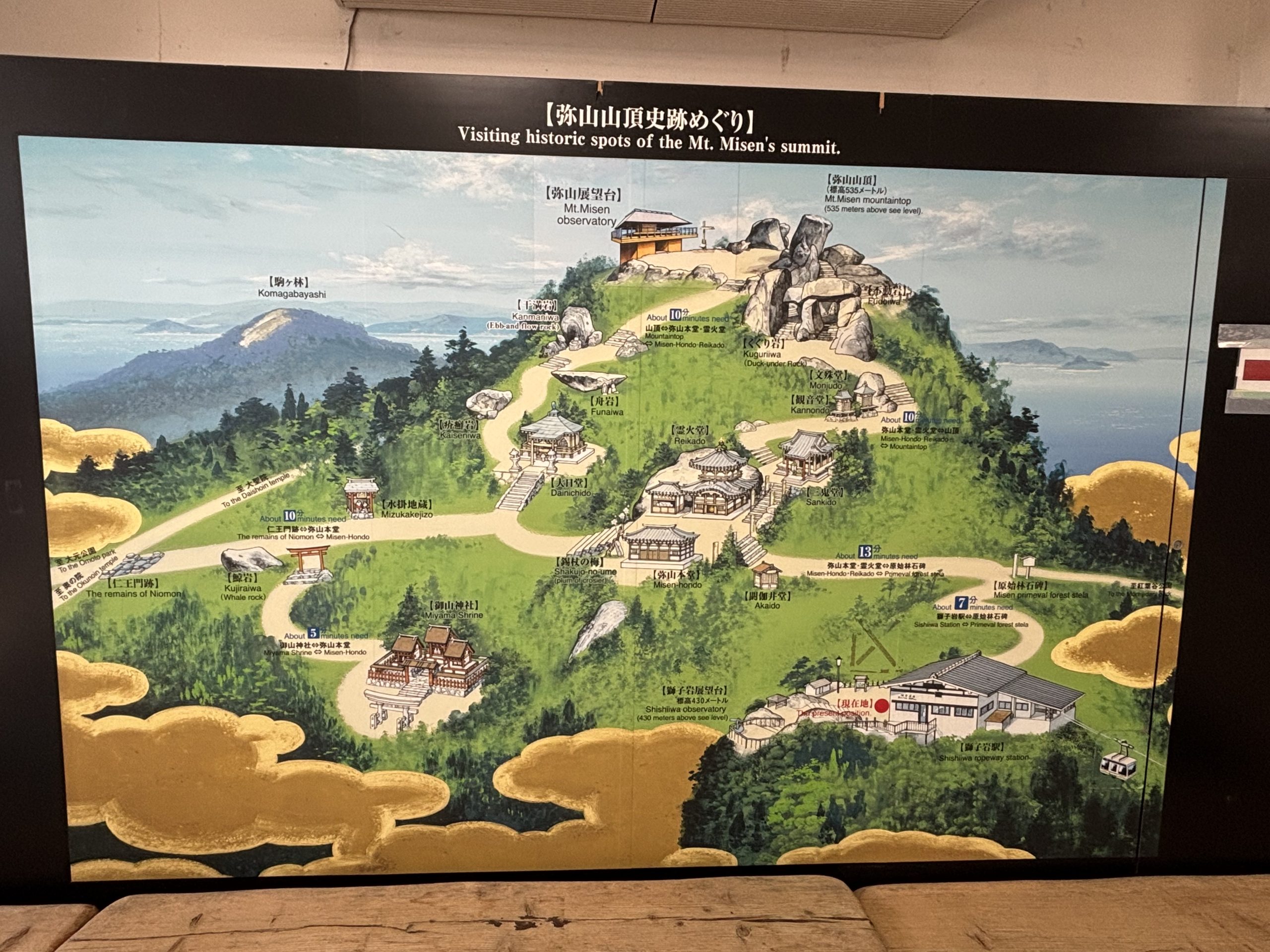
The total ropeway travel time is approximately 14 minutes of spectacular aerial views through the forest canopy. From Shishiiwa Station, it’s about a 20-minute uphill walk through ancient forest to reach the Misen Main Hall and Reikido (Eternal Flame Hall), and then another 30 minutes of steeper climbing if you want to continue to the absolute summit observation point. Make sure to wear comfortable walking shoes with good traction, and definitely bring water bottles—there are no vending machines or water fountains along the mountain trails.
Here’s an insider tip that all locals know: the JR ferry’s route passes closest to the Great Torii Gate, but only on the outbound journey from Miyajimaguchi to Miyajima (not on the return). For couples planning a romantic date, starting your day with the JR ferry gives you those magical close-up views of the torii rising from the sea—it sets the perfect romantic mood!
When you think of Miyajima, the first image that comes to mind is Itsu...
Managing Crowds and Choosing the Best Times to Visit
Mount Misen experiences particularly heavy crowds during several peak periods: autumn foliage season (mid-November), Golden Week (late April to early May), Obon holiday week (mid-August), and New Year’s period when many visitors hike up for the first sunrise of the year. During these busy times, ropeway downhill lines can stretch to 60-90 minute waits in the afternoon, which can put a damper on an otherwise wonderful date.
For a more comfortable, romantic experience, aim for an early morning start with ropeway boarding around 8:30-10:00 AM. This timing lets you enjoy the summit and Lovers’ Sanctuary with fewer crowds, gives you the best morning light for photography, and ensures you can start your descent before the afternoon rush begins. Ferry terminals and parking lots at Miyajimaguchi on the mainland often reach full capacity during peak times, so seriously consider using public transportation (JR train to Miyajimaguchi Station), or if you must drive, plan to arrive at least one hour before your intended ferry departure.
The period around May 5 (Children’s Day) deserves special mention—nearby community events and perfect spring weather can create significant traffic congestion on all roads leading to Miyajimaguchi. During this time, consider using the direct ferry services that depart from central Hiroshima or from Kure, which let you bypass the mainland terminal area entirely. The absolute busiest period of the year runs from late March through early April (spring break coinciding with early cherry blossoms), so couples seeking a relaxed, intimate visit may want to specifically avoid these weeks.
Here’s a local secret: the parking lot behind Momiji Honpo confectionery shop near Miyajimaguchi Station typically still has available spaces before 8:00 AM, even on moderately busy days. An early morning date to beat the crowds is refreshing and gives you a completely different, more peaceful perspective on the island!
Traveling with Pets and Accessibility Considerations
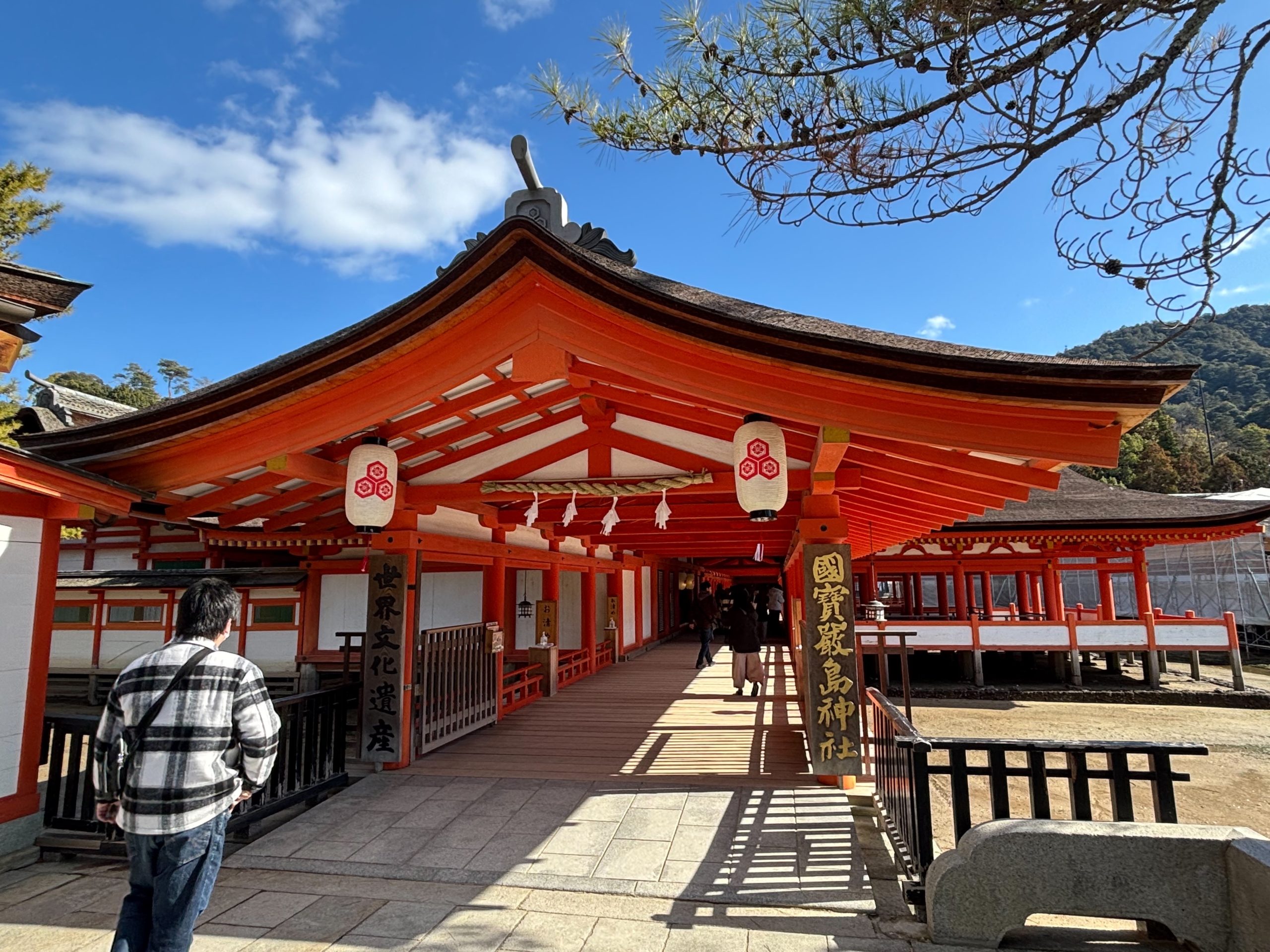
If you’re traveling with a small dog, be aware that pets are permitted inside Itsukushima Shrine’s main hall areas only if they’re being carried in your arms or secured in a proper pet carrier—they cannot walk on their own paws within the shrine precincts. Unfortunately, the Mount Misen ropeway system is not barrier-free, which means strollers and wheelchairs must be left stored at Momijidani Station at the base and cannot be transported up the mountain.
For pet owners, you’ll need to be especially mindful of safety considerations on the island since wild deer roam freely throughout all areas. Keep your dog on a very short leash at all times to prevent any contact with the deer (who can sometimes be aggressive when protecting territory or seeking food), and watch carefully where you step to avoid the abundant deer droppings that cover many pathways.
During autumn season in particular, keep leashes especially short—the increased number of both tourists and excited deer creates more potential for unexpected encounters. While many gentle slope areas around the ferry terminal and Omotesando Shopping Street are wheelchair-accessible with smooth pavement, the mountain trails themselves are quite steep with uneven stone steps and natural terrain. If you have mobility concerns, plan your island route carefully and perhaps save the mountain ascent for a future visit when conditions are optimal.
Here’s a mom tip we discovered: small colorful windmills from dollar stores work surprisingly well for keeping curious deer away from small children—we’ve used them successfully to create a safe space around our little ones. One historical note: deer feeding crackers (shika senbei) were discontinued in 2019 for the health of the deer population, so don’t expect to feed them as was possible in the past.
Making the Most of Your Mount Misen Hiking and Scenic Experience
While the ropeway offers convenient access, Mount Misen also features several well-maintained hiking trails for those who enjoy mountain walking: the Momijidani Course, Daishoin Course, Daigen Course, and Yuhi Kannon Course—each with distinctly different difficulty levels, scenic highlights, and time requirements. If you’re unsure about your stamina or hiking experience, the safest and most romantic plan for couples is to ride the ropeway up to Shishiiwa Station, walk from there through the forest to the Main Hall and Reikido Hall to the summit, then for the return journey choose either the ropeway or hiking down based on how you’re feeling and your energy levels.
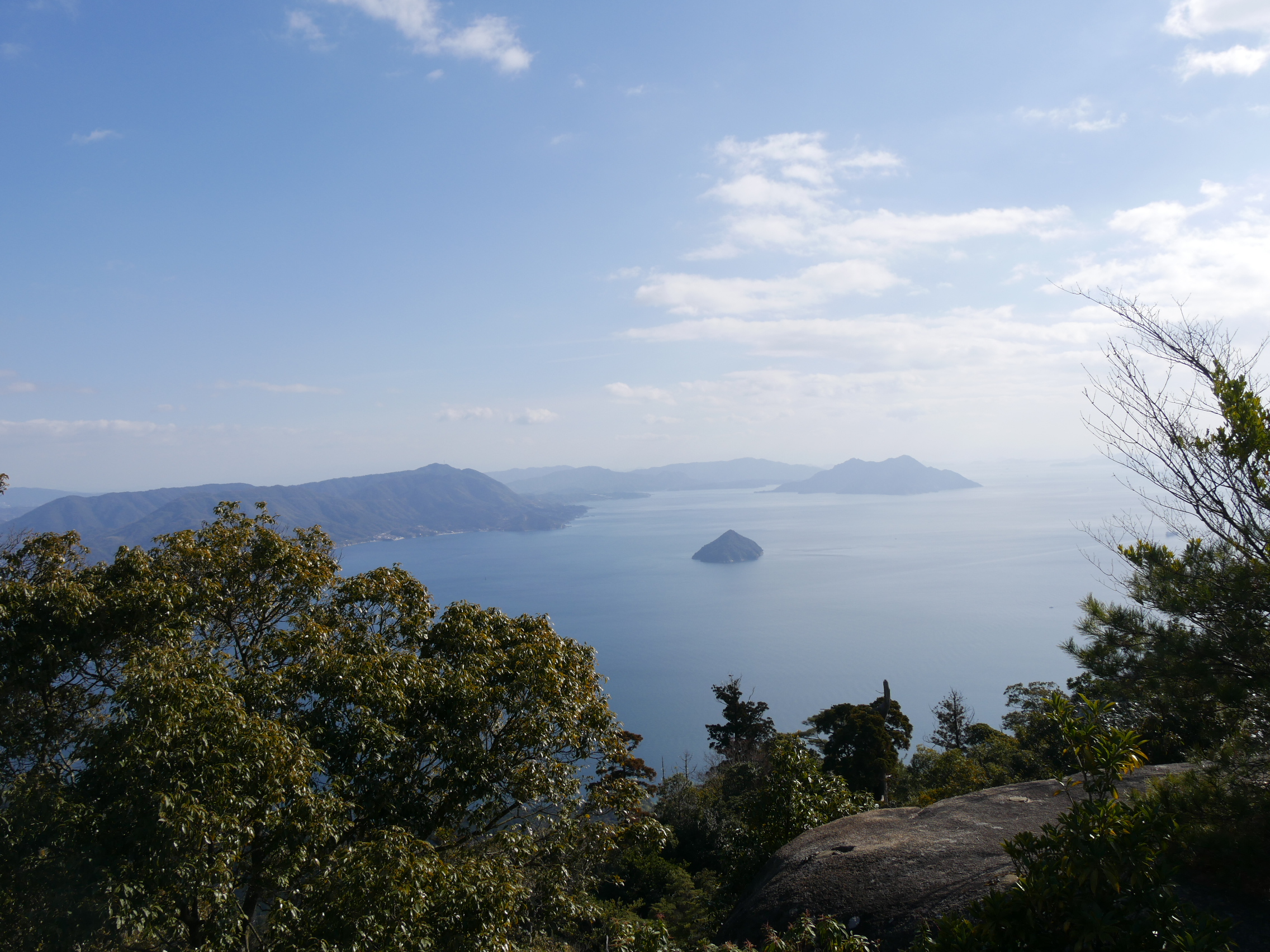
The summit observation deck rewards your efforts with a magnificent 360-degree panorama that extends across the entire Seto Inland Sea. On exceptionally clear days, you can see dozens of islands scattered across the water and distant mountains on far shores. History enthusiasts will appreciate knowing that this viewpoint was praised by Ito Hirobumi, one of Japan’s most important statesmen and the first Prime Minister of Japan, who famously declared the view from Mount Misen to be one of Japan’s three most beautiful landscapes.
A friendly Miyajima local once shared an insider tip with us about a lesser-known cherry blossom viewing spot around the Tahoto Pagoda area, which becomes absolutely spectacular in mid-June when late-blooming mountain cherry varieties create a second, quieter hanami season that most tourists miss entirely.
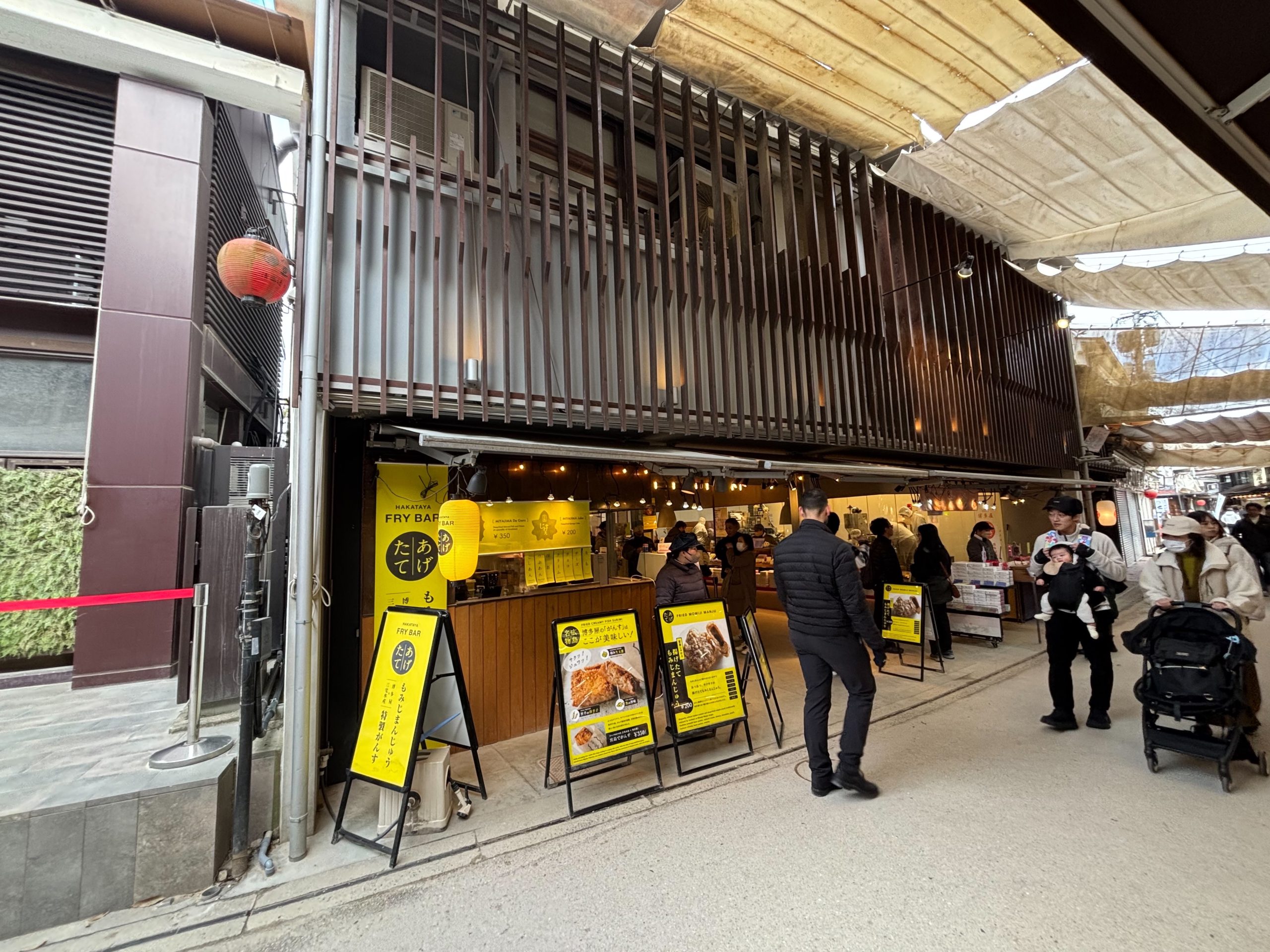
Wondering what to eat in Miyajima? The answer lies along Omotesando Sh...
Frequently Asked Questions About the Lovers’ Sanctuary
Q. Can anyone drink the sacred water at Reikido Hall? Are there any restrictions?
A. Yes, absolutely anyone can drink the sacred water, and it’s completely free. Paper cups are thoughtfully provided right near the kettle for visitors’ convenience. The water contains natural iron from being boiled in the traditional kettle and may appear slightly brownish in color, which is perfectly normal and safe to drink. There’s also a cherished local legend that couples who share this sacred water together will be united by an unbreakable bond. Whether you believe in the legend or not, it’s a meaningful ritual to share with someone special.
Q. How exactly do you light the “Vow Fire” at the Shishiiwa Station monument?
A. It’s simple but requires coordination! Stand facing each other across the monument, and then press the red button and black button at exactly the same time—synchronized pressing is the key! When you press both buttons simultaneously, the central flame will light up. It usually takes couples a try or two to get the timing right, which actually adds to the fun and creates a sweet shared moment of laughter and cooperation.
Q. Which seats on the ropeway offer the best views for photography and sightseeing?
A. The left-side window seats when facing the direction of travel upward provide the widest, most spectacular views of the Seto Inland Sea and the islands scattered across it. Photography enthusiasts and couples planning romantic photos should definitely aim for these left-side seats. During the ride, you’ll see the coastline, forested mountains, and on clear days, a stunning panorama that extends for miles.
Q. How physically strenuous is the hike from Shishiiwa Station to the summit?
A. The walk from Shishiiwa Station to the actual summit observation point is a moderately steep uphill climb that takes most visitors about 30 minutes at a steady pace. The trail includes many stone steps and some sections with steeper inclines. You’ll definitely want to wear comfortable walking shoes with good grip, bring adequate water (at least one bottle per person), and plan for frequent rest breaks. Couples should pace themselves and not rush—after all, the journey itself through the ancient forest is part of the experience.
Q. What are the specific rules for bringing pets to Miyajima and Mount Misen?
A. Pets are allowed at Itsukushima Shrine’s main buildings only if they’re being carried in your arms or secured in an enclosed carrier—they cannot walk freely on their own. Throughout the island, you must keep pets on a very short leash at all times to avoid any contact with the wild deer population (who sometimes react unpredictably), and watch carefully for deer droppings on pathways. The ropeway does allow pets in carriers. Plan your visit carefully if traveling with animals, as the mountain trails can be challenging with a pet.
Q. Which ferry company should I choose for getting to Miyajima?
A. Two companies operate ferries from Miyajimaguchi to Miyajima: JR West Miyajima Ferry and Miyajima Matsudai Kisen. Both charge approximately ¥180 per adult one way and take about 10 minutes. The key difference is that JR operates a special “Great Torii Route” on certain departures that passes remarkably close to the iconic floating torii gate—close enough for excellent photographs. For couples planning a romantic date, the JR ferry’s close-up torii gate view makes it the more memorable choice. Note this special routing only applies to the outbound journey from mainland to island.
Creating Your Perfect Romantic Mount Misen Experience
Mount Misen Miyajima’s Lovers’ Sanctuary offers couples a truly special journey that combines ancient spirituality, natural beauty, and romantic experiences all in one unforgettable route. From exploring the 1,200-year-old Eternal Flame Hall and tasting sacred water believed to unite couples, to making your vow at the Shishiiwa Station monument and taking in sweeping Seto Inland Sea vistas, every element works together to create meaningful shared memories.
The key to the best experience is visiting during off-peak times when crowds are lighter, bringing comfortable walking shoes for the mountain trails, packing a light jacket for the breezy observation areas, and carrying adequate drinks since there are no vending machines on the upper mountain. Check ferry schedules and ropeway operating hours before you depart, and keep your itinerary relaxed rather than rushed—this isn’t a place to hurry through.
My husband and I always say after each visit, “We really should come back here together again soon.” There’s something about Mount Misen that draws you back, and each visit reveals something new depending on the season, weather, and your own frame of mind. It truly creates wonderful memories that strengthen your bond.
Related Miyajima Experiences to Enhance Your Romantic Date
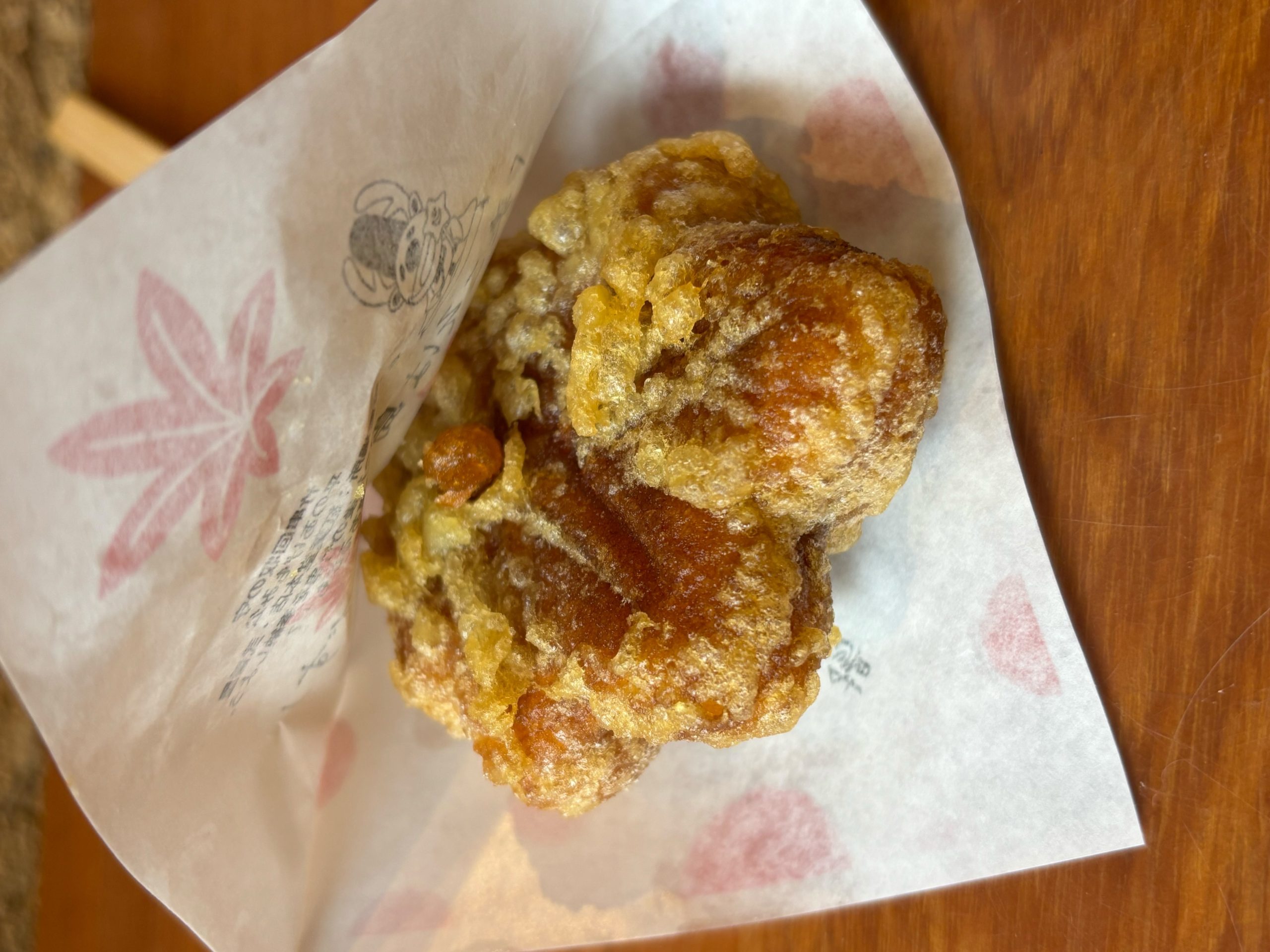
Planning your Miyajima food adventure and wondering what unique treats...
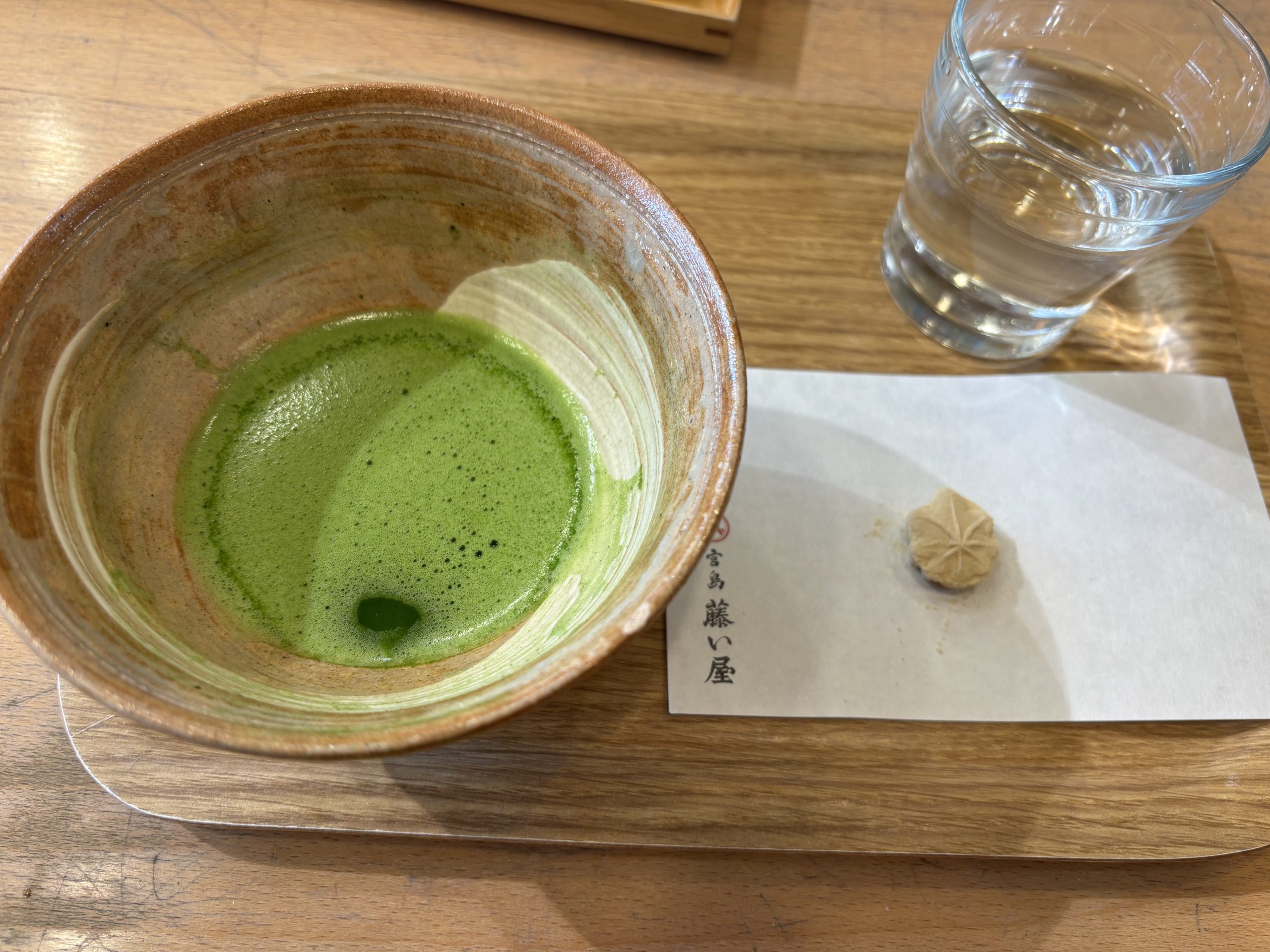
As you stroll along Omotesando from Miyajima Pier toward Itsukushima S...
Discover hand-baked Miyajima momiji manju at Miyatoyo Main Store. Try signature cheese, Belgian chocolate, and classic red bean flavors since 1984.