
Wondering what to eat in Miyajima? The answer lies along Omotesando Shopping Street, which stretches from Miyajima Pier to the famous Itsukushima Shrine. This bustling thoroughfare is your gateway to discovering the island’s culinary treasures—from plump Hiroshima oysters and savory grilled anago rice (conger eel) to iconic momiji manju (maple leaf cakes), crispy curry bread, refreshing gelato, and locally brewed craft beer. The moment you step off the ferry, you’ll be greeted by the enticing aromas of sizzling seafood and freshly baked treats. Most shops open their doors around 10:00 AM and close by 5:00 PM, giving you a full day to explore. Rest areas and trash bins are thoughtfully placed along the route, making it easy for first-time visitors to navigate and snack comfortably. One important note about local etiquette: please avoid eating or drinking while walking. Instead, enjoy your purchases at shop fronts or designated rest spots—this keeps the streets clean and respects the local community. Keep an eye out for Miyajima’s friendly wild deer, who may try to snag your food if given the chance. Watch them from a safe distance and resist the urge to feed them. My younger daughter once mistook these deer for horses and shouted, “Horsies!”—it’s been a running family joke ever since. Getting to Miyajima is straightforward: from JR Hiroshima Station, it takes about 30 minutes by JR train or roughly 70 minutes by tram to reach Miyajimaguchi, followed by a pleasant 10-minute ferry ride to the island. Even if you’re short on time, you can pack a delicious and memorable food tour into a compact visit.
For detailed access information from Miyajimaguchi, I’ve put together a comprehensive guide. The JR ferry is especially recommended for families with children thanks to its comfort and convenience.

The Miyajima Ferry is more than simple transport—it's a short scenic c...
Omotesando: The Heart of Miyajima’s Food Scene
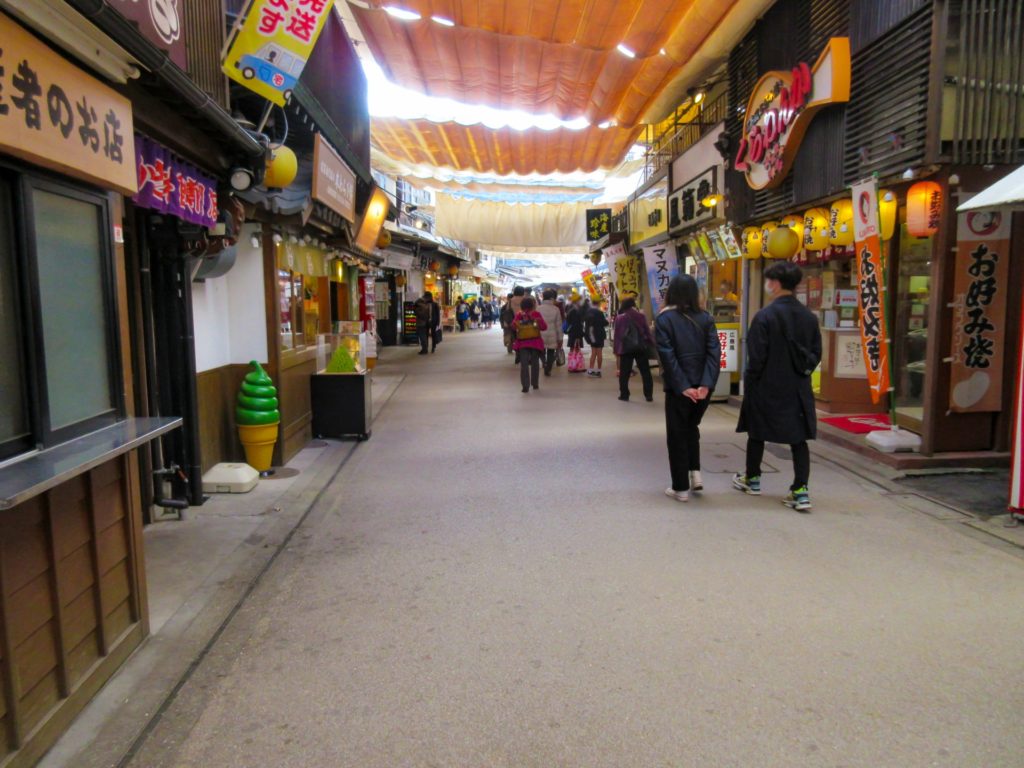
Miyajima’s Omotesando Shopping Street spans approximately 350 meters and pulses with energy from the early morning rush through the evening closing hours. The golden rule of enjoying Miyajima street food is simple: savor it by the storefront or at designated rest areas—eating or drinking while strolling is considered poor manners and helps maintain the street’s welcoming atmosphere. About midway along the street, you’ll discover a free public rest space equipped with comfortable benches and the immaculate TOTO Miyajima Omotenashi Toilet, complete with trash bins for your convenience. Nearly all public restrooms feature baby changing stations, making this a genuinely family-friendly destination. Since the local deer are naturally curious and may approach anyone holding food, it’s wise to tuck your snacks into a bag when you’re not actively eating. For the smoothest sightseeing experience, I recommend starting your day with sweets—the lines tend to be shorter in the morning—then shifting to grilled oysters or Hiroshima-style okonomiyaki around lunchtime, and wrapping up with a relaxing coffee or local craft beer in the afternoon.
(Author’s impression) Watching the shop curtains lift in unison each morning feels like witnessing the street come alive. Taking a quiet pause on a bench while deer wander gracefully past is a small luxury that never gets old. My older daughter once started an observation diary declaring, “The deer are taking a walk!” The entire avenue serves as a living gallery where you get to know Miyajima through its food, with each shop telling its own unique story. Even during the busiest times, the easy smiles and natural give-and-take among locals and visitors alike make you want to return again and again. Here’s a local tip: weekday afternoons from 2:00 PM to 4:00 PM tend to be the quietest if you prefer to avoid crowds.
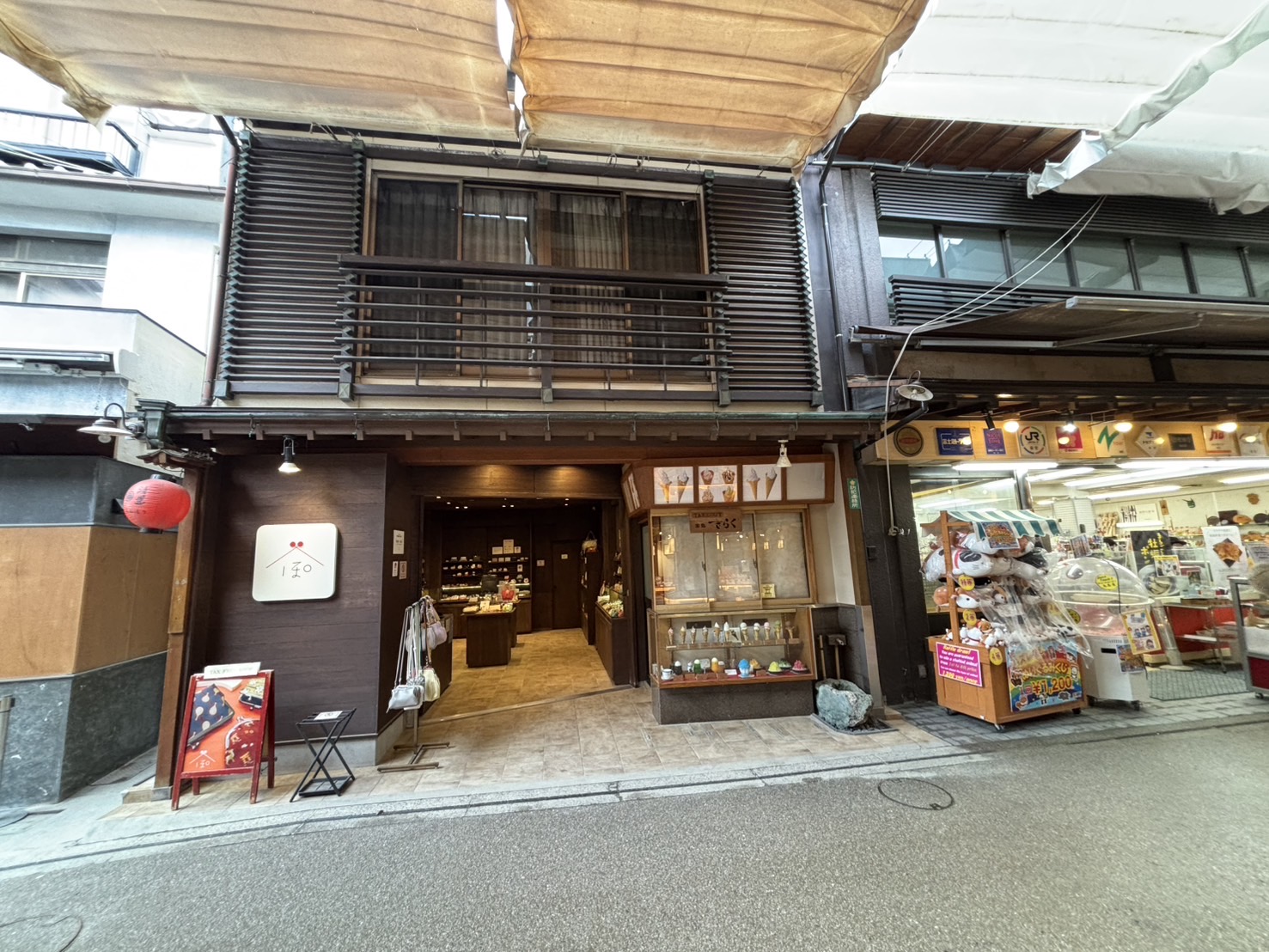
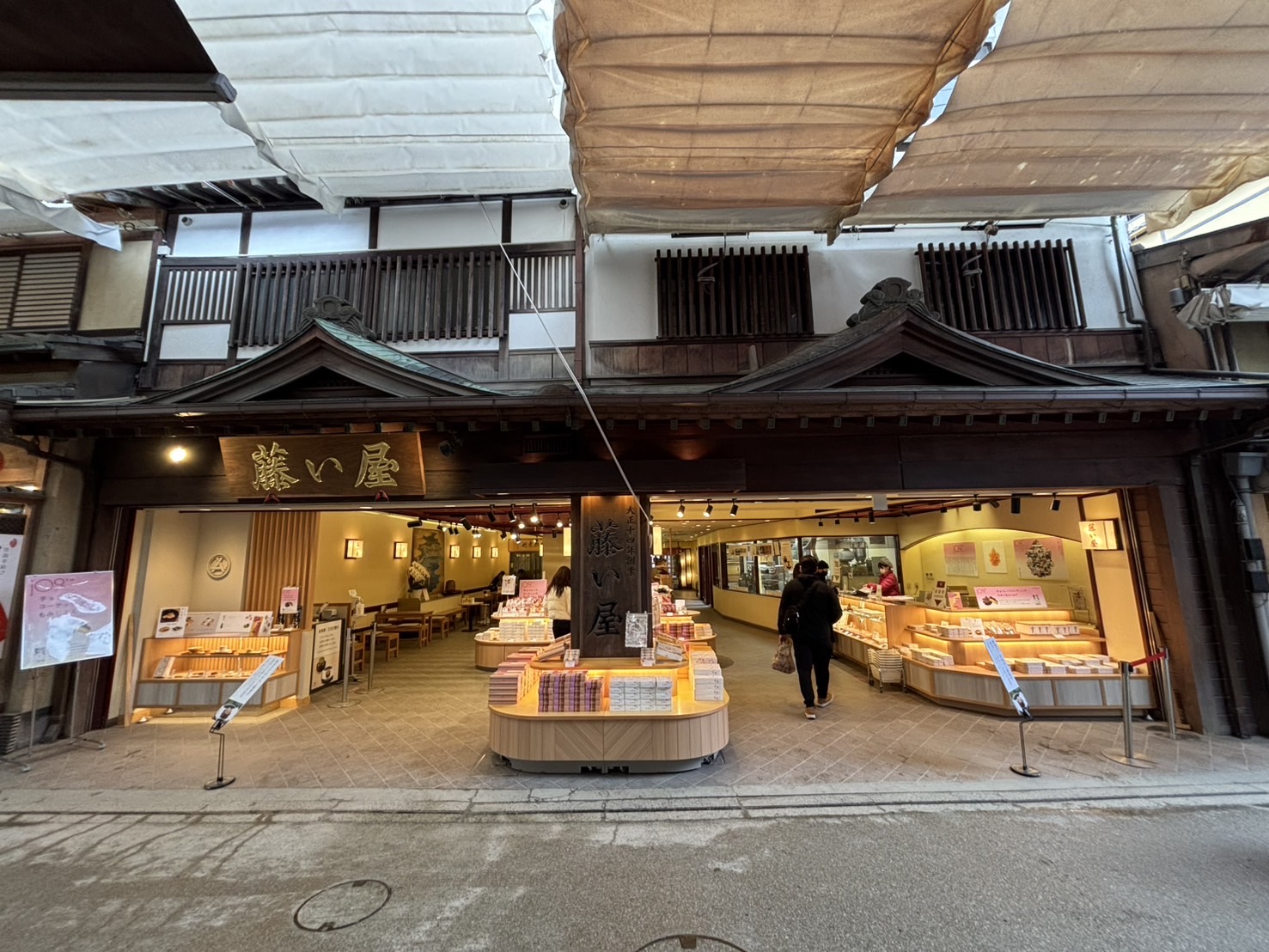
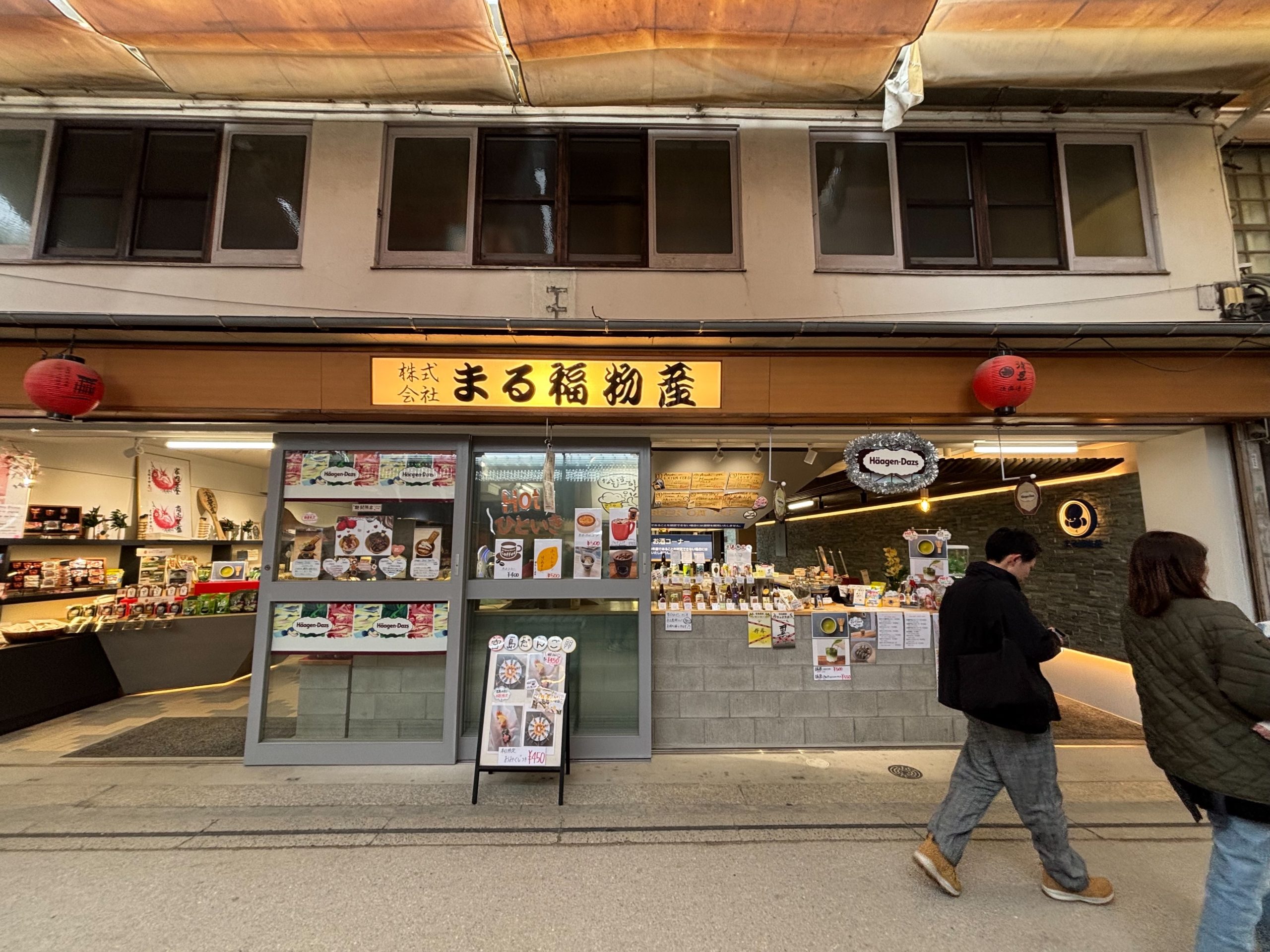
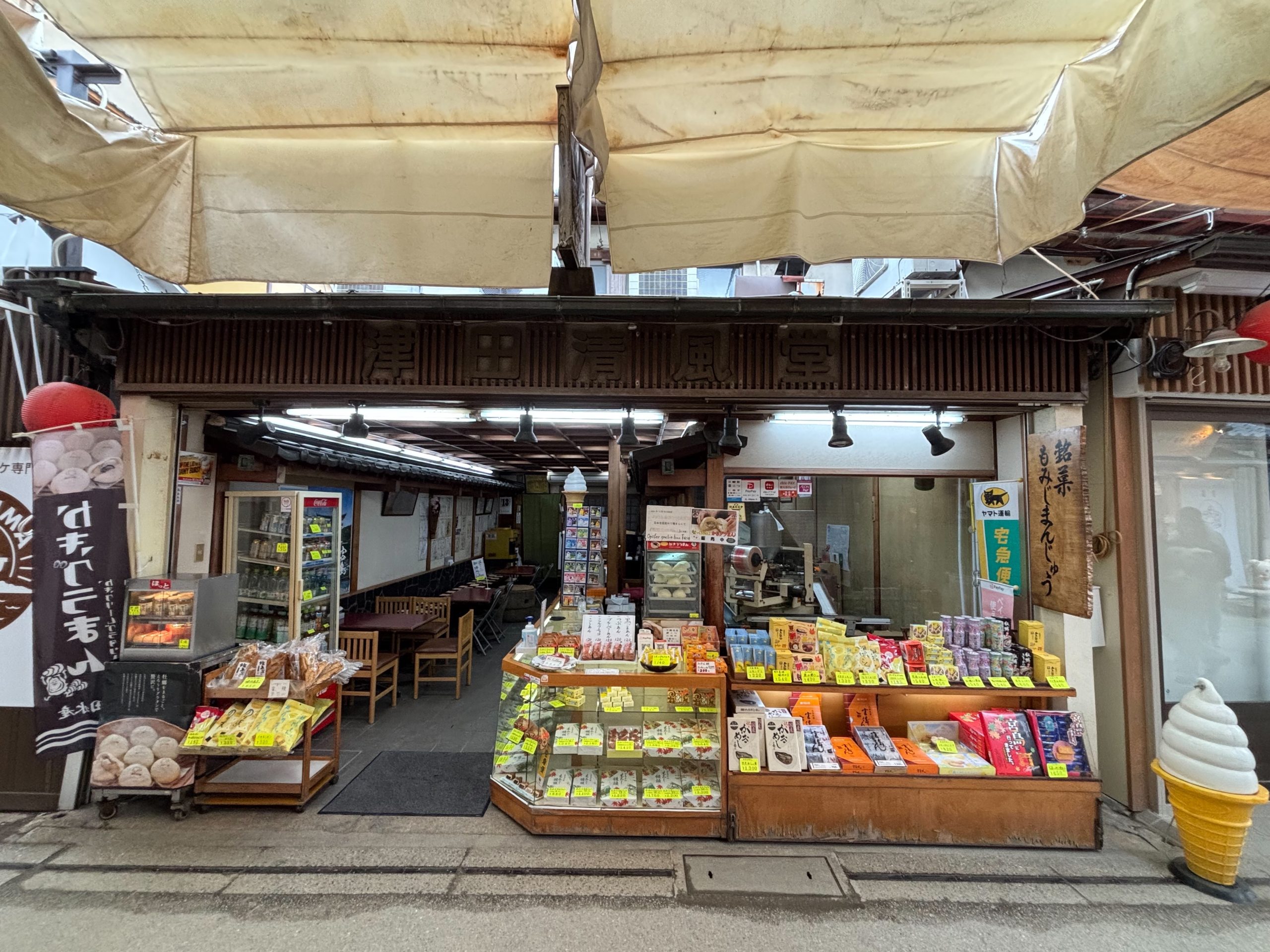
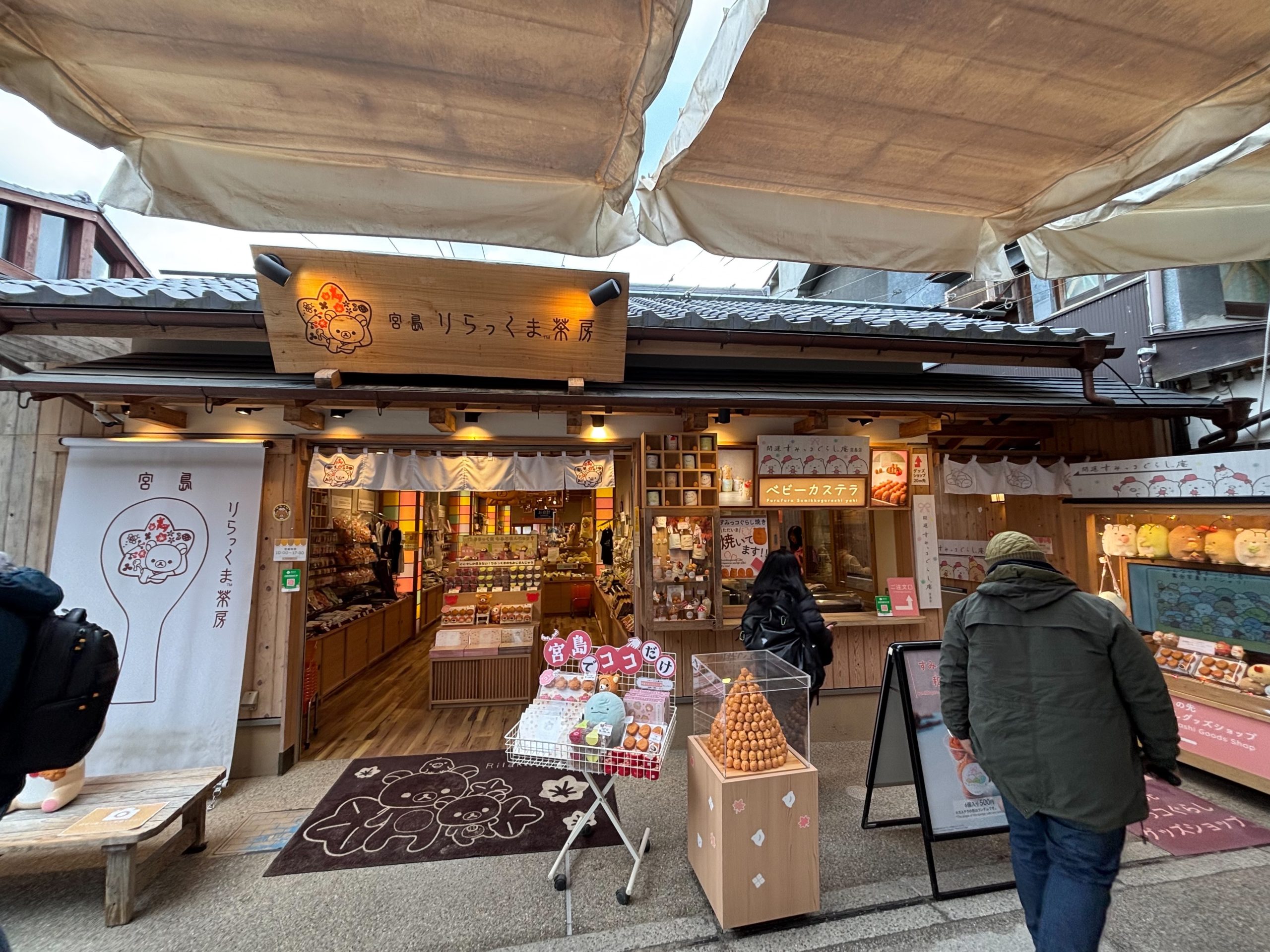
Miyajima Omotesando creates a direct, walkable connection between Miyajima Pier and Itsukushima Shrine. Along this route, you’ll find traditional folk crafts and distinctive souvenirs—delicate earthenware bells, wooden rice paddles called shamoji, and charming Miyajima papier-mâché (hariko) figurines—sitting alongside fragrant momiji manju bakeries and inviting eateries serving fresh oysters and savory okonomiyaki. Tourists happily spend their days here, enjoying leisurely lunches, sampling snacks, and selecting the perfect souvenirs. It’s no exaggeration to call this Miyajima’s main thoroughfare, and each retro storefront facade adds layers of nostalgic charm to your experience.
After your culinary adventure, the World Heritage Itsukushima Shrine awaits at the far end of the street! The mystical floating torii gate offers completely different yet equally mesmerizing experiences depending on whether you visit at high tide or low tide.
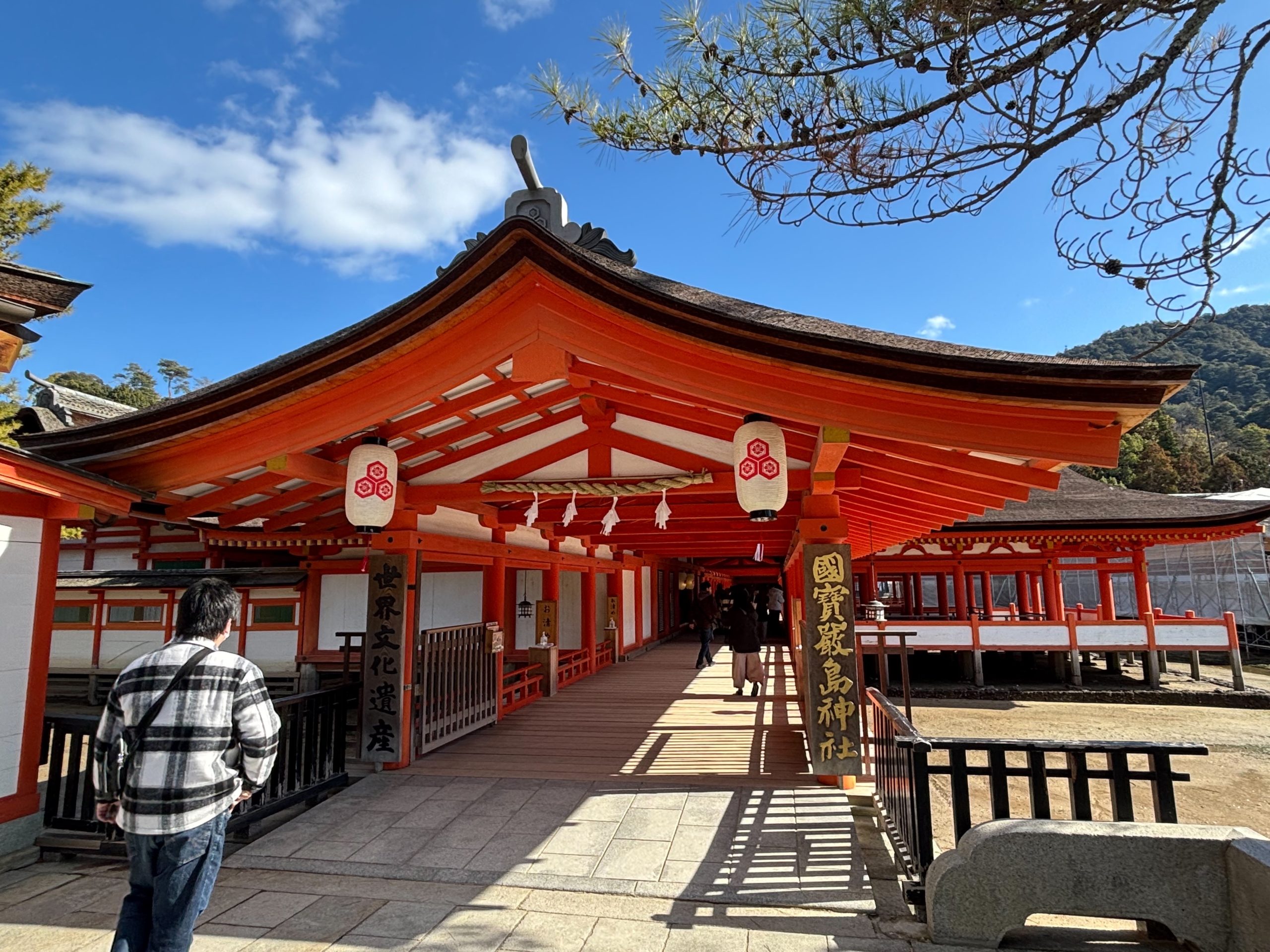
When you think of Miyajima, the first image that comes to mind is Itsu...
The History Behind Omotesando Shopping Street
The street’s origins trace back to late Edo-period land reclamation projects, and its modern layout as a visitor route took shape with significant road improvements during the early Showa era. The street adopted its current name in the early 1980s and has continued to seamlessly blend time-honored local specialties with innovative new offerings. One of the most delightful aspects of Omotesando is how traditional craftsmanship coexists with fresh culinary ideas—you’ll encounter evolving street foods like crispy fried momiji and ingenious one-handed okonomiyaki that make eating on the go both easy and delicious. As you stroll, you’re literally walking through layers of history while tasting flavors that belong very much to today.
(Author’s impression) The striking contrast between photogenic retro storefronts and inventive, contemporary sweets is utterly irresistible. Even as times change, what remains constant here is the dedication of human hands and the spark of ingenuity. My husband loves capturing family photos, often saying, “Look, the same shop from those old photos!” while pointing at a historic storefront right next to a modern sweet creation that’s barely a few years old.
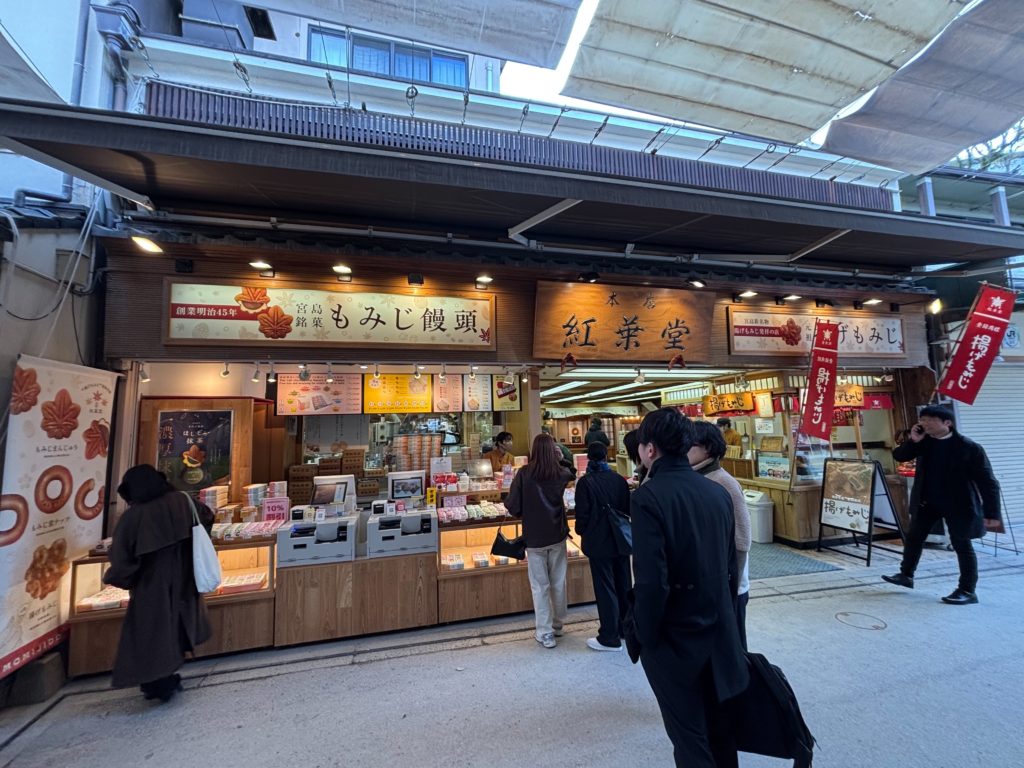
Though these photos were taken during winter, you can see the sturdy sunshades that offer excellent protection from intense summer UV rays throughout the warmer months.
Savory Street Food: Must-Try Shops
When it comes to savory street food options in Miyajima, the winning combination is “easy to hold” paired with “fresh off the grill.” Many snacks are thoughtfully designed for one-handed eating, and experiencing the warmth of just-fried or freshly grilled items is genuinely part of the magic. Popular shops may sell out their signature items or develop waiting lines, so aiming for morning to early afternoon gives you the best selection. Many food stands offer small but impactful flavor enhancements—fragrant sansho pepper, bright lemon wedges, or distinctive house sauces—so you can discover your perfect pairing, whether you’re sipping soda or enjoying a local craft beer alongside your food.
(Author’s note) The rising steam and tangy sauce aromas hook you immediately, and before you know it, you’re lining up “just one more time.” These snacks are somehow both light enough to keep exploring and deeply satisfying—the kind of food that genuinely puts a spring in your step. My older daughter always observes, “Mama’s face looks so happy!” whenever I taste something particularly delicious here.
Hayashi’s Grilled Oysters & Raw Oysters
Hiroshima oysters—celebrated throughout Japan for their exceptional quality—are expertly grilled to lock in their briny umami essence, resulting in a tender, almost steamed interior beneath a slightly crispy exterior with an enticing smoky aroma. A gentle squeeze of fresh lemon brightens the natural sweetness of the sea. During busy periods, you might encounter a short wait, but that first sizzling bite is absolutely worth the patience. Oyster size and origin can vary by season, so check the chalkboard or storefront notes to help you choose your ideal selection.
Pettarapottara Honpo’s Pettarapottara
This distinctive Miyajima-style creation features charcoal-grilled mochi (chewy rice cake) on a skewer, brushed with a sweet-savory sauce and generously topped with plump oysters. The exterior crisps up beautifully while the interior maintains its elastic texture—the sauce hits your palate first, followed by a wave of ocean umami. It’s designed for easy carrying, though the sauce can drip, so catch any drips with a napkin and savor it slowly while seated on a bench.
Fried Oyster Skewer & Anago Rice Skewer
The Anago Rice Skewer takes chopped, grilled anago—saltwater conger eel, which is both a beloved staple in Japanese cuisine and a particular specialty of Hiroshima—and kneads it into seasoned rice. This mixture is then formed into a convenient stick shape and coated in a light batter. A careful double-frying technique creates an extra-crisp exterior while keeping the rice fluffy and the eel delicately flaky inside. A dusting of aromatic sansho pepper adds a pleasant citrusy spice note. Freshly fried oyster skewers are undeniable stars regardless of preparation—whether simply sauced or accompanied by creamy tartar sauce—and they pair beautifully with a cold craft beer.
If the anago rice skewer captures your interest, you should definitely try the authentic sit-down restaurant version. I’ve compiled a comprehensive guide to the finest establishments for experiencing Miyajima’s signature anago rice at its absolute best.
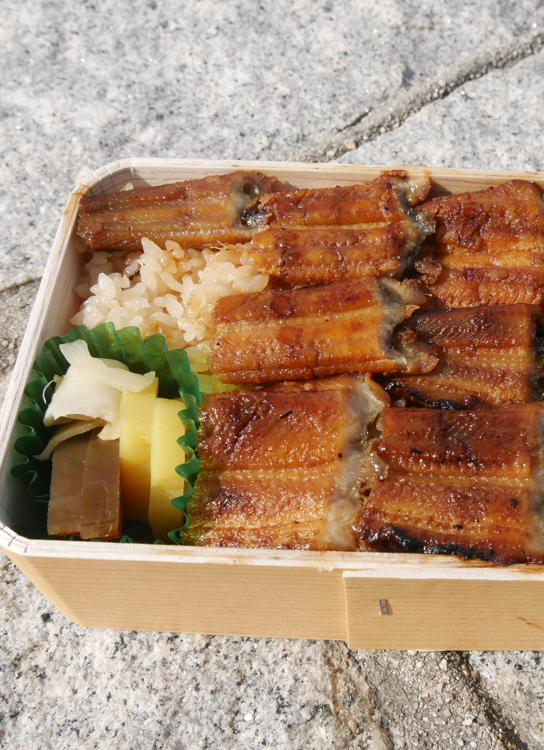
When you visit Hiroshima's enchanting island of Miyajima, one dish sta...
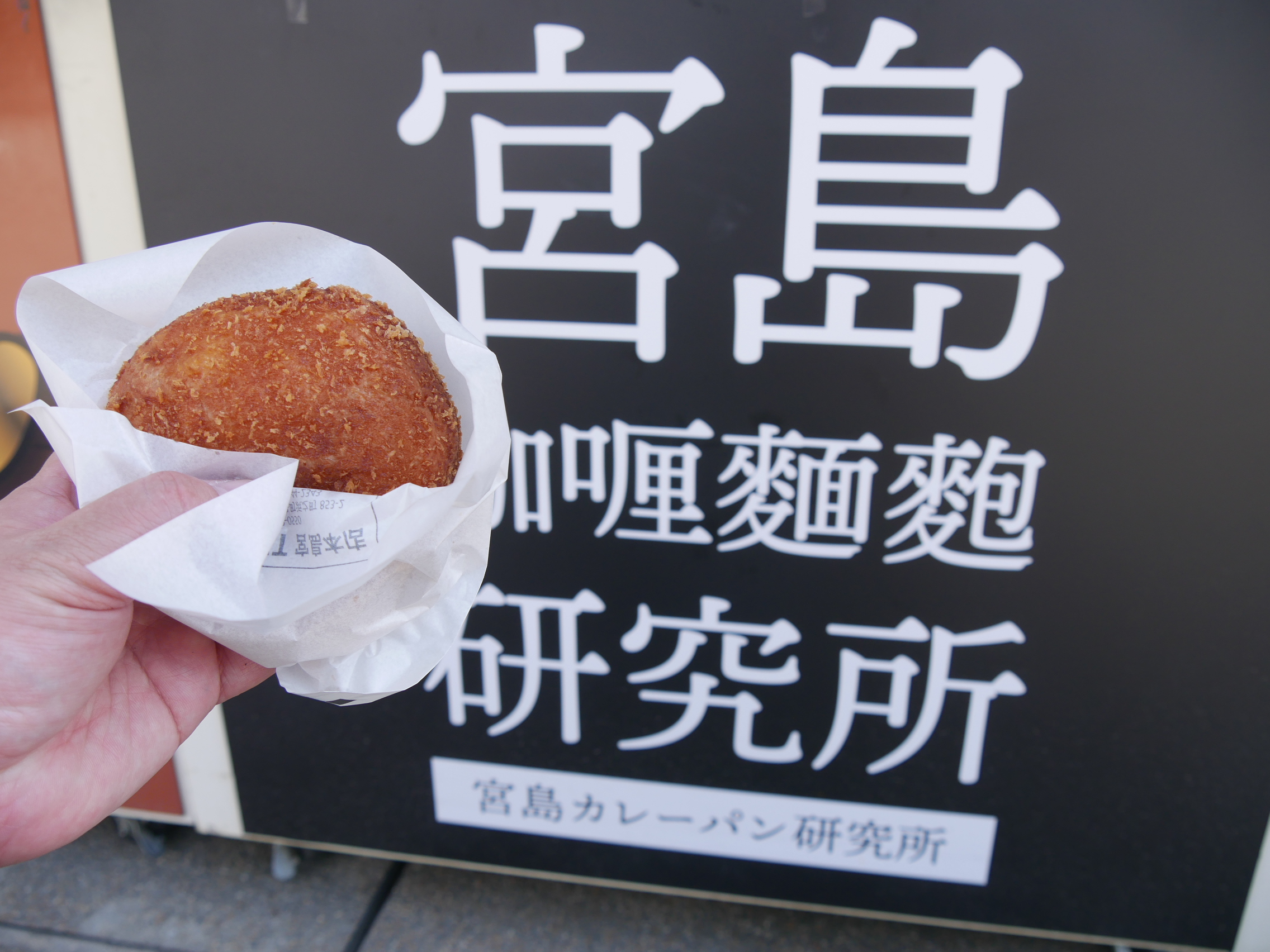
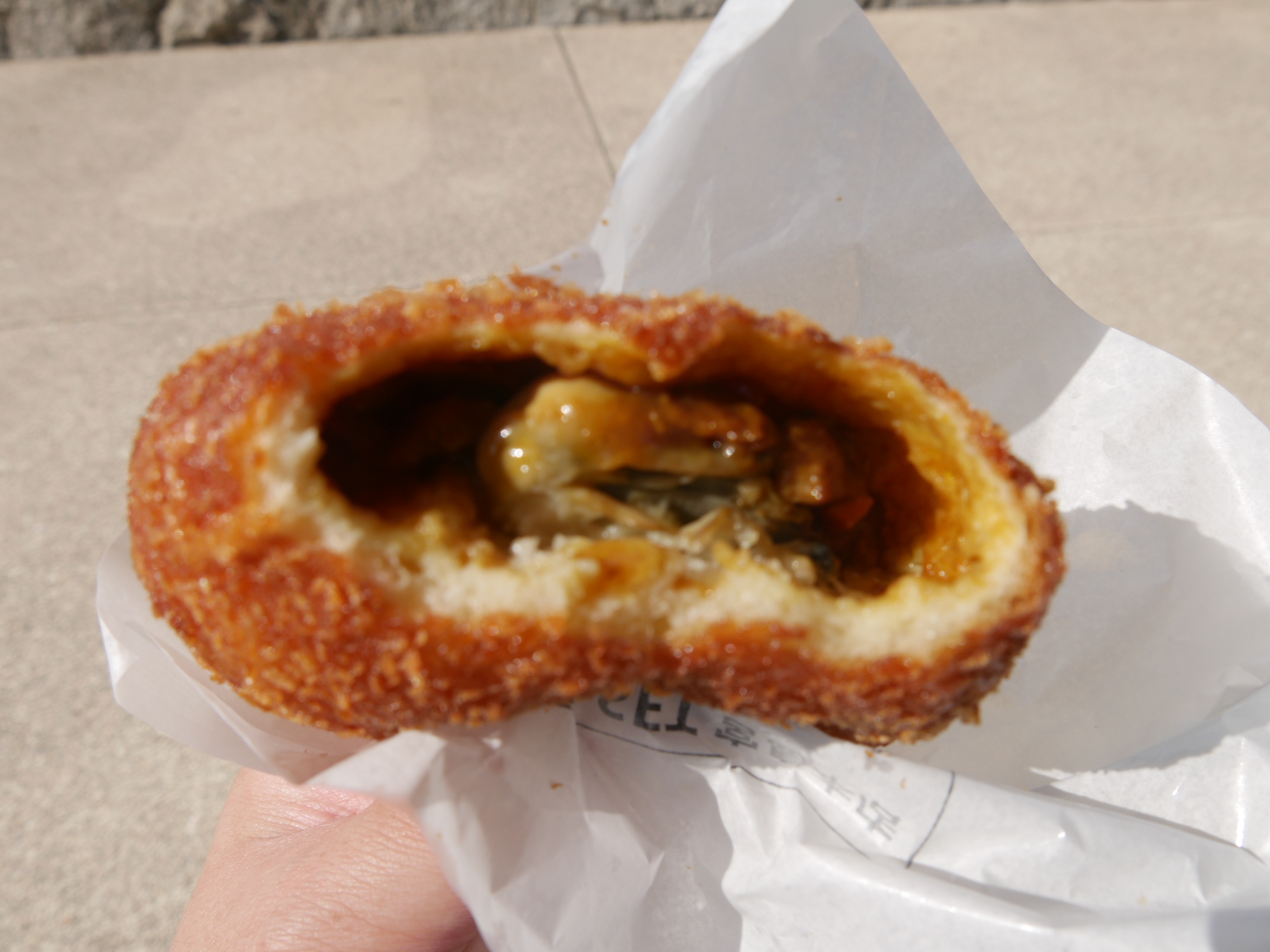
Miyajima Curry Bread Lab’s Oyster Curry Bread
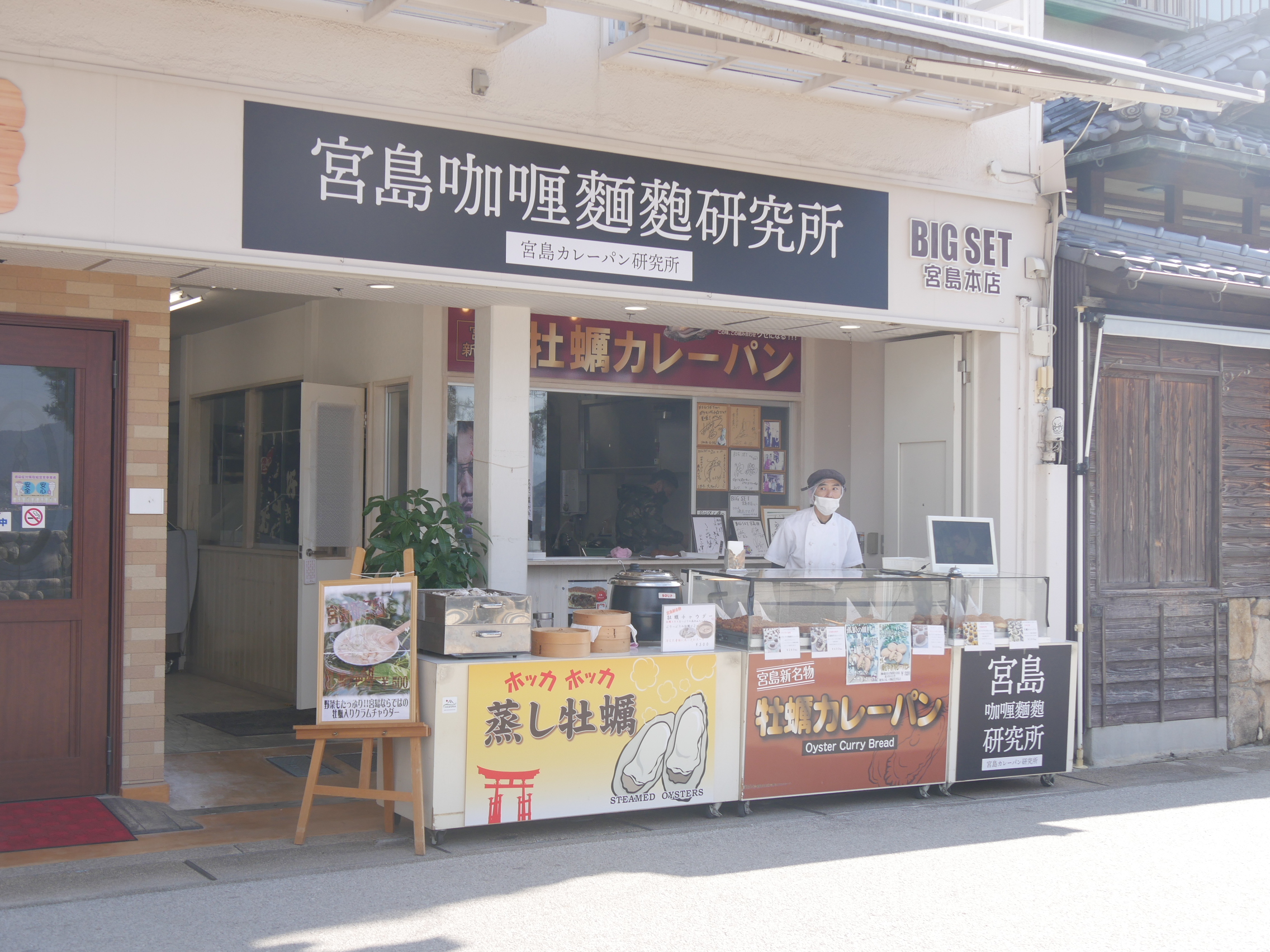
A masterful blend of coarse and fine breadcrumbs creates an exceptionally crisp and fragrant fried shell, with two perfectly steamed oysters tucked inside. The curry filling layers beef and seafood umami in a way that stays rich and satisfying even after the bread cools down. This item is extraordinarily popular—on particularly busy days, they sell more than 2,500 pieces—so arriving early in the day is a smart strategy if you want to guarantee getting one.

Miyajima Yokocho’s Oyster Oko
The “Walking Oyster Oko” brilliantly reimagines traditional Hiroshima-style okonomiyaki into a crisp, U-shaped handheld creation: fried batter forming a cradle for yakisoba noodles, grilled oysters, fresh green onions, tangy pickled red ginger, and a perfectly cooked sunny-side-up quail egg on top. It’s specifically designed for enjoying while you stroll. Because the noodles cool relatively quickly, catching this hot off the griddle ensures you experience its peak flavor.
Sweet Treats: Omotesando’s Dessert Shops
Miyajima’s sweet offerings span an impressive range from classic filled cakes to inventive fried treats, buttery croissants, and silky gelato. Taking the time to discover each shop’s particular craft and specialty makes the flavors truly shine. Limited or seasonal items are typically best enjoyed in the morning hours when the full lineup is still available. A rhythm I recommend: start your day with something sweet, switch to savory options around lunch, then circle back for an afternoon coffee or soft serve—this natural flow makes each bite more memorable and enjoyable.
(Author’s note) Miyajima genuinely excels at balancing “classic yet new.” The satisfying shatter of a crispy shell, an enveloping buttery aroma, the cool glide of gelato across your tongue—before I even realized it, my camera roll was completely full of food photos. My younger daughter inevitably says, “I want to try everything!” with absolutely sparkling eyes every time we visit.
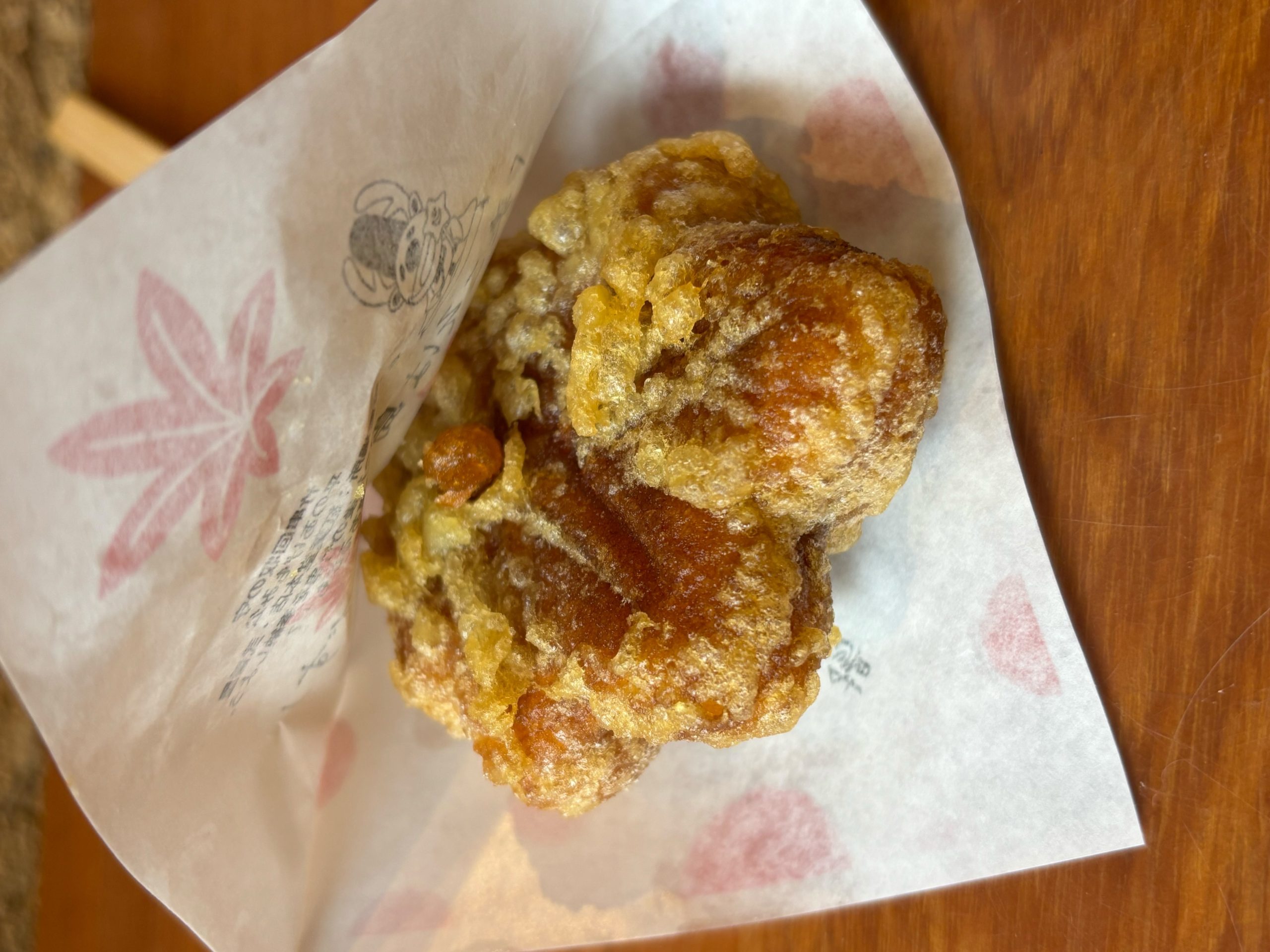
Momijido’s Fried Momiji Manju
This wildly popular sweet takes momiji manju—the traditional maple leaf-shaped cakes typically filled with smooth red bean paste—and deep-fries them in a light, crunchy tempura-style batter. Several filling options including various creams change the overall character and appeal. What began as a creative way to use imperfect cakes has evolved into one of Miyajima’s most iconic treats. These come out piping hot, so wait a moment before taking your first careful bite. According to a knowledgeable local I chatted with, Momijido’s fried momiji are at their absolute crispiest first thing in the morning!
If you’re curious about trying different fried momiji variations across multiple shops, I’ve put together a comparison guide featuring the best establishments offering this evolved version of momiji manju. These crispy treats have become incredibly popular with both children and adults alike!
Planning a Miyajima food tour and wondering what to eat in Miyajima be...
Yamada-ya’s Rolled Momiji
This shop-exclusive treat comes in bite-sized portions that are fun to dip into different flavor accompaniments. You can also try your hand at hand-baking your own (for a small fee) and stamp your personal mark onto the cake—a wonderful memory-making activity for families and groups traveling together. My older daughter proudly declared after her attempt, “The momiji manju I made myself is the best in the entire world!”
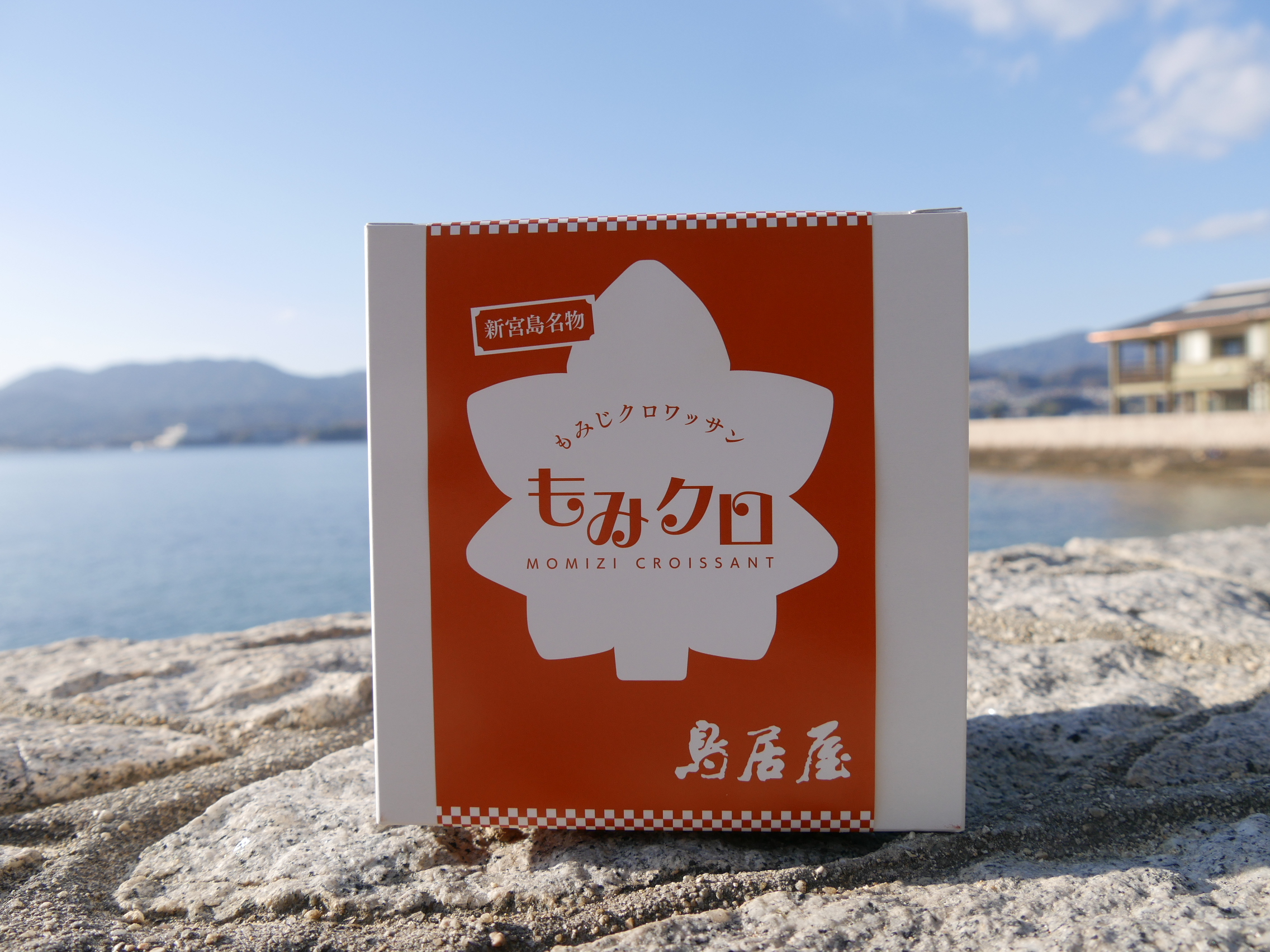
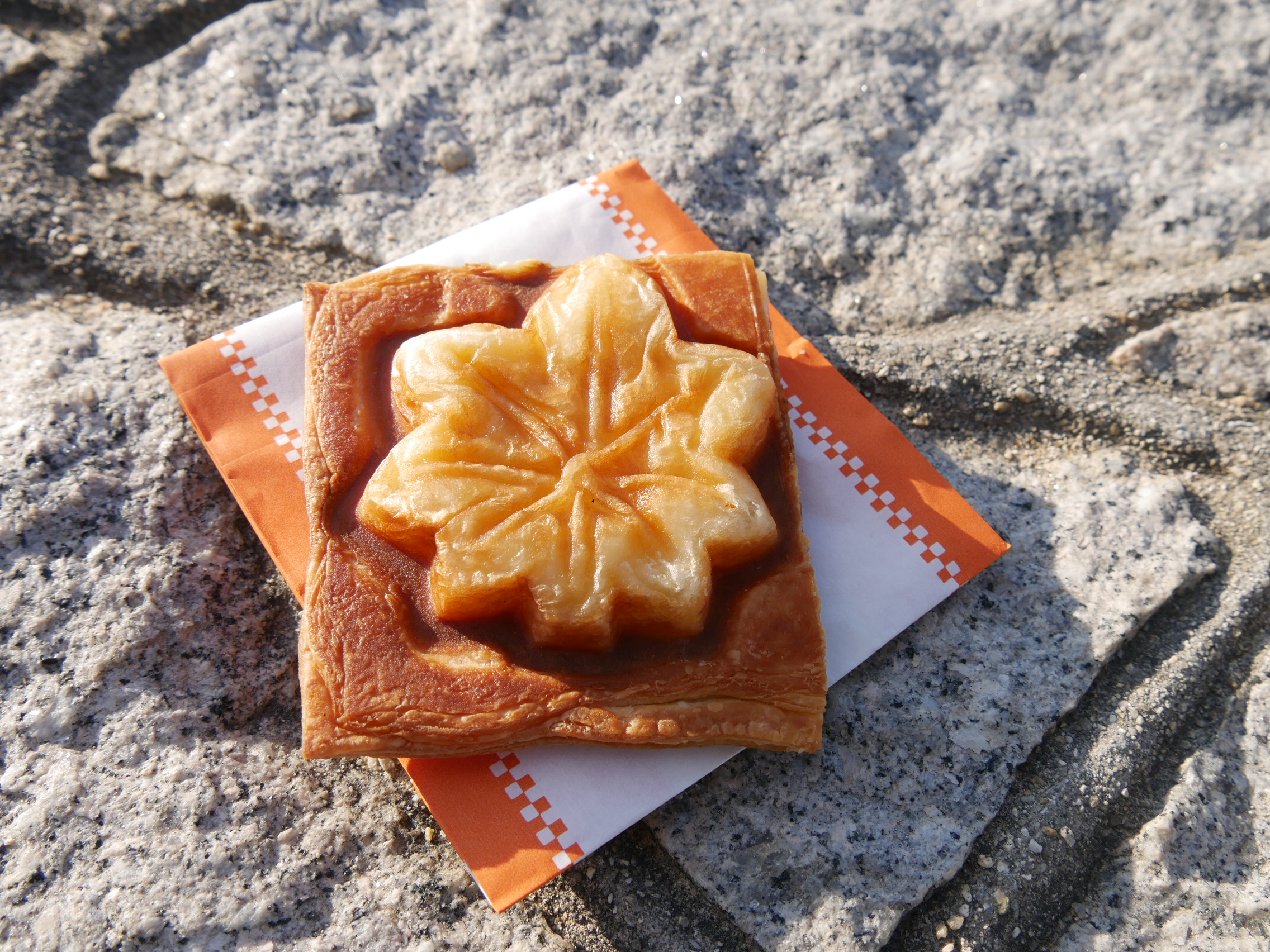
Toriiya’s Momiji Croissant
Multiple layers of flaky croissant dough create a feather-light texture, and the rich buttery aroma pairs exquisitely with sweet bean paste or smooth chocolate filling. The chocolate version in particular achieves a perfect sweet-salty balance that’s difficult to resist. Most varieties are available right after the shop opens around 9:00 AM. Once a particular batch sells out, that flavor is done for the day—so arriving early is essential if you have your heart set on a specific type.
A beloved local souvenir favorite is Iwamura Momijiya’s Cheese Momiji. While you might not find it on Omotesando Shopping Street itself, it beautifully showcases the impressive depth and evolution of Miyajima’s momiji manju culture.

Katsutani Bakery’s Koppe Bread
An impressive selection of about 30 varieties of koppe-pan—soft, pillowy Japanese rolls—includes fun local collaborations such as “Umai de Gansu,” which features Hiroshima’s beloved Gansu fried fish cake snack as a filling. Creative accents like crunchy cabbage, creamy mayonnaise, and spicy yuzu pepper add layers of flavor with a citrusy kick. With both sweet and savory options available, these rolls work perfectly as either a light meal or a satisfying snack.
Gelateria BACCANO’s Gelato
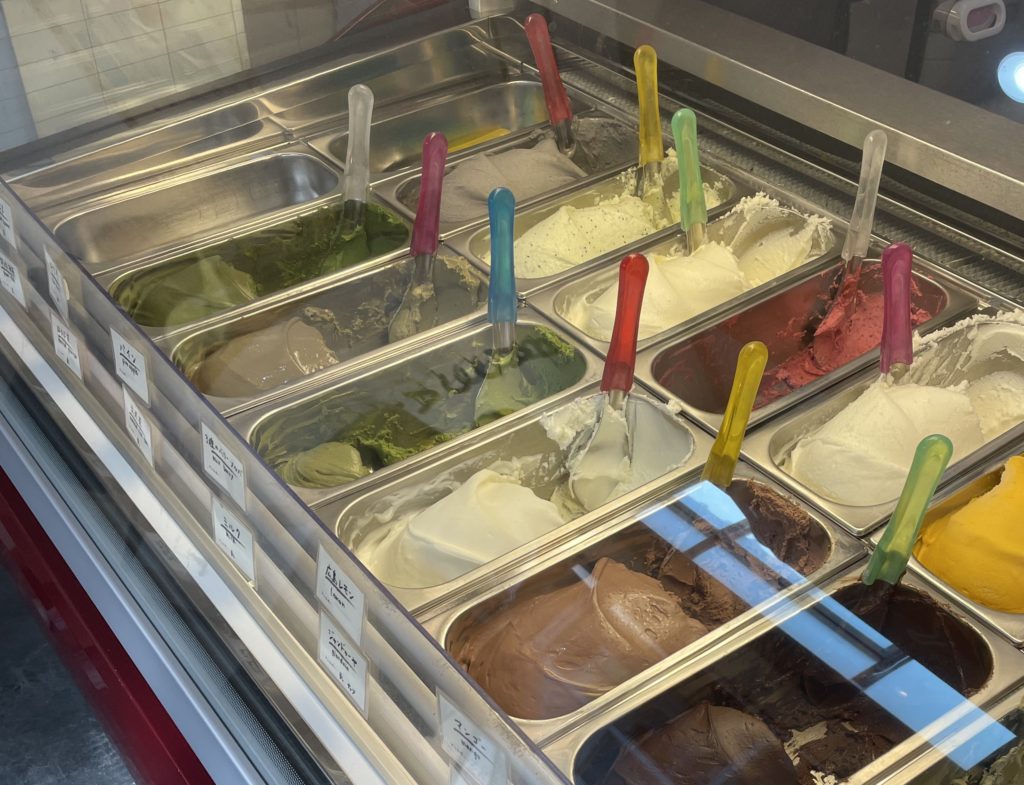
Made without artificial additives or flavors, this gelato allows the pure quality of the ingredients to truly shine through. The bright tartness of Setouchi region Setoda lemons is particularly refreshing during summer heat and serves as your tired feet’s best friend. The texture melts delicately on your tongue, so take that first spoonful right away to fully appreciate it—it’s like a cool breeze in frozen form.
Miyajima Delicious Food Hall’s Soft Serve Ice Cream
Soft serve crowned with adorable icing cookies shaped like iconic torii gates, deer, and traditional wooden ladles—these decorations are almost too cute to eat. Available toppings vary from day to day, so the element of surprise becomes as enjoyable as the taste itself.
Itogi Coffee’s Specialty Coffee Soft Serve
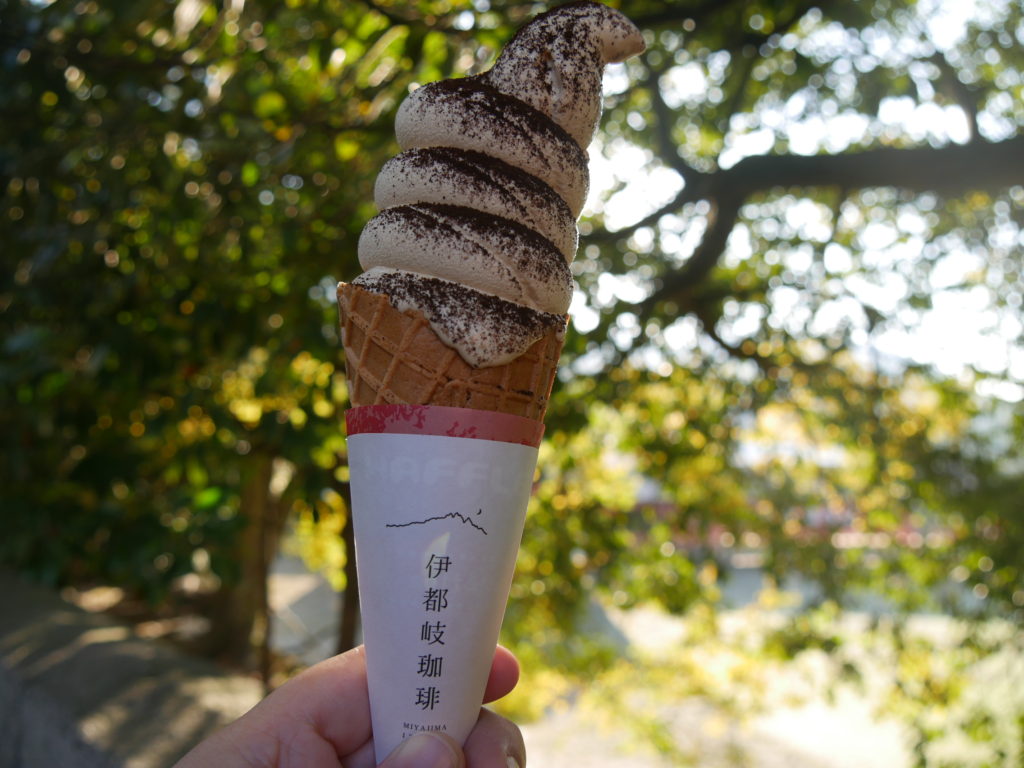
A thoughtfully crafted house blend of creamy vanilla and bold espresso, finished with a dusting of fine coffee powder on top. The gentle bitterness plays beautifully against the lingering sweetness—making this an ideal finale to your food walk adventure.
Local Drinks: Refreshment Along the Way
From island-brewed craft beer to sodas made with whole pesticide-free lemons, Miyajima’s drink offerings keep you refreshed throughout your exploration. During hot weather, opt for takeout-friendly cold beverages and stick to shaded walking routes when possible. Eco-conscious efforts—such as cup reuse programs and refill discounts—are growing here, reflecting the island’s commitment to sustainability.
(Author’s note) The satisfying clink of ice, the effervescent fizz, the creamy foam on a fresh beer—these drinks keep perfect pace with the street’s vibrant energy. The refill systems feel like an extension of classic Miyajima hospitality, offering a genuinely traveler-friendly touch.
Miyajima Shokudo’s Tapioca Drinks
Large, satisfyingly chewy tapioca pearls paired with flavors like classic milk tea and nutty almond. The cups feature irresistibly photogenic illustrations of deer that make them perfect for sharing on social media.
Nekomoshakusimo’s Lemon Squash
Fresh Setouchi lemon juice combined with just a hint of peel bitterness that provides a lovely lift. The result is subtly sweet and super-refreshing—an excellent way to beat the heat on warm days.
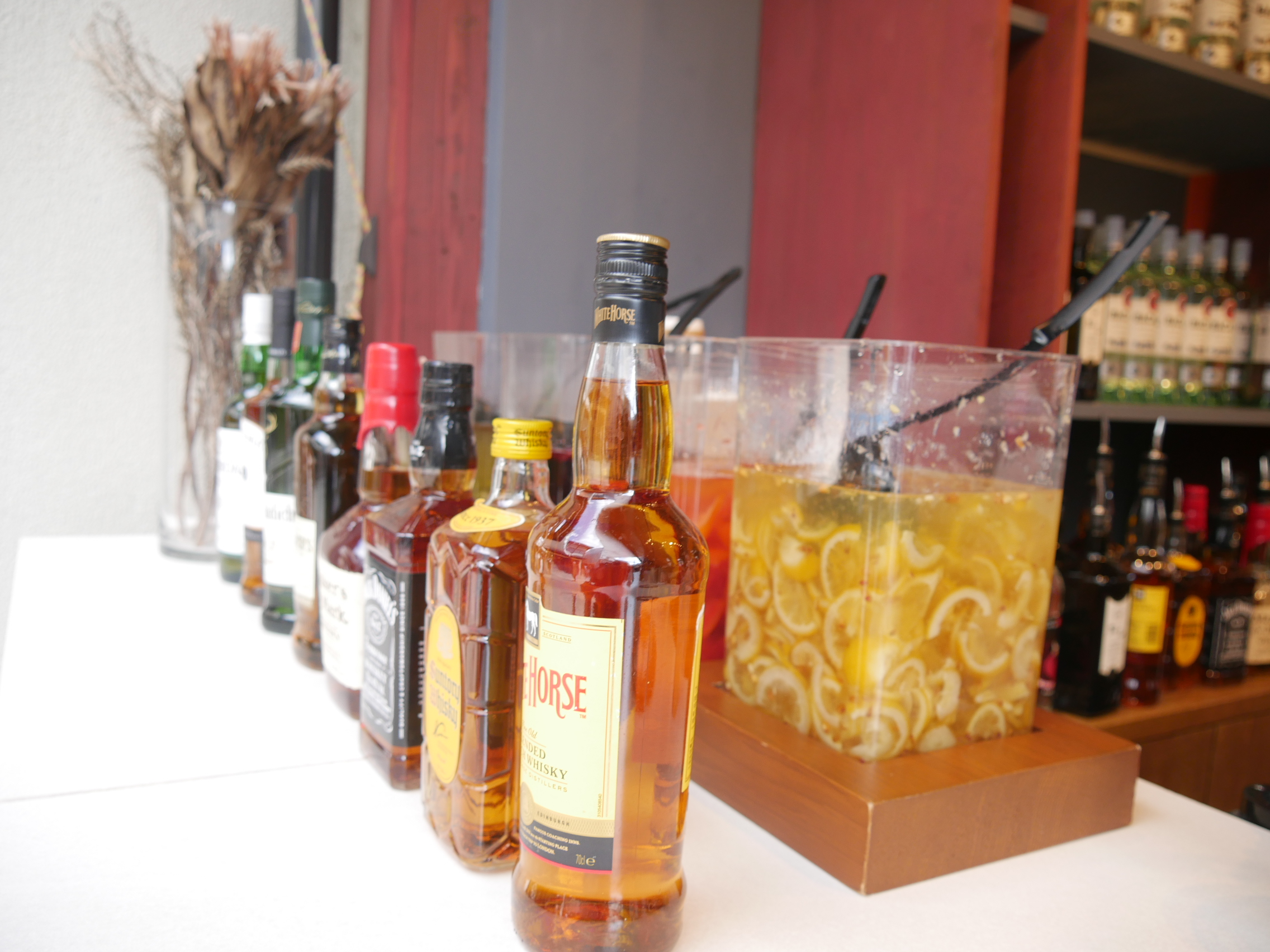
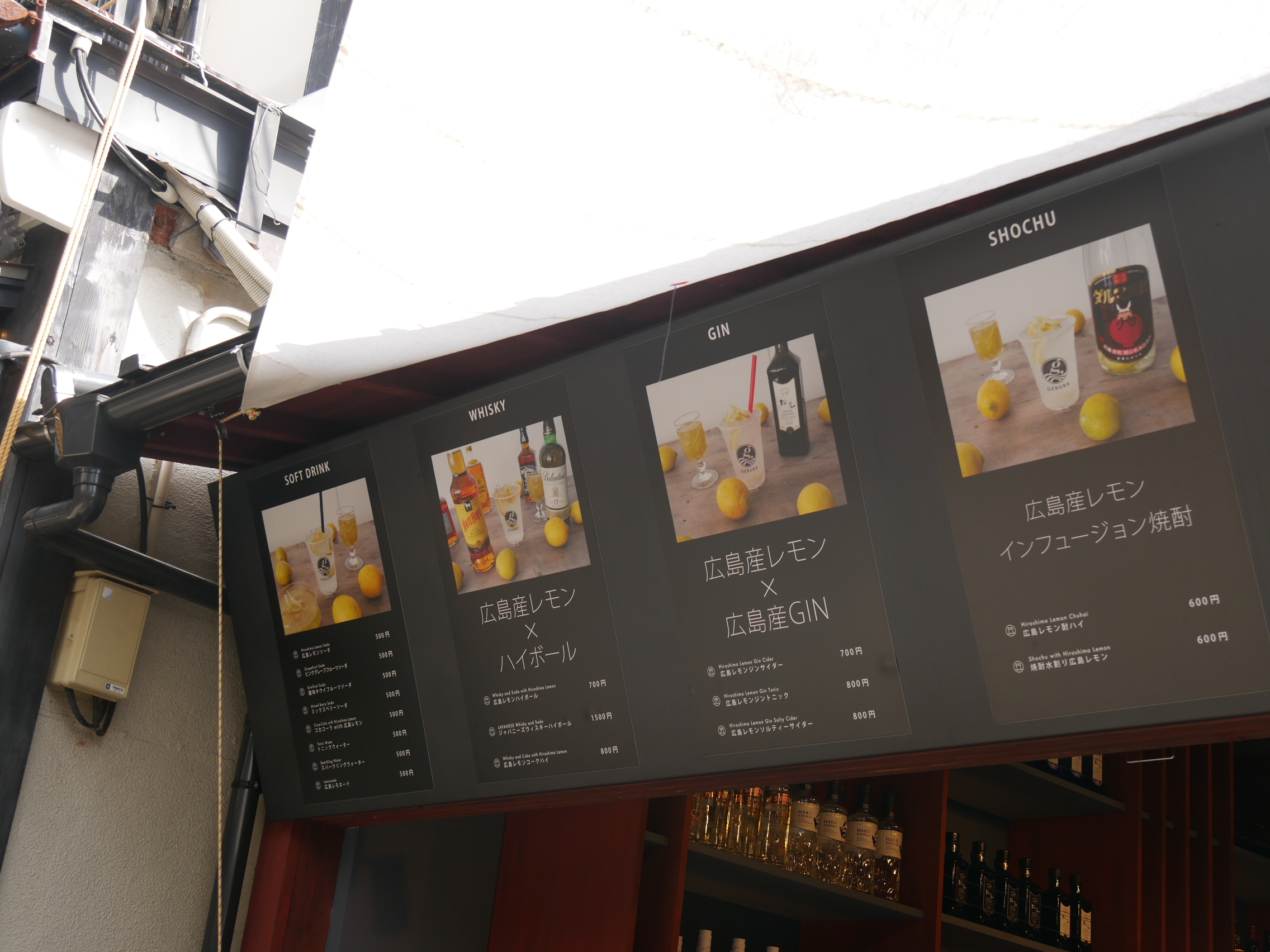
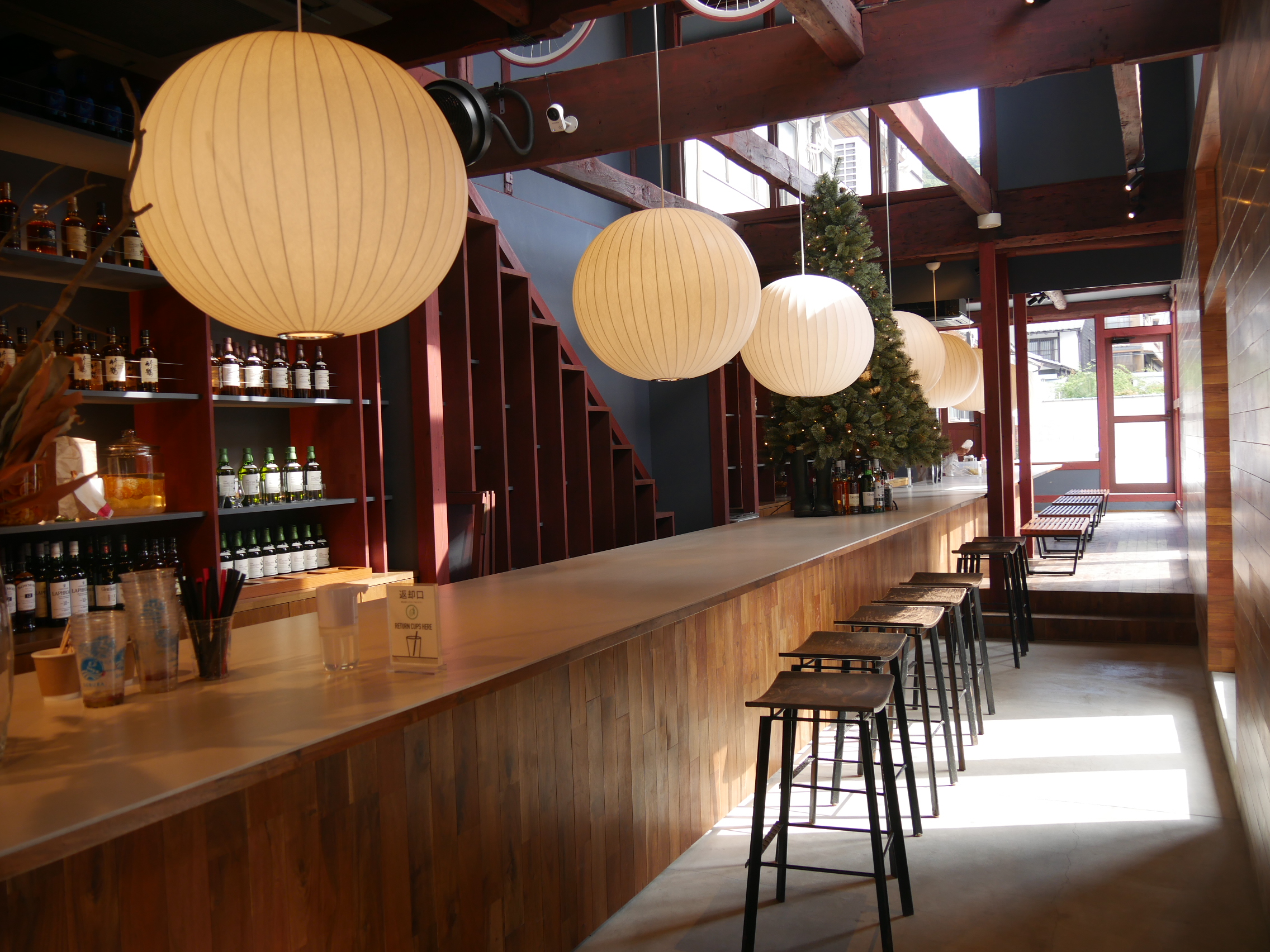
GEBURA’s Hiroshima Lemon Soda
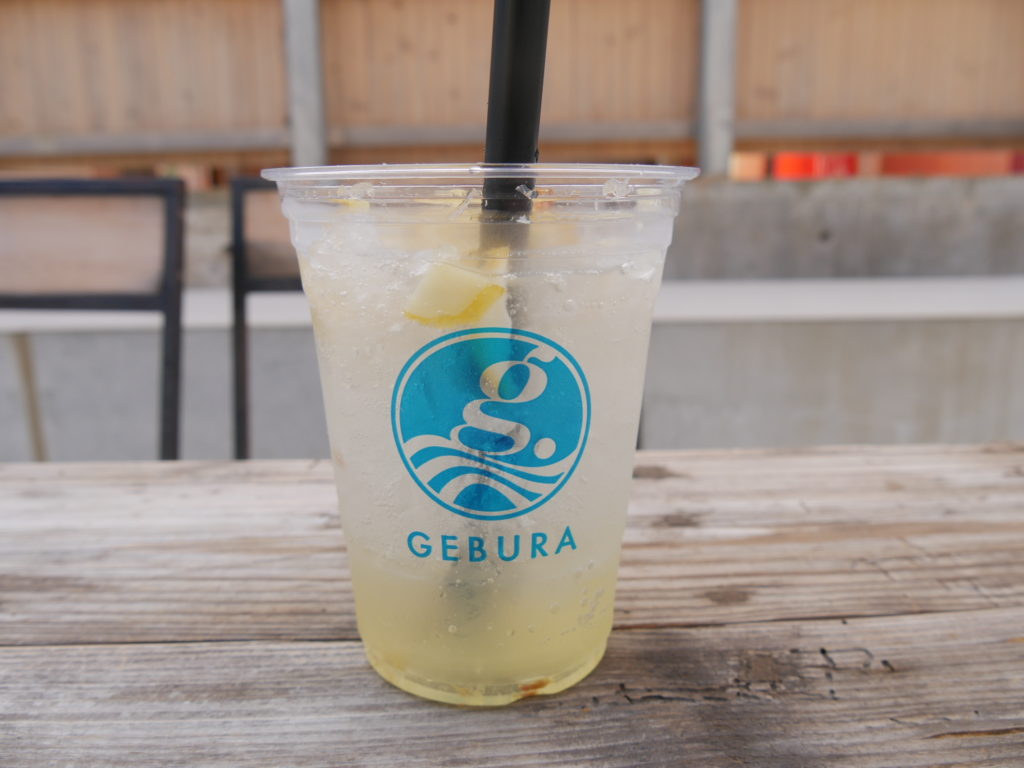
Whole organic lemons—peel, seeds, and all—are preserved in house-made syrup for maximum citrus punch and intensity. You’ll enjoy a remarkably clean finish, and if you bring your cup back the same day, you’ll receive a discount on a refill—perfect for staying hydrated while you continue exploring the island.
MIYAJIMA BREWERY’s Craft Beer
Miyajima’s only brewery sources its water from underground springs fed by Mount Misen’s ancient primeval forest. Alongside classic styles like Weizen, Pale Ale, and IPA, keep an eye out for their distinctive oyster-kissed stout—a unique local creation. You can sip freshly poured beer at their standing counter or pick up bottles as memorable souvenirs to take home. Please remember not to drink while walking—enjoy your beer in designated spaces at a comfortable, relaxed pace.
If you’re interested in exploring the stunning views from Mount Misen, take advantage of the convenient ropeway for easy access! The sacred fire that’s been burning continuously for 1,200 years is especially fascinating for children and adults alike.
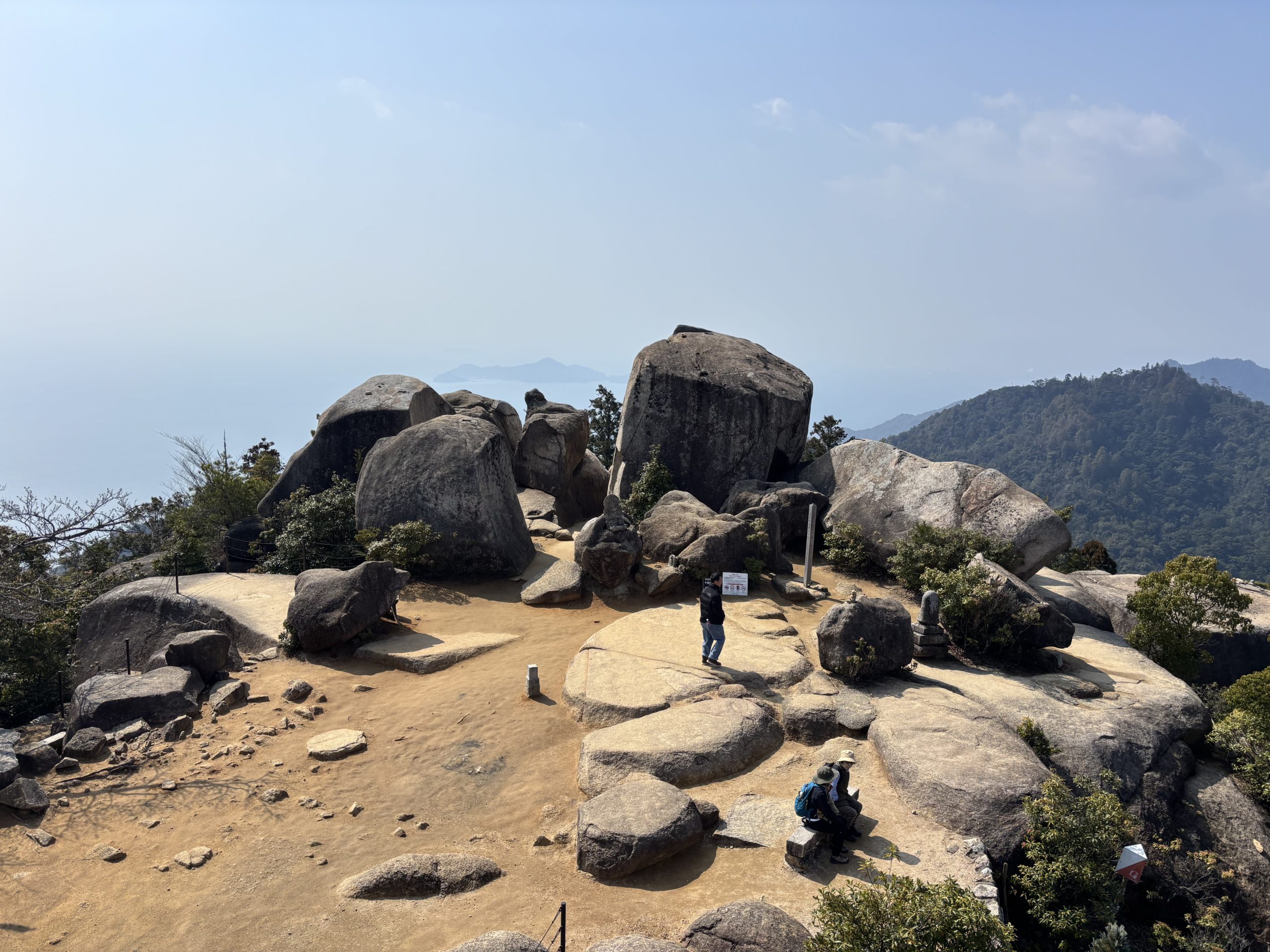
The definitive one-day guide to "Mt. Misen sightseeing." Rising behind...
How to Make the Most of Your Miyajima Food Walk
Two essential keys to a truly great food walk experience are strategic timing and a thoughtful route. I recommend starting with sweets or fresh-baked bread in the morning when selections are fullest, enjoying grilled oysters or Hiroshima-style okonomiyaki around lunch, then transitioning to coffee or craft beer in the afternoon as you wind down. For planning purposes, consider mapping out one route that covers the absolute classics and another route highlighting interesting spots for repeat visitors or those seeking something different. During peak hours, make use of eat-in corners or designated rest areas and always avoid eating while walking to respect local customs. Getting here couldn’t be simpler: from JR Hiroshima Station, travel to Miyajimaguchi (approximately 30 minutes by JR train or roughly 70 minutes by streetcar), then take the ferry for about 10 minutes to reach Miyajima and head straight to Omotesando Shopping Street.
(Author’s note) The real fun lies in flexing your plan to match your cravings and energy level—there are so many renowned shops packed into such a compact, walkable area. Sitting on a bench with a gentle sea breeze while you map out your next culinary target is genuinely part of experiencing Miyajima’s unique flavor. When our family gets tired, we’ve discovered that Momijidani Park’s free rest area is a hidden gem with full air conditioning—absolutely perfect for families with young children who need a break.
Enjoying Food and Drink with Proper Etiquette
Please consume all food and drinks at storefront counters, indoor seating areas, or designated rest spots, and always use the provided trash bins for disposal. Do not feed the deer or display food to them in a way that might encourage them to approach. If you’re traveling with strollers or small children, it’s wise to avoid the busiest noon peak period between 12:00 PM and 2:00 PM when the crowds are thickest. Most shops operate on roughly a 10:00 AM to 5:00 PM schedule, but keep in mind that popular items may sell out and last orders are often taken earlier than the stated closing time.
For rainy day alternatives or when you need a break from food walking, the Miyajima Aquarium is conveniently located nearby. They offer complimentary stroller rentals, which comes in especially handy when you’re exploring with little ones who might need a rest.
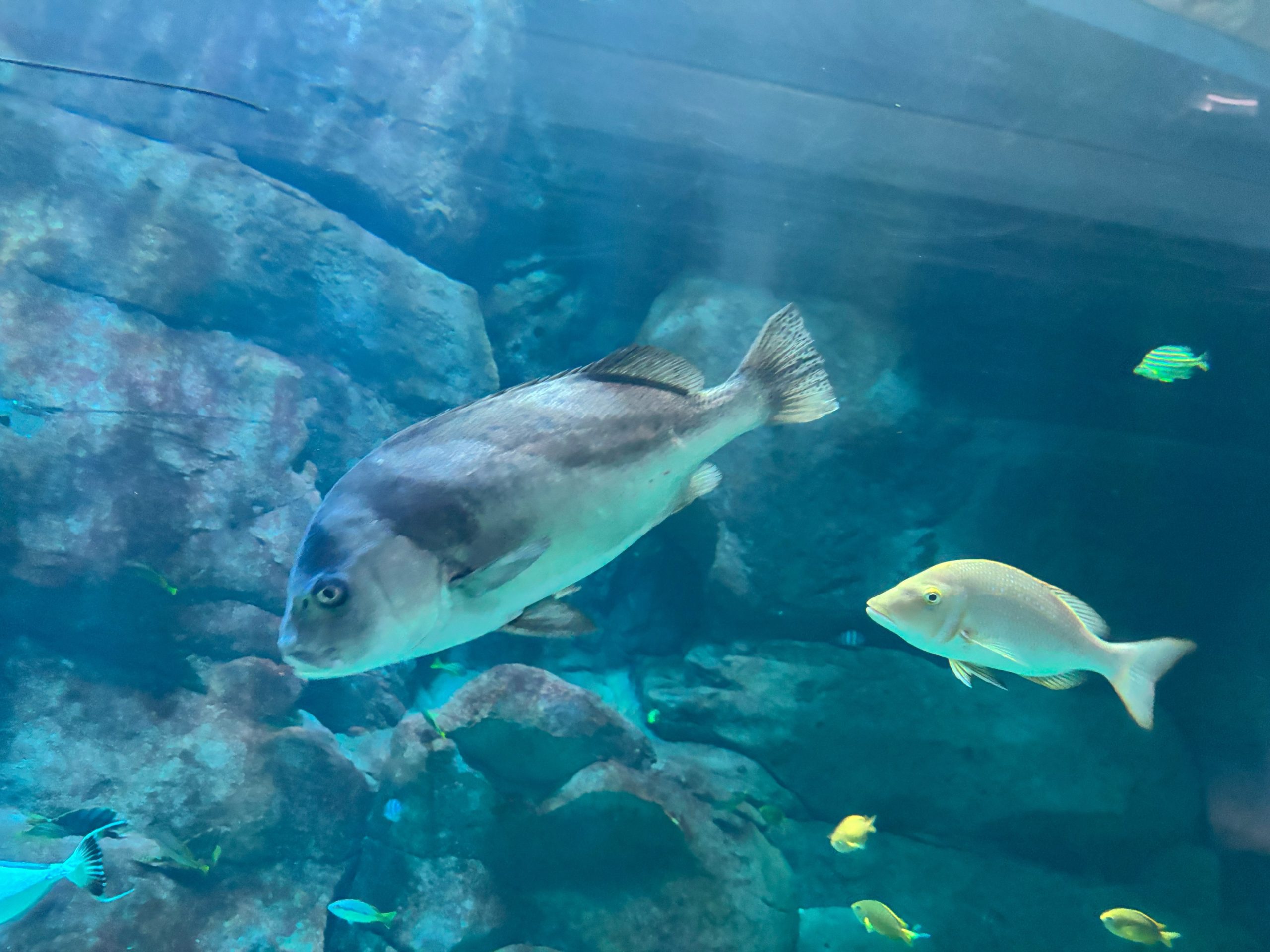
Located at the gateway to the World Heritage island of Miyajima, the M...
A Visit to Miyajima’s Traditional Souvenir Shop “Funatsuki”
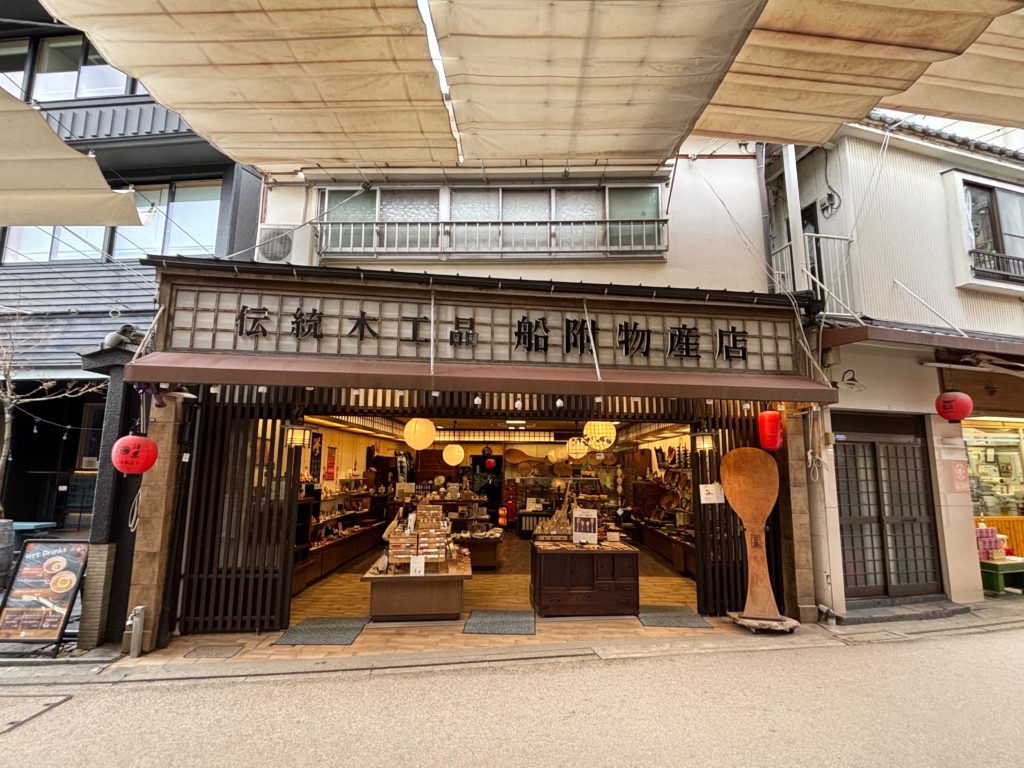
This venerable souvenir shop has been serving visitors to Miyajima for well over a century. It carries an impressive range of authentic MADE IN MIYAJIMA goods, including traditional wooden rice paddles known as shamoji, nationally designated crafts featuring intricate fine woodwork, and charming Miyajima papier-mâché figurines called hariko.
With a long-established buyer’s discerning eye for quality, the carefully curated selection makes it remarkably easy to choose thoughtful gifts for others or find something genuinely special for yourself. Drop in during your stroll and you’re quite likely to discover that one perfect piece that keeps the feeling of your trip alive long after you return home. A sister establishment also accepts reservations for traditional tea ceremony experiences, offering you the chance to sense the depth of Miyajima’s cultural heritage through its vessels and ancient rituals.
(Author’s impression) The natural scent and smooth texture of the wood crafts have an immediately calming effect on the mind. After encountering these traditional pieces up close, I noticed my posture naturally straightened as I continued walking down the street. My older daughter exclaimed, “This shop is like a time machine!” because of its wonderfully preserved historic atmosphere.
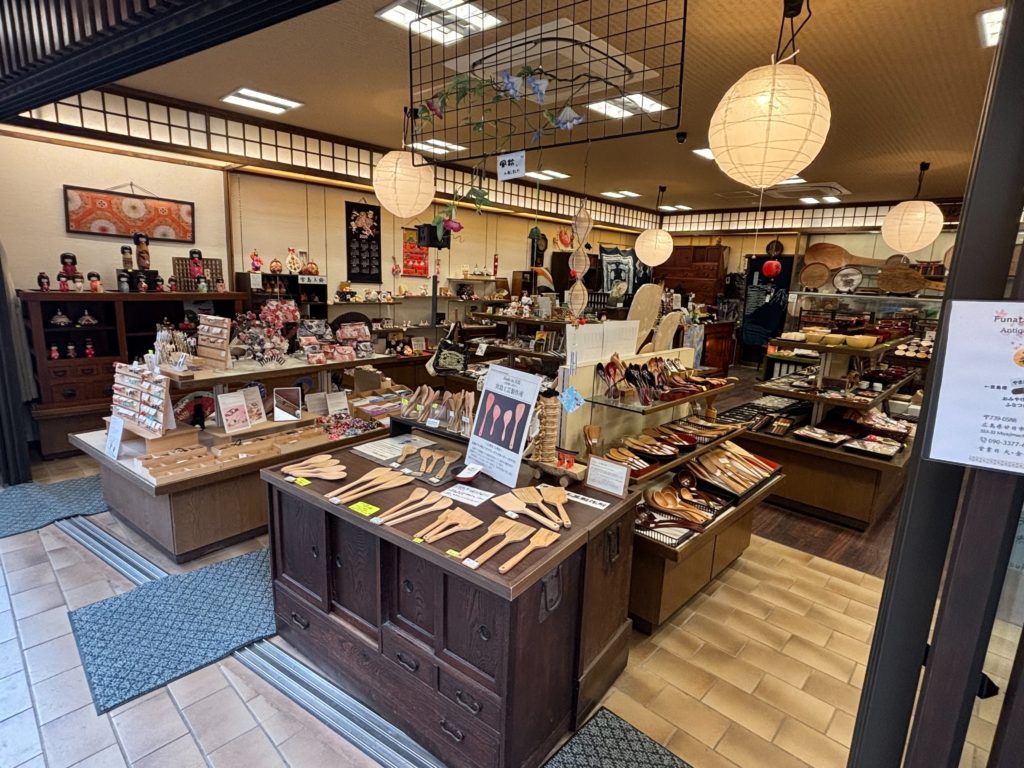
The store interior is densely packed with Miyajima’s traditional crafts and folk art pieces. Purely Japanese-style shops maintaining this level of authenticity are increasingly rare these days, which makes discovering this one feel even more special. Simply browsing through the nostalgic interior is a pleasure in itself.
You can also book authentic tea ceremony experiences (starting from ¥1,600, approximately 1 hour duration) using traditional utensils through the website of “Funatsuya,” which is Funatsuki’s sister establishment. If this cultural experience interests you, I highly recommend making a reservation.
Items Purchased at Funatsuki
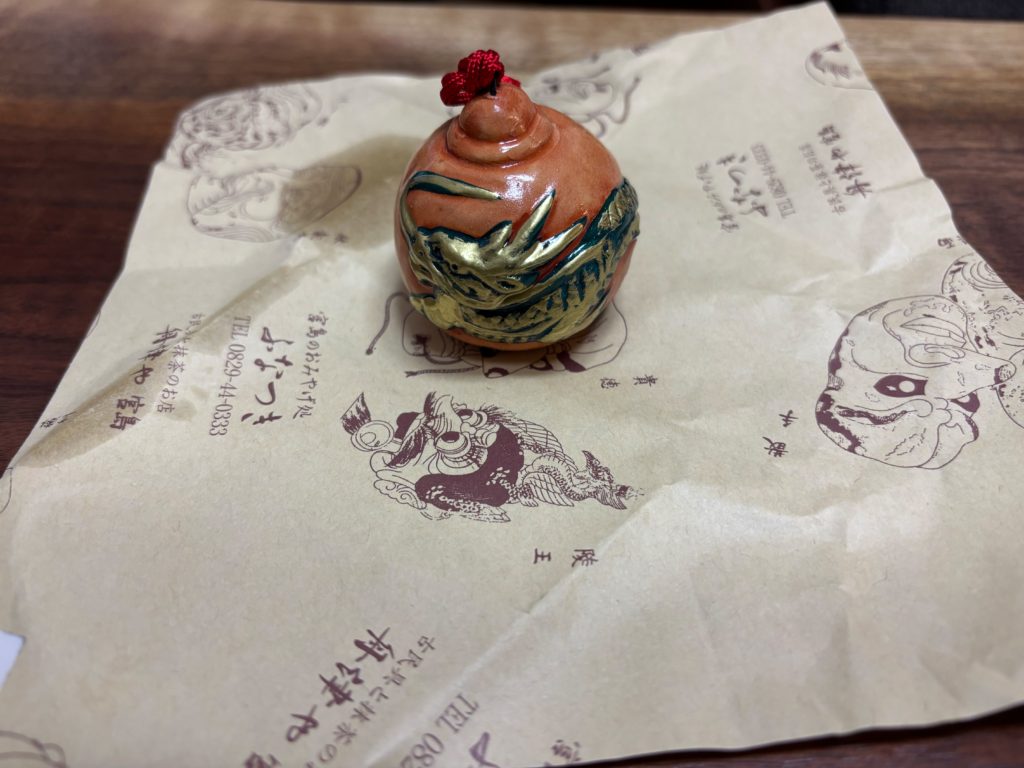
From among many tempting souvenir options, I selected an adorable dragon clay bell (¥650) to bring home—charming and very reasonably priced. Even the traditional wrapping paper has that perfect souvenir presentation quality.
There’s a fascinating historical note here: sand from beneath Itsukushima Shrine’s main hall was once carried by pilgrims as a “sand amulet” believed to ensure safe travels. During the late Edo period, ritual vessels crafted using this sacred sand gave birth to Miyajima-yaki pottery. There’s also a traditional belief that the gentle sound of earthen bells has the power to ward off evil spirits. When I rang this particular bell, the tone was beautifully rustic and simple. I absolutely love the charming combination of its plump, rounded form and the whimsical dragon motif. I’ve placed it near my front door, hoping it continues to bring good fortune to our household.
Bringing home meaningful pieces like this adds so much value—every glance at it brings your Miyajima memories rushing back instantly. My younger daughter has adopted it as a friend and talks to it every single day, saying sweetly, “It’s the dragon’s house!”

After completing your food walk along Omotesando, don’t miss the opportunity to visit Daisho-in Temple, which actually has a longer historical lineage than even Itsukushima Shrine. It’s recognized as a powerful spiritual spot even among knowledgeable locals.

Your complete guide to Daishō-in Temple on Miyajima: history, what to do, spiritual experiences (sand stepping, fire walking, Kaidan Meguri), annual events, access, barrier-free info, and how to get a goshuin (temple stamp).
Senjokaku Pavilion, historically associated with the famous warlord Toyotomi Hideyoshi, is also within comfortable walking distance. It’s somewhat of a hidden gem where children can run around freely in the spacious grounds, and it’s conveniently close to Omotesando Shopping Street.
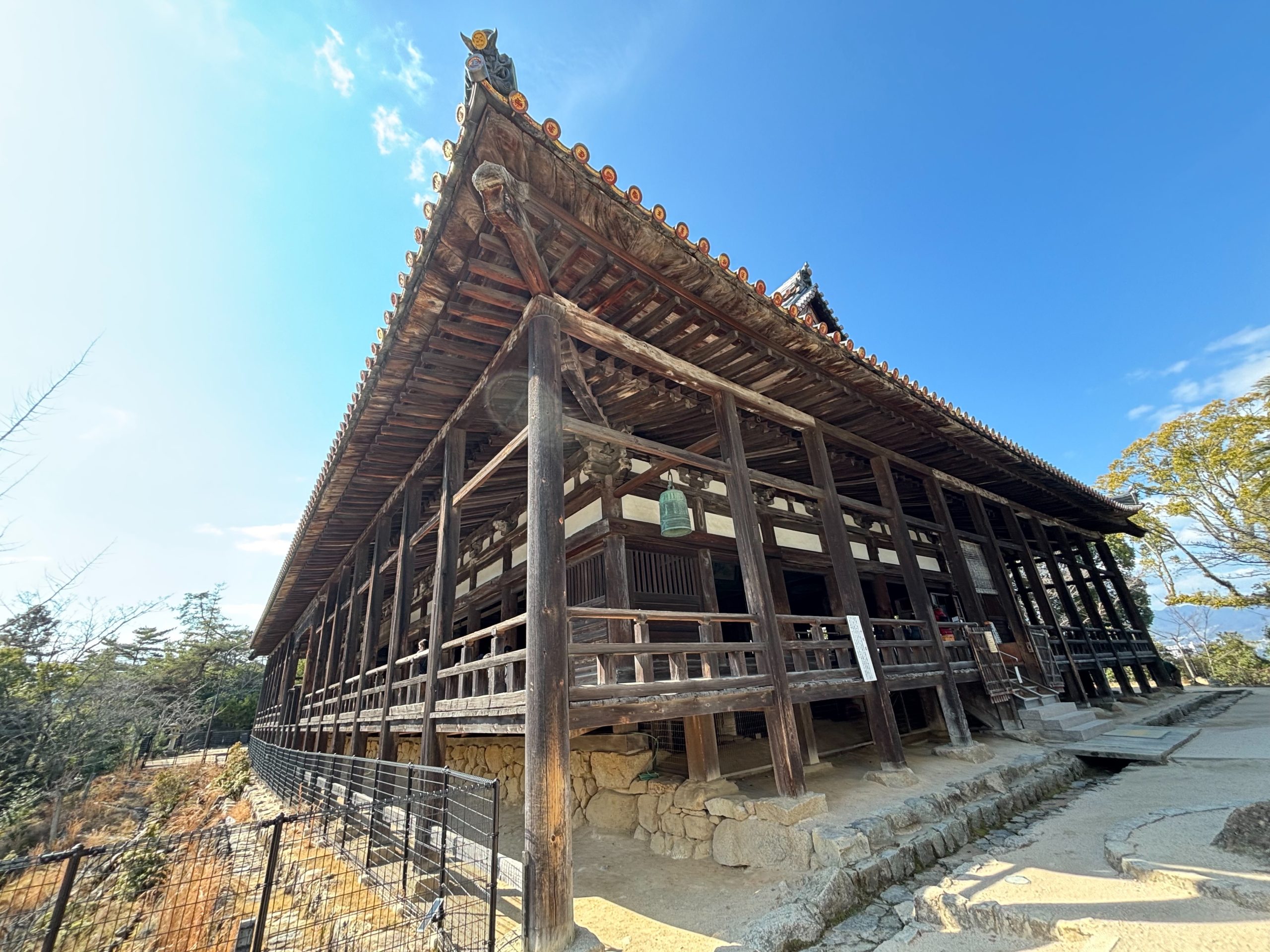
Highlights and Views at Miyajima's Hōkoku Shrine (Senjōkaku) Perched ...
Frequently Asked Questions
Q1. What are the typical business hours for shops on Miyajima Omotesando Shopping Street?
A. Most shops open around 10:00 AM and close around 5:00 PM. Popular establishments may close earlier when their signature items sell out, or they may stop taking orders before the official closing time.
Q2. Is it acceptable to eat or drink while walking on the street?
A. Please refrain from eating or drinking while walking due to crowding concerns and local hygiene customs. Instead, enjoy your food and beverages at shop counters, indoor seating areas, or in designated rest spaces.
Q3. What precautions should I take when encountering the deer?
A. Do not feed the deer under any circumstances. If you’re holding food items, they may attempt to take them directly from your hands—keep everything securely in a bag and handle it carefully when not actively eating.
Q4. What’s the most convenient route for accessing Miyajima?
A. From JR Hiroshima Station to Miyajimaguchi: approximately 30 minutes by JR train or roughly 70 minutes by tram. From Miyajimaguchi, the ferry crossing to Miyajima takes about 10 minutes. Please note that a ¥100 island entrance tax was introduced in October 2023, so have small bills ready.
Q5. Are there rest areas and trash receptacles available along the street?
A. Yes, absolutely. Approximately midway along Omotesando Shopping Street, you’ll find a public rest area equipped with benches and trash bins where you’re welcome to sit and enjoy your food and drinks.
Q6. What’s the best time of day to try popular local foods?
A. Aim for lunchtime hours to enjoy fried and grilled items at their freshest. For sweets and freshly baked breads, morning visits offer the fullest selection before popular items sell out.
Q7. Is Miyajima enjoyable to visit with children?
A. Yes, the streets are very stroller-friendly. To ensure a comfortable visit with little ones, try to avoid peak crowd hours and make good use of the rest areas for breaks.
Q8. Are there recommended itineraries for exploring the food scene?
A. I suggest planning two different routes: one focusing on must-try classics like oysters, anago rice, okonomiyaki, and momiji manju for first-time visitors, and another highlighting notable specialty shops for those making a repeat visit.
Final Thoughts
Omotesando Shopping Street serves as Miyajima’s vibrant culinary corridor, where centuries of history gracefully meet modern tastes and innovation. By observing local etiquette and savoring each bite in its proper spot, you’ll genuinely feel the craftsmanship and personal stories behind every shop—from oysters freshly harvested from Hiroshima’s pristine waters to perfectly grilled anago rice, traditional momiji manju, and creative new treats. Thanks to the convenient access, you can enjoy a rich and satisfying food walk even if you’re working with a limited schedule. My advice: visit popular spots early in the day, sample sweets during the morning hours, enjoy freshly made savory items around noon, and finish with relaxing coffee or craft beer—the island’s gourmet landscape reveals itself in beautiful layers when you stroll with this natural rhythm in mind. If you’re planning what to eat in Miyajima, Omotesando Shopping Street is undoubtedly the most delicious place to begin your culinary adventure.
(Author’s note) No matter how many times I walk this historic street, something new and delightful appears—whether it’s deer wandering peacefully in the distance, the clean scent of salt air drifting in from the sea, or the mesmerizing steam curling up from busy shopfronts. All those small, individual bites add up to the larger experience of truly savoring Miyajima itself—an experience this welcoming street offers with genuinely open arms. Our family inevitably ends each visit saying, “We absolutely have to come back again!” As a family, this place has surely become an unforgettable source of cherished memories.