When you think of Miyajima, you think of Itsukushima Shrine. Cradled by sea and mountains, it has a quiet, sacred atmosphere that makes you pause and breathe. At high tide, the shrine seems to float on the Seto Inland Sea; at low tide, you can walk right up to the base of the Great Torii Gate—two completely different experiences in one day. I’ll never forget my older daughter’s excited expression when she shouted, “Mama, the shrine is floating on the sea!” If you avoid peak times and plan around the illumination and tide schedule, even families with kids can explore at a relaxed pace.
The Charm of World Heritage Site “Miyajima Itsukushima Shrine”

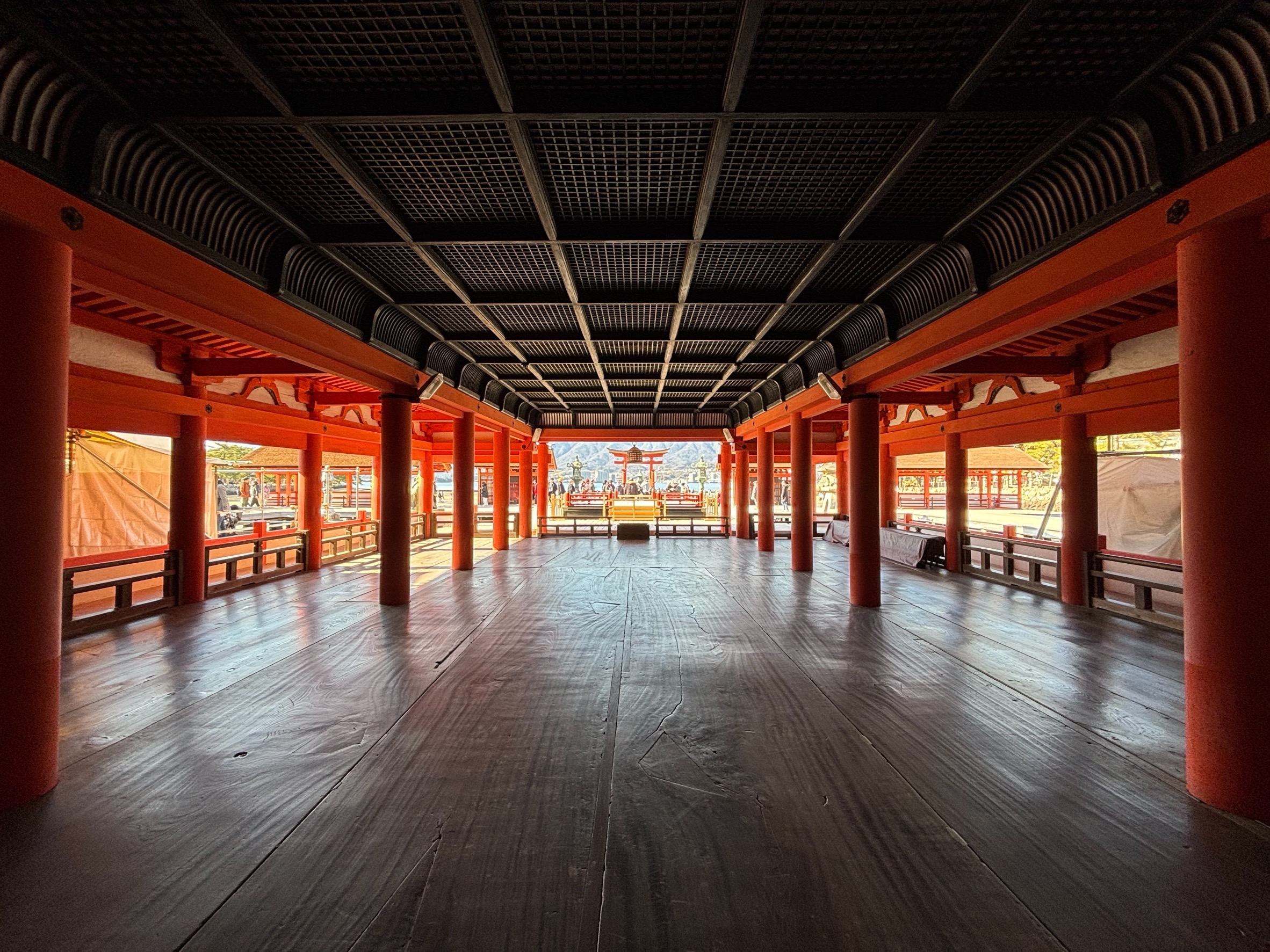
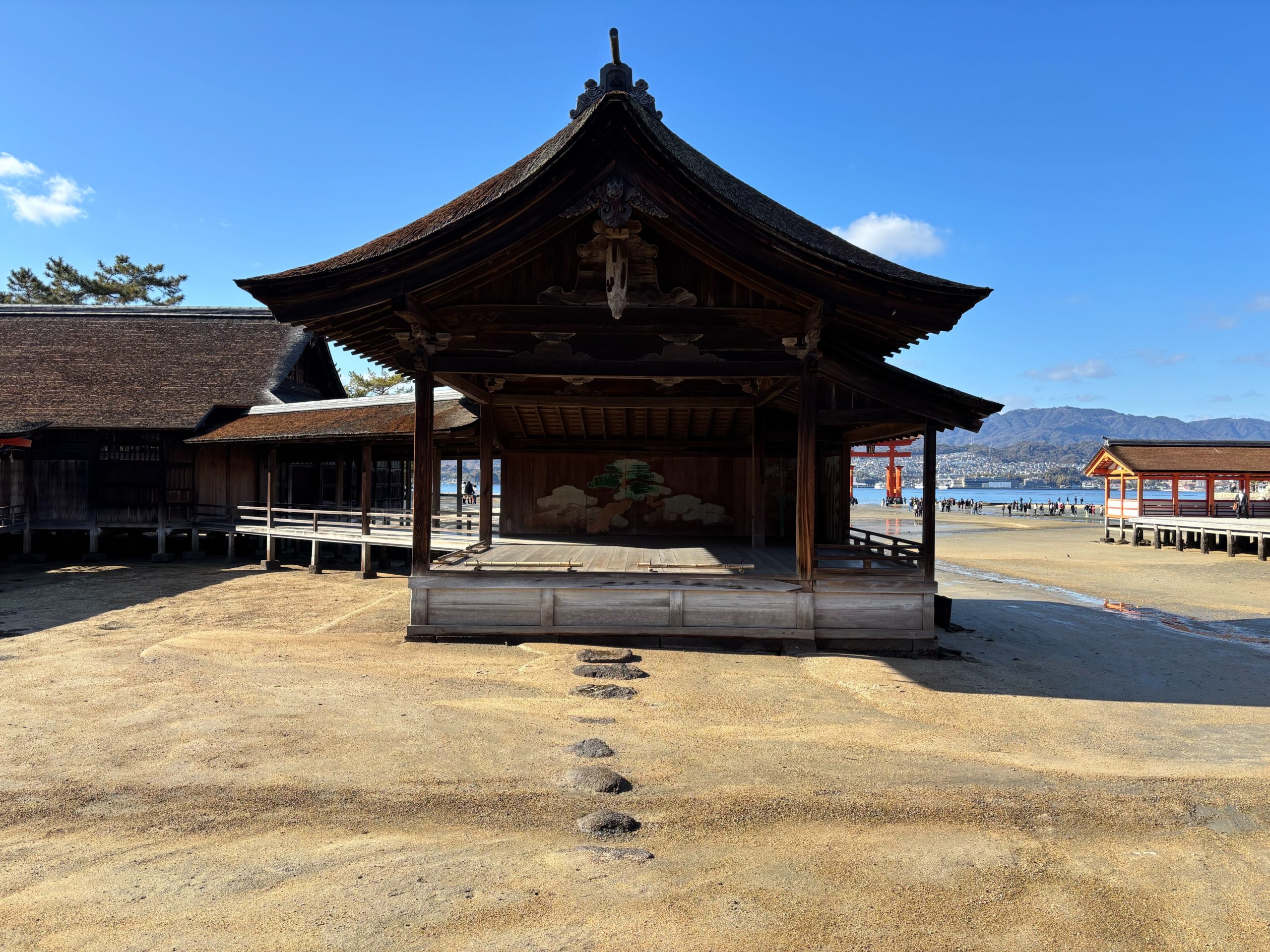
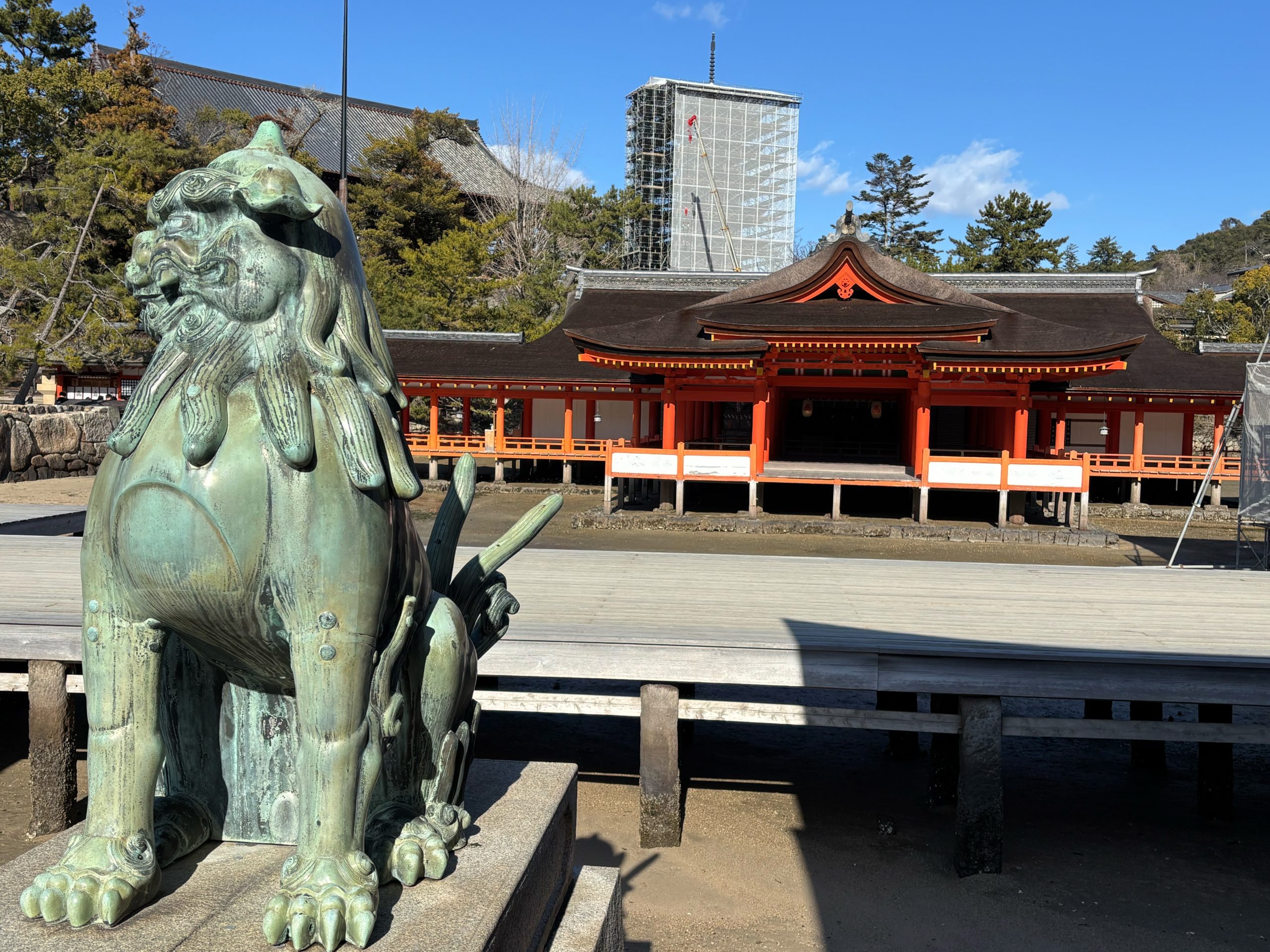
Itsukushima Shrine is a UNESCO World Heritage Site famous for its unique layout: shrine buildings stretch over the sea, with the primeval forest of Mt. Misen as a backdrop. Built where the scenery shifts with the tides, the corridors have narrow gaps between floorboards to relieve seawater pressure, and traditional joinery that minimizes the use of nails is still employed. Historically, visitors removed their shoes before entering the main hall; the protective boards you see today were added later so worshippers could walk in shoes. The principal deities are the Munakata Three Goddesses, revered as guardians of “all paths.” In addition to traffic and maritime safety, Ichikishimahime-no-Mikoto (Benzaiten) is also worshiped for the performing arts and prosperity. After sunset, the Great Torii Gate, shrine buildings, and five-story pagoda are illuminated (generally from about 30 minutes after sunset until around 11:00 PM). Formal worship hours end, but the vermilion reflections on the water are breathtaking, and an evening sightseeing boat ride is a family-friendly way to enjoy the view. To experience both high and low tides, check the Miyajima Tourism Association tide table before your trip. Aim for a tide level above 250 cm to see the “floating shrine,” and below 100 cm to walk out to the torii gate.
As the locals taught me, the Miyajima Tourism Association’s site has the most accurate low tide times (insider info from fishermen). The official Twitter account also provides real-time updates on high tide times at Itsukushima Shrine, so checking on your smartphone while planning is convenient.
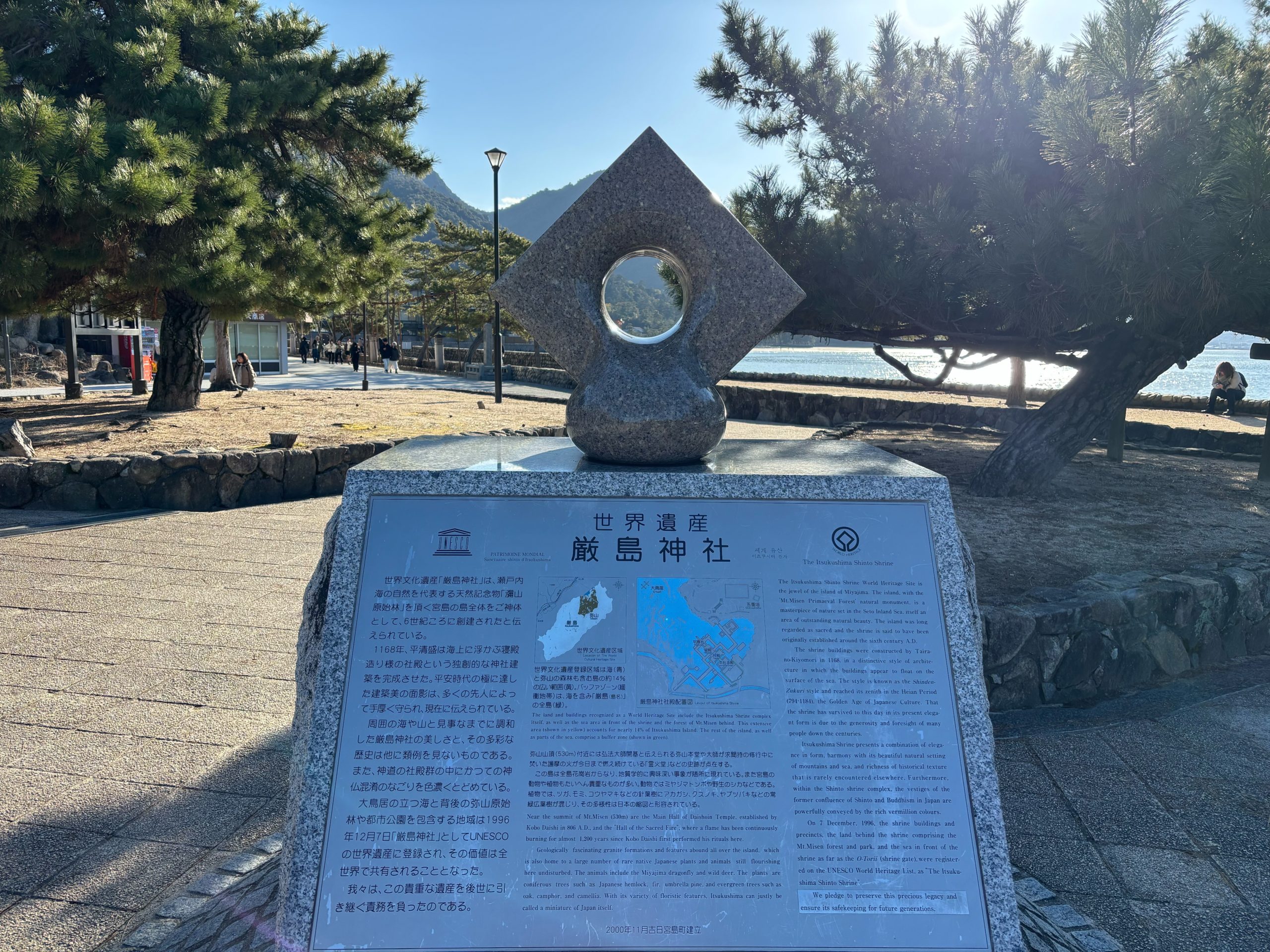
Itsukushima Shrine, located on Miyajima Island in Hatsukaichi City, Hiroshima Prefecture, is one of Japan’s Three Great Views and one of the nation’s most celebrated shrines. The designation includes the shrine, the surrounding sea, and the ancient forest behind it.
For those who want to learn more about Miyajima’s World Heritage status, this article is also helpful as a reference.
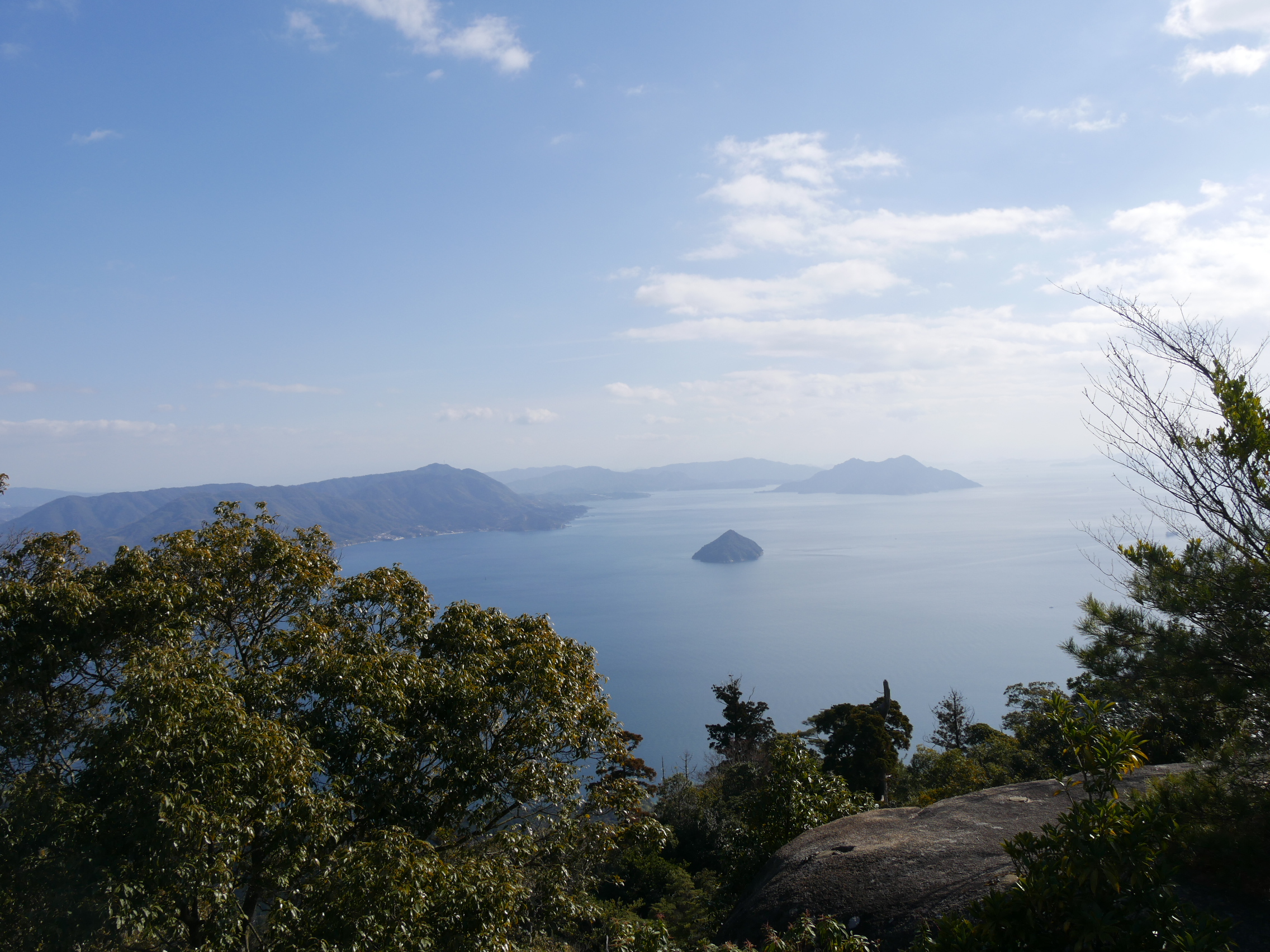
Miyajima is beloved by many travelers as a place to experience Japan's...
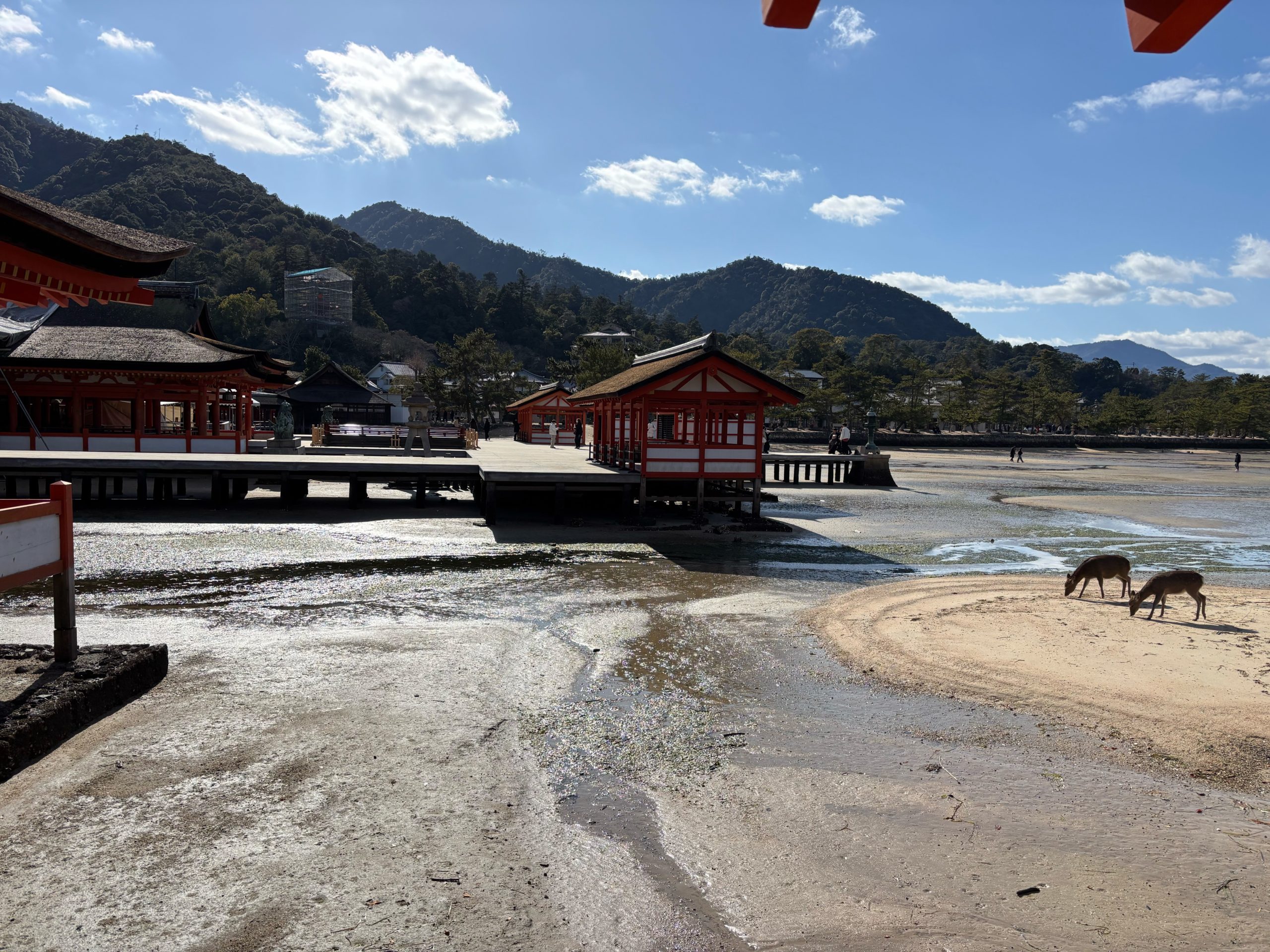
Both the shrine complex and its torii gate are built over the sea. At high tide, the scene turns dreamlike, with pavilions appearing to hover over the waves—a must-see sight.
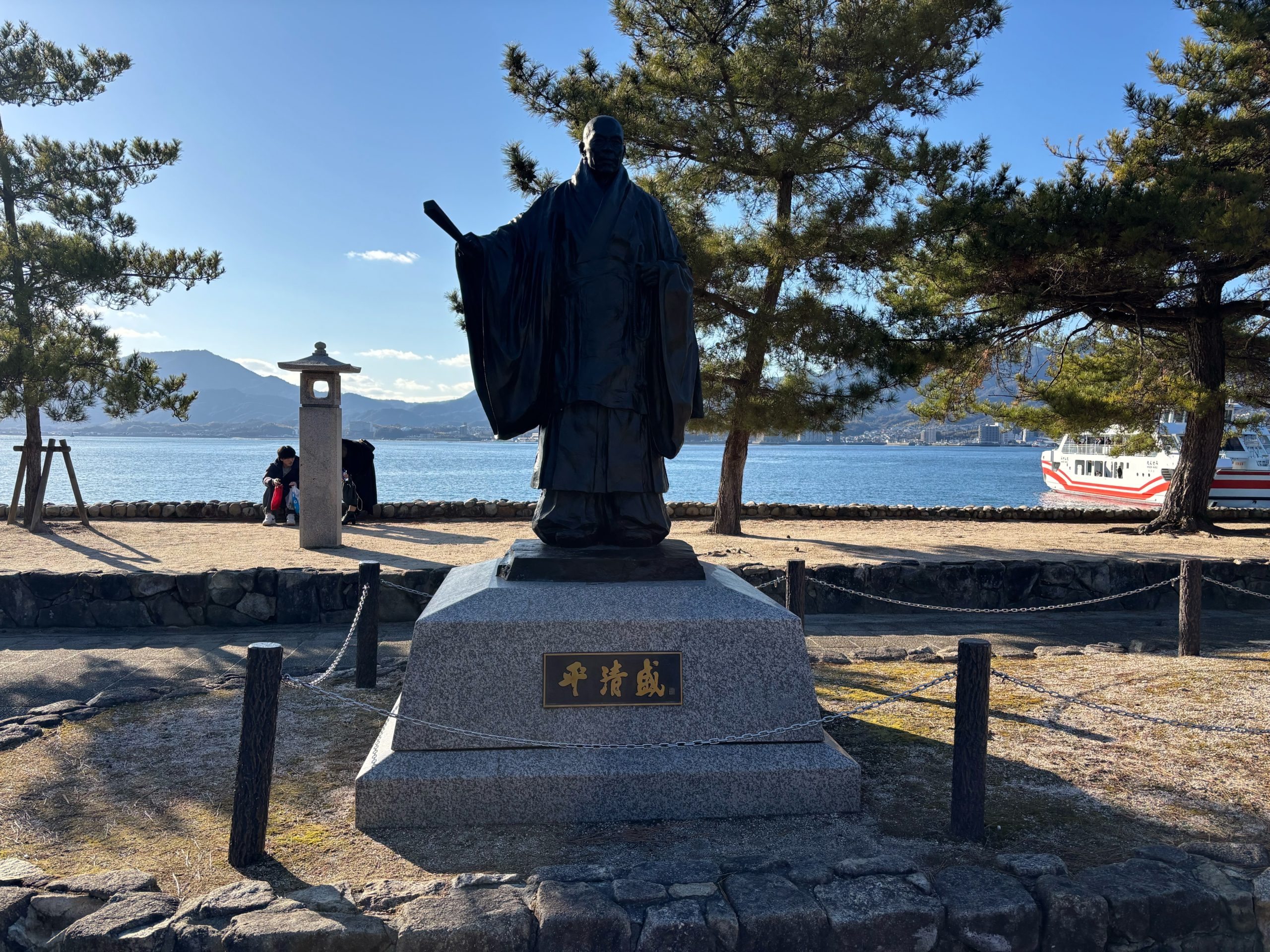
Itsukushima Shrine is designed in the “shinden-zukuri” style, the residential architecture of Heian-period aristocrats. With over 1,400 years of history, most structures within the precincts are designated National Treasures or Important Cultural Properties. The current layout—considered the prototype of the shrine—was completed in the late Heian period under the powerful regent Taira no Kiyomori. The illuminated shrine after sunset is also unmissable.
My younger daughter, watching the nighttime illumination, said something quite poetic: “The stars are reflected in the water!”
The enshrined deities are the Munakata Three Goddesses: Ichikishimahime-no-Mikoto, Tagorihime-no-Mikoto, and Tagitsuhime-no-Mikoto.
Worshippers come seeking a wide range of blessings, including traffic safety, good fortune, safe sea voyages, business prosperity, and success in endeavors.
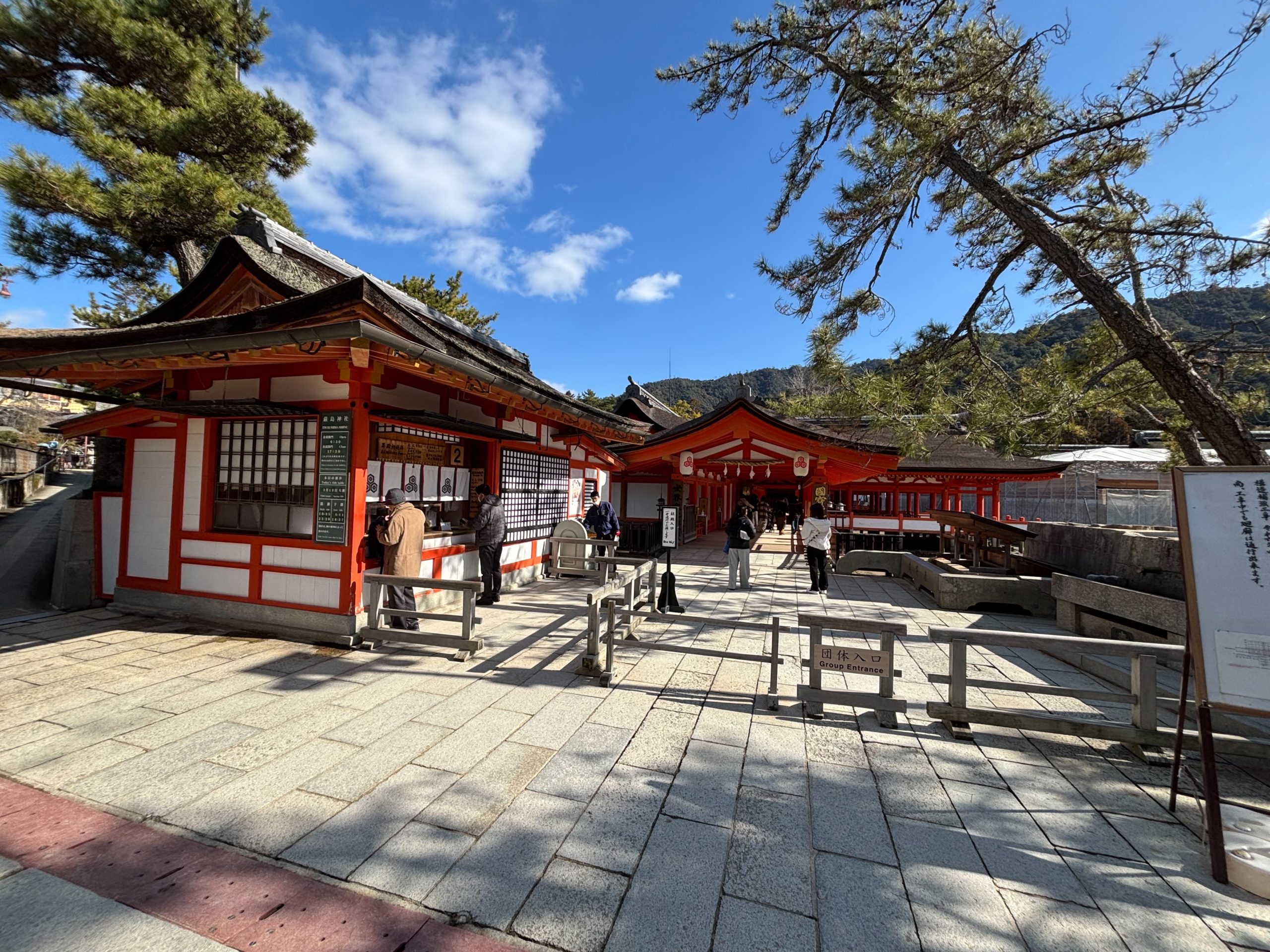
Itsukushima Shrine Admission Fees and Visiting Hours
Admission Fee
・Adults: ¥300
・High School Students: ¥200
・Elementary/Junior High School Students: ¥100
*Cash only. Credit cards and e-money are not accepted. Please note that the island entrance tax of ¥100 started in October 2023, so prepare for that as well.
Opening and Closing Hours
・January 1: 12:00 AM – 6:30 PM
・January 2 – January 3: 6:30 AM – 6:30 PM
・January 4 – end of February: 6:30 AM – 5:30 PM
・March 1 – October 14: 6:30 AM – 6:00 PM
・October 15 – November 30: 6:30 AM – 5:30 PM
・December 1 – December 31: 6:30 AM – 5:00 PM
Wear comfortable walking shoes
Early morning (right after the first ferry) is the quietest, perfect for enjoying high tide in peace. Corridors have narrow gaps and small steps, so avoid high heels and opt for sneakers. Some corridor sections may require briefly lifting a stroller; a baby carrier is smoother. If you plan to walk on the sand at low tide, bring spare shoes and wet wipes to handle splashes and keep kids comfy.
Omotesando Shopping Street is just a short walk from Itsukushima Shrine. You can enjoy food tasting, so be sure to stop by after your visit.
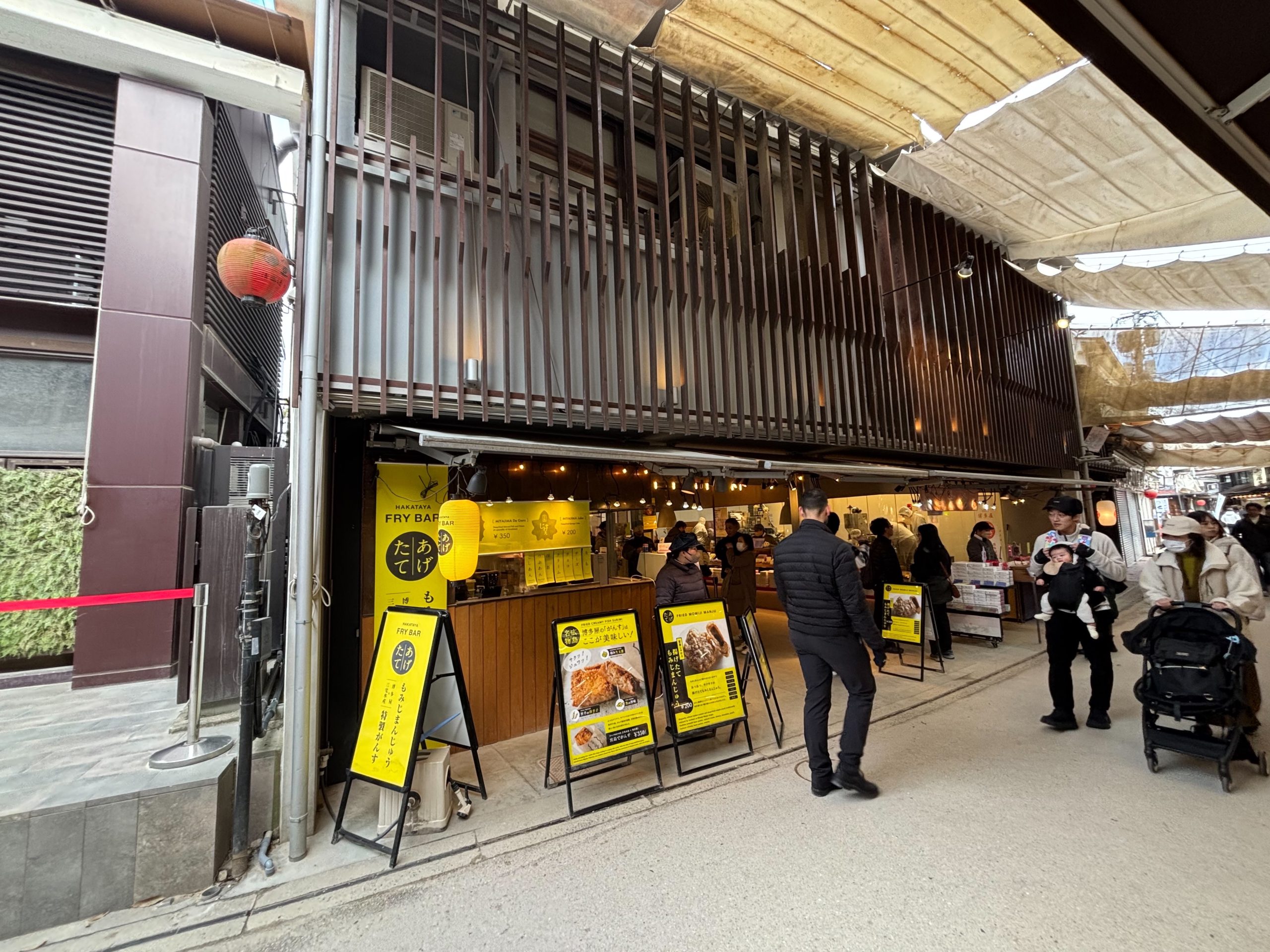
Omotesando Shopping Street stretches from Miyajima Pier to Itsukushima...
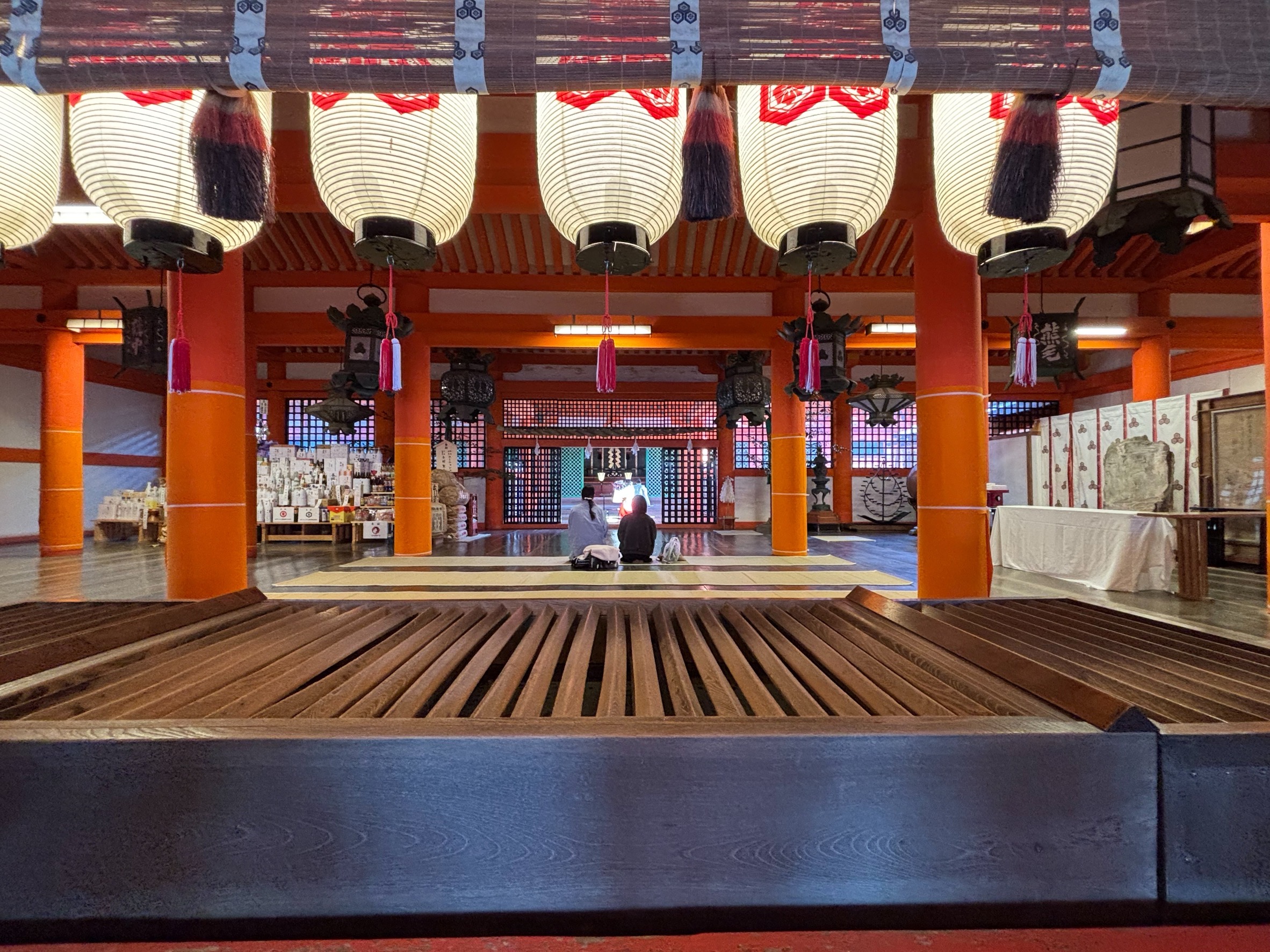

Great Torii Gate
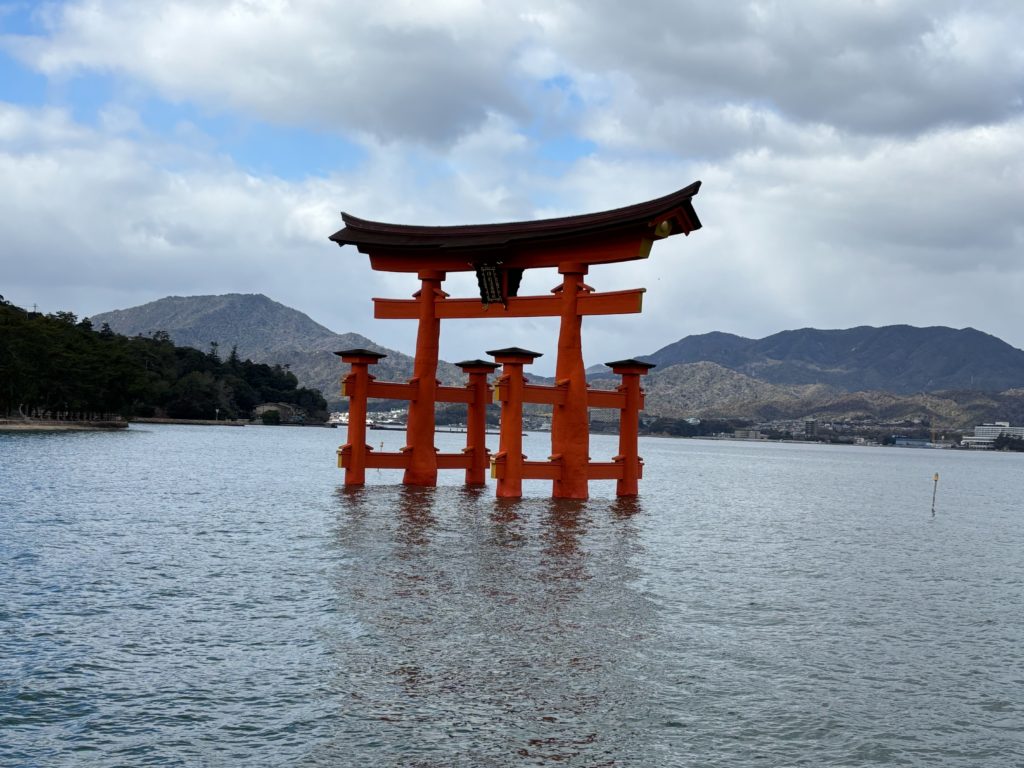
Standing about 16.6 meters tall and weighing roughly 60 tons, the Great Torii Gate uses water-resistant camphor wood and a traditional structure that relies on its own weight and a base of thousands of wooden piles—no nails. The current gate is the eighth in a long line, perfectly adapted to Miyajima’s dramatic tides. At low tide, shells and seaweed can make the sand slippery, so hold hands with young children and walk slowly. At high tide, telephoto shots from the corridor or seaside highlight the contrast between the rippling sea and the vermilion pillars.
The vermilion-lacquered torii is the icon of Itsukushima Shrine. At low tide you can walk right up to it—an unforgettable experience. At high tide, the gate seems to float in the sea, creating a mystical postcard view.
When my family walked to the Great Torii during low tide, my older daughter was overjoyed, saying, “I touched the Great Torii!”
For viewing the Great Torii from the sea, I recommend the JR Ferry’s Torii service! The view from the boat is exceptional.
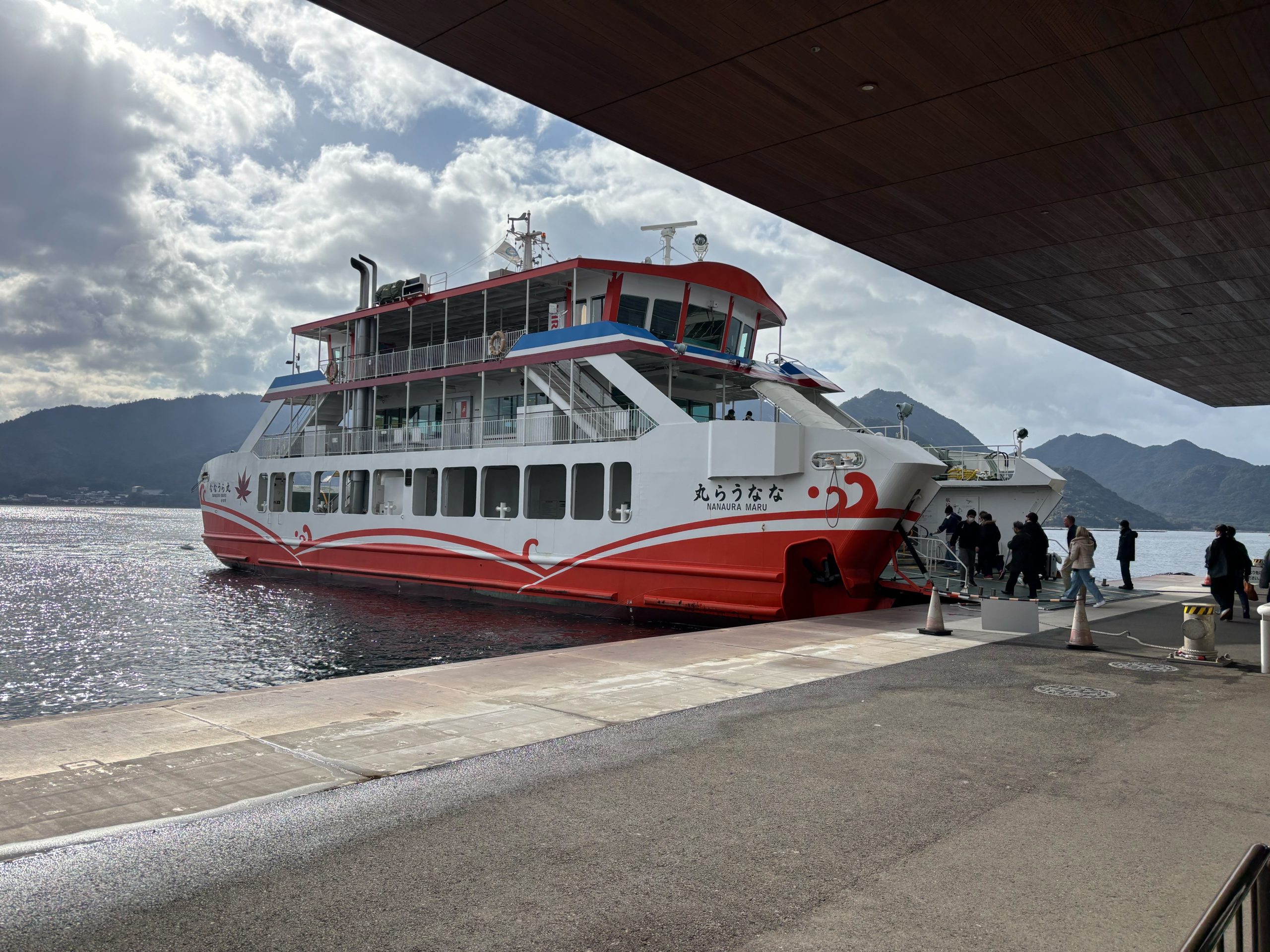
The Miyajima Ferry is more than simple transport—it's a short scenic c...
The “Mirror Pond” Appearing at Low Tide
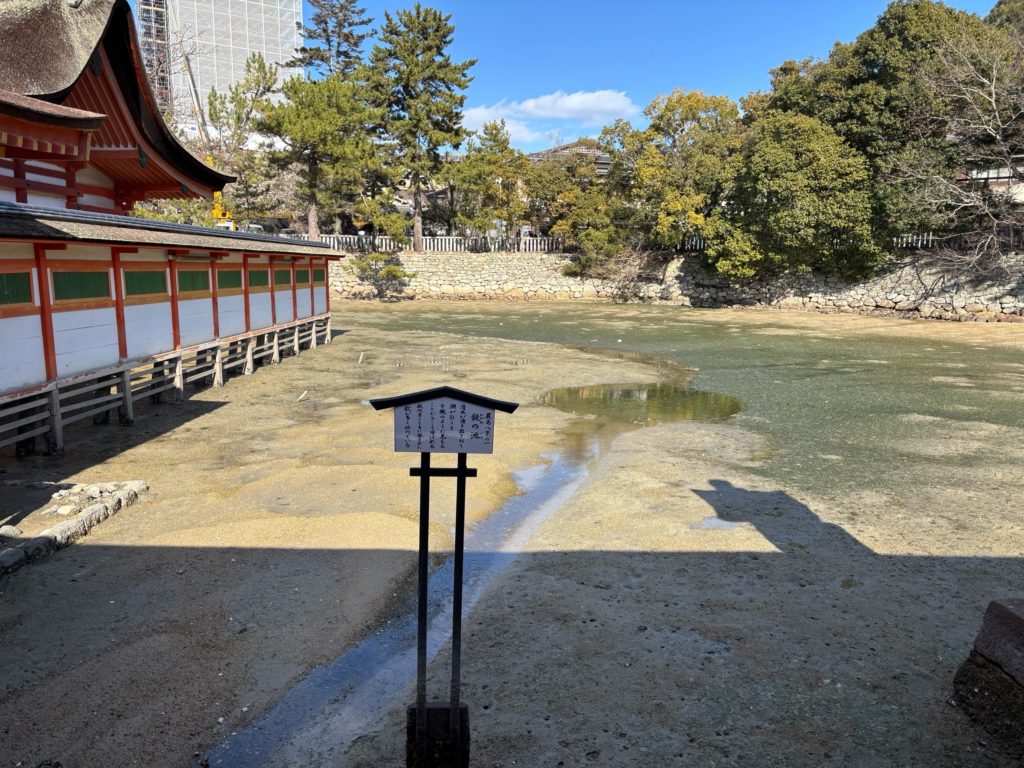
The “Mirror Pond” is a small spring that surfaces only at low tide. The scene of the autumn moon reflected on its surface—known as “Mirror Pond Autumn Moon”—has been praised in classical waka poetry since ancient times. Three ponds appear on the sandy beach within the precincts, often when the tide drops to around 100 cm. In the evening, the setting sun turns the water a shimmering gold. Kids may want to skip stones; bring a towel and a change of clothes just in case to avoid chills.
At low tide you can also see the “Mirror Pools” in three locations along the sandy shore. The water is crystal clear, and the famed “Autumn Moon on the Mirror Pools,” when the full moon reflects on the surface, is a seasonal highlight often celebrated in waka and haiku.
Packed with Photo Spots Offering Stunning Views!
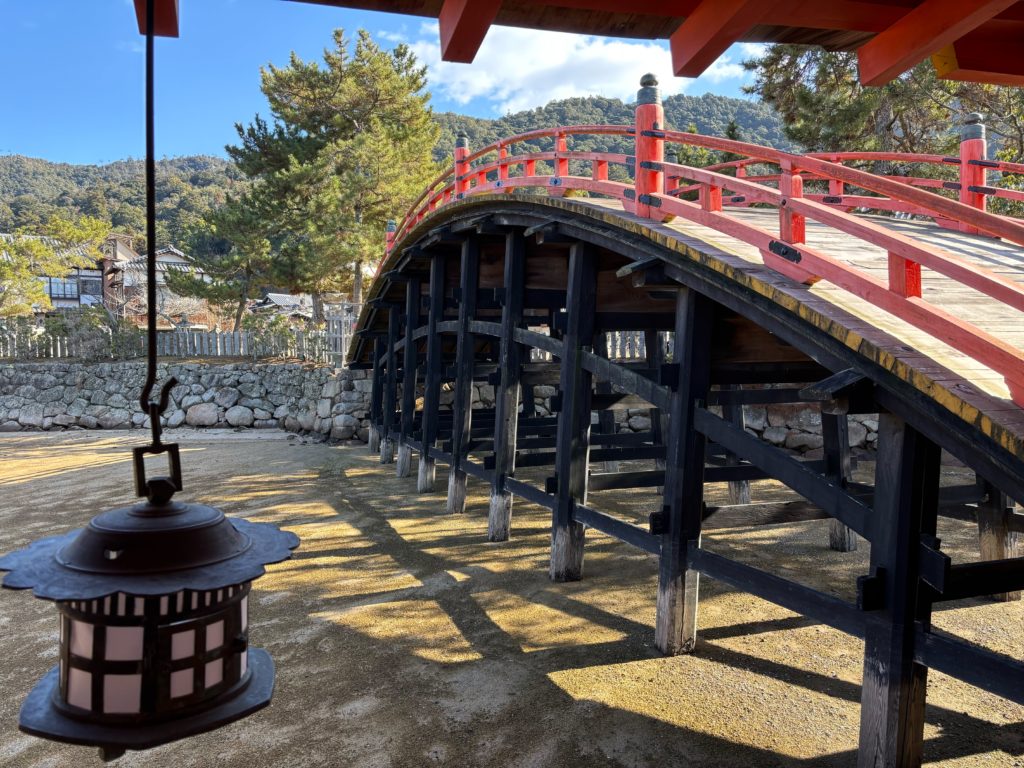
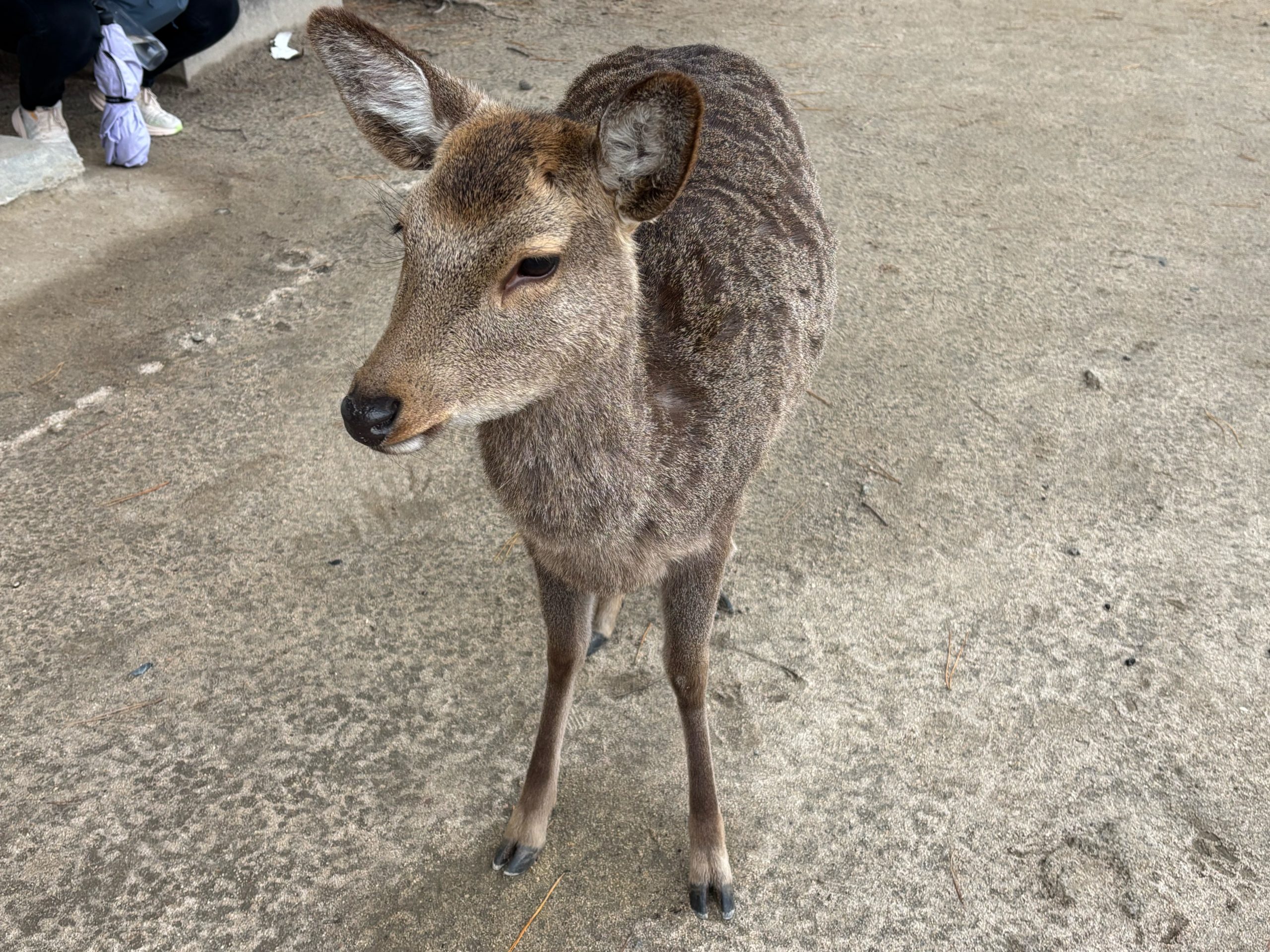
By day, vermilion and ocean blue feel fresh; at dusk, backlighting turns the shrine into dramatic silhouettes; and at night, reflections from the illumination steal the show. If you’re traveling with kids and lens swaps are tricky, a smartphone with a clip-on wide-angle is more than enough. During peak times, the long bridge beside the main hall and the space in front of the high stage often clear for brief moments. Rather than waiting in one spot, the local trick is to keep moving and catch those gaps. Keep paper tickets and maps tucked away so the deer don’t snag them.

The corridors of Itsukushima Shrine stretch roughly 275 meters over the sea, their vermilion lacquer reflecting beautifully in the water. Designated a National Treasure, the corridor’s harmony with the ocean is breathtaking. Simply walking and breathing here feels like stepping into a sacred space filled with blessings.
I bought an amulet from Itsukushima Shrine!

The shrine shop is packed with Miyajima charm: traffic safety amulets featuring the Great Torii, talismans for good fortune and warding off evil with the shrine crest (a three-layered double tortoise shell with sword and “flower diamond”), and cute deer designs. The Munakata Three Goddesses are also known for protecting women and children, so many visitors pray for safe childbirth and child-rearing. Personally, I chose a traffic safety charm for my child who bikes to school—light enough not to weigh down a backpack and a little boost each morning.
You can purchase charms at the shrine office near the center of the grounds. The selection is extensive, with adorable designs for traffic safety, good fortune, protection from misfortune, safe childbirth, and academic success. The classically styled amulets make thoughtful souvenirs.
Academic Achievement Charm
Perfect not only for school trips but also for parents of exam-takers, this charm brings peace of mind. With multiple color options, siblings can choose different colors without squabbles. At ¥300, it’s budget-friendly. Pairing it with an ema (votive plaque) for exam success is a great way to focus your intentions.
The Academic Achievement Amulet, popular with students and blessed for academic improvement, costs ¥300 and comes in five colors: purple, light blue, white, yellow, and red. *The image shows the red amulet on the left.
Safe Childbirth Amulet
This amulet reflects the gentle prayers of a shrine dedicated to goddesses. If you’re exploring Miyajima during pregnancy, take it easy and rest on benches along the way. A large shawl helps protect against the cool sea breeze.
The Munakata Sanjoshin (Three Munakata Goddesses) enshrined here also grant blessings for women. The safe childbirth amulet is one such protective charm. *The image shows the white amulet on the right.
Finally
Visiting Itsukushima Shrine means enjoying scenery that transforms with the tides, time of day, and season. The Great Torii floating in the sea and the elegant vermilion corridors create a view found nowhere else.
After your visit, I also recommend climbing Mt. Misen! Easy access by ropeway, and the sacred fire that has burned for 1,200 years is very popular with children.
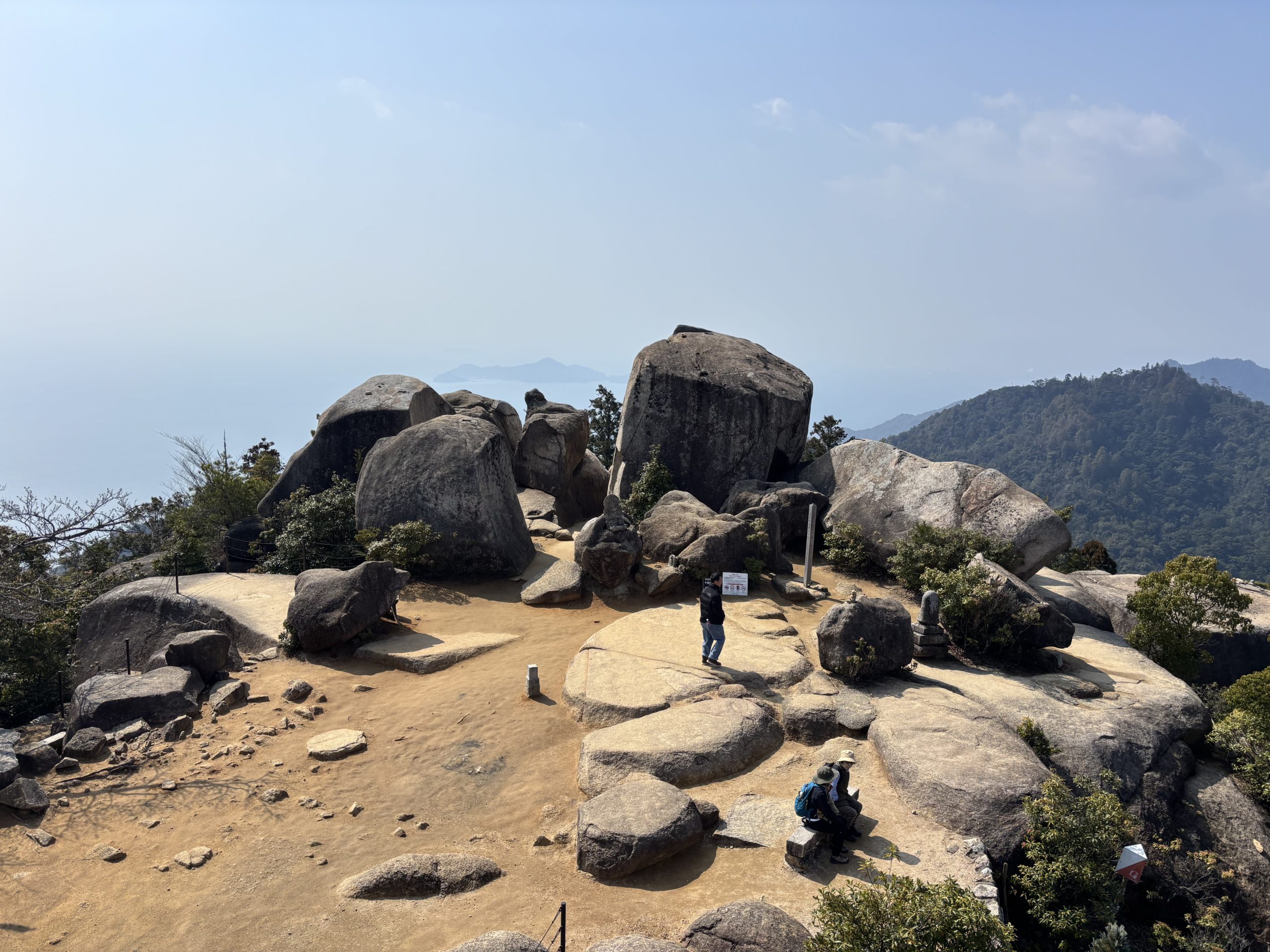
The definitive one-day guide to "Mt. Misen sightseeing." Rising behind...
Don’t forget the Miyajima Aquarium, perfect for rainy days. It’s useful to know in advance that they have free stroller rentals.
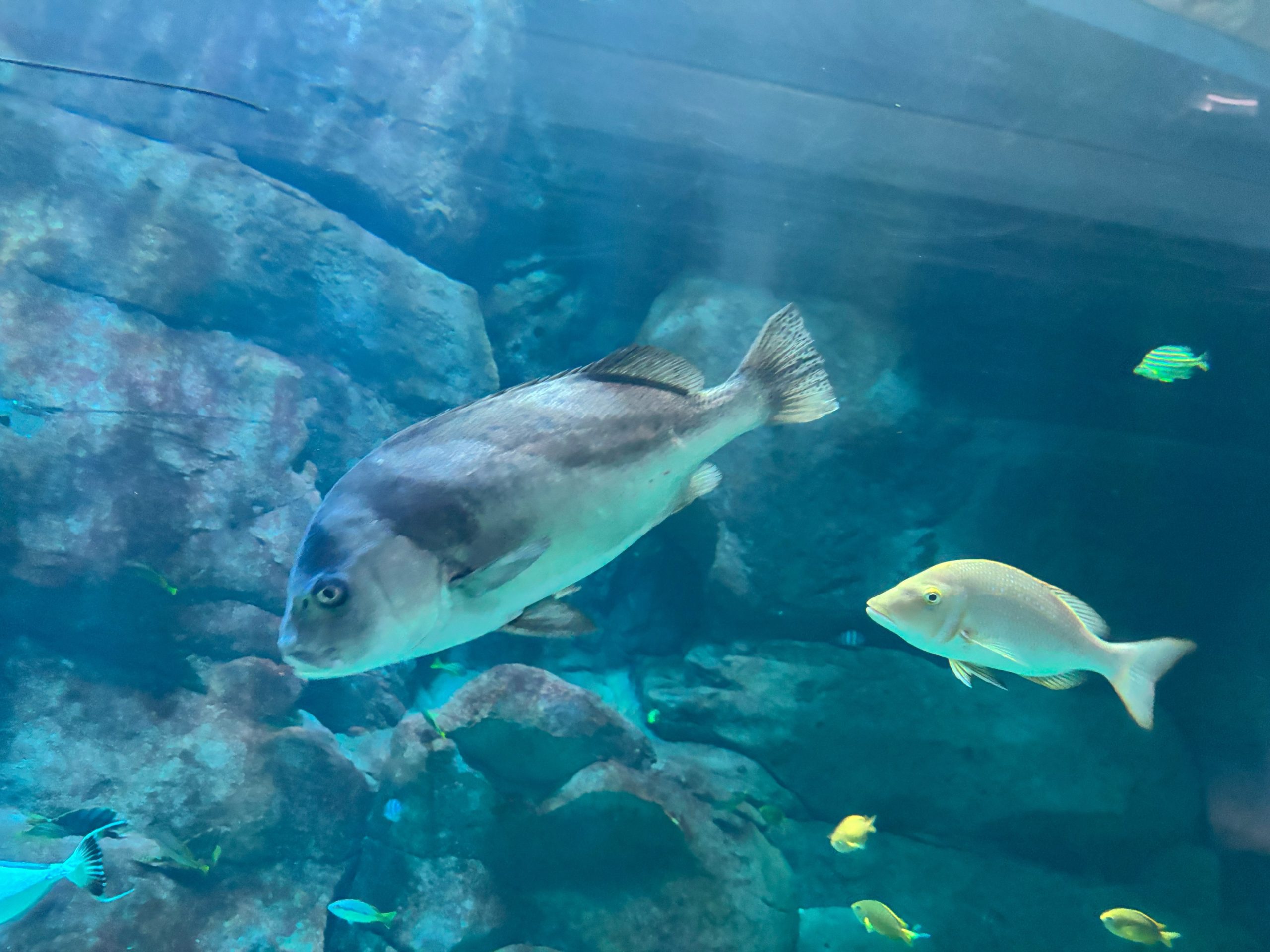
Located at the gateway to the World Heritage island of Miyajima, Miyaj...
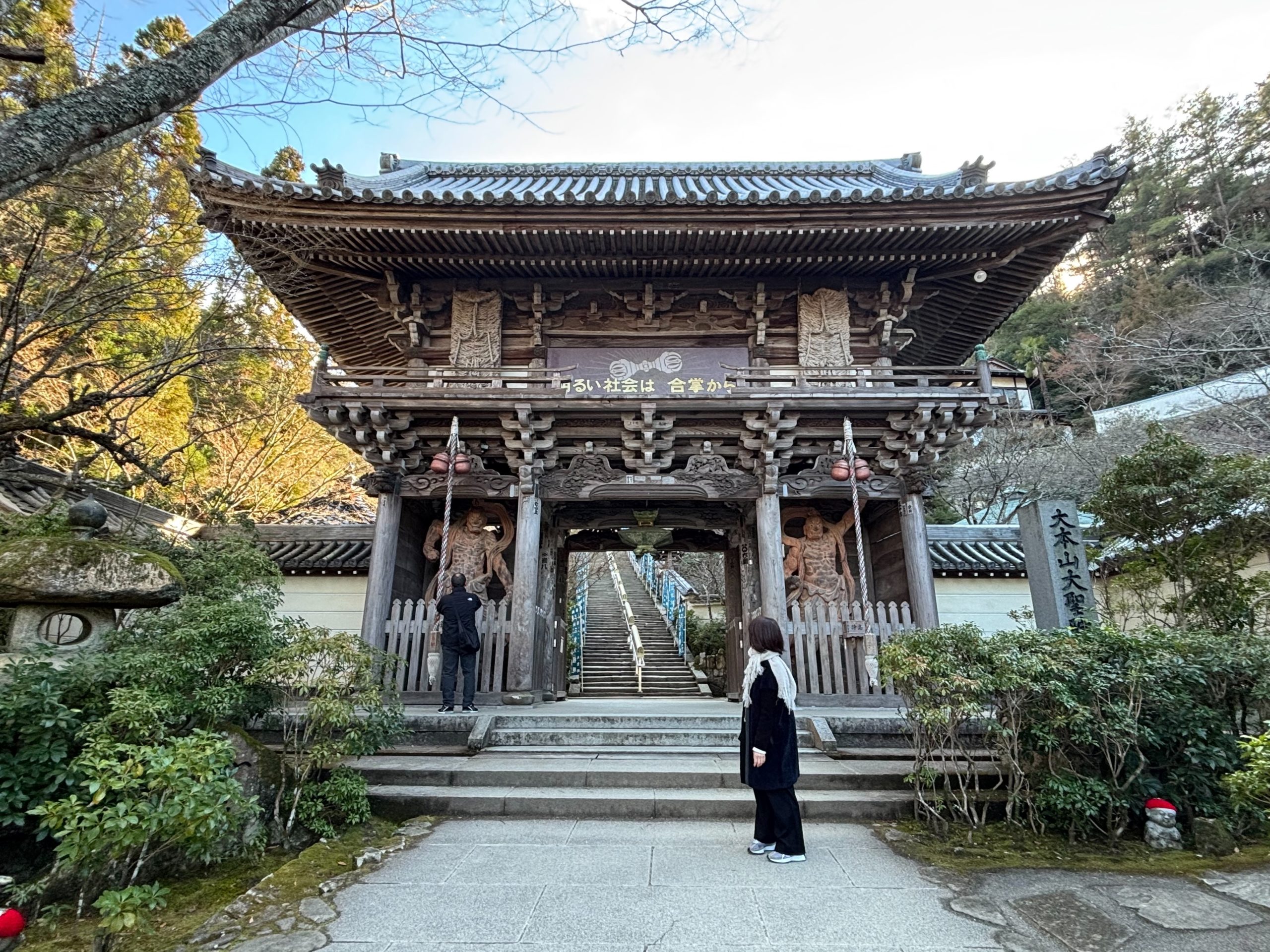
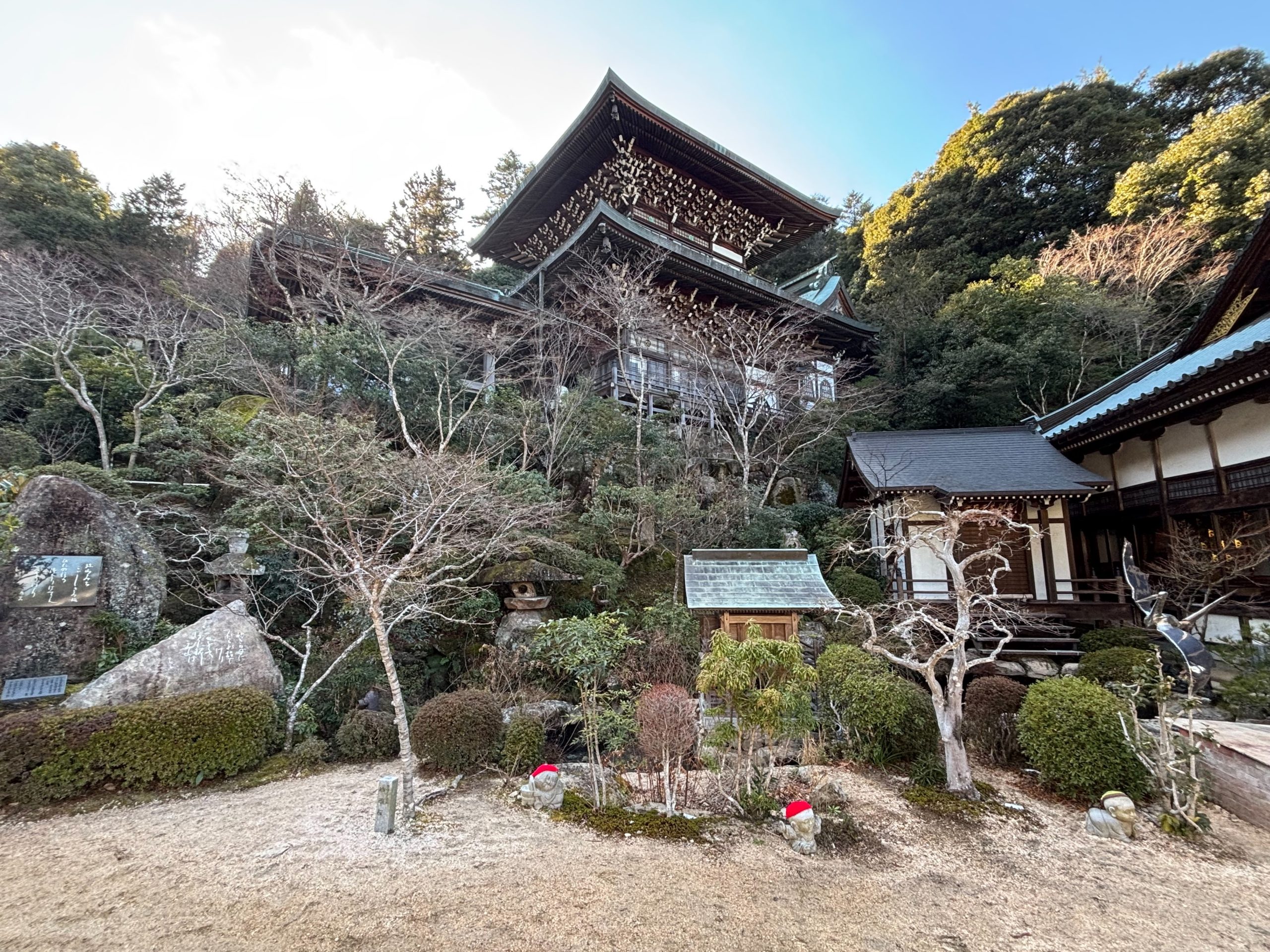
Daisho-in, which actually has a longer history than Itsukushima Shrine, is also a must-see. Popular with locals as a power spot, the spring fire-walking ceremony is spectacular.

Your complete guide to Daishō-in Temple on Miyajima: history, what to do, spiritual experiences (sand stepping, fire walking, Kaidan Meguri), annual events, access, barrier-free info, and how to get a goshuin (temple stamp).
Senjokaku, associated with Toyotomi Hideyoshi, is within walking distance. It’s a hidden gem where children can run around freely, and you can enjoy it together with the Five-Story Pagoda.
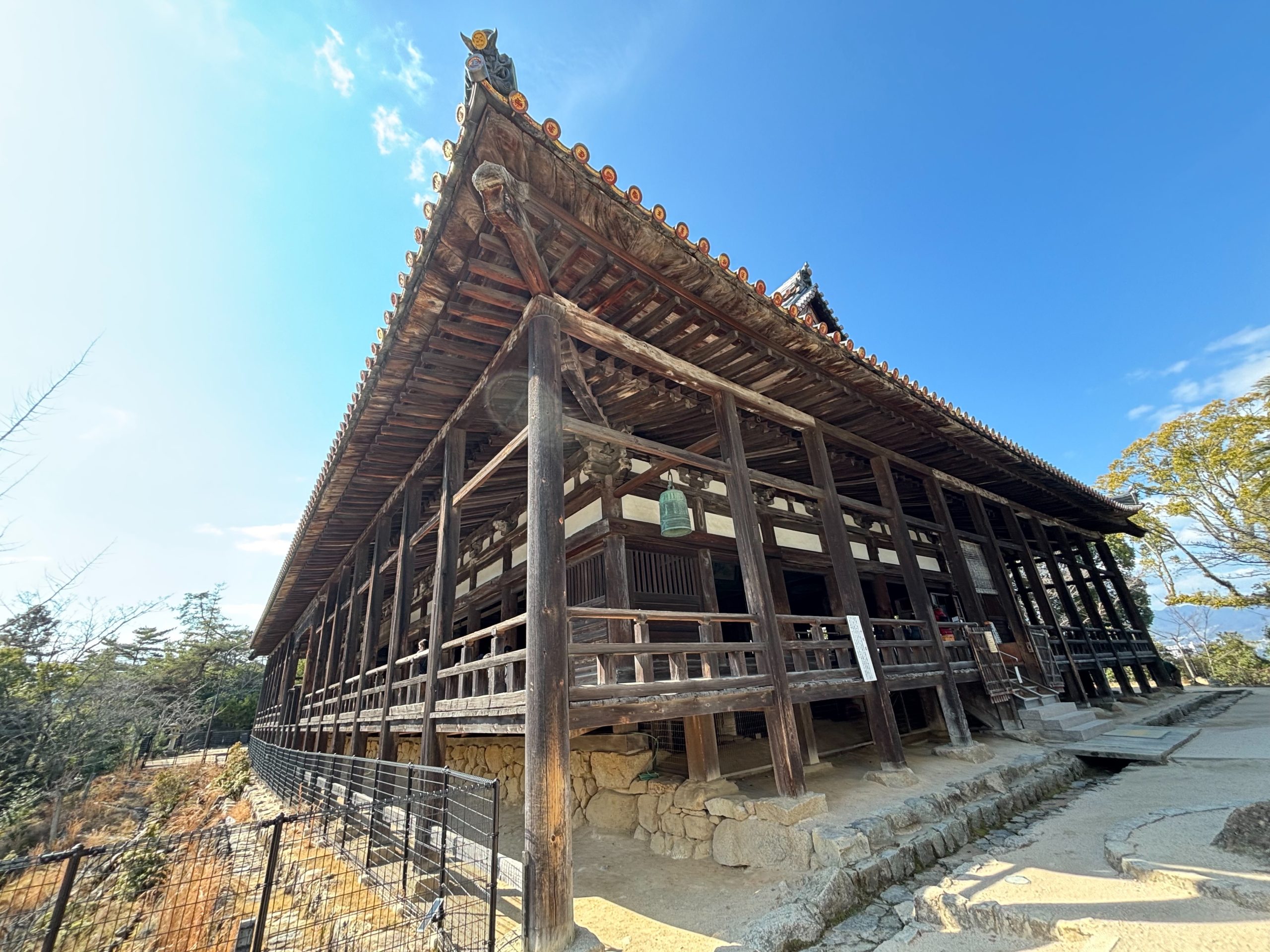
Highlights and Views at Miyajima's Hōkoku Shrine (Senjōkaku) Perched ...
Don’t miss Miyajima’s famous anago rice! Be sure to check out our article summarizing family-friendly renowned restaurants.
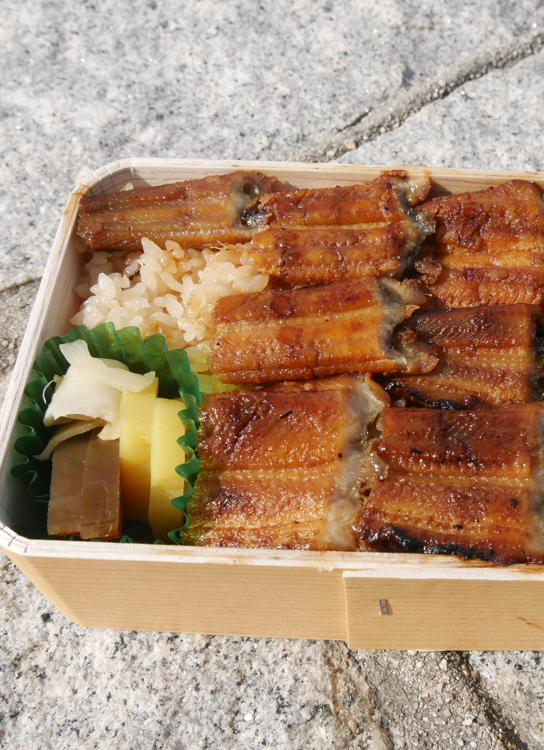
When visiting Miyajima, you absolutely must try anago-meshi (anago ric...
When sightseeing in Miyajima, be sure to savor the full charm of this World Heritage Site. During hot weather or when tired, the free rest area in Momijidani Park is a hidden gem with air conditioning. Also, most public restrooms are equipped with diaper changing stations, so you can sightsee comfortably with children.
Information is subject to change. Please check the official website for the latest details before visiting.
Q&A
Q. What conditions allow walking to the large torii gate?
A. As a rule of thumb, aim for a tide level of 100 cm or lower. Before your trip, search the Miyajima Tourism Association tide chart for your dates to confirm low tide times. For small children, rubber boots or shoes that can get wet are recommended.
Q. What if I want to see the shrine buildings floating on the sea?
A. Target a tide level of 250 cm or higher. In addition to the corridor view, the water-mirror effect from twilight through the nighttime illumination creates an even more magical scene.
Q. Can I visit during the nighttime illumination?
A. The illumination (generally from about 30 minutes after sunset until 11:00 PM) is for viewing only; worship areas are closed. Enjoy it quietly from the seaside promenade or on a sightseeing boat.
Q. What does the “Taira” (Flat) fortune mean?
A. It indicates “neither good nor bad; things will settle calmly,” positioned between good and bad fortunes. Itsukushima Shrine is one of the few shrines offering this “Taira” fortune. It’s also known for the custom of tying a bad fortune with your non-dominant hand.
Q. Any tips for visiting with kids?
A. Start early with the main hall and corridors. If low tide aligns, head out to the Great Torii. Rest in the shopping street, then return for evening high tide to see the illumination. Baby carriers and wet wipes are essentials.
Q. What are the famous blessings?
A. The Munakata Three Goddesses protect “all paths,” making the shrine famous for traffic safety and safe voyages. Ichikishimahime-no-Mikoto, also worshiped as Benzaiten, is associated with wealth, beauty, and the arts—popular for prayers for good fortune and academic success.
Q. What nearby spots should I visit?
A. The adjacent Daiganji Temple (Itsukushima Benzaiten) and the primeval forest trails of Mt. Misen are classics. For local food in Japan, try Miyajima specialties like momiji manju (maple-leaf cakes), oysters, and anago-meshi—grilled anago (conger eel) over rice, a Hiroshima favorite. Fried momiji from the shopping street is a kid-approved snack.
Summary
Walk to the torii at low tide (under 100 cm) and see the floating shrine at high tide (over 250 cm)—planning to experience both in one day is the key to maximizing Miyajima’s charm. Enjoy quiet corridors in the morning, the Mirror Pond at noon, and evening illuminations—exploring Itsukushima Shrine at your family’s pace brings fresh surprises every time. Admission is ¥300 for adults (cash only). Avoid crowds and wear comfortable walking shoes. And if you’re wondering what to eat in Miyajima, don’t miss oysters and anago-meshi (grilled conger eel over rice), one of the best-known conger eel dishes in Hiroshima. May your visit bring blessings, stunning views, and kids saying, “Let’s come back!”