The definitive one-day guide to “Mt. Misen sightseeing.” Rising behind the World Heritage-listed Itsukushima Shrine, sacred Mount Misen stands at 535 m and packs in highlights like primeval forest, historic temples, giant rock formations, and a 360° panorama from the summit observatory. This article clearly covers everything: core facilities such as the Mt. Misen Observatory, Sankido Hall, and Reikido Hall, practical info on the Miyajima Ropeway and hiking routes, peak crowd times and how to avoid them, plus important tips. Drawing on real family travel, we share up-to-date advice you’ll want to know before you go.
The Charm of World Heritage Mount Misen (Overview & Background)
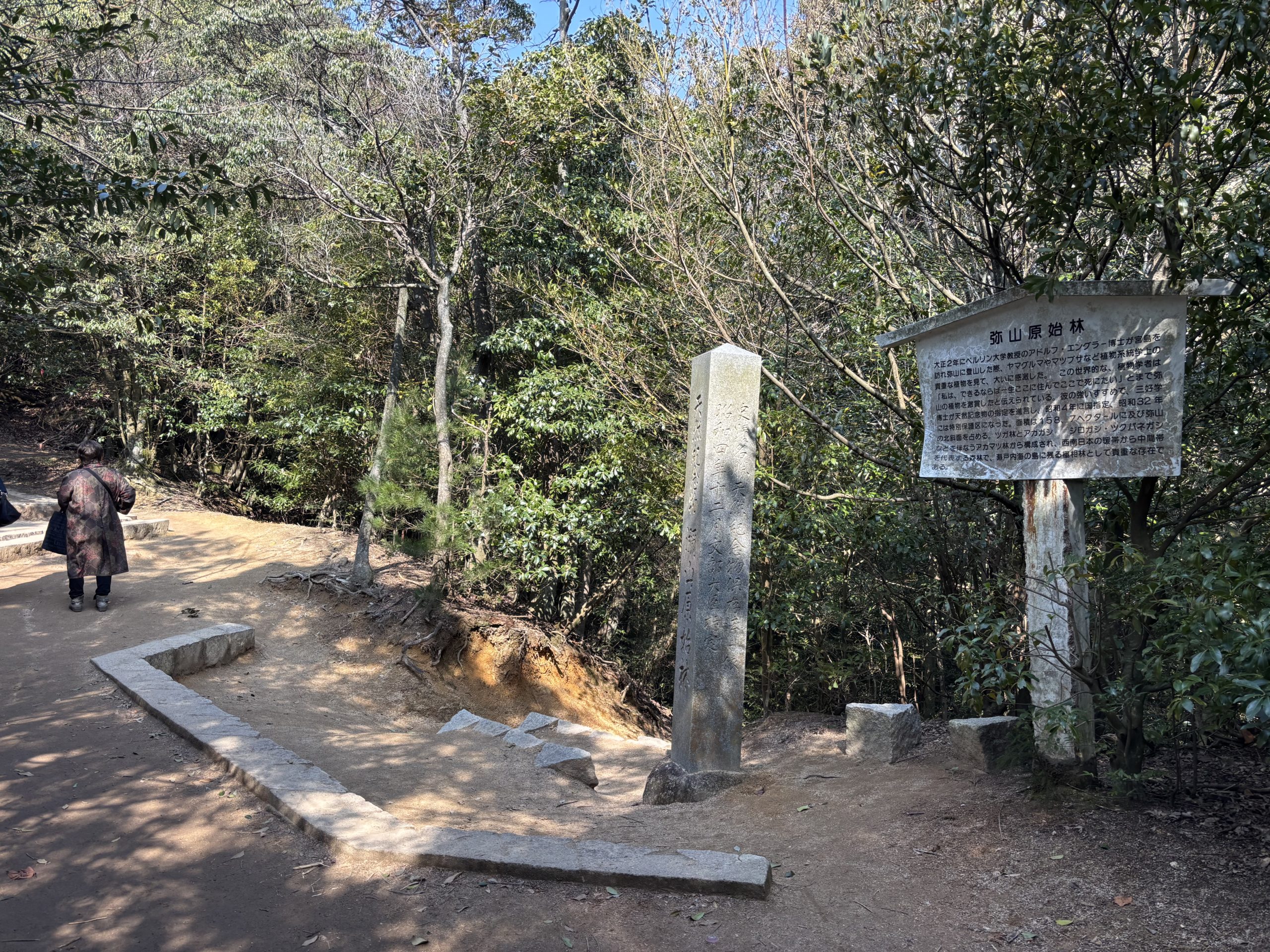
Mount Misen, Miyajima’s highest peak at 535 meters, is central to the World Heritage value of the area—combining Itsukushima Shrine’s buildings, the surrounding sea, and the pristine Misen forest. Its defining appeal is a landscape where nature and culture resonate: an ancient forest that retains a primeval character intertwined with a long history of devotion.
When we climbed last November, my younger daughter exclaimed, “There are so many temples on the mountain!” The name “Misen” comes from Kūkai (Kobo Daishi), who likened the mountain’s form to Mount Sumeru after returning from Tang China. To this day, it remains a center of Shugendō ascetic practice and deep faith.
For first-time visitors, we recommend the basic route: use the Miyajima Ropeway round trip and stroll to the summit, adding detours to temples and giant rocks according to your stamina. Local tip: a ropeway round-trip ticket is valid for the return on the same day only—plan accordingly.
The Allure of World Heritage Mount Misen
Wrapped in dense, primeval greenery, Mount Misen is a mystical mountain alive with legends. Its unique vegetation preserves conifers and ancient plant species in their natural state, where warm-temperate flora, northern conifers, and primitive plants coexist.
The World Heritage-designated area covers 431.2 hectares, including Itsukushima Shrine’s buildings, the sea in front, and the Misen Primeval Forest behind. You can easily reach the Misen area via the ropeway—so wear comfortable clothing and enjoy both nature and temple visits on Miyajima’s sacred peak.
My family always says, “The air on Mount Misen feels different!” The primeval forest thrills the kids every time. A local once told us there are 504 steps up on Misen; people even nickname it “Goreshi-san” (a wordplay on 504).
It’s not just Itsukushima Shrine! Discover the full scope of the World Heritage site, including Mount Misen’s primeval forest.
Miyajima is beloved by many travelers as a place to experience Japan's...
Mount Misen: Miyajima’s Highest Peak, a Sacred Mountain
Mt. Misen is a sacred mountain opened by Kobo Daishi (Kūkai). Here, practitioners once performed the rigorous 100-day “Gumonji-ho” esoteric training. Highlights include the main hall, the “Eternal Flame” said to have burned for over 1,200 years, and surreal rock formations shaped by nature—an unforgettable landscape where history and nature intertwine.
My eldest daughter shot over a hundred photos, especially loving poses with the strange rocks. My younger one listened intently to the temple stories and whispered, “People back then were amazing!”—a lovely spark of interest in history.
It’s actually older than Itsukushima Shrine! Don’t miss Daishoin Temple, one of Miyajima’s most powerful spiritual spots.

Your complete guide to Daishō-in Temple on Miyajima: history, what to do, spiritual experiences (sand stepping, fire walking, Kaidan Meguri), annual events, access, barrier-free info, and how to get a goshuin (temple stamp).
The View from the Summit Is One of Japan’s Finest
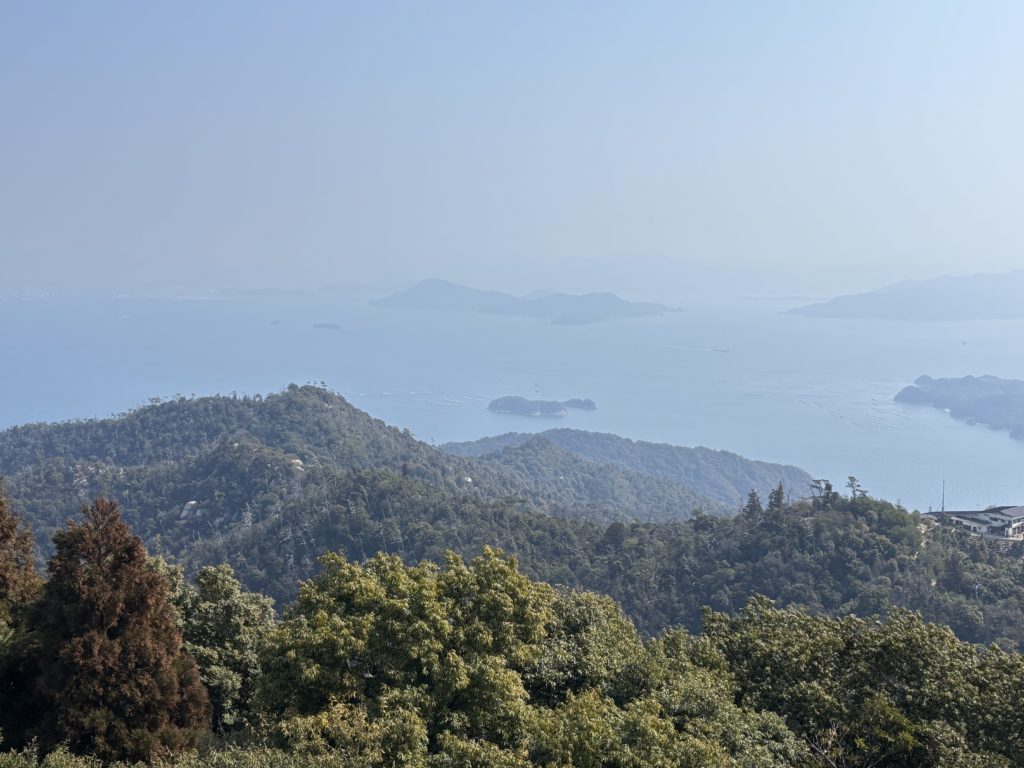
Japan’s first Prime Minister, Hirobumi Ito, was captivated by Misen’s scenery. To spread the word about its magnificence, he personally donated funds and helped improve the trails. A stone monument engraved with his sentiments still stands within Daishoin’s grounds.
The summit view is truly breathtaking. My husband took the photos while I kept an eye on the kids, but we all fell silent at the sight. Note: late March (spring break) gets extremely crowded—but the vistas are absolutely worth it.
Mt. Misen Observation Deck
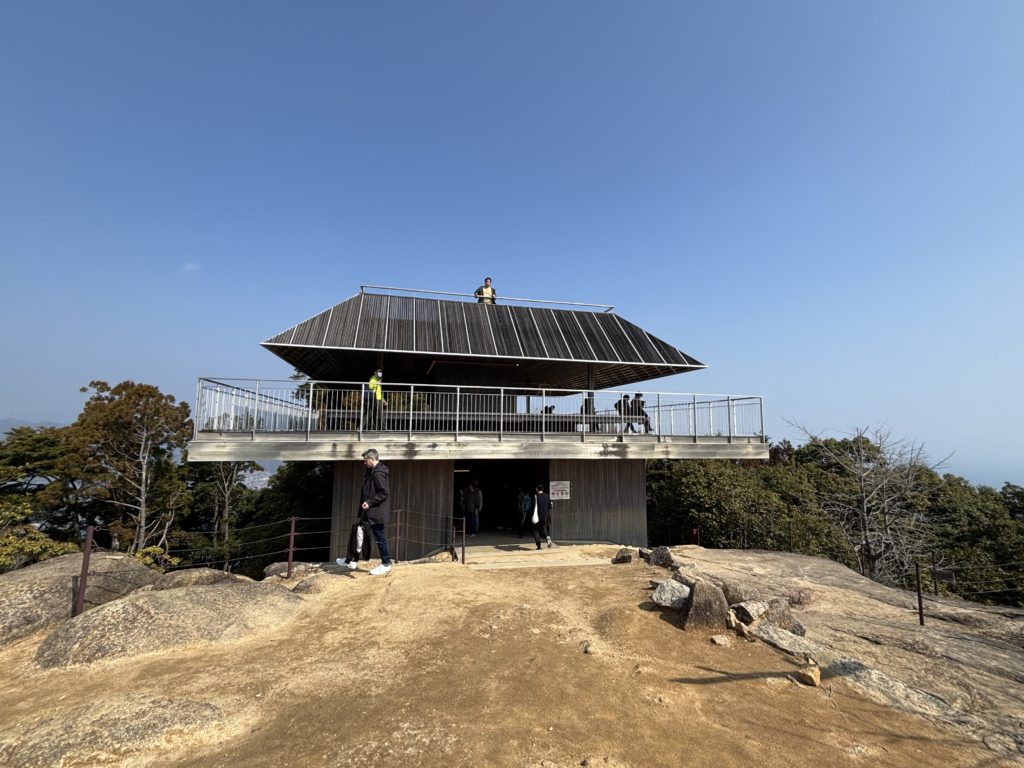
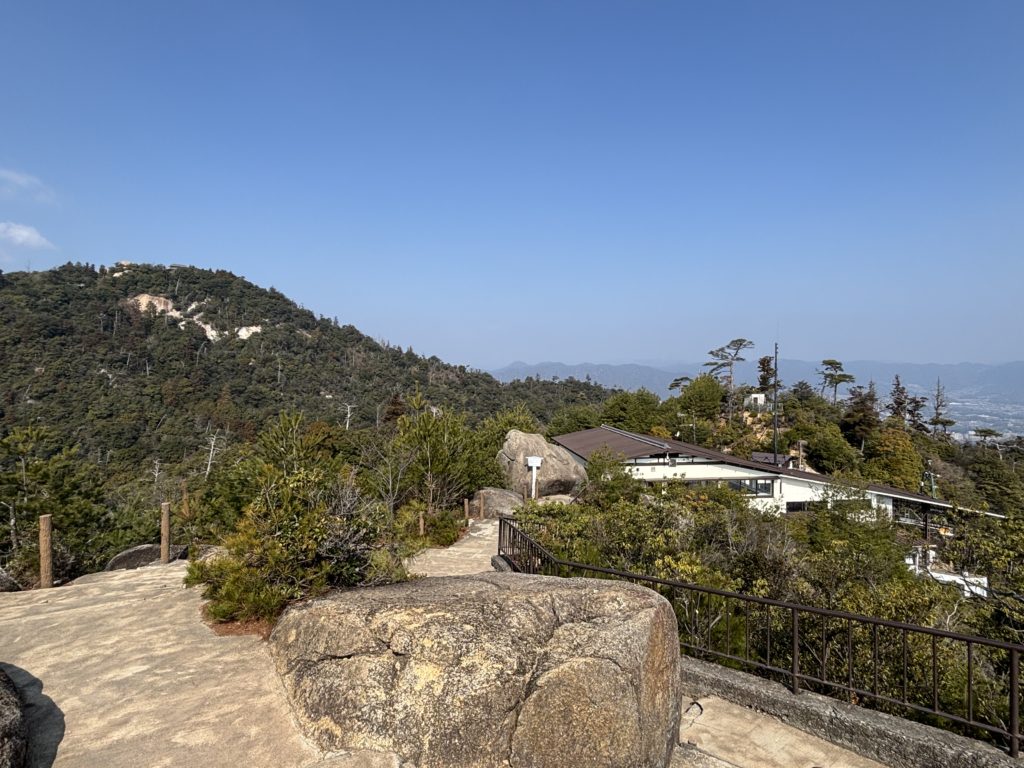
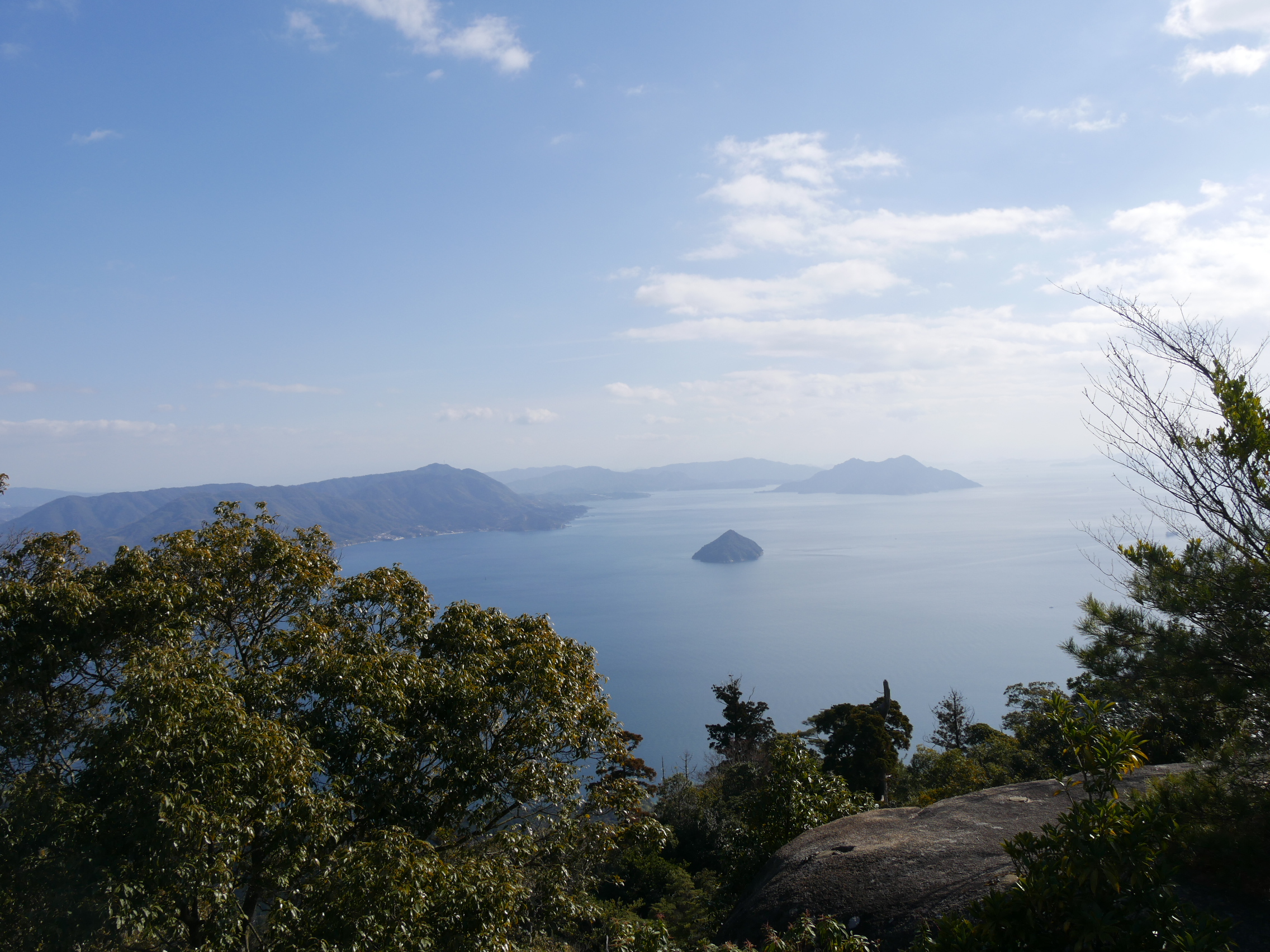
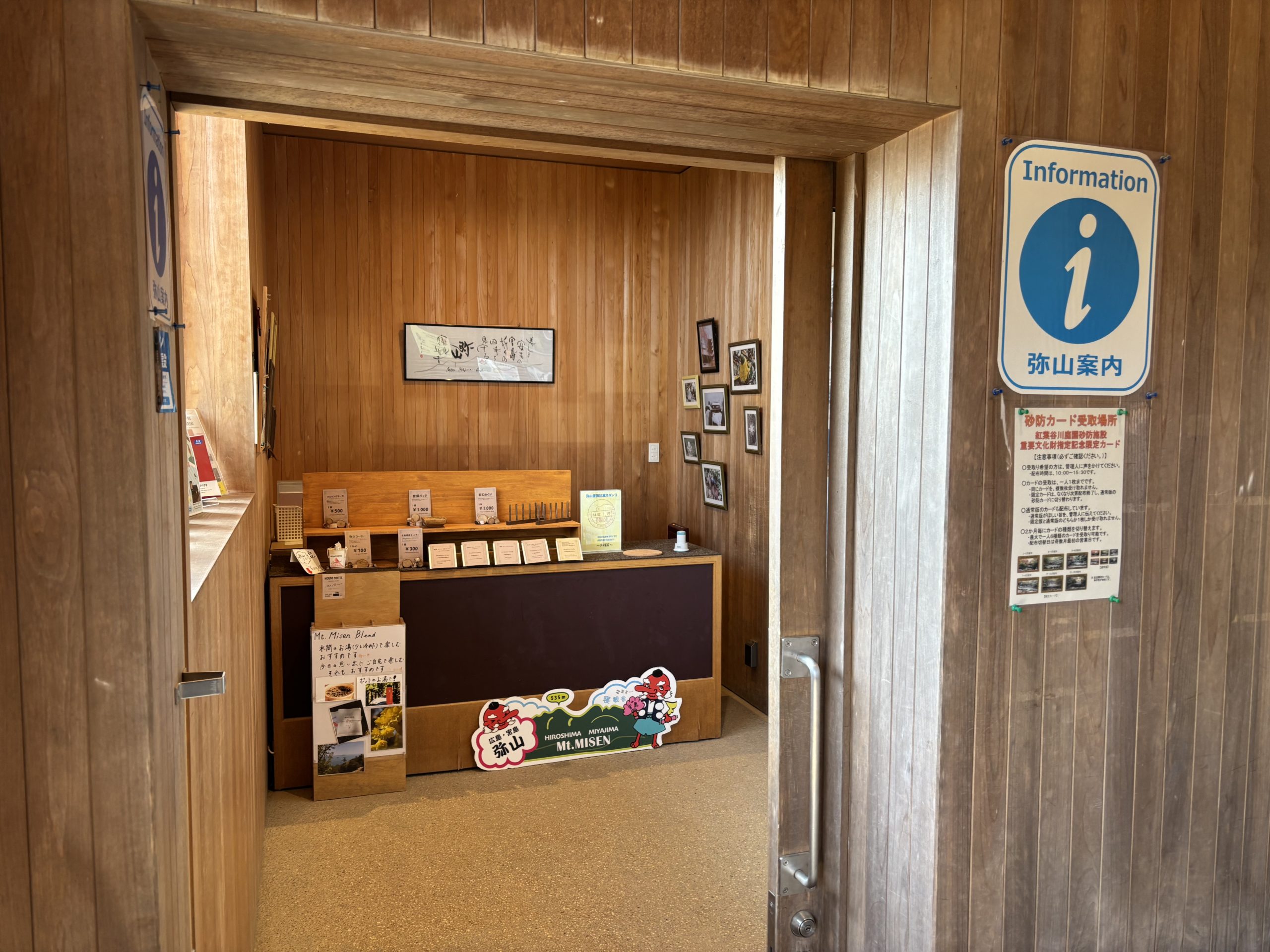
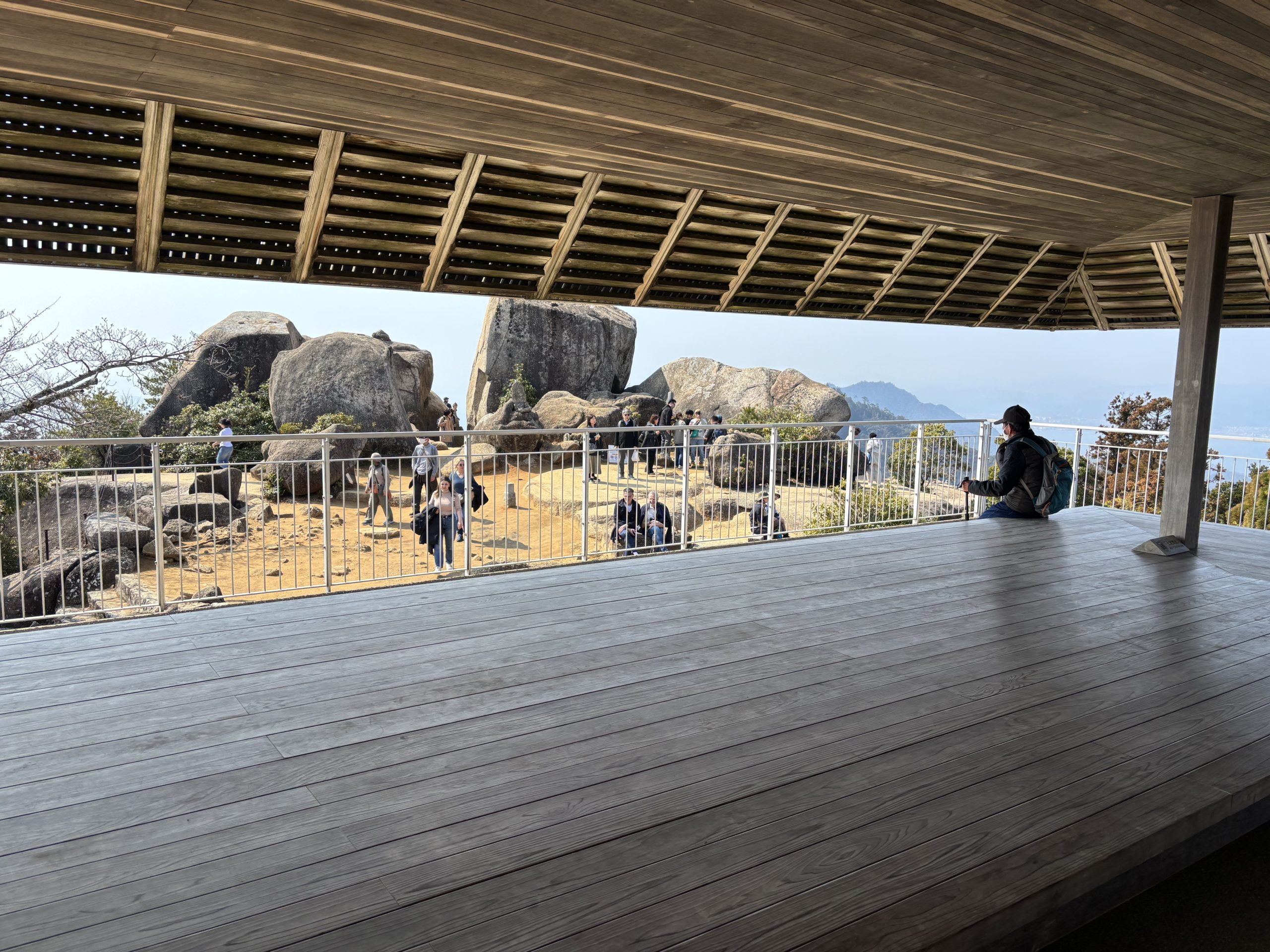
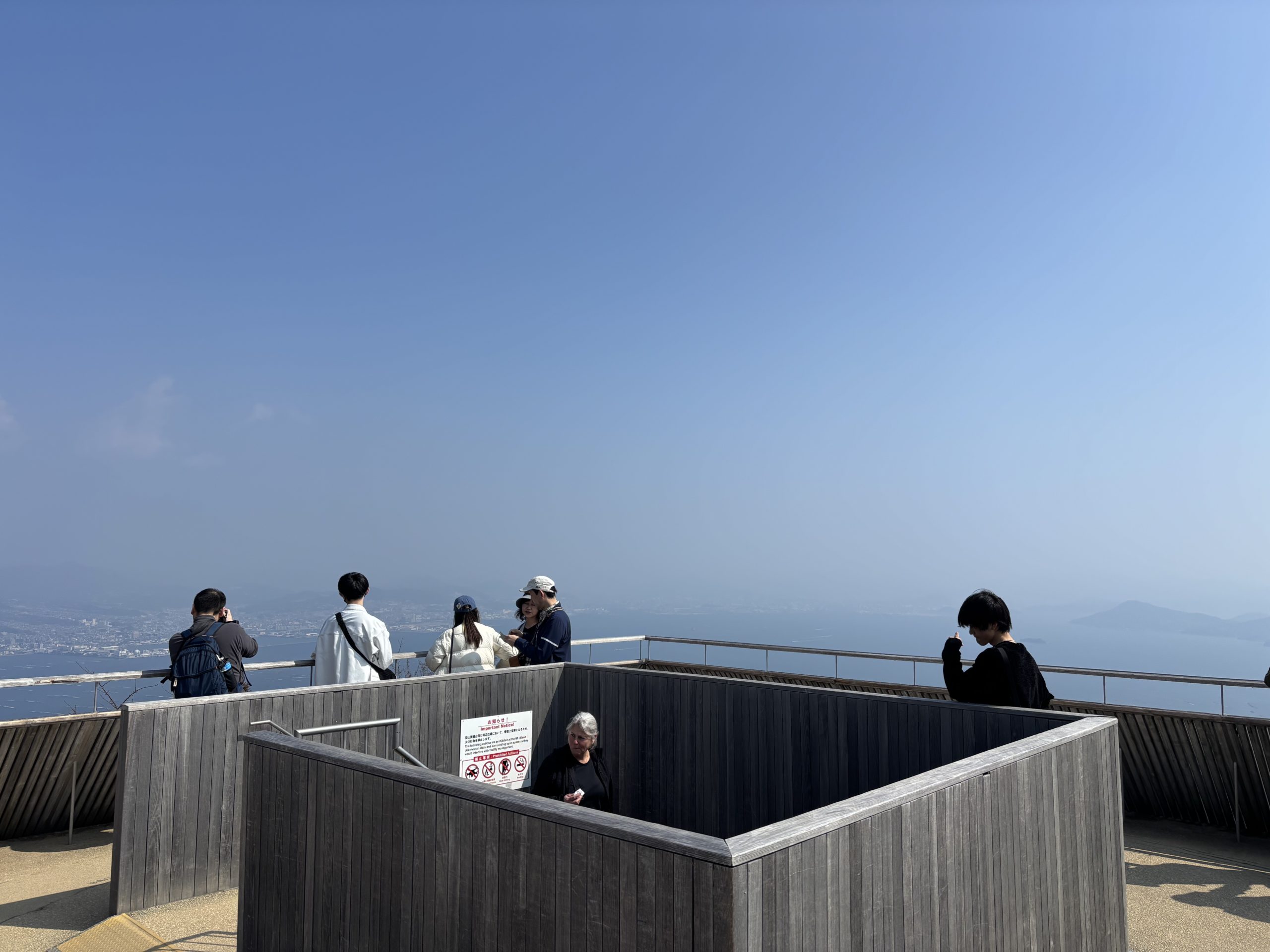
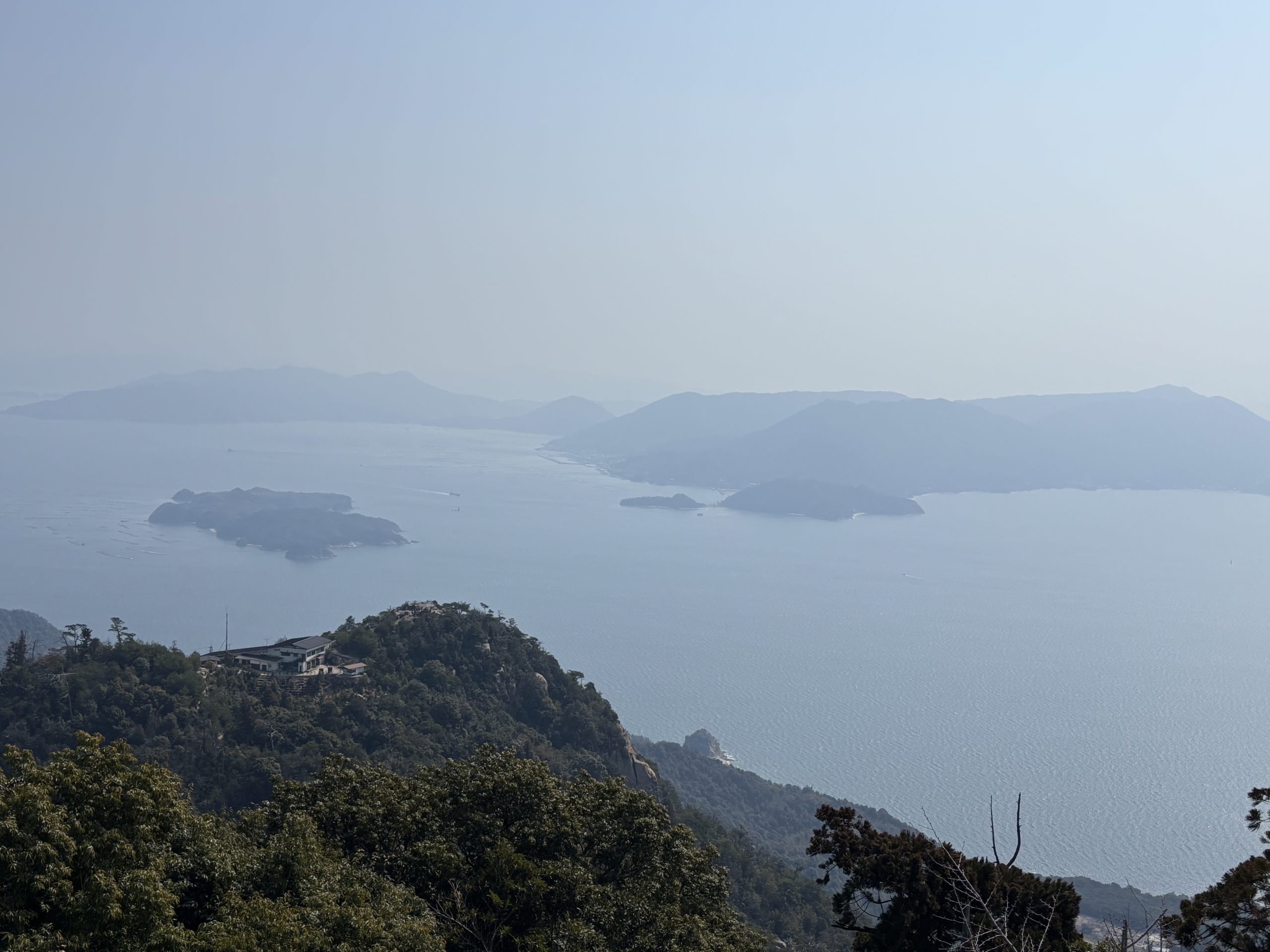
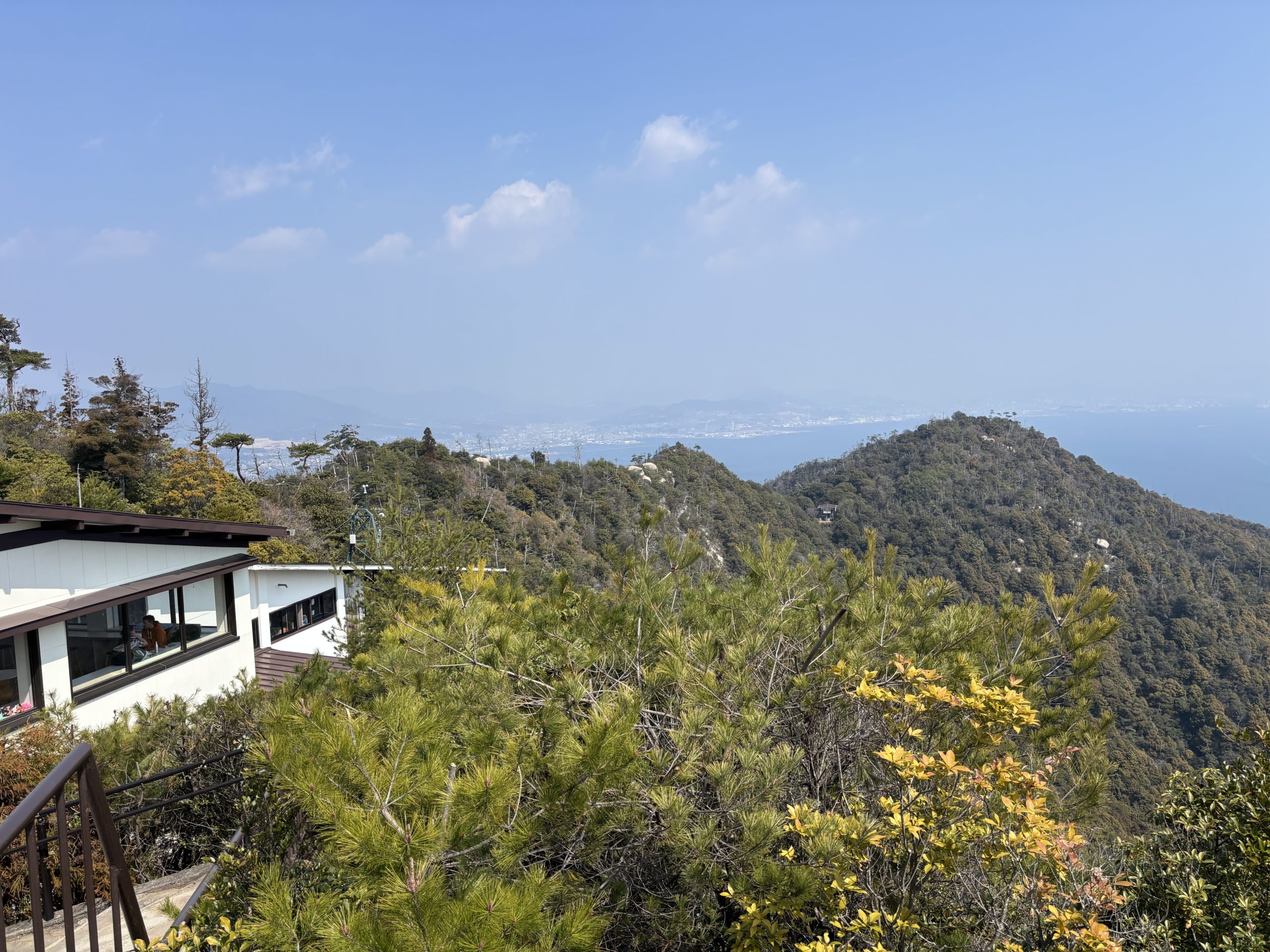
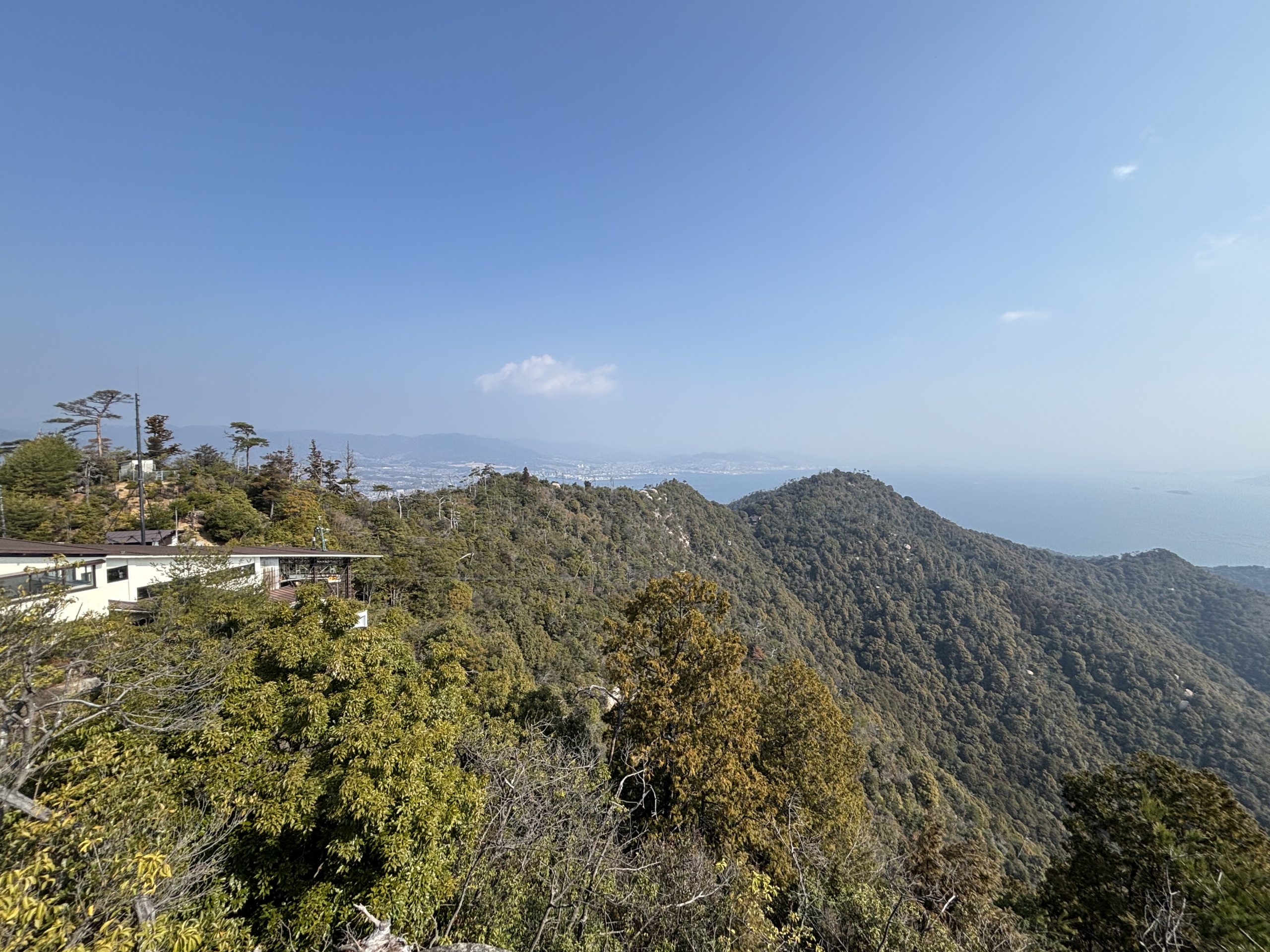
The observatory has restrooms and a tourist information counter on the first floor, with a second-floor rest area where you can relax and eat a packed lunch. It’s a precious breather after the slightly challenging climb. From the second floor, take the stairs to the rooftop observation deck. From 535 meters up, enjoy unobstructed 360° views of the Seto Inland Sea’s island-scape, the Great Torii Gate, and Misen’s vast natural ridgelines.
Families will love the second-floor rest space. If you’ve brought a stroller, pause here for a proper break. Local tip: Miyajima Aquarium offers free stroller rentals.
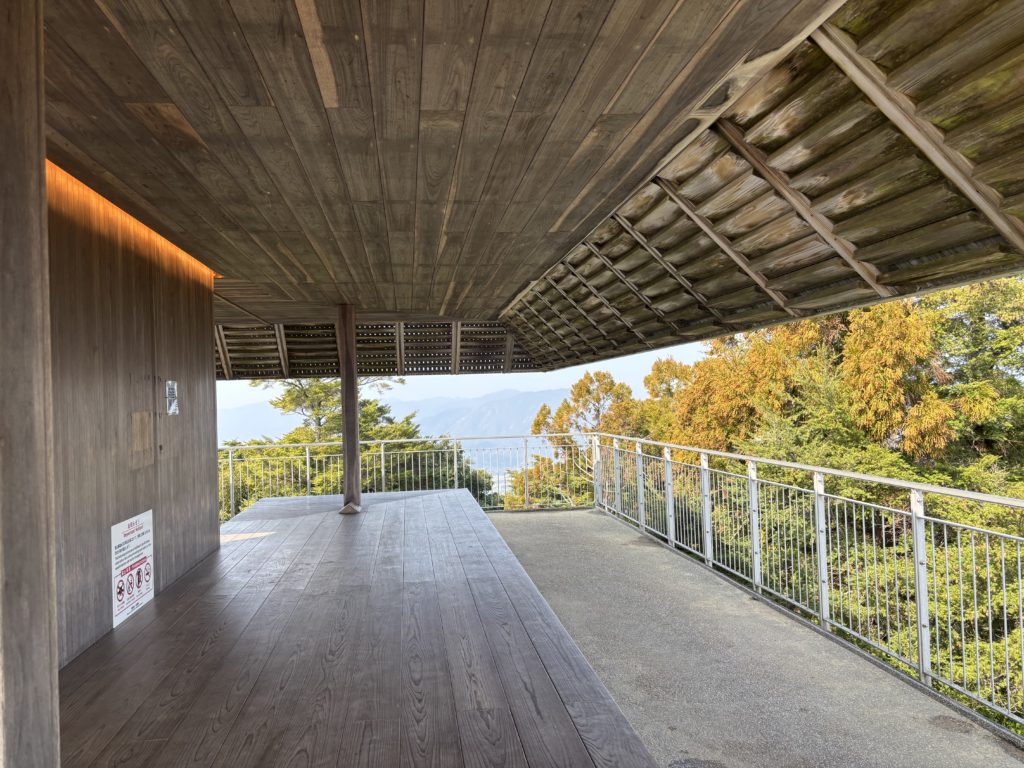
What stood out most was the wooden-floored lounge on the second floor, made with Hiroshima-grown cypress—so comfortable to sit on. Away from daily bustle, I spent a quiet, restorative moment surrounded by Misen’s views, listening to birdsong.
It’s such a cozy space that my second daughter sighed, “I want to nap here!” The least crowded time is weekdays from 2:00 PM to 4:00 PM—perfect if you’re aiming to avoid the crowds.
Sankido
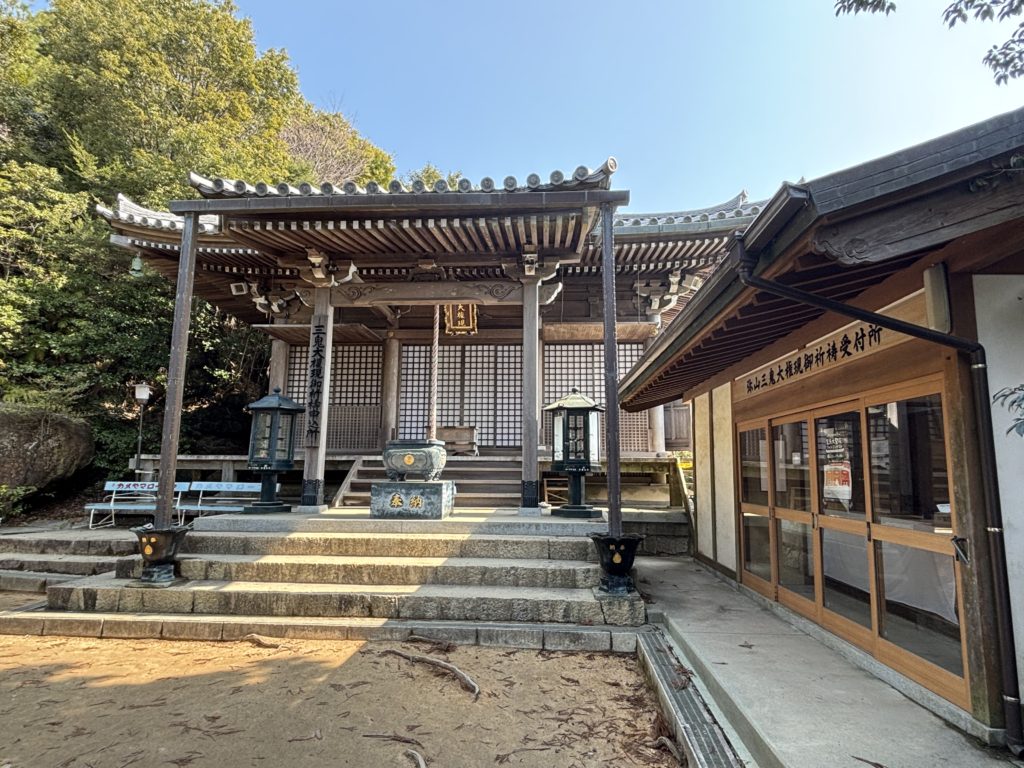
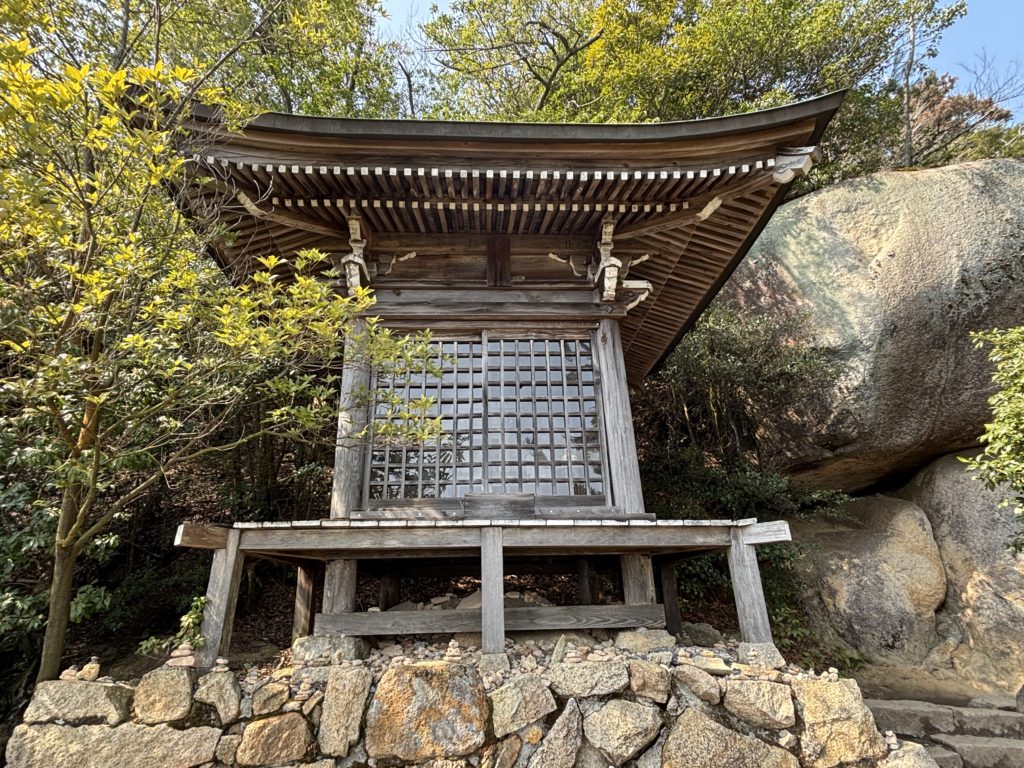
True to its name, Sankido enshrines the demon deity, revered for business prosperity and household safety. Count Hirobumi Ito held deep faith here, and the plaque on the main hall bears his handwriting. As Japan’s only shrine dedicated to a demon deity, it draws many visitors seeking blessings for family well-being and successful business.
My kids once asked, “Is the demon god kind?” Somehow, whenever we visit, it feels like our whole family stays healthy—so we come every time.
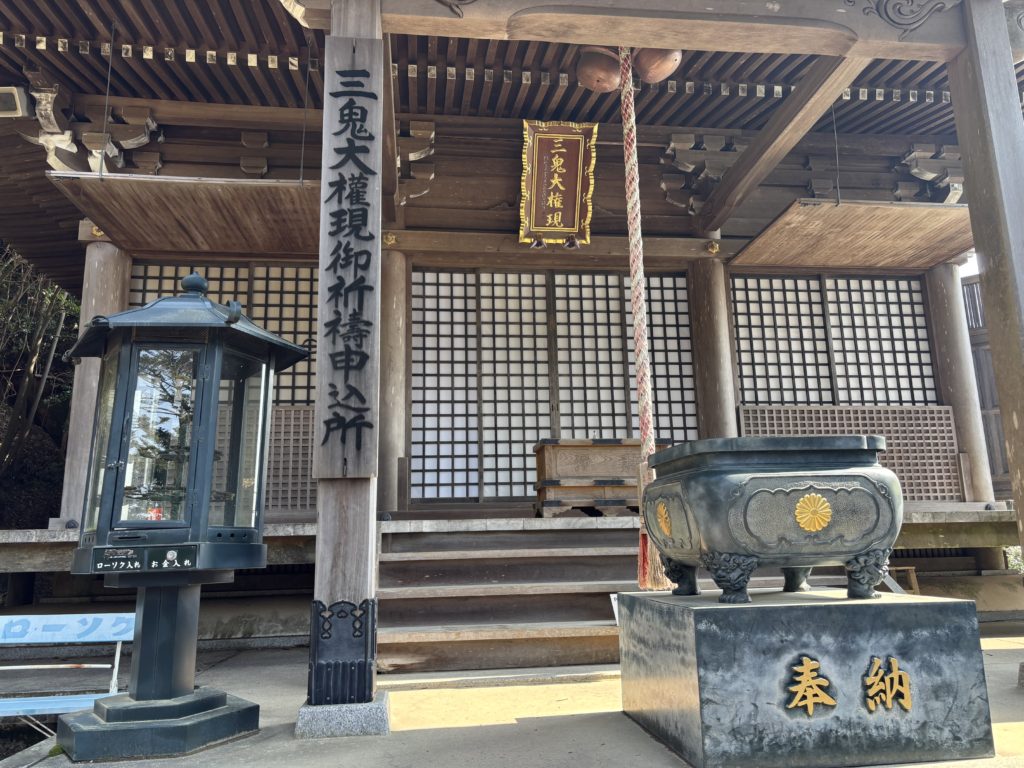
The architecture feels substantial and dignified—a presence that suggests good fortune. A Miyajima local told me business owners make sure to visit at least once a year.
Reikido Hall
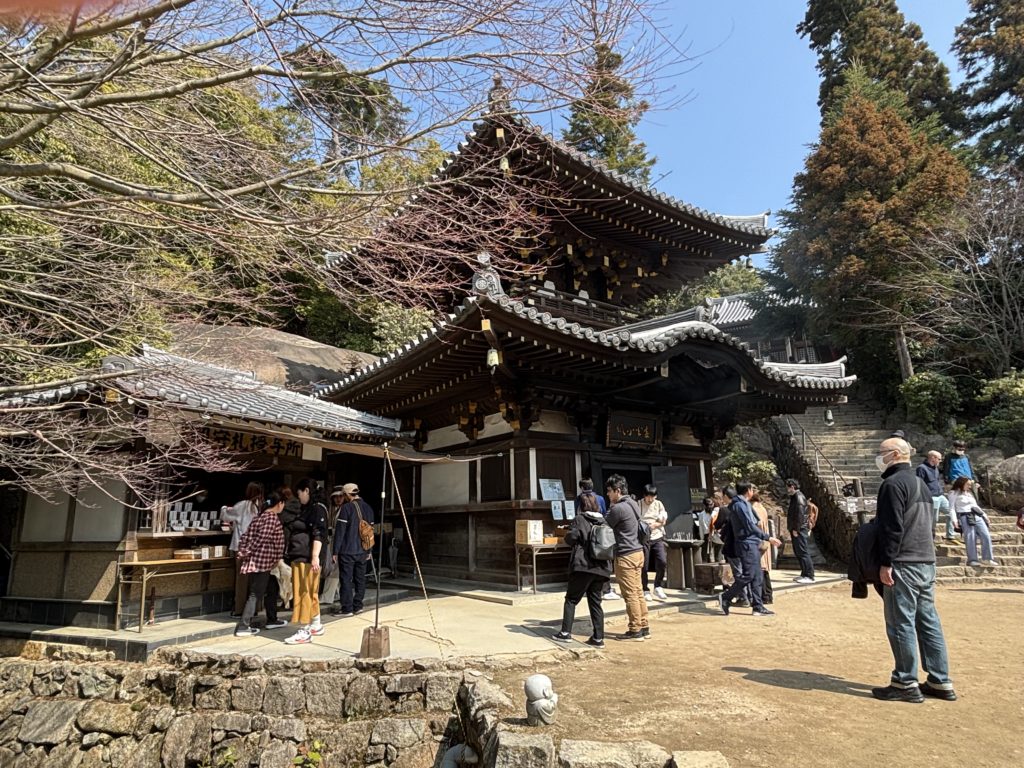
This small hall within the Misen Main Hall precincts is also designated as a lovers’ sacred site. Inside, a large kettle is heated by a flame said to have burned continuously for 1,200 years. The hot water here is considered sacred and is believed to aid good health. Paper cups are provided so you can sip freely.
Fun local secret: you can drink water boiled over the “Eternal Flame” at the summit for free. My second daughter’s eyes sparkled—”Is this magic water?”—as she took a sip.
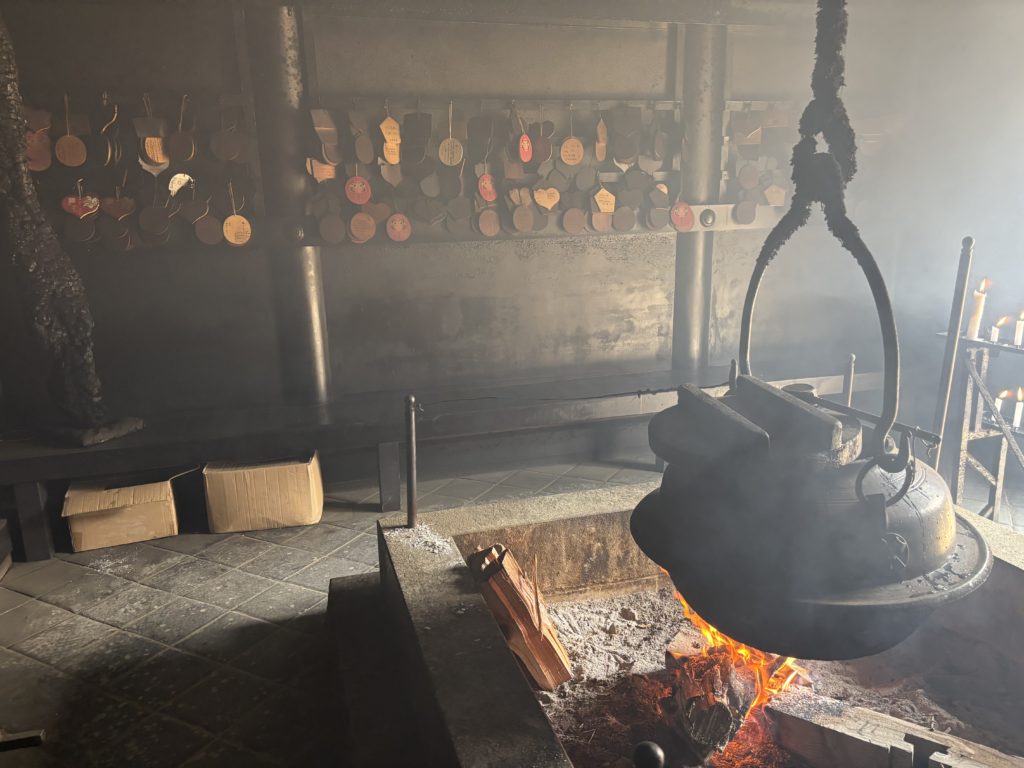
The crackling of the fire is soothing; we found ourselves quietly watching the atmospheric hearth. “It’s amazing that it keeps burning forever!” my eldest said in awe.
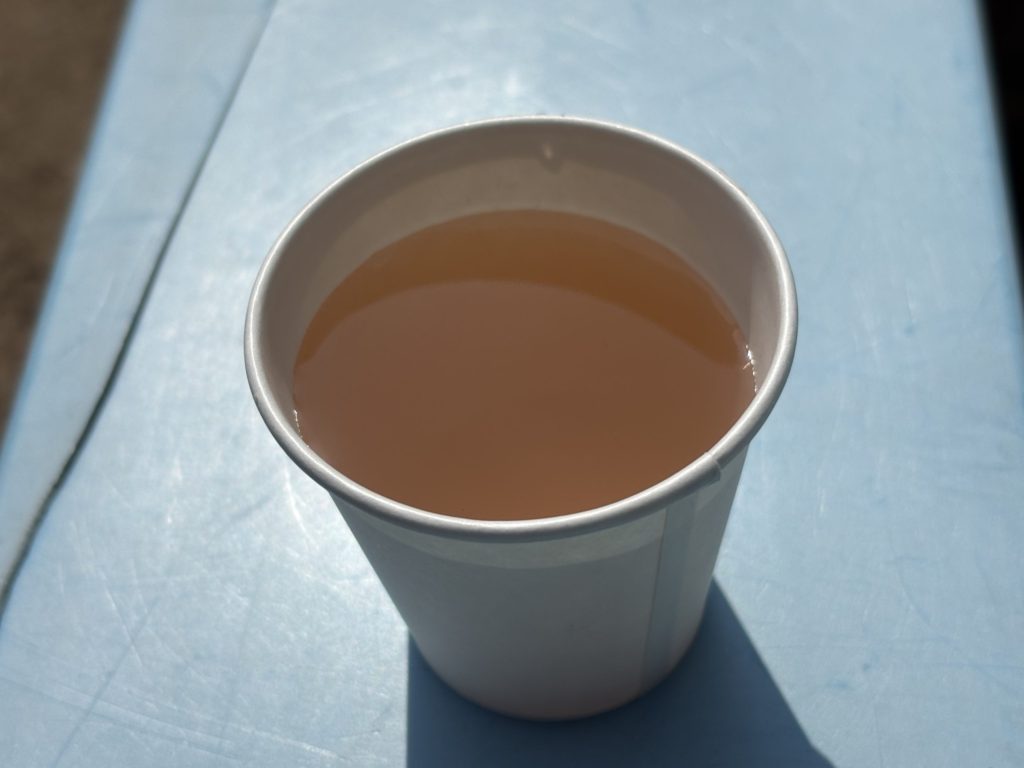
I love legends like “cures all ailments” and “holy water,” so of course I tried a sip. It tasted mellow, and knowing it was heated by a flame said to have burned for centuries made it feel especially auspicious. We each toasted to our family’s health.
Misen Main Hall
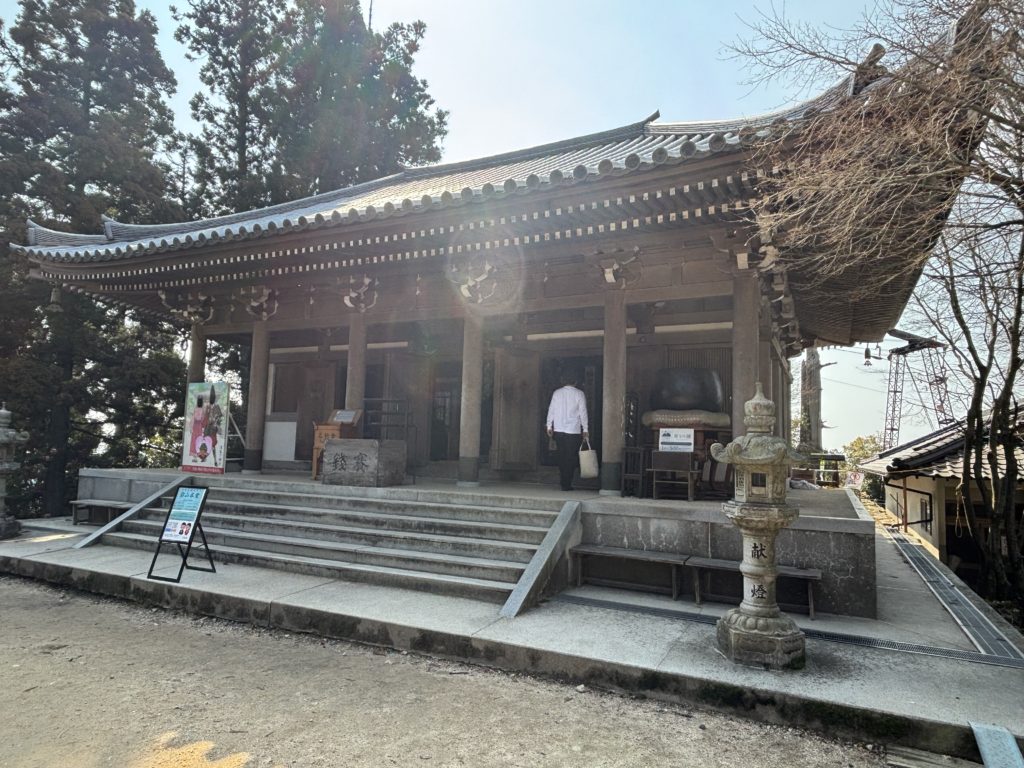
When Kūkai returned from Tang China and stopped at Miyajima, he named this mountain “Misen” because its shape resembled Mount Sumeru, the cosmic mountain in ancient Indian belief. This main hall later drew devotion from famed warriors such as Taira no Kiyomori, Ashikaga Yoshihisa, and Fukushima Masanori.
It’s a great living history lesson. When I tell the kids, “Even the great figures of the past came here to pray,” their curiosity lights up. My history-loving husband discovers something new every visit.
Dainichido Hall
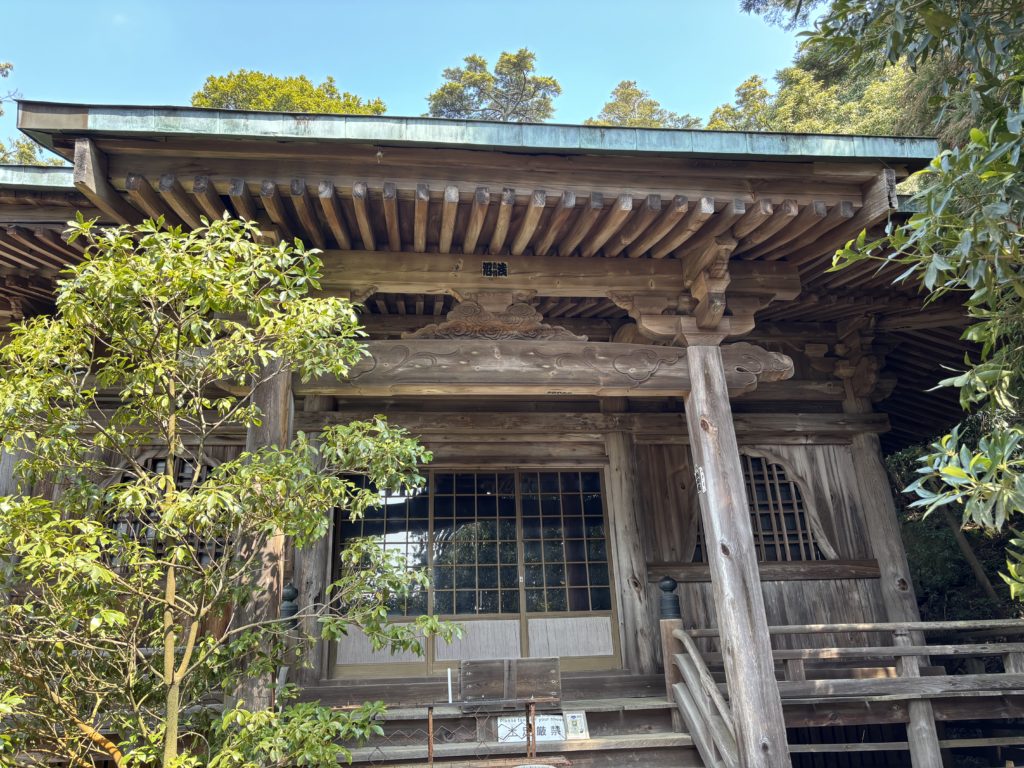
The exact founding date is unknown, but Dainichido began as a site for esoteric practices established by Kobo Daishi in the early Heian period. It is the oldest surviving building among Mount Misen’s structures and enshrines Dainichi Nyorai of the Diamond and Womb realms.
Fudo Myo-o once stood at the center, but after the hall was designated an Important Cultural Property in 1993, it was moved to the Honbo and Reihokan. You can feel centuries of history in the architecture. Along the way, the forest scenery is beautiful—my younger daughter mused, “It looks like forest fairies live here!”
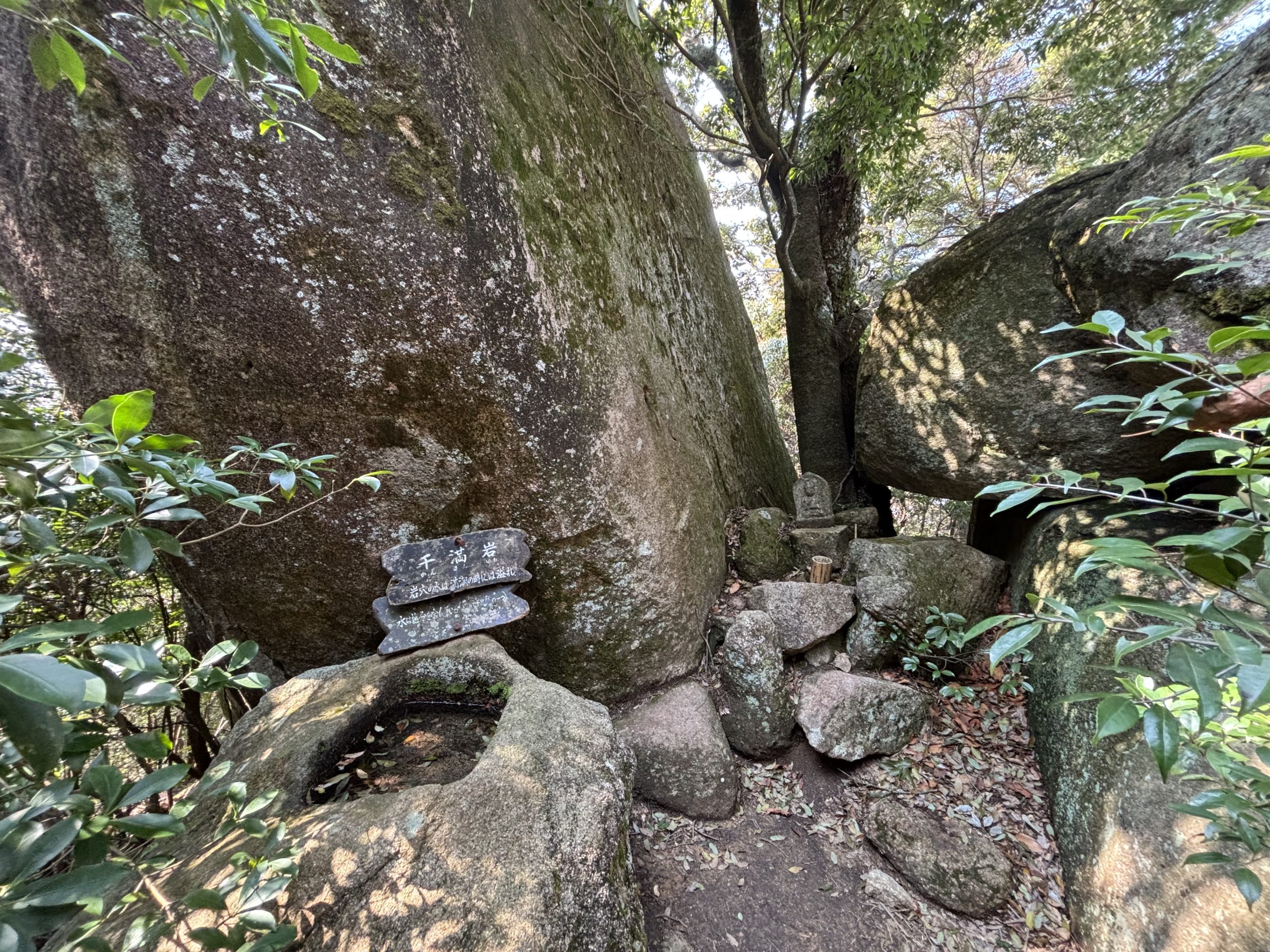
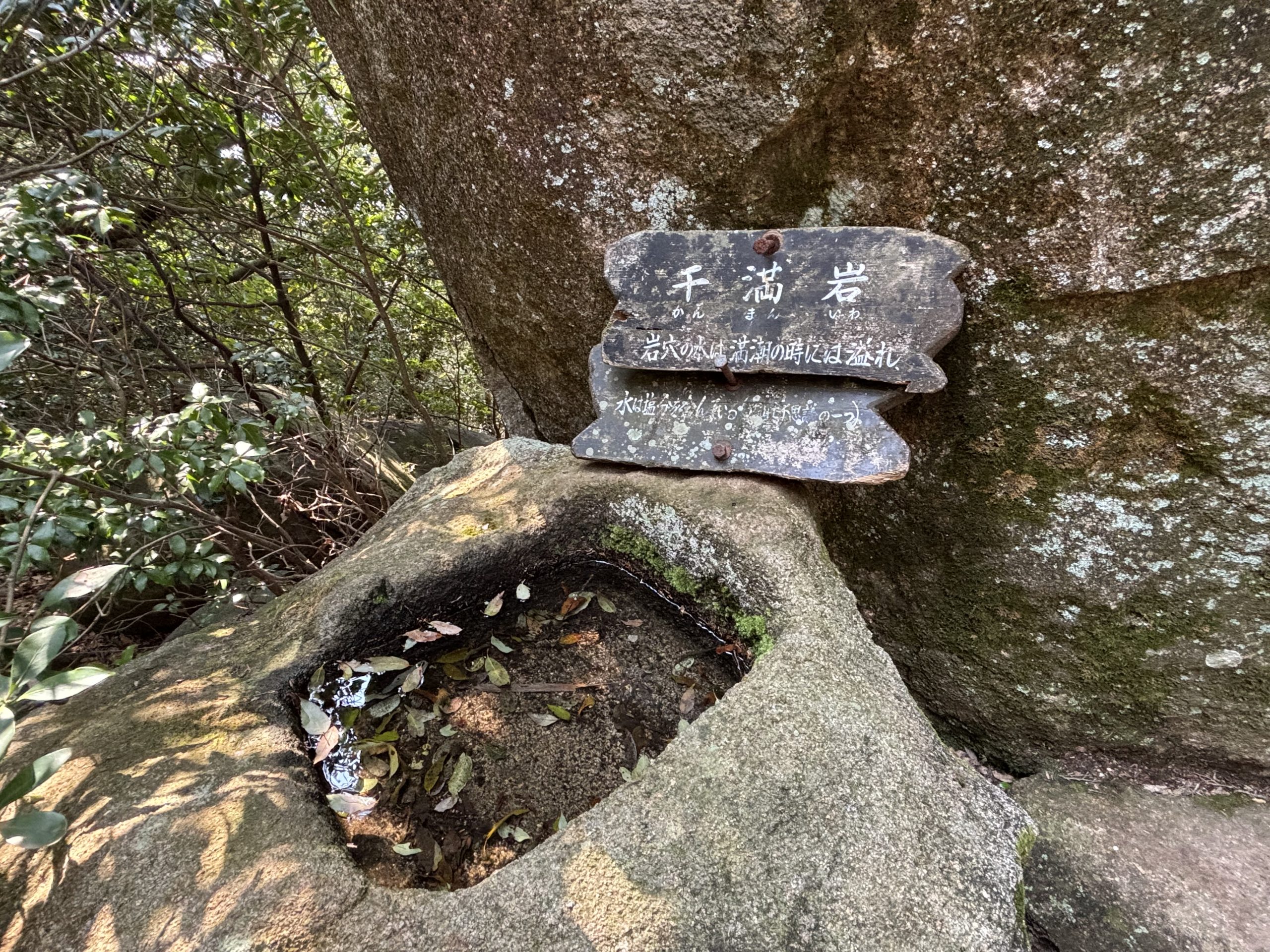
Particularly eye-catching is the “Tide Rock.” Water gathers in a hollow in the stone, overflowing at high tide and drying at low tide. The water is salty, making it one of Misen’s Seven Wonders. The kids were puzzled: “Is it really connected to the sea?”

Shishiiwa Station Observation Deck
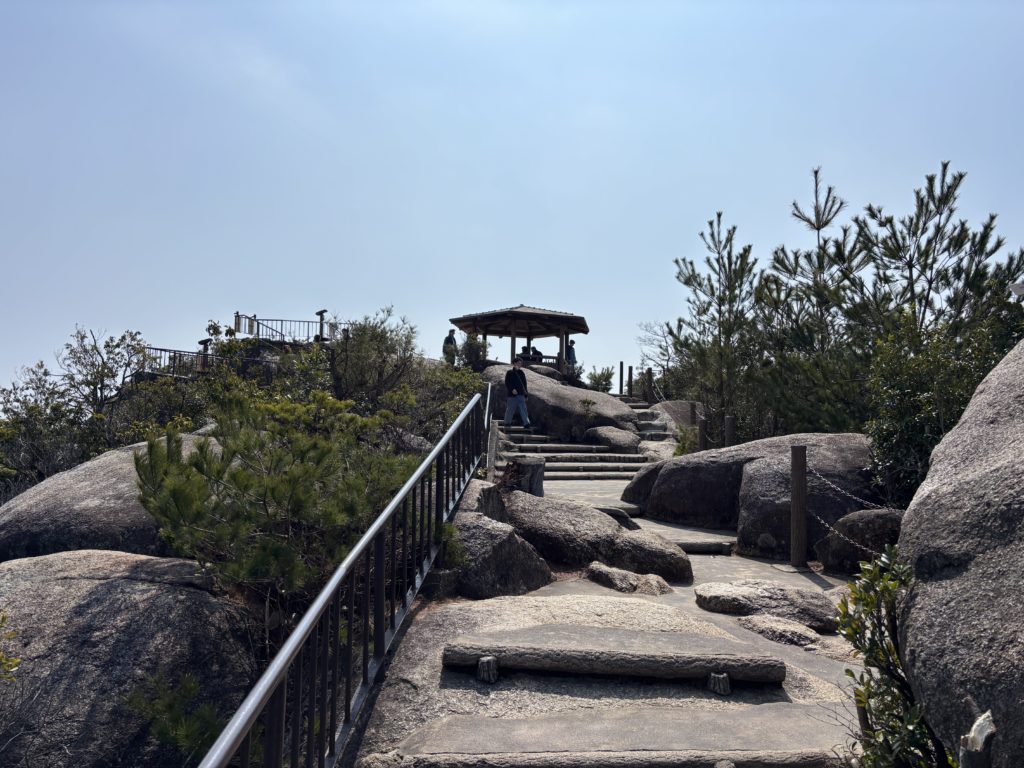
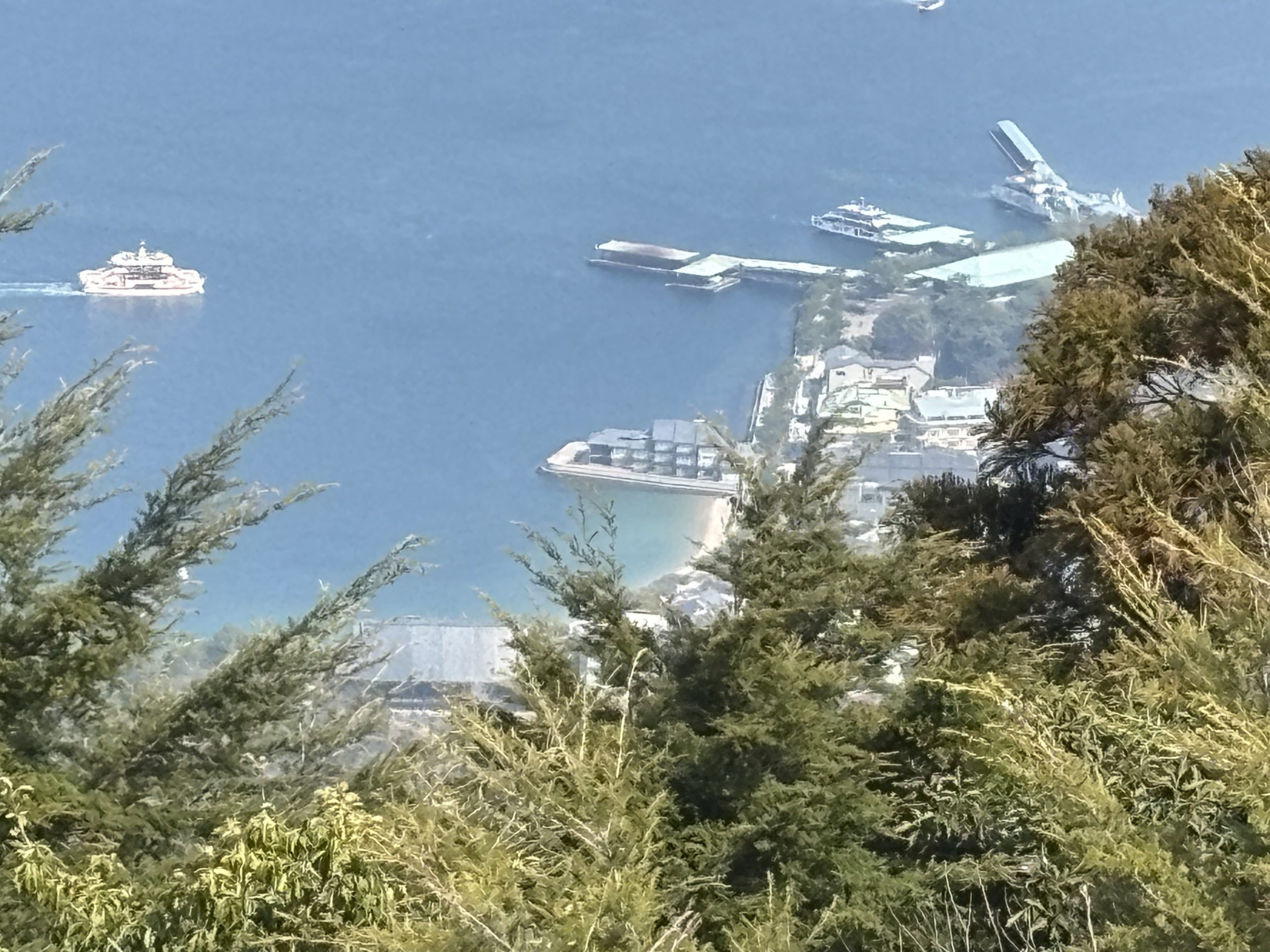
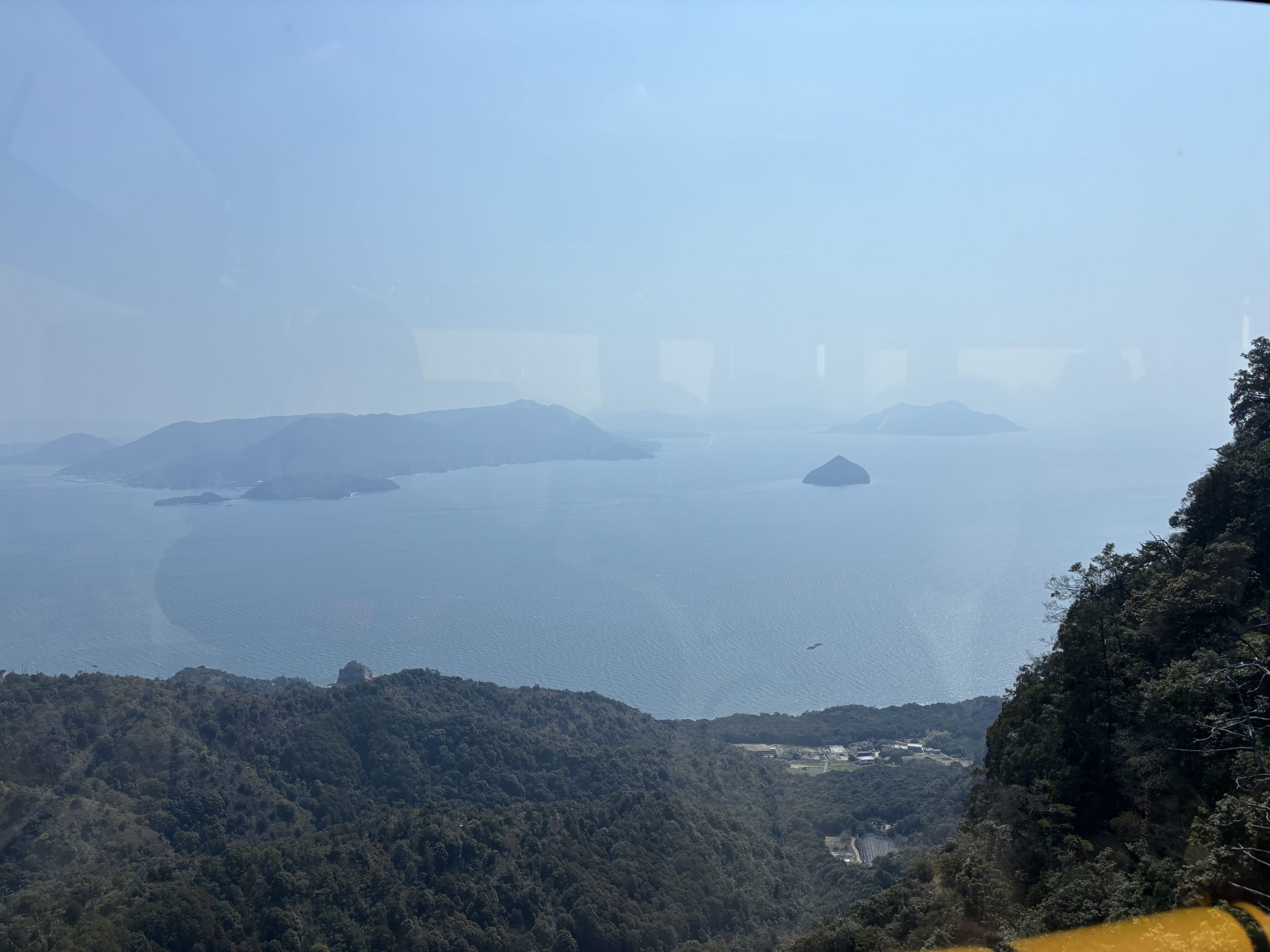
The Lion Rock (Shishiiwa) Observatory near the Miyajima Ropeway’s Shishiiwa Station offers sweeping views of the Seto Inland Sea archipelago. We had clear weather, though a light haze softened the distance that day.
On rainy days, Mount Misen can feel blissfully quiet—almost like you have the mountain to yourself, which is its own luxury. The kids giggled, “The boats look like toys!”
Visiting the Misen Area
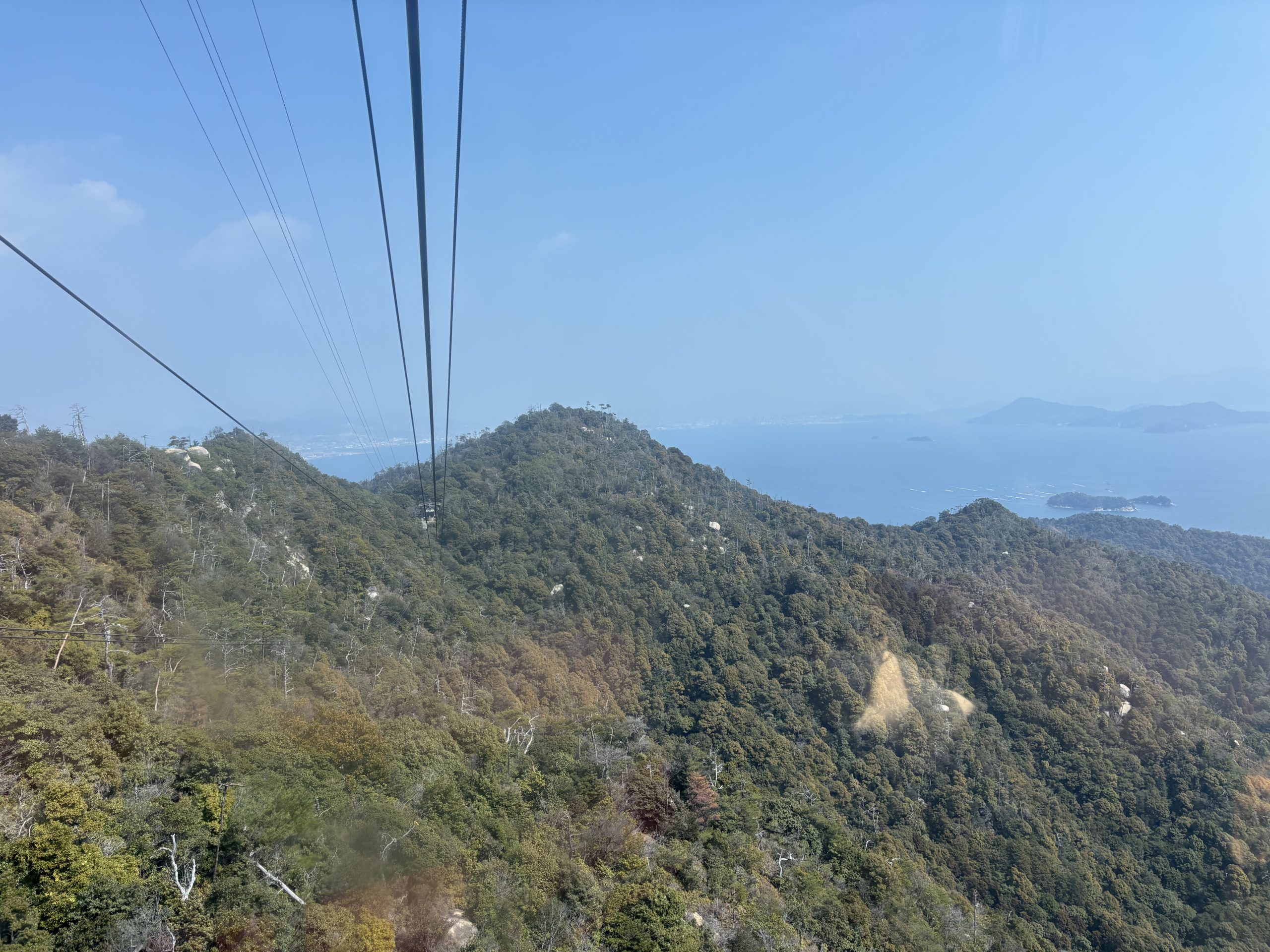
The walk from Shishiiwa Station to the summit is short but surprisingly demanding. The ropeway gets crowded in the afternoon, so aim for early morning or at least before noon.
Mysterious sites and shrines scattered across Mt. Misen satisfy your curiosity, and the summit view is spectacular. Conquering the steps along the way makes the panorama feel even more rewarding—you can truly sense the grandeur of nature.
Mt. Misen is a must on any Miyajima itinerary. Stairs make stroller use difficult, so a baby carrier is recommended. Visit on a clear day in comfortable walking shoes and clothing, and go in good condition.

Misen Summit Observatory (Basic Info & How to Enjoy)
The new summit observatory showcases the warmth of wood. The rooftop features a grand panorama; the second floor is a spacious relaxation area where you can take off your shoes and lie down; the first floor offers restrooms and information. The summit can be windy and chilly even in spring or autumn, so bring a light layer.
From the rooftop, admire the Seto Inland Sea’s island-dotted views and the Great Torii Gate. On clear days, you may even glimpse the ridgelines of the Shikoku Mountains. When the sun is strong, cool off on the second floor before heading back outside. You might also find small souvenirs like commemorative badges—a fun way to mark your Miyajima hike.
My kids love eating lunch on the second floor. Note that the building locks after closing, so leave plenty of time if you’re visiting in the late afternoon.
Access to Mt. Misen & Time Required (Ropeway / Hiking)
The most common route is to take the Miyajima Ropeway to Shishiiwa Station, then walk about 25–30 minutes (as a guideline) to the summit and back. Ropeway hours, fares, and reservation requirements may vary by season, so check the latest official information before departure for peace of mind.
The paths are well maintained but include continuous slopes and steps. Families with strollers or young children should plan frequent breaks. For hiking, the three main routes are the Daishoin Course, Momijidani Course, and Omoto Course. Avoid light clothing on any route; wear functional, comfortable layers and slip-resistant shoes.
Allow roughly 2 hours for the ropeway section plus the round trip to the summit so you have time for photos and temple visits. I once mistimed low tide and missed walking to the Great Torii—so a little advance planning goes a long way.
Misen Sightseeing Guide (Temples, Giant Rocks, Mystical Experiences)
The heart of Mt. Misen sightseeing is its cluster of faith-rooted temples and the awe-inspiring landscape of ancient boulders. Sankido, said to be Japan’s only shrine dedicated to the demon deity Sanki Daigongen, is famed for blessings of household safety and business prosperity. Its plaque was penned by Ito Hirobumi.
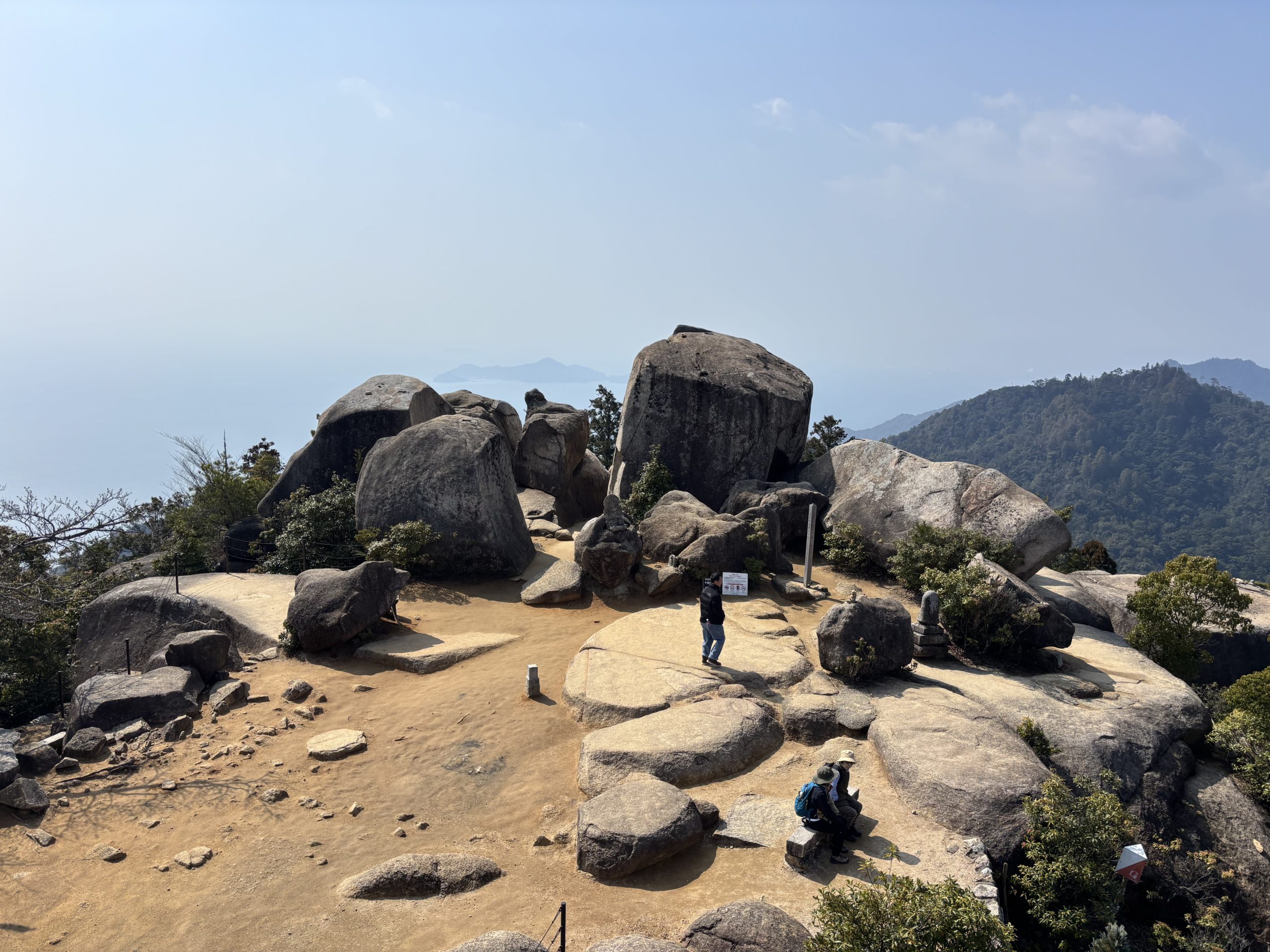
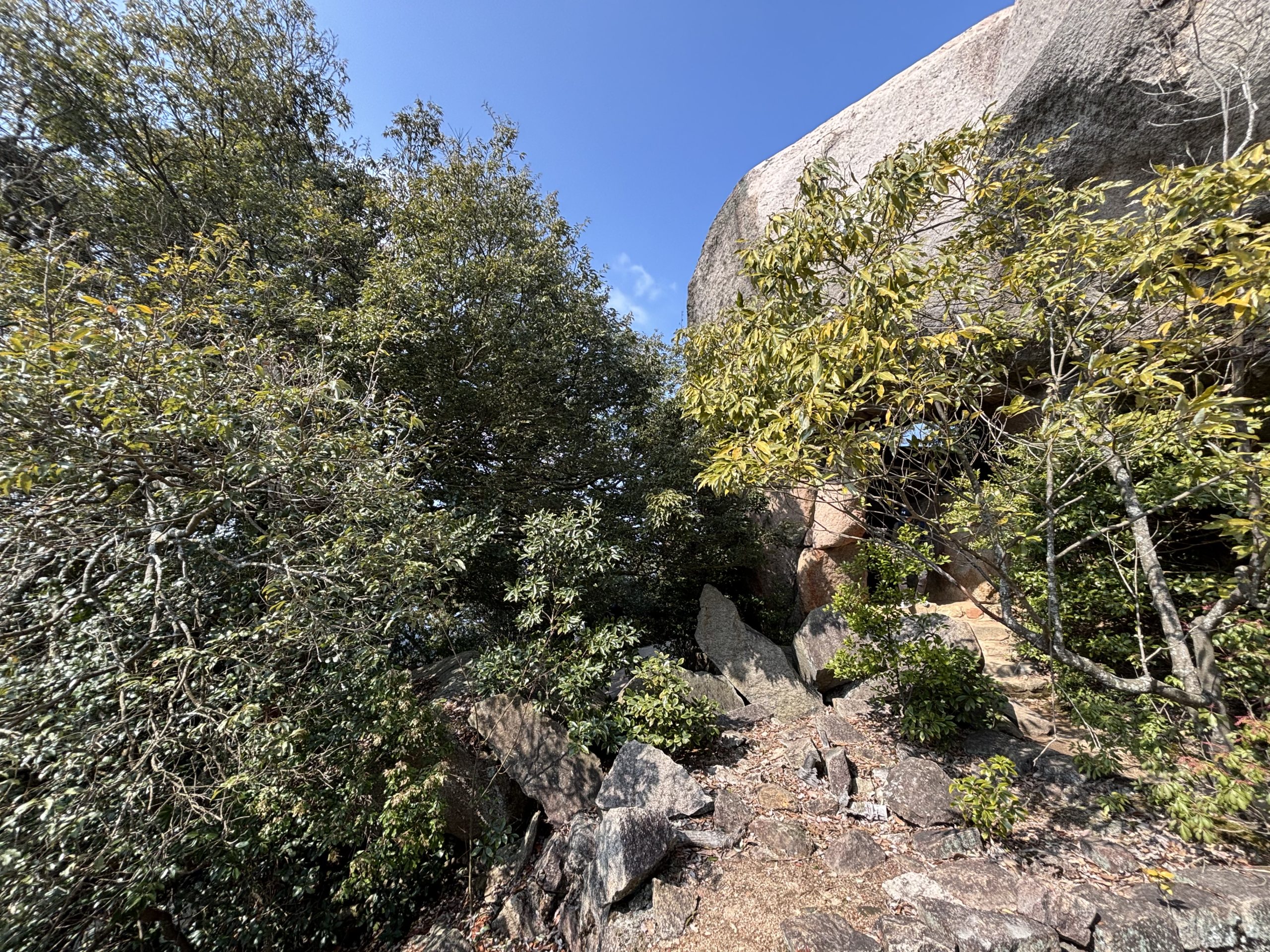
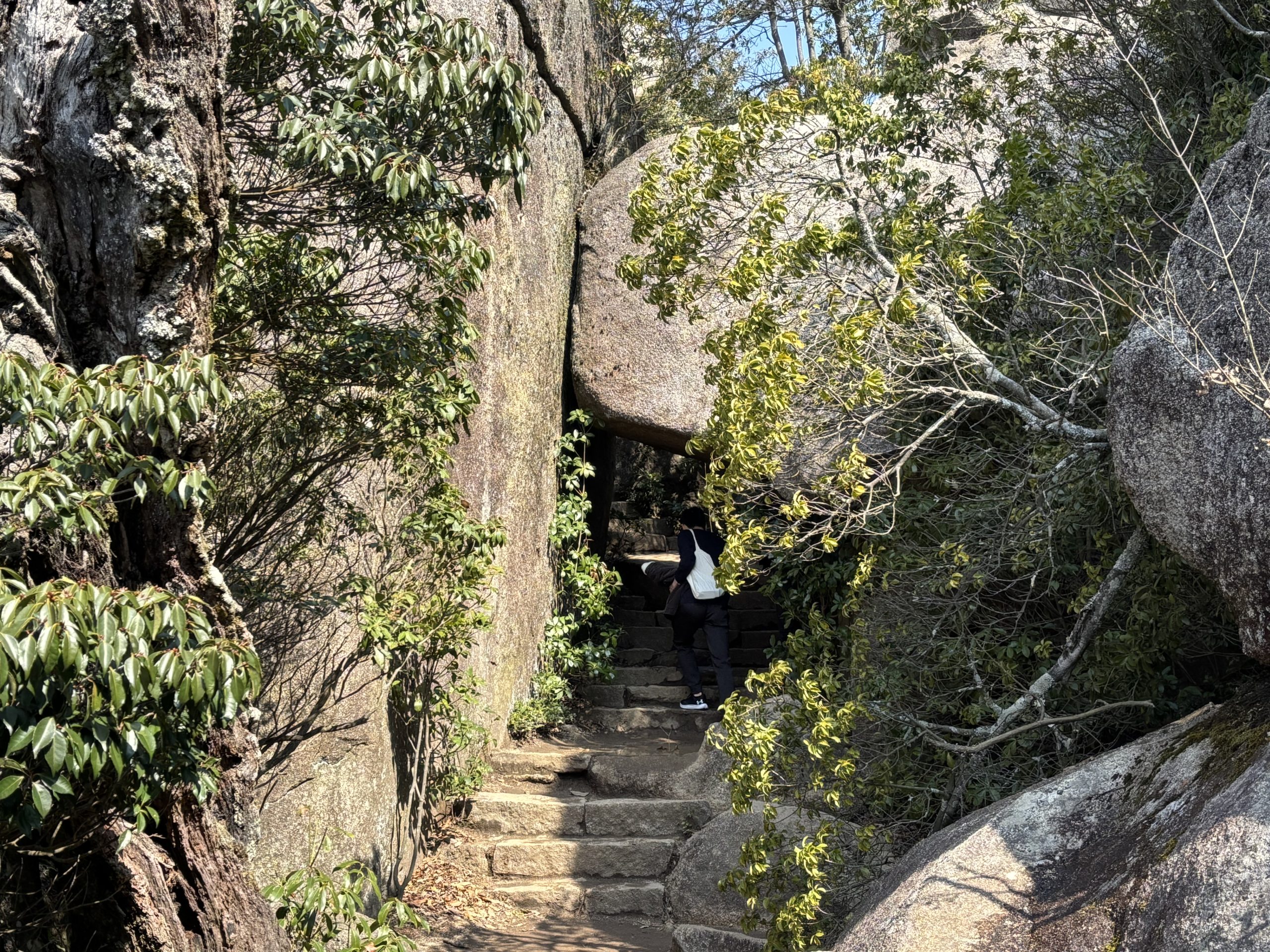
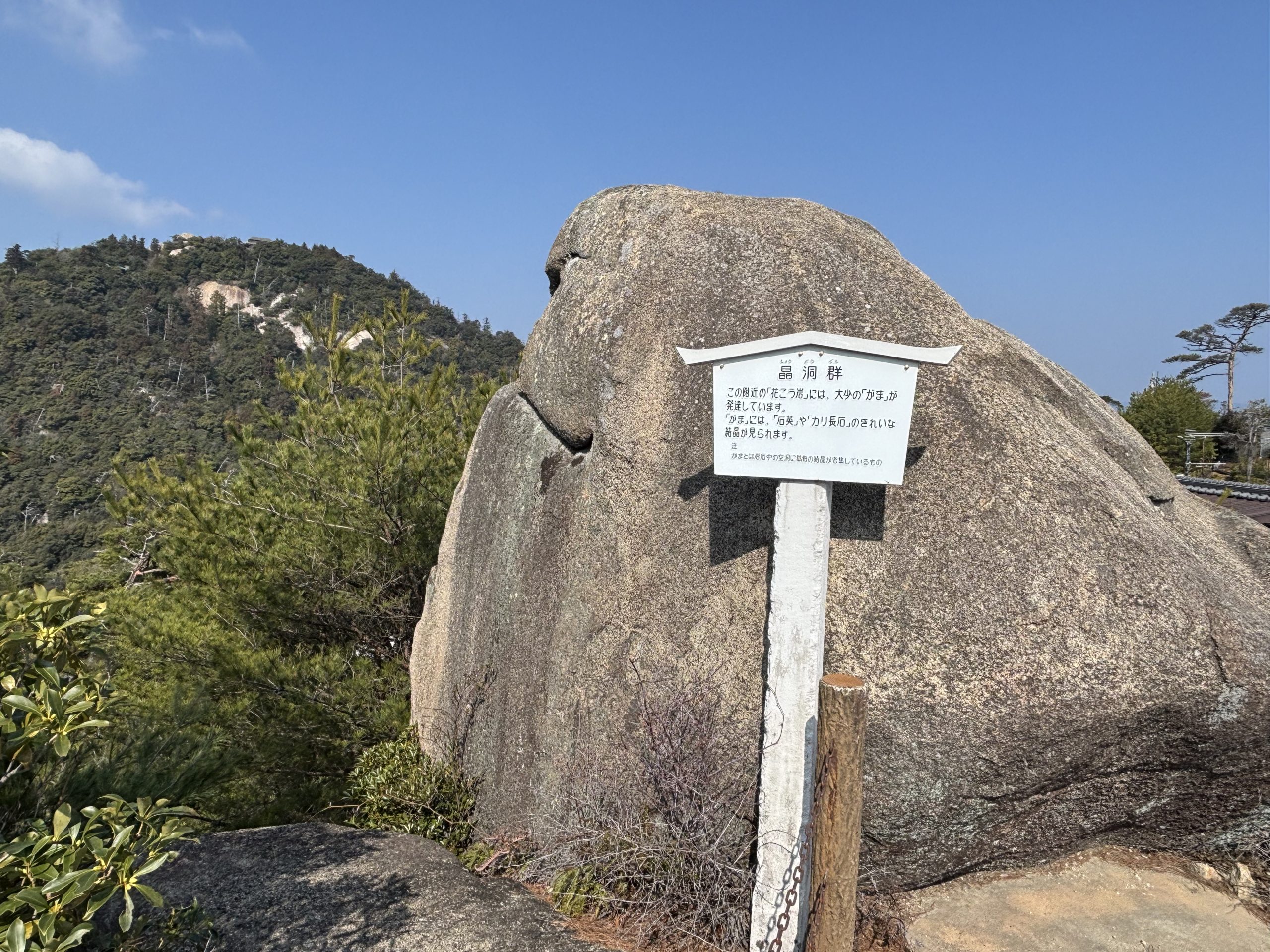
Near the summit you’ll also find the Sacred Fire Hall with the “Eternal Flame,” Kannon Hall for safe childbirth, and Monju Hall for academic success. Along the paths, curious formations like “Crawl-Through Rock” and “Fudo Rock” feel almost intentional despite being natural—one reason this has been called a sacred mountain for centuries.
As you hear legends and folklore, pause to listen to wind and birdsong in the stillness. That “Misen time” lingers in your memory—our kids even said, “So this is what a power spot feels like!”
Crowds, Peak Seasons, and How to Avoid Them
Visitor numbers rise in spring (March–May) and autumn (October–November), peaking during fall foliage. The three-day weekend in November is extremely crowded. The ropeway and summit are most congested from 11:00 AM to 2:00 PM; the smart move is to start early or take the first ropeway up and claim your summit time first.
When all three conditions—holiday, clear skies, and peak foliage—align, even the descent can be crowded. Shift your timing: ride the ropeway up, then consider hiking down a quieter trail. Choose weekdays, focus your photos in the morning or golden hour, and move efficiently through bottlenecks to maximize your Mount Misen experience.
The August 14 fireworks festival is so busy even locals steer clear—be extra cautious around that date. Otherwise, many summer vacation days are surprisingly manageable.
Important Notes & Etiquette for Mount Misen Sightseeing
Within the primeval forest conservation area, do not pick or damage plants. Carry out all trash and never feed wildlife. In summer, heat and humidity can sap your energy quickly; protect against insect bites and be mindful of sunset. Carry water, electrolytes, and a hat, and avoid overexertion.
Observatory entry times may change due to weather or management. Ropeway operations, inspections, substitute transport, and free shuttle schedules can vary day by day. Always check the latest official information on-site or online before you head out.
Kid tip: toy windmills from dollar stores work as gentle deer deterrents. Also, deer crackers were discontinued in 2019 for the animals’ health. A 100-yen entrance tax began in October 2023.
Miyajima is synonymous with Itsukushima Shrine—and the island reveals completely different faces at high and low tide.
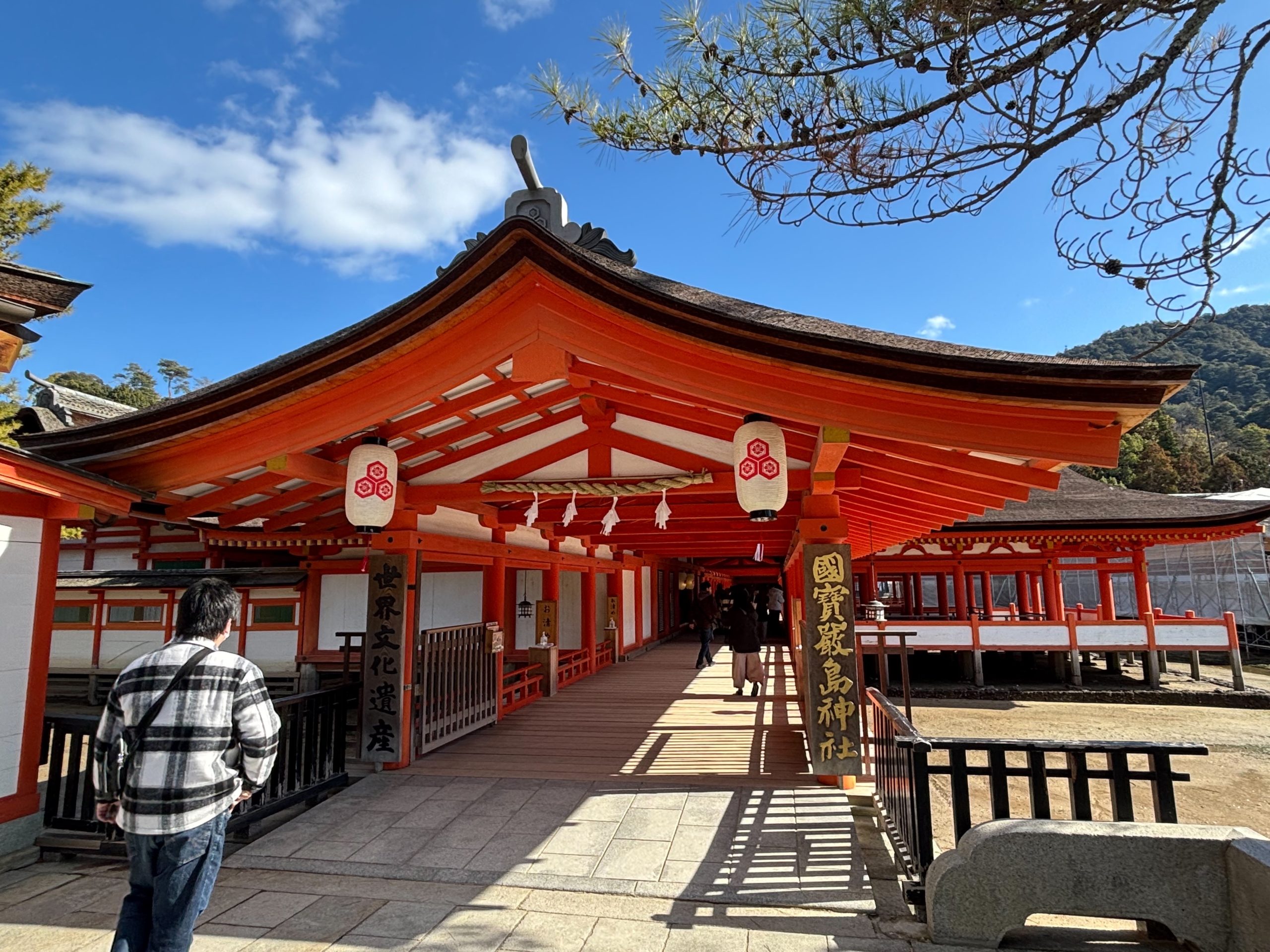
When you think of Miyajima, you think of Itsukushima Shrine. Cradled b...
Mt. Misen Sightseeing Q&A
Q. How long does sightseeing on Mt. Misen take?
A. Using the ropeway plus a round trip to the summit, including photos and breaks, takes roughly 2 hours. If you plan to visit the temples thoroughly, allow about 3 hours.
Q. When is the Misen Observatory open?
A. It’s open during daytime hours, but times vary by season and management. Check the day-of information, and take special care with evening hours.
Q. What are the benefits of visiting Sankido Hall?
A. It’s known for household safety and business prosperity and is a rare shrine dedicated to demon deities in Japan. Many local business owners visit at least once a year.
Q. Can visitors see the “Eternal Flame” at Reikido Hall?
A. Yes. You can take in the atmosphere while viewing it, and many visitors try a sip of the sacred hot water.
Q. Which hiking route should I choose for Mount Misen?
A. Choose the Daishoin, Momijidani, or Omoto course based on your stamina and time. Wear non-slip shoes. The Daishoin course is the most beginner-friendly.
Q. Is sightseeing possible with strollers or wheelchairs?
A. Accessibility varies on the ropeway, and the path to the summit has many steps. Confirm details in advance and plan conservatively. Baby carriers are recommended for infants.
Q. How can I avoid crowds?
A. Go early, visit on weekdays, and avoid peak foliage season when possible. For photos with fewer people, aim for morning or evening. Weekdays between 2:00 PM and 4:00 PM tend to be the quietest.
Q. What should I be mindful of when visiting Mt. Misen?
A. Follow conservation rules, prepare for heat, insects, and early sunsets, and check the latest operation info before you go. Note the 100-yen entrance tax introduced in October 2023.
Summary
Mount Misen’s appeal lies in its harmony: a World Heritage primeval forest, faith-filled temples, landscapes shaped by ancient stones, and sweeping summit views. Combining the ropeway with walking lets first-time visitors explore efficiently.
By avoiding peak crowds and walking with safety and courtesy in mind, you’ll likely enjoy a peaceful “Miyajima moment” that makes you want to return. Our family climbs Mount Misen three to four times a year and finds something new every trip. On your next visit to Miyajima, take a deep breath atop Mount Misen—it’s sure to be a special moment.
Recommended Articles
Omotesando Shopping Street is perfect for food hopping! Check out our family-friendly gourmet recommendations. Soft-serve ice cream shops are less crowded after 5 PM.
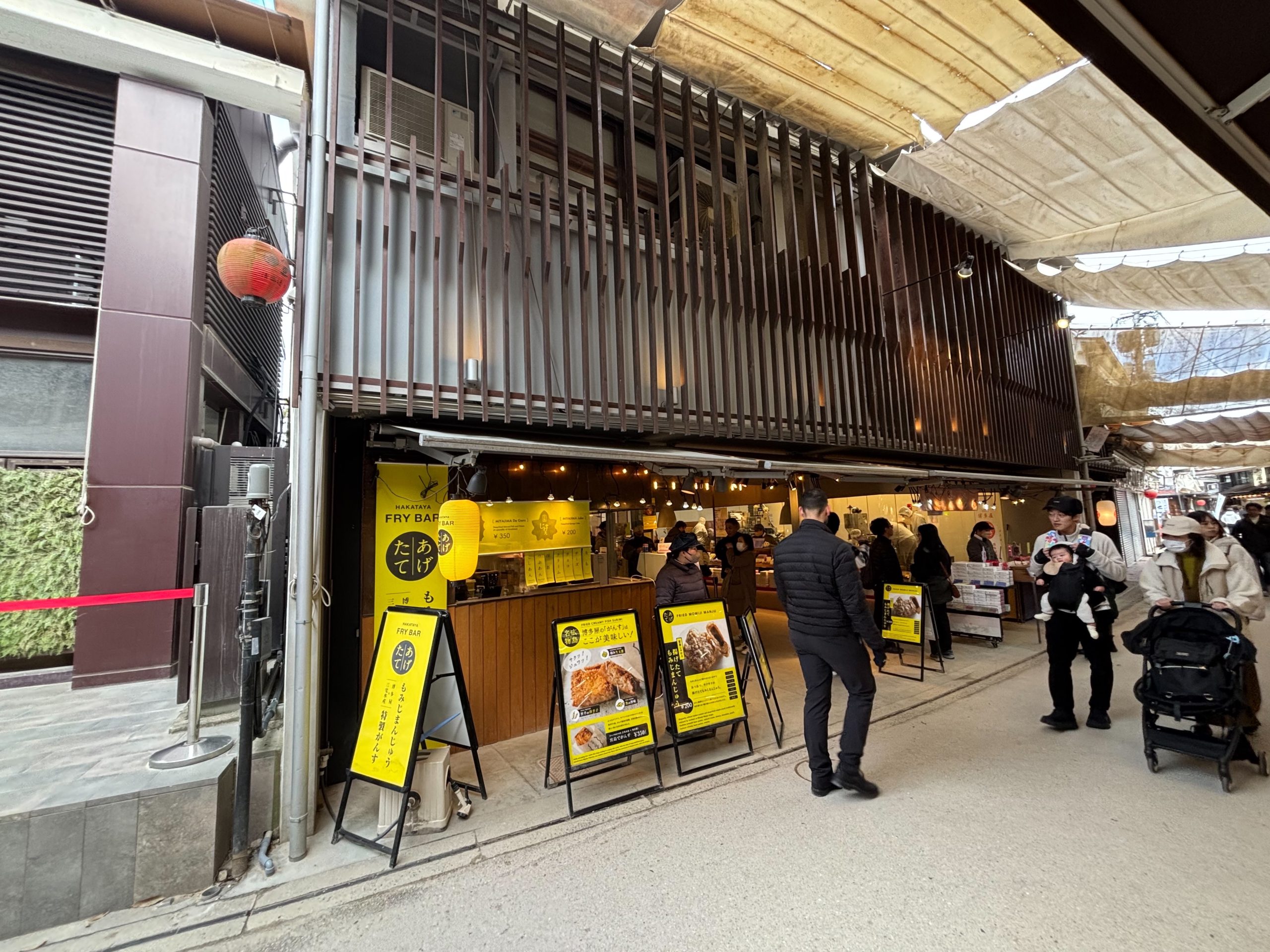
Omotesando Shopping Street stretches from Miyajima Pier to Itsukushima...
Try the new specialty—deep-fried momiji! The crispy texture is addictive. Momijido’s age-momiji is crispiest first thing in the morning.
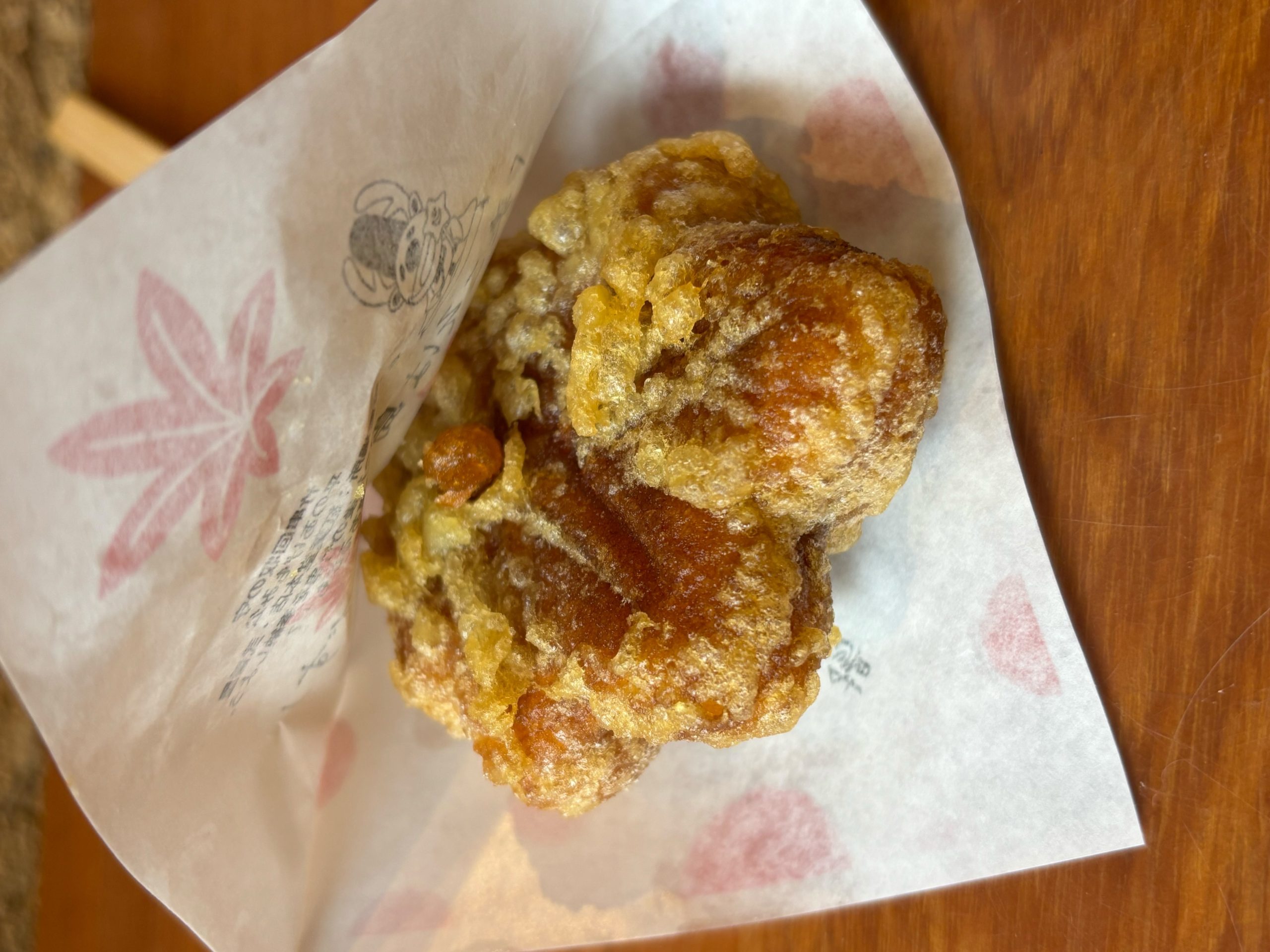
Planning a Miyajima food tour and wondering what to eat in Miyajima be...
Freshly baked momiji manju from the long-established Fujiya is the best! Few people know you can enjoy freshly made treats on Yamadaya’s second floor.
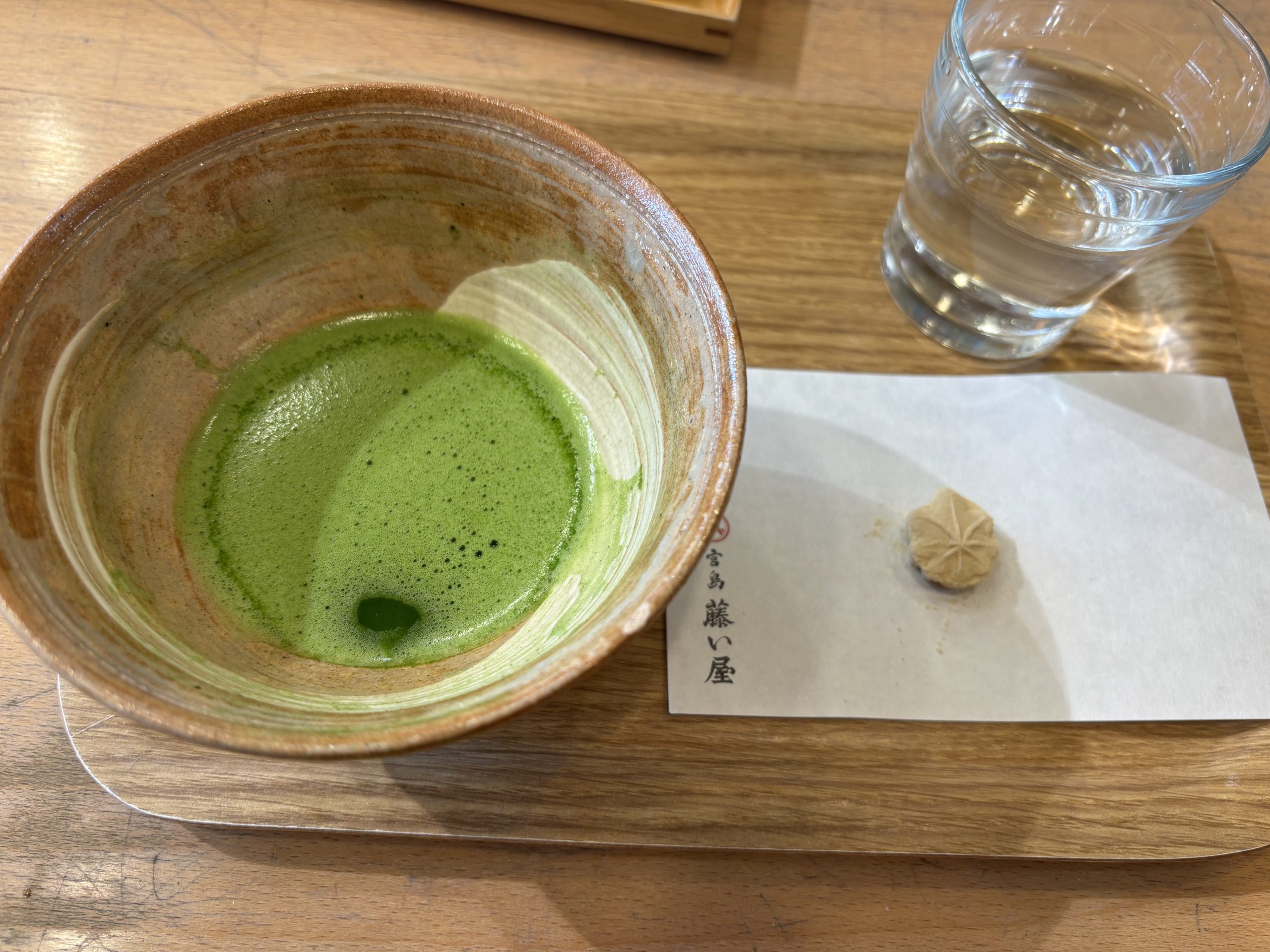
Stroll the Omotesando approach from Miyajima Pier toward Itsukushima S...
For oysters on Miyajima, visit Miyatoyo! Their grilled oysters are exquisite. We’ll introduce this local favorite shop.
Miyatoyo Main Store is the only shop in Miyajima specializing in hand-baked momiji manju. Since 1984, this long-standing confectioner has delighted visitors with Cheese Momiji Manju, Belgian Chocolate, Belgian White, and classic Koshian. Discover the shop’s atmosphere, flavor tips, and how to buy for souvenirs.
Perfect for breakfast! Miyajima Besso’s Shimauma Pan is delicious. It’s worth waking up early to enjoy.
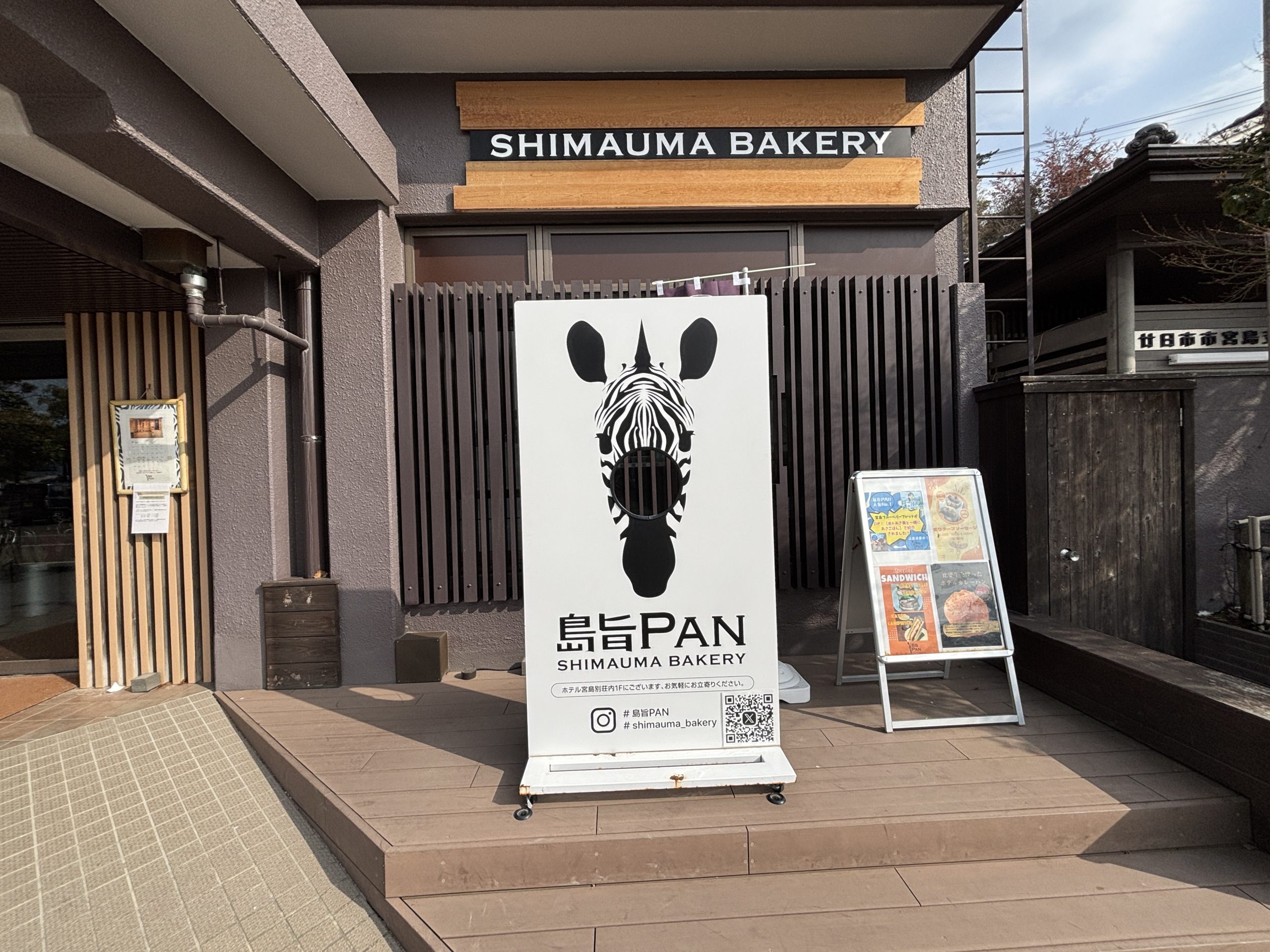
Just a 1-minute walk from Miyajima Pier, "Shimauma Pan" is an authenti...