When you think of Miyajima, the first image that comes to mind is Itsukushima Shrine. This iconic UNESCO World Heritage Site, cradled by the Seto Inland Sea and the ancient forests of Mt. Misen, has a quiet, sacred atmosphere that makes you pause and breathe deeply. This comprehensive Itsukushima Shrine guide will help you plan your visit around the tides, illumination schedules, and family-friendly tips so you can experience the very best views this remarkable shrine has to offer. At high tide, the shrine appears to float magically on the water; at low tide, you can walk right up to the base of the famous Great Torii Gate—giving you two completely different experiences in a single day. I’ll never forget my older daughter’s excited expression when she shouted, “Mama, the shrine is floating on the sea!” If you avoid peak visiting times and plan carefully around the illumination schedule and tide table, even families traveling with young children can explore this sacred site at a relaxed, enjoyable pace.
The Timeless Charm of World Heritage Site Itsukushima Shrine

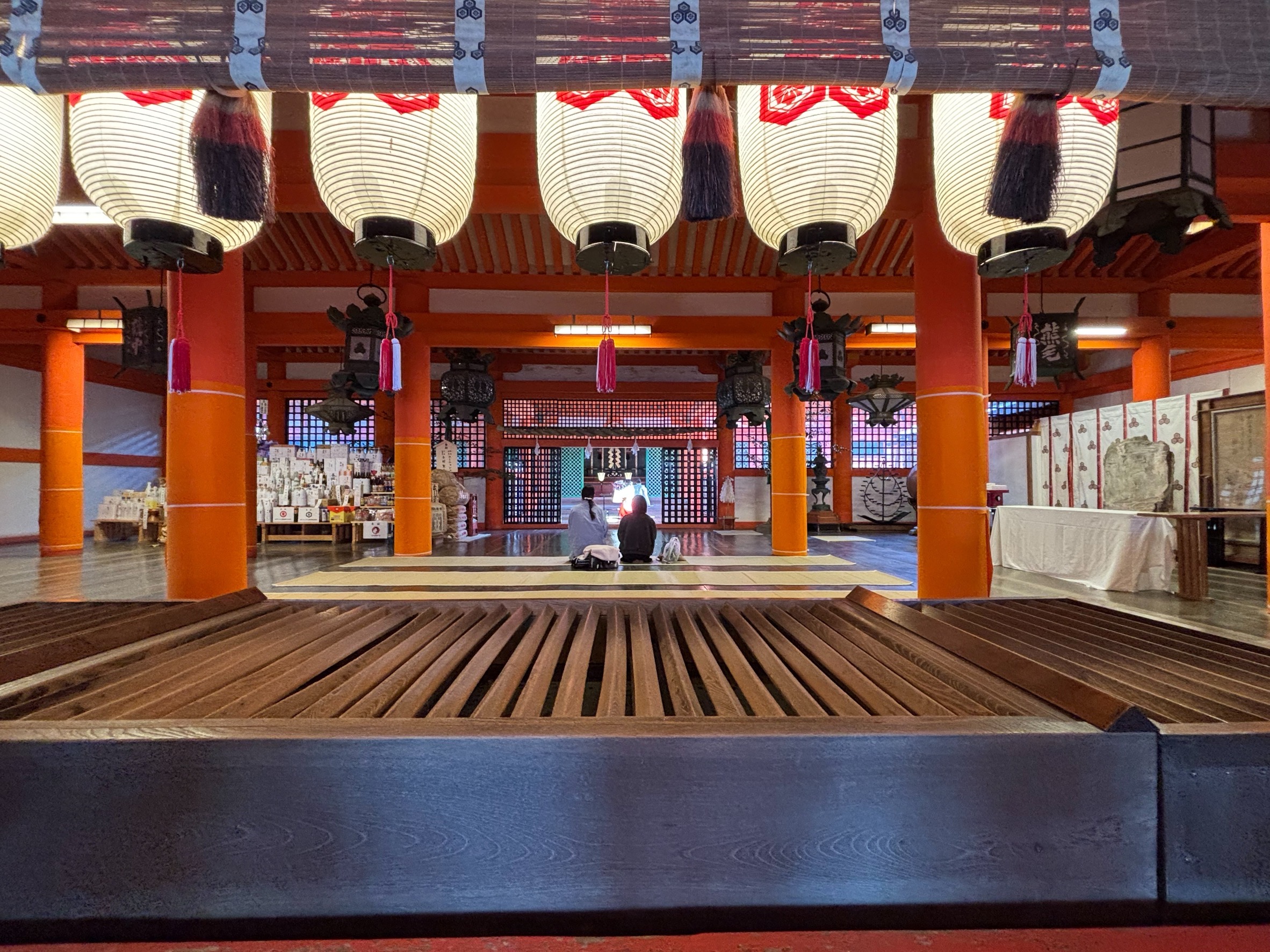
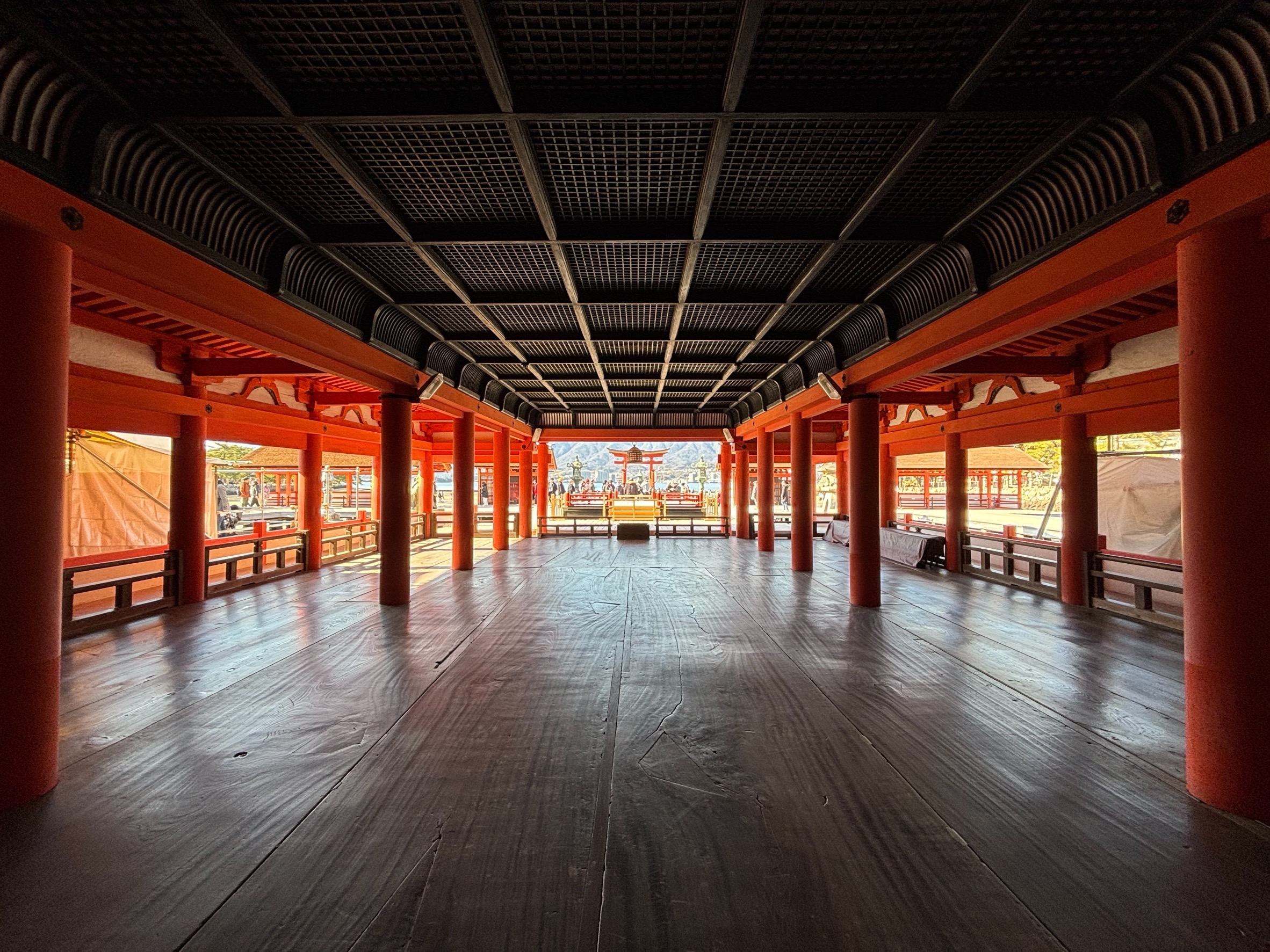
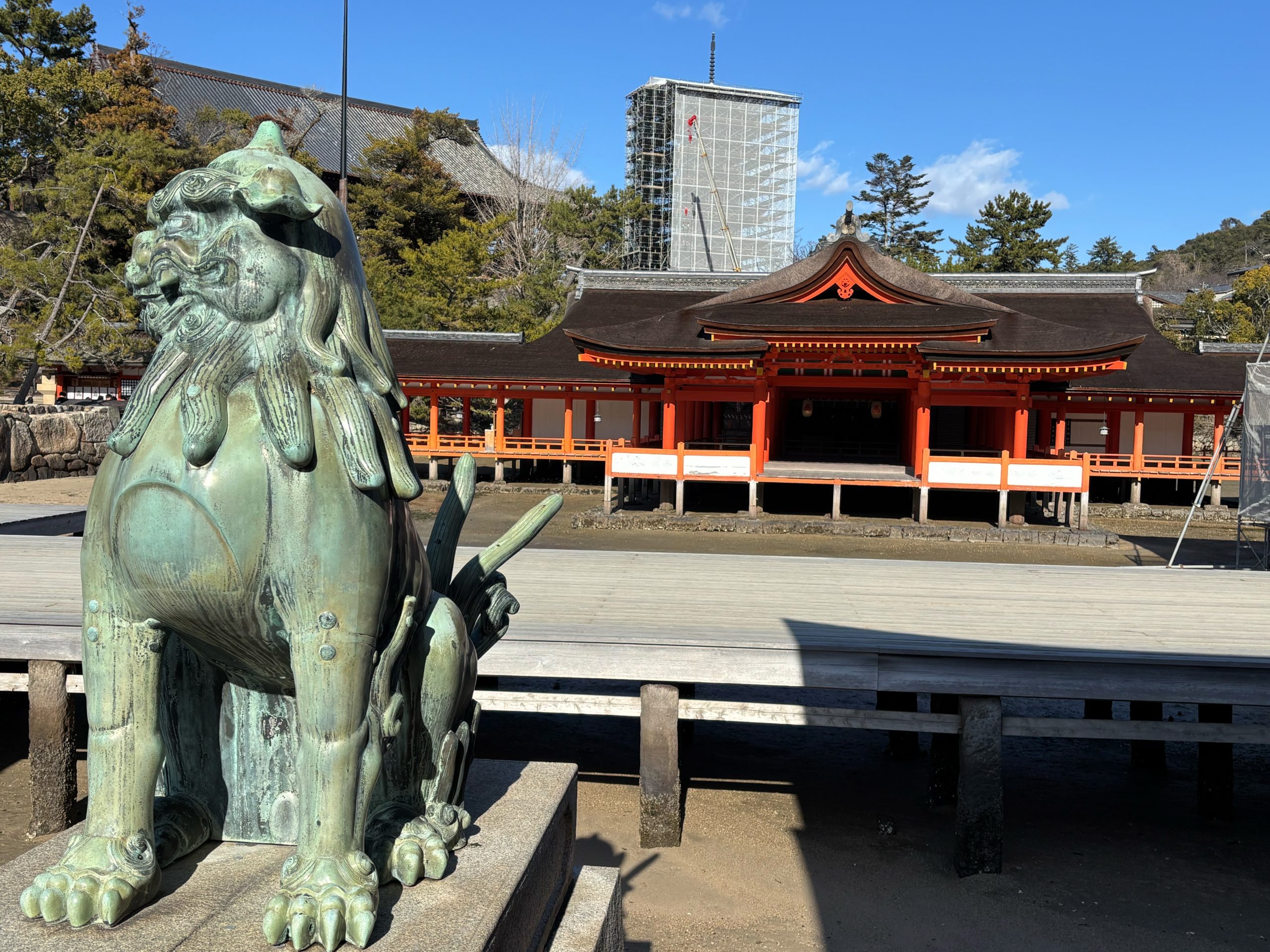
Itsukushima Shrine is recognized as a UNESCO World Heritage Site for its unique architectural design: the shrine buildings stretch dramatically over the sea, with the primeval forest of Mt. Misen rising as a stunning natural backdrop. Built in a location where the scenery transforms completely with the tides, the corridors feature narrow gaps between the floorboards designed to relieve seawater pressure during high tide, and the traditional joinery techniques minimize the use of nails—a testament to centuries of Japanese craftsmanship. Historically, visitors would remove their shoes before entering the main hall; the protective boards you see covering the walkways today were added in later periods so that worshippers could keep their shoes on while walking through the sacred spaces.
The principal deities enshrined here are the Munakata Three Goddesses (Munakata Sanjoshin), revered throughout Japan as powerful guardians of “all paths and journeys.” Worshippers come seeking blessings for traffic safety, maritime safety, safe travels, and business prosperity. One of the three goddesses, Ichikishimahime-no-Mikoto, is also worshiped in her form as Benzaiten, the goddess of music, eloquence, water, wealth, and wisdom, making the shrine especially popular for those seeking success in the performing arts and financial prosperity.
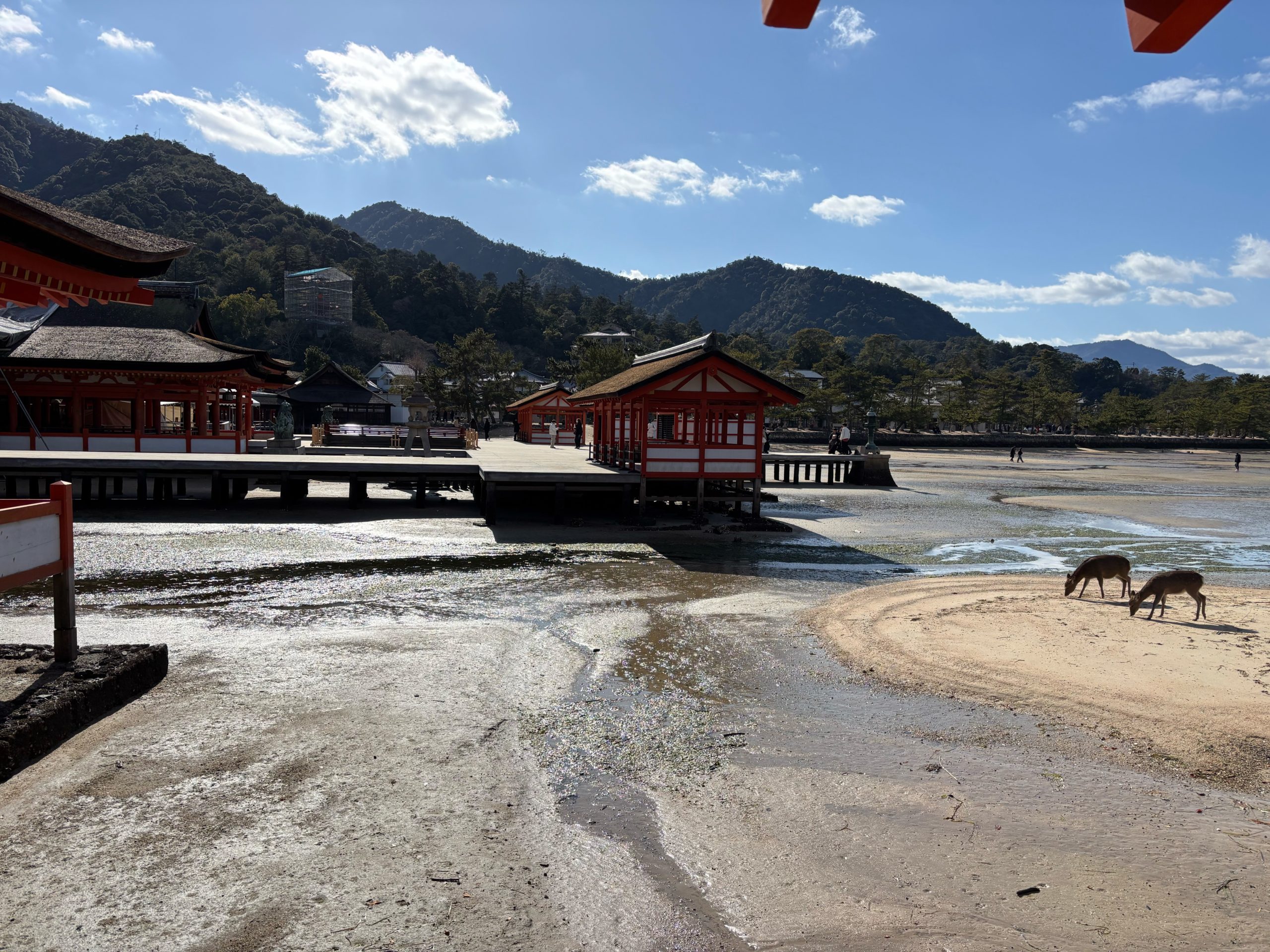
After sunset, the Great Torii Gate, the main shrine buildings, and the adjacent five-story pagoda are beautifully illuminated (generally from about 30 minutes after sunset until approximately 11:00 PM). While formal worship hours end in the evening, the vermilion reflections dancing on the darkened water are absolutely breathtaking, and taking an evening sightseeing boat ride around the illuminated structures is a wonderful family-friendly way to experience the shrine’s nighttime magic. To fully experience both the high tide “floating shrine” view and the low tide walk to the torii gate, be sure to check the Miyajima Tourism Association’s tide table before your trip. As a general guideline, aim for a tide level above 250 cm (about 8.2 feet) to see the shrine appearing to float on the water, and below 100 cm (about 3.3 feet) to walk out across the sand to the base of the torii gate.
As the locals taught me during my visits, the Miyajima Tourism Association’s website has the most accurate and up-to-date low tide times (this is insider information passed down from the island’s fishermen who depend on tide accuracy for their livelihood). The official Twitter account also provides real-time updates on high tide conditions at Itsukushima Shrine, so checking these resources on your smartphone while planning your day is extremely convenient and helps you make the most of your time on the island.
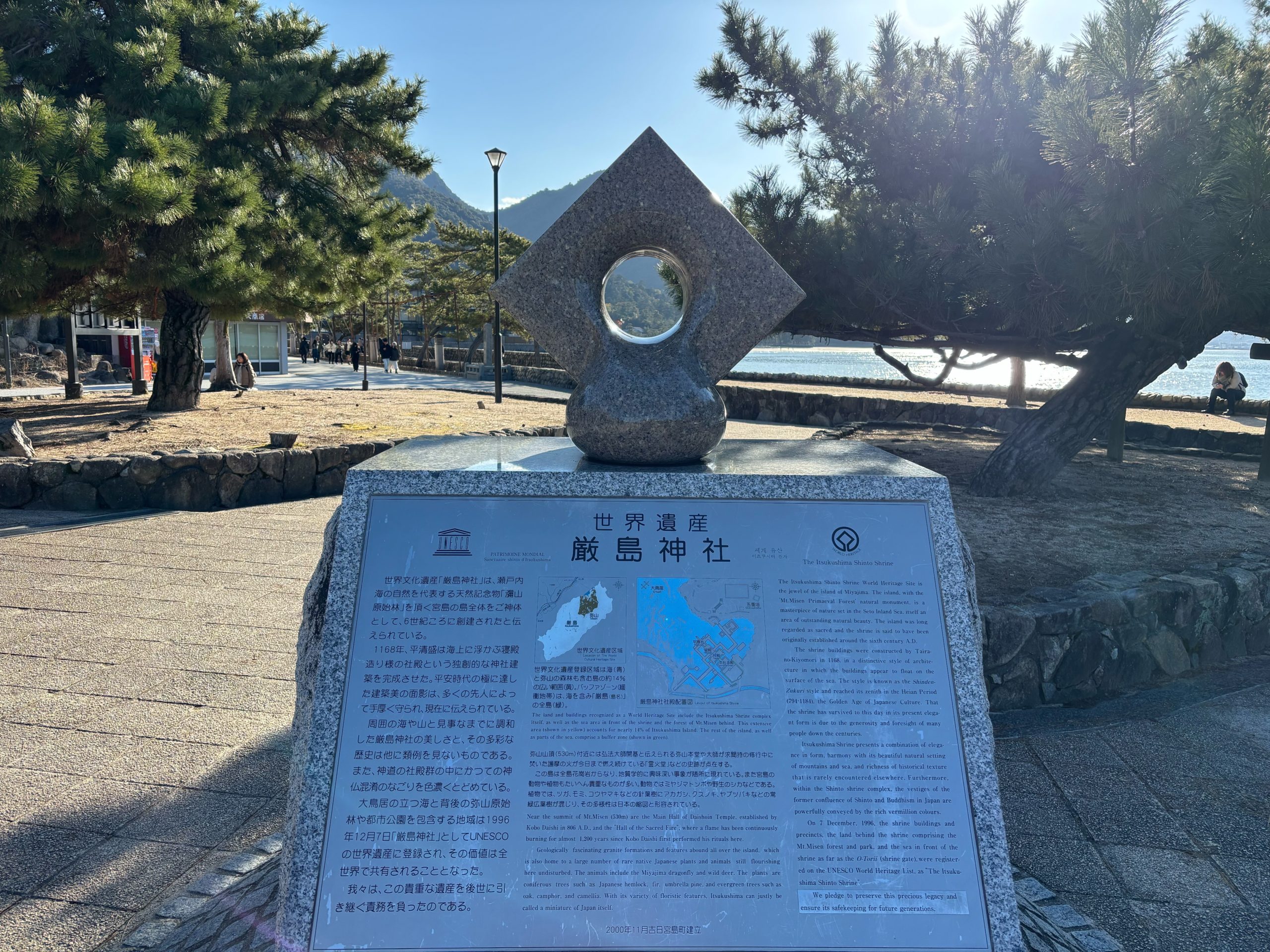
Itsukushima Shrine, located on Miyajima Island in Hatsukaichi City, Hiroshima Prefecture, is celebrated as one of Japan’s Three Great Views (Nihon Sankei) and ranks among the nation’s most important and beloved shrines. The UNESCO World Heritage designation encompasses not just the shrine buildings themselves, but also the surrounding tidal waters and the sacred ancient forest that covers the mountainside behind it, creating a harmonious relationship between human architecture and the natural world.
For those who want to learn more about Miyajima’s World Heritage status and what makes this island so culturally significant, this related article provides helpful background information and context:
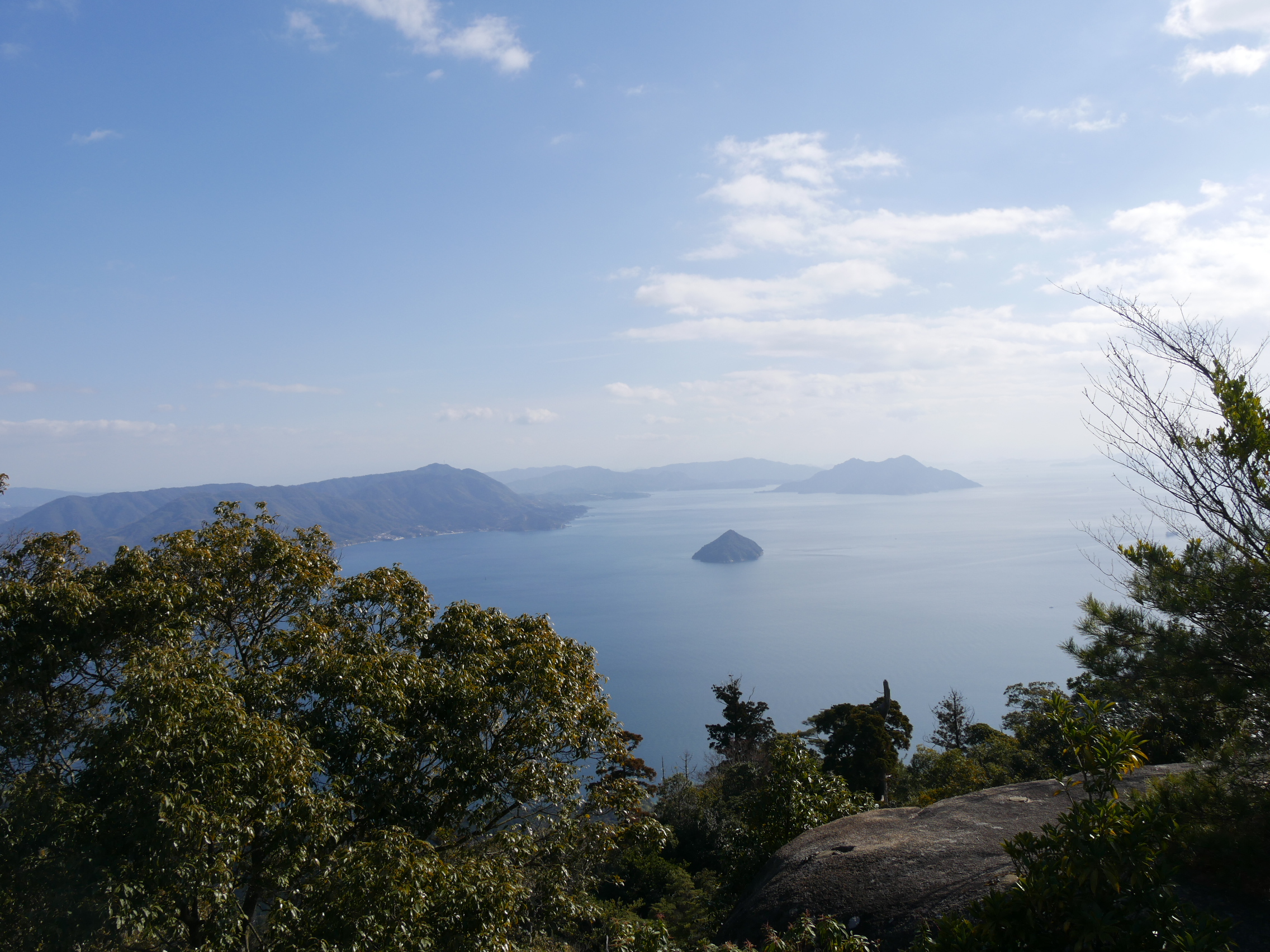
Miyajima is one of those rare places where Japan's ancient history and...
Both the main shrine complex and its iconic torii gate are built directly over the sea—a highly unusual architectural choice in Japanese shrine design. At high tide, the scene becomes almost dreamlike, with the vermilion pavilions and corridors appearing to hover gracefully over the waves. This is truly a must-see sight that appears on countless postcards and travel posters, yet seeing it in person is an experience that photographs simply cannot capture.
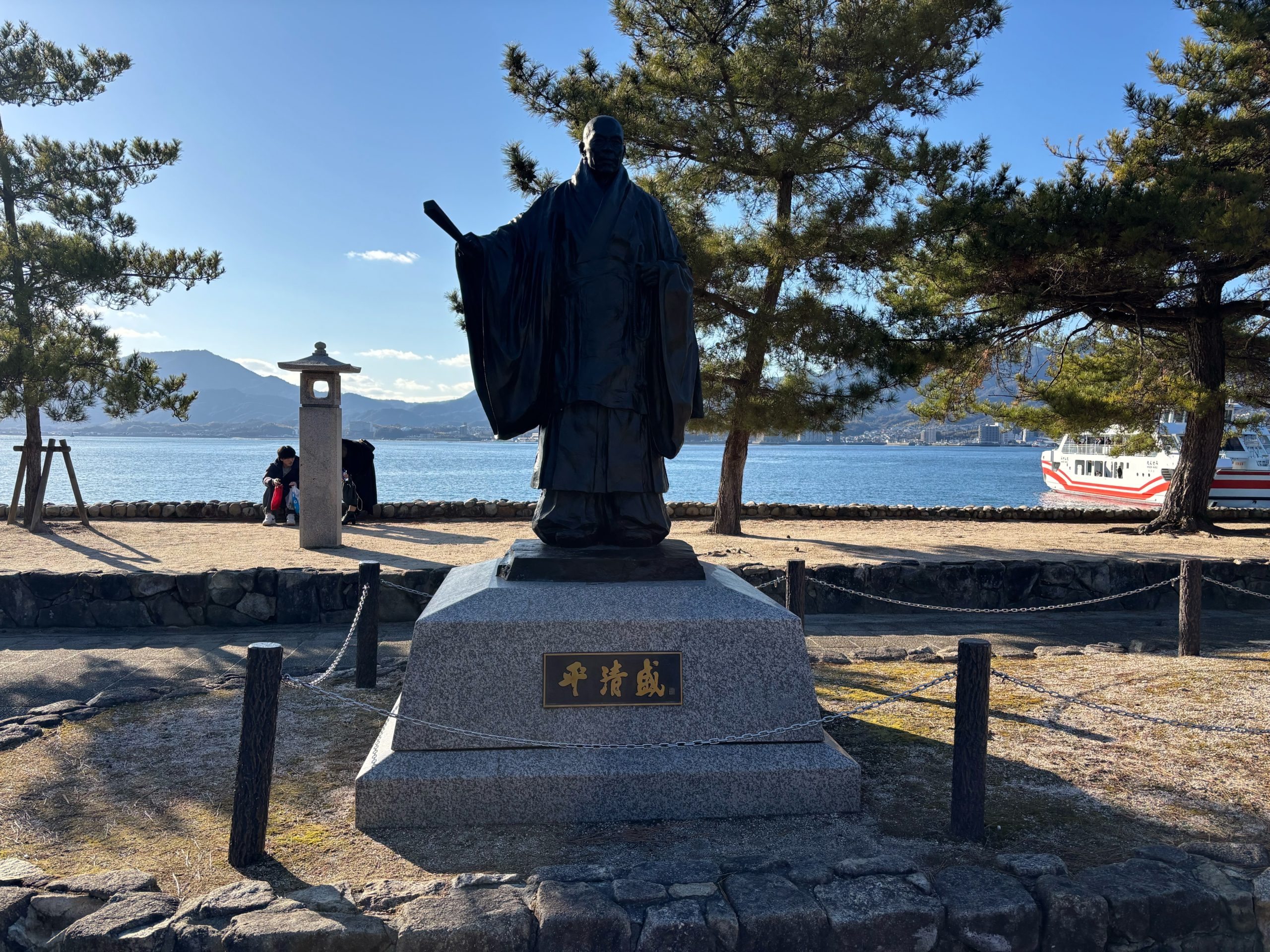
Itsukushima Shrine is designed in the elegant “shinden-zukuri” architectural style, which was the residential architecture favored by aristocrats during Japan’s Heian period (794-1185). With over 1,400 years of documented history, most of the structures within the shrine precincts are designated as either National Treasures or Important Cultural Properties by the Japanese government, reflecting their exceptional historical and architectural value. The current layout of the shrine—widely considered the prototype that established its distinctive over-water design—was completed in the late Heian period under the patronage of the powerful military leader and regent Taira no Kiyomori, who had deep connections to this region. The illuminated shrine after sunset is also an unmissable experience that adds yet another dimension to your visit.
My younger daughter, watching the nighttime illumination reflect on the calm water, said something quite poetic for a child: “Mama, look! The stars are reflected in the water!” It’s these small moments of wonder that make traveling with children to places like this so memorable.
The enshrined deities are the Munakata Three Goddesses: Ichikishimahime-no-Mikoto, Tagorihime-no-Mikoto, and Tagitsuhime-no-Mikoto. These three sister goddesses are ancient Shinto deities with origins in Japan’s earliest mythology.
Worshippers come to Itsukushima Shrine seeking a remarkably wide range of blessings and divine protection, including traffic safety (particularly important for those with long commutes or who travel frequently), general good fortune in all endeavors, safe sea voyages and maritime activities, business prosperity and commercial success, victory in competitions or challenging undertakings, and successful completion of important projects.
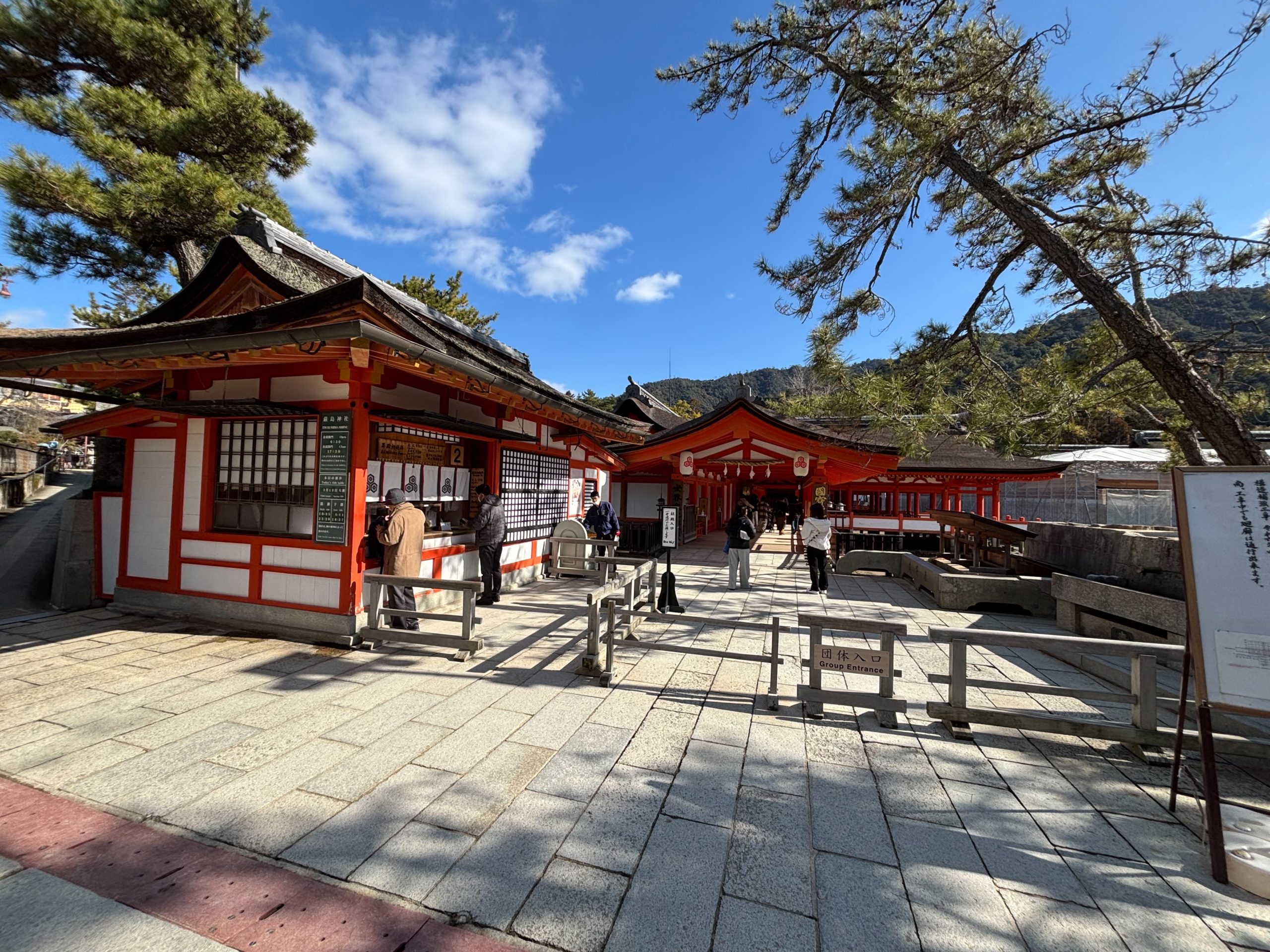
Itsukushima Shrine Admission Fees and Visiting Hours
Admission Fee
・Adults: ¥300 (approximately $2 USD)
・High School Students: ¥200
・Elementary/Junior High School Students: ¥100
*Cash only. Credit cards and electronic payment methods (including IC cards like Suica) are not accepted at the shrine entrance. Please also note that Miyajima Island introduced a visitor “island entrance tax” of ¥100 per person starting in October 2023, which is collected at the ferry terminal, so be sure to prepare sufficient cash for both fees before your visit.
Opening and Closing Hours
The shrine’s visiting hours vary throughout the year to accommodate seasonal changes in daylight:
・January 1: 12:00 AM (midnight) – 6:30 PM (special New Year’s hours)
・January 2 – January 3: 6:30 AM – 6:30 PM
・January 4 – end of February: 6:30 AM – 5:30 PM
・March 1 – October 14: 6:30 AM – 6:00 PM
・October 15 – November 30: 6:30 AM – 5:30 PM
・December 1 – December 31: 6:30 AM – 5:00 PM
Wear Comfortable Walking Shoes
Early morning visits (arriving on the first ferry of the day from the mainland) tend to be the quietest and most peaceful times, perfect for enjoying the high tide views without the crowds that gather later in the day. The shrine’s corridors have narrow gaps between the floorboards (remember, these are designed to let seawater flow through during high tide), and there are also small steps throughout the pathways, so it’s best to avoid high heels or dress shoes and opt instead for comfortable sneakers or walking shoes with good grip. If you’re traveling with a stroller, be aware that some corridor sections may require briefly lifting it over steps or narrow passages; many families find that a baby carrier or wrap is a smoother option for navigating the shrine with infants and toddlers.
If you plan to walk out on the sandy beach at low tide to reach the Great Torii Gate, it’s wise to bring a spare pair of shoes or sandals that can get wet and muddy, along with wet wipes or a small towel to clean up afterward. The sand can be quite moist and sticky, and shells and bits of seaweed can make the footing a bit slippery, so keeping kids comfortable and clean helps prevent complaints and ensures everyone enjoys the experience.
Omotesando Shopping Street, the main shopping and dining street on Miyajima, is just a short and pleasant walk from Itsukushima Shrine. You can enjoy sampling local street food and browsing for souvenirs, so be sure to stop by after your shrine visit to complete your Miyajima experience:
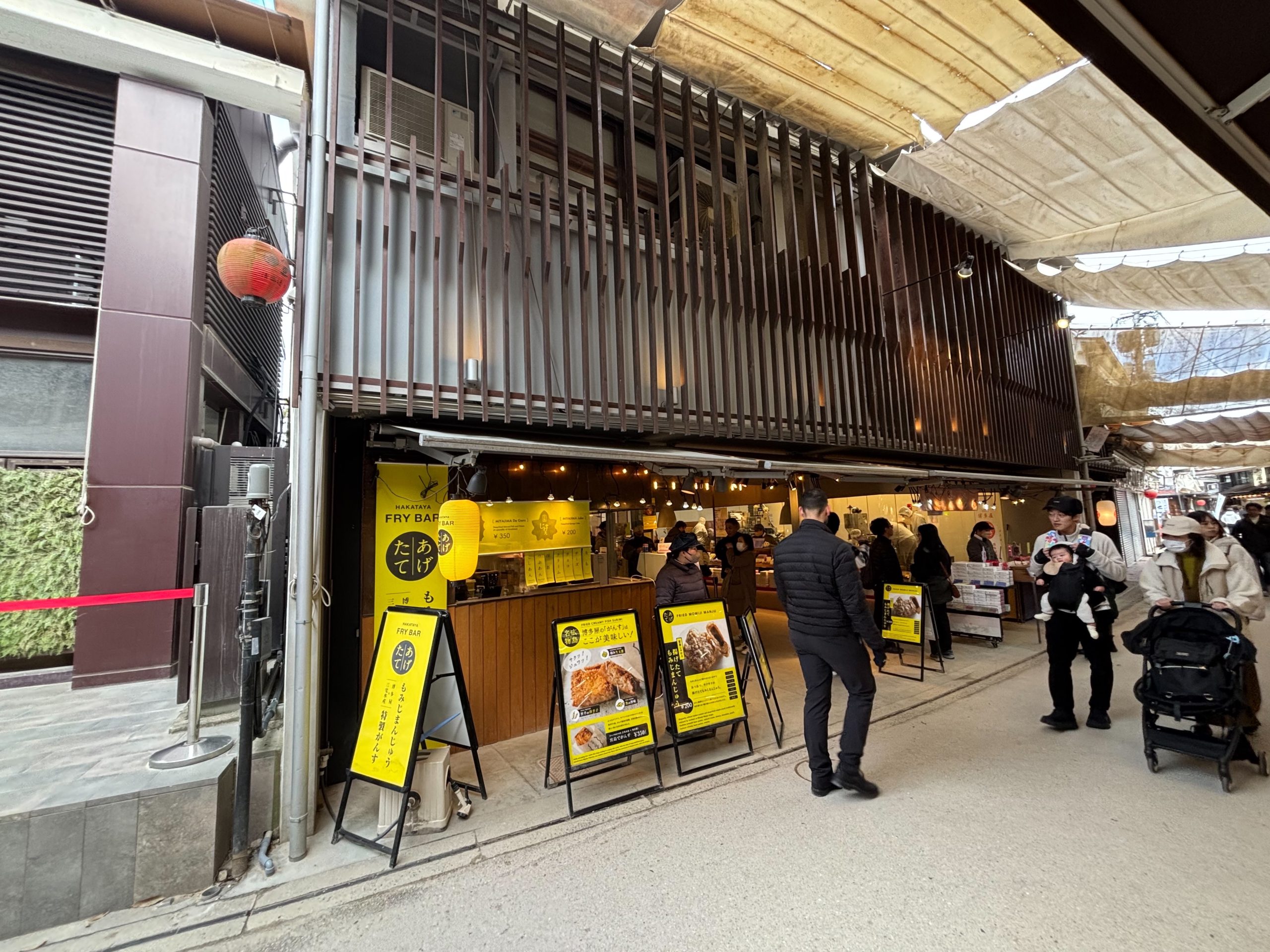
Wondering what to eat in Miyajima? The answer lies along Omotesando Sh...

The Great Torii Gate: Miyajima’s Most Iconic Symbol
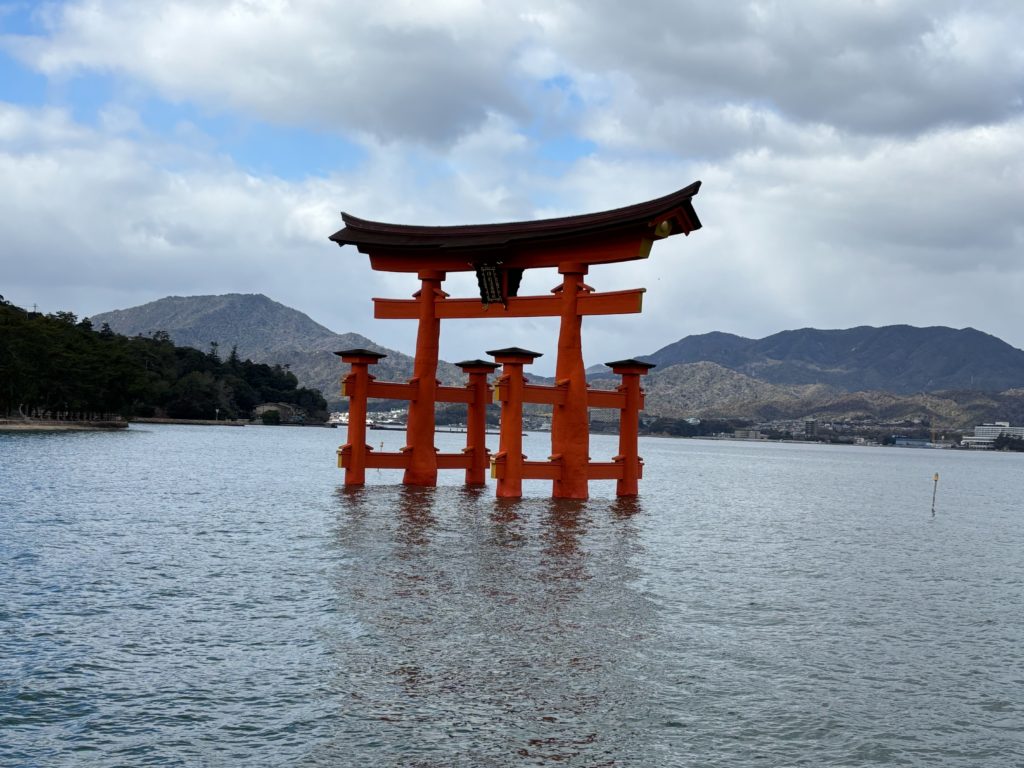
Standing approximately 16.6 meters tall (about 54.5 feet, roughly the height of a five-story building) and weighing an impressive 60 tons, the Great Torii Gate is constructed from naturally water-resistant camphor wood. It uses a remarkable traditional engineering technique that relies entirely on the gate’s own massive weight and a foundation of thousands of carefully placed wooden piles driven deep into the seabed—no nails, bolts, or metal fasteners are used to hold the structure together. The current torii gate is actually the eighth generation in a long succession of gates that have stood in this location, each one carefully designed and constructed to withstand Miyajima’s dramatic twice-daily tides and the occasional typhoons that sweep through the region.
At low tide, the receding water reveals the sandy beach, and you can walk right up to the base of the gate to examine its impressive construction up close—an unforgettable experience that feels almost surreal, standing beneath this massive sacred gateway that usually appears to float in the sea. However, be aware that shells, small rocks, and seaweed scattered across the sand can make the surface quite slippery in places, so it’s important to hold hands with young children and walk slowly and carefully. At high tide, taking photographs from the shrine corridors or from the seaside promenade allows you to capture the beautiful contrast between the rippling blue-green water of the Seto Inland Sea and the brilliant vermilion pillars of the torii gate, especially lovely when using a telephoto lens or zoom setting to compress the perspective.
The vermilion-lacquered torii gate is unquestionably the most recognizable icon and symbol of Itsukushima Shrine, appearing in travel guides, documentary films, and photography books around the world. At low tide, being able to walk right up to it and touch its massive pillars creates a tangible connection to centuries of history and tradition. At high tide, when the gate appears to float mysteriously in the sea, it creates that mystical, otherworldly postcard view that has made Miyajima one of Japan’s most photographed locations.
When my family walked out to the Great Torii Gate during one particularly low tide, my older daughter was absolutely overjoyed and couldn’t stop smiling, later telling everyone we met, “I touched the Great Torii! I really touched it with my own hands!”
For a different perspective on viewing the Great Torii Gate from the sea, I highly recommend taking advantage of the JR Ferry’s special Torii viewing service during your crossing to or from Miyajima! The view of the torii gate from the boat, with the shrine and mountains in the background, is truly exceptional and gives you a photographer’s perspective:
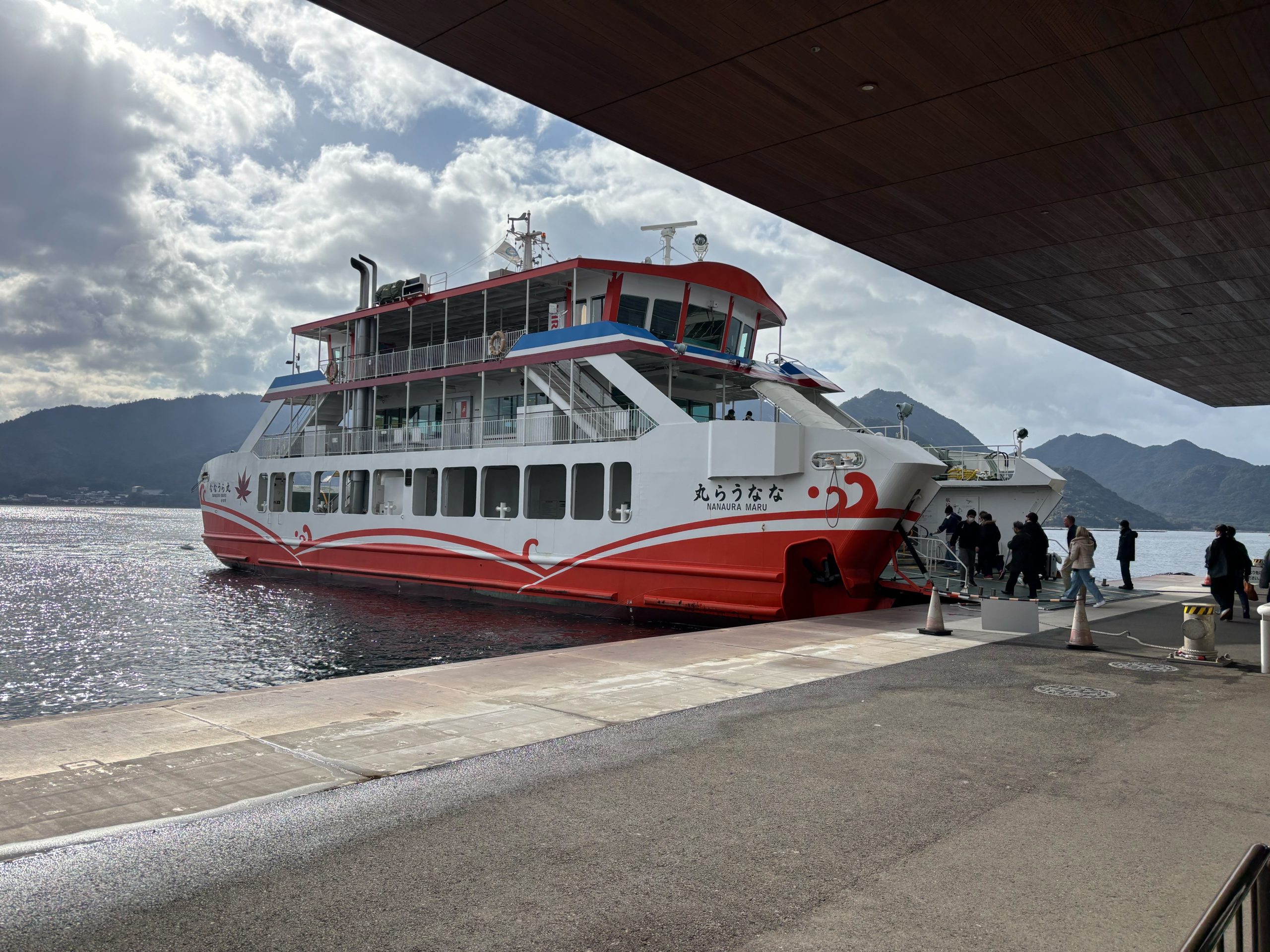
The Miyajima Ferry is more than simple transport—it's a short scenic c...
The Mysterious “Mirror Pond” Appearing at Low Tide
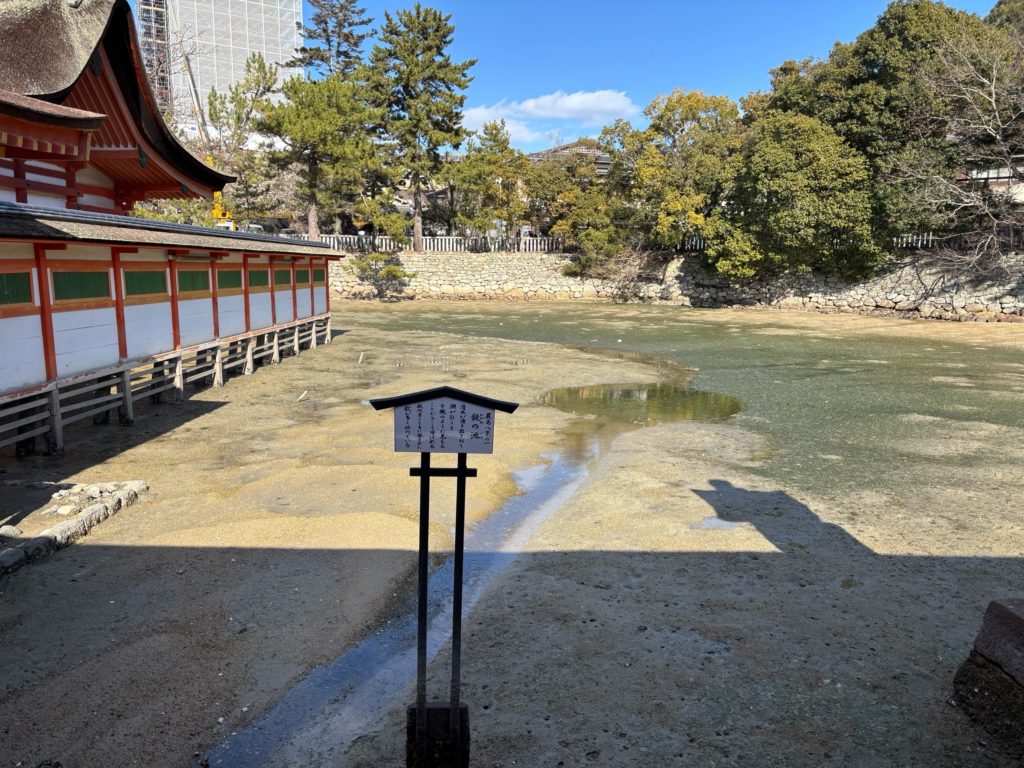
The “Mirror Pond” (Kagami-ike) is a small natural spring that surfaces mysteriously only during low tide periods, creating shallow pools of remarkably clear, still water on the exposed sandy beach. The famous scene of the autumn full moon reflected perfectly on the mirror-like surface of this pond—poetically known as “Mirror Pond Autumn Moon” (Kagami-ike no Meigetsu)—has been celebrated and praised in classical Japanese waka poetry since ancient times, and it remains one of the “Eight Views of Miyajima” traditionally appreciated by visitors.
Actually, three separate spring-fed ponds typically appear on the sandy beach within the shrine precincts when the tide drops to around 100 cm or lower, though you need particularly good timing and calm conditions to see all three at once. During the evening hours, if your timing is perfect, the setting sun can turn the water a shimmering, magical gold color that’s absolutely stunning. Children naturally want to splash in the water or try skipping stones across the surface, so it’s a good idea to bring along a towel and perhaps a complete change of clothes just in case anyone gets wet, which helps avoid chills and complaints later when the sea breeze picks up.
At especially calm low tides with little wind, you may be fortunate enough to find all three “Mirror Pools” clearly visible along the exposed sandy shore. The spring water is remarkably crystal clear and cool, and the famed sight of the autumn full moon reflecting perfectly on the still surface has been a seasonal highlight celebrated in waka poetry and haiku for more than a thousand years, connecting modern visitors to centuries of poetic tradition.
Packed with Instagram-Worthy Photo Spots Offering Stunning Views
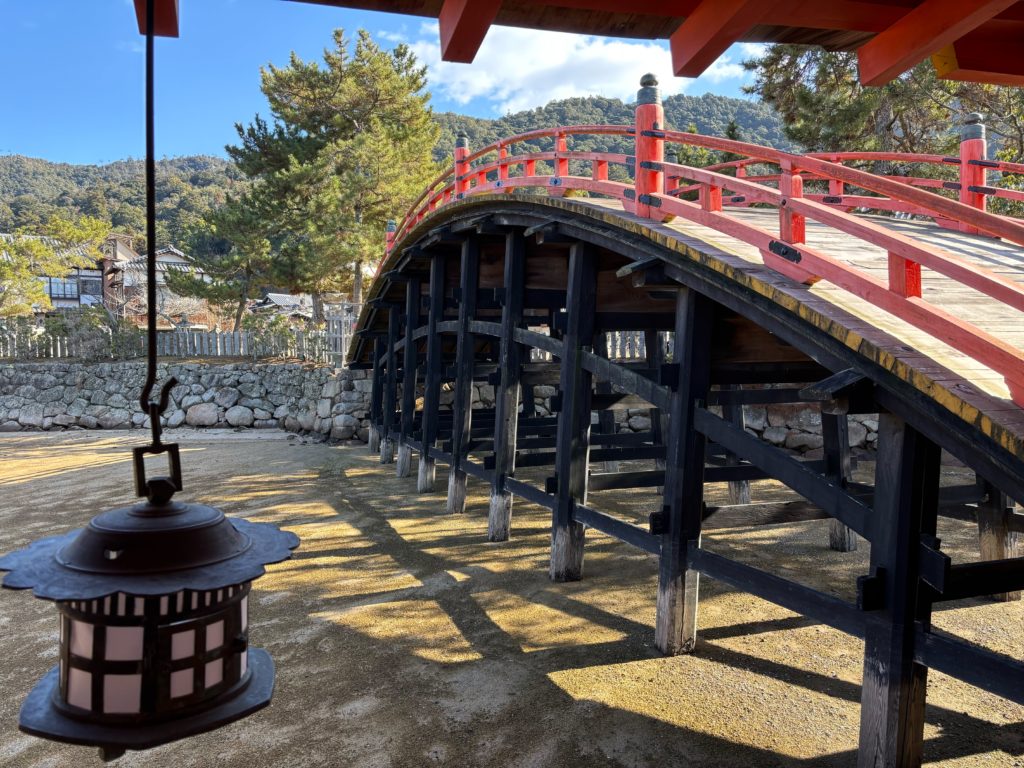
The shrine offers completely different photographic opportunities depending on the time of day you visit. During daylight hours, the brilliant vermilion of the shrine buildings contrasts beautifully with the deep ocean blue, creating a fresh, vibrant feeling. At dusk, dramatic backlighting from the setting sun transforms the shrine into striking silhouettes against a colorful sky. At night, the reflections from the illumination on the dark water absolutely steal the show, creating an almost ethereal atmosphere.
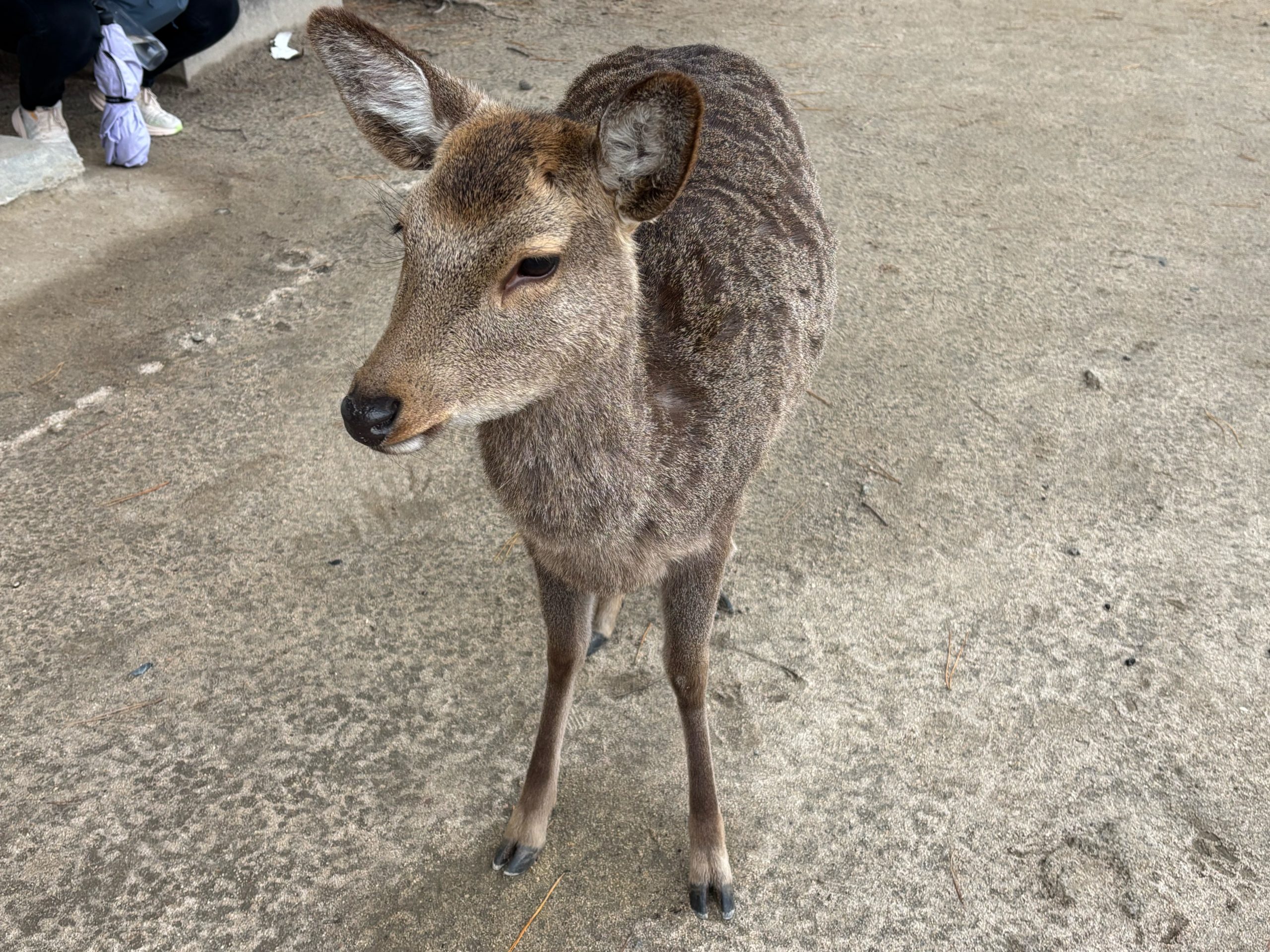
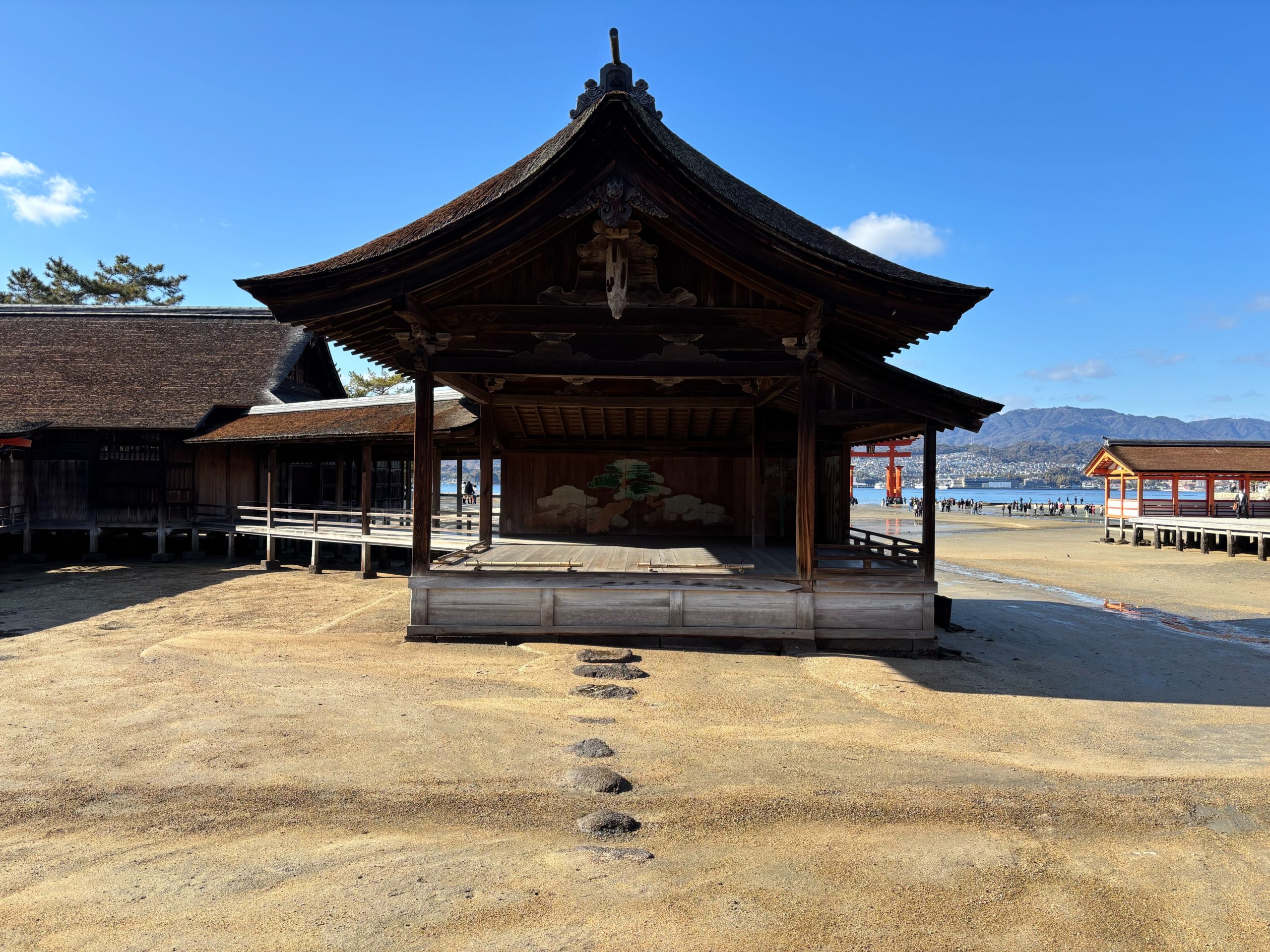
If you’re traveling with children and constantly swapping camera lenses is impractical, don’t worry—a smartphone with a clip-on wide-angle lens attachment is more than sufficient to capture beautiful memories. During peak visiting times, popular spots like the long bridge beside the main hall and the open space in front of the high stage (used for traditional dance and music performances) often clear of crowds for brief moments. Rather than waiting patiently in one spot hoping for an opening, the local photographer’s trick is to keep moving continuously through the shrine, and you’ll naturally catch those momentary gaps when you can get a clean shot. One practical tip: keep your paper tickets, maps, and any snacks tucked securely away in closed bags so that Miyajima’s bold and clever deer don’t snag and eat them—they’re notorious for this!

The covered corridors of Itsukushima Shrine stretch approximately 275 meters (about 900 feet) over the sea in a graceful line, and their vermilion lacquer reflects beautifully in the water below, creating mesmerizing patterns that shift with the ripples. Designated as a National Treasure by the Japanese government, the visual harmony between the corridor architecture and the ocean it spans is truly breathtaking and represents the pinnacle of Heian-period architectural aesthetics. Simply walking slowly along these ancient wooden pathways and breathing in the sea air feels like stepping back in time into a sacred space filled with centuries of prayers and blessings.
I Bought Amulets and Charms from Itsukushima Shrine

The shrine office (shamusho) is well-stocked with a wonderful variety of amulets and charms that capture the essence and spiritual power of Miyajima. You’ll find traffic safety amulets featuring the iconic Great Torii Gate design, general good fortune talismans decorated with the shrine’s distinctive crest (a three-layered double tortoise shell pattern with sword and “flower diamond” motifs), charms for warding off evil and misfortune, and adorable designs featuring Miyajima’s famous deer. The Munakata Three Goddesses are also specifically known throughout Japan for their protection of women and children, so many visitors come to pray for safe childbirth, healthy child-rearing, and family well-being.
Personally, I chose a traffic safety charm for my child who rides a bicycle to school every day—it’s light enough not to weigh down a backpack, and knowing it’s there gives both of us a little mental boost and sense of protection each morning when they head out the door.
You can purchase these protective charms and amulets at the shrine office located near the center of the grounds, not far from the main worship hall. The selection is quite extensive, with adorable and beautifully designed options for traffic safety, general good fortune, protection from misfortune and accidents, safe childbirth and child-rearing, academic success and exam performance, health and longevity, and more. The classically styled traditional amulets, with their fine embroidery and elegant designs, make especially thoughtful and meaningful souvenirs to bring back for family and friends.
Academic Achievement Charm (Gakugyo Joju Omamori)
This academic success charm is perfect not only for students on school trips but also for parents of children facing important entrance exams or academic challenges—having it provides real peace of mind. With multiple color options available, siblings can choose different colors that suit their personal preferences without any squabbles over who gets which one. At just ¥300 (about $2 USD), it’s quite budget-friendly. Many families like to pair the amulet with an ema (wooden votive plaque) specifically for exam success, writing their prayers and wishes on the plaque and hanging it at the shrine—it’s a meaningful way to focus your intentions and hopes for academic achievement.
The Academic Achievement Amulet, which is particularly popular with students and receives blessings for academic improvement and exam success, costs ¥300 and comes in five attractive colors: purple, light blue, white, yellow, and red. You can choose the color that appeals most to you or matches your school colors. *The image shows the red amulet on the left side.
Safe Childbirth Amulet (Anzan Omamori)
This beautifully designed amulet reflects the gentle, protective prayers of a shrine dedicated to female goddesses who understand the hopes and concerns of expectant mothers. If you’re exploring Miyajima during pregnancy, remember to take it easy, don’t feel pressured to rush, and make use of the benches placed along the walkways to rest whenever you need to. The sea breeze can be surprisingly cool even on warm days, so bringing a large shawl or light jacket helps protect against getting chilled, which is especially important during pregnancy.
The Munakata Sanjoshin (Three Munakata Goddesses) enshrined at Itsukushima are known to grant special blessings and divine protection for women facing various life stages and challenges. The safe childbirth amulet is one such protective charm, treasured by expectant mothers throughout Japan. *The image shows the white amulet on the right side.
Final Thoughts on Your Itsukushima Shrine Visit
Visiting Itsukushima Shrine means experiencing scenery and atmosphere that transform dramatically with the tides, the time of day, the season of the year, and even the weather conditions. The sight of the Great Torii Gate appearing to float mysteriously in the sea, the elegant vermilion corridors stretching gracefully over the water, and the harmonious relationship between the shrine architecture and the natural environment of mountain and sea create views and experiences found absolutely nowhere else in the world.
After your shrine visit, I also highly recommend making time to climb Mt. Misen, the sacred mountain that forms the backdrop to Itsukushima Shrine! It’s easily accessible by ropeway (cable car), and at the summit temple you can see the sacred eternal flame that has been burning continuously for over 1,200 years—this mystical fire is particularly fascinating and popular with children, who are amazed that it has never been extinguished:
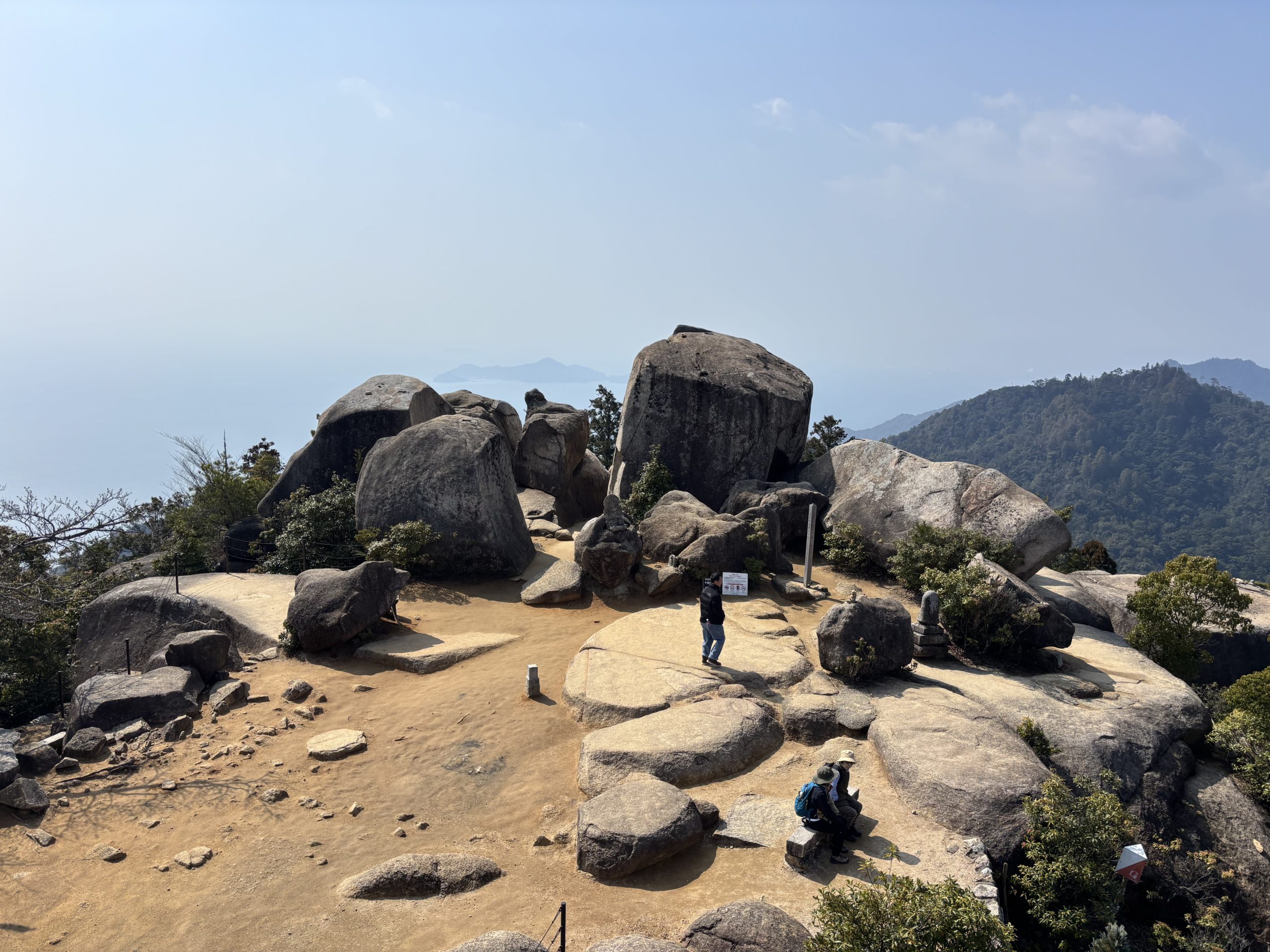
The definitive one-day guide to "Mt. Misen sightseeing." Rising behind...
Don’t forget about the Miyajima Aquarium (Miyajima Public Aquarium, known locally as “Miyajimarin”), which is perfect for rainy days or when you need a break from walking. It’s useful to know in advance that they offer free stroller rentals, which is a real convenience for families with young children:
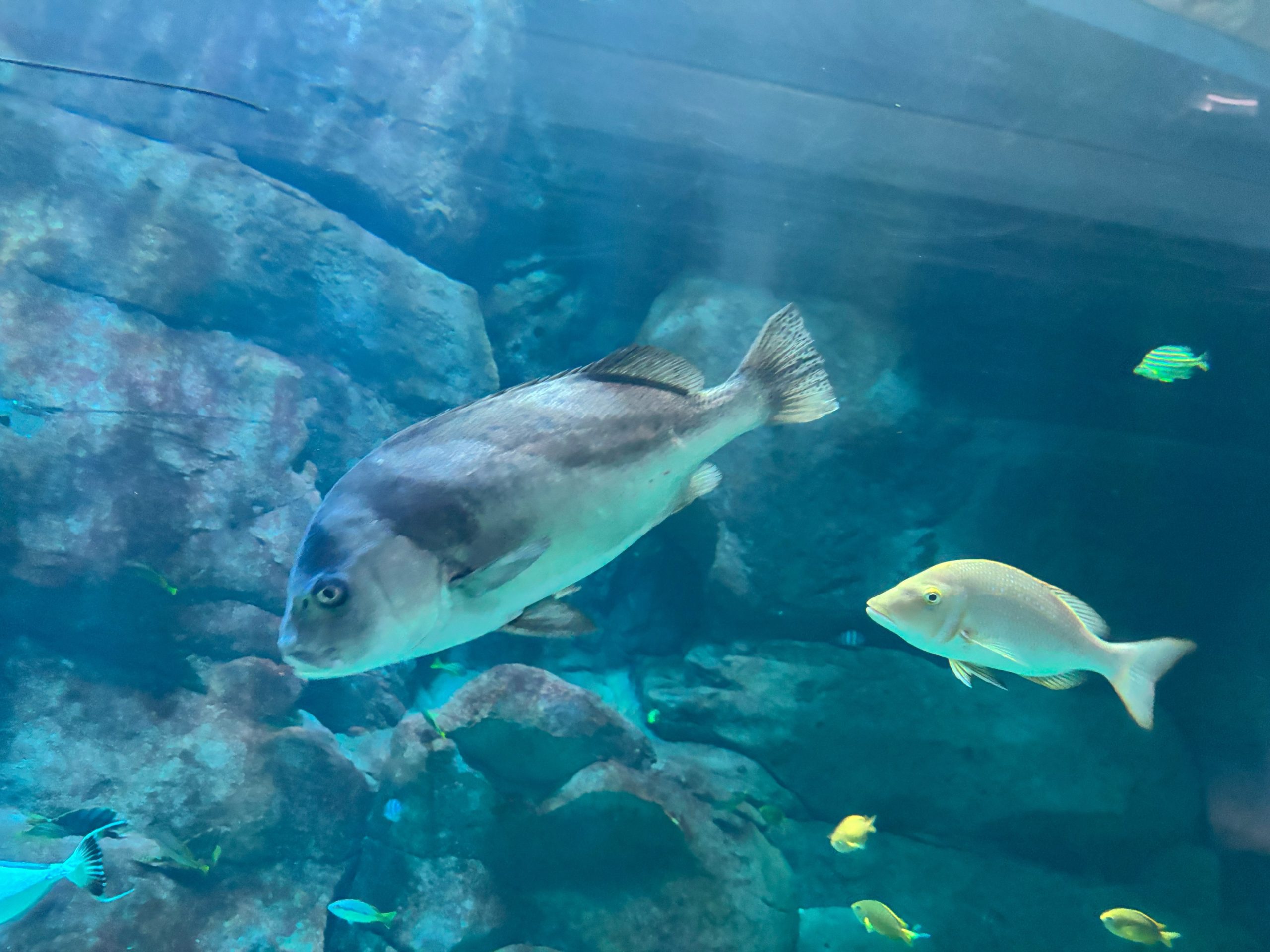
Located at the gateway to the World Heritage island of Miyajima, the M...
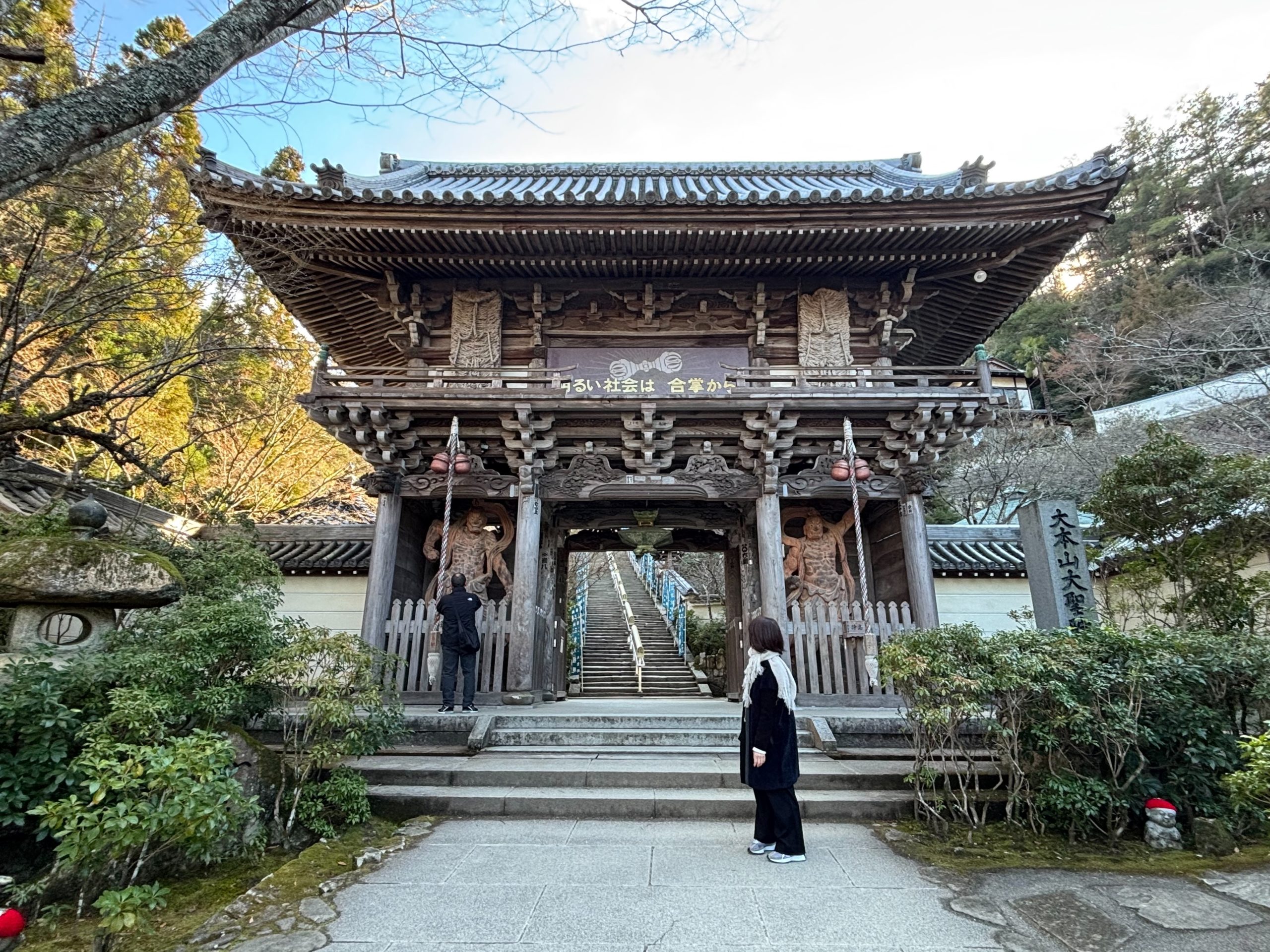
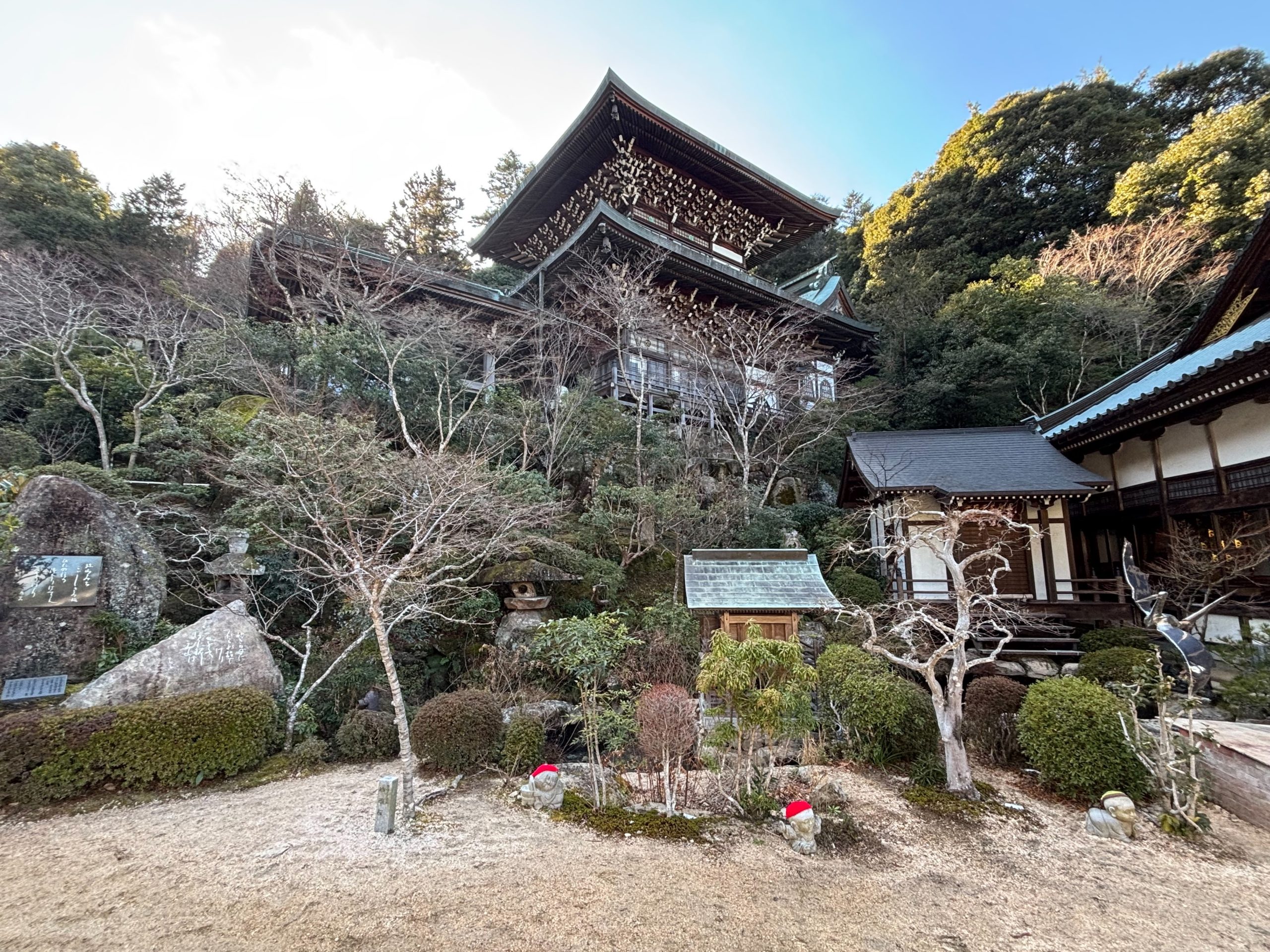
Daisho-in Temple, which actually has an even longer documented history than Itsukushima Shrine itself, is also an absolute must-see attraction. It’s beloved by locals as a powerful spiritual “power spot,” and the spring fire-walking ceremony (hiwatari-shiki) held there annually is a spectacular sight that draws large crowds:

Your complete guide to Daishō-in Temple on Miyajima: history, what to do, spiritual experiences (sand stepping, fire walking, Kaidan Meguri), annual events, access, barrier-free info, and how to get a goshuin (temple stamp).
Senjokaku (also known as Hokoku Shrine), a large historic hall with connections to the famous warlord Toyotomi Hideyoshi, is located within easy walking distance from Itsukushima Shrine. It’s something of a hidden gem where children can run around more freely than at the shrine, and you can enjoy it together with a visit to the adjacent Five-Story Pagoda, one of Miyajima’s most photogenic landmarks:
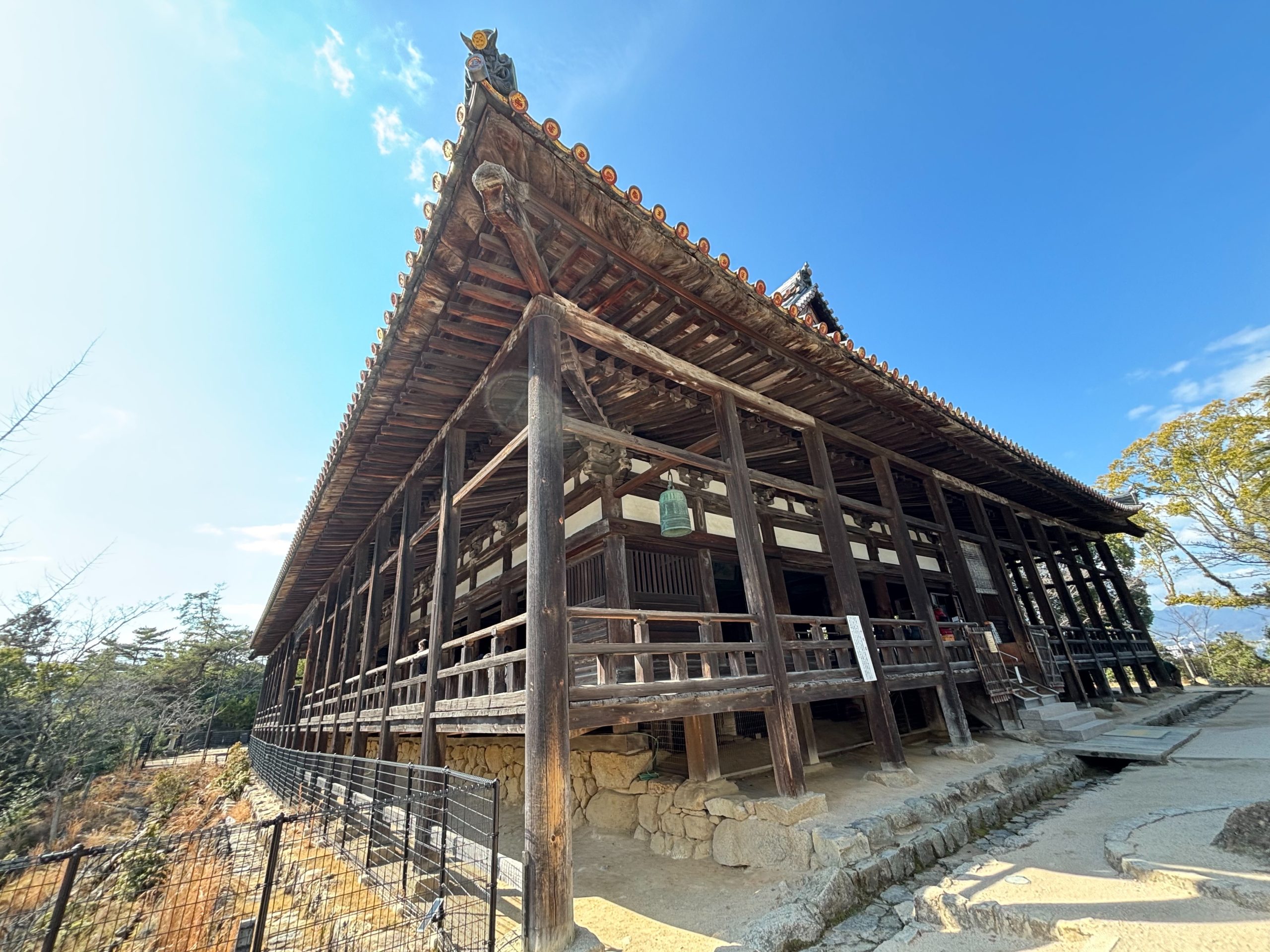
Highlights and Views at Miyajima's Hōkoku Shrine (Senjōkaku) Perched ...
Don’t miss trying Miyajima’s famous anago-meshi (grilled conger eel rice)—it’s one of Hiroshima’s signature dishes! Be sure to check out our comprehensive article summarizing the best family-friendly restaurants where you can enjoy this local specialty:
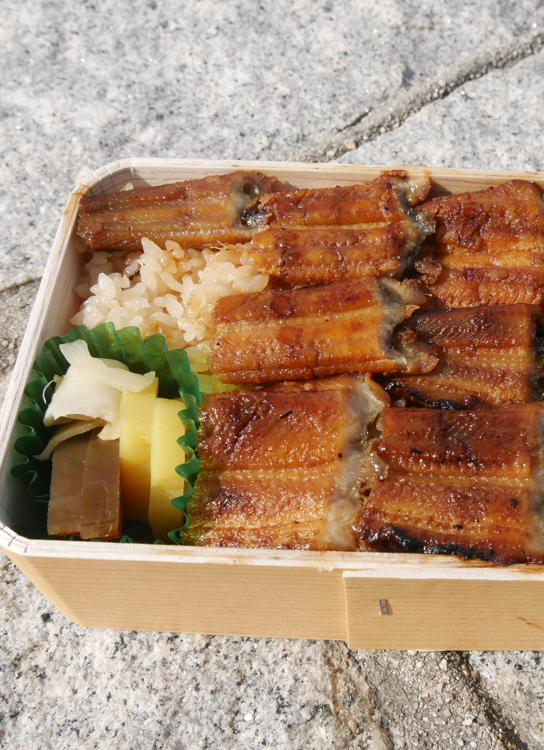
When you visit Hiroshima's enchanting island of Miyajima, one dish sta...
When sightseeing anywhere on Miyajima, be sure to take your time and savor the full charm and spiritual atmosphere of this remarkable World Heritage Site. During hot summer weather or when anyone in your group gets tired, the free public rest area located in Momijidani Park is a genuine hidden gem—it has air conditioning, clean restrooms, and comfortable seating where you can recharge. Also worth noting, most public restrooms throughout the island are equipped with baby changing stations and facilities, so you can sightsee quite comfortably even with infants and toddlers in your group.
Please note that information about hours, fees, and services is subject to change. Always check the official Itsukushima Shrine website or the Miyajima Tourism Association website for the most current and accurate details before your visit to avoid any disappointment.
Frequently Asked Questions About Visiting Itsukushima Shrine
Q. What tide conditions allow walking out to the Great Torii Gate?
A. As a practical rule of thumb, you should aim for a tide level of 100 cm (about 3.3 feet) or lower to safely walk out to the torii gate. Before your trip, search for the Miyajima Tourism Association’s detailed tide chart for your specific travel dates to confirm the exact low tide times during your visit. For families with small children, rubber boots or water shoes that can get wet and muddy are highly recommended, as the sand can be quite sticky and there may be puddles remaining even at low tide.
Q. What if I specifically want to see the shrine buildings appearing to float on the sea?
A. To see the famous “floating shrine” effect at its best, target a tide level of 250 cm (about 8.2 feet) or higher. In addition to viewing the shrine from the corridors themselves, the water-mirror reflection effect that occurs from twilight through the nighttime illumination period creates an even more magical and photogenic scene that’s particularly popular with photographers.
Q. Can I visit the shrine during the nighttime illumination period?
A. The illumination (which generally runs from approximately 30 minutes after sunset until around 11:00 PM) is for viewing and photography only; the actual worship areas inside the shrine are closed to entry during these evening hours. You can enjoy the beautifully lit buildings quietly from the seaside promenade that runs along the shore, or for an extra-special experience, take a nighttime sightseeing boat tour that circles around the illuminated shrine and torii gate.
Q. What does the “Taira” (Flat/Even) fortune slip mean?
A. The “Taira” fortune is a relatively rare type of omikuji (fortune slip) that indicates “neither particularly good nor bad; things will settle and proceed calmly and steadily.” It’s positioned conceptually between the good fortunes and the bad fortunes in the traditional ranking system. Itsukushima Shrine is actually one of the very few shrines in Japan that still offers this “Taira” fortune category, which has historical significance. The shrine is also well-known for the traditional custom of tying a bad fortune (if you draw one) to the designated racks using only your non-dominant hand as a spiritual challenge to overcome the misfortune.
Q. Any practical tips for visiting Itsukushima Shrine with young children?
A. A good strategy is to start your day early with a visit to the main hall and corridors while crowds are lighter and children are fresh and energetic. If the timing works out that low tide occurs during your visit, head out to walk to the Great Torii Gate while it’s exposed. Then take a break for lunch and rest in the shopping street, where kids can try local snacks and use clean restrooms. Finally, return in the early evening if high tide is occurring to see the illumination and experience the completely different atmosphere of the floating shrine at night. Throughout your visit, baby carriers (rather than strollers) and having plenty of wet wipes on hand are absolute essentials for comfort and convenience.
Q. What are the shrine’s most famous spiritual blessings and powers?
A. The Munakata Three Goddesses are traditionally known as protectors of “all paths and roads,” which makes Itsukushima Shrine particularly famous throughout Japan for blessings related to traffic safety (whether by car, train, bicycle, or on foot) and safe voyages by sea. Additionally, Ichikishimahime-no-Mikoto, one of the three goddesses, is also worshiped in her manifestation as Benzaiten (one of the Seven Lucky Gods), who is strongly associated with wealth and prosperity, physical beauty and grace, eloquence and the arts (especially music and dance). This makes the shrine especially popular for prayers seeking good fortune in business, academic success, and artistic endeavors.
Q. What other nearby attractions and activities should I visit while on Miyajima?
A. The adjacent Daiganji Temple (which houses an important Itsukushima Benzaiten statue) is just a short walk away and worth visiting. The primeval forest hiking trails leading up Mt. Misen offer both spiritual sites and panoramic views and are considered classics of the Miyajima experience. For local food specialties, make sure to try Miyajima’s famous treats: momiji manju (maple-leaf-shaped cakes filled with sweet bean paste or other fillings), fresh grilled oysters (Hiroshima Prefecture is Japan’s top oyster producer), and anago-meshi (grilled conger eel served over rice)—the latter is a beloved Hiroshima specialty that you absolutely shouldn’t miss. The deep-fried momiji manju available as street food in the shopping district is a modern twist that’s especially popular with children and makes for a delicious warm snack while exploring.
Summary: Making the Most of Your Itsukushima Shrine Experience
The key to maximizing Miyajima’s charm and getting the most from your Itsukushima Shrine visit is to plan your day so you can experience both the low tide walk to the torii gate (aim for tide levels under 100 cm) and the high tide “floating shrine” view (aim for levels over 250 cm) within the same visit if your schedule allows. By enjoying the peaceful corridors in the quiet morning hours, discovering the Mirror Pond around midday when tides are lowest, and returning for the magical evening illuminations after sunset, you’ll experience the shrine’s many different faces and create lasting memories. Exploring Itsukushima Shrine at your own family’s comfortable pace, without rushing, brings fresh surprises and moments of wonder every single time you visit.
Remember that admission is ¥300 for adults (cash only, so come prepared), and the best strategy is to visit during off-peak hours to avoid the largest crowds while wearing comfortable walking shoes suitable for uneven surfaces. And if you’re wondering what to eat during your Miyajima visit, don’t miss the opportunity to try locally caught oysters prepared in various styles and anago-meshi (grilled conger eel over rice), which is considered one of the very best and most authentic conger eel dishes in all of Hiroshima Prefecture. May your visit to this sacred island bring you spiritual blessings, stunning photographic memories, and perhaps even inspire your children to say, “This was amazing—let’s come back to Miyajima again someday!”