
When you’re planning your Miyajima ferry parking, Mitsui Repark Miyajimaguchi Passenger Terminal Parking stands out as a clean, convenient, and stress-free option right by the ferry terminal. My family discovered this gem on our last visit, and the moment we pulled in, the clear signage and well-organized layout made everything easy—so much so that my younger daughter exclaimed, “The car house is pretty!” Whether you’re visiting for the day or staying overnight, you’ll find everything you need to know here: detailed rates, how the daily fee caps work, tips for navigating busy days, and the family-friendly features that make this parking lot a smart choice for your Miyajima adventure.
Why Mitsui Repark Is Our Top Pick for Miyajimaguchi Parking

The modern exterior of Mitsui Repark Miyajimaguchi Passenger Terminal Parking welcomes you just steps from the ferry.
Parking Rates and Fee Structure

Understanding the parking fees ahead of time helps you budget for your Miyajima trip. The rates vary between weekdays and weekends, with different daytime and nighttime pricing that can actually work in your favor if you time your visit right.
Weekday Rates (Monday to Friday)
Daytime hours (07:00–17:00): ¥200 per 30 minutes
Evening and overnight (17:00–07:00): ¥100 per 60 minutes
Weekend and Holiday Rates (Saturdays, Sundays, and National Holidays)
Daytime hours (07:00–17:00): ¥300 per 30 minutes
Evening and overnight (17:00–07:00): ¥100 per 60 minutes
Daily Maximum Fees (Fee Caps)
Weekdays: Daytime maximum (07:00–17:00) is ¥1,200
Weekdays: Nighttime maximum (17:00–07:00) is ¥400
Weekends/Holidays: Daytime maximum (07:00–17:00) is ¥1,600
Weekends/Holidays: Nighttime maximum (17:00–07:00) is ¥400
*Please note that rates are subject to change. Always check the official website or on-site notices for the most current pricing before your visit.

Step inside and you’ll immediately notice how new and pristine everything is. The interior features bright LED lighting and generously wide lanes that make parking straightforward, even if you’re not confident with tight spaces. The location couldn’t be better—just a quick 3-minute walk brings you to the ferry terminal, making this the ideal choice for travelers heading to Miyajima by car. During weekdays, you’ll typically find open spots without much hassle. Weekends, holidays, and peak travel seasons are a different story, with spaces filling up more quickly. Local residents tell me that late March through early April (spring break season) gets especially crowded, and August 14 (the date of the famous fireworks festival) is absolutely packed—so much so that even people who live on the island avoid driving that day. On those particularly busy occasions, taking public transportation instead is genuinely your best bet.
Once you’ve safely parked and are ready to explore, your first stop should be the magnificent World Heritage Site, Itsukushima Shrine. The kids will be absolutely thrilled when they see the famous floating torii gate standing majestically in the water.
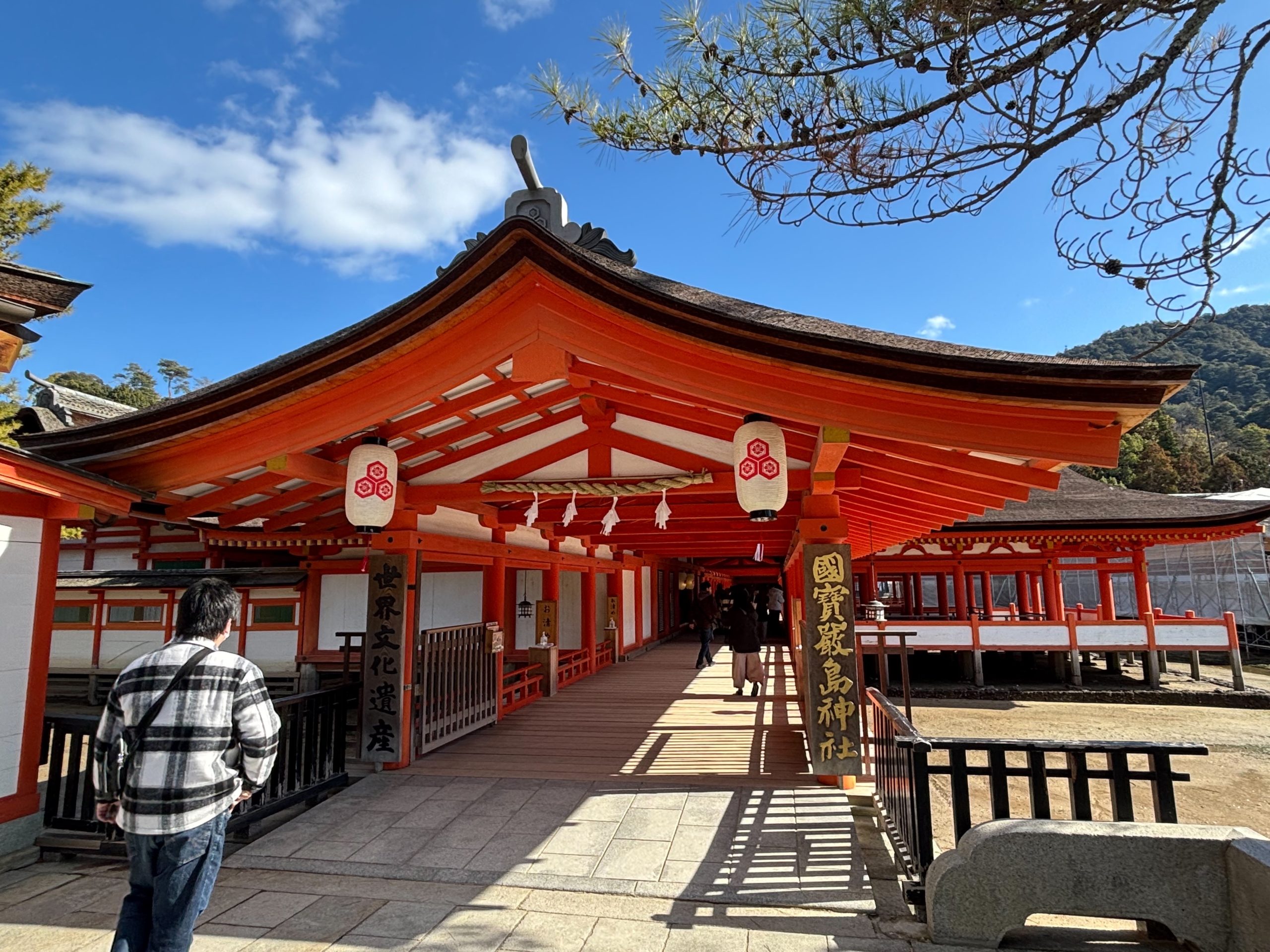
When you think of Miyajima, the first image that comes to mind is Itsu...
As always, information and pricing are subject to change, so please verify the latest details on the official website before your visit.
What Makes This Parking Facility Special
This self-service, multi-level parking structure sits conveniently just north of Hiroden Miyajimaguchi Station. It opened its doors on March 1, 2023, bringing a fresh, modern facility to the area. Everything about the design speaks to thoughtful planning—from the bright, energy-efficient lighting to the crisp white parking space lines and the extra-wide driving lanes that give you plenty of room to maneuver. If it’s your first time visiting Miyajima or you’re not familiar with parking in Japan, you’ll appreciate how straightforward everything is. The sections are clearly marked and easy to navigate, which was something I really valued when I had the kids with me and didn’t want to waste time circling floors trying to remember where we parked. And that 3-minute walk to the ferry terminal? It makes all the difference when you’re carrying luggage, pushing a stroller, or herding excited children toward their island adventure.
Smart Strategies to Save on Parking Fees
Let me break down how the fee structure works so you can plan accordingly and potentially save some money. On weekdays, you’ll pay ¥200 for every 30 minutes during daytime hours (07:00–17:00), but there’s a maximum daily cap of ¥1,200, so even if you’re there all day, you won’t pay more than that. Nighttime rates (17:00–07:00) drop to just ¥100 per hour with a ¥400 maximum—quite a bargain if you’re arriving late or leaving early. Weekends, holidays, and what they call “Specific Dates” bump the daytime rate to ¥300 per 30 minutes with a ¥1,600 maximum, while night rates stay the same as weekdays. Those “Specific Dates” can be a bit tricky—during major holiday periods like Obon (mid-August) and New Year’s, some weekdays get classified as Specific Dates and charged at the higher weekend rate, even though they’re technically weekdays. Always check the official parking calendar to see if your visit falls on one of these dates.
Here’s something important to understand: the maximum fee applies repeatedly throughout your stay. What this means is that the fee cap resets for each separate daytime or nighttime period, even if your parking spans multiple consecutive days. If you’re savvy about it, you can save money by timing your sightseeing and ferry trips to align with these period switches. A local insider tip that I’ve found helpful: weekday exits between 2:00 PM and 4:00 PM tend to be quieter, with less traffic congestion at the payment machines and exit gates.
Before you board the ferry, consider taking the JR Ferry route, which sails delightfully close to the giant torii gate—an unforgettable highlight that children especially love.
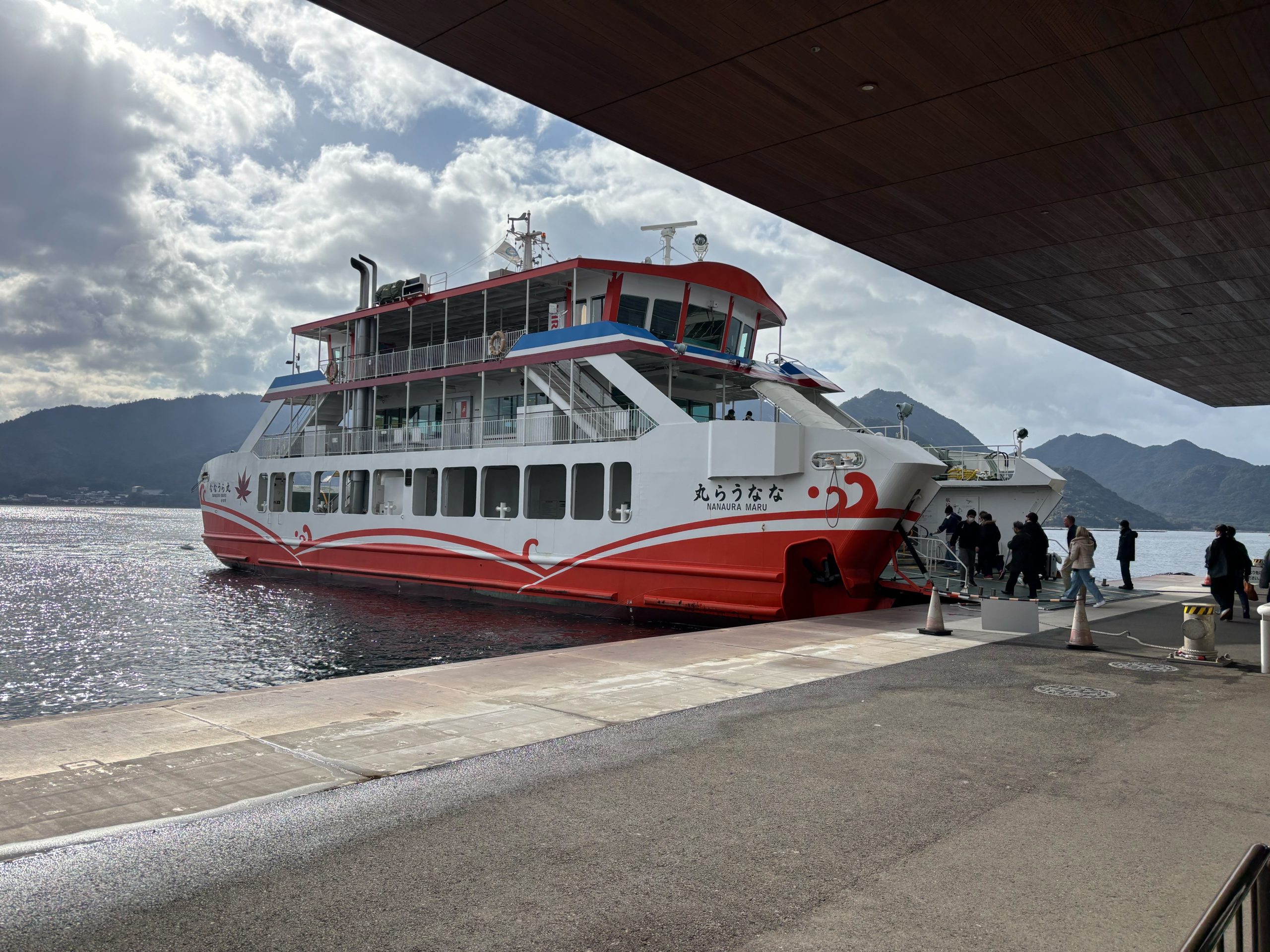
The Miyajima Ferry is more than simple transport—it's a short scenic c...
Parking Facilities and On-Site Services
Mitsui Repark goes beyond basic parking with several thoughtful amenities. The facility includes 5 electric vehicle (EV) charging stations and 5 dedicated accessible parking spaces for wheelchair users. If you’re driving an electric vehicle, you may need to call ahead to reserve one of the charging spots—check the contact phone number listed on the information board at the facility, as availability can be limited during busy periods. Payment is primarily cashless for smooth, efficient exits. The machines’ ability to accept large bills varies by specific machine, so it’s worth checking the notices posted near the payment area, or simply plan to have smaller bills or a transportation IC card on hand.
Visibility throughout the facility is excellent on every floor. Pedestrian walkways are clearly marked and separated from vehicle traffic, and the elevators are easy to locate—a real blessing when you’re managing strollers or visiting on a rainy day. The thoughtful design and intuitive layout work wonderfully for first-time visitors and for those who might not be familiar with Japanese parking conventions.
Speaking of rainy days, if the weather turns while you’re on Miyajima, the Miyajima Aquarium makes a perfect backup plan. They even offer free stroller rentals at the aquarium, though bringing your own folded stroller from the parking lot gives you more flexibility to explore at your own pace.

Located at the gateway to the World Heritage island of Miyajima, the M...
Navigating Crowds: Tips for Peak Season Parking
During high-season periods, the parking lots on the ocean side (closest to the ferry terminal) fill up first, and the merge points coming from National Route 2 and local access roads can experience significant backups. On those particularly busy days, you’ll have a smoother experience by considering mountain-side parking lots, looking into pre-bookable parking options, or even using park-and-ride facilities a bit further away.
Here are some practical tactics that have worked well for me and other regular visitors: arrive early in the morning to beat the main rush, decide on your approximate return ferry time before you leave so you can avoid the peak exit waves, and consider dropping family members at the ferry terminal first while the driver finds parking. I personally prefer starting at the mountain-side lots when I expect crowds—it means less circling around waiting for spots, and the walk is actually quite pleasant and calming before you board the ferry. Here’s a local secret: the parking lot behind “Momiji Honpo” (the famous maple leaf cake shop) often has spaces available before 8:00 AM, well before the main tourist rush begins.
Once you make it across to Miyajima Island, don’t miss the chance to stroll along Omotesando Shopping Street—it’s perfect for families, with plenty of local snacks to try and souvenirs to browse.
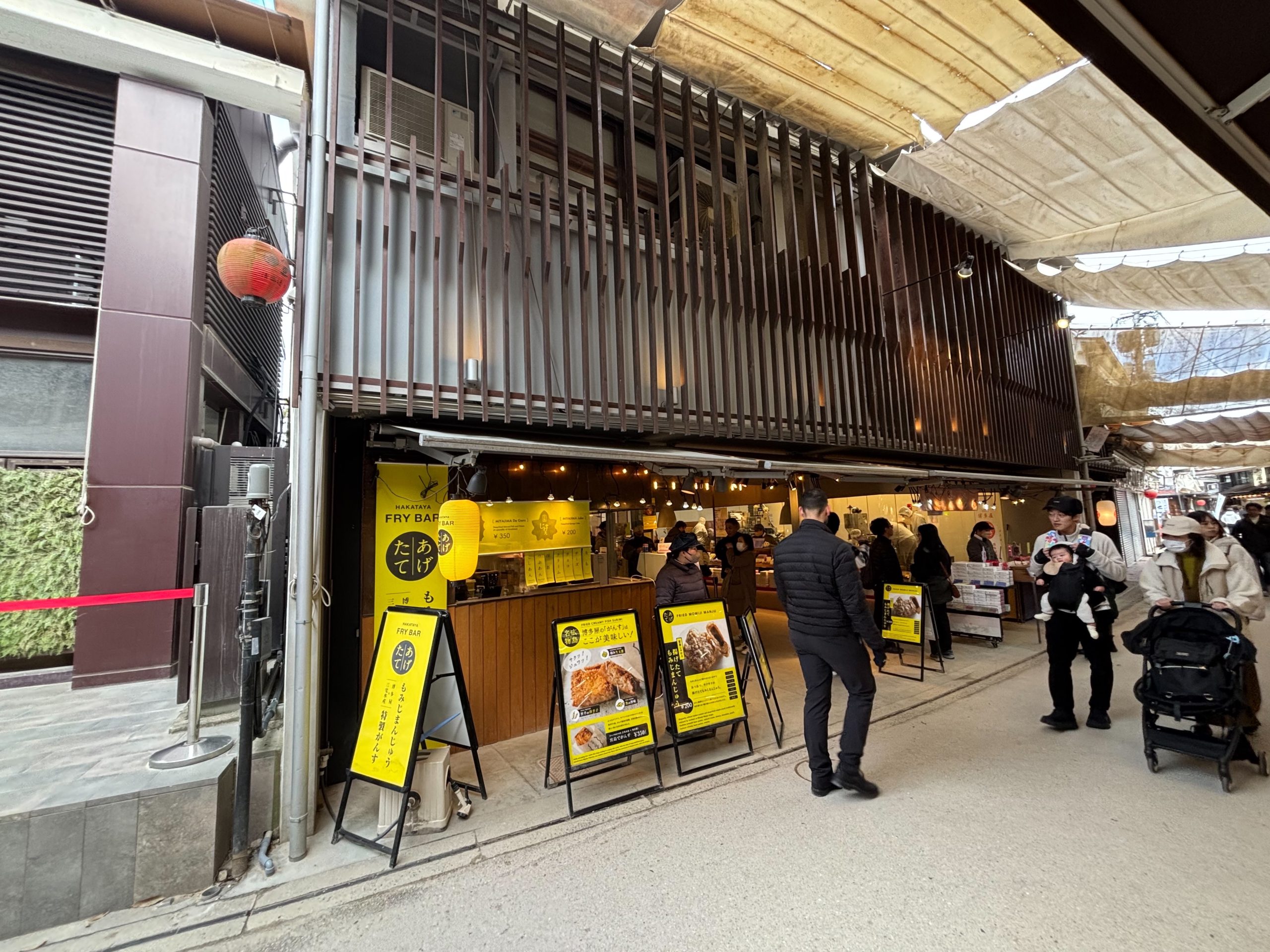
Wondering what to eat in Miyajima? The answer lies along Omotesando Sh...
A Trustworthy, Publicly Operated Facility
What sets Mitsui Repark apart from typical commercial parking lots is its public backing and purpose. Built through a partnership between Hiroshima Electric Railway and Hiroshima Prefecture, and now operated jointly by Hatsukaichi City and Hiroshima Electric Railway, this facility serves as an official gateway to Miyajima. It’s designed with broader considerations in mind—pedestrian flow management, disaster preparedness, and visitor safety—rather than just maximizing parking revenue like a typical coin-operated lot. This public accountability adds an extra layer of reliability and peace of mind, especially for first-time international visitors who might feel uncertain about navigating Japanese parking systems. The pricing structure is transparent and straightforward, with no hidden fees or confusing surcharges that sometimes pop up at privately run facilities.
Parking Discounts and Partnership Benefits
The parking facility has a partnership with “etto,” the adjacent commercial complex, which can work to your advantage. Depending on how much you spend at participating shops, the time period of your visit, and which specific stores you patronize, you may qualify for parking discounts or reduced rates. The exact conditions and eligibility change periodically, so your best bet is to check the posted notices within the parking facility itself or ask at the shops in etto about current promotions. This partnership can be especially valuable if you’re planning to combine your Miyajima sightseeing with some shopping or dining at the terminal area. I’ve taken advantage of this myself—during one visit, my eldest daughter spotted a beautiful cake shop at etto, and our impromptu purchase ended up earning us a parking discount that we hadn’t even been expecting!
Vehicle Size Limits and Restrictions
Before you head out, make sure your vehicle meets the facility’s size requirements. The restrictions are: maximum height of 2.0 meters (approximately 6.5 feet), maximum length of 5.0 meters (16.5 feet), maximum width of 1.9 meters (6.3 feet), and maximum weight of 2.0 tons (about 4,413 pounds). If you’re driving a minivan, SUV, or any vehicle with accessories on top, take a moment to double-check your actual measurements, including antennas, roof boxes, bike racks, or cargo carriers. You don’t want to set off the entrance height alarm—I learned this the hard way once when I tried to enter with a roof box still attached and triggered the buzzer! Doing these checks before you leave your accommodation will save you stress and potential delays at the entrance gate.
Alternative Parking Options in the Miyajimaguchi Area
The Miyajimaguchi ferry terminal area offers approximately 37 different parking options, giving you plenty of alternatives if Mitsui Repark is full or if you prefer a different setup. Some noteworthy reservation-based choices include “Times B Miyajimaguchi West Temporary Parking Lot (Lot 33)” where you can book your spot in advance online, and “Chu-Bee Park Parking Lot (Lot 34)” which even provides a free shuttle service to the ferry terminal. During peak seasons and especially on major holiday weekends, having a two-pronged parking strategy really pays off: assume that the ocean-side lots closest to the ferry will be completely full, and combine an advance reservation at one lot with a backup plan to use mountain-side parking if needed. This approach has saved me from parking stress more than once and helps ensure a smoother, more enjoyable day overall.
When you’re on Miyajima itself, make time to ride the ropeway up to Mount Misen—kids are fascinated by the sacred eternal flame at Daishō-in Temple that’s said to have been burning continuously for 1,200 years.
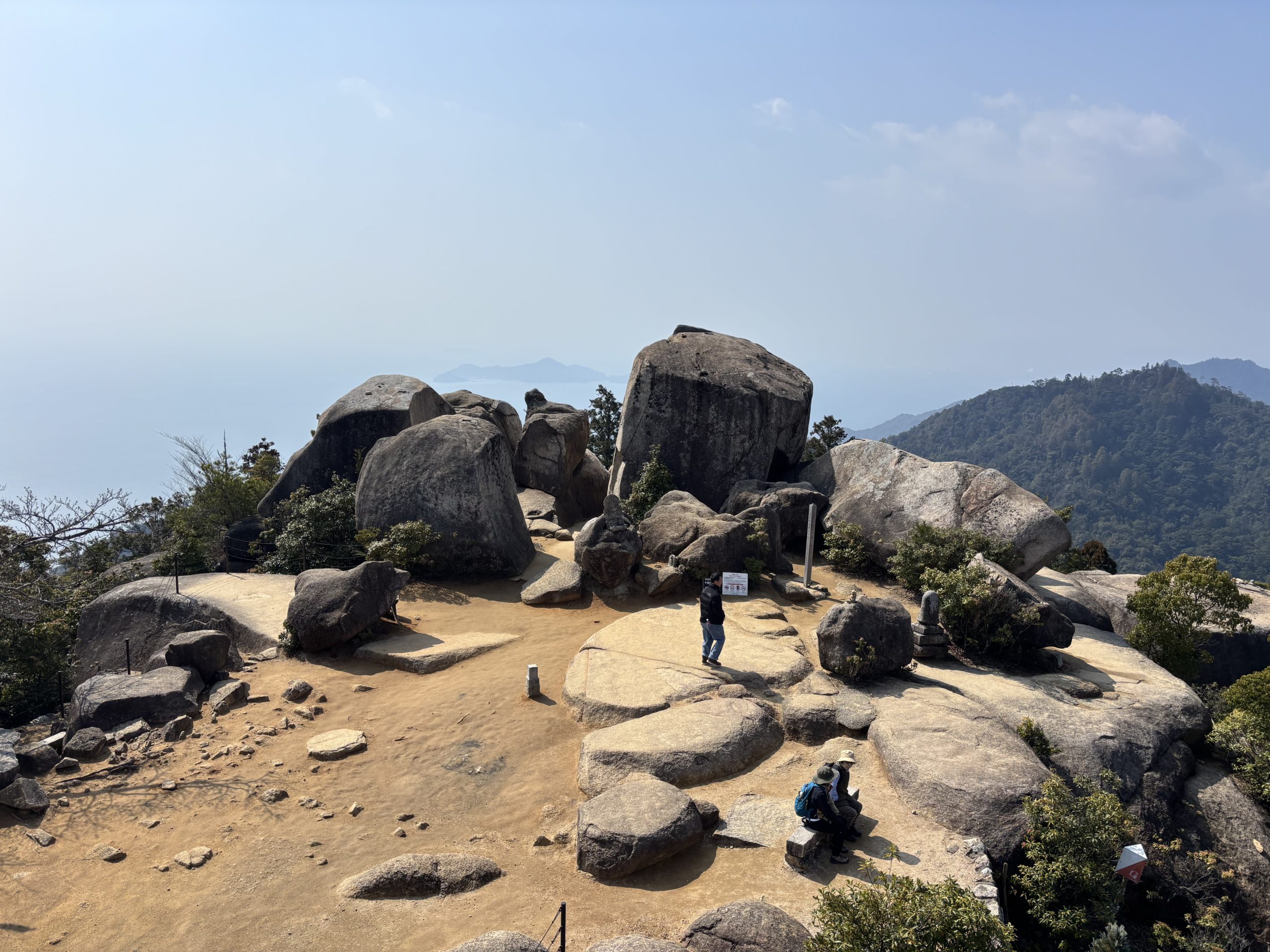
The definitive one-day guide to "Mt. Misen sightseeing." Rising behind...
You absolutely cannot leave Miyajima without trying the island’s famous conger eel rice (anago-meshi). We’ve put together a guide to family-friendly restaurants where you can enjoy this local specialty. Also keep in mind that starting in October 2023, there’s a ¥100 entrance tax per person for visiting Miyajima, which you’ll pay separately from your ferry fare.
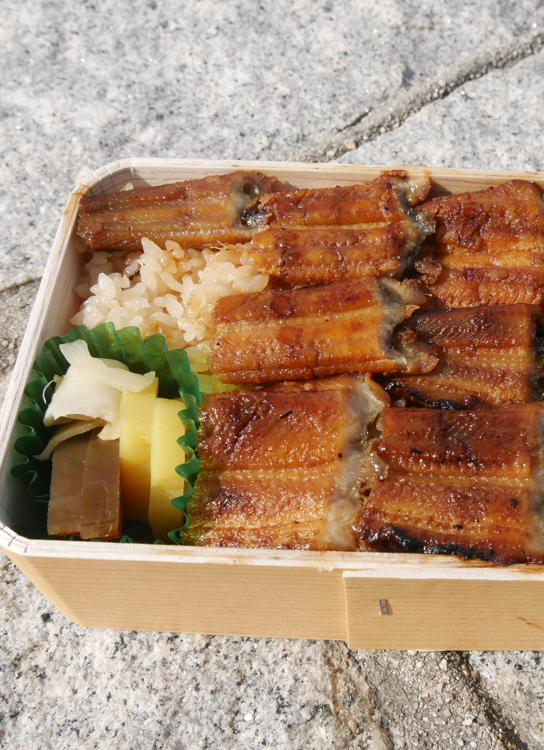
When you visit Hiroshima's enchanting island of Miyajima, one dish sta...
While you’re exploring, don’t overlook Daishō-in Temple—it actually predates the famous Itsukushima Shrine and is considered a powerful spiritual site by locals. The spring fire-walking ceremony held here is truly spectacular and worth planning your visit around if you can.

Your complete guide to Daishō-in Temple on Miyajima: history, what to do, spiritual experiences (sand stepping, fire walking, Kaidan Meguri), annual events, access, barrier-free info, and how to get a goshuin (temple stamp).
Your Parking Questions Answered
Q. Is it really just a 3-minute walk to the ferry terminal?
A. Yes, under normal conditions with typical crowd levels, it takes about 3 minutes to walk from the parking facility to the ferry terminal. On particularly busy days with heavy foot traffic, it might take a few minutes longer, but the route is straightforward, well-paved, and completely stroller-friendly, so you won’t face any difficult terrain or confusing turns.
Q. What exactly are “Specific Dates”? Can weekday rates suddenly increase?
A. During major holiday periods such as Obon (mid-August), New Year’s, Golden Week, and other peak travel times, certain weekdays are designated as “Specific Dates.” On these days, even though they fall on weekdays, the parking rates match the higher weekend and holiday pricing: ¥300 per 30 minutes during the day with a ¥1,600 maximum. Always check the official parking calendar before your visit to see if your planned date is classified as a Specific Date.
Q. Is the maximum fee only applied once? How does it work for overnight or multi-day parking?
A. The maximum fee cap is applied repeatedly for each separate daytime period (07:00–17:00) and nighttime period (17:00–07:00). This means if you park for multiple days, you’ll be charged the maximum for each period that passes. Keeping track of these time boundaries will help you estimate your total cost for longer stays and potentially time your arrival and departure to minimize fees.
Q. Can anyone use the EV charging stations? Do I need to contact someone in advance?
A. The facility has 5 electric vehicle charging stations available. Due to potential congestion or operational requirements, you may need to call ahead to reserve a charging spot. Check the on-site information board for the contact phone number, current locations of the chargers on different floors, and the most up-to-date operating status before you rely on charging there.
Q. Is this parking facility suitable for families with young children and on rainy days?
A. Absolutely. The elevators are easy to find and use, pedestrian walkways are clearly marked and safe, and the short walking distance to the ferry terminal makes it manageable even with kids and strollers in tow. When it’s raining, you can choose to park on the covered indoor floors and use the entrances and exits that provide the most shelter for your route to the ferry terminal.
Q. Can I park motorcycles or larger vehicles here?
A. The facility has specific size limits: maximum height 2.0 meters (6.5 feet), maximum length 5.0 meters (16.5 feet), maximum width 1.9 meters (6.3 feet), and maximum weight 2.0 tons (4,413 pounds). Vehicles exceeding these dimensions are not permitted. For motorcycles, follow the specific instructions and designated areas indicated on the facility’s signage.
Q. What payment methods are accepted? Can I pay with large bills if I only have cash?
A. The facility primarily operates on a cashless system for the smoothest exit experience. Whether the payment machines accept large bills depends on the specific machine and its current cash reserves, so it’s wise to check the notices posted near the payment area. To be safe, bring smaller bills or have a transportation IC card (like Suica or ICOCA) ready as a backup payment method.
Final Thoughts on Your Miyajima Ferry Parking Choice
For travelers who need reliable parking near the Miyajimaguchi ferry terminal, Mitsui Repark truly offers an exceptional combination of convenient location, modern facilities, and straightforward pricing. The cleanliness and well-lit spaces make it particularly welcoming for families, and that quick 3-minute walk to catch the boats is genuinely as convenient as it sounds. During peak travel seasons, your experience will be even smoother if you pair potential mountain-side parking with advance reservations where possible, and if you give yourself a buffer of extra time for unexpected delays.
Because parking rates, designated “Specific Dates,” and partnership discount conditions are updated periodically throughout the year, it’s always worth checking the official notices and website before you head out. Follow the on-site guidance when you arrive, and you’ll find that the whole parking experience sets a stress-free tone for your wonderful day exploring Miyajima Island!